
Vox clamantis in deserto




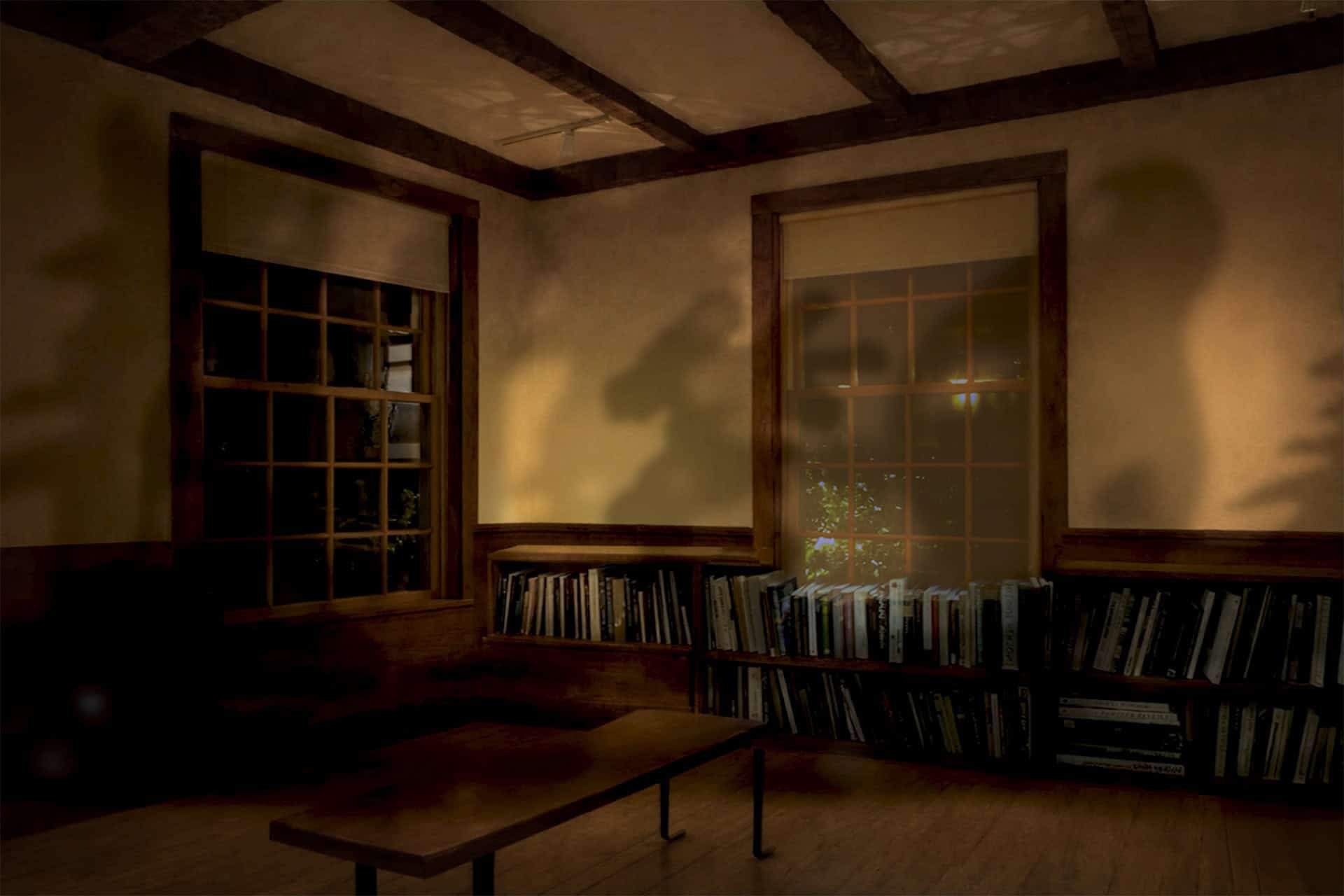
Innovating and slaving away in Springfield
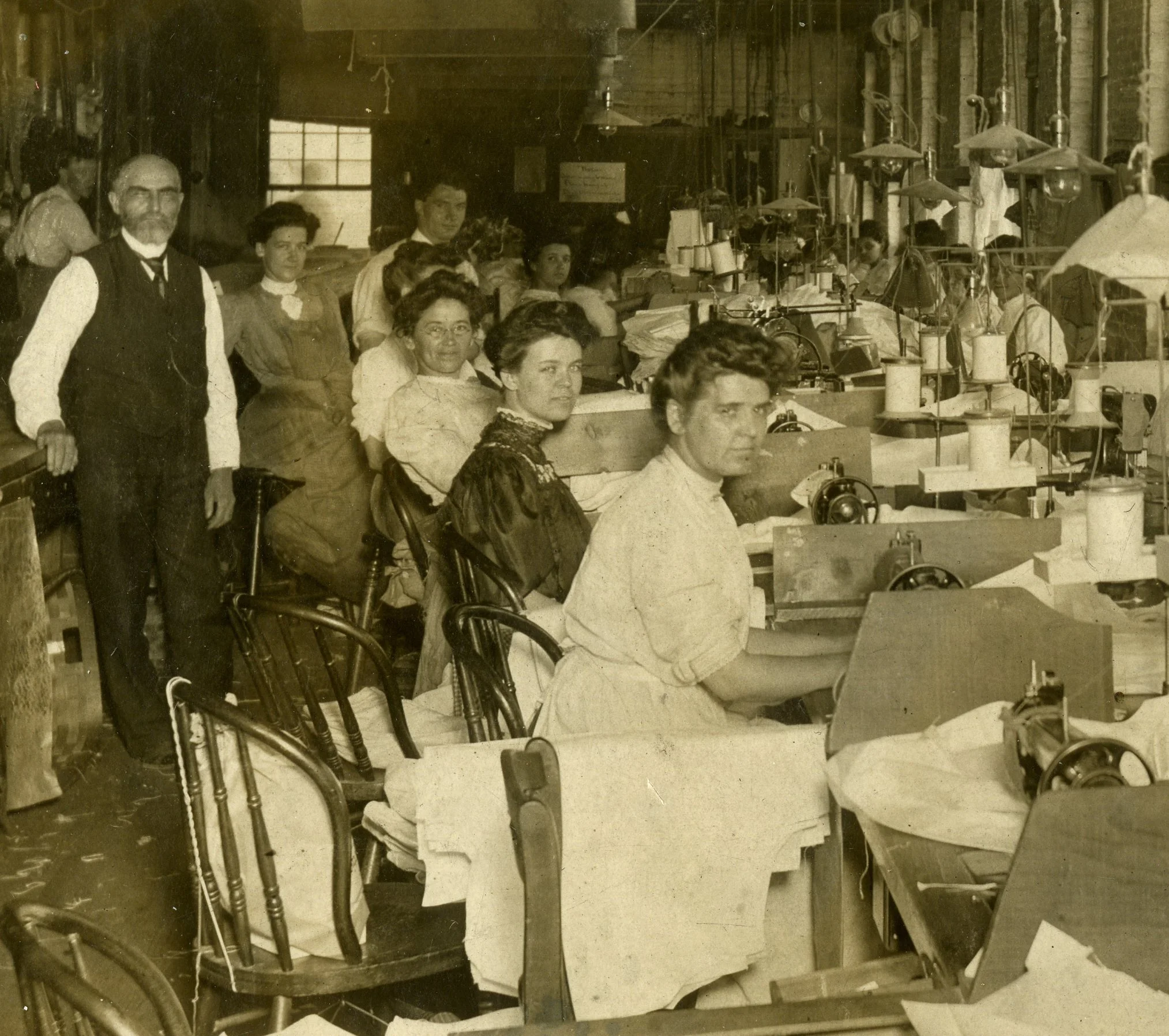
From the show ‘‘Declaration of Innovation: Springfield’s Revolutionary Ideas,’’ through Sept. 27.
The curators explain:
Revolutionary thinking has always been central to Springfield’s identity. Opening in advance of the nation’s 250th anniversary, on July 4th, 1776, “Declaration of Innovation: Springfield’s Revolutionary Ideas’’ examines the city’s enduring role as a center for creativity, invention, and progress. This exhibition invites visitors to explore how bold ideas have shaped Springfield across centuries, from the American Revolution through the modern day.
The exhibition begins in the 1770s, immersing visitors in the experiences and perspectives of colonists grappling with attempts to achieve independence from British rule. Through interactive elements, guests engage with the everyday realities of the period, including the impact of the Stamp Act taxing everyday goods. Visitors can challenge themselves to decipher Colonial-era cursive and try their hand at writing a Daily Declaration, signing off with their very own John Hancock.
Drawing from the museum’s History Library & Archives, the exhibition highlights Springfield’s contribution to the American language through its association with Merriam-Webster. Dictionaries from 1777 and 1879 illustrate how definitions and national identity have shifted over time. For example, the changing meaning of the word “patriot” offers a way to see how the United States was transformed socially and politically following the Revolution and through the Civil War.
The exhibition also explores Springfield’s emergence as a center of industrial innovation. Visitors can join an assembly line, using interchangeable parts to construct and customize a vehicle inspired by those in nearby galleries. Hands-on activities based on the first gasoline-powered automobile and the famed Gee Bee racing planes demonstrate how the industrial age revolutionized Springfield and factories around the world.
“Declaration of Innovation’’ celebrates Springfield’s past, exploring some of the city’s significant “firsts” to understand how anyone can be Revolutionary.
Same places, different looks
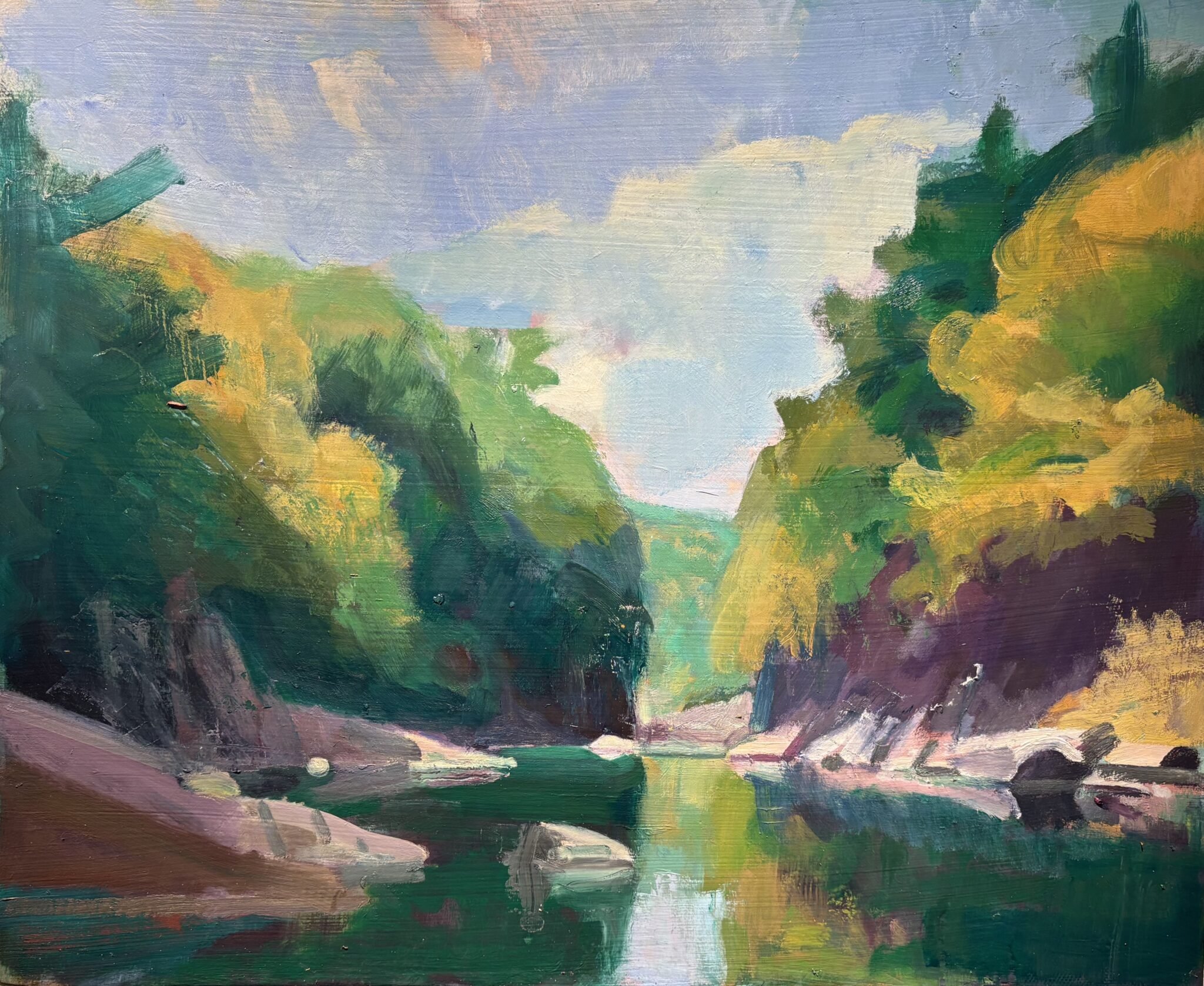
“Chesterfield Gorge, Summer 2025,’’ by David Gloman, in his show “Landscapes in Flux: Studies of Place,’’ at Springfield (Mass.) Museums through Sept. 20.
The curator explains:
“For David Gloman, the process of visual distillation—in which elements of a composition, such as line and texture, are subtracted or reduced—allows the essence of his subjects to shine. By refining visual stimuli and leaving only the essentials, his technique has a clarifying effect, capturing a sense of place and the feeling of a fleeting instance. In “Landscapes in Flux’’, the artist sets his sights towards New England scenery, returning to the same locations at different times of day and seasons. The Old Dam, Westfield River, and the Chesterfield Gorge are observed over the years from different perspectives. When viewed together, Gloman’s paintings are a synthesis of past and present experiences.’’
‘We are Nipmuc’
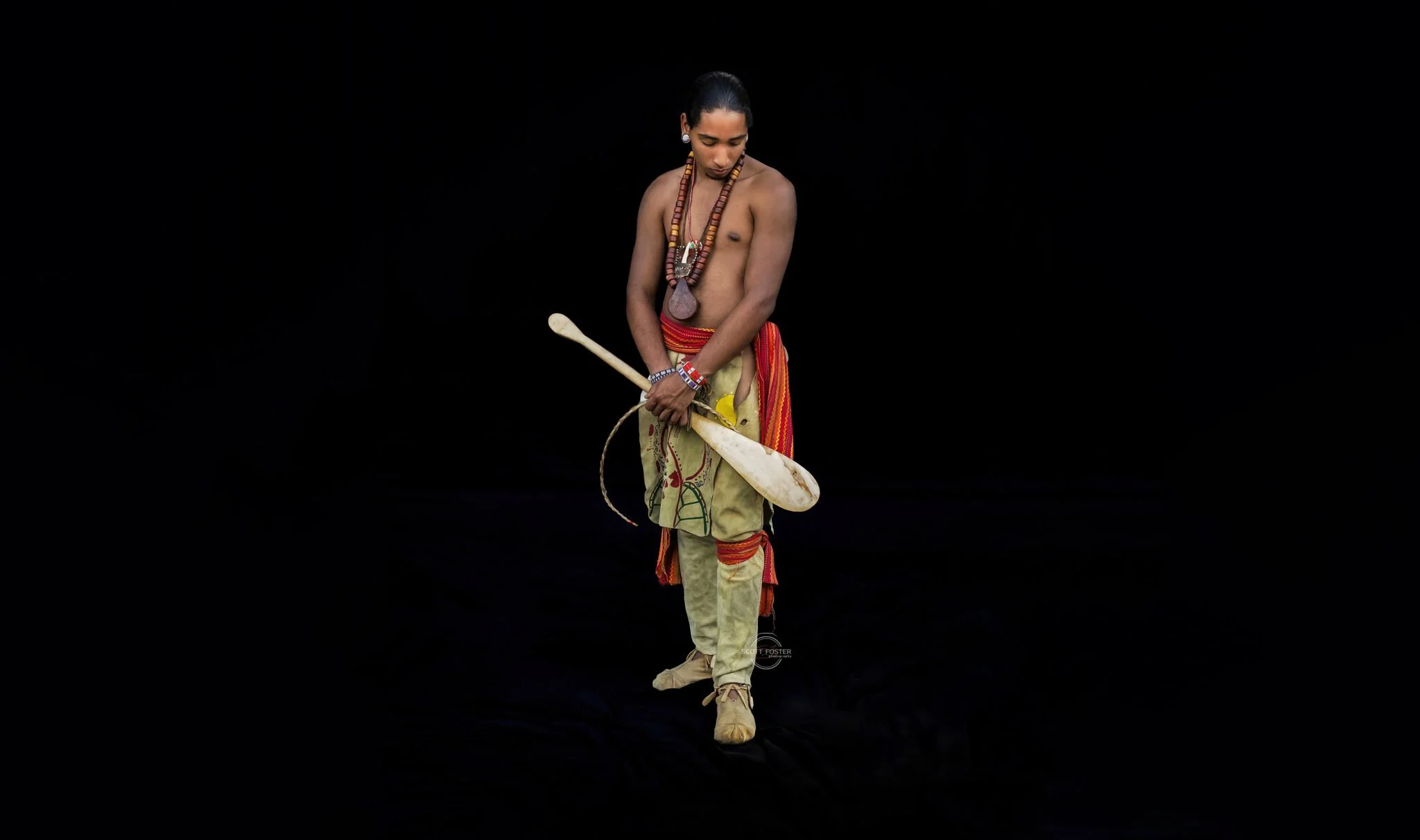
Photo by Scott Strong Hawk Foster, in the show “Ways of My Ancestors: We are Nipmuc, We are the freshwater people,’’ at the Springfield (Mass.) Museums, through Jan. 4.
The museum explains that Scott Strong Hawk Foster is a Black-Native American photographer whose roots include Nipmuc, Mohegan, Blackfoot, and Cherokee lineage. “Scott’s images tell a story. They enable the viewer to feel the atmosphere, mood, and emotions of his subject in that moment. He endeavors to share his artistry and experiences through the lens of his camera.’’
Also part of the show is Andre StrongBearHeart Gaines Jr., a citizen of the Nipmuc people. “He serves as a cultural steward for his tribe, and is a father, public speaker, traditional dancer, activist for indigenous rights, carpenter and educator. Andre’s work focuses on bringing traditional knowledge back to indigenous peoples.’’
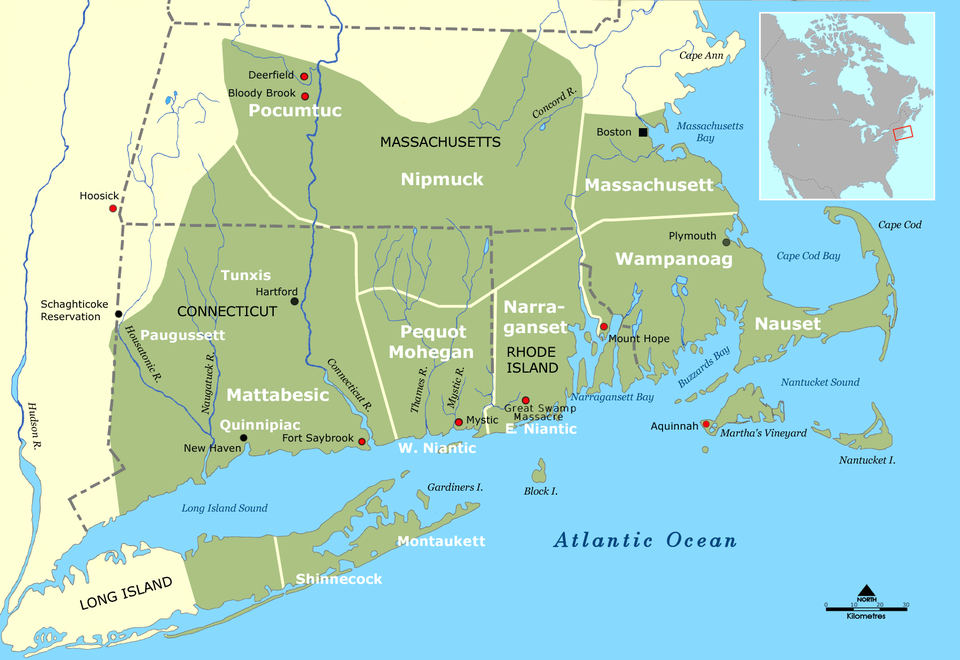
Territories of southern New England Native American tribes in the 17th Century.
A time for reflection

“Laid Back, Eastern Chimpanzee, Gombe Stream National Park, Tanzania’’(photo), by Tom Mangelsen, at Springfield (Mass.) Museums, in the ongoing show “Comedy Wildlife Photography Awards.’’
Clothing vs. figures
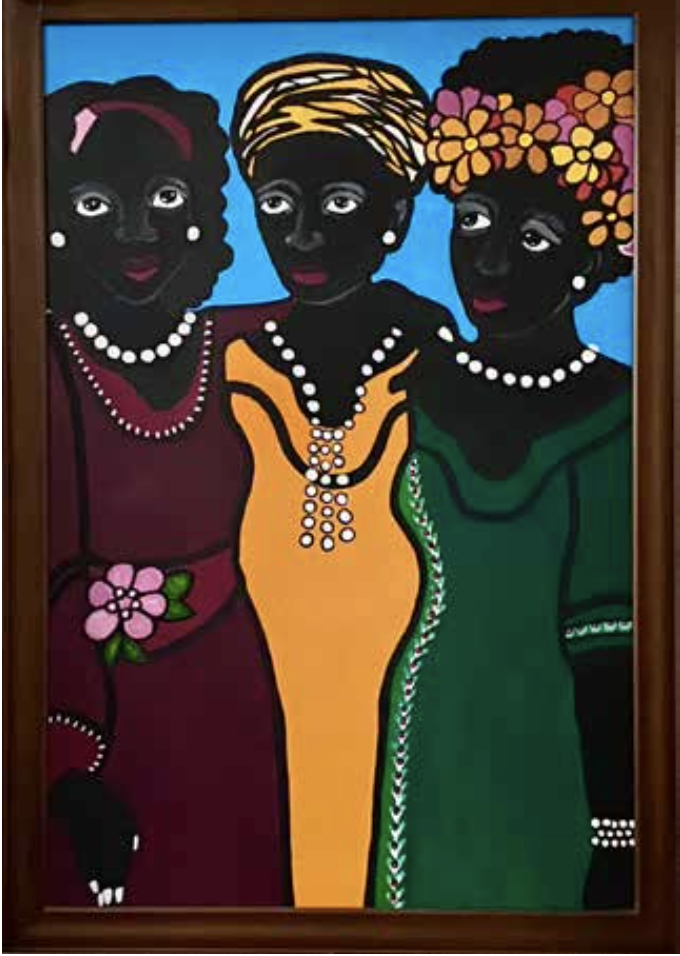
“Sisters With Pearls“ (acrylic), by Catherine Adams Burton, in the show “This is Us: Regional Portraiture Today,” at Springfield (Mass. Museums
The museum says that there is “ample paradox in Burton’s work, between the pageantry of the women’s clothing and the hard-cut outlines of their figures; between blended color and crisp definition of form. ‘Sisters with Pearls’ transcends regionalism, achieving the universal recognition of shared experience."
Right: Catherine Adams Burton, Sisters with Pearls, 2019, acrylic.