Peter Neill: Urgently asking: Where is the plan for the Maine Coast?
SEDGWICK, Maine
Recently, two ocean-related conferences unfolded here in Maine, where I live. The first was hosted by established marine-research institutes and focused on the so-called blue economy, specifically on emerging aquaculture along our Atlantic coast: shellfish, seaweed, processed by-products, and investment opportunities. The keynote speaker was an old friend, Thor Sigfusson, founder of the Iceland Ocean Cluster, proponent of the innovative utility of “100 percent of the fish” as a unifying policy and successful catalyst for proven ocean-related start-ups worldwide finding value in every element of the catch, from medical services to fashion. The attendees included research scientists, consultants, policy innovators, and investment firms with ocean interest.
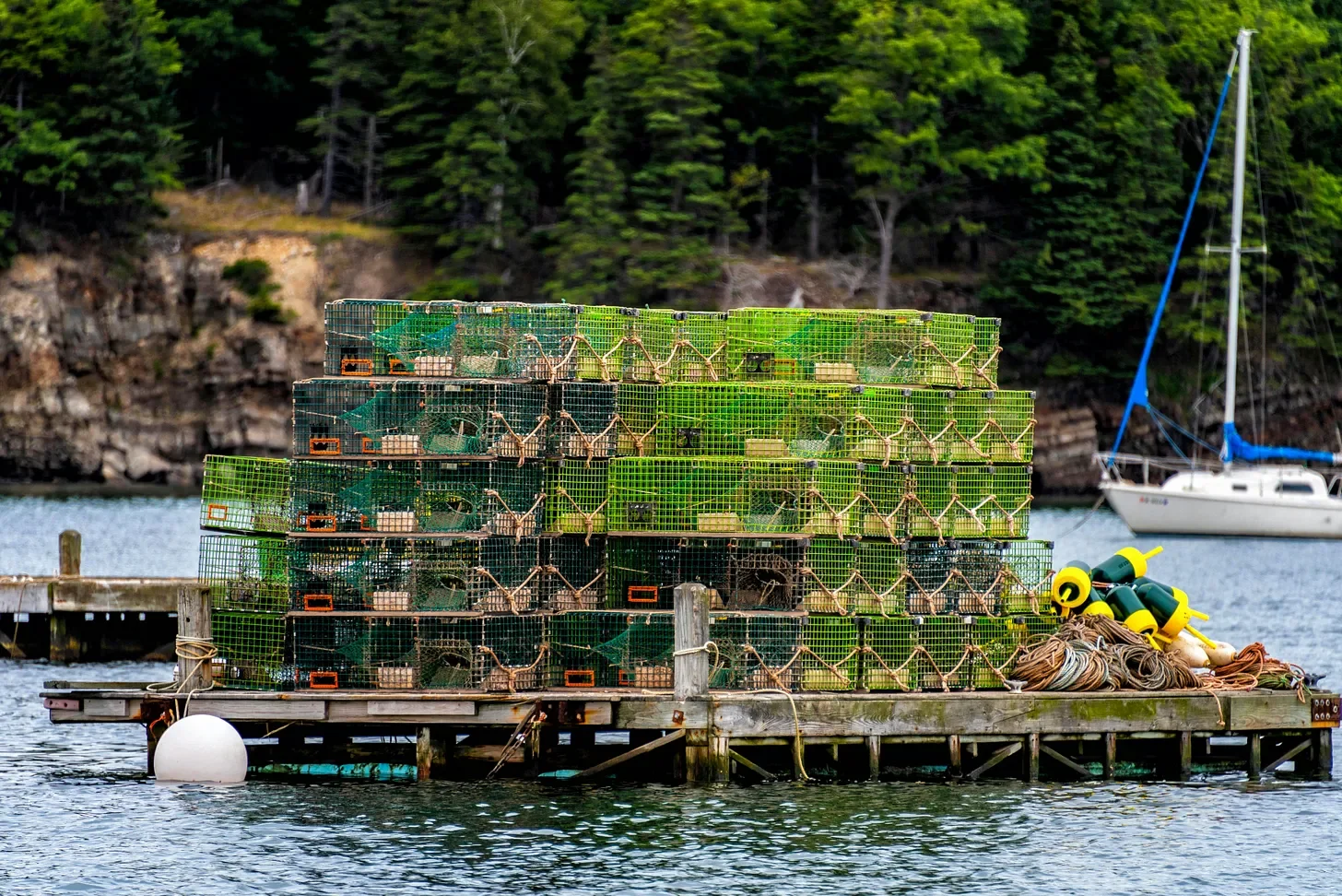
The second meeting was the Maine Fishermen’s’ Forum, an annual gathering of local industry representatives, marine scientists, policymakers, support groups, commercial product representatives, and fishermen—the , the workforce behind an industry that is the second-largest revenue producer (after tourism) in Maine.
The back-to-back events caused me to ask a question relative to both: If these perspectives and activities are central to the future of an ocean-driven community, then where is the plan?
My response to both, given the sense of fulsome prospect projected, was the same: Despite the success of the developed lobster fishery, despite the optimism about further exploitation of the state’s coastal resources, the future seemed piecemeal, opportunistic, conventionally framed, and limited by past values, structures, and behaviors, inadequate to a justified investment by state government and serious blue economy investors.
What seemed absent was a larger integrated plan to justify and motivate adequate funding beyond first-round capital. There seemed to be best intent but again, there did not seem to be much of a plan.
Here are some of the forces affecting the future of the lobster industry in Maine: sea-temperature change; related species migration and relocation; inflation and the rising costs of bait, fuel, labor, and transportation; access to shifting offshore harvests; increased capital costs and interest rates; lack of adequate processing to capture full added value; loss of profits to export markets; impact of volatile tariffs; single-species focus, with limited investment in associated fisheries, byproducts, new applications and new markets; seasonal limit for equipment and on-the-water skills; reduction in next generation supply, not only of infant lobsters, but of new fishermen to react to any expanded opportunity, human capital to meet new demand.
Add to that the implications of reduced working-waterfront facilities, the certainty of more extreme weather, comparable offshore dis-opportunity by limiting wind and ocean-geothermal energy, industrial aquaculture, future desalination needs, coastal transportation, and community development, and you realize that there is no comprehensive plan. Given no plan, how can any investor assume a context for success? Rejection of offshore-wind projects, coastwise aquaculture, industrial seaweed cultivation, diminished salt-water access, and little federal or state seed-funding seems more a plan for failure, not success.
State government has reacted to the larger implications of climate change, with the multi-year effort of a commission to define adaptation and mitigation of impacts, well-documented and predictable. Slowly, specific reactions with limited funding are being legislated with specific, albeit similarly limited outcomes. As the federal government has denied the climate reality, and has worked to cancel funds for further research, development, and infrastructure preventions and improvements, the financial climate has also changed for the worse, and without economic subsidy, private capital has no interest in augmenting scale and speed of the outcome. We are dead in the water.
I came away from these conferences despondent about the subversive reality of perverse intent. The plans can be there, and they can be realized by imagination, commitment, and acceptance of blue economy interest. What is so tragically ironic is that failure to shape a future, internationally, nationally, locally, and personally, is the worst investment of them all. And the inevitable payout is only loss.
Where is the plan?
Peter Neill is founder of the World Ocean Observatory, a web-based resource for science-based and educational information committed to the health and future of climate and ocean. He is also host of World Ocean Radio, a weekly syndicated radio show and podcast that inspired this essay.