
Vox clamantis in deserto

‘Beyond the news cycle’
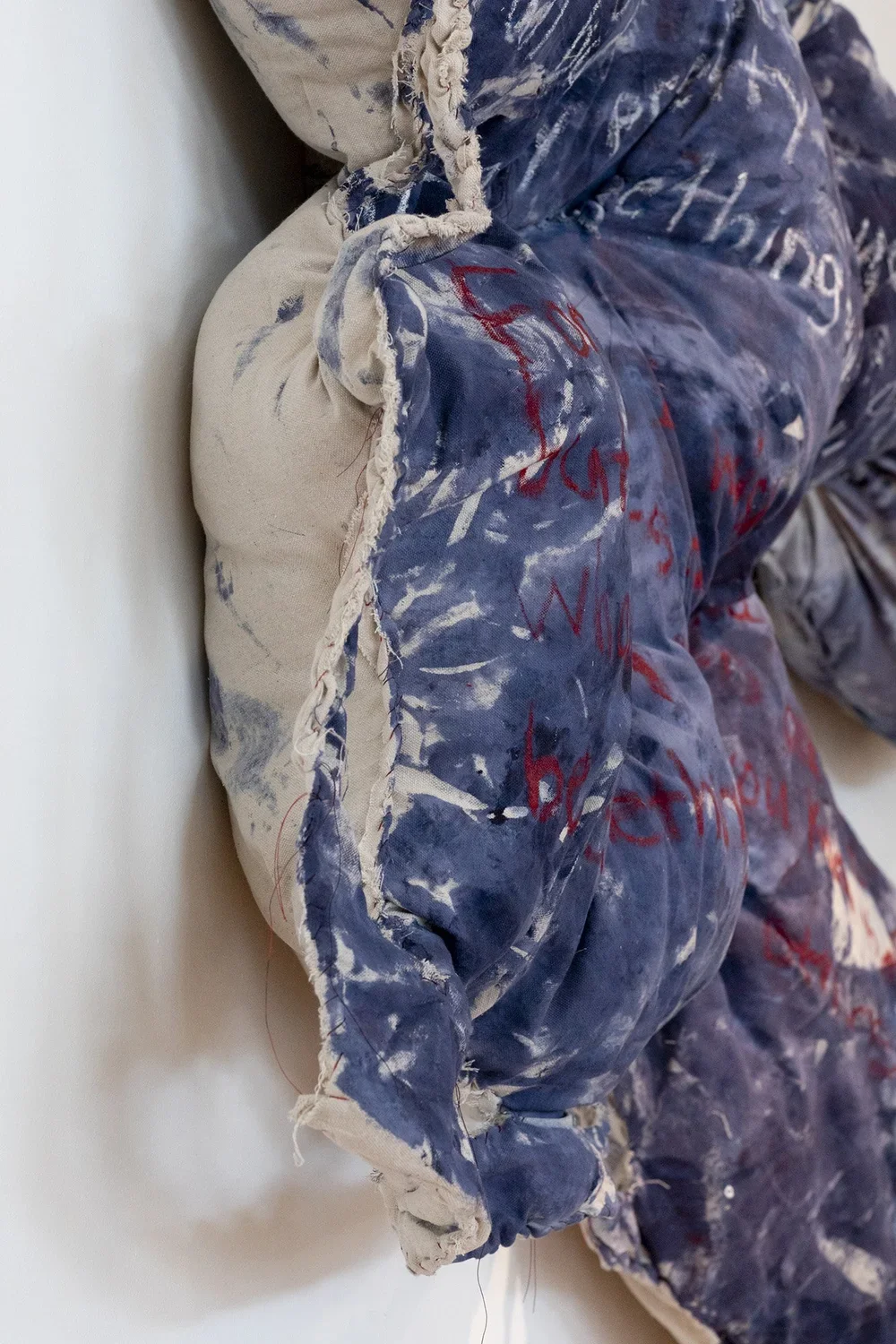
“For You” (detail), (acrylic paint, oil paint, canvas, thread, screws, fluff), by Noelle Ventura, in the group show “HEAVY/LIGHT,’’ at Kingston Gallery, Boston, Aug.6-30.
The gallery says:
“Making art in a sharply polarized, hyper-political moment, HEAVY / LIGHT is less about choosing a side than about choosing a stance toward the noise itself. Artists, as culture bearers, face a persistent tension—to ignore the churn of daily politics and risk irrelevance, to engage it directly and risk becoming didactic, or to translate the deeper emotional and social currents beneath it into something more enduring.
“None of these paths is neutral. Silence can read as complicity; response can be flattened into slogan. The real difficulty lies in holding both weight and buoyancy at once—resisting reflex and retreat—finding a form that neither parrots the moment nor pretends to stand outside it, but instead renders its complexity, contradictions, and human stakes in a way that outlasts the news cycle.”
‘Immersion in forces that remain unstable’
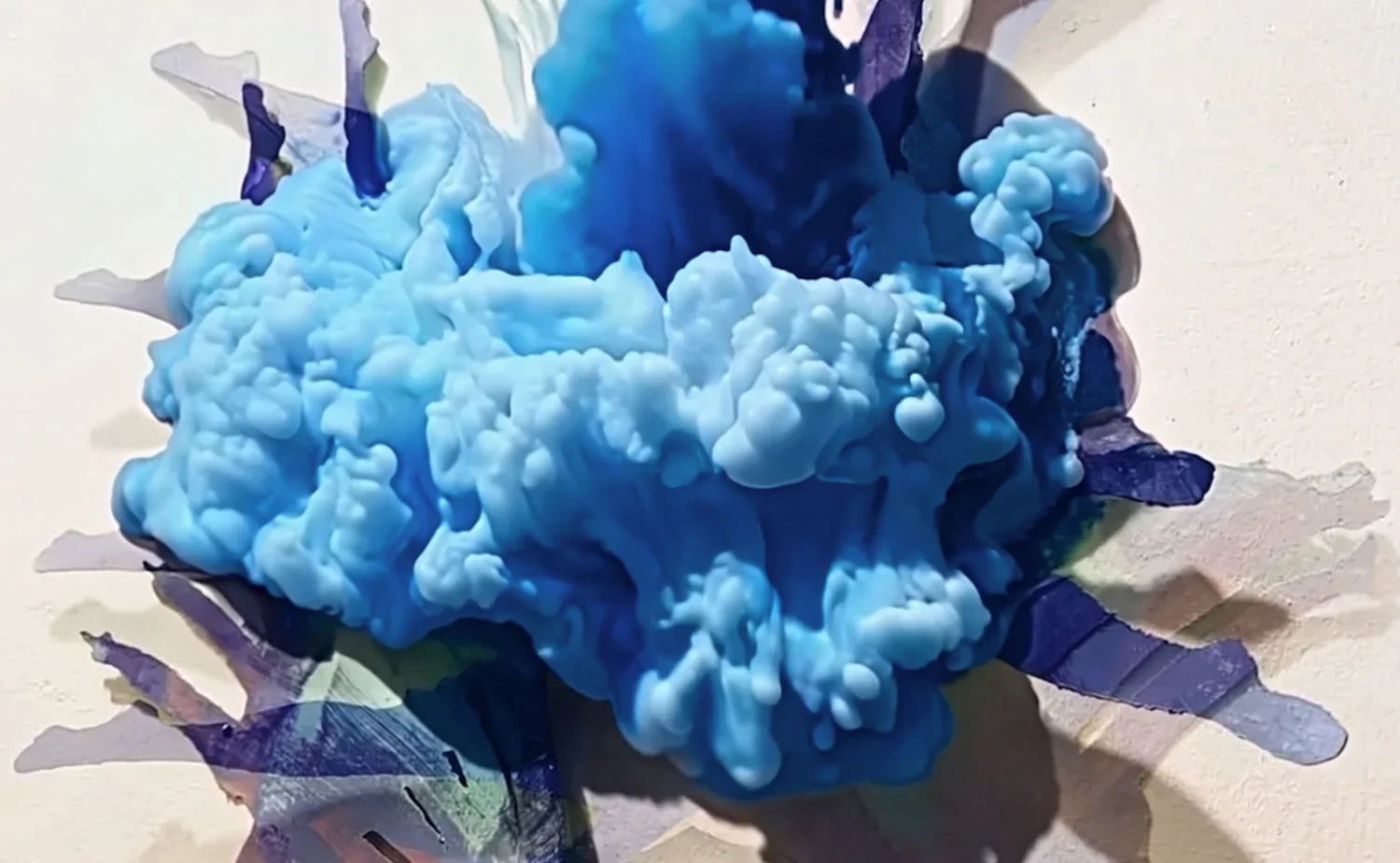
“Suspension Drift 2” (painting and projection installation), by Iwalani Kaluhiokalani , in the show “Suspension Drift,’’ at Kingston Gallery, Boston, through June 28.
The gallery explains that the show is “an immersive installation of painted wallpaper, suspended scrims, video mapping, and sound. Painting and projection function as equal agents: One gathers trace, sediment, and atmosphere; the other sets the space into motion through drift, fragmentation, and fleeting alignment. The work opens a shifting field shaped by wā, a Hawaiian understanding of time-space as interval and relation, and pō, generative darkness as source and return. A planetary form emerges across layers, briefly coheres, and disperses again. Drawing from Polynesian navigation, Indonesian seafaring knowledge, and collective movement, the installation unfolds through passage rather than fixed perspective. It does not begin from a single root; it forms roots as it moves. The sublime is felt here not as distance, but as immersion in forces that remain unstable, relational, and in motion.’’
Beyond astrophysics
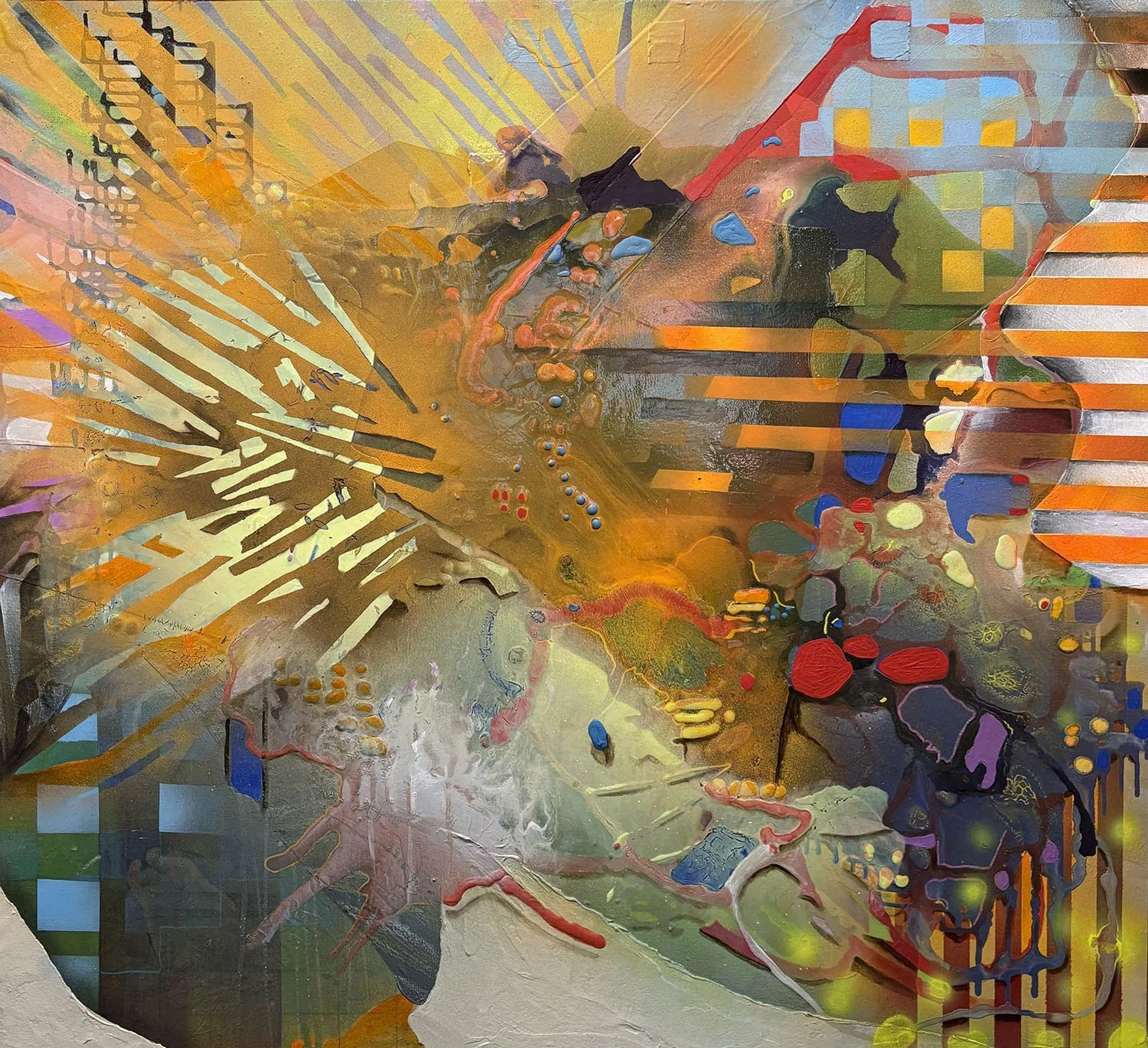
“The Space Between the Stars’ #3’’ (acrylic, marker, crayon, flashe and spray paint on canvas), by Steven Cabral, in his show “Stars Between Spaces,’’ at Kingston Gallery, Boston, June 4-28.
The gallery says:
“Cabral's abstract practice is one of spatial and dreamlike contemplation manifested on a surface. He is always looking for a sense of ‘place or ‘space’ within the painting, even if that place is ambiguous. Organic forms meet geometric structures; stains and irregular marks collide with shapes. The geometry, while not always obvious, offers a kind of scaffolding—an underlying order that holds the more fluid gestures in tension. Each painting becomes a negotiation between freedom and structure, accident and intention.’’
‘Between imagination and reality’
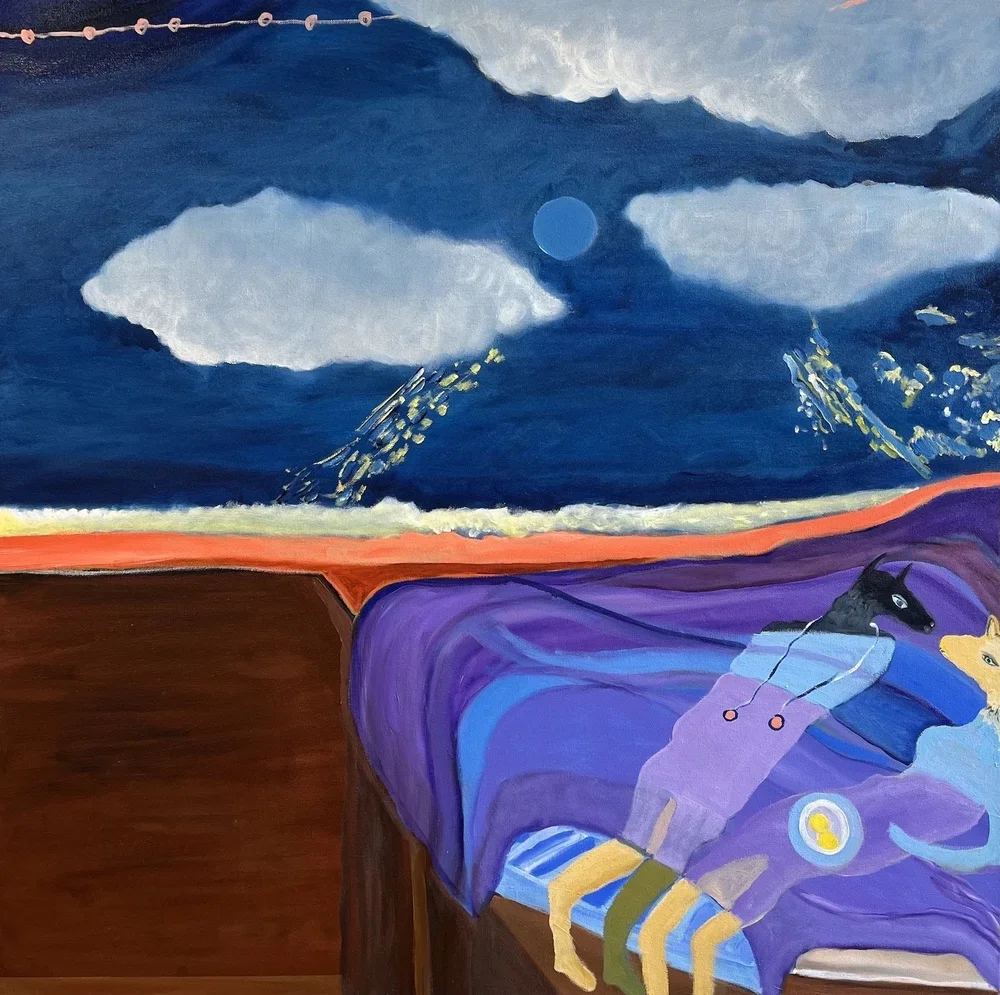
“Healing Each Other Under the Moonlight” (oil on canvas), by Alexandra Rozenman, in her show “Luftmensch”, at Kingston Gallery, Boston, April 30-May 30.
She says:
“‘Luftmensch’ is a series of narrative paintings that developed from the “Kind Monsters’’, exploring storytelling, artistic lineage, and the fragile nature of identity. The Yiddish word luftmensch—literally ‘air person’—describes someone who lives between imagination and reality.
“Born in Moscow and trained among underground dissident artists during the late Soviet Union, when modernist art was restricted, I developed a practice shaped by resistance, memory, and personal mythology. After immigrating to the United States, my work evolved into narrative paintings that weave together personal history, art history, and cultural memory.’’
‘Physicality and emotional resonance’
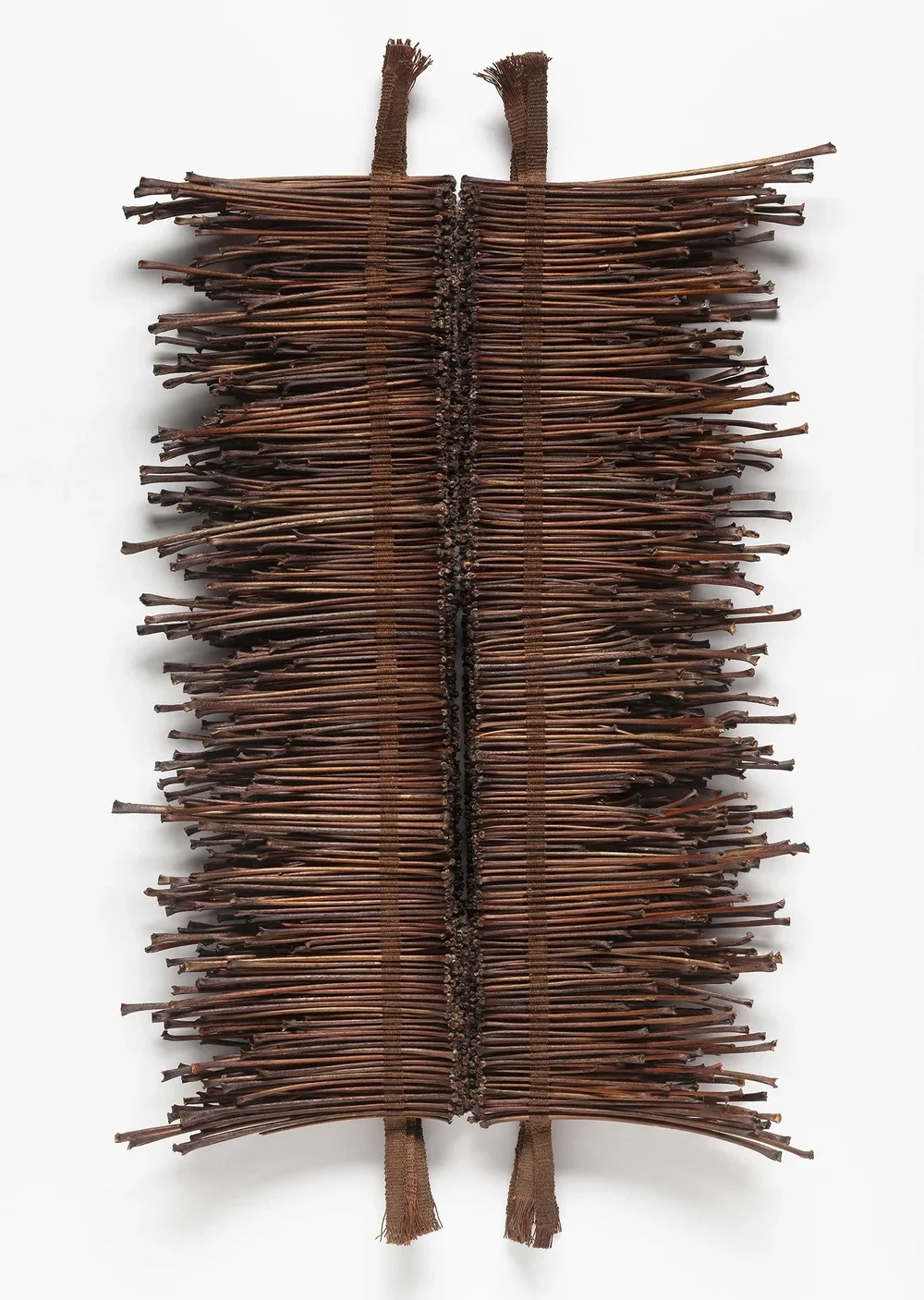
“Gathering #11: An Open Book’’ (horse chestnut leaf stems and waxed linen thread, woven), by Ann Wessmann, in her show “Twig Leaf Husk Thorn,’’ at Kingston Gallery, Boston, through April 26.
The artist says:
“In my studio practice, I explore themes relating to time, memory, beauty and the ephemeral, with a focus on the strength and fragility of human beings and the natural world. With a background in fiber and textile processes, I develop objects and installations through repetition and the accumulation of a variety of materials. Over the years materials have been chosen for their expressive potential; translucent vellum, various personal mementos such as locks of hair from family members, texts from family journals and letters, or collections of natural materials such as plants, shells, stones, or bones. The works have a strong relationship to text and textiles, pattern, transformation, order and chaos, landscape and the body.
“I hope to engage the viewer through the physicality and often the emotional resonance of materials, and through the use of scale. Viewers often confront works which mirror the human body. Larger scale installations may surround the viewer. In some cases small pieces are made requiring the viewer to look from a very close perspective.’’
‘How meaning is built’
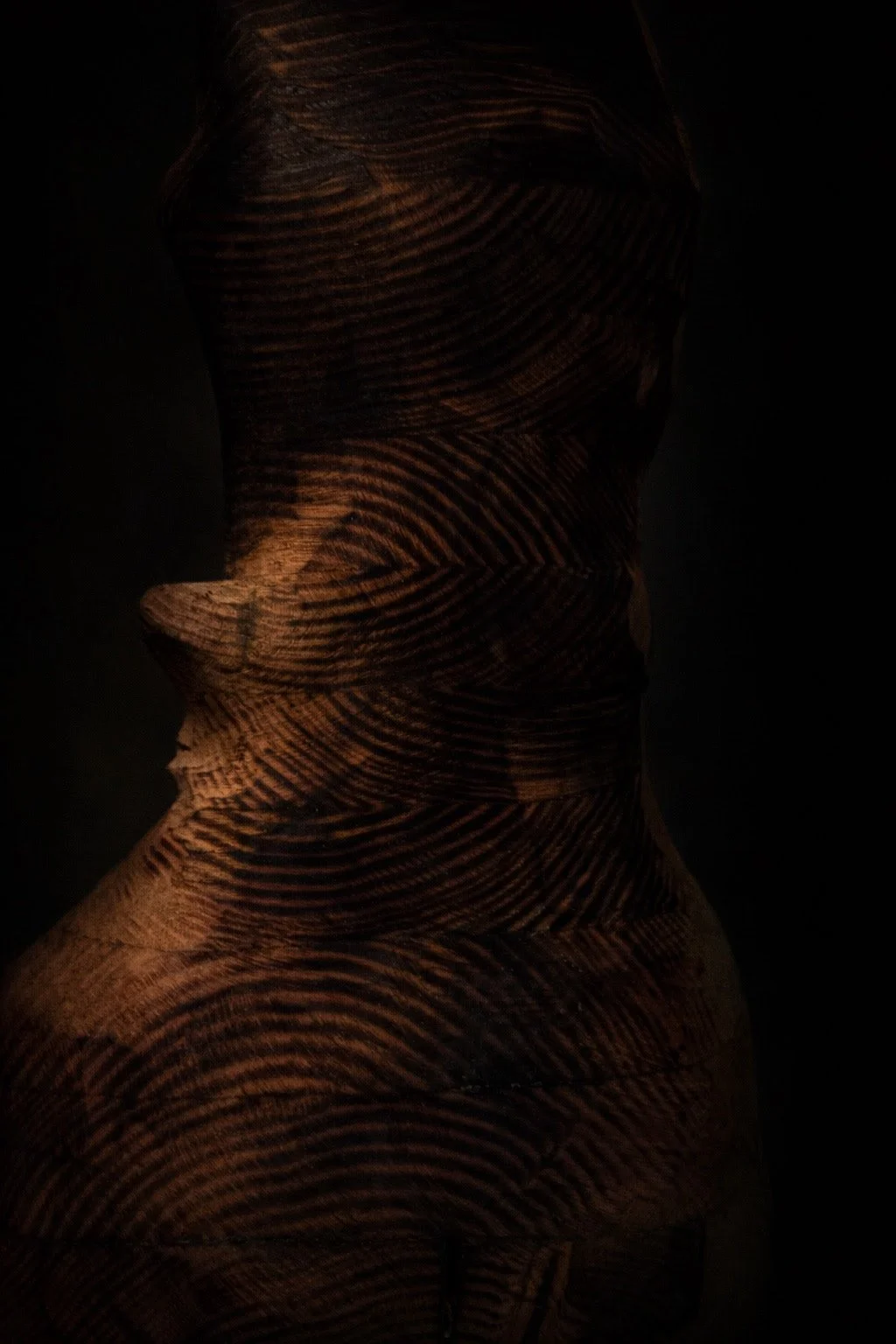
“Blackened Wood’’ (detail), by Erica Wessmann, in her show “Someone’s Home,’’ at Kingston Gallery, Boston, April 2-26.
The gallery says the show “approaches space as an active, unstable field. Their installations weave together research, constructed forms, and coded material histories to create environments that suspend fixed perspective. Often immersive and physically commanding, the work invites viewers to reconsider how meaning is built, disrupted, and shared within social and spatial systems.’’
‘How ideas reassemble’
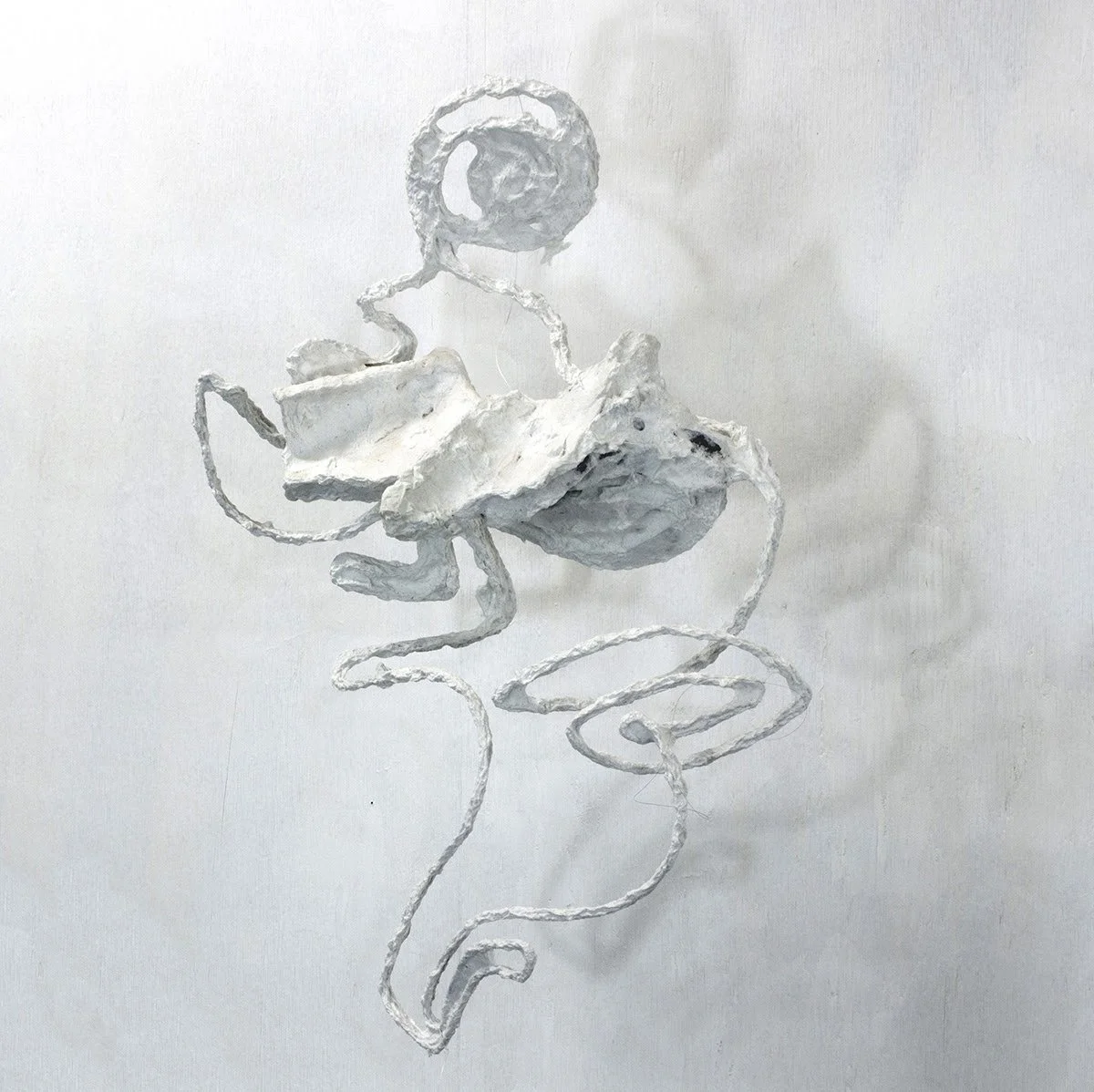
“Fragments” (paper, steel, ceramic, thread), by Virginia Mahoney, at Kingston Gallery, Boston, Feb. 5-March 1.
The gallery says:
“Virginia Mahoney deepens her exploration of memory, materiality, and the personal archaeology of her creative life. This exhibition emerges from her long- term impulse to save parts of old work, remnants of past processes, and fragments that still hold potential meaning. The pieces in ‘Fragments’ extend her ongoing reflection on how ideas evolve, break apart, and reassemble over time.’’
The color of longing
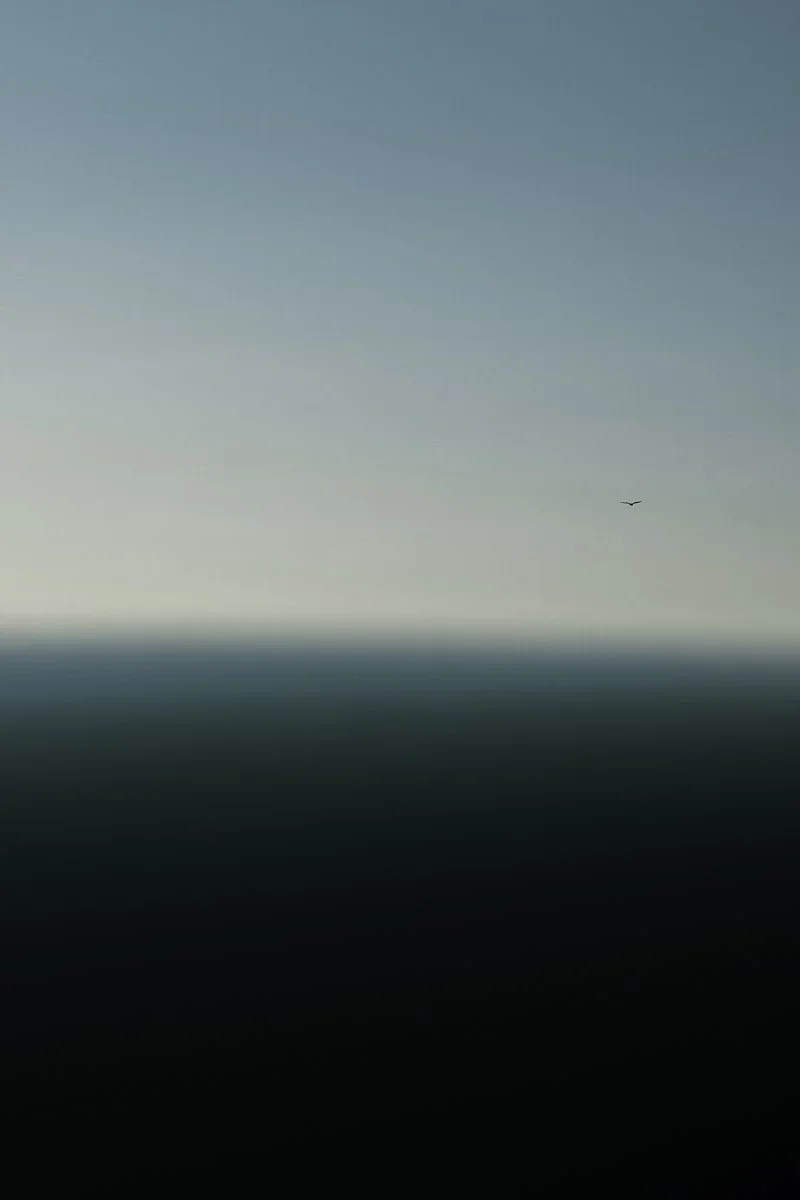
Untitled digital image by Diego Navarro, in the group show “The Blue of Distance,’’ at Kingston Gallery, Boston Jan. 2-Feb 1.
The gallery says:
This group exhibition is in response to the essay, “The Blue of Distance,” by Rebecca Solnit:
"For many years, I have been moved by the blue at the far edge of what can be seen, that color of horizons, of remote mountain ranges, of anything far away. The color of that distance is the color of an emotion, the color of solitude and of desire, the color of there seen from here, the color of where you are not. And the color of where you can never go. For the blue is not in the place those miles away at the horizon, but in the atmospheric distance between you and the mountains. ‘Longing,' says the poet Robert Hass, ‘because desire is full of endless distances.' Blue is the color of longing for the distances you never arrive in, for the blue world."
We’re all entangled
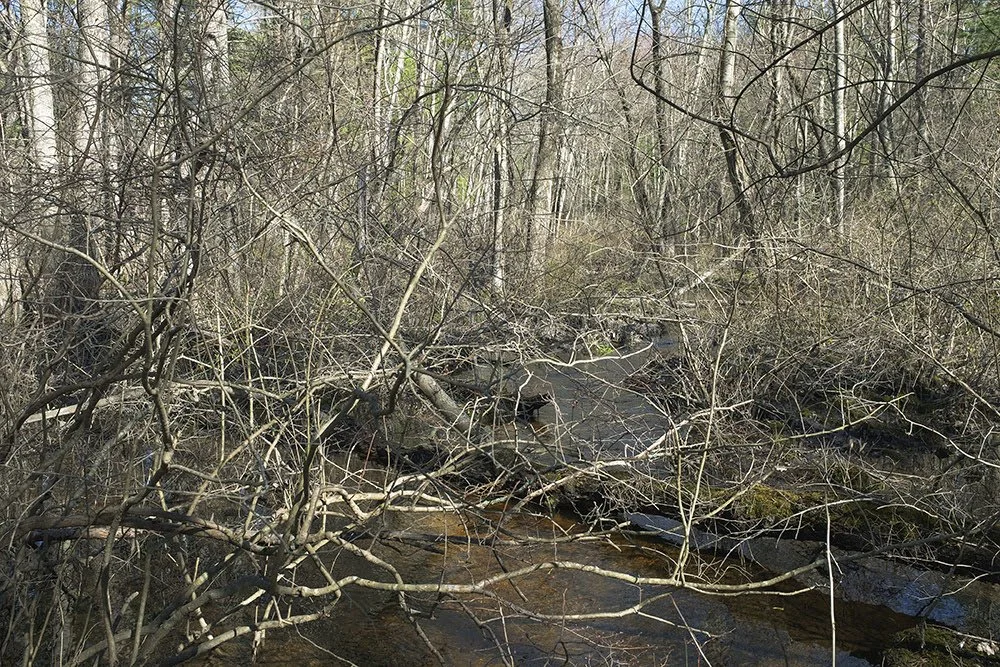
“Hassocky Meadow Trail, Ipswich River Wildlife Sanctuary,’’ in spring 2024, in Mary Lang’s show “Entangled,’’ at Kingston Gallery, Boston, through Nov. 2
She says:
“For decades my photographs had offered a feeling of space, often of groundlessness, of vast sky or open water, or at least an expansive horizon. Now, I am drawn to photograph tangled trees, vines, almost impenetrable thickets of growth. Why? What am I looking at? What am I trying to see? Or describe? This exhibition is the beginning of my answer to that question.
“First, these images are an invitation to take in complexity, to not feel claustrophobic when confronted by layers of growth, of living things, of pathless thickets, of entangled vines and branches. They are an invitation to be awed and drawn to more detail than your mind can absorb. In this fraught world, we need to increase our capacity to handle complexity. Secondly, they are a metaphor for entanglement, a term ecologists and climate activists use to describe the complexity of modernity: everything we do, everything that all of us do, everything that the earth does, is completely entangled, interdependent, inseparable. As human beings living in the Anthropocene era, we can’t avoid our complicity in the harm to the planet.’’
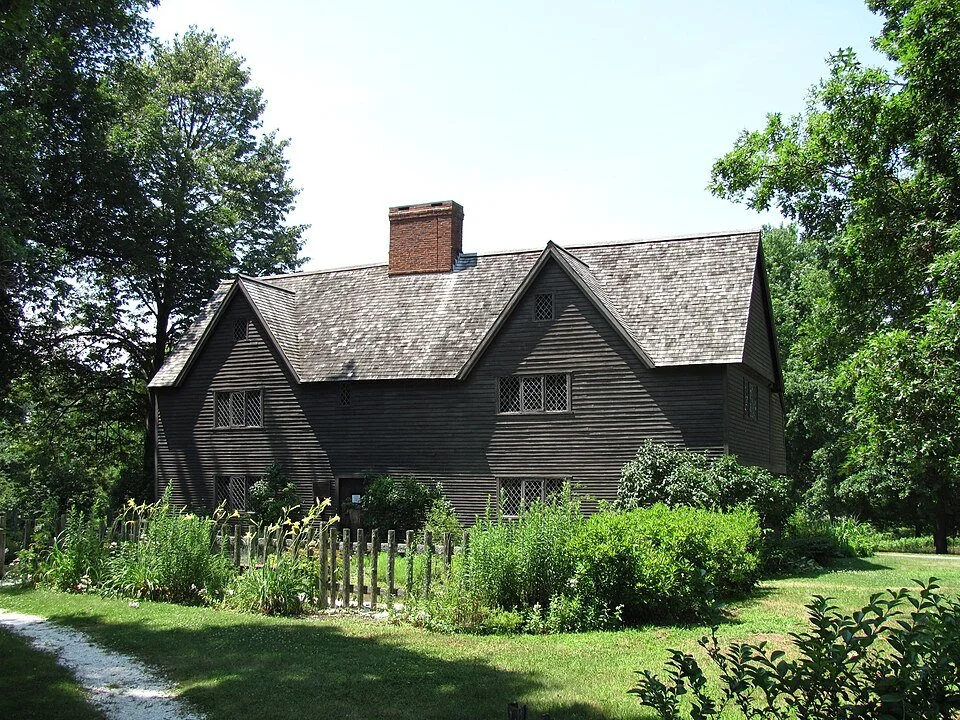
John Whipple House, in Ipswich, was built in 1677.
‘Fluttering meaning’
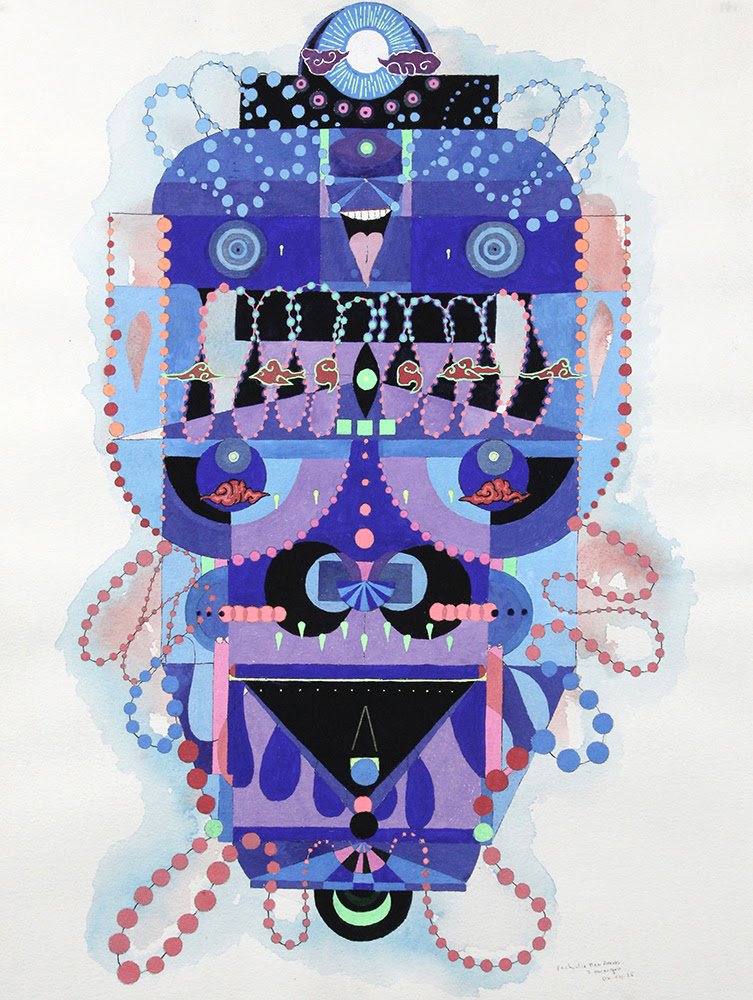
“Pachinko Mon Amour 3’’ (acrylic and watercolor), by Steven Bogart, in his show “Pachinko Mon Amour and other inventions,’’ at Kingston Gallery, Boston, Nov. 6-30.
The gallery says:
“The show’s vibrant, surreal paintings fuse humor, abstraction, and satire, drawing inspiration from the kinetic energy of pinball, with their bright lights, rhythmic sounds, and unpredictable movements, and Japanese Pachinko to probe humanity’s fascination with distraction and play. In these new works Bogart playfully explores the tension between organic geometry and imagined perspectives.’’
He says:
“I invite viewers into spaces where meaning flutters like a shimmering, ricocheting pinball, serving as a foil to the rigid architectures of logic.’’
As time speeds up

“Marking Time” (intaglio, relief collage, drawing on player piano scroll), by Randy Garber, in the show “So Late So Soon’’ at Kingston Gallery, Boston, through Sept. 28.
The gallery explains:
“‘So Late So Soon’ is a collaboration and dialogue between mother and daughter artists Randy Garber and Rachel Garber Cole. The work explores the concept of time: how it speeds up and lengthens, how the climate crisis catapults us simultaneously into the future and into our geological past. As humanity sits at the edge of our own geological era (the Holocene), and as our planet warms rapidly to a world unrecognizable to 10,000 years of human consciousness, the artists ask: How do we weave the passage of time (and timescale) into the fabric of our daily lives? How do we attend to the micro when the macro is shifting around us in unexpected ways?’’
Marvel at salt marshes
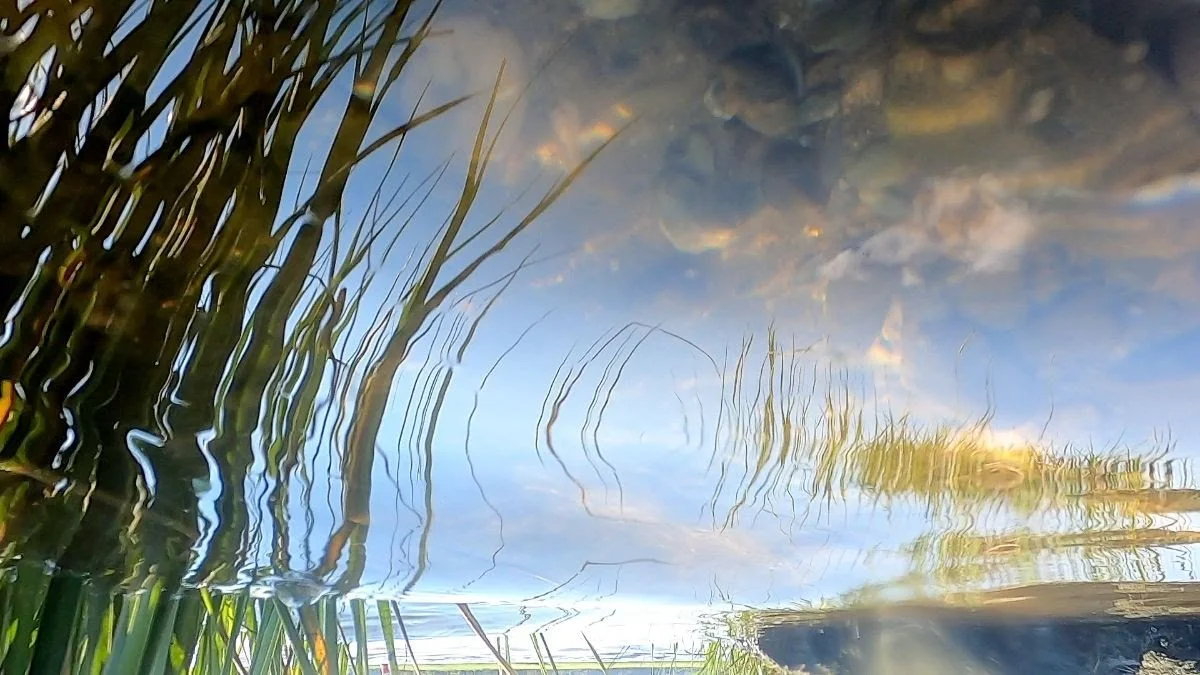
“Messages from the Marsh’’ (Part 5, video still 10, archival exhibition pigment print (Platine)), by Amy Kaczur in her joint show “The Great Muse —Three Artists Working With the Great Muse,’’ at Kingston Gallery, Boston, through July 27.
The gallery says that the show, with Kaczur, Resa Blatman and Max Schenk, is either “inspired by or touches on the beauty and ecological significance of salt marshes.’’
‘Porous boundaries’

From Linda Leslie Brown’s show “Circulations,’’ at Kingston Gallery, Boston, through April 27.
The gallery says:
“{Boston-based} Linda Leslie Brown’s sculptures explore the transformative exchanges between nature, objects, and the viewer’s creative perception. Her works are rich with allusions to the body, while simultaneously evoking a new, transgenic nature—one where corporeal and mechanical entities merge and recombine. The sculptures suggest a world that is both fluid and uncertain, where the boundaries between organic and synthetic are porous and ever-shifting.’’
Carpet of life
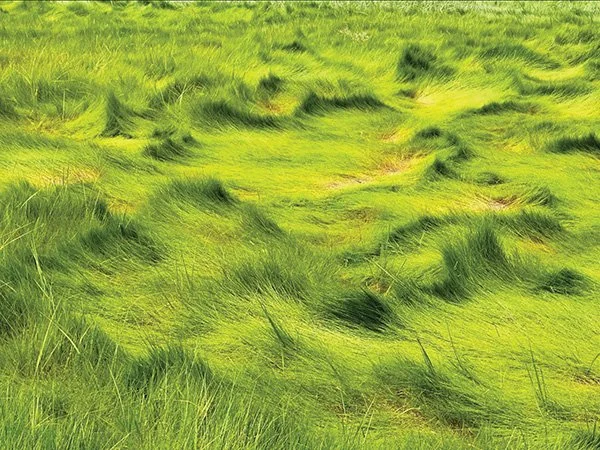
From “Messages from the Marsh—parts 4-6’’(video still), by Amy Kaczur, at Kingston Gallery, Boston, through Dec. 1.
‘Comfort without answers’
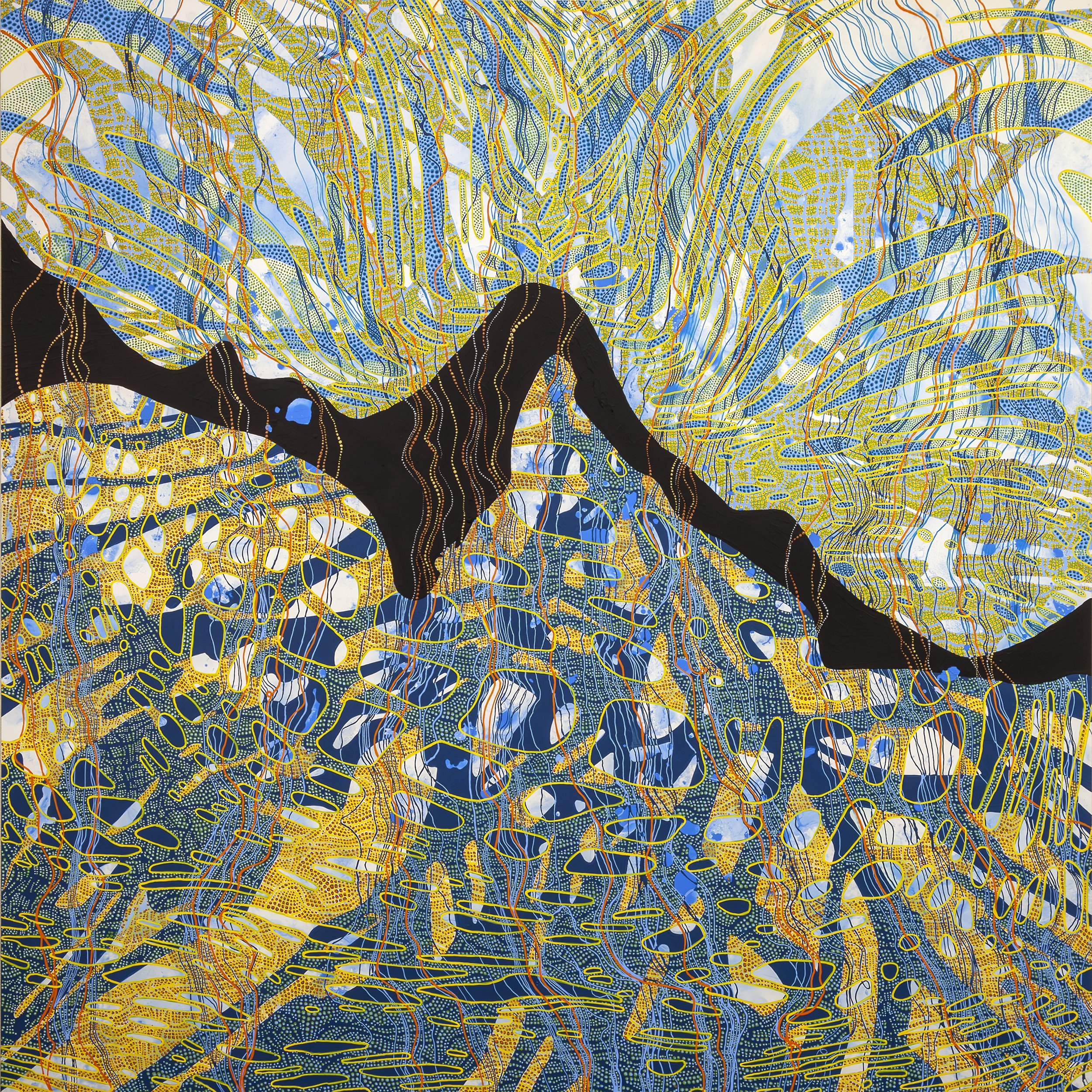
“Here Yet,’’ by Lynda Schlosberg, in her show “Somewhere in Between,’ at Kingston Gallery, Boston, through Sept. 29.
The gallery says:
“The paintings in ‘Somewhere in Between’ span the last three years of an ever-shifting existence. Floating in a state of limbo somewhere between life and death, between here and there, between then and now and what is yet to be. Traversing wandering threads of individual and connected lives as they pass through time and space. Exploring uncertainty of the unknown and seeking comfort without answers.’’
‘Metaphor for life’
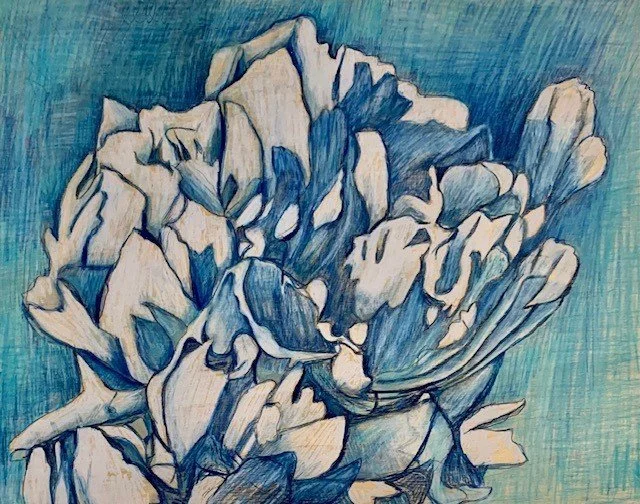
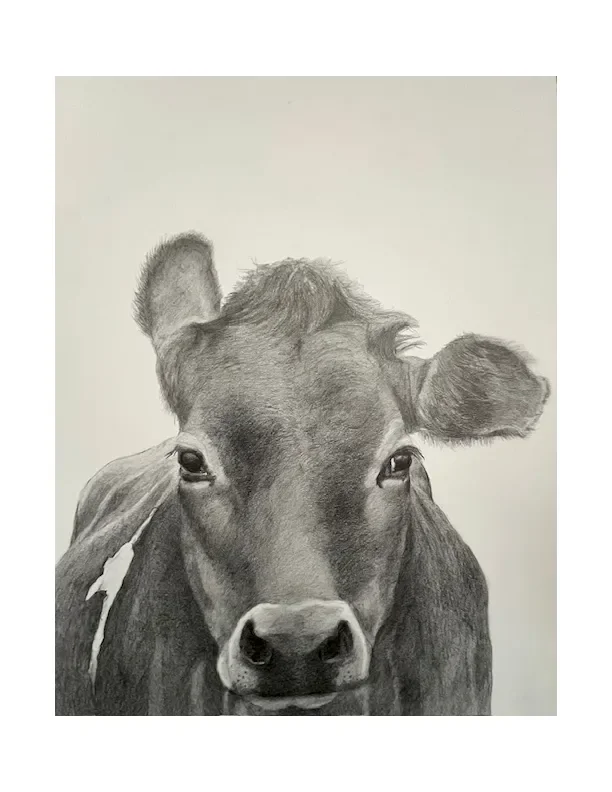
“Towards a Blue Planet” (color pencil on wood), by Massachusetts artist Stacey Cusher, in the group show “Everything Leaves a Mark,’’ at Kingston Gallery, Boston, April 3-28.
She says in her artist statement:
“Trees, forests and flowers are iconic and an endless source of inspiration. In drawing these, I locate different textures and emphasize the shapes of trees and differing values in graphite or blue color pencil to speak to their sturdiness and the capacity to withstand these times. They’re a metaphor for life. We have a constant relationship with them. As Sara Maitland, author of From The Forest, describes, “[r]ight from the beginning, the relationship between people and forest [and flora] was not primarily antagonistic and competitive, but symbiotic.”
“And from the slow process of creating drawings, floral paintings and animal portraits found in these gardens, forests and in unexpected places, a meditative presence occurs. There is a grandeur in nature and a spirit. Creating scenic worlds, even in still life paintings, segue into wonder, daydreaming, and contemplation. A child-like feeling occurs when anything seems possible: infinite immensity and infinite possibilities.’’
‘As Covid morphed’
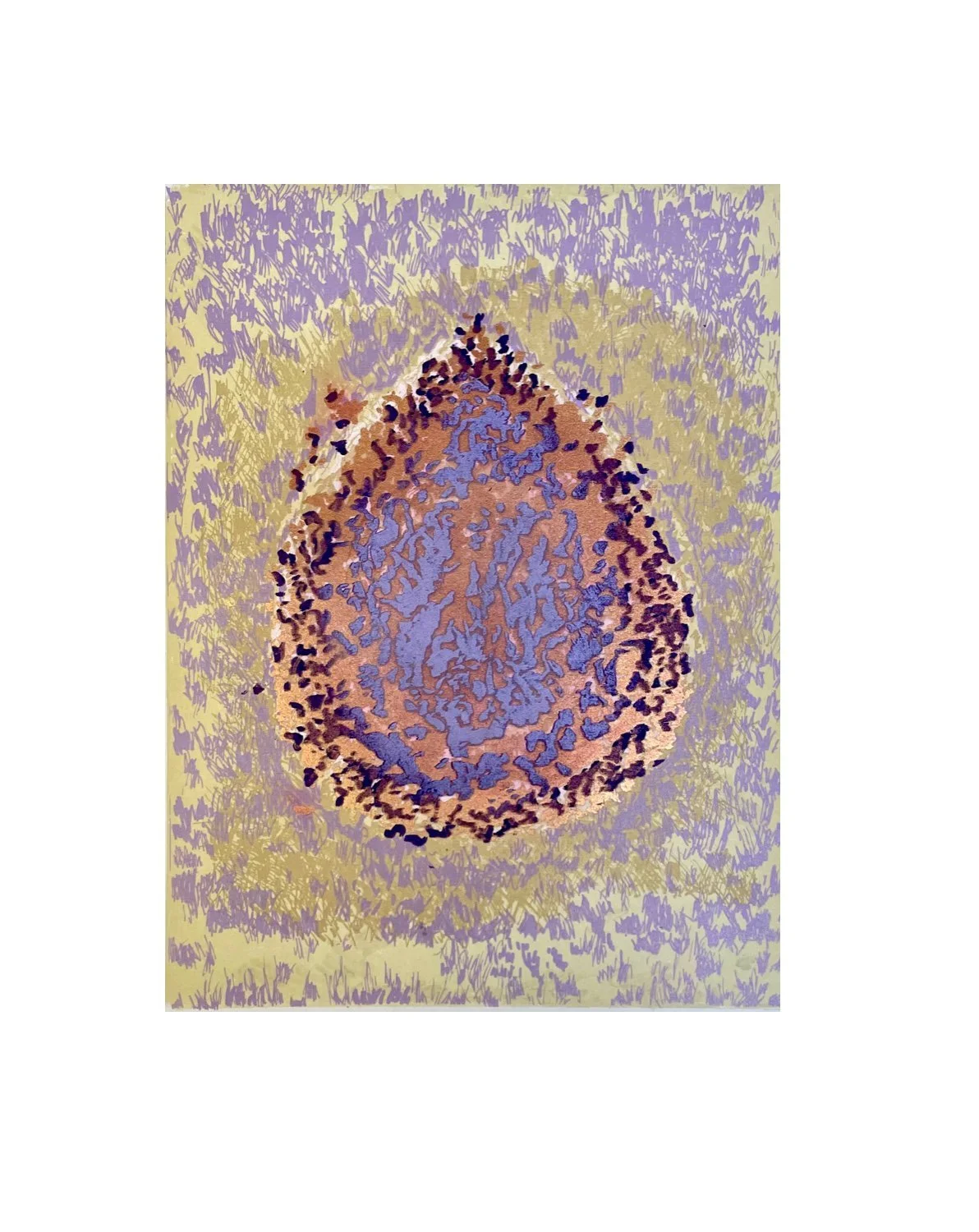
“Lavender Light,’’ by Phyllis Ewen, in her show “My Mind’s Eye,’’ at Kingston Gallery, Boston, March 1-March 31. She lives in Somerville and Wellfleet, Mass.
She says:
“As Covid-19 continued and morphed, my art turned inward. A new series of lithographs reflected my changing state of mind and is continuing as is the pandemic. These lithographs come from MRI images of a brain.’’
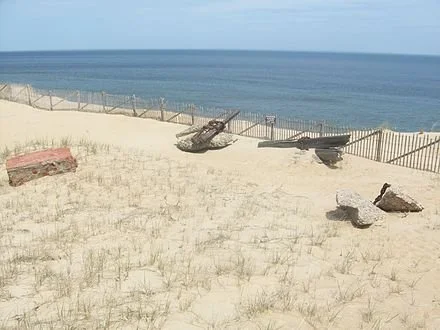
“Guglielmo Marconi built the first transatlantic radio transmitter station on a bluff in South Wellfleet in 1901–1902. The first radio telegraph transmission from the United States to England was sent from this station on Jan. 18, 1903, a ceremonial telegram from President Theodore Roosevelt to King Edward VII. Most of the transmitter site is gone, however, as three quarters of the land it originally encompassed has been eroded into the sea. The South Wellfleet station's first call sign was "CC" for Cape Cod.’’
— Edited version of a Wikipedia entry
The ‘meaning of weight’
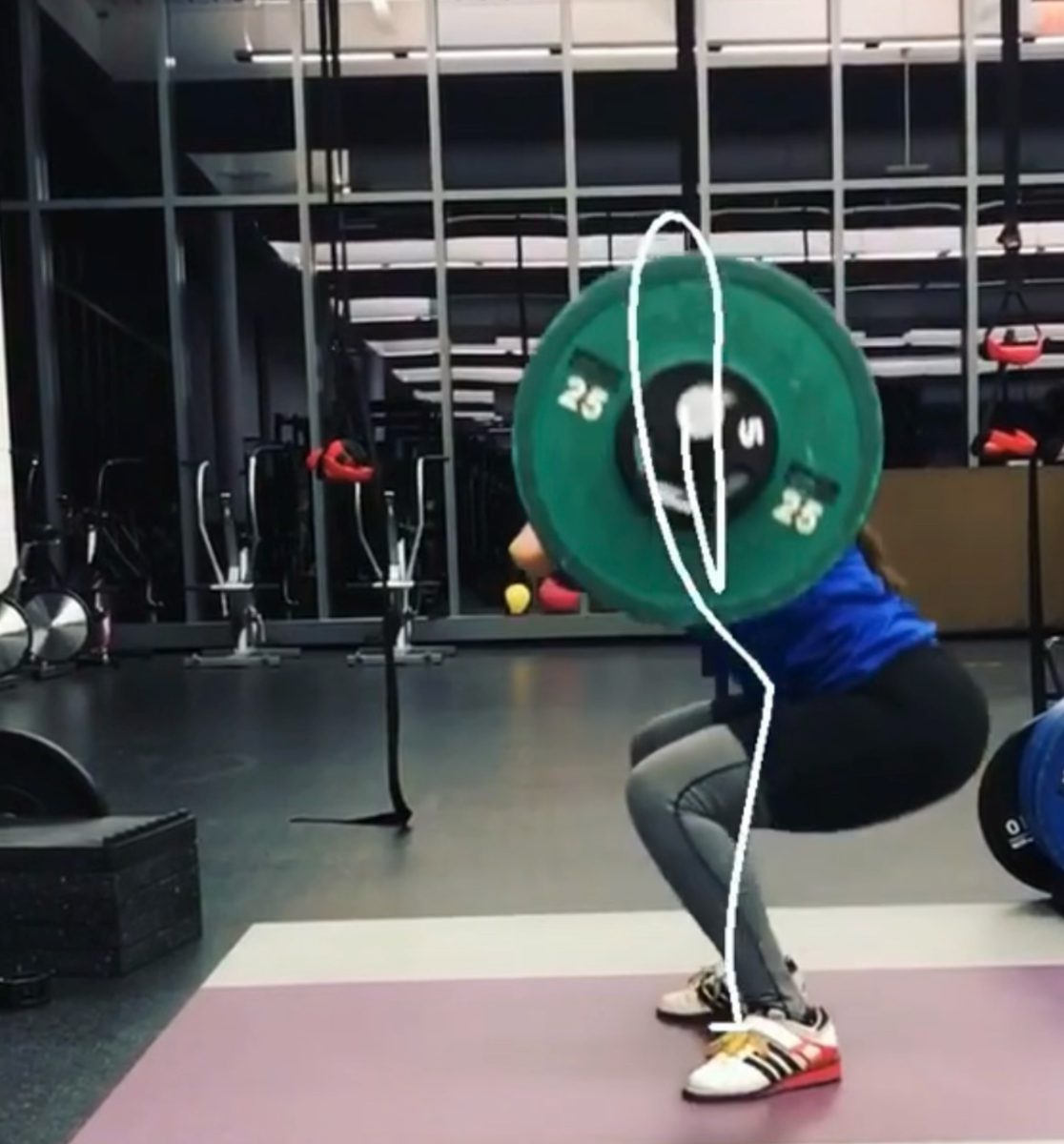
From Massachusetts-based arist Kledia Spiro’s show “Drawing in Air,’’ at Kingston Gallery, Boston, through Jan. 28.
The gallery says:
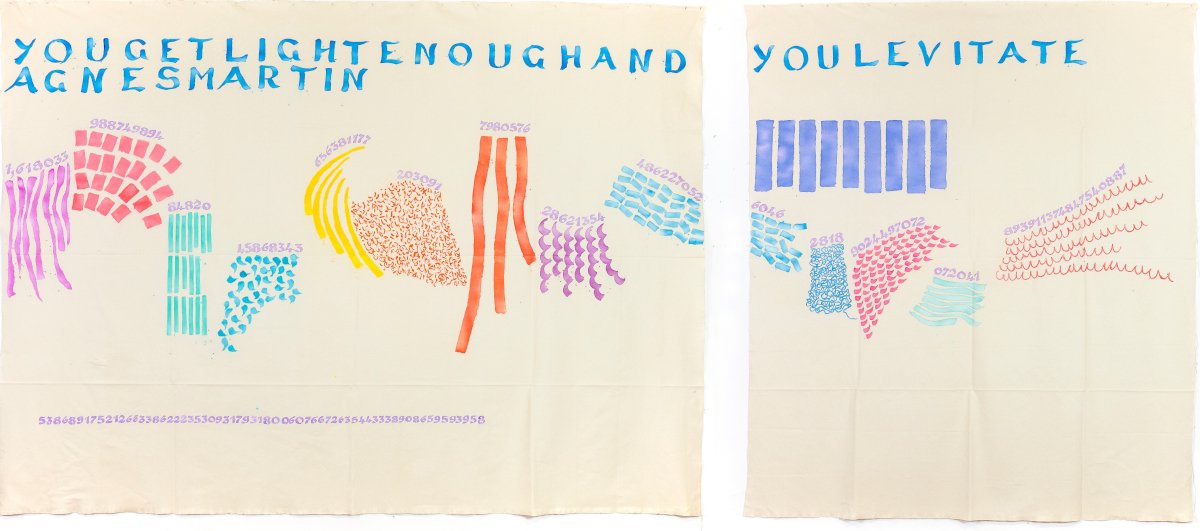
“Kledia Spiro’s solo exhibition ‘Drawing in Air’ delves into the fascinating interplay of weight, legacy, and the human experience.
”Over the last decade, {Albanian-born} Spiro has embarked on a quest to understand the meaning of ‘weight’ in people's lives. Spiro's project blurs the lines between information design and art, using drawings to create data for music production. In the gallery, Spiro will physically paint signature light drawings in mid-air. Spiro has collaborated with two diverse musicians, Lianna Sylvan and Kevin Baldwin, to translate her light drawings into a captivating music composition. Using sensors placed throughout the exhibition, each drawing triggers a unique sound experience for the visitor.’’
There’s a use for everything
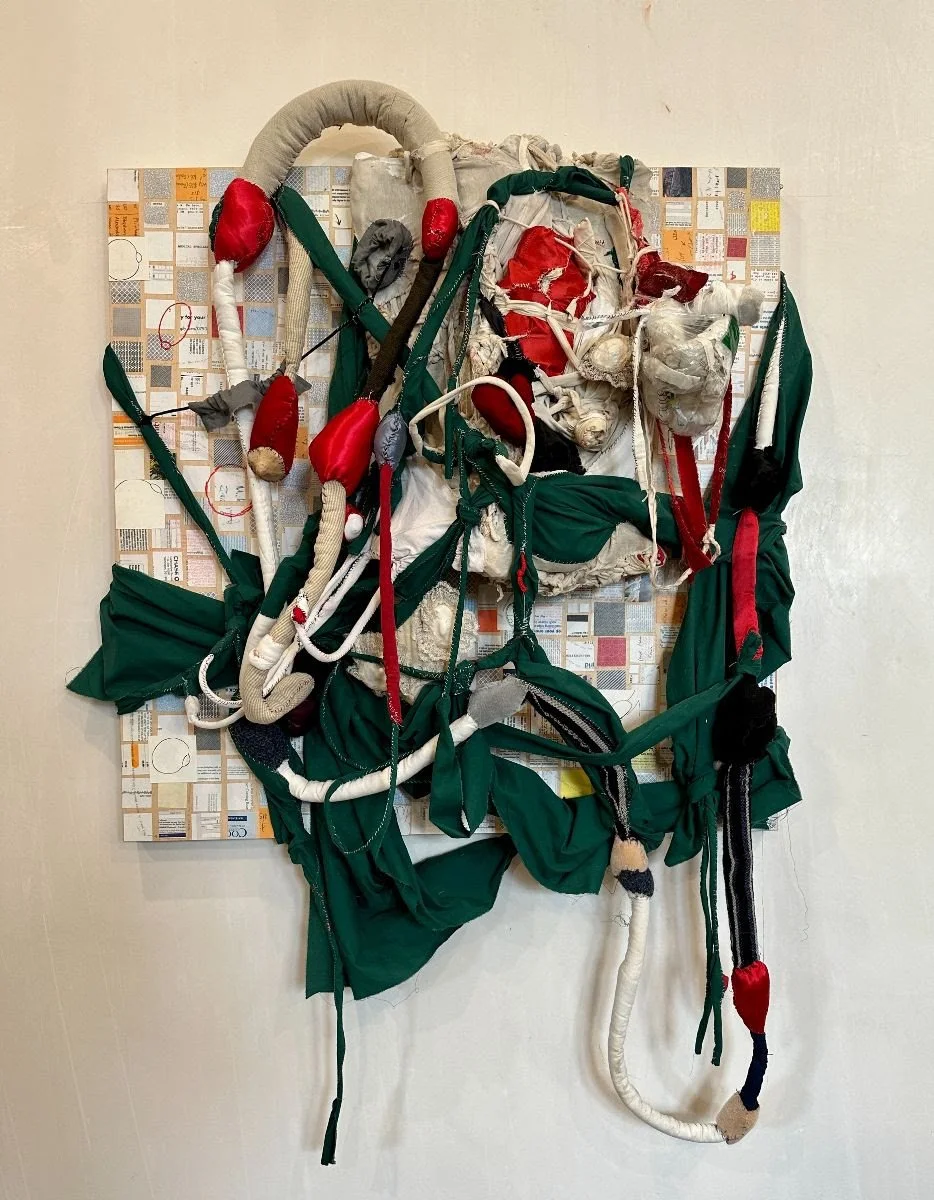
“What Remains’’ (mixed media)., by Massachusetts-based artist and fencing coach Elif Soyer, in her show “Making Meaning,’’ at Kingston Gallery, Boston, Nov. 29-Dec. 30.
"Everyday takes figuring out all over again how to f***ing live.”
(Calamity Jane/Deadwood)
The gallery says:
“‘Making Meaning’’’ is a conglomeration of old and new ideas and experiments, culminating in fabrications, layered with both time and materials. For Soyer, the Calamity Jane quote from her favorite character and all time favorite show is true for most of us. Soyer ponders this existential question often, especially in the studio where, for her, making art is making meaning out of the mundane, through work and invested time. Oscillating between the interior landscape of the human body and the exterior landscape of her immediate environment, through collecting, layering or other seemingly obsessive processes, Soyer’s work has always had a very strong tie to time.’’
Our ‘precarious place’
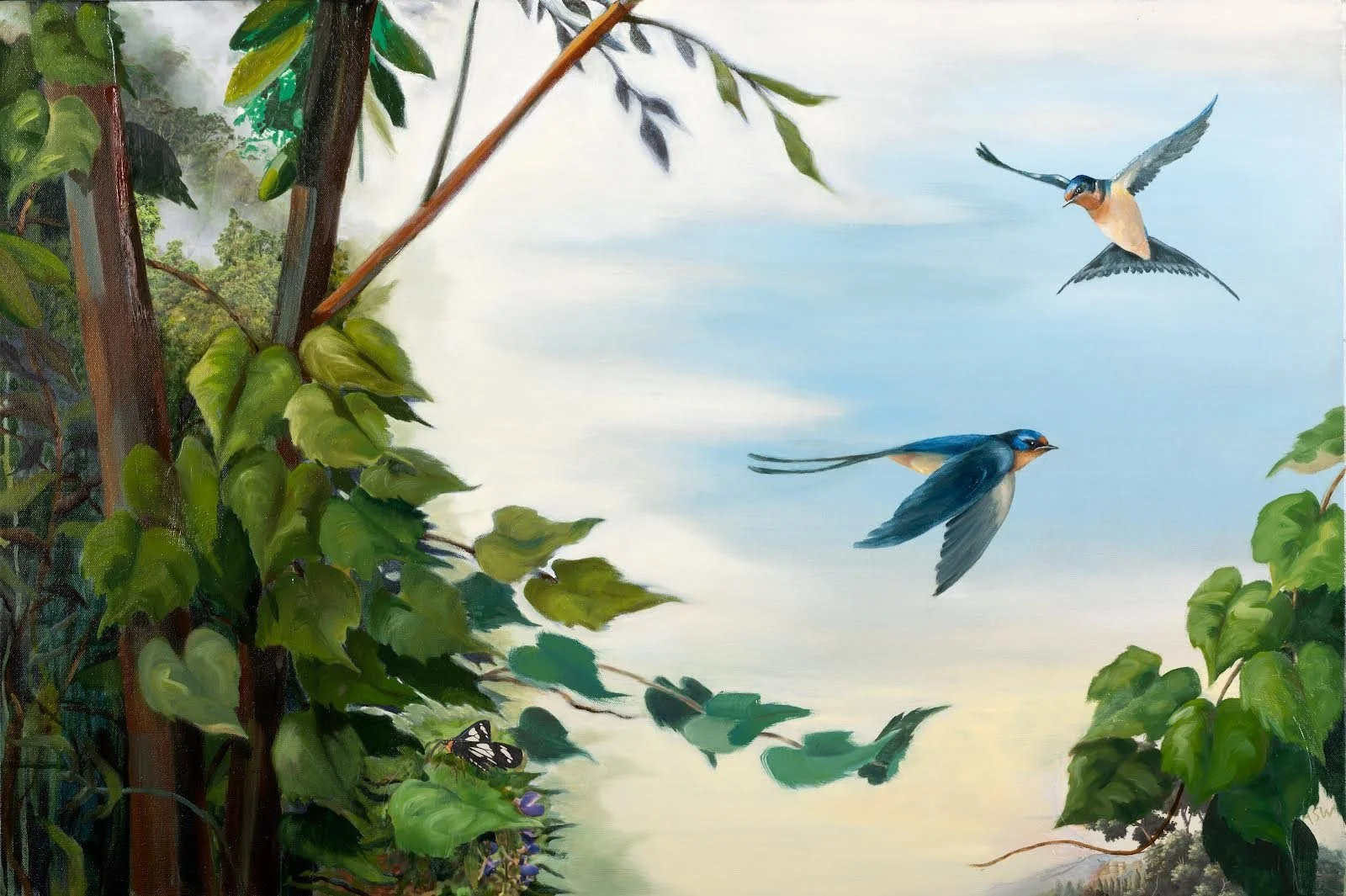
“In the Wind ‘‘ (oil, acrylic and collage on stretched canvas), by Anne Sargent Walker, in her show “Out on a Limb,’’ at Kingston Gallery, Boston, Oct. 4-29
She says:
“My mixed media paintings explore the beauty, complexity and fragility of the natural world and our complicated relationship with it. The surface content of birds, flora and other creatures often degrades, peels back, dissolves or drips to reveal layers underneath, suggesting the planet’s warming, loss of habitat, species, the earth itself and of course us.
‘‘‘Out on a Limb’ refers to the precarious place we have arrived at. Mass extinction of species is at hand. Invasive species threaten our landscapes, A warming climate is making habitat for both humans and animals unlivable. There is good news too, but we must make changes now.’’