
Vox clamantis in deserto


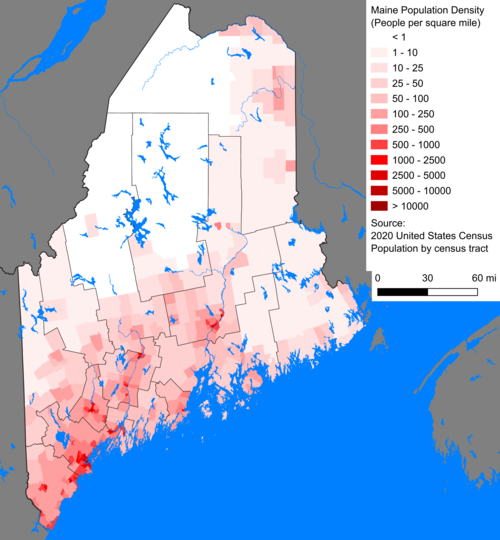




Fishing for fresh water off the New England coast

U.S. government map
Excerpted from an ecoRI.org article
“On May 19, the L/B Robert chugged out of Bridgeport, Conn., heading to an area of the Atlantic Ocean off the island of Nantucket.
“The Robert isn’t a fishing boat, or at least the kind that brings back fish, crabs or lobster.
“This expedition was fishing for water. Fresh water. Under the ocean.
“How can that be, you ask? How can fresh water be underneath the ocean floor? And how did it get there?’’
‘Discarded monument’
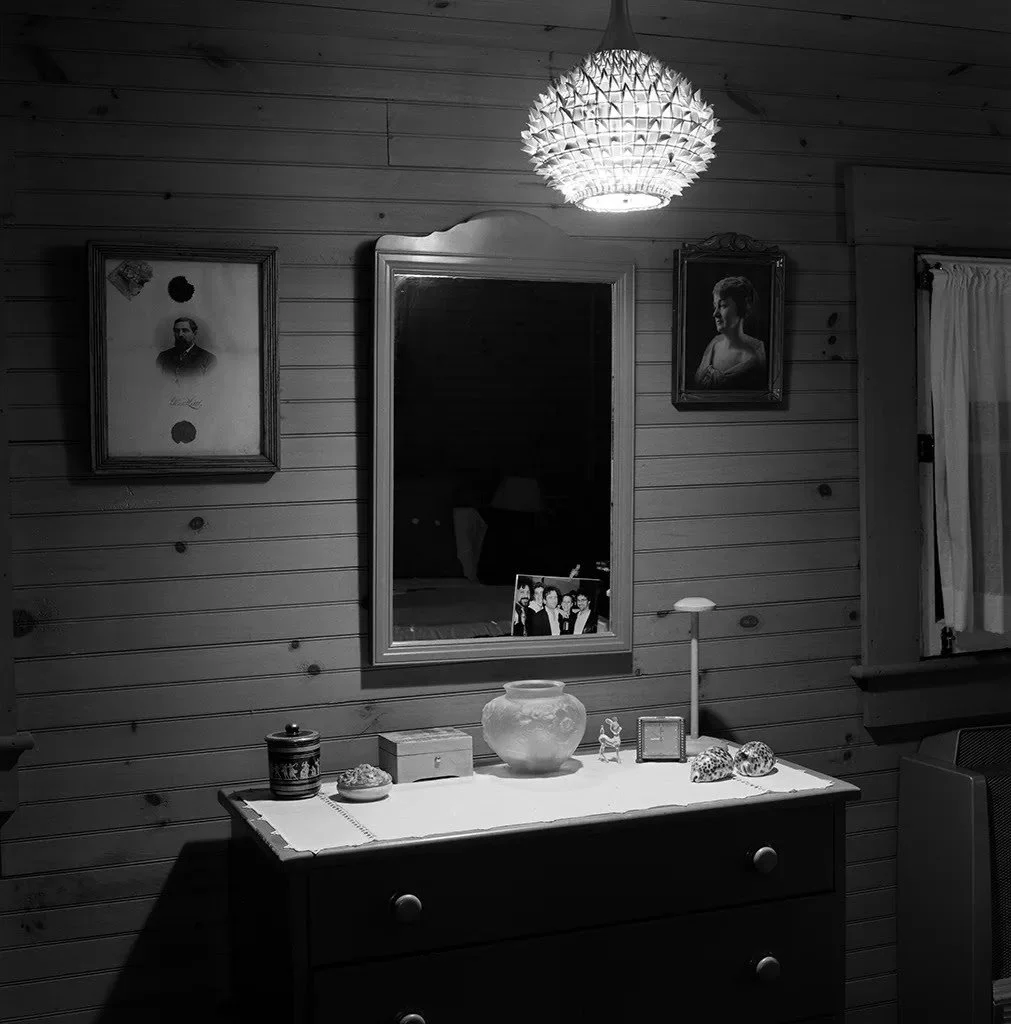
“Phantom Limb: My Dresser Top at Night’’ (archival pigment print), by Shellburne Thurber, in her show “Shellburne Thurber: Full Circle,’’ at the Bates College Museum of Art, Lewiston, Maine, through March 21.
The museum says the show focuses on “interior work that is private, domestic, psychological, or insular. While not explicitly ‘spooky,’ Thurber's atmospheric photographs of abandoned, derelict and, inversely, intensely lived-in spaces are still haunting in that they call upon memories of lives once lived in the scenes she captures. According to curatorial material, ‘each photograph invites us into a discarded monument for everyday lives carried out in the passage of time at these exact sites: secrets, emotions, and interactions by anonymous people or known intimately to the artist."
Chuck Collins: 10 ways in which the system lets billionaires burn us
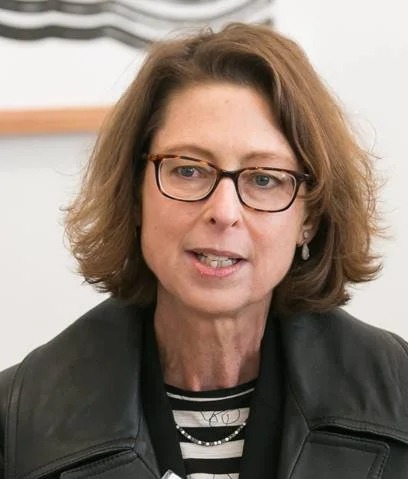
Abigail Johnson, CEO of the Johnson family-controlled Fidelity Investments, is the richest person in New England, according to Forbes, with a net worth in 2024 of $29 billion.
The richest in the rest of New England:
Vermont: John Abele, $1.9 billion
Maine - Susan Alfond, $3.1 billion
Rhode Island - Jonathan Nelson, $3.4 billion
New Hampshire - Rick Cohen & family, $19.6 billion
Connecticut - Steve Cohen, $19.8 billion
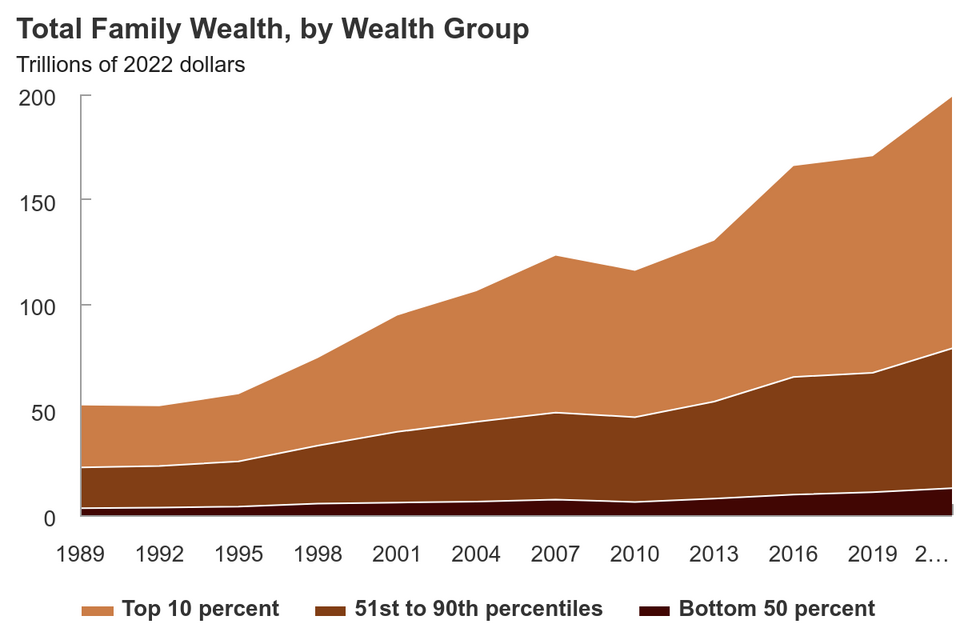
Data from Congressional Budget Office
Text via OtherWords.org
I’ve spent my career highlighting the problems posed by extreme wealth. Not everyone buys it. “None of my problems exist as a result of someone else being a billionaire,” Greg B. recently wrote to me.
The problem isn’t individual billionaires, I told Greg. It’s the system of laws, rules, and regulations tipped in favor of the wealthy at the expense of working folks.
I wrote my new book, Burned by Billionaires, to help folks like Greg understand this system better. Here are 10 ways you — yes, you personally — are being burned by billionaires, pulled from my book.
1. They stick you with their tax bill. By dodging taxes in ways unavailable to ordinary workers, billionaires shift responsibility onto you to pay for everything from infrastructure to defense and veterans services.
2. They rob you of your voice. Your vote might still make a difference, but billionaires now dominate candidate selection, campaign finance, and policy priorities. The billionaires love gridlock and government shutdowns because they can block popular legislation.
3. They supercharge the housing crisis. Billionaire demand for luxury housing is driving up the cost of land and housing construction for everyone. Billionaire speculators are also buying up rental housing, single family homes, and mobile home parks to squeeze more money out of the housing shortage.
4. They inflame our divisions. The billionaires don’t want you to understand how they’re picking your pocket, so they pour millions into partisan media organizations and divisive politicians to deflect our attention. This divisive agenda drives down wages, worsens the historic racial wealth divide, and scapegoats immigrants.
5. They’re trashing your environment. While you’re recycling and walking, they’re zooming around in private jets and yachts with the carbon emissions of small countries.
6. They’re making you sick. Billionaire-backed private equity funds are buying up hospitals and drug companies to squeeze more out of health care consumers. Health outcomes in societies with extreme disparities in wealth are worse for everyone, even the rich, than societies with less inequality.
7. They’re blocking action on climate. Fossil fuel billionaires spend millions to block the transition to a healthy future, keep their coal plants open, and shut down competing wind projects. They’re running out the clock for our governments to take action to avert the worst impacts of climate disruption.
8. They’re coming for your pets. Billionaire private equity funds know we love our pets like family. To squeeze more money out of us, they’re buying up veterinary care, medical specialties, pet food and supply companies, and pet care services like Rover.com.
9. They’re dictating what’s on your dinner plate. The food barons — the billionaires that monopolize almost every sector of the food economy — are dictating the price, ingredients, and supply of most food.
10. They’re corrupting charity. Billionaire philanthropy has become a taxpayer-subsidized form of private power and influence. As philanthropy gets more top-heavy — with most charity dollars flowing from the ultra-wealthy — it distorts and warps the independence of nonprofits.
But there’s so much we can do to fight back.
You can talk to your neighbors about these 10 ways they’re feeling the burn and organize a discussion group. When your neighbor complains about their taxes, explain how the billionaires lobbied to shift taxes away from themselves and onto everyone else.
You can join campaigns to invest in housing, education, and clean energy by taxing the rich. If federal changes are blocked by the billionaires, work at the state and local level. Or you can join satirical resistance groups like “Trillionaires for Trump.”
Finally, you can learn more about inequality and how to fight it at Inequality.org, the website I co-edit for the Institute for Policy Studies.
Billionaires have the cash, but we have something they don’t: each other. And we’re tired of being burned.
Chuck Collins, based in Vermont, directs the Program on Inequality, and co-edits Inequality.org, for the Institute for Policy Studies.
Iconic Clinton
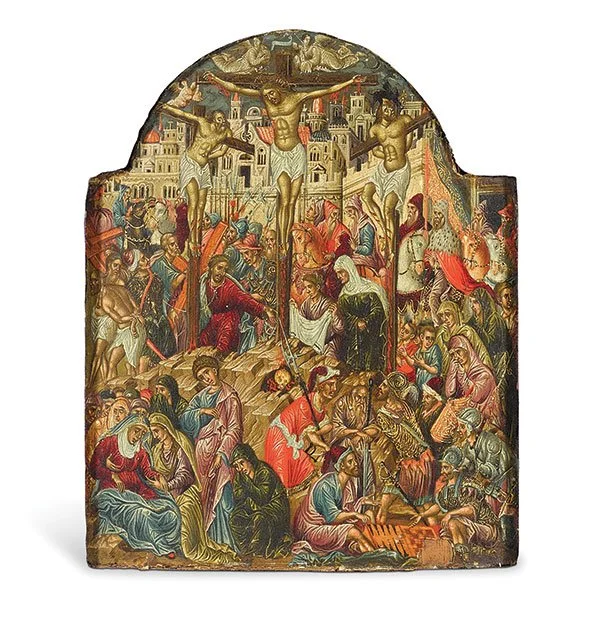
“Crucifixion” (egg tempera on wood), attributed to Georgios Klontzas, panel from a triptych, 16th Century, in Crete, at the Icon Museum and Study Center in Clinton, Mass.
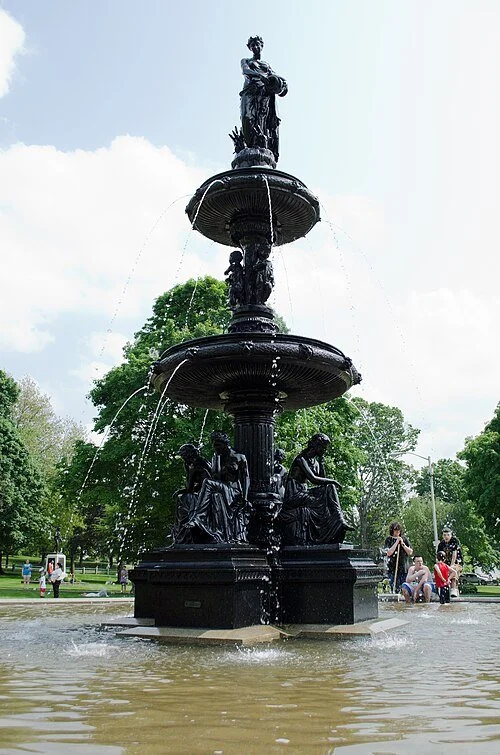
The Foster Fountain in Clinton’s Central Park. The town, once known mostly for its factories, now is just another exurban/surburban community.
Time to sail away from ‘ruffian-like fashions and disorder’

(Politically incorrect) Seal of the Massachusetts Bay Colony.
“The fountains of learning and religion are so corrupted that most children (besides the unsupportable charge of their education) are perverted, corrupted, and utterly overthrown by the multitude of evil examples and the licentious government of those seminaries, where men strain at gnats and swallow camels, and use all severity for maintenance of caps and like accomplishments, but suffer all ruffian-like fashions and disorder in manners to pass uncontrolled.’’
— From “Reasons for the Plantation in New England,’’ written in 1628 in England by John Winthrop (1588-1649), the Puritan lawyer and key leader of the founding of the Massachusetts Bay Colony.
Quantum physics and art
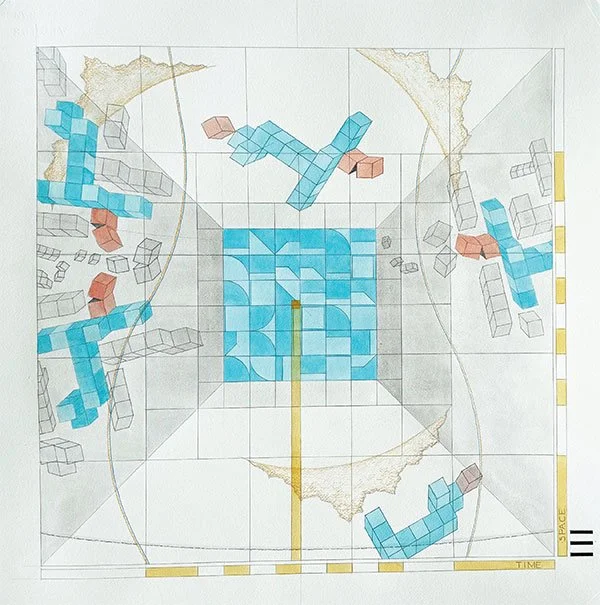
“Chart #3,’’ by John Anderson, in the group show “Stardust,’’ at Mad River Valley Arts, Waitsfield, Vt., through Oct. 31.
The gallery says:
“The Mad 802 Collective presents “Stardust,’’ an exhibition about The Quantum World. This multimedia installation looks at the behavior of photons, particles and mysterious patterns of quantum phenomena, inspiring us to think about the magic of the quantum fundamental basis to reality. Artists open up to their interpretation of the immaterial while engaging with the scales of the unimaginably tiny to the infinitely large.’’
Oona Zena: Single people worry about dying alone
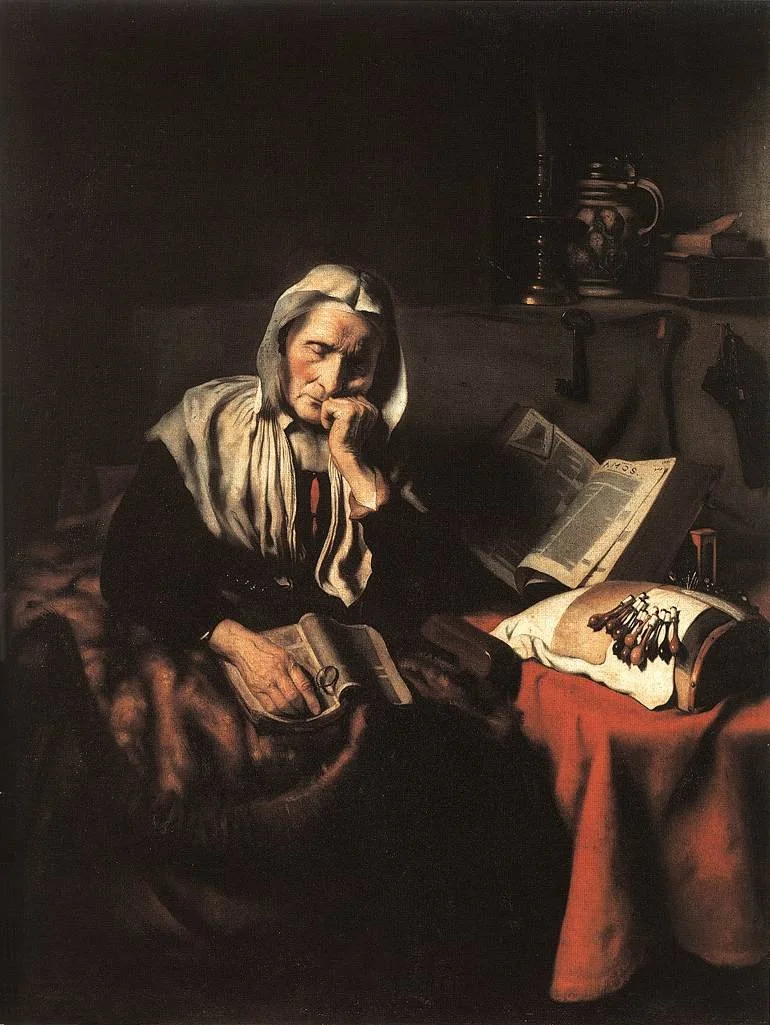
“Old Woman Dozing,’’by Nicolaes Maes (1656).
From Kaiser Family Foundation Health News (except for picture above).
This summer, at dinner with her best friend, Jacki Barden raised an uncomfortable topic: the possibility that she might die alone.
“I have no children, no husband, no siblings,” Barden remembered saying. “Who’s going to hold my hand while I die?”
Barden, 75, never had children. She’s lived on her own in western Massachusetts since her husband passed away, in 2003. “You hit a point in your life when you’re not climbing up anymore, you’re climbing down,” she told me. “You start thinking about what it’s going to be like at the end.”
It’s something that many older adults who live alone — a growing population, more than 16 million strong in 2023 — wonder about. Many have family and friends they can turn to. But some have no spouse or children, have relatives who live far away, or are estranged from remaining family members. Others have lost dear friends they once depended on to advanced age and illness.
More than 15 million people 55 or older don’t have a spouse or biological children; nearly 2 million have no family members at all.
Jacki Barden has prepared thoroughly for the end of her life. Her paperwork is in order and funeral arrangements are made. But she says she’s not sure anyone will be with her when she dies.
Still other older adults have become isolated due to sickness, frailty, or disability. Between 20% and 25% of older adults, who do not live in nursing homes, aren’t in regular contact with other people.
And research shows that isolation becomes even more common as death draws near.
Who will be there for these solo agers as their lives draw to a close? How many of them will die without people they know and care for by their side?
Unfortunately, we have no idea: National surveys don’t capture information about who’s with older adults when they die. But dying alone is a growing concern as more seniors age on their own after widowhood or divorce, or remain single or childless, according to demographers, medical researchers, and physicians who care for older people.
“We’ve always seen patients who were essentially by themselves when they transition into end-of-life care,” said Jairon Johnson, the medical director of hospice and palliative care for Presbyterian Healthcare Services, the largest health-care system in New Mexico. “But they weren’t as common as they are now.”
Attention to the potentially fraught consequences of dying alone surged during the COVID-19 pandemic, when families were shut out of hospitals and nursing homes as older relatives passed away. But it’s largely fallen off the radar since then.
For many people, including health-care practitioners, the prospect provokes a feeling of abandonment. “I can’t imagine what it’s like, on top of a terminal illness, to think I’m dying and I have no one,” said Sarah Cross, an assistant professor of palliative medicine at Emory University School of Medicine, in Atlanta.
Cross’s research shows that more people die at home now than in any other setting. While hundreds of hospitals have “No One Dies Alone” programs, which match volunteers with people in their final days, similar services aren’t generally available for people at home.
Alison Butler, 65, is an end-of-life doula who lives and works in the Washington, D.C., area. She helps people and those close to them navigate the dying process. She also has lived alone for 20 years. In a lengthy conversation, Butler admitted that being alone at life’s end seems like a form of rejection.
She choked back tears as she spoke about possibly feeling her life “doesn’t and didn’t matter deeply” to anyone.
Alison Butler has lived alone for 20 years, since her divorce. “Solo agers tend to feel forgotten,” she says. “That makes the anxiety around end-of-life even worse for solo agers.”
Without reliable people around to assist terminally ill adults, there’s also an elevated risk of self-neglect and deteriorating well-being. Most seniors don’t have enough money to pay for assisted living or help at home if they lose the ability to shop, bathe, dress, or move around the house.
Nearly $1 trillion in cuts to Medicaid planned under President Trump’s tax-and-spending law, previously known as the “One Big Beautiful Bill Act,” probably will compound difficulties accessing adequate care, economists and policy experts predict. Medicare, the government’s health insurance program for seniors, generally doesn’t pay for home-based services; Medicaid is the primary source of this kind of help for people who don’t have many financial resources. But states may be forced to eviscerate Medicaid home-based care programs as federal funding diminishes.
“I’m really scared about what’s going to happen,” said Bree Johnston, a geriatrician and the director of palliative care at Skagit Regional Health, in northwestern Washington State. She predicted that more terminally ill seniors who live alone will end up dying in hospitals, rather than in their homes, because they’ll lack essential services.
“Hospitals are often not the most humane place to die,” Johnston said.
While hospice care is an alternative paid for by Medicare, it too often falls short for terminally ill older adults who are alone. (Hospice serves people whose life expectancy is six months or less.) For one thing, hospice is underused: Fewer than half of older adults under age 85 take advantage of hospice services.
Also, “many people think, wrongly, that hospice agencies are going to provide person power on the ground and help with all those functional problems that come up for people at the end of life,” said Ashwin Kotwal, an associate professor of medicine in the division of geriatrics at the University of California-San Francisco School of Medicine.
Instead, agencies usually provide only intermittent care and rely heavily on family caregivers to offer needed assistance with activities such as bathing and eating. Some hospices won’t even accept people who don’t have caregivers, Kotwal noted.
That leaves hospitals. If seniors are lucid, staffers can talk to them about their priorities and walk them through medical decisions that lie ahead, said Paul DeSandre, the chief of palliative and supportive care at Grady Health System in Atlanta.
If they’re delirious or unconscious, which is often the case, staffers normally try to identify someone who can discuss what this senior might have wanted at the end of life and possibly serve as a surrogate decision-maker. Most states have laws specifying default surrogates, usually family members, for people who haven’t named decision-makers in advance.
If all efforts fail, the hospital will go to court to petition for guardianship, and the patient will become a ward of the state, which will assume legal oversight of end-of-life decision-making.
In extreme cases, when no one comes forward, someone who has died alone may be classified as “unclaimed” and buried in a common grave. This, too, is an increasingly common occurrence, according to “The Unclaimed: Abandonment and Hope in the City of Angels,” a book about this phenomenon, published last year.
Shoshana Ungerleider, a physician, founded End Well, an organization committed to improving end-of-life experiences. She suggested that people make concerted efforts to identify seniors who live alone and are seriously ill early and provide them with expanded support. Stay in touch with them regularly through calls, video, or text messages, she said.
And don’t assume that all older adults have the same priorities for end-of-life care. They don’t.
Barden, the widow in Massachusetts, for instance, has focused on preparing in advance: All her financial and legal arrangements are in order and funeral arrangements are made.
“I’ve been very blessed in life: We have to look back on what we have to be grateful for and not dwell on the bad part,” she told me. As for imagining her life’s end, she said, “it’s going to be what it is. We have no control over any of that stuff. I guess I’d like someone with me, but I don’t know how it’s going to work out.”
Some people want to die as they’ve lived — on their own. Among them is 80-year-old Elva Roy, founder of Age-Friendly Arlington, Texas, who has lived alone for 30 years after two divorces.
When I reached out, she told me she’d thought long and hard about dying alone and is toying with the idea of medically assisted death, perhaps in Switzerland, if she becomes terminally ill. It’s one way to retain a sense of control and independence that’s sustained her as a solo ager.
“You know, I don’t want somebody by my side if I’m emaciated or frail or sickly,” Roy said. “I would not feel comforted by someone being there holding my hand or wiping my brow or watching me suffer. I’m really OK with dying by myself.”
Oona Zenda is a Kaiser Family Foundation Health News reporter (ozenda@kff.org)
John O. Harney: Immigration and geometry intersect on the Greenway in Boston
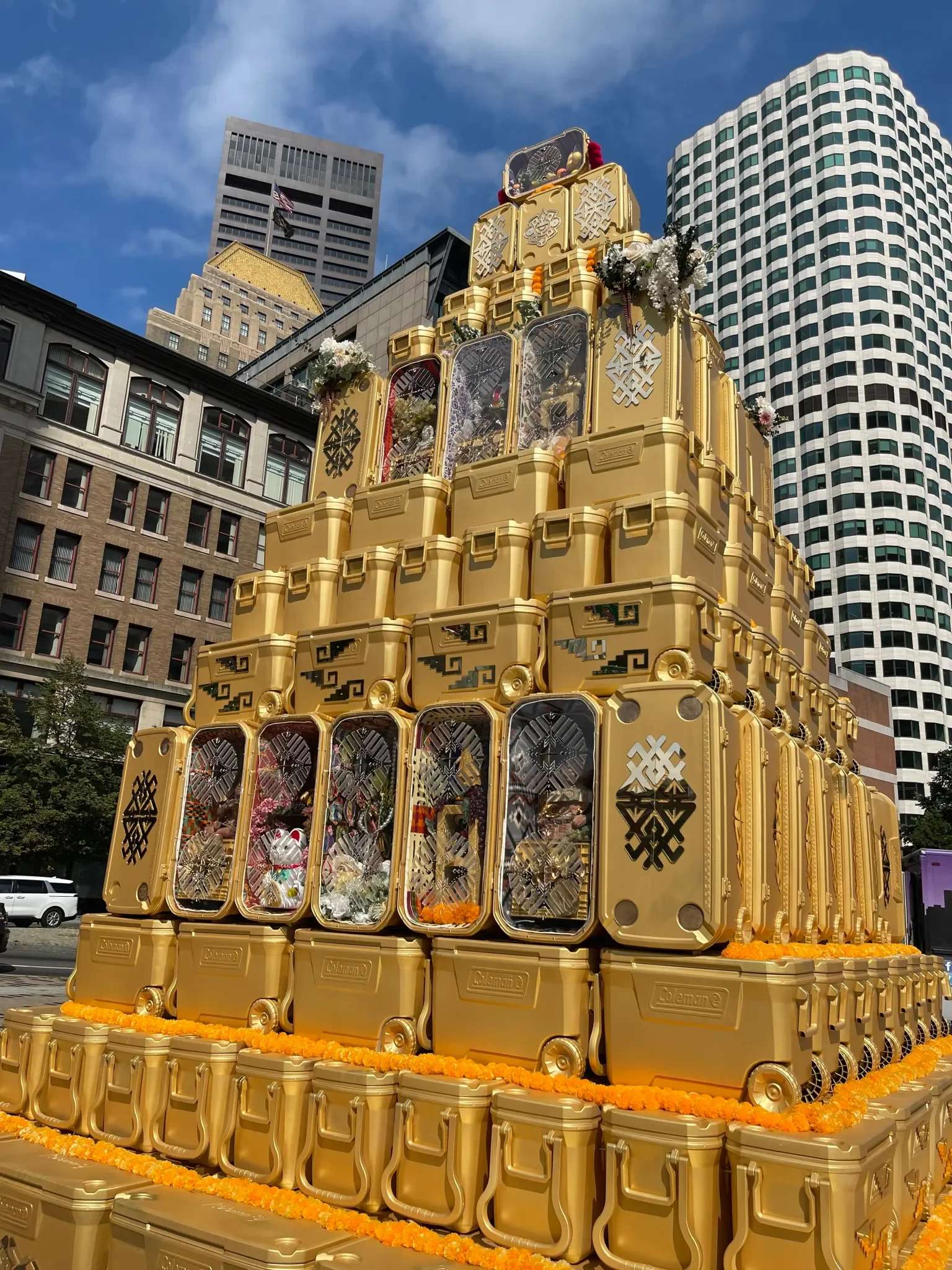
Art installation near Dewey Plaza, in downtown Boston, by Brooklyn-based artist Victor “Marka27” Quiñonez, featuring coolers spray-painted gold and images reminiscent of Mexican folk-art altars.
Early this fall, I took up an offer from the folks at the Armenian Heritage Park to present a lesson connecting immigration and geometry in the context of the Rose Kennedy Greenway, in Boston.
The lesson is part of a grant-funded curriculum developed by the Friends of the Armenian Heritage Park in collaboration with the 4th grade teachers at Boston’s Eliot K-8 Innovation School. The curriculum has been implemented in more than a dozen other public schools in Boston and beyond with funding for bus transportation from the schools to the Greenway.
The intent of the curriculum called “Geometry as Public Art: Telling A Story” is to spark awareness of geometric shapes and their expression of ideas and thoughts, and to engage students in sharing their own or their families’ immigrant experience and, in doing so, celebrate what unites and connects us.
It’s all very warm and loving despite the masked ICE agents operating a few hundred years away—and the general anxiety and avoidance of the topic a few miles beyond.
The event organizers provided a script for me to memorize. I was tempted to mention that even in my pre-retirement professional days, I always resisted speaking from a script and, in those days, urged others to resist, too. But also appreciating a crutch, I went along.
Another challenge: I hated geometry in school. Sure, I had done OK in math grade-wise and later published work in The New England Journal of Higher Education (NEJHE) on the importance of school math if only to help ensure that students pursue education beyond high school as an entry to good jobs.
But I couldn’t call it a special strength.
The twain shall meet?
I left the NEJHE editorship in early 2023 and began volunteering in phenology at the Greenway, in Boston, and in English language teaching at the Immigrant Learning Center (ILC) in Malden, Mass.
I have posted occasional reflections on the Greenway gig in my blog. I’ve posted less about the ILC experience. I’ve worried about drawing attention to the immigrant students who are made vulnerable by America’s xenophobia and advancing nationalism. Here though was a rare chance to see these two interests meet.
I have occasionally suggested that groups from the ILC tour the Greenway. Understandably, the newcomers thought that my Greenway garden work had to do with growing crops for food, not the more First-World idea of gardening for aesthetics associated with the Greenway.
Beyond the Armenian Heritage Park, the larger Greenway features notable recognition of the importance of immigration. Theoretically, other parcels along the Greenway were intended to celebrate the immigration flavors of their neighborhoods, as the Chinatown parcel does well with its bamboo planting, waterfall and recirculating stream.
Most recently, an art installation near Dewey Plaza by Brooklyn-based artist Victor “Marka27” Quiñonez, featuring coolers spray-painted gold and images reminiscent of Mexican folk art altars, paying tribute to the various groups of immigrant that have journeyed to Boston.
The Armenian geometry engagement also gave me an excuse for a mid-October visit to the Greenway for my routine bloom monitoring. It’s a time when few flowers are blooming, but there is that beauty unique to New England fall (if you’re OK with the approaching cold).
Amid the wilting astilbes, browning goldenrods and now hit-and-miss hydrangeas, a few colorful attractions remain. Among them: fall crocuses flowering pale bluish, vivid pink anemones, pink turtleheads, fluffy white snakeroot, nasturtium, isolated amaranths, resilient Russian Sage, purplish asters and red-fruiting winterberries.
The curriculum
The multidisciplinary curriculum in the Armenian Heritage Park integrates geometry, art, language and social studies while promoting cross-cultural understanding and respect.
The way it works: In Lesson One in the classroom, students discover geometric shapes, view info about the park and receive an “About My Family” questionnaire to guide a conversation with a family member or friend to learn about the first person in their family to come to the U.S.
Lesson Two (the one I was involved with) takes place at the park, where students experience firsthand how the park’s geometric features tell the story of the immigrant experience. They view an abstract sculpture, a split rhomboid dodecahedron, which is reconfigured every year to symbolize the story of the immigrant experience, “one that unites and connects us.” (The 2025 reconfiguration was scheduled for Oct. 19.)
The split rhomboid dodecahedron sits on a reflecting pool. An inscription notes: “The sculpture is dedicated to lives lost during the Armenian Genocide of 1915-1923 and all genocides that have followed.”
The water of the reflecting pool washes over the sides and re-emerges as a single jet of water at the center of the labyrinth (at least until the city turns off the water in mid-October as colder weather sets in).
The labyrinth celebrates life’s journey. The labyrinth serves as a place for meditative practice to reduce stress (though 4th-graders liberated by a field-trip day naturally relieve their stress by jumping and horsing around). There is one path leading to the center of the labyrinth and the same path leading out, symbolic of a new beginning, but clearly connected to where it began. The jet of water at its center represents rebirth.
The few calm students read the inscription on a reflecting pool on which the sculpture sits.
Ideally, the students discover the words etched around the: art, science, service, commerce in recognition of the contributions made to life and culture.
Students then write a wish on a ribbon for “The Wishing Tree.”
Back in the classroom for Lesson Three, students reflect on their visit to the park and receive the “I AM” poem template to create their poem, using an About My Family questionnaire. The poem is written in the voice of the first person in their family (sometimes the student) to come to this country. Students also create a portrait of that person or a geometric illustration.
Some messages on the Wishing Tree show hope, some signal worries. One youngster tackling his packed lunch, tells a friend, “things will be bad for four years because of Trump.” And indeed, these school kids, like so many across America, have the complexions that make them targets today.
For our spooky season
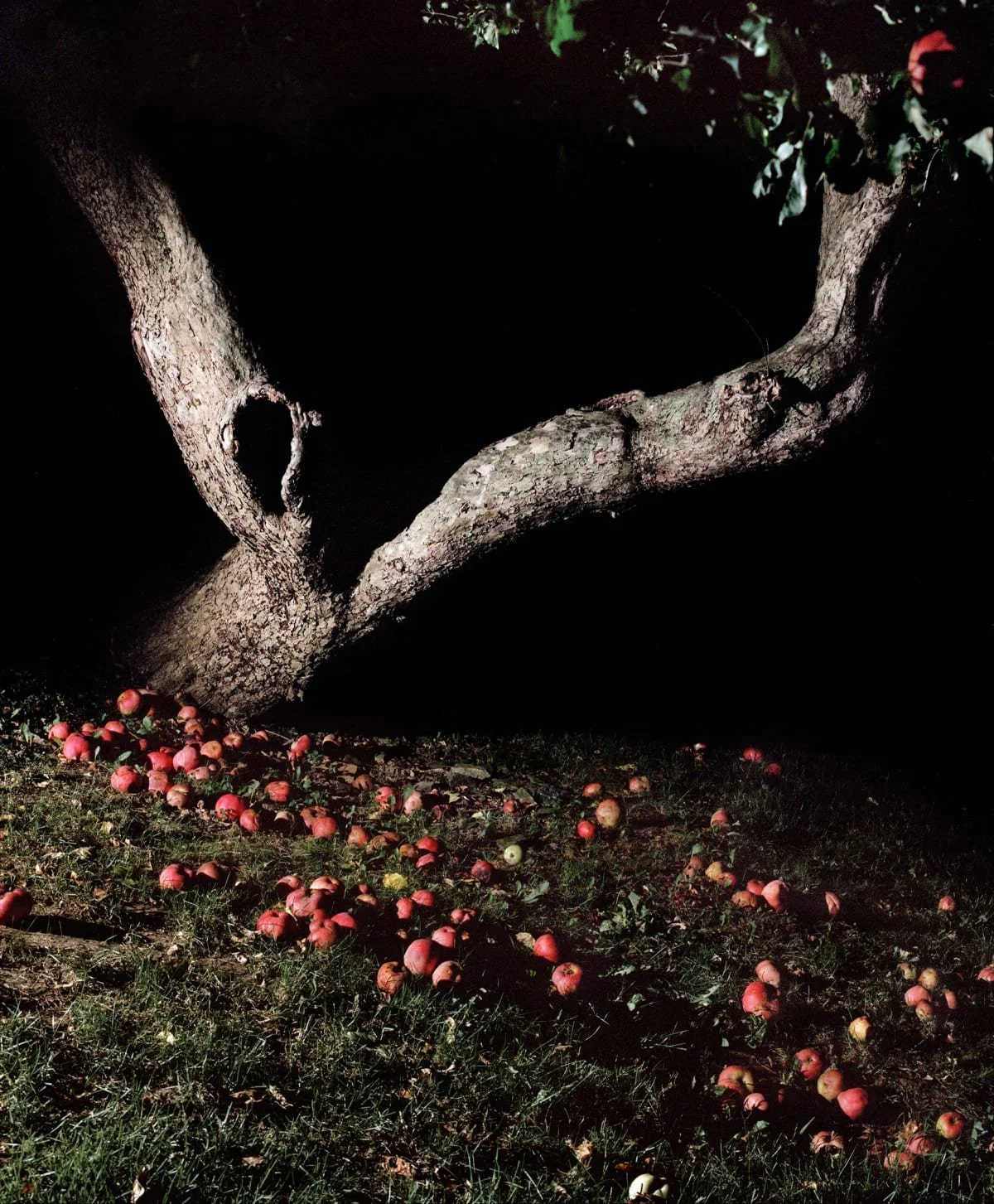
“Apple Tree at Night” (archival pigment print), by Jocelyn Lee, in the show “The Haunted: Contemporary Photography Conjured in New England,’’ at Moss Gallery, Falmouth, Maine, through Nov. 29.
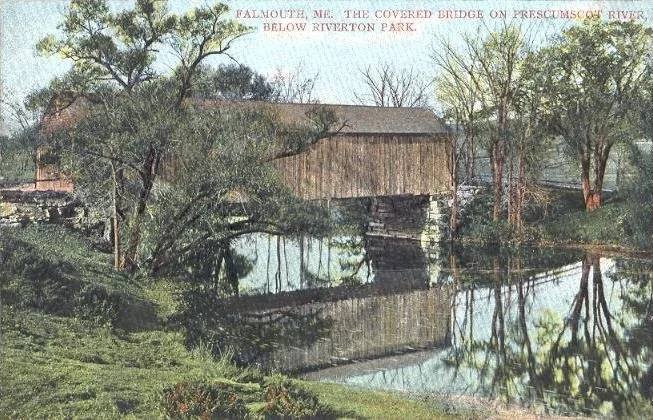
1910 postcard
Llewellyn King: Journalism in shiny new electronic wrappers

Detail of Linotype mechanism, at the Museum of Printing, in Haverhill, Mass. Linotype machines, invented in 1884, were once the most used printing technology for newspapers.
— Photo by Printhusiast
WEST WARWICK, R.I.
If you know what is going on in Gaza, it is because a journalist told you.
If you know Health and Human Services Secretary Robert F. Kennedy Jr.'s latest comment about autism, it is because a journalist told you.
If you know that there was a tsunami off the coast of Indonesia, it is because a journalist told you.
If you know that Taylor Swift and Travis Kelce are planning to marry, it is because a journalist told you — in print, over the air or on the web.
Yet when “the media" are discussed, you would think that what is essential isn't journalism, but rather the means of delivery. The death of newspapers is high on the woeful list.
I am a newspaperman through and through. Although I have been involved, often simultaneously, with broadcasting, my heart and soul are in newspapers.
I first set foot in a newsroom when I was 14 — and I left part of me there.
I learned a lot about hot type (via Linotype machines) in my youth, and I love the mechanics of newspapers. At The Washington Post, where I had a roving assignment, I often worked on “the stone," where the type was put in the pages by artisans of extraordinary skill.
But that has gone. Hot type is history. If you want to savor it, tour the Museum of Printing in Haverhill, Mass.
Sadly, I must confess that no printed newspaper is delivered to my home every day. I subscribe to the digital versions of four newspapers, four magazines and several online-only outlets, and I suffer jabs of guilt when I sit before a computer screen.
Nearly all major newspapers and many smaller ones have online editions. The largest ones are grabbing much of the subscription money.
That is a repeat of what happened in big cities toward the end of the golden days of words printed on paper: The winners took all.
The New York Times drove out the Herald Tribune. The Washington Post drove out The Washington Star and The Washington Daily News.
In the case of printed newspapers, those with just a slightly larger circulation corralled all the advertising. Today's chances are that those with a greater offering will drive out those with a robust offering, but not as dominant as, say, The Times.
Big newspapers have adopted the paywall as the model for the future, and others have had to follow. It will be a pity if that prevails.
A better model would be a pay-to-read arrangement where you join a collective such as Visa or MasterCard and pay for what you want to read. That would provide a stable future for journalism and enable much of the innovation that is going on to be on a sound financial footing.
There is innovation aplenty in how the precious commodity, journalism, is brought to you.
The magazines have morphed into something more: They have become daily newspapers with their emailed editions. The New Yorker, The Economist, The Atlantic and The Spectator have taken this path, among others. Even Vanity Fair has an emailed edition.
Additionally, British newspapers have invaded the United States with some spritely email offerings. The Daily Mirror, The Independent, The Guardian and The Daily Mail are among them.
Then there are many new entries of purely internet vintage. These include but aren't limited to the leaders, Axios and Semafor — although Axios, with revenues of over $100 million, is the clear winner to date.
This suggests that journalism is alive and well and that its future is online, but its revenue stream isn't certain. One hopes that the winner-takes-all history won't repeat itself and that a vibrant new order of journalism, tempting to talent, grows in importance. After all, at one time big cities had many newspapers; New York had more than 20 daily newspapers.
The threshold of entry for Internet publishing is low. A pay-per-view rather than a paywall would establish a new golden era in which skill and talent would carry the day and where the right content would propel its authors and the publications to success.
As to my world of great presses, raging like livid monsters in the middle of night, well, there will be some for a long time. But the new carriers of that critical commodity known as journalism will carry the day.
On X: @llewellynking2
Llewellyn King is executive producer and host of White House Chronicle, on PBS. He is also an international energy-sector consultant.
Setting forth
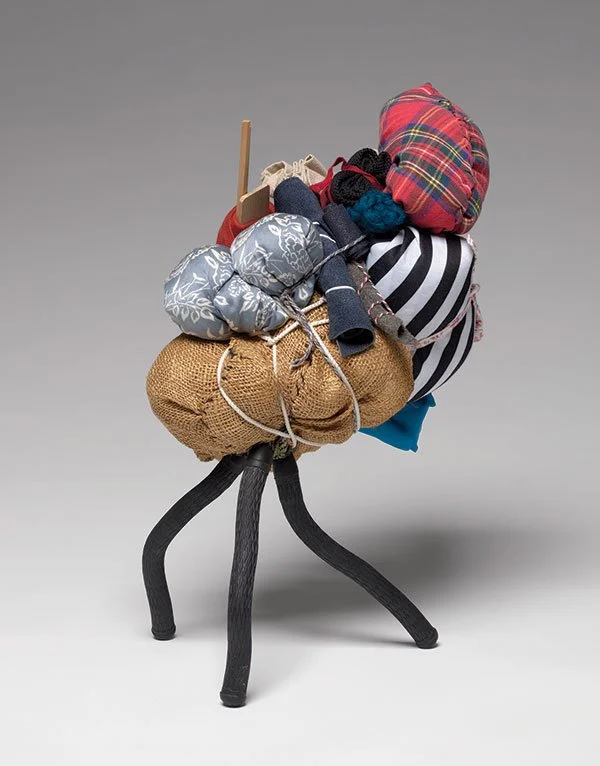
“Staggering” (mixed media), by Laura Evans, in her show “The Weight: how to move,’’ at Boston Sculptors Gallery.
Photo by Julia Featheringill
“When we have discovered a continent, or crossed a chain of mountains, it is only to find another ocean or another plain upon the further side. . . . O toiling hands of mortals! O wearied feet, traveling ye know not whither! Soon, soon, it seems to you, you must come forth on some conspicuous hilltop, and but a little way further, against the setting sun, descry the spires of El Dorado. Little do ye know your own blessedness; for to travel hopefully is a better thing than to arrive, and the true success is to labor.’’
— Robert Louis Stevenson (1850-1894)
Wartime ‘Shew’ at the chateau
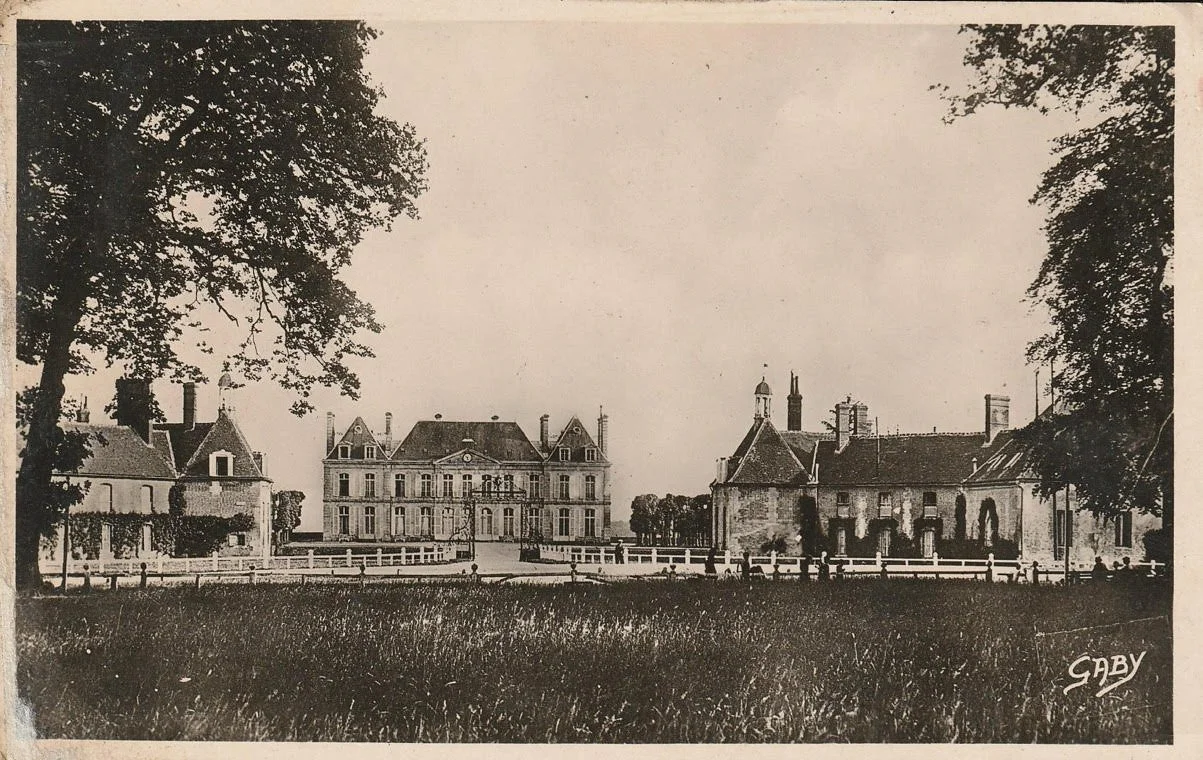
Another $1 postcard in a New England antique shop may offer a mystery, or maybe just a story.
Also known as Le Pin-au-Haras, this early 18th-Century chateau 35 miles southeast of Caen was designed by Robert de Cotte, architect to King Louis XV and successor to the great Jules Hardouin-Mansart, builder of much of Versailles. The complex was the first royal stud farm, created to breed horses for the French army, and was called the equine Versailles.
This postcard, however, dates from 1944, clearly sometime after D-Day, when British troops pushed south from the Normandy beachhead. The area must have been secured enough for the Tommies to safely watch a film at the chateau.
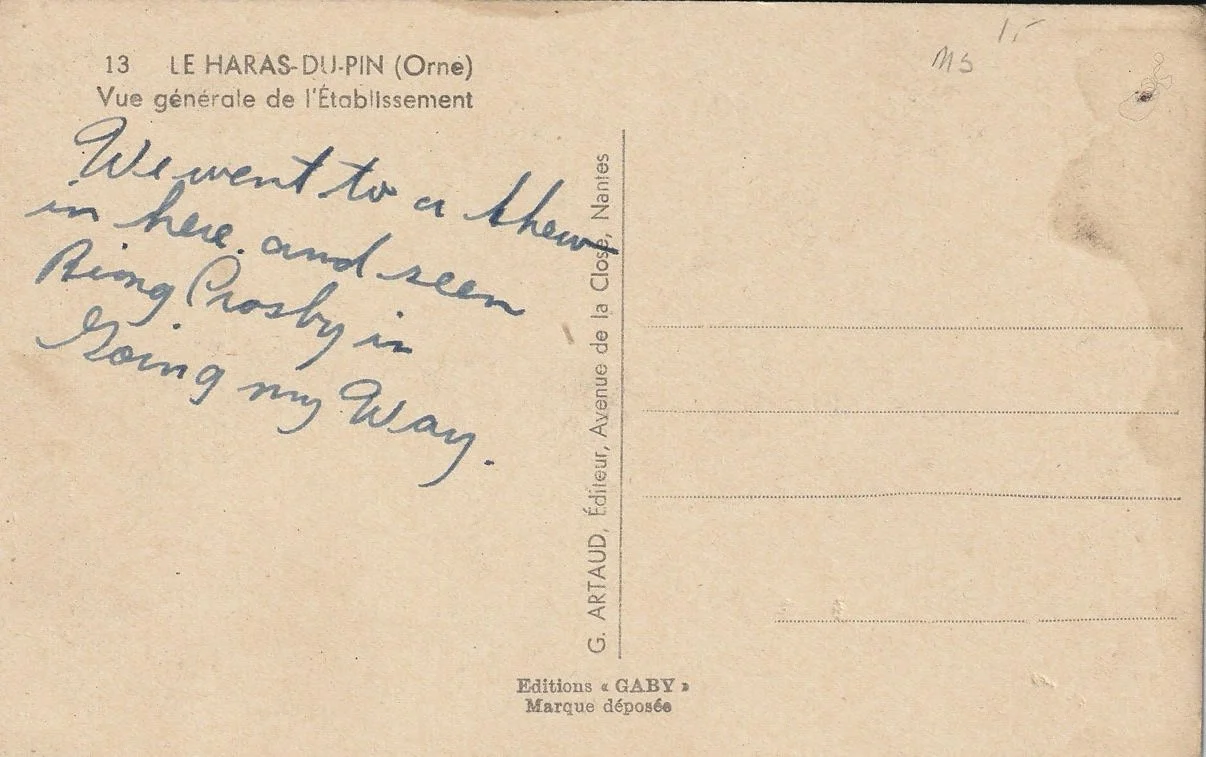
Sadly, the card was never addressed, never sent. But writing in ink, the soldier “went to a Shew in here and seen Bing Crosby in Going My Way.’’ The movie won seven Oscars, including for Best Picture and best song, “Swinging on a Star.’’ It’s star-studded cast and the New York City setting must have offered quite a contrast with war-torn France.
Providence-based architecture writer William Morgan searches for the larger story in the small detail. His books include The Cape Cod Cottage and Academia: Collegiate Gothic Architecture in the United States.
Chris Powell: Trains in Conn. are nice, even romantic, but…

Shore Line East train at Niantic.
MANCHESTER, Conn.
Within living memory of some old people one could go almost anywhere in Connecticut by train or at least take a train to a station near one's destination.
Traveling from north to south across the state by train was much quicker than traveling east to west, the topography presenting more obstacles to east-west railroads. But it could be done.
Rail wasn't as convenient as automobile travel became but it was more civilized and often even enchanting, passing through the secret spaces of nature and industry, amid hints of Connecticut's long history -- the days when little Willimantic was as busy a junction as Hartford, when presidential candidate Abraham Lincoln took the train to Norwich and Meriden, and when the factories that are now in ruins were roaring in Bridgeport and Waterbury.
The romance of the rails endures, even where the rails were torn up long ago and the old grade still provides formal or informal walking trails. Indeed, this romance supplies some of the support for sustaining what's left of the state's passenger railroad service -- the Metro-North system from New York City through Fairfield County to New Haven and, if just barely, Danbury and Waterbury; the Hartford Line from New Haven to Springfield, Mass.; Amtrak from New York to New Haven, Hartford, and Boston; and the Shore Line East service from New Haven to New London.
But how much is the romance or the rails worth to Connecticut residents? With fares on the state's railroads scheduled to rise 10 percent over the coming year, Connecticut's Hearst newspapers found recently that romance doesn't pay the bills. All the passenger trains operate at a loss, sometimes a huge one.
That's no surprise. As noted by Connecticut transportation writer Jim Cameron, every passenger railroad in the United States requires government subsidy.
The subsidy is generally understood with Metro-North, for which government pays half the price of every ticket, about $6.48. Metro-North is the busiest commuter railroad in the country and has tens of thousands of regular passengers in Connecticut, and the southwestern part of the state is so connected economically with the New York metropolitan area that it couldn't manage without the railroad. The Connecticut Turnpike and the Merritt Parkway can't handle more traffic, and the southwestern part of the state contributes so much to state government financially that the railroad subsidy is easy to justify.
But it's something else with the Hartford Line and Shore Line East.
As much as the Hartford area may be glad of a better rail connection to New York via New Haven, it long has had one, while feeble, in Amtrak, the federal passenger railroad. The Hartford Line adds enormous convenience but its passenger volume is not great and probably never will be, since few people in the Hartford area commute to New York for work and working via the internet may keep reducing commuting.
So each Hartford Line passenger is getting an astounding subsidy of $78 from state government.
As for Shore Line East, the subsidy is ridiculous: $184 per passenger. While more trains on the line might add enough convenience to gain passengers, it's impossible to imagine that the subsidy can ever be reduced substantially. There just isn't enough economic connection between the towns along the line.
“Mass transit" can't come close to covering its costs where there is no mass. Metro-North works in large part because there are many local transportation options -- more trains and buses -- when people get off the train in New York City and northern New Jersey. But there are few local connections in New Haven and New London. One doesn't need a car in New York or much of northern New Jersey. But it's almost impossible to do without one in most of Connecticut.
Of course, highways are heavily subsidized by government, too. But they have their own taxes, particularly on fuel, and so can pay for themselves. Unfortunately, as a practical matter Connecticut already has much more passenger rail than it will be able to afford far into the future.
Chris Powell has written about Connecticut government and politics for many years (CPowell@cox.net).
Craft what it all means

“Cosmos,#112’’ (handmade abaca paper with embedded letterpress printed, punched, and intaglio printed paper dots), by Howardena Pindell, in the group show “Making Space,’’ at the Brattleboro (Vt.) Museum and Art Center, through Nov. 2
—Courtesy of Garth Greenan Gallery, New York City
‘Silence Dogood’: Freedom of speech, good government and the security of property
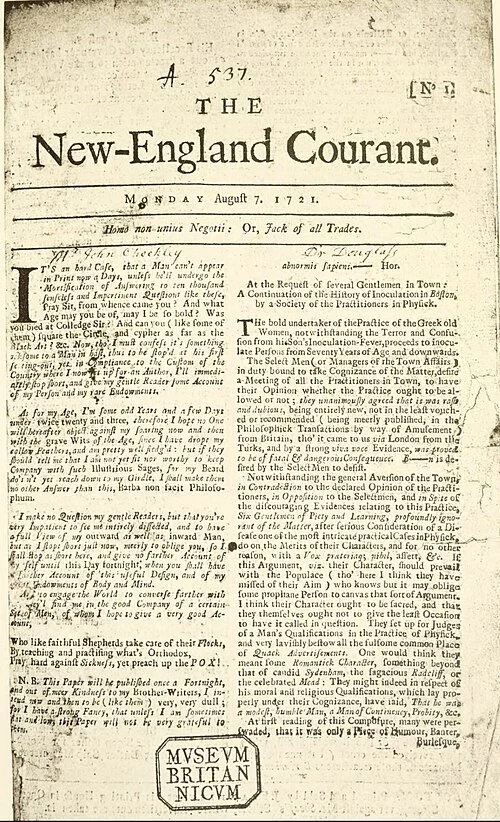
The first issue of The New-England Courant, published in Boston. British colonial officials suppressed it in 1726 for alleged seditious articles. You could say it was a step in the long road to the American Revolution.
Printed in The New-England Courant, July 9, 1722.
Silence Dogood was a popular pen name used by Benjamin Franklin (1706-1790) when he was a teenager to write a series of essays published in the New-England Courant.
Sir,
I prefer the following Abstract from the London Journal to any Thing of my own and therefore shall present it to your Readers this week without any further Preface.
“Without Freedom of Thought, there can be no such Thing as Wisdom; and no such Thing as publick Liberty, without Freedom of Speech; which is the Right of every Man, as far as by it, he does not hurt or controul the Right of another: And this is the only Check it ought to suffer, and the only Bounds it ought to know.
“This sacred Privilege is so essential to free Governments, that the Security of Property, and the Freedom of Speech always go together; and in those wretched Countries where a Man cannot call his Tongue his own, he can scarce call any Thing else his own. Whoever would overthrow the Liberty of a Nation, must begin by subduing the Freeness of Speech; a Thing terrible to Publick Traytors.
“This Secret was so well known to the Court of King Charles the First, that his wicked Ministry procured a Proclamation, to forbid the People to talk of Parliaments, which those Traytors had laid aside. To assert the undoubted Right of the Subject, and defend his Majesty’s legal Prerogative, was called Disaffection, and punished as Sedition. Nay, People were forbid to talk of Religion in their Families: For the Priests had combined with the Ministers to cook up Tyranny, and suppress Truth and the Law, while the late King James, when Duke of York, went avowedly to Mass, Men were fined, imprisoned and undone, for saying he was a Papist: And that King Charles the Second might live more securely a Papist, there was an Act of Parliament made, declaring it Treason to say that he was one.
“That Men ought to speak well of their Governours is true, while their Governours deserve to be well spoken of; but to do publick Mischief, without hearing of it, is only the Prerogative and Felicity of Tyranny: A free People will be shewing that they are so, by their Freedom of Speech.
“The Administration of Government, is nothing else but the Attendance of the Trustees of the People upon the Interest and Affairs of the People: And as it is the Part and Business of the People, for whose Sake alone all publick Matters are, or ought to be transacted, to see whether they be well or ill transacted; so it is the Interest, and ought to be the Ambition, of all honest Magistrates, to have their Deeds openly examined, and publickly scann’d: Only the wicked Governours of Men dread what is said of them; Audivit Tiberius probra queis lacerabitur, atque perculsus est.The publick Censure was true, else he had not felt it bitter.
“Freedom of Speech is ever the Symptom, as well as the Effect of a good Government. In old Rome, all was left to the Judgment and Pleasure of the People, who examined the publick Proceedings with such Discretion, and censured those who administred them with such Equity and Mildness, that in the space of Three Hundred Years, not five publick Ministers suffered unjustly. Indeed whenever the Commons proceeded to Violence, the great Ones had been the Agressors.
“Guilt only dreads Liberty of Speech, which drags it out of its lurking Holes, and exposes its Deformity and Horrour to Daylight. Horatius, Valerius, Cincinnatus, and other vertuous and undesigning Magistrates of the Roman Commonwealth, had nothing to fear from Liberty of Speech. Their virtuous Administration, the more it was examin’d, the more it brightned and gain’d by Enquiry. When Valerius in particular, was accused upon some slight grounds of affecting the Diadem; he, who was the first Minister of Rome, does not accuse the People for examining his Conduct, but approved his Innocence in a Speech to them; and gave such Satisfaction to them, and gained such Popularity to himself, that they gave him a new Name; inde cognomenfactum Publicolae est; to denote that he was their Favourite and their Friend.
“But Things afterwards took another Turn. Rome, with the Loss of its Liberty, lost also its Freedom of Speech; then Mens Words began to be feared and watched; and then first began the poysonous Race of Informers, banished indeed under the righteous Administration of Titus, Narva, Trajan, Aurelius, &c. but encouraged and enriched under the vile Ministry of Sejanus, Tigillinus, Pallas, and Cleander: Queri libet, quod in secreta nostra non inquirant principes, nisi quos Odimus, says Pliny to Trajan.
“The best Princes have ever encouraged and promoted Freedom of Speech; they know that upright Measures would defend themselves, and that all upright Men would defend them. Tacitus, speaking of the Reign of some of the Princes abovemention’d, says with Extasy, Rara Temporum felicitate, ubi sentire quae velis, & quae sentias dicere licet: A blessed Time when you might think what you would, and speak what you thought.
“I doubt not but old Spencer and his Son, who were the Chief Ministers and Betrayers of Edward the Second, would have been very glad to have stopped the Mouths of all the honest Men in England. They dreaded to be called Traytors, because they were Traytors. And I dare say, Queen Elizabeth’s Walsingham, who deserved no Reproaches, feared none. Misrepresentation of publick Measures is easily overthrown, by representing publick Measures truly; when they are honest, they ought to be publickly known, that they may be publickly commended; but if they are knavish or pernicious, they ought to be publickly exposed, in order to be publickly detested.” Yours, &c.
Silence Dogood
It’s only money

“Knowledge, Power, Respect,’’ by Carlin Bear Don’t Walk, in the show “Between Two Worlds: Making Sense of Modern Life Through Indigenous Perspectives,’’ at ShowUp gallery, Boston.
How long can an undone development stay approved?

Proposed One Kenmore
Very slightly edited from a Boston Guardian article by Cullen Paradis.
(New England Diary’s editor, Robert Whitcomb, is chairman of The Boston Guardian.)
With economic headwinds putting many real-estate projects across the city on hold for years, it falls to the Boston Planning Department (BPD) to decide how long is too long for an old plan to stay valid.
It can be hard to make construction budgets work at the best of times, but in recent years resurgent costs have seen a surge of high-profile projects pause their development after winning regulatory approval.
One Kenmore was a 29-story hotel and plaza proposal in the heart of Kenmore Square that finished public review in 2021. Today, market conditions apparently still haven’t recovered enough to make actually building it worth the cost.
“Like a lot of projects, we are considering the broader financing, construction and use environment and don’t have any news to report,” said Diana Pisciotta, president of communications firm Denterlein and spokesperson for proponent Mark Development.
“We remain excited about the transformational project we have proposed in Kenmore Square. Like all property developers, we are considering a variety of strategies to move forward and assure that this project creates maximum positive benefits for the city.”
She confirmed that Mark Development does not currently have any updates on when One Kenmore could proceed.
Air rights parcel 13 at the intersection of Boylston Street and Massachusetts Avenue is another example, where commercial developer The Peebles Corporation proposed a 12-story building with lab space and 125 units of affordable housing. The project passed multiple rounds of public examination in 2023, but since then has been radio silent.
Peebles did not respond by press time to requests for comment on the status of the project.
More recently, the Franklin Cummings Institute admitted that it lost the development partner for its old campus at 41 Berkeley Street. Originally proposed in partnership with developer Related Beal, the upscale senior care center passed public review controversially for BPD approval in 2022. It continued to accrue regulatory approvals as recently as 2024.
Continued, that is, until a listing went up with international real estate broker Colliers showing the property was now for sale, approved plans and all. The Franklin Cummings Institute confirmed that Related Beal had backed out and the project was on hold while they looked for another partner or buyer for the property.
Developments often promise neighbors mitigation funding and public improvements to meet current needs. So what happens when those current needs are years out of date by the time construction actually starts?
The relevant part of the city’s laws is Article 80 of the Boston Zoning Code, specifically section 80A-6.
Project proponents are supposed to notify the BPD if changed plans or lapsed time might subject a project to renewed review, though outside parties can as well. The standard time limit for a period to be “considered significant” is three years between the submission of a project and the next step in development.
If a change of lapse in time is significant, the director of the BPD is the one who decides what, if any, parts of the plan need to be reexamined. The director’s discretion here is broad, but Article 80 does suggest considering increased size, use, traffic, changes to completion schedule or zoning, and changes in the project site or surroundings.
Notably the literal text seems to only mention a three-year period between a submission and its approval as significant, not necessarily after approval, but the BPD gave a statement in response to The Boston Guardian’s questions that suggested the director’s judgement applies to completed processes like One Kenmore as well.
“The director of the BPD has discretion to consider whether a lapse of time following a project's approval significantly increases the impacts of the project and therefore requires new or updated filings and additional review,” it said.
While the BPD does not regularly check unbuilt projects, it does take a look before a final building permit is granted. The agency was less specific about what it considers during those judgements.
“Each project is unique and would include a review of all relevant circumstances specific to that project,” a spokesperson said.
Airy alternatives to driving around here

— Photo by Chacer
Adapted from Robert Whitcomb’s “Digital Diary,’’ in GoLocal24.com.
Trump hates renewable energy (about which he is impressively ignorant, both about its technology and its economics) and public transit. So the general thrust of his policies will be to cause more air pollution (and intensify global warming) and denser road traffic by forcing more people into gasoline-guzzling cars.
Think of that over the next few years when you’re in gridlock on Route 95.
But wait! If you have some disposable income you can fly (at $79 each way) from Logan Airport to New Bedford, in 35 minutes with new Cape Air service, avoiding the claustrophobic traffic in and around Boston. The planes, however, can only take nine passengers.

REGENT Viceroy seaglider model at Dubai Airshow in 2023.
Will REGENT Viceroy “seagliders," electric-powered vehicles that would skim just above the water on “flights” of up to 180 miles along the coast, help reduce car traffic a tad? These vehicles, which would carry 12 passengers, are being developed at Quonset Point. The idea is that they’d blend a (slow) aircraft’s speed with the convenience of a boat. My guess is that tickets would be pricey, and geared to business executives and rich people.
Of course, REGENT’s success would be a boon for the regional economy.
Builds character or fear?

“Cold Plunge” (oil on canvas), by Katherine Bradford, in the group show “Motherhood as Muse,’’ opening Oct. 23 at Concord Art, Concord, Mass.