
Vox clamantis in deserto
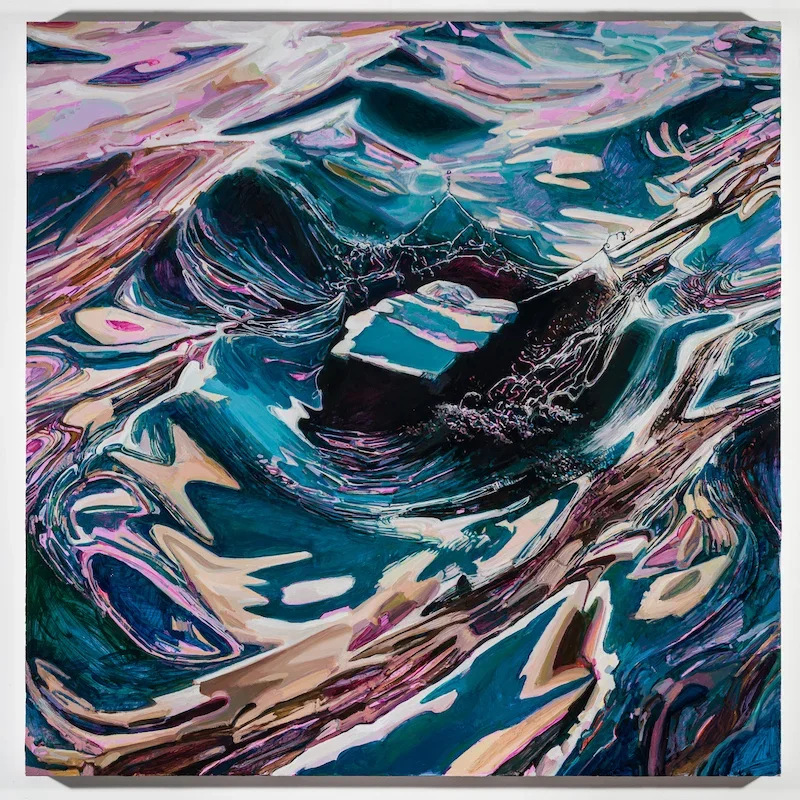

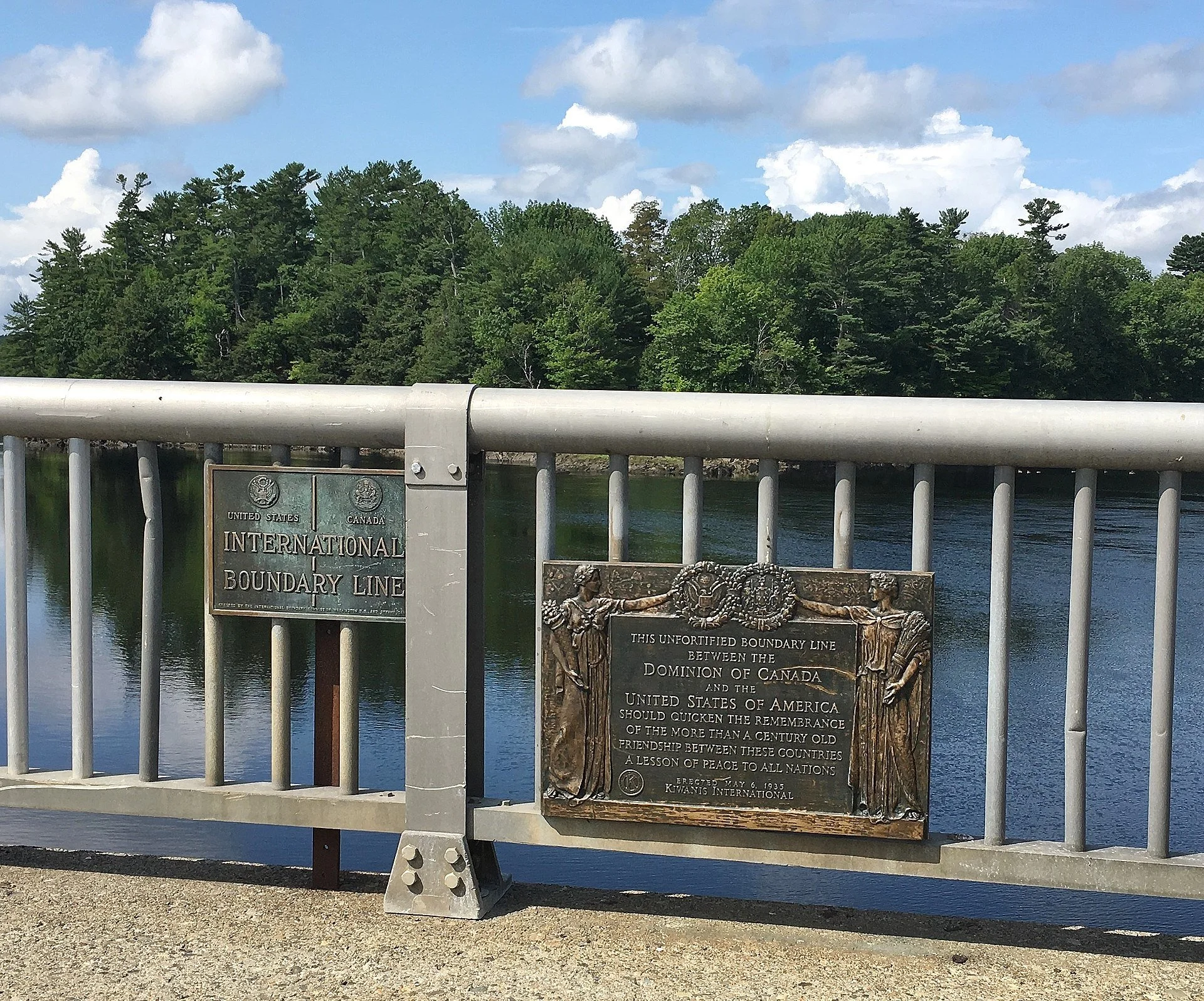
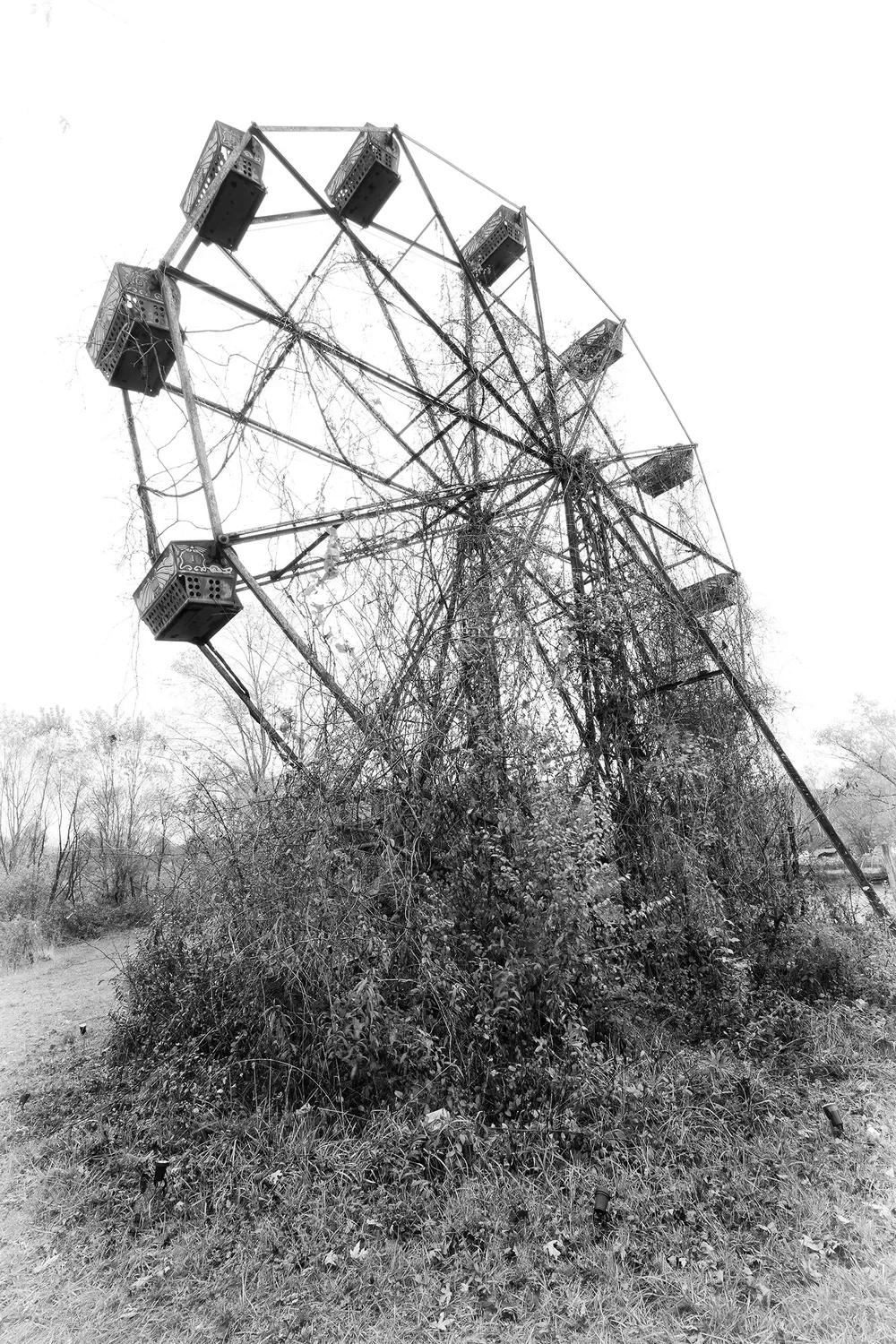


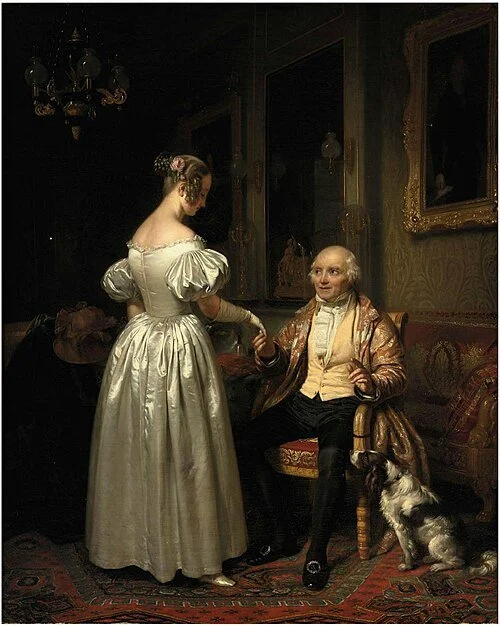
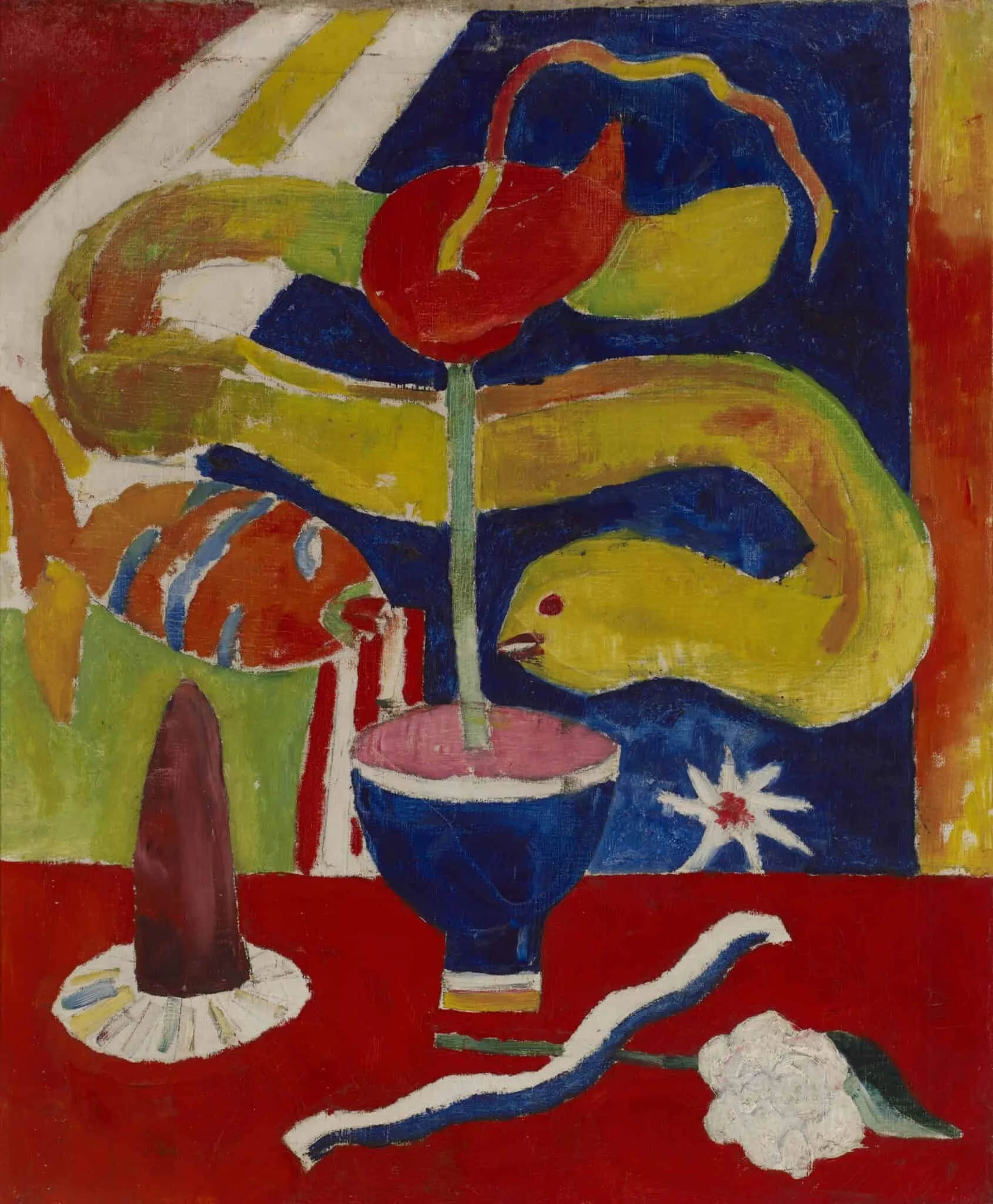


Maybe never

“Call Home” (still from 16 mm film), by Elise Cohen, at the Emerson (College) Contemporary Gallery show “MFA Thesis Projects,’’ in Boston, through May 14
— Photo courtesy: Emerson Contemporary Gallery
The gallery says that Cohen’s work “incorporates mixed media to explore themes of transmission, alienation and memories though 8 mm and 16 mm home movies and audio recording.’’
The art of sound in New Bedford
At the New Bedford Art Museum, through June 4:
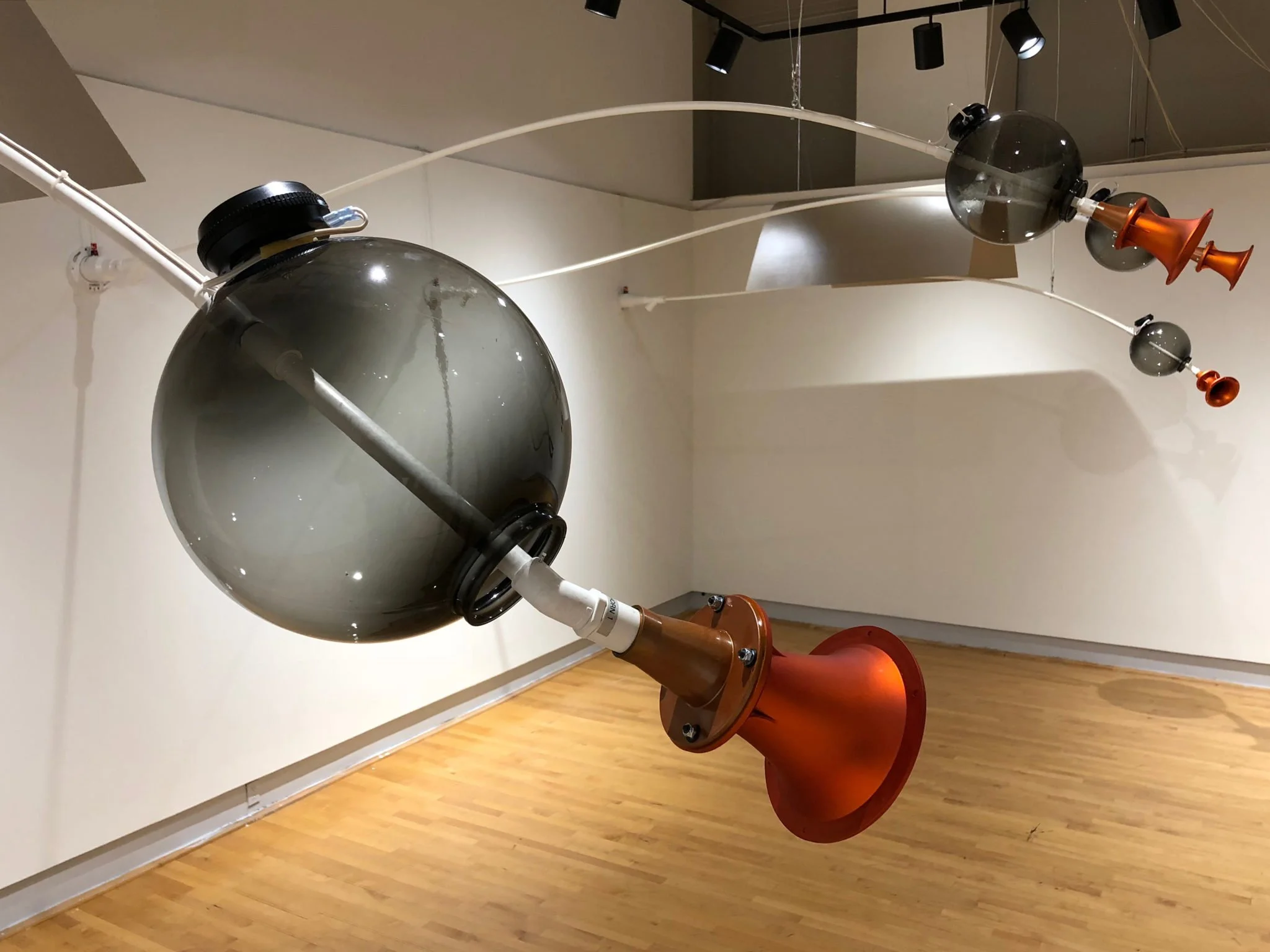
“Sound in Space, Sound in Place’’ is a survey of contemporary sound art, foregrounds sound and listening as powerful shapers of everyday experience and draws attention to sound’s unique properties as an artistic medium.
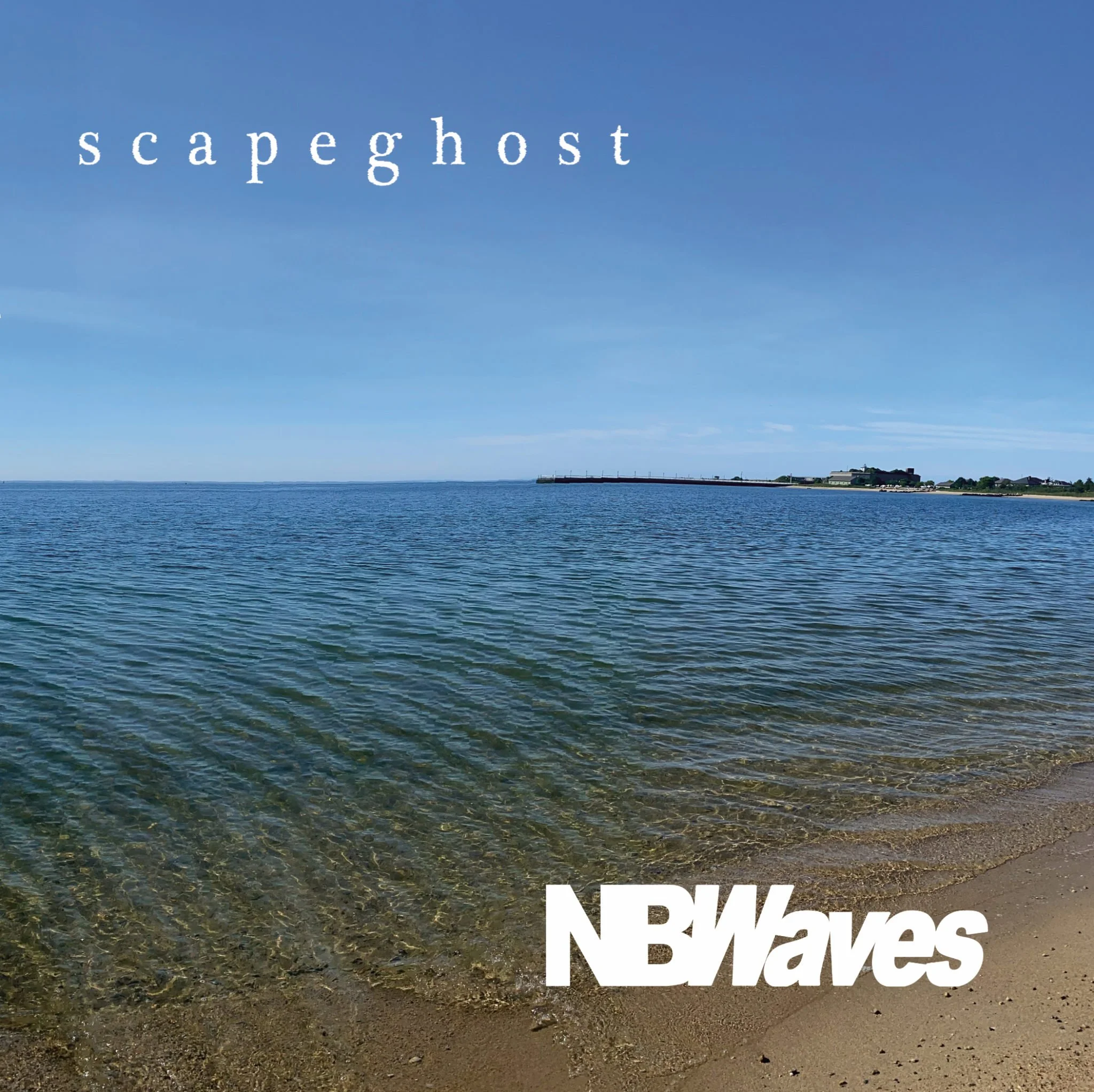
The exhibition features a collaborative work by established sound artists John Driscoll and Phil Edelstein—the richly exploratory sound installation “Cluster Fields” (2018–2023)—as well as “New Bedford Soundscape,’’ a crowdsourced collection of audio recordings by New Bedford residents; “Sonic Textures of Place,’’ experimental sound works by UMass Dartmouth students in Professor Walker Downey’s Spring 2023 sound art seminar; “NBWaves,’’ by Scapeghost, and “Whirly Chorus,’’ by Tess Oldfield.
Scott Bishop, aka Scapeghost, performs his six-song “NBWaves,’’ on April 28, 6-8p.m.

Where will the coastal year-rounders live?

Stonington waterfront in1915

Aerial view of fancy summer resort town Camden, Maine, from the harbor
—Photo by King of Hearts
Adapted from Robert Whitcomb’s “Digital Diary,’’ in GoLocal24.com
‘Many coastal communities in New England face severe housing shortages for year-round residents of modest means. Around here, Nantucket, Martha’s Vineyard and Block Island are infamous for this problem.
Consider Stonington, Maine, on Deer Isle. There, 80 percent of its shorefront is now owned by non-residents (mostly summer people), as are 56 percent of that fishing (mostly lobsters) port’s downtown properties, according to a report in the Portland Press Herald
The usually affluent summer folks bid up real estate prices to levels unaffordable to most year-rounders.
So where will the carpenters, yard-work people, plumbers, electricians and schoolteachers live? Perhaps some elderly summer people will leave their summer McMansions to towns to be converted into affordable housing. Just joking. But something must be done if these towns are going to have enough of the locals who make communities viable for year-round and summer people. That includes zoning changes and/or having states subsidize the construction of new housing in some places.
Wave art
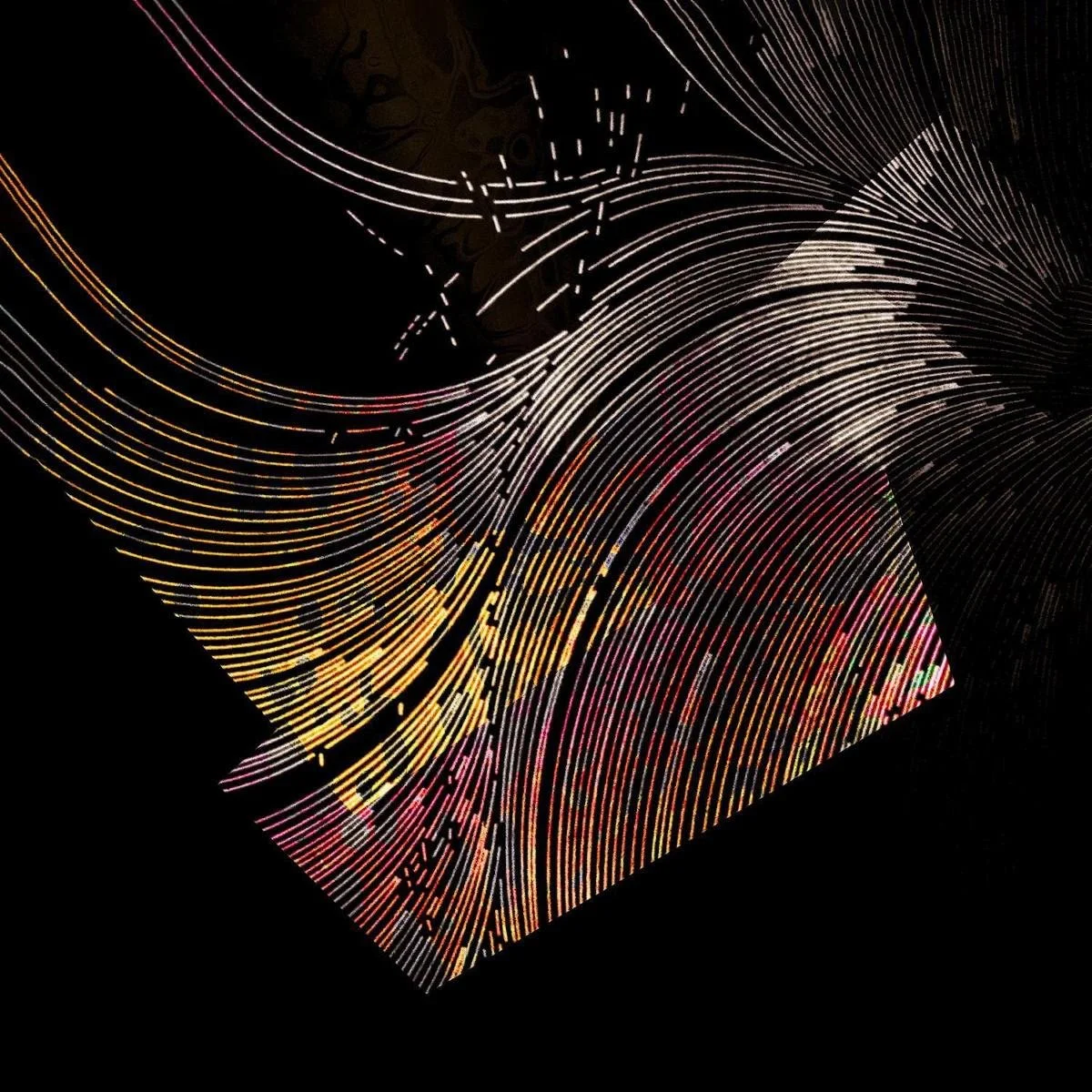
“Wave” (digital photograph), by Cape Cod-based artist Mary Doering, in the National Association of Women Artists’ group show “Contrast,’’ at Galatea Fine Art, Boston, May 5-28.
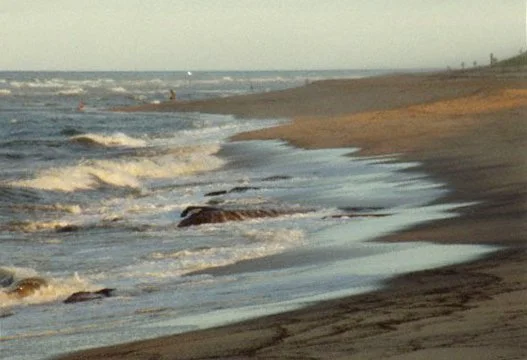
Wave action at the Cape Cod National Seashore
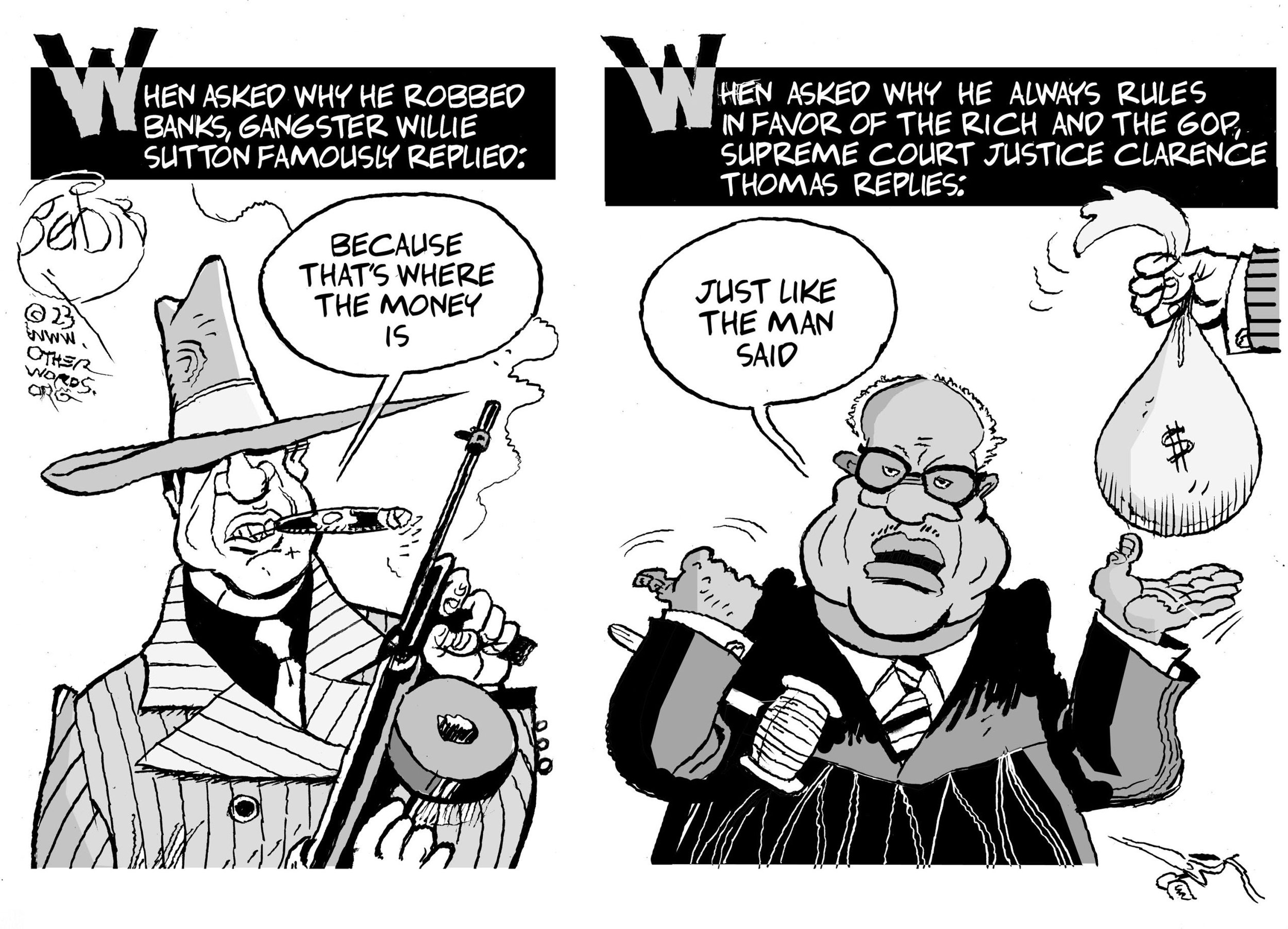
‘Resolute optimism’ in face of climate threats

“Feeling the Heat” (thermal imaging art), by Adam Sebire, in the multimedia show “Points of Return,’’ at the Umbrella Arts Center, Concord, Mass., May 1-June 25.
The Umbrella Visual Arts program, in collaboration with A La Luz, is featuring the work of 27 international artists, in the first physical exhibition of the acclaimed online exhibition of the same name.
The arts center says:
“This environmental art exhibition has The Umbrella divided into themed spaces. A journey has been mapped out to give visitors fresh and engaging insights into wide-ranging aspects of the climate crisis, with its end destination that of resolute optimism. For while it may seem that we are racing toward a closing act, as our planet’s average temperature rises year-to-year, solutions remain within sight. We have not yet reached that dreaded ‘point of no return’ and artists can present scientific data in new ways. Through dynamic display and crossing several artistic disciplines, this show provides commentary, reflection, and creative restorative strategies.’’.

Tucker Carlson in Maine
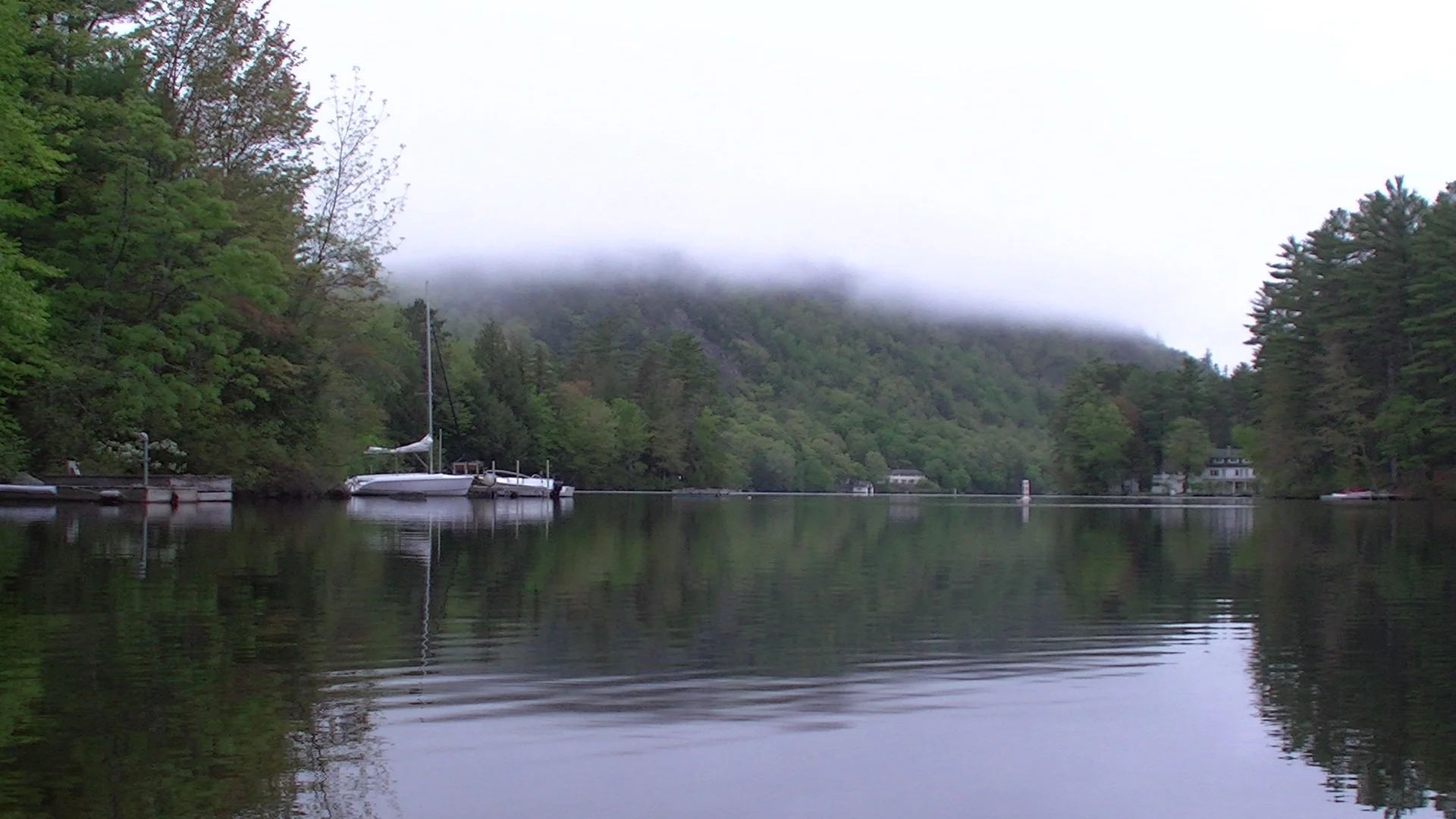
Bryant Pond (aka Christopher Lake), in the western Maine town of Woodstock. Ousted Fox News commentator Tucker Carlson has a house in the Bryant Pond Village section of Woodstock, where he has done some shows. He has often said that it’s his favorite place and noted that his family has vacationed there for more than 40 years. His presence there has not been without controversy.
— Photo by Zendry423

Monument commemorating that Woodstock was the last location in the United States still using the crank telephone system until the early 1980s.
Lindsay Koshgarian: What your federal taxes pay for

Via OtherWords.org
HADLEY, MASS.
Many of us rushed to file our federal taxes before this year’s April 18 deadline. While we all hope for a refund to help pay the rent or cover a vacation, we also want our taxes themselves to pay for worthwhile things.
Every year, my project at the Institute for Policy Studies creates a tax receipt to help people see what their taxes paid for. Here’s what we learned this year.
On the one hand, our federal income taxes fund a lot of good, popular things. The expansion of Medicaid under the Affordable Care Act has saved lives. Food Stamps (also known as SNAP) feed millions of hungry children and families. And Medicare will be there for all of us as we age.
On the other hand, there’s a lot that we might want to do differently.
You probably expect that some of your federal income taxes go to the military. But did you know that the average taxpayer spent $1,087 on private military contractors alone? That’s more than double the $474 that went towards paying the troops.
Unfortunately, that means you’re subsidizing multimillion-dollar salaries for contractor CEOs while many troops rely on food stamps. (You also help pay for those.)
What’s more, a lot of Pentagon spending funds things that aren’t popular at all.
Despite lacking any clear purpose, the war in Afghanistan went on for 20 years and cost more than $2 trillion. It was a clear, tragic failure that the vast majority of us were ready to end well before the U.S. pullout.
Yet Pentagon leaders never had to seriously account for what went wrong. Instead, Congress gave the Pentagon and its contractors more money when the war ended — the opposite of what most of us would expect.
While throwing good money after bad at the Pentagon, we’re not investing enough in domestic programs that actually work.
For example, it’s conventional wisdom that an ounce of prevention is worth a pound of cure. But the average taxpayer paid $20 for federal prisons compared to just $11 for programs to end homelessness, despite the fact that stable housing has been shown to reduce crime.
Then there’s the Child Tax Credit.
This is a shining star among government programs, one that helped cut child poverty in half when it was expanded during the pandemic. It’s hard to ask for better results than that.
The average taxpayer paid $345 for the Child Tax Credit in 2022. If you have children, it’s likely that you got more than that from getting the Child Tax Credit yourself. But conservatives in Congress let the expansion expire in late 2021, abandoning a policy that worked and allowing child poverty to climb.
Scientists are united on the fact that we need to cut carbon emissions now or face dire consequences.
Yet the average taxpayer paid less than $7 for renewable energy and energy efficiency programs in 2022. They got charged more than 10 times that amount for nuclear weapons, which themselves present an existential threat to humanity.
Most of us also support programs for cleaner air and water, which have saved millions of lives and trillions of dollars. Yet the average taxpayer paid less than $22 for the Environmental Protection Agency, which was tasked with responding to the horrific chemical spill in East Palestine, Ohio, that threatened communities in multiple states.
The same taxpayer paid five times as much for a single Pentagon contractor, Lockheed Martin, maker of the F-35 jet fighter. Unlike our successful clean air and water programs, the F-35 fighter is notorious for its failures and expense.
So, let’s hope that you got that refund and use it for something worthwhile. But let’s also demand that our government prioritize programs that are worthwhile and make our lives better — and jettison the ones that don’t.
Federal budgeting expert Lindsay Koshgarian, based in Hadley, directs the National Priorities Project at the Institute for Policy Studies.
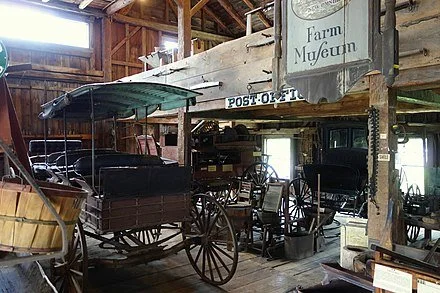
Historical coaches and farming implements in the Hadley Farm Museum
We all feel the ‘presence of absence’

“Presence of Absence: Looking In + Looking Out #1” (pigment print, lucite oil and wood), by Boston-based artist Jennifer Liston Munson, in her show “Presence of Absence,’’ at Kingston Gallery, Boston, July 4-July 30
The gallery says:
”Ghostly figures in found photographs of unnamed relatives from Jennifer Liston Munson’s unknown past occupy a landscape of inherited memory. Photographs are buried in resin, holding the figures in time and space, allowing them to look out as we look in. Liston Munson asks the viewer to linger on these elegiac images as an act of resurrection, to substantiate the precariousness of personal histories and the delicate process of perception.
“In some of the pieces, Liston Munson makes the landscape the subject; spaces, trees, and enigmatic watery pools that remain while the bodies they contain dissolve to time, as layers of paint ooze from the edges to mark the art-making process and the past. Other works look at architecture and history close up, making the past present. A series from an interior room of the Alcazar in Toledo, Spain captures bullet holes in worn wallpaper caught in the crossfire of the Spanish Civil War. New sculptural towers layer colorized resin blocks that obscure buried images of objects normally held in museum vitrines, detached from their cultures of origin for eternity.’’
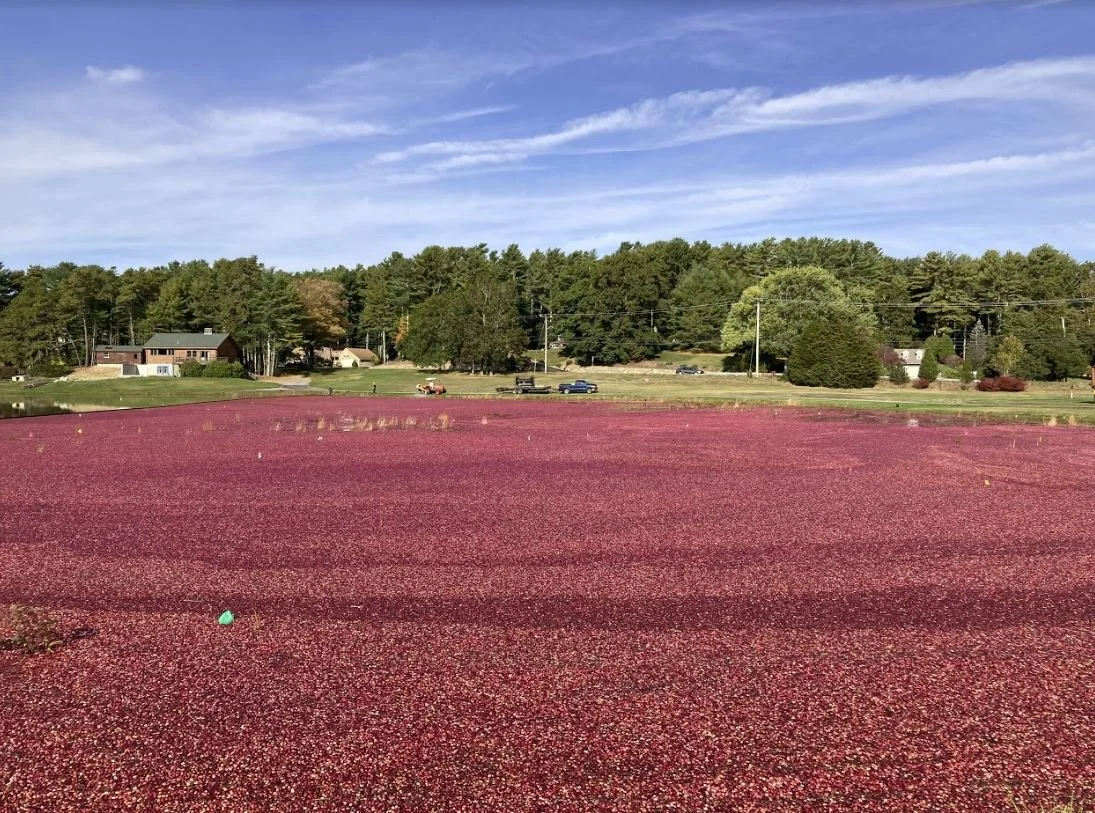
Ocean Spray’s ‘Planet, Product, People, Prosperity’ pillars
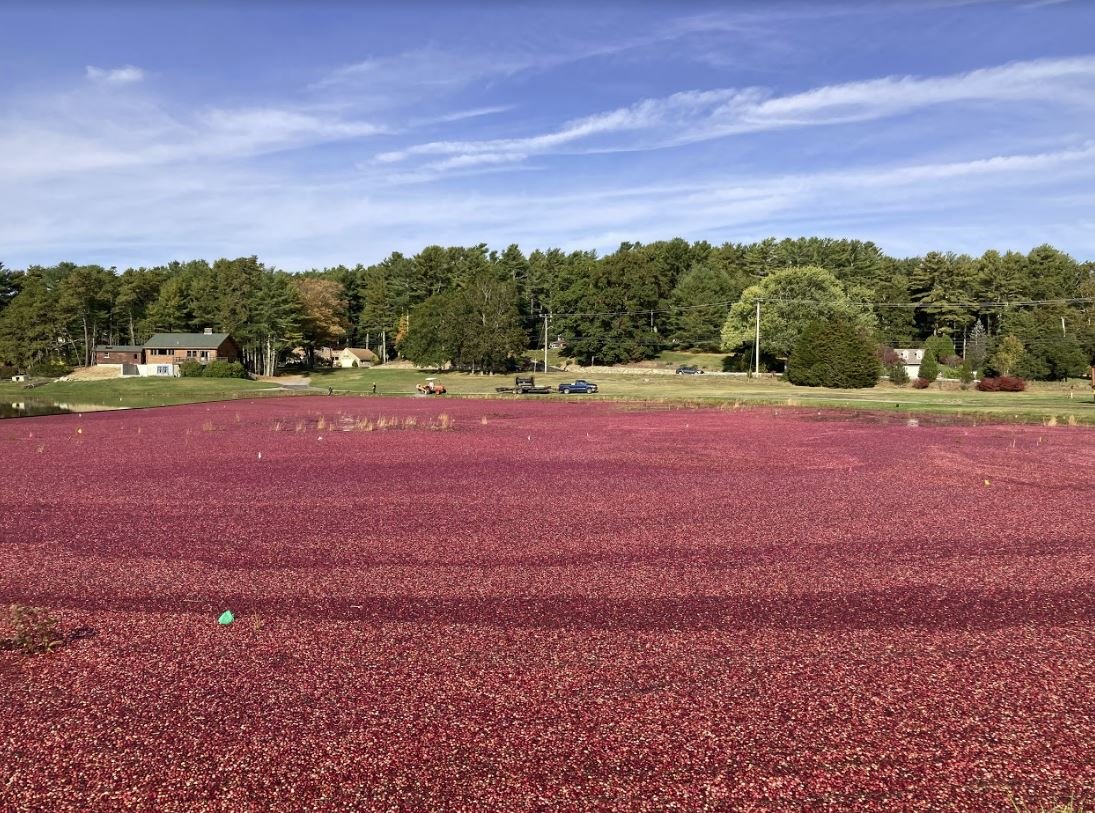
Cranberry harvest time in Kingston Mass.
— Photo by Mathcar
Edited from a New England Council report.
Ocean Spray recently released its Environmental, Social and Governance (ESG) Report, emphasizing its four pillars of Planet, Product, People and Prosperity.
In the inaugural report, Ocean Spray explains and analyzes the company’s ESG work and solidifies its alignment with sustainability and equity. Ocean Spray is an agricultural cooperative that works with 700 family farmers from the United States, Canada and Chile and sells its products in more than 100 countries. In the report’s materiality assessment, Ocean Spray illustrates the company’s priorities of “Generating Economic Value for the Cooperative, Product Information and Labeling, Product Safety and Quality, and Climate Change and GHG Emissions.”
“While the report itself may be a first for our organization, it represents more than 90 years of rich history—an always-present commitment to the environment, championed by the incredible people that have shaped our company for generations,” said CEO Tom Hayes. “One of the hallmarks of our cooperative structure and business practices, throughout our history, has always been sustainability. It is in our DNA. Today, our promise is to advance on this journey—to leverage holistic ESG strategy into actionable results, and further connect our farms to families for a better life.”
xxx
Ocean State, a growers’ cooperative now based in Middleborough, Mass., in southeastern Massachusetts’s cranberry-bog region, was formed in 1930, in Hanson, Mass., by three cranberry growers who wanted to expand their market. Led by growers Marcus L. Urann, Elizabeth F. Lee and John C. Makepeace, the cooperative worked to develop more cranberry-based products beyond cranberry sauce and cranberry juice cocktail. (A.D. Makepeace Company, one of the original founders of Ocean Spray, has been in continuous operation since the late 19th Century and is the world's largest grower of cranberries.)

“The Cranberry Harvest on the Island of Nantucket,’’ 1880 oil painting by Eastman Johnson

Homeless and classically draped
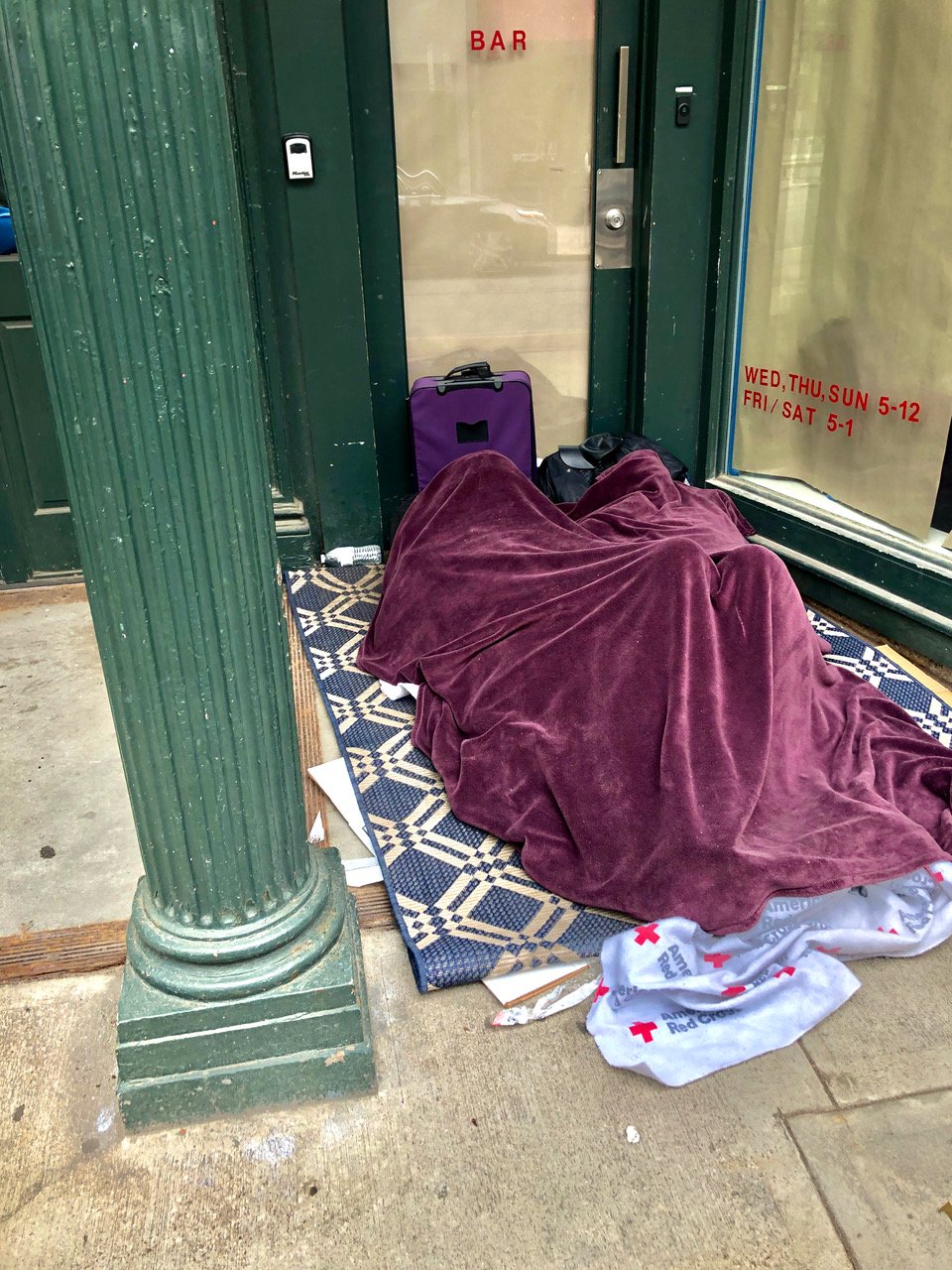
Photo and text by William Morgan
It’s 11 on a Saturday morning in downtown Providence, and someone is sleeping in. This stretch of Chapel Street between Grace Church and the Providence Performing Arts Center has two or three encampments, where building-entrance alcoves provide a modicum of shelter from the elements.
The sadness and embarrassment of homeless people, and the failure of a supposedly enlightened city to take care of its marginalized and less fortunate, tear at one’s heartstrings.
Whatever the issues around social conscience and civic breakdown, some credit is due to this intrepid street denizen. He or she is wrapped in an ecclesiastical purple blanket, like a giant burqa without eye holes. The draping of the fabric recalls classical Greek statuary, such as the Elgin Marbles, from The Parthenon.
As I passed, from a tent pitched in the next entryway, a female voice wafted out, “Have a nice day.’’
William Morgan is an architecture writer and historian based in Providence. His latest book, Academia: Collegiate Gothic Architecture in the United States, will be published in October.
Refashioning ‘Chill & Dream’ for the post-COVID era

"It's really an amalgamation of ideas, experience, and forward momentum put into action," says the DJ who goes by the name Braintree Jim. He will be presenting a new music show on Sunday, April 30, on WOMR, the community radio station based in Provincetown, Mass.
The DJ was the host of a WOMR show that he conceived and hosted called Chill & Dream. "That show," he explains, "was born out of the days during the peak of the pandemic when people were confined to their homes and apartments, and constricted from social interactions on a massive scale. I think people were looking for an escape. The Chill & Dream program proved to be the perfect companion in those circumstances. The show was meant to take you to another place, in sentiment and mood. I think it captured that zeitgeist very well."
"The pandemic will likely be the defining event of our time. While the immediacy of it is starting to wane, it was dramatic and disruptive -- so many lives lost and shattered. A tragedy that still reverberates today. But we're coming out of it. There's a growing sense of moving on... there's a feeling or renewed energy. So, I wanted to reimagine, reboot, and reincarnate the old show into something new and vibrant. Target Ship Radio is the vehicle that taps into this perception."
Braintree Jim says he will not abandon the core principles of the old show, what he describes as "aural escapism" and "sonic sanctuary." The new show will be anchored in so-called "RIP Fusion," or rock, indie and pop. "That certainly constitutes the core," he allows. "I'm also really interested in discovering new -- and old -- sounds that are rooted in strong rhythm and melody. If anything, I'm expanding the sonic palette of the Chill show. I hear more brass -- the exaltant sound of horns. When you bring horns into a song, the molecules start moving differently. The mood changes. Whether it's a triumphant march or a lush interlude."
In addition to placing some soul, R&B-infused dynamics into the new show, he looks to flavor it with some world music, too. "There is so much good world music that embraces these larger ideas, that I'm excited to ferry them into the programming. I think those songs that I play will be accessible and pleasurable to a radio audience. I like the promise of the possibilities."
And what to make of the name of the show?
"We're seafaring creatures. Well before ubiquitous technological advances, we were on the go. And I think maritime vessels have a universal connection with humankind. We're fascinated by seafaring craft, whether it be for commercial or pleasure or, dare I say it, for military purposes. And they have particular resonance for people of Cape Cod."
Target Ship Radio, as a name, the DJ says, is inspired by the old target ship that for decades was visible in Cape Cod Bay, just off Eastham and Orleans. The Navy used it for target practice from the air after World War II. Operations ceased in the 1970s and the ship has since rusted away; its remnants are now only visible at very low tides, just off New Found shoal. He remembers it as "an iconic image captured in photography and artwork, and now collective memories. I wanted to pay homage to something that was such a vivid presence for those of us who spent time along the beaches back then. For me, it captures the past really well. And many still have this romantic attachment to it. I still recall witnessing those bombing runs."
The name also tips a nod to the influential pirate radio stations that sprouted up in the U.K. in the 1960s. "What a wonderful history, that pirate radio movement!", Braintree Jim declares. "I find that independent spirit and mass-audience appeal of pirate radio to be exhilarating. I'll try to bring that to the new show. Radio has a great history here. More than 100 years ago, in Wellfleet, Marconi sent a message from his Cape Cod station, the first radio transmission to cross the Atlantic from the United States. And here we are today, not far from those grounds, still trying to connect with people via radio and other means. How cool is that?"
"I also like the idea of a ship as a metaphor. Ships are about motion and movement. Coming and going. A voyage. The future and past are immediately present at sea. Ideally, I will take people on a new musical journey. That's the goal. And playing old and new music fits into the larger narrative."
Braintree Jim anticipates that there will be some changes or, as he phrases it, some mid-course adjustments. He expects to feature new segments that include playing classic, largely forgotten, albums in their entirety. And he also looks to see how he can pour listener playlists into the show. "I'm intrigued by playlists," he insists. "There are everywhere. Anybody can make one. There are algorithms to help curate them, and I would’t be surprised if AI isn't already spitting them out. I'm interested in cracking the glass on people's phones and getting inside them as the human face and human soul behind those lists. Part of my mission isn't to thwart them but to embrace them by allowing listeners to submit their ideas. I think engaging listeners in this way is a bit experimental but it's a way to bring listeners on board, so to speak." He also plans to occasionally interview artists, musicians and authors. One guest is already tentatively booked. Local author and historian Don Wilding will soon have a new book published. Cape Cod and the Portland Gale of 1898 tells the story of the fearsome late November storm that devastated the New England coast, including Provincetown Harbor. It was a storm by which many future storms were measured against. The story centers on the steamer Portland, which sank to the depths of Massachusetts Bay off Cape Cod, claiming nearly two hundred lives.
The inaugural Target Ship Radio show airs on Sunday, April 30, from 1-4 p.m. It can be heard on 92.1 FM-Provincetown and 91.3 FM-Orleans, and streaming live on womr.org. You can also hear it on the new WOMR app.
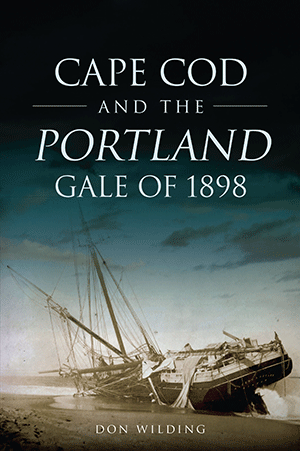

The S.S. Portland
‘A country seen in dreams’

“Turn Back” (oil on panel); “Crossing” (mixed stoneware clay), by Elizabeth Strasser, in her show “Some Other Country,’’ at Bromfield Gallery, Boston, through April 30.
The show description:
“These paintings evolved from a sense of unease, bred by recent events. The paintings do not present a particular memory or scenario but an emotional response, a reaction to a sense of disbelief and dislocation. The paintings were curative, a remedy for and revelation of the essence of my lived experience.
“In the paintings an atmospheric landscape surrounds a naked or mysteriously cloaked figure. Their backs are turned away from the viewer, the faces obscured. Each figure stands alone or in ambiguous relation to another figure. The locations are unspecified. This is ‘some other country’ – a country seen in dreams.
“The ceramic pieces function as a further exploration of the paintings. With special emphasis on surfaces, the vessels were created by forming, carving and adding clay pieces and mineral additives. They carry the emotional intensity formed by the mysterious ceramic alchemy of earth, water and fire.’’

Chris Powell: Someone is always above the law; UConn rioters

MANCHESTER, Conn.
While former President Donald Trump has long been mainly a grifter, his indictment by a Manhattan grand jury is not justified by the cant coming from Democrats in Connecticut and around the country: the cant that “no one is above the law.”
To the contrary, criminal prosecution is almost always largely a matter of prosecutorial discretion.
Alvin Bragg, the current Manhattan district attorney, ran for office implying that his office would prosecute Trump for something. And now Bragg has persuaded a grand jury to indict the former president for 34 alleged felonies. But Bragg has been routinely reducing felony charges to misdemeanors for offenders who are not named Trump.
Federal and other state prosecutors have so far declined to press against Trump charges like those now being pressed in Manhattan because those other prosecutors considered the evidence too weak.
Bill Clinton broke criminal law while in office but received prosecutorial discretion, being considered above the law.
Connecticut is full of prosecutorial discretion. The state long has put illegal immigrants above the law, facilitating their breaking of federal immigration law and obstructing its enforcement by federal agents. Lately Connecticut also has been putting marijuana users and sellers above the law, pretending that federal drug law -- which, rightly or wrongly, continues to criminalize the drug -- is nullified by the state law that actually has put state government itself into the marijuana retail licensing business.
Indeed, U.S. Atty. Gen. Merrick Garland has formally stated that President Biden’s Justice Department has decided that enforcing federal marijuana law in states that don’t want it enforced would not be a good use of the department’s resources -- still more prosecutorial discretion that puts people above the law. So much for the U.S. Constitution’s command that the president “shall take care that the laws be faithfully executed.”
Connecticut’s law against murder does not seem to be enforced in New Haven, Bridgeport and Hartford as well as it is in Woodbridge, Easton and Avon. About 80 percent of the murders in the last several years in New Haven remain unsolved. There is plenty of discretion as to where the state allocates its police resources.
Sometimes prosecutorial discretion may serve a more cosmic form of justice. Sometimes prosecutorial discretion is political opportunism. But someone everywhere is always above the law.
xxx
Just as its men’s basketball team was winning the national college championship and putting the University of Connecticut in the spotlight across the country, dozens of students rioted on the campus at Storrs, pulling down lampposts, breaking windows and starting fires, discrediting the university at what should have been its most glorious moment in years. Fourteen people, most of them students, were arrested, and 16 others were injured badly enough by the mayhem to be hospitalized.
The university’s admissions department has a lot to answer for. How do such thugs get into something that calls itself higher education?
Of course, the thugs have even more to answer for than the admissions department does. Having been arrested, some may actually be prosecuted, though most criminal charges in Connecticut these days are so heavily discounted in court that the law has lost deterrence. Most of the young rioters probably will be penalized in court with nothing more than probation.
The university promises its own vigorous internal discipline of the rioters, including possible expulsion. UConn should regularly update the public about that process -- to reassure the public and deter any other thugs on campus. The basketball team, its coaching staff, its fans, and everyone else in Connecticut deserved far better, and the state needs to be shown that, at least at UConn, nobody is above the law.
xxx
A reader offers what might strike most people as a good idea: that each criminal court in the state should issue a weekly report of cases concluded and their outcomes, and that newspapers should publish the reports. But it won’t happen because the General Assembly, with a far-left political majority obliged by Gov. Ned Lamont, lately has been ordering the erasure of criminal records.
Most legislators and the governor think the public knows too much about criminal justice.
Chris Powell is a columnist for the Journal Inquirer, in Manchester (CPowell@JournalInquirer.com).

Llewellyn King: Brilliant, brazen Murdoch’s two-tiered approach

Rupert Murdoch accepting the conservative Hudson Institute's 2015 Global Leadership Award.

One of the Fox “News” -affiliated TV stations
WEST WARWICK, R.I.
I have watched Rupert Murdoch’s career with admiration, irritation and, sometimes, horror.
His besetting sin is that he goes too far. The fault that has landed Fox News settling with Dominion Voting Systems for $787.5 million isn’t new in the Murdoch experience.
He is a publishing and television genius. But like many a genius, his success keeps running away with him — and then he must pay up. He does so without apology and without discernible contrition. Those who know him well tell me he treats his losses with a philosophical shrug.
Murdoch’s talent reaches into many aspects of journalism. He has nerves of titanium in business and a fine ability to challenge the rules — and, if he can, to bend them.
As an employer he is ruthless and at times generous and indulgent. I know many who have worked for Murdoch and they speak about the contradictions of his ruthlessness and his generosity, particularly to those who have borne the battle of public humiliation for him. Check out the salaries at Fox News and the London Sun.
The Murdoch story begins, as most know, when he inherited a newspaper from his father. He quickly formed a mini-news empire in Australia.
But Murdoch had his sights set — as many in the former British possessions do — on London and the big time there. While at Oxford, he was hired as a sub-editor at The Daily Express, then owned by another colonial, the formidable Lord Beaverbrook.
In 1968, Murdoch bought The News of the World, a crime-centric Sunday paper. The next year, he bought the avowedly left-wing Sun.
Here Murdoch showed his genius at knowing the makeup of the audience and what it wanted: He flipped The Sun from left politics to extreme right and, for good measure, stripped the pinups of their bras.
That was a hit with men, and the politics were a revelation: Murdoch had defined a conservative, loyalist and anti-European vein in the British newspaper readership that hadn’t been mined. He went for it and soon had the largest circulation paper in Britain.
After he bought the redoubtable Times and Sunday Times, the Murdoch invasion was complete. He had also been instrumental in the launch of Sky News.
Money rolled in and political power and prestige with it — although there is no evidence that he sought formal preferment, like a peerage.
On to New York and U.S. newspapers.
Here the formula of sex and nationalism foundered. He didn’t succeed as an American newspaper proprietor except for deftly keeping The Wall Street Journal a prestige publication.
However, he brilliantly – with several bold moves — built a television network. Then, in the cable division, he applied the UK formula: Give the punters what they want.
In Britain it was sex and nationalism. In America, it was far-right jingoism. Murdoch gave it to Americans just as he had given it to the British: in large helpings of conspiracy, paranoia and nationalism.
In his tabloids, royal and celebrity gossip was the mainstay after right-wing Euro-bashing and breast-baring. He paid well for sensationalism and that attracted a seedy kind of private investigator-journalist, prepared to go further and deeper than his or her colleagues. Corruption of the police was the next step, along with telephone bugging and other egregious transgressions.
Eventually, it all came tumbling down. Murdoch had to appear before a parliamentary committee, fire people and, in a strange move, he closed The News of the World, as though the inanimate newspaper had been breaking the law without anyone knowing.
In fact, he had gone too far. The joyful music of the cash register had led to a wilder and wilder dance.
He damaged his legend, his papers and all of Britain’s journalism. He also lost the opportunity to buy control of Sky News.
But Fox was a joy. Oh, the sweet music and the wild dance! Give them what they want all day and all night. Give them their heroes untrammeled and their own facts. And finally, the election results they, the punters, wanted to believe, not the ones that the polls posted.
You can see the two-tiered approach that has worked so well for Murdoch working again here. Some respectable publications and some vulgar money makers, like his respected The Australian and his raucous big-city tabloids; in Britain, the respected Times and Sunday Times and the ultra-sensational Sun; in America, the respected Wall Street Journal and the disreputable Fox Cable News and his other remaining newspaper, the skallywag New York Post.
For a remarkably gifted man, Murdoch can do some appalling things and has genius without bounds.
Llewellyn King is executive producer and host of White House Chronicle, on PBS. His email is llewellynking1@gmail.com, and he’s based in Rhode Island and Washington, D.C.
‘A charmed antiquity’

“View of Boston,’’ by J. J. Hawes, c. 1860s–1880s
My northern pines are good enough for me,
But there’s a town my memory uprears—
A town that always like a friend appears,
And always in the sunrise by the sea.
And over it, somehow, there seems to be
A downward flash of something new and fierce,
That ever strives to clear, but never clears
The dimness of a charmed antiquity.
— “Boston,’’ by Edwin Arlington Robinson (1869-1935)
The leaves speak
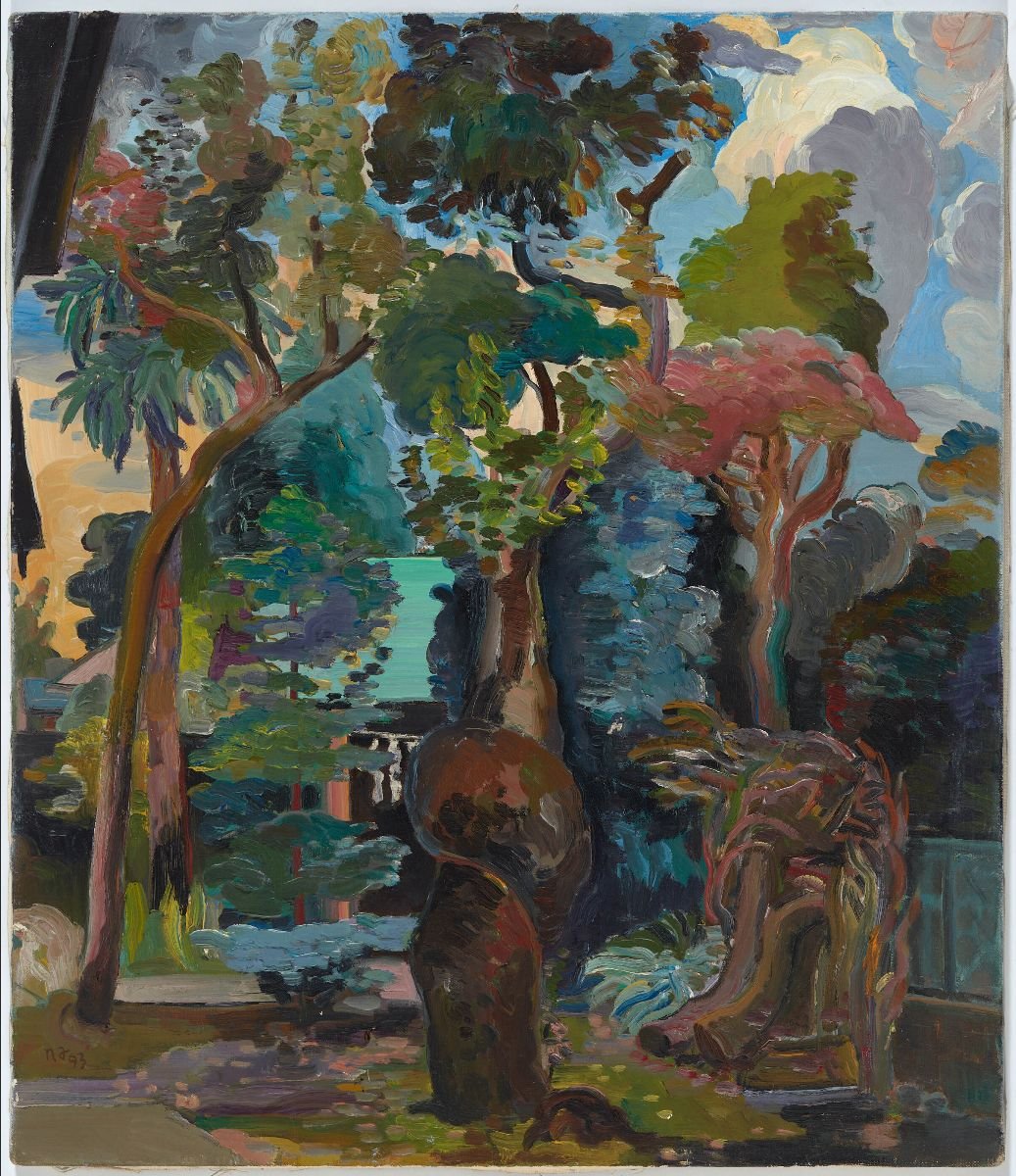
“Shrine” (oil on linen), by New England painter Nancy Friese, in her show “Eloquent Landscapes,’’ at Cade Tompkins Projects, Providence, through April 29. See this video.
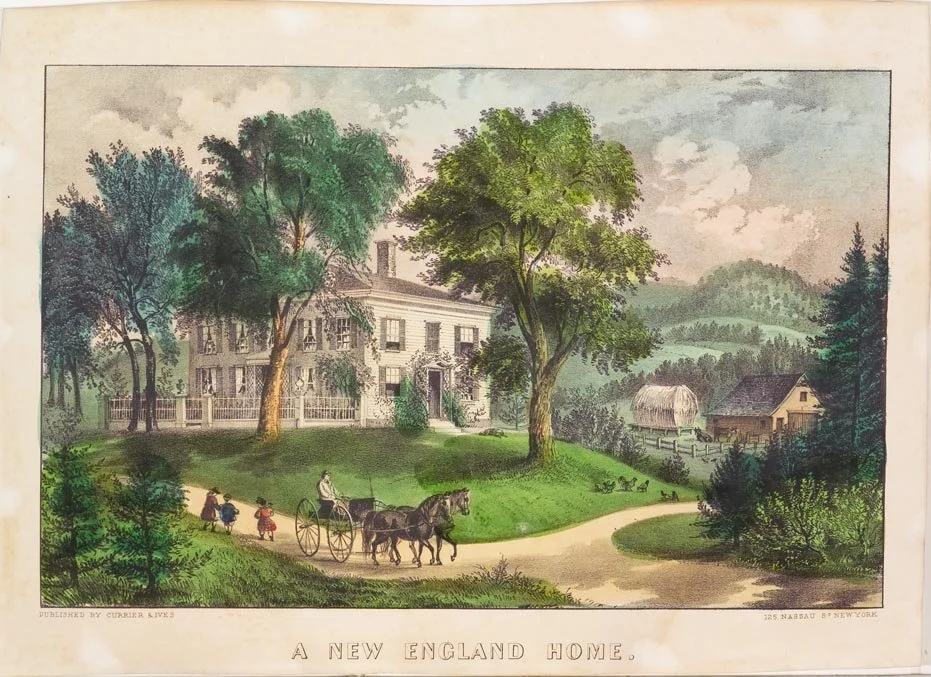
‘Newness on every object’
1850 lithograph
“These towns and cities of New England (many of which would be villages in Old England), are as favourable specimens of rural America, as their people are of rural Americans. The well-trimmed lawns and green meadows of home are not there; and the grass, compared with our ornamental plots and pastures, is rank, and rough, and wild: but delicate slopes of land, gently-swelling hills, wooded valleys, and slender streams, abound. Every little colony of houses has its church and school-house peeping from among the white roofs and shady trees; every house is the whitest of the white; every Venetian blind the greenest of the green; every fine day’s sky the bluest of the blue. A sharp dry wind and a slight frost had so hardened the roads when we alighted at Worcester, that their furrowed tracks were like ridges of granite. There was the usual aspect of newness on every object, of course. All the buildings looked as if they had been built and painted that morning, and could be taken down on Monday with very little trouble.’’
— From American Notes, by Charles Dickens (1812-1870), a travelogue detailing his trip to North America from January to June 1842.
Food fun and learning

From Robert Whitcomb’s “Digital Diary,’’ in GoLocal24.com
What a fine project -- providing fresh food while helping kids learn about growing vegetables in containers year round at “Freight Farms’’ run by Boys & Girls Clubs south of Boston.
Here’s some background from, yes, Wikipedia:
“Freight Farms is a Boston-based agriculture technology company and was the first to manufacture and sell "container farms": hydroponic farming systems retrofitted inside intermodal freight containers. Freight Farms also developed “farmhand’’, a hydroponic farm management and automation software platform, and the largest connected network of hydroponic farmers in the world. The company has installed more than 200 farms around the world, on behalf of individuals, entrepreneurs, educational and corporate campuses, and soil farmers.
“In 2018 the company announced Grown by Freight Farms, an on-site farming service for institutions and organizations that would benefit from food grown on-site.’’ Good for places with the cool snap called “winter.’’
Different species

“Getting elected as a Republican in Massachusetts is very, very different from being elected as a Republican in New Hampshire.’’
— Corey Lewandowski (born 1973), a New Hampshire-based right-wing Republican political operative, lobbyist, political commentator and author closely associated with Donald Trump. His main home is in Windham, N.H.

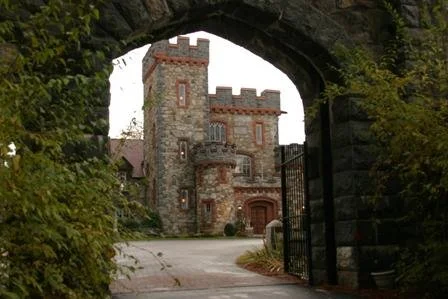
The Searles Castle, in Windham, was built in 1905-1915 and was completed in 1915. It was intended to be a replica of the medieval Tudor manor of Stanton Harcourt, in Oxfordshire, England, but since most of the manor had been torn down in the 18th Century, the castle bears little resemblance to the historical structure. It’s now owned by a pharmaceutical company owner.