Vox clamantis in deserto
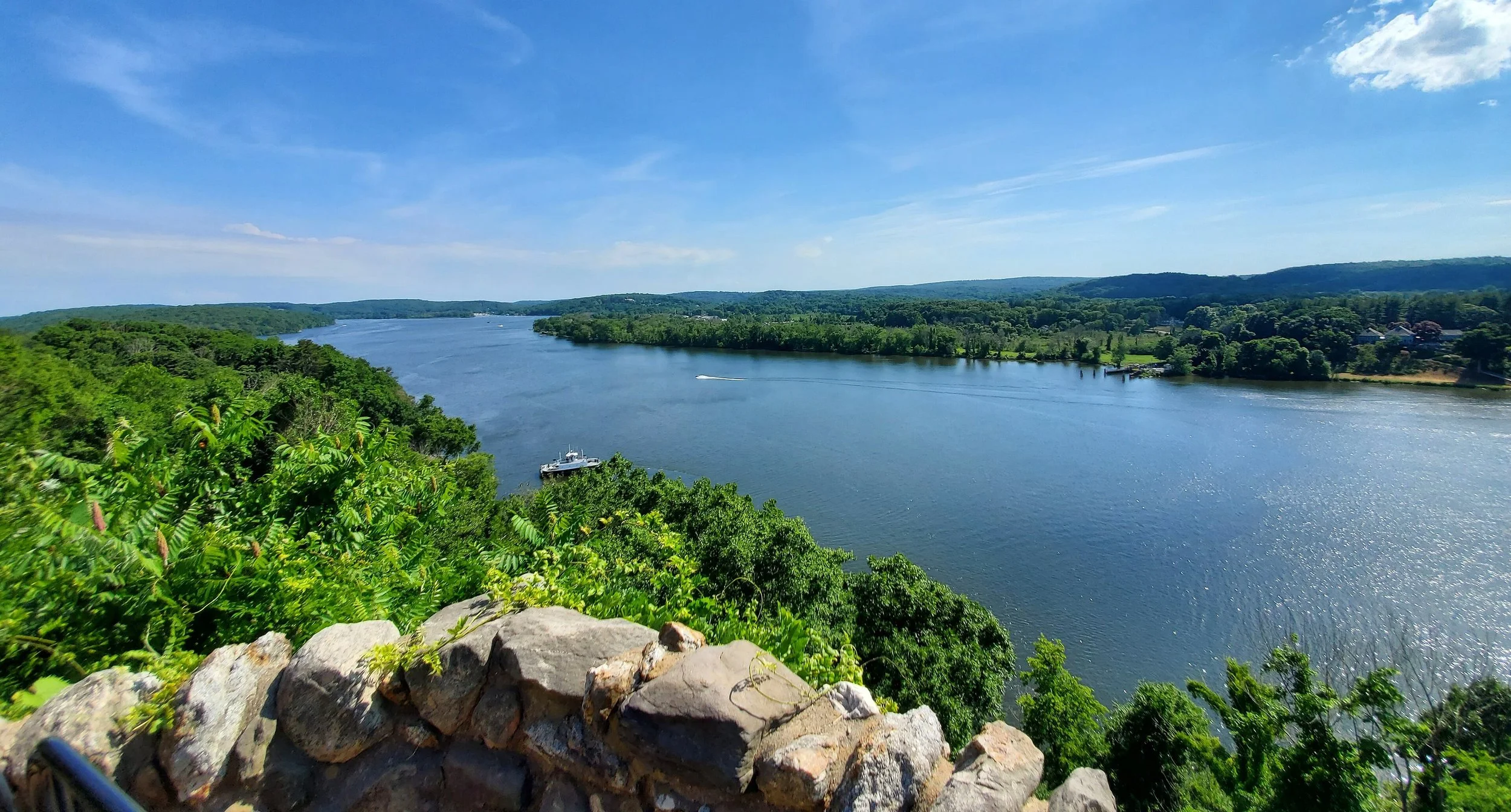
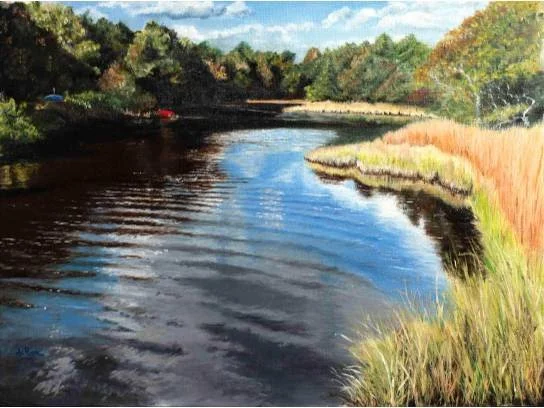
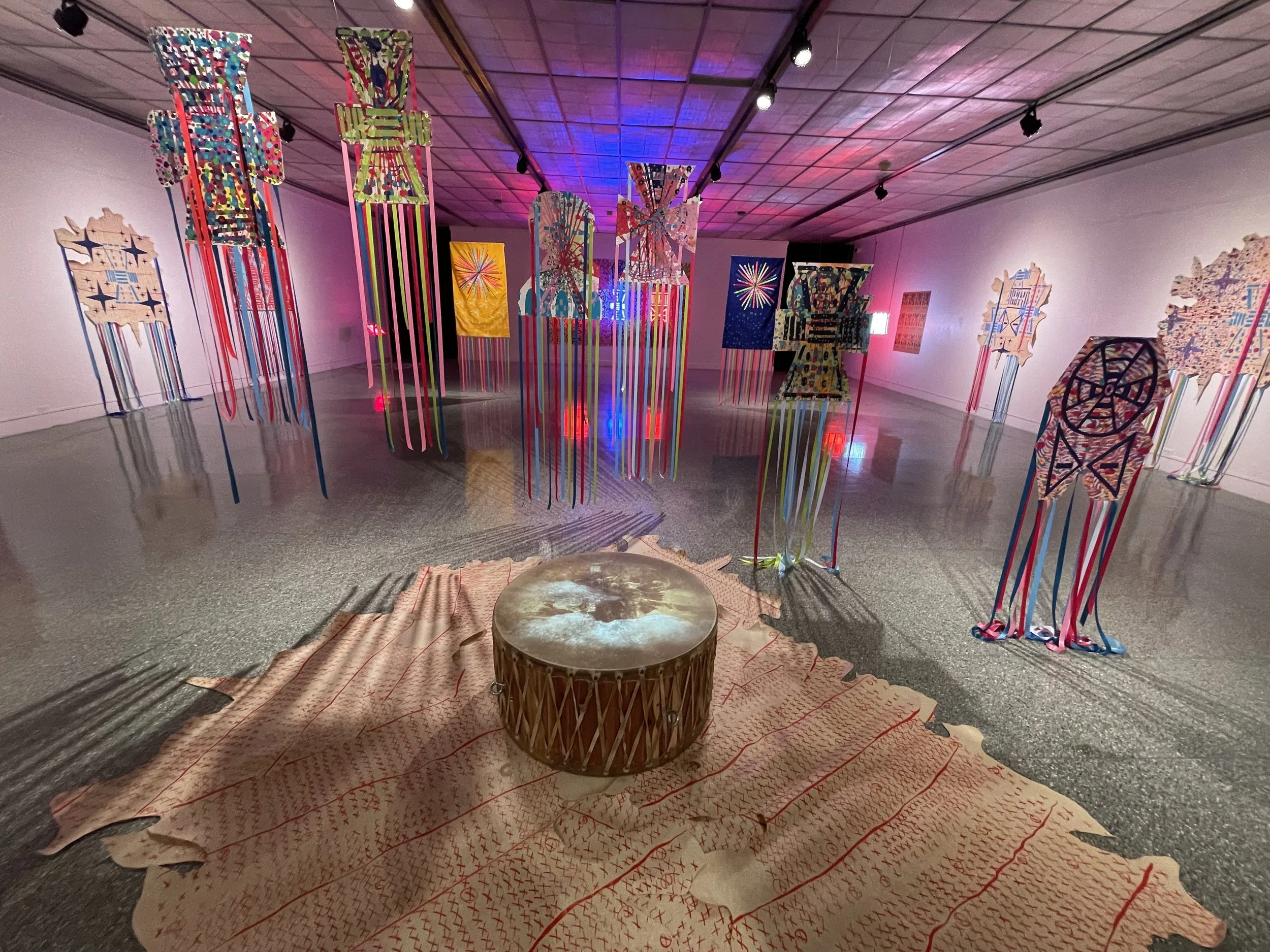
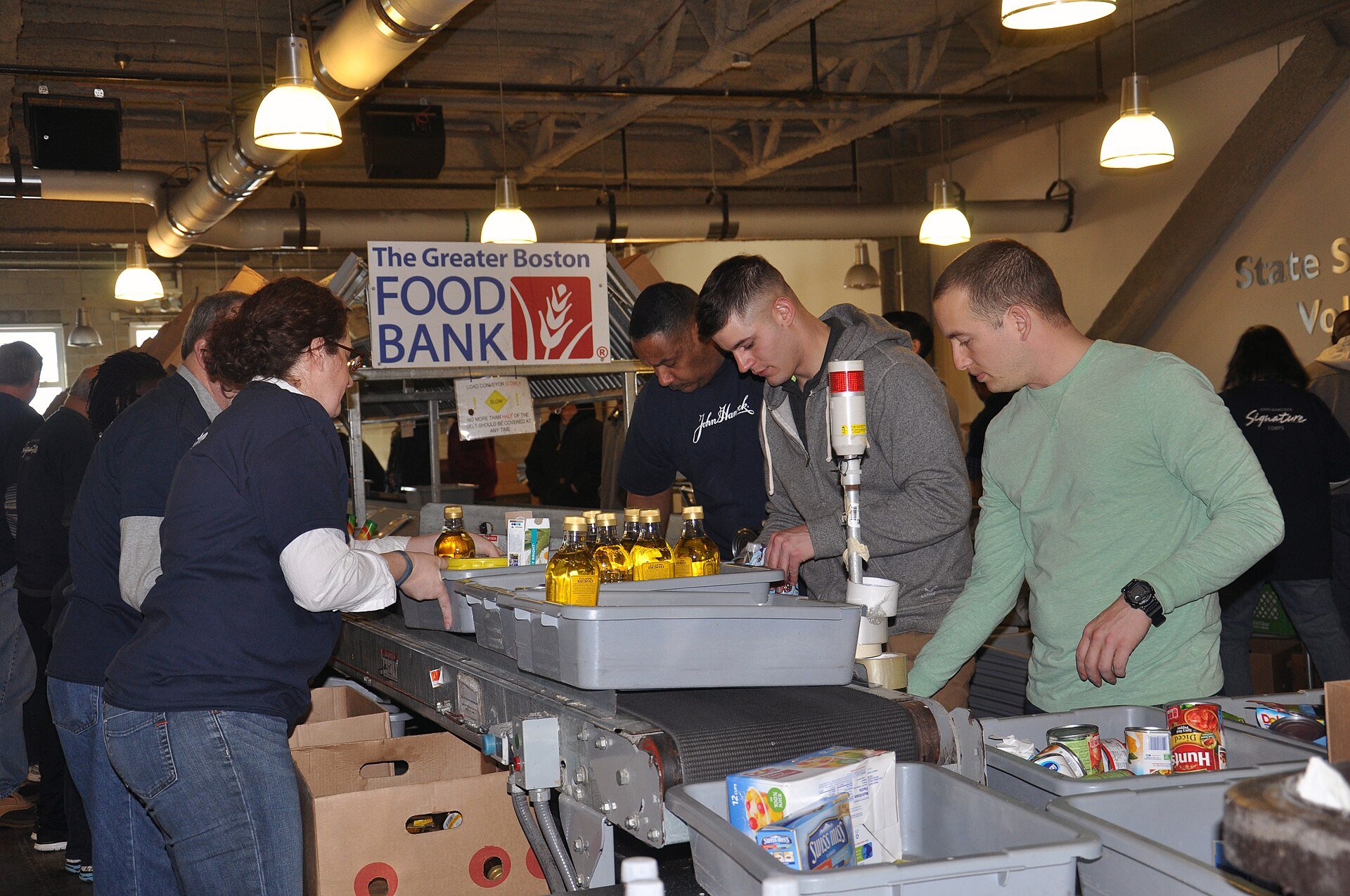
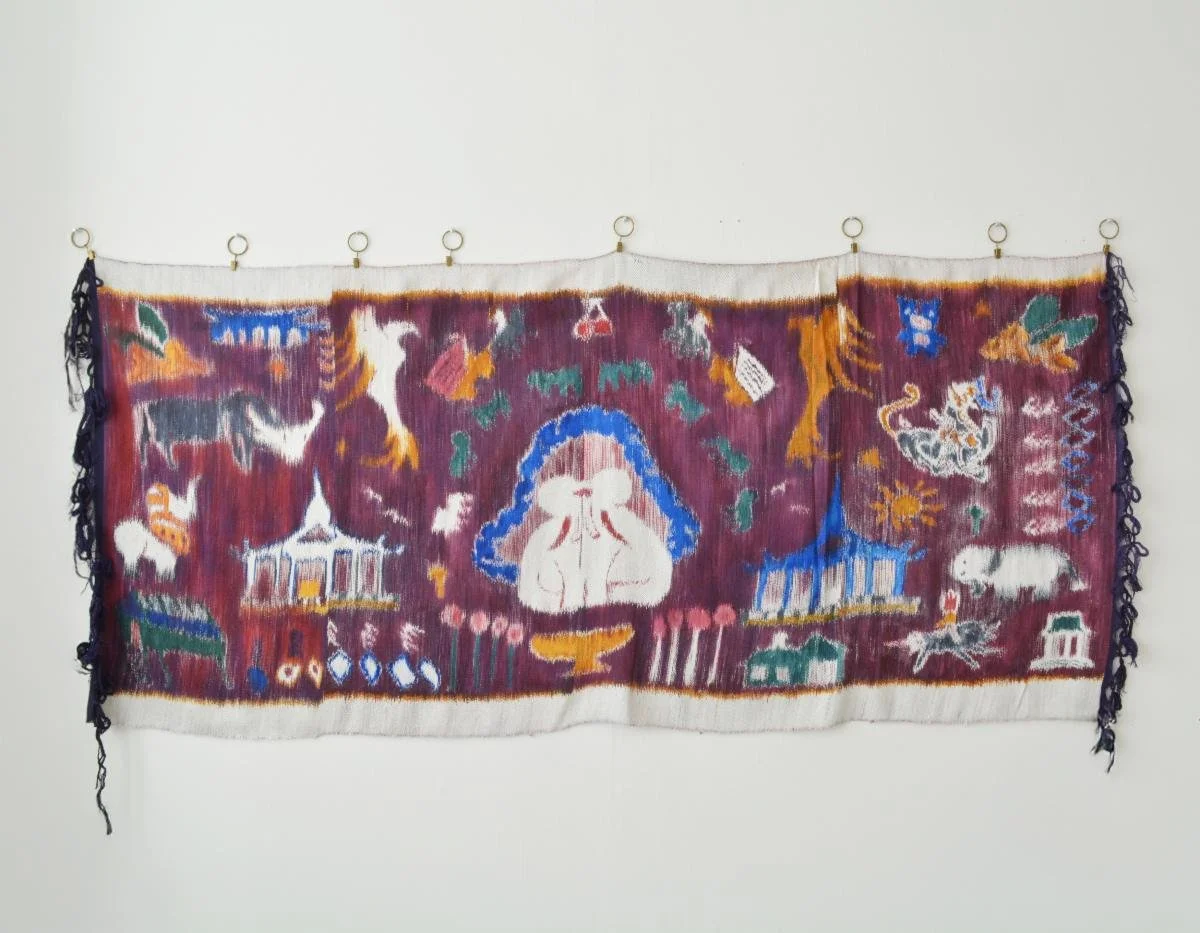
'North light in May'

Portland Head Light, Cape Elizabeth, Maine.
"Four miles out the tide curls in
like a beagle's ear
as we lunch together in the stiff suit of noon,
of north light in May.''
-- From "Poem,'' by Mira Fish
Pot in the air

From Robert Whitcomb's "Digital Diary, in GoLocal24.com
As Rhode Island, Massachusetts and some other states (if not the Feds) loosen laws against marijuana cultivation and use, pot smokers are becoming increasingly noxious neighbors in apartment and condo buildings. I have noticed the rich aroma of the stuff in some buildings and certainly on many sidewalks.
Reminder: Marijuana cultivation, sale and use are still prohibited under federal law, which presents considerable confusion in states that allow sale and use of the stuff anyway. The Feds have long looked the other way on this, fearing that the federal law is just too difficult to enforce, considering some states’ policies and that millions of people regularly smoke pot.
Non-pot smokers are being forced to inhale this psychotropic smoke, which, to say the least, is unhealthy. Of course, breathing second-hand tobacco smoke is bad for you, too, but it doesn’t affect your clarity of mind as marijuana smoke does. In some places, you can become involuntarily intoxicated.
Pot has become such a big business and tax-revenue supplier that, barring rigorous enforcement of federal laws still on the books, the problem of second-hand smoke can only get worse. And I laugh at the argument that states’ effective legalization of the weed primarily serves as a way to alleviate physical pain. Most people smoking pot just want to get mildly or very stoned for the pleasure of it, and there’s much profit and tax money to be made from the stuff.
To read an entertaining Boston Globe story on second-hand pot smoke, please hit this link.
Digitally 'sublime'
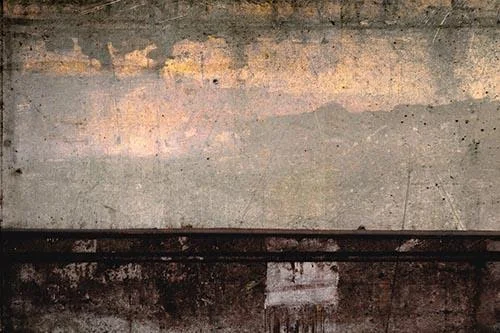
"Studio Window'' (digital painting), by Daniel Feldman, in his show "Specific Gravity,'' at Bromfield Gallery, Boston, through April 29. The gallery says Mr. Feldman's digital works "create a sublime sense of unfolding possibilities. ''
'Burlesque queen'
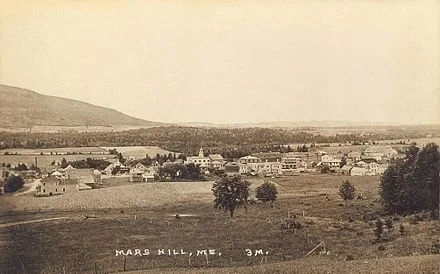
Mars Hill, in northern Maine, circa 1915.
‘’Where it stands in the wind
unpinning the plastic
it has worn all winter
"There is not one tree….
…and again like an old
burlesque queen, alone
in the potato fields
of Mars Hill, Maine.’’
-- From “House in Spring,’’ by Wesley McNair
The beauty of a Brutalist campus
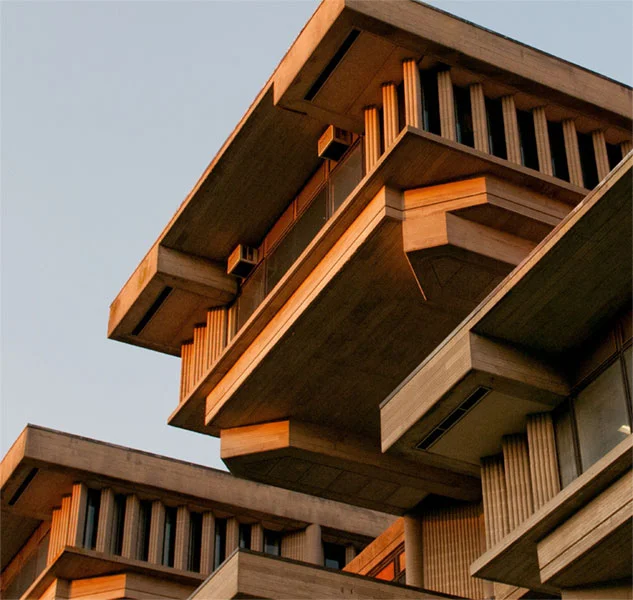
Image from the show "A Visionary Campus: Paul Rudolph and UMass Dartmouth,'' at the CVPA Campus Gallery, University of Massachusetts at Dartmouth.
Through April 28, UMass Dartmouth’s College of Visual & Performing Arts Campus Gallery's show explores the unique mid-century modern campus, in southeastern Massachusetts, through photographs, drawings and 3-D models. Some critics consider this public university campus, designed by Paul Rudolph, an architectural gem. The lead curators, Anna M. Dempsey & Allison J. Cywin, along with their curatorial team of animators, graphic designers, artists and historians, situate the campus’s architectural aesthetics within the period’s cultural history and politics. Viera Levitt's photographs of Brutalist buildings and Michael Swartz’s spherical photographs of UMass Dartmouth LARTS building will also be featured.
Saving fancy private club while helping migratory birds
From Robert Whitcomb's "Digital Diary,'' in GoLocal24.com
It was pleasant to learn that the Nature Conservancy has paid $2 million for the development rights to about two-thirds (or 82 acres) of the exclusive Agawam Hunt’s grounds, in East Providence. The organization could also buy development rights, for $980,000, on the golf club’s remaining about 40 acres, The Providence Journal reported on April 16 (“Grounds for Optimism’’). The Conservancy cited the area’s importance for migratory birds, including waterfowl, near the urban core of metro Providence.
The purchase has helped pull the Agawan out of bankruptcy. I have noticed over the years that the Conservancy’s actions sometimes serve to protect land enjoyed by affluent people, often via its takeover of a lot of land next to rich people’s estates. The Agawam presents an interesting case.
Apparently as many as 101 houses could have been built on the Agawam land. Rhode Island has severe eviction and affordable-housing challenges in large part because there’s just not enough housing available. Among other things, more of those old mills should be renovated for residential use and the state urgently needs more multi-family houses. Time to bring back the triple-deckers?
Christopher Riely: New urgency to protect R.I. woodlands

From ecoRI News (ecori.org)
Those of us who care about and manage the region’s woodlands have often heard the statistic that Rhode Island is still heavily forested, with about 55 percent of the state still in woodland cover. Add to this the canopy that presents itself in Google Earth from 50,000 feet above our suburban and urban areas, and one would think that there’s plenty of woods to provide wildlife habitat, protect water quality, yield forest products such as firewood and lumber, filter the air and produce oxygen, and support outdoor recreation and tourism.
Despite that image, the ability of our woodlands to sustain our landscape and provide all those benefits is threatened by their continued loss and by fragmentation of the canopy. The rate at which the construction of roads, subdivisions and other human development continue to break up large, contiguous blocks of forest into an increasing number of smaller pieces is alarming. Fragmentation divides up the resource, and these islands of woodland provide limited benefits.
If you’re from an urban area, the woodlands beyond I-295 may seem endless, as they must have seemed to the colonists who arrived here in the 1600s. Yet, by 1800, much of our woodlands were gone, cleared for farms, cut for masts, lumber for houses and used as firewood. They’ve grown back, but now they’re being permanently lost to development, where the forest will not grow back.
We all see development happening, a cut here and a cut there. Death by a thousand cuts as the old saying goes. Commercial development in wooded areas, a proposed power plant in the middle of large conservation areas, and the latest threat: poorly sited renewable-energy projects that clear large swaths of woodlands.
As climate-change impacts progress, and sea levels rise, the retention of large, intact forested landscapes becomes increasingly important. The Executive Climate Change Coordinating Council has acknowledged this, noting the “critical role” of forest retention as a “key mitigation strategy” in its 2016 Rhode Island Greenhouse Gas Emissions Reduction Plan.
As the threats continue to mount, what can we do to protect this forested landscape? First, we must recognize its value and prioritize actions to prevent additional loss. Many decision-makers and Rhode Islanders agree that our woodlands are beneficial, and are good things to have around. But a lack of awareness as to the limits of this resource is a prescription for disaster.
The Rhode Island Woodland Partnership is a coalition of educators, scientists, policymakers, preservationists and business leaders. This partnership believes that preventing the loss and fragmentation of Rhode Island’s woodland is critical to protecting all of our other natural resources, such as clean drinking water, and the social and economic values they provide.
We encourage and promote the protection of the remaining forest cover in Rhode Island through the application of policies that discourage further forest fragmentation and encourage development patterns that conserve the landscape values of larger, unbroken tracts of land.
We implore community leaders at all levels to take actions to protect our remaining woodlands from loss and fragmentation caused by poorly planned and poorly sited development. Each of us should take a leadership role to make sure that no state or local policy results in and/or encourages the loss of woodland. state guide plans and town comprehensive plans have been developed and must be followed by state law.
There are actions that each of us can do to improve the health of our environment and protect our forests.
First and foremost, plant a tree. When an entire community takes on the responsibility to add to the existing canopy, forest health improves and the forest spreads.
We encourage the use and promotion of smart growth, which utilizes land-use techniques such as the transfer of development rights, conservation development, village zoning and low-impact development to accommodate economic growth while preserving forestland.
We support forestland conservation by encouraging state officials to include bond initiatives that are needed to assist local conservation efforts and meet state match requirements for federal programs to buy the development rights to forestland.
We support the Farm, Forest & Open Space Act, which applies current-use values as a tool to conserve forestland and prevent its conversion to more intensive land uses.
In every election cycle since 2004 nearly 65 percent of Rhode Island voters approved open space, recreational and agricultural bond referendums. This is a statistic that state officials should take to heart. Rhode Islanders love their special places, and protecting them is a fundamental responsibility that we all share.
Christopher Riely is the coordinator of the Rhode Island Woodland Partnership and the state coordinator of the Rhode Island chapter of the Forest Stewards Guild.
Sam Pizzigati: Greedy investors, not taxes, destroyed Toys "R" Us

A now closed Toys "R'' Us store in Waterbury, Conn.
From OtherWords.org
By the time that you read this, your favorite hangout as a kid may have gone kaput. Toys “R” Us, the iconic global retailer, recently announced its impending demise after over a six-decade run.
That sad news no doubt has many of us waxing nostalgic. All those aisles piled so high with games and action figures! For kids, a veritable miracle.
But this miracle, according to the economic orthodoxy that dominates our times, should never have happened.
Conservative pundits and politicians have been insisting for a generation now that entrepreneurs only start exciting new businesses when governments “back off.” So governments have backed off. At every level, they’ve deep-sixed regulations and cut taxes on rich people.
High taxes on high incomes, the reasoning goes, discourage entrepreneurship. No one with a great idea for a new business is going to start that business, conservatives argue, if Uncle Sam is just going to tax away the rewards.
The same goes for investors, they say. They’re not going to invest in “job-creating” enterprises if high taxes threaten to eat away at their potential earnings.
This conservative take on taxes totally muddies how our economy actually works. Case in point: the story of Charles Lazarus, the founder of Toys “R” Us.
Lazarus, a World War II veteran, noticed soon after the war that all his veteran friends were settling down and raising families. Products for kids, Lazarus figured, had a great future, and in 1948 the budding 25-year-old entrepreneur opened a storefront outlet for children’s furniture.
Lazarus soon added toys to his store’s selection and quickly saw their awesome sales potential. Parents, he realized, only buy a crib once. But they replace toys year after year. By 1957, Lazarus had opened his first toys-only store. By the mid-1960s, his one store had become a chain. Lazarus became a classic entrepreneurial success story.
All this success happened in an economic environment that bears little resemblance to ours. In America’s postwar years, high incomes faced high tax rates. Income over $200,000 for a single earner faced a 91 percent tax rate throughout the 1950s. In 1980, the year Ronald Reagan won the White House, America’s most affluent still faced a 70 percent top tax rate.
These high tax rates didn’t seem to undermine the entrepreneurial spirit of Charles Lazarus. He built his toy business right amid them. And Lazarus didn’t build that business out of the goodness of his heart, either. He saw himself as a businessman out to make a buck.
“If you’re going to be a success in life, you have to want it,” he would later tell Forbes. “I wanted it. I was poor. I wanted to be rich.”
But “rich” will always be relative. Yes, Lazarus did face high tax rates. But so did everyone else in his lofty income tax bracket. He remained, after taxes, rich by the standard of his day. He felt rewarded enough to exercise his entrepreneurial talents.
In the 1980s, America’s economic dynamics — and incentives — changed. By 1986, the tax rate on top-bracket income had sunk to 28 percent. America’s wealthiest now had opportunities to become wealthier than they had ever imagined. They rushed to seize those opportunities by any means necessary.
Those means eventually did Toys “R” us in. In 2005, private equity speculators bought the company and loaded it up with debt. Along the way, they extracted $470 million in fees. Last September, Toys “R” Us filed for bankruptcy. Now the company is closing its stores.
And Charles Lazarus? The 94-year-old died March 22, a week after the Toys “R” Us shutdown announcement.
Sam Pizzigati co-edits Inequality.org for the Institute for Policy Studies. His latest book, The Case for a Maximum Wage, will appear this spring.
Bravely on the river
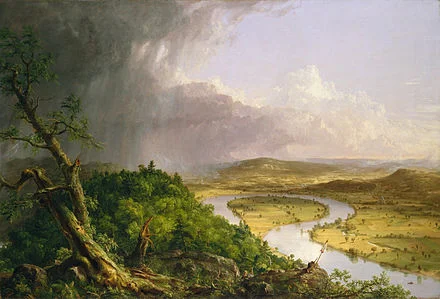
"The Oxbow'' of the Connecticut River, by Thomas Cole (1836).
"It is a wonder that Norwood {based on Northampton, Mass.} was ever allowed to venture so near to the low grounds of the Connecticut {River}; for it was early settled, not far from thirty years after the Pilgrims' landing. How the temptation to build up the top of the highest hill was resisted, we know not.''
-- Henry Ward Beecher in his novel Norwood: Or, Village Life in New England (1868).
Domestic debris
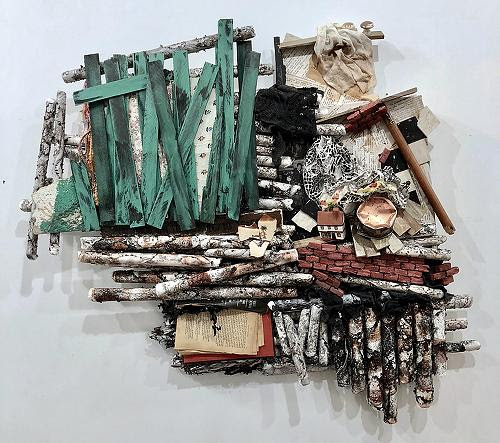
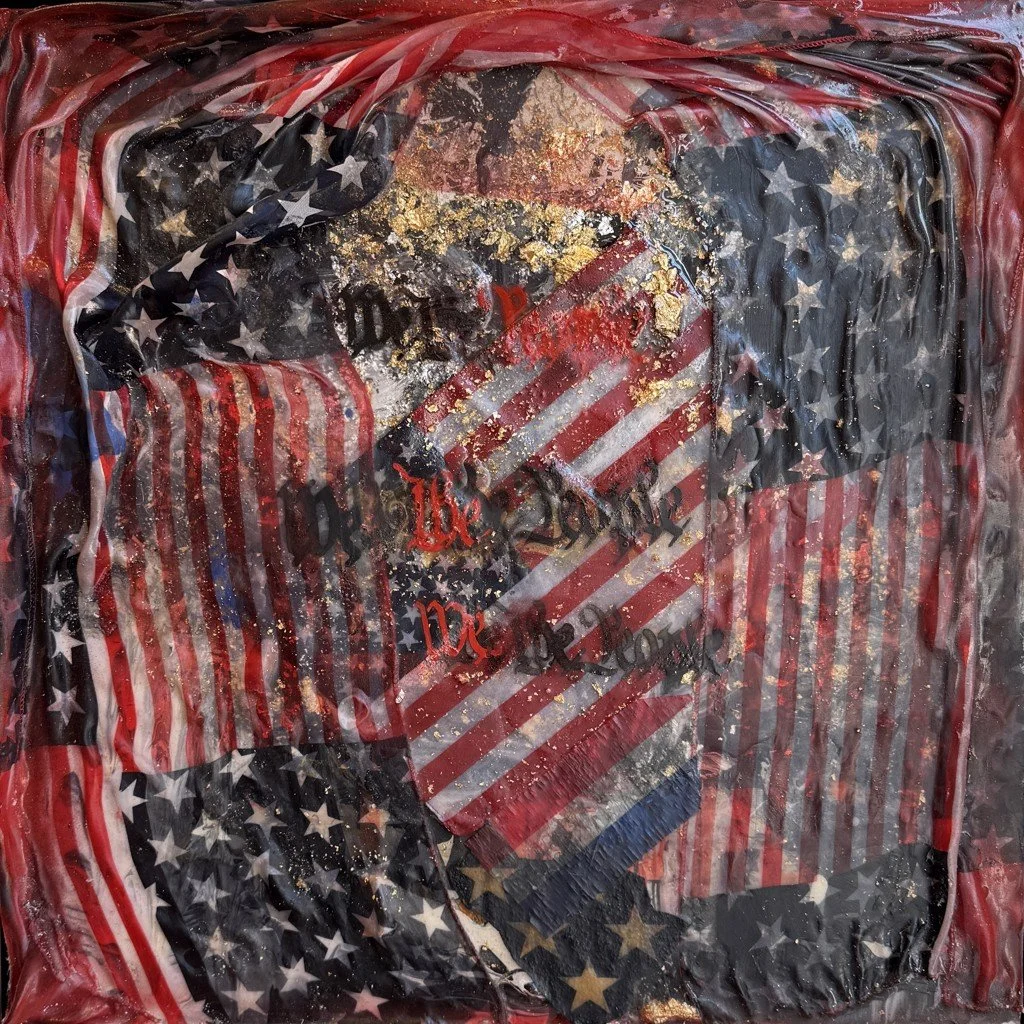
"Homes Without Names: Kitchen Table" (acrylic on molded Tyvek, found fabric and mixed media), by Susan Emmerson, in her show "Now That We Have Only This,'' at Kingston Gallery, Boston May 2-27.
David Haworth: Awaiting the booms on the Ulster-Republic of Ireland border

Anti "hard-border'' demonstration along the Ulster-Republic of Ireland border.
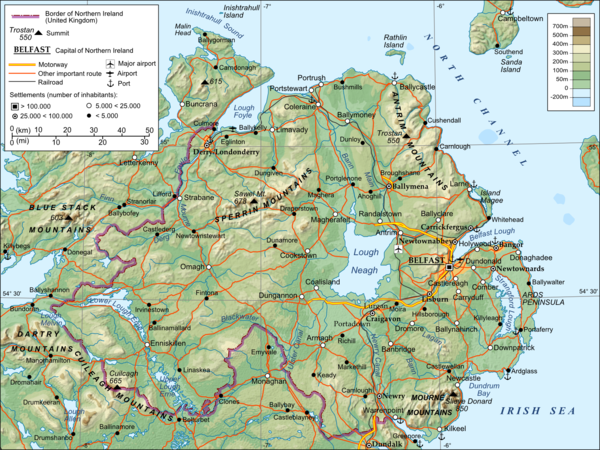
The convoluted border.
BRUSSELS
There’s a joke about a tourist in Ireland asking a local for directions, getting the response: “Well, if that’s your destination I wouldn’t start from here.”
It’s politically true of the island of Ireland just now as Britain extricates itself from the 28-member European Union after 45 years – the border between Northern Ireland (British) and the Republic (Irish) has become a make or break negotiation issue.
The E.U. has melted European borders so that one travels seamlessly across nations and cultures these days. There are no peaked caps to delay the surface traveler with inquiries, even searches.
On a ragged frontier there are lumps of Belgian land found in next-door Netherlands – and vice versa – which are curiosities, not causes for a fight.
Nowhere is free and easy transit more celebrated than in Ireland. The 310-mile border between the six counties of Ulster and the rest of the Irish landmass sees an estimated flow of up to 30,000 commuters every day.
The Center for Cross Border Studies (Yes!) reckons there are 30 million vehicle crossings annually -- and that’s counted traffic. But, imagine if you will, the rolling, verdant landscape whose hedgerows conceal hundreds of “unapproved roads” and pathways where the green line often slices farms and parishes.
“Frontierland” is not a sinister vacuum between two nations but the name of an amusement arcade on one of the main roads.
“We live in the shadow and the shelter of one another,” says the Irish Republic’s president, Michael D. Higgins.
For 95 years the border has been freely open for people.
And for goods since 1993.
Folklore about the misty days of smuggling is still relished on the Emerald Isle. As a child post World War II I traveled on the “Flying Enterprise” express between Belfast and Dublin; going north on this mere 87-mile route, Mom stuffed my rucksack with illegal silk stockings, Sweet Afton cigarettes and candy (my reward).
Customs officers never thought to examine a kid’s luggage – unlike international trains on the European continent. Back then, frontiers meant opening suitcases, showing tickets, passports, buying sandwiches, waiting for the locomotive change and the train car wheels to be tapped – all denying that the night train was a “Sleeper.”
With the prospect of the United Kingdom leaving the E.U., there are many Irish fears of what it will do to their current, diaphanous border.
Northern Ireland will be broken off like a biscuit from the rest of the island and two different customs regimes are likely.
“We have seen no evidence to suggest that, right now, an invisible border is possible,” barked the House of Commons committee on Northern Ireland Affairs, adding they had failed to find an electronic, rather than an infrastructural customs system, “anywhere in the world”.
But the political cost of red and white booms across roads, plus inevitable sheds and carparks for lorry inspection and customs officers, would be toxic: that’s for sure on the 20th anniversary of the Good Friday Agreement, which brought peace to bloodied Northern Ireland.
The Center for Border Studies warns commuters and traders “will inevitably experience significant change in the environment for cooperation and mobility due to customs controls, and the potential for an increase in both smuggling and other forms of organized crime.”
A European Commission official involved in the “Brexit” negotiations comments: “Frozen pizza without cheese will cross the border more easily; otherwise there will be rigorous checks. Every consignment that is animal-based will need to be examined.”
Bristling with negotiation “red lines”, British Prime Minister Theresa May is the Queen of Wishful Thinking; few others are upbeat about what will happen to the Northern Island border after Britain quits the E.U.
Will a fractious frontier return?
A “backstop” arrangement for Ireland and Northern Ireland to maintain the status quo even after Britain’s E.U. departure has been agreed if no other solution is found.
But an aide to former Prime Minister Tony Blair doesn’t think much of that. “Huge concrete slabs and checkpoints on the main roads could force Northern Island back into identity politics,” Ireland expert Jonathan Powell hints ominously. “The border issue could bring the entire Brexit negotiation crashing down.”
Brussels-based David Haworth writes for Inside Sources, where this piece first appeared. A seasoned reporter on European subjects, he has worked for the International Herald Tribune, the Irish Independent, the Irish Daily Mail & The Observer.
Enthusiastic about Vegas

"Las Vegas" (acrylic on paper), by Jessica Park, in her show "Enthusiasms: Personal Paintings by Jessica Park,'' at Bennington (Vt.) Museum, through May 26.
Park is an internationallly known artist on the autism spectrum.
Chris Powell: Trump's illegal attack on Syria; city supervision
Among Connecticut's members of Congress, only U.S. Sen. Chris Murphy seems to have a firm position on President Trump's attacking Syria without a declaration of war or other authorization from Congress. Murphy says the attack was not only unconstitutional but also unlikely to help end Syria’s civil war.
The other members of the delegation are straddling the issue, applauding Trump's attack while acknowledging the lack of authorization. That seems likely to be the end of the issue for them.
For not even Murphy is doing what any responsible member of Congress should do -- introduce legislation to forbid unauthorized attacks and filibustering everything else until the rule of law is restored.
Syria is no threat to the United States, and the Middle East, with its ethnic and religious hatreds and gangster politics, will always be barbarous. But if the chief executive of the United States is to be free to lob missiles at whoever offends him, this country will be no better. "Collusion" with Russia, trysts with porn stars, and treachery and corruption in government, the issues lately consuming Washington, are nothing compared to unilateral warmaking.
A few weeks ago Trump was musing about becoming president for life, a leader like Communist China's. Now he claims the power to wage war on his own. Thus he would overthrow the Constitution. Yet some people who purport to be appalled by him are clamoring to outlaw civilian possession of guns.
xxx
WHO MOST NEEDS SUPERVISION?: Gov. Dannel Malloy is dismissing complaints about his plan to have state government assume Hartford city government's $550 million debt while leaving other distressed cities, such as Bridgeport and New Haven, without any special financial assistance. Bridgeport Mayor Joe Ganim, a candidate for the Democratic nomination for governor, is making a campaign issue of this favoritism.
Rebuking Ganim, the governor notes that the assumption of Hartford's debt is conditioned on the city's submission to a state financial control board. But Bridgeport and New Haven also might be glad to submit to the board if state government would assume their debts too.
That isn't likely, since state government can't afford even Malloy's commitment to Hartford. Indeed, the governor's rationalization for the Hartford bailout is ridiculous because state government is even more insolvent than the city is and can't balance its own budget. With its tens of billions of dollars in long-term unfunded liabilities, state government needs a financial control board more than the cities do.
Financial control is the job of the governor and General Assembly. They have failed spectacularly. Their replacement is urgent.
xxx
HOW ETHICAL OF McDONALD: Interviewed by the Connecticut Law Tribune after the state Senate's rejection of his nomination for chief justice of the state Supreme Court, Associate Justice Andrew J. McDonald impugned as potentially bigoted every state legislator who voted against him.
“I do believe that my sexual orientation was a factor for some of those who opposed me," McDonald said. But he declined this writer's request to identify any such legislators, asserting through a spokeswoman that his position imposes "constraints on public commentary.”
That is, judicial ethics allow McDonald to smear his critics wholesale but exempt him from having to support the smear. Nice work if you can get it. Keeping it should be in question.
Chris Powell is a columnist for the Journal Inquirer in Manchester, Conn.
Let it be high if beautiful

From Robert Whitcomb's "Digital Diary,'' in GoLocal24.com
The Fane Organization wants to put up a 46-story skyscraper in downtown Providence. Some folks are outraged at its height. Not me. I wouldn’t mind if it were 90 stories if it had a superb design. Wouldn’t it be fine if people a ways down on Narragansett Bay could look north and see a gorgeous, glittering tower on the horizon announcing that there’s a real city there!
But unfortunately, based on what’s been shown so far, it’s likely that something banal, like a condo tower in Fort Lee, N.J., will go up
William Morgan: Yankee industry and architectural beauty in a rural setting
(All photos, except as indicated, by William Morgan)
Halfway between the suburban sprawl of North Attleboro, Mass., and the tired mill city of Woonsocket, R.I., lies the remains of a rural mill village, of the kind that once dotted the Rhode Island landscape.
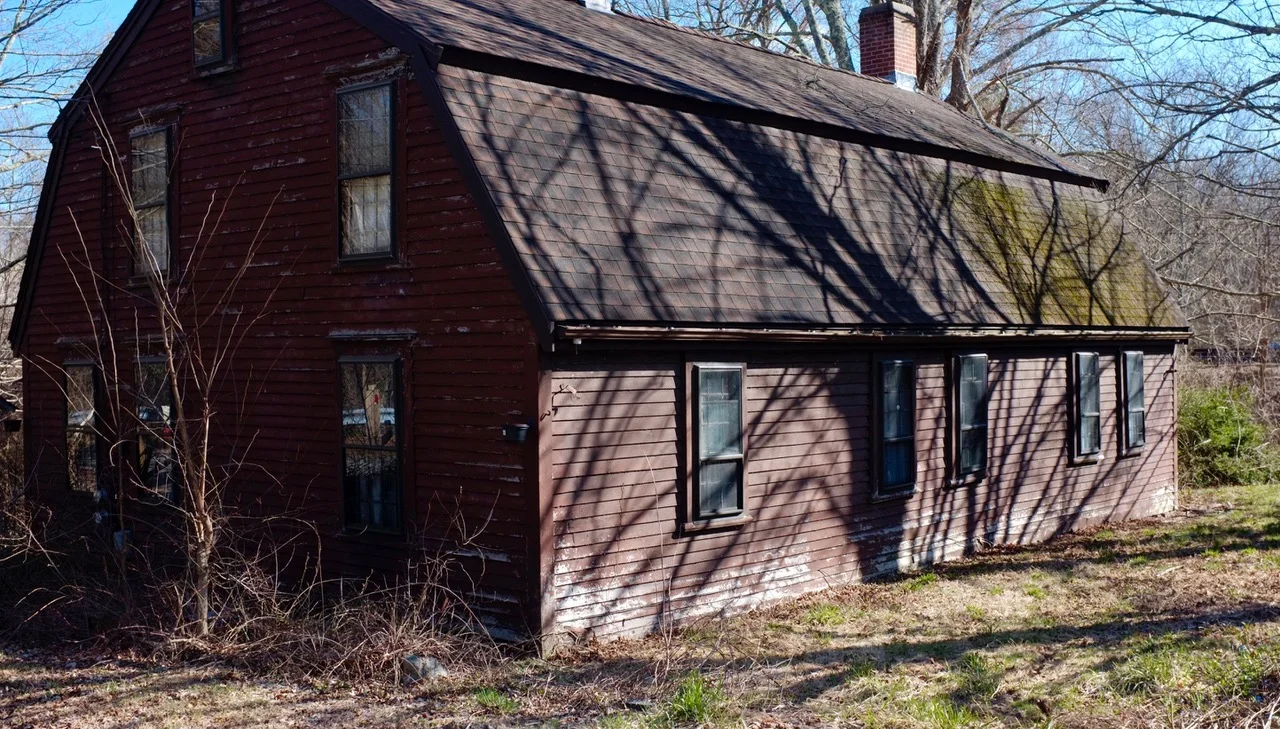
Almost 300 years ago, a saw mill was planted along the edge of Abbott Run. Amos Arnold, who gave his name to the small settlement, erected a grist mill here in the 1740s, as well as a gambrel-roofed house.
The road through the village was long ago bypassed by Route 120, while the bridge across the mill stream is closed to automobile traffic. While the once agricultural landscape of northern Rhode Island and nearby Massachusetts has fallen prey to thoughtless development, Arnold Mills offers a glimpse into the Yankee blend of industry within a rural setting.
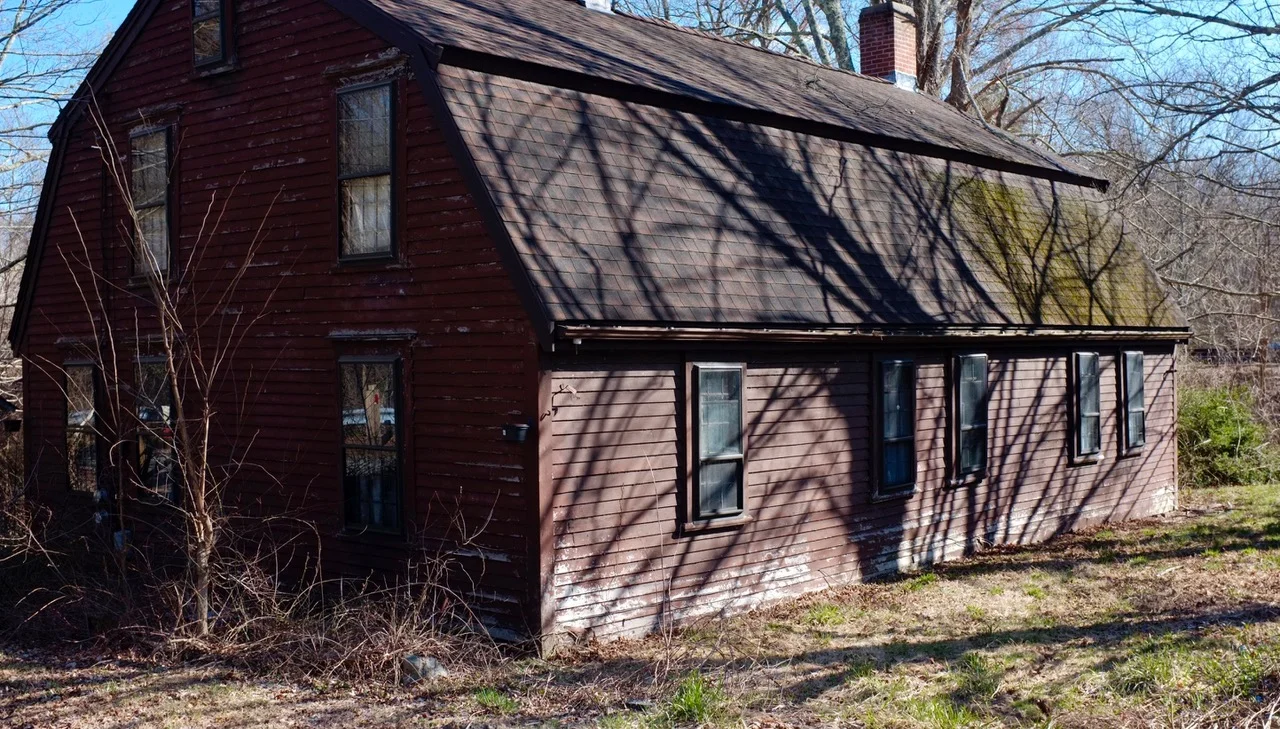
Amos Arnold house, Arnold Mills, Sneech Pond Road, Cumberland, R.I.
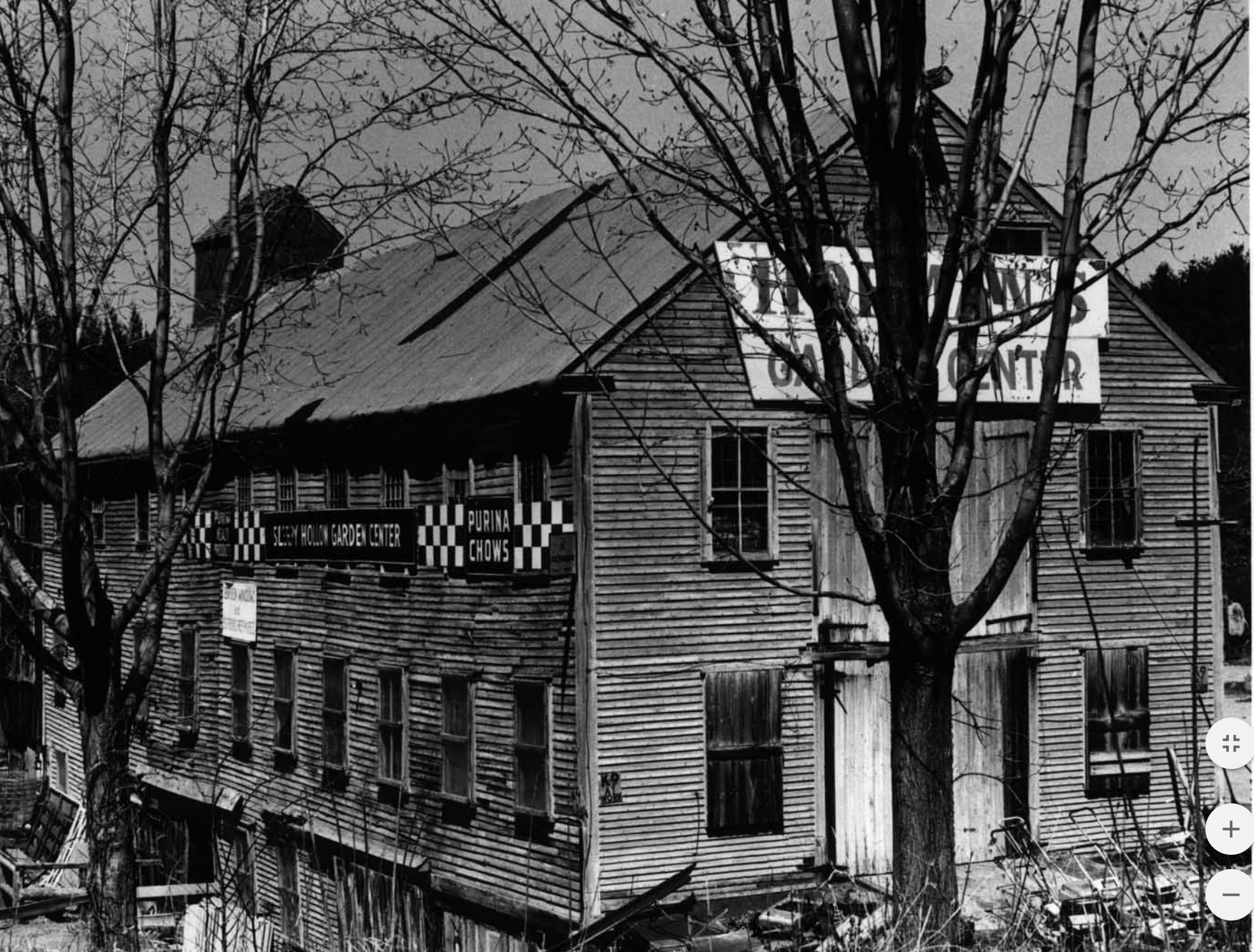
The Metcalf Mill, gone by c1963.
-- Photo: Rhode Island Historic Preservation Commission
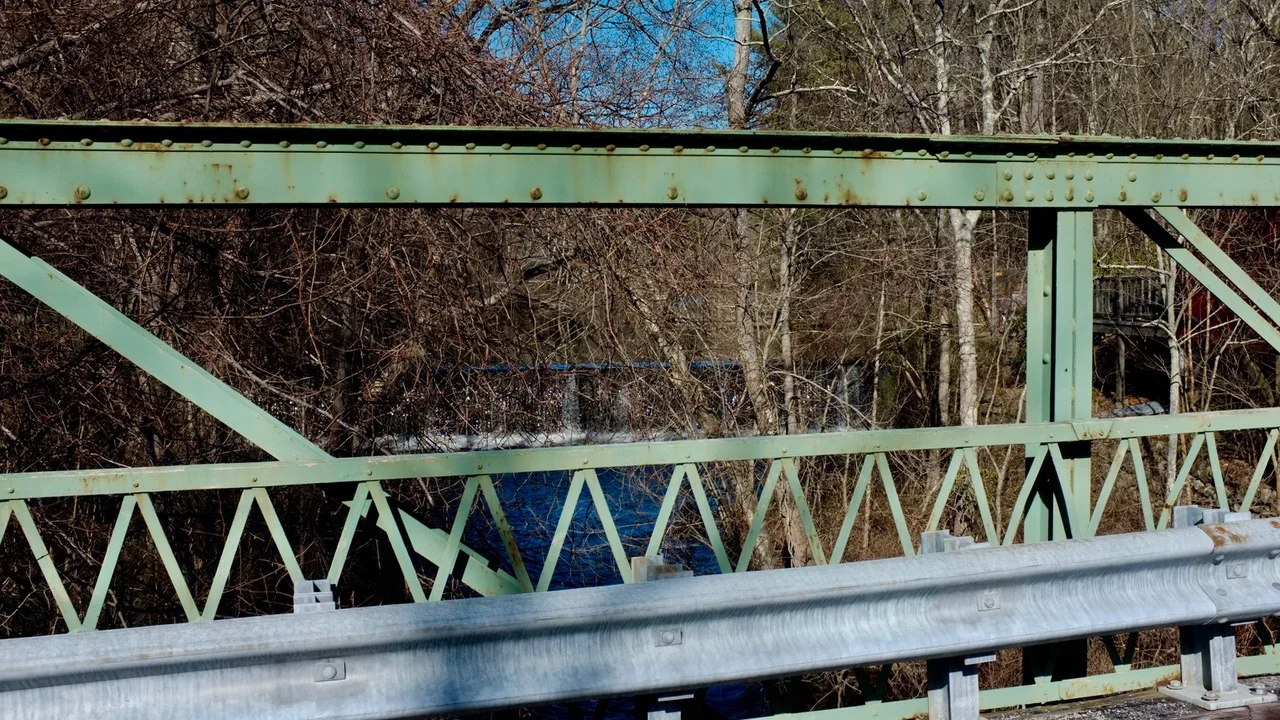
Abbott Run, with dam and mill pond beyond (now the Pawtucket Reservoir), the bridge is an early 20th-Century Pratt truss.
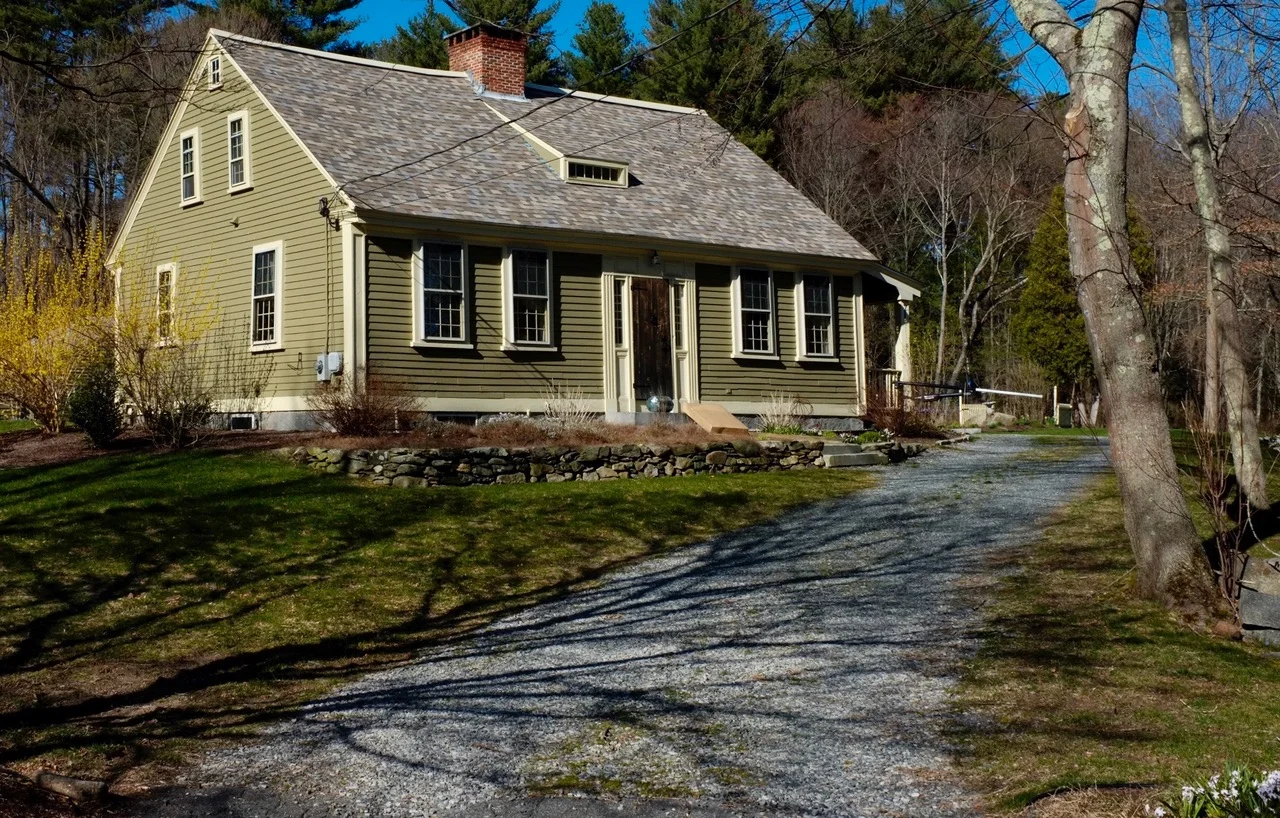
This Cape Cod cottage overlooking Abbott Run was built around 1800, but it got a Greek revival update in 1837.
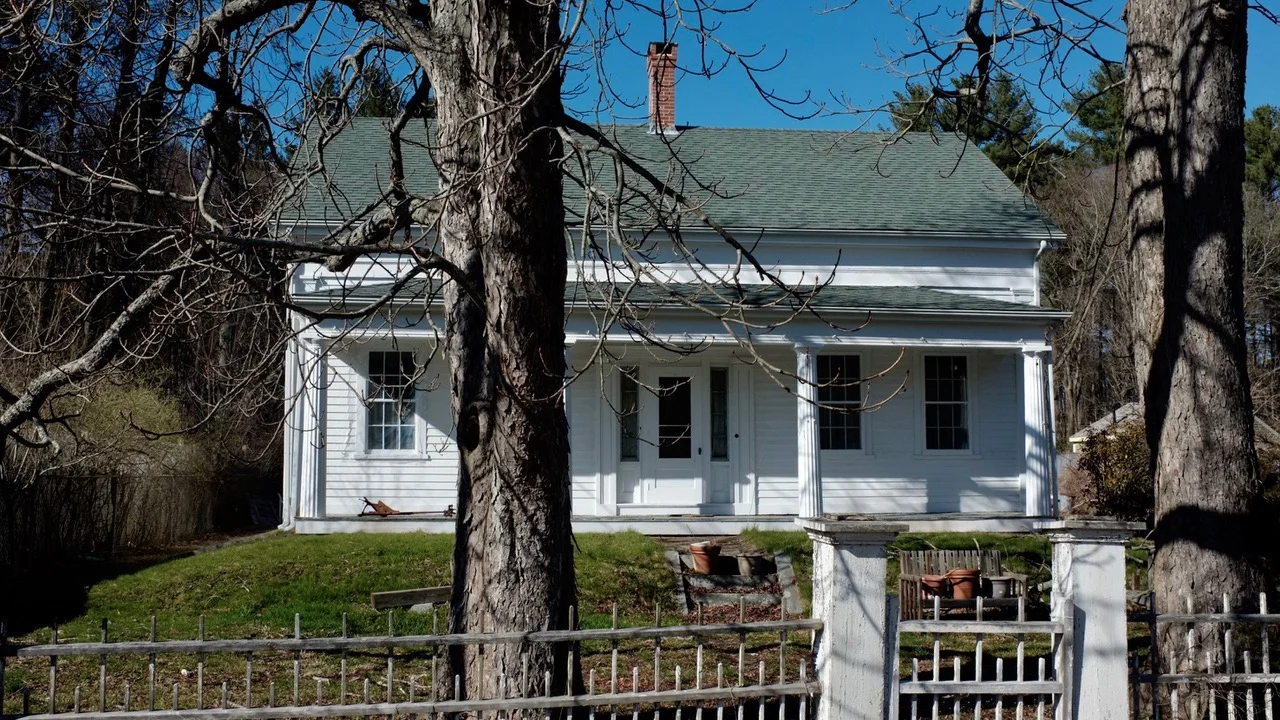
The Dr. Addison Knight House, 1847. Still the cottage form, but thoroughly Greek revival with its Doric columns, full entablature and doorway with sidelights.
William Morgan is a Providence-based architectural historian, journalist and book author.

Llewellyn King: How autos became much, much better over recent decades

Today’s cars are miraculous, marvelous. They are twice as good as they were just 30 years ago -- if you measure them by life expectancy, safety, reliability and comfort.
As William Gouse, an expert at SAE International, which coordinates and sets the standards for cars and trucks worldwide, said, it was just decades ago when we expected cars to start giving trouble at 70,000 to 80,000 miles on the odometer. Now we expect twice that and more even from cars, SUVs and light trucks. We also no longer expect flat tires and engines overheating.
Gouse told me in a television interview that not only is quality from an owner’s point of view far better, but safety is equally improved. You are more likely to survive a crash.
The story of the automotive evolution to excellence is a story of incremental improvement; of the technological equivalent of compound interest – a little bit more every year.
It is a story of how better technology and materials, government regulation and competition have entwined to produce a welcome result. Therefore, it is a tale that needs repeating elsewhere.
The technology got better because technology is getting better in everything, particularly the role of computers under the hood. The materials got lighter, stronger and more durable. The government has demanded better cars and trucks year after year: better mileage, better safety, better crash survivability and better emissions controls.
The government role is important because it has pushed through regulatory standards that the automotive engineers have risen to meet. There is a kind of gold standard demanded by the government for cars and trucks in the United States and it informs their production worldwide.
“Street legal” is the operative threshold that drives manufacturers worldwide to clear the American bar, otherwise their products cannot be sold here. World production must comply with U.S. standards in safety, emissions and equipment, such as reversing cameras, now standard on all new cars.
This de facto world standard will allow a car to be sold and operated in the United States. Some specialty cars made in other countries – for example, the beloved British Morgan sports car, complete with a wooden frame and a leather strap across the hood (bonnet in Britain) – can no longer be imported into the United States. While they are not for sale here, they are for sale elsewhere in the world.
The final driver for better cars and trucks is the consumer. Competition in the automotive world is brutal. Automobile manufacturers must take an annual market test, answering these questions: Will the new models sell? Did we bend the steel in appealing ways? Will our claims of “happiness behind the wheel” be ratified by the public? It is a test quite unlike that for any other product, except perhaps movies. Is it what the public wants?
Now new challenges and new excitements are afoot in the world of automobiles. The old order of the internal combustion engine -- so improved, so dependable and so much cleaner -- is going to begin to surrender its hegemony to the new order of the electric car.
Much that has been improved for today’s cars, like tires and brakes, is to be found in the electric car, but the drive train is something different. It is something that is itself evolving: better batteries, motors, designs and new expectations, primarily of range through battery improvement.
The arrival of the electric car is evolutionary, verging on revolutionary.
The big impediment: How will recharging catch up and become as painless as filling the tank is today? In time, it will happen. Gouse is hopeful that one day there will be easily available induction charging (charging without wires) so that at a stoplight or in a parking place, juice will flow from the local utility to your car.
The automobile has changed and way we live and given us a unique dimension: the freedom to go when we want to go in great comfort with our everyone and everything: family, music, telephone service and, when autonomous cars arrive, maybe workspace. The automotive future is an open road.
Llewellyn King is executive producer and host of White House Chronicle, on PBS. His e-mail is llewellynking1@gmail.com.
Flat-face fantasies

From Andrew Stevovich's show "Contemplating Figures,'' at Adelson Galleries, Boston, opening May 4.
Flowering reuse

"The Bridge of Flowers,'' in Shelburne Falls, Mass.
-- Photo by FFM784
From Robert Whitcomb's "Digital Diary,'' in GoLocal24.com
There’s a lot of abandoned infrastructure in New England. After all, we’re an old region. It’s always pleasant to see old structures reused in ingenious ways. Take the Bridge of Flowers, in Shelburne Falls, in western Massachusetts. This is a lovely arched concrete railroad span built in 1908 by the evocatively named Shelburne Falls & Colrain Street Railway Co.
The bridge was abandoned in 1927 because of the financial woes of the company and was quickly overgrown with weeds. But within a couple of years, local volunteers came up with the idea of carting soil onto the bridge and turning it into something that they named the Bridge of Flowers. It became a tourist attraction, with a great diversity of blooms through the growing season.
So important -- psychologically, sociologically and economically -- had the Bridge of Flowers become that when in the early ‘80s, the bridge required major repairs, locals came up with more than half a million dollars to fix it. Volunteers continue to plant and care for the plants
Heartening reuse. You could to say the same thing about bike paths on old railroad rights of way, although it would be better for the environment and economy if some of these old routes were instead passenger rail lines again. Even the famous East Bay Bike Path, in Rhode Island.
'A furtive look'

"An altered look about the hills;
A Tyrian light the village fills;
A wider sunrise in the dawn;
A deeper twilight on the lawn;
A print of a vermilion foot;
A purple finger on the slope;
A flippant fly upon the pane;
A spider at his trade again;
An added strut in chanticleer;
A flower expected everywhere;
An axe shrill singing in the woods;
Fern-odors on untraveled roads, —
All this, and more I cannot tell,
A furtive look you know as well,
And Nicodemus' mystery
Receives its annual reply.''
-- "Nature, Poem 9: April,'' by Emily Dickinson