Philip K. Howard: Follett — Pioneer in management thought; she’d be a sharp critic of what ails U.S. democracy now
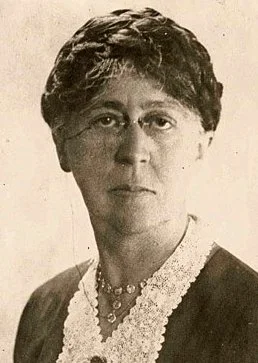
Mary Parker Follett
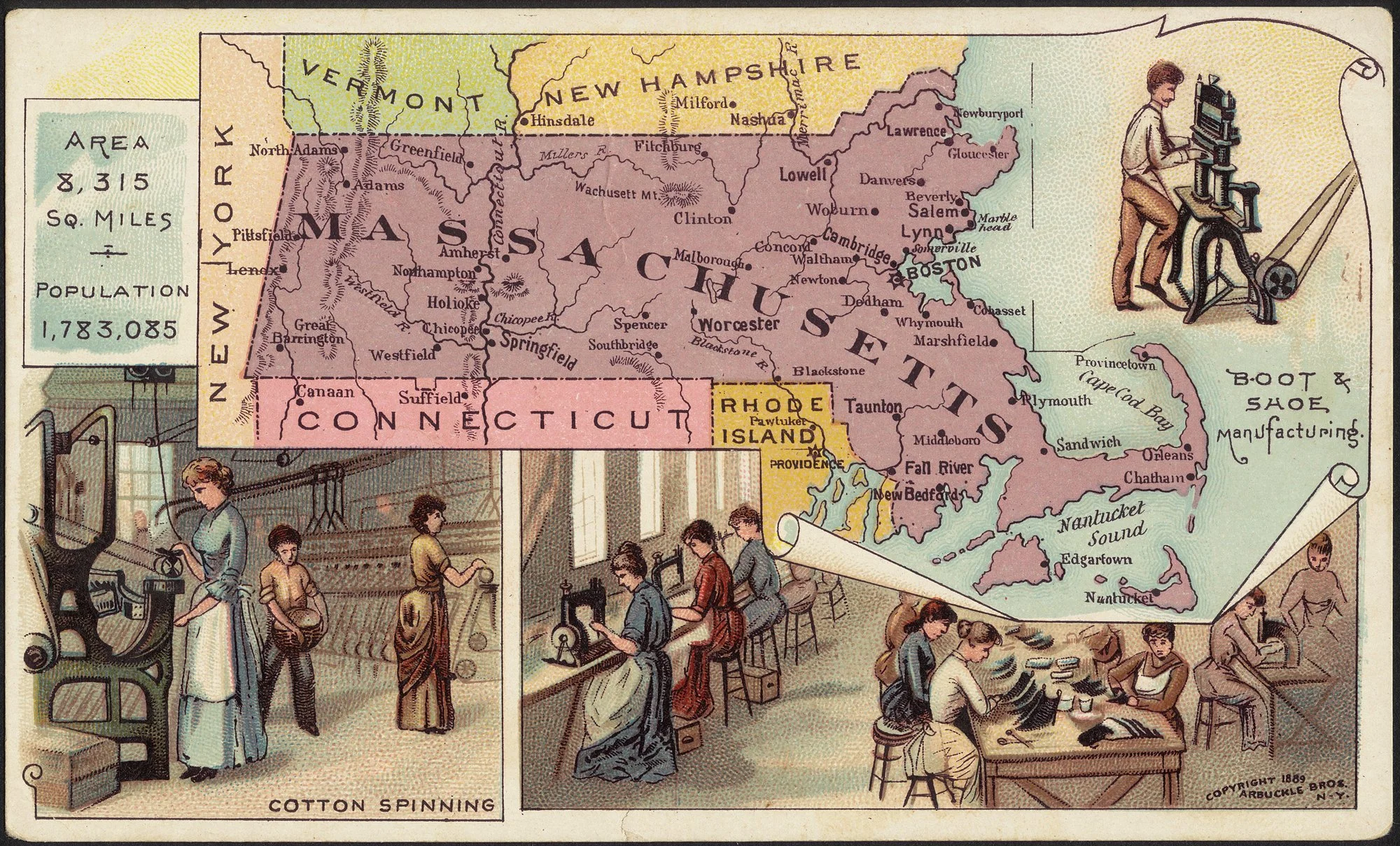
1889 map
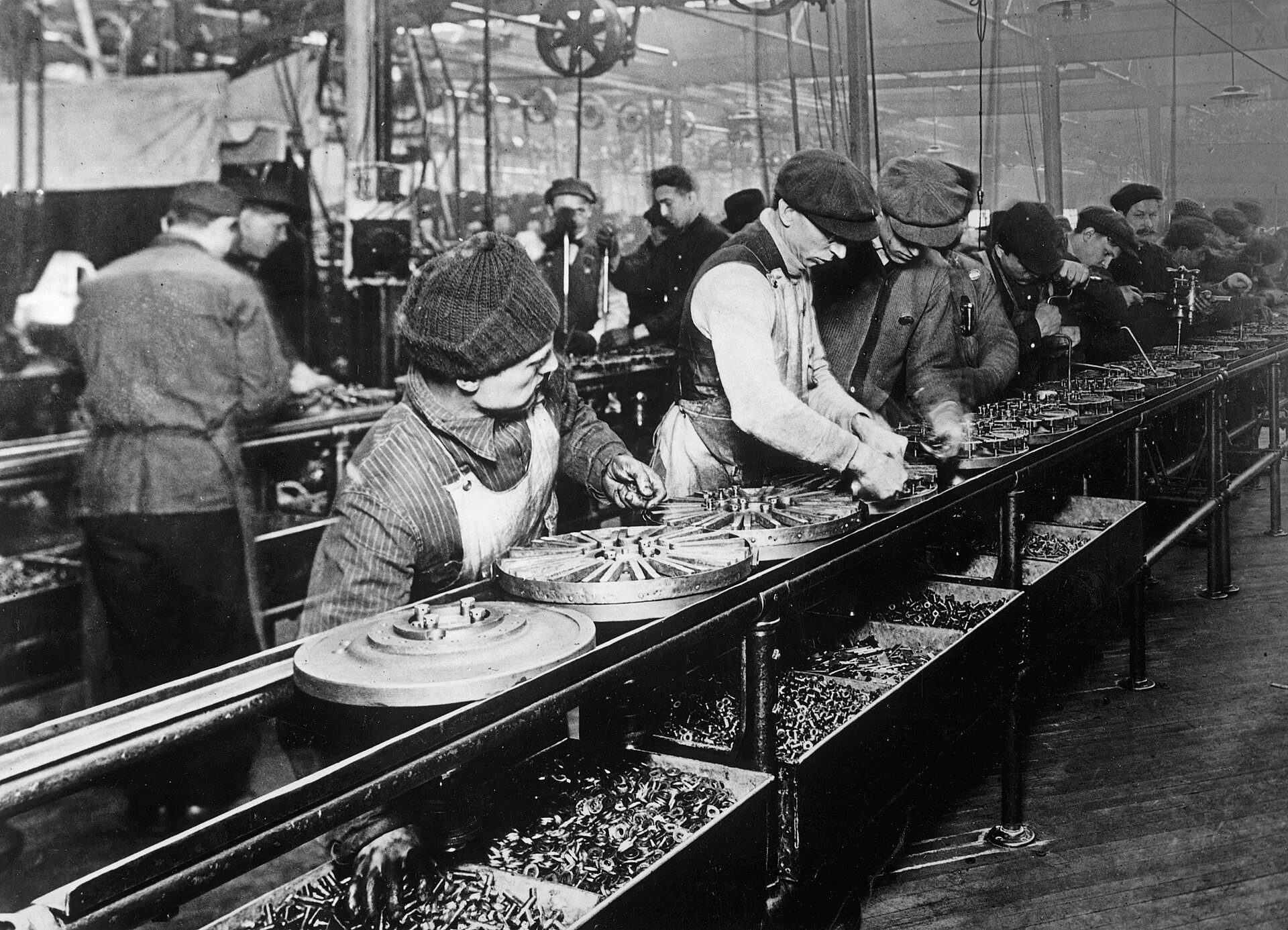
Ford Motor Co. assembly in 1913.
At a time when American factories outnumbered office buildings, Mary Parker Follett invented the ideas that made the modern workplace. Her critique of our democracy is the part nobody wants to hear.
Mary Parker Follett (1868-1933) was a seminal thinker in management theory. In the early days of large industrial organization, when Frederick Winslow Taylor was preaching the gospel of “scientific management,” Follett emphasized the social aspects of any group enterprise. Taylor was not wrong—improving efficiency remains an ongoing goal of successful manufacturers. But his efficient workplace could result in mind-numbing repetition. Follett understood that workers had human needs—for variety, for agency, for mutual understanding.
Follett originated the idea that, in the words of former Harvard Business School Dean Nitin Nohria, “organizations perform best when they operate on the basis of shared responsibility and not . . . command and obedience.” Rigid organizational hierarchies, Follett argued, were counterproductive; the people on the spot should have the authority to adapt to “the law of the situation.” This, she saw, requires a system of “management with authority all down the line.” Follett understood that a “final authority” is always needed, but explained how better choices and better understanding resulted when “decisions are usually reached through a process” of interaction. The practice of exploring solutions and reconciling differences melds people into a common unit: “The strength of the group,” she wrote, “does not depend on the greatest number of strong men, but on the strength of the bond between them.” Healthy organizations have an “invisible leader—the common purpose.” (Unless otherwise noted, the quotes by and about Follett are from the 1995 book Mary Parker Follett: Prophet of Management.)
Follett came to her understandings not through study but through life. Her father, a shoe-factory machinist in Quincy, Mass., died when she was a teenager. With an ailing mother and a young brother, Follett was thrust into the role of head of the household. She taught school in Boston and could pursue her studies only intermittently, eventually graduating summa cum laude at age 30 from the Society for the Collegiate Instruction of Women—which became Radcliffe College, part of Harvard University. While teaching and studying she published her first book, The Speaker of the House of Representatives (1896), which described how the speaker consolidates and wields power. In a laudatory review, Theodore Roosevelt called it a “really notable contribution to the study of the growth of American governmental institutions” and praised Follett for presenting “facts as they are.”
After graduation, Follett became a social worker, creating a network of community centers for vocational training in Boston. These hubs for self-improvement succeeded, Follett realized, when people felt a sense of ownership and a part of how the centers worked. Their success would inspire hundreds of other American cities to build similar programs.
Follett’s pioneering insights on management are today broadly acknowledged. Far less known is her prescient critique of modern democracy. In her 1918 book, The New State, Follett argued that the power of American democracy did not derive from citizen suffrage or from individual rights but from people working together in groups with specific goals.
Follett emphasized the social aspects of any group enterprise.
Defining freedom as a “conception of the separate individual” is a “fallacy,” Follett wrote: “You may as well break a branch off the tree and expect it to live.” She explained: “The essence of freedom is not irrelevant spontaneity but the fulness of relation.” A healthy society is one of interlocking groups, Follett thought. Only in groups with a human scale can people work out their differences and arrive at new understandings. Only in groups can people develop mutual commitment and pride. Follett’s philosophy is closely aligned with the Catholic doctrine of subsidiarity, and she explicitly called for “taking more and more responsibility for the life of the neighborhood.”
She would likely be appalled by the current state of American democracy. The red tape state is designed for “one-size-fits-all,” not separate groups that inspire human creativity and experimentation. The modern insistence on individual rights corrodes the integrity of group norms with moral relativism and the demands of the lowest common denominator. “The corruption of politics,” Follett concluded, “is due largely to the conception of the people as a crowd.” Only when politics empowers the freedom of groups to do things in their own ways, she said, can people enjoy “the variety which the human soul needs for its nourishment.”
Philip K. Howard, an author, lawyer, New York City civic leader and photographer, is the founder and chairman of Common Good, a nonprofit legal-and-regulatory reform organization. His books include The Death of Common Sense.