
Vox clamantis in deserto





Next at PCFR: Hedrick Smith, cities, backstabbers and ports
March 23, 2016
To members and friends of the Providence Committee on Foreign Relations (thepcfr.org; pcfremail@gmail.com)
It was gratifying to see such a large crowd on Tuesday, March 22, when the very distinguished Andrew A. Michta, professor of National Security Affairs at the U.S. Naval War College and an adjunct fellow with the Center for Strategic and International Studies (Europe Program), talked to us about resurgent Russia and NATO/E.U. fecklessness.
Big stories internationally now include the bombings in Belgium, the Ziki virus and economy worsening in Brazil; the effects of Obama’s trip to Cuba; the North Korea regime threatening a “pre-exemptive’’ nuclear strike on South Korea; China continuing to militarize the South China Sea; the partial Russian military exit from Syria; the start of the British debate on leaving the European Union; gains by right-wing parties in Germany, and preparations for the G7 Summit in May, to be held in Japan.
Our next speaker comes on Tuesday, April 12, when celebrated author, TV documentary maker and former foreign correspondent Hedrick Smith will join us. He’s the author of The Russians and Who Stole the American Dream?
Thanks very much to those who have already let us know! The Hope Club needs good estimates no later than the day before a PCFR dinner.
Dues and dinner cost information may be found at: thepcfr.org. Other membership information may be found there, too. (A member asked if (the modest) duesand dinner fees for this nonprofit educational and civic membership organization aredeductible for business purposes. Ask your tax adviser.)
On Wednesday May 11, comes the internationally known expert on cities around the world, Greg Lindsay.
Look at:
http://www.amazon.com/Aerotropolis-Way-Well-Live-Next/dp/0374100195/ref=sr_1_1?ie=UTF8&s=books&qid=1279805811&sr=8-1
He is a contributing writer for Fast Company, author of the forthcoming book Engineering Serendipity, and co-author of Aerotropolis: The Way We’ll Live Next. He is also a senior fellow of the New Cities Foundation — where he leads the Connected Mobility Initiative — a non-resident senior fellow of The Atlantic Council’s Strategic Foresight Initiative, a visiting scholar at New York University’s Rudin Center for Transportation Policy & Management, and a senior fellow of the World Policy Institute.
On Tuesday, June 7, Michael Soussan, former UN whistleblower; acclaimed author; widely published journalist; NYU writing professor, and women's rights advocate, will speak. His satirical memoir about global corruption, Backstabbing for Beginners: My Crash Course In International Diplomacy (Nation Books / Perseus) is being adapted for a feature film, starring Ben Kingsley and Josh Hutcherson
He will speak about the subject of his next book TRUTH TO POWER: how great minds changed the world. A brief history of thought leadership.
Evan Matthews, a key thought leader at the North Atlantic Ports Association and director of the Port of Davisville, has very kindly offered to talk to us on Wednesday, June 22, on changes in world shipping, including the widening of the Panama Canal and other changes of huge interest to New England ports.
Suggestions are appreciated.
We look forward to seeing you.
Don Pesci: Useful U.S. idiots for the Castros
When President Obama arrived in Cuba on Palm Sunday along with his retinue, so large that they displaced 12 journalism students from Central Connecticut University, who were dispatched to other quarters 55 miles from Havana to make room for Mr. Obama.
Cuban President (dictator) Raul Castro, still kicking at 85, did not greet the president at the airport. It should be noted before passing on that Communist Cuba under the Castro brothers was never a hospitable place for foreign journalists.
A Cuban acquaintance tells me that the Castro brothers pulled a Queen Elizabeth on the lame-duck president: Some mountains will not go to Mohammed. When Mr. Obama visits England later this year, Queen Elizabeth will not attend his arrival in London; instead, the president and his traveling retinue will be transported to Windsor Castle, where he will be received right royally. Monarchs, even when they are decorative rather than functional, retain the privileges of monarchy.
But the Castro brothers?
The last U.S. president to visit Cuba, we are told, was Calvin Coolidge, in 1928, about 30 years before the Cuban Communist Revolution. That was the revolution roundly condemned and resisted by every U.S. President since Dwight Eisenhower. Mr. Coolidge’s remarks while in Cuba were mercifully brief and to the point: “Thirty years ago Cuba ranked as a foreign possession, torn by revolution and devastated by hostile forces. Such government as existed rested on military force. Today Cuba is her own sovereign. Her people are independent, free, and prosperous, peaceful, and enjoying the advantages of self-government." Mr. Obama, it need not be pointed out, is no Cal Coolidge.
It is not widely known that in 1963, following the disastrous Bay of Pigs invasion of Cuba in 1961 and the ensuing U.S. Soviet Union Missile crisis in 1962, President John Kennedy’s representatives entered into top- secret talks with Fidel Castro’s representatives to arrive at a modus vivendi agreeable to both parties.
Very likely, Mr. Castro was searching for a new patron after Soviet leader Nikita Khrushchev withdrew diplomatically from the hot-headed Mr. Castro, who had implied in private talks with Mr. Khrushchev that he would not be averse to loosing one of Mr. Khrushchev’s nuclear missiles on the United States. Mr. Kennedy was not averse to a rapprochement, but his assassination months later by Lee Harvey Oswald, who, it was thought, had connections both in Cuba and Moscow, terminated any possible rapprochement.
Among American dignitaries traveling to Cuba on this historic occasion was U.S. Rep. Rosa DeLauro of Connecticut, who occupies one of the safest seats in Congress. The lady, therefore, can afford to be adventuresome.
She served in Congress since 1991, a quarter century. Ms. DeLauro, 73, has grown more and more progressive over the years, though she has not proceeded as far left as the Castro brothers, both of whom are unrepentant communists of the Che Guevara type.
Life for dissidents under the Castro brothers has long resembled a Hobbesian universe – “nasty, brutal and short.” Every so often, the Castro tyrants, perhaps to rid themselves of the cost of serving thin soup to so many of their prisoners of conscience, would allow dissidents to escape to Florida. Miami is chock full of communist Cuban ex-pats who flourished under freedom’s skies in America.
Having periodically flushed Cuba of dissidents, the revolution marched forward, communist manifesto in hand. Ms. DeLauro no doubt is familiar with the dreary routine of communist states: the Big Brother neighborhood watch committees, thugs whose business it is to terrify Cubans into compliance with the whims of the Castro brothers, both of whom are exceedingly rich and powerful; the suppression of Ms. DeLauro’s church in Cuba, which is officially atheistic; and chronic poverty among the lower orders – i.e., any Cuban who is determined not to take orders from the Castro Brothers.
The embargo of Cuba began in 1960, following the expropriation and seizure of all U.S. property by the Castro regime; Cuban assets on American soil were frozen, diplomatic ties were severed and a semi-permeable embargo was imposed.
For reasons that are not at all transparent, Mr. Obama decided several months ago to abandon a multi-nation, successful embargo of Iran. Mr. Obama arranged a “deal,” not a treaty, with the terrorists-sponsoring regime of Iran -- which has many times pledged to destroy Israel, a Middle East democracy close to the heart of every Democratic President from Harry Truman forward -- apparently with the approval of the Connecticut seven, the state’s all-Democratic U.S. Congressional Delegation, and never mind that the “deal,” not signed by Iran, bypassed the usual Congressional approval process for treaties.
On a roll, Mr. Obama, no Jack Kennedy, has now opened the purses of credulous American businessmen and women to the Castro brothers. If in the process Mr. Obama, having emptied Guantánamo Bay prison, turns over the property to Fidel and Raúl, one may expect a theatrical quibble from Mr. Blumenthal. Ms. DeLauro’s God alone knows what she will do. Her unconquerable congressional seat is safer than the presidency of Cuba.
Don Pesci is a Vernon, Conn.-based political writer.
'An old untried illusion'
The afternoon is bright,
with spring in the air,
a mild March afternoon,
with the breath of April stirring,
I am alone in the quiet patio
looking for some old untried illusion -
some shadow on the whiteness of the wall
some memory asleep
on the stone rim of the fountain,
perhaps in the air
the light swish of some trailing gown.
- - Antonio Machado (1875-1939)
Selected Poems, #3, Translated by Alan S. Trueblood
Llewellyn King: The sad age, health and realty obsessions of the narcissistic mega rich
Take a moment, if you would, to pity the derided billionaire class. I have been watching them with keen interest on television. And based on my viewing, I can tell you that life at the top is miserable, boring and fraught.
One program features private islands, where the unimaginably rich get away from it all. But part of what the unimaginably rich get away from is the unimaginable loneliness of being stuck in unimaginable isolation. When the hideaway-from-it-all has been furnished in unimaginable opulence, the favored one is off to another home in so-close-to-it-all New York, London, Palm Beach or Aspen. Anywhere you can while away the day with a Bloomberg Terminal.
Why, you ask, do those who want to get away from it all and protect their privacy favor their New York residences over their other five homes? Call it Greta Garbo Syndrome. “I want to be left alone,” she said. Had she not heard of Nebraska?
From this you can deduce that those who are rich beyond counting, but count anyway, do not want to be left alone at all. They long for control — and you do not control much staring at your Impressionist masterpieces on your private island in the Bahamas.
Apparently, the super ridiculously rich yearn to entertain. One television program on buying mega-yachts reveals all. The purchasers are prepared to plunk down around $70 million for what they seem to think is a floating hotel suite. They do not want to know about the yacht’s seaworthiness, crew requirement, propulsion, fuel consumption and range. No, they want to know how much closet space there is in the master stateroom (For what on a boat? Presumably, haute couture gowns and bespoke suits, and handmade deck shoes.)
And they want to know much deck space there is to entertain. Maybe they’re not planning to leave the dock in Ft. Lauderdale, Martha’s Vineyard, or wherever. A mega yacht is not for ocean voyaging. The captain will take the watery penthouse to Monaco or Bali. You will go in the private jet.
Friends, it appears, are a particular problem for those beyond the dreams of avarice. Ever since Lady Astor and her famous dining room that seated 400, it will not do to have fewer than 400 friends. But they have to be the right friends: people famous in the arts or the very top of the media, like Charlie Rose. I hear he is on every list. Ordinary people will not do. If you are rich enough, people will always want to be your friend. Ask Donald Trump.
One billionaire babe told me, “I only lunch with,” and she named another billionaire babe, “Everyone else just wants money.” How perceptive from someone who inherited a great fortune. We assume she is not parting with any of it — especially to some lunch supplicant.
No, the places where the ungodly rich load up on friends is at charity balls. “Darling, we’ve just snapped up a charming little place in the Hamptons. You must copter out.” Translation: Don’t you dare show your face, but tell everyone else about our 16-bedroom, 20-bathroom, beachfront monument to vulgarity.
If you have it all, you want to keep it always. You are obsessed with age. Age means health must come first. Those who have not in their luxurious boredom fallen prey to drugs and booze are in the thralls of life-extension through diet and exercise.
Once in a café on the main street in Aspen, I watched a famous and indecently rich and thin matron inquire of the server, “Are your muffins sweetened with apple juice or sugar?”
“Apple juice, ma’am,” the young man responded.
“I will take one,” she said.
When she left the café, I asked how the young man knew about the muffin’s sweetener.
“I don’t,” he said. “But I know what she wants to hear.”
Trickery is another burden on the ultra rich.
Llewellyn King is a Rhode Island- and Washington, D.C.-based publisher, columnist and executive producer and host of White House Chronicle, on PBS (and a friend of New England Diary's overseer). This column first ran on InsideSources.
Tim Faulkner: Turning a coal plant into a renewable-energy hub
By TIM FAULKNER
SOMERSET, Mass.
The Brayton Point coal-fired power plant has drawn the ire of environmentalists for decades. Now, as it nears its last days, there is an effort to transform the dirtiest of utilities into a renewable-energy oasis.
“Reimagining Brayton Point,” a report by a Cambridge, Mass.-based economics firm and endorsed by three Massachusetts-based environmental groups, envisions changing the 53-year-old facility into a renewable-energy hub and public park. Gone are the smokestacks; in their place are solar arrays, a food-scrap digester and a shipping port that serves offshore wind farms.
The hope is that the concept will deter a possible conversion into a new natural-gas power plant. That prospect seems likely given the high number of natural-gas pipeline and infrastructure expansion projects in southern New England, as well as support for these projects from politicians. The coal-fired power station in Salem, Mass., is currently undergoing a conversion to a natural-gas plant.
Brayton Point burns more than 1.2 million tons of coal annually.
To avoid the same end here, renewable-energy advocates commissioned the 35-page study by Synapse Energy Economics Inc. According to the report, the existing high-voltage transmission infrastructure at Brayton Point can be upgraded to deliver wind energy to the grid. It's estimated $20 million cost is significantly less than the $1.3 billion to convert it to a large-scale natural-gas plant, according to the report.
The switch to a natural-gas plant would increase the likelihood of higher energy costs for consumers, according to the report. As the most dominant fuel for generating electricity in southern New England, natural gas-price spikes could cause costly price swings.
Revenue for the proposed idea could come from generating renewable electricity, payments from offshore wind developers, and other commercial and retail uses.
The project must also raise tax revenue. At its peak, the plant raised $12 million a year in property taxes for Somerset. The money has declined considerably as the facility reduced energy production and nears retirement. In 2014, the owner of Brayton Point announced it would close the plant by June 2017, because of high operating costs, lower costs for other fuels and the facility's need for upgrades. For now, Brayton Point is the last coal-fired power plant in Massachusetts and the largest in New England.
There is debate about how much new electric generation is needed to replace the 1,530-meagwatt power capacity generated by the plant and supplied to the regional power grid. Last year, the 680-megawatt Pilgrim Nuclear Power Station in Plymouth, Mass., announced it was shutting down because of poor market conditions and decreased revenue.
Advocates for a renewable-energy hub say new fossil-fuel plants aren’t necessary and will complicate the state’s greenhouse gas-reduction goals. In addition to supporting solar, wind and anaerobic digestion, the 234-acre Brayton Point site could foster research and development of new energy technologies, such as large-scale battery storage. A portion of the waterfront land could also generate jobs, tax-revenue and public use by building homes, schools, parks, stores and offices.
“The site could be cleaned up, re- zoned, and re-vitalized into a safer, more accessible space for a multitude of non-energy uses,” according to the report.
Town officials have been working with the Massachusetts Clean Energy Center (MassCEC), a state agency that promotes renewable energy, to consider alternatives for the site. Last December, the center released areport on how to close the site and consider new uses for it. The 53-page report says the presence of waste storage sites and fuel spills require remediation of contaminated property before redevelopment can commence. A wetland buffer must also be restored.
The state report says suitable new uses include a 9-megawatt solar array, a 500-kilowatt anaerobic digester, and offshore wind interconnection. Conversion to a 400-500-megawatt natural gas plant also is an option, as one of the three generators at the existing plant already runs on natural gas. The MassCEC report says a new pipeline would be needed to increase natural-gas output. An industrial marine hub is another option. Wind turbines aren't currently allowed for the site.
MassCEC has met with town officials and held three public workshops. The agency says it can further guide a public process to determine the most suitable use for the property on Mount Hope Bay. The final decision, however, is up to the property owner, Houston-based Dynegy Inc. The company has, so far, not announced its intentions for the Brayton Point site after shutting down coal operations.
The Coalition for Clean Air South Coast, Clean Water Action Massachusetts and the don’t fully support the MassCEC report. The groups say a focus on renewable energy creates more jobs and a healthier and more diversified space.
A nation of sheep

One of the paintings in Carolyn Letvin's show "Am I Dreaming,'' at Galatea Fine Art, through March 27. She told the gallery:
"I've been painting Jacob sheep for 14 years. When I began, I had no idea that they would engage me as a visual subject for such a long time! As when I started painting them, I still get a charge from the results of the combination of my hand, the medium and the subject. One of the things that has evolved through the making of them is that I've pretty much eliminated any identifiable background. I think the flat color background accentuates the negative space of the composition. To me, composition is, as with any piece of art, the most important element in the painting. No matter how well the picture is painted, if the composition is lacking, the piece will not be successful.
Sheep are often one of the first images we see in our lives. Think of all the nursery rhymes and children's stories that involve or are about sheep. In my case, one of my very first memories is of painted wooden cut-outs of Little Bo Peep and her sheep that my mother had hanging above my crib. I can envision that room and how the "art" was hung to this day.
E.U., NATO, Russia, cities, backstabbers and ports
March 20, 2016
To members and friends of the Providence Committee on Foreign Relations (thepcfr.org; pcfremail@gmail.com):
This is the last reminder about our next dinner meeting, on Tuesday, March 22, with the very distinguished Andrew A. Michta, professor of National Security Affairs at the U.S. Naval War College and an adjunct fellow with the Center for Strategic and International Studies (Europe Program).
He’ll talk about European politics and security, including NATO and the future of the European Union. He has a special focus on Central Europe and the Baltic States. (We hope he talks about the Russian buildup in the enclave of Kalingrad.)
In 2013–2014, he was a senior fellow focusing on defense programming at the Center for European Policy Analysis in Washington, D.C. In 2011–2013, he was a senior transatlantic fellow at the German Marshall Fund of the United States (GMFUS) and the founding director of the GMFUS Warsaw office.
He is a member of the International Institute for Strategic Studies in London.
He might want to talk about this:
In a deal in which German Chancellor Angela Merkel played a large role, the European Union and Turkey have agreed that new asylum seekers – many from Syria -- who arrive in Greece from Turkey will be returned to Turkey.
See:
Dues and dinner cost information may be found at: thepcfr.org. Other membership information may be found there, too.
On Tuesday, April 12, celebrated author, TV documentary maker and former foreign correspondent Hedrick Smith will join us; he’ll talk about Russia, and the current state of America, too.
On Wednesday May 11, comes the internationally known expert on cities around the world, Greg Lindsay.
Look at:
http://www.amazon.com/Aerotropolis-Way-Well-Live-Next/dp/0374100195/ref=sr_1_1?ie=UTF8&s=books&qid=1279805811&sr=8-1
He is a contributing writer for Fast Company, author of the forthcoming book Engineering Serendipity, and co-author of Aerotropolis: The Way We’ll Live Next. He is also a senior fellow of the New Cities Foundation — where he leads the Connected Mobility Initiative — a non-resident senior fellow of The Atlantic Council’s Strategic Foresight Initiative, a visiting scholar at New York University’s Rudin Center for Transportation Policy & Management, and a senior fellow of the World Policy Institute.
On Tuesday, June 7, Michael Soussan, former UN whistleblower; acclaimed author; widely published journalist; NYU writing professor, and women's rights advocate, will speak. His satirical memoir about global corruption, Backstabbing for Beginners: My Crash Course In International Diplomacy (Nation Books / Perseus) is being adapted for a feature film, starring Ben Kingsley and Josh Hutcherson
He will speak about the subject of his next book TRUTH TO POWER: how great minds changed the world. A brief history of thought leadership.
Evan Matthews, a key thought leader at the North Atlantic Ports Association and director of the Port of Davisville, has very kindly offered to talk to us on Wednesday, June 22, on changes in world shipping, including the widening of the Panama Canal and other changes of huge interest to New England ports.
Frank Carini: Mass. author traces personal history to discover America
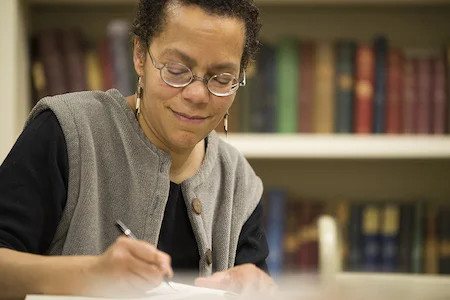
Lauret Savoy signing books at the Providence Athenaeum.
via ecori.org
Not far from the building where she teaches environmental studies and geology at Mount Holyoke College, Lauret Savoy once had these three hurtful words yelled at her as she attempted to cross a busy crosswalk: “Nigger, go home.”
It’s not uncommon, even today, for Savoy, a woman of mixed heritage, and other people of color to be on the receiving end of similar words of hate in the neighborhood that surrounds this liberal-arts college in South Hadley, Mass. That doesn’t make this western Massachusetts town unique.
Born in the early 1960s, Savoy grew up knowing racism, even if she didn’t recognize it as a young girl. During a recent discussion about her latest book, held at the Providence Athenaeum, she shared a story, long ago burned into memory, from her childhood.
When she was 7, Savoy’s family moved across the country, from California to Washington, D.C. Along the way, the young girl collected postcards to document her adventure. At one particular stop, Savoy recalled taking her “selected treasures to the cashier.” The cashier ignored her until there was no one else to be helped. When the 7-year-old reached out to pay, the cashier made sure not to touch the tiny, brown hand.
“When you experience racism, contempt, as a 7-year-old, you don’t know what it really means,” Savoy said. “But your foundation is rattled.”
Her new book, Trace: Memory, History, Race, and the American Landscape, is a response to her foundation being rattled. The book traces her Native-, African- and Euro-American ancestry across the United States in the hope of learning what her extended family experienced.
Savoy’s father, a “fair-skinned” man who died when she was young, introduced her to few relatives and spoke little about growing up in a segregated city. Her mother, a “dark-skinned” woman, was reluctant to share information about her experiences working as an Army nurse during World War II.
“I grew up not knowing where my parents came from or about the generations before them,” Savoy said. “I wanted to find my home. I needed to know, or I would continue to feel the emptiness I grew up with.”
The Leverett, Mass., resident is a self-described “Earth historian” who enjoys investigating the contours of the land to examine how the past helped shape the present. “Trace” combines cultural history, Savoy’s personal history and geography to tell a story about race in the United States. The book explores the way landscapes feature both broad national dialogue and voices that have been silenced by dominant culture.
Savoy said the book helped her answer questions that had “haunted me over time.” “We have quite a searing national history, and that past lives with us still,” she said.
During the March 11 discussion of “Trace,” Savoy read, beautifully, from a few chapters. She recounted the checkered history of Washington, D.C., reminding the packed room in the Providence Athenaeum that the country’s first president chose a location for the nation’s capital that would perpetuate slavery. For many years, she noted, a slave market was a common sight in the political center of this new “land of the free.”
“Washington wanted the capital near his plantation in Virginia,” said Savoy, noting that the White House was built on a tobacco plantation. “It had to be where slavery remained unmolested.”
She spoke about the things her childhood textbooks taught her about America — Native Americans, although in her books they were called Indians, for example, were useless, and blacks were once slaves. As a child, she wondered, “Will I be a slave?”
After the race riots of 1968, Savoy, then a young girl, wondered, “Should I also hate?”
Savoy noted that before 1963 the names of some 200 places in the United States contained the word “nigger.” The offensive name still lingers in places today — for example, the family hunting camp of Rick Perry, the former governor of Texas who ran for president in 2012 and 2016, is called “Niggerhead.” Visit the U.S. Bureau of Geographic Names Web site to find others.
Christina Bevilacqua, the Providence Athenaeum’s director of public engagement, bought “Trace” on a whim during a visit to New York City in December. She described Savoy’s book as a memoir, an explication of geographical history of the American landscape, and a personal excavation of the histories that have been erased from that landscape. She said it’s written by a geologist, but reads like something written by a poet.
After reading it, she reached out to Savoy to ask her to speak at the Athenaeum.
“I was especially happy to be able to present Lauret in our lineup ... she’s writing about a dimension of the national conversation on race that I haven't seen in any of the many incisive books and articles examining this national moment, namely the way that the history of race can be literally traced in the land,” Bevilacqua told the audience. “By the end of the book, I was seeing the world around me in a different way.”
A teacher, earth scientist, writer, photographer and pilot, Savoy’s courses at Mount Holyoke College explore the stories told of the American land’s origins, and the stories told of people on this land. The author of several other books, Savoy is a past winner of Mount Holyoke College’s Distinguished Teaching Award, has held fellowships from the Smithsonian Institution and Yale University, and is a fellow of the Geological Society of America.
Frank Carini is editor of ecoRI News.
Linger with the cliches

"Linger'' (performance art), by Dell M. Hamilton, at Samson gallery, Boston. (Photo by Lee Thurston)
The gallery identifies Ms. Hamilton as an artist who "wrestles with the social and geo-political constructions of gender, race, language and history through performance, installation, drawing, photography and video.''
Is anyone here as fatigued as I am by relentless identity politics and such trendy but empty expressions as "constructions of gender, race, language and history'' that sound as if they come from the mouth of a bad sociology professor?
-- Robert Whitcomb
In Paris, when the cold rains 'killed the spring'
“You expected to be sad in the fall. Part of you died each year when the leaves fell from the trees and their branches were bare against the wind and the cold, wintery light. But you knew there would always be the spring, as you knew the river would flow again after it was frozen. When the cold rains kept on and killed the spring, it was as though a young person died for no reason.”
This quotation, from A Moveable Feast, Ernest Hemingway's memoir of his life in Paris in the Twenties and published in 1964 -- may seem fitting to New Englanders in the next few days. But spring weather will return in force later next week.
Knowing that A Moveable Feast was published in 1964, after Hemingway's suicide, in 1961, may add extra emotion to the experience of reading this lovely if sometimes cruel book. Having lived in Paris myself, I can attest to the sadness produced by the cold rains that would fall in early spring there after a few days of warm, sweet weather. Maybe the beauty of the city makes the melancholy all the deeper.
Hemingway seems a much smaller figure now than when I was reading him starting around 1960, when he was probably the world's most famous writer, in part because of his life of dangerous adventure. But his early-career stripped-down style and his sort of proto-existentialism still haunt American and English literature.
Of course, he was considered a member of "The Lost Generation'' said to have been disillusioned by the horrors of World War I. But then everyone is a member of such a generation, all "damned from here to eternity.''
-- Robert Whitcomb
Remembrance of biases past

"Island Series 3'' (oil on paper), by Dianne Dolan, at Galatea Fine Art, Boston.
I will arise and go now, and go to Innisfree,
And a small cabin build there, of clay and wattles made:
Nine bean-rows will I have there, a hive for the honey-bee,
And live alone in the bee-loud glade.
And I shall have some peace there, for peace comes dropping slow,
Dropping from the veils of the mourning to where the cricket sings;
There midnight's all a glimmer, and noon a purple glow,
And evening full of the linnet's wings.
I will arise and go now, for always night and day
I hear lake water lapping with low sounds by the shore;
While I stand on the roadway, or on the pavements grey,
I hear it in the deep heart's core.
-- William Butler Yeats
Happy St. Patrick's Day!
When I was growing up in Cohasset, a very pretty small town on Massachusetts Bay, the then-majority population of Wasps tended to be suspicious of, and discriminate against, the Irish Catholics who were moving to such suburbs from the cities after World War II at an accelerating clip.
Indeed, the Wasps, or call them the "old Yankees,'' kept the latter out of the town's private golf and yacht clubs for a long time. On my very long street, there were no Catholics except a family called HIll in which the husband had agreed to convert as a condition of marrying his Catholic fiancee.
Some of the Wasps believed that the Vatican told these people what to do from morning to night. The ritual of the weekly confessions at the local Catholic church aroused some sardonic merriment. ("What do they do so much that requires all these confessions?'')
However, the fish merchants loved them because Catholics were barred from eating meat on Fridays.
John F. Kennedy's election to the presidency in 1960 accelerated the move away from such bias. Of course, JFK was no model of morality, Catholic or otherwise. But he was, at least in public, cool, elegant and urbane -- sort of what the Wasps saw themselves as, at least the sober ones.
The Wasps tended to also dislike the (the almost entirely Catholic) Italians, although there were far fewer of them than Irish in the town. As "mackerel snapper'' was used to describe the Irish, so "fruit peddler'' was applied to the Italians.
The Irish tended to be singled out for allegedly being political crooks and the Italians for allegedly being connected to the Mafia.
The Yankee complaints about the Irish and Italians included that they had too many children (although the Wasps were having a lot of them back then, too -- including my own thermonuclear family, with its five kids). I think that a fear was that the Irish would rapidly reproduce themselves into total power, and then make everyone else take orders from the Pope.
Years later, when I worked in Boston, I was surprised to learn that there was also considerable antagonism there between the Irish, based in South Boston, and the Italians, based in the North End, with slurs (and sometimes worse) flying back and forth. The Wasps, whose proportion of the population was plunging, were seen as quirky and musty has-beens.
The ethnic clannishness has faded a lot since then. Now widening economic gaps fuel the most anger in Boston.
Of course, the religious-ethnic lines can be fuzzy. Yeats, the greatest Irish poet, was of Protestant background.
-- Robert Whitcomb
Lindsay Suter: How I cast off my family's multigenerational oil-money legacy
via otherwords.org
I’ll feel empowered when ExxonMobil convenes its upcoming annual shareholders meeting. Oddly, that’s because I’ve sold all my stock in the company.
Shareholders like me and some major institutions, including New York State’s $178 billion pension fund, have urged the oil giant to change its business model for years. But the company shows no sign of listening.
Divesting my shares lifted a great burden. I’m both a direct descendent of one of the corporation’s early executives and an architect devoted to green building practices.
My great-great grandfather Lauren J. Drake was a classic American success story. He started out as a clerk in a small store before becoming a railroad conductor and what the Chicago Tribune called a “roustabout wrestling barrels of oil” in Keokuk, Iowa. In his 1918 obituary, the newspaper said he served as “a confidant and business adviser of John D. Rockefeller” and “the other great petroleum wizards.”
At the height of his career, my forebear led both Standard Oil of Indiana (which later became Amoco, then part of BP), and then Standard Oil of New Jersey. That firm became Esso, then Exxon. It’s now ExxonMobil, one of the world’s biggest oil and gas companies.
The Standard Oil stock that my great-great grandfather bequeathed to his survivors appreciated tremendously for a century. Shares were handed down — at deaths, marriages, and births. We all benefited from this legacy. Indeed, those assets financed most of my education.
But I chose a different path.
I became an educator on environmentally responsible architecture. My home is run on a mix of vegetable oil, solar panels and other renewable sources, and I drive the first Prius sold in Connecticut. Yet I hung onto my Exxon stock, figuring it was better to seek change from within.
I wrote letters to Exxon’s management team and consistently cast shareholder votes for greater transparency, better governance, and corporate environmental and social responsibility — such as addressing climate change.
Just like some descendants of Standard Oil founder Rockefeller himself, I saw little change after years of advocacy. Once revelations surfaced of the degree to which ExxonMobil suppressed its own evidence regarding the industry’s global-warming potential, it hit me:
What am I doing?
I can be thankful for what my forebears provided me. But if that gift undermines my family and our planet’s very future, now is the time to change course.
I sold all the shares belonging to my immediate family late last year. I’m now reinvesting that money into greener things, including small-scale hydropower at my home in an 18th-Century grist mill.
With virtuous irony, the education paid for by the company that became ExxonMobil encouraged me to think, challenge, and discover. This source of wealth helped me become a discerning, rational person — and when necessary, an activist.
My great-great grandfather felt an obligation to ensure the well-being of his family’s next generations, so he left us valuable assets. One of my biggest family obligations is ensuring the well-being of future generations on a stable, fertile, and healthy planet.
I’m not trying to vilify my great-great grandfather for what ExxonMobil has done. But wecan blame the people and companies who are now recklessly and knowingly ignoring our common peril. Whatever brings on your own epiphany, I hope you’ll see that it’s time to divest from fossil fuels and invest in a climate-friendly future.
Lindsay Suter is an architect practicing sustainable design who guest lectures at Yale University and other schools.
Before you know it

"Mountain Stream, Summer,'' by Regina Partridge, in the "Pawtucket Printmakers'' show at Gallery 175, Pawtucket, R.I., through April 30.
John O. Harney: College commencement stars; 'stop-the-bleed kits'; Granite State growth
Our old friend John Harney, executive editor of the New England Journal of Higher Education, part of the New England Board of Higher Education (nebhe.org), sent along his latest NEBHE update of higher-ed-related stuff in the region.
The announcements of spring commencement speakers at the region's higher education institutions have begun. Capt. Richard Phillips will deliver the commencement address at Vermont's Castleton University in May. The former captain of the Maersk Alabama was enrolled at Castleton as an art major when he was kidnapped by Somali pirates.
His was an inspiring story that made it to the silver screen, though my son, who is wise beyond his years and worked with resettled Somalis in Burlington, Vt., worried the hit movie could spur a backlash. ...
Northeastern University announced its speaker will be U.S. Secretary of State John Kerry. ... Should anyone doubt the impact of college commencements on the area, a Web site called BostonZest carries a list of Spring 2016 graduations that "helps visitors to Boston understand why hotel rooms are so expensive and restaurant reservations so scarce on some dates in May."
Dangerous Places. We recently tweeted about the University of Hartford's announcement that it's the first higher ed institution in New England to equip public safety officers with “stop the bleed” kits to save lives during mass casualty events. We've also had the pleasure of publishing pieces about "hyperlocal smartphone alerts" to notify students of local events, weather advisories and deals from nearby merchants, but also to protect them from campus shooters and prove compliance with the Clery Act that requires campuses to report on crime and safety. Innovative technologies have always been spawned by the region's higher ed. And now these are sadly required by today's campuses. So are semi-automatic rifles for campus police if you believe Northeastern and Boston University.
Closing Generation Gaps. Programs that bring together senior citizens and young people seem a no-brainer for a region that is aging fast and depends economically on talent of all ages. Latest exhibit: Quinsigamond Community College and Marlboro, Mass. city officials began a partnership offering senior citizens healthy lunches cooked by college culinary students. Quinsigamond officials noted that co-op students receive hands-on experience in food preparation and menu planning, while earning a certificate in Hospitality and Dietary Management.
The Boston Globe recently reported on the increasing number of companies offering a new employee benefit to help pay off college loans. Natixis Global Asset Management S.A. and Fidelity Investments were the main examples, offering to pay up to $10,000 in federal student loans of employees of at least five years. Diane Saunders, then a VP at Nellie Mae,shared the concept with NEJHE (then called Connection) 20 years ago. Years later, the Maine Compact for Higher Education tried to enlist Maine companies to provide tuition remission and other forward-looking workforce education policies, but got few takers.
Out of State. The Washington Post and others recently stated the obvious (again): "America’s most prominent public universities were founded to serve the people of their states, but they are enrolling record numbers of students from elsewhere to maximize tuition revenue as state support for higher education withers." Indeed, we reported a decade ago on higher ed access guru Tom Mortenson's assertion: "Public four-year colleges and universities in 28 states, including three New England states, have been dealing with their budget problems by increasing enrollment of out-of-state residents and decreasing their share of enrollment of lower-income Pell Grant recipients since the early 1990s." He called it “enrollment management at its worst.” ... A more recent report by the American Council on Education reveals that most incoming freshmen attending public four-year colleges and universities enroll within 50 miles of their home.
For more than a half century, NEBHE's Regional Student Program Tuition Break has stretched that sense of home, enabling residents of the six New England states to pay a reduced tuition rate when they enroll at out-of-state public colleges and universities within the six-state region and pursue approved degree programs not offered by their home-state public institutions. In some cases, students may be eligible when their home is closer to an out-of-state college than to an in-state college. ...
Meanwhile, the national think tank New America's report, "Starting From Scratch," would replace the current federal higher education financing system, which it characterizes as a voucher program "where aid follows students" to one based on formula-funded grants made to states.
Or Regional? Speaking of coveting your neighbor's goods, Massachusetts recently celebrated luring General Electric's headquarters to Boston. The Hub is sparkling and thriving, and the city wants to enhance its reputation as a magnet for innovation. But somehow it's a little less satisfying when the booty is coaxed from another New England state; GE had been bringing good things to life from headquarters in Fairfield, Conn. Never mind that the company has the reputation of being a notorious tax-avoider.
Over the Piscataqua. The population of New Hampshire surpassed that of Maine for the first time in 200 years according to new estimates from the U.S. Census Bureau, analyzed by Kenneth Johnson, senior demographer at the Carsey School at the University of New Hampshire. Since mid-2010, New Hampshire added about 14,000 residents, while Maine added fewer than 1,000. Maine recorded what traditional economists consider a grim demographic equation: More people died than were born.
The Other Training. New England's railroads are an overlooked asset in the region's education and economic future. MassLive reports that planning is in the early stages for frequent north-south passenger trains on the "Knowledge Corridor" from Springfield, Mass., stopping in Holyoke, Northampton and Greenfield. Recently, freight trains began carrying the first shipping containers loaded on the Portland, Maine waterfront to connect with freight customers throughout North America. It’s cheaper to move heavy cargo by train than truck, because more can be moved at once with less fuel and fewer workers. In the Boston area, the Massachusetts Bay Transportation Authority is revisiting an idea first proposed in 2014 to sell large quantities of discounted passes to colleges and universities. Railroads already offers convenient passenger service to Bridgewater State University and the University of New Hampshire, as well as Greater Boston campuses.
Green (Mountain) Peace. Vermont once again was the top-ranked state in per-capita Peace Corps volunteers. (Vermont has also suffered disproportionately more deaths in the Iraq War than any other state.)
Town-Gown Is Back in Fashion. Colby College is buying distressed properties on Main Street in Waterville, Maine, planning to build a dormitory there and create a fund to provide loans and grants to small businesses. The city of 16,000 has the advantages of the 810-seat Opera House, the Maine Film Center and the Colby College Museum of Art.
Do You Speak Code-ish? Interesting to read of the "A100" 12-week bootcamp in New Haven that sharpens the skills of recent computer science graduates to be software developers across the state. The weekly New Haven Independent notes that a fleet of young software developers around the city will "create a true tech scene in New Haven," already including two new startups, one a chauffeur service called I Drive Your Car, the other a healthcare service called Patient Wisdom. As the weekly quotes A100 founder Derek Koch: “It’s part of generating a successful startup ecosystem." Now, whether high school students should be allowed to substitute computer coding classes for foreign language requirements as Florida legislators have considered is a bit less less clear.
The Weakest Among Us. Massachusetts has the highest rate of abused children in the nation. There could be no more ominous stat for a state's and a region's social and economic future. Meanwhile, Georgetown University economists reported that African Americans are overrepresented in majors that lead to low-paying jobs. But they are critical jobs: early childhood education, human service organization, social work and theology. Is it too naive to suggest that the reward system of the labor market may be the problem?

Robert Whitcomb: Too much wind for too much wood on Sept. 21, 1938
“The roaring wind toppled forests in every New England state, with New Hampshire and Massachusetts (east of the eye of the storm) hit particularly hard. The path of destruction spanned ninety miles across....’’ And “70 percent or more of the toppled timber was Pinus strobus – eastern white pine’’ – the most valuable (and vulnerable) tree crop in New England because of its height, straightness and its many uses, from lumber to make houses, to furniture to cheap shipping boxe

(Original review published by The Weekly Standard)
When I was a boy living in coastal Massachusetts I frequently heard stories about the great hurricane that crashed into Long Island and New England on Sept. 21, 1938. Most of the people who described it to me – my father and some of his friends -- were only in their thirties and early forties when they told me about it, and had very vivid stories, especially after a few drinks."
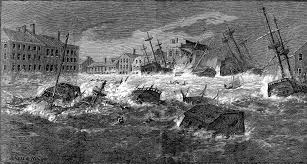
What the 1906 earthquake is to San Francisco, the 1871 fire is to Chicago and Hurricane Katrina is to New Orleans, the ’38 Hurricane (aka “The Long Island Express’’) is to New England and Long Island.
Given the scale of the catastrophe in one of the most populous and richest parts of the country, the ’38 Hurricane at first got surprisingly little attention from the rest of the country because attention was riveted on the Munich Crisis; many assumed that war was about to break out in Europe; of course, that wouldn’t be for another year.
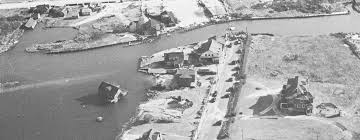
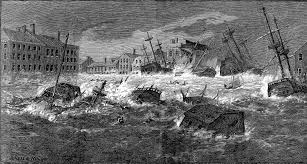
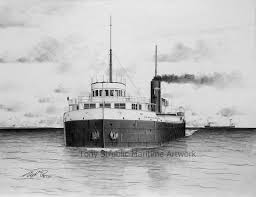
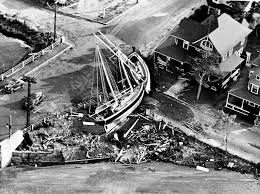
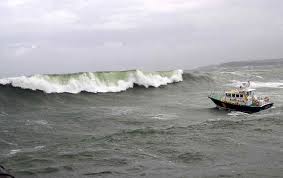

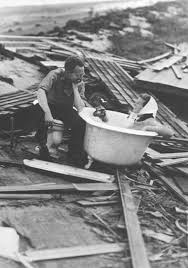
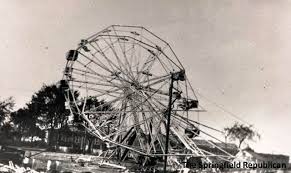

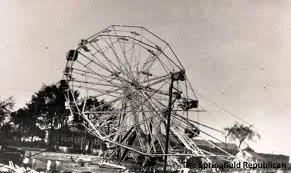
The storm killed around 700 people and destroyed many buildings, bridges and miles of road. Its tidal surge altered long stretches of the southern New England and Long Island coasts.
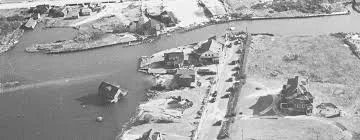
Stephen Long clearly and dramatically, and sometimes with droll humor, details the mayhem produced by torrential rain followed by winds that gusted to nearly 200 miles an hour on Blue Hill, south of Boston. He serves up a mix of regional history, meteorology, botany, ecology, politics, economics -- allseasoned with anecdotes.
But his book is mostly about the trees that the storm took down, especially in New England’s large and well-established second-growth forests and “the pastoral combination of farm field and forest {that} adorned’’ the region, interspersed by villages with steepled white churches. That’s the (unrepresentative) scene that many tourists most associate with the region. The storm’s massive blowdowns (including of steeples) altered the views in many places.
As a boy, I saw evidence of this damage in the woods next to our house, where there were numerous pits where the roots of uprooted trees had been. From the pits’ shape you could tell which direction the strongest wind came – southeast, at more than 100 miles an hour. And there were still many gaps in the woods where tall trees had once stood.
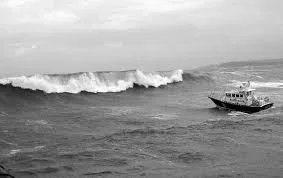
Mr. Long, founder and former editor of Northern Woodlands magazine, focuses on the ecological, economic and sociological effects of the storm’s destruction of mature trees in a wide swath of New England.
“The roaring wind toppled forests in every New England state, with New Hampshire and Massachusetts (east of the eye of the storm) hit particularly hard. The path of destruction spanned ninety miles across....’’ And “70 percent or more of the toppled timber was Pinus strobus – eastern white pine’’ – the most valuable (and vulnerable) tree crop in New England because of its height, straightness and its many uses, from lumber to make houses, to furniture to cheap shipping boxes. (Mr. Long describes how mighty New England’s cheap-pine-box industry was before heavy-duty cardboard and plastic took its place.)
All this devastated many landowners, already brought low by the Great Depression, who depended on pine sales from their wood lots to make ends meet.
Also torn up were many maple-tree stands, the sap from which provided a lot of extra income to New England farmers and other landowners.
Mr. Long writes very accessibly about why certain trees sustained far more damage than others -- e.g., “The taller the tree the longer the lever and the greater the force it can exert on the ground where it’s anchored.’’ Trees on southeast-facing slopes were particularly vulnerable.

Enter the New Deal, in an example of what perhaps only government can do: Clean up damage from natural disasters that extends over many square miles. Much praise was due the U.S. Forest Service, as well as Franklin Roosevelt’s Works Progress Administration and the Civilian Conservation Corps, in responding to a disaster as huge as the ’38 Hurricane.
The first imperative, state and federal officials and an anxious public thought, was to reduce the chances of massive forest fires from the downed and thus drying trees and branches. Indeed, some of the forests were closed to the public for long stretches after the hurricane for fear of fire. That the hurricane had made many of the fire-watch towers inaccessible -- roads were blocked by fallen trees – made it that much scarier.
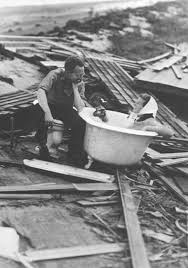
And so, Mr. Long explains, federal officials, led by the U.S. Forest Service, pulled together the resources of various organizations but especially thousands of otherwise unemployed men working for the CCC (young men) and the WPA (which had older men too). They opened roads and helped clean out much of the combustible debris left on the ground by the hurricane.
The Roosevelt administration pushed the project. Mr. Long describes “the WPA’s own portrayal of its hurricane relief efforts, as seen in an eleven-minute film….Shock Troops of Disaster bears a striking resemblance to wartime newsreels, depicting feverish activity accompanied by charged music and stentorian narration. Referring to the WPA, the narrator described it in this way: ‘Manpower, turning from regular public improvements and services into the breach in times of dire need.’’’
But what to do with the fallen timber taken out of the woods, which could flood the market and lower the already low price of the wood? To address this issue, the government invaded the private market with a vengeance.
Mr. Long explains: “The Forest Service saw the need for a stabilizing influence on the price of logs and the flow of lumber to the market….{so it} put the power of the federal government to work’’ by establishing “a fair price for logs,’’ and buying up all it could and then gradually selling it as “demand required. At the heart of this reasoning was that the purchasing program would allow thousands of local landowners to realize a decent return from what could have been a nearly total economic loss.’’
“The total cost of the salvage program was $16,269,000’’ {in dollars of the time}, of which 92 percent was recovered by the government. It seems doubtful that such market intervention will happen after the next big hurricane blows through. But then, FDR & Co. saw the hurricane response as another way of fighting the Depression.
The cleanup showed just how good Americans, via a collaboration of the private and public sectors, can be at addressing an emergency – as they were soon to prove after Pearl Harbor. And a lot of that hurricane wood was used in war-related products and then in the post-war building boom.
Meanwhile, with the continuing disappearance of farmland, New England is now more forested than at any time in 200 years. Some year, the Northeast will again have a record surplus of lumber on the ground after another huge hurricane. We may then long for a CCC and a WPA.
Robert Whitcomb (rwhitcomb51@gmail.com) is overseer of newenglanddiary.com.
Endless outrages against elephants
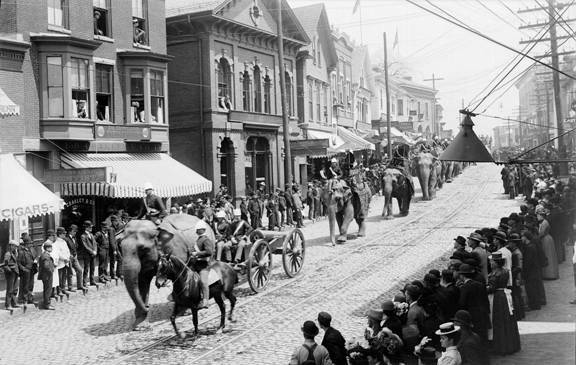
"Circus parade down Main Street, in Gloucester, Mass, in the 1890s,'' photo by Walter Gardner, at the Cape Ann Museum, Gloucester.
Those poor elephants! But of course, as terribly as circuses have treated them, it wasn't nearly as brutal as in Africa, where the mass murder of these highly social and intelligent animals in Africa continues as bad as ever. That's in large part of the barbaric, sick Chinese ivory obsession and the African poachers who feed this obscene hunger. Will there be any elephants living in the wild in 20 years?
--- Robert Whitcomb
Chris Powell: Due process under attack in Connecticut
Liberalism in Connecticut used to stand for due process of law, but not anymore.
Increasingly liberalism in Connecticut stands instead for mere political correctness, as signified by two liberal causes advancing through the General Assembly.
The first is legislation to require colleges to expel male students who can’t prove themselves innocent of non-criminal accusations of sexual assault made by female students -- can’t prove that their sexual relations were entirely consensual. This is being called "affirmative consent." Under "affirmative consent" such innocence is unlikely to be proved without sworn and notarized receipts from the sexual partner or comprehensive video-recording.
The legislation arises from the difficulty in proving sexual assault in the college environment, clouded as it is by youthful recklessness, drug and alcohol intoxication, and childish jealousy. In such an environment there are many rapes but little proof, usually only contradictory assertions that can’t be verified. As a result police seldom can document and prosecutors prove criminal charges in court.
Hence the clamor from the women’s side to discard requirements for proof and settle for guilt by accusation. If men can’t be criminally convicted in court with due process of law and proof beyond reasonable doubt, at least they can be thrown out of college with a record that will impair them for the rest of their lives.
Of course some men may deserve this, but others may not, as there are always false or exaggerated accusations. Further, without due process the public’s understanding of justice will be greatly diminished.
If the "affirmative consent" legislation is enacted, it will warn men that they have no defense against sexual-assault accusations on campus and that they engage in sex there at great peril. This is exactly what women on campus should be told -- that many men, even seemingly nice ones, are actually predators, especially during their college years, and that all men must be regarded with great caution before establishing an intimate relationship.
The law is about to discard due process on campus because women students have been told all this, have been warned about their vulnerability, but refuse to heed the warning, their refusal having been encouraged by irresponsible complaints that to warn them constitutes "blaming the victim."
So now due process is to be blamed instead.
Discarded on campus, due process will be more at risk elsewhere, as Connecticut’s liberals also are striving to discard it amid accusations of domestic abuse or violence. Their legislation in that respect would authorize police, before any hearing in court, to confiscate guns owned by anyone against whom a court issues a temporary restraining order. That is, there would be punishment before not just trial and conviction but even before a hearing.
Advocates of the legislation cite the 2014 murder of a woman in Oxford by her husband, who was the subject of a court order to stay away from her and to surrender his guns. He disobeyed the order, but the pending legislation would not have made any difference.
For men resolved to harm their wives or girlfriends will not be deterred by mere court orders. They will be deterred only by swift prosecution and police protection for those they threaten.
But swift prosecution and police protection would cost money, and even the advocates of punishment before conviction in domestic abuse cases don’t want to spend it. By discarding due process instead, they can strike their PC poses for free.
Insisting on due process always puts one at risk of getting called names -- "misogynist" may be the one hurled here -- but even Connecticut liberals once had the courage to quote the late Supreme Court Justice Felix Frankfurter’s remark that "the safeguards of liberty have frequently been forged in controversies involving not very nice people."
Chris Powell is managing editor of the Journal Inquirer, in Manchester, Conn.
Perhaps better to be someone else

From the"furtherandfurtherandfurther'' show of Matthew Keller, at Galatea Fine Art, Boston, through March 27.
The show "explores relations between communication, memory and perceptions of self through repetitve drawing processes, multiple layered recordings and ritualized performance,'' says the gallery. But what it might most bring to mind is the fading away of memory in old age.
March 22 PCFR: Status report on Europe
March 14, 2016
To members and friends of the Providence Committee on Foreign Relations (thepcfr.org; pcfremail@gmail.com)
Big things underway internationally now include the Ziki virus and economy worsening in Brazil, the North Korea regime threatening a “pre-exemptive’’ nuclear strike on South Korea, China continuing to militarize the South China Sea, the probable failure of cease-fires in Syria, the start of the British debate on leaving the European Union, gains by right-wing parties in Germany and preparations for the G7 Summit in May.
Besides the officially scheduled speakers below, note that we plan in the coming season to have speakers on New England ports (see bottom of this memo) and the geopolitics and economics of global warming as well as a look at global ocean-fishing issues and the Zika virus. Also refugees, economics, security and other matters involving Germany, with the German general consul speaking to us.
Our next meeting comes on Tuesday, March 22, with the very distinguished Andrew A. Michta, professor of National Security Affairs at the U.S. Naval War College and an adjunct fellow with the Center for Strategic and International Studies (Europe Program).
He’ll talk about European politics and security, including NATO and the future of the European Union. He has a special focus on Central Europe and the Baltic States. (We hope he talks about the Russian buildup in the enclave of Kalingrad.)
In 2013–2014, he was a senior fellow focusing on defense programming at the Center for European Policy Analysis in Washington, D.C. In 2011–2013, he was a senior transatlantic fellow at the German Marshall Fund of the United States (GMFUS) and the founding director of the GMFUS Warsaw office.
He is a member of the International Institute for Strategic Studies in London.
As usual, the dinner will be at the Hope Club, 6 Benevolent St., Providence. Drinks start at about 6, dinner by 7, then the talk and a Q&A and the evening ends by 9.
Please let us know whether you will join us March 22 by replying to pcfremail@gmail.com or, in a crunch, calling (401) 523-3957. Thanks very much to those who have already let us know! The Hope Club needs good estimates no later than the day before a PCFR dinner.
Dues and dinner cost information may be found at: thepcfr.org. Other membership information may be found there, too. (A member asked if (the modest) dues for this nonprofit membership organization are ever deductible for business purposes. Ask your tax adviser.)
Columbia Prof. Morris Rossabi, who had been skedded for March and is one of the world’s greatest experts on Central Asia, is being rescheduled to September or October as is Ambassador Tod Sedgwick, who had previously been skedded for May.
We have asked Professor Rossabi to focus on Mongolia, whose ability to become a real democracy stuck between the great expansionist police states of China and Russia, has long fascinated us.
On Tuesday, April 12, celebrated author, TV documentary maker and former foreign correspondent Hedrick Smith will join us; he’ll talk about Russia, and the current state of America, too.
On Wednesday May 11, comes the internationally known expert on cities around the world, Greg Lindsay.
Look at:
http://www.amazon.com/Aerotropolis-Way-Well-Live-Next/dp/0374100195/ref=sr_1_1?ie=UTF8&s=books&qid=1279805811&sr=8-1
He is a contributing writer for Fast Company, author of the forthcoming book Engineering Serendipity, and co-author of Aerotropolis: The Way We’ll Live Next. He is also a senior fellow of the New Cities Foundation — where he leads the Connected Mobility Initiative — a non-resident senior fellow of The Atlantic Council’s Strategic Foresight Initiative, a visiting scholar at New York University’s Rudin Center for Transportation Policy & Management, and a senior fellow of the World Policy Institute.
On Tuesday, June 7, Michael Soussan, former UN whistleblower; acclaimed author; widely published journalist; NYU writing professor, and women's rights advocate, will speak. His satirical memoir about global corruption, Backstabbing for Beginners: My Crash Course In International Diplomacy (Nation Books / Perseus) is being adapted for a feature film, starring Ben Kingsley and Josh Hutcherson
He will speak about the subject of his next book TRUTH TO POWER: how great minds changed the world. A brief history of thought leadership.
Evan Matthews, a key thought leader at the North Atlantic Ports Association and director of the Port of Davisville, will talk to us on Wednesday, June 22, on changes in world shipping, including the widening of the Panama Canal and other changes of huge interest to New England ports.
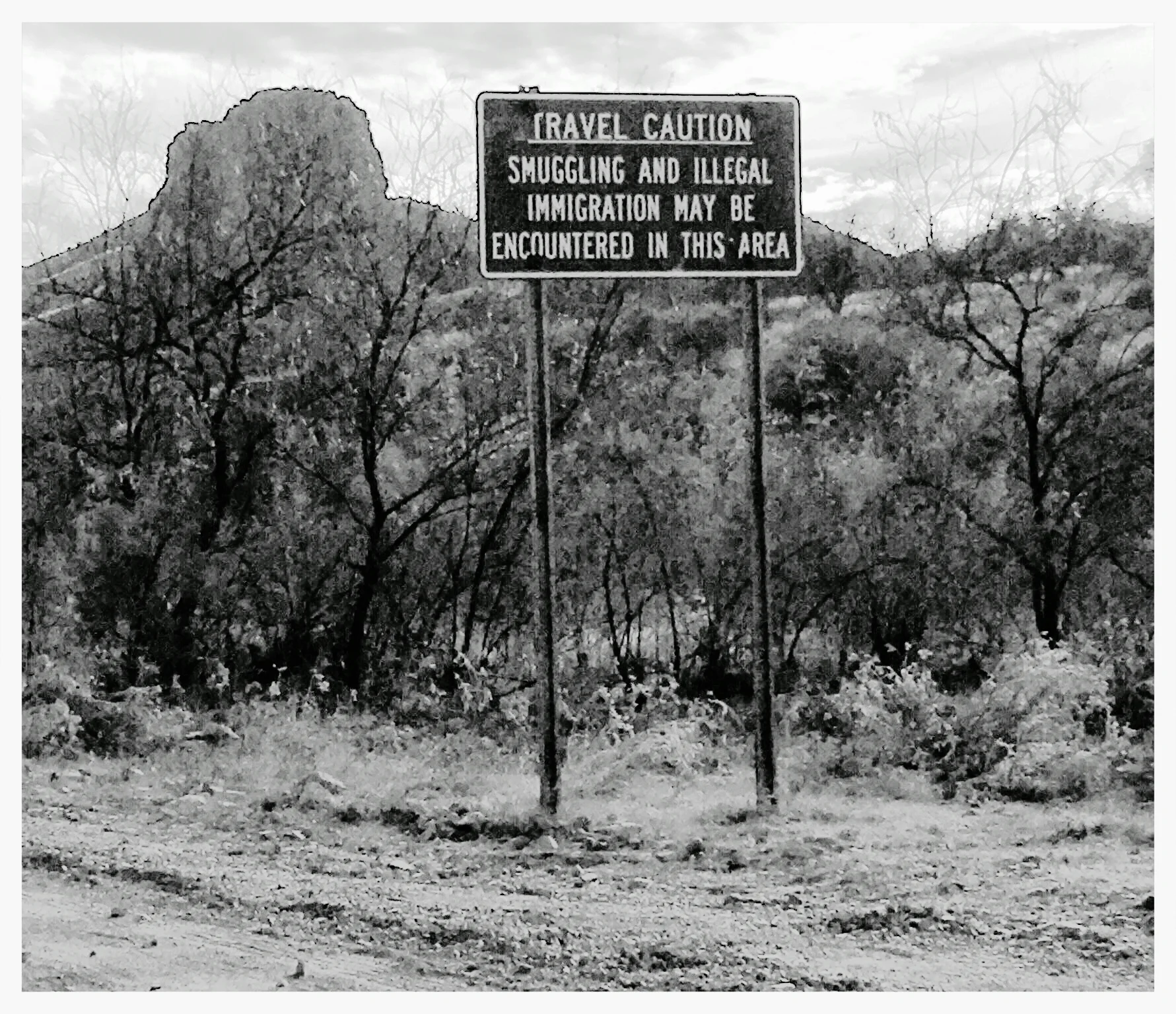
Lydia Davison Whitcomb: A stretch of where Trump would put his wall
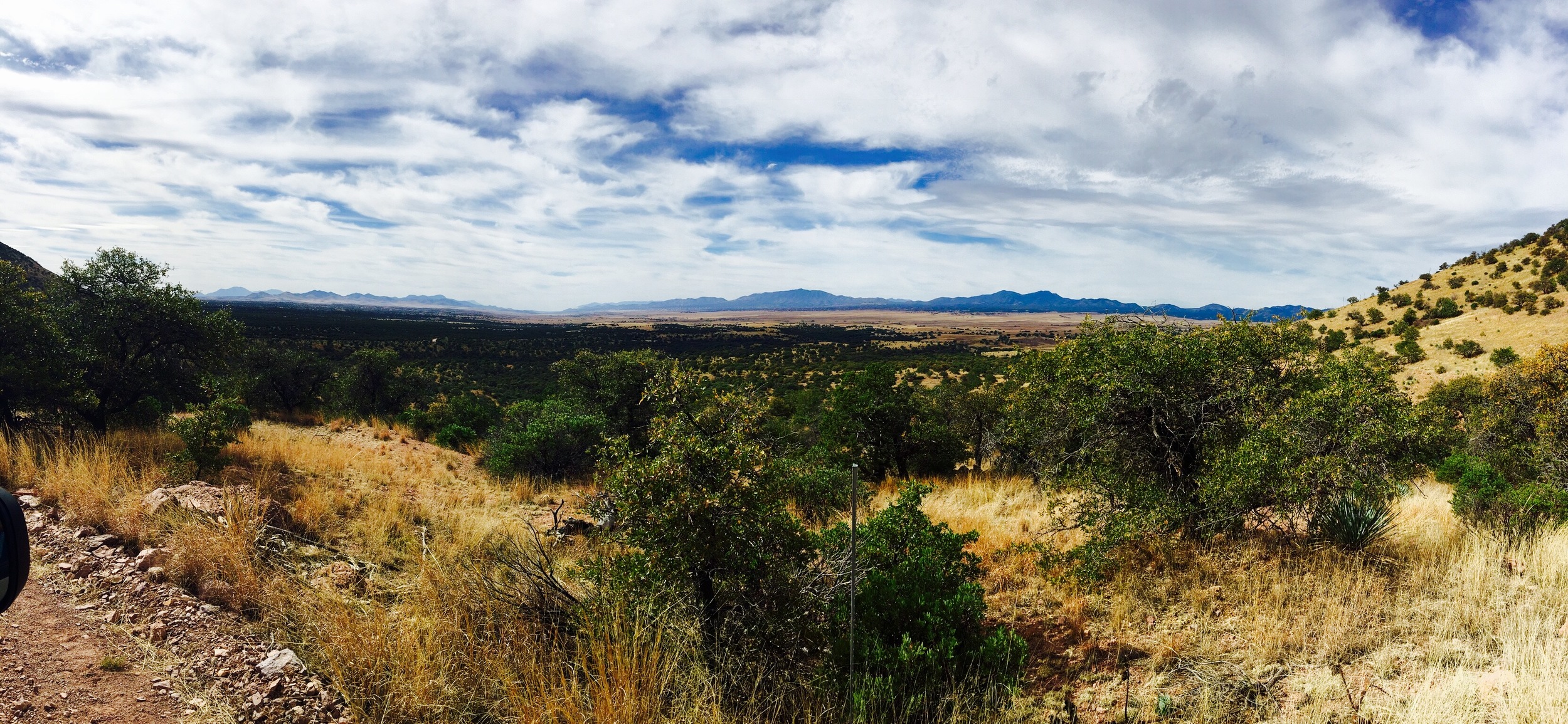
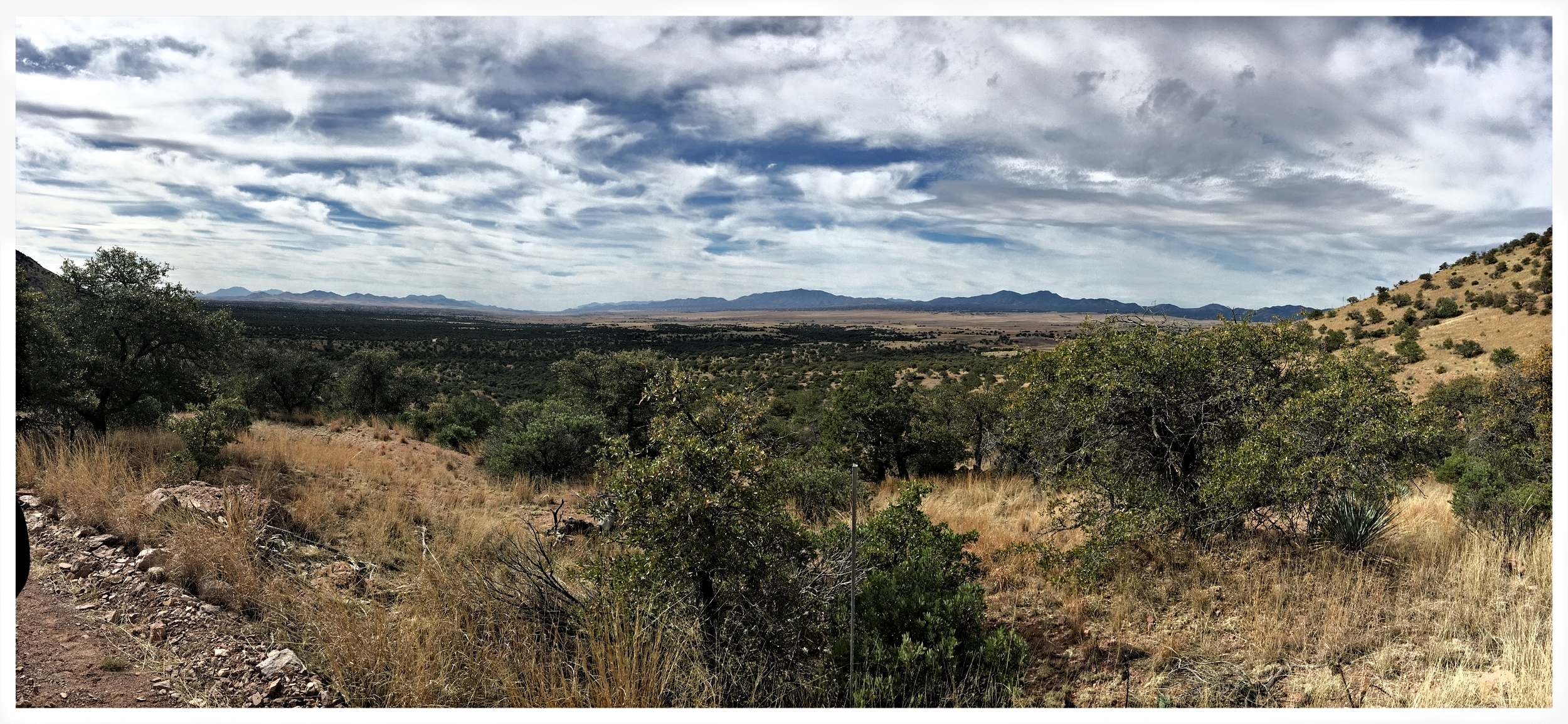
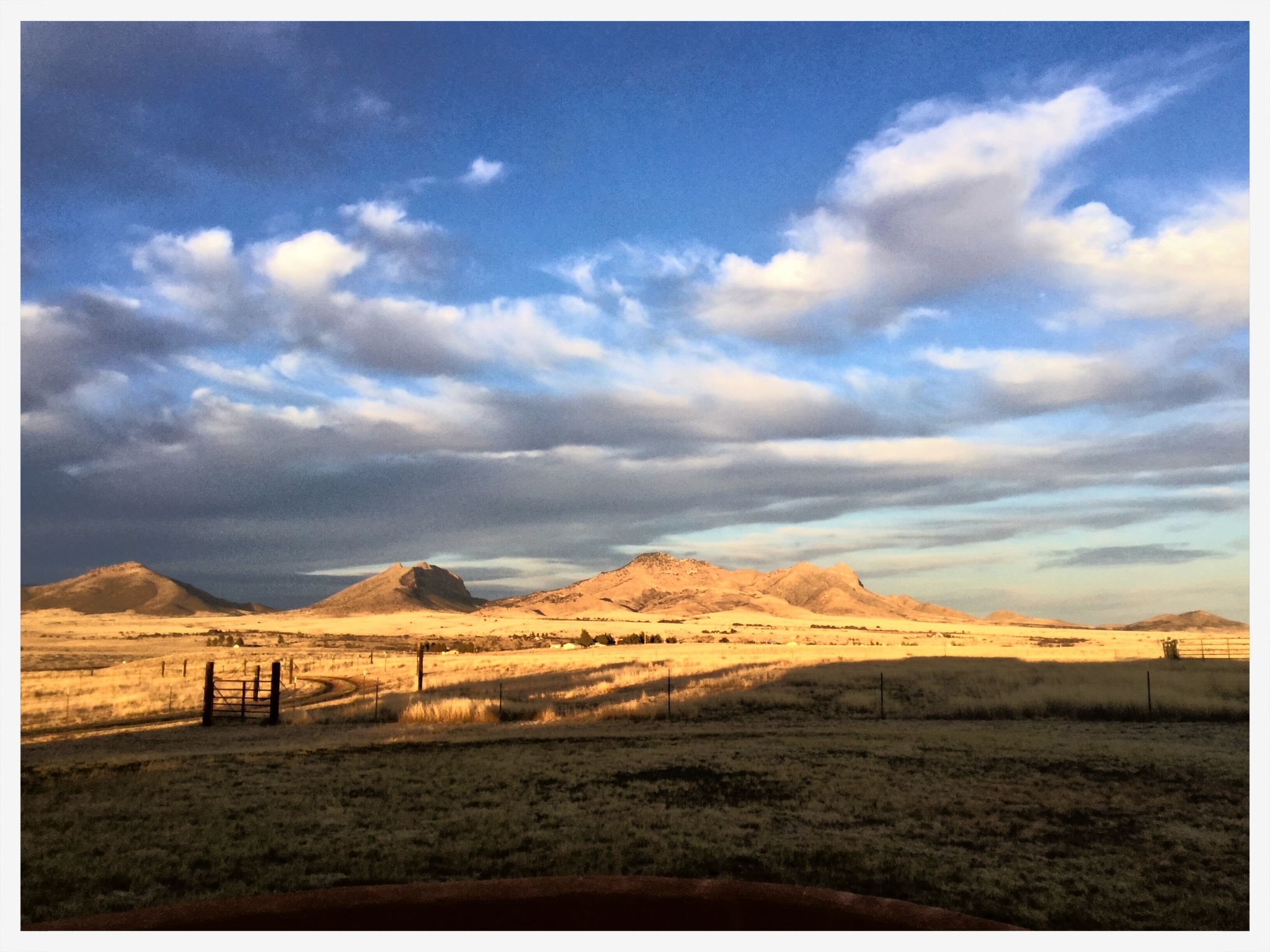
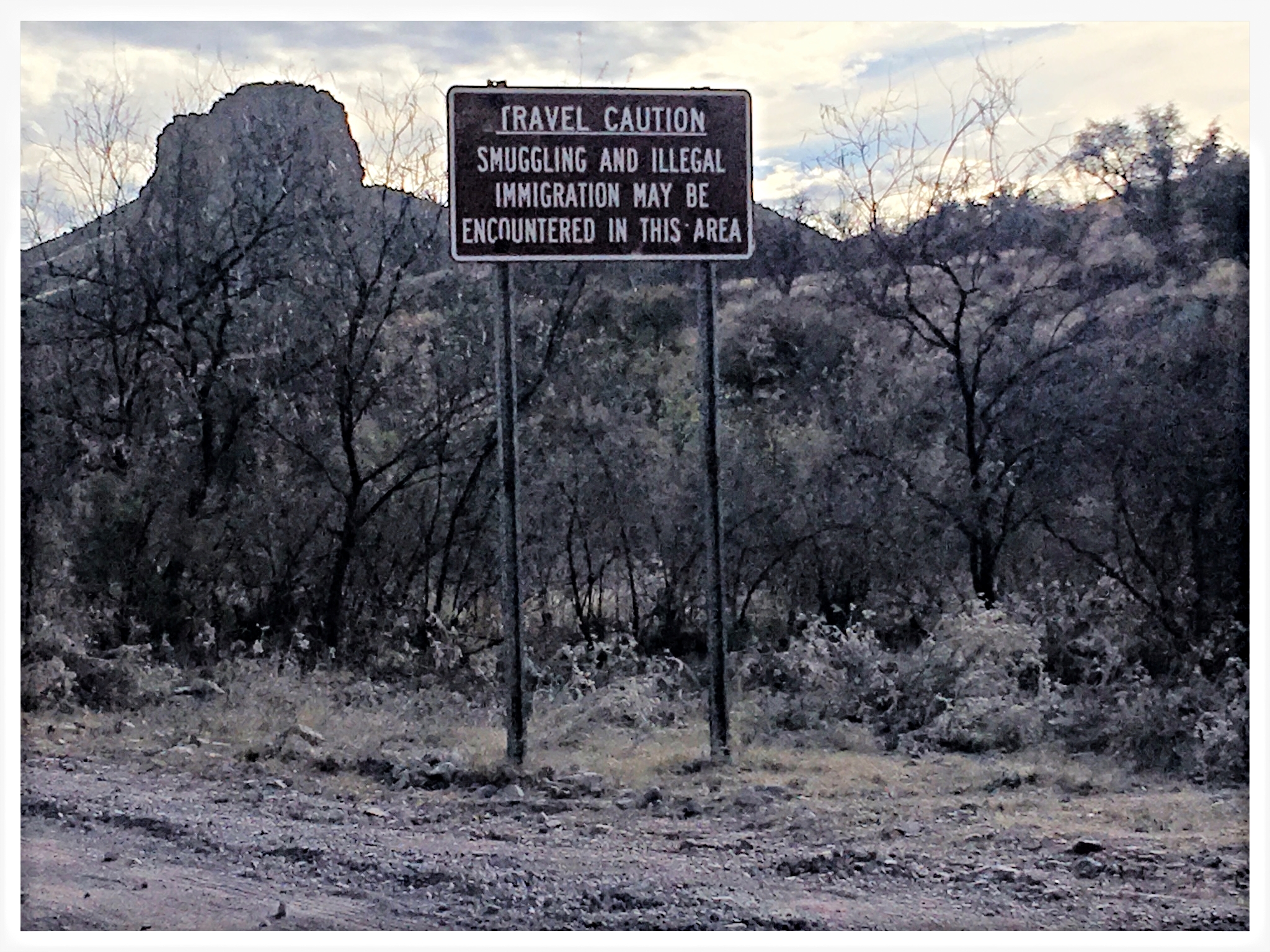
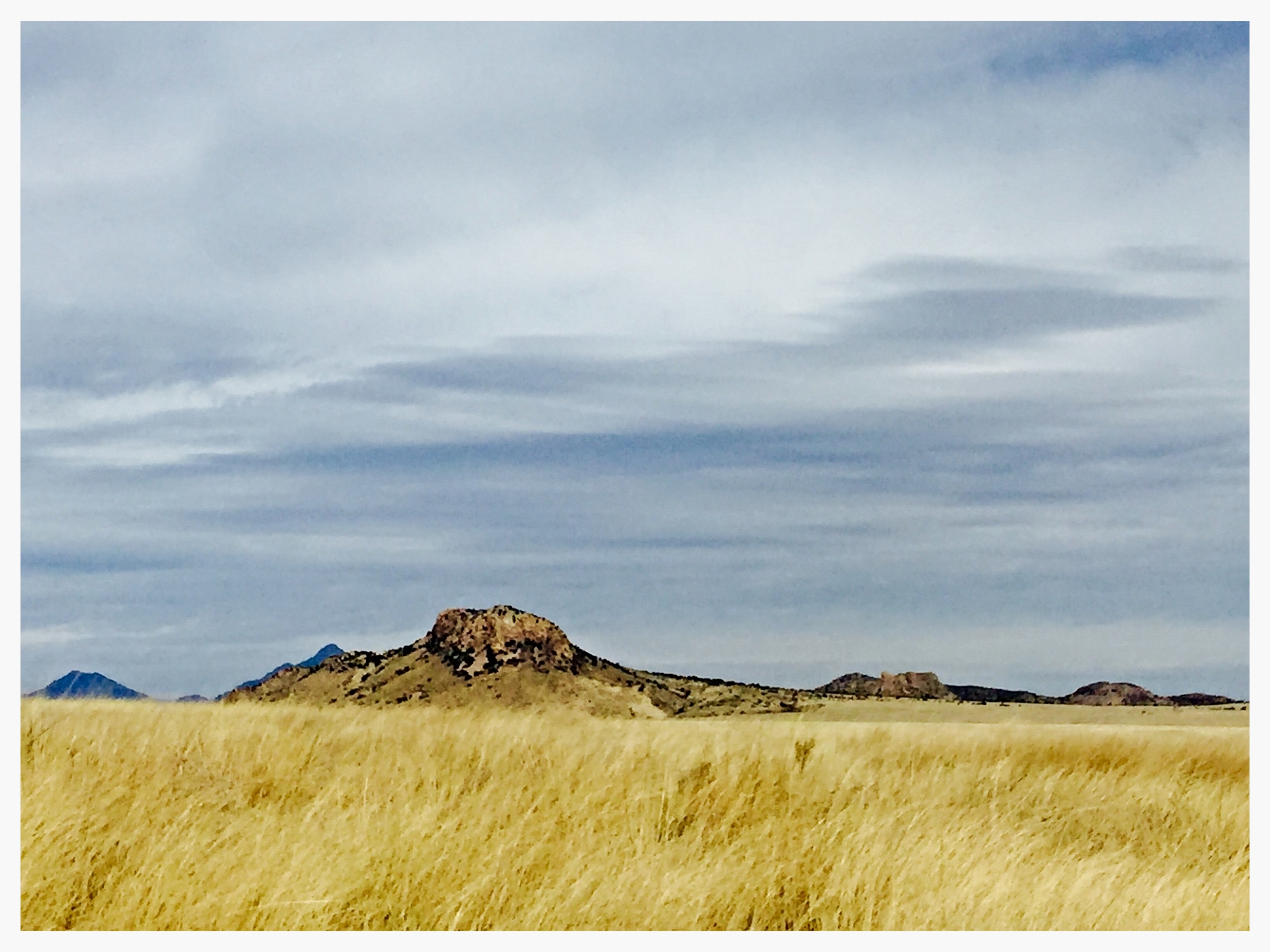
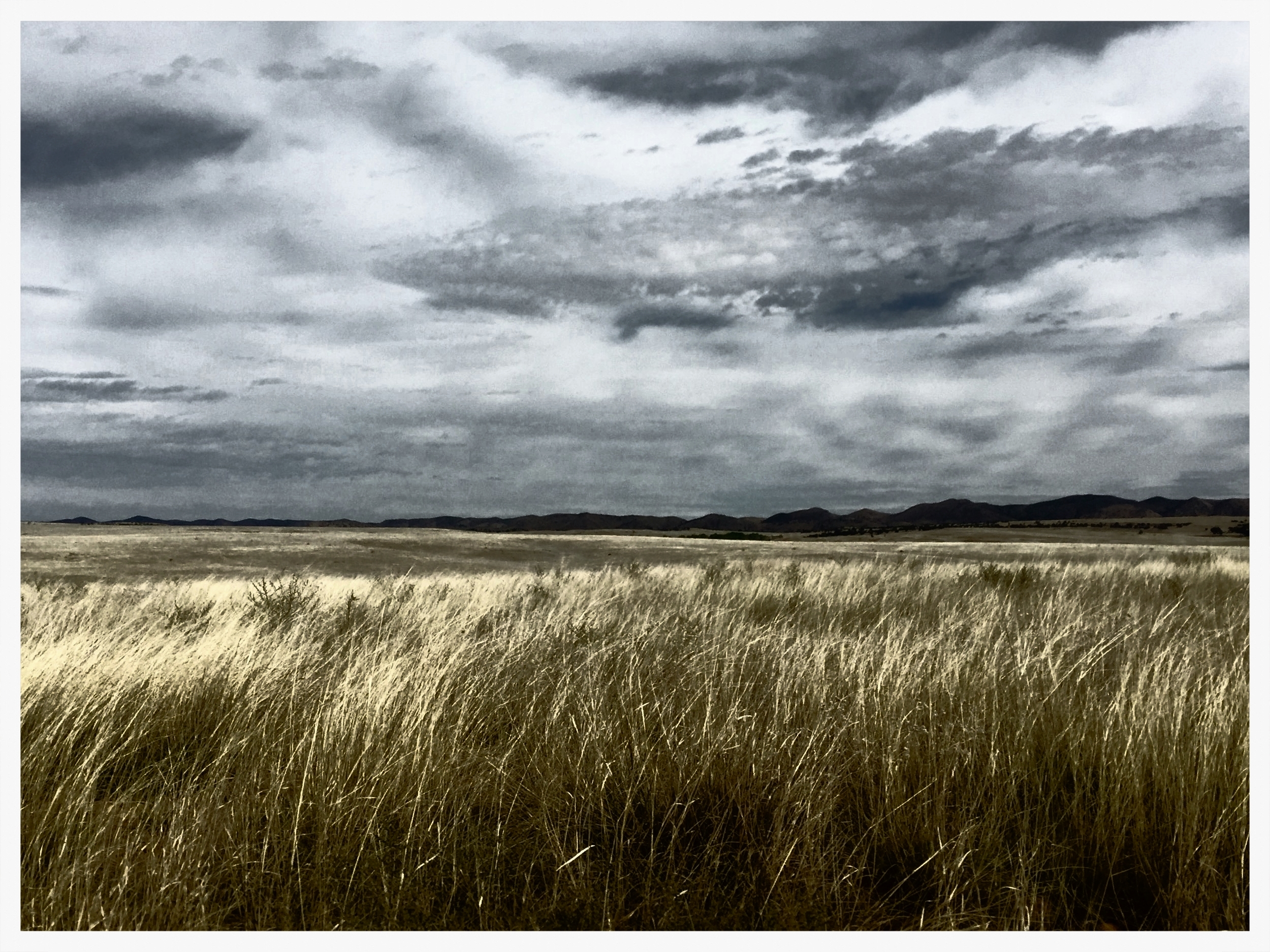

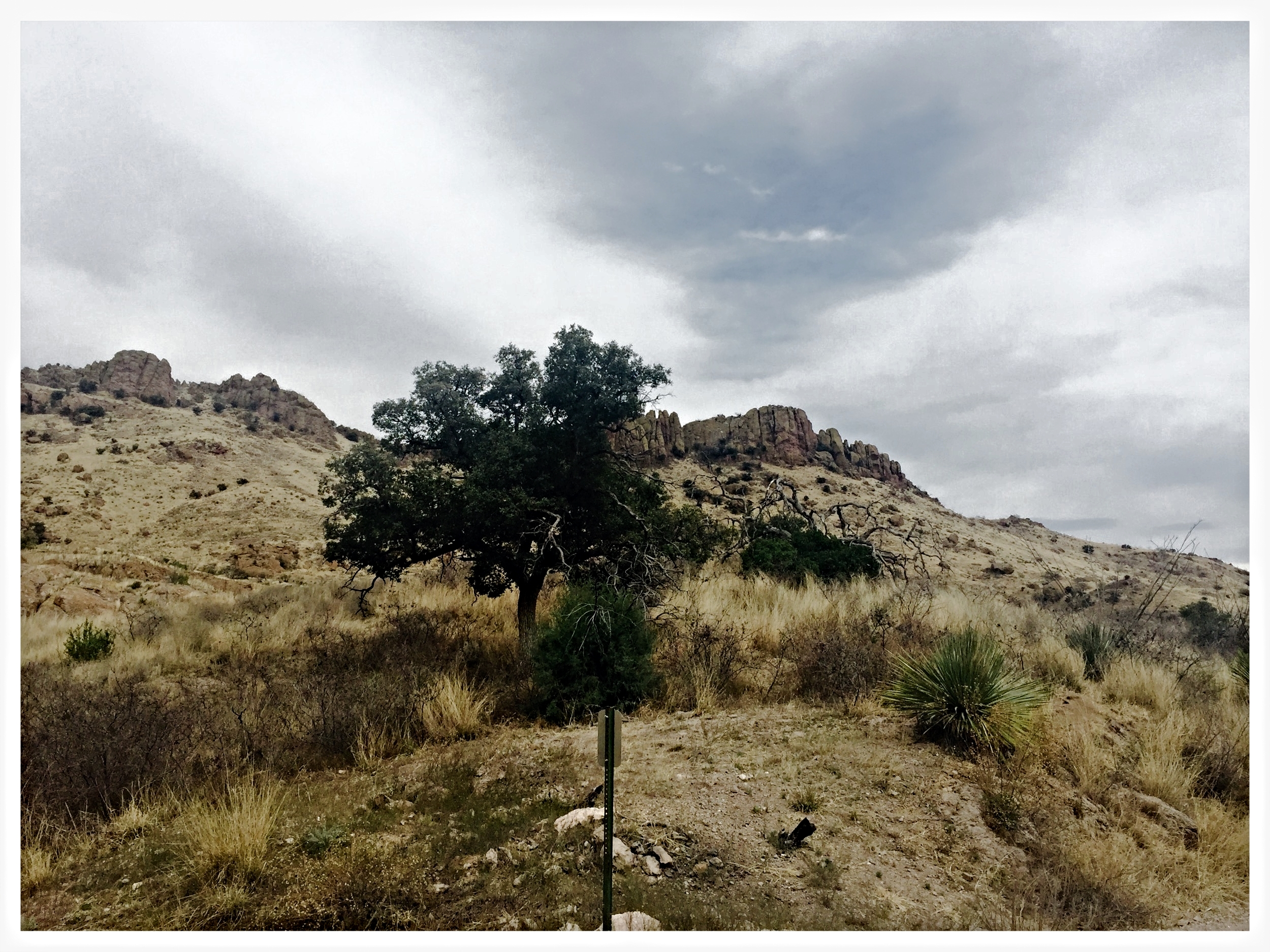
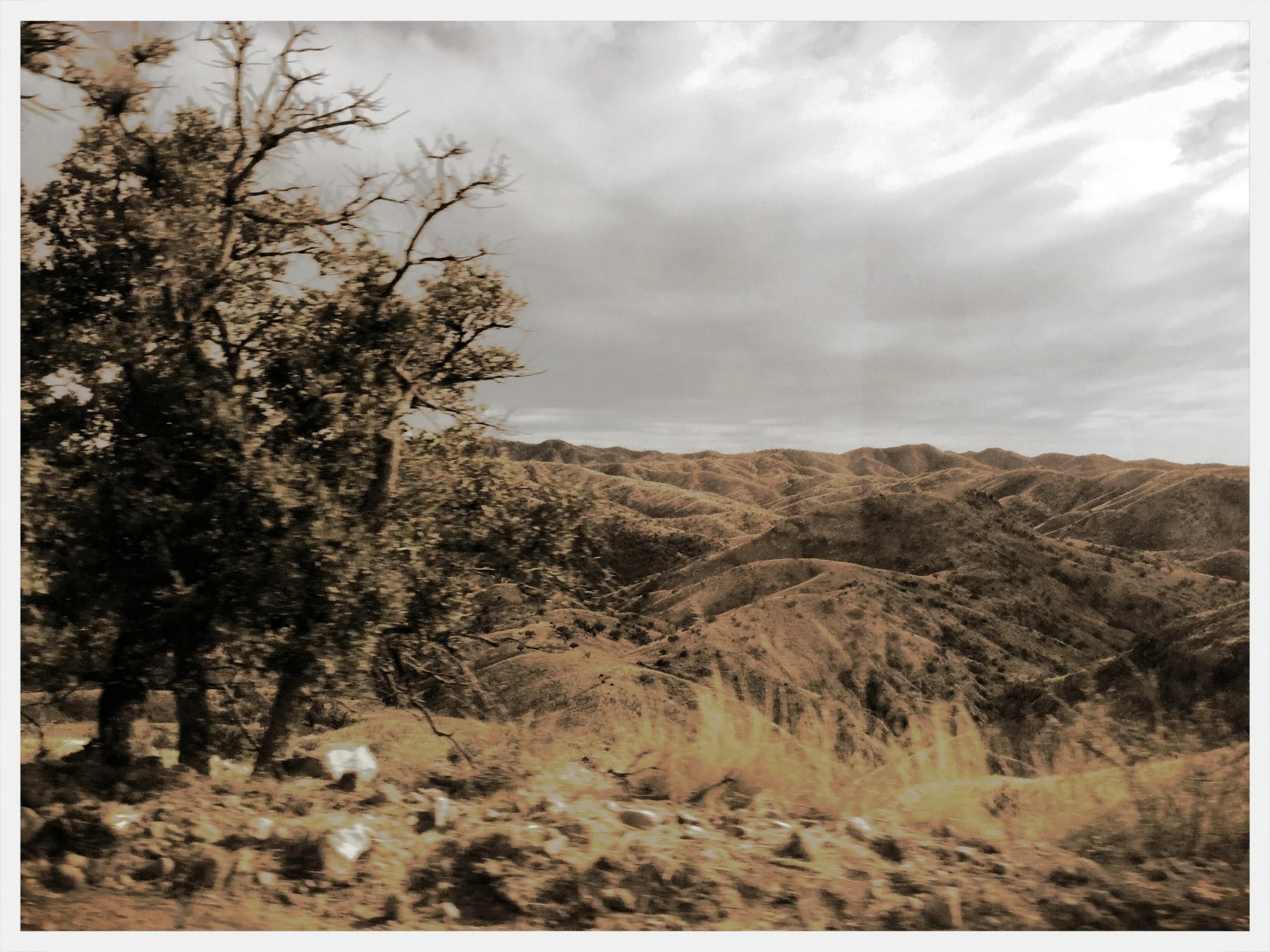
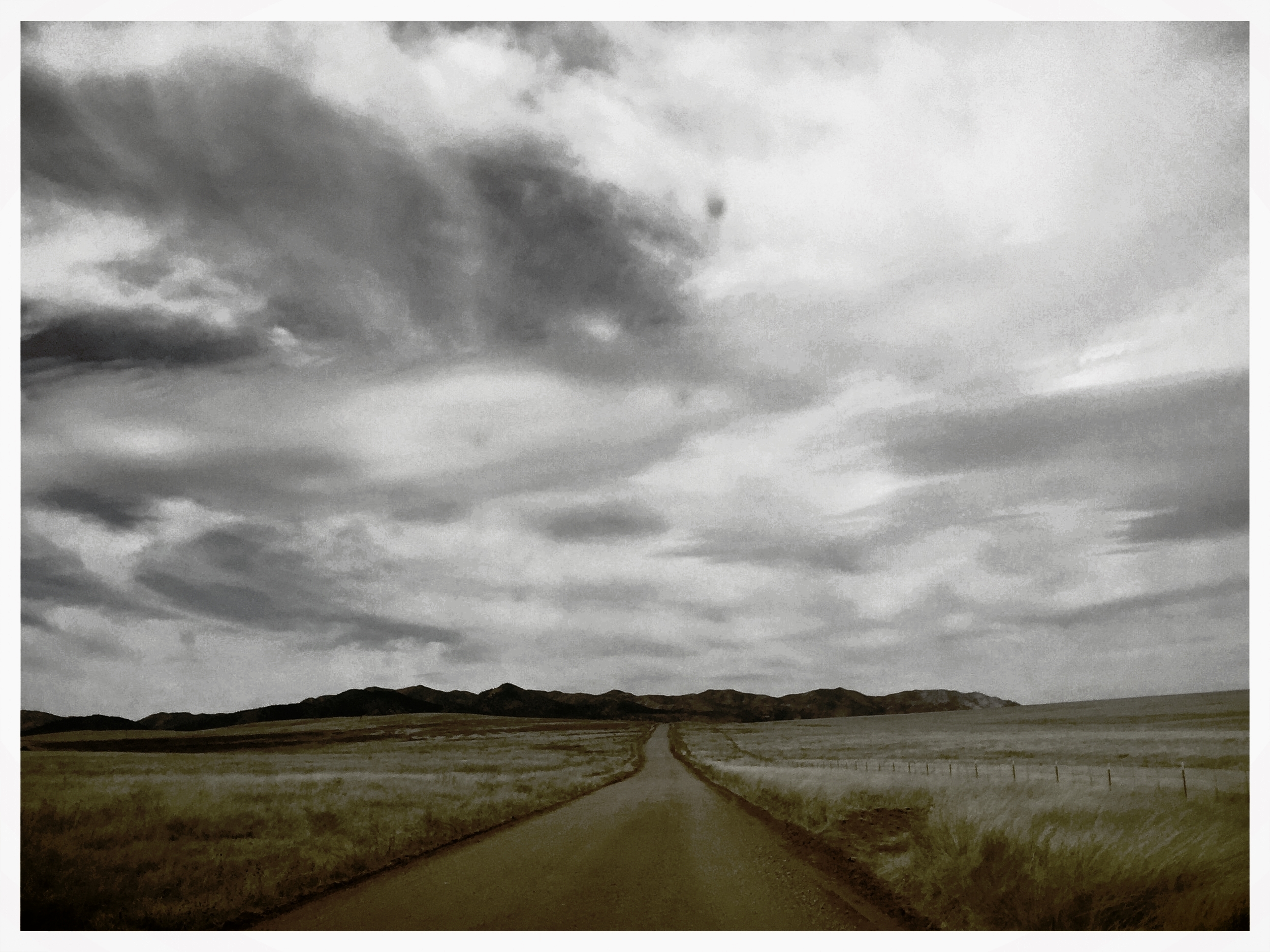
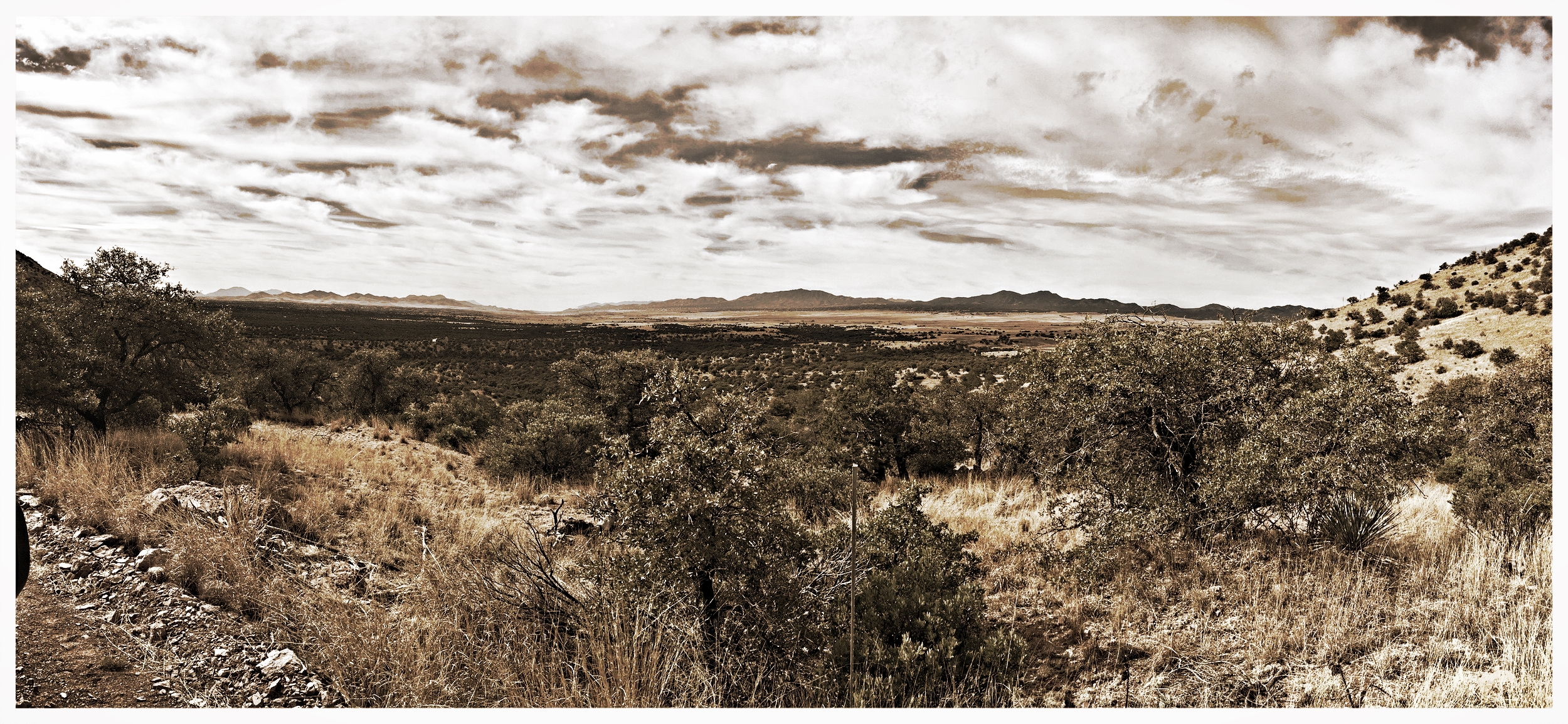
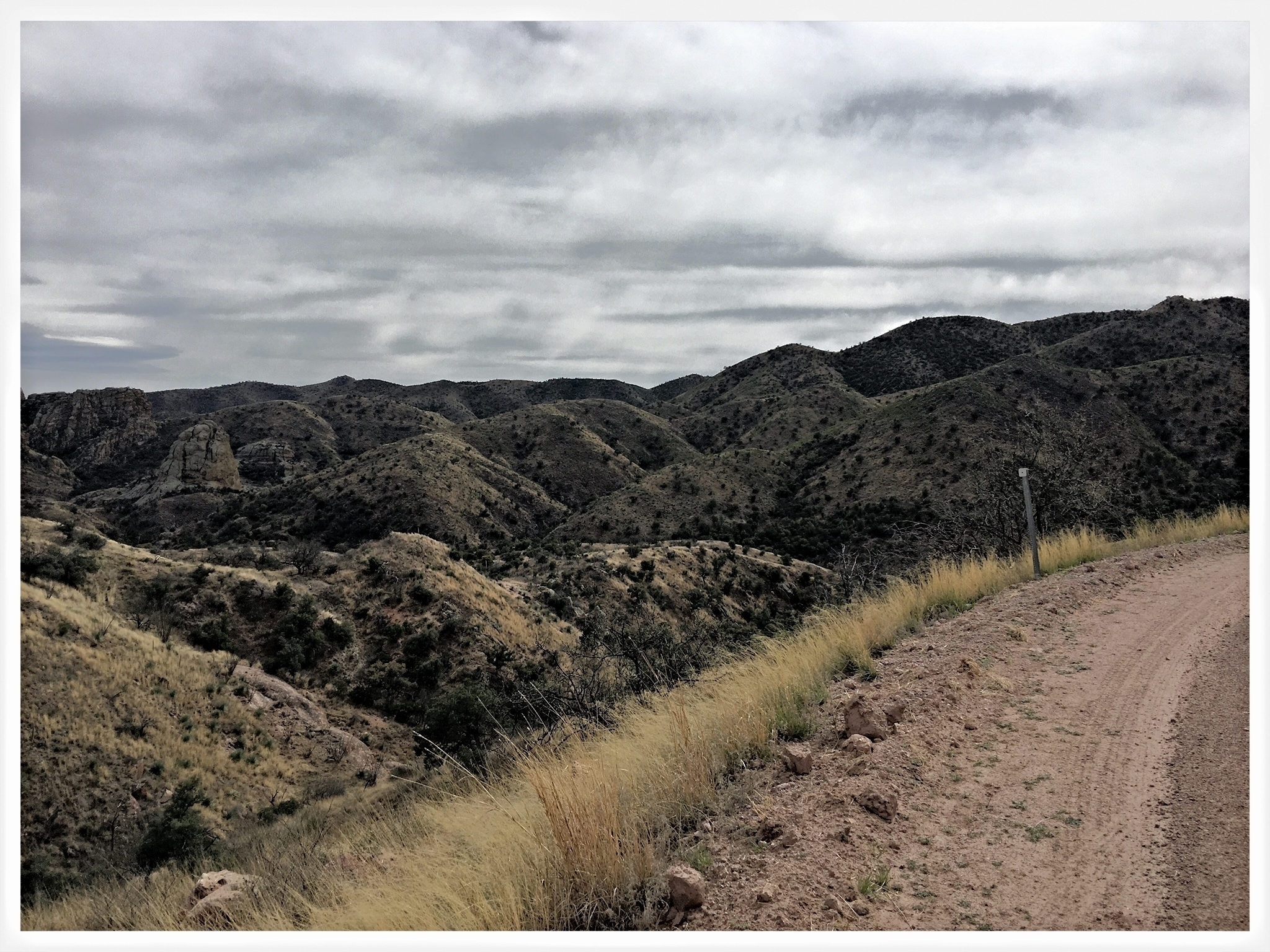
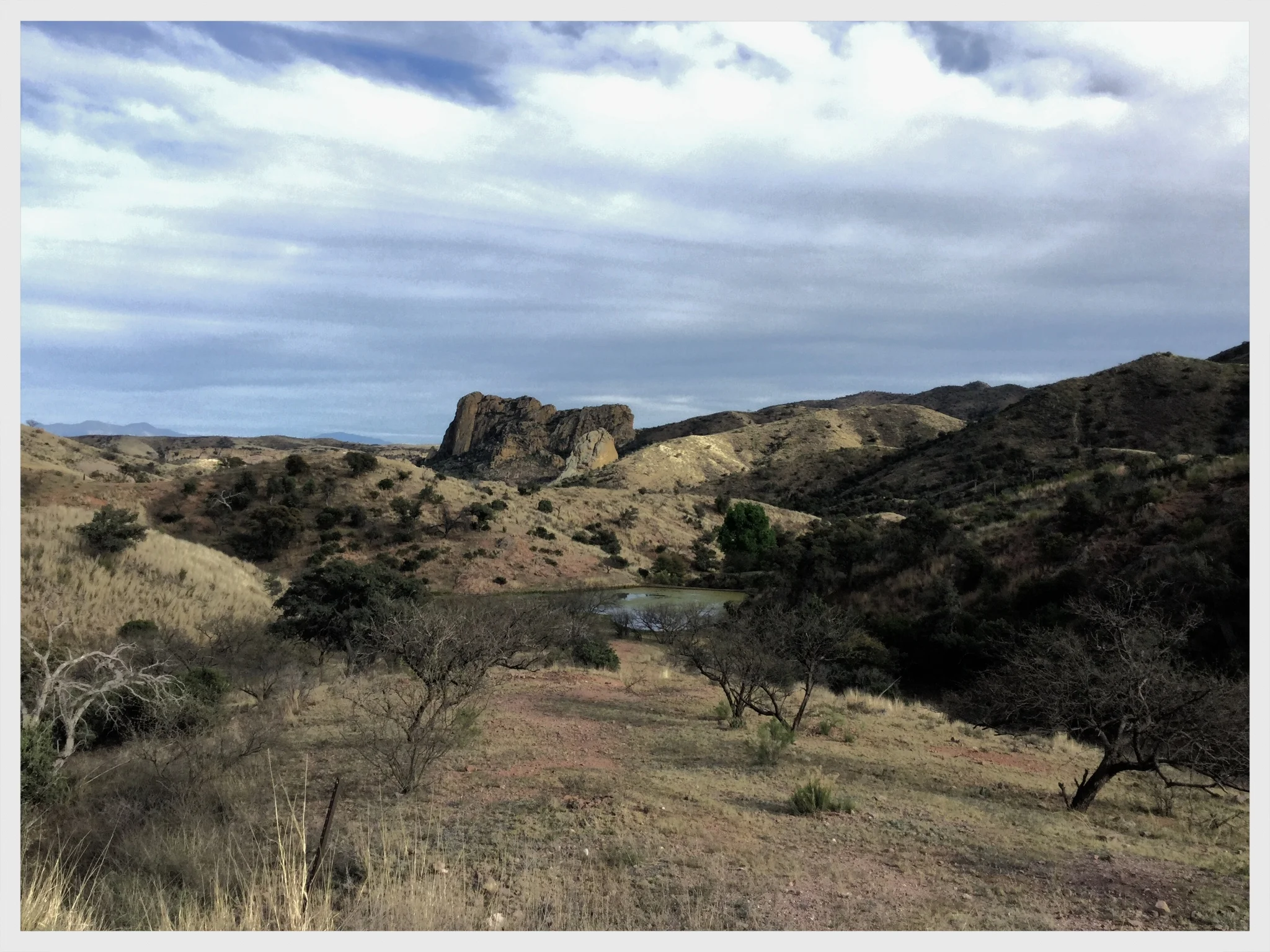
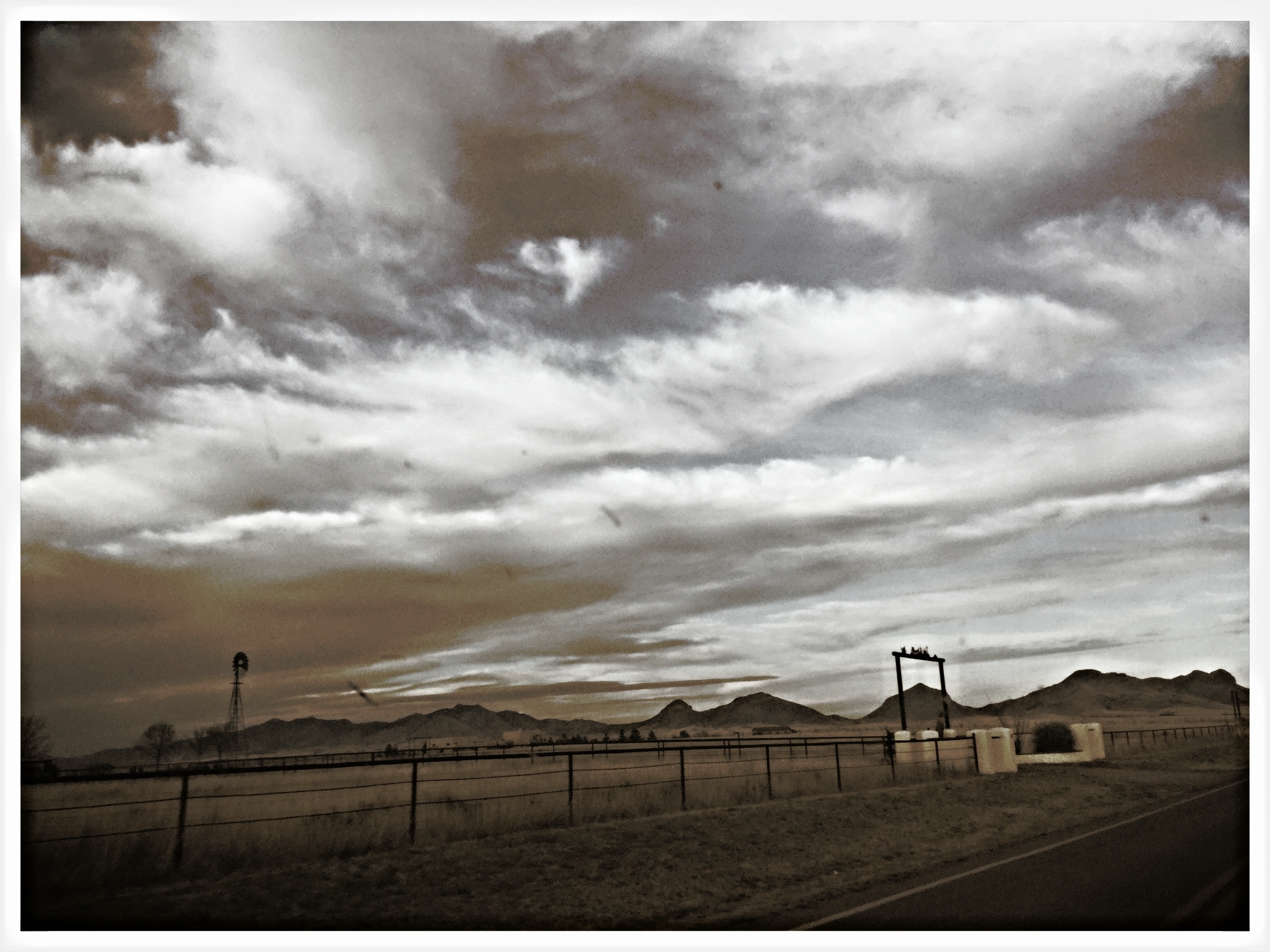
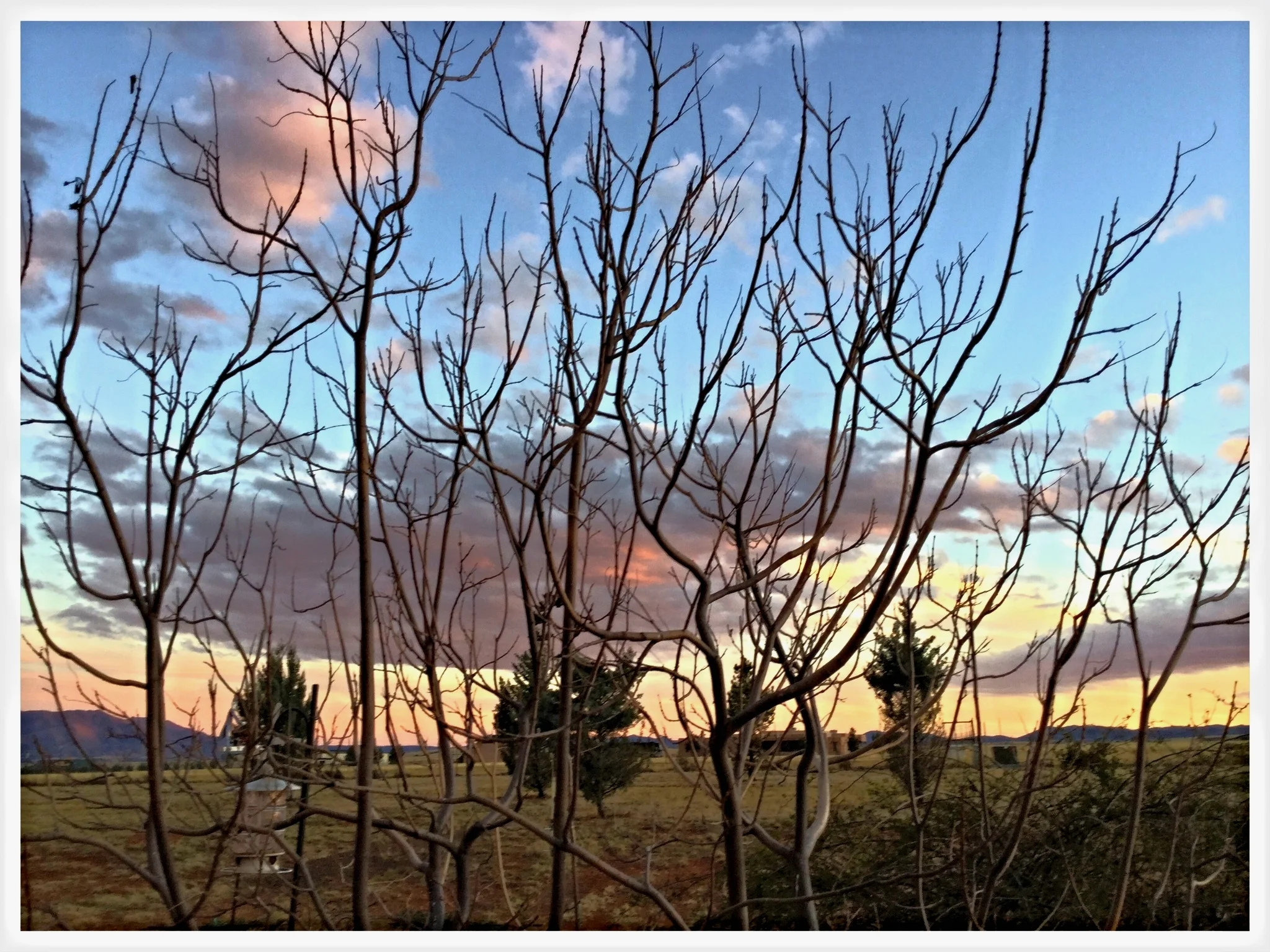
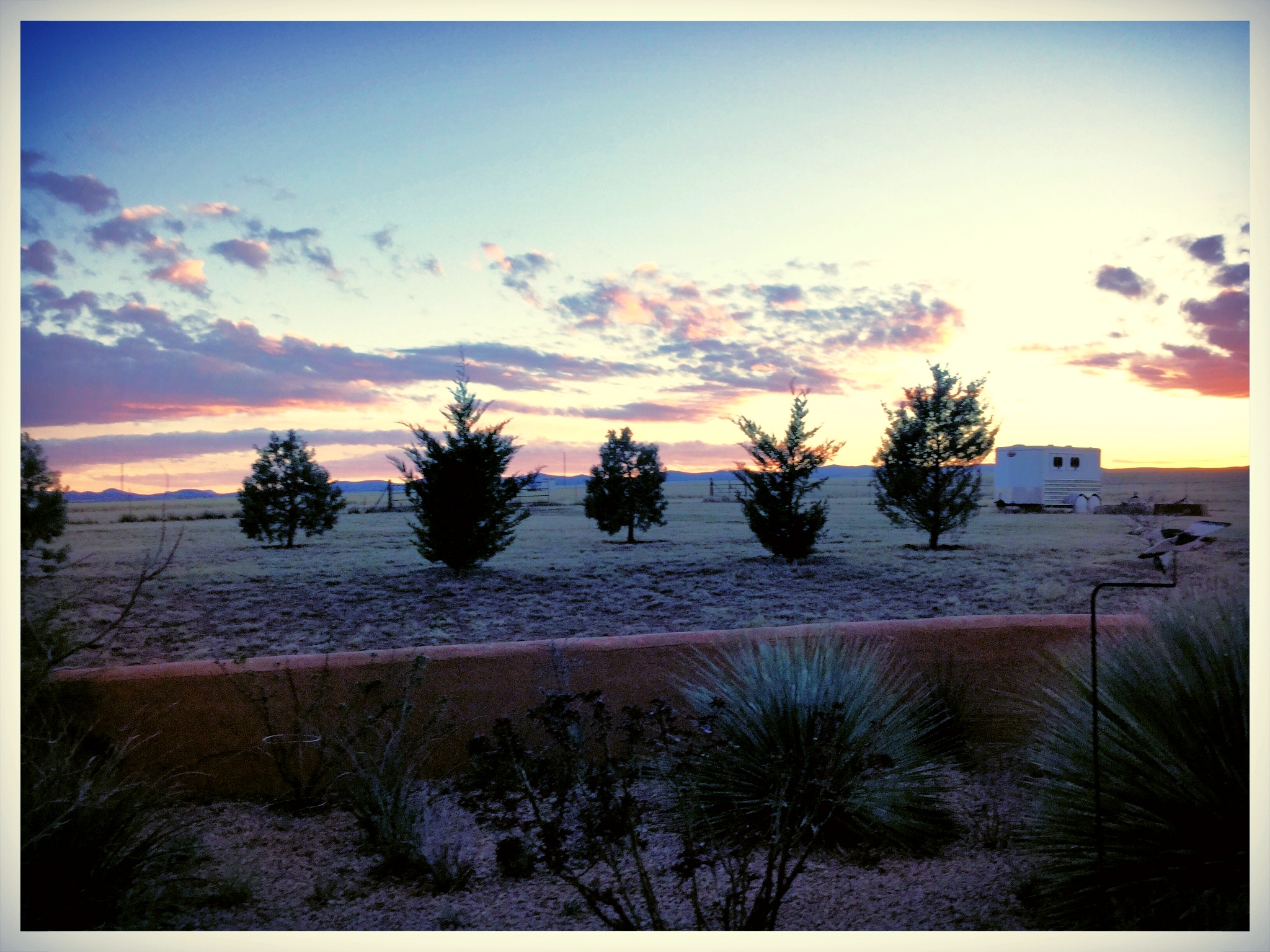
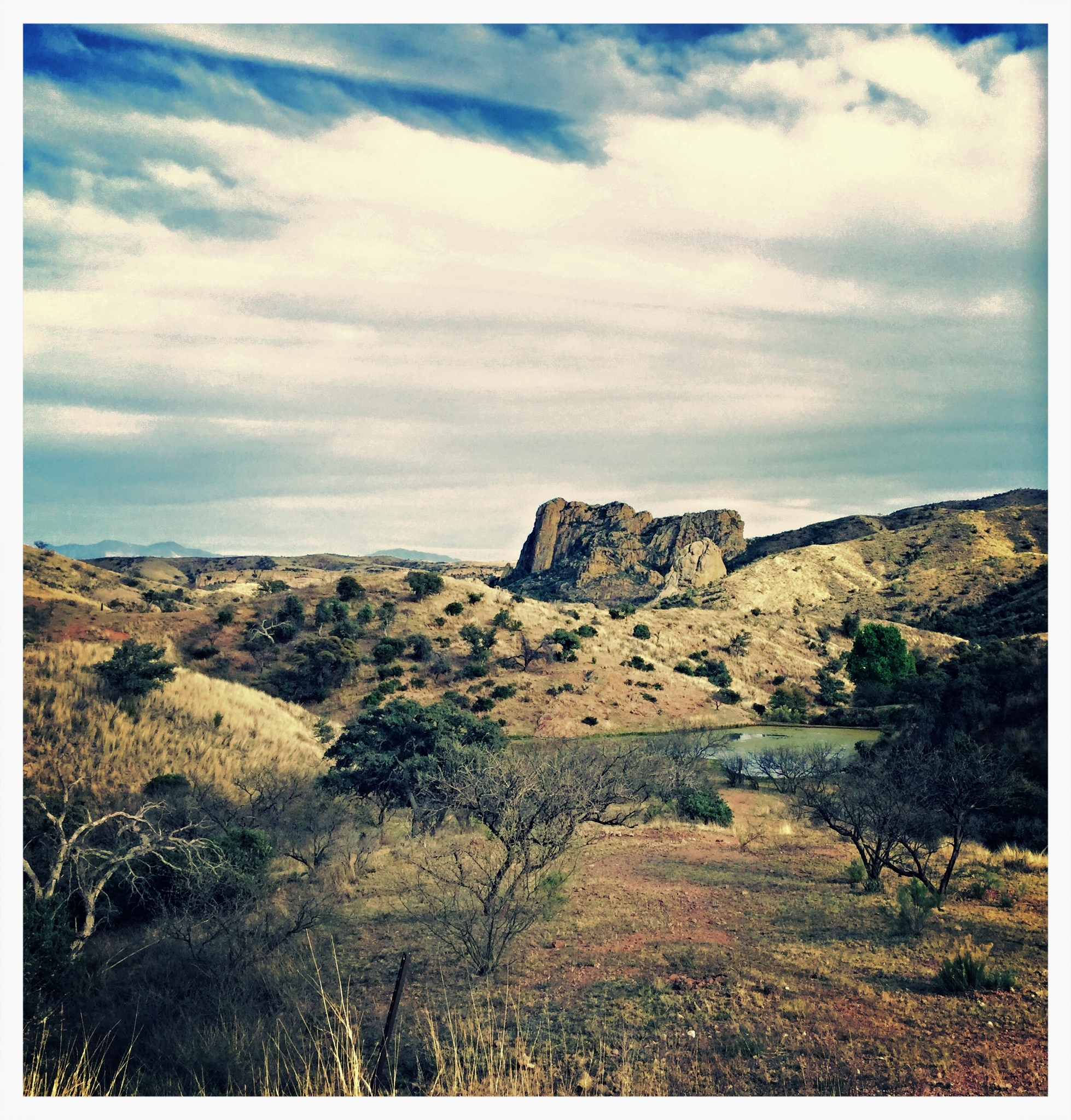
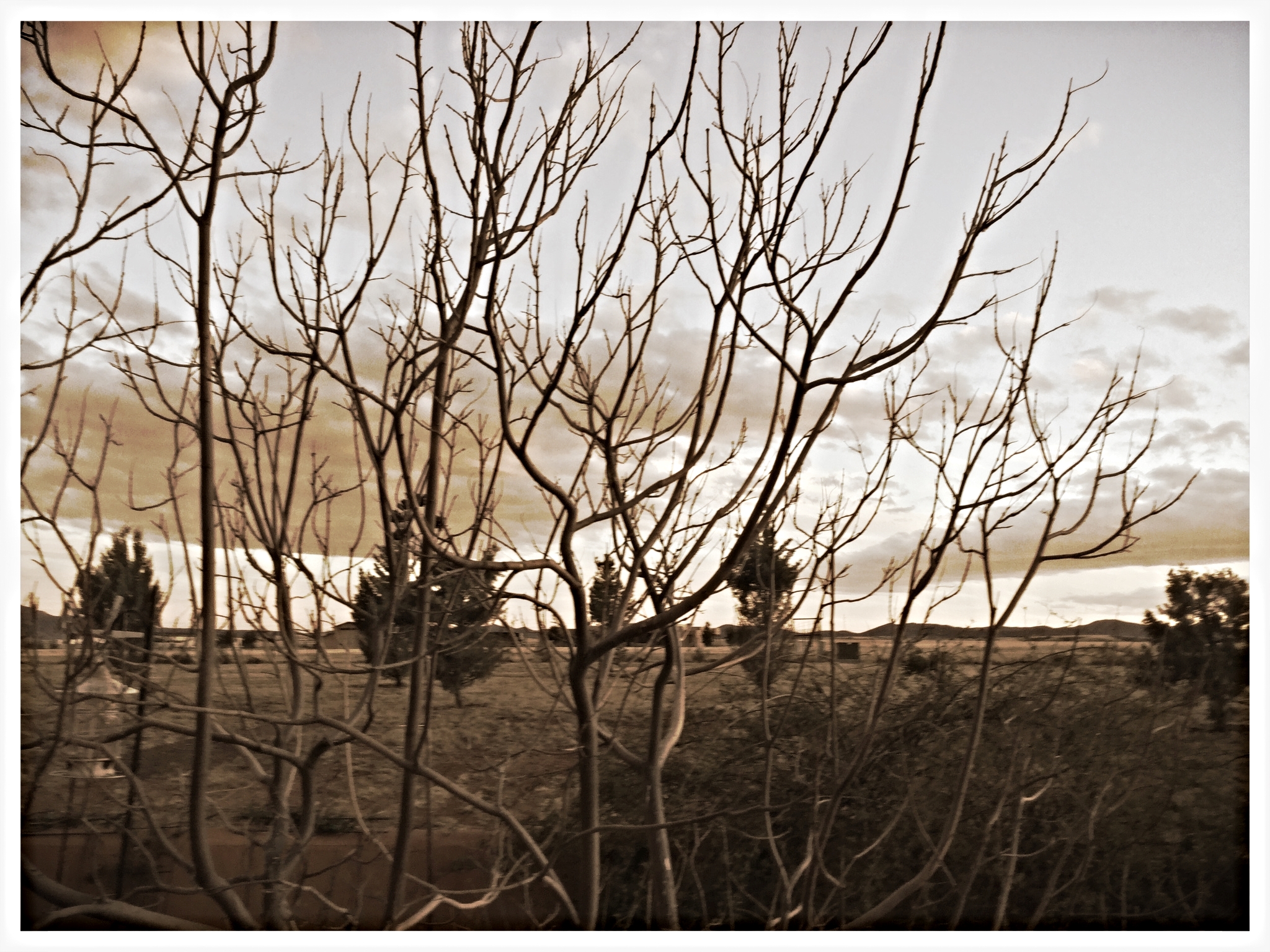
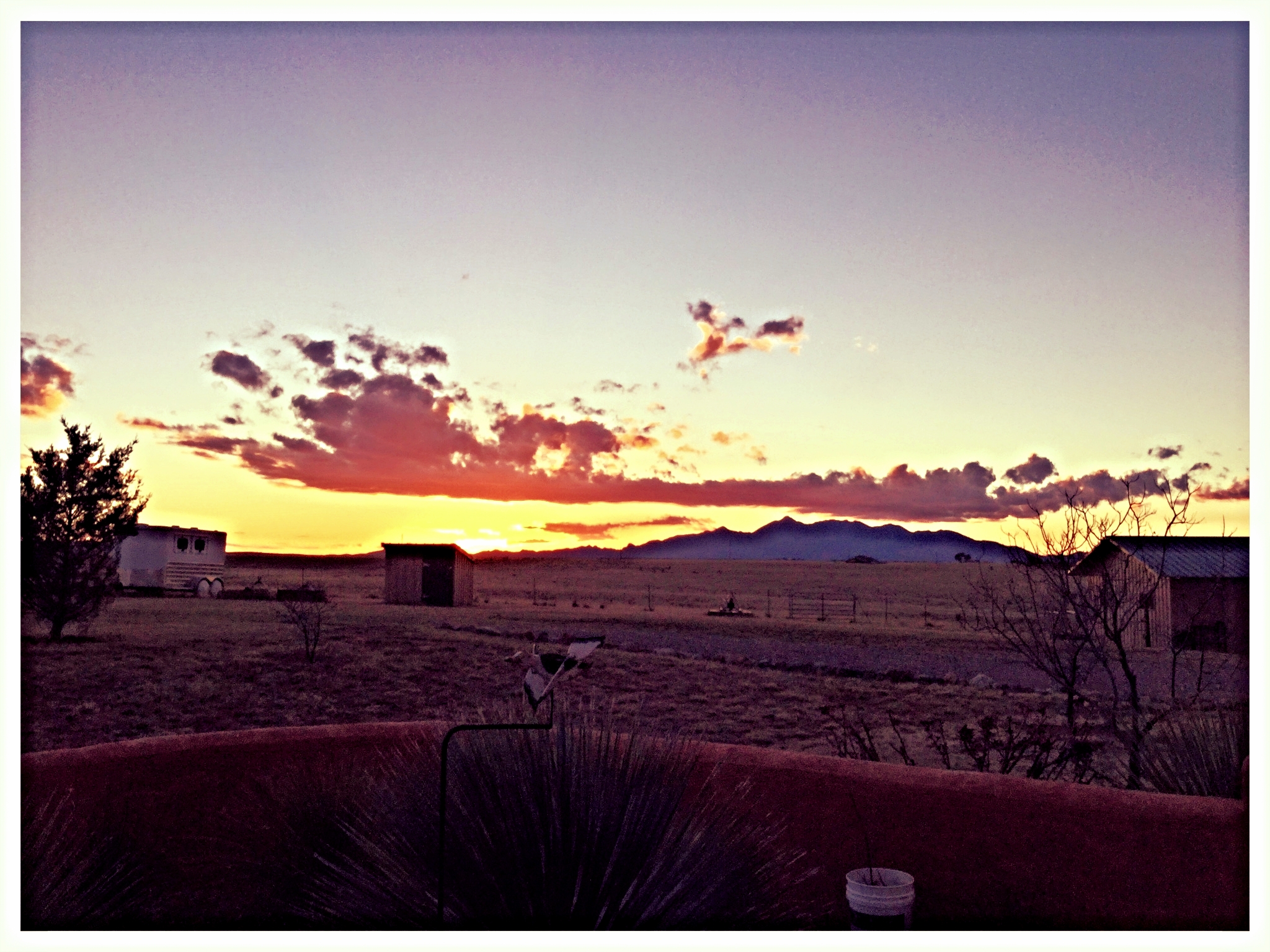
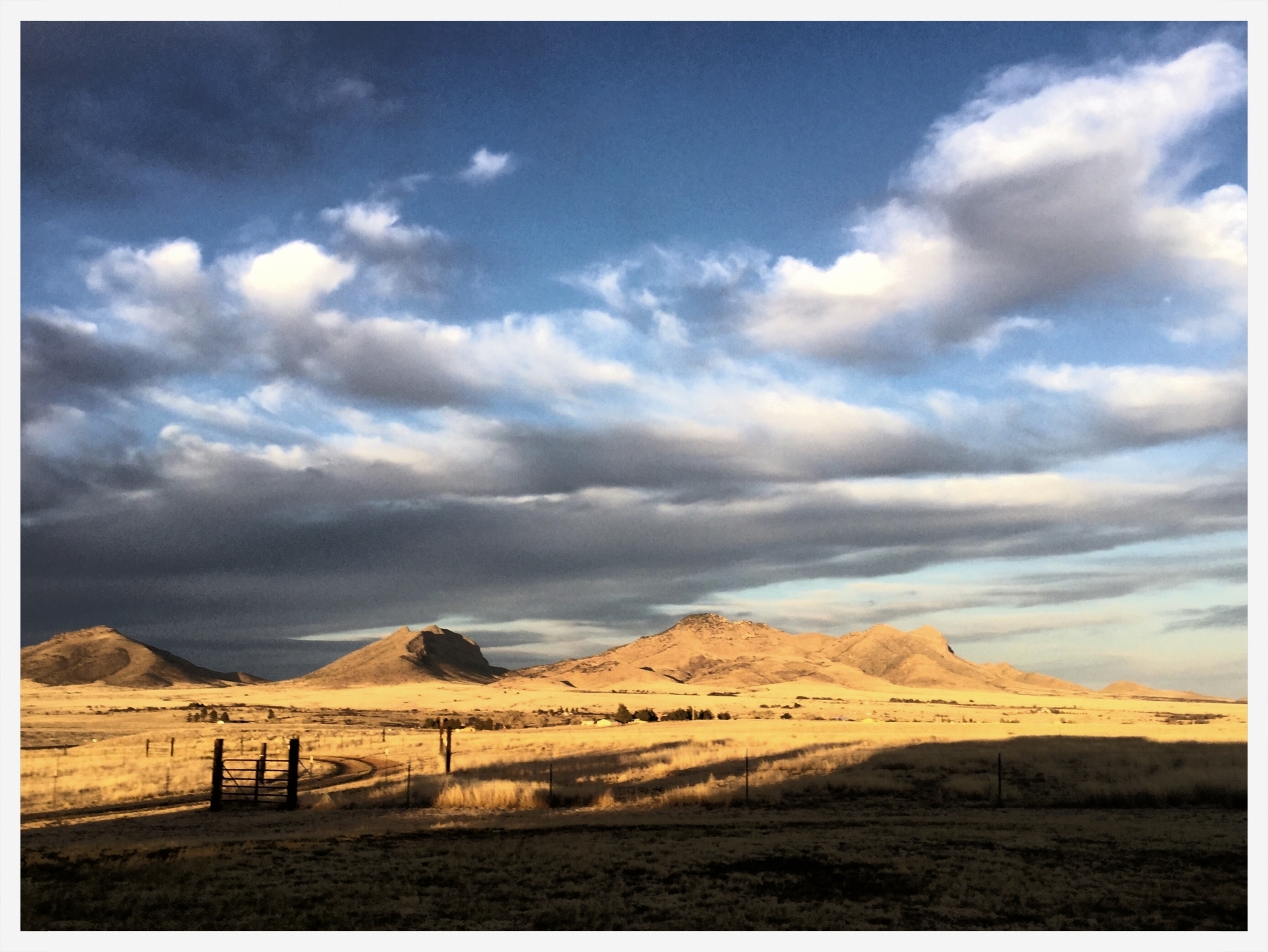
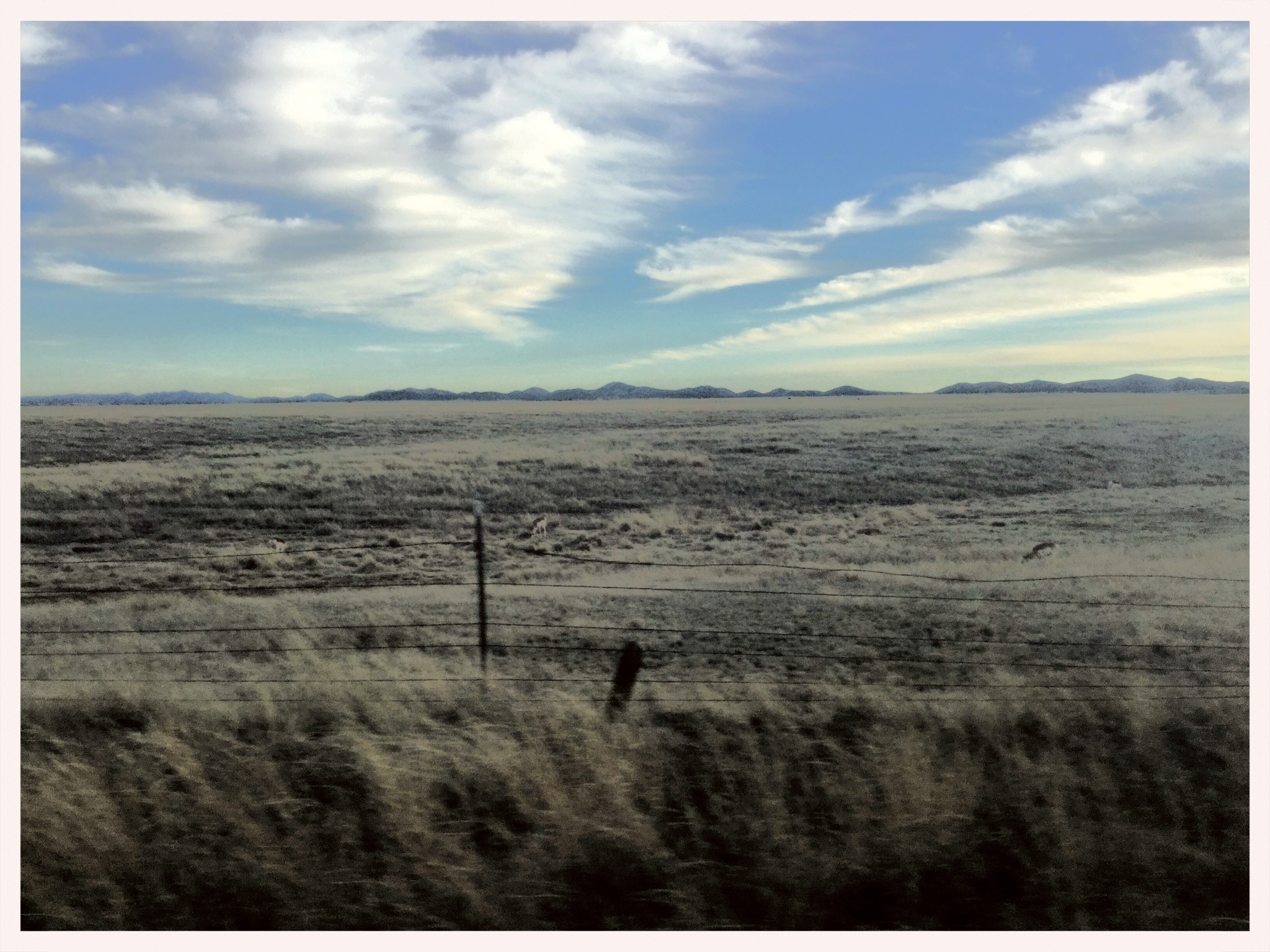
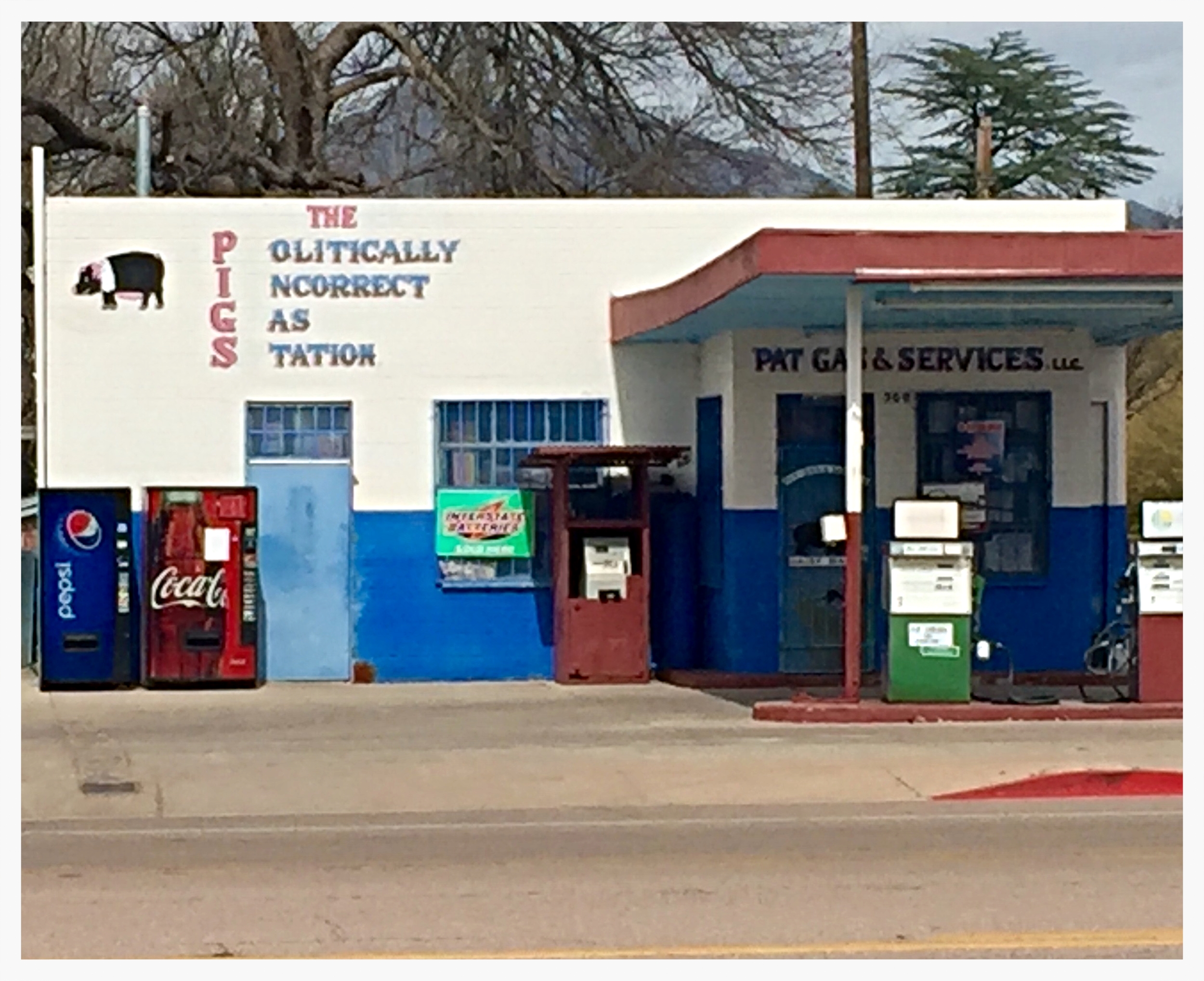
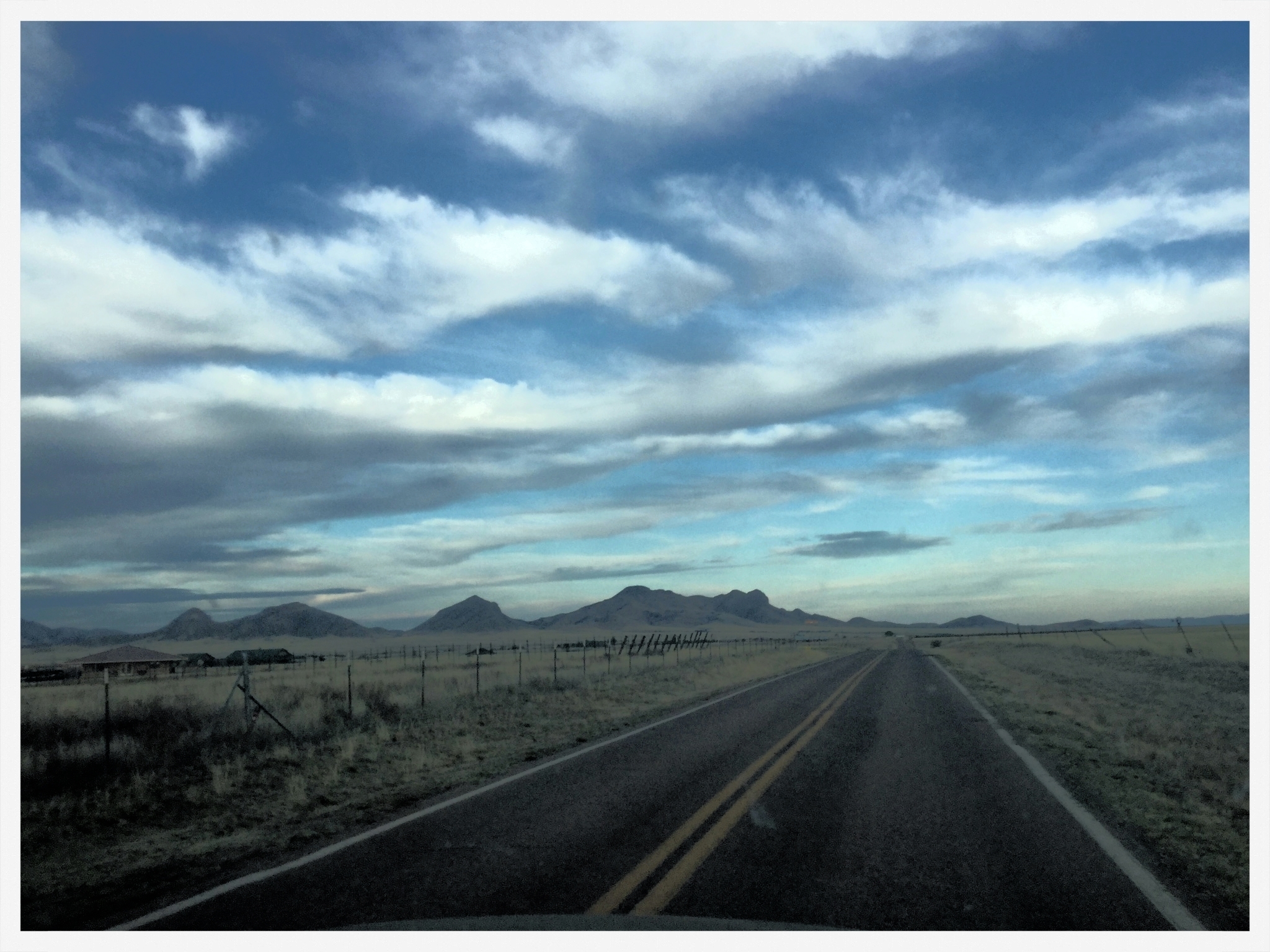
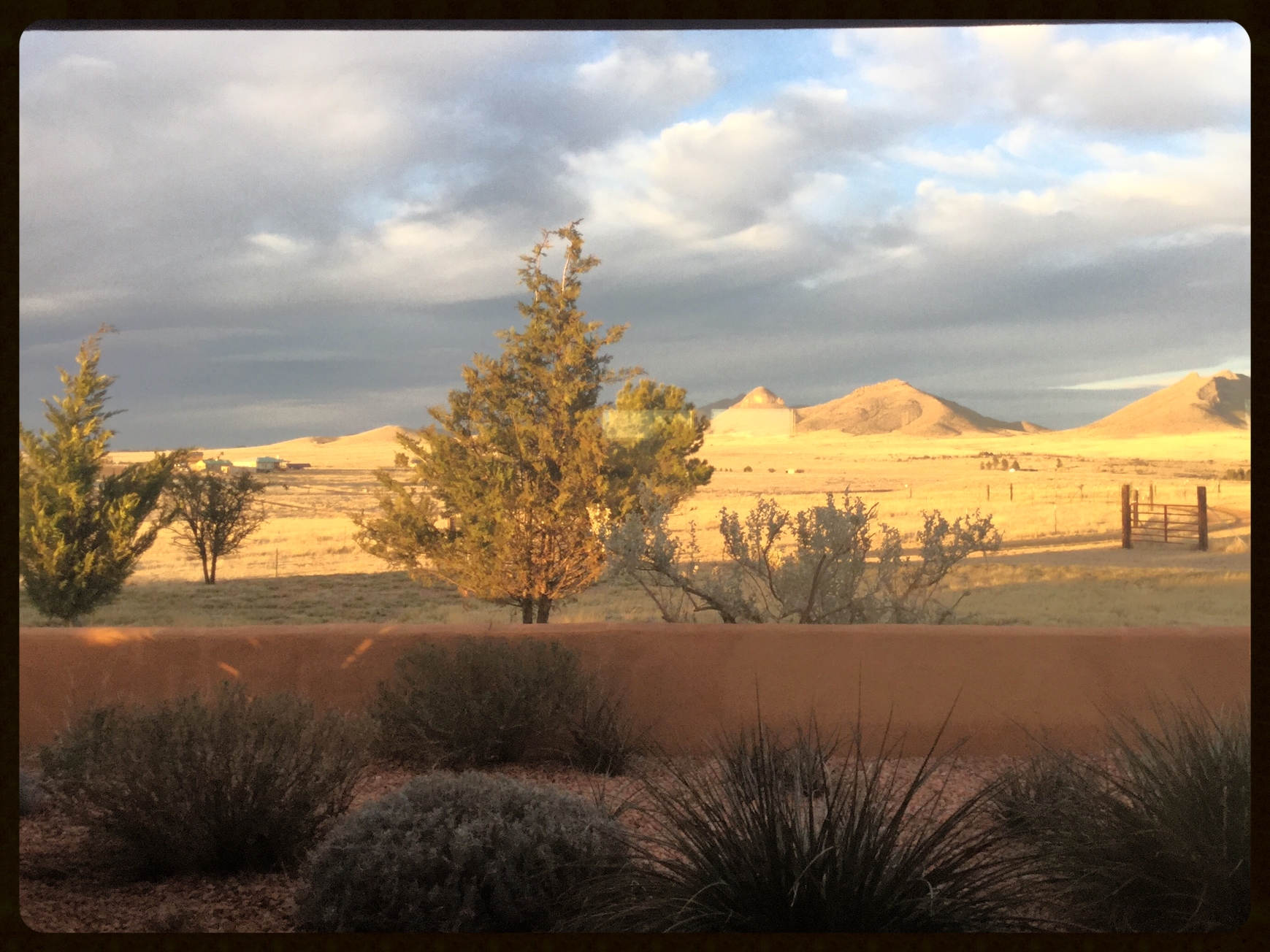
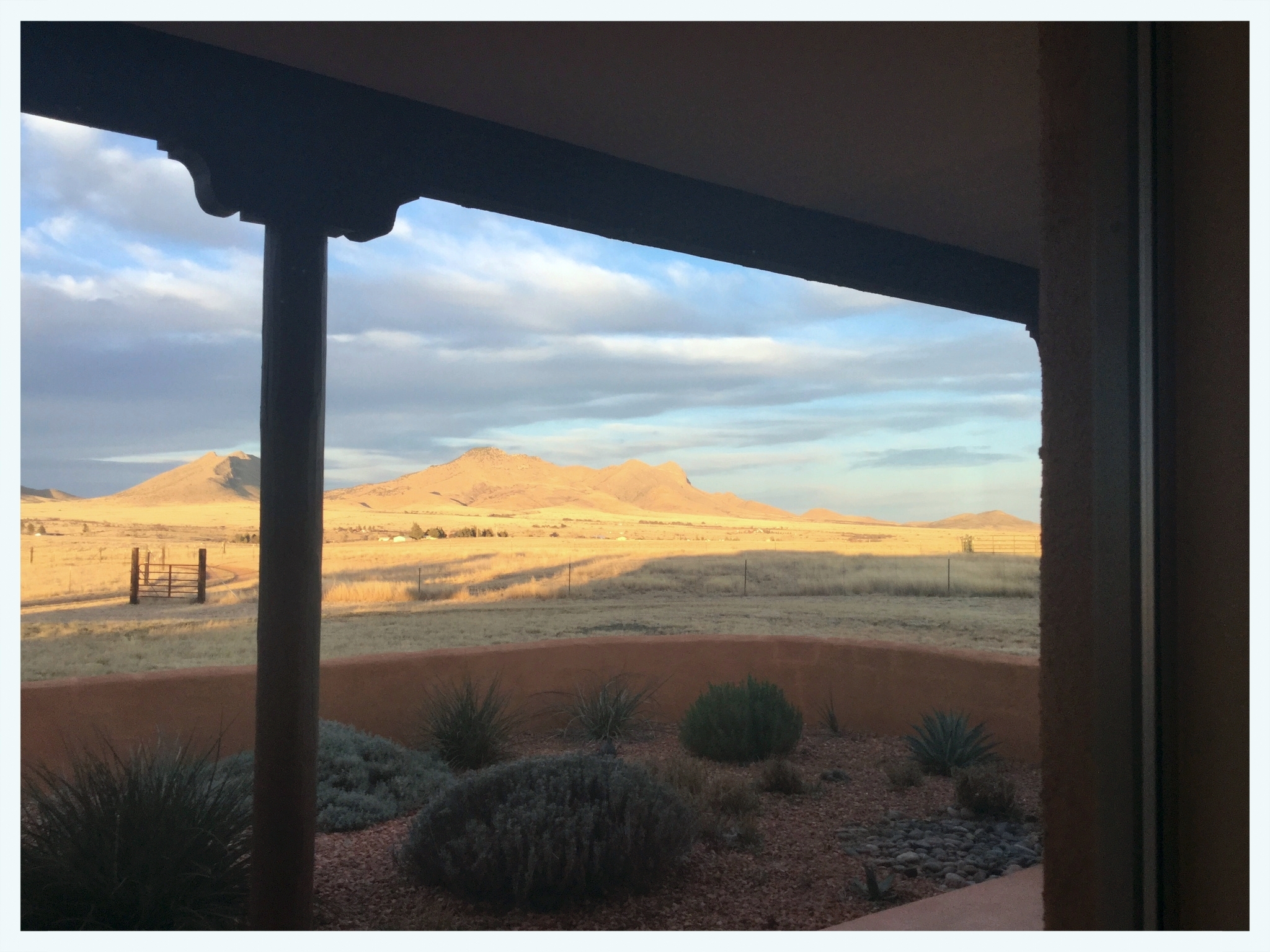
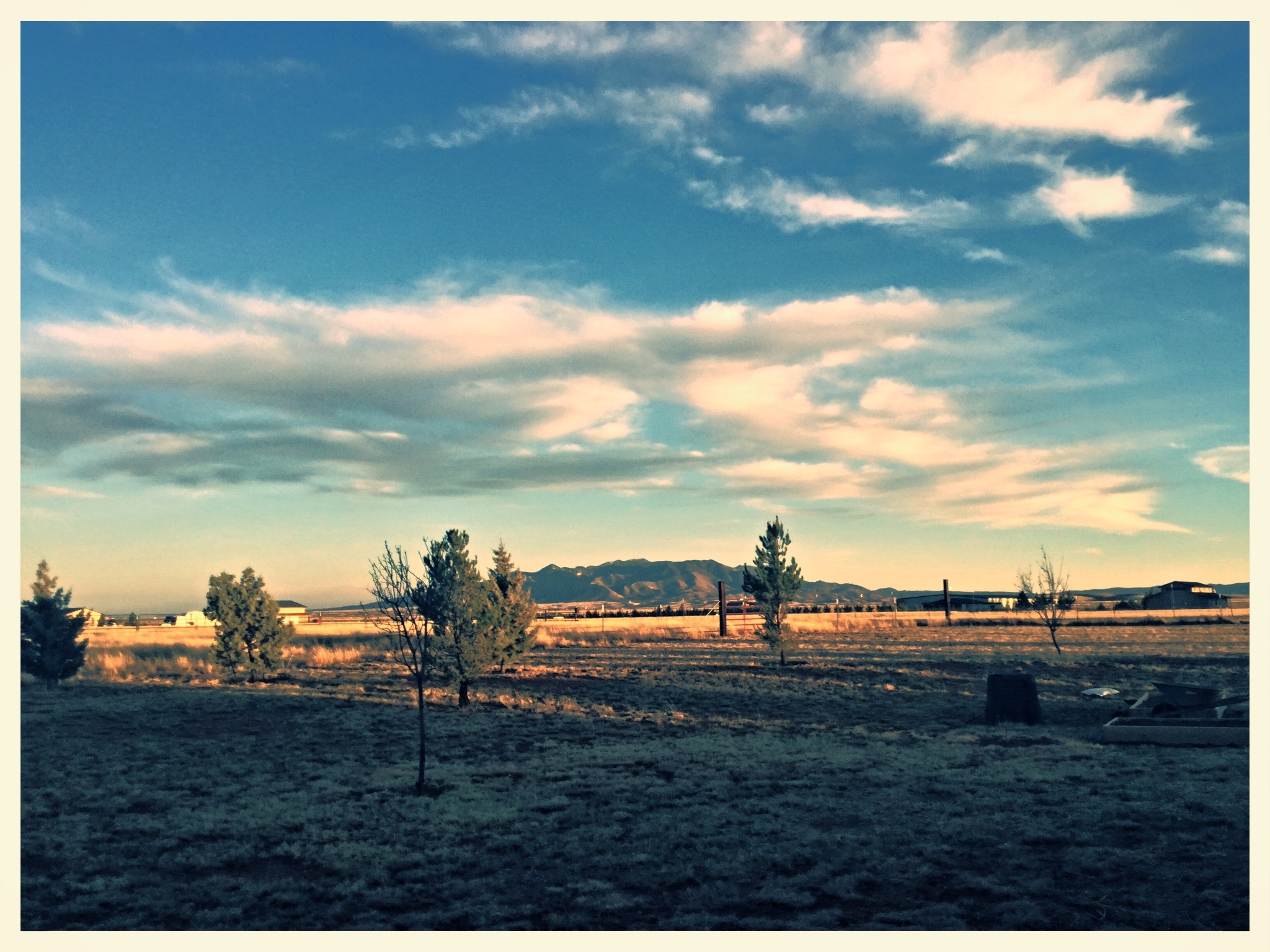
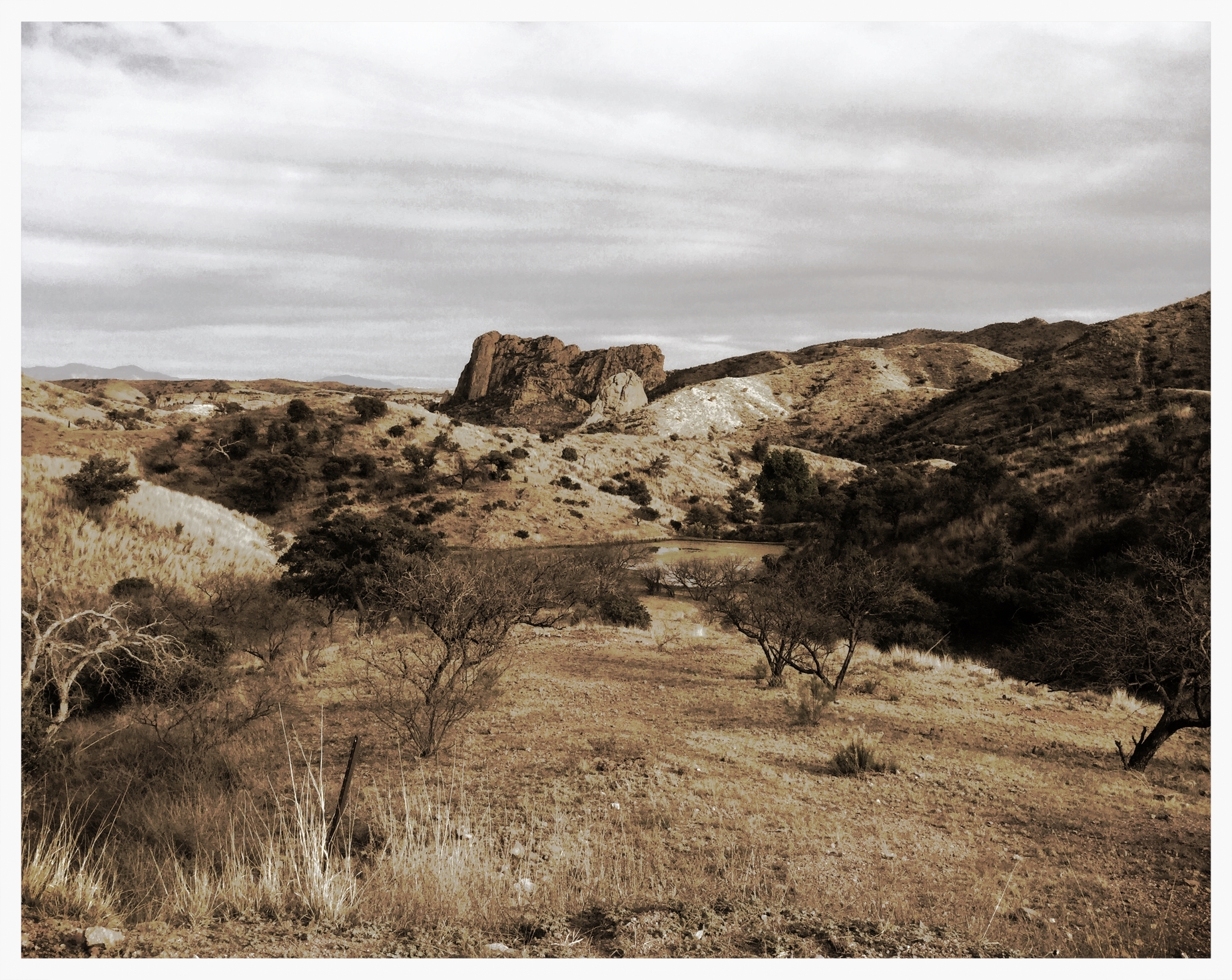
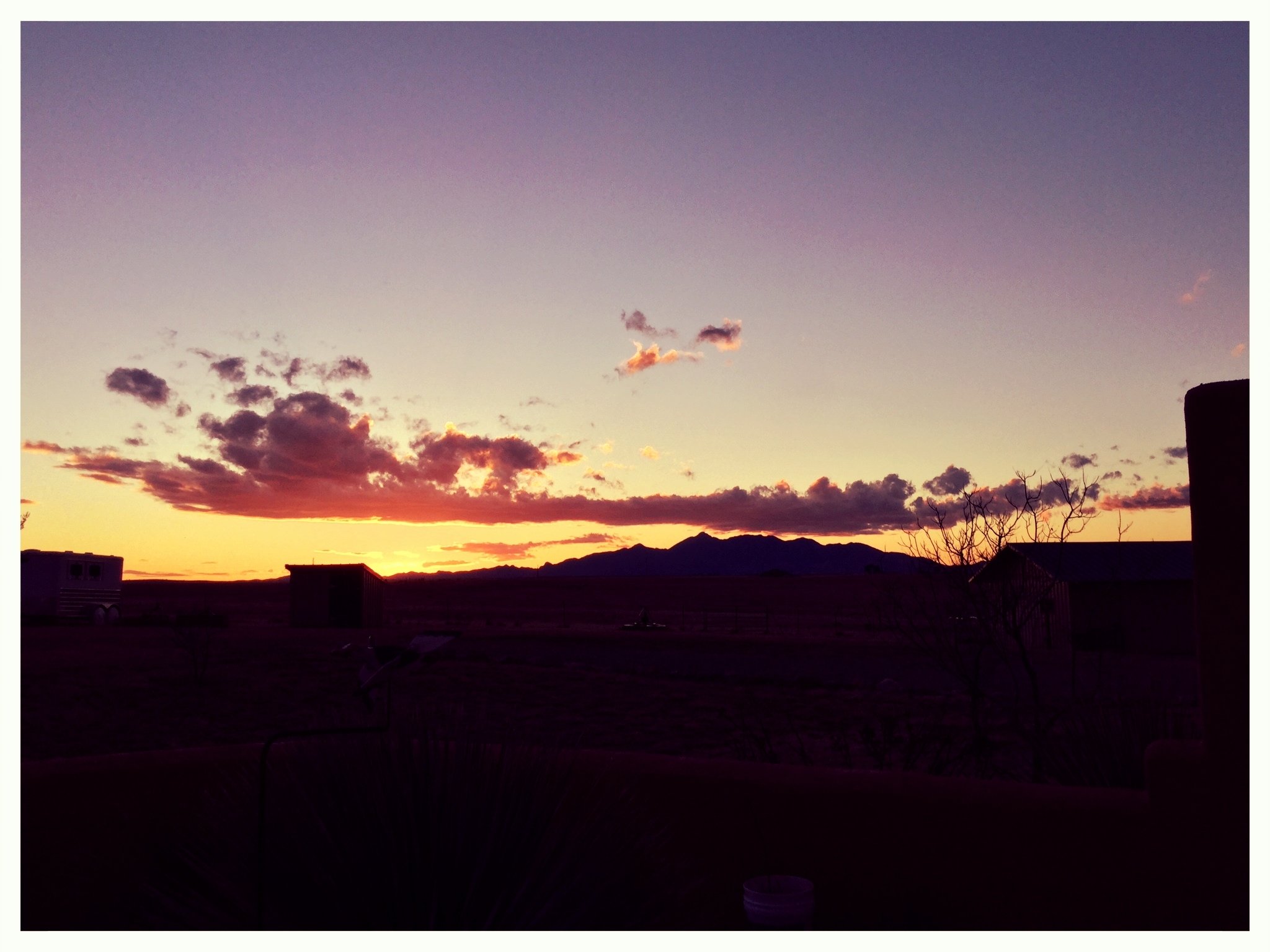
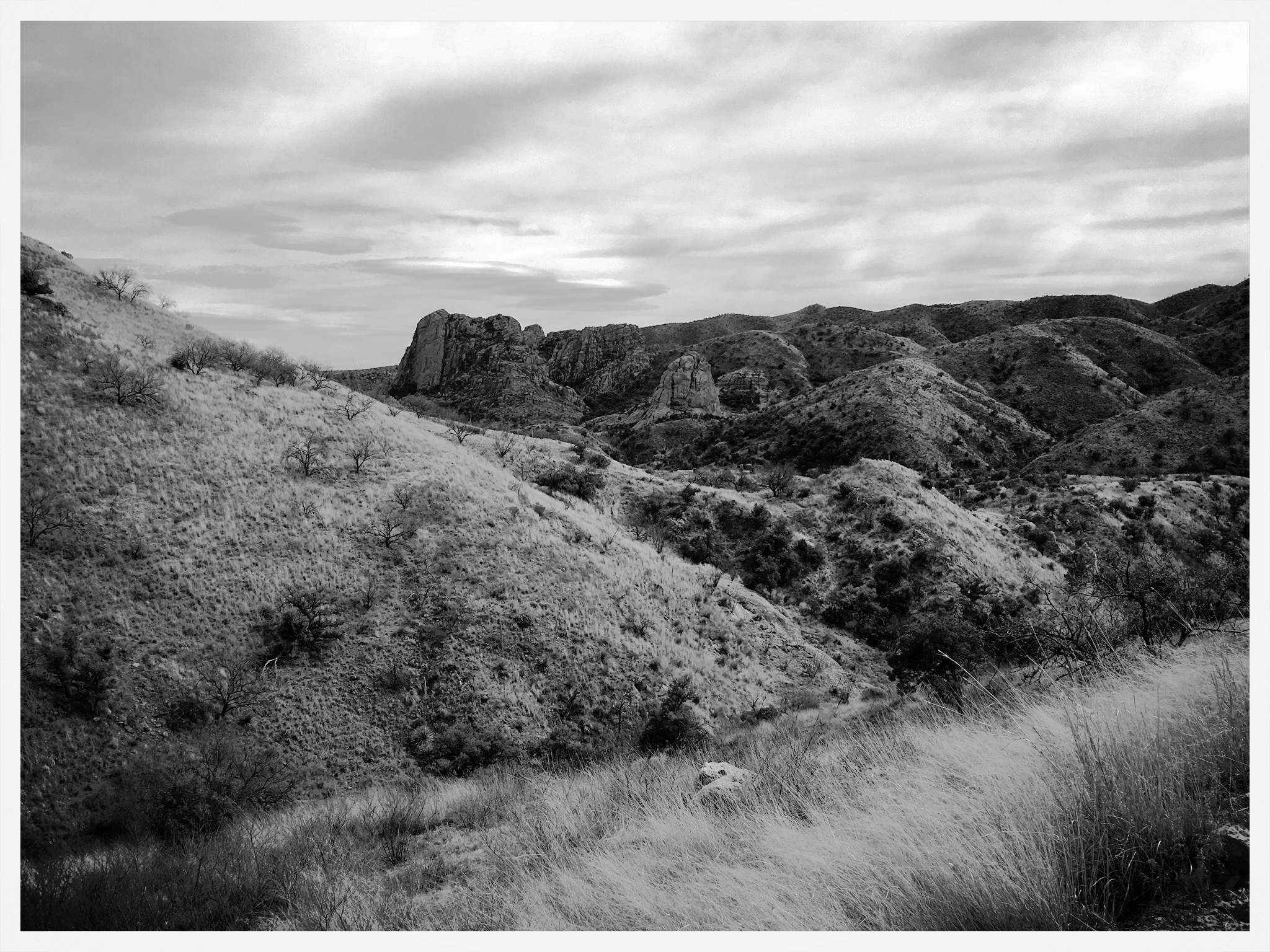
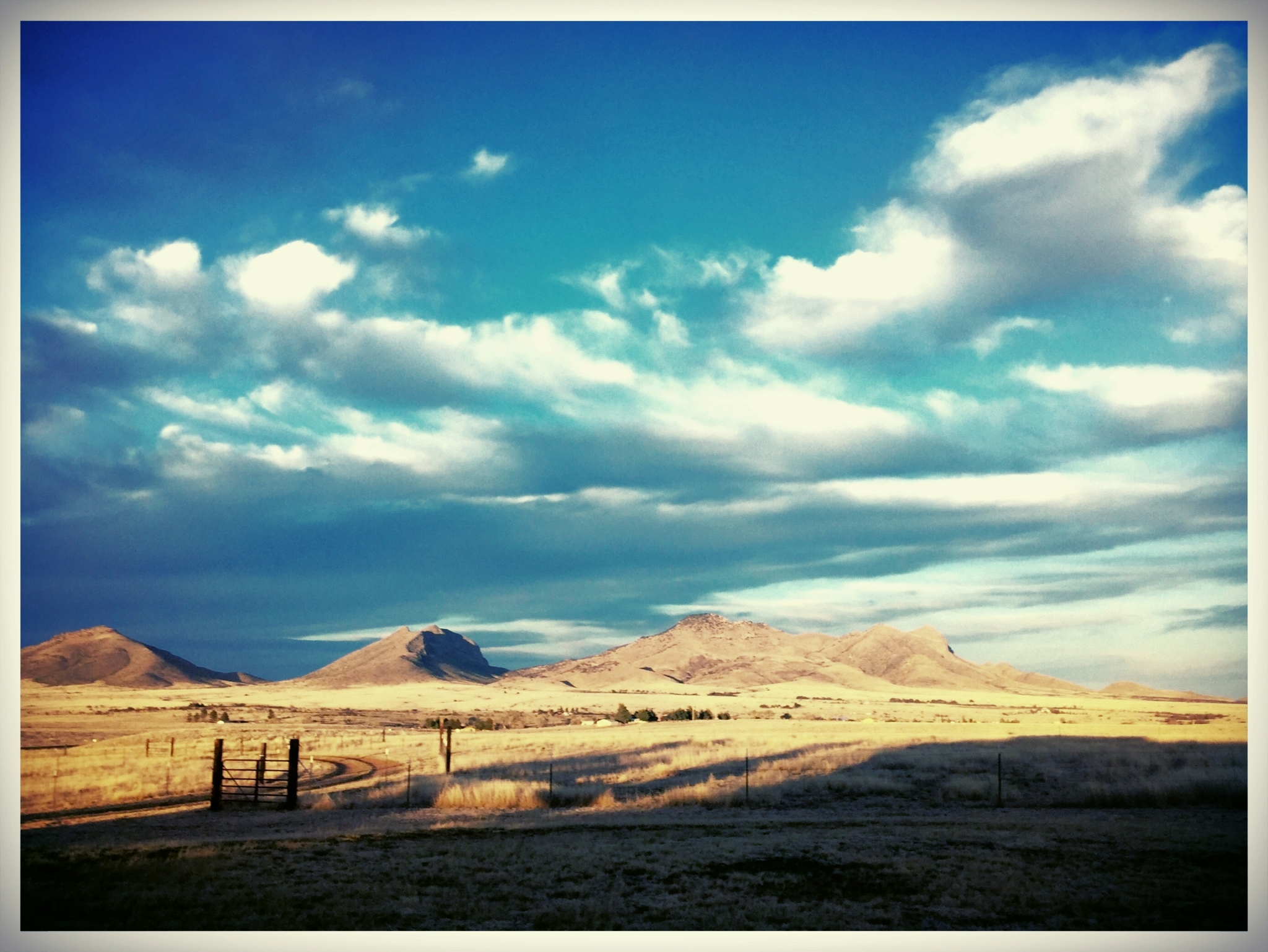
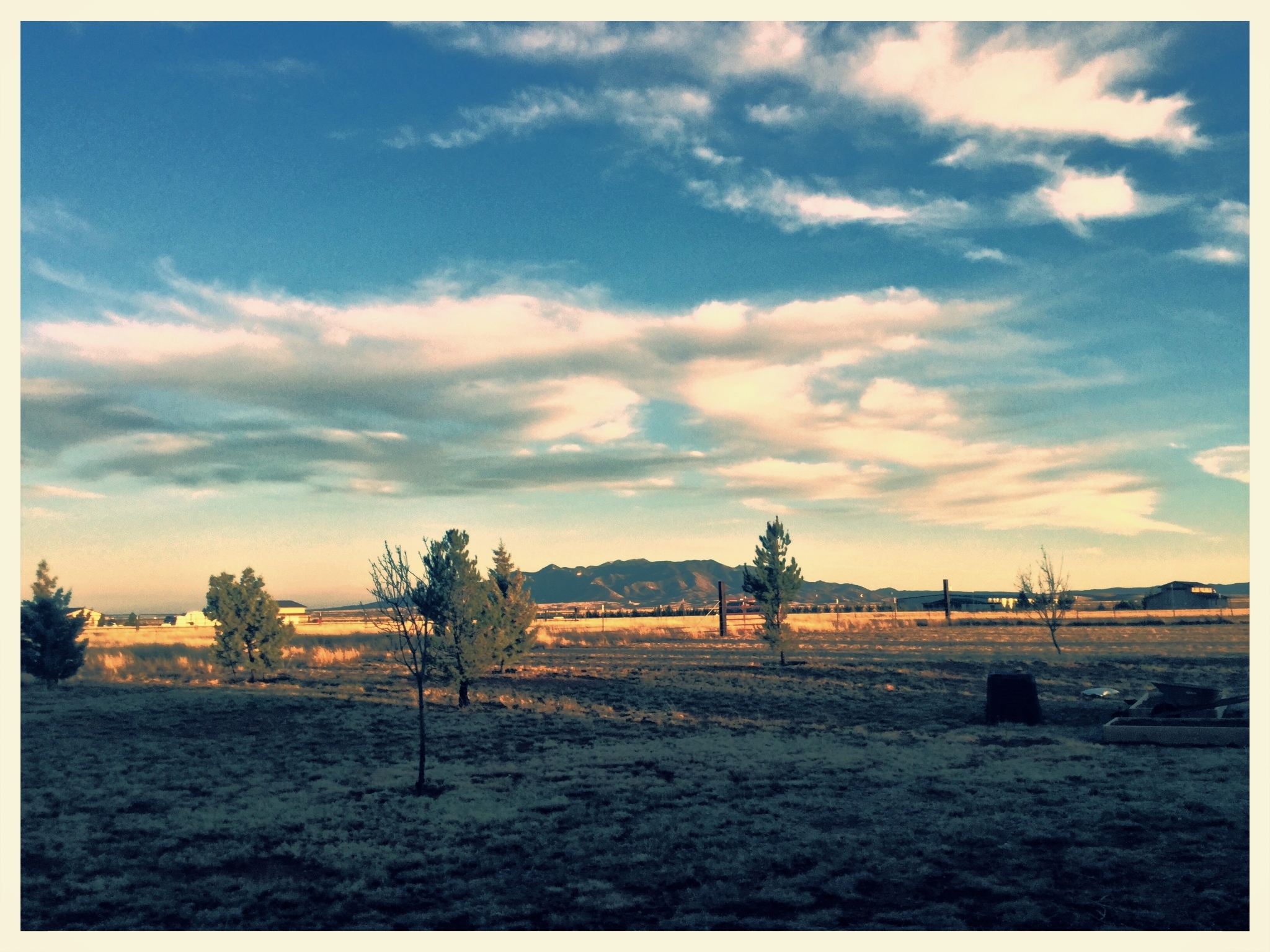
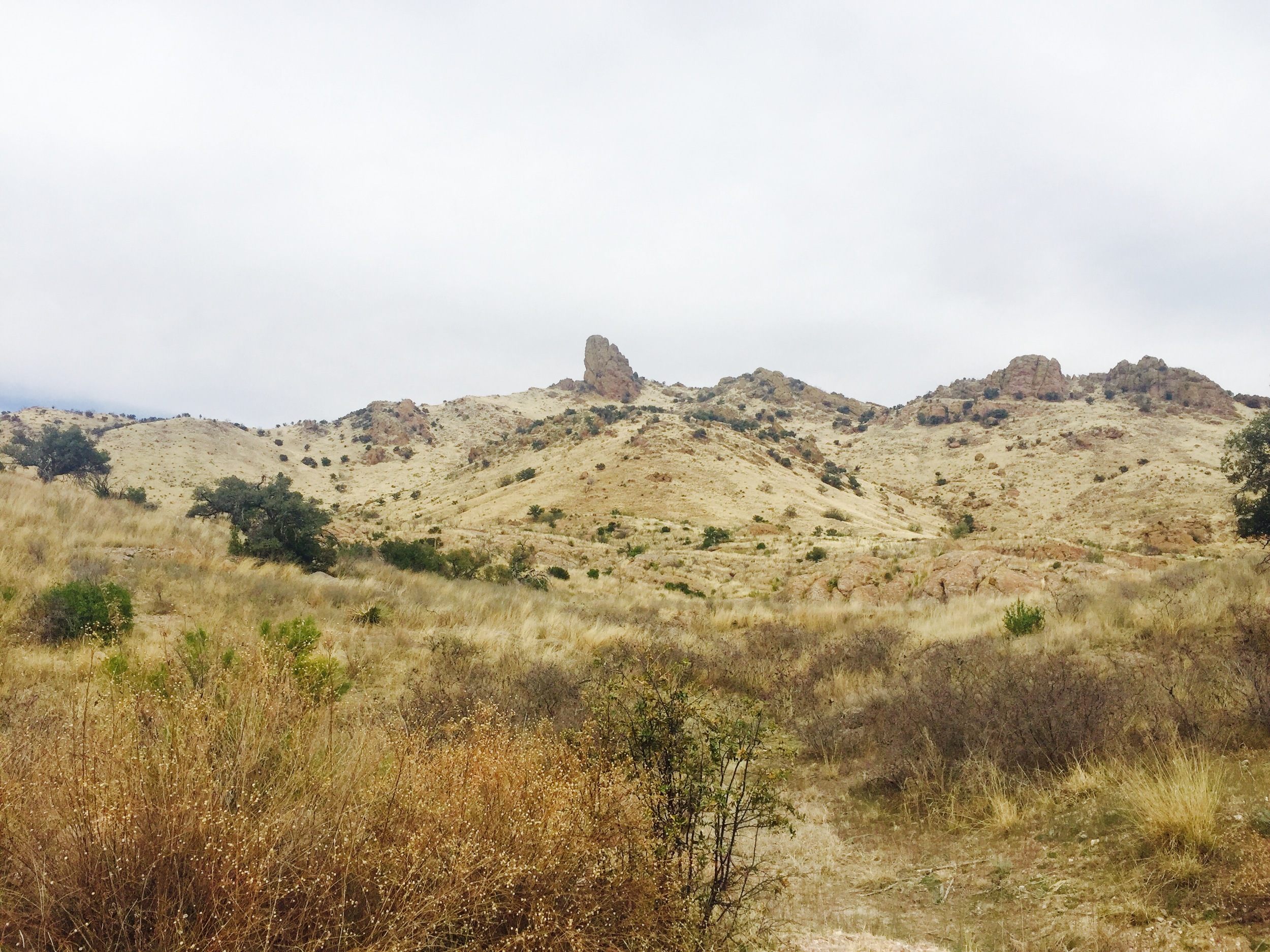
I recently traveled to visit with some native New Englanders in Santa Cruz County, Ariz., on the Mexican border. I was astonished by the expansive landscape.
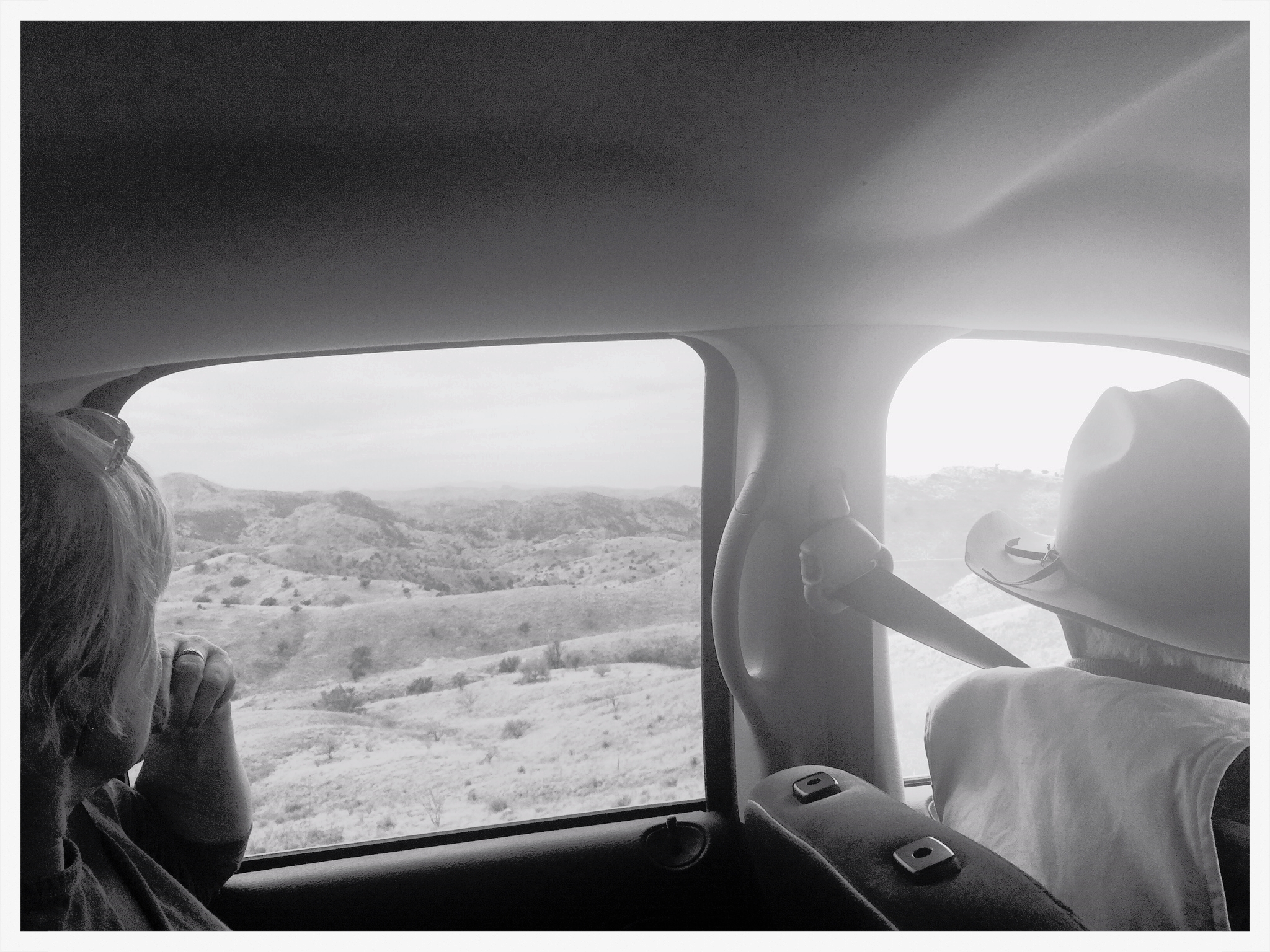
Some locals gave a friend and I a tour up into the mountains to see where Donald Trump's famous wall would go. Much of the terrain looks impossible for wall building.
It seems that he has not gotten around to surveying the land himself. Click on the play button when it appears over images for video.