
Vox clamantis in deserto





Mass. looks to the sun
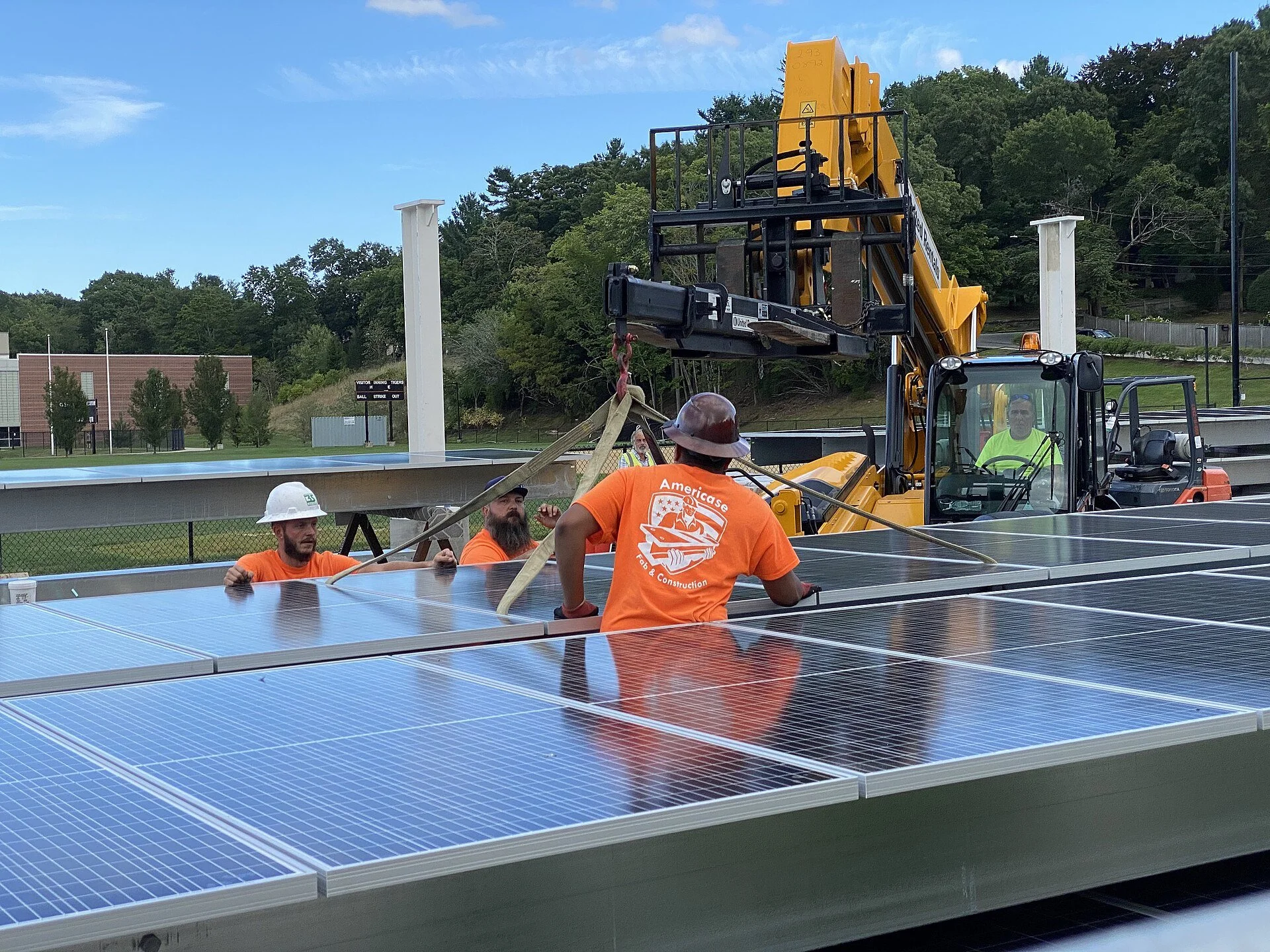
In Massachusetts, solar installation at Newton North High School
ArnoldReinhold photo
Sun in the Bay State
Adapted from Robert Whitcomb’s “Digital Diary,’’ in GoLocal24.com
Massachusetts Gov. Maura Healey is quite right to say that generating much more solar energy, and storing it with improved batteries, is the fastest and most efficient way to address the state’s increasing energy needs. That’s especially given such gargantuan electricity consumers as more data centers, especially for artificial intelligence, come online.
Indeed, local-and-state-overseen solar energy not vulnerable to shifting federal policies/politics is becoming ever more needed in the state. That’s partly because Washington’s current rulers dislike any energy not produced by burning oil, gas and coal. (The fossil-fuel folks, based in Red States, are big Republican campaign donors.) And Trump particularly hates offshore wind projects, which he has been halting despite the billions of dollars that have been spent on them so far. Massachusetts officials had hoped that those turbines would meet much of the state’s electricity needs in the next few years.
So Ms. Healey’s administration has filed emergency regulations for the Solar Massachusetts Renewable Target (SMART) program to try to lower installation costs, speed up permitting and expand interconnections for solar.
The governor noted:
“Solar energy in Massachusetts, on the hottest single day of summer this year — behind-the-meter solar, which is the solar on our roofs and farms and schools — met 22 percent of statewide demand.’’ Data indicate that solar accounted for almost 27 percent of the state's electricity supply as of late 2024, up from 19 percent in 2020. It’s a very good thing it’s rising so fast: ISO New England, the region’s grid operator, predicts that power demand in New England will rise 11 percent by 2034.
But there can be big siting issues for solar farms, as opposed to rooftop installations. Cutting down trees should be avoided! Trees, by absorbing CO2 produced by fossil-fuel burning, obviously slow global warming.
Vacant developed land (such as parking areas of dead stores and malls) and roadside and median strips are good places for solar. If such facilities must be put in countryside fields, then grow plants below them. The plants of course absorb carbon dioxide. In a few farms, goats and sheep graze below high-mount solar-panel platforms. Farmers get some added revenue from selling the power to utilities.
Time is of the essence. Federal tax credits for nonresidential renewable-energy projects will expire at the end of 2027, and residential tax credits for renewable energy (which includes wind turbines but mostly involves rooftop solar) will shut off at the end of this year.
Much of the rest of the world is moving to renewable energy considerably faster than America as “green energy’’ installation cost declines and worry about global warming and pollution rises.
But how to store it?
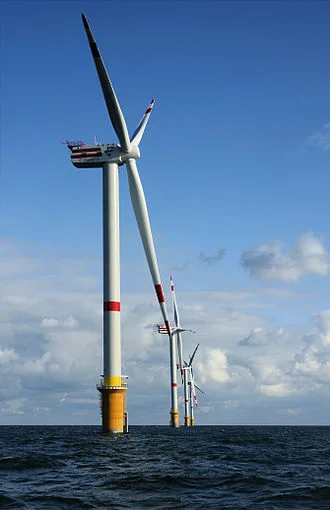
About 10 percent of New England’s electrical power now comes from renewables and it’s growing at a good clip, mostly thanks to wind and solar power. That means less reliance on fossil fuel from outside the region, including the gas produced by fracking (that kind of drilling does poison some water supplies, by the way.)
The big problems in accelerating this push toward clean power are that the region’s 20th Century power grid is not set up well for the variability of electricity from solar and wind; it lacks large-scale ways to store electric power from such fluctuating sources.
If engineers and scientists can figure out how to efficiently store massive quantities of electric energy from renewables, aided by, for example, better forecasts of sunshine and wind, the region could finally become electricity-independent. Until then, we’ll have to take the natural gas that we can, despite the complaints of gas-pipeline NIMBYs who offer no plausible suggestions on how to keep the lights on and a functioning local economy without it.