
Vox clamantis in deserto




No screwballs like him
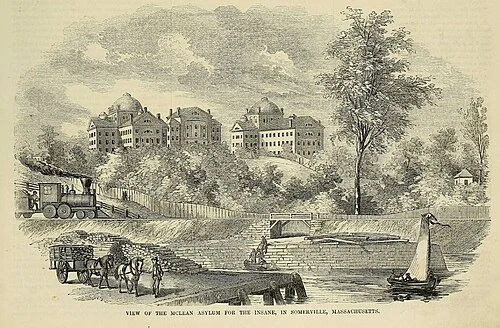
Print of the McLean Asylum (founded in 1811) in 1853, in Somerville, Mass. The hospital was moved to Belmont in 1895.
  “In  between the limits of day,
hours and hours go by under the crew haircuts
and slightly too little nonsensical bachelor twinkle
of the Roman Catholic attendants.
(There are no Mayflower
screwballs in the Catholic Church.)''
—From “Waking in the Blue,’’ by American poet Robert Lowell (1917-1977). The poem is based on his stay in McLean Hospital, a psychiatric institution in Belmont, Mass., that became famous, for among other things, a place for very discreetly treating celebrities such as Lowell. A descendent of Mayflower passenger James Chilton, he suffered from bi-polar disorder.
Read Alex Beam’s book Gracefully Insane: Life and Death Inside America's Premier Mental Hospital.
Those pesky barnacles
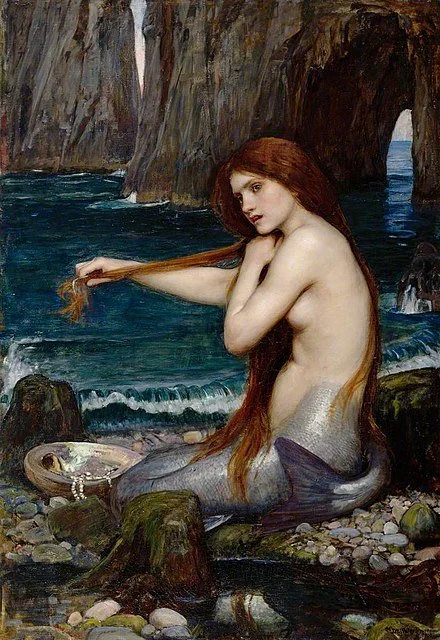
“A Mermaid” (1900), by John William Waterhouse
“It was a Maine lobster town —-
each morning boatloads of hands
pushed off for granite
quarries on the islands….
”One night you dreamed
you were a mermaid clinging to a wharf-pile,
and trying to pull
off the barnacles with your hands.’’
— From “Water,’’ by Robert Lowell (1917-1977)
‘Every stone is a skull’
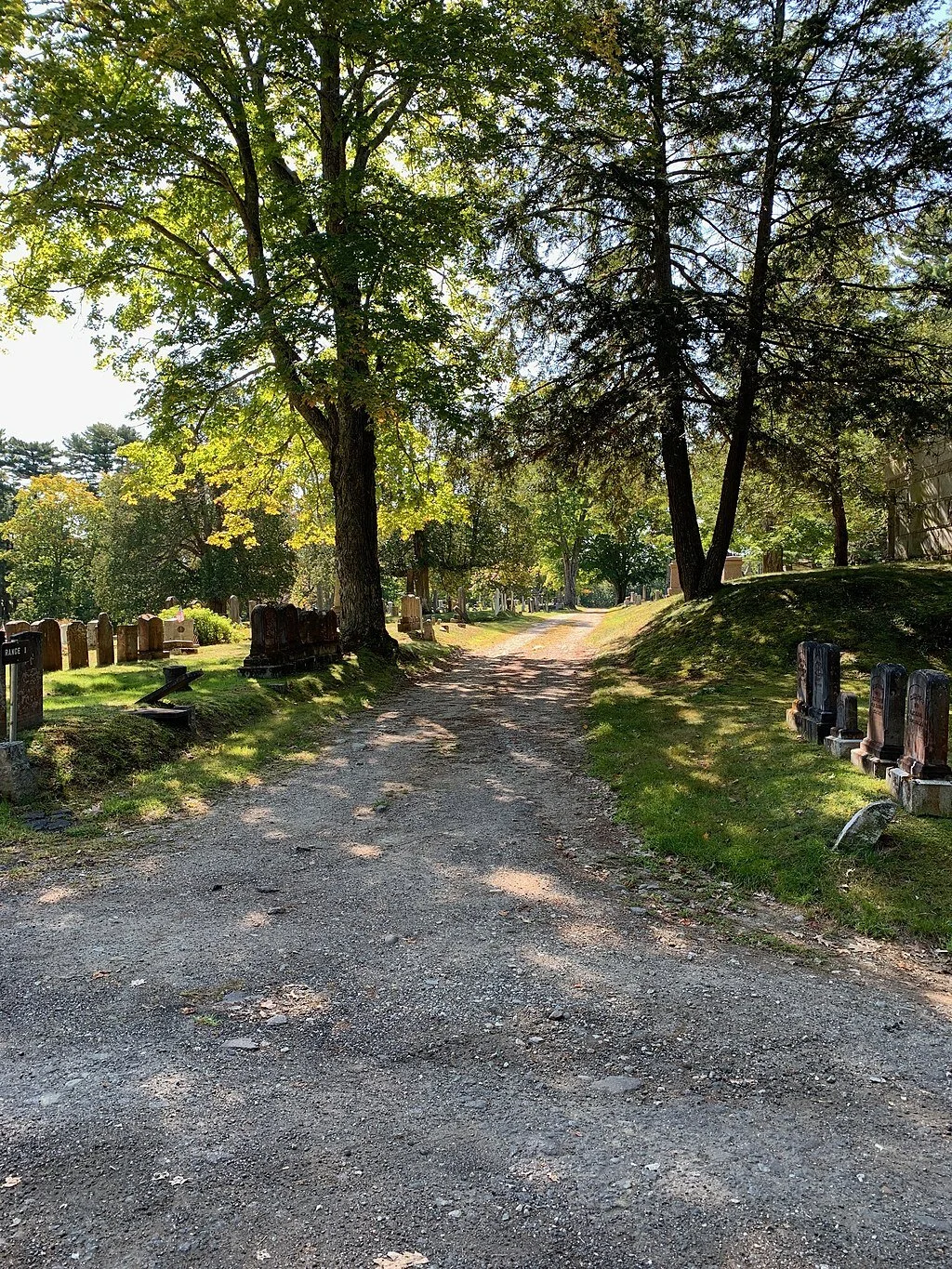
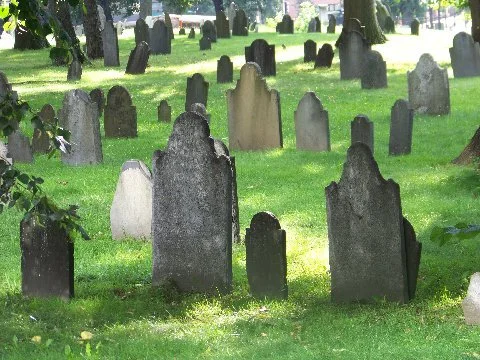
Oak Grove Cemetery, Bath, Maine.
— Photo by Seasider53
“Here, in Maine, every stone is a skull and you live close to your own death. Where, you ask yourself, where indeed will I be buried? That is the power of those old villages: to remind you of stasis.’’
— Elizabeth Hardwick (1916-2007) in The Collected Essays of Elizabeth Hardwick. She spent much time in Castine, Maine, during summers, especially during her marriage to poet Robert Lowell.
Get over it; she's dead
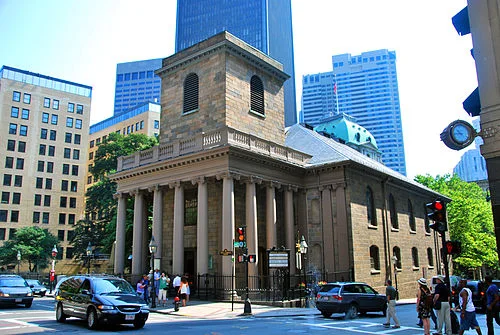
King’s Chapel in Boston. Built in 1749, originally to host an Anglican (Episcopalian) congregation, it later became a quirky Unitarian church that kept some Episcopal aspects.
“Mary Winslow is dead. Out on the Charles
The shells hold water and their oarblades drag,
Littered with captivated ducks, and now
The bell-rope in King's Chapel Tower unsnarls
And bells the bestial cow From Boston Common; she is dead.’’
— From “Mary Winslow,’’ by Robert Lowell (1917-1977)