
Vox clamantis in deserto


The romance of Lowell
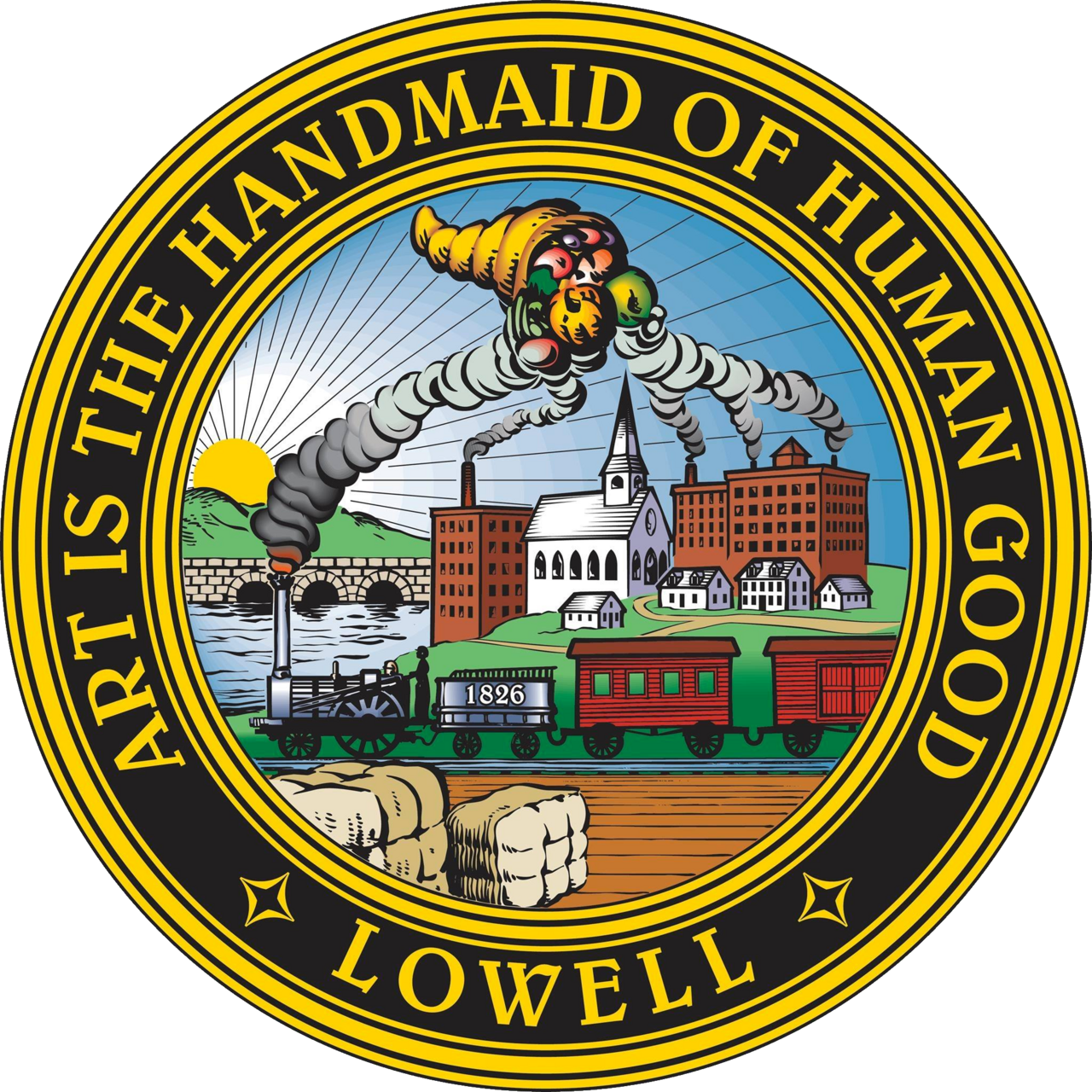
Seal of the City of Lowell, one of the first great textile-manufacturing towns in America.
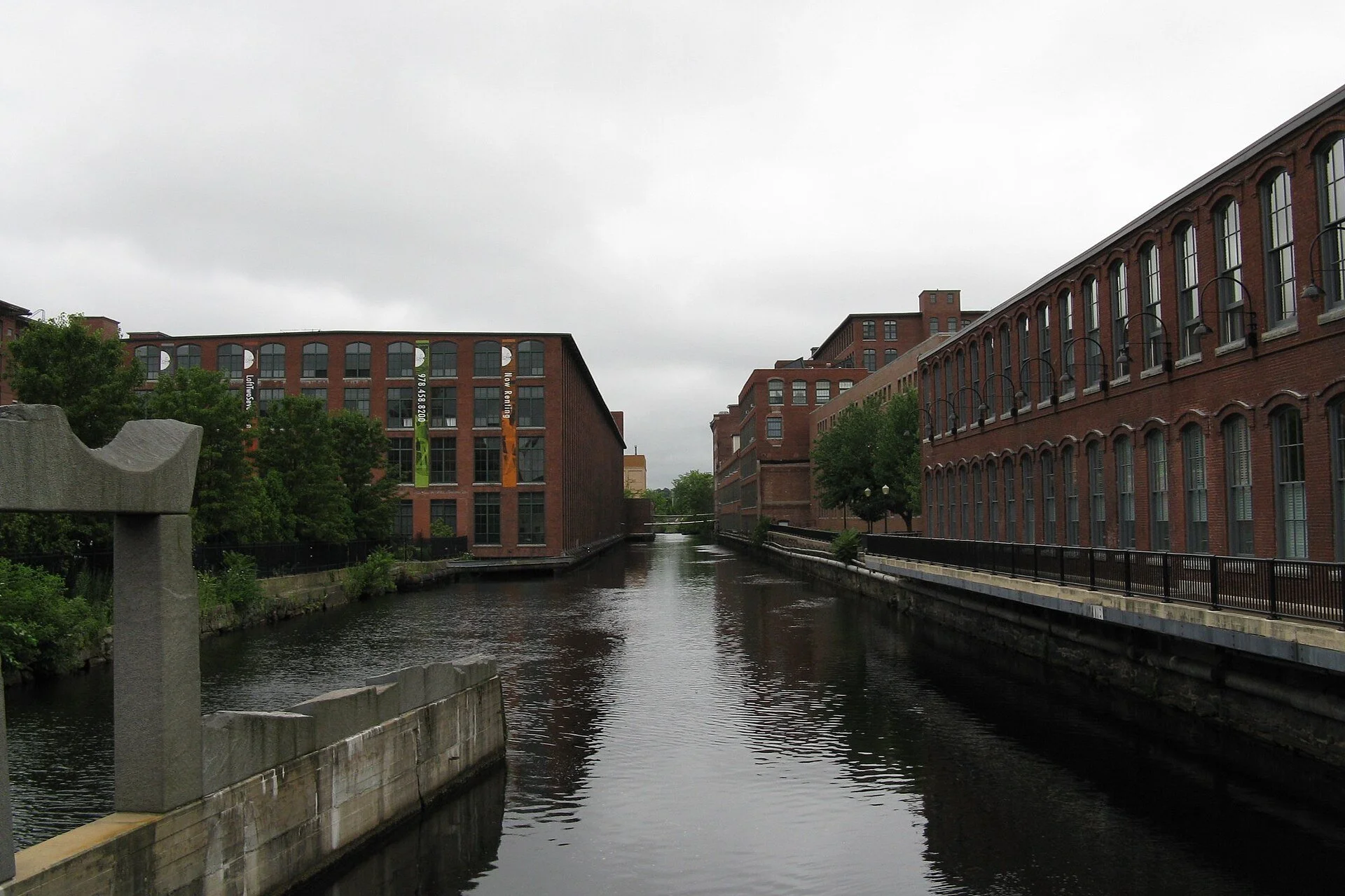
Pawtucket Canal at Central Street looking west, in Lowell. The 19th Century textile mills have been converted to other uses, if not torn down,
-Photo by John Phelan
“A golden Byzantine dome rises from the roofs along the canal, a Gothic copy of Chartres arises from the slums of Moody Street, little children speak French, Greek, Polish, and even Portuguese on their way to school. And I have a recurrent dream of simply walking around the deserted twilight streets of Lowell in the mist, eager to turn every known and fabled corner…it always makes me happy when I wake up.’’
— Jack Kerouac (1922-1969), American novelist and poet and Lowell native
‘September rain’
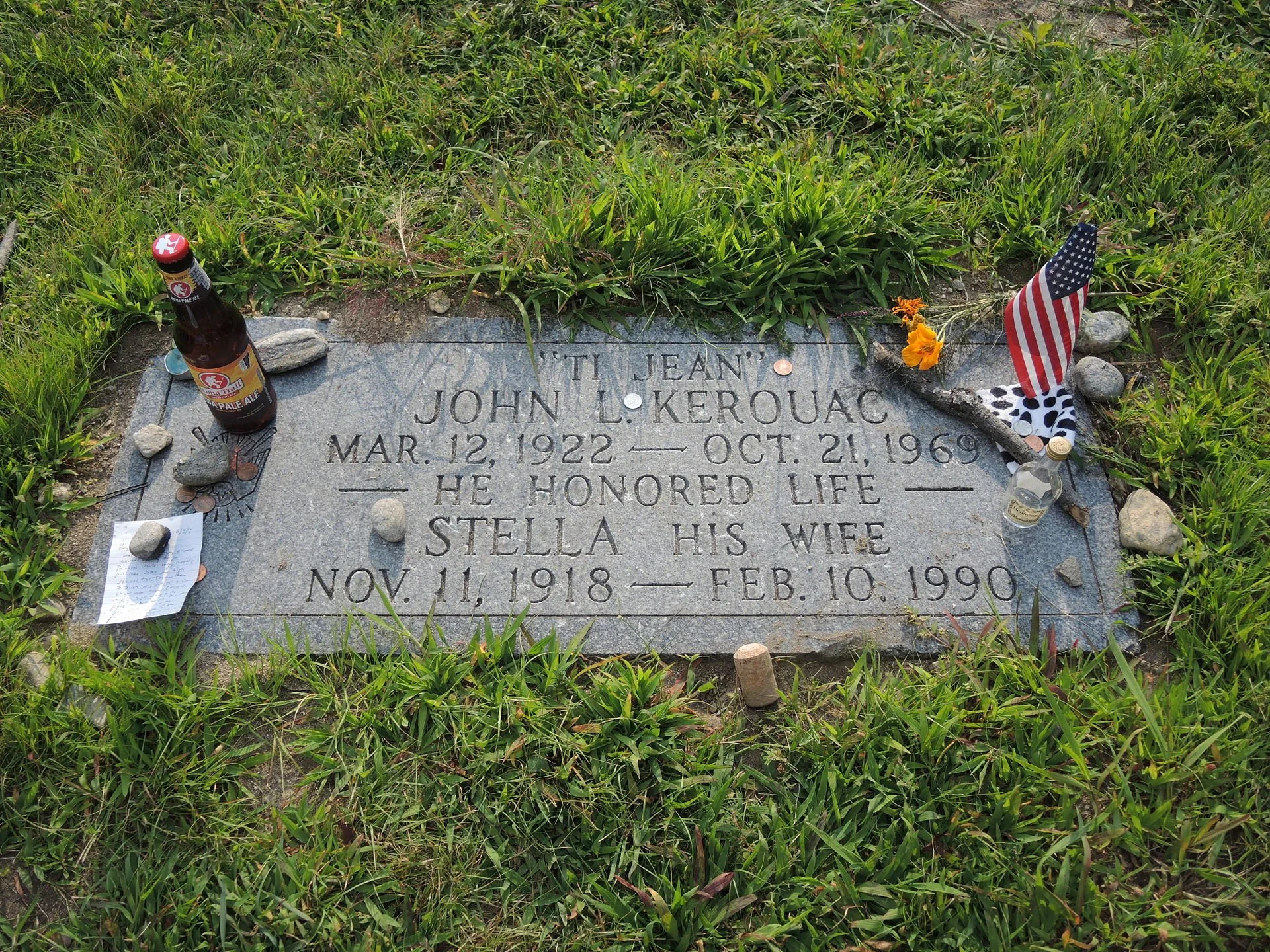
Jack Korouac’s grave in Edson Cemetery, Lowell
— Photo by DanielPenfield
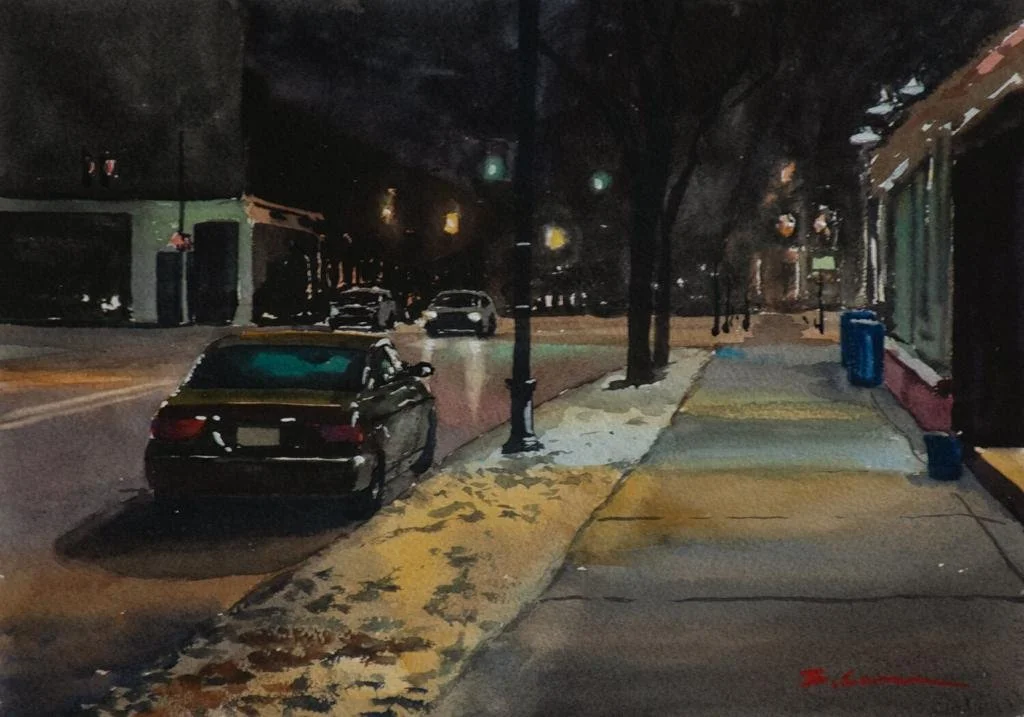
“And what does the rain say at night in a small town, what does the rain have to say? Who walks beneath dripping melancholy branches listening to the rain? Who is there in the rain’s million-needled blurring splash, listening to the grave music of the rain at night, September rain, September rain, so dark and soft? Who is there listening to steady level roaring rain all around, brooding and listening and waiting, in the rain-washed, rain-twinkled dark of night?”
― Jack Kerouac (1922-1969), American novelist and poet, in his novel The Town and the City, The novel is set in the early Beat Generation circle of New York in the late 1940s and on Galloway, Mass., based on Lowell. The experiences of the young "Peter Martin" struggling for success on the high school football team are largely those of Jack Kerouac (he returns to the subject again in his last work, Vanity of Duluoz, published in 1968).