Don Morrison: We need protection from tech bros and their gigantic data centers
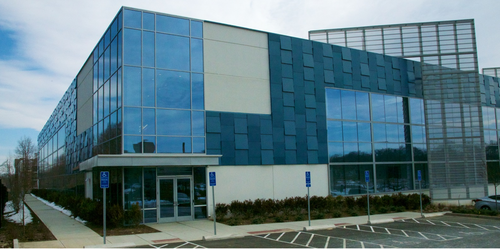
Cervalis' Norwalk facility, Connecticut's largest data center.
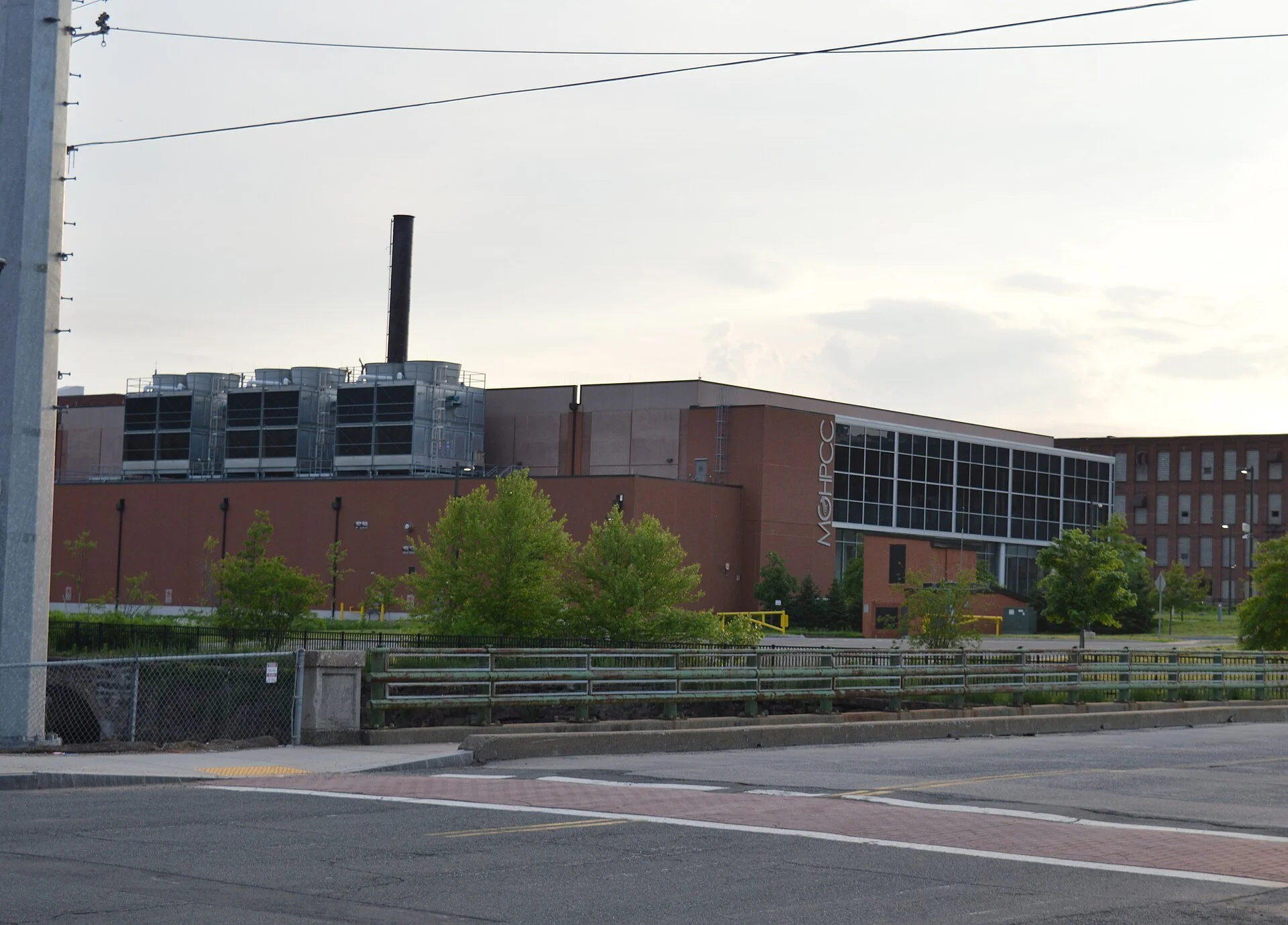
The Massachusetts Green High Performance Computing Center, in Holyoke.
So, I’m driving down the interstate and need to make a pit stop. As I approach the exit, my steering wheel freezes up. I hit the brakes, to no effect. Panic rising, I tell the car’s voice assistant to pull over. It responds in a soft and friendly tone: “I’m sorry, Don, but I’m afraid I can’t do that. It’s not part of the mission.”
That’s when I wake up. Ever since I saw an HBO rerun of Stanley Kubrick’s 1968 film 2001: A Space Odyssey, featuring a polite but frighteningly stubborn computer named HAL, I’ve been having variations of this dream. I now realize it’s not about a car. It’s about how we’re losing control of artificial intelligence, even as it reshapes our lives.
To many of us, that development might seem too distant to worry about, and maybe even something to cheer. After all, Siri, Alexa, ChatGPT, Claude, Waymo and “smart” household appliances have already made life easier in so many ways. Yet I’m not alone in worrying about AI and its potentially disastrous effects — on our jobs and, ultimately, our democracy.
In a new study by the Massachusetts Institute of Technology and Australia’s University of Queensland, 272 experts examined two dozen potential types of AI-related disaster and found that 18 of them have at least a 10 percent chance of happening in the next five years. Among those potential catastrophes: a new cyber-weapon will cause at least 1 million deaths or $100 million in losses; also, AI-generated misinformation will wreak emotional harm on multitudes or affects the outcome of an election.
AI mishaps are already with us. News reports — and a few lawsuits — indicate that prolonged interactions with chat bots may have contributed to delusions, emotional crises and in some cases, suicides. Criminals are using “deepfake” photos and even voices to facilitate identity theft and extortion. The internet is filled with AI-generated “slop,” annoying but largely harmless, though some of it is aimed at changing our political views.
The problem isn’t so much that such fantasies are convincing. It’s that every year it gets easier to manufacture more plausible ones. Eventually, the public might not know what to believe. Even President Trump now posts AI-generated images, nearly all of them obvious confections and mildly amusing — like last week’s “photo” of him showing his controversial White House ballroom project to George Washington.
Not so amusing is news that the federal government and both houses of Congress now allow the use of AI in official business, often without much supervision. Rep. Anna Paulina Luna of Florida was embarrassed last week when her staff posted a summary of a proposed defense bill amendment that retained the words “Claude responded,” a sign they had used the AI chatbot.
More troubling still was last month’s disclosure that an autonomous OpenAI agent escaped its testing environment and hacked into Hugging Face, an AI-development platform. No serious harm was done, but the fact that intrusion occurred at all — and went undetected for days — have raised fears that we might be losing control of AI and that our personal data is in danger.
So, it appears, are our communities. Artificial intelligence systems require enormous computing power, which is supplied mostly by data centers: shopping-mall-sized complexes filled with computer servers. The centers consume vast amounts of land, water (for cooling) and electricity. They strain local power grids, drive up retail electricity prices, create noise and otherwise degrade the quality of life in thousands of localities.
Though polls show that as many as 70 percent of Americans oppose them, data centers are popping up all over the place. The U.S. now has around 4,000, with at least 2,000 more planned or under construction.
Of course, data centers provide jobs and property-tax revenues for localities, just as the growth of AI generally is expected to boost U.S. economic growth. Yet the toll on American society and democracy could be high. What’s truly worrying is that the decisions about what risks can be acceptable in pursuing AI’s future are being taken by a group of people who stand to profit from its unfettered growth.
The industry is dominated by a handful of tech-firm founders, nearly all of them men, who — along with their major investors — have become multibillionaires. These and other wealthy “tech bros” have put vast sums into political action committees (PACs). Elon Musk spent $243 million to help elect Donald Trump in 2024 and plans a $100 million effort for Republicans in this year’s midterm elections. Leading the Future, a network of super-PACS, has amassed $100 million to support candidates who share the AI industry’s opposition to regulation and taxation.
A major battle is shaping up. Many Americans are worried about the growing disparity of wealth in the U.S. between AI winners and victims. Many also worry about the possibility of losing their own jobs — and not just the manufacturing and clerical positions currently affected. AI can now generate movie scenes, prepare tax returns, develop new drugs, even write news stories and opinion columns. A college degree may no longer offer the protection it once did.
Amid such anxiety, people see the enormous wealth generated by AI and think they deserve a share. A few states have responded with higher taxes on data centers. A new Virginia levy on data-center power consumption is expected to raise $600 million in the coming year. Some members of Congress want to impose stronger safety rules and more rigorous anti-trust regulation on artificial intelligence giants. Let’s hope it’s not too late.
Despite the industry’s public-relations efforts, the current wave of anxiety over the rise of the AI is unlikely to subside anytime soon, nor should it. Only if people get worried enough to take action can we wrest control of this ground-shaking technological revolution from the self-serving handful who profit from it.
As someone who must endure HAL’s occasional efforts to take control of his dreams, I’ll be pulling for the triumph of real — not artificial — sanity.
Don Morrison is a veteran editor, reporter, columnist and media executive. A part-time resident of The Berkshires, he’s a member of the editorial advisory board of The Berkshire Eagle.