Don Morrison: The great American composer who was Czech
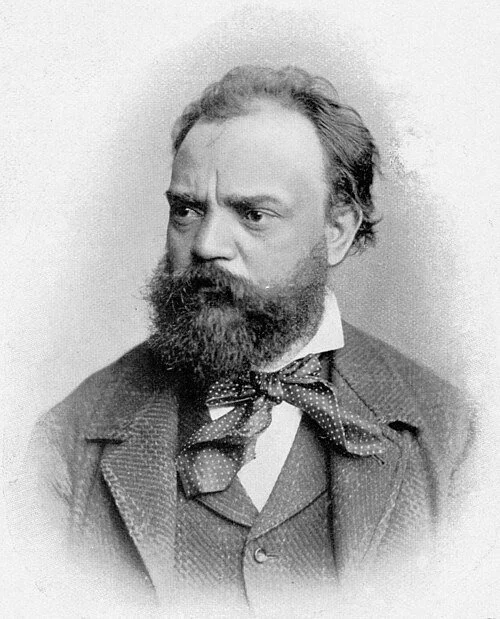
Antonin Dvořák (1841-1902)
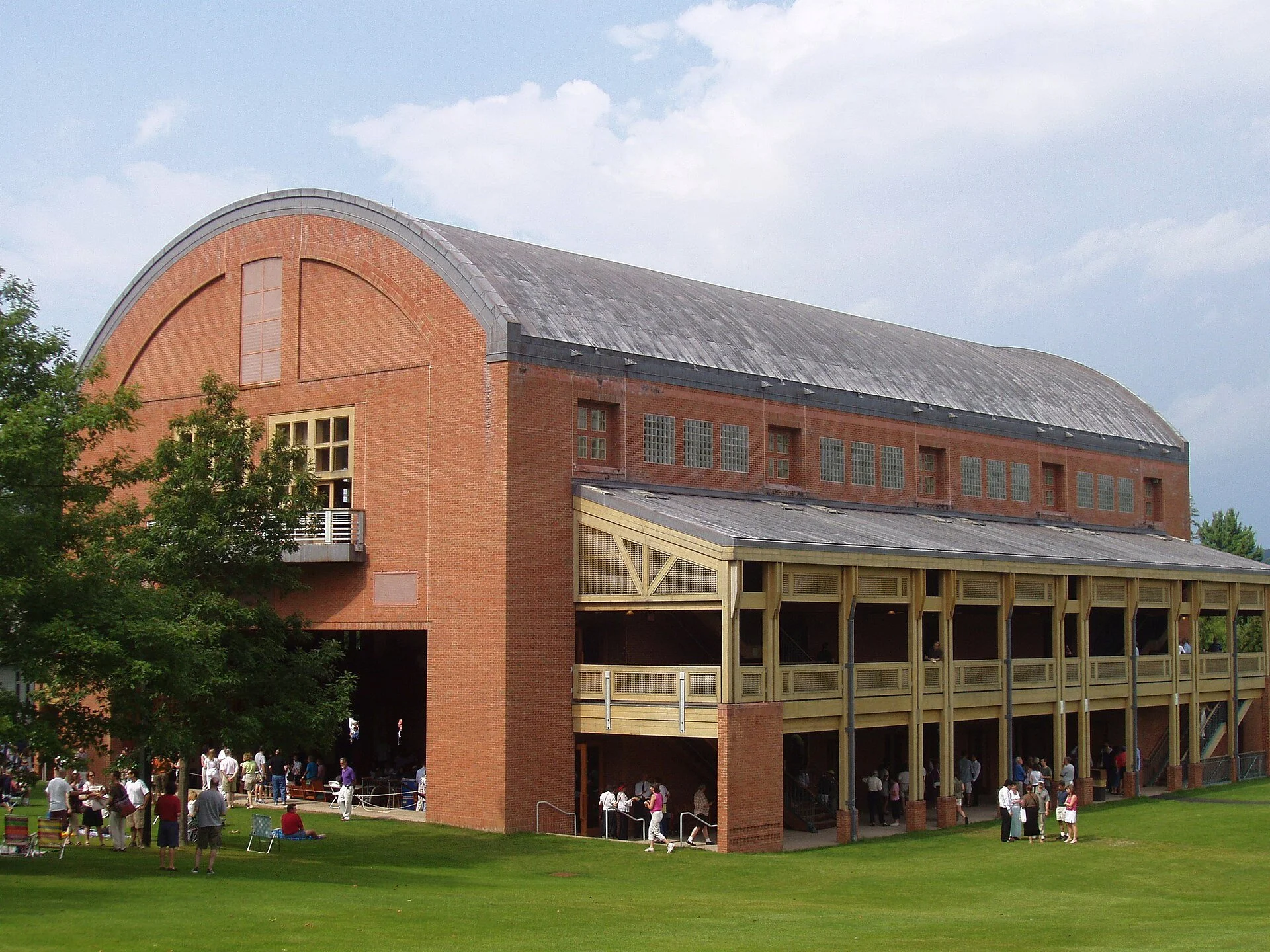
Seiji Ozawa Hall at Tanglewood
LENOX, Mass
It was a balmy summer evening at the annual Tanglewood Musical Festival in western Massachusetts, and I had just angered a close friend. An expert in classical music and much else, he’d asked me to name the best American composer of all time. That’s easy, I answered: Antonin Dvořák.
My friend was not amused. Dvořák, he noted (correcting my pronunciation to Dvor-ZHOK), was born in 1841 in Prague and died there 63 years later. Moreover, the composer was part of a 19th-century nationalist wave that swept across Europe. He and other composers were turning to the folk traditions of their own countries for inspiration. Dvořák became one of the great voices of Czech musical nationalism.
Then he came to America. In 1892, Dvořák accepted a job in New York City as director of the new National Conservatory of Music in America, which its backers hoped would rival the great training academies of Europe. He returned home three years later, after the institution closed for lack of funding, but the experience changed his life — and the course of American music.
One day shortly after he arrived,Dvořák heard a deep voice outside his Manhattan office singing a captivating melody. It belonged to Harry T. Burleigh, a young Black student cleaning the hallway to help pay his tuition. The new director had heard a few spirituals before, but they were rarely delivered with such power and finesse. Burleigh became a Dvorak protege and, eventually, a distinguished composer himself.
Dvořák’s American education deepened considerably during his first summer in the U.S. He and his wife were persuaded by a student of Czech ancestry to vacation in Spillville, Iowa (population: 350, many of them Czech immigrants). There, the composer marveled at the quiet rhythms of rural life, the generosity of his neighbors and a bounty of folk tunes. Also, the sounds of Native American music performed by visiting Iroquois. (For a lively account of his budding romance with the U.S., see Czech author Josef Skvorecky’s 1983 novel Dvořák in Love.)
Before leaving for Spillville, Dvořák finished one of his most enduring works, the Symphony No. 9 in E major, which he titled “From the New World.” After arriving, he wrote another masterpiece: his String Quartet in F major, known as “The American.”
If you listen carefully to both, you may hear hints of traditional American music – including “Swing Low, Sweet Chariot” and “Going Home.” (The latter was actually Dvořák’s own melody, which got its title and lyrics from one of his students two decades later.) Both the symphony and the quartet are suffused with a distinctly American sense of promise and unabashed emotion.
In an 1893 interview, the composer challenged his U.S. counterparts to make better use of “Negro melodies” as the basis for “any serious and original school of composition” to arise from America. The irony was delicious: the man urging American composers to discover an American musical voice was himself an outsider who had learned to turn the music of one homeland into art before arriving to listen carefully to another.
Dvořák was hardly the only 19th-Century visitor to be captivated by this promising young nation. Writers, artists and other creators — as well as millions of other immigrants — saw the U.S. as a beacon of hope and new beginnings, despite persistent racial discrimination and occasional nativism. Their efforts were often rewarded.
Dvořák’s works quickly became concert mainstays in the U.S. Though purists still find his music a bit simplistic and “accessible,” a 2014 report by the League of American Orchestras listed him as the sixth most often performed composer in the U.S. Astronaut Neil Armstrong took a recording of the “New World” Symphony with him to the Moon in 1969 on Apollo 11.
The Boston Symphony Orchestra first performed Dvořák — specifically, his robustly “Slavic” Symphony No. 8 — back in 1892, the year before he arrived in the U.S. Today, no Tanglewood season would be complete without at least one work by the composer. This summer there are five.
I haven’t seen my skeptical Tanglewood interlocutor in years. A reunion is clearly in order — perhaps on Aug. 22, the Saturday of the season’s final weekend, when the BSO will be playing Dvořák’s Eighth Symphony once again. As we sit on the lawn, my friend and I will laugh over fried chicken and plastic cups of wine. We will declaim, debate and ultimately agree that the pilgrim to Spillville knew a good tune when he heard one, no matter where it came from.
We can also agree that music — at its best — borrows melodies, rhythms and ideas from everywhere. It crosses borders, confounds purists and, occasionally, heals friendships. Dvořák understood that. So, at its best, does America.
Don Morrison’s (dmmorrison@aol.com) is a veteran international journalist, having served as a reporter, editor and media executive, He’s co-chairman of The Berkshire Eagle editorial advisory board.