Chris Powell: In Hartford, a promising way to address the housing shortage
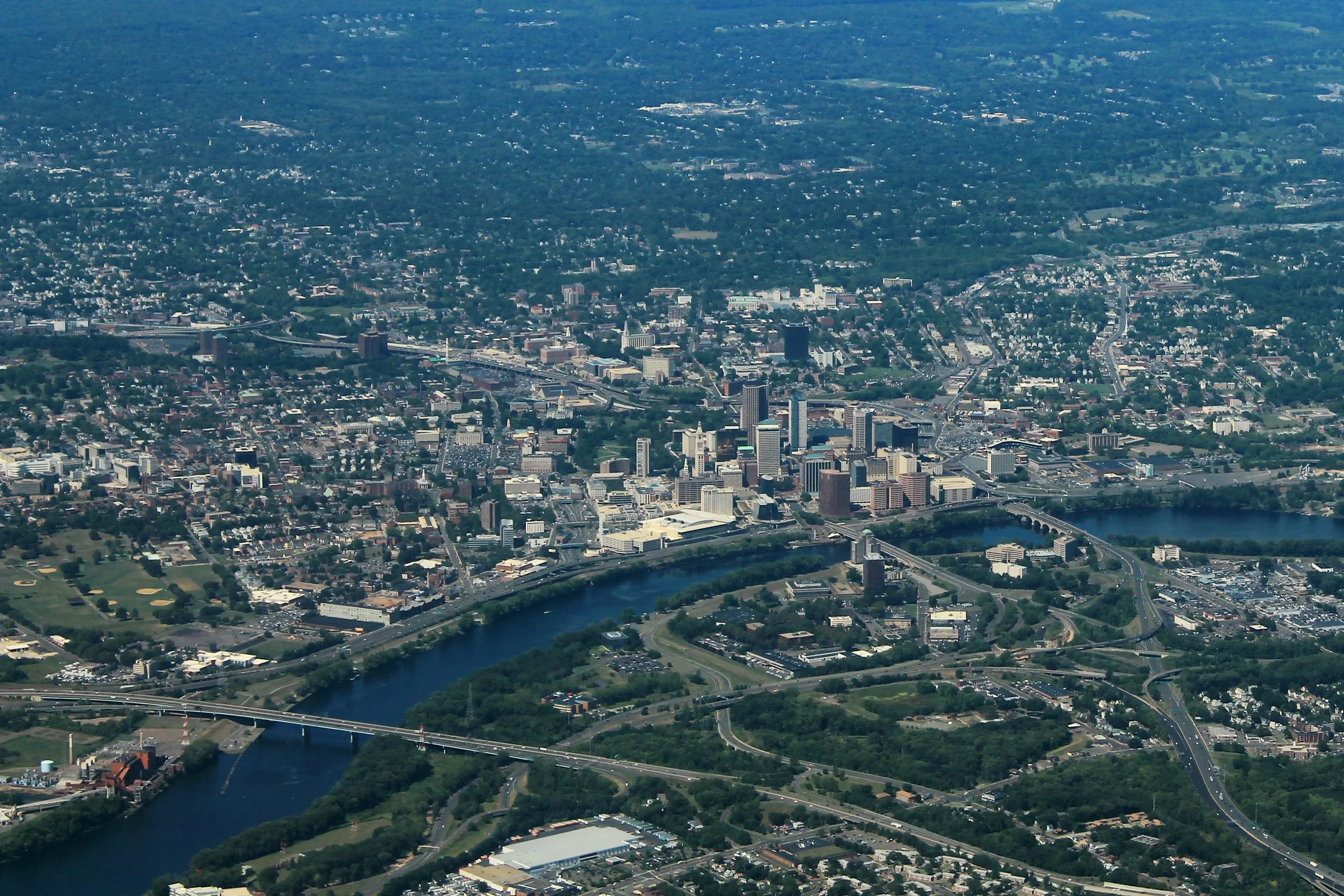
Hartford from the air.
MANCHESTER, Conn.
State government and Hartford city government have figured out the easiest way to solve Connecticut's desperate shortage of inexpensive housing. They just haven't quite realized that they have figured it out.
The solution was presented at City Hall the other week by Mayor Arunan Arulampalam and Gov. Ned Lamont, who announced a $4 million project funded jointly by the state and the city through what is called the Connecticut Home Funds initiative. The project is to turn 18 blighted and abandoned residential properties, condemned by the city long ago, into 20 units of new, owner-occupied housing.
The properties are to be sold to builders for $1 each and the program will help them finance construction. The builders will be required to sell the new houses to people of moderate income at a price that will permit them to be mortgaged for a monthly payment close to the neighborhood's apartment rents. The program aims to increase Hartford's homeownership rate, the lowest in the state at only 23 percent.
The price control involved, while likely to be popular, may be tricky to manage and is mistaken anyway, since it aims to prevent “gentrification" even as Hartford, terribly poor, needs many more residents with higher incomes.
The program's selection of builders also may be troublesome since it is likely to be heavily influenced by political patronage.
But then Connecticut is a one-party state, much in its government is contaminated by patronage, and advocacy of the public interest is so weak here that it's hard to accomplish anything good without patronage.
What is crucial about the Hartford project is its hint that the best way to alleviate the housing shortage isn't to fiddle with zoning regulations and state financial incentives to municipalities but simply to build housing wherever it can be built without aggravating the neighbors too much.
Hartford is hardly alone in being full of dilapidated and underused properties. Connecticut is pockmarked not just with deteriorating tenements but also vacant former factories and commercial buildings. Many city office buildings are half vacant as well now that so many people work from home via the Internet.
Most of these properties would be infinitely more beneficial and attractive to their neighborhoods if replaced by new housing, single- or multi-family, or converted to mixed commercial and residential use -- so much more beneficial and attractive that even the worst snobs might not mind new people moving into town to replace the eyesores. Most of these properties are already served by water, sewer, and utility lines, so housing construction would not chew up the countryside with more suburban sprawl.
But transforming dilapidated and underused properties into the housing that Connecticut needs won't meet the urgency of the moment unless, as Hartford has done, government gains control of the properties and clears the way to their replacement.
No builder or developer wants to spend months or years haggling with a zoning board and pretty-pleasing the neighbors, just as no one who needs housing -- including the children of the very people who object to new housing nearby -- wants to wait months or years for a decent home he can afford.
So addressing the housing shortage with the necessary urgency is a matter of identifying the properties where any housing would be better than leaving the properties as they are. That approach might create more housing in a year than the housing law that Connecticut enacted this year after such controversy.
So an amendment to that law is in order. The law authorizes the state Housing Department to build housing on state government property. The department also should be authorized to condemn and take control of decrepit or abandoned properties anywhere in the state and arrange construction of housing there, and to solicit municipalities to recommend such properties for conversion.
Connecticut has many places where any housing would be better than leaving things as they are. Identify them, level them, build housing on them, and bring housing prices down along with the state's high cost of living.
Chris Powell has written about Connecticut government and politics for many years (CPowell@cox.net).
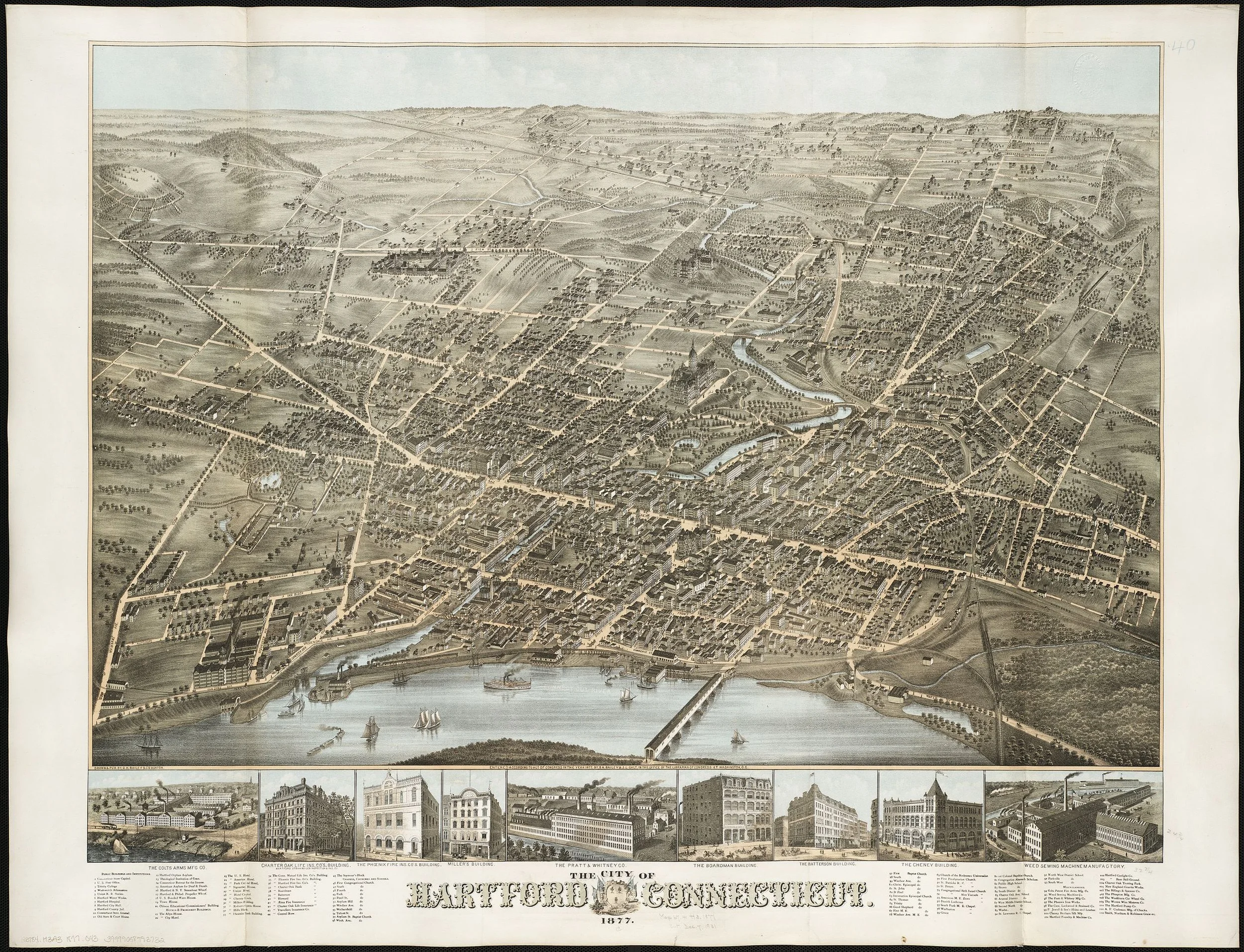
Hartford in 1877.