Chris Powell: Special-interest politics support “nips’’ pollution
MANCHESTER, Conn.
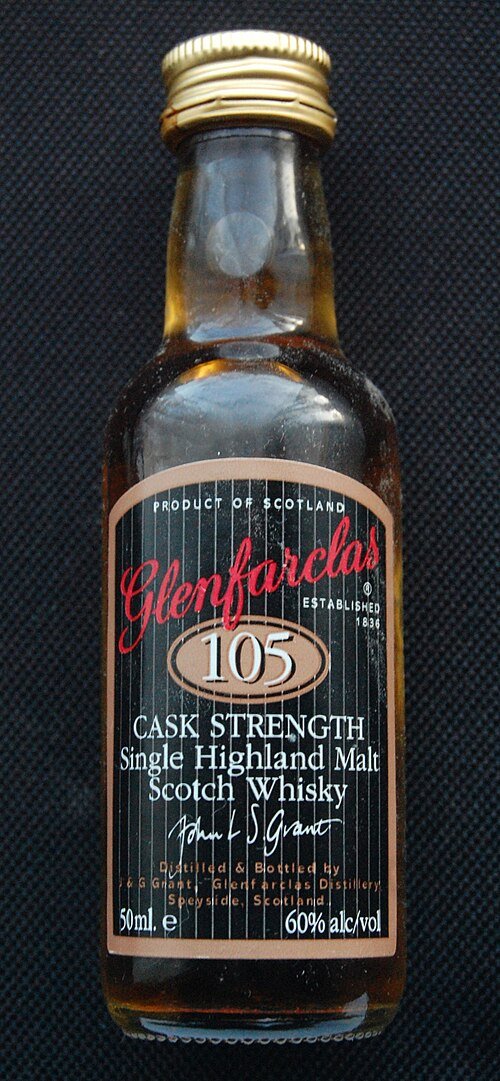
Next time you come upon empty and discarded “nip" bottles -- the tiny plastic containers of liquor sold in abundance at Connecticut's liquor stores but neither returnable for deposits nor recyclable -- Larry Cafero wants you to be thankful.
Cafero, executive director of the Connecticut Wine and Spirit Wholesalers, announced the other day that the 5-cent de-facto tax on nip bottles has generated more than $19 million since it began four years ago, with the money distributed by the state to municipalities in proportion to the number of “nips" sold in each. Municipal governments are to use the money for environmental-cleanup purposes.
The problem is that only a little of the money is used to recover the discarded nip bottles themselves. Such an undertaking would be extremely labor-intensive. Instead municipalities use the money to run recycling centers or other programs to reduce litter or protect the environment.
So the nip bottles keep defacing streets, parks, and the countryside, being collected only partially and put in trash cans by people who go for nature walks and are disgusted by Connecticut's policy of letting nature be defaced so a special interest can keep making money off a product that has only pernicious effects -- the strewing of unbiodegradable trash throughout the state and the facilitation of drunken driving and underage drinking.
Other than gratifying the liquor industry, there is no need for this stuff. Connecticut could forbid the sale of nip bottles, as alcoholism-riddled New Mexico does, or impose on them a cash deposit high enough to induce their buyers to return them to the liquor stores or induce everyone else to pick them up and return them for the deposits.
Instead of a “nickel a nip" a dollar a nip might work beautifully.
But while the liquor stores use the “nickel a nip" program to pose as civic-minded, they don't really want to reduce the litter they cause. They complain that their taking the empty nip bottles back and refunding deposits would take up too much space in their stores and require too much additional labor. The liquor stores want littering, drunken driving, and underage drinking to remain profitable for them but costly for society.
Cafero says it would be unfair to change anything about nips because liquor store owners got into their business on the presumption they could sell the products. But that's a rationalization for prohibiting all changes involving business, changes involving taxes, pollution control, consumer protection, public safety, wages, and protections for labor. No other businesses in Connecticut have such privilege. All other businesses are always subject to new laws that change business conditions.
Besides, Connecticut's liquor industry already enjoys outrageous privilege -- state law establishing minimum prices for alcoholic beverages, a law that protects liquor stores against the ordinary competition all other businesses face.
The law against price competition in liquor long has given Connecticut some of the highest liquor prices in the country. It is essentially a tax whose revenue goes not to state government but to the liquor stores and wholesalers themselves.
Why does Connecticut allow such exploitation of the public?
It's all special-interest politics.
Most legislative districts have a dozen or more liquor stores profiting from this exploitation and the stores have an active trade association. With Cafero the liquor stores have hired a former legislative leader, and, if their privileges are ever threatened, store owners and their employees will show up at hearings or rallies to intimidate legislators.
Meanwhile, news organizations, in financial decline, won't investigate and report the sordid details of the liquor business in Connecticut lest they risk losing liquor advertising, and the public, ever more impoverished by inflation and other failing government policies, seems increasingly content just to drink itself silly at home or, worse, on the road.
All this littering, drunken driving, and underage drinking should be worth a lot more to state government than $19 million in four years, or less than $4 million per year. Its cost is much higher than that and it's nothing to celebrate.
Chris Powell has written about Connecticut government and politics for many years (CPowell@cox.net).