
Vox clamantis in deserto


Seeking ‘a glorious past’ to better face the future
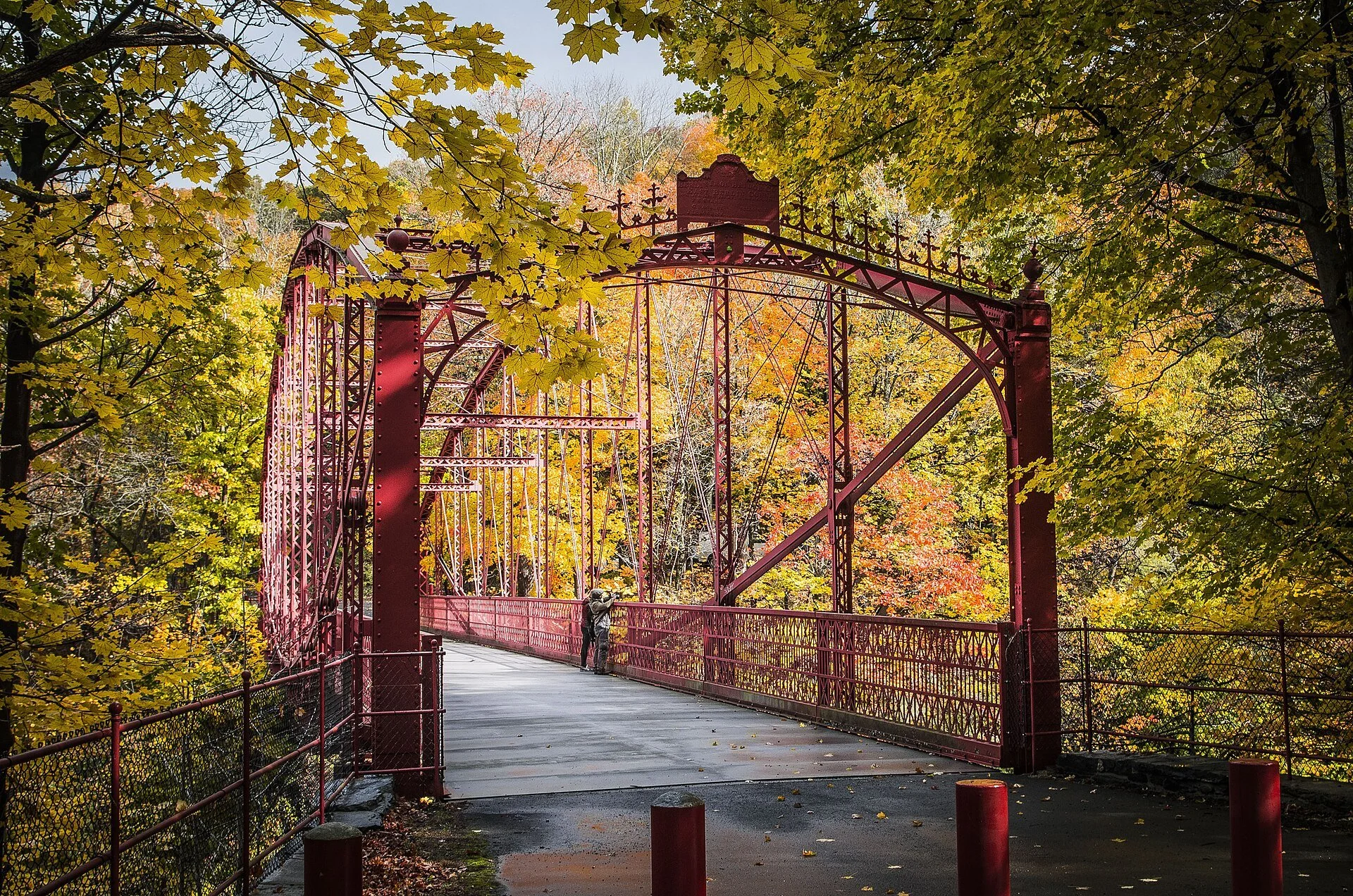
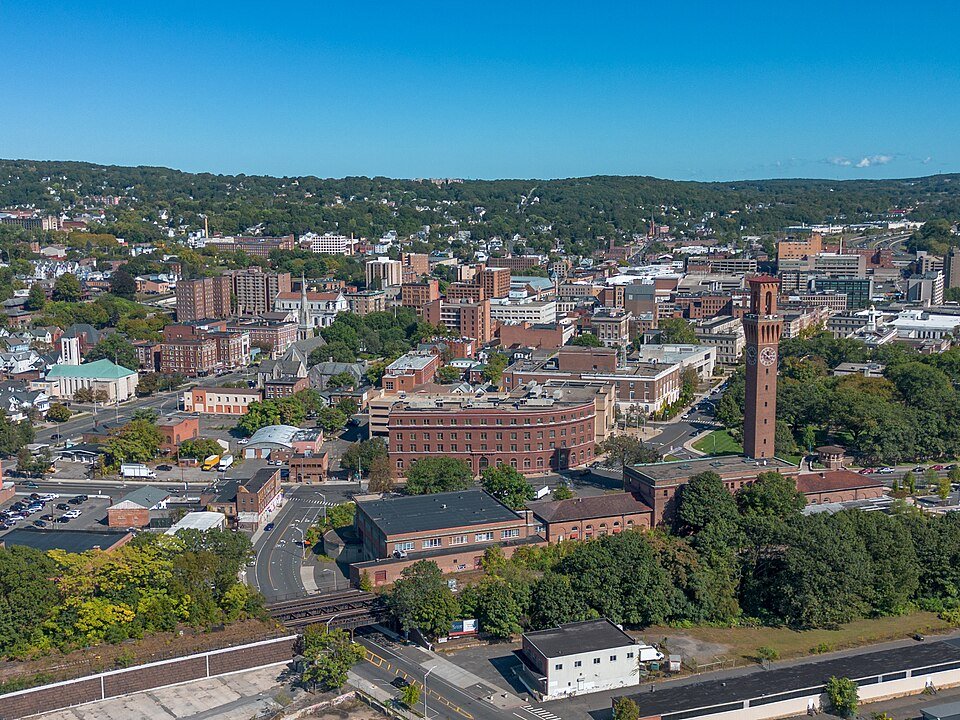
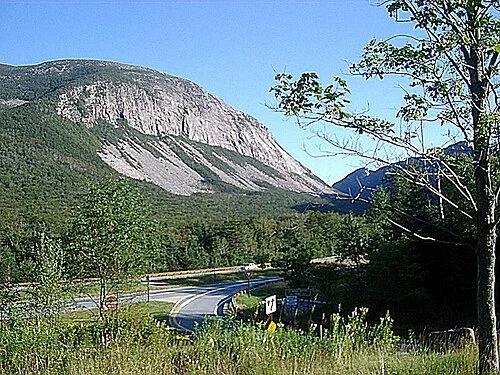
In Lover's Leap State Park, New Milford, Conn.
—Photo by Bob P. B. - https://www.flickr.com/photos/7272600@N06/21939948784/
“A man rising in the world is not concerned with history; he is too busy making it. But a citizen with a fixed place in the community wants to acquire a glorious past just as he acquires antique furniture. By that past he is reassured of his present importance; in it he finds strength to face the dangers that lie in front of him.’’
xxx
“Opinions about the future of society are political opinions.’’
—Malcolm Cowley (1898-1989), writer and editor best known as a literary historian. He lived in New Milford, Conn.
‘Boundaries of public and private space’

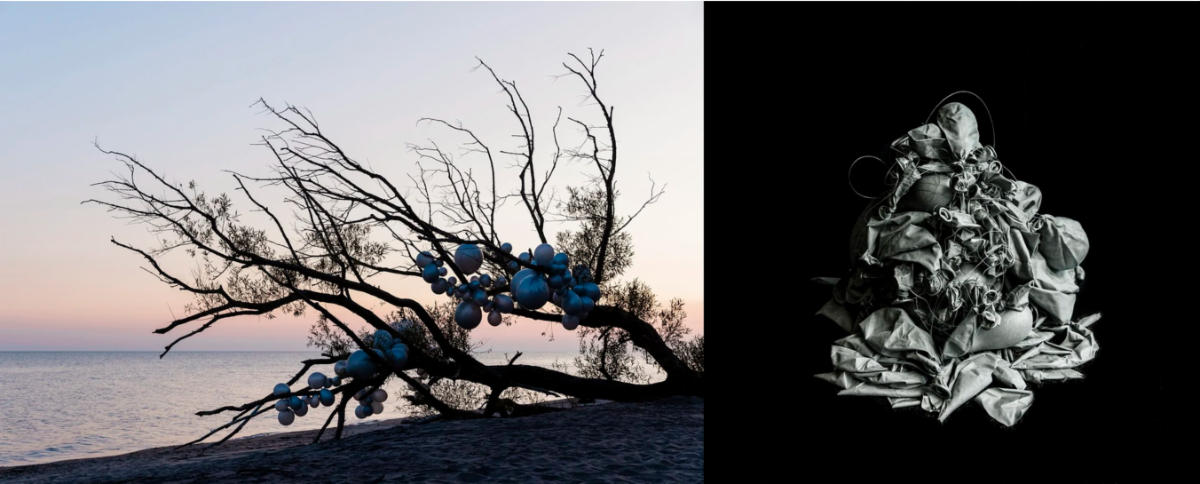
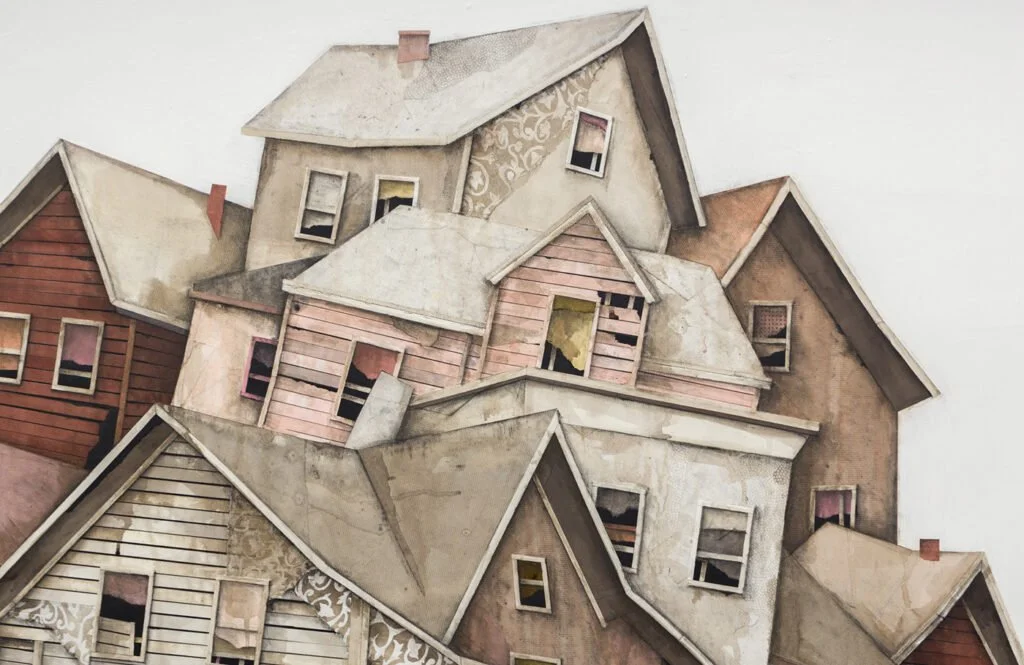
“Adrift,’’ by Kate Ruddle in her show “Hortus Conclusus,’’ at The Front Gallery, Montpelier, Vt., through May 31.
She says:
“My sculptural installations consist of sewn and manipulated fabric (apparel, home decor, equestrian, camping, nautical) as well as photographic images and video. I use fabric, video and architectural elements to create objects and environments that explore how fabric can protect or control and reveal and define social position. My art references architecture, clothing and customs to investigate boundaries of personal and public space. I like to play with trappings that serve to wrap people into a social structure.
“The history of garments, social habitats, and power structures fascinate me. Worn items can be used to protect or expose the body and reveal and define social position. Throughout history there are examples of people’s erasure as they don’t fit into society’s structure. As society becomes more advanced does individualism become more or less threatening? How do we define ourselves in relationship to a social history that encompasses and precedes us? Can we tailor society to meet our needs? My installations grapple with these questions.’’
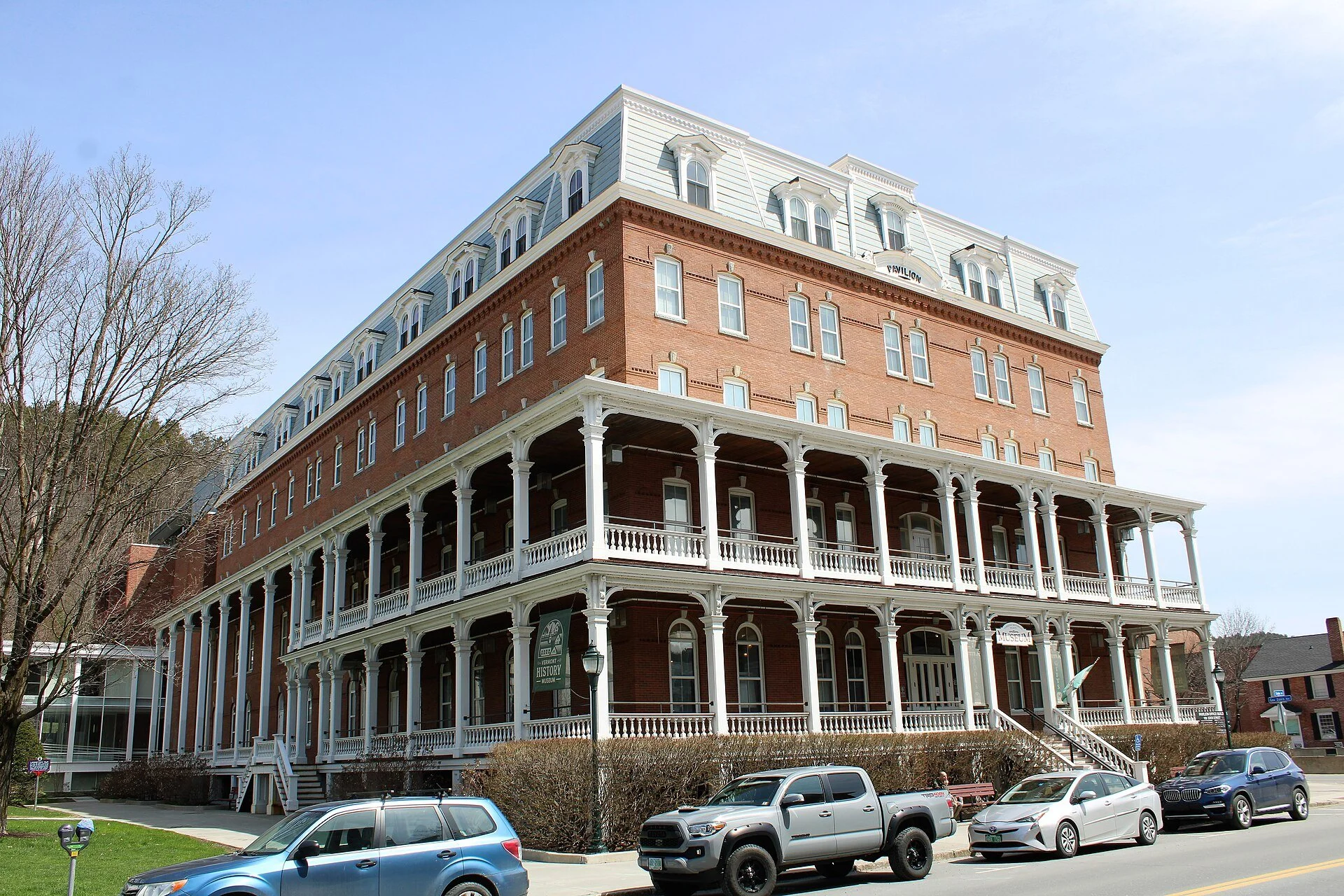
The Pavilion, a gorgeous government office building and state history museum, on State Street in Montpelier.
— Photo by Farragutful
No umbrella needed
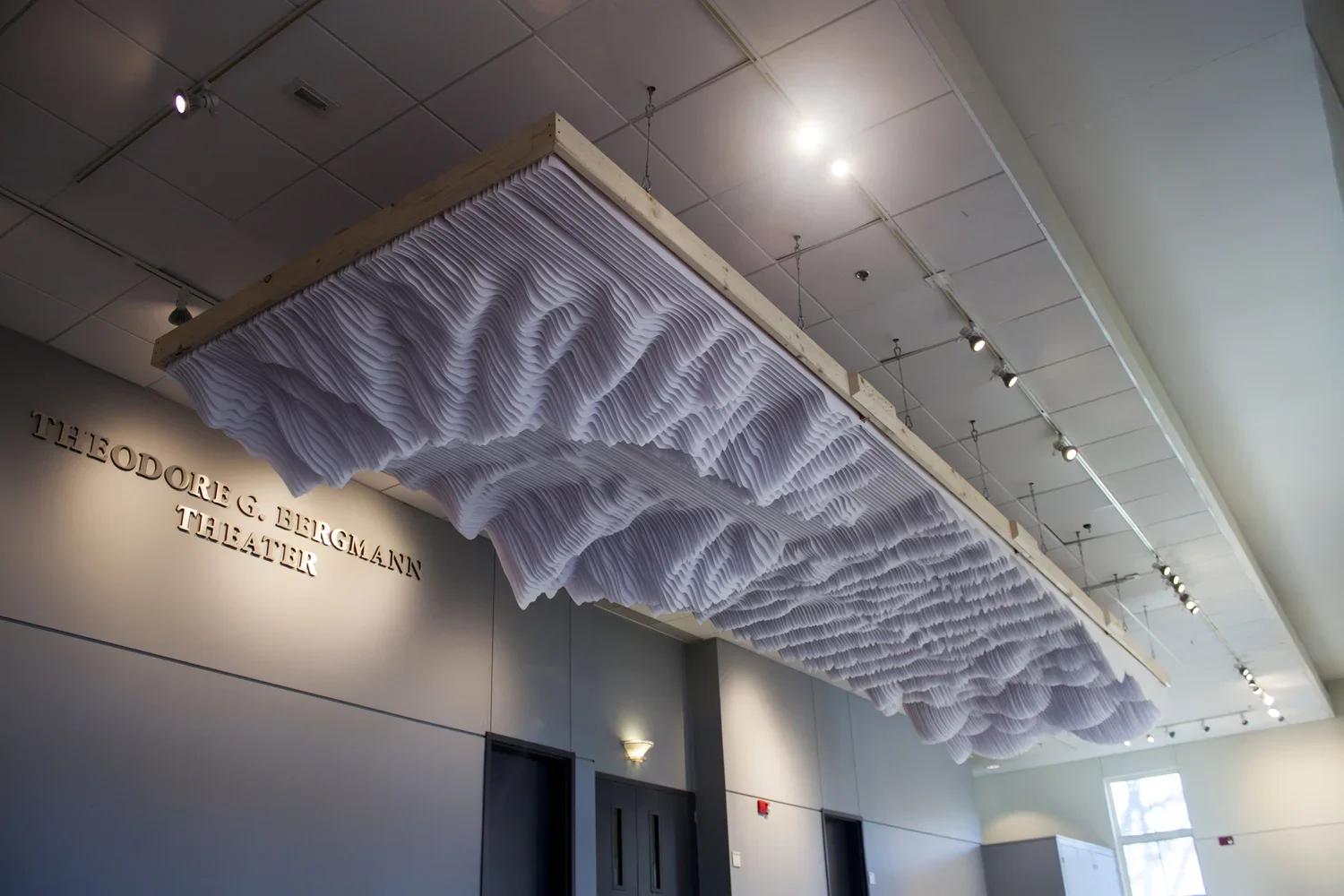
“Paper Cloud” (paper and wood), by Waldo Evan Jespersen, in his show at Boston Sculptors Gallery, June 11-July 12.
He says:
"My sculptures are investigations into form with a ridged set of guidelines. Whether driven by process, material, or vision, my goal is to make complicated and challenging situations that resolve themselves into simple and elegant forms, moments or movement. In working this way, I find my self allied not with a material or style, but instead an internal standard. The result is an ever shifting and engaging body of work that is as educational as it is surprising."
Chris Powell: ‘Affordability’ for whom in Connecticut?

MANCHESTER, Conn.
A brief chronology from the last four months may explain Connecticut's political economy better than any so-called political scientist could.
In February, with the state's high and ever-rising cost of living -- its "affordability" -- beginning to get political attention, Gov. Ned Lamont said thay state government was doing so well financially that it should bestow tax rebates of $200 on more than 2 million taxpayers, an expense that would total about $400 million. The governor's proposal prompted much cynicism and derision, since the rebates would be delivered a few days before the election in November, in which Lamont will probably again be the Democratic nominee . But at least the governor's proposal was a token of respect for those paying government's bills.
But then the General Assembly convened and the major interests that rely on state government appropriations descended on the state Capitol. They maintained that their own affordability challenges were more compelling than those of mere taxpayers.
The governor already had promised generous raises to the state employee unions, since government employees are a key part of his political party and the Democrats overwhelmingly control the legislature. So the governor negotiated and the legislature approved a new master union contract for the state employees, estimated to cost $675 million more over the next three years than is now being spent for their services.
Municipal government officials were well represented at the Capitol, too, and the governor and legislative leaders promised them an extra $270 million in state financial aid, much of it for "education," the euphemism for raises for unionized teachers, another big component of the Democratic Party. Most of the rest of the extra aid will cover raises for other unionized municipal employees, another Democratic-leaning group.
These raises are euphemized as "contractual obligations" as if the obligations are forces of nature or acts of God, beyond the control of mere mortals, though municipal elected officials helped write and agreed to the contracts imposing the obligations.
So when the legislative session was through, the governor's proposal for $200 rebates for taxpayers had disappeared. He didn't fight for it. He was persuaded to abandon it by a more accurate political calculation -- that the unionized government employees pay far more attention than taxpayers do and would notice and act on the extra money much more than taxpayers would.
So this year in Connecticut "affordability" will be for government employees. They have earned it with their political activism for the Democrats. Other state residents will have to keep bearing their tax burden, which they have earned with their apathy and will keep earning if, as expected, they return the Democrats to power in November.
For as the late New York Times journalist James Reston observed, the first rule of politics is the indifference of the majority. Government money keeps going to the minority that is most mobilized politically to claim it, not necessarily to where it might do the most good for the public. That's Connecticut's political economy.
Even so, a recent poll of Connecticut residents taken by the University of New Hampshire's Survey Center suggested a surprising undertone of dissatisfaction with Governor Lamont and his administration. The poll found that Lamont's job approval is trending gradually down, with 48 percent approving and 46 percen disapproving, and with majorities unhappy with his handling of the state's cost of living, taxes, housing, and the economy.
It's not that the governor has been raising taxes. That complaint in the poll may reflect resentment of municipal property taxes, which rise steadily in part because of longstanding state mandates on local government, such as binding arbitration of government employee union contracts.
It's not clear whether the governor is judged poorly on housing because there is a shortage and prices are high or because he supports controversial legislation that would slightly constrain municipal zoning to encourage housing construction in the suburbs.
But in any case the poll hints at openings for the governor's challengers -- not that they yet have the campaign money, the wit, or the courage to exploit them.
Chris Powell has written about Connecticut government and politics for many years. (CPowell@cox.net),
Trump’s assault on offshore wind is very bad for taxpayers, jobs and the overall economy
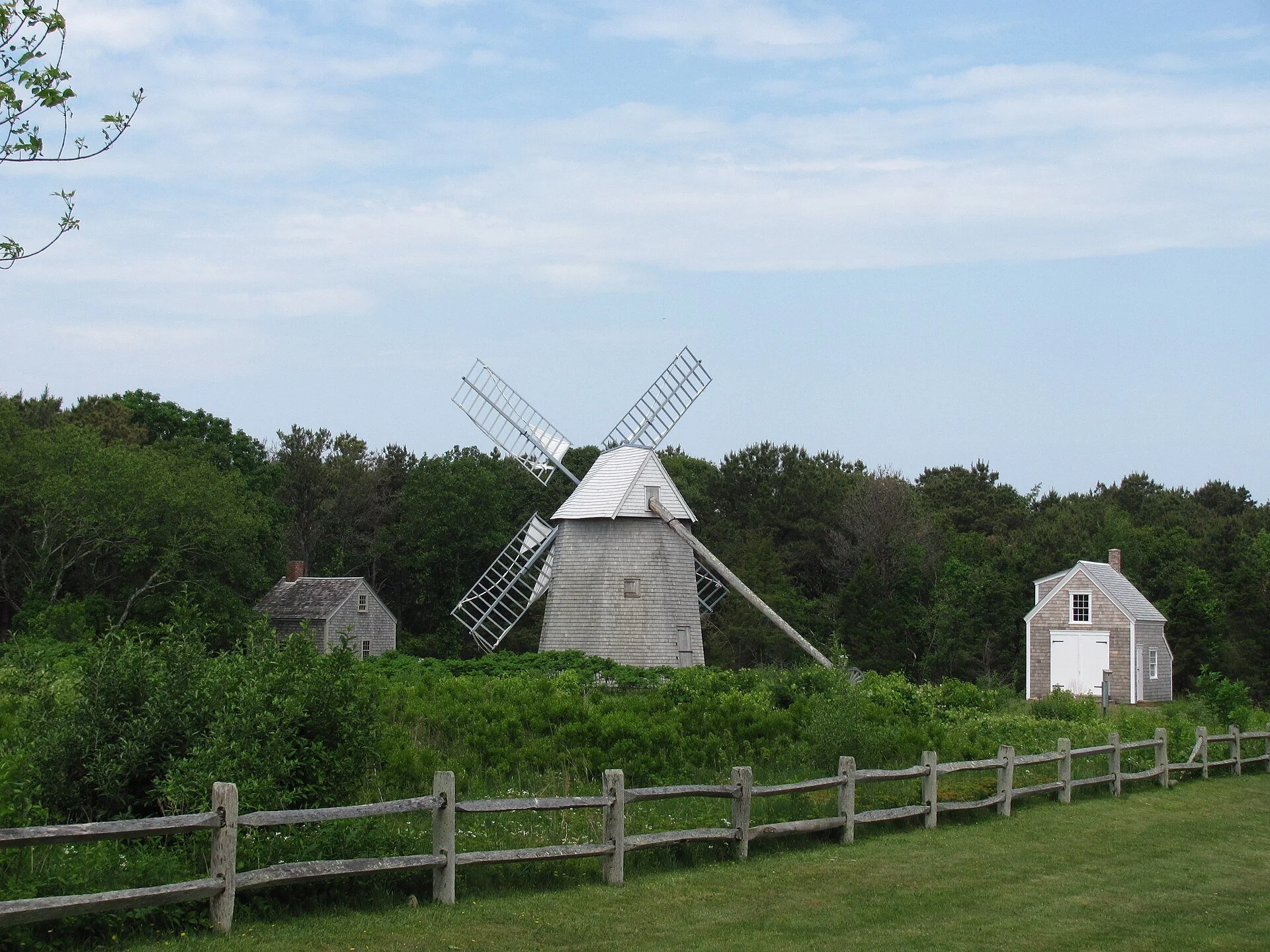
Old Higgins Farm Windmill, West Brewster, Mass., on Cape Cod
— Photo by John Phelan
Via The Conversation (not including images above)
This article is by Christopher Niezrecki, director of the Center for Energy Innovation at the University of Massachusetts at Lowell; Ben Link, the deputy director of the Ralph O’Connor Sustainable Energy Institute at Johns Hopkins University; Zoe Getman-Pickering is program director of the Academic Center for Reliability and Resilience of Offshore Wind at the University of Massachusetts at Amherst.
(See disclosures below.)
The U.S. is in a bizarre situation in 2026: It’s facing a looming energy shortage, yet the Trump administration is making deals to pay offshore wind developers nearly US$2 billion in taxpayer money to walk away from energy projects.
These politically motivated moves are costing Americans far more than just the buyouts.
Communities have been laying the groundwork for offshore energy projects for years. Offshore wind development brings jobs and economic development that reshape regional economies, with the scale of public and private investment reaching into the hundreds of billions of dollars over years. East Coast communities have built up ports to support the industry and launched job-training programs to prepare workers. Construction, maintenance and shipping businesses have sprung up, along with secondary businesses that support the industry.
Offshore wind farms bring jobs and economic development. State Pier in New London, Conn., serves as a staging site for wind farm construction and supplies. AP Photo/Ted Shaffrey
Losing the projects, and the threat of losing other planned wind farms, will also likely mean higher energy prices. And while some offshore wind farms are moving ahead, developers must account for both lost momentum and increased uncertainty from the Trump administration.
As a result, Americans will bear the economic brunt of these decisions for decades ahead.
How America got to this point
To understand how the U.S. arrived in this predicament, let’s take a step back.
In March 2023, leaders from three U.S. federal agencies under the Biden administration met with the CEOs from American technology and manufacturing giants Microsoft, Amazon, Ford, GM, Dow Chemical and GE at the annual ARPA-E Energy Innovation Summit, under the banner of “Affordable, Reliable and Secure American-Made Energy”.
They agreed on a key point: The nation was staring down a severe shortage of electrons to drive American business forward.
Fortunately, solutions abounded. Enormous amounts of onshore wind and solar power had been deployed during the previous five years. More than 80% of all new power additions to the U.S. grid had come from these two sources.
Particularly exciting were plans to build large offshore wind farms up and down the Eastern Seaboard. Taken together, the wind farms would generate 30 gigawatts of new power by 2030, enough to power more than 10 million homes and reduce volatility in energy pricing thanks to long-term power purchase agreements.
The U.S. had one small wind farm at the time, off Rhode Island, and two wind turbines off Virginia, but Europe had been operating large offshore wind projects for over two decades and was building more.
In the months following the 2023 meeting, leasing and permitting for the U.S. mega projects continued, and in some areas construction got underway.
A map of offshore wind lease areas shows how many companies have paid the U.S. to lease areas of ocean for offshore wind farms. A few wind farms off New England are already operating. The lease areas where the Trump administration used taxpayer money to persuade companies to drop their wind farm plans include two TotalEnergies leases – Attentive Energy, off New Jersey, and a lease area off South Carolina – and Bluepoint Wind, also off New Jersey. U.S. Bureau of Ocean Energy Management
Then, the Trump administration arrived in 2025. As president, Donald Trump immediately issued an executive order to halt offshore wind lease sales and any approvals, permits or loans for wind farms. He had made his disdain for wind power clear ever since he lost a fight to stop construction of a small wind farm near his golf course in Scotland in the 2010s.
After a federal judge declared Trump’s executive order unconstitutional in December 2025, the administration shifted strategies.
In March 2026, news outlets began reporting on deals struck in which the federal government would pay three offshore wind project developers hundreds of millions of dollars to cease development of their permitted projects, agree not to build others and repurpose the funds toward fossil fuel projects.
According to reported discussions involving the French energy company TotalEnergies, the money would be paid out through the Department of Interior’s Judgment Fund, intended for payment of legal settlements, despite there not being any active litigation with TotalEnergies.
The other projects agreeing to Trump’s buyouts as of early May were Golden State Wind, in California, and Bluepoint Wind, off New Jersey and New York. Both are co-owned by Ocean Winds, a joint venture of the French energy company Engie and EDP Renewables, headquartered in Spain. The California Energy Commission and members of Congress are now investigating the moves.
Offshore wind means local investment
Regardless of whether these buyouts are even legal, the losing parties will be the American taxpayers and a U.S. economy that needs more electrons on the grid, not fewer.
One analysis projected that deploying 40 GW along the U.S. East Coast by 2035 would generate roughly $140 billion in investment, much of it concentrated in port infrastructure and supply chain development.
New York in early 2026 announced a $300 million state grant program to expand port infrastructure supporting offshore wind. And the New Jersey Wind Port represents an investment exceeding $600 million to enable manufacturing and assembly of turbines.
Workers in New London, Conn., prepare a generator and its blades for transport to South Fork Wind’s offshore wind farm in 2023. To build an offshore wind farm requires manufacturing jobs, parts suppliers, dockworkers, crane operators, ship crews, as well as the wind farm construction crews and maintenance teams and many more businesses and their employees. AP Photo/Seth Wenig
In 2025, California state lawmakers authorized $225.7 million in spending for offshore wind ports and related facilities.
For these projects to pay off for local communities, however, the regions will need to see the development of wind farms.
Killing jobs
The cancellations of the planned projects also take jobs away from hard-working, blue-collar Americans.
The construction and installation of offshore wind turbines requires the expertise of skilled electrical workers, pipe fitters, welders, pile drivers, iron workers, machinists and carpenters.
Future offshore wind costs depend on investments today. As infrastructure is established and expertise grows, each subsequent project becomes easier to build, less risky and less expensive.
This pattern is already evident globally: The levelized cost of electricity from offshore wind globally fell by 62% between 2010 and 2024.
Canceling projects or buying back leases eliminates the electricity those projects would have generated. It also slows the accumulation of experience, scale and supply chain maturity that drive costs down over time.
The result is higher costs for future projects and for electricity ratepayers.
An energy crisis
Developing a robust offshore wind industry provides resilience in the face of an unstable global energy market.
Future U.S. and global energy demand is projected to grow significantly, largely driven by the rapid expansion of AI data centers and electrification of vehicles, homes and businesses.
Limiting the supply of homegrown energy will increase energy costs for Americans, especially in the regions where the wind farms were supposed to be located – New York, New Jersey, North Carolina and California.
With the federal buyouts, the U.S. is losing 8 GW of planned electricity generation, enough to power more than 3 million homes. That generation needs to be replaced by other energy sources and expanding power transmission lines that can take seven to 10 years to get permits for and build out. The leased projects were on their way to providing new clean power generation fairly quickly. Eliminating them restarts the project clock.
Reliance on dirtier, conventional forms of power generation will increase along with foreign energy imports, such as electricity delivered from Canada to New York, leading to higher and more volatile electricity prices.
Evidence from Europe shows that offshore wind can also reduce electricity costs for consumers by lowering wholesale prices and reducing dependence on fossil fuels and their volatile prices.
Vineyard Wind I, an offshore wind farm completed in 2026, with 806 MW of generation – enough to power about 400,000 homes – is projected to save Massachusetts customers about $1.4 billion on electricity bills over the next 20 years. With a fixed-price, 20-year contract, the project also lowered prices during cold snaps and peak demand for gas, reducing volatility and cost.
From jobs to local economic development to power costs, we believe canceling these offshore wind projects is a bad deal for American taxpayers.
xxx
Christopher Niezrecki receives funding from from the National Science Foundation, Office of Naval Research, Massachusetts Clean Energy Center, ARROW Center, and several companies that support the WindSTAR Industry-University Cooperative Research Center.
Ben Link serves on the Maryland Clean Energy Center Board of Directors.
Zoe Getman-Pickering receives funding from The Massachusetts Clean Energy Center and Maryland Energy Administration. She is affiliated with ARROW based at the University of Massachusetts Amherst. ARROW is a member of NE4Wind and sits on the advisory board for The Pacific Offshore Wind Consortium.
‘Sodom on the Bay’?

Wiccan jewelry. Popular in Salem?
“To hear {George W. Bush} tell it, Massachusetts is not a state now in its fourth Republican governor in a row or one with one of the lowest tax burdens in the country…but some sort of Sodom on the Bay, with 90 percent tax rates, mandatory Wicca ceremonies in the public schools, and an anarcho-syndicalist majority in the state legislature. How could ‘real’ Americans be expected to accept a candidate from such a place?”
— Liberal columnist Paul Waldman in 2004, when Massachusetts Sen. John Kerry was the Democratic presidential nominee.
‘Where place and imagination meet’
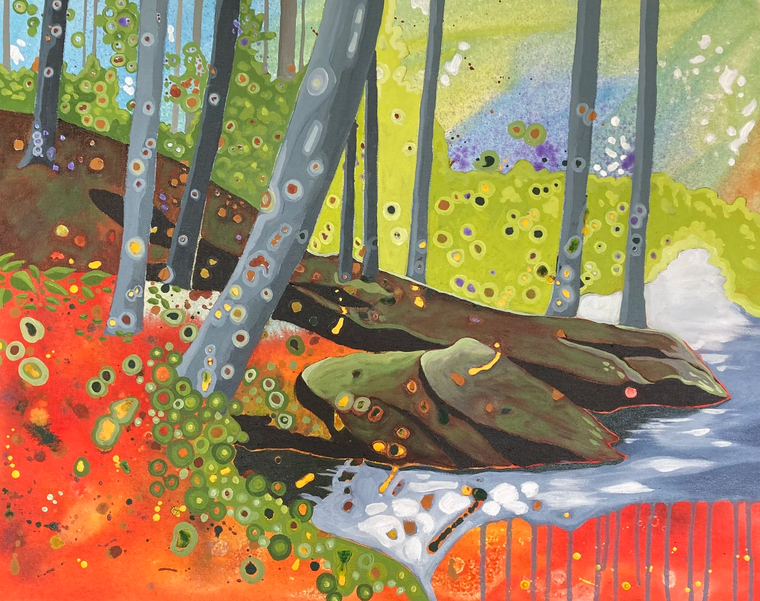
"Emergence" (acrylic on canvas), by Michele Johnsen, in her joint show with Gretchen Woodman, “Of Birds and Places,’’ at The Gallery at WREN, Bethlehem, N.H., through July 3.
— Image courtesy of The Gallery at WREN
The gallery says:
The two artists have "a shared love of landscape and the fantastical…. through bold color, expressive mark-making, and whimsical birds that drift between the real and the surreal, the artists explore the space where place and imagination meet."
Johnsen says her paintings of the natural world's understory "express the wonder I feel for the sacred power that is invisible to us, yet links our existence to the land and trees." Woodman's depictions of animals, in this case, birds, "explore the enigma of the human-animal relationship.’’
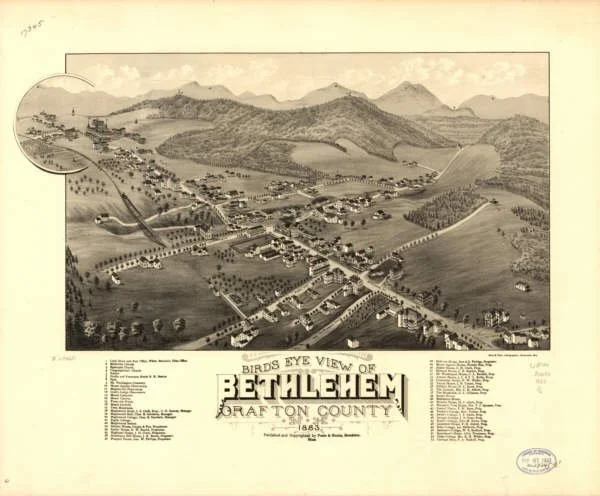
The little town of Bethlehem in 1883, as the White Mountains were becoming a prime summer vacation region for those fleeing the noise, smoke and summer heat of the Industrial Revolution in the rapidly urbanizing parts of the Northeast to the south.
Snob zoning?
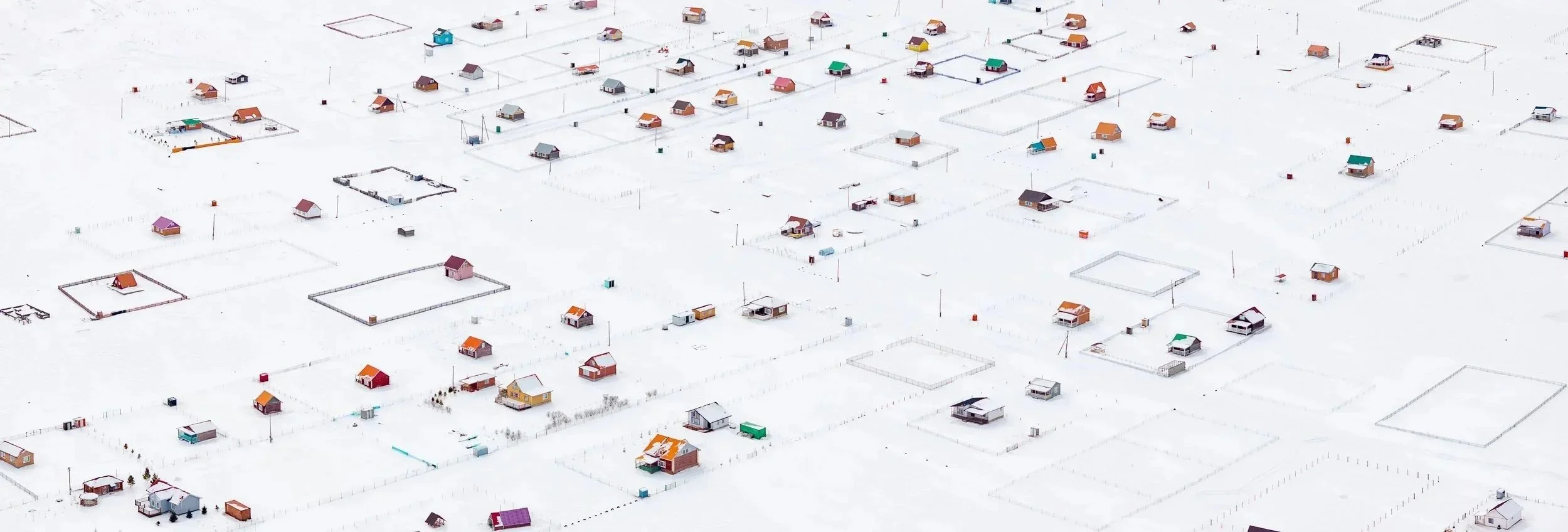
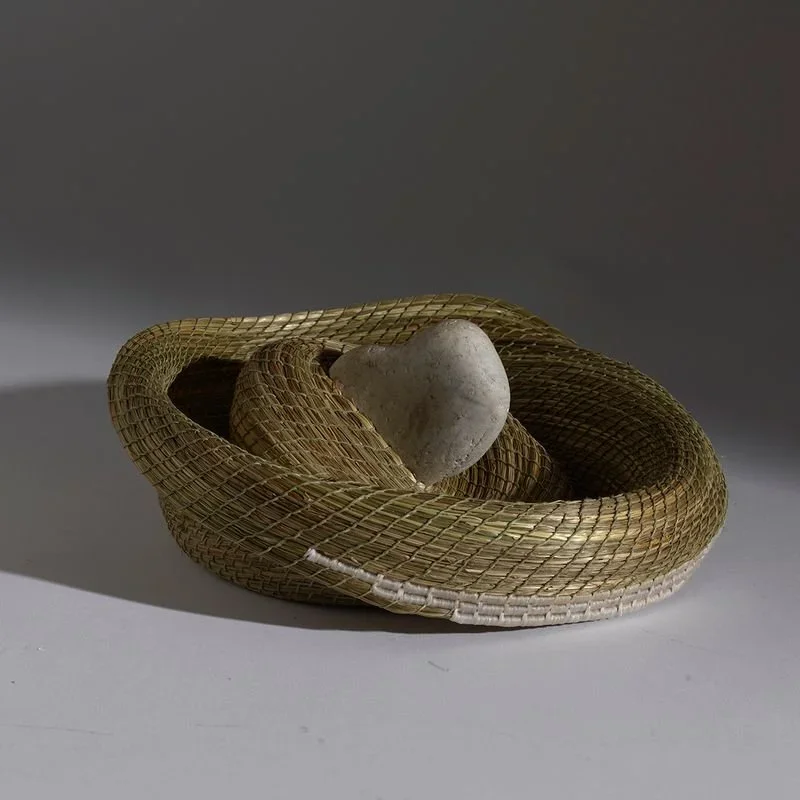
Work by Islay Petrie, in the Jamestown (R.I.) Arts Center’s group show NEXT featuring younger artists with connection with the island town.
Llewellyn King: The disastrous outcomes when politicians ignore cause and effect

Ishikawa diagram on cause and effect
—FabianLange graphic
WEST WARWICK, R.I.
Anyone who has spent time in criminal court knows this: One of the characteristics of lawbreakers is a poorly developed sense of cause and effect.
At the low end, the folly of the defendants is always on display. The young man who takes a gun with him on a night’s drinking. He has increased his chances that he might use it, and spend the rest what might have been his most useful years in prison.
The shoplifter who keeps at it despite past convictions and faces undetermined years behind bars. The burglar who robs a house and while there calls home on a cell phone, which will ping off the nearest cell tower, negating any alibi. The murderer who posts on social media.
This poorly developed sense of cause and effect isn’t confined to the lawless. It is rife in the political class, in both cohorts of the class, but primarily these days in the ruling Republican cohort.
We, as a nation, appear to have forgotten that actions have consequences. Those consequences ricochet down through the decades, even the centuries.
Bomb people and you will get a massive refugee problem.
Deny medical funding and you will get overburdened emergency rooms.
Underfund science and the talent will pop up somewhere else, such as the universities of Europe and Asia.
Cut off immigration and you will have deflation from population decline.
Create stateless people — they are still people, still there — and they will become a burden.
Don’t raise taxes to cover the $39 trillion national debt and the interest payments on the debt will be so enormous that there will be little left for the business of governance.
Action has consequences just as inaction has consequences. Winston Churchill said: ‘’A decision not taken is nonetheless a decision.”
Here are just some areas where the effect may linger long after the cause has lost its currency — long after the action, which seemed to be “a good idea” at the time, was taken:
Cause: Traduced allies, vitiated treaties and long-term friends abandoned with abusive disdain while rewarding the deplorable with praise, recognition and encouragement.
Effect: The slights and the negations won’t be forgotten, but the reason for them will have faded with the perpetrators. America diminished as a global power, taking a seat beside Brazil or Argentina, damned by a history of causing damaging effects for passing motives.
Cause: Profligate use of the presidential pardon.
Effect: A further temptation to abuse power and advance corrupt patronage. Friends go free.
Cause: The abandonment of the sacred right to see a judge, to identify the accuser, to be tried by a jury of your peers.
Effect: A lawless state of injustice and cruelty, the state out of control, thugs loosed on the people.
Cause: Undermine the elections by claiming falsely that they were rigged.
Effect: A fundamental weakening of democracy and the supremacy of the ballot. All elections are doubted and more easily overturned. The system is undermined.
Cause: Sustaining a lie in the belief that if you claim it long enough, it will sow doubt.
Effect: Truth becomes what those who have power say it is, whether it is about an election, immigrants, the cost of wind turbines or climate change. Truth becomes a commodity in short supply in the political marketplace.
All governments make mistakes and most go too far in the service of political ideas, which have legitimacy for a time and then fade. This time it is different.
The list of political actions that will have detrimental effects in the future and substantially threaten our world leadership is long.
Since the end of World War II, we have led the world in everything from creativity to moral example, from generosity in foreign aid to genius in medical science, from legal thought to environmental protection.
Now political exigency is undermining that. Petty, small triumphs in what are often just the culture wars have effects that diminish us worldwide, and harbinger a more troubled future for us and the world.
Any day, in the heat of a political moment, another cause may leave an effect that will damage the decision-making mechanisms of the U.S. Senate. If the filibuster goes, both parties would rue the effects of that, long and often.
If it goes, the cause will be forgotten but the effect will endure.
Llewellyn King is executive producer and host of White House Chronicle, on PBS, and an international energy-sector consultant. His email is llewellynking1@gmail.com , and he’s based in Rhode Island.
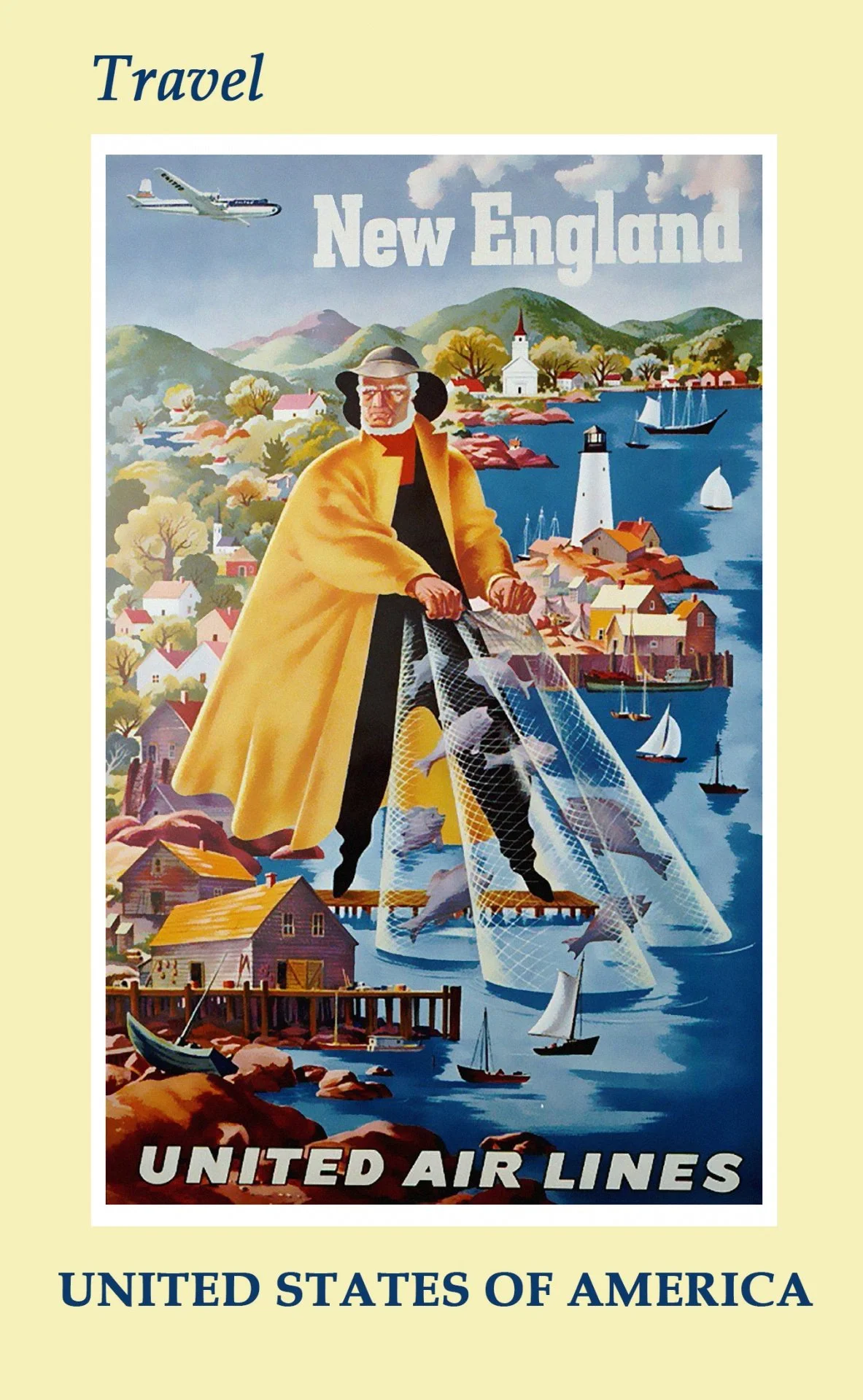
‘Secrets of nature’
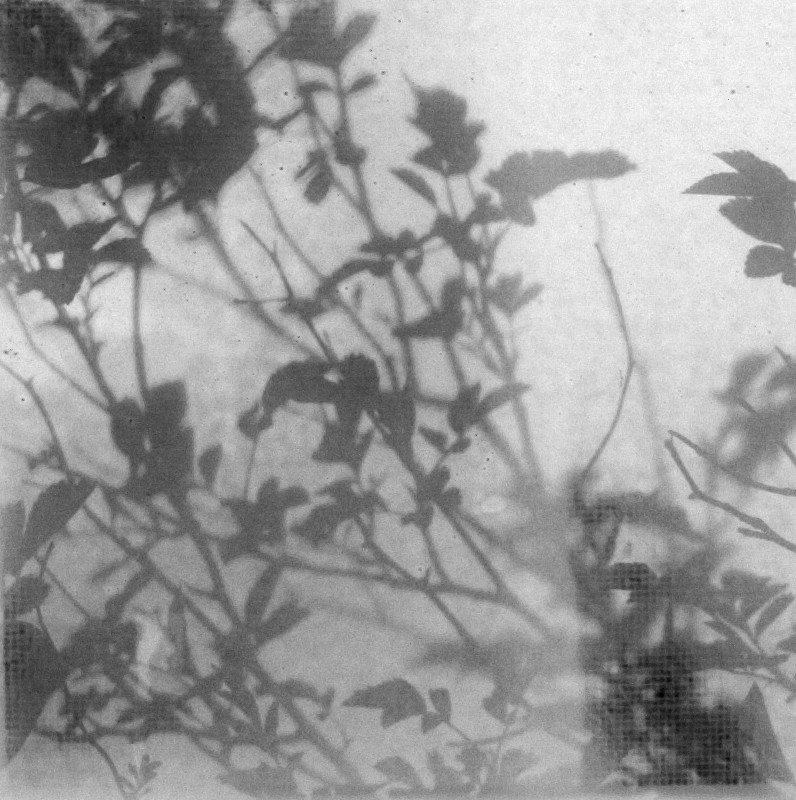
Photo by Edward Batcheller, at The Parsonage Gallery, in Searsport, Maine
He says:
“My mission is to explore the hidden secrets of nature with photography.
“I focus primarily on landscape and the environment of the natural and made world, how they intersect, relate, question and inform.
“I utilize the turn of the century process of coating glass plates with emulsion, and develop the images in the traditional manner. The resultant glass plate transparencies are then organized and arranged with various structural devices that allow for transparency, layering, juxtaposition, and the play of light and shadow within the work.’’
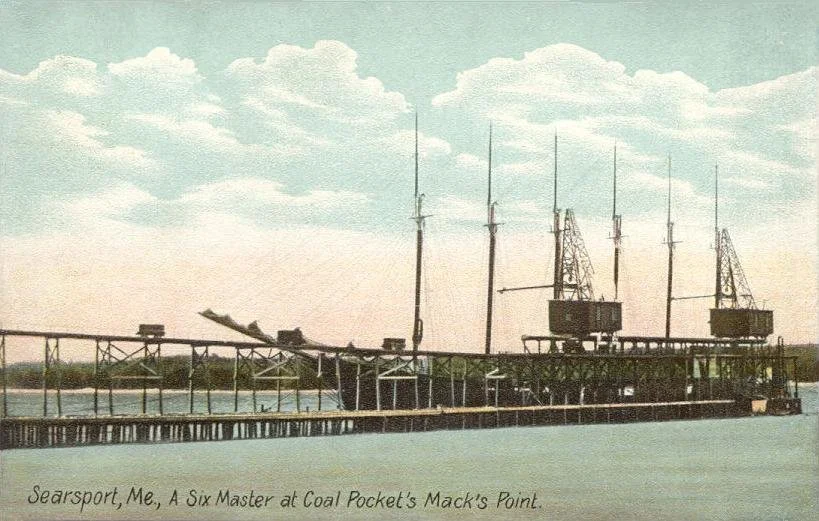
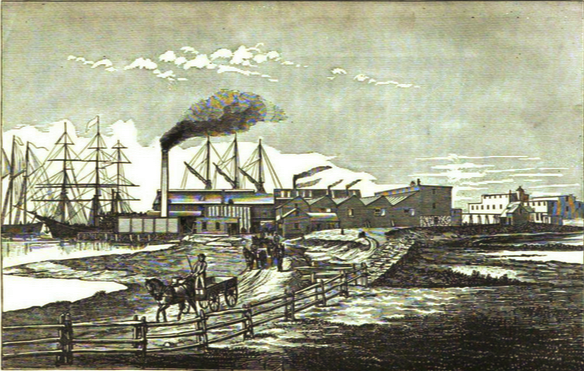
Circa 1908) a six-masted schooner at Mack Point, the coal and freight terminal for the Northern Maine Seaport Railroad (a line opened in 1905 by the Bangor & Aroostook Railroad) at Searsport, Maine. In 1900 to 1909, 10 six-masted schooners, which delivered coal to run northern Maine locomotives, were built.
Alma Beauvais: Wounded in one shooting, and close to Brown shooting, she talks about the permanent trauma
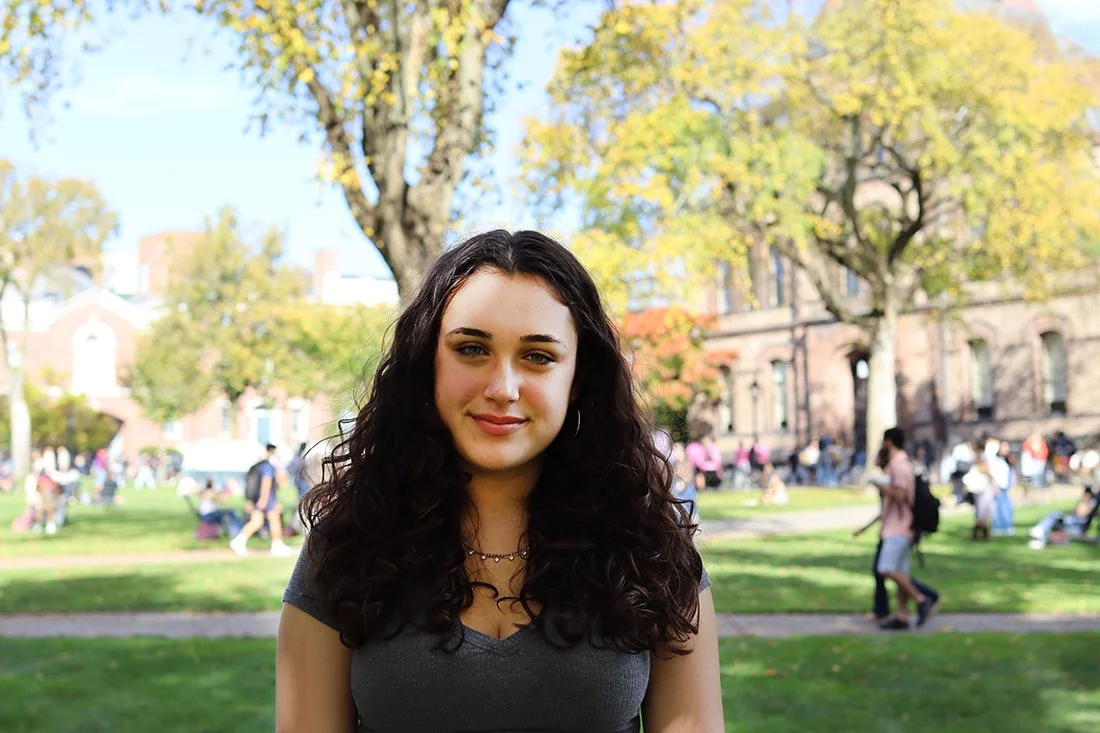
Mia Tretta, seen here on the Brown campus, in Providence, found a calling as a gun-violence-prevention advocate committed to inspiring others to action.
—Photo by Amanda McGregor/Brown University
Via Kaiser Family Foundation Health News
This article was reported by Alma Beauvais of The Trace, a nonprofit newsroom covering gun violence in America.
In 2019, Mia Tretta, then a high school freshman at Saugus High School in Santa Clarita, Calif., was struck in the stomach by a round from a .45-caliber semiautomatic handgun fired by a schoolmate. Two students were killed during the attack, including her best friend, and two others were injured.
When she graduated from high school, she enrolled at Brown University, the scene of another shooting, in December 2025, while she was studying for finals in her dorm room.
As messages flooded in about an active shooter on campus, she felt pain where she had been shot in the stomach. The college junior experienced a phenomenon she called “phantom bullet syndrome,” similar to phantom limb syndrome, in which someone senses something is there that is not. It occurs whenever she feels extremely stressed, she said.
“It’s crazy to say that the first time, I was the lucky one because though I got shot, I didn’t get killed,” said Tretta, now an anti-gun violence advocate who is studying public affairs and education. “And the second time, I was the lucky one because I was a few blocks away.”
Tretta represents a small but growing cohort of young people who have lived through more than one shooting. She also embodies the findings of a recent study that links gun violence exposure to chronic pain.
The study, published in BMC Public Health in January, found that both direct and indirect exposure to gun violence are linked to higher rates of chronic pain among American adults.
Rutgers University researchers studied six types of gun-violence exposure: being shot, being threatened with a gun, hearing gunshots, witnessing a shooting, knowing a friend or family member who was shot, and knowing someone who died by firearm suicide. Using a nationally representative survey of 8,009 people, they found that 23.9% had pain most days or every day, while 18.8% said they had a lot of pain.
Daniel Semenza, the study’s lead author, told The Trace that whether someone has lost a person to gun violence or they’ve been shot themselves, their mental and physical health are inextricably linked.
“Your body, through the experience of post-traumatic stress, is going to feel as if it’s happening over and over and over again,” said Semenza, the director of research at the New Jersey Gun Violence Research Center and an associate professor at Rutgers University.
Tretta underwent surgeries to remove the bullet, she said, and later received a nerve block to address ongoing pain from her injuries. But the bullet fragments remain in her body years later, she said.
She was also diagnosed with psoriatic arthritis — a chronic disease causing swelling, pain, and stiffness in the joints.
“I have dealt with chronic pain, immunodeficiencies, and bodily differences ever since the shooting happened,” Tretta said. “Every time I get a fever, it’s a completely different thing than anyone else I know, or even pre-shooting for me. I shake uncontrollably, and it hurts to even touch my arm.”
The Rutgers study is one of the first to focus on outcomes like chronic pain as part of an emerging body of work on the physical health toll of gun-violence exposure.
“It highlights the fact that, for the thousands of people who are killed every year, there are lots of people who knew those folks,” Semenza said. “The toll of gun violence is much broader than we originally anticipated.”
Efrat Eichenbaum, an inpatient psychologist who has treated gun-violence survivors and their families at a Level 1 trauma center in north Minneapolis, said the study accurately reflects what she has seen in her clinical work.
“You can plainly see the trauma that follows an event like that,” she said. “Not just for the survivors, but for their families. It does not even limit itself to family members. This is an issue that touches entire communities.”
David Patterson, an emeritus professor at the University of Washington whose work focuses on pain, says the study shows, in particular, just how far the impact of gun violence fans out and how costly a problem it is for society.
“Chronic pain is a major health problem in itself, and it costs our society billions of dollars because it’s very hard to manage,” he said. “You can’t cure it; it has to be managed.”
Back in her dorm room at Brown, Tretta explained that medical care does not end when someone leaves the hospital after a trauma like hers. It goes on for years.
“Your body will never be the same as it was before,” she said. “There’s no time that you can’t feel the 7 or 8 inches of scar tissue running through the middle of your stomach. It’s just a constant physical reminder, because you can’t leave your body.”
Alma Beauvais, The Traceabeauvais@thetrace.org
Construction site America
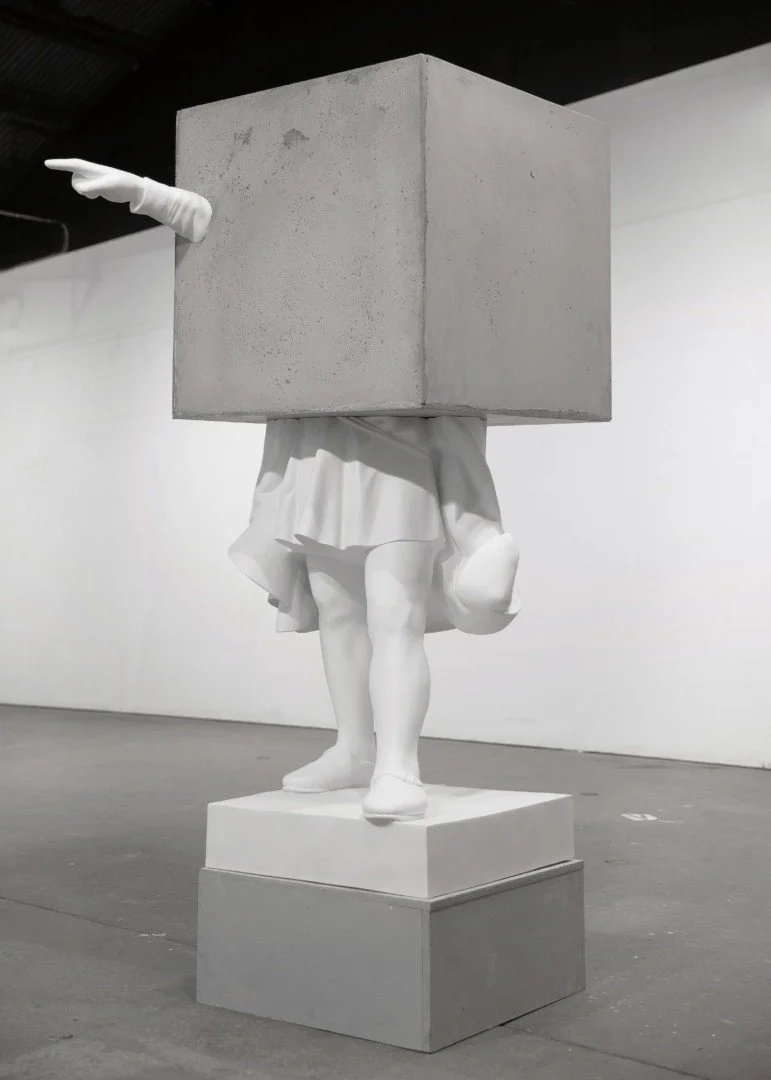
“Columbus Blocked,’’ by Aaron T Stephan, in the group show: “Under Construction: America at 250,’’ at the Art Complex Museum, Duxbury, Mass., June 14, 2026-Aug. 29, 2
The museum explains:
“As America marks 250 years of its ongoing experiment in democracy, “Under Construction: America at 250” invites reflection on where we’ve come from, where we are now, and where we’re headed.
Selected through a nationwide call for art, 15 powerful and diverse works created by individual artists and collaborative teams will be installed across the museum’s beautifully landscaped grounds. Each piece offers an opportunity to pause and consider, in this Semiquincentennial year: What does America mean to me?
William Morgan: The beauty of a breakfast biscuit
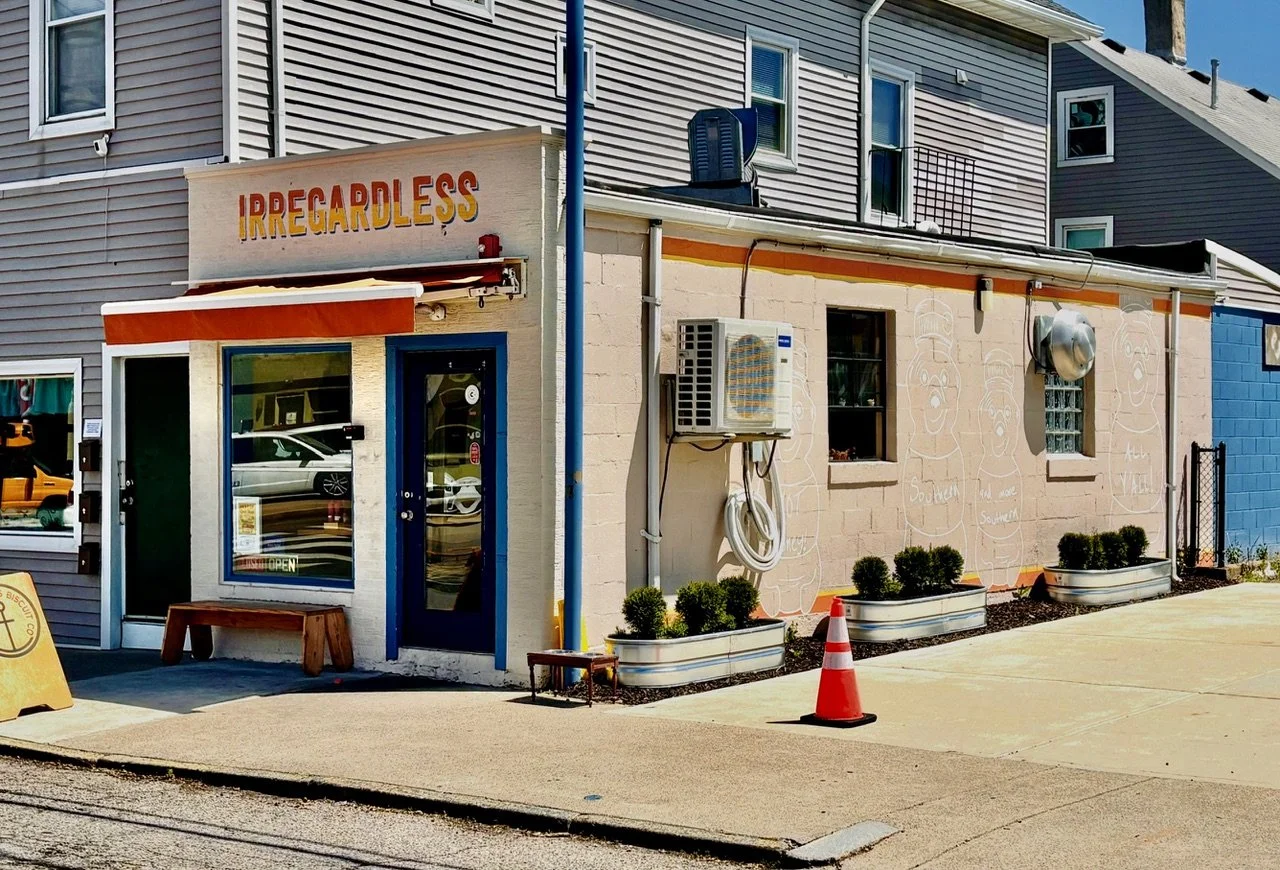
—Photo by William Morgan
Irregardless has been open for more than two years, but my wife, Carolyn, and I just discovered this wee restaurant at 94 Carpenter St,, beyond Route 95 and just off Broadway, in Providence’s Armory District.
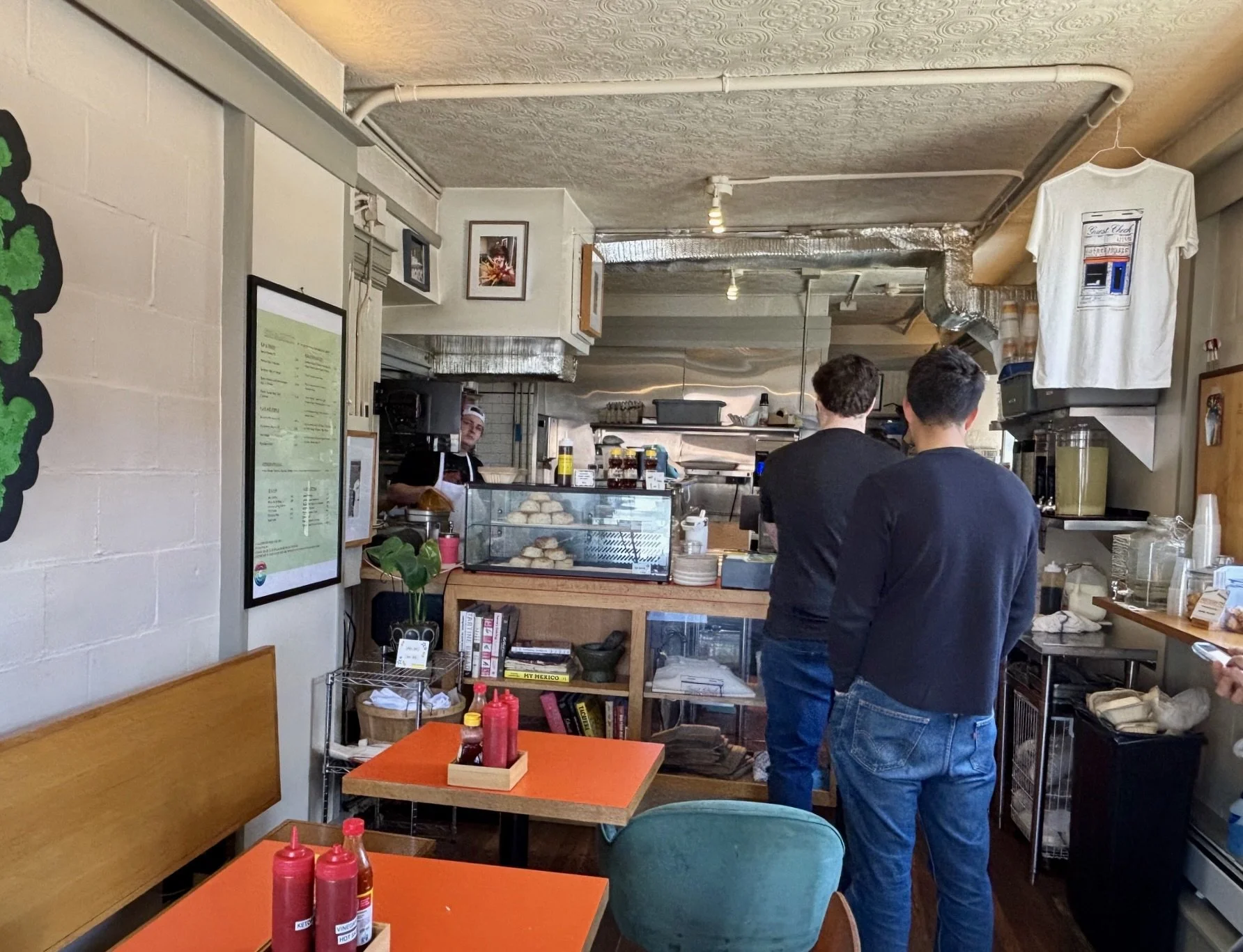
Starting to line up one morning.
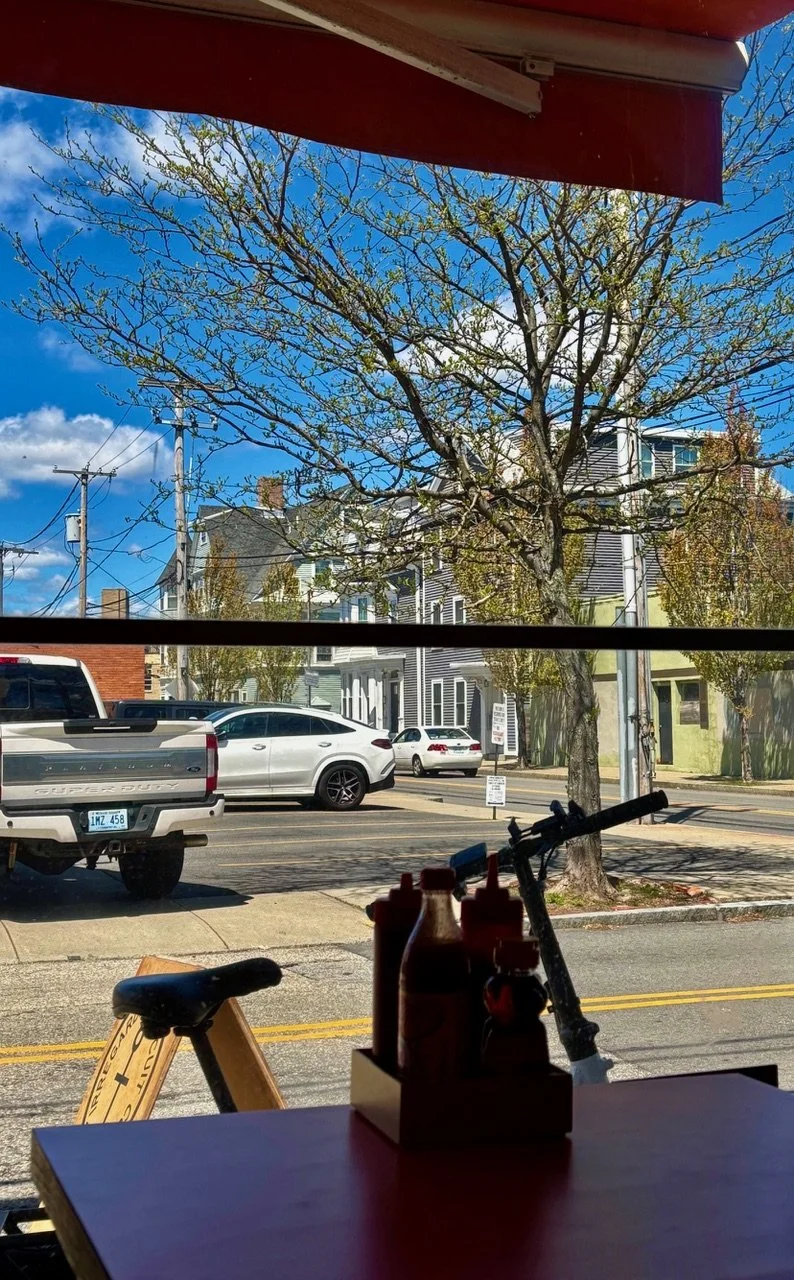
Looking out from the restaurant at spring in the Armory District.
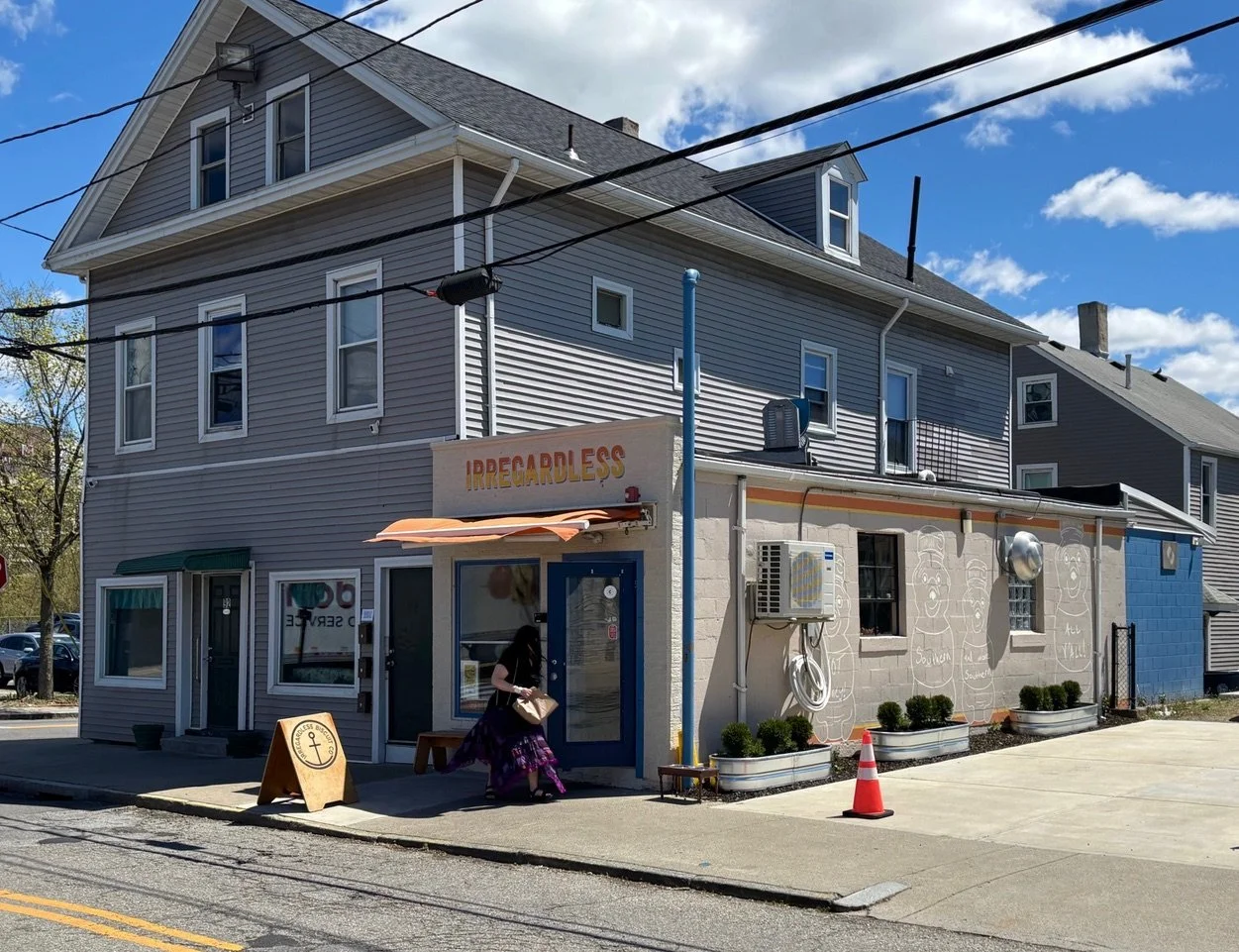
Note art on the wall.
Every year we return to Carolyn’s home state of North Carolina in search of such non-Yankee culinary delights as Krispy Kreme donuts, real barbecue, and ham biscuits. At least for the last item, a tad of homesickness is now alleviated by this place in Providence’s Armory District.
Make something the best it can be and don’t worry that you have to be bigger or flashier. Irregardless demonstrates that small is not only beautiful, but that such modest effort can reinvigorate a neighborhood better than the addition of yet another bland food franchise.
William Morgan is an architecture writer based in Providence. His articles have appeared in such newspapers as the New York Times, The Boston Globe, The Christian Science Monitor, and Finland’s leading daily, Helsingin Sanomat. His books include The Cape Cod Cottage and Academia: Collegiate Gothic Architecture in the United States.
Mass General Brigham leading research into using AI to detect early signs of Alzheimer’s
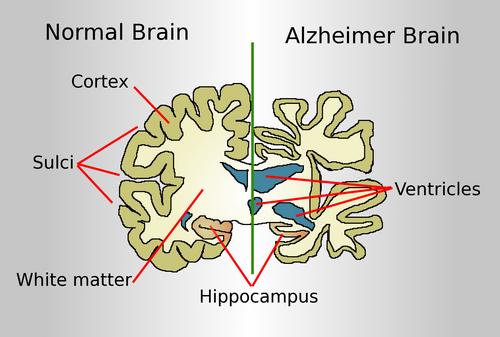
A normal brain compared to the brain of a person with Alzheimer’s
Lightly edited from a report by The New England Council
BOSTON
“Mass General Brigham is leading research into using artificial intelligence to identify early warning signs of Alzheimer’s disease, a development that could significantly improve outcomes for the estimated 7 million Americans living with the condition. Dr. Lidia Moura, director of population health in MGB’s neurology department, co-authored a study examining how AI can scan electronic medical records from routine patient visits across specialties, from primary care to ophthalmology, for subtle indicators of cognitive decline that clinicians might otherwise miss.
“The study, recently published in the journal npj Digital Medicine, analyzed 3,300 clinical notes from 200 anonymized patients. The AI tool accurately detected early signs of possible cognitive problems 88 percent of the time. The system works by deploying a team of AI ‘agents’ that check and refine their analysis of clinical notes — flagging signals as routine as a missed appointment, a family member’s comment about forgetfulness, or difficulty managing prescriptions. MGB is currently seeking philanthropic funding to launch a pilot program within three to four months.
“The research is accompanied by a parallel study from Worcester Polytechnic Institute, in which scientists used machine learning to analyze MRI brain scans for early structural changes associated with Alzheimer’s, achieving nearly 93 percent predictive accuracy. Together, the two efforts reflect a broader push to close a significant diagnostic gap: Currently, 90 percent of people in Alzheimer’s earliest phase, mild cognitive impairment, go undiagnosed in the United States.’’
A ‘stormy petrel’
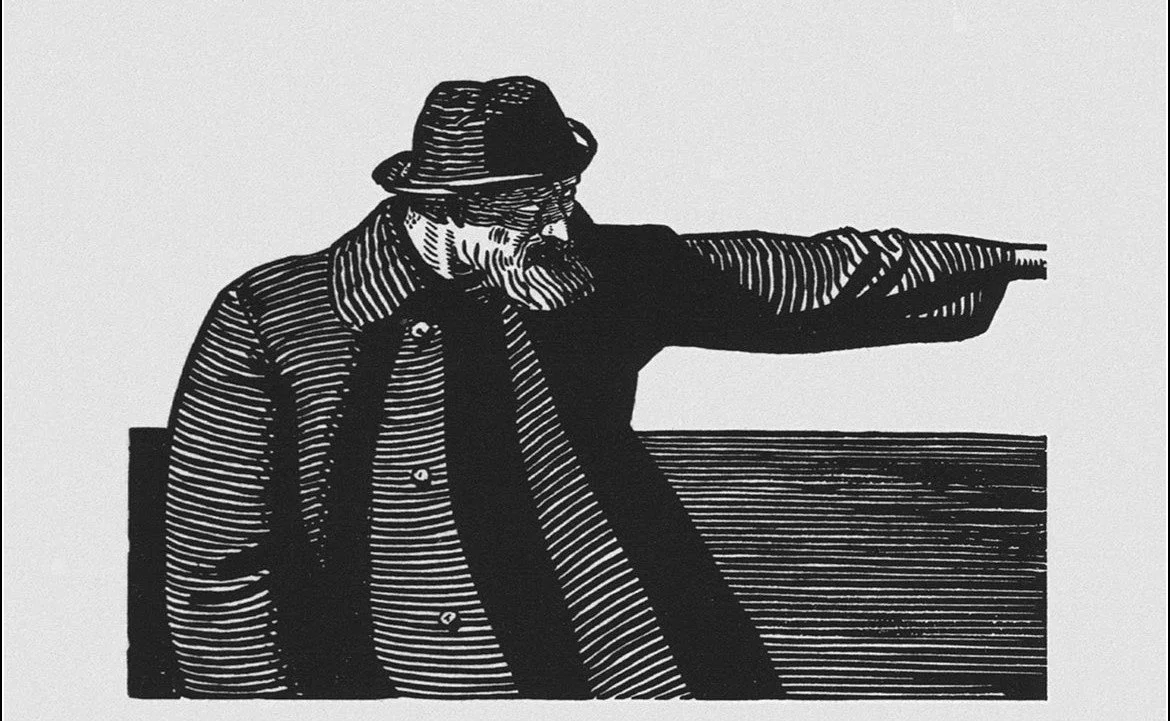
A Rockwell Kent illustration in Moby Dick, or the Whale, by Herman Melville, in the show “Rockwell Kent: A Force of Nature,’’ at the Cahoon Museum of American Art, Cotuit, Mass., June 17-Dec. 20.
The museum says:
“Rockwell Kent (1882-1971) is remembered today as an artist, illustrator, explorer, writer, and political activist. Though he was born in the village of Tarrytown, New York, Kent traveled throughout Vermont, New Hampshire, Maine, Alaska, Newfoundland, Tierra del Fuego, Greenland, and Cape Cod. His book N by E tells the tales of several such dramatic adventures in his own words, through his own artwork.
“Both Kent’s art and written works express his philosophical considerations of the natural world and humanity’s role in it. Inspired by transcendentalist and mystic philosophies, his pieces often feature one or two central figures isolated amongst the raw power of nature: rolling waves, rugged mountains, or an almost invisible horizon. In addition to his vast travels, his work maintained significant connections to Massachusetts through several projects, including his celebrated illustrated volume of Moby Dick or The Whale by Herman Melville. This masterpiece of illustration is exemplary of the infinite, elemental aspects of life that Kent himself boldly pursued throughout his career as the ‘stormy petrel of American art.’’’
Don’t tread on us
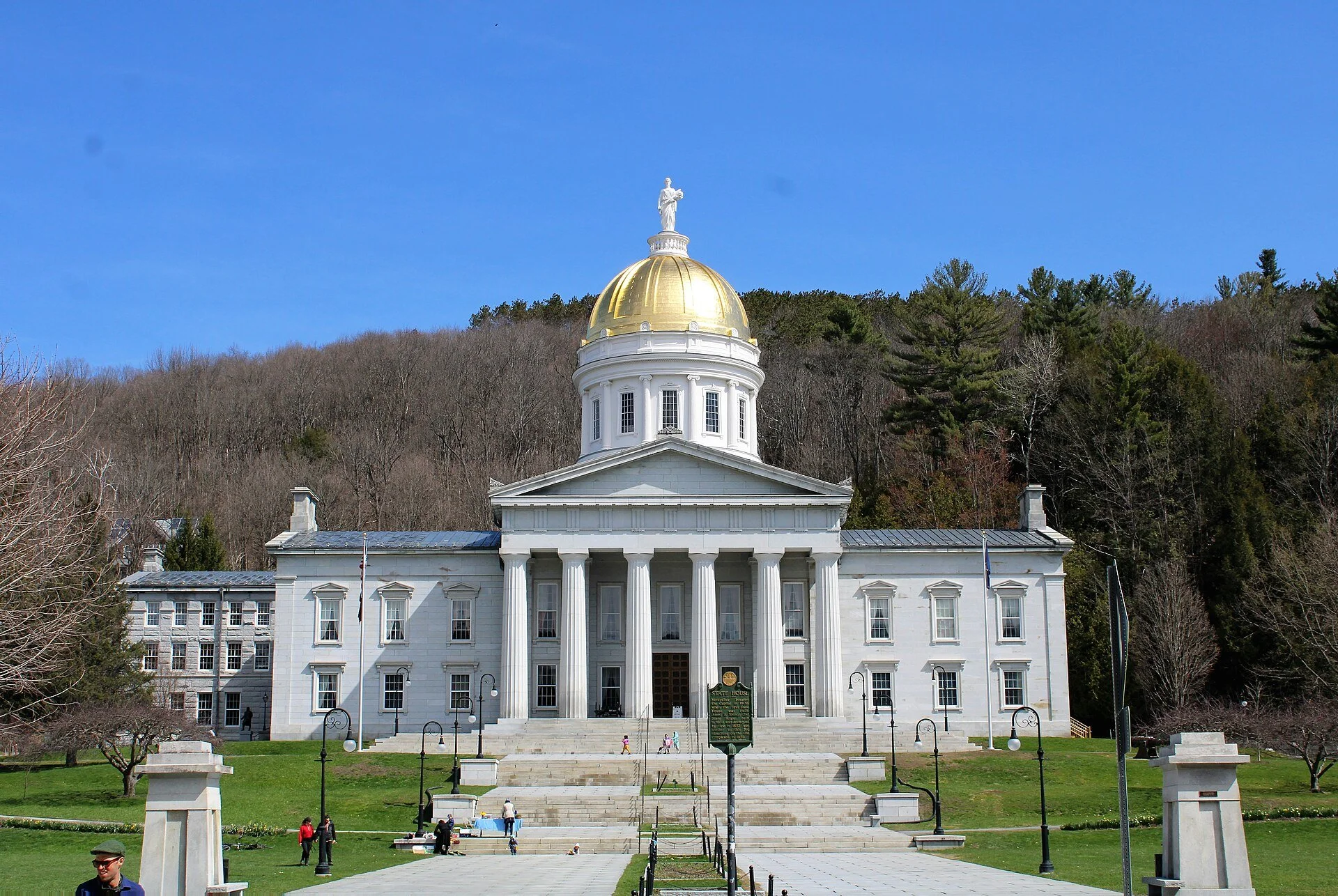
The Vermont State House, in Montpelier
— Photo by Farragutful
“Vermont will continue to uphold the laws of our state and nation, but we will not be forced to take any action that we believe violates Constitutional rights, or infringes upon the rights of Vermont as a sovereign state.’’
—Gov. Phil Scott
— Photo by Farragutful
When it warms up
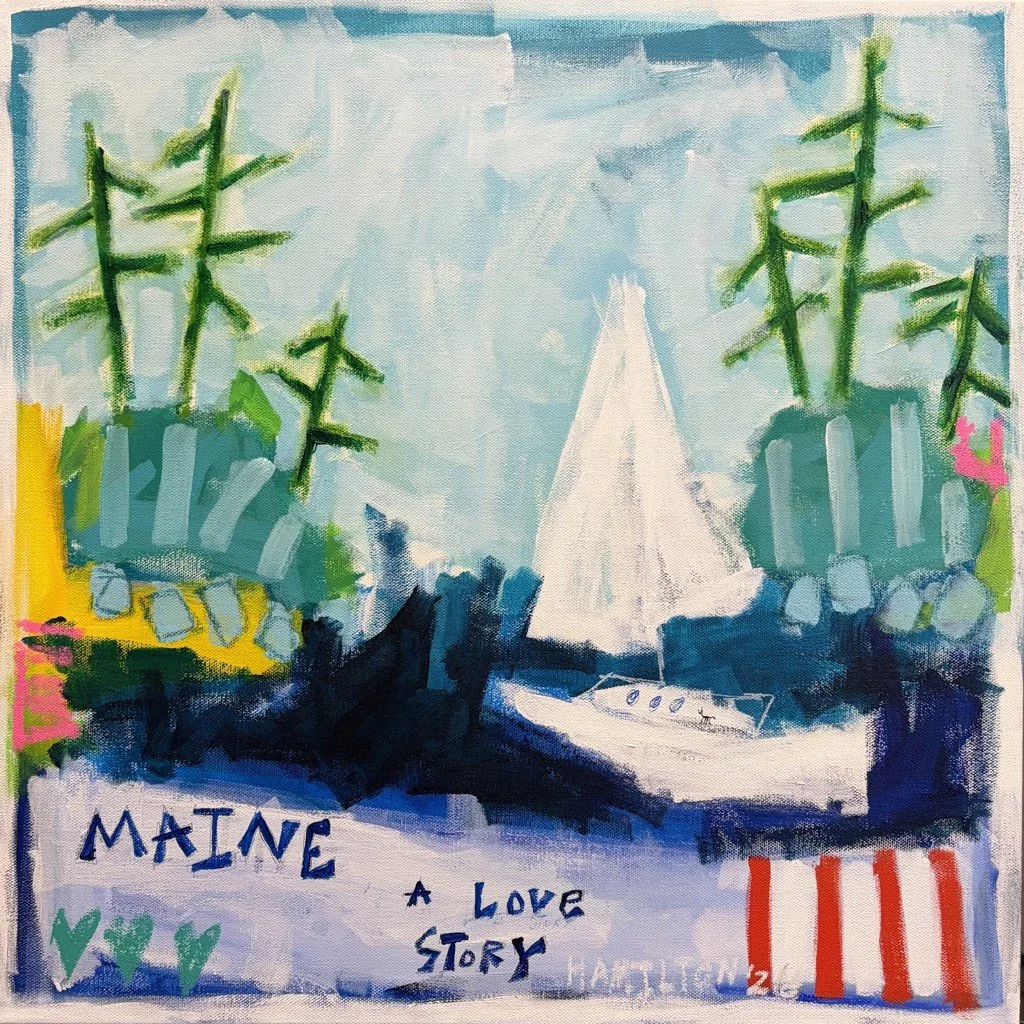
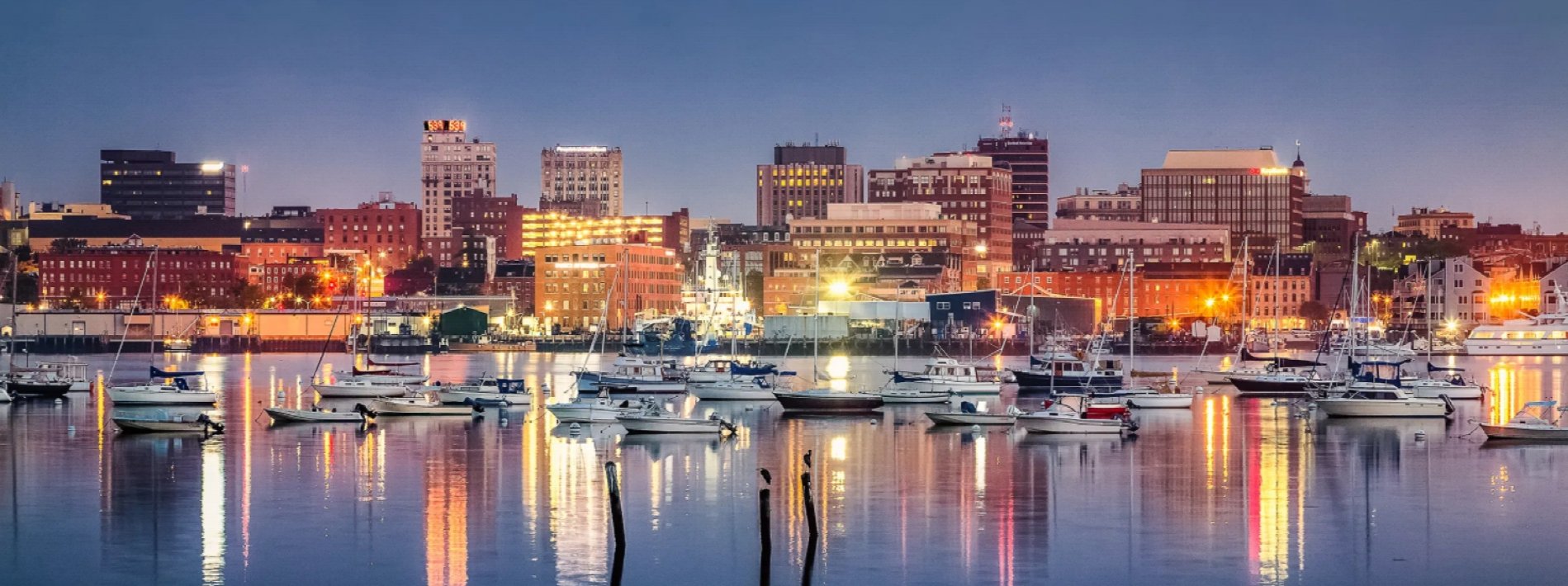
“Take Me Sailing in Maine and Tell Me You Love Me” (mixed media on canvas), by Rick Hamilton, at Portland Art Gallery.