
Loathing 'the immigrant swarms’

Immigrants from eastern and southern Europe arriving at Ellis Island, in New York City, in 1915.
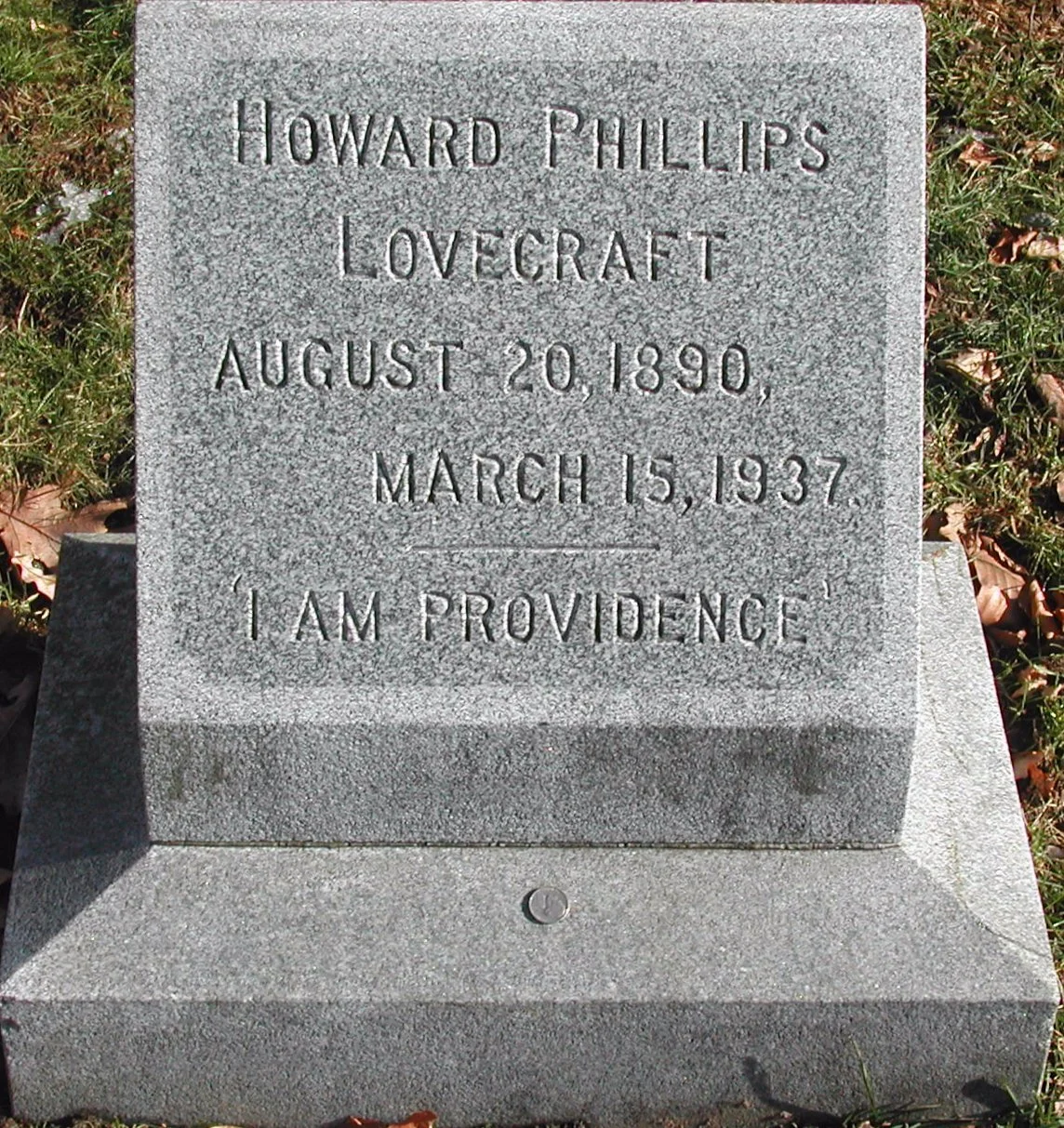
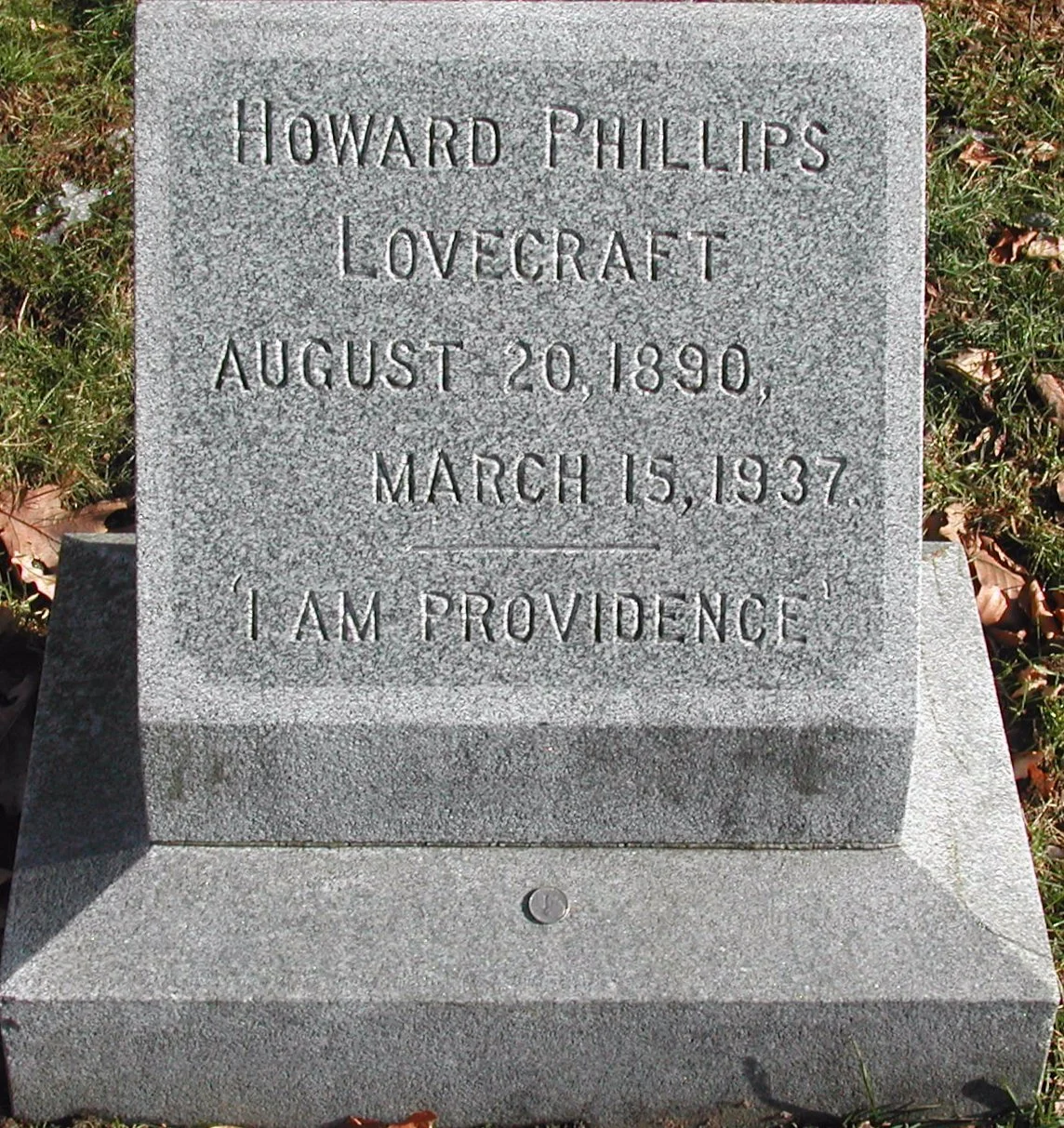
Lovecraft’s gravestone in Providence’s beautiful Swan Point Cemetery.
“The ‘Howard’ in the entry had to be {horror, science-fiction and fantasy writer} Howard Phillips Lovecraft {1890-1937}, that twentieth-century puritanic Poe from Providence, with his regrettable but undeniable loathing of the immigrant swarms he felt were threatening the traditions and monuments of his beloved New England and the whole Eastern Seaboard.’’
― Fritz Leiber (1910-1992), American author of fantasy, horror and science- fiction tales, in Our Lady of Darkness
Big construction projects at Mass. colleges

Albert Sherman Center at the University of Massachusetts Chan Medical School, in Worcester.
— Photo by Kjfoster93
Edited from a New England Council (newenglandcouncil.com) report
BOSTON
A variety of Massachusetts colleges and universities are undergoing major renovation projects. These include Bunker Hill Community College, Massachusetts Institute of Technology, University of Massachusetts Chan Medical School and Endicott College.
This spring, MIT will be putting up projects to add more on-campus housing and additional buildings for interdisciplinary programs, including music and other arts. UMass Chan Medical School, in Worcester, will be investing $325 million in a building that will significantly increase the capacity for education and research, including clinical-trial therapeutics and animal medicine. Endicott College, in Beverly, received a $20 million donation from the Cummings Foundation for a new Cummings School of Nursing and Health Sciences building. Bunker Hill Community College will be constructing its first new building in a decade, set to open in 2025.
Where the (laconic) grandeur began

President Calvin Coolidge’s birthplace in bucolic Plymouth Notch, Vt.
“Calvin Coolidge (1872-1933) was the greatest man who ever came out of Plymouth Corner {actually Plymouth Notch} Vermont.’’
— Quote attributed to Clarence Darrow
Don’t let them know if you’re smiling
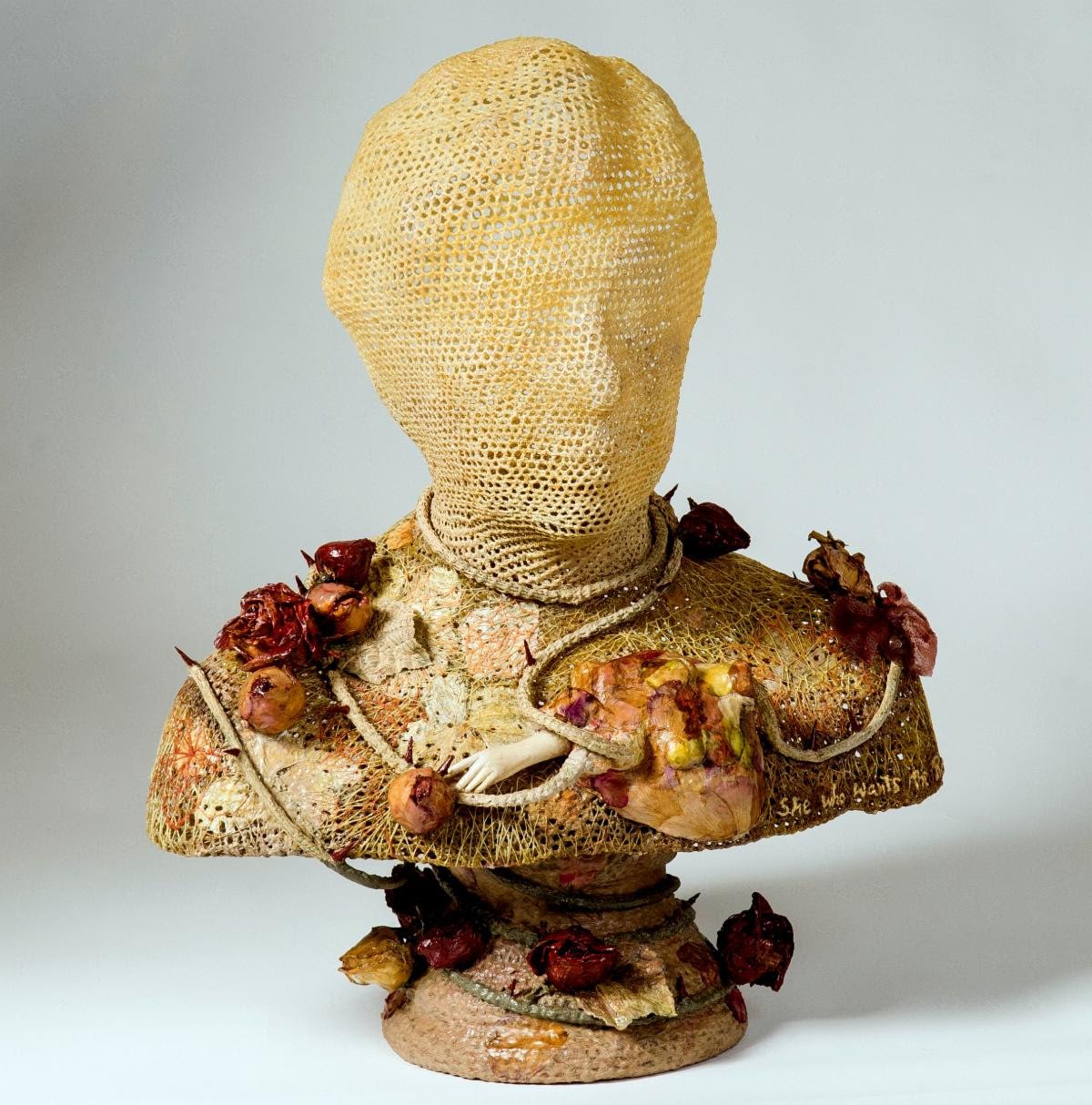
“She Who Wants the Rose Must Respect the Thorn’’ (fiber and mixed media), by Connecticut artist Norma Minkowitz, at the Fairfield (Conn.) University Art Museum’s show “Norma Minkowitz: Body to Soul,’’ through April 6.
— Photo courtesy of Fairfield University Art Museum
Trying to bridge two tribes

The Virginia-class attack submarine USS Missouri (SSN 780) heads towards the Thames River Bridge as it departs Naval Submarine Base New London for a scheduled deployment.
Adapted from Robert Whitcomb’s “Digital Diary,’’ in GoLocal24.com
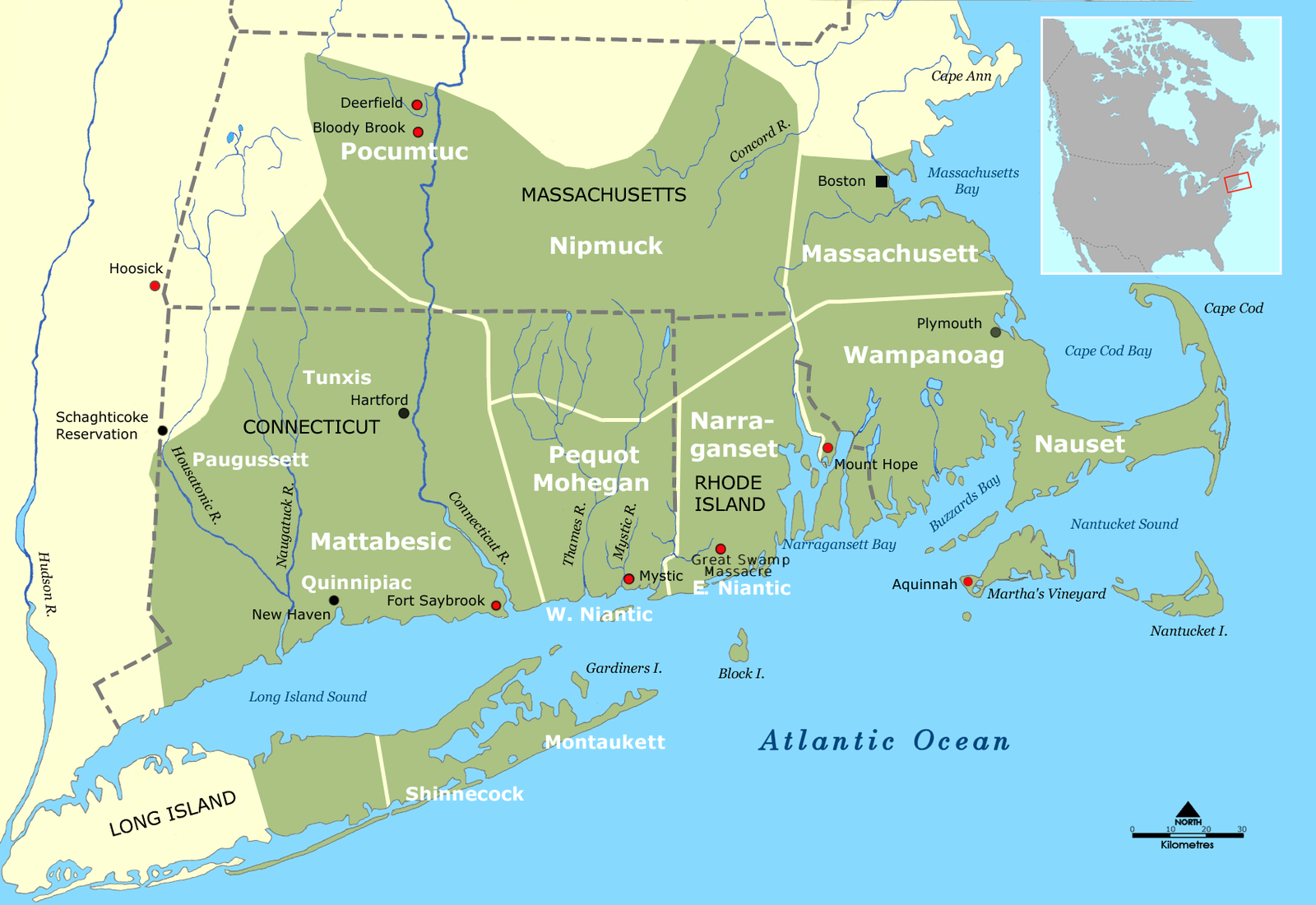
There’s a dispute possibly brewing between the Mashantucket Pequot Tribal Nation, on the east side of the Thames River, in eastern Connecticut, and the Mohegan Tribal Nation, on the west side. Both tribes, best known for their huge casinos, want the river to have a Native American name rather than the English colonial one it has, named after the river that flows through London. (Thus there’s New London on the mouth of the waterway, much of which is an estuary.)
The Connecticut General Assembly is considering legislation to make the name more politically correct.
The Pequots want the river to be named, naturally, the Pequot River, a name used by early English colonists until they had it named the Thames in 1658.
But “In the spirit of cooperation, we have reached out to our neighbors at the Mashantucket Pequot Tribal Nation in the hope of discussing a traditional name that would be agreeable to both of Connecticut’s federally recognized tribes,” said Charlie Strickland, chairman of the Mohegan Tribal Council of Elders.
This endless name changing is getting tedious. There’s apt to be pushback, as there has been in New York City since 2008, when the Triboro Bridge was renamed the Robert F. Kennedy Bridge. Most people still call it the Triboro.

Brigid Harrington: As high court decision looms, colleges search for alternatives to affirmative action

At Harvard’s campus, in Cambridge, Mass., the university’s seal.
From The New England Journal of Higher Education, a service of The New England Board of Higher Education (nebhe.org)
The U.S. Supreme Court may ban race-based affirmative action for college admissions this year. But that does not mean that schools will abandon their diversity goals.
As administrators wait for the high court to issue its final decision in two key affirmative-action cases, they are figuring out how they can continue to create the heterogenous campuses they want.
It is not an easy task. In an effort to increase racial diversity on campus, many colleges already have experimented with changing early action and legacy rules to no avail. “There is no replacement for being able to consider race,” Olufemi Ogundele, the University of California at Berkeley’s dean of admissions, recently told The Washington Post. “It just does not exist.”
Still, schools are searching for viable alternatives. The justices signaled during oral arguments last fall that they were ready to overturn their 19-year-old ruling that allowed race to be a factor in admissions decisions. Even back in 2003, the court maintained that race was not the ideal way to achieve diversity, saying racial preferences would no longer be necessary within 25 years.
In the two cases currently before the court, Students for Fair Admissions sued Harvard University as well as the University of North Carolina (UNC), arguing that it was unconstitutional to use race as part of the holistic admissions process. The court is expected to issue its ruling in June.
Judicial scholars expect that the court will make no distinction between public and private universities, banning affirmative action for nearly every school. Groups that filed amicus briefs in the current cases argued for two exceptions: for certain faith-basedschools, which say their mission is to help the historically disadvantaged, and for military academies, which contend that diversity in the officer corps is critical for military cohesion. It remains to be seen how, or if, the court will consider such exceptions.
The vast majority of colleges include diversity as part of their mission statements. But they will now need to engage in some deep soul-searching to decide what diversity really means to them. Do they want only students of different races on campus or do they really seek diversity of student viewpoints and life experiences?
To be sure, race – especially in America – influences a person’s life experience, and most colleges would agree that having students interact with classmates from other races in itself is valuable. But there are many other types of diversity, too, and schools may want to balance them all, including cultural, religious, geographic and socio-economic diversity.
Colleges that do not engage in race-based affirmative actions have tried a variety of approaches to achieve diversity based on socioeconomic and other factors. Texas launched an innovative model more than 20 years ago, later adopted by Florida and California schools, that guarantees students admission to its flagship public universities if they graduated in the top 10 percent of their high school classes. This “top 10 percent plan” quickly became controversial and has had mixed results. It boosted Hispanic enrollment at leading public universities, but not Black enrollment, according to an analysis by The Texas Tribune. The law had minimal effects on application rates from low-income high schools, other analyses found.
Another potential approach: ending early admission. These programs are used mostly by affluent students with access to savvy college counseling, who know it’s far easier to get into top-rated schools by applying early. But ending the practice may not make much difference unless a lot of schools agreed to simultaneously make such a change. Harvard University ended early admissions in 2007 for five years, urging other Ivy League schools to join them. But when no other colleges halted their programs, Harvard’s ability to attract historically disadvantaged students plummeted. Top minority students simply chose other Ivy League colleges. After five years, Harvard restarted its early-action program.
In their search for alternatives to race-based affirmative action, some colleges may consider eliminating legacy preference programs. Since the vast majority of legacies are Caucasian, some education experts view this practice as unfair and arcane. Top British universities, such as Oxford and Cambridge, ended legacy admissions long ago in the name of equity, but American university administrators have argued that the number of legacies is so small that it wouldn’t affect diversity much.
Colleges that have ended legacy admissions report vastly different experiences. The University of California schools did not improve their diversity by banning legacy admissions. But Johns Hopkins University, which stopped legacy preferences in 2014, has seen a substantial increase in minority enrollment in recent years. The number of undergraduate minorities jumped by more than 10 percentage points between 2009 and 2020, and now more than one-fourth of the university’s undergraduates are minorities.
There’s one key difference between Hopkins and the University of California schools: affirmative action. Unlike the University of California, Hopkins still considers race as a factor in admissions. If the Supreme Court rules that all colleges – including Hopkins – must be race-blind, it’s not clear whether banning legacy admissions would make much difference.
Some colleges are thinking about focusing on socio-economic diversity rather than race, which could wind up increasing the number of historically-disadvantaged minorities since many such students are low-income. But that could prove tricky, too. Outside of the rarefied world of Harvard and UNC, there are limits to how many students from low-income backgrounds some colleges can admit because of financial constraints. Many simply do not have enough scholarship money to offer to these applicants.
In a race-blind admissions world, colleges may need to resort to asking its applicants for help. If they require a new essay, asking students how they could contribute to diversity on campus, they may discover all kinds of new ways to create the educational melting pot they really want. It may be schools’ best hope.
Brigid Harrington is a lawyer at Bowditch & Dewey LLP a Massachusetts firm. Her practice focuses on issues facing institutions of higher education. Email: bharrington@bowditch.com.
‘Riotous threads’

“Wizard of Oz”, in by Janet Inman, in the show “Riotous Threads: Fiber Works from Gateway Arts,’’ at the Fuller Craft Museum, Brockton, Mass.
“Riotous Acts’’ encompasses work by artists with disabilities who work within the educational structure of Gateway Arts, in Brookline, Mass. The museum says that the show’s fiber art includes weaving, embroidery, thread collections and cloth doll making. “Embroidery dominates and colorful, thick thread and large needles help to make the designs bold and easy to understand.’’

David Warsh: Ukraine and Iraq

Pink shows extent of Russian occupation now.

Bodies of civilians shot by Russian soldiers lie on a street in Bucha, Ukraine The hands of one of the victims are tied behind his back.
—- Ukrinform TV

A children's hospital in Mariupol, Ukraine, after a Russian airstrike The city was mostly destroyed last year by Russian forces.
— Photo from armyinform.com.ua
SOMERVILLE, Mass.
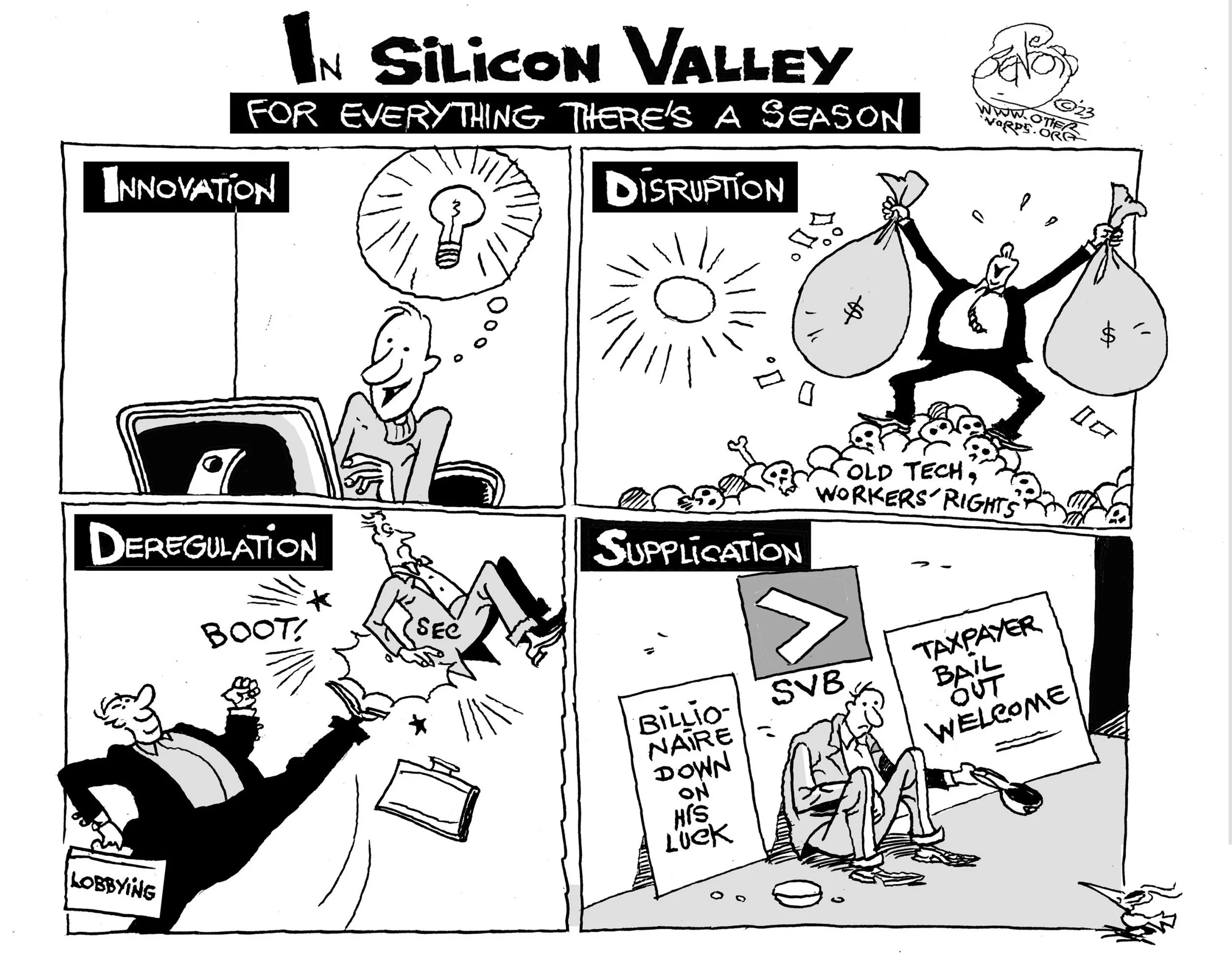
The failures of Silicon Valley and Signature banks were an addictive story these last few days. Humiliation for the start-up sector. Red meat for progressives. Field maneuvers for the financial press. A stress test for the bank-regulatory system, which failed, and for the Biden administration, which passed. It was not, however, the most important story of the week.
The bigger story was the news of the first shots fired in the battle that looms in next year’s presidential election over U.S.-led NATO support for Ukraine in its resistance to Russia’s invasion.
Protecting the independent nation from Russian absorption “is not a vital US interest,” said Florida Gov. Ron DeSantis in a statement to Fox News host Tucker Carlson last week. A quartet of Washington Post (and their editors) promptly jumped on the news. DeSantis’s position “firmly [put] the potential presidential candidate on the side of Donald Trump, and at odds with top Congressional Republicans.”
The presidential-contender continued,
“While the U.S. has many vital national interest – securing our borders, addressing the crisis of readiness with our military, achieving energy security and independence, and checking the economic, cultural, and military power of the Chinese Communist Party – becoming further entangled in a territorial dispute between Ukraine and Russia is not one of them.”
Two days later, the editorial page of The Wall Street Journal headlined “DeSantis’s First Big Mistake.” The two-term Florida governor enjoys a a reputation as “a fearless fighter for principle who ignores the polls,” the editorialists noted. “Then how to explain his puzzling surrender this week to the Trumpian temptation of American retreat?” The editorialists answered their own question before providing an out:
“The argument goes that Mr. DeSantis is reading the political mood. About 40 percent of Republicans say that the U.S. is providing “too much support” for Ukraine, up from 9 percent in March last year. Yet some of this is a function of polarized U.S.p olitics. Many Republicans oppose helping Ukraine because Mr. Biden is doing it, an the mirror image is Democrats from an anti-war left putting Ukrainian flag stickers on their electric cars…. Mr. DeSantis is clearly still refining his views and his remarks on Ukraine left some room to improve them later.”
The spectacle of the two American wings of Rupert Murdoch’s media empire disagreeing so sharply about a fundamental matter presage a far wider and more complicated battle next year.
I’ve criticized NATO enlargement for twenty-five years. I was therefore painfully conflicted by Vladimir Putin’s ham-handed invasion of Russian’s southern neighbor. It may have been understandable, but it was profoundly wrong. Still, I think of myself as center-left. How is it I now find myself allied with Tucker Carlson, Donald Trump, Ron DeSantis and Keri Lake?
I can only dream that they finally listened to me. Or, more likely than that, to Jeffrey Sachs, head of Columbia University’s Earth Institute, a long-time center-left maverick (see his “The Ninth Anniversary of the Ukrainian War;”, to veteran antiwar-journalist Seymour Hersh (“Who’s your George Ball?”; or even to film-maker Oliver Stone (“Ukraine on Fire”).
I don’t have poll numbers to show it, but my hunch is that something like 40 percent of all Democrats also have begun to believe that the U.S. is spending too much money or risk on Ukraine’s defense of itself, though President Biden and Senate leaders of both parties continue to strongly support the funding the war. DeSantis, like Trump, may suspect as much himself. He is an opportunist, as all politicians are, though less nimble than Trump.
I expect that Joe Biden and the Congressional leadership will have the advantage in 2024. I disagree with Biden’s foreign policy but I will vote for him if he runs again. Probably he will win – it won’t be easy for a Republican candidate to run on a call for retreat (never mind all the domestic issues!)
But a second term for the aging Biden would mean he will have to bear the burden if the defense of Ukraine ultimately fails. That depends on what happens on the battlefield, of course, where the advantages seems mostly to be Putin’s. When the war ends, political realignment in America will begin.
. xxx
Twenty years ago today, the morning of March 19, 2003, a U.S.-dominated coalition of forces began bombing Baghdad. The US had demanded that Saddam Hussein leave Iraq within 48 hours. When he didn’t, coalition forces attempted to kill him and his sons in the first hour of their “shock and awe” invasion. They didn’t succeed. President George W. Bush went on television that evening to describe the purpose the war to follow: “to disarm Iraq, to free its people, and to defend the world from grave danger.”
The invasion of Iraq was the fulcrum on which much has shifted since. In a speech to the Munich Conference on Security Policy, in February 2007, Vladimir Putin dissented sharply from Washington’s vision of a unipolar world and warned against further NATO expansion along Russia’s southern borders. It is worth noting that Putin borrowed heavily from the US playbook for his invasion of Ukraine last year, including the attempted decapitation of the Zelensky government leadership team.
It didn’t work any better in Kyiv than in Baghdad.
David Warsh, a veteran columnist and an economic historian, is proprietor of Somerville-based economicprincipals.com, where this column originated.
‘Four seasons at once’

“The best way to describe Spring in New England is an awakening. It feels like everyone is coming out of hibernation after a quiet and cold winter. First the daffodils bloom then we have the cherry trees and tulips. Sometimes we experience all four seasons at once with a rainy morning, warm afternoon, and an overnight frost but that’s what makes it so special. You never know what to expect, only that summer is waiting for you on the other side.’’
Rhode Island photographer Caitlin James in Shorelines Illustrated
On the dots

“Blue Dot 10’’ (oil on canvas), by Mio Yamato, in her show “The Breathing Star,’’ at Heather Gaudio Fine Art, New Canaan, Conn., through April 29.
The gallery says:
“Mio Yamato has gained international attention in recent year for her signature marks -- copious amounts of tiny, pearl-like dots painted with oil or ink on canvases, wooden panels, walls, or large swaths of fabric. These are finely applied and arranged to articulate formations seen in nature, such as mountainous ranges, geological strata, constellations in the sky, and the like.’’

Ocean stories


Bathymetry of the ocean floor showing the continental shelves and oceanic plateaus (red), the mid-ocean ridges (yellow-green) and the abyssal plains (blue to purple)

Some ocean life
Text from ecoRI.org
“Surrounded by sounds of calming music and videos of ocean habitats projected onto walls, University of Rhode Island professors and students discussed their experiences with the oceans in an immersive ‘Oceans Tell Stories Through People’ presentation last month at the University of Rhode Island’s Graduate School of Oceanography.
“The diverse storytellers shared narratives about their devotion to and reliance upon the sea during their Micronesian upbringing, as a Narragansett tribal elder living near Charlestown Beach, while researching marine ecology in the Bahamas, and in their work in the muddy Ecuadorian mangroves.
“Juxtaposed against the tranquility of the presentation, however, the distressingly common undercurrents of racism, colonialism, and exclusion from our oceans conflated their stories.”
To read the full article, please hit this link.
But only for a while

“Sheltered’’ (lithograph), by Somerville, Mass.-based artist Carolyn Muskat, in her lithograph show “Moving Forward, Looking Back,’’ at Nesto Gallery, Milton, Mass., through April 6.
— Photo courtesy of the artist
The gallery says: “The interweaving lines and selective use of color in Muskat's work give a sense of deliberate intention in every piece she creates. The piece above uses what could be bright red twigs or branches to stand against a never-ending expanse.’’
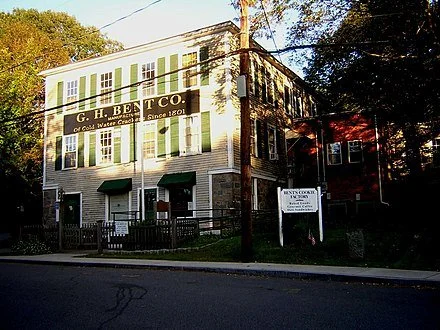
The historic G.H. Bent factory, in Milton.
Chris Powell: Leftist fascism at colleges; apologizing for witchcraft convictions
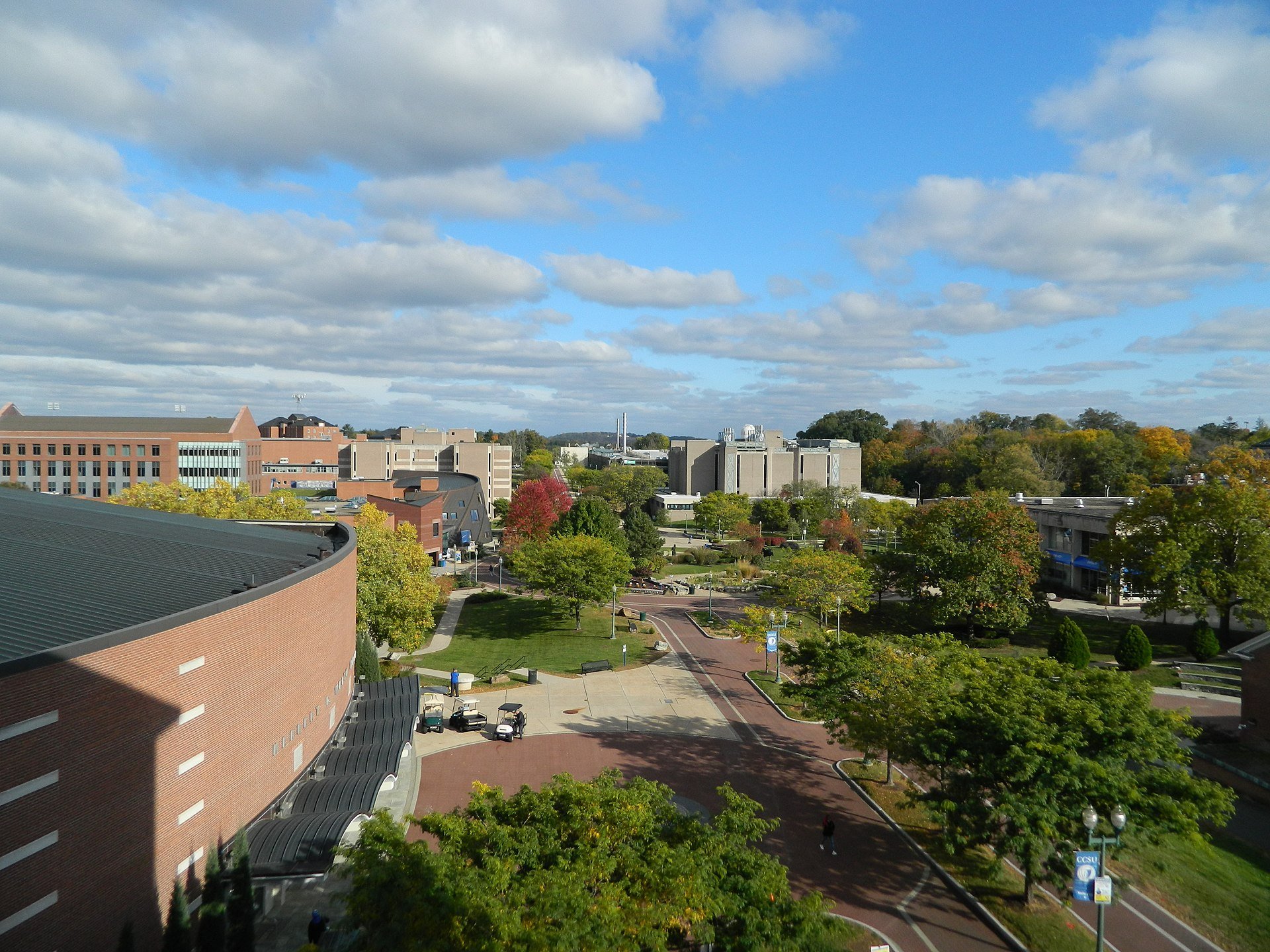
In New Britain: View over campus of Central Connecticut State University.
— Photo by Artsistra
MANCHESTER, Conn.
Before voting on the huge increase in appropriations being sought by the Connecticut State Colleges and Universities system, state legislators should watch the video taken of the dozens of students and their friends who on March 2 invaded the Student Center at Central Connecticut State University, in New Britain, to prevent the showing of a film most probably had not seen.
The film, The Greatest Lie Ever Sold: George Floyd and the Rise of Black Lives Matter, was to be shown by the Central chapter of Turning Point USA, a conservative group. But the protesters commandeered the stage and chanted slogans, took seats and shouted interruptions, and even after being persuaded to leave by a university official, made so much noise outside the hall that the film had to be canceled.
The protesters called Turning Point USA a hate group even as their own misconduct dripped with hate for freedom of expression. They chanted "This is what democracy looks like" as they committed fascism.
A protesting student interviewed by The Hartford Courant called the film "triggering," yet, by attending the event, she had sought to be "triggered." Indeed, the protesters outnumbered the people who came to see the film, and the protest brought far more attention to the film than the event's organizers achieved by themselves.
This fascism from the political left is now typical of higher education throughout the country and it increasingly infects public higher education in Connecticut. It suggests that higher education is more interested in political indoctrination than scholarship -- indoctrination financed with tax money.
A university committed to freedom of expression and academic freedom would punish the students who prevented the showing of the film. If this is "what democracy looks like" at Central, legislators should stop sending public money there.
* * *
SLEAZE IS LIBERATED: Political blogger and newspaper columnist Kevin Rennie, a former Republican state legislator from South Windsor, Conn., revealed the other day that Democratic state senators are soliciting lobbyists at the state Capitol for thousand-dollar donations to the Hartford mayoral campaign of state Sen. John Fonfara. While state law long has forbidden legislators from seeking contributions from lobbyists for legislative campaigns while the General Assembly is in session, the ban doesn't apply to municipal campaigns like Fonfara's. Still, the solicitations stink of extortion, the more so because Fonfara is Senate chairman of the legislature's powerful finance committee. Many lobbyists need his favor.
Gross as this is, it may be more notable for showing just how politically uncompetitive Connecticut has been made by the Republican Party's infatuation with Donald Trump. Connecticut Democrats seem to believe that as long as Trump is the face of the opposition, they can get away with anything.
Will Republican legislators make an issue of the sleaze of their Democratic colleagues, as by proposing to extend the lobbyist-solicitation ban to cover municipal campaigns? Will Connecticut Republicans see that their association with Trump facilitates everything wrong that Connecticut Democrats do, and thus the state's decline as well?
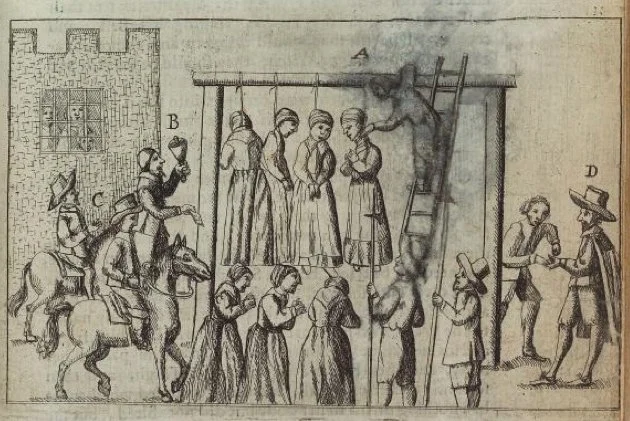
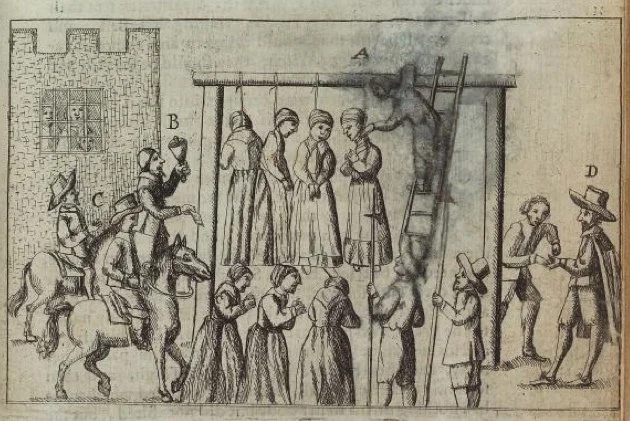
SUPERSTITION EVOLVES: A resolution to apologize for the witchcraft convictions and executions that occurred in Connecticut nearly 400 years ago is advancing in the General Assembly and getting much publicity though it is only pious posturing, as if anyone today needs to be told that witchcraft really isn't so powerful and that innocent people were hanged.
Meanwhile the state should be much more concerned about recent wrongful convictions, some based on false confessions sweated out of young people. Recent wrongful convictions and imprisonments are estimated to have cost the state about $48 million. So legislation has been proposed to prohibit police from misleading, intimidating, or coercing criminal suspects.
What constitutes misleading, intimidating, and coercing may be difficult to define, so the legislation probably will lead to much litigation. But this issue is far more compelling than an official admission that Connecticut's superstitions have evolved over the centuries. While state government no longer believes that witches can do much harm, it now believes that, if the right political spells are cast, men can become women and women become men just by thinking it so.
Chris Powell is a columnist for the Journal Inquirer, in Manchester. (CPowell@JournalInquirer.com)

Nyla Samee, Khury Petersen: Past time to go after the gun makers

Springfield, Mass.-based Smith & Wesson’s M&P15-22 semiautomatic rifle
Via OtherWords.org
There is a familiar pattern after the mass shootings that have become a well-known feature of American life.
The initial shock and grief gives way to demands for greater regulation of gun ownership by Democrats, while Republicans dismiss such measures and blame mental illness instead. But if we actually want to do something about it, we need to have new conversations.
We often talk about where and how weapons are purchased — but rarely where and how they are manufactured. These realities challenge the conventional way we talk about guns in terms of a “culture war” between red and blue states.
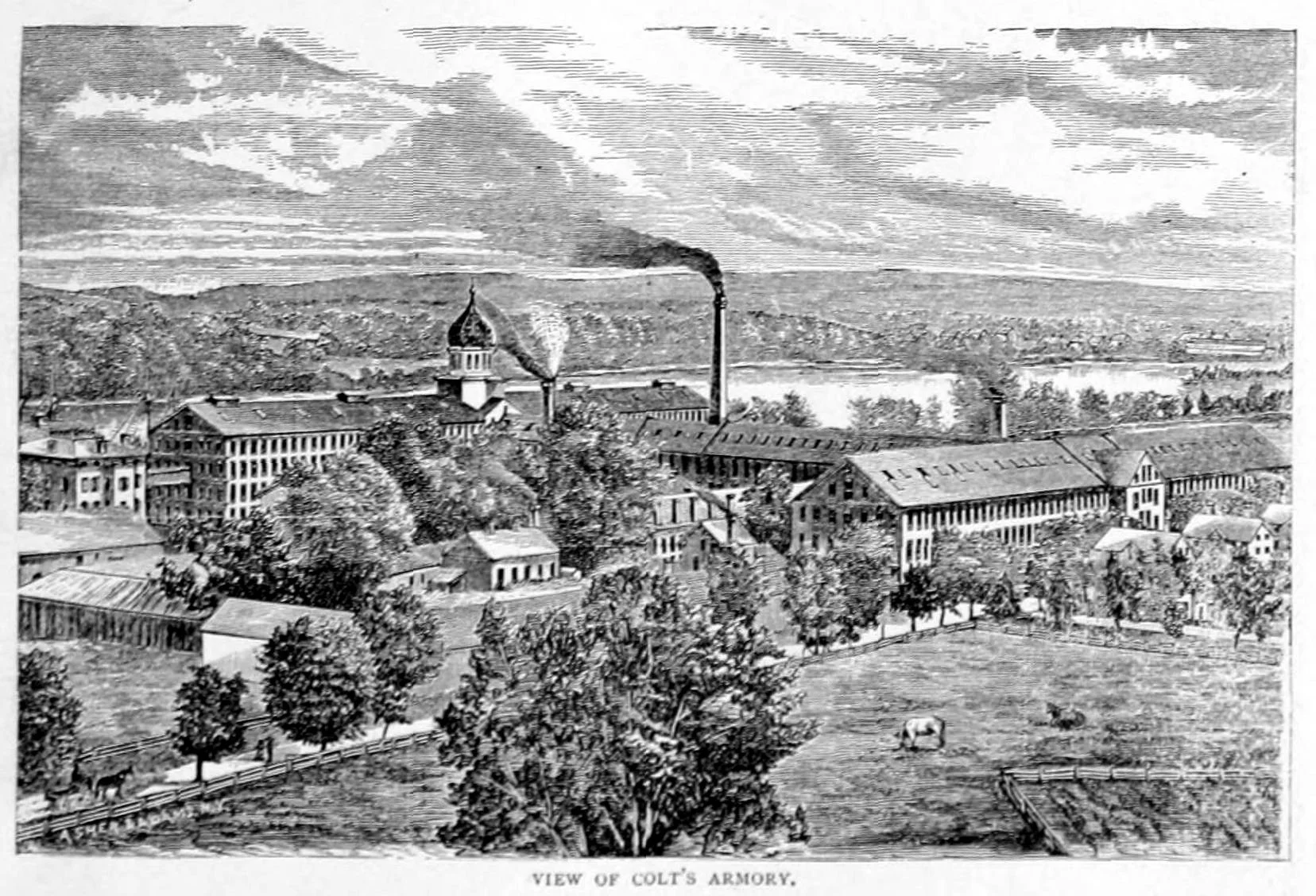
1896 lithograph of Colt’s Manufacturing Co.’s factory and headquarters, in Hartford. The company is now based in West Hartford.
For example, the Blue states of Massachusetts and Connecticut have some of the strictest regulations on firearms carrying and possession. But they are also major sites of gun manufacturing in this country. The weapons used in the 2018 Parkland shooting, for example, were manufactured by Smith and Wesson, a gun manufacturer based in Springfield, Mass.
The deeper and bigger point is that the U.S. is the world’s principal supplier of weapons.
The U.S. weapons industry makes both heavy weapons, such as military aircraft, bombs, and missiles, and small arms like rifles and handguns. As of 2021, over 40 percent of the world’s exported arms came from the United States — many of them manufactured in deep blue states.
Blue states with strict gun laws often suffer gun violence when weapons are trafficked in from Red states with looser gun laws. Similarly, many countries surrounding the U.S. with high rates of gun violence, such as Mexico, obtain guns both legally and illegally from this country.
With no system to effectively control and track who ends up with those guns, these weapons are often obtained by military units or police that have committed human rights abuses or who work with criminal groups.
For example, in September 2014, local police in the state of Guerrero, Mexico, were responsible for the disappearance and murder some 43 students from the Ayotzinapa Rural Teachers College. The police were armed with rifles that were supplied legally from Colt, a prominent U.S. gun manufacturer based in Connecticut.
Most Americans, including most gun owners, support some level of gun control or background checks. But gun lobbies such as the NRA, which are so influential in Red states, don’t really represent gun owners — they represent gun manufacturers. In fact, of the NRA’s corporate partners, several are gun manufacturers based in Blue states.
As long as these corporations flood the U.S. and the world with guns, debate over who accesses these guns won’t get us very far.
So our current conversation serves the status quo. It further divides people in this country according to a “culture war” narrative, where politicians clash in rhetoric, but everyone knows that the actual situation will not change.
From the perspective of ending bloodshed, this isn’t working. We need to try something different, and it will mean some deeper interrogation about where these weapons come from.
This could mean reviewing the practices and impacts of gun manufacturers, demanding greater regulation, and — as with any product that causes far reaching harm — having a public conversation about whether companies should be allowed to make these weapons at all.
The mass production of guns has been a disaster — one that has dire consequences not only for U.S. communities, but for those all over the world. New ways of thinking will help us fulfill our responsibility to protect vulnerable people not just in the U.S., but people everywhere.]
Nyla Samee is a Next Leader at the Institute for Policy Studies, where Khury Petersen is an fellow.
'I grieve for that night'

“Gay Head” (on Martha’s Vineyard, 1860) (engraving), by David Hunter Strother

“Misty Morning, Coast of Maine” by Arthur Parton (1842–1914)
All these years I have remembered a night
When islands ran black into a sea of silk,
A bay and an open roadstead set to a shimmer like cool, white silk
Under an August moon.
Trees lifted themselves softly into the moonlight,
A vine on the balcony glittered with a scattered brilliance,
The roofs of distant houses shone solidly like ice.
Wind passed,
It touched me.
The touch of the wind was cool, impersonal;
The fingers of the wind brushed my face and left me.
I remember that I shivered,
And that the long, continuous sound of the sea beneath the cliff
Seemed the endless breathing of the days I must live through alone.
I grieve for that night as for something wasted.
You are with me now, but that was twenty years ago,
And the future is shortened by many days.
I no longer fear the length of them,
I dread the swiftness of their departure.
But they go — go —
With the thunderous rapidity of a waterfall,
And scarcely can we find a slow, cool night
To consider ourselves,
And the peaceful shining of the moon
Along a silken sea.
— “Grievance,’’ by Brookline, Mass.-based poet Amy Lowell (1874-1925)
‘Most pretentious people’

Waveny Mansion, in New Canaan.
“I lived in a town called New Canaan, in Connecticut, where they are far too snobby to even mention celebrities. Many American towns are famous for things like, "See the World's Largest Ball of String!" I think my town's would probably have to be ‘Most Pretentious People.’’’
— Katherine Heigl (born 1978), actress

Focusing on transience

“The Longest Night” (encaustic painting), by Melissa Rubin, a Saxtons River, Vt..-based artist.
She says:
“My art, in its all its varied forms, reflects the ephemeral, transient nature of emotion and experience. Spanning the worlds of urban and rural living, the architecture and environment of both locations, i.e. rectilinear and organic forms, works its way into my art. References to textiles, grids, doors, gates, portals, growth, branches and decay, all weave together to form a hybrid depiction of my outer and inner landscape. The media I choose functions as my personal vocabulary of expression, as well as standing in as proxy to emotional states of mind. I consciously work with materials that help to facilitate a sense of light, darkness and mystery.’’
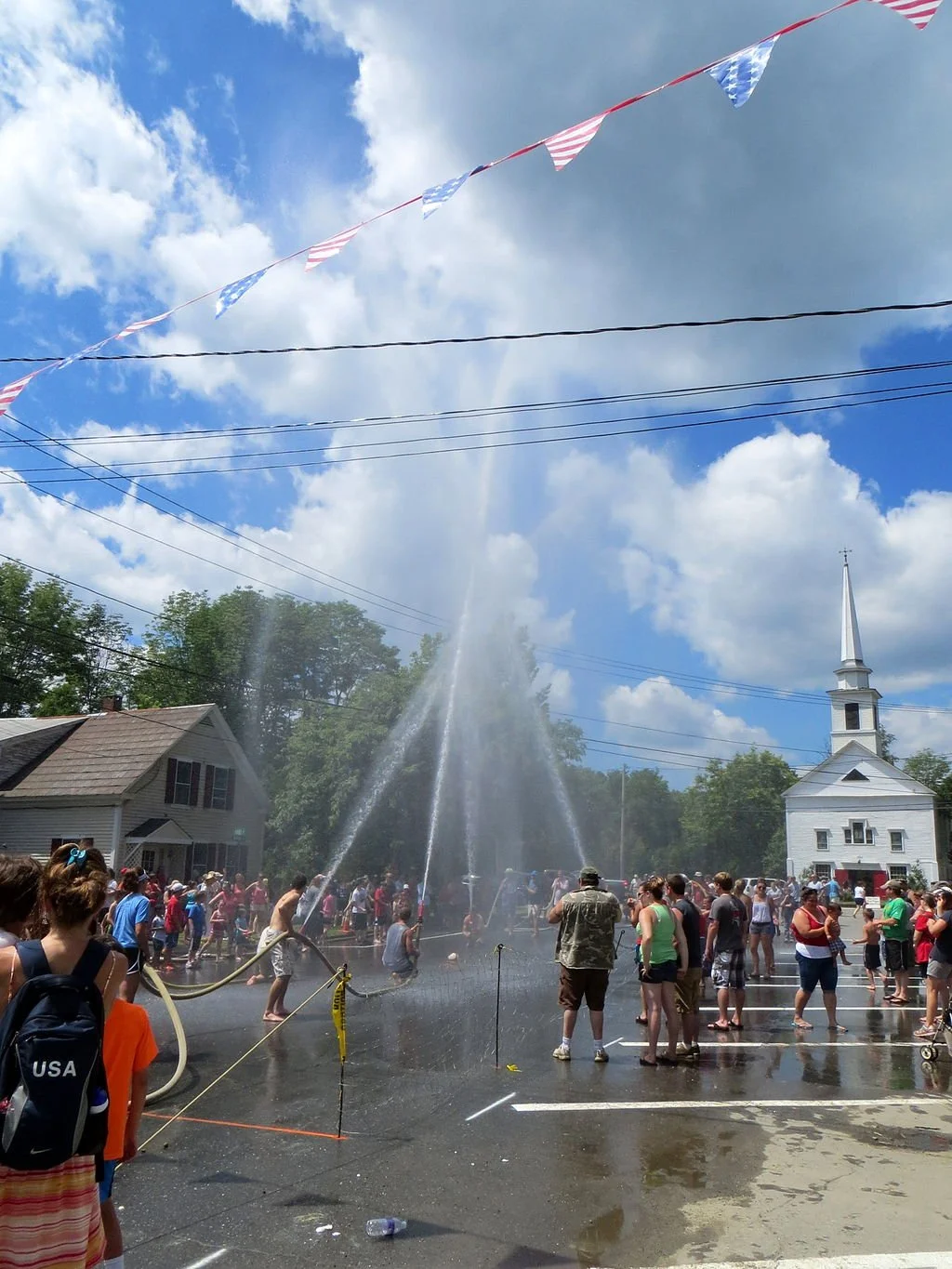
Start of a game of water polo on Main Street in Saxtons River, after the Fourth of July parade in 2013. Volunteer firefighters try to spray the ball down the street to a goal. Looking west at the Saxtons River Historical Society (a former Congregational church).
— Photo by Pbergstrom

Llewellyn King: The Irish: ‘Little people,’ great writers and more; why they came to Boston
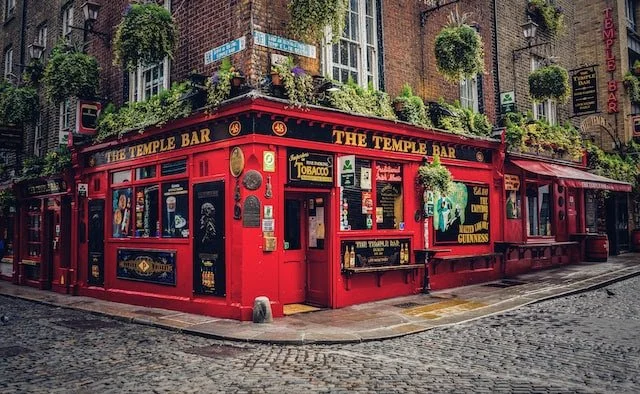
In Dublin
The Irish punch above their weight. That is why worldwide, on March 17, people who don’t have a platelet of Irish blood and who have never thought of visiting the island of Ireland joyously celebrate St. Patrick’s Day.
That day may or may not have been when St. Patrick, Ireland’s patron saint, died in the 5th Century.
The fact is, very little is known about St. Patrick. The broad outline is that he was born in Roman Britain, kidnapped by pirates as a child and taken to Ireland as a slave. He escaped, returned to Ireland as a Christian missionary and became a bishop.
To be sure, in the Emerald Isle truth can be augmented with folklore, mysticism, and the great love of a good story.
Hence devout Ireland can also believe in fairies and leprechauns, or little people, to this day. Both are quite real to some in Ireland, although, unlike the festival of St. Patrick, they don’t seem to have crossed the Atlantic, or even the Irish Sea, except in movies.
When horseback riding with my wife on an annual visit to the northwest of Ireland, we were curious about a stand of trees that seemed not to belong in the middle of a working farm field.
“A fairy ring is in there. You can ride through, if you keep on the path,” a stableman told us.
But he warned that if we got off the path, we would upset the fairies. “And you wouldn’t want to do that, would you?”
Indeed, we didn’t want to upset any fairies, so we stayed on the path, and all was well.
From what I have gathered, the little people co-exist with the fairies but also are separate.
A friend built a house for his mother near Galway. It was an A-frame house with a low, decorative wall around it. The wall had — surprise — a gap; not a gate, just a space of about 18 inches. That, she insisted, with the concurrence of locals, was for the little people to pass through. You don’t mess with the little people any more than you would trample a fairy circle.
The little people were originally an Irish tribe dating back to antiquity, who disappeared but were encased in legend. When Hollywood met Irish legends, the movies embraced the legends and expanded them.
Over the centuries, Ireland has been hard-used by England. It began with the English Reformation and Henry VIII and went on through the English Revolution, with Oliver Cromwell being especially brutal, then on to the potato famine in the 19th Century and the excesses of the Black and Tans, poorly trained and equipped, thuggish British troops with mismatched tunics and trousers.
Given that around 40 million Americans can claim some Irish ancestry, it might be argued that they were welcomed here. Hardly. Irish immigrants were often persecuted as they flooded in, escaping the privations at home.
I thank my friend Sheila Slocum Hollis, a very proud Irish-American, for pointing out that in the 1920s, the Irish were victims of the Ku Klux Klan violence in Denver. They fit the profile of KKK enemies, along with Blacks and Jews. Except they were Irish and Catholic.
In no field of endeavor have the Irish punched above their weight more than in literature. They took the language of the conqueror, the English, and have added to it immeasurably and profusely.
Irish writers have enhanced, expanded and luxuriated in the English language. Just a few towering names: Swift, Shaw, Wilde, Joyce, Yeats, Beckett, Goldsmith, Synge, Bowen, O’Brien, Hoult, Lavin, Murdoch, Binchy and, contemporarily, John Banville and Sally Rooney.
The Irish word for good fun is craic (pronounced “crack”). “Good craic” is a party where you indulge.
I wish you great craic this St. Patrick’s Day. May you consort with the little people, after some Guinness, and may the fairies guide you safely home. Sláinte!
Llewellyn
On Twitter: @llewellynking2
Llewellyn King is executive producer and host of White House Chronicle, on PBS.

Huge Irish flag hanging outside the Boston Harbor Hotel
— Photo by John Hoey

From The New England Historical Society:
“Boston has had an Irish population since the first four shiploads from Ulster arrived, in 1718. But not until the potato crop began to fail in 1845 did the huge influx of Irish immigrants sail into Boston Harbor.
The potato famine wasn’t the only thing that brought the Irish to Massachusetts rather than, say, Virginia or Maine. Hunger and poverty pushed the Irish out of Ireland, but the promise of work pulled them to Boston.
In the Atlas of Boston History, Robert J. Allison explains that Irish immigrants came for jobs. Jobs in the Merrimack River Valley, the most industrial region in the Western Hemisphere. Jobs in Lowell, the biggest industrial city in the United States. And jobs in Boston, a manufacturing powerhouse that led the nation in distilling and refining.’’

Irish immigrants arriving in Boston in 1857.

Picture of modern life

“The Kitchen” ( marquetry hybrid: wood veneer, oil, acrylic and shellac), by Allison Elizabeth Taylor, in her show “The Sum of It,’’ though July 30, at the Addison Gallery of American Art, Andover, Mass.
— Image courtesy of the Addison Gallery of American Art
The gallery lauds her “stunning works of wood inlay that are used to vividly represent modern-day subject matter. In 40 large-scale works and a room installation, Taylor captures a picture of modern life from the mundane to the exciting to the risqué using a centuries-old art form.’’
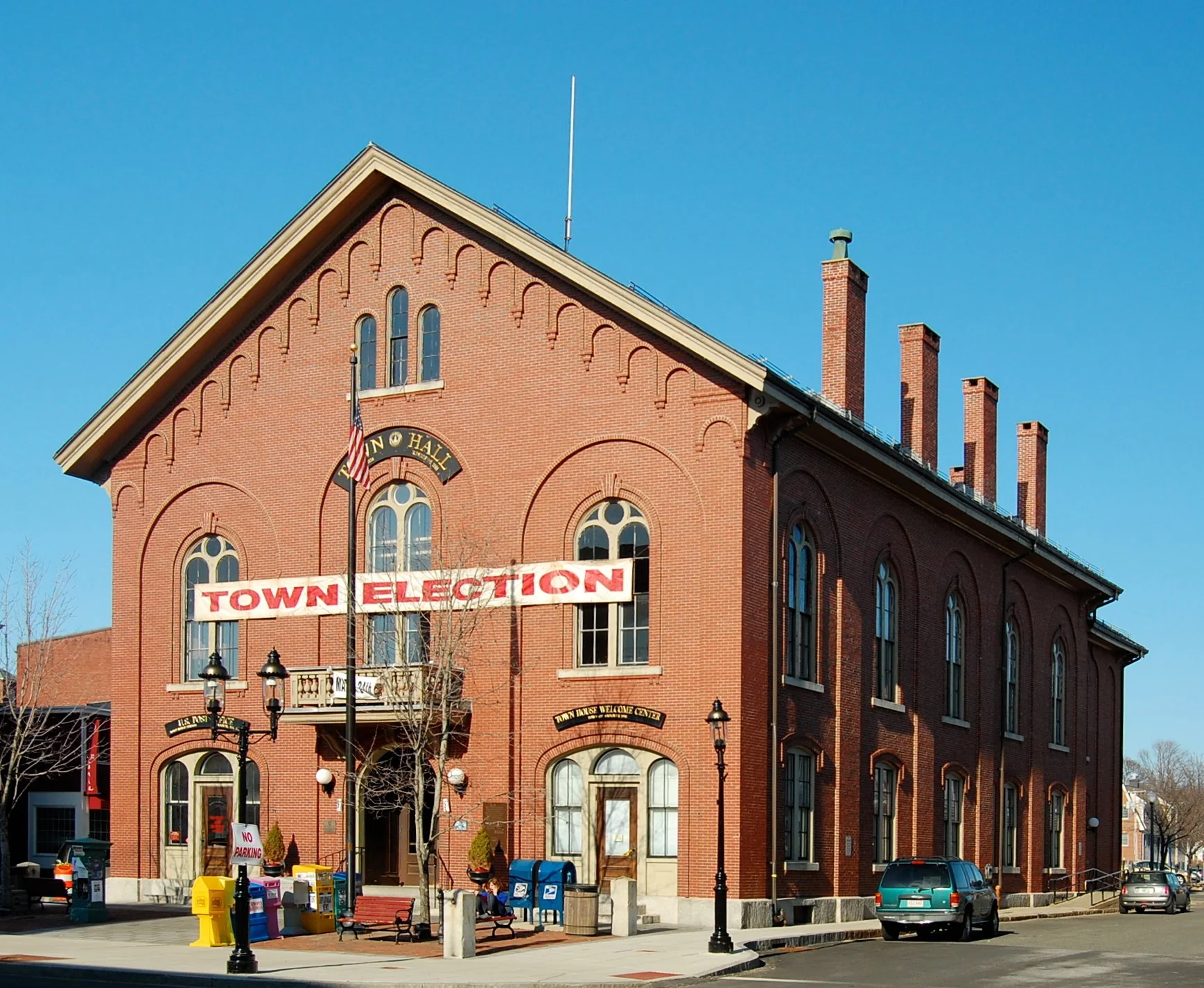
Andover Town Hall. Many elections in New England are held in March.