
Vox clamantis in deserto






Lawns are killers

Groundcover of Vinca major. Better this than…

….this
Adapted from Robert Whitcomb’s “Digital Diary,’’ in GoLocal24.com
Looking at New England’s parched lawns in the past few weeks reminded me of the environmental damage done by America’s post-World War II obsession with lawns, which has a lot to do with the explosion of suburban growth, subsidized by federal, state and local policies. Showing off your lawn has been a competitive sport.
Think of all that water and the toxic fertilizers, pesticides and herbicides dumped on lawns to try to defy the cycles of nature! (Nature in New England wants woods, not lawns.) Of course, the chemicals in the fertilizers and pesticides end up in ground water, streams, ponds and the ocean. Then there are the heavily polluting, gasoline-fueled lawn mowers.
Still, it’s easy to see the attractions of lawns: soothing green open space around houses, to look at and lie, sit and play on.
Anyway, it’s been gratifying to see more people replacing all or part of their lawns with various ground covers that require much less water and little or no chemicals. They stay green with little care. And you don’t have to mow them, just occasionally do some clipping, depending on the height of the plants. And birds much prefer ground cover, which provide much more food than lawns as well as shelter for some species. Okay, I know that some people don’t like squirrels, rabbits and chipmunks….
But Americans have been indoctrinated to have lawns. It may take years of further environmental damage amidst climate change to get many more of us to sharply reduce the space we devote to them.
You might enjoy this video.
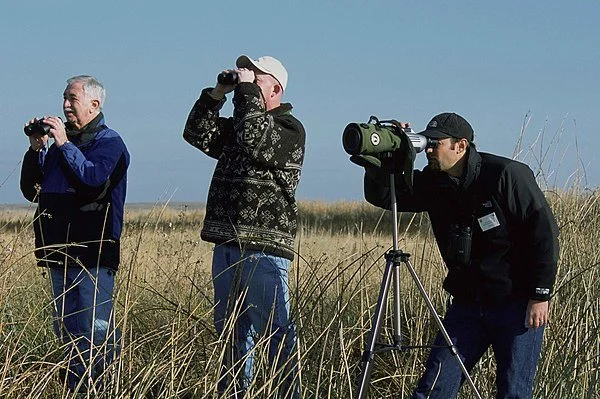
New England has long had many birders – in the countryside, the suburbs and even cities. Indeed, it may be the birding center of America. The hobby pays off for the rest of us not only as a fun force for identifying and photographing birds, many of which are beautiful, but also, in the case of endangered species, helping to save them through publicity. Birders also monitor the local conditions of nature in general. They’re watchmen (or is it watchpersons?) of the environment as they wander outside with their binoculars and notebooks.
When I think of birds I always remember a talk at my high school, in Connecticut, by Roger Tory Peterson, the famed American naturalist, ornithologist, illustrator and educator, about the centrality of birds in nature, and around the same time reading Silent Spring (silent because of the disappearance of bird song in many places) by Rachel Carson, about how pesticides were killing many creatures. The book helped lead to the creation of the EPA and the Endangered Species Act.
It seems hard to believe now that we blithely sprayed vast areas with DDT, dumped cancer-causing chemicals in the ground and water and used lead in most gasoline and house paint. (Yes, lead paint was popular because it lasted a long time on walls.)

Roger Tory Peterson at work, probably in or near the Connecticut River Valley.
In 'The Eastern Woodlands'
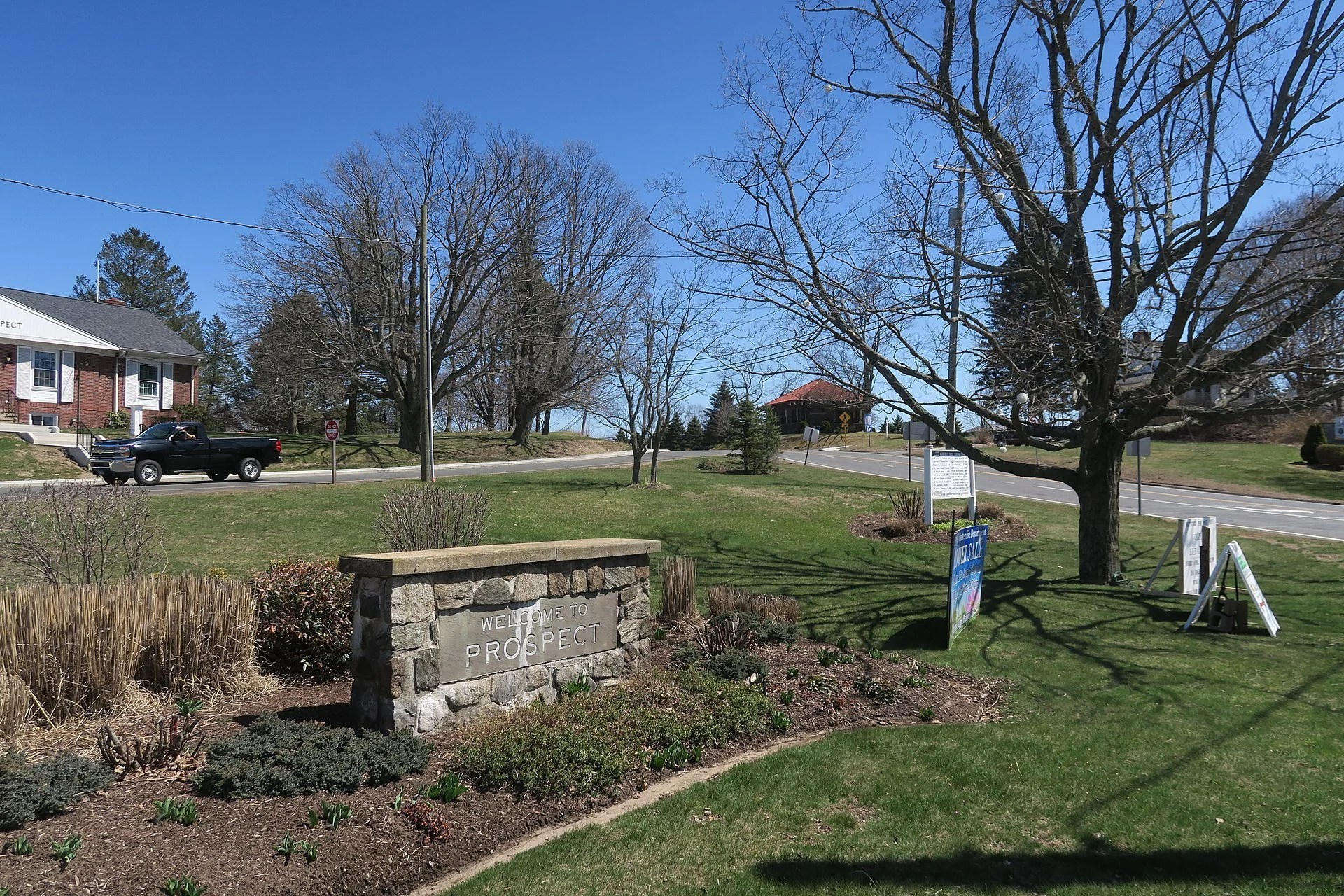
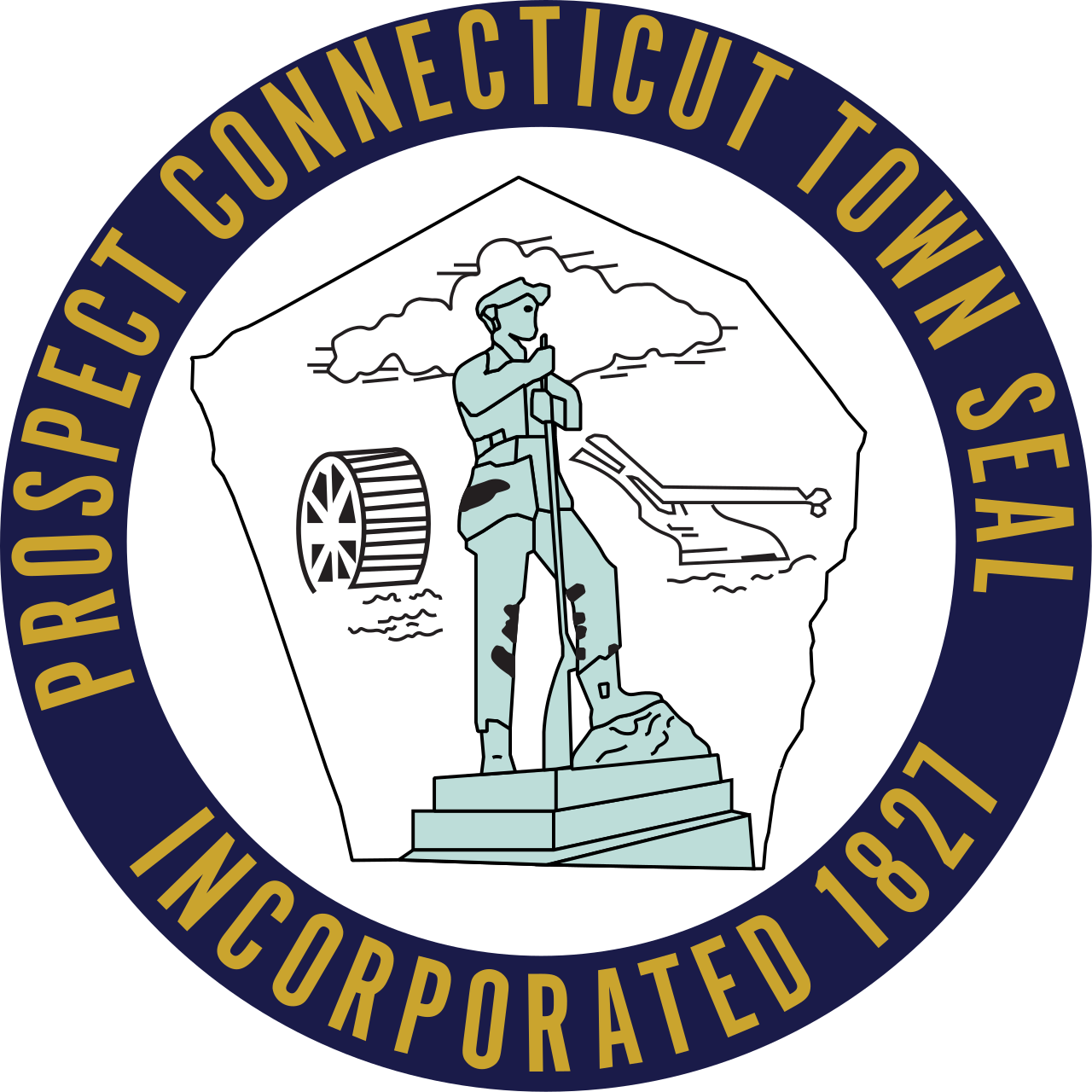
Note the water wheel. Many New England towns, with fast-flowing streams in hilly terrain, had mills to grind grain and later to manufacture stuff.
“I grew up in the unlikely place of Connecticut. The Eastern Woodlands. It was semi-rural where I grew up. I was fascinated by the Pequot and the (related) Mohegan Indians of that area.’’
— John Fusco, a screenwriter, producer, and television series creator who grew up in Prospect, Conn.

Classic Eastern Woodlands scene, in Borderland State Park, in Easton and Sharon, Mass.
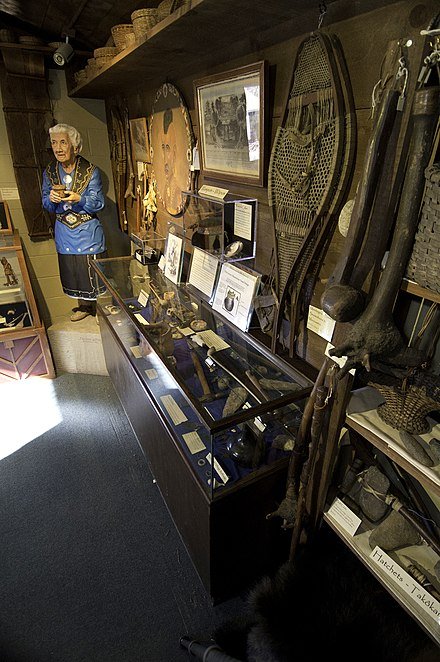
The Mohegan Tribe's museum is said to be the oldest Indian-owned and -operated museum in America. Gladys Tantaquidgeon along with her brother, Harold and father, John, built the museum in 1931 in Uncasville, Conn., as a place to keep Mohegan treasures.
The idea of a quarry

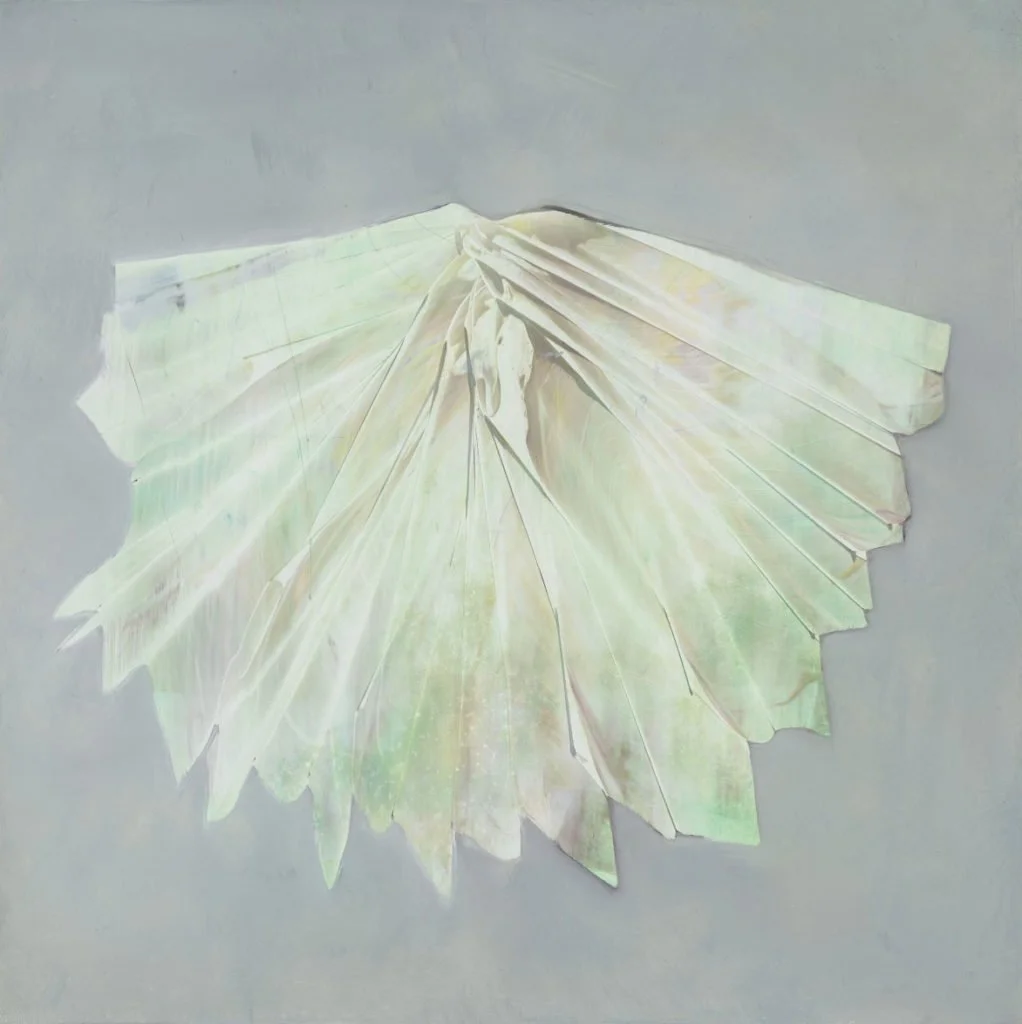
“Halibut Point Variation #9” (acrylic/ash on cotton duck), by Vincent Castagnacci, in his show “Vincent Castagnacci: Notes from a Quarry,’’ at the Cape Ann Museum, Gloucester, Mass., through Oct. 9.
The museum says:
“This exhibit displays his work from the mid-2000s onward. Castagnacci's (who has New England routes) work is striking while being utterly minimal, expertly utilizing line to draw the eye across the canvas. His use of muted, almost industrial, colors and drafting marks are reminiscent of architectural mock-ups elevated into art.’’

Halibut Point State Park and Halibut Point Reservation are adjacent parcels of conserved oceanside land on Cape Ann in the town of Rockport. Once the Babson Farm granite quarry, the properties are managed by the Massachusetts Trustees of Reservations and the Massachusetts Department of Conservation and Recreation. The adjacent Sea Rocks area is owned by Rockport and is also open to the public.
‘Through deep impartial woods’
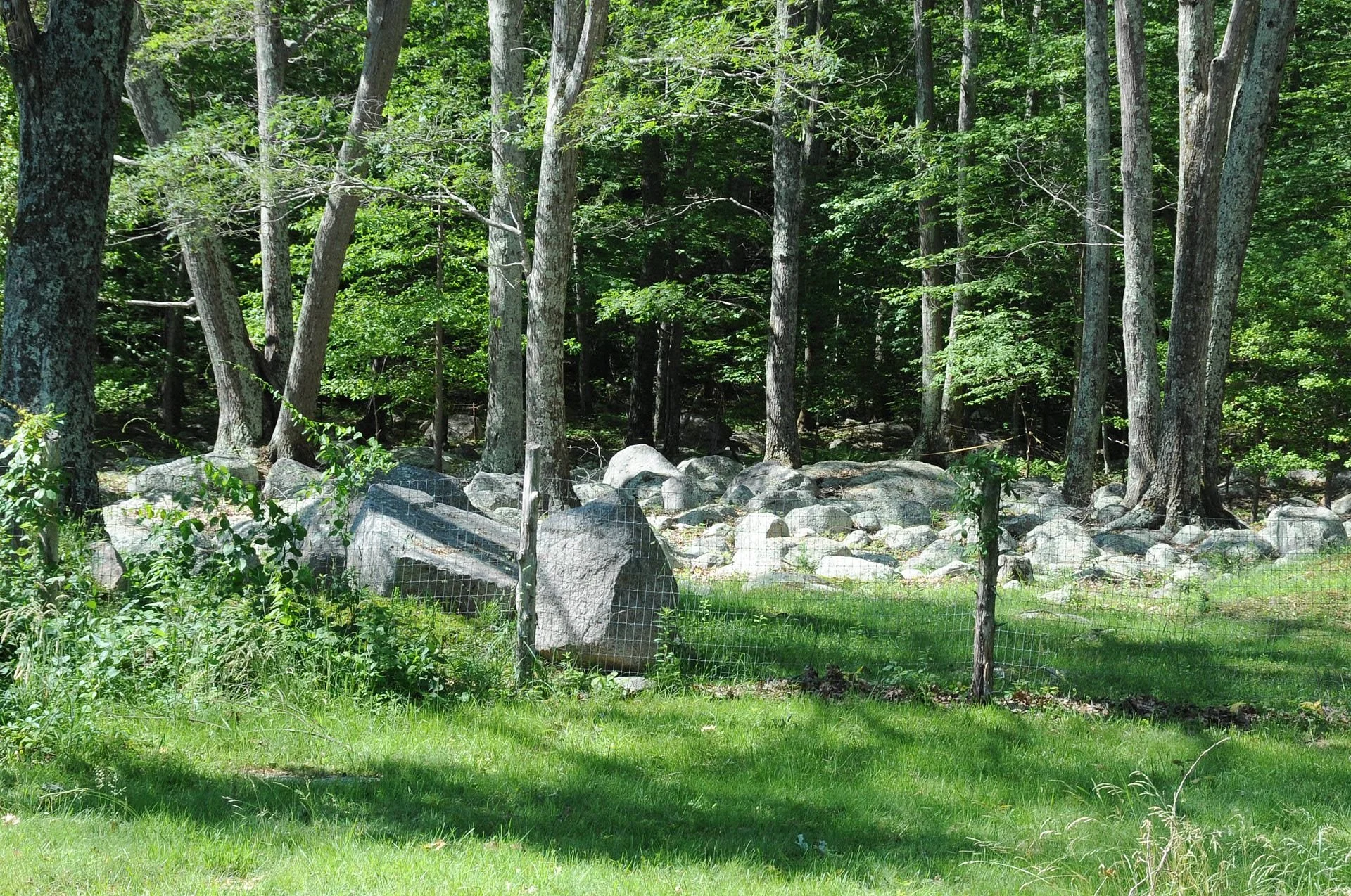
Remains of stone walls in Exeter, R.I.
— Photo by JERRYE & ROY KLOTZ, M.D.
“What is it for, now that dividing neither
Farm from farm nor field from field it runs
Through deep impartial woods, and is transgressed
By boughs of pine or beech from either side?”
— From “A Wall in the Woods: Cummington,’’ by American poet Richard Wilbur (1921-2017)

It’s highly unusual in the U.S. for a government seal to feature a literary figure. Cummington honors its native son William Cullen Bryant (1794-1878), a romantic poet, journalist and long-time editor of the New York Evening Post.
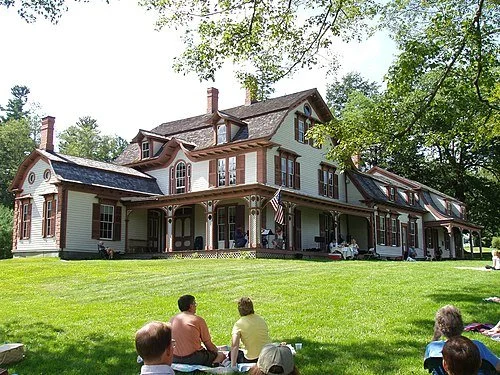
William Cullen Bryant Homestead, in Cummington, part of the Massachusetts park system.
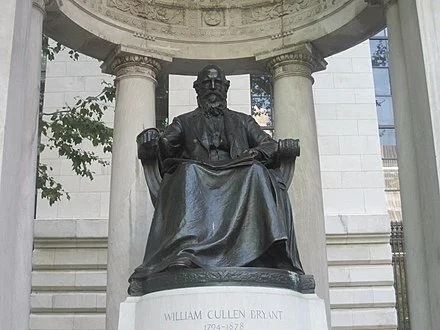
William Cullen Bryant Memorial in Bryant Park, Manhattan, next to the New York Public Library’s main building.
Seeking ‘a more cultural experience’ than in New England
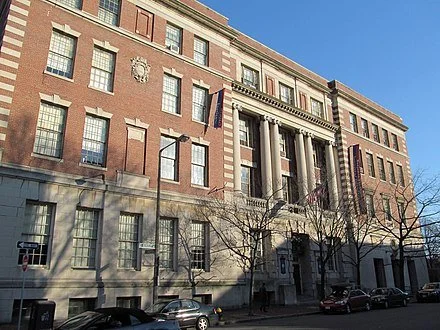
The Benjamin Franklin Institute of Technology, in Boston, is listed as one of New England’s few Minority-Serving Institutions.
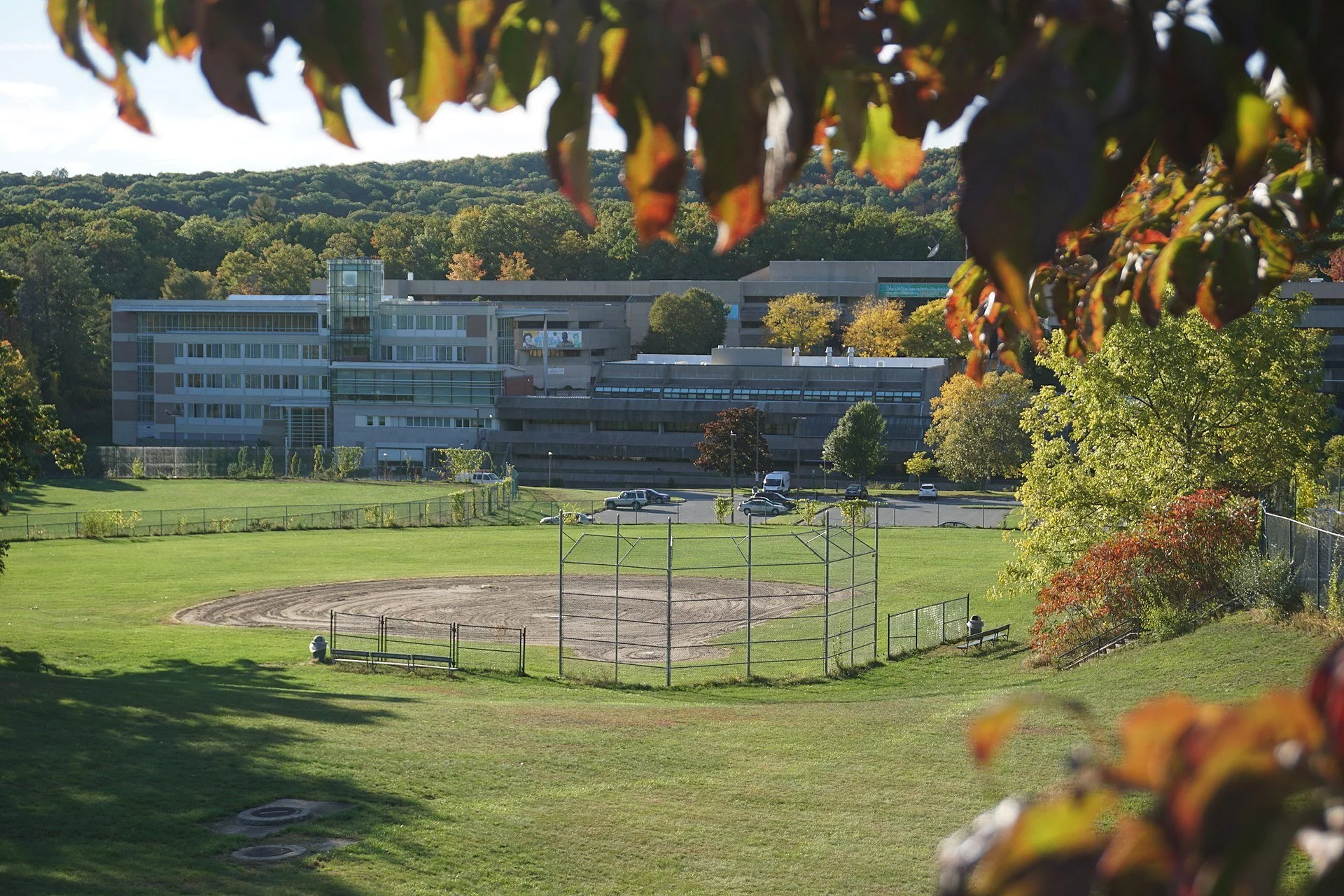
Another is Holyoke (Mass.) Community College, whose main campus is at the edge of the municipal watershed for the Holyoke Water Works.
— Photo by Holyoke Community College
From The New England Journal of Higher Education, a service of The England Board of Higher Education (nebhe.org)
BOSTON
Though home to more than 250 colleges and universities, New England boasts only nine so-called Minority-Serving Institutions (MSIs)—institutions focused specifically on providing an abundance of resources to equip minority students with the tools they need to be successful in furthering their education.
MSIs are colleges or universities that enroll a high percentage of minority and historically underrepresented students. In New England in particular, most of these nine MSIs serve students who are predominantly Asian American, Native American, Pacific Islander, or Hispanic. It is important to recognize and highlight these MSIs for their efforts to create an environment that is illustrious in curricula and celebrates the unique cultures of their students, while also understanding that there is more work to be done to serve more students of color in the New England region. Achieving this awareness is a crucial step toward creating equity and inclusion in New England higher education institutions.
NEBHE Policy & Research Intern Damaria Joyner’s journey in the Massachusetts school system influenced her decision to leave the region and attend an a historically Black college and university (HBCU), Delaware State University. “It was not until senior year of high school when I experienced having my first Black teacher,” writes Joyner. “From this moment, I realized that there was a lack of representation for teachers of color in my region. I was determined to further my education at an institution where representation of educators mattered and was prevalent. I also chose to attend an institution that would be culturally relevant to myself as a student. It was important to be surrounded and supported by professors who had my best interest academically and personally as a young Black woman.”
Joyner’s process of choosing a college had little to do with the academic rigor of the institution, she notes in her recent personal narrative for NEBHE. “Rather, I sought a more cultural experience where I could learn and converse in an environment that supported me as a student, but also as a student of color. I wrote this personal narrative so that it might resonate with other students of color in New England who have had a similar experience to mine, as well as bring awareness to the greater audience of the importance of the culture of an institution as well as the academic fortitude.”
“From representation within the faculty and staff to the resources offered that go beyond academics to ensure minority students thrive, it is vital that students of color and traditionally underrepresented students in New England and everywhere can feel supported so that they can thrive,” concludes Joyner.
She tells readers she was drawn out of New England for college, and suggests reading her narrative to understand what might have caused her to stay.

William Morgan: Where obscurity may have helped save some of a town’s beauty
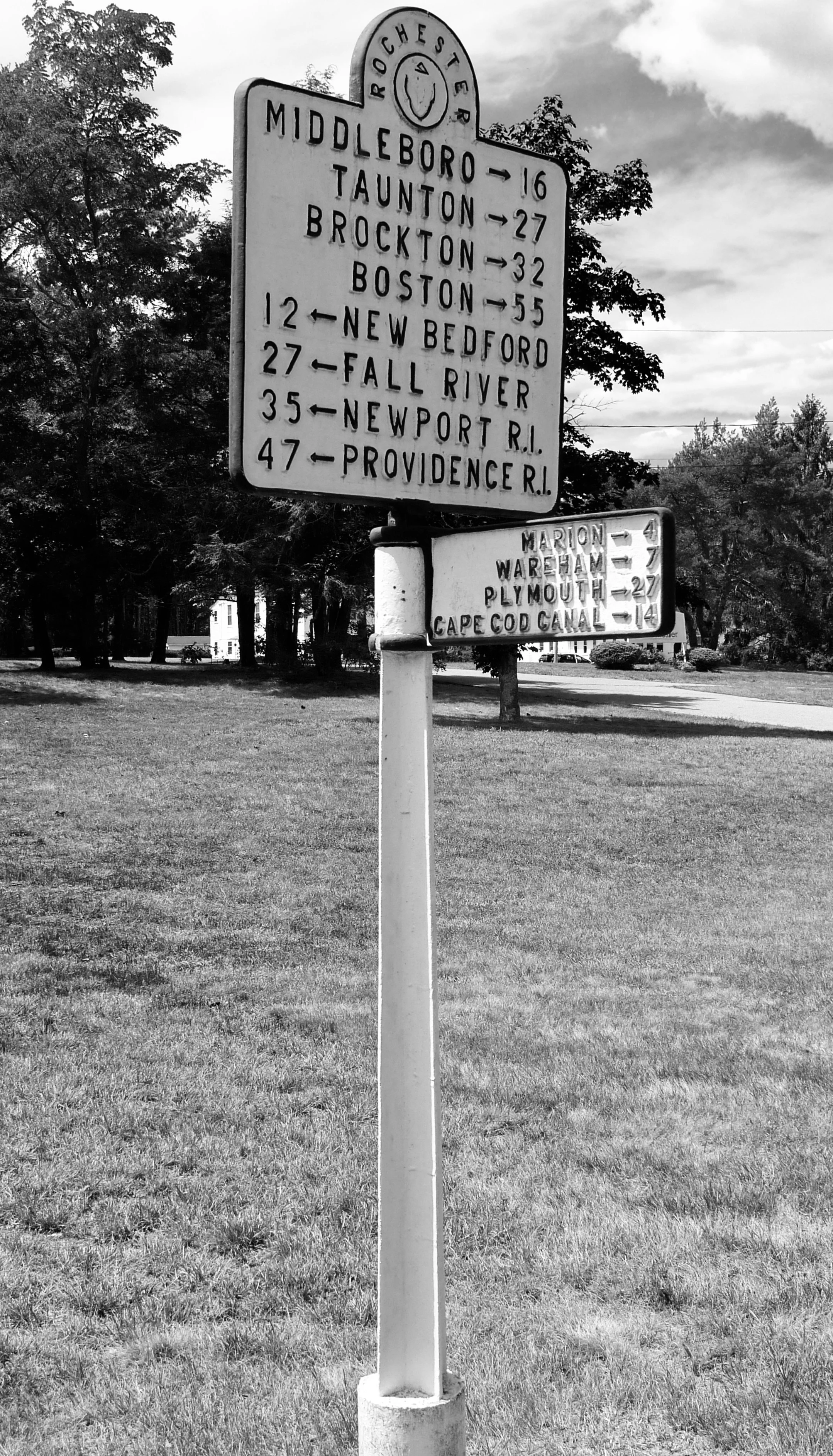
Photos by William Morgan
The signpost on the green in Rochester, Mass., tells you how far you are from various Bay State towns. The attractive, old-fashioned marker also hints that this place is the back of beyond — the middle of nowhere.
Rochester wasn’t always a place forgotten. First settled in 1679, it was a major shipbuilding town, at least until what became Marion and Mattapoisett broke away and Rochester became landlocked.
There are a few handsome Federal period houses dotted about the countryside, no doubt remnants of maritime wealth before New England commerce was strangled by Jefferson’s Embargo Act of 1807.

Rochester’s town common boasts a marvelous Carpenter’s Gothic church. The church’s foundation goes back to 1703, but this confection dates to the middle of the 19th Century. The First Congregational Church’s medievalism is a riff on the typical New England Meeting House: a simple preaching box with a battlemented tower instead of a multi-tiered Georgian steeple.

There are no great masonry walls or expanses of stained glass. The meeting house windows have pointed tops, the tower base has louvered openings in the shape of quatrefoils, and the corners of the parapets have spikey caps

The delightful First Congo is not going to make up for the loss of access to Buzzards Bay. But the town’s very misfortune may have preserved this treasure.

William Morgan is a Providence-based architectural critic and historian and photographer. He is the author of American Country Churches and The Cape Cod Cottage, among other books.

Poor Rochester (in red) — so near Buzzards Bay but cut off. Orange is Plymouth County.
‘Abstract symbolism’

“Voyage Drawing” (mixed media on paper), by Robert S. Neuman (1926-2015), in the show “Robert S. Neuman: Works on Paper,’’ through Oct. 1, at the Childs Gallery, Boston.
The gallery says the show highlights Neuman's work in mixed media and on paper. “His modernist and at-the-time cutting edge artwork uses heavy abstract symbolism and color to deliver a captivating experience that is overwhelming and endlessly fascinating.’’ Mr. Neuman was based in Boston but spent summers on Mt. Desert Island, Maine.
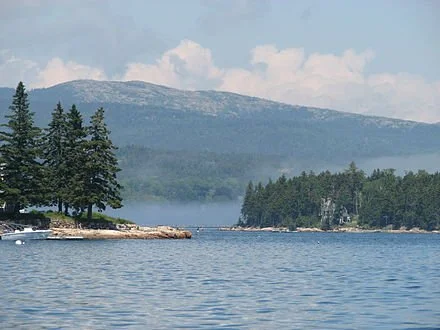
Along the shore of Mt. Desert Island/Acadia National Park

Chris Powell: Bail issue reminds me that poverty is usually self-inflicted; yes, ‘punch down’

Bail bondsman in Longview, Texas
— Photo by Steve Snodgrass
MANCHESTER, Conn.
Many criminal defendants, the Connecticut Mirror reported the other day, can't "claw their way out" of pre-trial detention because they can't afford even the small cash bails required of them. It's easy to see cash bail as a problem since, according to the Mirror, more than 40 percent of the people held in Connecticut's prisons are not yet convicted but being held pending trial or other resolution of the charges against them.
But a close reading of the Mirror's report suggests that cash bail may not be the problem at all. At least the particular defendant chosen by the Mirror as proof that cash bail is unfair and even racist makes the claim laughable.
For the defendant has been spending so much time in prison prior to conviction not because the cash bail required of him is unfair but because he has been and remains a chronic offender.
The defendant has been convicted of threatening and, many times, for violating probation, leniency given to him in the hope that he would start behaving. Now he is charged with domestic violence, breach of peace, and violating a protective order and is under investigation for road rage. On top of that, he long has suffered from mental illness.
While he is only 34, the defendant already has spent seven years in prison. He told the Mirror that he has been in criminal trouble since he was 14 for, among other things, selling and using drugs and stealing cars and car parts.
The judge who set the cash bail challenged by the Mirror's report, $45,000, quite reasonably attributed it to the defendant's chronic misbehavior even while on probation.
The defendant says he has been trying to go straight but he plainly keeps failing. So should he remain free, with no consequences for violating probations and a protective order while he amasses new charges? That would make a mockery of the law, though of course the defendant already has made a mockery of it just as the criminal-justice system itself has done by failing to put away for good another chronic offender. Connecticut is swarming in chronic offenders even as elected officials lately have boasted about the decline in the state's prison population.
Part of the problem here is that the COVID pandemic stalled most court cases for two years, and catching up won't be quick. But as the decline in the prison population shows, the courts, the General Assembly and the governor aren't seeking to lock up more people. The courts are seeking to maintain some plausibility for the law, and chronic offenders make that much harder.
Outside of religious orders, poverty is not much of a virtue. With many people, including the defendant laughably lionized by the Mirror, poverty is largely self-inflicted. Could the Mirror really not find a defendant with a bail problem who isn't still causing trouble even after seven years in prison?
xxx
Some in the political left lately has been using various mechanisms to prevent contrary expression, as by shouting down speakers and demanding the dismissal of politically incorrect college professors. Such tactics are beginning to be seen as totalitarian and counterproductive.
So now the left is backing off a little and instead is trying to shame contrarians by accusing them of "punching down" -- that is, criticizing or bullying people with less power in society.
This shaming tactic is no more persuasive. For while certain movements may seem to have less power at the moment, they also may have momentum and may heartily deserve some "punching down" to keep them down.
In the early 1900s the Bolshevik faction of the Russian Social Democratic Party in Imperial Russia had to operate underground and abroad to avoid capture and imprisonment by the czar's secret police. But by 1917 the Bolsheviks had taken over the government and were operating their own secret police.
In the 1920s the Nazi Party operated on the crazy fringe of German politics. By the 1930s it had become the largest party in the country's parliament and was assaulting its rivals in the streets. Then it took over the government and imposed bloody gangsterism.
In the 1930s the Chinese Communist Party was a small group of totalitarians hiding in the mountains of a remote province. By 1949 they had imposed tyranny on the most populous country in the world.
All three once-powerless movements killed millions of people because sometimes there isn't nearly enough "punching down."
Chris Powell is a columnist for the Journal Inquirer, in Manchester.
Its very own dialect

A footbridge over an 18th Century dam across Spot Pond Brook, in Stoneham’s Spot Pond Archeological District, an archaeological area in the Virginia Woods section of the Middlesex Fells Reservation, a state park. The district has mill sites dating from the 17th to the 19th centuries. At the area’s manufacturing height, in the mid-19th Century, the Hayward Rubber Works was in the area, giving it the name "Haywardville". One of the state reservation’s trails runs through the area, and a park pamphlet provides a self-guided tour connecting the major remnants of the industries that once flourished there.

As you’d guess, Stoneham, like quite a few other Boston communities, was once a shoe-making center.
“I grew up in Stoneham, a little suburb of Boston. It's pronounced 'Stone 'em’ because Massachusetts doesn't bend to the will of 'how letters are supposed to be said.”’
Josh Gondelman (born 1985), American author, comedy writer, producer and stand-up comedian
A giant of the religion biz
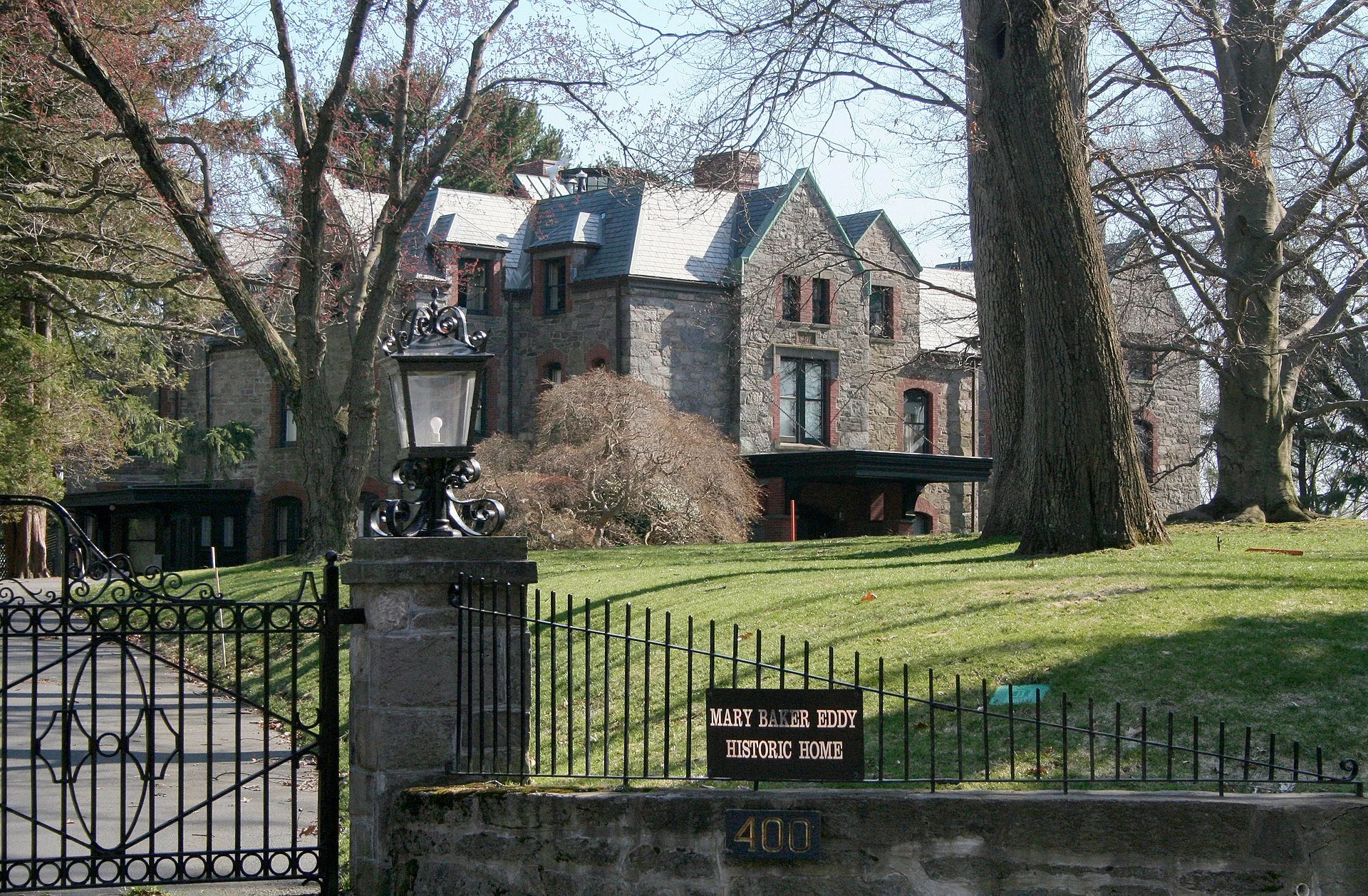
The last home of Mary Baker Eddy, at 400 Beacon St., in the Chestnut Hill section of Newton, Mass.
— Photo by Thomas Kelley
“Spirit is the real and eternal; matter is the unreal and temporal.
— Mary Baker Eddy (1821-1910), inventor of Christian Science, in her book Science and Health with Key to the Scriptures.
Like many Red State TV evangelists now, hard-working New Englander Mary Baker Eddy learned how to make a killing in the religion industry, in her case becoming a multimillionaire off real estate and other investments, publication sales and high-fee instructional programs.
History's overwhelming baggage

“What We Carry: Peace Interrupted” (encaustic on panel), by Manchester, Maine-based painter Helene Farrar. This painting was shown at The Maine Jewish Museum.
“A certain stage of its changing’
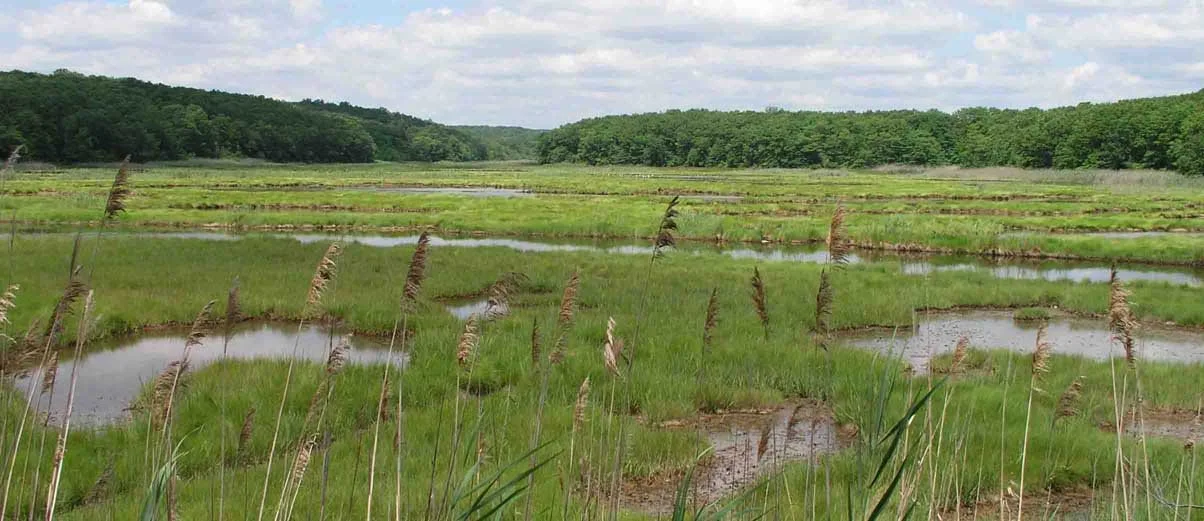
— Photo by Alex756

“The afternoon almost gone. The tide
at a certain stage of its changing.
The shore giving way to the tide,
the day giving way to week’s end.
Between us and the sea: an inlet
too small to wade, a clump of marshgrass….”
— From “Where Tide,’’ by Philip Booth (1925-2007), a Maine and New Hampshire-based poet and teacher

Llewellyn King: Wireless charging on a huge scale a Holy Grail of EV world

The primary coil in the charger induces a current in the secondary coil in the device being charged.
WEST WARWICK, R.I.
It is a dream still associated with the Serbian-American inventor Nikola Tesla: broadcasting electricity, making it available to users without a wire.
Tesla took his plans for sending electricity through the air to the grave with him, having been one of the architects of alternating current which was the building block of the electrified world.
But Tesla’s dream has never died and, in fact, is alive and well and making progress -- although not on the universal scale envisioned by Tesla or his followers, who look on his scheme for electricity broadcast from towers, like radio, as a Holy Grail.
His dream was as improbable as it was alluring.
But on a more down-to-earth level, inductive charging – wireless power transfer -- is surging. It has two distinct visions: One is to make wireless charging a reality for small devices. If airport terminals were wired for charging as they are for WiFi, there would be no more sitting on the floor by a plug. The other is for electric vehicles.
Ahmad Glover, the enthusiastic president of WiGL, a small wireless electric transmission company, told me the military is extremely interested in wireless charging. Glover, an Air Force veteran, said the goal is to have forward bases equipped, during operations and in warfighting situations, so that troops can charge their electronics without plugging in. “The less a soldier has to carry the better, “ he said.
Glover, who has worked with engineers from MIT and with Atlantic University, and has a contract with the Air Force, sees a day when charging is essentially automatic. The source of the power could be from a solar charger carried by a soldier in the battlefield rather than from the grid or the forward base generator. Glover believes the work he is doing will keep U.S. troops discreetly in touch wherever, whenever. He is working on beams and omnidirectional area chargers.
The big marquee application for wireless charging is in transportation. Here, most obviously, inductive charging has applications in public transport. The charger consists of an electromagnetic field radiating from a plate to a receiver under the vehicle. When the vehicle is positioned over the plate, charging takes place. This is known as a static system.
Mobile inductive charging, known as dynamic charging, where a moving vehicle can pick up a charge from the roadway, has been promoted overseas. But there is research money in the federal budget for inductive charging development in the United States.
The big advantage of static charging is that vehicles can be lighter and, therefore, cheaper. Taxis, trolleys, light rail, and buses could have smaller, lighter batteries as they will be charged regularly at predictable places, like traffic lights.
South Korea has been developing a charging system for buses where they get a charge every time they stop at a bus stop.
With abundant wind and hydro, Norway is headed for a carbon-free economy. By law, all new cars must be electric by 2025; accordingly, they are working to install inductive charging plates for taxis at their stands. A taxi driver will pull into a stand -- still common in Europe -- and while waiting for the next fare, the car will charge. If the taxi is on the stand long enough, it gets fully charged. Otherwise, it just gets a boost.
The advantages of inductive charging are multiple. First, batteries can be smaller and cheaper, and the vehicle lighter. For utilities, the load is spread over the day, coinciding with the abundance of solar generation.
The ultimate dynamic inductive dream is that cars will refuel as they speed down the highway. Italy has an experimental program installing charging coils in tarmac. Sweden is relatively far along with a similar experiment, and the United Kingdom is funding research.
Nikola Tesla’s dream is turning into reality.
Llewellyn King is executive producer and host of White House Chronicle, on PBS. His email is llewellynking1@gmail.com and he’s based in Rhode Island and Washington, D.C.
‘Homage to the ordinary’

“Apple Tree,’’ by Jay Wu, in his show “To the Delicate,’’ at Galatea Fine Art, Boston, Sept. 2-Oct. 2.
He writes in his artist startment:
“I never have much to say about my work. They are not really about anything other than maybe an attempt to offer homage to the ordinary objects and places that are special to me. I feel that I have already projected myself into the work during the process of making and therefore find it difficult or unnecessary to supplement the work with words afterward. Thus, instead of having a statement about the work, it is more about the need and the want behind the work.’’
When I sit in front of you, I could not help but look at you with awe, thus I look at you timidly as if I am on a mission to get it right. No longer am I painting with a theme in mind or a statement to make, but with the hope and yearning to offer the proper love and respect.

Martha Bebinger: Dangerous tranquilizer on the street in Mass. and elsewhere

As a veterinary anesthetic, xylazine is administered once for intended effect before surgical procedures (trade name: Rompun)
— Photo by Zemxer
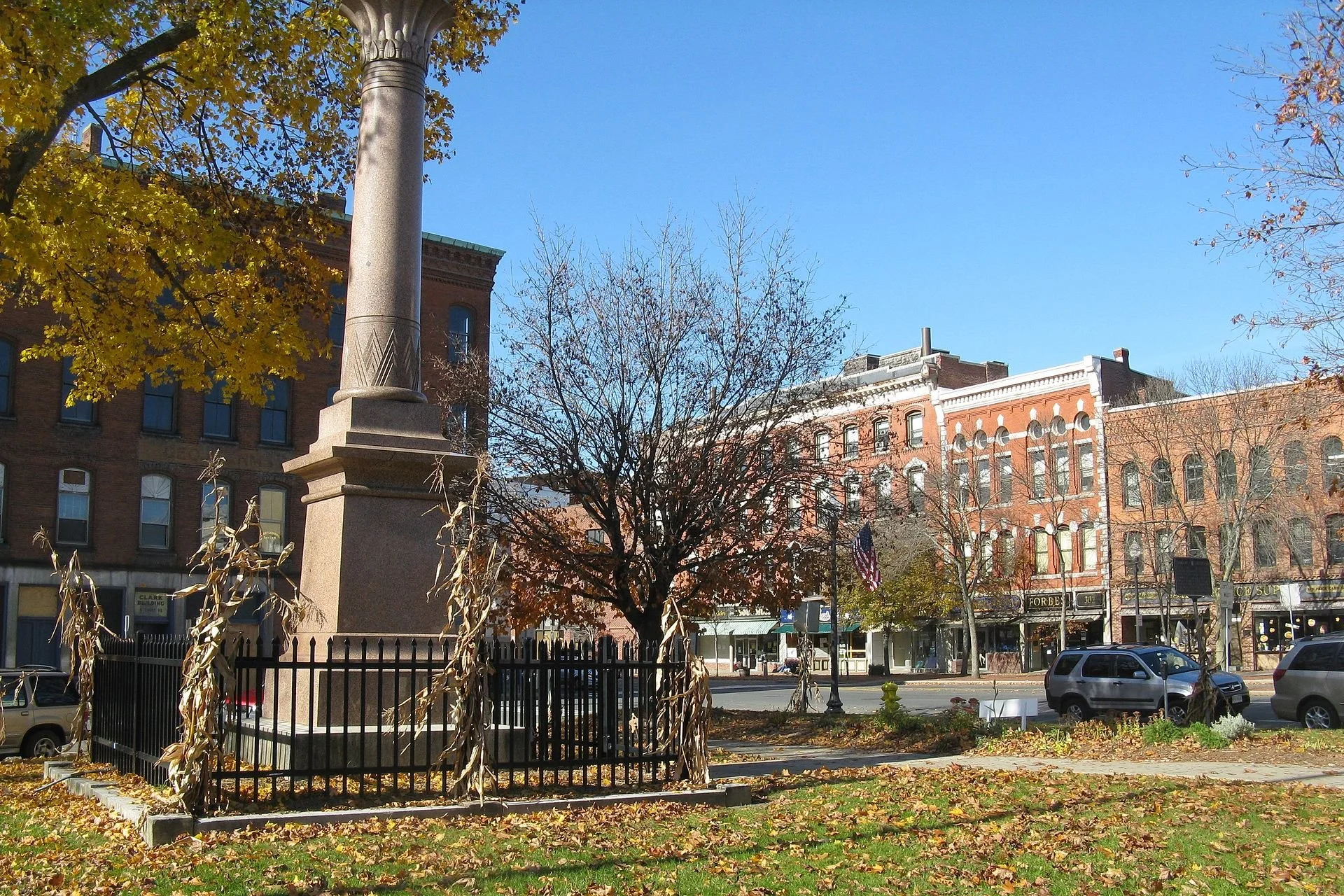
The Civil War Memorial on Court Square, in Greenfield.
— Photo by John Phelan
GREENFIELD, Mass.
Approaching a van that distributes supplies for safer drug use here, a man named Kyle noticed an alert about xylazine.
“Xylazine?” he asked, sounding out the unfamiliar word. “Tell me more.”
A street-outreach team from Tapestry Health Systems delivered what’s becoming a routine warning. Xylazine is an animal tranquilizer. It’s not approved for humans but is showing up in about half the drug samples that Tapestry Health tests in the rolling hills of western Massachusetts. It’s appearing mostly in the illegal fentanyl supply but also in cocaine.
“The past week, we’ve all been just racking our brains — like, ‘What is going on?’” Kyle said. “Because if we cook it up and we smoke it, we’re falling asleep after.”
Kyle’s deep sleep could also have been triggered by fentanyl, but Kyle said one of his buddies used a test strip to check for the opioid and none was detected.
Xylazine, which is also known as “tranq” or “tranq dope,” surged first in some areas of Puerto Rico and then in Philadelphia, where it was found in 91% of opioid samples in the most recent reporting period. Data from January to mid-June shows that xylazine was in 28% of drug samples tested by the Massachusetts Drug Supply Data Stream, a state-funded network of community drug-checking and advisory groups that uses mass spectrometers to let people know what’s in bags or pills purchased on the street.
Whatever its path into the drug supply, the presence of xylazine is triggering warnings in Massachusetts and beyond for many reasons.
As Xylazine Use Rises, So Do Overdoses
Perhaps the biggest question is whether xylazine has played a role in the recent increase in overdose deaths in the U.S. In a study of 10 cities and states, xylazine was detected in fewer than 1% of overdose deaths in 2015 but in 6.7% in 2020, a year the U.S. set a record for overdose deaths. The record was broken again in 2021, which had more than 107,000 deaths. The study does not claim xylazine is behind the increase in fatalities, but study co-author Chelsea Shover said it may have contributed. Xylazine, a sedative, slows people’s breathing and heart rate and lowers their blood pressure, which can compound some effects of an opioid like fentanyl or heroin.
“If you have an opioid and a sedative, those two things are going to have stronger effects together,” said Shover, an epidemiologist at UCLA’s David Geffen School of Medicine.
In Greenfield, Tapestry Health is responding to more overdoses as more tests show the presence of xylazine. “It correlates with the rise, and it correlates with Narcan not being effective to reverse xylazine,” said Amy Davis, assistant director for rural harm-reduction operations at Tapestry. Narcan is a brand name of naloxone, an opioid overdose reversal medication.
“It’s scary to hear that there’s something new going around that could be stronger maybe than what I’ve had,” said May, a woman who stopped by Tapestry Health’s van. May said that she has a strong tolerance for fentanyl but that a few months ago, she started getting something that didn’t feel like fentanyl, something that “knocked me out before I could even put my stuff away.”
A Shifting Overdose Response
Davis and her colleagues are ramping up the safety messages: Never use alone, always start with a small dose, and always carry Narcan.
Davis is also changing the way they talk about drug overdoses. They begin by explaining that xylazine is not an opioid. Squirting naloxone into someone’s nose won’t reverse a deep xylazine sedation — the rescuer won’t see the dramatic awakening that is common when naloxone is administered to someone who has overdosed after using an opioid.
If someone has taken xylazine, the immediate goal is to make sure the person’s brain is getting oxygen. So Davis and others advise people to start rescue breathing after the first dose of Narcan. It may help restart the lungs even if the person doesn’t wake up.
“We don’t want to be focused on consciousness — we want to be focused on breathing,” Davis said.
Giving Narcan is still critical because xylazine is often mixed with fentanyl, and fentanyl is killing people.
“If you see anyone who you suspect has an overdose, please give Narcan,” said Dr. Bill Soares, an emergency room physician and the director of harm reduction services at Baystate Medical Center, in Springfield, Mass.
Soares said calling 911 is also critical, especially when someone has taken xylazine, “because if the person does not wake up as expected, they’re going to need more advanced care.”
‘Profound Sedation’ Worries Health Providers
Some people who use drugs say xylazine knocks them out for six to eight hours, raising concerns about the potential for serious injury during this “profound sedation,” said Dr. Laura Kehoe, medical director at Massachusetts General Hospital’s Substance Use Disorders Bridge Clinic.
Kehoe and other clinicians worry about patients who have been sedated by xylazine and are lying in the sun or snow, perhaps in an isolated area. In addition to exposure to the elements, they could be vulnerable to compartment syndrome from lying in one position for too long, or they could be attacked.
“We’re seeing people who’ve been sexually assaulted,” Kehoe said. “They’ll wake up and find that their pants are down or their clothes are missing, and they are completely unaware of what happened.”
In Greenfield, nurse Katy Robbins pulled up a photo from a patient seen in April as xylazine contamination soared. “We did sort of go, ‘Whoa, what is that?’” Robbins recalled, studying her phone. The image showed a wound like deep road rash, with an exposed tendon and a spreading infection.
Robbins and Tapestry Health, which runs behavioral and public health services in western Massachusetts, have created networks so clients can get same-day appointments with a local doctor or hospital to treat this type of injury. But getting people to go get their wounds seen is hard. “There’s so much stigma and shame around injection drug use,” Robbins said. “Often, people wait until they have a life-threatening infection.”
That may be one reason amputations are increasing for people who use drugs in Philadelphia. One theory is that decreased blood flow from xylazine keeps wounds from healing.
“We’re certainly seeing a lot more wounds, and we’re seeing some severe wounds,” said Dr. Joe D’Orazio, director of medical toxicology and addiction medicine at Temple University Hospital in Philadelphia. “Almost everybody is linking this to xylazine.”
Martha Bebinger is a correspondent for Boston-based WBUR
This article is part of a partnership that includes WBUR, NPR and KHN.

Bee Sculpture "My Name is Life" in front of the Second Congregational Church, in Court Square, Greenfield. Pleasure without drugs.
— Photo by Eleanor.Bel.Cher
Polar Beverages joins national campaign against packaging waste

Orson the Bear, Polar Beverages’ mascot
From The New England Council (newenglandcouncil.com)
BOSTON
New England Council member Polar Beverages, based in Worcester, has joined a national partnership called the Farm Powered Strategic Alliance. The partnership aims to avoid or eliminate food waste, and repurpose what can’t be eliminated into renewable energy via farm-based anaerobic digesters. Polar Beverages is the newest member of the movement which was founded by four food manufacturing companies in 2020.
The two-year alliance is based in Wellesley, Mass., with each member working to do their part to reduce food waste and repurpose non-repurposed materials into renewable energy. The intention of the alliance is to offer a circular approach to reducing emissions of carbon dioxide and serve as a guide for creating a business with a carbon-neutral footprint.
Throughout the years, Polar has transitioned its approach to undertake sustainable manufacturing practices including, upgrading its packaging, cutting water usage and reducing miles driven for product delivery. As a result, Polar has avoided wasting 31 percent of potential wasted packaging material, reduced its water usage by 50,000 gallons a day, and cut miles driven by delivery trucks by 3.5 million over the last three years. The alliance has encouraged Polar to take on another sustainable practice by repurposing wastewater. Now, the wastewater generated from manufacturing will be recycled and turned into anaerobic digesters to be used on six different New England dairy farms.
The executive VP of Polar, Chris Crowley, said, “[w]e couldn’t be more thrilled to join the FPSA and further our commitment to being stewards of the environment.”
The New England Council would like to commend Polar Beverages for its commitment to promoting sustainable practices in New England.
Thoughts on summer as it ebbs (?)

“Summer Dreaming” (encaustic painting), by Nancy Whitcomb
(The trick is to get across the Cape Cod Canal bridges.)
Adapted from Robert Whitcomb’s “Digital Diary,’’ in GoLocal24.com
Like many GoLocal readers, I’ve spent much of my life near beaches. To me, they’ve mostly become places to simply walk on, especially in the off-season, to clear one’s head and maybe spot some interesting wildlife, dead or alive.
Where I lived during much of my youth, in Cohasset, on Massachusetts Bay, there’s a mix of sandy gray beaches and very uncomfortable stony strands (recalling Maine) and summertime water that, at least back then, was sometimes much too cold to comfortably swim in, especially on the hottest days, when the southwest wind blew the warm surface water seaward. I came to think that these beaches were mostly good for clambakes, fireworks and letting our dogs run on them. (No enforced leash laws in our town then.) All too often, bunker oil dumped from ships going into Boston Harbor (see below) would coat the beaches, which were also popular teen drinking places at night.
In West Falmouth, on Buzzards Bay, where our paternal grandparents lived, it was quite different, with the usual sou’wester pushing the 77-degree surface water (already fairly warm because of eddies from the Gulf Stream and the shallowness of the bay) toward the soft beach, which included a private club with a simple gray-shingled building that had to be rebuilt after major hurricanes and a tennis court that had to be frequently swept of the sand that blew in from the sand dunes that bordered it.
It had/has a swimming dock that was a centerpiece of kids’ activities there. (There were also some board games in the clubhouse for rainy days and some mildewed books, heavy on potboilers.) Do they worry about sharks swimming near the beach now? We never did.
I never much enjoyed sitting or lying on beaches, with the sand getting into your hair, eyes, swimming suit, sandwiches and potato salad. And no matter how much you rinsed your feet, the grains would stick in your sneakers and end up on the floor in the car and back home. And then there were the flying rats known as seagulls, which would swoop down and steal your lunch and maybe leave a deposit on your head. And sometimes, layers of biting-insect-luring seaweed would cover the lower beach.
Still, the sound of the waves was soporific and being able to look at a far horizon, with its many sailboats, helped put troubles into perspective. And there’s no doubt that being in the sun felt good (for a while), though at the risk of burns and skin cancer (which I’ve had plenty of). Few people thought about that more than 50 years ago. I remember my parents saying “You sure look healthy!’’ when looking at my red face.
The best part of that beach to me became the porch, where I’d read for hours sitting in a rocking chair and taking swigs of the Orange Crush I bought at the club’s little snack bar. There in the shade and a cooling breeze I’d enjoy the views and sounds of the beach without much of the mess, though on a gusty day sometimes sands would blow in there, too.
Does going to beaches tend to make people more environmentalist? We now occasionally use, for a modest annual fee, a beautiful beach, along a cattle farm and tidal river, in South Dartmouth, Mass. It has no facilities except a couple of Port-a-Johns, which, helpfully, tends to discourage day-long visits.
Most importantly, it’s set up in part as a nature preserve – the threatened Piping Plovers, etc. This role tends to make members talk about conservation a lot as they gaze at the low hills of the Elizabeth Islands across usually hazy Buzzards Bay.
Then there were the French beaches where, when we lived and worked in that nation, we were surprised/titillated by how much Western traditions governing public nudity have changed in some places and how waiters would bring food and drinks to you right onto the beach.
We found the most ominous beaches in Florida, with the poisonous Portuguese Man O’War with their lovely blue balloon sails that you wanted to pop, the certainty that there were indeed sharks off the beach commuting up the Gulf Stream, and the brown, wrinkled and irascible retirees. Worse, though mostly on the Gulf of Mexico side, were the toxic red tides, which polluted the air several blocks inland.
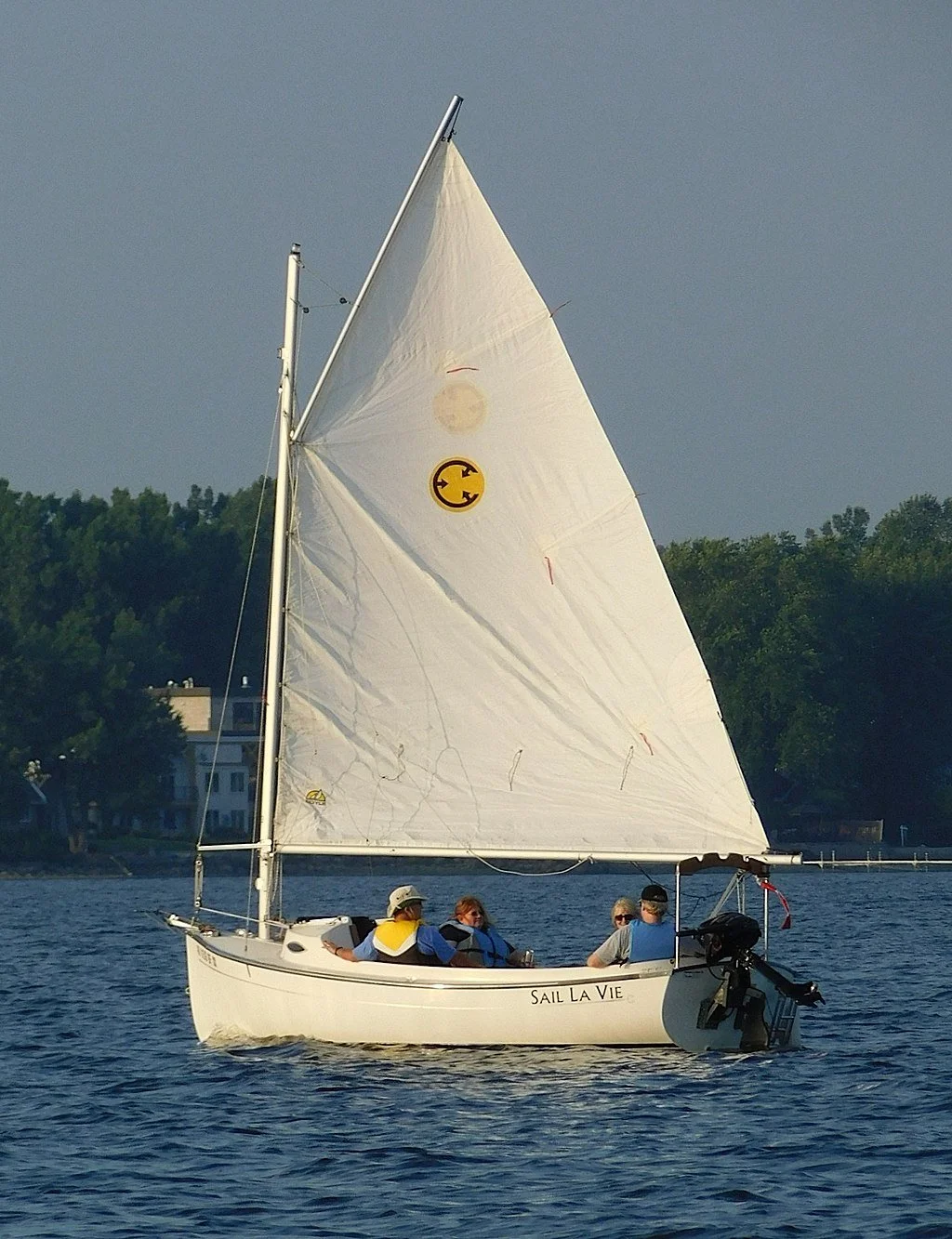
We always had small boats – rowboats, small sailboats, up to 17 feet long, even a canoe. We had an outboard motor or two to stick on sterns when needed, but these could be pesky to get going. The boats were practical possessions since we lived up a hill from a harbor. (The canoe was used on a nearby mill pond.)
Before fiberglass, the boats meant a lot of springtime work sanding and caulking the wooden bottoms before applying anti-fouling copper paint. Then we had to carefully maneuver a trailer to launch the sailboats in June and then reverse the process in late September. As the years rolled by, this got tedious.
The channel from the harbor out to the bay, which at Cohasset was really more the open ocean, was narrow, with ever shifting sandy shoals on one side and mussel beds (where we got our bait) on the other and sometimes was quite laborious to get through by sail.
In mid-summer heat waves you had to voyage out at least a mile, to the vicinity of the famous Minot’s Light, to get the real air-cooling effect. You’d hope that ships hadn’t recently dumped a lot of bunker oil, which could cover miles of water and give off a very noxious smell. Thank God for the EPA!
Then back to the small harbor, which became increasingly crowded with large and small pleasure boats over the years, I suppose because of growing local affluence as this small town became an all-out suburb. No longer were lobster and other commercial fishing boats numerous.
It was soothing to go sailing alone, which, if the breeze were a steady 10 to 20 knots, would put you in a ruminative mood. Sometimes you’d throw out an anchor and fish for mackerel, hoping that you wouldn’t get a dogfish instead.
It was also often fun to have small parties on the boats, except when the wind and social energy flagged and there you were – sometimes trapped for hours – in a small cockpit. Eventually, the claustrophobia might force you to use the outboard to motor in.
I still like to go out on boats once or twice a summer if I have a pretty good idea of when I’ll get back to shore. But with the expense and time involved in owning a boat, I’d just as soon have it someone else’s.
xxx
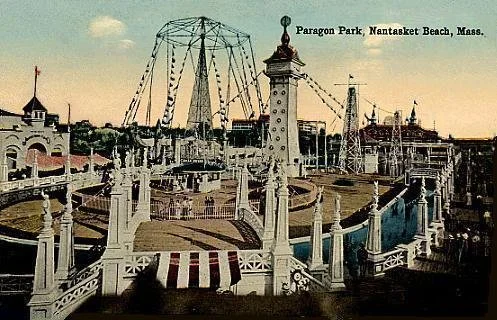
Paragon Park, in Hull, in 1914
There was a now long-gone amusement park, called Paragon Park, along a rather polluted strand called Nantasket Beach, in Hull, Mass., that we’d be taken to about once a year, often around my birthday. There was a lethal roller-coaster, a fun house with sloppily made monsters and, my favorite, something called “The Rotor.” This giant infernal cylindrical device, into which you’d walk, would spin you around at such velocity that you’d be stuck to the walls. (Sounds like astronaut training.)
Inevitably, a kid would get sick and upchuck the junk food (cotton candy, popcorn and hot dogs, etc., of indeterminate origin). Perhaps for the same reason that I very rarely get seasick, I didn’t suffer this misfortune.
Then there were the games (with prizes “Made in Japan,’’ back when that phrase meant cheap instead of high quality), which usually involved throwing a ball at something as a bored attendant (usually an older teen doing this as a summer job) looked on with a frown or a rictus smile.
Paragon Park was notably garish but, especially when you’re young, “kitsch is everything you really like,’’ in the immortal words of our late musician friend with the wonderful name of Page Farnsworth Grubb, who ended his years in Iowa. Despite what you might think from his name, he was about the least pretentious person you could meet. By the way, if you want pretentious, look at the marketing for “The Preserve,” in Richmond, R.I.
Tips for New England gardeners in drought


From ecoRI News (ecori.org)
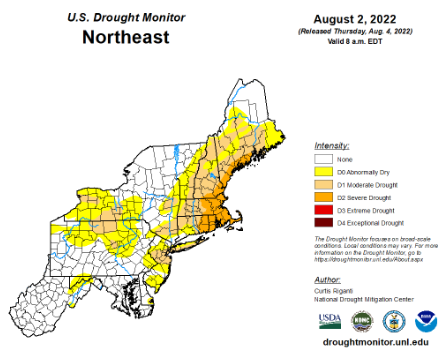
For backyard gardeners, mild droughts and water-ban restrictions common during the summer can be a cause for concern. Kate Venturini Hardesty, a program administrator and educator with the University of Rhode Island’s Cooperative Extension, offers some tips for gardeners who are feeling the heat.
Let your lawn rest.
“Your lawn is on summer vacation,” she said. “Lawns are meant to go dormant in July and August. Many turf types are perennial species, so they rely on a break, much like the herbaceous perennials in our gardens. When we don’t allow them to rest, they’re weaker, just like you and I without a good night’s sleep. Refraining from watering the lawn saves a tremendous amount of water.”
While this may mean that your lawn is brown instead of a vibrant green, it will be beneficial for its overall health.
Don’t mow your lawn too low.
Mowing your lawn too far down will also have a negative impact on it. You don’t want to be the golf course of your neighborhood — the taller your grass is, the healthier it will be.
“The higher your mower is set, the deeper the roots are able to go underground to access soil moisture,” she said.
Water your crops and gardens as early in the day as possible.
“Don’t water any time but the morning,” she said. “It gives the plants some time to actually absorb the water before it evaporates.”
If you water at noon, you’ll lose a bunch of water to evaporation. If you water in the evening after the sun has set, you run the risk of causing fungal issues for your plants.
Know what plants are best for your garden.
When it comes to designing and planning your gardens and landscaping, it’s critical that you know which plants are the best suited for your space. Plants that are native to your area will generally do best because they evolved and are able to adapt to the way your local climate is changing on both the micro and macro levels.
The types of plants that are best to plant vary from garden to garden based on a variety of factors, including sun exposure, solid health, and drainage. Before you plant, do your research.
“A simple site assessment exercise can help you gather information about available sunlight and water, wind exposure, drainage and soil health,” she said. “The more information you have, the easier it is to choose plants that can tolerate the climate on your site.”
Venturini Hardesty said that, on average, New England tends to get about 45 inches of rain annually. If the average rain per week is about an inch, that leaves about seven weeks without rain, which happens to be almost the full length of the months of July and August.
The shifts that climate change will bring to backyard gardeners – and crop growing and planting as a whole – will need to be dealt with on a regional level, not in individual backyards, she said.
‘As if digging a grave’
— Photo by Caroline Culler
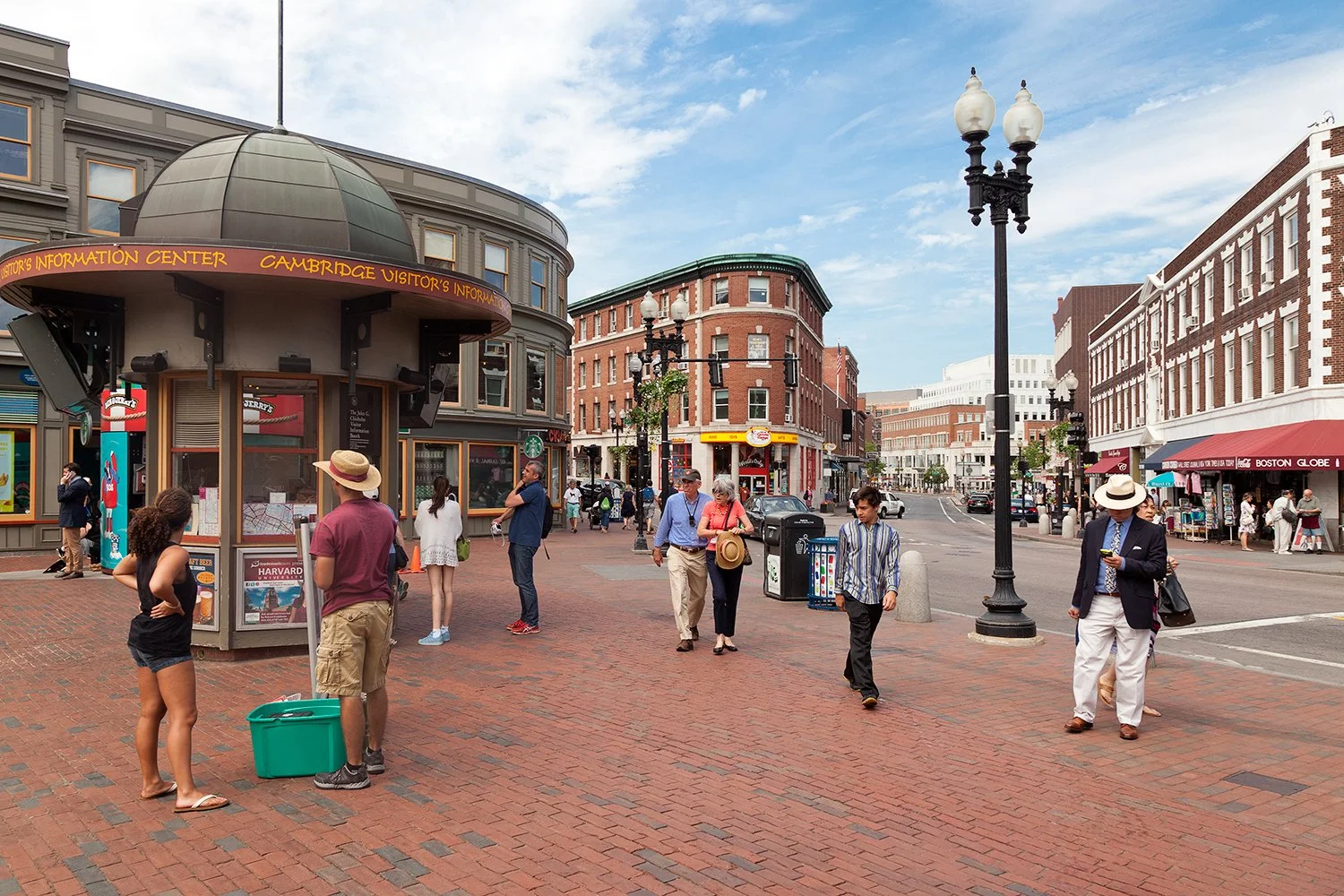
“….The tiny dormer windows like the ears of a fox, like the
long row of teats on a pig, still
perk up over the Square, though they're digging up the
street now, as if digging a grave,
the shovels shrieking on stone like your car
sliding along on its roof after the crash….’’
— From “Cambridge Elegy,’’ by Sharon Olds (born 1942), American poet and teacher
Beach flag

“Flag 09” (white sand and red dirt) by Tim Sauter, at the Cape Ann Museum, Gloucester, Mass., in his show “American Flags’,’’ Aug. 13-Sept. 25. He lives in the Lanesville section of Gloucester.
The museum says: “‘Americans Flags’ was created by artist, designer and professor in the practice of design at Olin College of Engineering {in Needham, Mass.} Tim Ferguson Sauder. The exhibit explores our American identity through the creation of flags built using marks collected from the different people and places that make up our country.’’