
Vox clamantis in deserto



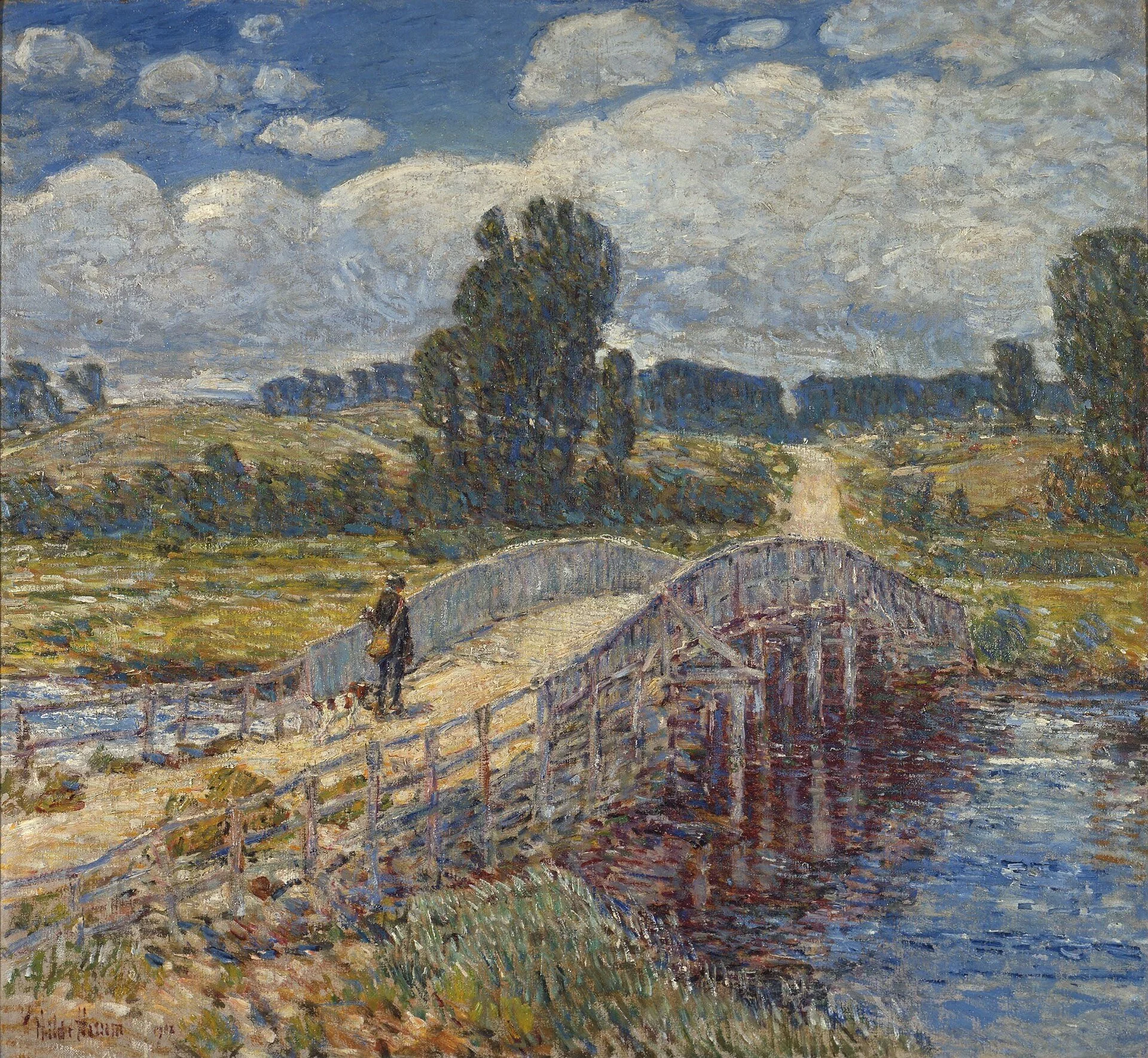
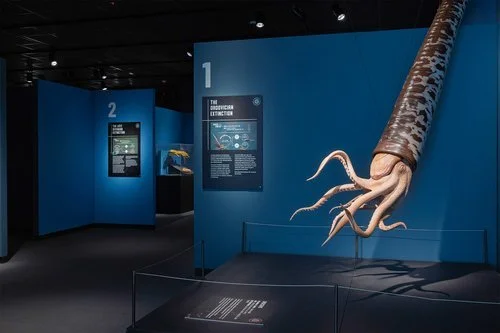

Video: Girding for big impacts from global warming in and along the Gulf of Maine
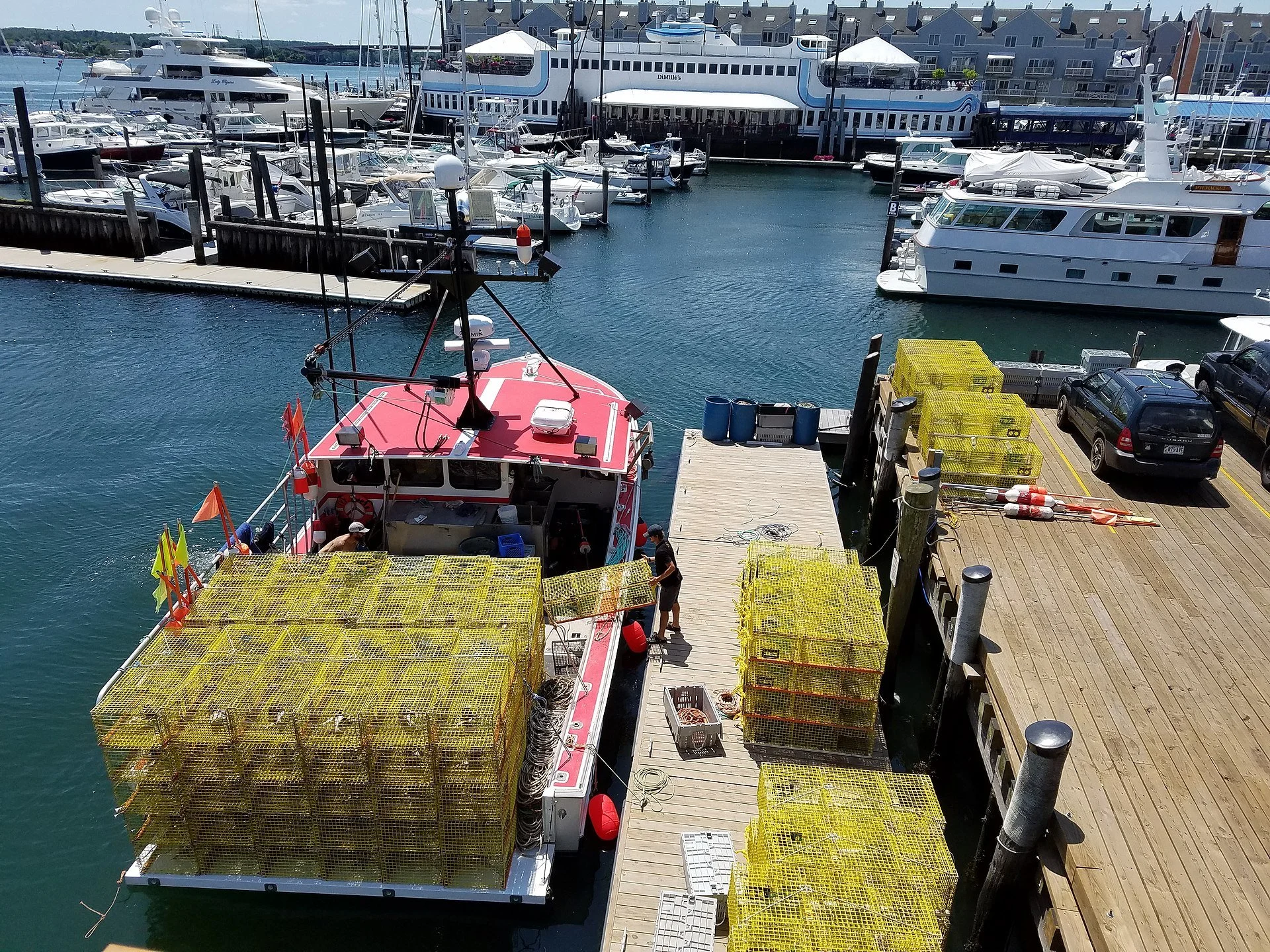
Lobster boat in Portland Harbor marina. The Maine lobster industry is threatened by the warming of the Gulf of Maine.
— Photo by Bd2media
Hit this for video about the Maine Coast facing big changes because of climate change. And hit this link about the expansion of aquaculture in Maine.
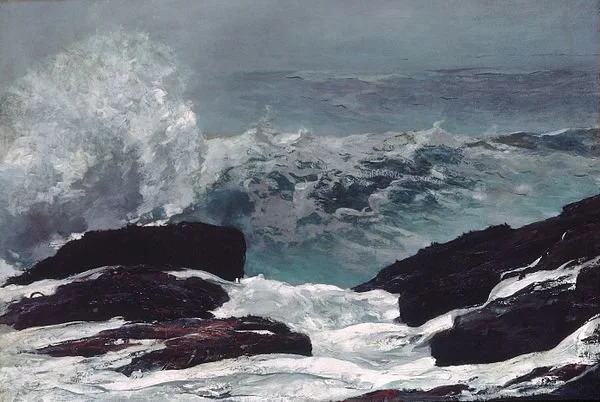
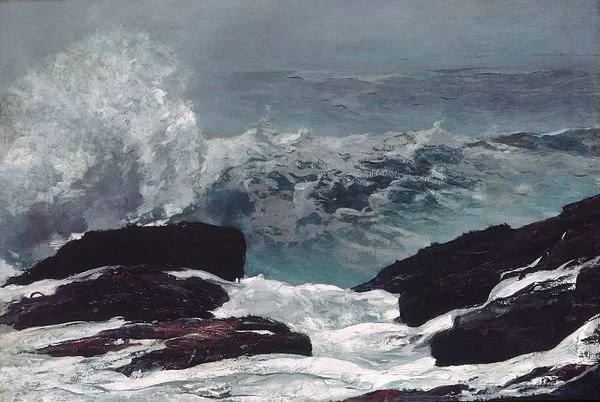
“The Maine Coast’’ (1896), by Winslow Homer.
Boston won’t pause for an audit
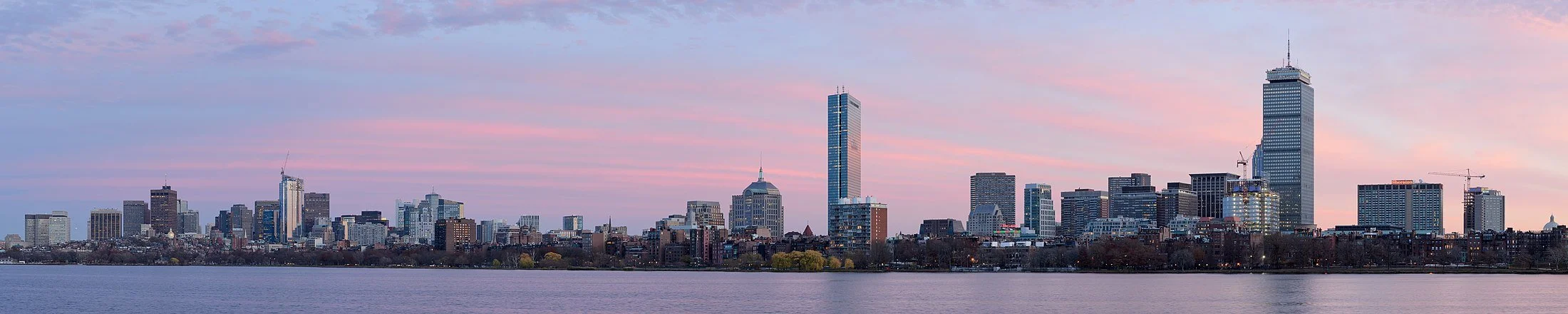
Part of Boston skyline from Cambridge.
“Yet Boston has never lost her universal supremacy for being independent in character, original in enterprise, unwilling to follow whenever she is reasonably equipped to lead. If she has surrendered any of her intellectual heritage, she is still too occupied in serving the humanities and human beings to pause for an audit.”
—David McCord, poet and education fundraiser (1897-1997)
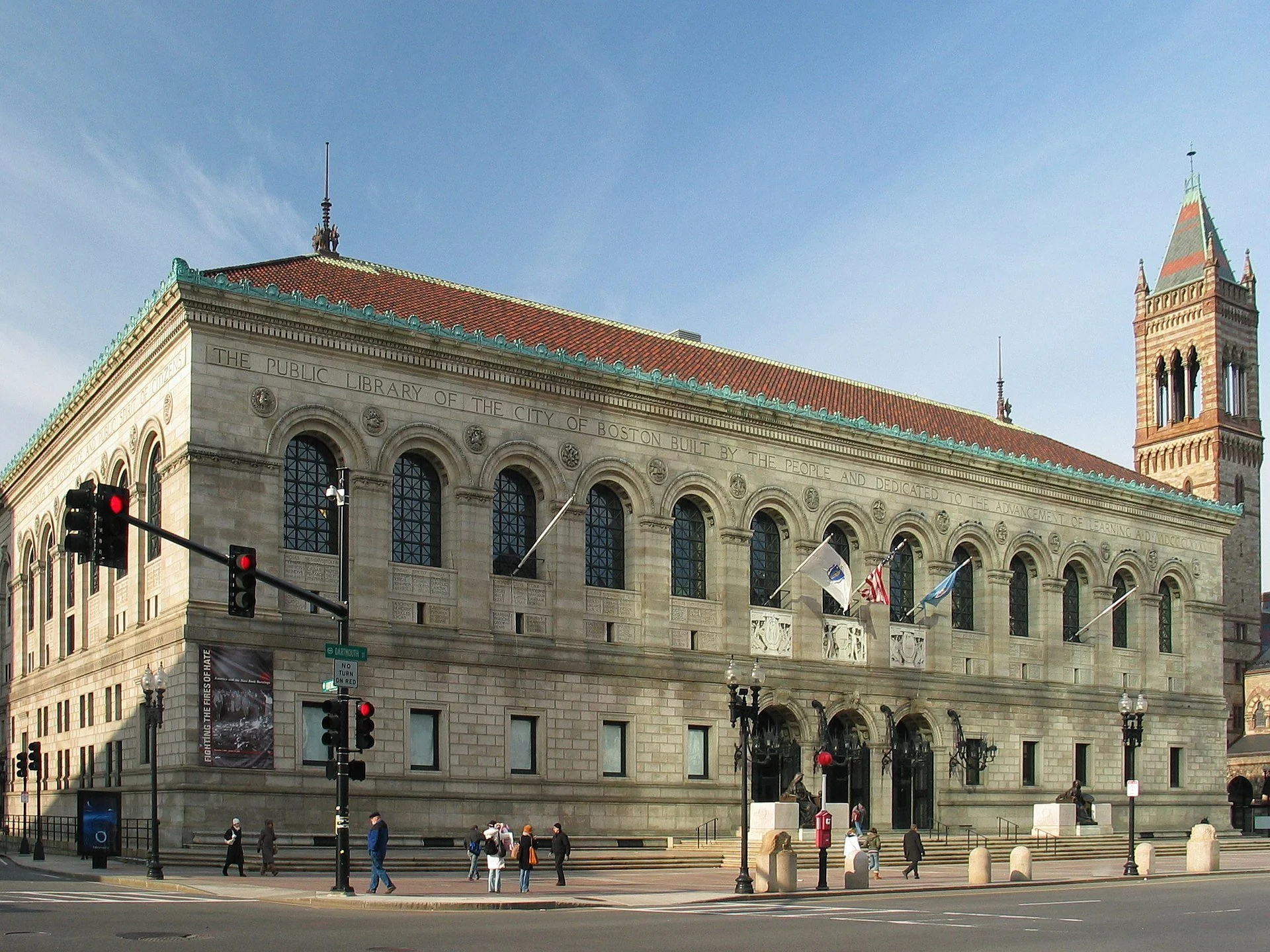
The main Boston Public Library building, on Copley Square. Designed by Charles McKim, it was opened in 1895.
— Photo by Daniel Schwen
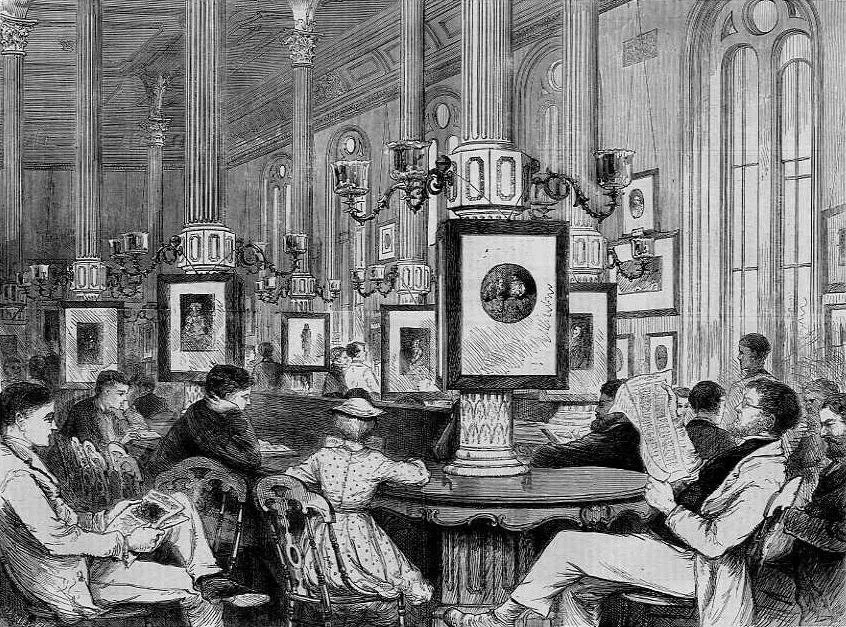
Reading Room in 1871 at the library’s first building, on Boylston Street, its location between 1858 and 1895.
David Warsh: Putin, Czar Peter and RealLifeLore

Portrait of Peter the Great, possibly by J.M. Nattier, in the Hermitage Museum, in St. Petersburg, named, of course, after that czar.
SOMERVILLE, Mass.
It is becoming clear to dispassionate observers that, after surprising successes in its defense of Kyiv, Ukraine is losing hope that its troops can reverse gains that Russia has made in the east of the nation. A three-correspondent team yesterday put it this way in The Washington Post:
“[T]he overall trajectory of the war has unmistakably shifted away from one of unexpectedly dismal Russian failures and tilted in favor of Russia as the demonstrably stronger force.’’
In a speech June 9 to Russian entrepreneurs in St, Petersburg, marking the 350th anniversary of the birth of Czar Peter the Great, Russian President Vladimir Putin compared his invasion of Ukraine to Peter’s Great Northern War. That twenty-one-year-long series of campaigns, little remembered outside the Baltic nations, Russia, and Ukraine, began when Peter recruited Denmark and Norway as allies to test the newly crowned fifteen-year-old King of Sweden, Charles XII (sometimes called Karl XII).
Charles’s army defeated Russian forces three times its size at Narva, in 1700, and for a time Peter retreated, and began construction of St. Petersburg in 1703. But in 1709, as the over-confident Swedish king marched his army towards Moscow, via Ukraine, Peter’s forces crushed the Swedes in the battle of Poltava, effectively ending the short-lived Swedish Empire, and, as Peter the Great declared, laying the final stone in the foundations of St Petersburg and the Russian Empire. In the decade to come, Peter took possession of much of Finland and the northeastern shores of the Baltic.
“What was [Peter] doing?” Putin asked his audience Thursday, according to the Associated Press. “Taking back and reinforcing. That’s what he did. And it looks like it fell on us to take back and reinforce as well.”
Peter’s war in the Baltic was about gaining access to Europe. Putin’s war in Ukraine is about retaining access to European energy markets. It has been clear all along that the Russian invasion was about the possession of oil and gas resources and their transport. But the details are hard to explain.
My own path to the story followed the work of Marshal Goldman, of Wellesley College and Harvard Russian Research Center, who narrated Russian history after 1972 in a series of lucid books, culminating in Petrostate: Putin, Power and the New Russia (2008). But Goldman died in 2017. That left the field to Fiona Hill and Clifford Gaddy, both of the Brookings Institution, authors of The Siberian Curse: How Communist Planners Left Russia Out in the Cold, and Mr. Putin: Operative in the Kremlin. Hill became well-known as an adviser to President Trump at the end of his term. Last week Gideon Rachman, chief foreign-affairs commentator for the Financial Times, interviewed historian Daniel Yergin to good effect in an FT podcast (s subscription may be required) .
But it turns out that the best forty minutes you can spend on the war, that is, if you have forty minutes to spend, is Russia’s Catastrophic Oil & Gas Problem, a new episode of a strange new independently produced series called RealLifeLore. Production values are striking. So is the relative lack of spin. Only the narrator’s forceful delivery wears thin, though his pronunciation of place names seems impeccable. . .
The provenance of the program itself is somewhat unclear. The YouTube link came to me from a trusted old friend; she got it from Illinois Rep. Bill Foster, the only nuclear physicist currently serving in Congress.
CuriosityStream, which carries the RealLifeLore series, is an American media company and subscription video streaming service that offers documentary programming including films, series, and TV shows. It was launched in 2015 by the founder of the Discovery Channel, John S. Hendricks. RealLifeLores’s producer, Sam Denby, is an entrepreneur best known for creating,via Wendover Productions, several edutainment YouTube channels, including Half as Interesting; Extremities; and Jet Lag, The Game. I look forward to learning more about Denby as Wikipedia goes to work and streaming networks and newspapers tune in.
I don’t know what more to say except to recommend that you watch it. It skews slightly optimistic towards the end. The Great Northern War doesn’t come into it. That’s my department, as is the is the opportunity to occasionally marvel at the yeastiness of the enterprise economy of the West, not “free” exactly, but far less clumsily guided than the system that Vladimir Putin is trying to control.
The moral of the story: Putin’s war aims are grimly realistic. Those of NATO in support of Ukraine are not. The invasion was wrong, and probably a colossal mistake, even if Russia winds up taking possession of some or all of its neighbor. Putin’s “special military operation” in the 21st Century is the opposite of Peter’s Great Northern War in the early 18th Century. Russia will suffer for decades for his folly.
xxx
Dale W. Jorgenson, of Harvard University, died June 8 in Cambridge, Mass., of complications arising from long-lasting Corona virus infection. He was 89. An excellent Wall Street Journal obituary is here.
Awarded the John Bates Clark Medal in 1971, Jorgenson was among the founders of modern growth accounting, a major force in the rejuvenation of Harvard’s Department of Economics, and, as John Fernald put it in a recently-prepared intellectual biography, attentive, supportive, warm, and kind, beneath an unfailing veneer of formality.
A memorial service is planned for the autumn.
David Warsh, a veteran columnist and an economic historian, is proprietor of Somerville-based economicprincipals.com, where this column originated.
At least in your memory
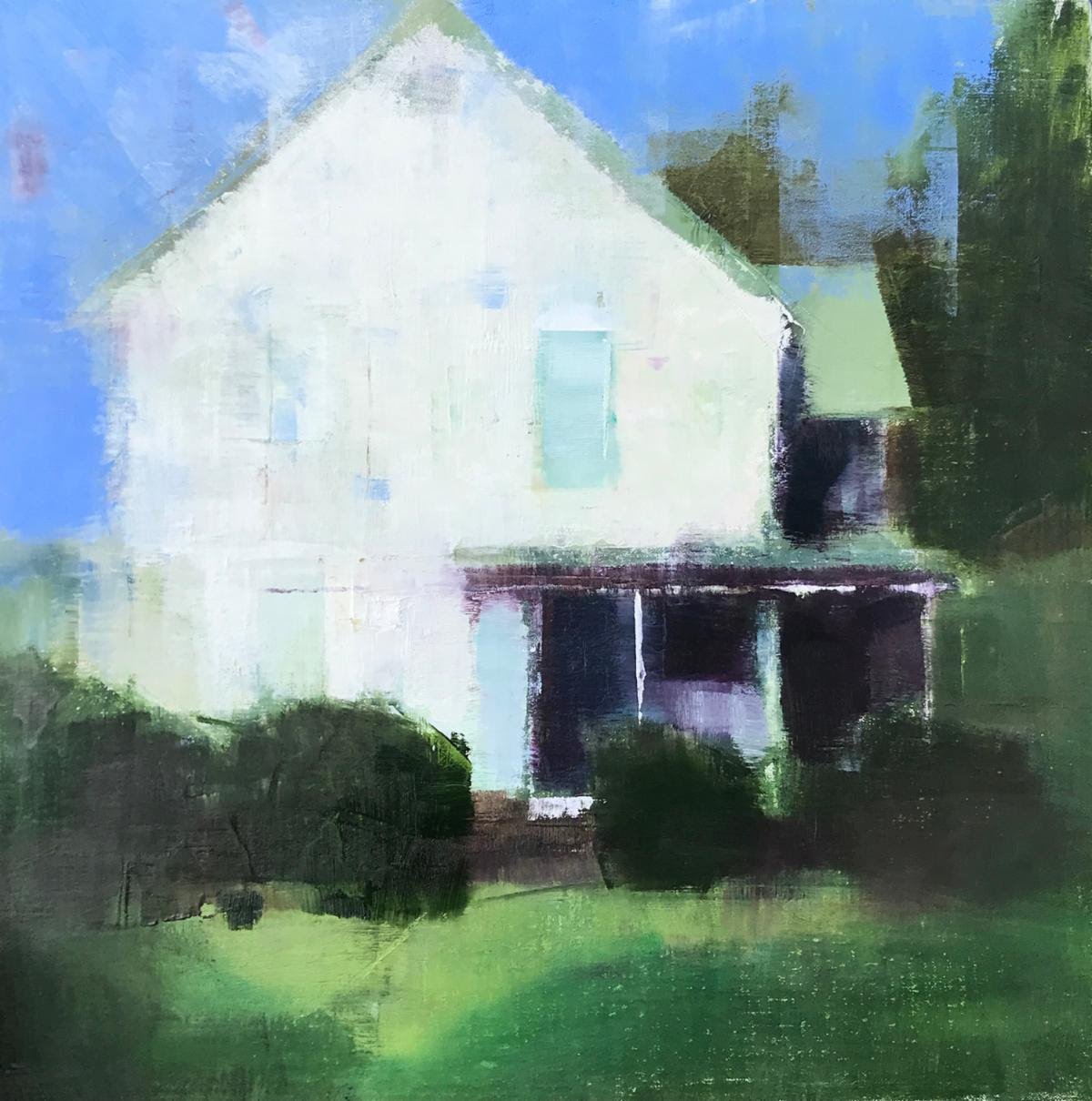
“About a White House” (oil on panel), by Tracy Everly, at Edgewater Gallery, Middlebury, Vt.
Insurrection art
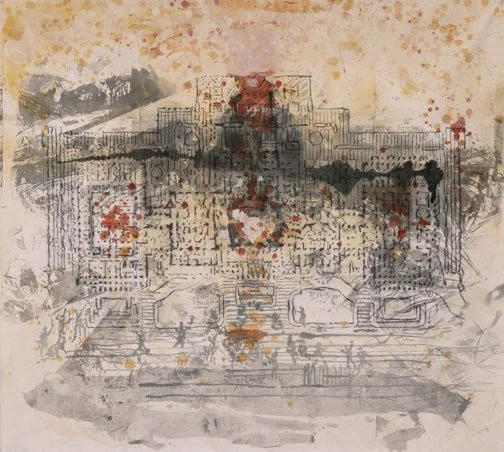
“Capitol Offense” (acylic and charcoal on blackout fabric), by Barnstable (Mass.) Village-based Jackie Reeves at the Art Complex Museum, Duxbury, Mass.
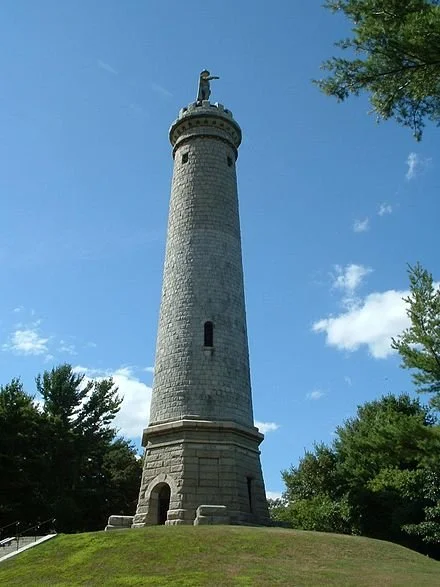
Myles Standish Monument, in Duxbury.
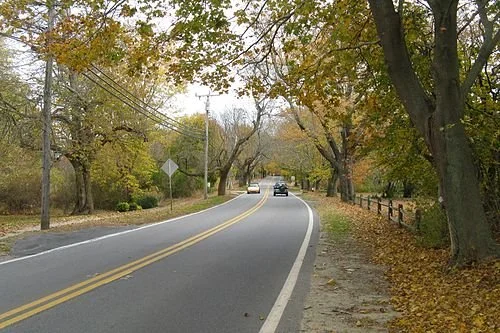
In Barnstable Village, on Cape Cod’s “Quiet Side’’
Clicking syllables
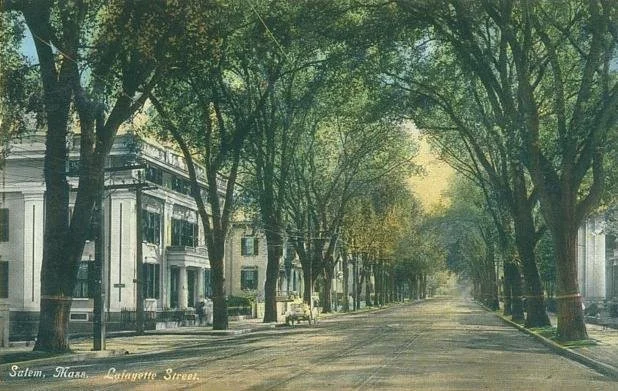
Lafayette Street in Salem, Mass. An example of the '‘high-tunneled effects’' of the American elm (Ulmus americana) once common in New England towns and cities (colorized postcard, 1910) before Dutch elm disease ravaged these beautiful trees.
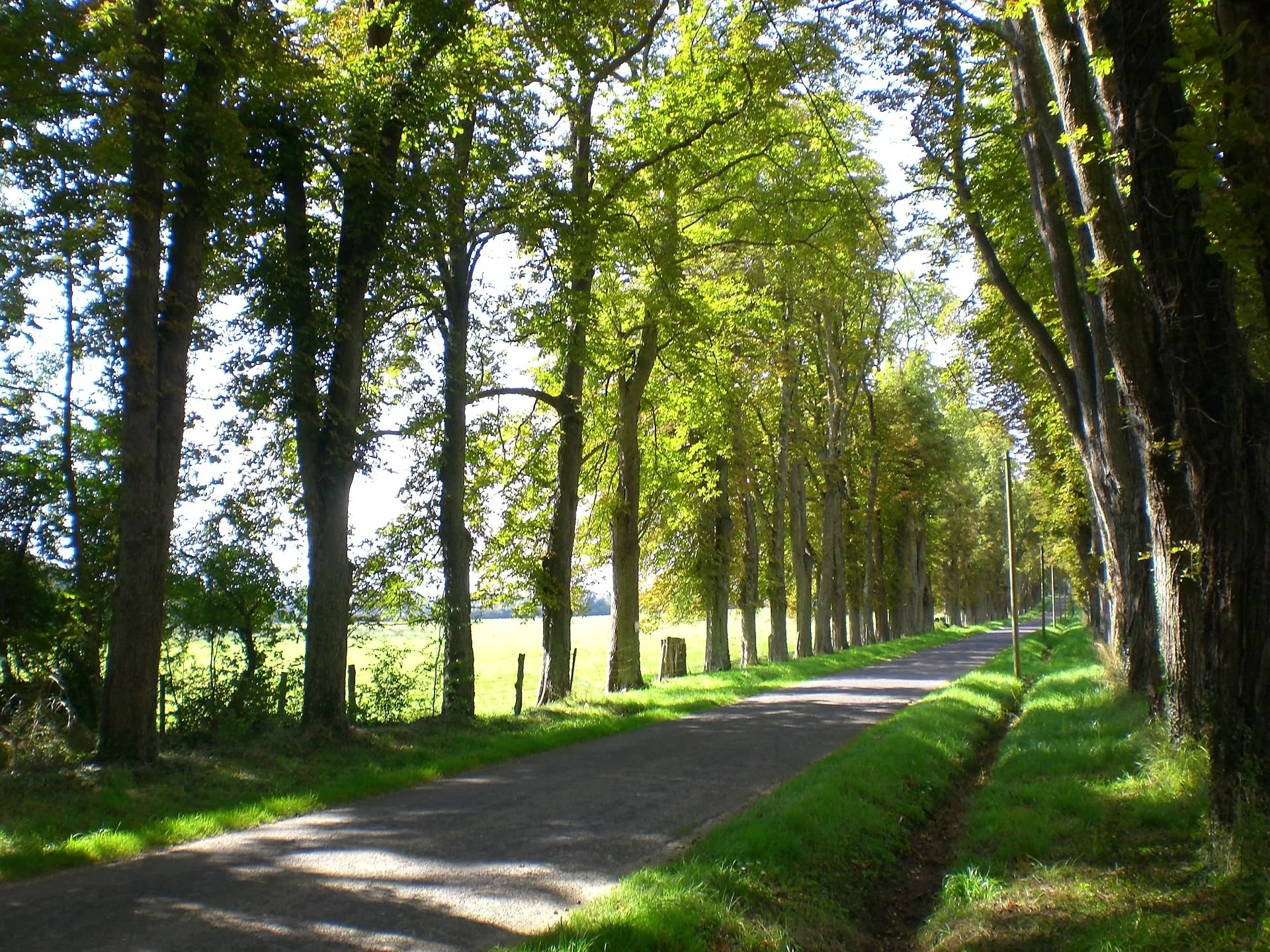
— Photo by Mlane78212
“Your grandfather and I rode bikes through
an alley of trees and called their names
to each other, Latin spindling into the wind—
Acer saccharum
Betula populifolia
Pinus strobus
Syllables clicked from our mouths
like baseball cards clothes-pinned
to the bikes’ bright spokes….’’
— From “On the Day Before You Were Born,’’ by New Hampshire poet and teacher Lin Illingworth
Overcoming nature
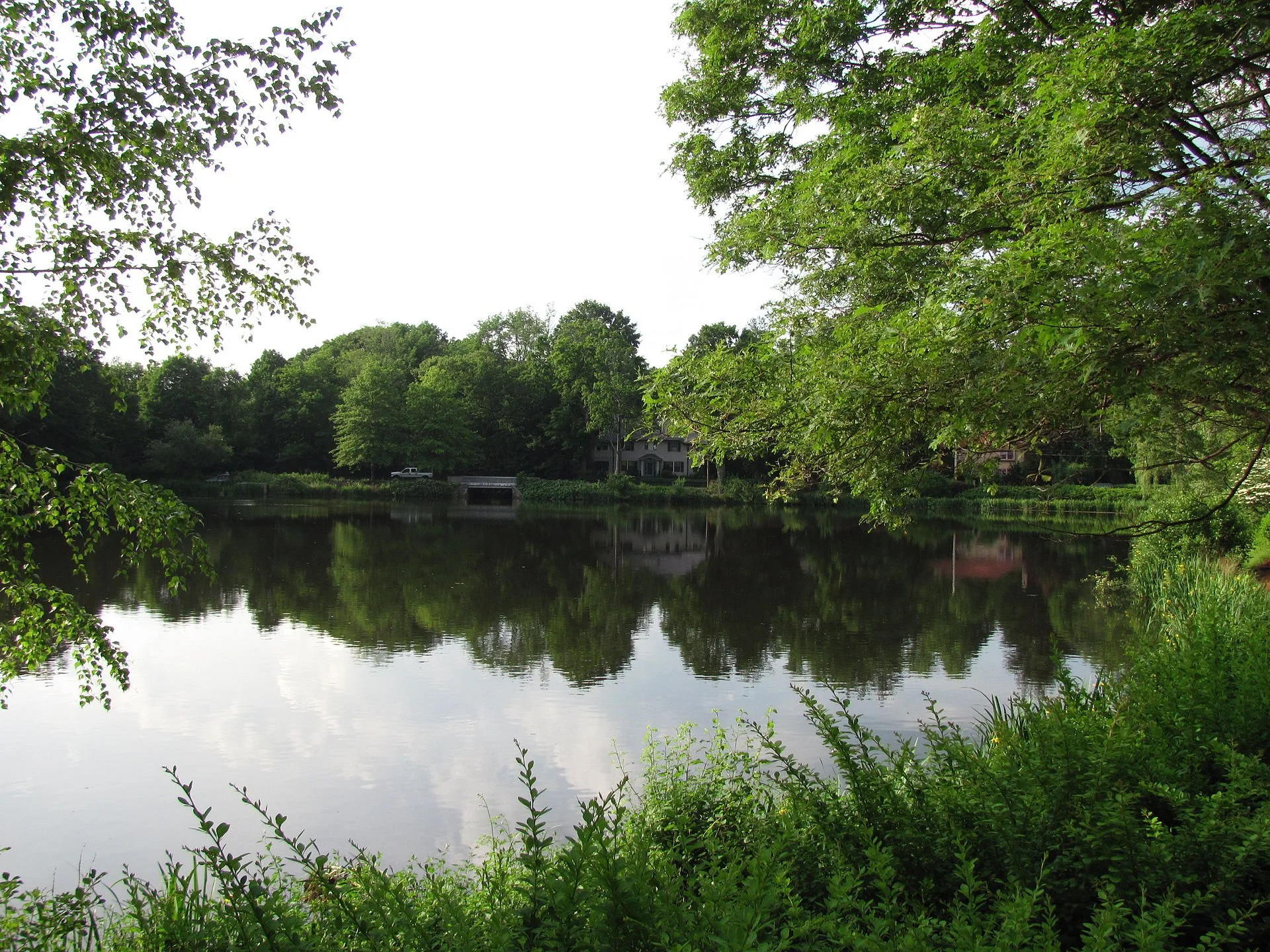
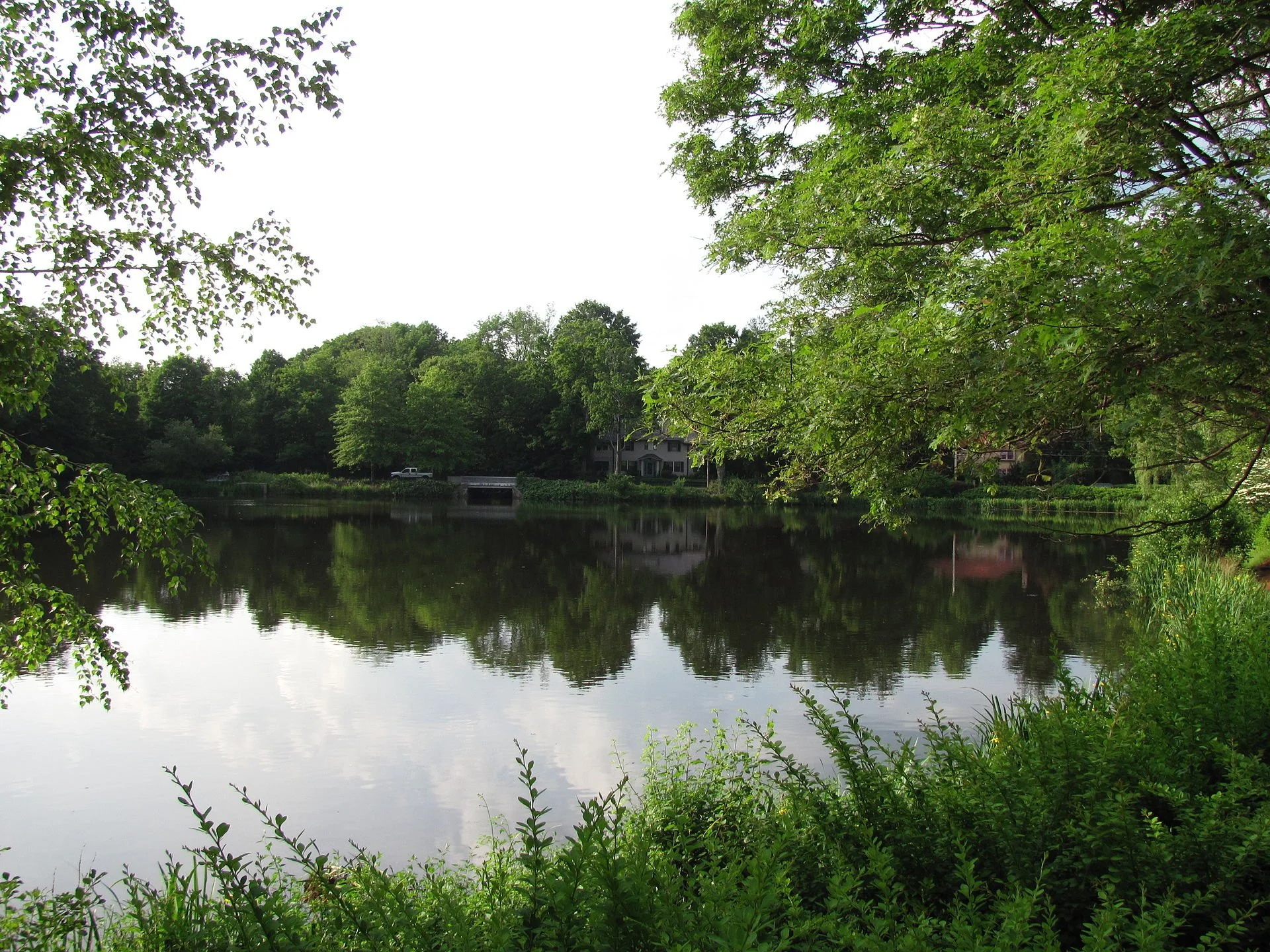
Bullough's Pond, in Newton, Mass.
— Photo by John Phelan
“Yankee wealth is the creation of human hands, not of nature. Our soil is thin, our weather cold, and the mineral resources that lie under our mountains are negligible. Yet the people who live here are and have long been prosperous….Over and over again people in this small corner of the planet have faced disaster in the forms of economic collapse or resource dearth and overcome the odds.”
— Diana Muir in her book Reflections in Bullough’s Pond, a mill pond in Newton, Mass.
Lunar exploration

“A Different Dawn” (encaustic) by Boston-based painter Deniz Ozan George, in her show “Wax and Wane…Ebb and Flow,’’ at Galatea Fine Art, Boston, July 1-31.
She says:
"‘Wax and Wane... Ebb and Flow’ is a personal exploration of the magical and enduring presence of the moon through its many phases, its pull on the oceans' tides and its effect on the life cycles of all living things.
“These mysteries are expressed through the medium of encaustic wax painting and Japanese nihonga-inspired mineral pigment distemper painting.’’
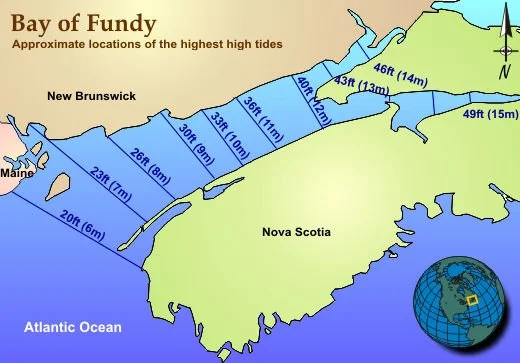
The Bay of Fundy has the highest tides in the world.
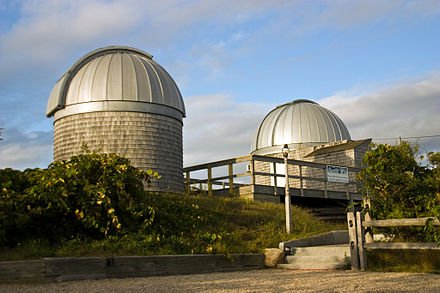
The Maria Mitchell Observatory on Nantucket was founded in 1908 and named in honor of Maria Mitchell, the first American woman astronomer. The observatory consists of two observatories - the main Maria Mitchell Observatory near downtown Nantucket and the Loines Observatory (in photo), west of downtown.
Milestones to headstones
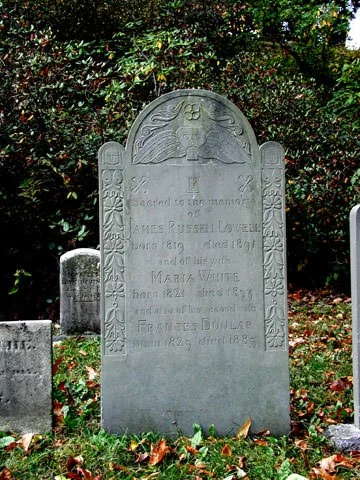
James Russell Lowell’s gravestone in Mount Auburn Cemetery, on the Cambridge-Watertown line.
As life runs on, the road grows strange
With faces new, and near the end
The milestones into headstones change,
'Neath every one a friend.
"Sixty-Eighth Birthday,’’ by James Russell Lowell (1819-1991)
Lowell, of a famous Boston Brahmin family, was a Romantic poet, critic, editor and diplomat. He is associated with the “Fireside Poets,’’ a group of New England writers who were among the first American poets whose popularity rivaled that of British poets.
Chris Powell: On gun control, considerTrump’s attempted ‘coup’ and Ukraine; vacuous school prayers
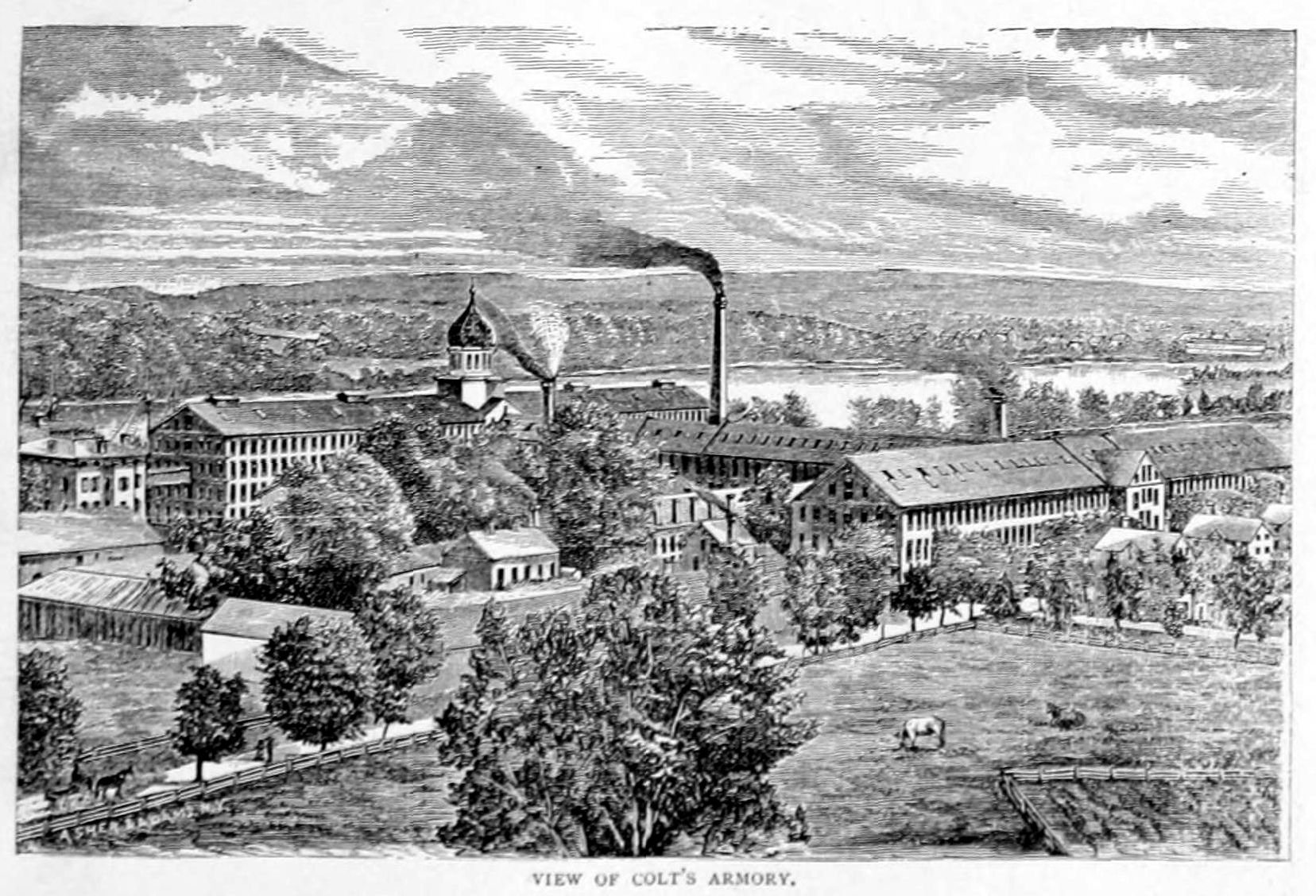
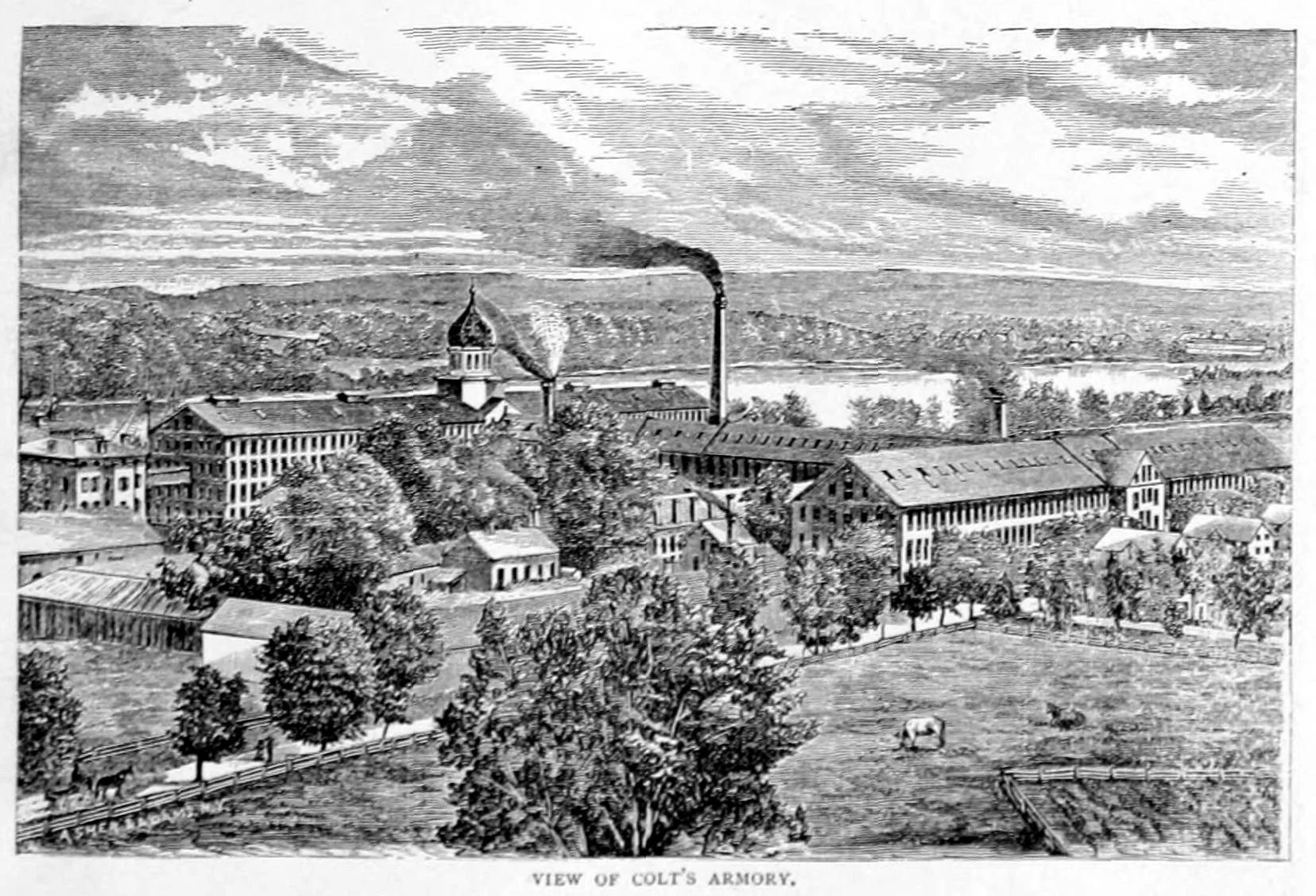
Colt’s Armory, in Hartford, in 1896. Connecticut has long been a major firearms maker.
MANCHESTER, Conn.
Eighteen months later the political left is still stewing about and running a congressional investigation into what it calls a "coup attempt" and "insurrection" instigated by President Trump and supported by many Republicans to steal the 2020 presidential election under the pretext that it was stolen from Trump because of widespread vote fraud.
"Coup" or "insurrection" or not, Trump's attempt to interfere with the normal counting of the electoral votes in the Senate was reprehensible, even if four years earlier many leading Democrats had claimed, also without much evidence, that the presidential election had been stolen from them.
But amid the agitation about the recent mass shootings, the left has failed to learn a lesson of the "coup" or "insurrection." That is -- to borrow from the old cautionary slogan of supporters of the Second Amendment -- if guns had been outlawed on Jan. 6, 2021, only Trump would have had guns, at least if the military continued to take orders from him.
Trump isn't the first president to have provoked fears of a coup. As he resisted impeachment in 1974, President Richard Nixon so frightened his defense secretary, James Schlesinger, that Schlesinger issued instructions to the Joint Chiefs of Staff that no force-deployment order from the White House was to be obeyed if it did not come through his office. That is, Nixon's own defense secretary thought him capable of trying to overthrow the Constitution to remain in office.
But even as much of the political left remains obsessed with Trump's "coup," it also proposes to disarm the population by outlawing and confiscating semiautomatic rifles. Meanwhile the government of embattled Ukraine is distributing such rifles to civilians to combat the Russian invasion and coup attempt in the country's east.
Of course this irony does not diminish this country's catastrophic problem with gun violence. While mass shootings with scary-looking rifles like the recent ones in Buffalo and Uvalde work people up, on average more than 40 people are murdered with handguns in the country every day without generating much concern.
Handgun violence in Chicago has become overwhelming but it is a rare day when there aren't shootings in Hartford, Bridgeport and New Haven -- all accepted as routine events of city life in Connecticut.
Tighter regulation of gun sales and possession -- comprehensive background checks, waiting periods, "red flag" procedures, increased screening for young people seeking guns, including a higher age of eligibility for purchases -- along with long sentences for repeat offenders, probably could reduce gun crime generally.
Soft targets such as schools can be protected better. Maybe someday government and society will be willing to examine even the epidemic of child neglect that produces so many disturbed teenagers and young men.
But a disarmed population will always be more susceptible to coups and totalitarianism. President Biden is so awful that Trump well may become president again, and there always could be another Nixon, a president corrupted by power into lawbreaking. The people getting hysterical about guns might do well to keep this in mind.
Former Connecticut U.S. Rep. Gary Franks notes that reducing gun violence requires healing "hearts, minds, and souls." But his prescription is silly: Bring prayer back to public schools, from which it supposedly was banished by the Supreme Court in 1962.
Actually the court found unconstitutional only government-sponsored prayer in public schools. Students always have been and remain free to pray in school without being disruptive. But it is fundamental to liberty that government cannot compel expression of religious or political belief.
This principle was affirmed by the court in 1943, in the middle of World War II, when the court exempted schoolchildren from being required to salute the flag. "Words uttered under coercion are proof of loyalty to nothing but self-interest," Justices Hugo Black and William O. Douglas wrote.
This precious liberty is exactly what makes the country worth supporting and the flag worth saluting.
Besides, the prayers of old in public schools were usually so superficial and designed only for appearances as to be meaningless and even mocking of the very exercise.
Chris Powell is a columnist for the Journal Inquirer, in Manchester.
It must have SOME use!
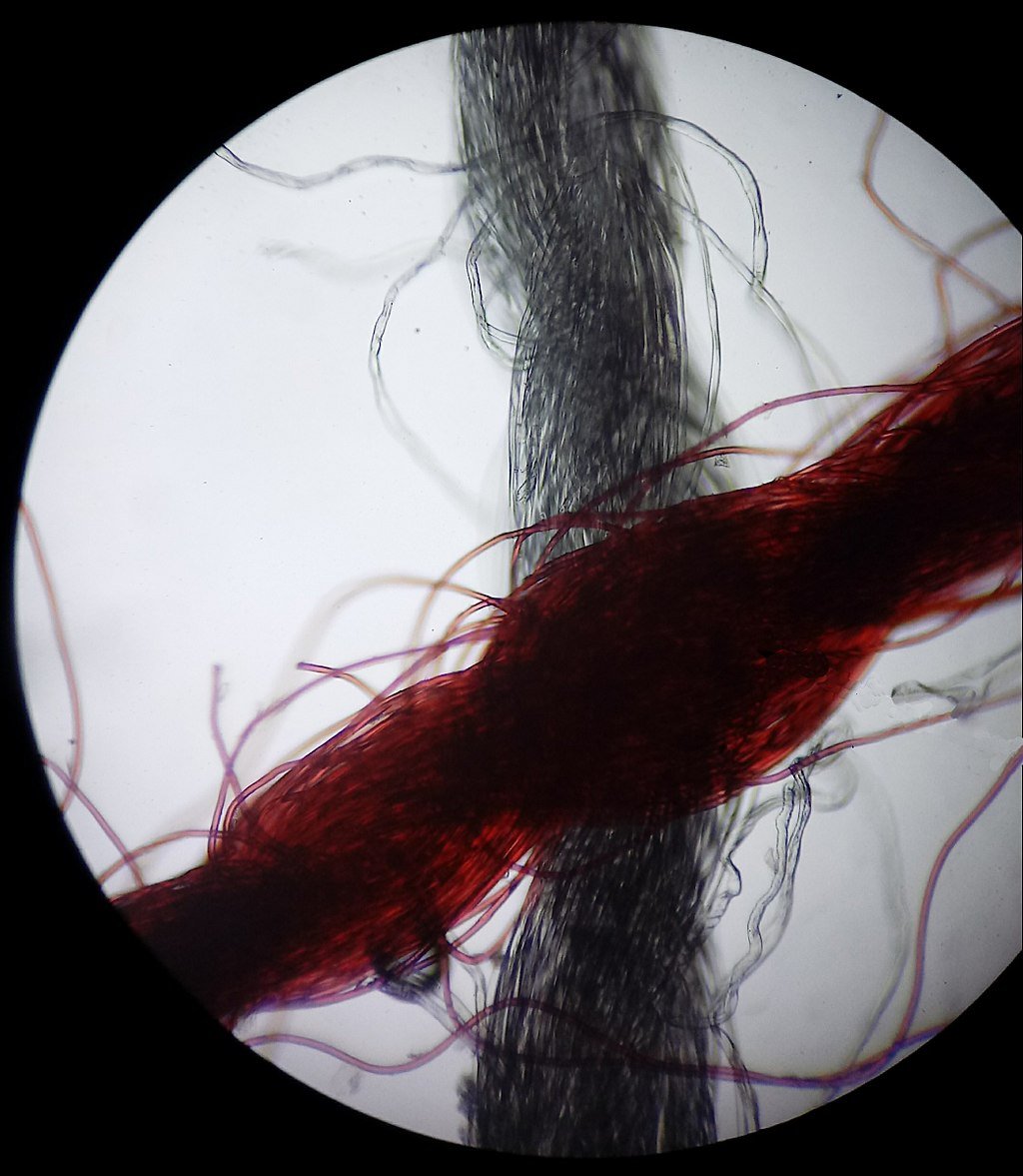
“A man was cleaning the attic of an old house in New England and he found a box that was full of tiny pieces of string. On the lid of the box there was an inscription in an old hand: ‘String too short to be saved.’’’
— Wilmot, N.H.-based poet and essayist Donald Hall (1928-2018) in String Too Short To Be Saved
Godine, the book’s publisher, notes:
“Donald Hall’s memoir of boyhood summers on his grandparents’ small New Hampshire farm has joined the pantheon of New England classics.
“Hall’s prose brims with limitless affection for the land and its people, but String Too Short to Be Saved it isn’t mere nostalgia. These are honest accounts about the passing of an agrarian culture, about how Hall’s grandparents aged and their farm became marginal until, finally, the cows were sold and the barn abandoned.
“But the story of Eagle Pond Farm continued when Hall returned in 1975 to live out the rest of his life in the house of memories and love and string too short to be saved.’’
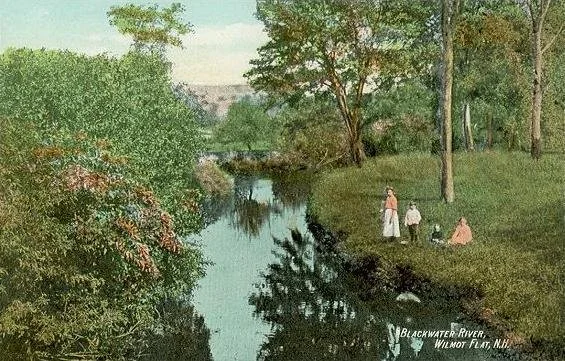
Blackwater River in Wilmot, N.H., in 1910.
Visuals of ‘Black humanity’
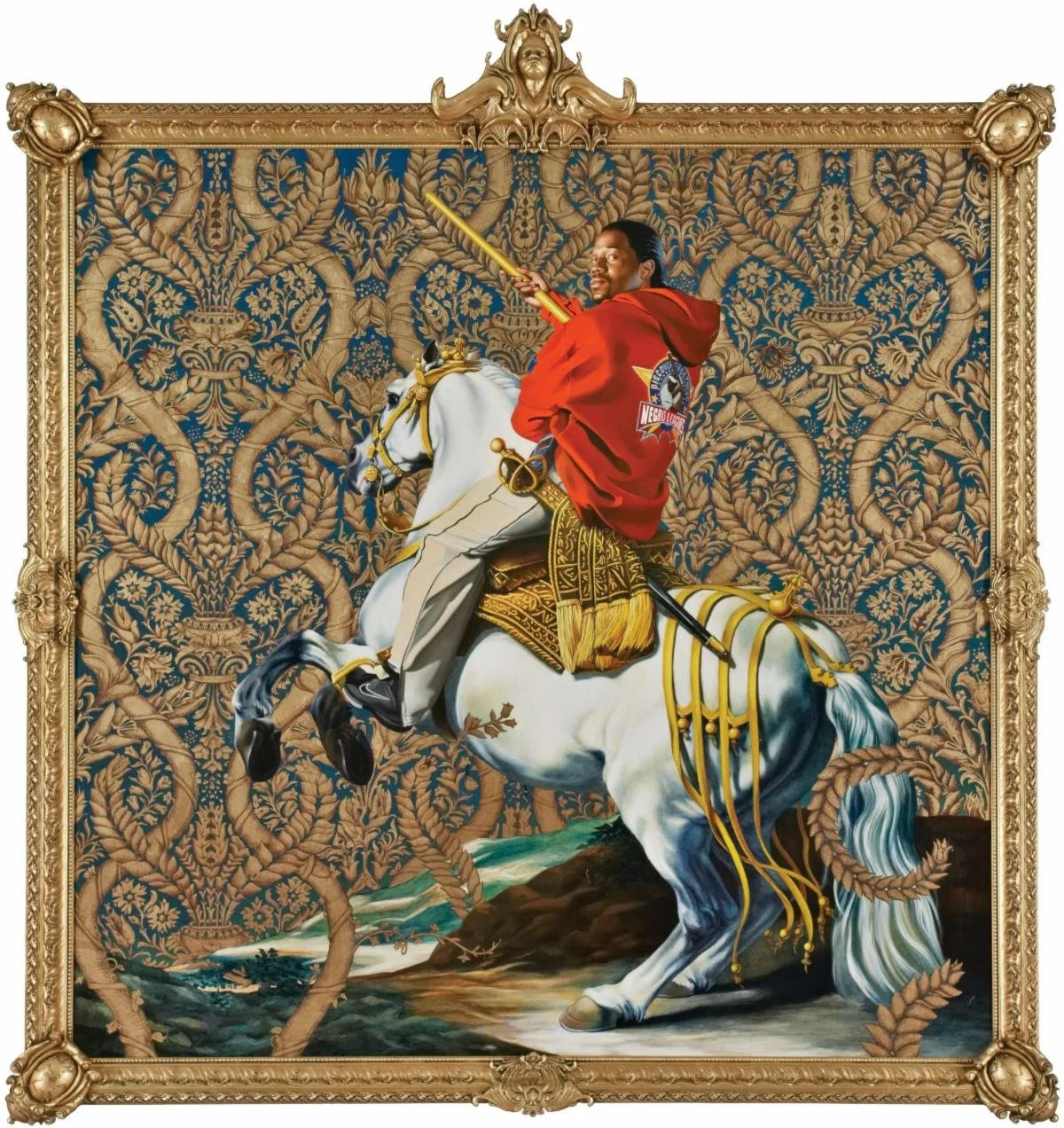
“Equestrian Portrait of the Count Duke Olivares” (oil on canvas), by Kehinde Wiley, in the show “30 Americans,’’ at the New Britain (Conn.) Museum of American Art, June 17-Oct. 30.
The museum says:
“Drawn from the acclaimed Rubell Museum, in Miami, 30 Americans tells the story of Black humanity through the gaze of some of the most significant artists of the last four decades, including Jean-Michel Basquiat, Mickalene Thomas, Kara Walker, Hank Willis Thomas and Kehinde Wiley’’.
Llewellyn King: Prepare for blackouts this summer in the heartland

WEST WARWICK, R.I.
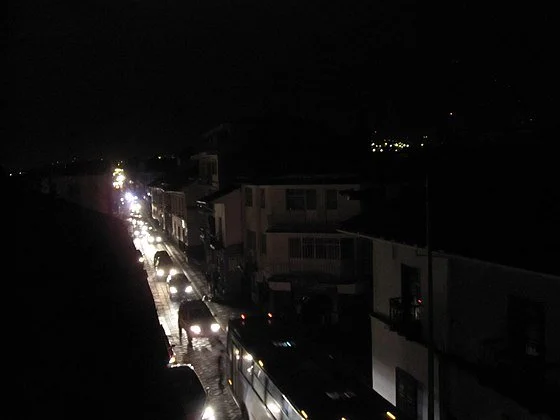
Just when it didn’t seem things couldn’t get worse -- gasoline at $5 to $8 a gallon, supply shortages in everything from baby formula to new cars -- comes the devastating news that many of us will endure electricity blackouts this summer.
The alarm was sounded by the nonprofit North American Electric Reliability Corporation and the Federal Energy Regulatory Commission last month.
The North American electric grid is the largest machine on earth and the most complex, incorporating everything from the wonky pole you see at the roadside with a bird’s nest of wires, to some of the most sophisticated engineering ever devised. It runs in real time, even more so than the air traffic control system: All the airplanes in the sky don’t have to land at the same time, but electricity must be there at the flick of every switch.
Except it may not always be there this summer. Rod Kuckro, a respected energy journalist, says it depends on Mother Nature, but the prognosis isn’t good.
Speaking on White House Chronicle, the weekly news and public affairs program on PBS which I host and produce, Kuckro said, “There is a confluence of factors that could affect energy supply across the majority of the [lower] 48 states. These are continued, reduced hydroelectric production in the West and the continued drought in the Southwest.”
The biggest threat to power supply, according to the NERC and the FERC, is in the huge central region, reaching from Manitoba in Canada all the way down to the Gulf of Mexico. It is served by the regional transmission organization, the Midcontinent Independent System Operator (MISO).
These operational entities are nonprofit companies that organize and distribute the bulk power for utilities in their regions. In California, it is the California Independent System Operator, in the Mid-Atlantic it is PJM, and in the Northeast, it is the New England System Independent Operator. They generate no power, but they control power flows, and could initiate brownouts and blackouts.
With record storm activity and high temperatures predicted this summer, blackouts are likely to be deadly. The old, the young and the sick are all vulnerable. If the electric supply fails with it goes everything, from air conditioning to refrigeration to lights, and even the ability to pump gas or access money from ATMs.
The United States, along with other modern nations, runs on electricity and when that falls short, it is catastrophic. It is chaos writ large, especially if the failure lasts more than a few hours.
On the same episode of White House Chronicle, Daniel Brooks, vice president of integrated grid and energy systems at the Electric Power Research Institute, also referred to a “confluence of factors” contributing to the impending electricity crisis. Brooks said, “We’re going through a significant change in terms of the energy mix and resources, and the way those resources behave under certain weather conditions.”
If power supply is stressed this summer, change in the generating mix will get a lot of political attention: at heart is the switch from fossil-fuel generation to renewables. If there are power outages, a political storm will ensue. The Biden administration will be accused of speeding the switch to renewables, although the utilities don’t say that.
The fact is the weather is deteriorating, and the grid is stretched in dealing with new realities as well as coping with old bugaboos, like the extreme difficulty in building new transmission lines. Better transmission would relieve a lot of grid stress.
Peter Londa, president of Tantalus Systems, which helps its 260 utility customers digitize and cope with the new realities, explained some of the difficulties facing the utilities not only in the shifting sources of generation, but also in the new shape of the electric demand. For example, he said, electric vehicles, particularly the much-awaited Ford F-150 Lightning pickup, could be an asset both to homeowners and utilities. During a blackout, their EVs could be used to power their homes for days. They could be a source of storage if thousands of owners signed up with their utilities in a storage program.
So utilities are facing three major shifts: in generation to wind and solar, in customer demand, and especially in weather. Mother Nature is on a rampage and we all must adjust to that.
Llewellyn King is executive producer and host of White House Chronicle, on PBS. His email is llewellynking1@gmail.com and he’s based in Rhode Island and Washington, D.C.
Along with everything else
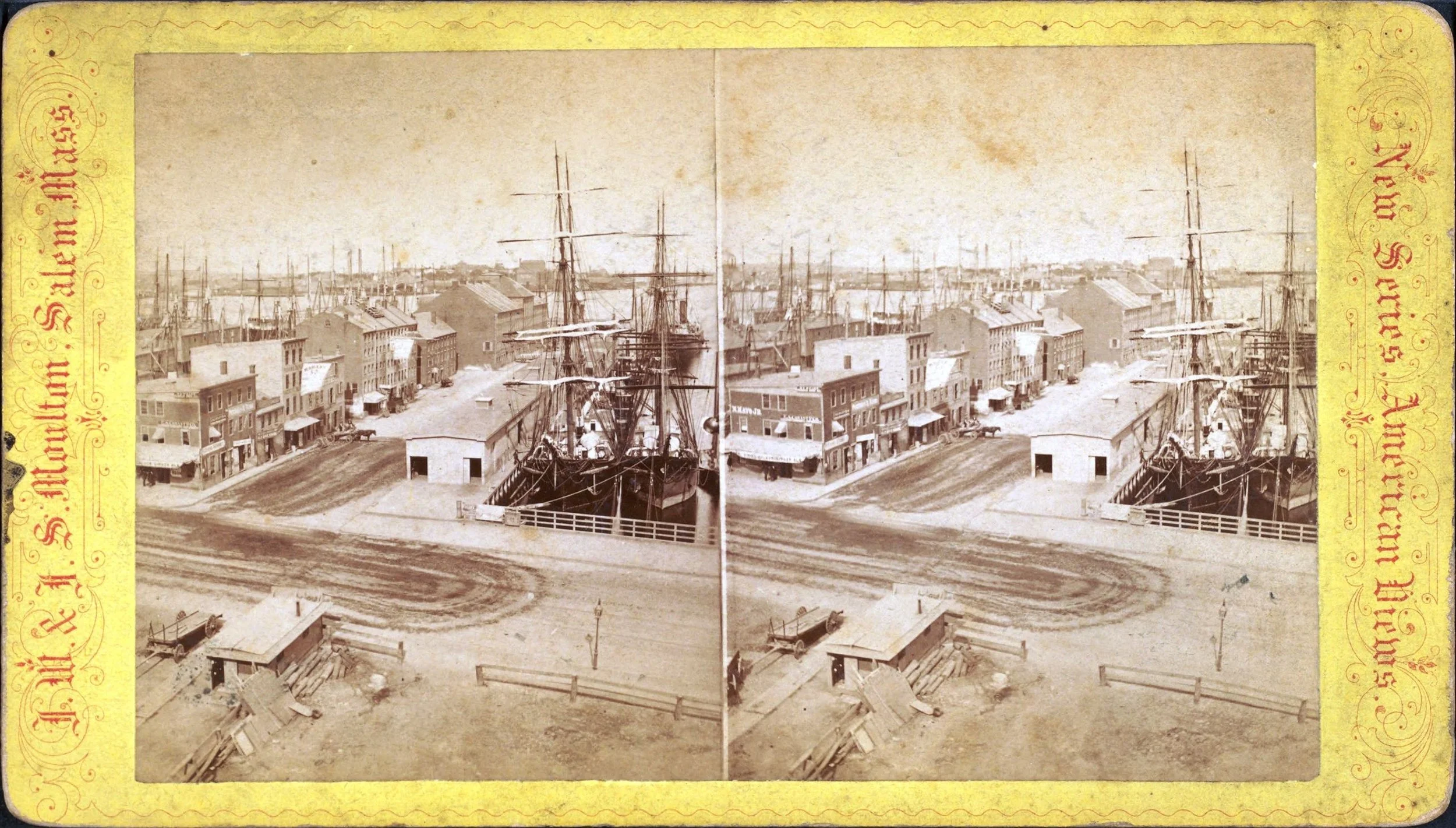
Stereoscopic view of Long Wharf in Boston in the19th Century
“Wharves with their warehouses sagging
on wooden slats, windows steamed up
and beaded with rain—it's a wonder
weather doesn't wash them away. In time,
they seem to say, you’ll be gone too….’’
— From “Here,’’ by Betsy Sholl (born 1945), former Maine poet laureate
Dressed up for the end
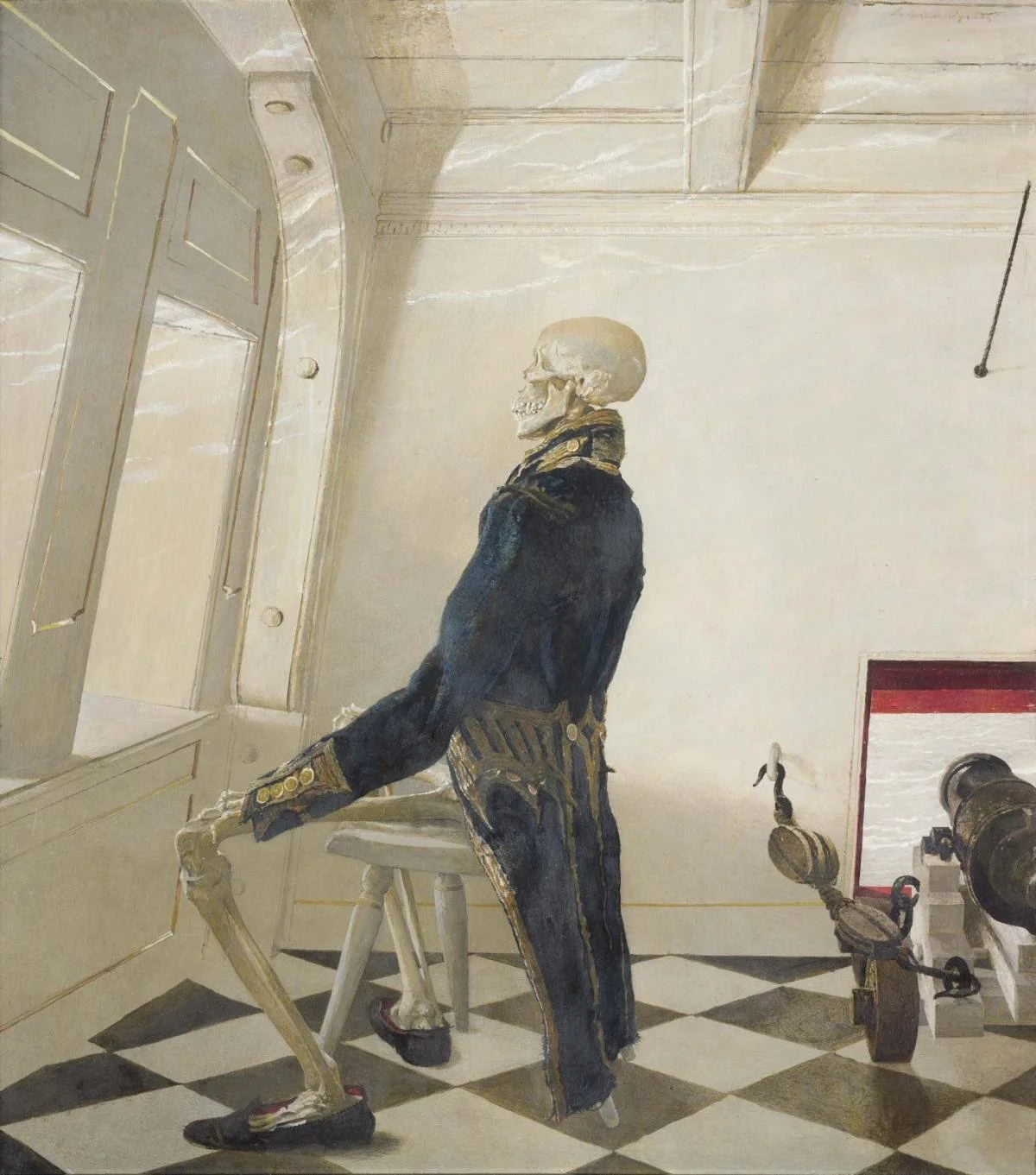
“Dr. Syn” (tempera on panel), by Andrew Wyeth, in the show “Andrew Wyeth: Life and Death,’’ at the Colby College Museum of Art, Waterville, Maine, through Oct. 16.
The museum says that famed painter Wyeth (1917-2009) envisions his own funeral in the recently rediscovered series of drawings from the 1990s. "The exhibition connects the sketches now known as the Funeral Group to Wyeth’s decades-long engagement with death as an artistic subject in painting, his relationships with the models depicted, and his expressive and exploratory use of drawing." Wyeth lived on the Maine Coast for much of his life.
About the title: The Reverend Doctor Christopher Syn is the smuggler hero of a series of novels by Russell Thorndike. The first book, Doctor Syn: A Tale of the Romney Marsh, was published in 1915. The story idea came from smuggling in the 18th-century Romney Marsh, in England, where brandy and tobacco were brought in at night by boat from France to avoid taxes.
Solar arrays and trees
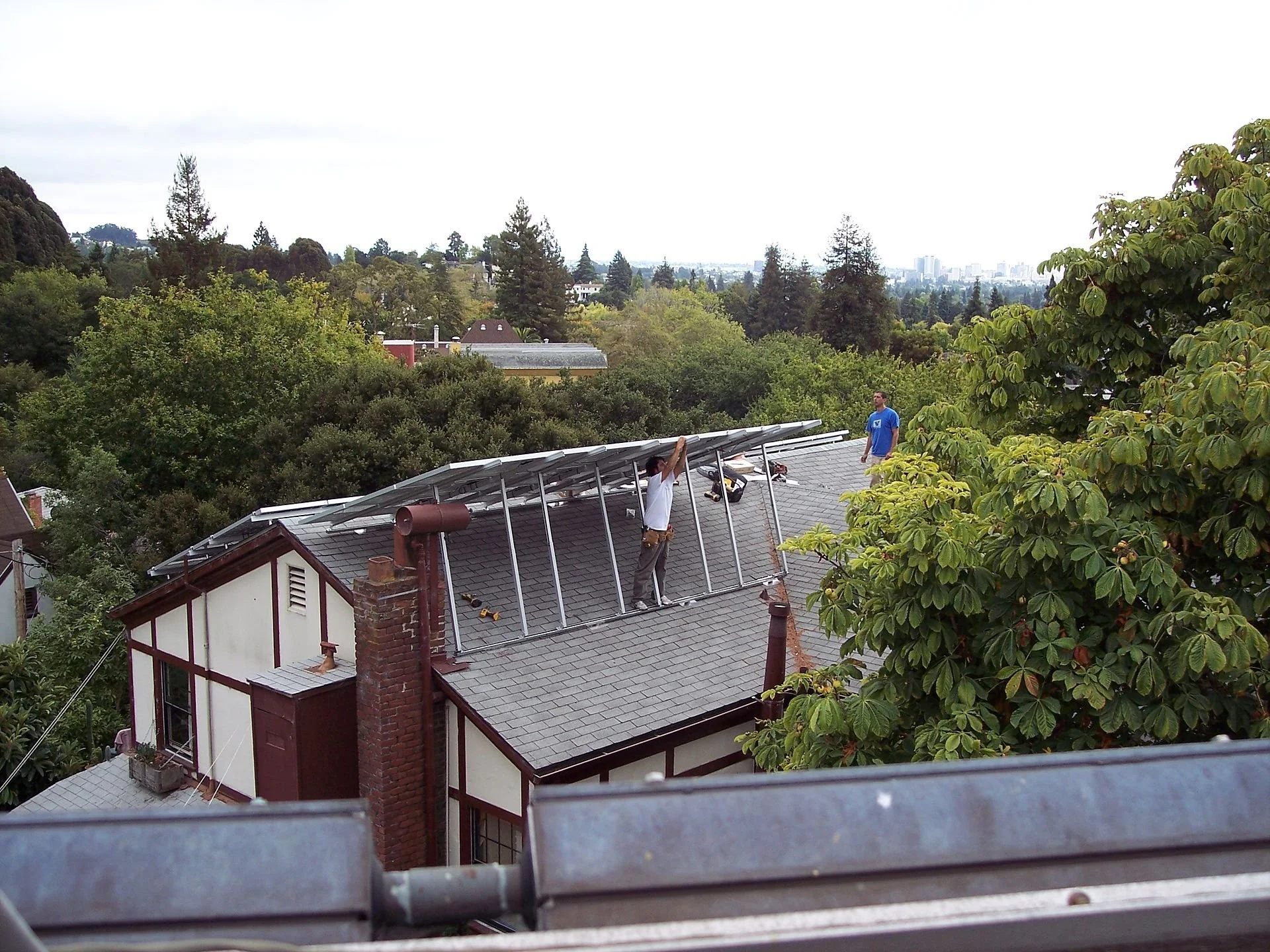
On roofs when possible.
Adapted from Robert Whitcomb’s “Digital Diary,’’ in GoLocal24.com
Inevitably, some residents of New England suburban or exurban areas are duking it out with solar-energy developers. The residents complain that too much open land and woods are being taken for the solar arrays near them. Two recent hot spots for these fights are Johnston, R.I., and cranberry-bog country in Wareham and Carver, Mass.
Well, the world is heating up and the more renewables we use the worse it is for such murderous petrostate dictators as Vladimir Putin. And bear in mind that much land being eyed for solar arrays might instead be turned into housing projects if the solar is blocked. Most locals would probably hate that even more than “solar farms,’’ in part because local property taxes would have to go up to pay for public services.
The saddest thing in this is cutting down woods to make way for the arrays. Of course, trees are huge absorbers of the carbon dioxide spewed out by our burning fossil fuel. But putting up solar arrays more than makes up for the loss of the equivalent space in woodland in terms of CO2 control, at least given current and projected technology and (wasteful!) electricity use. (The Ukraine war and the energy crisis it has caused is speeding renewable-energy research and development.)
John Reilly, co-director of MIT's program on the science and policy of global change, estimated for WGBH how much power would be generated if about 2.5 acres were clear cut to put up solar panels. WGBH reported: “He figured out you’d make up for all the carbon stored in those trees in just 46 days, if you were preventing that same amount of energy from being generated by carbon-emitting coal, or 23 days, if you were offsetting natural gas.’’
He said: “’There is a carbon loss from the trees, but it's made up fairly quickly. You're going to operate that solar panel for 20 years."’
Of course, the flora and fauna in woods should be protected as much as possible amidst the urgent need for us to burn much less natural gas and oil. Still, there’s a little bit of irony here. Much of the woodland that neighbors are trying to protect was open farmland in the early and mid 19th Century, before competition from Midwest farms and the rise of manufacturing in New England drew most people off the farms and the woods grew back. Take a look at some old pictures.
In any case, solar developers should make sure that there’s vegetation (to give off oxygen and provide a bit of ecosystem for birds and animals) under the arrays and not just barren dirt. And hire goats to keep it from getting too high?
There will be painful, or at least inconvenient tradeoffs as we wean ourselves off the still necessary poison that is fossil fuel.
We certainly could do much more to minimize the aesthetic pain of some neighbors by putting solar panels on many more buildings large and small instead of on land. Use, for example, those vacant parking lots at dead malls and elsewhere for solar arrays, while waiting for new clean-energy sources, be it hydrogen, fusion or something else to come on line. There’s probably a recession coming soon, slowing building construction and cooling property-price inflation. Take advantage of that to take more vacant urban and suburban land for solar?
Hit this link for the WGBH trees vs. solar story.
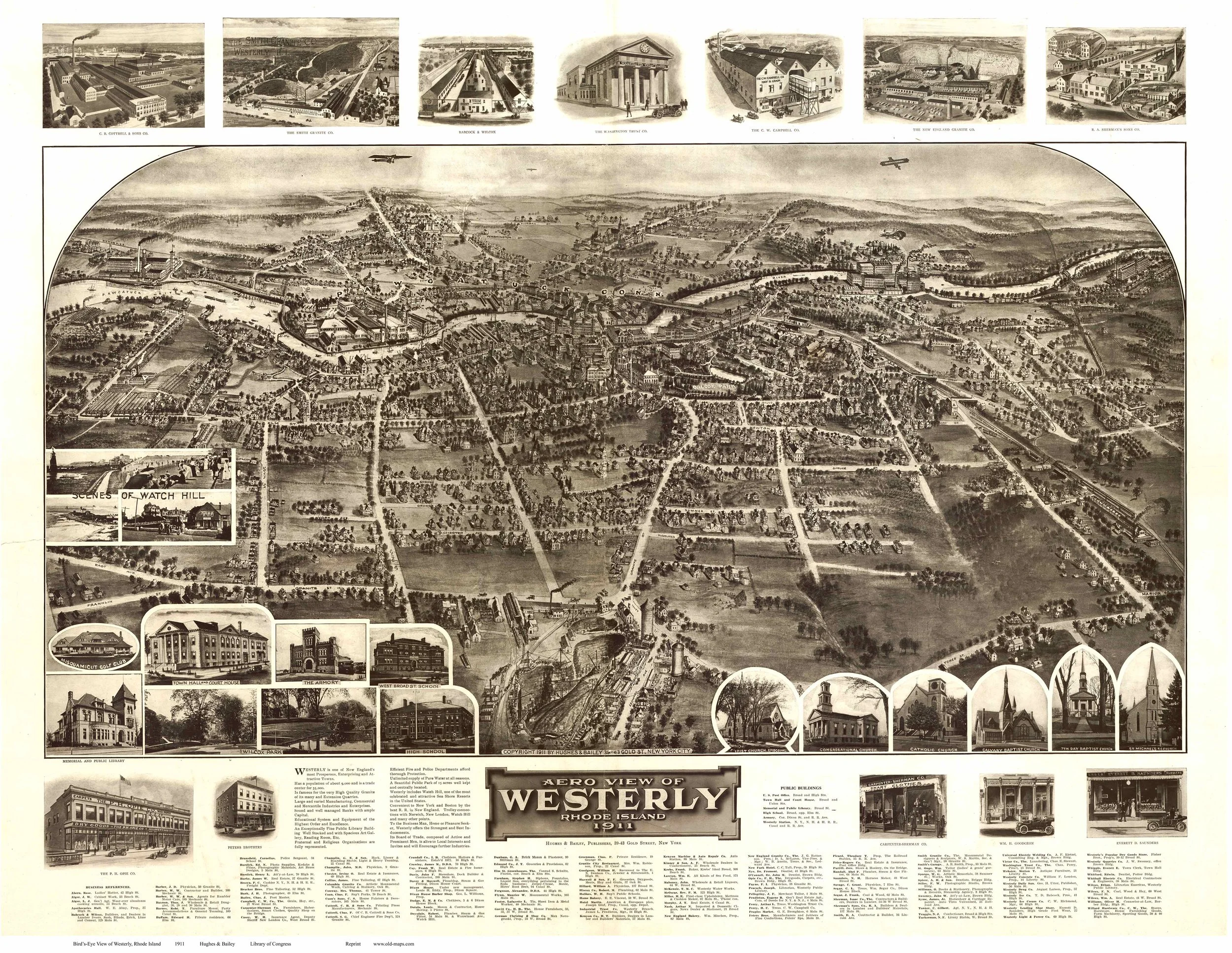
More trees now.
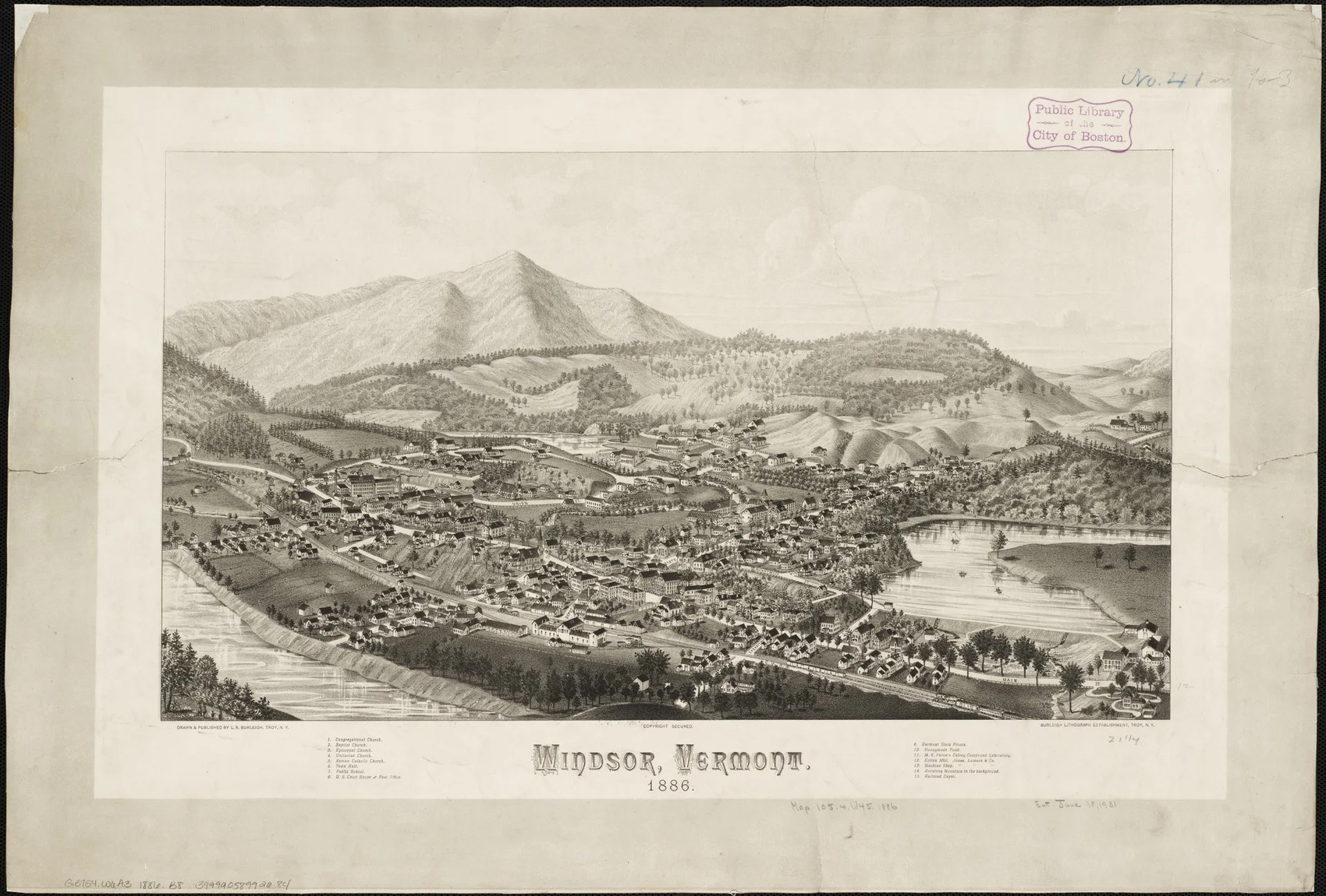
Note the open land.
Enough of summer! Back to character-building
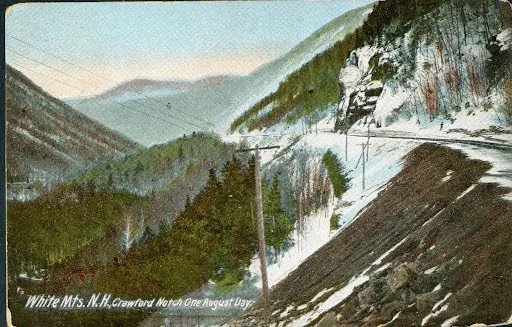
“White Mtns. N.H., Crawford Notch One August Day’’ (1913), at the Museum of the White Mountains, Plymouth, N.H., through Sept. 17 in the show “Watching the Seasons Change’’.
The museum, on the campus of Plymouth State University, says the exhibition features "a plurality of voices that span 300 years of appreciating and adapting to the seasons in the White Mountains."
Including are "Abenaki basketmakers joining with foresters to protect the brown ash tree; artists immersing themselves in experimental environmental research; scientists at Hubbard Brook Experimental Forest’’ and others presenting their collaborative artwork.
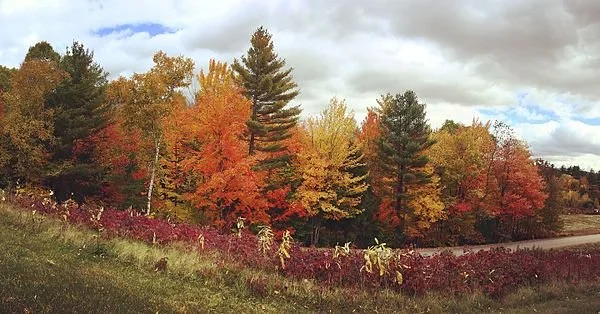
In the Hubbard Brook Experimental Forest, in the White Mountains.

Pfizer to conduct Lyme disease vaccine test in Maine

Deer ticks are the major spreaders of Lyme disease.
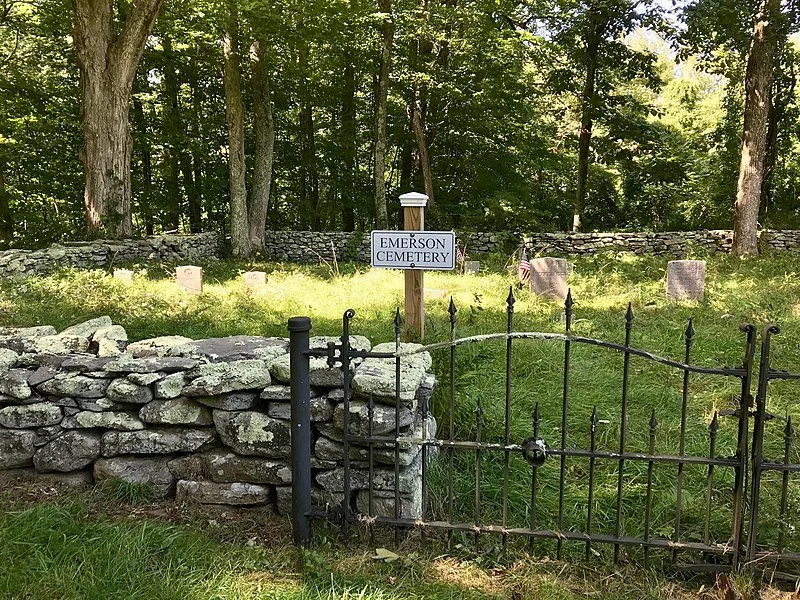
The Emerson Cemetery in Lyme. Wear long socks!
Edited from a report by The New England Council (newenglandcouncil.com)
“Pfizer has partnered with a Maine health care system to conduct the third phase of a Lyme disease clinical trial to test the efficacy of the company’s vaccine. Pfizer, a leading biomedical company, has chosen to work with Valneva, a French specialty vaccine company.
(Lyme disease gets its name from the coastal town in Connecticut where symptoms of the disease were documented and studied by Yale researchers in the 1970s. )
“The trial, held at Northern Light Health system in Brewer, will span over 13 months and require patients to take two shots two months apart. In March, the patients will need to receive a booster shot before the next summer’s tick season. Pfizer, and Valneva, choose to approach the Northern Light Health system during the clinical trial due to Maine having one of the highest rates of Lyme disease in the United States, according to the Centers for Disease Control and Prevention.
Kathrin U. Jansen, Ph.D., senior vice president and head of vaccine research & development at Pfizer, said, ‘{T}he medical need for vaccination against Lyme disease is steadily increasing as the geographic footprint of the disease widens. These positive pediatric data mark an important step forward in the ongoing development of VLA15, and we are excited to continue working with Valneva to potentially help protect both adults and children from Lyme disease.”’
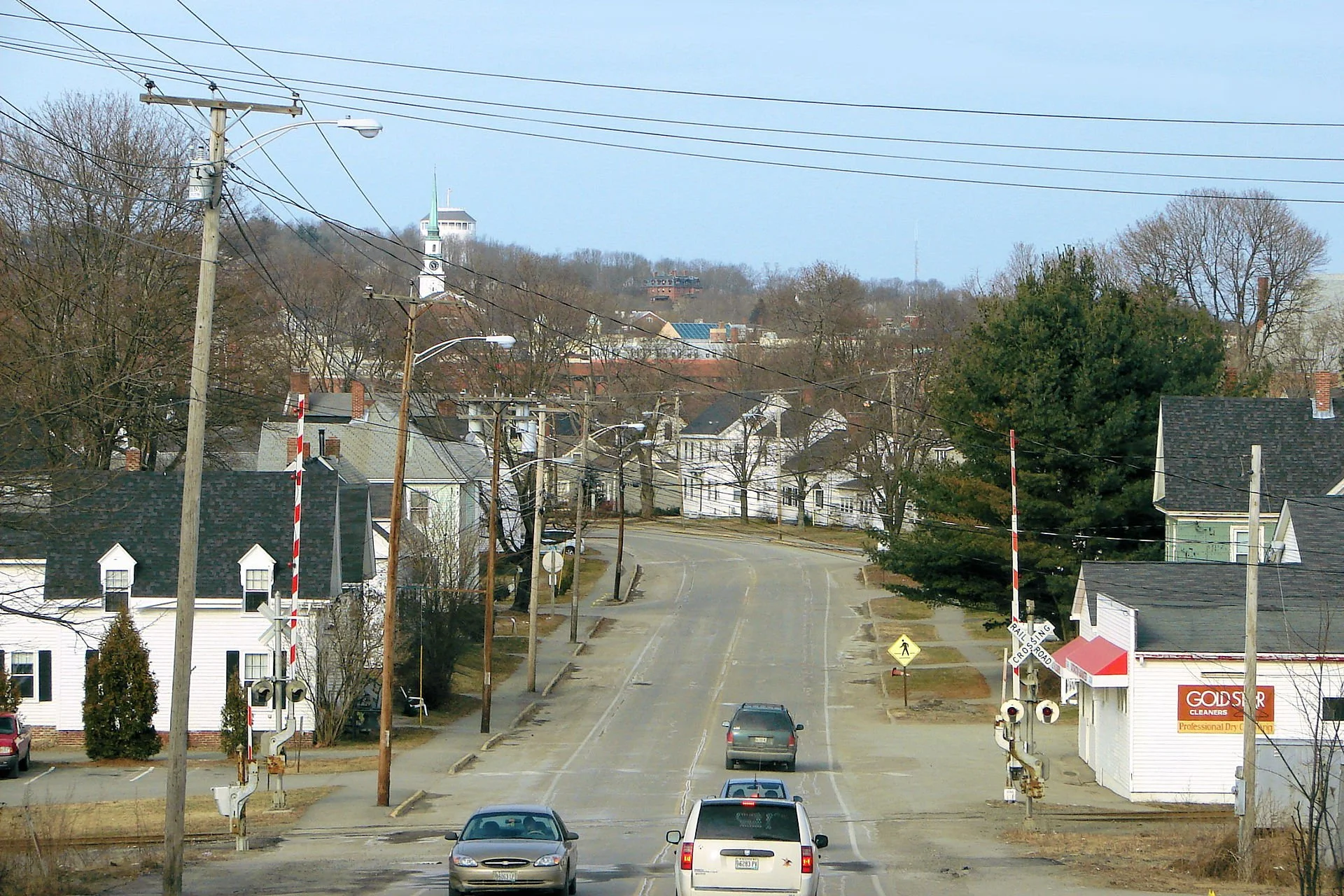
Wilson Street, Brewer, Maine. Lyme disease has been relentlessly moving north with the warming climate. The city was once well known for brick-making, shipbuilding and paper-making.
— Photo by P199
Don Pesci: The news media have a duty to cause turbulence
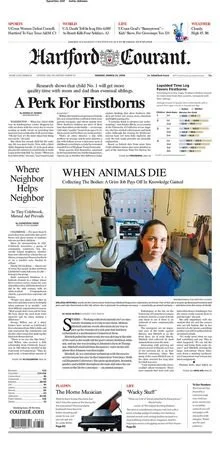
The Hartford Courant, which began as a weekly called the Connecticut Courant on Oct. 29, 1764, and become a daily in 1837, is considered the oldest continuously published newspaper in America.
VERNON, Conn.
If we can but prevent the government from wasting the labours of the people, under the pretense of taking care of them, they must become happy."
-- Thomas Jefferson to political philosopher Thomas Cooper, Nov. 29, 1802.
How much time should Connecticut politicians spend consulting Twitter and other like venues?
It depends how much time they have to waste. Positive comments are self-affirming, negative comments put a dent in swelling egos. Such sites are not a reliable guide to the majority temperaments of voters.
Do Washington, D.C., political-advisory groups offer winning advice to state non-incumbent politicians?
That has not been the case in Connecticut in the recent past. We all know that the second thing that happens after a non-unionized company becomes unionized is that “going out of business sales” are posted. The second thing that happens after a non-incumbent in Connecticut ties his or her political ascent to a Washington, D.C., campaign-advisory group is that the politician loses the race. State politics really is local. And politicians easily lose themselves in the gap that forms when they adopt unthinkingly a program hatched by underwriters detached from state issues. However, the financing of state campaigns is sometimes national. So, Washington contacts may be both financially necessary and politically lethal.
Is straddling the fence on “cultural issues” in Connecticut useful or not?
It is not useful. There is a problem with the nomenclature. Any issue not strictly economic is cultural. And there are very few economic issues that have no cultural ramifications. Inflation, for instance, is both an economic and a cultural issue, because excessive spending, excessive borrowing, and the devaluation of the currency through excessive printing of money causes cultural upheaval.
Straddling the fence on any issue, cultural or economic, does not generally achieve a positive purpose, because the straddler must engage in some form of dissimulation to garner the votes of both those who support A and not-A.
Now, political compromise is not the same sort of thing as embracing ends that exclude each other. You cannot both jump into the pool and not jump into the pool. But you may fashion an arrangement between swimmers and non-swimmers that may benefit both parties — for example by regulating the time during which the pool may be used. Gun regulation and abortion regulation are instances of this kind.
How much influence have Connecticut news media had in shaping the destiny of the state?
That depends on uniformity of purpose. A state’s media should be intellectually diverse enough to accommodate rival political viewpoints and, ideally, state media that have not simply surrendered to the status quo should be contrarian. This is what William Randolph Hearst meant when he said a newspaper “should have no friends.”
Politics is too important a business to leave entirely in the hands of incumbent politicians. When a state’s media offer political views that do not differ markedly from those officiating in what we might call a nearly permanent one-party state, it is fair to say that the nature of the state is what it is because the nature of journalism is what it is.
We are living when it has become exceedingly dangerous to let the reigning power think for us. As an institution, the media, which have changed a good deal over the years, have in the past been a sector whose members have jealously guarded their indispensable mandate – to think fearlessly, to say the thing that is, without fear or favor.
That is what a free press really means. Thomas Jefferson, the archangel of First Amendment freedoms, called our attention to the importance of a free press when he said that constitutional government in a republic, once destroyed by politicians, could be recovered and restored, provided that the press remained free.
In a letter to Edward Carrington in 1787, Jefferson wrote, “Were it left to me to decide whether we should have a government without newspapers or newspapers without a government, I should not hesitate a moment to prefer the latter. But I should mean that every man should receive those papers and be capable of reading them.”
Jefferson served as president from March 4, 1801, to March 4, 1809. The Jefferson/John Adams campaign, in 1800, was especially bruising. Yet we find Jefferson writing to the Marquis de Lafayette in 1823, “The only security of all, is in a free press. The force of public opinion cannot be resisted, when permitted freely to be expressed. The agitation it produces must be submitted to. It is necessary to keep the waters pure.” The turbulence aroused by a free press, Jefferson stressed, is “as necessary in the political world as storms in the physical… a medicine necessary for the sound health of government.”
Everyday upon awakening, reporters should ask themselves, “What turbulence have I caused today? Are we still free?”
Don Pesci is a Vernon-based columnist.
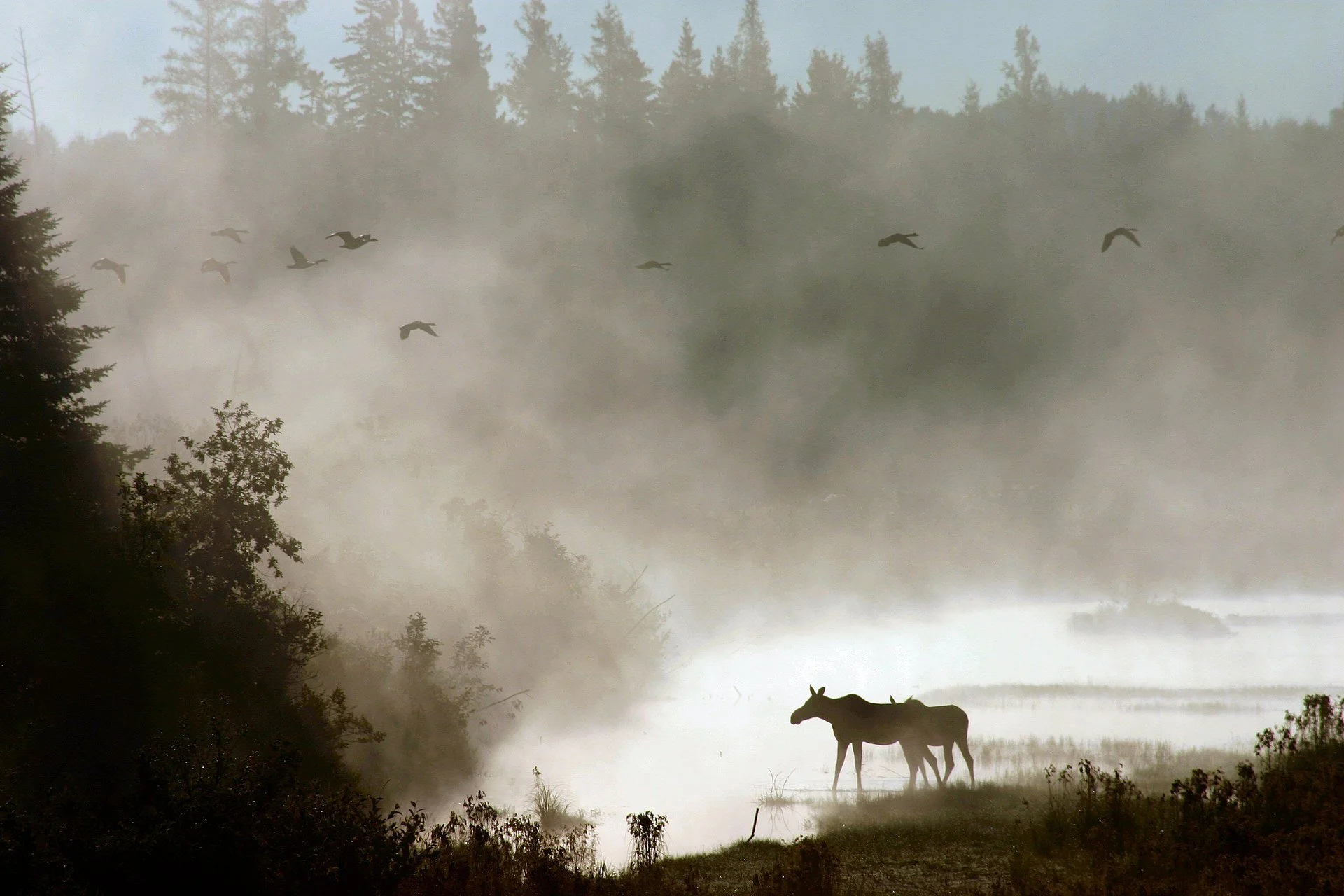
Or go directly to the trees

Two moose in the Aroostook National Wildlife Refuge, in northern Maine. The moose is Maine's state mammal.
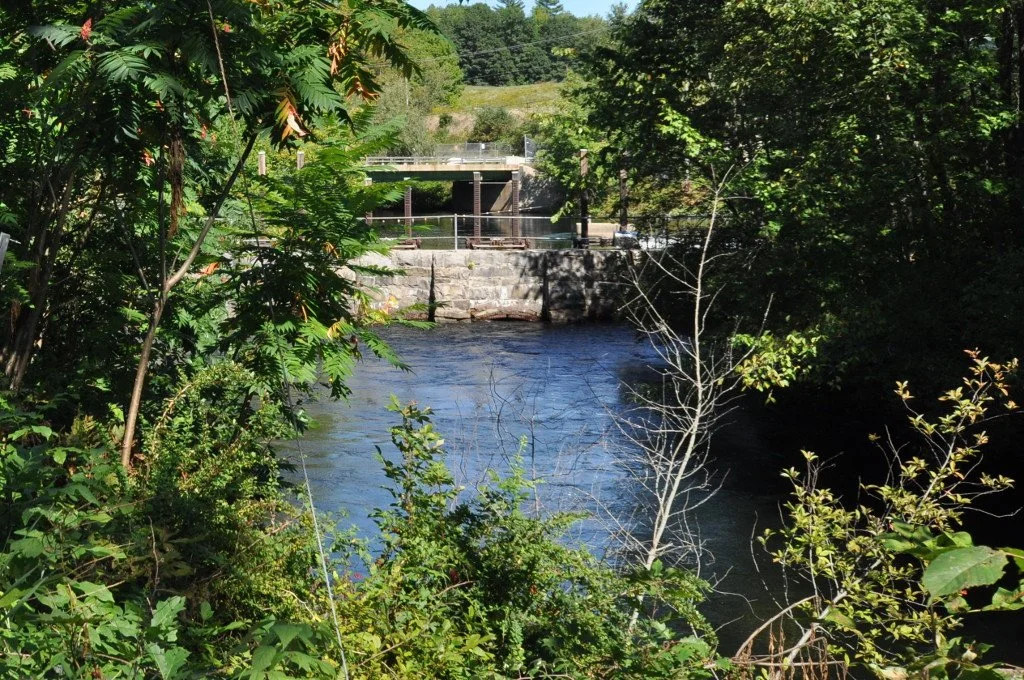
A section of the Cumberland and Oxford Canal in Windham, Maine. The long-abandoned canal was was constructed in the early 1830s to ship goods from some inland lakes to Portland.
— Photo by Magicpiano
“Rather than locate these observations in the abstract, though, I want to literally bring them down to earth as much as I can by suggesting how they derive from a close reading of a particular place: in this case, the New England in which I have spent over two-thirds of my life. And I use the word ‘reading’ advisedly, because I think it stands at the heart of my overall approach in this book, one that combines the interpretation of selected literary texts and specific New England landscapes to come to some understanding of the ways that natural places and cultural processes have intertwined to shape the region both on the ground and in the mind. You can learn a lot about human relationships with the natural world from reading books, to be sure — at least, I hope you’ll think so in the case of this particular book — but I also think you can learn just as much from bypassing the books and going directly to the trees they’re made from and the landscapes in which they live, reading these things and places as texts in their own right for the implicit narratives they contain about the mutual interaction of people and their nonhuman environments.’’
— Kent Ryden, on his book Landscape With Figures. He’s a professor of American and New England Studies at the University of Southern Maine.