
Magic mushrooms

“Adventure Time” (C2 paint), by Natalia Rak, at 94 Washington St., Providence, part of the Avenue Concept, which supports public art in the urban setting by means of murals, sculptures and programs.

Chris Powell: When in doubt punt to avoid irritating public

MANCHESTER, Conn.
Gov. Ned Lamont seems to realize that Connecticut probably won't stand for another catastrophic lockdown in the name of controlling COVID-19, a virus that 99.8 percent percent of afflicted people survive. But rather than acknowledge this plainly and caution people that they must take the primary responsibility for protecting themselves, the governor has passed the buck to the state's 169 municipal governments.
The governor is putting them in charge of determining whether and where people should be required to wear masks again. This may lead to giving local officials the authority to set other rules of virus safety.
With the cities lagging badly in virus vaccinations, their mayors seem eager to order masks back on, which will push retail and restaurant business out of the cities and into the suburbs, as if city businesses can afford it.
Local option on virus safety makes little medical sense. Crowds in a suburb may pose no less risk than crowds in a city. But henceforth the resentment felt about the virus epidemic and government's regulations about it may be directed at mayors and town councils instead of the governor.
Lamont is a Democrat and Republicans long have wanted the General Assembly to end his emergency authority to rule by decree, and now, with his epidemic management no longer so successful, the governor may be happy to go along. Call it decentralization, with potentially different rules in 169 little republics and thousands of offices, stores, and restaurants.
Treatments vs. Vaccines
While the government and the medical establishment keep insisting that the virus vaccines are absolutely safe, every week brings word of a new side-effect unknown when the vaccines were authorized for emergency use and said to be so safe. The other week the vaccines were linked to eye problems.
Meanwhile the virus is mutating into "variants," more vaccinated people are becoming infected if not seriously ill, and there are signs that the vaccines may lose effect with time, perhaps as little as six months, thereby requiring frequent booster shots or entirely new shots each year, like ordinary flu shots.
So maybe eventually the government and medical authorities will start wondering whether the approach to the virus should shift to treatment and away from vaccination.
After all, doctors and hospitals have learned to treat virus patients with far more sophistication than shoving ventilators down their throats, as was the practice at the beginning of the epidemic. Does anyone remember the clamor a year and a half ago for production of millions more ventilators? They turned out to kill as many patients as they saved and the clamor stopped.
For there are effective treatments for COVID-19, and two more were announced the other week by Israeli scientists.
The first was about a study validating use against the virus of the anti-parasite drug ivermectin. Its efficacy has been established by other studies but U.S. authorities seek to suppress it lest it interfere with the vaccine campaign.
The second announcement revealed that a medicine based on the CD24 molecule, found naturally in the human body, cures 93 percent of seriously ill virus patients in less than five days.
These treatments appear to be inexpensive and unlike the vaccines have no side-effects. Also unlike the vaccines, there's no big money in them, which may be their weakness.
“Equity’ Isn’t Fair
Government in Connecticut has a funny idea of what it calls "equity.”
Marijuana-retailing permits are to be reserved for "communities" that disproportionately suffered from the futile "war on drugs." But those "communities" also disproportionately profited from the contraband drug trade. For every drug dealer who was prosecuted there were several who made a lot of money and were never caught.
So where is the patronage for people who, despite the futility of the "war on drugs," obeyed the law and forfeited their chance to profit from contraband?
And to overcome skepticism about the COVID-19 vaccines, government is offering prizes and cash bounties to people who accept vaccination after rejecting it so long.
So where are the prizes and bounties for the people who, heeding government's urging, got vaccinated as soon as they could?
"Equity" sounds mainly like a way of discouraging questions.
Chris Powell is a columnist for the Journal Inquirer, in Manchester.
Mission creep?

The Chinese Tea House at Marble House, in Newport, modeled on 12th Century Chinese Song Dynasty temples.
— Photo by Ekem
From Robert Whitcomb’s “Digital Diary,’’ in GoLocal24.com
That the Preservation Society of Newport County runs restaurants at its Breakers Welcome Center and the Chinese Tea House at Marble House and has made some other changes to sex up tourism at the city’s famous mansions continues to rankle some Newporters, who noted that it’s the Preservation Society, not the development society.
I was down in Newport on a lovely day the other week, and it was hopping with people on tours and some just wandering around looking dazed. Compared to, say, New York City, I saw few people wearing masks.
It’s too bad that Route 114, a main drag through Portsmouth and Middletown heading to Newport, is one of the uglier commercial strips in America and yet so close to beautiful natural and manmade sites. One wonders what sort of dubious zoners’ and politicians’ wheeling-dealing went into allowing such a long and depressing stretch.
Planting many more trees along the way would help camouflage some of its horrors. And maybe as the World Wide Web continues to kill brick-and- mortar stores, some of the land can be allowed to revert to open space and housing. The road is a real downer for those expecting beauty to and from The City by the Sea.
Fragrant and full of life

“Maine #20 —Freeport Sunset’’ (oil on linen), by James Mullen, at Alpers Fine Art, Andover, Mass. Freeport’s marshes are less famous than L.L. Bean, which is based in Freeport.
Sunday stillness
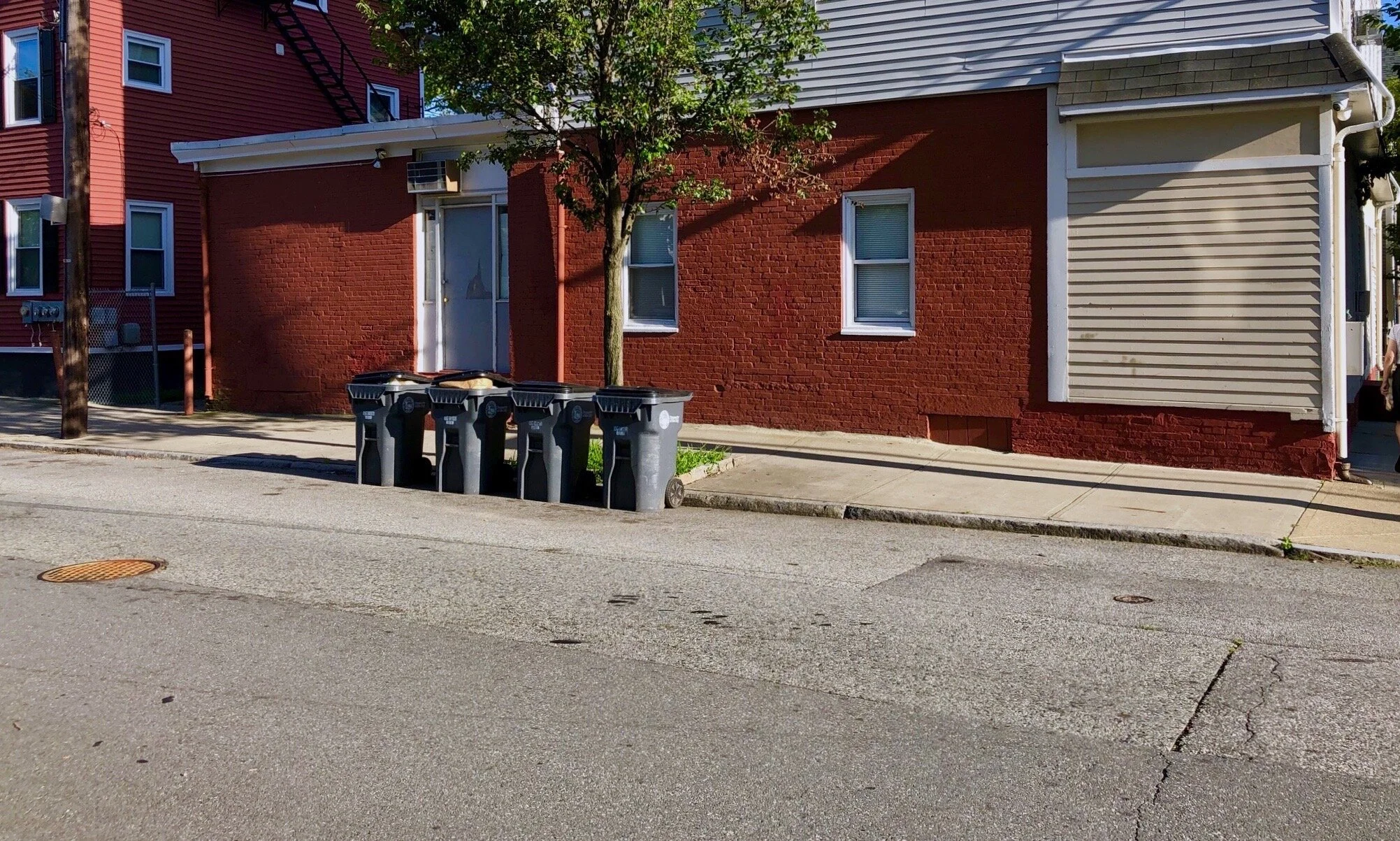
Sunday Aug. 15 on Trenton Street, in Providence’s Fox Point neighborhood, at the head of Narragansett Bay. This picture recalls the work of American painter Edward Hopper.
--Photo by William Morgan
Outward and inner success

”Joy Cometh in the Morning “ (oil on linen), by Rory Jackson, in the “Plein Air 2021” show at Edgewater Gallery, Middlebury, Vt.
He says on his Web site:
“As a painter, my aim is to bring to life a presence to the viewer, a relationship between the earth and the people who hold covenant with it. Whether it is through light, reflection, movement or design, I want to bring everlasting life to a moment in time. As long as I can sense a progression in the development of my work, painting will remain a central part of my life. I think Robert Henri best stated my feeling of what it means to move forward as an artist when he said, ‘All outward success, when it has value, is but the inevitable result of an inward success of full living, full play and enjoyment of one’s faculties.’
“I spend my time between my home in Lincoln, Vt., and the beach of Cape Three Points, Ghana. While painting the landscape of Vermont, I focus on the dramatic light and space around the mountains and valleys, pivoting on my favorite Mountain of Abraham {Mt. Abraham}. In Ghana, I spend time studying seascapes, village scenes, boats, and the reflective light and movement of the sea and the life that depends on its abundance. All honest observation absorbs into my successes, a true vibrancy of life. The balance of the two places keeps my interest in subject matter fresh, while marking each year’s progress in two very different seasons.’’
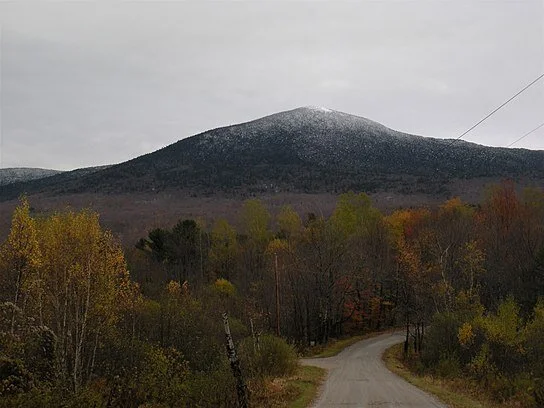
Mt. Abraham from the west.
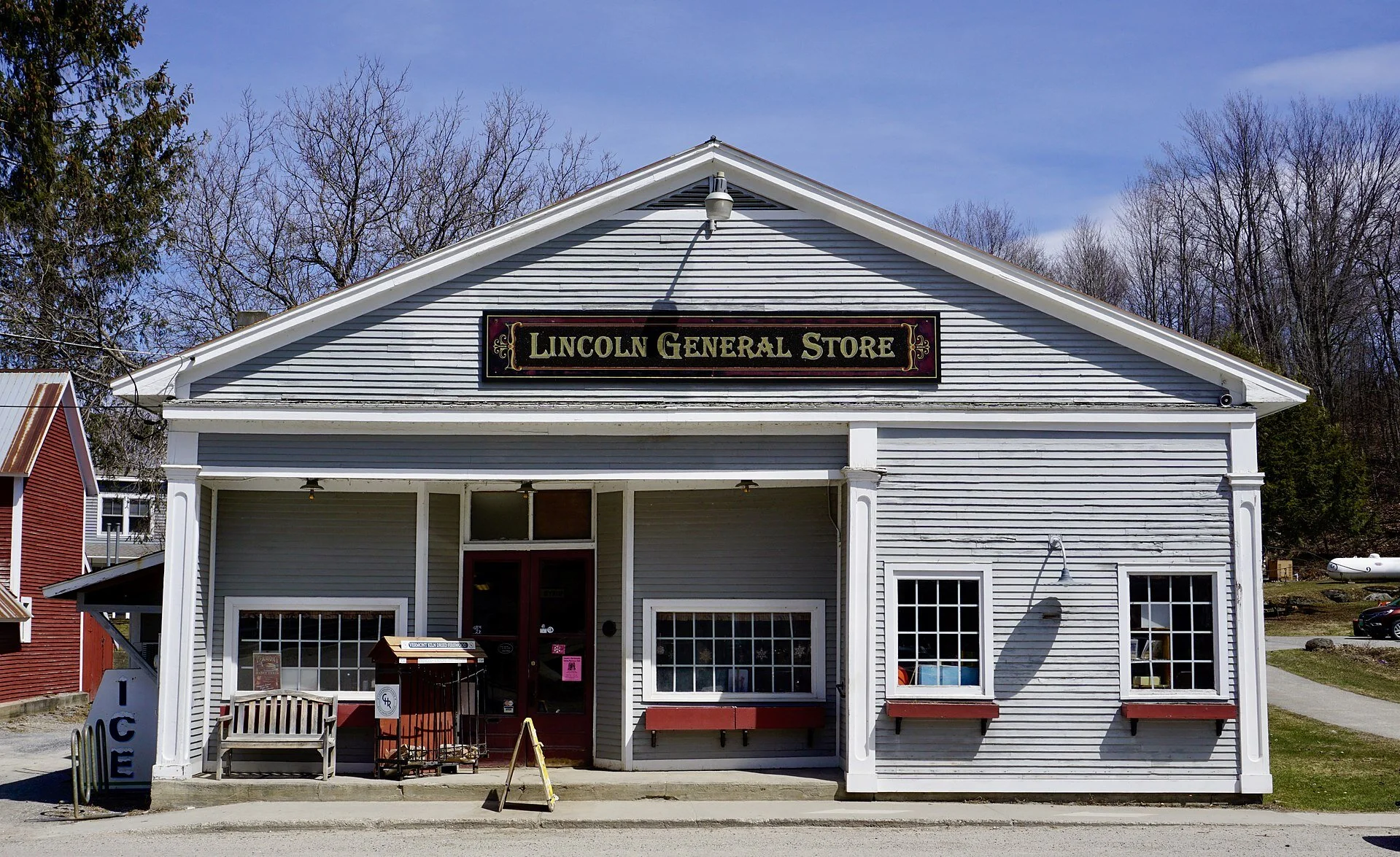
A hub of Lincoln, Vt.
=
Brian P.D. Hannon: Of solar power and lots of tomatoes

Young tomato plants for transplanting in an industrial-sized greenhouse.
- Photo by Goldlocki
From ecoRI News (ecori.org)
National Grid has offered incentives to a company proposing to build a massive farm facility in rural Exeter, R.I., in exchange for access to the solar power expected to help grow millions of tomatoes in temperature-controlled greenhouses.
A June 24 letter from National Grid senior counsel Andrew Marcaccio to Luly Massaro, a division clerk for the Rhode Island Division of Public Utilities and Carriers, states National Grid will offer “energy efficiency incentives” to Rhode Island Grows LLC “for the utilization of a combined heat and power project with a net output of one megawatt ... or greater.”
A capacity of 1 megawatt or more is a utility-scale installation for solar power.
National Grid asks the public utilities and carriers division to follow an authorized process for combined heat and power (CHP) projects by reviewing materials submitted with the letter, including a purchase-and-sales agreement from Rhode Island Grows related to the project, an estimated budget, benefit cost analysis and a November 2020 analysis providing “well-supported justification explaining why the economic benefits are reasonably likely to be obtained.”
The letter’s attachments also include a report on the natural-gas requirements and local impact of the operation.
“These documents represent a report including a natural gas capacity analysis that addresses the impact of the CHP Project on gas reliability; the potential cost of any necessary incremental gas capacity and distribution system reinforcements; and the possible acceleration of the date by which new pipeline capacity would be needed for the relevant area,” according to the letter.
National Grid’s letter asked the public utilities and carriers division to review the materials and provide an opinion either supporting or opposing the proposal by Aug. 13.
Gail Mastrati, assistant to the director of the Rhode Island Department of Environmental Management (DEM), supplied a link tracking the progress of the wetland permit sought by Richard Schartner, owner of the Schartner Farms property where Rhode Island Grows plans to build a 1-million-square-foot closed facility.
Asked if Rhode Island Grows is required to file separate permit applications for a solar array capable of producing more than 1 megawatts of power, Mastrati said the wetland and stormwater permit “is based on the size of the solar arrays, not the power output. If the number of solar panels were to increase, a new or modified permit would be required.”
“DEM does not permit the power output, just the size of the facility as indicated on the site plans,” Mastrati wrote in an email.
Mastrati declined to reveal the name of the company providing solar array services to Rhode Island Grows.
“DEM does not get involved with the choosing of the company to perform the work,” she said. “It is up to the owner to ensure that the contractor completes the work according to the permit.”
Rhode Island Grows chairman Tim Schartner and chief financial officer Frederick Laist did not respond to a request for comment.
The Rhode Island Grows project has drawn the support of Ken Ayars, chief of the Rhode Island Department of Environmental Management’s Division of Agriculture, as well as criticism from some Exeter residents concerned about the environmental and cultural impact of the massive growing operation that would use high-tech greenhouses to grow millions of tomatoes for distribution in six states throughout the Northeast.
Rhode Island Grows proposes to use a technology called controlled environment agriculture. The automated, hydroponic system can produce food on a large scale and has resulted in extensive agricultural production in the Netherlands, according to a video on the Rhode Island Grows website.
The company projects the operation could yield 650,000 pounds of tomatoes per acre, with an expansion to 350 acres in five years and eventually to 1,000 total acres, with five employees per acre.
The Exeter Town Council voted June 7 to return the Rhode Island Grows proposal for a zoning overlay district to the Planning Board for further consideration. The overlay would allow construction of the industrial-scale operation on the Schartner Farms property off South County Trail, where Rhode Island Grows prematurely broke ground June 1.
The five members of the council did not respond to a request for comment on the National Grid letter.
Brian P.D. Hanlon is an ecoRI News journalist.
John O. Harney: Latest people moves at N.E. colleges
From The New England Journal of Higher Education, a service of The New England Board of Higher Education (nebhe.org)
BOSTON
The New Commonwealth Racial Equity and Social Justice Fund named Makeeba McCreary to be the first president of the fund launched by 19 local Black and Brown executives a few weeks after the killing of George Floyd. McCreary recently served as chief of learning and community engagement at the Boston Museum of Fine Arts and, before that, as managing director and senior advisor of external affairs for the Boston Public Schools.
University of Maine System Chancellor Dannel Malloy said he would ask system trustees to approve the appointment of Vice President of Academic Affairs and Provost Joseph Szakas as interim president at the University of Maine at Augusta (UMA), while the system searches for a permanent replacement for UMA President Rebecca Wyke. In July, Wyke informed the UMA community that she would step down to become CEO of the Maine Public Employees Retirement System. Szakas will continue in his VP and provost roles while serving as interim leader.
Mark Fuller, who became interim chancellor of the University of Massachusetts at Dartmouth in January, was named permanent chancellor this week. He previously served for nine years as dean of the UMass Amherst Isenberg School of Management.
Ryan Messmore, former president of Australia’s Campion College, became the fifth president of Magdalen College of the Liberal Arts in Warner, N.H.
Sharale W. Mathis joined Holyoke Community College as vice president of academic and student affairs. A biologist, she previously was dean of academic and student affairs at Middlesex Community College in Connecticut and STEM division director at Manchester Community College. Mathis was an early adopter of Open Educational Resources (OER), utilizing online resources for supplemental instruction designating that course as no cost to students.
Middlebury College appointed Caitlin Goss as its vice president for human resources and chief people officer. Goss previously served as the director of people and culture at Rhino Foods in Burlington, Vt., and as the team leader for employee engagement in global human capital at Bain & Company.
Johnson & Wales University appointed former Norwich University Executive Vice President of Operations Sandra Affenito to be vice chancellor of academic administration, and Mary Meixell, an industrial engineer and former senior associate dean of Quinnipiac University’s School of Business, to be dean of JWU’s College of Business.
Berkshire Community College appointed Stephen Vieira, former chief information officer for the Tennessee Board of Regents and at the Community College of Rhode Island, to be director of information technology at the Pittsfield, Mass., community college.
John O. Harney is executive editor of The New England Journal of Higher Education.
Infernal machines

— Photo by fir0002 fl
From Robert Whitcomb’s “Digital Diary,” in GoLocal24.com
A Providence mayoral candidate could get a lot of votes with credible promises for the city to crack down hard on ATV and dirt-bike users. They must be made very scared to ride in the city. The State of Rhode Island, through the State Police and new laws, must also bring much more force to bear against these potentially lethal and out-of-control offenders. Arrest, immediate jail, conviction and a memorable stay in the ACI.

And a candidate could also gain more than a few votes by supporting a ban on gasoline-fueled, shrieking and polluting leaf blowers. It used to be that these infernal devices were mostly confined to blowing fallen leaves into piles to be trucked away in mid and late autumn. Now they’re used year-round to (often pointlessly) blast dust and other debris around, turning the surrounding neighborhoods into dead zones while they work.
Affluent property owners employ yard crews of hard-working illegal aliens (too few of whom are wearing ear protection) to wield these things; I’ve noticed that many of the owners often arrange to be away at their summer or weekend houses when the crews show up.
But you usually can't see the dangerous part

“Floating Island’’ (oil and mixed media on paper), by Kata Hull, in the group show of New England artists titled “Cool” at Bromfield Gallery, Boston, through Aug. 22.
The gallery says:
“Chilly, poised, nerveless, refreshing, brilliant. This exhibition features art work that helps everyone cool of in the heat of the summer.’’
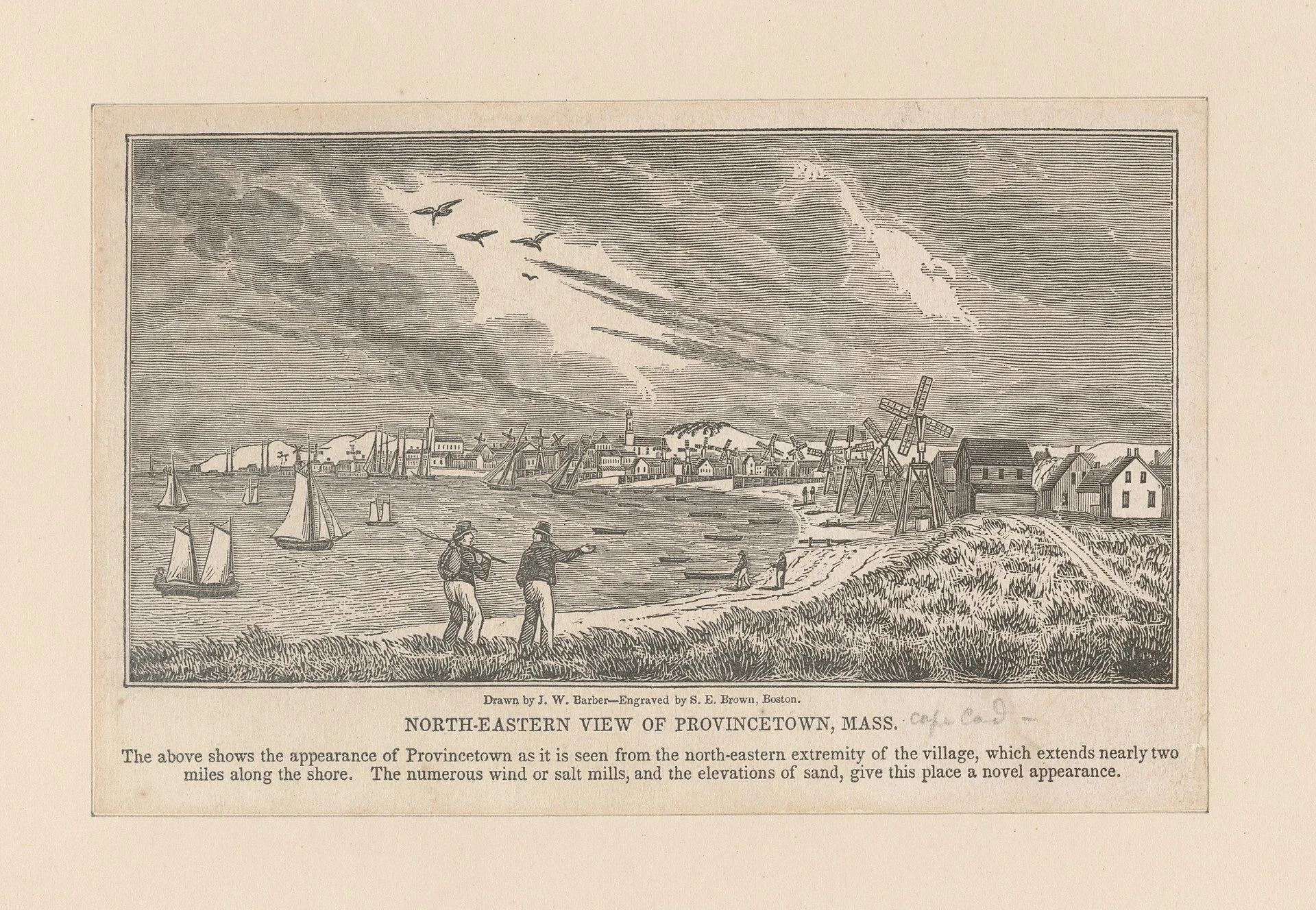
Before the summer folks
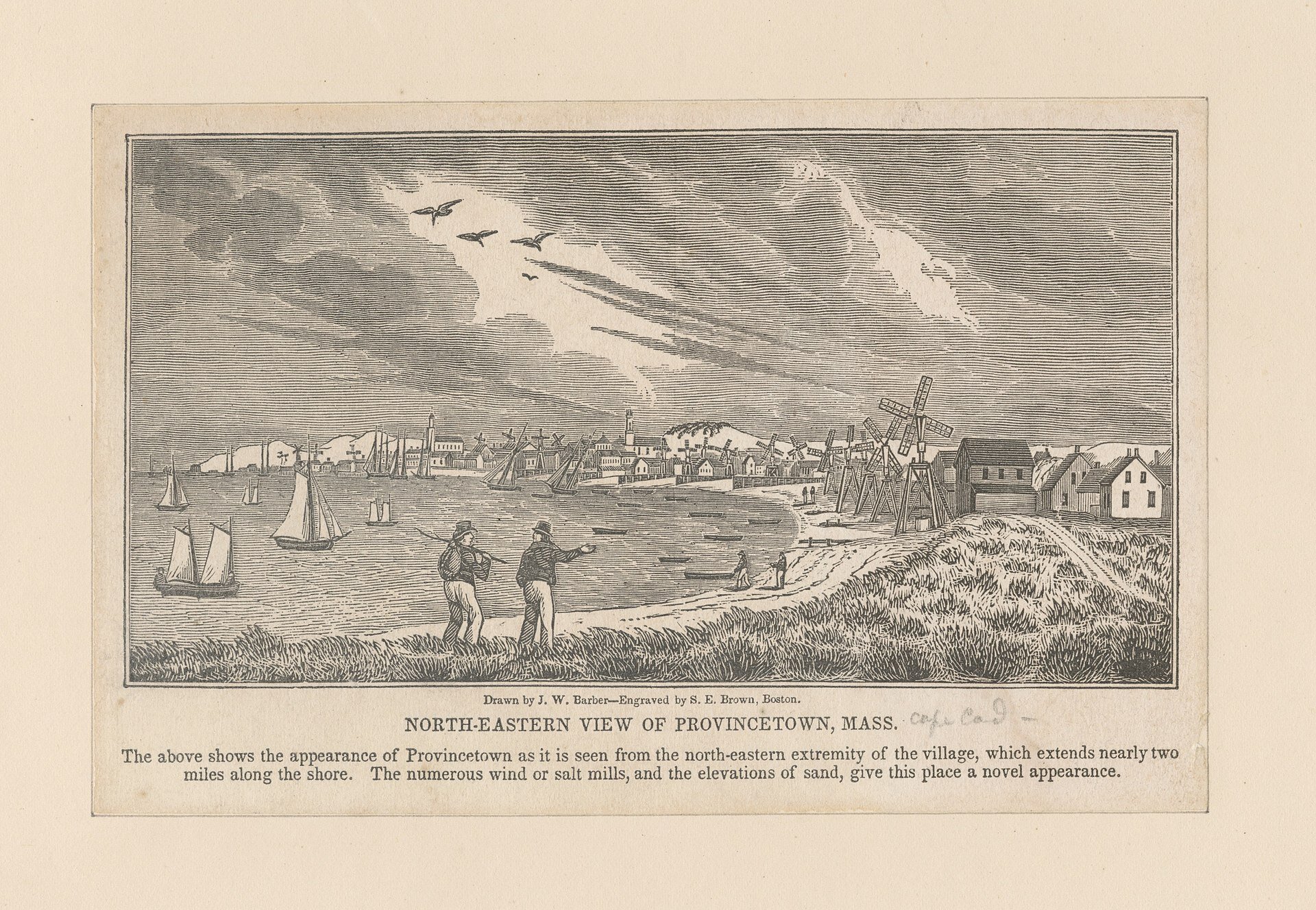
Provincetown, at the tip of Cape Cod, in the years when Thoreau walked the peninsula— 1849, 1850 and 1855.
“The time must come when this coast (Cape Cod) will be a place of resort for those New-Englanders who really wish to visit the sea-side. At present it is wholly unknown to the fashionable world, and probably it will never be agreeable to them. If it is merely a ten-pin alley, or a circular railway, or an ocean of mint-julep, that the visitor is in search of, — if he thinks more of the wine than the brine, as I suspect some do at Newport, — I trust that for a long time he will be disappointed here. But this shore will never be more attractive than it is now.”
Henry David Thoreau (1817-1862) in Cape Cod, first published in 1865, soon before railroads started to make The Cape a major summer-resort area.
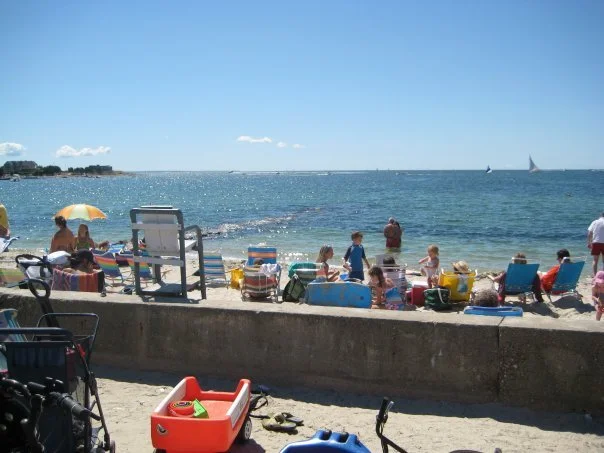
At New Silver Beach, in Falmouth, on the western side of The Cape — probably not quite what Thoreau could have foreseen.

'Insane song'

Loon in Marshfield, Vt.
— Photo by Ano Lobb
,
“Summer wilderness, a blue light
twinkling in trees and water, but even
wilderness is deprived now. ‘What's that?
What is that sound? ‘ Then it came to me,
this insane song, wavering music….’’
— From “The Loon on Forrester’s Pond,’’ by Hayden Carruth (1921-2008), celebrated American poet who lived for years in Johnson, Vt.
Less separation between the sexes, please

Illustration from An Appeal in Favor of that Class of Americans Called Africans, by Lydia M. Child
“The fact is, reasonable and kind treatment will generally produce a great and beneficial change in vicious animals as well as in vicious men.’’
xxx
“The nearer society approaches to divine order, the less separation will there be in the characters, duties, and pursuits of men and women. Women will not become less gentle and graceful, but men will become more so. Women will not neglect the care and education of their children, but men will find themselves ennobled and refined by sharing those duties with them; and will receive, in return, co-operation and sympathy in the discharge of various other duties, now deemed inappropriate to women. The more women become rational companions, partners in business and in thought, as well as in affection and amusement, the more highly will men appreciate home—that blessed word, which opens to the human heart the most perfect glimpse of Heaven, and helps to carry it thither, as on an angel’s wings. . . .’’
— 1843 remarks by Lydia M. Child (1802-1880), author, editor, abolitionist and defender of the rights of Native Americans. She was born in Medford, Mass., and died in Wayland, Mass.
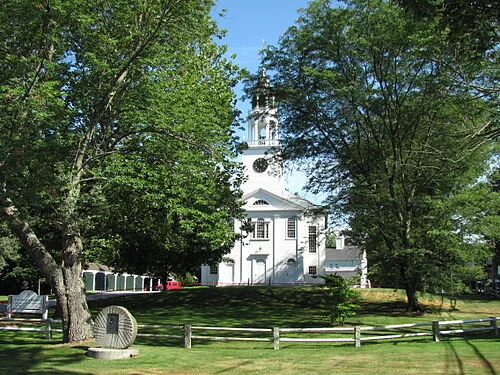
The First Parish Church (Unitarian) in Wayland, Lydia Child’s church there.
We try to avoid it
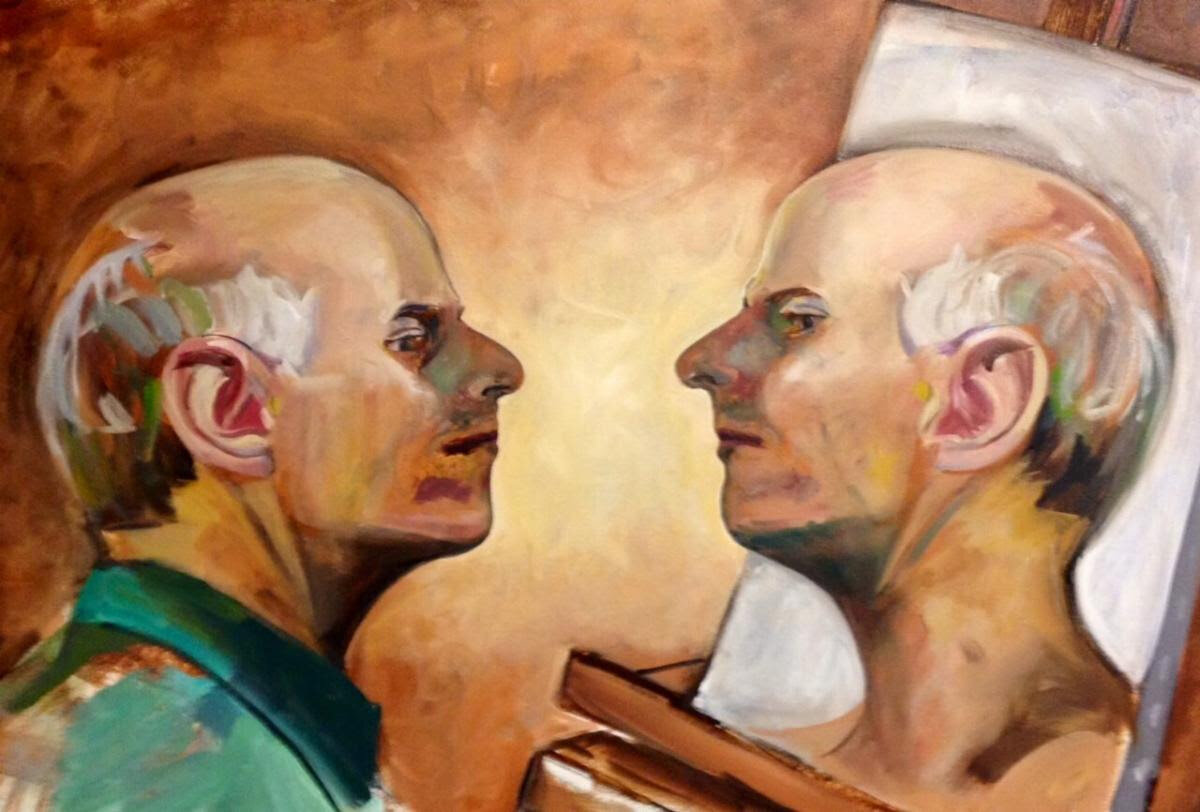
“Self Scrutiny” (oil on canvas), by James Rauchman, in his show “Self: Reflection,’’ at River Arts in the Folley Hall Gallery, in Morrisville, Vt.
The gallery says the paintings show the Morrisville resident’s experiences “with being an outsider—a gay man and an artist—and reflect on identity within the context of a society not quite able (or ready) to accept him.” The paintings are meant to capture the artist’s identity and experience while blending the physical and abstract; external and internal.
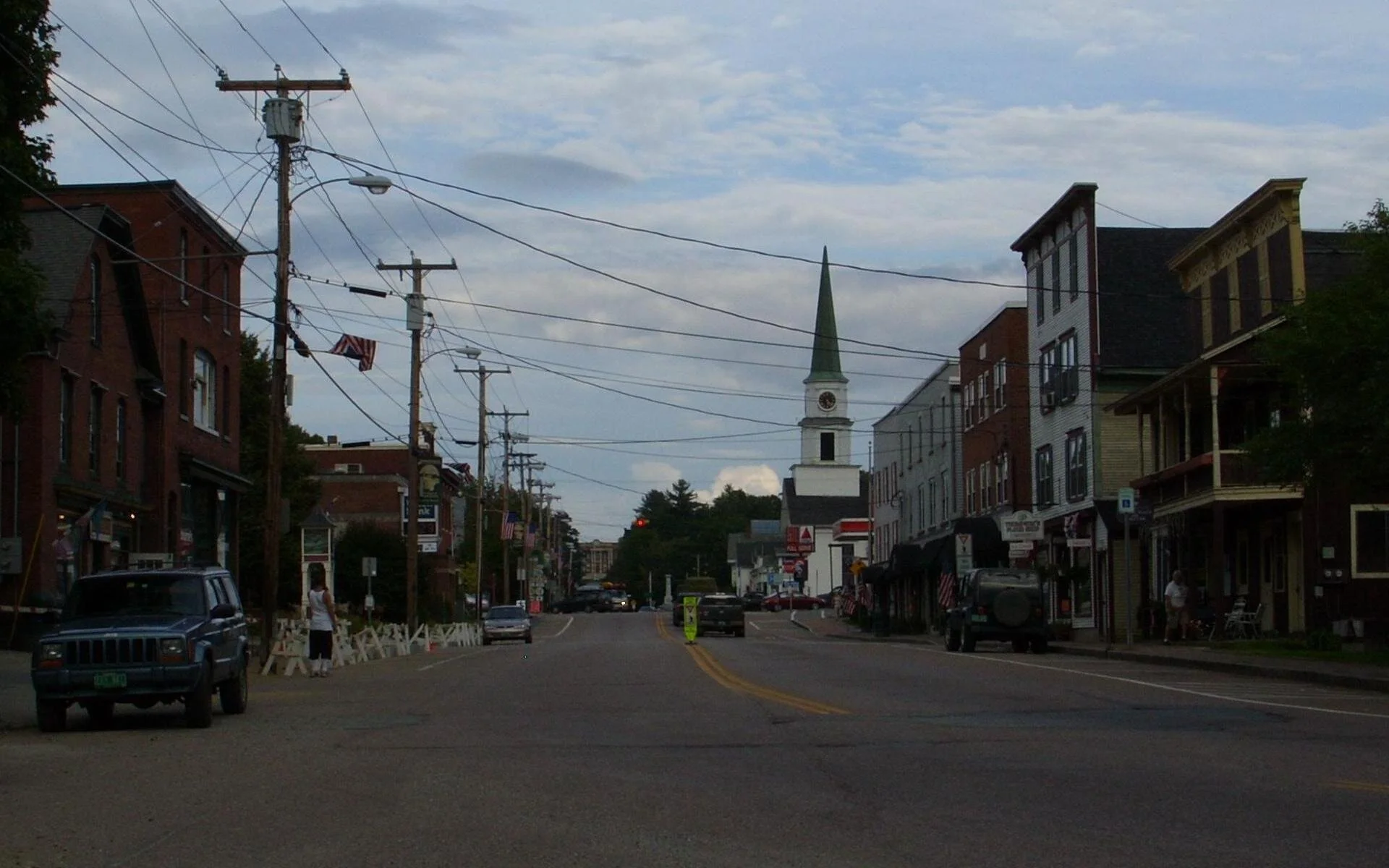
Downtown Morrisville, Vt.
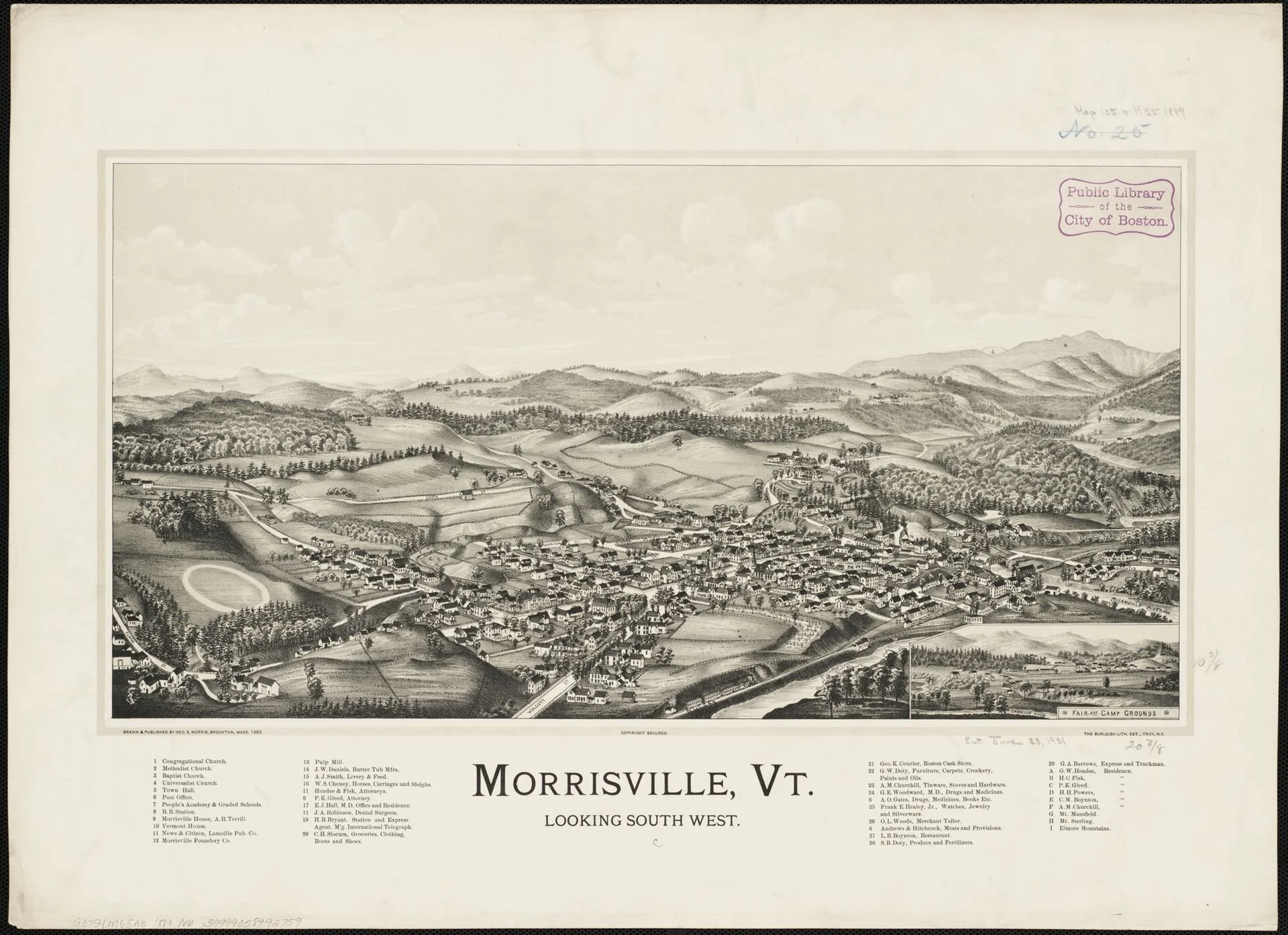
Prosperous Morrisville in 1889.

Llewellyn King: Don’t kid yourself: Solutions to global warming won't be simple
WEST WARWICK, R.I.
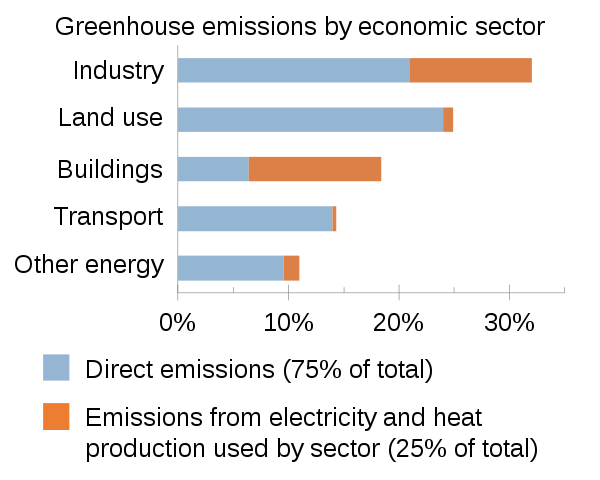
The latest report from the United Nations Intergovernmental Panel on Climate Change gives humanity a simple directive: Get a grip on greenhouse-gas emissions or the dear old planet won’t be the dear old planet we have known and loved down through the millennia.
Sounds simple, huh? Like wearing a face mask or getting a COVID-19 vaccine shot.
That is the trouble. Everyone will have his or her own science and won’t hesitate to inflict it on anyone who disagrees, whether it is verified or not.
Social nagging is about to become a national pastime. I can hear it now: “Why do you drive a gasoline car? You know, your fire pit is a carbon source.” Or “Did you think about the carbon consequences when you booked your vacation in Europe?”
How ghastly the moral superiority of the anti-carbon warriors will be! I can imagine them saying “I can’t imagine why people don’t buy electric cars. We have had one for three years.” Or “Your oil-heated house is a pollution source. We have installed solar rooftop panels. Passive solar houses should be mandated by the government.”
Remember the anti-smoking crusaders? I am afraid that you haven’t seen anything yet. The very real climate threat is going to unleash a whole new tribe of social scolds.
Electric utilities are in the crosshairs and there will be no end to their vilification. Watch out for the environment experts, who once urged the use of coal over nuclear, to take charge of the future with some other counterproductive policy nostrum.
All that said, I believe if we don’t get on top of the greenhouse-gas emissions problem, we soon will be wondering, as Robert Frost wrote, “Some say the world will end in fire,/ Some say in ice.” The way it is going, I say the world will end in devastating floods and heat waves, worsening droughts and accelerating sea-level rise.
The U.N.’s climate change panel has declared a clear and present danger. It is a threat that has been growing and largely laughed off over 50 years. I, for one, first heard of the idea of global warming in 1970, when it seemed very remote and a little crazy. It is neither remote nor crazy now. It is at hand, and it should affect a lot of thinking.
In the near term, common sense would have us ship our natural gas abroad so that China, India and many other countries stop burning coal; not as the anti-carbon warrior would have us close down our production. The best longer-term hope is more science on carbon capture and nuclear power. It is foolish to worry about nuclear waste lasting 10,000 years when, if we keep on the current climate trajectory, life won’t exist in the nearer future on planet Earth.
The fact is that while the science of climate change is well understood, the solutions aren’t. For example, those who would denounce natural gas, which is far less polluting than coal, don’t know the lifecycle costs of the two advocated alternatives, wind and solar.
To build a windmill, you need a large concrete base and a steel tower, both of which are manufactured through carbon-intensive processes. At the end of the life of a turbine, about 25 years, the giant blades, which are mostly made of carbon fiber-reinforced fiberglass, will be disposed of in landfills. The blades can’t be recycled, unlike the steel towers and other components.
Both the manufacture and disposal of solar cells have considerable environmental impact. The impact in making them is known, but the impact of their disposal in landfills isn’t known.
Going forward, the need is to know the science, encourage innovation and not to bow to culture activists who would wish their solutions on the rest of us. When I was a boy, asbestos was the miracle substance, recommended for inclusion in everything because it was fire-resistant. If you didn’t use asbestos, the fire alarmists came down on you. The moral? Beware of simple solutions to complex problems.
Llewellyn King is executive producer and host of White House Chronicle, on PBS. His email is llewellynking1@gmail.com and he’s based in Rhode Island and Washington, D.C.
Web site: whchronicle.com

Solar panels on a house in a Boston suburb. Massachusetts is very big on green energy, at least rhetorically.
— Photo by Gray Watson
Land of intimate businesses
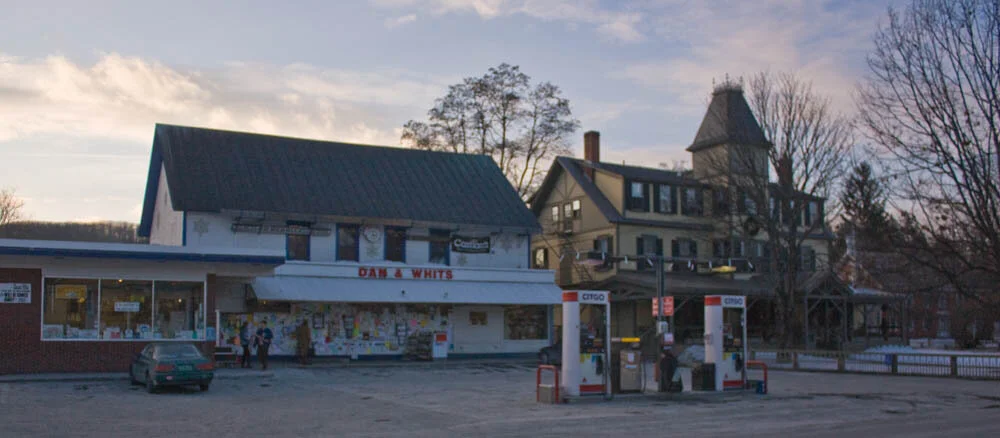
Dan & Whit’s general store, in Norwich, Vt.
— Photo by HopsonRoad
— Vermont Congressman Peter Welch
Searching for a new world
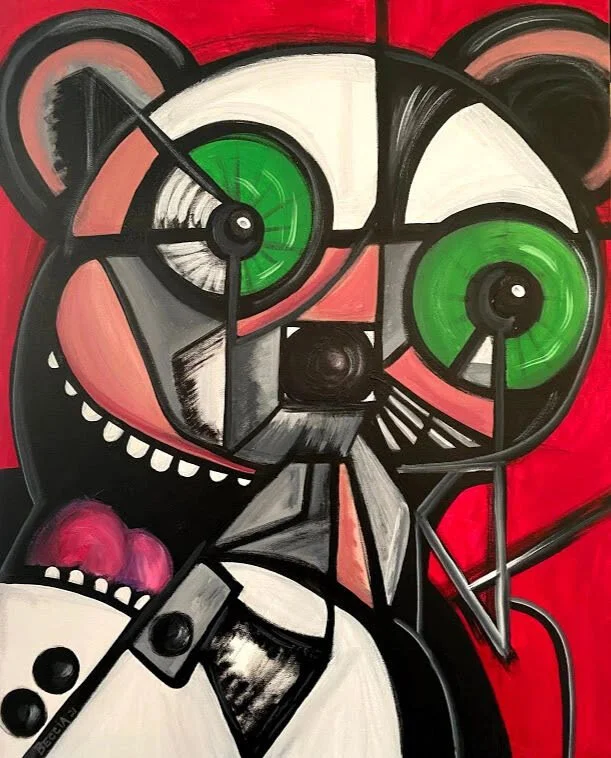
“Metamorphic Mouse” (acrylic on canvas), by Stephen Beccia, in his joint show with Richard Cross at the Loading Dock Gallery, Lowell, Mass., through Aug. 29.
The gallery says the show “explores contemporary figurative art, inspired by the Cubism and Pop movements of the 20th Century with the nuances, icons and mediums of the 21st.
‘‘Strong influences of Basquiat and Picasso appear in Beccia’s work in geometric shapes as well as a look at the surreal and familiar. He explains he’s ‘searching for a world of design and color that does not yet exist.’’’
Seek higher ground!

“Black Sea” (painting), by Peter Watts, in his joint show with Brenda Horowitz, “Truro & Wellfleet Motifs,’’ at Berta Walker Gallery, Provincetown, Aug. 21-Sept. 12

Training by the Boston cops

“Growing up, I think I was arrested 20-odd times by the Boston police. The good news is that I've been able to use those experiences in a lot of my roles, and that has been a blessing.’’
— Mark Wahlberg (born in 1971). The movie actor and businessman was born and raised in Boston’s then mostly gritty Dorchester neighborhood, before gentrification moved in.
Brown University’s big ambitions for cancer center
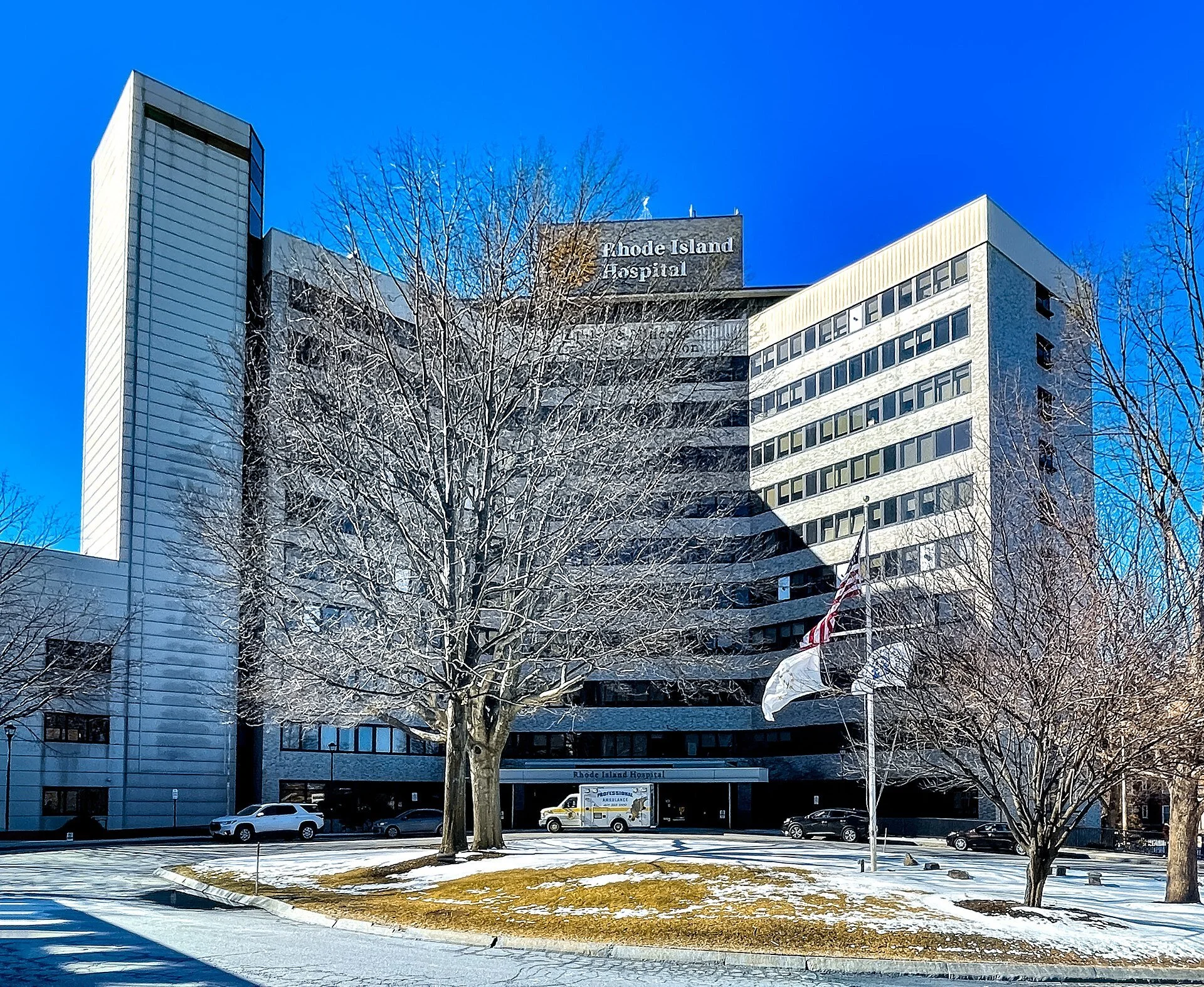
Rhode Island Hospital, in Providence, is the flagship institution of the Brown University-affiliated Lifespan hospital chain.
— Photo by by Kenneth C. Zirkel
From The New England Council (newenglandcouncil.com)
“Brown University has partnered with a local hospital chain with the goal of establishing a state-of-the art cancer-research center in Rhode Island. The university’s research branch has partnered with Lifespan Cancer Institute’s clinical care, with the eventual goal of applying for a National Cancer Institute designation. Such a designation would allow for further funding and increase the type and amount of clinical trials the research institute could conduct.
“Dr. Wafik El-Deiry, the director of the Cancer Center at Brown University, recently spoke to The Boston Globe about his excitement for the development of this program at the university. ‘There really wasn’t too much development yet before [the center] at Brown because there was no story,’ he said. ‘There wasn’t a program… to really make a difference and get to where we need to go, we have to grow. We need to recruit, we need space, and we need resources. And now, with Brown’s support, all of that is really coming together,’ he told The Globe.
“As this program grows, there is optimism that Rhode Island could become a prime cancer-care destination. The program is expected to soon start attracting brilliant individuals who seek to advance the future of medicine and cancer care. This program aims to establish the Ocean State a top location for research, learning, and care.’’