
Vox clamantis in deserto




Llewellyn King: The traitorous tribe that kills fellow Americans

President Trump touring a Honeywell mask factory (!) in May 2020. As at many other crowded events he has attended during the pandemic, Trump and his entourage, (fearful of his rebuke) refused to wear masks at this highly publicized visit.
WEST WARWICK, R.I.
When a nation goes to war its first step to survival is to protect the homeland against invasion. Every citizen is co-opted: It is their national duty.
We are on a war footing against COVID-19. It has invaded our homeland, and it is slaughtering us. Nearly 300,000 are dead and the vast hospital network in the United States is overwhelmed.
A dark cloud passes before our sun. Christmas promises more sorrow as we wait for reinforcements -- in this case, the vaccine -- to arrive.
The first line of defense against this common enemy, this indiscriminate killer, is a simple piece of layered cloth or paper held over the nose and mouth by cloth or elastic strings. It is a face mask, the simplest of defensive weapons.
But there is in the United States a tribe that has lost its head, reminiscent of Nicholas Monserrat’s great novel of 1956, The Tribe That Lost Its head. (See an old cover below.)
There are among us those who won’t defend their homeland, won’t wear masks, and accompany that treason by propagating a theory that to wear a mask is to grant a malign government total authority over the individual, and to bring about totalitarianism; or that to wear a mask is to cede manhood or endanger our way of life.
Worse, there are those who believe that it is a political statement of solidarity with the outgoing administration, with the embattled president, and the raucous nationalism that is the core of his appeal.
Some won’t wear masks out of youthful chutzpah, believing this is a disease of the old and that the young and the healthy are immune. This is a fiction they have been fed by those who should know better and most likely do know better, most of whom reside under Republican roofs, presided over by that Niagara Falls of disinformation, President Trump.
While the nation is taking fatal casualties which it doesn’t need to take, while first responders and medical personal are thrown again and again into the breach, exhausted and scared, the Trump Republicans can’t bring themselves to join the battle.
While the signs of war — a war with a terrible count in deaths -- rages on, congressional Republicans are foraging for scandals like pigs after truffles. Most of them still won’t condemn Trump for his super-spreader activities, like his rallies, parties and reckless behavior in public, which signal masks aren’t needed.
The trouble is that leaders of this headless tribe, this unacceptable face of what was the Grand Old Party, are so cowed that they won’t check the president.
The Republican Party used to be made up of muscular individuals, lawmakers who took their mandate seriously, not today’s pusillanimous followers. Incredibly, most Republican members of Congress can’t bring themselves to admit that Joe Biden won the election and will be the next president. Had there been “massive voter fraud” this wouldn’t be so. The courts would have spoken other than as they have.
All of this has played into the anti-mask movement and its lethal consequences. The virus doesn’t ask party affiliation: It is an equal-opportunity slayer.
Then there is Trump’s great enabler in the Senate, Majority Leader Mitch McConnell.
Even as millions of Americans don’t know where the next meal will come from this Christmas besides a food bank, and rent and utility bills are unpaid, McConnell, and McConnell alone, will decide who gets relief, who gets the shaft for Christmas. He can just refuse to bring a bill to the floor and end it right there. His personal concerns are paramount, not those of the other members of Congress.
Not only does McConnell not wish to understand the gravity of the situation in the country, but he also seems to relish his ability to exacerbate it, to turn his job into a Lego game for his own amusement.
This will be a bleak Christmas lit by the hope that the vaccine will deliver us from despair and bottomless hurt.
But for the vaccine to vanquish the virus, we must get our shots. If the same idiocy that shuns masks prevails, the war won’t fully be won for years when it could be ended next year.
The sight of victory is the best Christmas present, and it is possible next year if we close ranks. Those who will bear the guilt are known. They are in Washington now.
Llewellyn King is executive producer and host of White House Chronicle, on PBS. His email is llewellynking1@gmail.com and he’s based in Rhode Island and Washington, D.C.
Web Site: whchronicle.com

‘Fear advances’
“What most we fear advances on
Tiptoe, breath aromatic. It smiles.
Its true name is what we never know.’’
— From “Sky,’’ by Robert Penn Warren (1905-1989), poet, novelist and critic. A Kentucky native, he lived in Fairfield, Conn., and Stratton, Vt., in his later years.
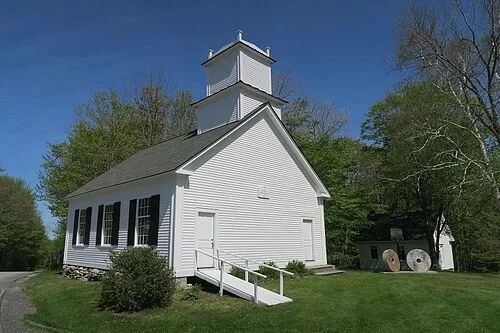
Stratton, Vt., meetinghouse
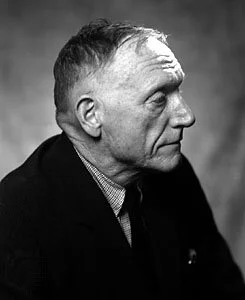
Robert Penn Warren in 1968
'Don't be perfectionist'

“Composition for ‘Jazz,’ “ (1915), by Albert Gleizes, at the Solomon R. Guggenheim Museum, New York
“Jazz Stands for freedom. It’s supposed to be the voice of freedom: Get out there and improvise, and take chances, and don’t be perfectionist —leave that to the classical musicians.’’
— Dave Brubeck (1920-2012), jazz composer. He and his wife moved to a bucolic part of widely bucolic Wilton, Conn. in 1961, and that remained his home until his death.
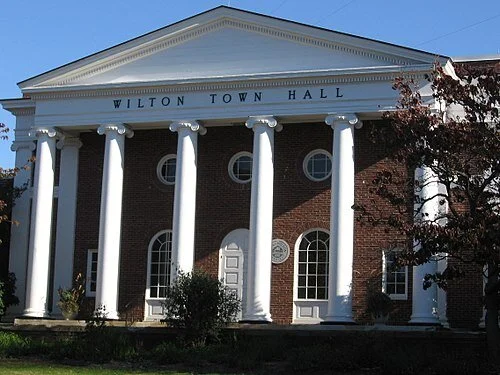
Wilton is an affluent residential community with lots of open land, historic architecture, such as the Round House, and colonial homes. Many residents commute to Stamford, New York City or other places in Greater New York.
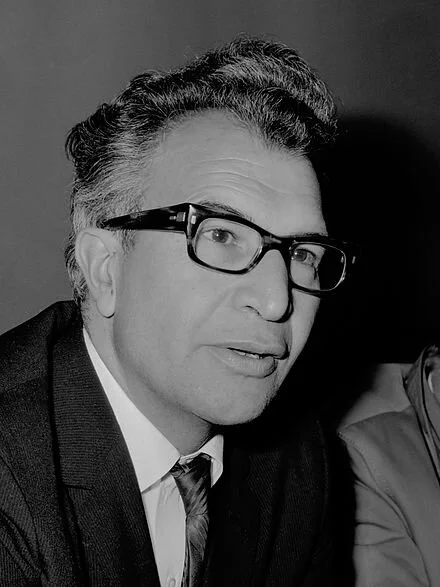
Dave Brubeck in 1964

John O. Harney: Update on college news in New England

At Wheaton College, which has done very well in facing COVID-19. Left to right: Emerson Hall, Larcom Hall, Park Hall, Mary Lyon Hall, Knapton Hall and Cole Chapel.
BOSTON
From The New England Journal of Higher Education, a service of The New England Board of Higher Education (nebhe.org)
Faculty diversity. In the early 1990s, NEBHE, the Southern Regional Education Board (SREB) and the Western Interstate Commission for Higher Education (WICHE) collaborated to develop the first Compact for Faculty Diversity. Formally launched in 1994, with support from the Ford Foundation and Pew Charitable Trust, the compact focused on five key strategies: motivating states and universities to increase financial support for minorities in doctoral programs; increasing institutional support packages to include multiyear fellowships, along with research and teaching assistantships to promote integration into academic departments and doctoral completion; incentivizing academic departments to create supportive environments for minority students through mentorship; sponsoring an annual institute to build support networks and promote teaching ability; and building collaborations for student recruitment to graduate study. With reduced foundation support, collaboration among the three participating regional education compacts declined, but some core compact activities continued through SREB.
Now, NEBHE and its sister regional compacts are launching a collaborative, nine-month planning process to reinvigorate and expand a national Compact for Faculty Diversity. Under the proposed new compact, NEBHE, the Midwestern Higher Education Compact (MHEC), SREB and WICHE would collaborate to invest in the achievement of diversity, equity and inclusion in faculty and staff at postsecondary institutions in all 50 states. Ansley Abraham, the founding director of the SREB State Doctoral Scholars Program at the SREB, has been instrumental in the design and execution of that initiative. He recently published this short piece in Inside Higher Ed.
Fighting COVID. As the head of the Centers for Disease Control and Prevention (CDC) warned of the roughest winter in U.S. public-health history, Wheaton College has stood out. Our Wheaton, in Norton, Mass. (not to be confused with the Wheaton College in Illinois) developed a plan based on science that has kept positive cases low on campus and allowed in-person classes during the fall semester. Wheaton was able to limit the college’s overall fall semester case count to 23 (a .06 positivity rate among 35,000 tests) due to strong protocols, rigorous testing through the Cambridge, Mass.-based Broad Institute and a shared commitment from the community, especially students. In early November, as cases were spiking across the U.S., the private liberal arts college had its own spike of 13 positive cases in one day. But thanks to immediate contact tracing in partnership with the Massachusetts Community Tracing Collaborative, only one positive case resulted after that day, notes President Dennis Hanno. Part of Wheaton’s success owes to its twice-a-week testing throughout the semester. The college also credits its work with the for-profit In-House Physicians to complement internal staff in managing on-campus testing and quarantine/isolation housing.
New England in D.C. The COVID-19 crisis should make national health positions crucial. Earlier this week, President-elect Joe Biden tapped Dr. Rochelle Walensky, an infectious disease physician at Medical School and Massachusetts General Hospital, to lead the CDC and Dr. Vivek Murthy, who attended Harvard and Yale and did his residency at Brigham and Women’s Hospital, to be surgeon general. They’ll work with Dr. Anthony Fauci, the chief medical advisor and College of the Holy Cross graduate who has served six presidents.
Last month, as Biden’s transition team began drawing on the nation’s colleges and universities to prepare to take the reins of government, we flashed back to a 2009 NEJHE piece when Barack Obama was stocking his first administration. “As they form their White House brain trusts, new presidents tend to mine two places for talent: their home states and New England—especially New England’s universities, and especially Harvard,” we noted at the time. Most recently, two New England Congresswomen have scored big promotions on Capitol Hill. Rosa DeLauro (D.-Conn.) became Appropriations chair and Katherine Clark (D.-Mass.) was elected assistant speaker of the House. Richard Neal (D.-Mass.) was already chairman of the powerful House Ways and Means Committee.
Indebted. U.S. Sen. Elizabeth Warren (D.-Mass.), long a champion of canceling student debt, called on Biden to take executive action to cancel student loan debt. “All on his own, President-elect Biden will have the ability to administratively cancel billions of dollars in student loan debt using the authority that Congress has already given to the secretary of education,” she told a Senate Banking Committee hearing. “This is the single most effective economic stimulus that is available through executive action.” About 43 million Americans have a combined total of $1.5 trillion in federal student loan debt. Such debt has been shown to discourage big purchases, growth of new businesses and rates of home ownership among other life milestones. Warren has outlined a plan in which Biden can cancel up to $50,000 in federal student loan debt for borrowers.
Jobless recovery? Everyone knew the public health crisis would be accompanied by an economic crisis. This week, Moody’s Investors Service projected that the 2021 outlook for the U.S. higher-education sector remains negative, as the coronavirus pandemic continues to threaten enrollment and revenue streams. The sector’s operating revenue will decline by 5 percent to 10 percent over the next year, Moody’s projected. The pace of economic recovery remains uncertain, and some universities have issued or refinanced debt to bolster liquidity. (As this biting piece notes, “Just as decreased state funding has caused students to go into debt to cover tuition and fees, universities have taken on debt to keep their doors open.”)
The name of the game for many higher education institutions (HEIs) is coronavirus relief money from the federal government. NEBHE has written letters to Congress calling for increased relief based on the many New England students and families struggling with reduced incomes or job loss and the costs associated with resuming classes that were significantly higher than anticipated. These costs have been growing based on regular virus testing, contact tracing, health monitoring, quarantining, building reconfigurations, expanded health services, intensified cleaning and the ongoing transition to virtual learning. Citing data from the National Student Clearinghouse, NEBHE estimated that New England’s institutions in all sectors lost tuition and fee revenue of $413 million. And that’s counting only revenue from tuition and fees. Most institutions also face additional budget shortfalls due to lost auxiliary revenues (namely, from room and board) and the high costs of compliance with new health regulations and the administration of COVID-19 tests to students, faculty and staff. (When the relief money is spent and by whom is important too. Tom Brady’s sports performance company snagged a Paycheck Protection Program loan of $960,855 in April.) Anna Brown, an economist at Emsi, told our friends at the Boston Business Journal that higher-ed staffers working in dorms, maintenance roles, housing and food services have been hit hard, and faculty will not be far behind
Admissions blast from the past. I’ve overheard too many conversations lately with reference to “testing” and wondered if the subject was COVID testing or interminable academic exams. Given admissions tests being de-emphasized by colleges, we were reminded me of a 10-year-old piece by Tufts University officials on how novel admissions questions would move applicants to flaunt their creativity. The authors told of how “Admissions officers use Kaleidoscope, as well as the other traditional elements of the application, to rate each applicant on one or more of four scales: wise thinking, analytical thinking, practical thinking and creative thinking.” Could be their moment?
Anti-wokism. The U.S. Department of Education held “What is to be Done? Confronting a Culture of Censorship on Campus” on Dec. 8 (presumably not deliberately on the anniversary of John Lennon’s assassination). The hook was to unveil the department’s “Free Speech Hotline” to take complaints of campus violations. The event organizers contended that “Due to strong demand, the event capacity has been increased!” The department’s Assistant Secretary for Postsecondary Education Robert King began noting that we’ll hear from “victims of cancel culture’s pernicious compact” where generally “administrators cave to the mob and punish the culprit.” He noted, “Coming just behind this are Communist-style re-education camps” and assured the audience that the department has launched several investigations into these kinds of offenses like those that land awkwardly in my inbox from Campus Reform. Universities are no place for “wokism,” one speaker warned, adding that calls for diversity and tolerance actually aim to squelch unpopular opinions.
Welcome dreamers. Last week, a federal judge ordered the Trump administration to restore the Deferred Action for Childhood Arrivals (DACA) program to how it was before the administration announced plans to end it in September 2017. DACA provides protection against deportation and work authorization to certain undocumented immigrants who were brought to the U.S. as children. DACA participants include many current and former college students. NEBHE issued a statement in support of DACA in September 2017 and has advocated for the initiative’s support.
John O. Harney is executive editor of The New England Journal of Higher Education.
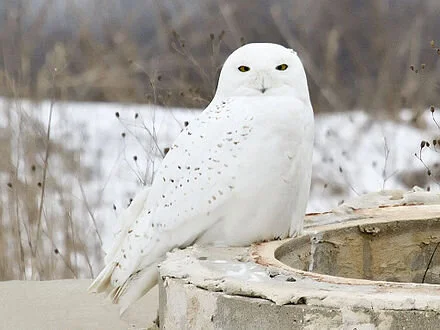
Snowy Owls need a lot of space
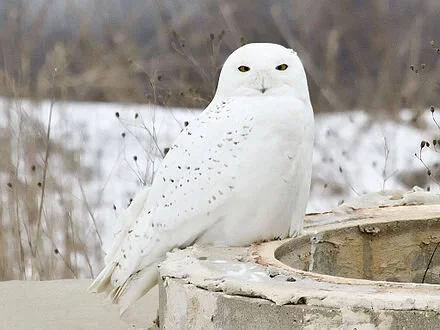
A male Snowy Owl
From ecoRI News
A few Snowy Owls are typically spotted in Rhode Island each year, and over the past few weeks a couple of these majestic birds have been sighted, according to the Audubon Society of Rhode Island.
As nature enthusiasts flock to the shore in hopes of glimpsing these birds, Audubon experts worry about the stress these owls are facing, caused by their long journey, shortage of food, and human interference.
Chilly temperatures and fewer food sources mean that winter months can be challenging for all birds. They need to be constantly refueling with high-protein energy sources to maintain their body temperature. Birds also can easily become stressed by people getting too close. Energy used to escape from perceived danger is energy that can’t be used to find food sources and shelter. All birds, including Snowy Owls, can face serious health consequences from nature enthusiasts trying to get too close or take the perfect photograph.
Over the past several months, rare bird species have been sighted in Rhode Island, including a common cuckoo in Johnston. The Audubon Society, while understanding the enthusiasm that these rare sightings bring, noted that trampled habitat and trespassers on private farmland was a result.
Audubon urges all birders and nature enthusiasts to be respectful of private property and the natural habitat that sustains birds and wildlife, including sections of wildlife refuges that may be closed to the public for critical conservation purposes.
Many wonder why Snowy Owls travel south to begin with, and why their numbers are higher in certain years.
“It's all about food,” said Lauren Parmelee, an expert birder and the Audubon Society of Rhode Island’s senior director of education. “Snowy Owl numbers are closely connected to the populations of rodents in the Arctic region called lemmings. In years when there are plenty of lemmings, these owls lay more eggs and successfully raise a larger number young to adulthood. But when winter comes to the tundra, competition for food increases dramatically and many of the younger birds disperse beyond the boundaries of their arctic habitat.”
These hungry birds will then travel a great distance looking for food and will appear on the beaches and rocky shorelines in Rhode Island and other coastal states.
Audubon urges visitors to follow these guidelines for viewing Snowy Owls and other birds this winter:
Don’t try to creep close. Be content to view at a distance. Give Snowy Owls a space of 200-300 feet or more. This isn’t a bird you should be sneaking up on with your camera phone. Use binoculars and spotting scopes if you have them.
Try to stay as a group if there is more than one observer. Never encircle birds or owls. All viewers should stay on one side of the bird.
Snowy Owls are powerful hunters and very capable of capturing prey, so please don’t try to feed them.
Don’t observe these owls for an overly long period of time. Your presence causes stress.
Spread the word about respectful birding etiquette and keeping a safe distance. You can help to ensure that local birds survive the winter and that snowy owls have a better chance of making it home to the Arctic in the spring.
Snowy Owls are protected by the Migratory Bird Treaty Act of 1918.
Download Boston Guardian’s new app
Download The Boston Guardian’s app on your iPhone, tablet and computer by going to the Apple store. The Guardian is chock full of news and feature stories, and photos, about life in New England’s capital, especially the Back Bay, the Fenway-Kenmore Square area, Beacon Hill and the business/commercial downtown. The Guardian is Boston’s largest circulation weekly newspaper.

What did this year mean?

“We Who Believe in Freedom” (study acrylic on birch panel), by LMNOPI (yes — that’s her name), in the Bennington (Vt.) Museum’s show through Dec. 28 entitled “Vermont Utopias: Imagining the Future .’’ The show is part of “2020 Vision: Reflecting on a World-Changing Year,’’ a statewide initiative by the Vermont Curators Group that aims to explore how 2020 has changed the world.
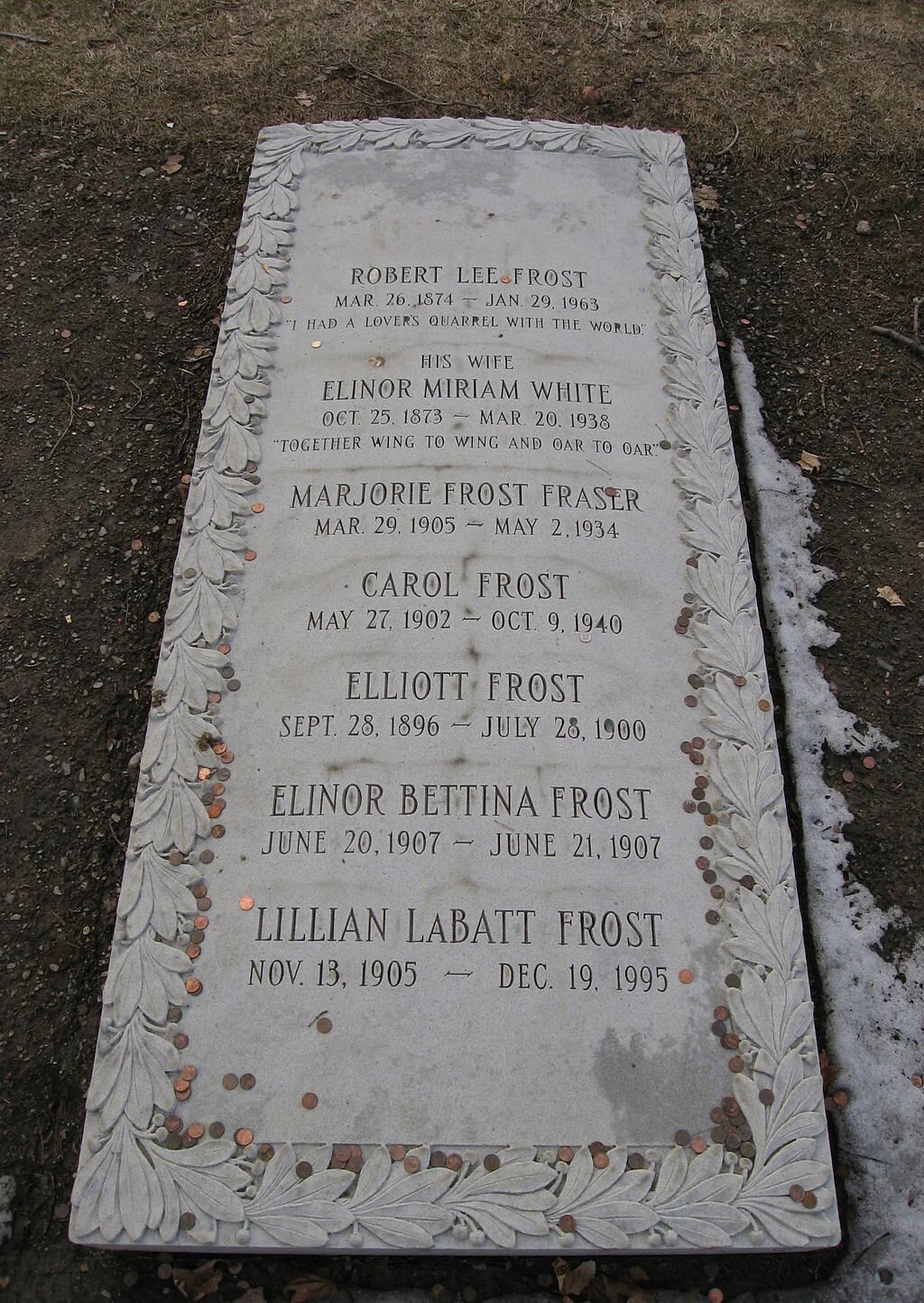
Robert Frost’s grave in Bennington
America the Dizzy in 2020
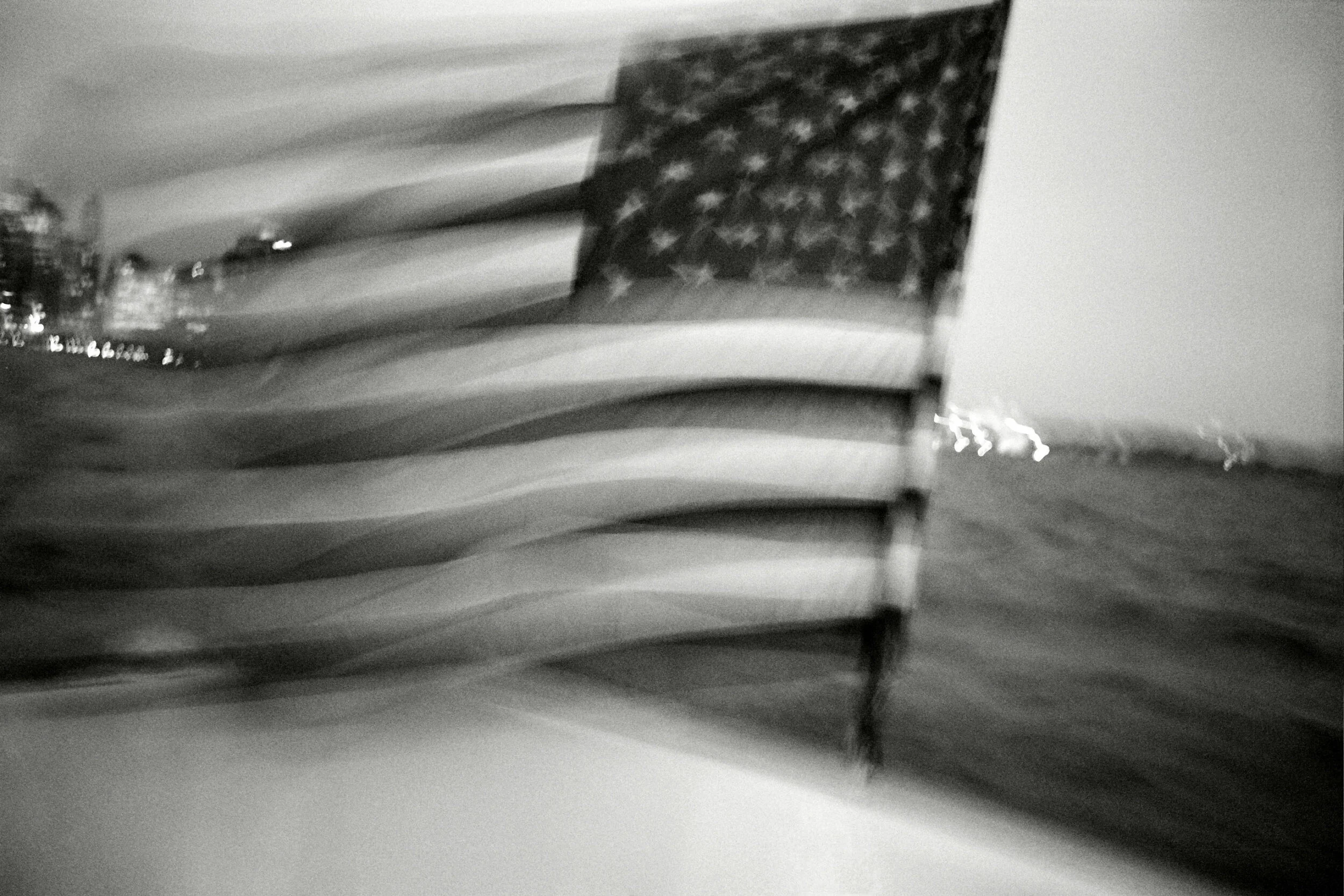
On a launch in New York Harbor
— Photo by Philip K. Howard, New York-based photographer, civic reformer, lawyer, arts leader and author.
See:
https://philipkhoward.com/
A 'flat push'
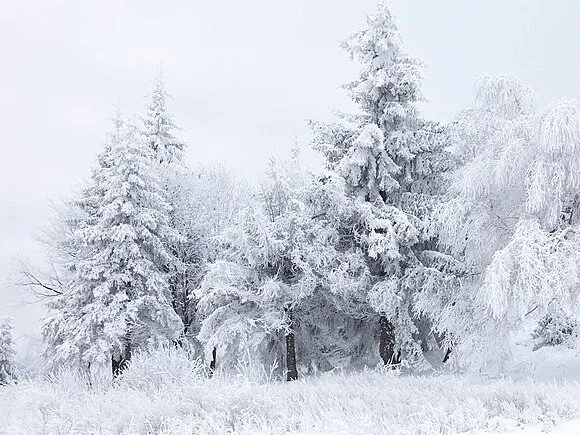
“Outside the snow comes rolling in
from the flats of Quebec. It’s the flat push
on things I fear. The north glass
rattles and bulges….’’
— From “Storm,’’ by John Engels (1931-2007), a Vermont poet. He taught at St. Michael’s College, in Colchester, just north of Burlington.
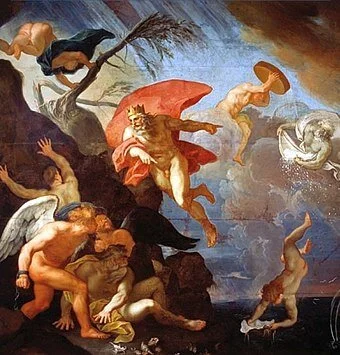
“Allegory of Winter,’’ by Jerzy Siemiginowski-Eleuter (1683)
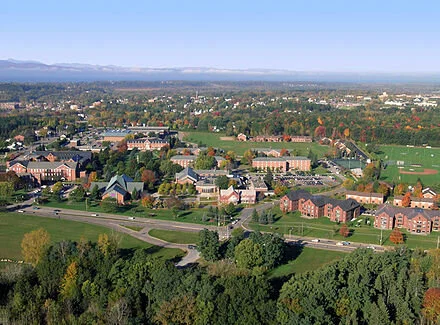
St. Michael’s College
Blessings of age

Maple between spruce trees
“I am in love with the world. And I look right now, as we speak together, out my window in my studio and I see my trees and my beautiful, beautiful maples that are hundreds of years old, they’re beautiful. And you see I can see how beautiful they are. I can take time to see how beautiful they are. It is a blessing to get old. It is a blessing to find the time to do the things, to read the books, to listen to the music.”
— Maurice Sendak (1928-2012), children’s author. He lived in Ridgefield in western Connecticut. The town hosts the Aldrich Museum of Contemporary Art. (See picture below.)


Sugar maple in early summer
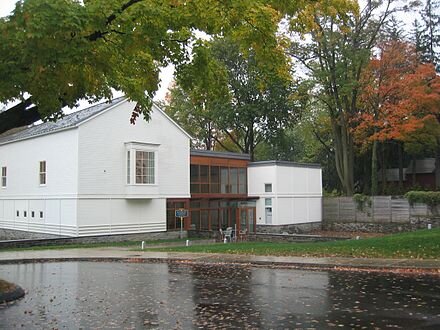
Aldrich Museum of Contemporary Art
Finding genetic variations in severity of COVID-19 symptoms

— Photo by Tim Pierce
Here’s the latest roundup of COVID related developments in the region from The New England Council (newenglandcouncil.com):
“Researchers at Beth Israel Deaconness Medical Center have shed light on COVID-19 symptom severity with new research. The study, published in the New England Journal of Medicine, reveals the role of genetic variations in the severity of COVID-19 symptoms. Read more here. And:
Mass General Brigham has joined with news publications as well as hospitals and health systems across the country to urge people to continue to wear masks during this critical period. Read more here.
Harvard University Medical School researchers have created a new tool for the creation of new adult cells for research. The new Human TFome systems will allow cells to be customized by researchers to the disease they are studying. Read more here.’’
The joy and pathos of life
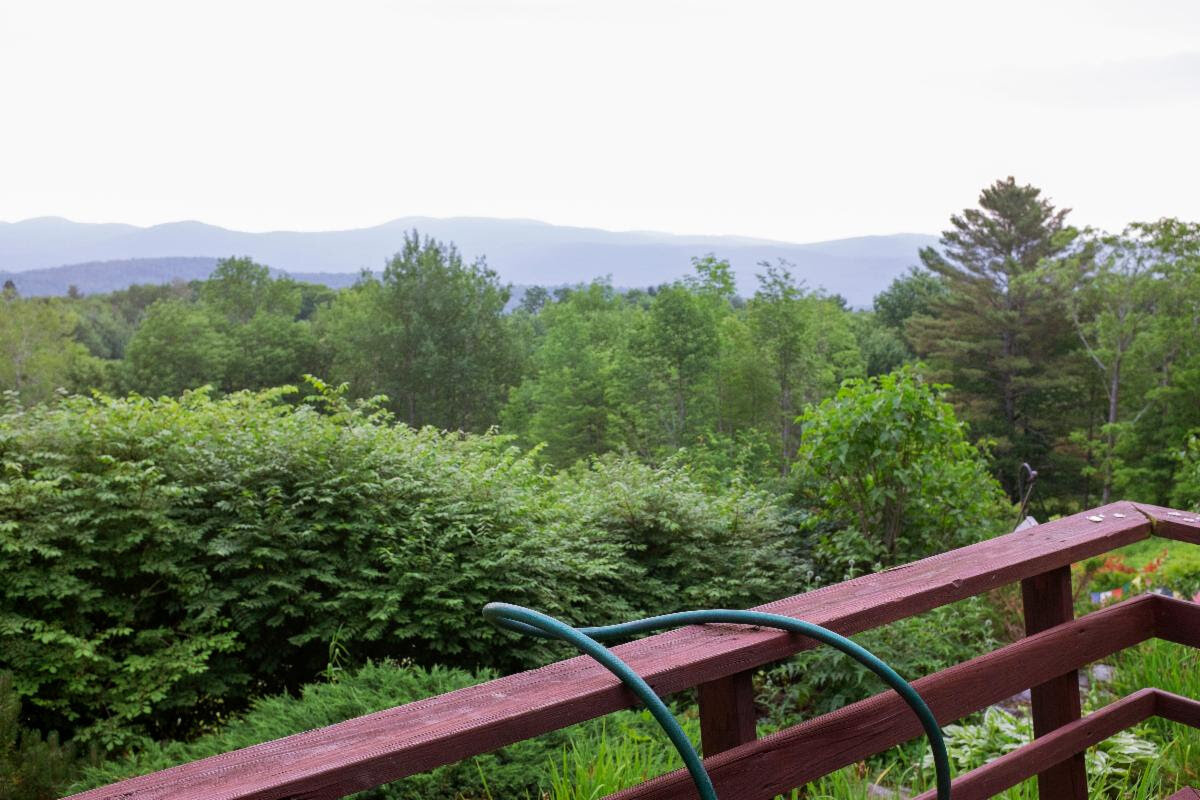
“Garden hose and deck, Ryegate VT, July, 2019” (archival digital print) in Mary Lang’s show “Small Moments of Sad-Joy,’’ at Kingston Gallery, Boston, Dec. 8-Jan. 17.
The gallery says:
“Mary Lang reflects on the Japanese phrase ‘Mono no Aware,’ the pathos of things, in her newest collection of photographs. A garden hose draped over a railing, a field of Queen Anne’s lace at dusk, the arc of a sprinkler all speak to the entrenched feeling of wistful sadness. That fundamental reality builds its foundation on uncertainty. These photographs are not from distant or grandiose places but show quiet, fleeting moments in her backyard, around the corner from her house, and at friends’ yards in Upstate New York and Vermont. Lang borrows the term ‘sad-joy’ from Chӧgyam Trungpa, to describe the joy of being alive while still in touch with the suffering and impermanence of the world. In this exhibition, Lang asks the viewer to consider, feel, and marvel at the pathos of things.’’
Mainiac chronicler
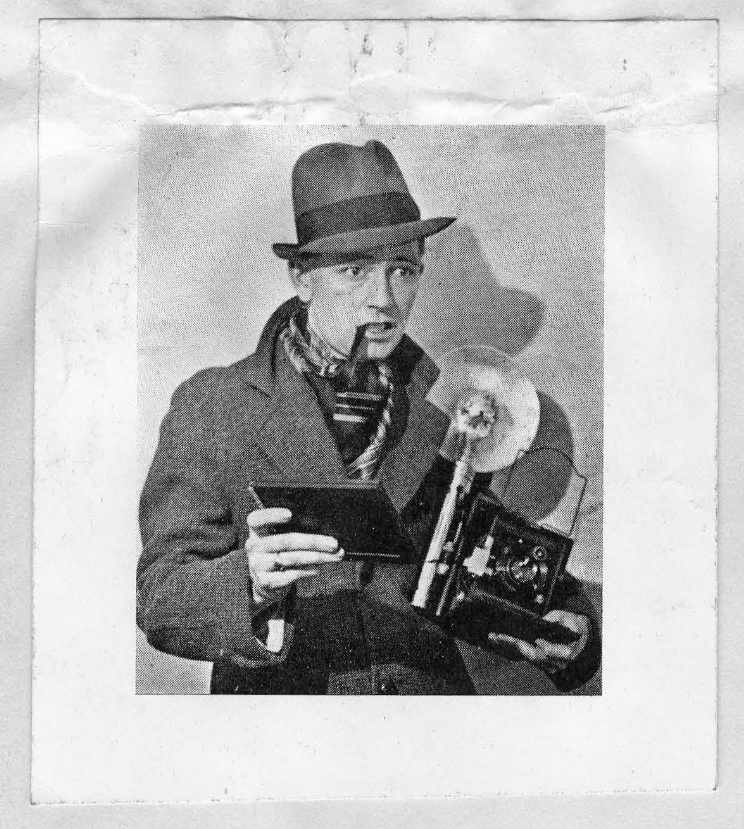
John Gould
From Robert Whitcomb’s “Digital Diary,’’ in GoLocal24.com
John Gould (1903-2008) was a Maine-based newspaper reporter, essayist, raconteur and book author. He was usually engaging and often very funny. You see this in his 1978 book This Trifling Distinction: Reminiscences from Down East. It made me nostalgic for the fun, sometimes crazy, days of newspapers in their golden years, small town and big city. And as the book cover notes, “In Gould’s Maine everybody is either an author or a character.’’
'A local abstraction;'

Mist upstream of the Bissell Bridge, between Windsor and South Windsor, Conn
”It is the third commonness with light and air,
A curriculum, a vigor, a local abstraction . . .
Call it, one more, a river, an unnamed flowing….’’
— From “The River of Rivers in Connecticut,’’ by Wallace Stevens (18790-1955). It’s “about” the Connecticut River. Like many in the Nutmeg State in his lifetime, he was an insurance executive.

“View of the City of Hartford, Connecticut,’’ by William Havell, a 19th Century painter
Better than Chartres

The Piscataqua River Bridge, which connects Portsmouth, N.H., and Kittery, Maine, and on E.B. White’s route from New York City, where he worked off and on for decades.
“What happens to me when I cross the Piscataqua and plunge rapidly into Maine at a cost of seventy-five cents in tolls? I cannot describe it. I do not ordinarily spy a partridge in a pear tree, or three French hens, but I do have the sensation of having received a gift from a true love. And when, five hours later, I dip down across the Narramissic and look back at the tiny town of Orland, the white spire of its church against the pale-red sky stirs me in a way that Chartres could never do. It was the Narramissic that once received as fine a lyrical tribute as was ever paid to a river—a line in a poem by a schoolboy, who wrote of it, ‘It flows through Orland every day.’ I never cross that mild stream without thinking of his testimonial to the constancy, the dependability of small, familiar rivers.”
E.B. White in “Home-Coming,’’ in Essays of E.B. White (1899-1985) (Harper & Row, 1977). He was a famed essayist and author of the children’s books Charlotte’s Web and Stuart Little. He and his wife had a small farm in Brooklin, Maine, on the Blue Hill Peninsula, first as a summer place and then mostly year-round.
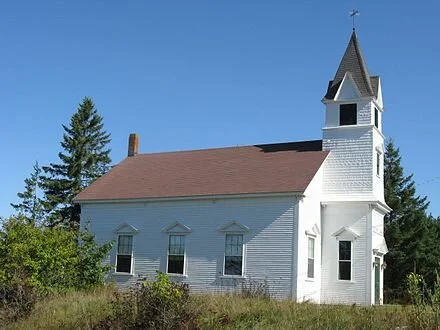
The Rockbound Chapel, in Brooklin.
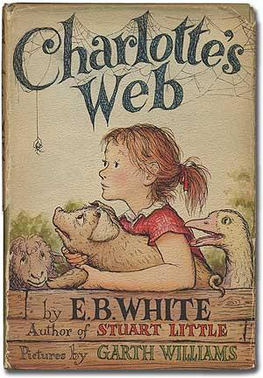
The book was inspired by White’s life on his farm in Brooklin.
David Warsh: A great victory in vaccine making and marketing
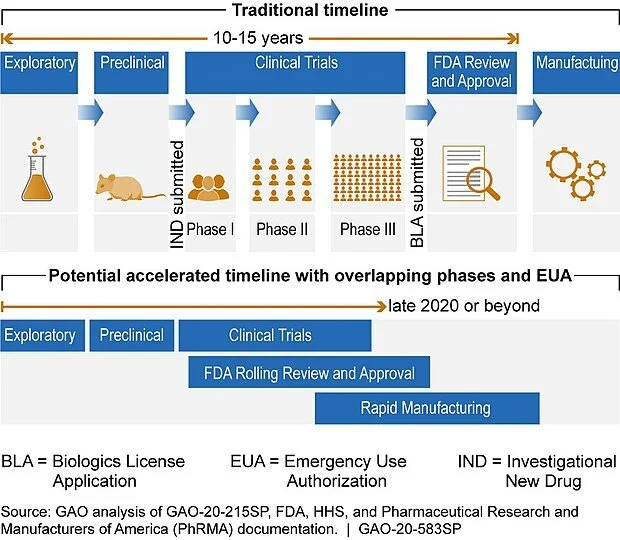
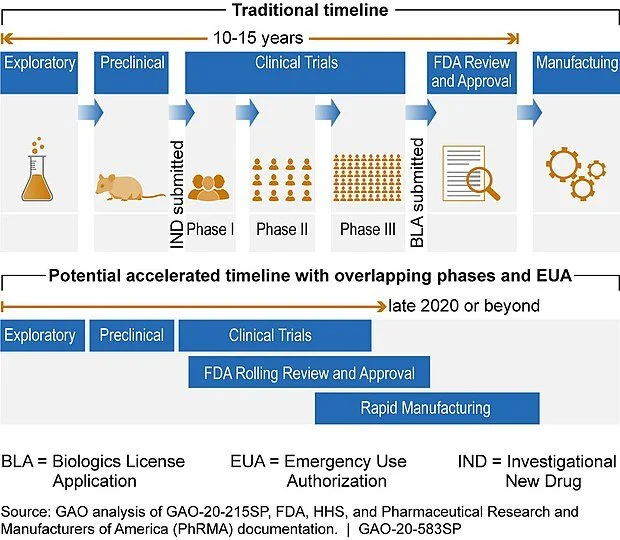
U.S. Government Accountability Office diagram comparing a traditional vaccine-development timeline to an expedited one
SOMERVILLE, Mass.
I often struggle to explain why I consider the Financial Times the best newspaper that I read. But my conviction begins with the consideration that the FT shows for my time and attention, as if it expects I have other things to do (in my case also reading The New York Times, The Washington Post and The Wall Street Journal). There are no “jumps,” all stories in the daily report end on the page where they begin. The front page displays just two stories (along with many teases of stories elsewhere in the paper); then come three pages of general news from around the world, followed by several pages of company and markets news; two pages of market data set in small type; a page of arts criticism, a full-page story (“The Big Read”); an editorial and letters page with four columns opposite, and, of course, the second most widely read page of the section, the “Lex” column of edgy newsy tidbits on the back. It is a thrifty package.
My deeper admiration, however, has to do to with the news values that the paper displays throughout. Last week presented a prime example. It takes a good deal of self-confidence to run out a story under the headline, “Trump vaccine chief proves critics wrong on Warp Speed: Industry veteran navigated political hurdles to boost drug companies’ fight against virus.”
But reporters Hannah Kuchler and Kiran Stacey had delivered a persuasive story. Since the article itself remains behind the FT paywall, I quote more extensively than I might otherwise to convey the gist. They began:
Sitting in the shadow of the brutalist health department building in Washington, with only a leather jacket for protection against an autumnal breeze, Moncef Slaoui cuts a defiant figure. Six months after the former GlaxoSmithKline executive left the private sector to become President Donald Trump’s coronavirus vaccine tsar, Mr Slaoui feels his decision has been vindicated, and critics of the ability of Operation Warp Speed to develop a vaccine in record time have been proved wrong.
“The easy answer for experts was to say it was impossible and find reasons why the operation would never work,” he told the Financial Times. But the vaccine push is now hailed as the bright spot in the Trump administration’s Covid-19 response, as products from Pfizer and BioNTech, Moderna, and AstraZeneca and Oxford university move closer to approval.
The next day, Karen Weintraub, of USA Today, produced an in-depth profile of Slaoui, a Moroccan-born Belgian-American vaccine developer and retired drug company executive. It is fascinating reading. But the authority of the FT account derived from the three experts the reporters quoted zeroing in on the management tool that Slaoui used to achieve his results, known as advance market commitments. or AMCs (and from a little Reuters sidebar that listed some of the spending on pre-approved doses by the U.S. government’s Biomedical Advanced Research and Development Authority (BARDA):
The central achievement of Operation Warp Speed had been accelerating investment in manufacturing, said Angela Rasmussen, a virologist at the Columbia University School of Public Health. “Normally, that would be a huge investment for a vaccine manufacturer to make, and potentially be a huge loss for them if they developed a vaccine that never went on to the market,” she said.
Even Pfizer, which did not take direct investment from Operation Warp Speed, benefited from having a $2bn pre-order for when its vaccine gets approved, said Peter Bach, director of the Center for Health Policy and Outcomes at Memorial Sloan Kettering. “Even if J&J or someone else beat them to the punch, they were going to get paid,” he said.
Stéphane Bancel, chief executive of Moderna, the lossmaking biotech which took about $2.5bn in government funding from different bodies, said the money was “very helpful”, covering the costs of trials and helping it to buy raw materials. “The entire planet is going to benefit from it,” he told the FT. “We are going to file [for approval] in the UK based on the US data paid for by the US government. We’re going to file in Europe and hopefully have a vaccine available in France and Spain and Italy, all paid for by the US government.”
Part of the charm of the story turns on its rarity; it hadn’t been easy for mainstream media to find nice things to say about the Trump administration. The road to Slaoui’s hiring probably leads back to Vice President Mike’s Pence’s appointment in February as head of the White House Coronavirus Task Force. As former governor of Indiana, Pence’s connections with the pharmaceutical industry are tight; Indianapolis is home to major firms, including Eli Lilly and Purdue Pharma. Much remains to be learned.
But the mechanism known as advanced market commitment is of comparatively recent origin. It is the discovery, if that is the word, of University of Chicago economist Michael Kremer, in a series of papers he wrote while teaching at the Massachusetts Institute of Technology and Harvard University some 20 years ago, culminating in the publication, in 2004, of Strong Medicine: Creating Incentives for Pharmaceutical Research on Neglected Diseases, with his wife, Rachel Glennerster, in 2004.
The new mechanisms they advocated were similar to those that in the 18th Century gave rise to the development of the naval chronometer, necessary to determining longitude at sea. Governmental “pull” methods could complement the inherently risky “push” of private research and development. AMCs – legally binding commitments to buy specified quantities of as yet unavailable vaccines at specified prices – were the most promising of the lot for bringing into existence medicines that otherwise might not pay. I wrote in 2004 that the general line of argument of the book was “one more example of why, more than ever, governments today need talented and sophisticated regulators. Technology policy has become as important as monetary policy – in some respects, maybe more so.” (I am told that governmentally guaranteed long-term purchase contracts were the backbone of creating the Indonesia-Japan LNG trade, and developing so-called private power generation in the U.S.)
I asked Kremer last week if he had been involved in the Warp Speed journey, The answer was no. He and co-authors had spoken to staff at the Council of Economic Advisers in the run-up to the creation of Operation Warp Speed. They had co-authored an op-ed article in The New York Times last May. But they had not met with Slaoui. He seems to have imbibed the basic idea as long ago as 2013, when he organized a session on the industry’s stock of common knowledge for the Aspen Ideas festival
Kremer was recognized with a Nobel Prize in economics, with two others, in 2018, for work on policy evaluation, including the work on vaccines. But I was struck when Wall Street Journal editorial-page columnist Daniel Henninger suggested last week that the scientists at the pharmaceutical companies who developed vaccines against COVID-19 were “the obvious recipient for 2021’s Nobel Peace Prize.”
There’s no doubt that we owe a considerable debt of gratitude to the scientists. But it was the administration’s Operation Warp Speed that organized their successful quests. A Peace Prize for the swift development of vaccines is a very good idea, not for President Trump or for Vice President Pence, nor even, to make a needed point, for Moncef Slaoui. It is a pretty thought, but remember that Russian and Chinese scientists also produced vaccines. Let the Norwegian parliament figure it out!
David Warsh, an economic historian and a veteran columnist, is proprietor of Somerville-based economicprincipals.com, where this column first appeared.
Their little aerial game
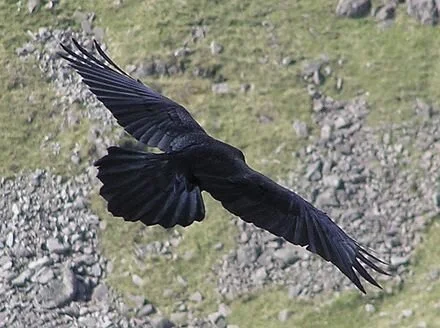
Dropping sticks is a game
the summer crows have learned to
play, flying from May
to September, one above the other.
The higher lets his toy fall through the
air to the other of the pair,
who returns the favor. We gulp
to see these evening acrobats climb so
high, printed black against the sky
above the blacker hills.
They become absorbed in their little
game. It seems so tame:
one drops a stick, the other catches it,
what more is there to
say? Just that every day
my heart drops with it
through the empty air, till a strange
and gay and capricious bird, unknown to
me, catches that heart, and it soars again.
“Dropping Sticks,’’ by Frank Robinson, an Ithaca, N.Y.-based poet, art historian and a former director of the Johnson Museum of Art at Cornell University and the Museum of Art at the Rhode Island School of Design
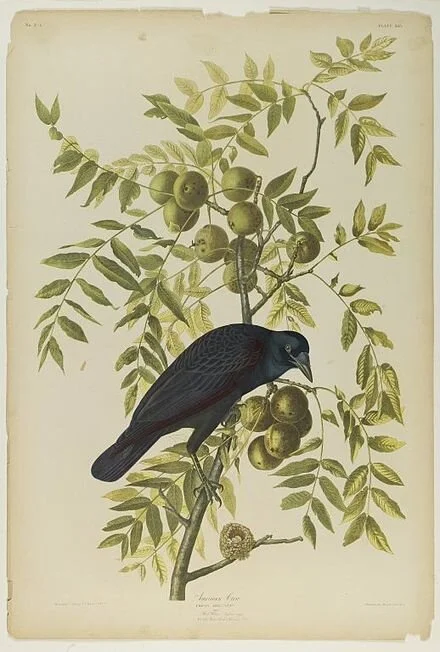
“American Crow,’’ by John Jacob Audubon
Not enough in Newport
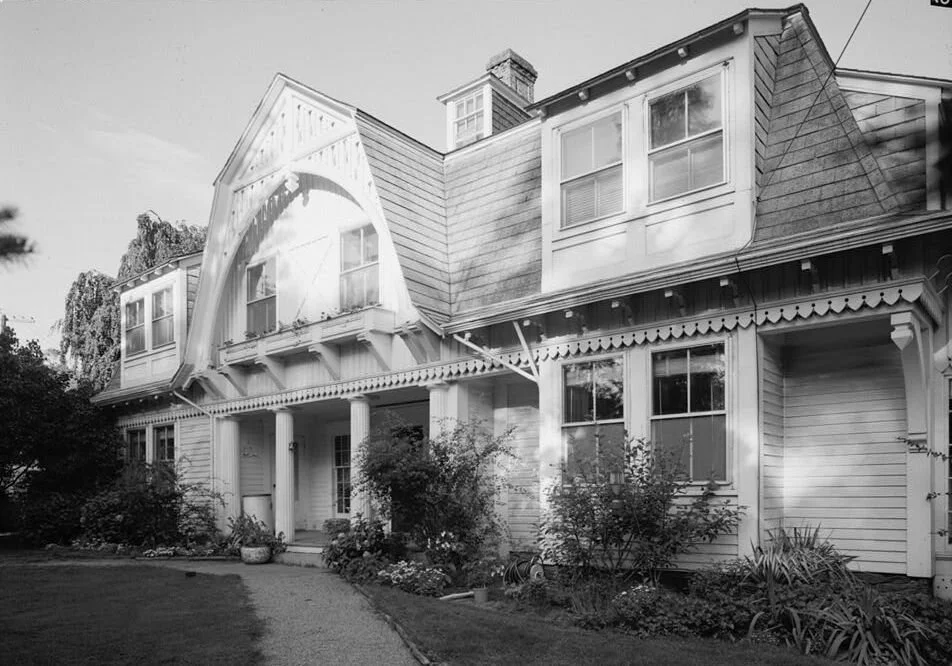
“Hypotenuse", which was the Newport home of Gilded Age architect Richard Morris Hunt (1827-1895)
“To me Newport could never be a place charming by reason of its own charm. That it is a very pleasant place when it is full of people, and the people are in spirits and happy, I do not doubt. But then the visitors would bring, as far as I am concerned, the pleasantness with them”
~ Anthony Trollope (1815-1882), British novelist and civil servant
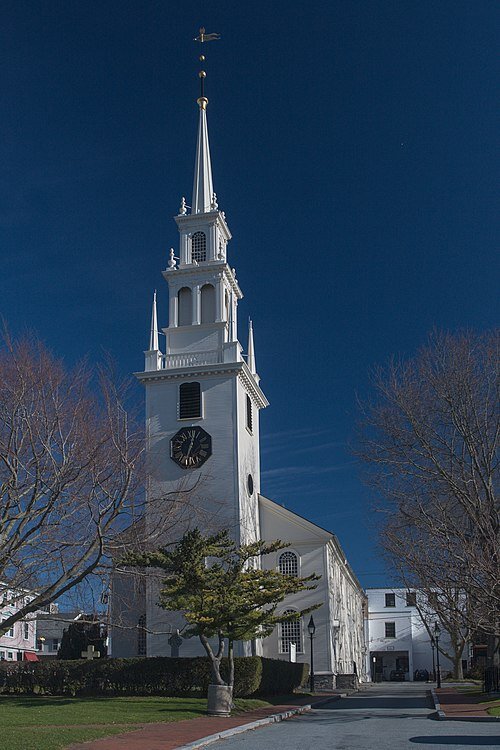
Famed Trinity Church in Newport, designed by Richard Munday and built in 1725-26. It hosts the oldest Episcopal parish (founded in 1698) in Rhode Island.
“I once knew an Episcopalian lady in Newport, Rhode Island, who asked me to design and build a doghouse for her Great Dane. The lady claimed to understand God and His Ways of Working perfectly. She could not understand why anyone should be puzzled about what had been or about what was going to be.
And yet, when I showed her a blueprint of the doghouse I proposed to build, she said to me, “I’m sorry, but I never could read one of those things.”
“Give it to your husband or your minister to pass on to God,” I said, “and, when God finds a minute, I’m sure he’ll explain this doghouse of mine in a way that even YOU can understand.”
~ Kurt Vonnegut, (1922-2007), American novelist, in Cat’s Cradle
Lost, found and reworked
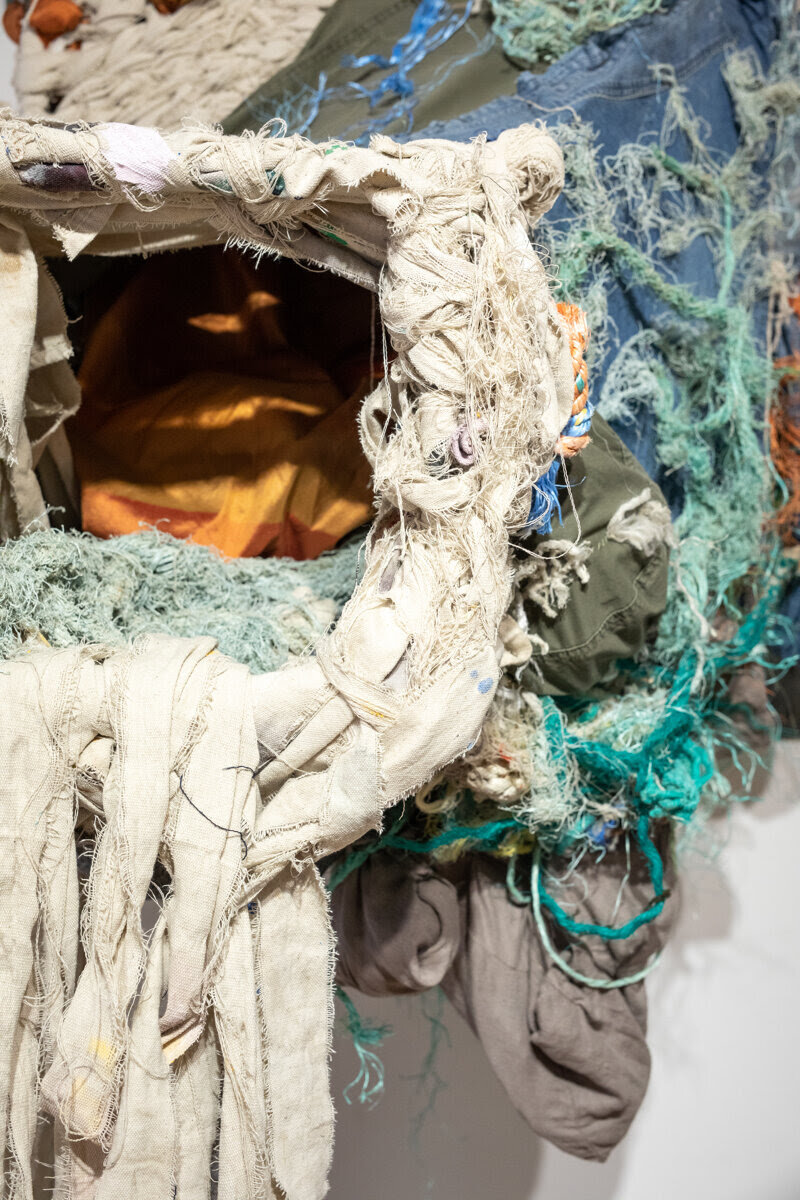
Detail of one of Rebecca McGee Tuck’s sculptures of found objects in her current show at Fountain Street Fine Art, Boston. She tells the gallery:
“The inspiration for all of my work comes from found objects that I collect or that friends and family have found and have thought to give to me. I like to call these emotional artifacts. An entire sculpture can be inspired by one small item. I love to fabricate stories about the history of the objects. The best day in my studio is when I completely lose myself in the back story of my work. I may begin with a photograph or an old crinkly sewing pattern, but I will end the day with a sculptural narrative.’’
See:
https://www.rebeccamcgeetuck.com/blog
and:
https://www.fsfaboston.com/