Vox clamantis in deserto





Inconvenient state lines
Adapted from Robert Whitcomb’s “Digital Diary,’’ in GoLocal24.com
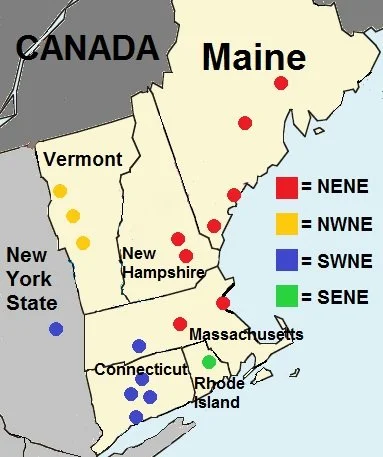
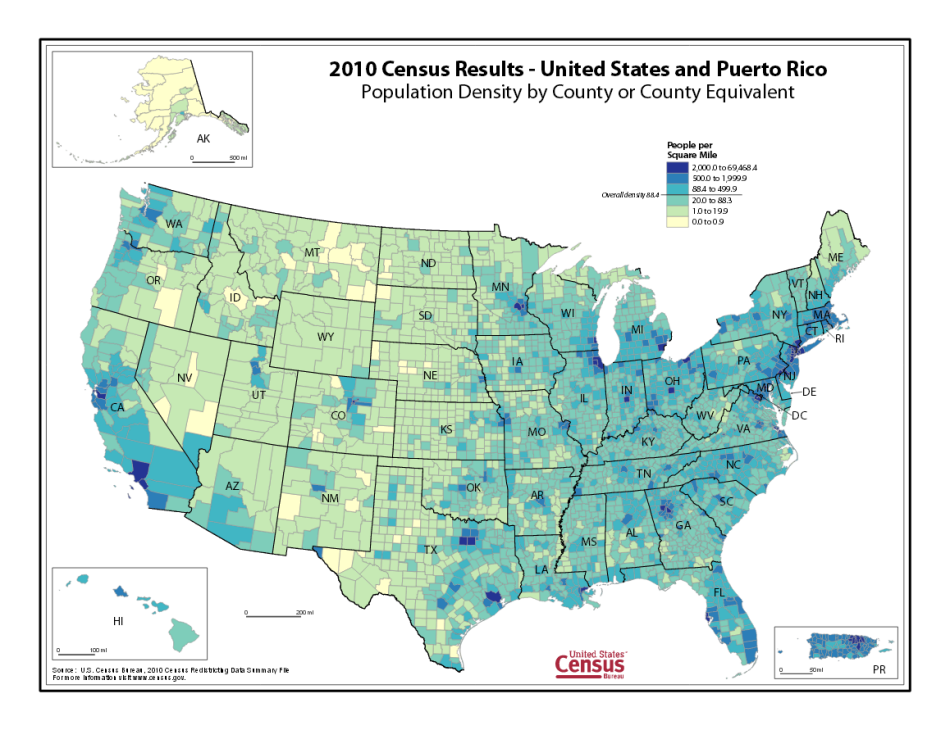
Within states and regions, such as New England, that population profiles don’t follow state lines makes coherent and effective policies difficult to put together, especially in matters such as public health, for which the states have primary responsibility. While states may impose various (mostly unenforceable) rules to try to control the spread of COVID-19, those rules may have little relationship with where and how people live.
Consider that western Massachusetts is far less economically and travel-wise connected with Greater Boston than are Rhode Island and southeastern New Hampshire, with their many commuters in and out of “The Hub.’’ And yet Massachusetts policymakers can’t impose rules that fully address that.
New York Gov. Andrew Cuomo has gone further than any other governor in facing the fact that diseases don’t obey state borders by trying to collaborate closely with New Jersey and Connecticut in testing, quarantine and travel rules. He’s accepting the obvious: Southern New York State and much of the Garden and Constitution states are all in the same dense Greater New York City region.
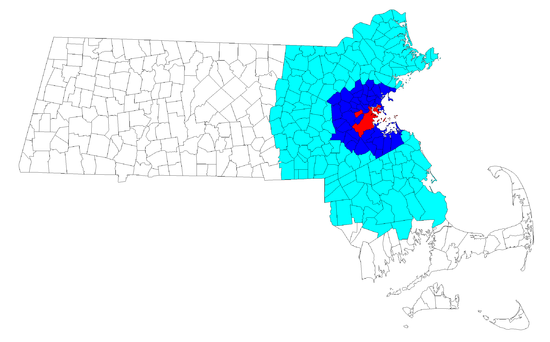
Light blue represents the area known as Greater Boston, dark blue represents the Metro-Boston area and red represents the City of Boston proper.

Roger Foo: Genetic research holds out new hope in battle against heart disease

SINGAPORE
Many of us remember what we were doing on the day of a significant global event. The day that airliners were flown into the World Trade Center and the Pentagon. The day that the Berlin Wall came down. The day that a tsunami hit the shores of Indonesia.
As a physician, I remember one day during my ward rounds in 2000 when then-British Prime Minister Tony Blair and then U.S. President Bill Clinton announced that the full human genome was finally sequenced. While it was inspiring to hear that the “blueprint” of humans was now known, I still had sick patients on my list yet to be seen and discharged. For them, the relevance of the discovery could not have felt more remote.
Not every advance is momentous. Most ground-breaking changes cannot be pinpointed to a single press conference. They are instead the result of many smaller, incremental advances, as we cardiologists would be soon be reminded.
Around the time we first understood the human-genome sequence, we discovered that humans have virtually the same number of coding genes (roughly 20,000) as a worm or fish.
What makes us different are the 3 billion remaining base pairs of the non-coding genome. In these, we find what are called gene regulatory elements. They are more easily visualized as “switches” that control when and how much our genes are expressed.
The blueprint of the human genome can be thought of as a songbook. Different musical notes are sung by different cells, often in unison. And so, we have lung cells performing differently from heart or liver cells even though they all have the same blueprint. The circuitry involved is intricate.
Despite this complexity, now is a fantastic time to be working in genomic research. Technological advances reveal how different sections of the genome and its switches underpin cellular functions throughout the body. With technology, doctors can sequence our patients’ genomes at accessible cost, control their gene expression and even edit their blueprint. This lets us target the root cause of diseases.
Indeed, such technology has already informed life-saving new therapies for cancer. When cardiologists watched Mr Blair’s and Mr. Clinton’s 2000 announcement, it kindled hopes for new cures and therapies. Now, we’re finally moving closer to such solutions for complex and multifactorial heart diseases.
For example, mapping out the genes that cause high cholesterol has had a huge impact. We now think that it may be possible to safely edit such genes in adult genomes, giving people a reduced risk or even lifelong protection against heart disease. In the meantime, suppressing gene expression related to heart disease using twice-yearly injections of gene-targeting medicines will be far more effective than the daily oral doses of statins that patients currently take.
A new generation of medicines is emerging as a result of our ever-deepening understanding of the genomic map. Targeting genomic switches in order to reprogram gene expression would reverse the course of disease rather than simply slow its progression. The latter is what nearly all medicines today do.
The future of cardiology glows with excitement as we pursue a solution to the scourge of heart disease, which blights the lives of many – particularly those at elevated risk, such as the elderly and sufferers of metabolic diseases and diabetes. These risk factors are at an all-time global high. For cardiology, the next generation of ground-breaking medicines is firmly on its way and could not be welcomed sooner.
Roger Foo , M.D., is Sheikh Zayed bin Sultan Al Nahyan Professor in Medicine at the National University of Singapore.

Human genes by function of the transcribed proteins, as number of encoding genes and percentage of all genes
‘Unlearn us bustle’

“…the calm of the pond, and the guilt of the ocean
hushing secrets along dorchester’s shores. beantown,
the best to keep the kept. slades on tremont and bintou’s
in roslindale. home is the booth we plop into, the cafes
where the cashier craft meals that fill us. dear city,
southwest corridor thumming from the subway racing
against air. patron saint of travelers, plague of trolleys,
hold us still at lights, unlearn us bustle and hand us
patience. ..’’
— From “Boston Ode,’’ by Porsha Olayiwola, Boston’s poet laureate
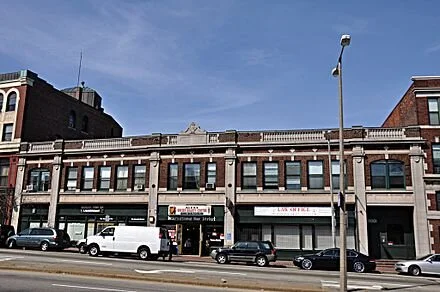
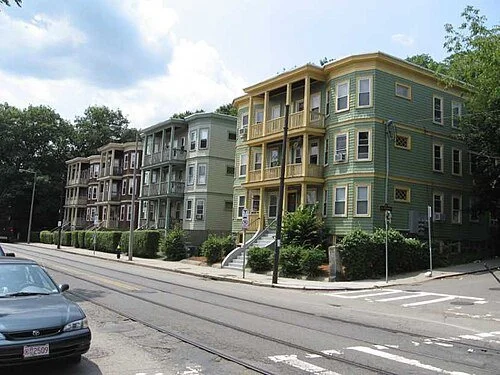
The Uphams Corner section of Dorchester, with a typical urban streetscape found in the neighborhood
Chris Powell: Running empty trains won't increase production; some people seem to be enjoying their pandemic lockdowns

— Photo by Chianti
MANCHESTER, Conn.
While Connecticut Gov. Ned Lamont remarked the other day that state government doesn't have enough money to rescue every business suffering from COVID-19 pandemic, most people think that the federal government has infinite money and can and should make everyone whole.
Sharing that view, Connecticut U.S. Sen. Richard Blumenthal this week went to the railroad station in West Haven to join Catherine Rinaldi, president of the Metropolitan Transit Authority, in calling for an emergency $12 billion federal appropriation for the MTA, which runs the Metro-North commuter railroad line from New Haven to New York City. Metro-North has lost 80 percent of its passengers and fares because of business curtailments and the shift to working from home.
There are two problems with the appeal from Blumenthal and Rinaldi.
First, there is no need to keep Metro-North operating on a normal schedule when most passengers are missing. Except for railroad employees, no one is served by running empty trains.
Indeed, curtailment of commuter-rail service might make time to renovate the tracks and other facilities. Rather than furloughing railroad employees, hundreds of them might be reassigned temporarily to collect the trash that litters the tracks between New Haven and New York. The savings on electric power from running fewer trains still would be huge.
The second problem is that the federal government's power of money creation is infinite only technically. While nothing in law forbids the federal government from spending any amount, money is no good by itself. It has value only insofar as it has purchasing power -- only insofar as there are things to be purchased, only insofar as there is production and with so many people out of work or working less during the epidemic, production has fallen measurably. Operating empty trains won't increase production, but spending $12 billion to operate them may worsen the devaluation of the dollar, whose international value recently has fallen substantially amid so much money creation.
So it might be far better to add that $12 billion to public-health purposes.
The $12 billion desired by the MTA is only a tiny part of the largess imagined by the incoming national administration and many members of Congress who will be returning to Washington next month. They are contemplating another trillion dollars in bailouts, and that's just for starters. Such is the damage done to the national economy by the epidemic and government's often clumsy responses to it.
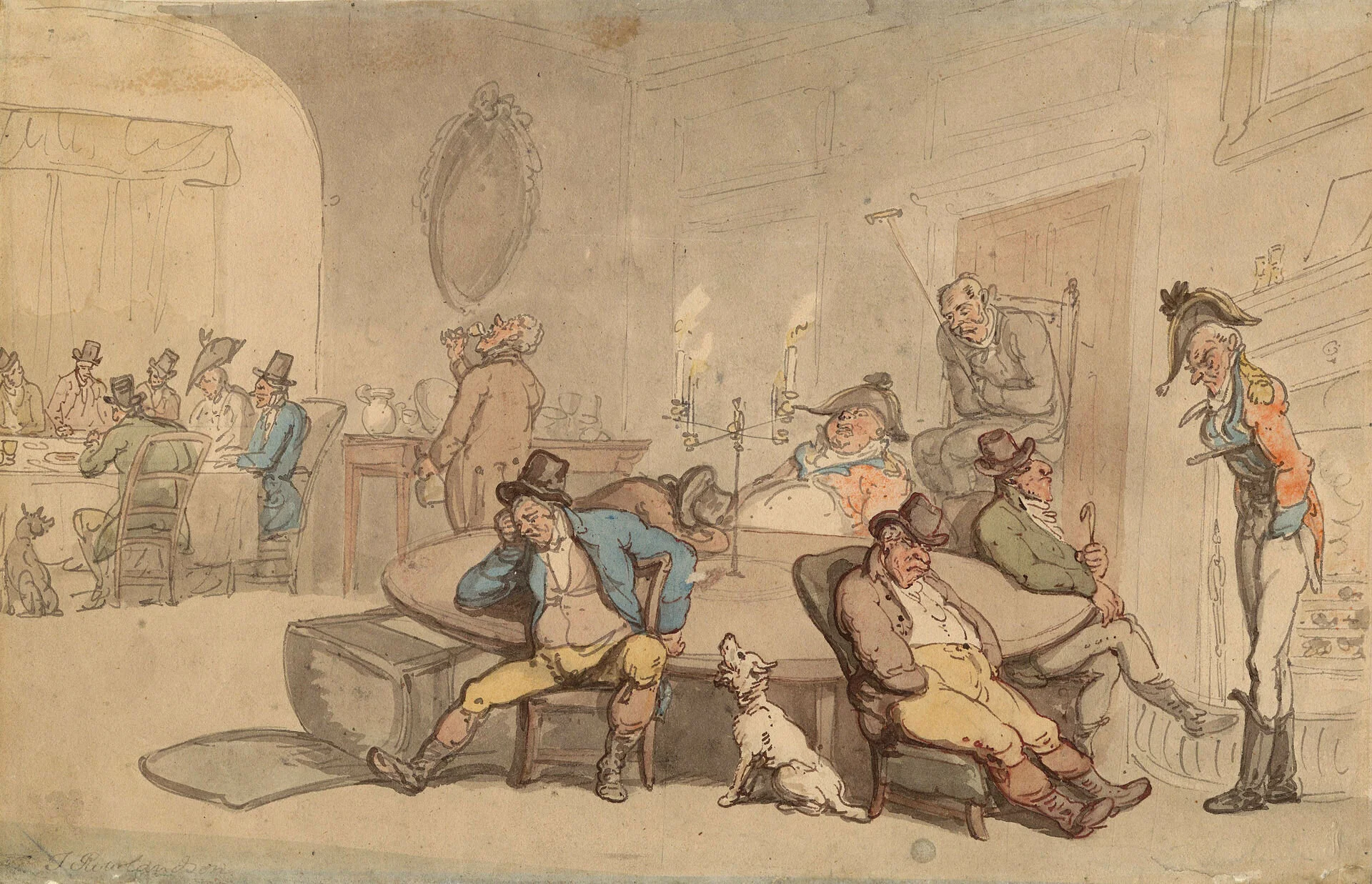
“Scene in club lounge,’’ by Thomas Rowlandson (1757-1827)
Amid all the seemingly free money, some people are starting to enjoy lockdowns or at least finding them tolerable, especially those who, like many government employees, get paid as usual whether they work or not.
This week two Hartford City Council members, Wildaliz Bermudez and Josh Mitchtom, called on the governor to use the state's $3 billion emergency reserve to pay everybody to stay home for a month and to stop most commercial operations in the name of slowing the spread of the virus. Bermudez and Mitchtom seemed unaware that the emergency reserve is already expected to be consumed by the huge deficits pending in next year's state budget. The reserve won't come close to covering all the shortfalls.
But then getting paid for doing or accomplishing nothing is a way of life in Hartford, encouraged by state government's steady subsidy of so many failures in the city.
Last week a group of 35 doctors went almost as far as those Hartford council members, urging the governor to close gyms and restaurants and to prohibit all “unnecessary” gatherings so as to stop the virus and prevent medical personnel from being overwhelmed. It didn't seem to bother the doctors that those businesses and their employees already have been overwhelmed by commerce-curtailment orders, suffering enormous losses, including business capital and life savings. The doctors are inconvenienced now and may be more so but they won't be losing their life savings and livelihoods.
The governor is trying to strike a balance among all these interests. Every day presents him with another difficult judgment call that upsets someone. He may be realizing that Connecticut is just going to have to tough it out and accept some casualties all around.
Chris Powell is a columnist for the Journal Inquirer, in Manchester.
When utopian libertarians took on a N.H. town
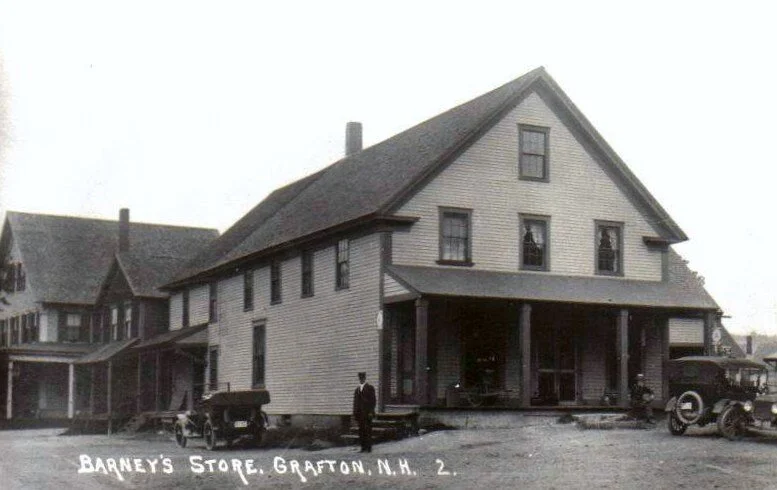
In continuous operation since the 1840s, this store is now known as the Grafton Country Store. Image c. 1919
“The four libertarians who came to {Grafton} New Hampshire had thinner wallets than…other would-be utopians, but they had a new angle they believed would help {in 2004} them move the Free Town Project out of the realm of marijuana-hazed reveries and into reality. Instead of building from scratch, they would harness the power and infrastructure of an existing town—just as a rabies parasite can co-opt the brain of a much larger organism and force it work against its own interests, the libertarians planned to apply just a bit of pressure in such a way that an entire town could be steered toward liberty.”
― Matthew Hongoltz-Hetling, in A Libertarian Walks Into a Bear: The Utopian Plot to Liberate an American Town (published September 2020)
Grafton, in the “Live Free or Die State,’’ was once a libertarian hub of the Free State Project, founded in 2001, with part of the town’s appeal its absence of zoning laws and a very low property-tax rate. But as of 2019, Grafton itself had the 16th highest property-tax rate in New Hampshire. That’s in part because of more affluent and well-educated people moving into a county best know for the Ivy League institution Dartmouth College, in Hanover, and the Dartmouth-Hitchcock Medical Center, in Lebanon. These newcomers demand better services, especially in public education.
The “Free Town Project” was begun by members of the Free State Project to encourage libertarians to move to Grafton. Although the Free Town Project died after conflict between organizers from outside and local residents, many libertarians continued to move to the town. Indeed, Grafton has remained a center of libertarian activism with a strong focus on homesteading, marijuana legalization and agorism, which is a social philosophy that advocates a society in which all relations between people are based on voluntary exchanges.
Originally granted its charter in 1761, Grafton takes its name from Augustus FitzRoy, 3rd Duke of Grafton, a relative of colonial governor Benning Wentworth.
Up to the 20th Century, Grafton’s economic base was subsistence dairy, sheep and other farming, small-scale manufacturing and mining, of all things, with several mica mines and granite quarries, most notably Ruggles Mine.

The Ruggles Mine back when it was a tourist attraction. Sam Ruggles (1770-1843) started the first commercial mica mine in the United States at the site that bears his name.
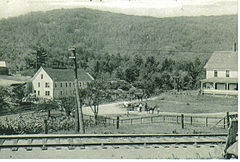
The United Mica Company operated this mill between 1909 and 1916. Image c. 1909
Stand-in for spring

“Vintage Bouquet (Pink, White & Blue Flowers)” (mixed media on canvas), by Emily Filler, at Lanoue Gallery, Boston, for December
Season's greetings?

Overkill?
— Photo by V Smoothe
From Robert Whitcomb’s “Digital Diary,’’ in GoLocal24.com
This holiday season is bizarre, sad and frustrating. But holiday dynamics are always changing anyway with social/demographic/economic change. The thing I’ve most noticed is how the composition of holiday gatherings has changed since the heyday of the American nuclear family, back in the ‘50s -- two parents married to each other living together with a bunch of kids.
Families are smaller, relatives are more dispersed, fewer people get married, there are now many more open gay relationships and a higher percentage of people at holiday feasts are friends, not family members. Or, I suppose you could say, the definition of “family’’ has changed for many people.
All this has made the holidays more socially interesting, if more unpredictable. Meanwhile, I’m looking forward to seeing, in 2021, if the pandemic permanently changes how we celebrate the holidays, beyond our collective efforts to make Amazon’s Jeff Bezos a trillionaire. I’m guessing that there will be a huge pent-up demand for in-person gatherings. But some may decide that they prefer virtual communication after all.
Something else I’ve noted is while the holidays are still romanticized – after all, they’re an escape -- there’s bit more realism around. Consider the reminders at Thanksgiving of how the Native Americans said to have joined in the “First Thanksgiving” feast had been traumatized by the English bringing highly infectious diseases to the “Indians,’’ who had no immunity. You never read that when I was a kid. And there are many more warnings about excessive drinking over the Christmas holidays. It used to be that the drunk at a Christmas party with a lampshade on his head tended to be seen as funny and part of the general jollity of the season; now he’s seen as sad.
We’re going into the darkest time of the year, made darker of course by the pandemic. The brevity of daylight depressed me more a few years ago. But an aspect of aging is that time seems to go by faster and faster. Remember the old line “After a certain age, we seem to be having breakfast every 15 minutes”? So I’m now more aware that the days will get longer in a few weeks, though we won’t notice it much until late January, and that we’re moving ever closer to spring. The old leaves are off the trees, making room for the new ones.
Tom Finneran, the former speaker of the Massachusetts House, among other big jobs, had some good advice in a GoLocal column as we enter the cold season: Read catalogs that remind you of happier times to come (if we’re lucky and careful) and escape in your mind to late next spring and summer, when vaccines, we hope, start to liberate most of us. Mr. Finneran mentions gardening, beekeeping (a surprise from this tough guy!) and travel.
Think of the corny lines from the ‘30s song “These Foolish Things”: “An airline ticket to romantic places. Still my heart has wings…’’ or lines from “Let’s Fly Away,’’ the ‘50s song made famous by Frank Sinatra: “Once I get you up there, where the air is rarefied We'll just glide, starry-eyed….’’
Yes, it’s a good time to day dream.
To read the Finneran column, please hit this link.
Keep the same tune

“Tell yourself
as it gets cold and gray falls from the air
that you will go on
walking, hearing
the same tune….’’
— From “Lines in Winter,’’ by Mark Strand (1934-2014), a Canadian-American poet. He won a Pulitzer Prize for his 1998 collection Blizzard of One: Poems.
Anthony S. Fauci: What I learned at Holy Cross
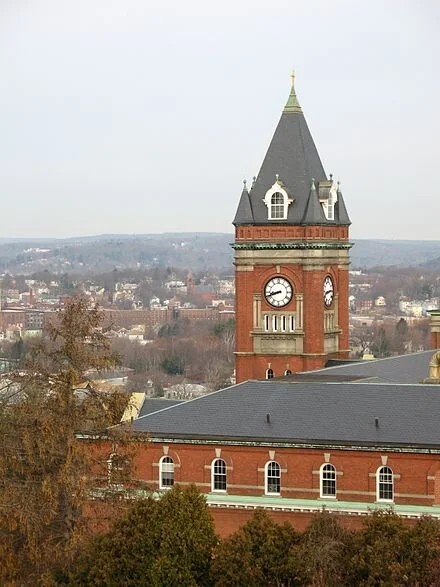
At Holy Cross: O'Kane Hall and clock tower. The 175-acre campus has an irregular layout on a steep hill named Mount Saint James, which offers a panoramic view of Worcester.
“Knowledge goes hand-in-hand with truth — something I learned with a bit of tough love from my Jesuit education at Regis High School in New York and then at the College of the Holy Cross, in Worcester.’’
— Anthony S. Fauci, M.D., director of the National Institute of Allergy and Infectious Diseases since 1984
Before the roads are closed

“The Last Truckload,” by William B. Hoyt, at Edgewater Gallery, Middlebury, Vt.
See:
http://www.wmbhoyt.com/paintings/
and:
https://edgewatergallery.co/
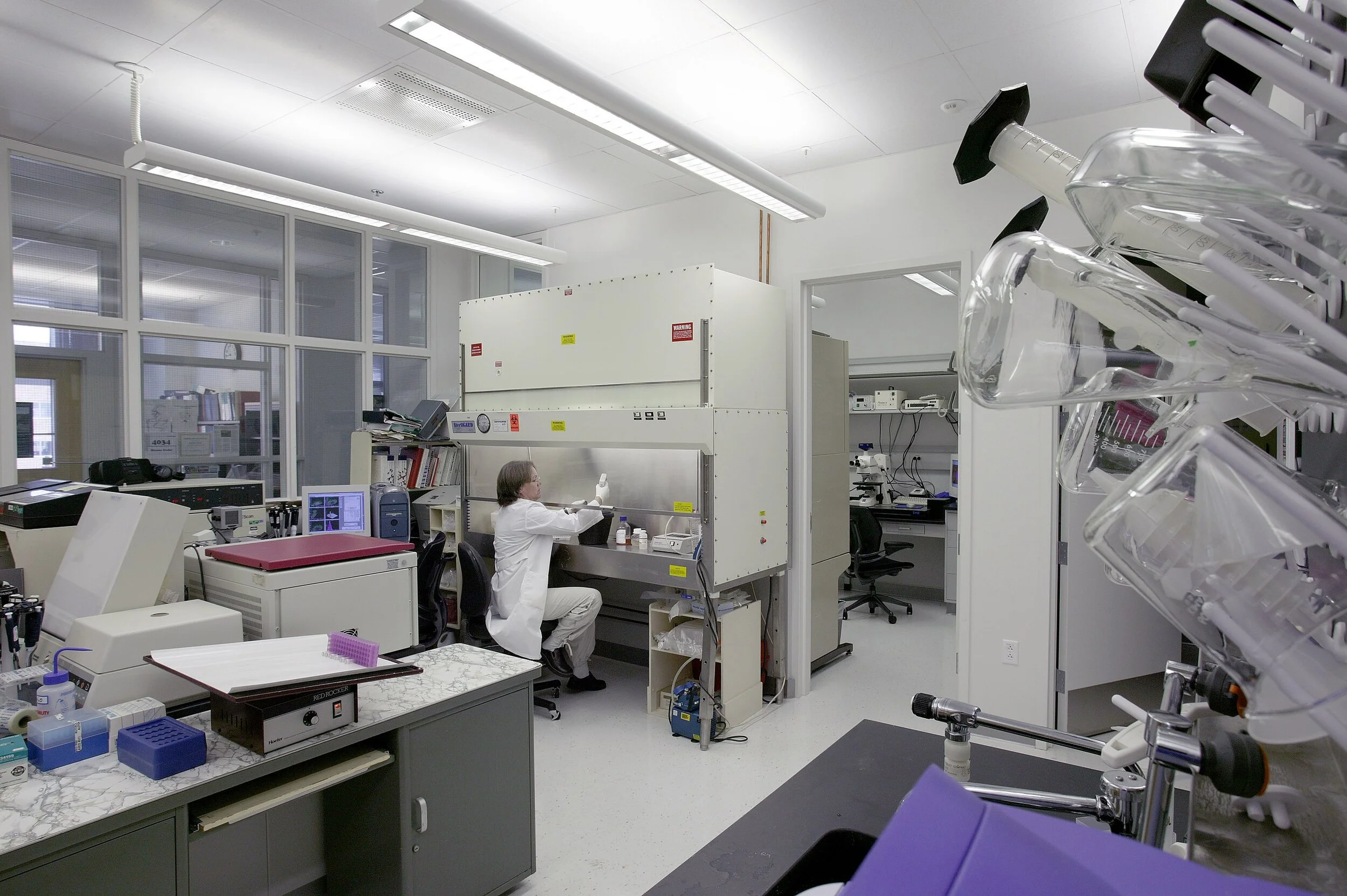
Llewellyn King: COVID-19 points way to faster medicines
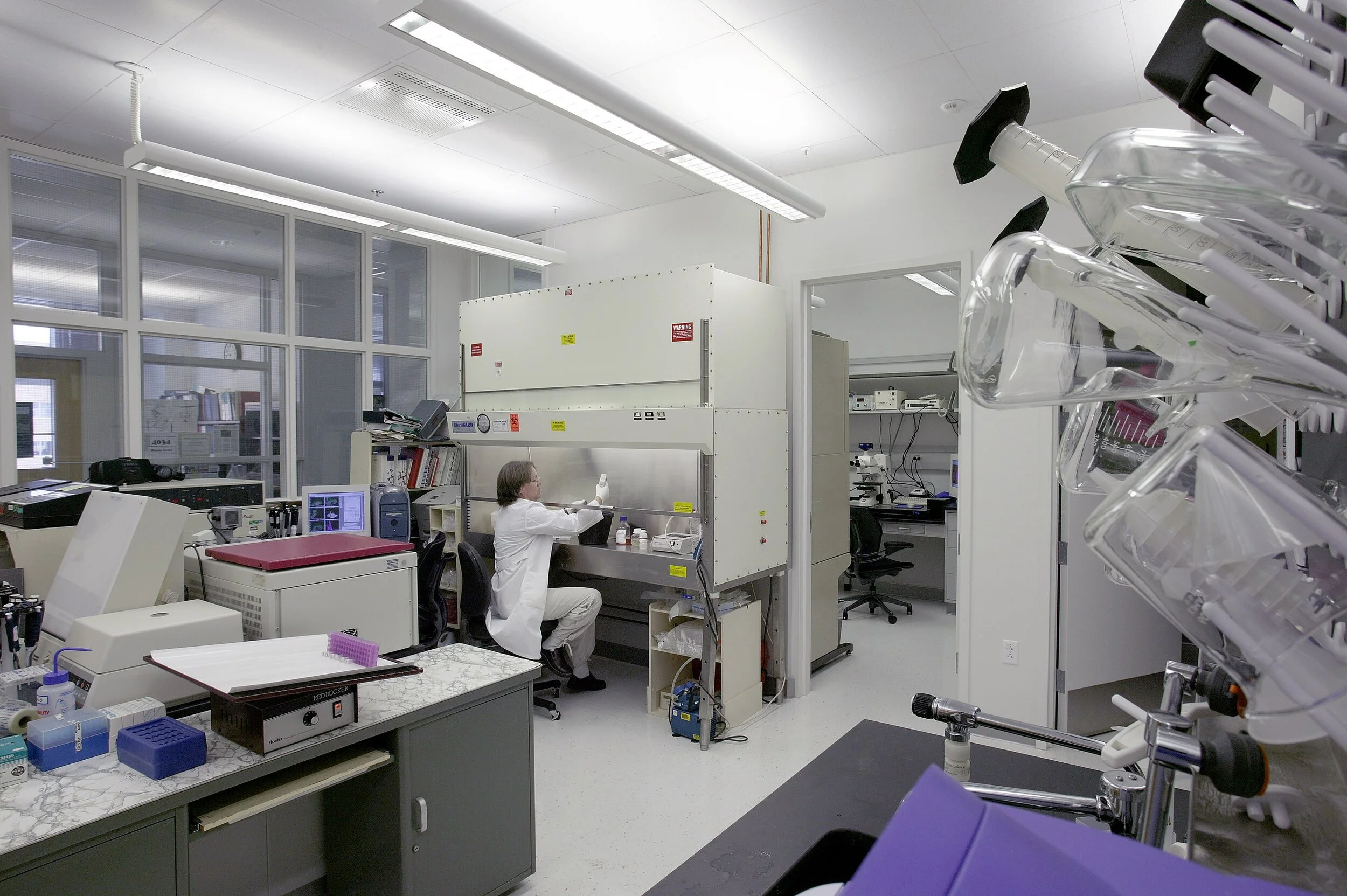
In a Food and Drug Administration lab in Silver Spring, Md.
WEST WARWICK, R.I.
This is the month when the national spirit should start to lift: COVID-19 vaccines could be administered by mid-December. While we won’t reach the summit of a mighty mountain this month, nor well into next year, the ascent will have begun.
It is unlikely to be a smooth journey. There will be contention, accusation, litigation and frustration. Nothing so big as setting out to administer two-dose vaccines to the whole country could be otherwise.
But the pall that hangs so heavily over us with rising deaths, exhausted first responders and overstretched hospitals, will begin to lift very slightly.
For the rest of foreseeable history, there will be accusations leveled at the Trump administration for its handling of the pandemic — or its failure to handle it.
But one thing is certain: Our faith in our ability to make superhuman scientific efforts in the face of crisis will be restored. Developing a COVID-19 vaccine will be compared to putting a man on the Moon.
The large pharmaceutical companies, known collectively as Big Pharma, have shown their muscle. The lesson: Throw enough research and unlimited money at a problem, accelerate the regulatory process, and a solution can result.
Even globalization gets a good grade.
The first-to-market vaccine comes from American pharmaceutical giant Pfizer. But the vaccine was developed at its small German subsidiary, BioNTech, by a husband-and-wife team of first-generation Turkish immigrants. (Beware of whom you exclude.)
Biopharmaceutical research often takes place this way, akin to how it happens in Silicon Valley: Small companies innovate and invent, and larger ones gobble them up and provide the all-important resources for absurdly complicated and expensive clinical trials. These contribute mightily to the cost of new drugs. A new “compound” -- as a drug is called in the trade -- can cost up to $2 billion to bring to market; and financial reserves are needed, should there be costly lawsuits.
The development of new drugs looks like an inverted pyramid. Linda Marban, a researcher and CEO of Capricor Therapeutics Inc., a clinical-stage biotechnology company based in Los Angeles, explained it to me: “The last 20 years have shown a seismic change in how drugs and therapies are developed. Due to the speed at which science is advancing, and the difficulty of early-stage development, most of the early-stage work is done by small companies or the occasional academic. Big Pharma has moved into the role of late-stage clinical, sometimes Phase 2, but mostly Phase 3 and commercial development.”
In the upheaval occasioned by the pandemic, overhaul of the Food and Drug Administration looms large as a national priority. It must be able -- maybe with a greater use of artificial intelligence and data management -- to assess the safety and efficiency of desperately needed drugs without the current painful and often fatal delays.
Marban said of the FDA clinical-trials process: “It is the most laborious and frustrating process which delays important scientific and medical discoveries from patients. There are many situations where patients are desperate for therapy, but we have to climb the long and ridiculous ladder of doing clinical trials due to inefficiencies at the site which include nearly endless layers of contracting, budget negotiations, IRB [Institutional Review Board] approvals and, finally, interest and attention from overworked clinical trial staff.”
This situation, according to Marban, is compounded by the FDA’s requirement for clinical trials conducted and presented in a certain way, which often precludes getting an effective therapy to market. “If we simplify this process alone, we could move rapidly towards treatments and even cures for many horrific diseases,” she added.
War is a time of upheaval, and we are at war against the COVID-19. But war also involves innovation. We have proved that speed is possible when bureaucracy is energized and streamlined.
When COVID-19 is finally vanquished, it should leave a legacy of better medical research and sped-up approval procedures, benefiting all going forward.
Llewellyn King is executive producer and host of White House Chronicle, on PBS. His email is llewellynking1@gmail.com and he’s based in Rhode Island and Washington, D.C.
Linda Gasparello
Co-host and Producer
"White House Chronicle" on PBS
Mobile: (202) 441-2703
Websi

Risk assessment and escapism

Adaped from Robert Whitcomb’s “Digital Diary,’’ in GoLocal24.com
The Boston Guardian ran stories the other week on the minor earthquake (3.6 on the Richter scale) that shook southeastern Massachusetts on Nov. 8 and on the plywood business in Boston. The latter suddenly surged last summer as street-side businesses prepared for vandalism in the social disorders/protests that erupted then. Some of the plywood went up again in anticipation of a possible Trump re-election. Most of the plywood has since been taken down.
Both cases are examples of how hard it is to decide when and how much to spend to mitigate or prevent damage from rare events, such as destructive civil disorder in cities, or very rare events such as a powerful earthquake in New England. Boston’s last big quake was way back in 1755, when a tremor estimated to have been higher than 6 on the Richter scale did much damage in eastern Massachusetts. The epicenter was off Cape Ann, so it’s usually called the Cape Ann Earthquake. It was the strongest one recorded so far in Massachusetts.
Naturally, most New Englanders don’t want to spend money on quake insurance, though depending on what kind and size of property you have, it might make sense.
Those threats are hard enough to get people’s attention. It’s much, much harder when it comes to global warming, whose severe effects might not be noticeable to most people for several decades. Global warming may seem both too vague and big to grasp. It recalls Stalin’s remark that “one death is a tragedy, a million deaths a statistic.’’ (No wonder he didn’t mind ordering the murder of millions.)

Stock up now!

Coastal cold

“Inlet, Isle au Haut (Maine)” (oil on anodized-aluminum panel) by Sue Charles, at Alpers Fine Art, Andover, Mass.
'By your leave'

I had for my winter evening walk—
No one at all with whom to talk,
But I had the cottages in a row
Up to their shining eyes in snow.
And I thought I had the folk within:
I had the sound of a violin;
I had a glimpse through curtain laces
Of youthful forms and youthful faces.
I had such company outward bound.
I went till there were no cottages found.
I turned and repented, but coming back
I saw no window but that was black.
Over the snow my creaking feet
Disturbed the slumbering village street
Like profanation, by your leave,
At ten o'clock of a winter eve.
Robert Frost (1874-1963) wrote this poem based on a walk he took in the winter of 2011-12 in Plymouth, N.H, where he had taken a job as a teacher at the Plymouth Normal School (now Plymouth State University). This was soon before he moved with his family to England, where he lived until 1915. He left little known but came back being considered a major poet.
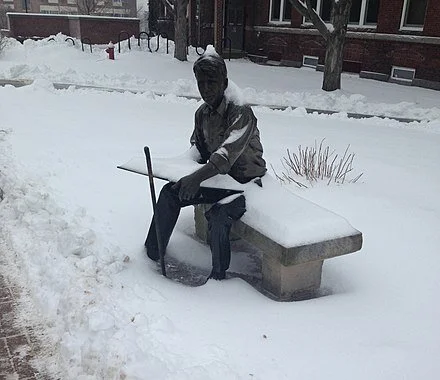
Statue of Robert Frost at Plymouth State University.
‘Goodness its own heaven’
“Sin makes its own hell, and goodness its own heaven.’’
— Christian Science founder Mary Baker Eddy (1821-1910) in her (1875) book Science and Health With Key to the Scriptures.
Her creation of the Church of Christ, Scientist, and its associated publishing and other ventures led to her becoming a multimillionaire. It also killed some people who failed to get proper medical attention, opting instead for prayer, which Christian Science has traditionally favored over all other treatments. For that matter, Mrs. Baker argued that illness is an illusion. (This led to many sick jokes about ailing Christian Scientists.)
Mrs. Baker’s creation attracted many affluent New Englanders as adherents. But its heyday is long past. But another denomination with New England roots, Mormonism, still thrives. Its founder, Joseph Smith, was born in Sharon, Vt.
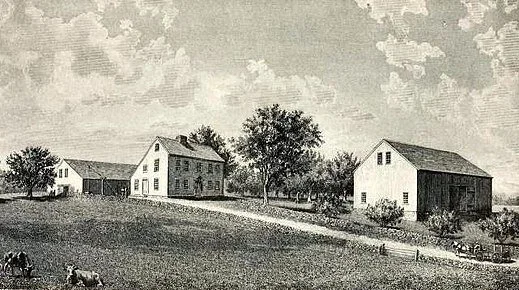
The farm in Bow, N.H., where Mary Baker Eddy was born.

Mary Baker Eddy’s gravesite in Mt. Auburn Cemetery, in Cambridge, Mass.
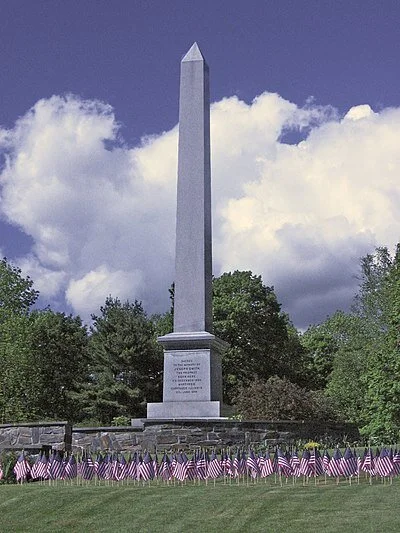
The Joseph Smith Birthplace Memorial, in Sharon, Vt., where the founder of the Church of the Latter Day Saints (the Mormons) was born in 1805. He was killed by angry mob in Nauvoo, Ill., in 1844. That’s where he is buried.
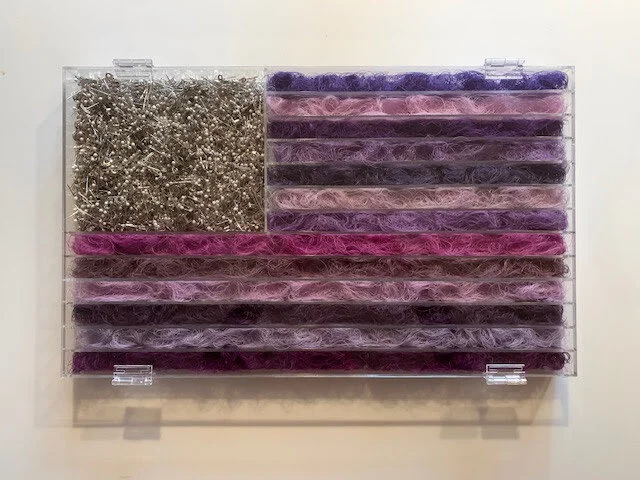
Our suppressed holiday season
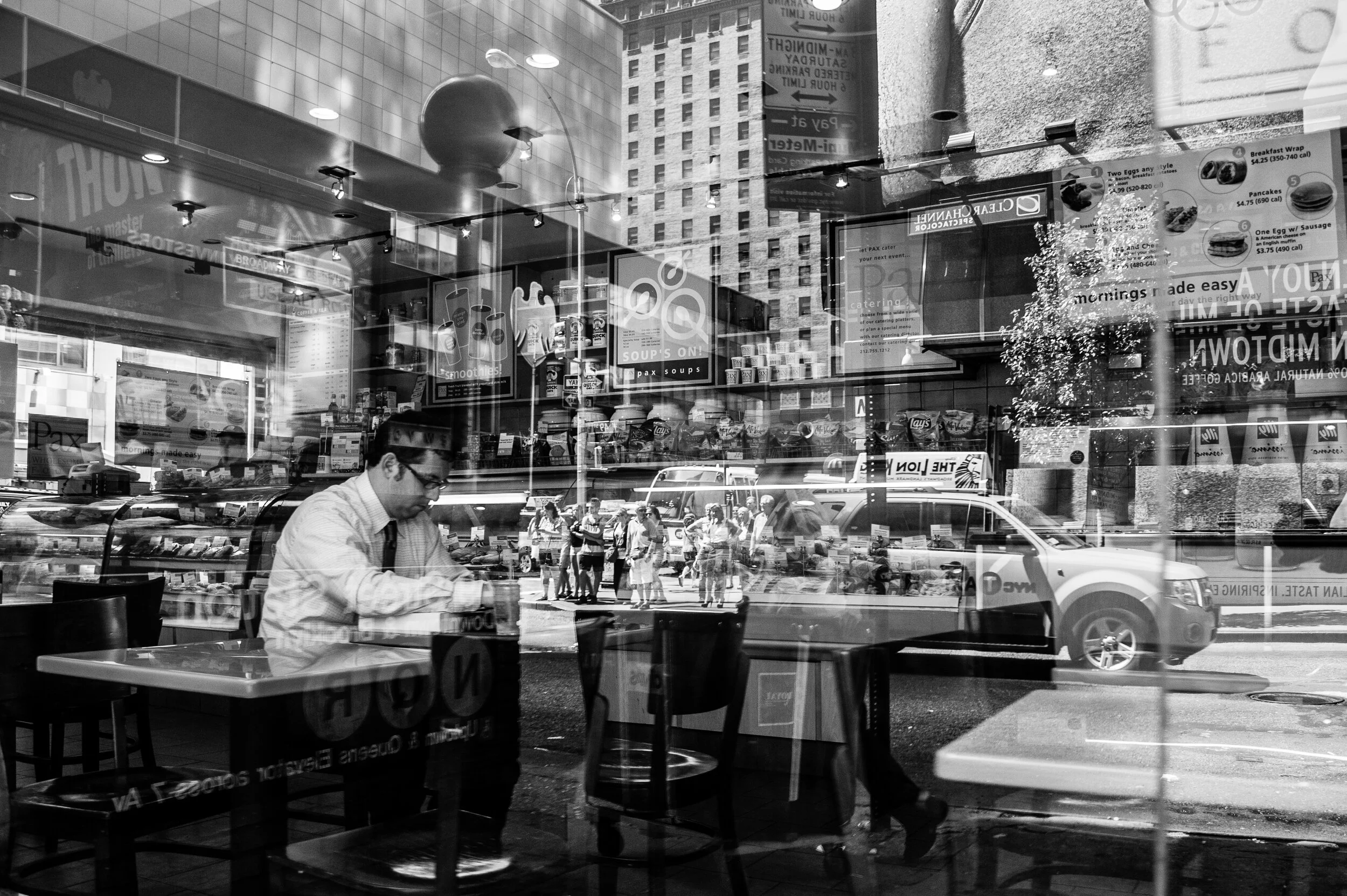
From Robert Whitcomb’s “Digital Diary,’’ in GoLocal24.com
This holiday season is bizarre, sad and frustrating. But holiday dynamics are always changing anyway with social/demographic/economic change. The thing I’ve most noticed is how the composition of holiday gatherings has changed since the heyday of the American nuclear family, back in the ‘50s -- two parents married to each other living together with a bunch of kids.
Families are smaller, relatives are more dispersed, fewer people get married, there are now many more open gay relationships and a higher percentage of people at holiday feasts are friends, not family members. Or, I suppose you could say, the definition of “family’’ has changed for many people.
All this has made the holidays more socially interesting, if more unpredictable. Meanwhile, I’m looking forward to seeing, in 2021, if the pandemic permanently changes how we celebrate the holidays, beyond our collective efforts to make Amazon’s Jeff Bezos a trillionaire. I’m guessing that there will be a huge pent-up demand for in-person gatherings. But some may decide that they prefer virtual communication after all.
Something else I’ve noted is while the holidays are still romanticized – after all, they’re an escape -- there’s a bit more realism around. Consider the reminders at Thanksgiving of how the Native Americans said to have joined in the “First Thanksgiving” feast had been traumatized by the English bringing highly infectious diseases to the “Indians,’’ who had no immunity. You never read that when I was a kid. And there are many more warnings about excessive drinking over the Christmas holidays. It used to be that the drunk at a Christmas party with a lampshade on his head tended to be seen as funny and part of the general jollity of the season; now he’s seen as sad.
We’re going into the darkest time of the year, made darker of course by the pandemic. The brevity of daylight depressed me more a few years ago. But an aspect of aging is that time seems to go by faster and faster. Remember the old line “After a certain age, we seem to be having breakfast every 15 minutes”? So I’m now more aware that the days will get longer in a few weeks, though we won’t notice it much until late January, and that we’re moving ever closer to spring. The old leaves are off the trees, making room for the new ones.
Tom Finneran, the former speaker of the Massachusetts House, among other big jobs, had some good advice in a GoLocal column as we enter the cold season: Read catalogs that remind you of happier times to come (if we’re lucky and careful) and escape in your mind to late next spring and summer, when vaccines, we hope, start to liberate most of us. Mr. Finneran mentions gardening, beekeeping (a surprise from this tough guy!) and travel.
Think of lines from the ‘30s song “These Foolish Things”: “An airline ticket to romantic places. Still my heart has wings…’’ or lines from “Let’s Fly Away,’’ the ‘50s song made famous by Frank Sinatra: “Once I get you up there, where the air is rarefied We'll just glide, starry-eyed….’’
Yes, it’s a good time to day dream.
To read the Finneran column, please hit this link.


Janie Grice: For an essential workers' bill of rights

From OtherWords.org
During the pandemic, essential workers have become public heroes. These frontline workers include tens of millions of retail employees, from those who stock our grocery shelves to those filling orders for Amazon.
With so many people seeing firsthand how low-wage workers make our society function, we have a once-in-a-lifetime opportunity to transform our society so that everyone can earn quality pay and benefits.
But beyond symbolic displays of gratitude, essential retail workers have not yet seen this transformation.
At Walmart, the largest private employer in the country, workers are still not receiving adequate hazard pay, safety protections or paid leave. The company remains the top employer of workers who are forced to rely on food stamps and other aid.
At Amazon, employees still face rigid limits on bathroom breaks and other policies that compromise their health and safety in the midst of a pandemic. At least 20,000 Amazon employees have tested positive for COVID-19.
These issues are deeply personal to me.
For four years, I worked at my local Walmart as a cashier and later as a customer-service manager — all while raising my son as a single mother and working on a bachelor’s degree. I started out making only $7.78 an hour and was never able to get a full-time position, let alone a stable schedule.
I understand the stresses faced by retail workers at our country’s largest employers, including struggling to pay bills and not being able to care for a sick child because of unpredictable hours and low wages.
Despite the challenges of the job, I got my degree in social work and now support retail workers across the country as an organizer for United for Respect. This national organization of working people fights for bold policies that would improve lives, particularly those in the retail industry.
One of our priority goals is an Essential Workers Bill of Rights, which would guarantee improved health and safety protections, universal health care, increased pay and paid leave, and whistleblower protection.
Workers also need a real voice in policy matters that affect our lives, from union organizing rights to personal protective equipment. So we’re pushing to get worker representation on corporate boards.
Without these rights, corporate executives and politicians will continue to put their interests before those of essential workers and their families. And retail workers, especially Black women like me, will continue to live in poverty while working for some of the largest and wealthiest employers in the world.
During the pandemic, the wealth of Amazon CEO Jeff Bezos and Walmart’s Walton family has skyrocketed to record levels, according to a new report by Bargaining for the Common Good, the Institute for Policy Studies, and United for Respect. The contrast between this wealth and the struggles essential workers face is shameful.
If this nation wants a real conversation about dignity for people like me and the people I organize, then we have to embrace bold solutions. And we can start with an Essential Workers Bill of Rights and a voice for workers in decision making.
Think about what corporate America would look like if workers actually had a seat at the table. Corporations would prioritize investments in their workers instead of padding their CEOs’ pockets. The millions of retail workers who now have to rely on food stamps and other public assistance could provide for their families.
Let’s push toward this dream by expanding opportunities for the working people who are critical to the health and security of our nation — today, during the pandemic, and beyond.
Janie Grice is an organizer with United for Respect, based in Marion, S.C.

— Photo by Lars Frantzen