
Vox clamantis in deserto




In Vermont, fighting the virus and killing the game dinner

From Robert Whitcomb’s “Digital Diary’’ in GoLocal24.com
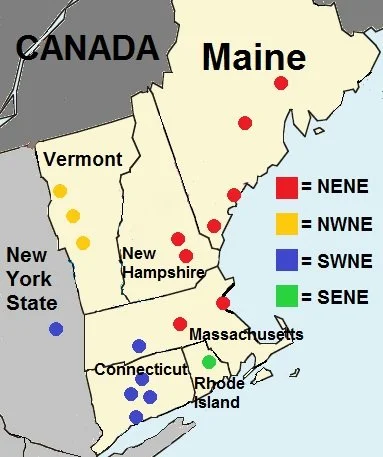
Vermont, under the firm leadership of old-fashioned moderate (and anti-Trump) Republican Gov. Phil Scott, has been a leader in controlling COVID-19 through tight travel/quarantine rules, adherence to face-mask rules and, probably most important, the Green Mountain State’s traditionally strong, unselfish civic sensibility. Now, as the virus explodes around America, it faces new challenges. States can’t post the National Guard at all roads leading into their states to check for possibly infected travelers from high-risk places! But I’m pretty sure that Vermont will face its COVID challenges decisively and effectively.
xxx
Of course, some would say that the fact that Vermont is a largely rural state makes it easier to control the spread of COVID-19. But look at how terrible the rural Red States, such as in the Great Plains, are doing with it! And consider that Vermont is in the Northeast, the nation’s most densely populated region.

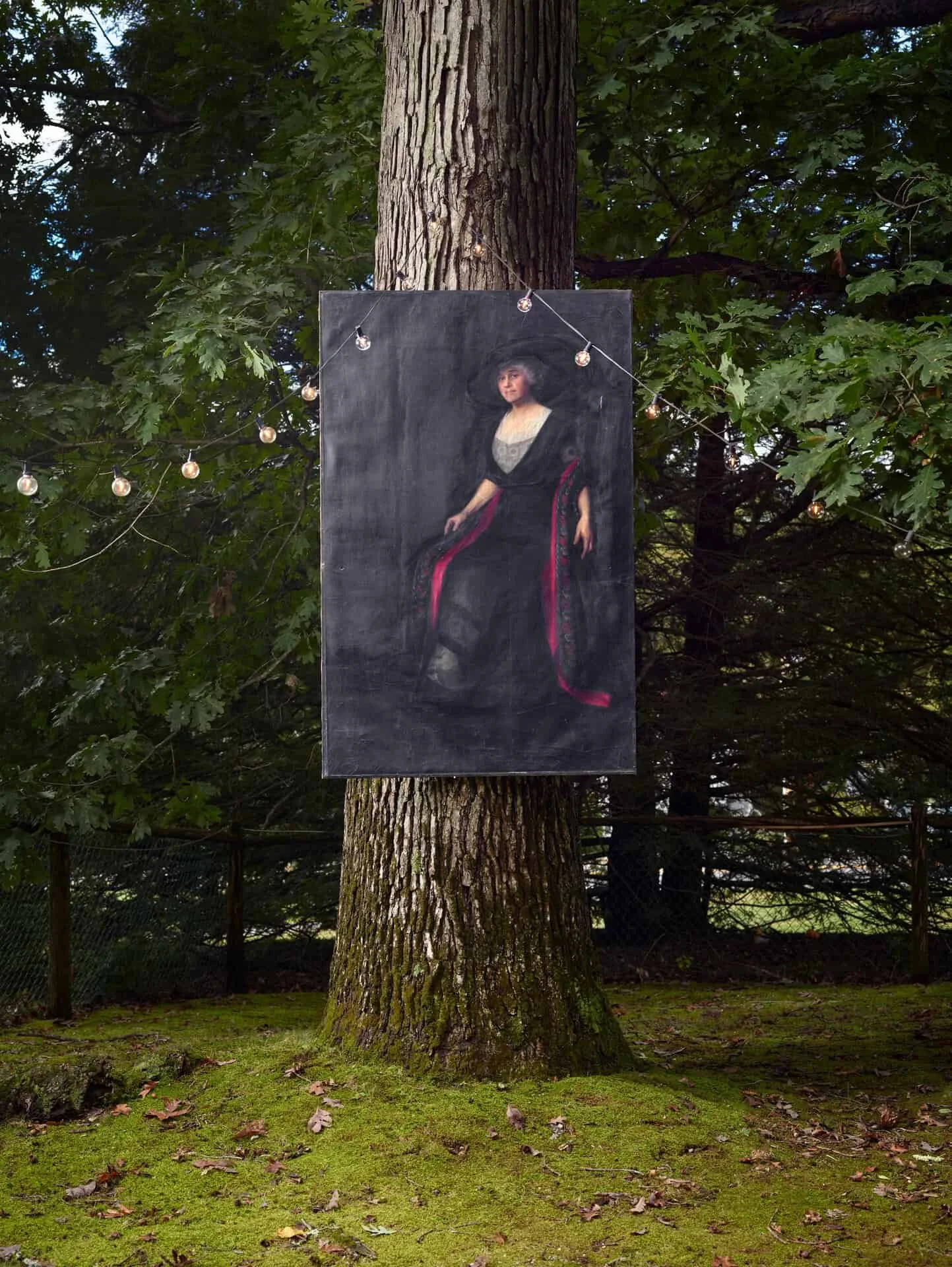
A kitchen interior with a maid and a lady preparing game, c. 1600.
\
I try to avoid eating animals, especially my fellow mammals, but I’ll miss (well, in a way) the annual game dinner at the Congregational church in Bradford, Vt., which has been cancelled, perhaps permanently, after 64 years. I had attended, off and on, with a bunch of friends since 1989. I went after friends’ annual relentless urgings that I join them.
The proximate cause of the cancellation, of course, was the pandemic. Couldn’t have all those folks sitting shoulder to shoulder at those long, communal tables. But before COVID, the church had had increasing difficulty in getting people to work at the event, the church’s biggest annual fundraiser.
Another little piece of Americana goes down.

In Bradford, once a thriving small manufacturing town, originally because of water power: Woods Library and Hotel Low, c. 1915 postcard view.
Parks as places for ‘relief from ordinary cares’

Walnut Hill Park is a large public park west of the downtown of the old manufacturing city of New Britain, Conn. Developed beginning in the 1860s, it is an early work of Frederick Law Olmsted, with winding lanes, a band shell and the city's monument to its World War I soldiers.
“It is a scientific fact that the occasional contemplation of natural scenes of an impressive character, particularly if this contemplation occurs in connection with relief from ordinary cares, change of air and change of habits, is favorable to the health and vigor of men and especially to the health and vigor of their intellect beyond any other conditions which can be offered them, that it not only gives pleasure for the time being but increases the subsequent capacity for happiness and the means of securing happiness.”
— Frederick Law Olmsted (1822-1903), the father of American landscape architecture and most famous as the designer of New York’s Central Park. He was born in Hartford and died in Belmont, Mass.

In the “Emerald Necklace’’ parkland of Boston and Brookline, designed by Olmsted and established starting in 1878.

“Frederick Law Olmsted” (oil), by John Singer Sargent, 1895, at the Biltmore Estate, Asheville, N.C.
Llewellyn King: Rigidity can be deadly to wonderful innovation
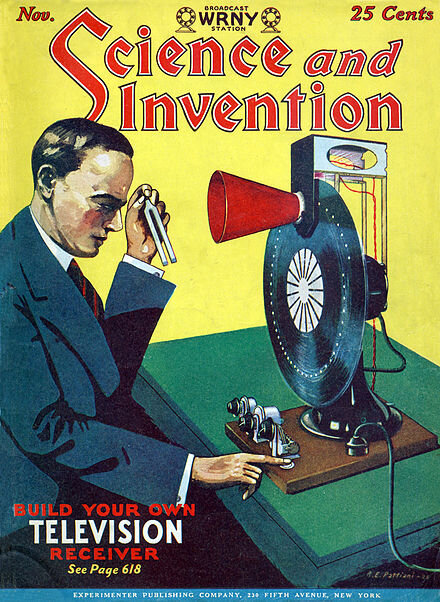
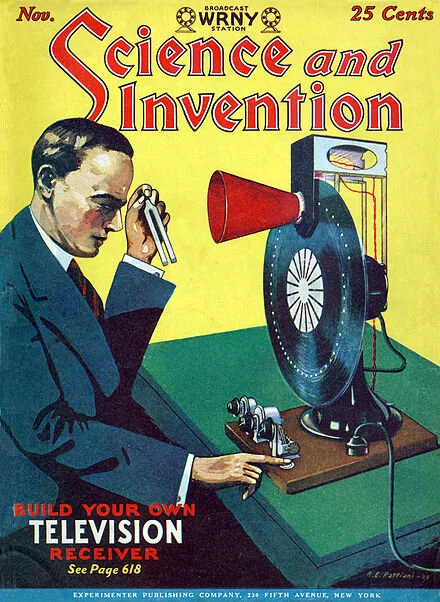
Magazine cover in 1928, when radio was becoming very big but inventors were already thinking ahout television.
WEST WARWICK, R.I.
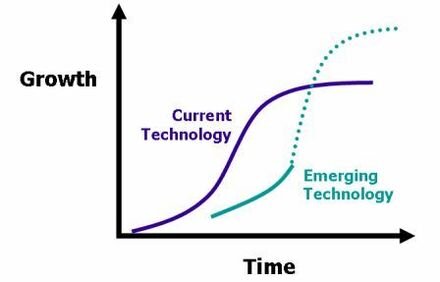
Simple advice to innovators and policymakers: Don’t worry about collateral needs or they will distort your good growth and policy efforts.
If we look back, the development of the automobile had collateral effects beyond the ability of the auto pioneers to conceive. Yet there were those who would have restricted automobile development because they worried about the collateral effects, including that there wouldn’t be enough gasoline, oil would run out, cars were dangerous and fueling stations would explode.
The lesson wasn’t that those were minor concerns, but that they were giant and reasonable concerns that didn’t take into account that there would be as much creativity in solving those problems as there was in creating the primary product in the first place.
If the Wright brothers had worried about how we would keep aircraft from colliding with each other, well, we would have more trains and passenger ships.
The message is that innovation begets innovation. Invent one thing and then invest in something else to support it.
Yet there are reactionary forces at work in the creative arena all the time.
To continue with the automobile example, there are naysayers to the electric car everywhere. Sometimes they are driven by economics, but often they are just worried about great change. I can hardly pass a day without reading alarmist pieces about the disposal of batteries, a possible shortage of lithium from friendly suppliers, or that there won’t be enough charging points.
To all that, I say piffle.
History tells us that these seeming problems will be solved by the same inventiveness that has brought us to this time, when we are seeing a switch from the internal combustion engine -- faithful servant though it has been -- to electricity.
The danger is rigidity.
Rigidity is the seldom-diagnosed inhibitor of good science, good engineering and good policy. Rigidity in policy, or even just in belief, restricts and distorts.
A rigid belief is that nuclear waste is a huge problem. I would submit that it is less of a problem than many other wastes we are leaving to future generations. Rigid concerns and rigidly wrong radiation standards led the electric utilities to turn to coal, and now to wind and solar to move away from coal and its successor, natural gas.
Medicine is beset by rigidities and it always has been, from excessive use of bleeding therapy to surgeons who believed it was ungentlemanly to wash their hands. Those who suffer from less common diseases -- Myalgic Encephalomyelitis, also known as Chronic Fatigue Syndrome, is one -- are hurt by medical profession rigidities. The doctors try to fit disease into what they know and treat patients with known but inappropriate therapies.
Even such great innovators as Henry Ford weren’t without their crippling rigidities. Henry Ford was opposed to 6-cylinder engines and wanted all cars to be black.
Political rigidities are perhaps the most pernicious. I would suggest that the fear of the bogeyman of socialism has prevented America from developing a sensible health-care system — one that is less expensive and has better results. It doesn’t have to be modeled on Britain’s National Health Service, but it could borrow from Germany or The Netherlands, where the health system is universal but provided by private insurance. Ditch the rigidity and start fixing the patient -- in this case, the whole system.
Our educational system is plagued with rigidities. At the lower end, the public schools, children aren’t getting the basics they need to function in our society. At the high end, the universities, there is a new kind of aristocracy where the favored faculty are coddled, shielded and underproductive, while the cost for students is prohibitive.
Our most productive, most gifted graduates are compelled to align their careers with jobs that will pay enough to free them from the debt burden we start them in life with. This might cause a bright student to go into computer science when he or she longed to study astronomy, certainly a less well-paid future.
Rigidities kept women from seeking new roles and responsibilities, and from seeking their own personal and professional identities rather than have them defined by the outside, male-dominated society. Homemaking, yes; corporate management, no.
Rigid doctrine is always at work and is an unseen impediment to future innovation in science, social structure and, above all, in politics Watch for it.
Llewellyn King is executive producer and host of White House Chronicle, on PBS. His email is llewellynking1@gmail.com and he’s based in Rhode Island and Washington, D.C.
Web site: whchronicle.com
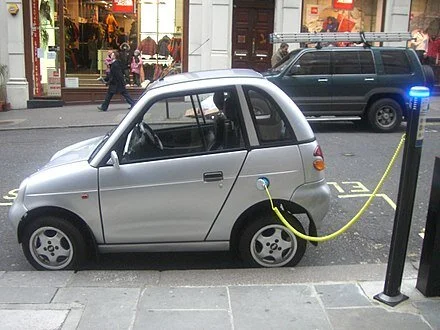
There’s long been pushback against the world-changing innovation of electric cars.
‘Find a route’

“Dust to Dust” (alcohol Inks and Ink on Yupo) by James C. Varnum, in his show “Worlds Apart,’’ at at Galatea Fine Art, Boston, in December.
He writes:
"Come explore ‘Worlds Apart,’’ where there are relationships and connections among and within the paintings. Explore the terrain created by the textures and mark making. The lines on the painted work emphasize a topography that I’ve imposed. These patterns, symbols and maps will be discovered as you embark on a journey into the paintings. Stay awhile. Travel around. Flow through. Find a route that takes you where you want to go."
See:
galateafineart.com
Mr. Varnum grew up in southern New Hampshire and his gallery is in Arlington, Mass.
UMass Memorial plans Worcester field hospital for COVID-19 patients
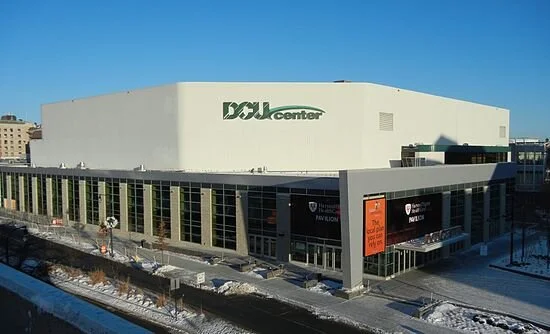
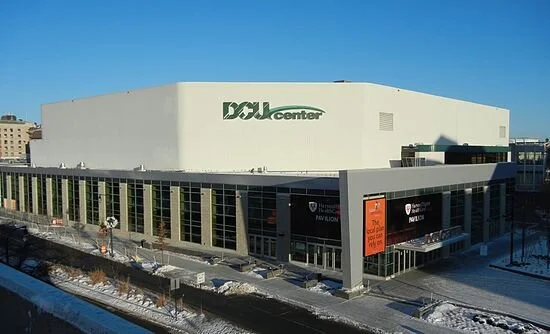
The DCU Center (originally Centrum) is an indoor arena and convention center complex in downtown Worcester.
Here’s The New England Council’s (newenglandcouncil.com) latest roundup of COVID-19 news in our region:
* ‘‘UMass Memorial Health Care has laid plans for a field hospital in the DCU Center in Worcester. (DCU stands for Digital Federal Credit Union.) The field hospital was decommissioned last spring; however, UMass Memorial has since been preparing to open the site once again in anticipation of another surge in COVID-19 related hospitalizations. Read more here.’’
* ‘‘ Mass General Brigham and Beth Israel Lahey Health are reporting that their hospitals are better prepared for a second COVID-19 wave. Hospital officials are in communication to balance COVID-19 patients across multiple sites in the Greater Boston area if the need arises. Read more here. ‘‘
* ”The American Hospital Association has produced a podcast providing useful information on patient wellness, preventing chronic diseases, and prioritizing quality and patient safety during the COVID-19 pandemic. Read more here. ‘‘
* ’’ (Boston-based) Harbor Health Services has partnered with instaED Paramedics to provide elders who participate in their Elder Service Plan (ESP) with at-home urgent care. The program will allow participants to receive treatments normally provided in the emergency room while safe at home. Read more here.’’
NED chats weekly on WADK's 'Talk of the Town'

On most Thursdays at 9:30 a.m., Robert Whitcomb from New England Diary and GoLocal24.com will chat with Bruce Newbury on Mr. Newbury’s Talk of the Town show on WADK-A.M. (Newport).
Listen to it via broadcast or wadk.com

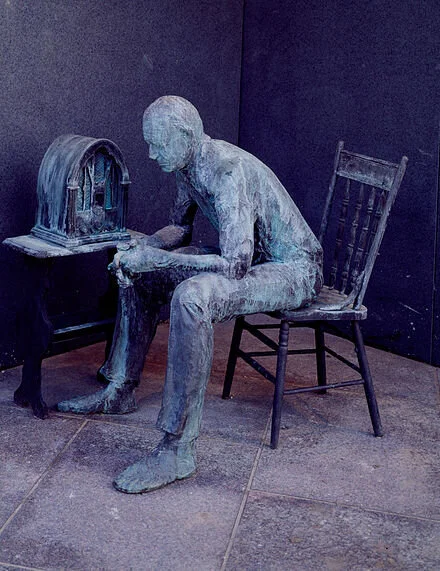
“The Fireside Chat,’’ bronze sculpture by George Segal in Room Two of the Franklin Delano Roosevelt Memorial, Washington, D.C.. FDR ‘s fireside chats via radio were very popular among millions of Americans.

Glorious radio from 1941.
Growing up 'underexposed'

“My parents were both from Vermont, very old-fashioned New England. We heated our house with wood my father chopped. My mom grew all of our food. We were very underexposed to everything.’’
— Geena Davis (born 1956), actress. Though her parents were native Vermonters, Ms. Davis grew up in Wareham, Mass., at the northern end of Buzzards Bay. So she may be exaggerating a tad.
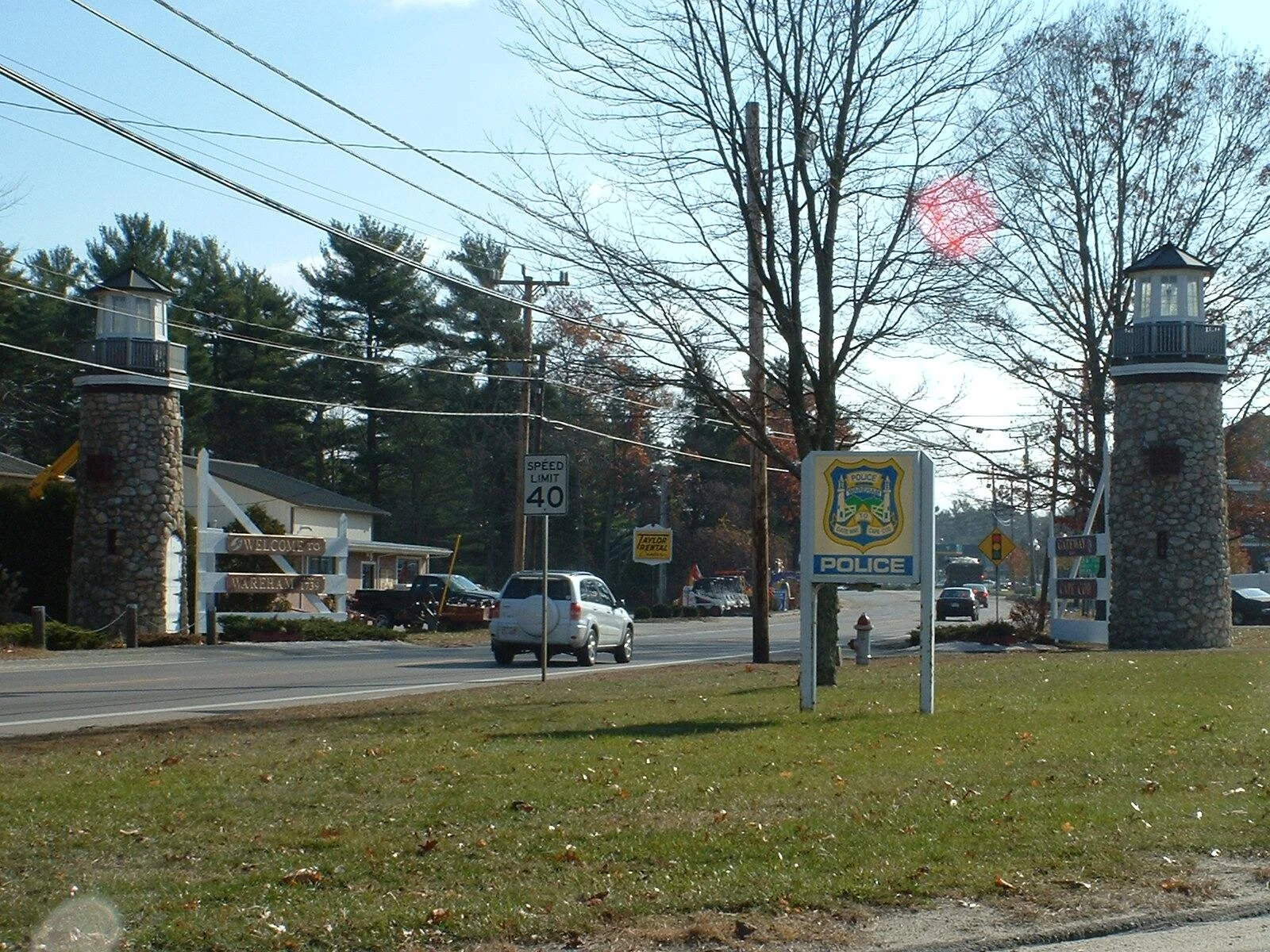
Entering Wareham, Mass., “The Gateway to Cape Cod.’’
The tie-loving ghost

“Last night my color-blind chain-smoking father
who has been dead for fourteen years
stepped up out of a basement tie shop
downtown and did not recognize me.’’
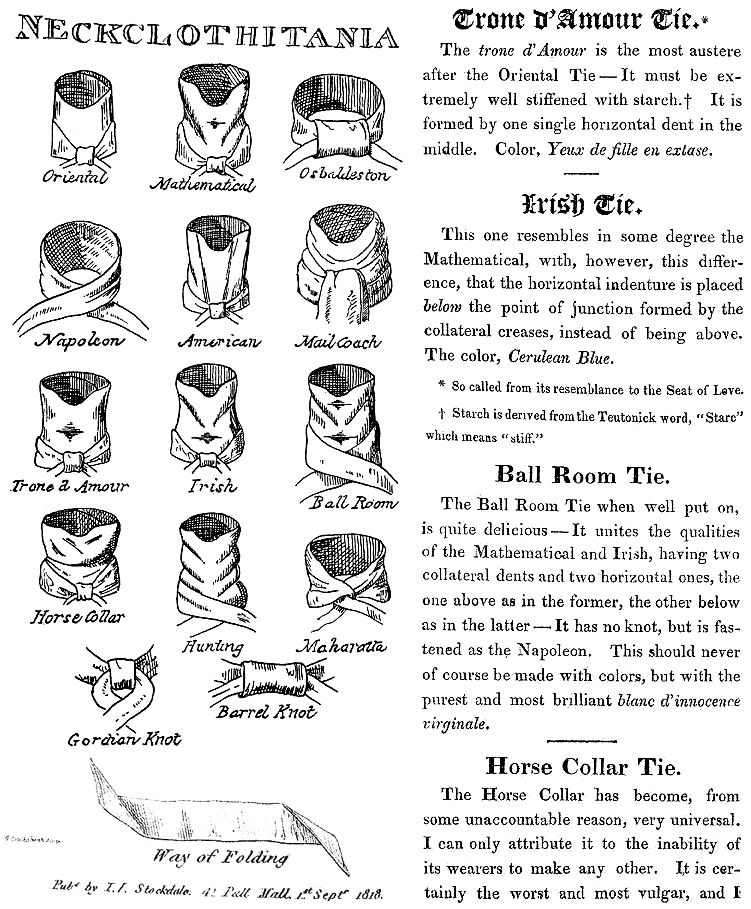
— From “My Father’s Neckties,’’ by Maxine Kumin (1925-2014), a U.S. poet laureate and Pulitzer Prize-winner and a Warner, N.H., horse farmer.
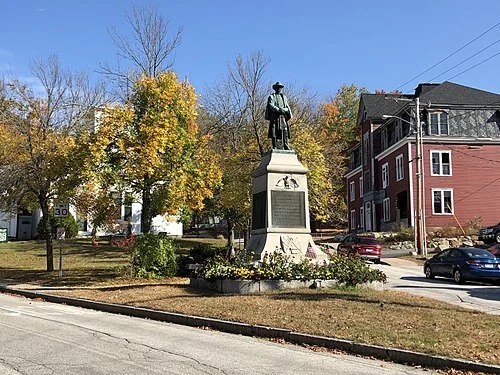
Statue of New Hampshire Gov. Walter Harriman in Ms. Kumin’s town of Warner, N.H.
The lure of the local
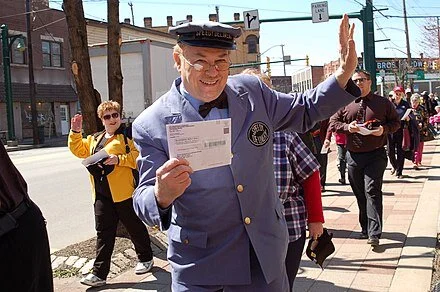
Mr. McFeely ("Speedy Delivery"), in Mister Rogers' Neighborhood, leads a group to the post office to hand deliver their completed 2010 Census forms during the "Count Me In In 2010 Rally" in Homestead, Penn.
From Robert Whitcomb’s “Digital Diary,’’ in GoLocal24.com
Then there are other local glimmers of light. An example: In the past couple of weeks, some of our neighbors in Providence organized outdoor parties to honor a couple of friendly (including to dogs) and very reliable mailmen in our neighborhood who recently retired. It was a joy to see such benign civic activities bringing people together.
But events like this are less likely today in our dispersed, suburban/exurban society, in which interactions are increasingly on screens. We make fewer opportunities to do things together in person.
Consider that we don’t shop together as much. I thought of this the other week as I strolled around the little downtown of the town where I spent much of my boyhood. Back then, everyone went to the village’s locally owned grocery store (accurately called “Central Market” and smelling of ground coffee) and the town’s only drugstore, also locally owned. You’d bump into friends and neighbors there. Indeed, you’d make friends there.
Both have long since closed, succeeded by chain drugstores and chain supermarkets dispersed around the area. While many villagers a half century ago would walk to the downtown almost daily to shop, now pretty much everyone drives to wind-swept store parking lots.
I wonder if, when the COVID-19 crisis fades, whether pent-up demand for real, in-person interactions might help revive small downtowns. And after all, malls and big-box stores at the periphery of the old downtowns had been closing at a good clip before the virus in the Amazon avalanche.
'Help the universe be cool'
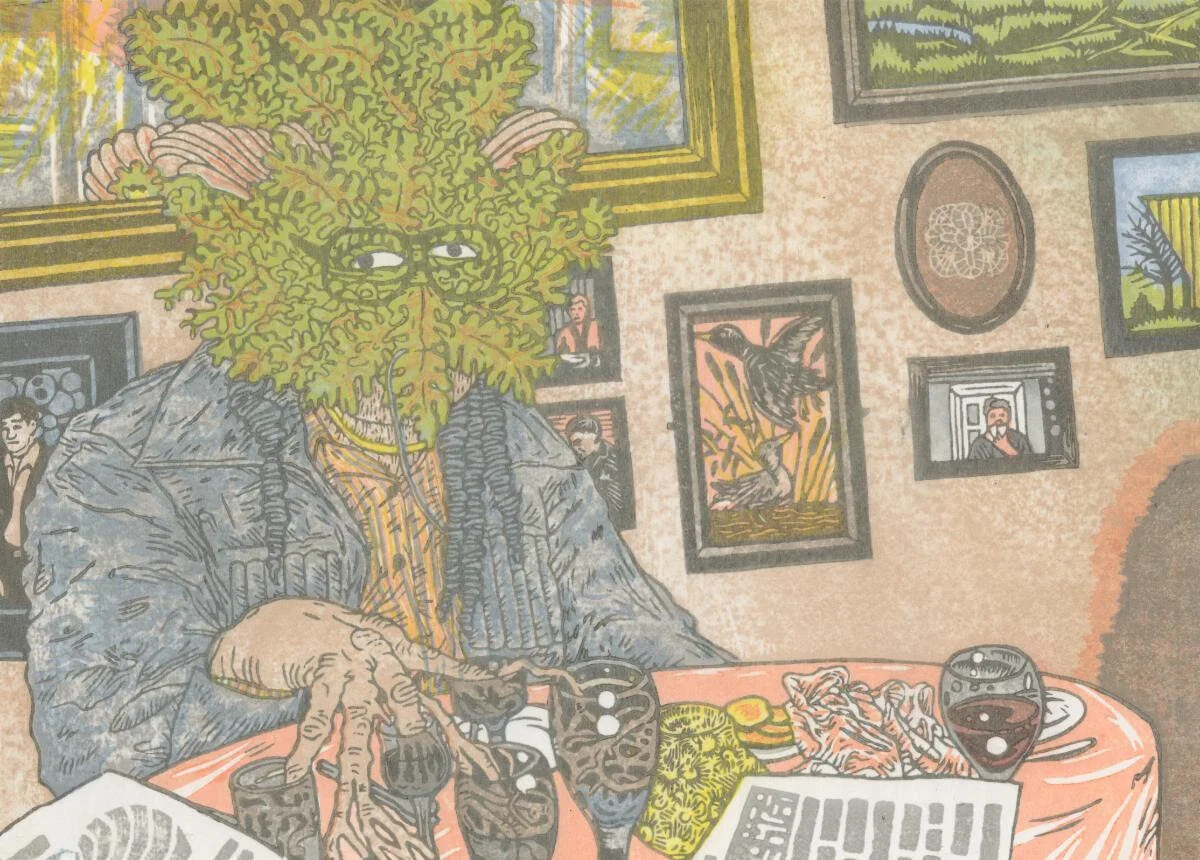
“Garden of Love’’ (woodblock print), by Patrick Casey, in his show at Galatea Fine Art, Boston, Dec. 4-Jan. 3.
He tells the gallery:
"Speculative narratives in woodcut explore who we are in the age of the Internet and imagine what we may become as the dawn of the post-human era approaches. I am interested in the surge of relationships with technology and the recession of face-to-face interaction. Like our changing notions of intimacy, privacy, and friendship, our ideas of identity, sentience, death and life may become irresolute due to advances in computation technology. Essential is a willing suspension of disbelief combined with the freedom to speculate and invent, as well as a desire to help the universe be cool."
See:
galateafineart.com

Gilda A. Barabino: Higher education must do more 'to bend the arc' by increasing diversity
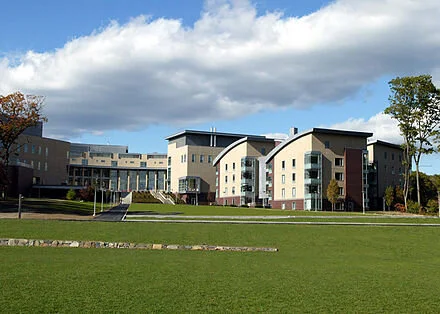
A view of Olin College of Engineering, in Needham, Mass. The dormitories are to the right; “The Oval ‘‘is straight ahead. Olin, whose president is the author of the essay below, is a very unusual undergraduate-only engineering school. Though it’s new — it was founded in 1997 — it’s already prestigious and has developed partnerships with such noted nearby institutions as Babson College, Wellesley College and Brandeis University.
From The New England Journal of Higher Education, a service of The New England Board of Higher Education (nebhe.org)
America is undergoing a reckoning as the suffering and setbacks caused by years of systemic racism is coming into full view. This heightened awareness around racism, sparked by death and injustice, must result in the development of real pathways to eliminate systemic racism, or it will be a lost opportunity for our generation to do our part in—to paraphrase Dr. Martin Luther King Jr.—bending the long “arc of the moral universe’’ toward justice. Higher education, like all other institutions in our society, must do its share of bending the arc.
My academic path, and that of other Black people and people of color, is riddled with instances of both egregious and subtle forms of racism. When this happens to Black people in our academies, it threatens the well being of all of us by limiting access to the creation of knowledge and innovation that flourishes when a diversity of minds is present. Drawing from my own experience as a scientist, professor and administrator, I believe there are a number of ways in which colleges and universities can advance and improve the lives of all our students—and especially students of color.
First, we must do more to increase diversity in our student body. This not only creates more opportunity for our students from underrepresented communities, but also increases the variation of perspective and lived experience that we know produces a richer learning and social experience for all students. We can achieve this by stepping up our recruiting efforts that target high schools serving Black, Latinx and Native American populations. To further support building diversity, we can look at new approaches to sustaining our financial aid practices in light of the economic pressures of the pandemic, restructuring current programs to yield more aid and pushing our alumni and corporate partners to increase scholarship and grant opportunities. Supporting organizations like the National Action Council for Minorities in Engineering, for example, broadens opportunities.
Creative and strategic team-building is another way to ensure success and positive experiences among our diverse students. At Olin College of Engineering, where I am president, part of how we transformed engineering instruction was by developing student-centered programs that rely on teams working on projects. While these teams are created to be self-sufficient in sharing and experiencing learning, our instructors intervene to ensure that inherent biases do not unknowingly arise in things like the assigning of tasks or how information is shared with professors.
As we work on the diversity in our student population, it is equally important that we make every effort to increase diversity in our faculty and staff as well. Black faculty account for a mere 6 percent of all full-time faculty in the academy. I know from personal experience that no matter how excellent a department’s faculty and support staff may be, it is hard for students of color to imagine a future in which they can succeed without the distinct modeling and mentorship made possible from professors and counselors who look like them and who have had many of the same life experiences. (As a new faculty member at Northeastern University in 1989, lacking mentors and role models of my own, but recognizing their importance, I served as a role model and mentor in the NEBHE Role Model Network for Underrepresented Students and as a consultant to NEBHE’s equity and diversity programs.)
One of our most important roles in the education and lives of our students is preparing them for, and connecting them to, the world at large and their path to success. Very often, students of color do not have the connections that lead to opportunities like internships and summer jobs in their field of interest. We can build bridges to successful careers by ensuring that our career centers are operating at the highest level possible and are able to establish connections with companies that are eager to help diverse students.
This process can be helped by making every effort to connect diverse students with the career center and promoting its value to them. As colleges and universities operating in New England, we are fortunate to be in a vibrant regional economy made up of established companies, innovative startups and leading health-care and research institutions. By developing stronger partnerships between our schools, regional businesses (many of which provide internships and other work opportunities) and the business community leadership, we can leverage these connections into career-focused opportunities on behalf of all of our students, which would be especially helpful in creating life-changing opportunities for our diverse students.
Even though higher-education institutions are facing significant operational and financial challenges created by the COVID-19 pandemic, we nonetheless must take action today to ensure that we are moving beyond words and demonstrations and taking real action to ensure that equity, diversity and opportunity exists and benefits young people of color—not only within our quads, residence halls and classrooms—but in the larger world as well.
Gilda A. Barabino is president of Olin College of Engineering and professor of biomedical and chemical engineering there.

Paul Armentano: Across America, marijuana was a big winner on Election Day

From OtherWords.org
On many issues, our country is deeply divided. But when it comes to loosening the longstanding prohibition on cannabis, most Americans agree.
On Election Day, voters in states across the country approved a series of ballot proposals legalizing the use and distribution of marijuana for either medical or adult-use purposes.
Their voices were unmistakable and emphatic. Majorities of Americans decided in favor of every marijuana-related proposition placed before them — a clean sweep — and they did so by record margins.
Voters approved the legalization of medical cannabis in two states, Mississippi and South Dakota.
In Mississippi, voters chose between two dueling initiatives. Ultimately, they favored a measure placed on the ballot by patient advocates and rejected a more restrictive alternative measure placed on the ballot by state lawmakers. In one of many lopsided results on Election Day, 74 percent of voters chose the more liberal of the two measures.
Voters legalized the possession of marijuana by adults in Arizona, Montana, New Jersey and South Dakota.
The measures in Arizona, Montana, and South Dakota each permit adults to possess and cultivate marijuana for personal use and establish a regulated retail market.
In New Jersey, voters decided on a public ballot question. That means that Garden State lawmakers must now amend state law to comport it with the voters’ decision.
Voters’ actions on Election Day were an unequivocal rebuke to the longstanding policy of federal marijuana prohibition. They are an indication that marijuana legalization is far from a fringe issue, but one that is now embraced by mainstream America.
In New Jersey, 67 percent of voters chose legalization. In Arizona, legalization passed by a 20 percent margin, just four years after voters had rejected a similar ballot question. Fifty-seven percent of Montanans backed legalization, as did 54 percent of South Dakotans.
Voters did so despite opposition from many of their public officials. Republican South Dakota Gov. Kristi Noem appeared in television ads opposing both state initiative measures. Montana U.S. Atty. Kurt Alme issued a white paper opining that legalization would have “serious ramifications” for “public safety and health.”
These attacks, however, failed to gain traction.
As in 2016, when voters in deep red states like Arkansas and North Dakota joined voters in deep blue states like California and Massachusetts to reform their cannabis laws, these 2020 results once again affirm that marijuana legalization is a uniquely popular issue with voters of all political persuasions.
Indeed, majorities of Democrats, independents, and Republicans consistently endorse legalization in national polls.
The results also continue a multi-decade long trend of marijuana legalization advocates achieving success at the ballot box. Since 1996, voters have decided affirmatively on 35 separate ballot measures legalizing cannabis (22 legalizing medical marijuana and 13 legalizing adult use).
Despite this public consensus, elected officials have far too often remained unresponsive to the legalization issue. This dereliction of representation has forced advocacy groups to directly place marijuana-related ballot questions before the voters.
The success of these initiatives proves definitively that marijuana legalization is not exclusively a blue state issue, but an issue that is supported by a majority of all Americans — regardless of party politics. Once these latest laws are implemented, one out of every three Americans will reside in a jurisdiction where the use of marijuana by adults is legal under state law.
For over two decades, the public has spoken loudly and clearly. They favor ending the failed policy of marijuana prohibition and replacing it with a policy of legalization, regulation, taxation, and public education.
Elected officials — at both the state and federal level — ought to be listening. Perhaps even more importantly, they ought to be acting.
Paul Armentano is the deputy director of the National Organization for the Reform of Marijuana Laws (NORML) and the Science Faculty Chair at Oaksterdam University, in Oakland, Calif.
Could fish have built it?
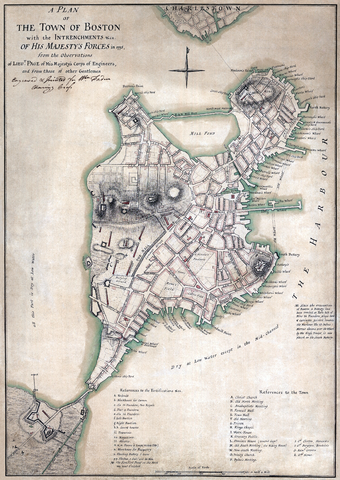
Map of Boston in 1775, when the city was almost an island.
“This is a city that has been created by man, by humans. When the English got here, most of it was underwater…Boston’s a city that people have built… and I find it exciting to see that continuing to happen.’’
— Frederick P. SalvuccI (born 1940) (civil engineer, former Massachusetts transportation director and a prime mover in the “Big Dig’’ project and MBTA expansion.
The shadow knows

— Photo by Etan J. Tal
“A wind passed over my mind,
insidious and cold.
It is a thought, I thought,
but it was only its shadow.’’
— From “The Image-Maker,’’ by Stanley Kunitz (1905-2006), a native of Worcester who served as U.S. poet laureate, he divided much of his time between New York City and Provincetown.

David Warsh: In the press, a dose of vicarious shock
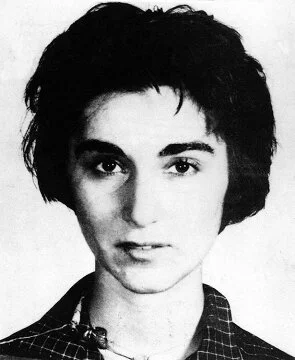
“Kitty” Genovese
SOMERVILLE, Mass.
It was a famous story from The New York Times in 1964.
37 Who Saw Murder Didn’t Call the Police; Apathy at Stabbing of Queens Woman Shocks Inspector
by Martin Gansberg
For more than half an hour 38 respectable, law‐abiding citizens in Queens watched a killer stalk and stab a woman in three separate attacks in Kew Gardens.
Twice the sound of their voices and the sudden glow of their bedroom lights interrupted him and frightened him off. Each time he returned, sought her out and stabbed her again. Not one person telephoned the police during the assault; one witness called after the woman was dead.
That was two weeks ago today. But Assistant Chief Inspector Frederick M. Lussen, in charge of the borough’s detectives and a veteran of 25 years of homicide investigations, is still shocked.
He can give a matter‐of‐fact recitation of many murders. But the Kew Gardens slaying baffles him — not because it is a murder, but because the “good people” failed to call the police.
The story of the killing of Catherine (“Kitty”) Genovese was widely read at the time and admired for decades. It made the reputation of A. M. Rosenthal, the metropolitan editor who caused it to be written and who argued its way onto the front page. Rosenthal’s own gloss on the story, “Thirty-Eight Witnesses,’’ was published within months. He rose rapidly at The Times, to be executive editor in 1977-1987, and for a dozen years after that, a columnist.
It turns out there was a backstory, too. In his book, Rosenthal disclosed how he himself had got the story, from Michael J. Murphy, theNew York City police commissioner, over lunch at Emil’s Restaurant and Bar on Park Row, near City Hall.
“Brother,” the commissioner said, “that Queens story is one for the books.”
Thirty-eight people, the commissioner said, had watched a woman being killed in the “Queens story,” and not one of them had called the police to save her life.
“Thirty-eight?” I asked.
And he said, “Yes, 38. I’ve been in this business a long time, but this beats everything.”
I experienced then that most familiar of newspapermen’s reaction — vicarious shock. This is a kind of professional detachment that is the essence of the trade — the realization that what you are seeing or hearing will startle a reader.
Some readers, including a television police reporter, Danny Meehan, doubted details of the story as soon as it appeared. Over the years various embellishments, inconsistencies, and inaccuracies came to light. In 2004 The Times took account of them. They did not change the essential fact at the heart of the story — a woman had been murdered in the middle of the night in a populous neighborhood, steps from her door. When her killer, Winston Moseley, died in prison, at 82, Robert McFadden summed up in a Times obituary:
The article grossly exaggerated the number of witnesses and what they had perceived. None saw the attack in its entirety. Only a few had glimpsed parts of it, or recognized the cries for help. Many thought they had heard lovers or drunks quarreling. There were two attacks, not three. And afterward, two people did call the police. A 70-year-old woman ventured out and cradled the dying victim in her arms until they arrived. Ms. Genovese died on the way to a hospital.
I thought of the Genovese story because something of the sort happened in my neighborhood earlier this month — but in reverse. On Election Day, a 40-year-old woman was hit and killed in a crosswalk midday by a pickup truck.
Leah Zallman, 40, the mother of two young sons, was on her way home after voting at lunch time. She was the director of research at the Institute for Community Health, a primary-care physician at the East Cambridge Care Center, and an assistant professor of medicine at the Harvard Medical School
Talk about local apathy, at least in the public realm! Television stations reported the accident the day it happened. After that the news was only slowly shared, without details, first by the public school’s parent association, then on community Google groups. The city took a week to acknowledge on its Web site that it had happened. It was 10 days before The Boston Globe took account of it, and then only with a touching remembrance by a columnist free of any details of the accident itself, not even those that had been posted by the city:
An initial investigation suggests that the operator of the vehicle, an employee of the City of Somerville who was on duty at the time but operating their personal vehicle, had been attempting to take a left turn onto Kidder Avenue from College Avenue. They remained on the scene following the crash. Pending the results of an investigation [by the Middlesex District Attorney’s Office and Somerville Police], the employee has been placed on paid administrative leave…. No charges have been filed at this time.
We’ll learn more eventually from the Middlesex County investigation, including the identity of the driver, reported to be a Somerville building inspector, and the circumstances of his day. I wish that there were some local hero, a Rosenthal type, who could document how Zallman’s death could remain on the down-low for more than a week. (City councilors argued the details of the accident with the mayor and his Mobility Department behind the scenes.) Last year, when two women were hit after dark in a crosswalk, one of them killed, by a hit-and run driver less than mile away, it was big news. This time there were no flowers at the site, no other reminder of what happened at the busy crossing, no public outcry, no political outrage, only a lingering sense of shock.
It’s a commonplace that the invention of online search advertising has brought most metropolitan newspapers to their knees. In October the once-mighty Boston Globe reported print circulation of 84,000 daily and 123,000 Sunday, down from 530,000 and 810,000 respectively 20 years ago. The national papers have managed to hold their own so far. That small cities like Somerville, those of 100,000 people or so, haven’t found a way to rejuvenate the provision of local news bodes ill for their public life. With local journalism withering on the vine, we don’t have publicity, hence public outrage, over a traffic death that shouldn’t have happened. We don’t have accountability, either, sufficient to deter careless driving. Pickup trucks, in particular, often seem to confer a dangerous sense of privilege upon their drivers.
To be clear, I don’t think that what Abe Rosenthal did in 1964 was wrong, or wicked, in any sense, though in retrospect its self-aggrandizing subtext is hard to miss. Call it inflated-for-the-good-of-us-all journalism, the presentation of facts spiced with a special sauce of indignation for the purpose of making a point.
The Times had reported Genovese’s murder as an unvarnished matter of fact, when it occurred, in a short item buried deep inside the paper a couple of weeks before. To return to the story with additional facts — police commanders’ indignation – was in line with the performance of the newspaper’s duty to offer occasional moral instruction along with the news. But the embellishment went too far, and tarnished The Times’s most valuable asset, readers’ trust.
Newspapers have traditionally tried to rile up readers in a good cause in the three centuries they have been democracies’ dominant form of public communication. For a wry and affectionate look behind the scenes of inflated-for-the-good-of-us-all journalism at The Times in executive editor Rosenthal’s heyday, find a used copy of I Shouldn’t Be Telling You This, by Mary Breasted. Or rent a copy of Ron Howard’s brilliant 1994 film The Paper.
It seems the case that The Times has practiced more indignation-fueled news recently than usual – its 1619 Project, for example, provoked columnist Bret Stephens’s stinging dissent. The roots are the same as those Rosenthal identified in 1964: the experience of shock in the face of the facts. Rosenthal’s proud claim as editor was that “he kept the paper straight.” Think that is easy in times like these? Occasional large helpings of indignation are better than no news at all.
David Warsh, a veteran columnist and an economic historian, is proprietor of Somerville-based economicprincipals.com, where this essay first ran.
Foie gras on the left

"Our First Harvest in Paris" by Somerville, Mass.-based Alexandra Rozenman, at Fountain Street Fine Art, Boston, through Nov. 30.
Stronger than erosion
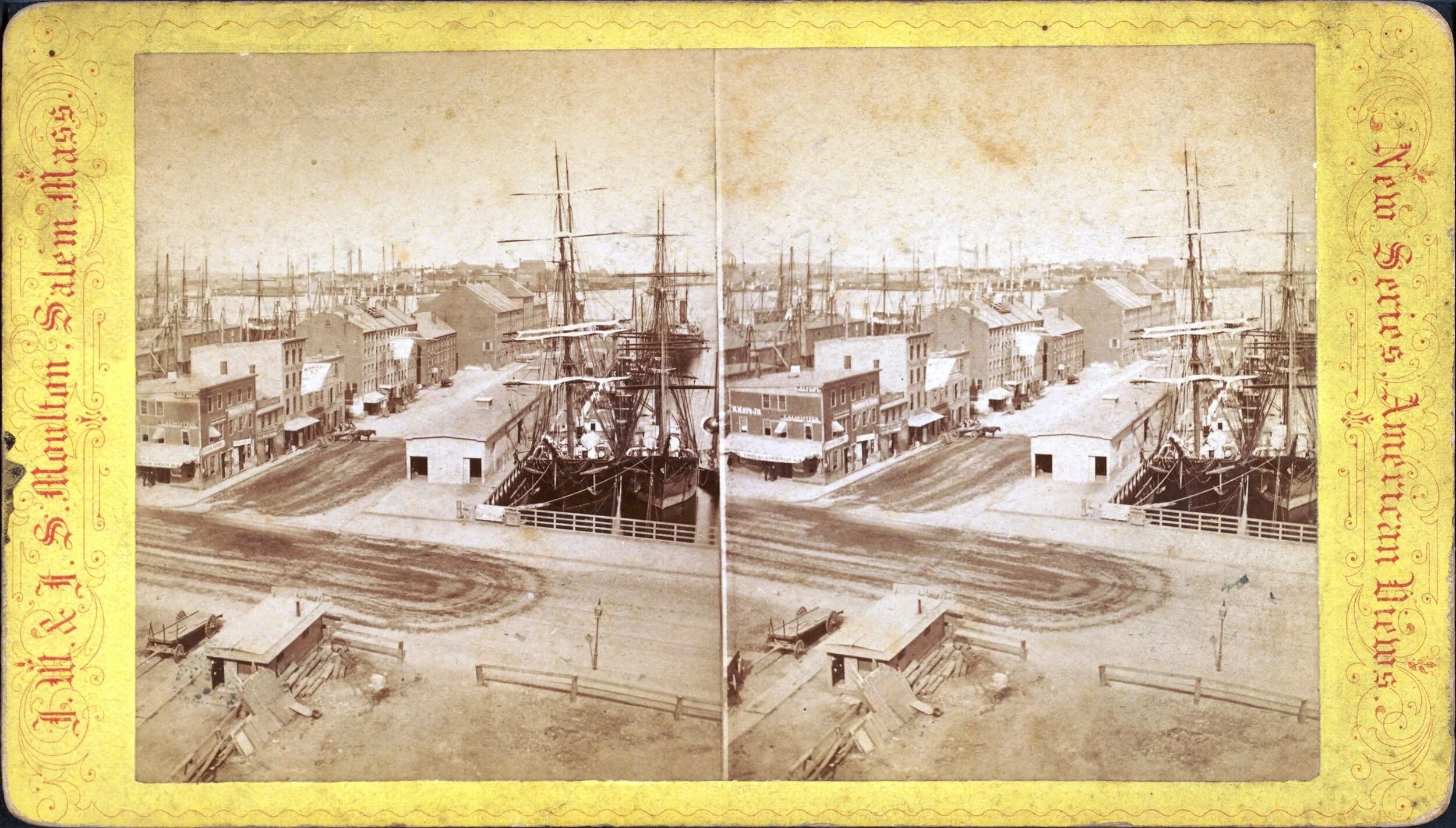
Long Wharf, in Boston, in the 19th century.
“Wharves with their warehouses sagging
On wooden slats, windows steamed up
And beaded with rain – it’s wonder
Weather doesn’t wash them away….’’
---From “Here,’’ by Betsy Sholl (born 1945(), a former poet laureate of Maine, where she lives in Portland
Make 'em smile!
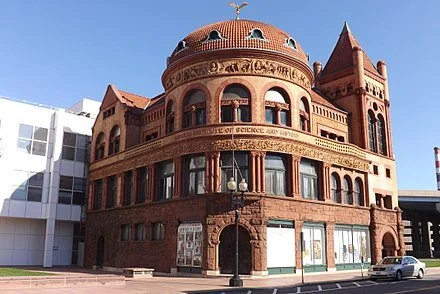
The Barnum Museum, in Bridgeport, which has loads of stuff about the impresario’s career and about Bridgeport.
“The noblest art is that of making others happy.’’
— P.T. Barnum (1810-1891), the entertainment mogul best known as the creator of the the modern American circus, in Struggles and Triumphs. A native of Bethel, Conn., he is most associated with Bridgeport, the once world-famous industrial powerhouse that was his base of operations and where he served as mayor in 1975-1876.
The phrase "There's a sucker born every minute" is a phrase closely associated with Mr. Barnum but there’s no evidence he actually said it.
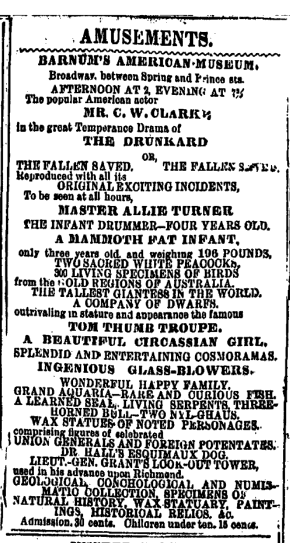
1866 newspaper advertisement for Barnum's American Museum, on Ann Street in Manhattan.
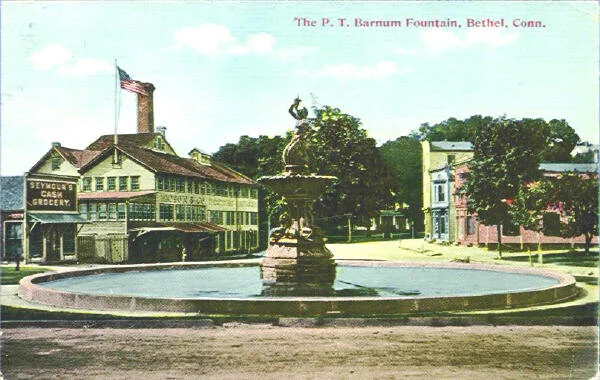
Downtown Bethel in 1914.
Celebrating Snow Farm

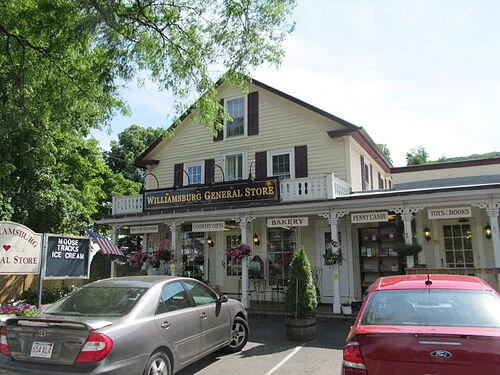
“Raku Vessel, ‘‘ by Bob Green in the show ,“Makers and Mentors: The Art and Life of Snow Farm—The New England Craft School,” opening Nov. 28, at the Fuller Craft Museum, in Brockton, Mass., celebrates how contemporary craft has been affected by Snow Farm, the famed 50-acre craft school in the western Massachusetts town of Williamsburg, which used to be a minor factory town.
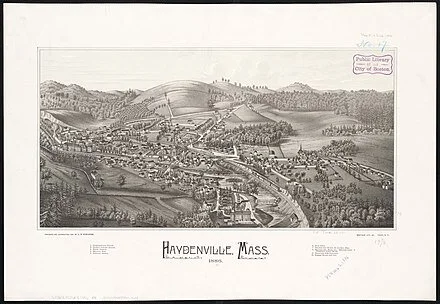
1886 print of the Haydenville section of Williamsburg by L.R Burleigh with listing of landmarks depicted.
The biggest event in Williamsburg’s history — this from Wikipedia:
“On the morning of May 16, 1874, a flood along Williamsburg's Mill River claimed 139 lives and left nearly 800 victims homeless throughout Hampshire County. The deluge occurred when the Williamsburg Reservoir Dam unexpectedly burst, sending a twenty-foot wall of water surging into the valley below. Every town and village along the river's normally placid flow was soon devastated by the great rush of water. Much of the flood's force was abated in Northampton, at the Mill River's confluence with the Connecticut River. Located over twelve miles from the breached dam in Williamsburg, Northampton was the last town to experience the flood's fury, with four additional victims swept away.’’

Chris Powell: Too much voting by mail risks the integrity of elections

A vote-by-mail ballot is put into an election drop box.
MANCHESTER, Conn.
After warning that the U.S. Postal Service might sabotage the vast increase in voting by mail in the Nov. 3 election, leading Democrats in Connecticut are renewing their calls for allowing everyone to vote by mail just for personal convenience, without having to claim illness, infirmity, travel or religious reasons. A state constitutional amendment would be required for the change.
Connecticut Secretary of the State Denise Merrill says that mass voting by mail {encouraged by the COVID-19 pandemic} worked well in Connecticut and should be made permanent. U.S. Senators Richard Blumenthal and Chris Murphy agree.
Maybe mass voting by mail worked well enough in Connecticut for an election in which no major races were close, but there were many mistakes in preparing the extra absentee ballots. While these mistakes were corrected in time, the more handling of ballots -- the more intermediaries between voters and the casting of their votes -- the more mistakes there will be.
The more opportunity for fraud, too. There is a reason that elections long have been based on the personal appearance of voters at the polls -- election integrity. Identities are easily confirmed, ballots never leave the polling place, and the whole process is transparent.
Not so with voting by mail. As seen in states whose presidential tallies are painfully close, mailed ballots raise issues of timeliness. They require much more work to tabulate. Delaying tabulation, they raise suspicion of tampering and indeed invite tampering and forgery when it is seen how many more votes might change the outcome.
President Trump offered no evidence when he went on national television two days after the election to accuse the tabulation in Pennsylvania and Georgia of fraud and thereby impugn the whole election. But forgery with late votes does happen. This was notoriously the mechanism by which Lyndon B. Johnson won the Democratic nomination for U.S. senator from Texas in 1948, giving him a path to the presidency.
And while Trump offered no evidence of election fraud, across America there were many complaints about what were at least anomalies in vote counting. Some were innocent and quickly corrected. Most have not yet been investigated and so cannot be judged at a distance, but all serious complaints should and likely will be investigated in the usual procedures.
The closer the contest, the more incentive for fraud, and it would be miraculous if there was no fraud anywhere in this election. An election in which margins of victory are comfortable to overwhelming, as they were in Connecticut, and where no one bothers to look for fraud does not vindicate massive voting by mail.
Indeed, election fraud gets easier in heavily populated jurisdictions dominated by one political party, where fraud is harder to detect. Connecticut has several cities that sometimes can't report their votes within 24 hours and that often have suffered political corruption. They always report huge Democratic pluralities.
The virus epidemic may have been good enough reason for the expansion of mail voting this year, but quite apart from election integrity, there remains a strong case for in-person voting: the demonstration of civic duty and community. The phrase "mail it in" long has conveyed indifference to an obligation, even as voting is cause to celebrate and give thanks for democracy and all those who make it work.
xxx
MORE ON BIG MONEY: Elaboration is needed about Connecticut Democratic U.S. Rep. Rosa DeLauro's denunciation of big money in politics the other day, after she had to wage her first vigorous campaign in 30 years against a self-funding Republican multimillionaire.
While she resented her opponent's big money, DeLauro isn't bothered by the tens of millions of dollars donated to the campaign of her party's presidential candidate, Joe Biden, by Wall Street interests, which usually favor the Republican candidate but didn't this year. Nor does DeLauro resent the $100 million spent in support of Biden in Florida, Ohio and Texas by billionaire Michael Bloomberg.
Sometimes an oppressive establishment can be effectively challenged only with the help of rich angels, as when the eccentric philanthropist Stewart R. Mott financed Eugene McCarthy's insurgent anti-war presidential campaign in 1968.
DeLauro may not grasp these ironies because, after 30 years in Congress, she is part of the establishment now.
Chris Powell is a columnist for the Journal Inquirer, in Manchester, Conn.