
Vox clamantis in deserto

Grace Kelly: Getting more Black and Brown kids out into nature
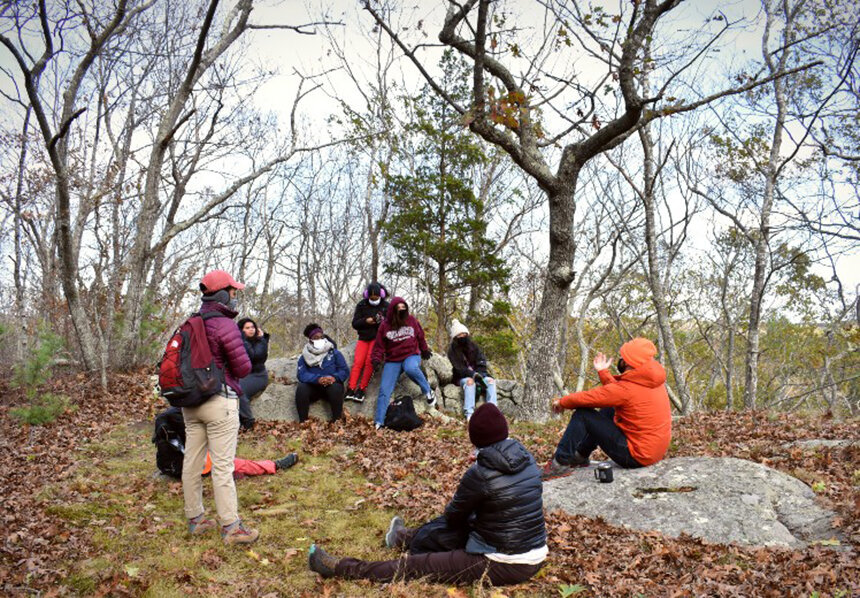
A meeting in the woods of Exeter, R.I., of students in the Movement Education Outdoors program.
— Photo by Grace Kelly for ecoRI News
EXETER, R.I.
A group of five 10th-graders tromp through a wooded path at the Canonicus Camp & Conference Center on Exeter Road. They talk about school, the platform Doc Martens they would love to have, and how New York Congresswoman Alexandria Ocasio-Cortez is great but also, it’s probably better not to idolize politicians. {Canonicus was a 17th Century Narragansett Indian chief.}
Their guide on this excursion is Joann “Jo” Ayuso, founder of Movement Education Outdoors (MEO), an organization with a mission to provide outdoor experiences for community-based organizations serving Black, Indigenous, People of Color (BIPOC) youth. She shows them nature.
“The outdoors is sacred, and yes, this land,” she said, and spreads her arms around her, gesturing at the grass and trees, “has a history of colonization, but I want us to feel welcome here. I want to invite you to make your own memories today, to decolonize this space. I introduce you to these spaces so you can own them and feel connected to the land.”
According to the National Health Foundation, while people of color make up nearly 40 percent of the population, 70 percent of the people who visit national forests, parks, and wildlife refuges are White. A mere 7 percent of national park visitors are Black.
There are many factors at play when it comes to communities of color not having the same opportunities to experience the outdoors. Ayuso said:
“I think it’s very important for people to know, that, for example, when your mom is a single parent, working three jobs, doesn’t have a car, how is she going to have time to take her kids hiking? And, unfortunately, bus lines don’t take you to any of the green space Rhode Island has to offer.”
There’s also the fact that outdoor gear is expensive, with basic equipment such as lightweight coats, hiking boots, and backpacks costing a premium.
“Equipment is always a barrier for young, low-income and urban youth,” Ayuso said. “Even having the proper layering for hiking in the fall or winter, that’s expensive.”
By starting MEO in 2018, Ayuso hopes to change this paradigm.
Ayuso’s journey from being born into poverty to being an outdoor educator for BIPOC youth started in the forests of the southern wild.
“One of my very first experiences with the outdoors was in the military,” she said. Ayuso entered the military after graduating from Joseph P. Keefe Technical High School, in Framingham, Mass., prompted in part by her brother who had also joined, and by the desire to work her way up in the world. While military service didn’t prove to be her dream, it was how she discovered her love of nature.
“One of the things I loved about the military was being outdoors, just hiking, having my rucksack on and just hiking for hours,” said Ayuso, who served in the Army in 1989-1996. “To this day, I can still remember smelling the eucalyptus trees in the South, and also smelling the pine trees when we would do our training early in the morning. It was just something that really helped me pass time, and that was one of the most memorable times of me experiencing the outdoors.”
Ayuso would come back to that moment years later, and it would be part of a series of experiences that would inspire her to create an organization to bring Black and Brown youth into nature.
In the years that filled her life between the military and MEO, Ayuso built a personal-training business in Wellesley, Mass., and left it, started a new life in Providence, learned she loved working with young people, began practicing mindfulness, and discovered her ancestral roots in Puerto Rico and West Africa.
But it was when she was hit by a car two years ago outside her Providence home and spent six months healing that she started to unravel what she wanted to do with her life.
“I had six weeks of recovery, and in those six weeks I was like, ‘I’ve gotta do something different,’” said the 48-year-old. “My partner and I just got to talking about what is it that you want to do for the rest of your life? What is it that you think you will enjoy?”
Her partner asked her to reflect on the past 15 years and think about the things she really loved.
“And I thought, ‘Damn, I really loved that time in the military when I was hiking. That was awesome.’ I felt like that was healing, that kept my mind kind of straight,” Ayuso recalled. “So my hiking experience in the military, the mindfulness training that I’ve had in the last 20 years, the Native and Black history I learned for myself, and seeing the environmental justice and climate change on Black and Brown bodies, that became the four pillars of Movement Education Outdoors.”
MEO partners with local schools such as Nowell Leadership Academy, in Providence, and such nonprofits as Riverzedge Arts, in Woonsocket, to bring underserved youth into the outdoors and to help them reflect on who they are and where they come from.
And on this chilly fall day in Exeter, the students are loving it.
As they walk through the forest of pine, oak and maple, they notice the acorns on the ground, the oak apple wasp galls tucked between fallen leaves, and learn about how beavers change the landscape to suit their needs.
They pause for a guided meditation at a bridge overlooking a pond and breathe in the cold air, watching as their breath billows around them when they exhale. They continue through the woods and stop at a rock wall to discuss the farming history of this land.
“So when the glaciers melted, they left lots of rocks here,” said a MEO intern. “And the colonizers used them to make rocks walls.”
Ayuso noted that these rock walls delineated farming property, and that between 1636 and 1750, South County farmers turned from enslaving Indigenous people to enslaving thousands of Blacks from Africa to make their farms into plantations comparable to those in the South.
The group continues onward and upward, heading to a steep incline and making their way to an overlook known as “The Pinnacle.”
The students pause at a large boulder, resting weary Converse-clad feet and shooting the breeze. Ayuso then asks them what made them want to be outside, how they came to be here. One said:
“I was a city person, but when I went on my first camping experience, it opened my eyes. I was so against it at first, but when I go on these trips, I’m so happy.”
Another student reminisced about her first time camping and how waking up outside was so special.
“The last time we went camping, my friend and I woke up at 5 a.m., and waking up to the morning dew, the smell of morning dew … it was so nice,” she said.
“It’s a break from the city, life with social media, everything feeling so controlled … when you’re outdoors, you’re on your own,” another student added.
Ayuso smiled as the group continued their discussion about life, nature, and what the future holds.
“Ya’ll are gonna make me cry,” Ayuso said, laughing. “You’re making me feel all the feels. I’m blessed to be here, to be able to do this.”
Grace Kelly is a journalist for ecoRI News.
Liz Szabo: Some COVID-19 patients hit by friendly fire
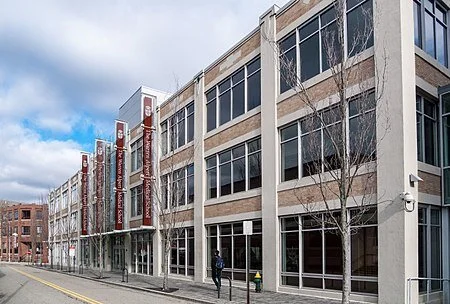
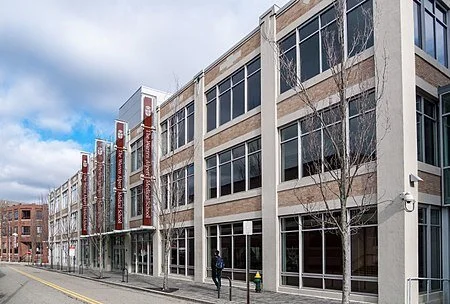
The Warren Alpert Medical School at Brown University, in Providence’s old “Jewelry District.’’ Most people still just call it the Brown Medical School.
Dr. Megan Ranney, of Brown University, has learned a lot about COVID-19 since she began treating patients with the disease in the emergency department in February.
But there’s one question that she still can’t answer: What makes some patients so much sicker than others?
Advancing age and underlying medical problems explain only part of the phenomenon, said Ranney, who has seen patients of similar age, background and health status follow wildly different trajectories.
“Why does one 40-year-old get really sick and another one not even need to be admitted?” asked Ranney, an associate professor of emergency medicine at Brown.
In some cases, provocative new research shows, some people — men in particular — succumb because their immune systems are hit by friendly fire. Researchers hope the finding will help them develop targeted therapies for these patients.
In an international study in Science, 10 percent of nearly 1,000 COVID patients who developed life-threatening pneumonia had antibodies that disable key immune system proteins called interferons. These antibodies — known as autoantibodies because they attack the body itself — were not found at all in 663 people with mild or asymptomatic COVID infections. Only four of 1,227 healthy individuals had the autoantibodies. The study, published on Oct. 23, was led by the COVID Human Genetic Effort, which includes 200 research centers in 40 countries.
“This is one of the most important things we’ve learned about the immune system since the start of the pandemic,” said Dr. Eric Topol, executive vice president for research at Scripps Research, in San Diego, who was not involved in the new study. “This is a breakthrough finding.”
In a second Science study by the same team, authors found that an additional 3.5 percent of critically ill patients had mutations in genes that control the interferons involved in fighting viruses. Given that the body has 500 to 600 of these genes, it’s possible researchers will find more mutations, said Qian Zhang, lead author of the second study.
Interferons serve as the body’s first line of defense against infection, sounding the alarm and activating an army of virus-fighting genes, said virologist Angela Rasmussen, an associate research scientist at the Center of Infection and Immunity at Columbia University’s Mailman School of Public Health.
“Interferons are like a fire alarm and a sprinkler system all in one,” said Rasmussen, who wasn’t involved in the new studies.
Lab studies show interferons are suppressed in some people with COVID-19, perhaps by the virus itself.
Interferons are particularly important for protecting the body against new viruses, such as the coronavirus, which the body has never encountered, said Zhang, a researcher at Rockefeller University’s St. Giles Laboratory of Human Genetics of Infectious Diseases.
When infected with the novel coronavirus, “your body should have alarms ringing everywhere,” said Zhang. “If you don’t get the alarm out, you could have viruses everywhere in large numbers.”
Significantly, patients didn’t make autoantibodies in response to the virus. Instead, they appeared to have had them before the pandemic even began, said Paul Bastard, the antibody study’s lead author, also a researcher at Rockefeller University.
For reasons that researchers don’t understand, the autoantibodies never caused a problem until patients were infected with COVID-19, Bastard said. Somehow, the novel coronavirus, or the immune response it triggered, appears to have set them in motion.
“Before COVID, their condition was silent,” Bastard said. “Most of them hadn’t gotten sick before.”
Bastard said he now wonders whether autoantibodies against interferon also increase the risk from other viruses, such as influenza. Among patients in his study, “some of them had gotten flu in the past, and we’re looking to see if the autoantibodies could have had an effect on flu.”
Scientists have long known that viruses and the immune system compete in a sort of arms race, with viruses evolving ways to evade the immune system and even suppress its response, said Sabra Klein, a professor of molecular microbiology and immunology at the Johns Hopkins Bloomberg School of Public Health.
Antibodies are usually the heroes of the immune system, defending the body against viruses and other threats. But sometimes, in a phenomenon known as autoimmune disease, the immune system appears confused and creates autoantibodies. This occurs in diseases such as rheumatoid arthritis, when antibodies attack the joints, and Type 1 diabetes, in which the immune system attacks insulin-producing cells in the pancreas.
Although doctors don’t know the exact causes of autoimmune disease, they’ve observed that the conditions often occur after a viral infection. Autoimmune diseases are more common as people age.
In yet another unexpected finding, 94 percent of patients in the study with these autoantibodies were men. About 12.5 percent of men with life-threatening COVID pneumonia had autoantibodies against interferon, compared with 2.6 percent of women.
That was unexpected, given that autoimmune disease is far more common in women, Klein said.
“I’ve been studying sex differences in viral infections for 22 years, and I don’t think anybody who studies autoantibodies thought this would be a risk factor for COVID-19,” Klein said.
The study might help explain why men are more likely than women to become critically ill with COVID-19 and die, Klein said.
“You see significantly more men dying in their 30s, not just in their 80s,” she said.
Akiko Iwasaki, a professor of immunobiology at the Yale School of Medicine, noted that several genes involved in the immune system’s response to viruses are on the X chromosome.
Women have two copies of this chromosome — along with two copies of each gene. That gives women a backup in case one copy of a gene becomes defective, Iwasaki said.
Men, however, have only one copy of the X chromosome. So if there is a defect or harmful gene on the X chromosome, they have no other copy of that gene to correct the problem, Iwasaki said.
Bastard noted that one woman in the study who developed autoantibodies has a rare genetic condition in which she has only one X chromosome.
Scientists have struggled to explain why men have a higher risk of hospitalization and death from COVID-19. When the disease first appeared in China, experts speculated that men suffered more from the virus because they are much more likely to smoke than Chinese women.
Researchers quickly noticed that men in Spain were also more likely to die of COVID-19, however, even though men and women there smoke at about the same rate, Klein said.
Experts have hypothesized that men might be put at higher risk by being less likely to wear masks in public than women and more likely to delay seeking medical care, Klein said.
But behavioral differences between men and women provide only part of the answer. Scientists say it’s possible that the hormone estrogen may somehow protect women, while testosterone may put men at greater risk. Interestingly, recent studies have found that obesity poses a much greater risk to men with COVID-19 than to women, Klein said.
Yet women have their own form of suffering from COVID-19.
Studies show women are four times more likely to experience long-term COVID symptoms, lasting weeks or months, including fatigue, weakness and a kind of mental confusion known as “brain fog,” Klein noted.
As women, “maybe we survive it and are less likely to die, but then we have all these long-term complications,” she said.
After reading the studies, Klein said, she would like to learn whether patients who become severely ill from other viruses, such as influenza, also harbor genes or antibodies that disable interferon.
“There’s no evidence for this in flu,” Klein said. “But we haven’t looked. Through COVID-19, we may have uncovered a very novel mechanism of disease, which we could find is present in a number of diseases.”
To be sure, scientists say that the new study solves only part of the mystery of why patient outcomes can vary so greatly.
Researchers say it’s possible that some patients are protected by past exposure to other coronaviruses. Patients who get very sick also may have inhaled higher doses of the virus, such as from repeated exposure to infected co-workers.
Although doctors have looked for links between disease outcomes and blood type, studies have produced conflicting results.
Screening patients for autoantibodies against interferons could help predict which patients are more likely to become very sick, said Bastard, who is also affiliated with the Necker Hospital for Sick Children, in Paris. Testing takes about two days. Hospitals in Paris can now screen patients on request from a doctor, he said.
Although only 10 percent of patients with life-threatening COVID-19 have autoantibodies, “I think we should give the test to everyone who is admitted,” Bastard said. Otherwise, “we wouldn’t know who is at risk for a severe form of the disease.”
Bastard said he hopes his findings will lead to new therapies that save lives. He notes that the body manufactures many types of interferons. Giving these patients a different type of interferon — one not disabled by their genes or autoantibodies — might help them fight off the virus.
In fact, a pilot study of 98 patients published Thursday in the Lancet Respiratory Medicine journal found benefits from an inhaled form of interferon. In the industry-funded British study, hospitalized COVID patients randomly assigned to receive interferon beta-1a were more than twice as likely as others to recover enough to resume their regular activities.
Researchers need to confirm these findings in a much larger study, said Dr. Nathan Peiffer-Smadja, a researcher at Imperial College London who was not involved in the study but wrote an accompanying editorial. Future studies should test patients’ blood for genetic mutations and autoantibodies against interferon, to see if they respond differently than others.
Peiffer-Smadja notes that inhaled interferon may work better than an injected form of the drug because it’s delivered directly to the lungs. While injected versions of interferon have been used for years to treat other diseases, the inhaled version is still experimental and not commercially available.
And doctors should be cautious about interferon for now, because a study led by the World Health Organization found no benefit to an injected form of the drug in COVID patients, Peiffer-Smadja said. In fact, there was a trend toward higher mortality rates in patients given interferon, although this finding could have been due to chance. Giving interferon later in the course of disease could encourage a destructive immune overreaction called a cytokine storm, in which the immune system does more damage than the virus.
Around the world, scientists have launched more than 100 clinical trials of interferons, according to clinicaltrials.gov, a database of research studies from the National Institutes of Health.
Until larger studies are completed, doctors say, Bastard’s findings are unlikely to change how they treat COVID-19.
Dr. Lewis Kaplan, president of the Society of Critical Care Medicine, said he treats patients according to their symptoms, not their risk factors.
“If you are a little sick, you get treated with a little bit of care,” Kaplan said. “You are really sick, you get a lot of care. But if a COVID patient comes in with hypertension, diabetes and obesity, we don’t say, ‘They have risk factors. Let’s put them in the ICU.’’
Liz Szabo is a reporter for Kaiser Health News
Liz Szabo: lszabo@kff.org, @LizSzabo
That's entertainment

“Lead Singer’’ (painting, cropped), by Bill Evaul, in his show “Song and Dance: Expressions from Life,’’ at the Cape Cod Museum of Art, Dennis, through Nov. 30.
The museum says that his show highlights his paintings, prints and drawings from across 40 years of Mr. Evaul's prolific artistic career, in which he has often sketched from life, “drawing inspiration from the performance of musicians and dancers”.
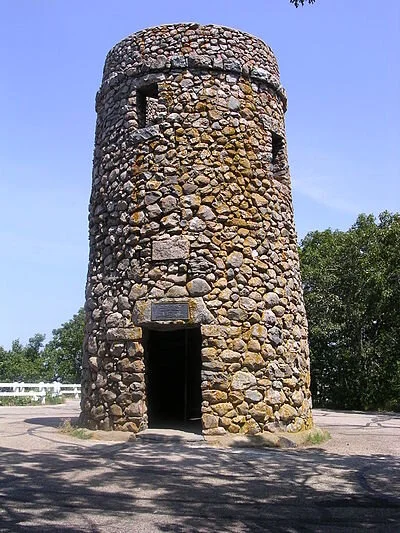
Scargo Tower, in Dennis, sits atop Scargo Hill, one of the tallest (160 feet) and best-known hills on Cape Cod. There have been three Scargo towers on this spot. The first was built in 1874 by the Tobey family, whose roots in the area go back to the 17th Century. A gale destroyed that wooden structure in 1876. Fire destroyed the second tower, known as "Tobey Tower" and also made of wood, in 1900. The present tower was wisely built of cobblestone in 1901 as a memorial to the Tobey family.
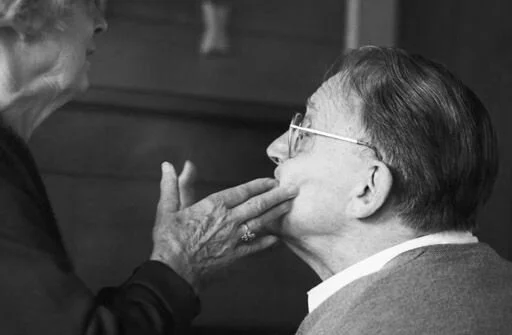
Laugh from the past
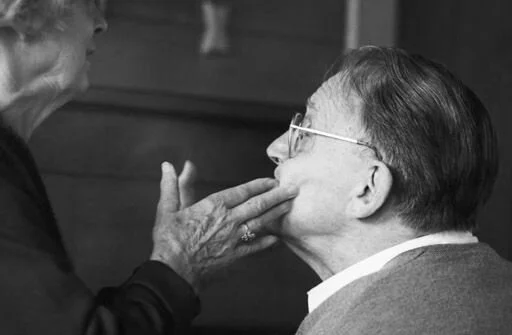
”They have only to look at each other to laugh —
no one knows why, not even they:
something back in the lives they've lived ….’’
— From “The Old Gray Couple,’’ by Archibald MacLeish (1892-1982), poet, playwright, political speechwriter, lawyer and diplomat. He spent much of his life at the old farm he and his wife bought in Conway, Mass., in 1929. Conway is one of western Massachusetts’s “Hill Towns.’’
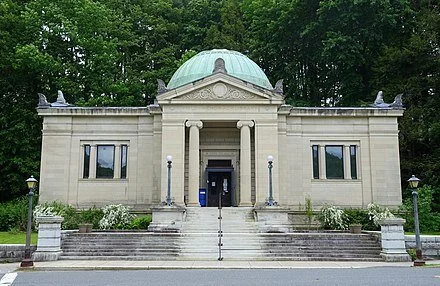
The Field Memorial Library in Conway. Mr. MacLeish was a big supporter of this institution, which is pretty impressive for a town of fewer than 1,900 residents.
'The notion of romance'
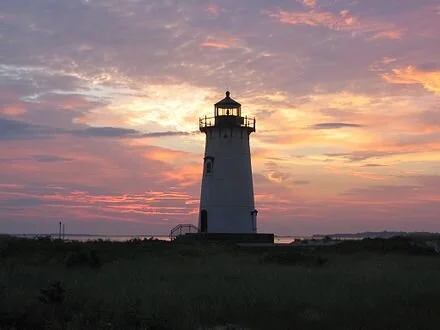
Edgartown Harbor Light.
“Perhaps nowhere else is the notion of romance more firmly embedded than at the Edgartown Light.’’
— Julia Wells, in “History of Vineyard Lighthouses,’’ in the April 7, 2001 Vineyard Gazette.
xxx
The first lighthouse at this site, built in 1828, was a two-story wooden structure that also served as the keeper's house. It was replaced by the current cast-iron tower in 1939. Originally on an artificial island about a quarter mile from shore, the lighthouse is now surrounded by a beach formed formed by sand accumulating around the stone causeway connecting it to the Vineyard mainland.
Edgartown is a rich summer resort town.

Don Pesci: Puritan stink bomb explodes in the Northeast

Harry Clarke’s 1919 illustration for "The Masque of the Red Death"
VERNON, Conn.
Secularists have already stripped Christmas of Christ. Now come the politicians, pleading Coronavirus, to strip the seasons of relatives. Scrooge made the celebration of Christmas difficult but not impossible. The Coronavirus governors have raised his bid to destroy joy. And the governors of New York, New Jersey and Connecticut are leading the pack.
It is not enough that enlightened, “science-based” politics has driven our relations out of state, many of them in pursuit of fleeing businesses. The Coronavirus Governor of Connecticut, Ned Lamont, now threatens to prevent their return during Thanksgiving and Christmas. Travel itself has been interdicted at the borders, and those entering Connecticut from foreign parts – Massachusetts has recently been put on the interdiction list –- are beginning to feel what wretches feel.
It is less of a chore in Connecticut to bust the Mexican border and settle in one of our state’s sanctuary cities than it is for a gas-guzzling citizen of the “Land of Steady Habits” to escape the state’s onerous gasoline taxes by sneaking across Connecticut’s border to buy gas that is not taxed twice, once at the port and once at the pump. Bradley International Airport, voted one of the best airports in the country, is beginning to look like a wasteland. Here is Ned throwing ashes in The Hartford Courant on the joy of Thanksgiving and Christmas:
“….Lamont said he’s concerned college students returning home for the holiday might bring COVID-19 with them.
“’I am really worried about thousands of kids coming back from universities all over the country, places like Wisconsin and Nevada and Utah, where they have a 30 percent infection rate,’ Lamont said in Bridgeport.
“The governor said he’d work with governors in other states on ‘really strict guidance,’ perhaps asking students to quarantine for two weeks before returning to Connecticut, then get tested for COVID-19 when they arrive.
“Lamont said the Department of Public Health would soon issue guidelines for returning students.
“’I don’t want people just getting on that plane, going home, potentially putting their family at risk and their friends at risk,’ Lamont said.”
Really, with a daddy and mommy like Lamont, who needs daddies and mommies?
Thanksgiving, now that we are all toxic, will be less thankful. Halloween has flitted by like a ghost; no children were on the streets; the candy dishes are still full. All Saints Day was muted, church attendance having been clipped by Lamont’s emergency orders.
Facing a tsunami of atheist-tinged secularism G. K. Chesterton once wrote, “The act of defending any of the cardinal virtues has today all the exhilaration of a vice.” On this score, not much has changed over the centuries.
The four cardinal virtues listed by Aristotle are prudence, justice, temperance and fortitude, all of them sadly missing in our politics, which gives us more than enough reason to fortify ourselves with them. A prudent, just and temperate policy on Coronavirus would allow and even facilitate the joys of Christmas, Thanksgiving and All Saints Day,
Long since secularized and bastardized as Halloween.
Columbus Day has passed without further Columbus statues having been beheaded by modern vandals, for which, exercising our First Amendment rights – but not in churches – we may thank God. Restaurants, those lucky few that have not yet gone out of business, are less than half full because they are only three quarters open on orders of the governor in preparation for a second wave Coronavirus panic. Tomorrow, on a gubernatorial whim, the restaurants may be shuttered once again. The arts in Connecticut, all of them, are only virtually alive. Our cities are ghost towns. And though legislators, sequestered far from the state Capitol, have plenty of time on hand, not one of them appears to have had time to read Edgar Allen Poe’s 1842 short story “The Masque of the Red Death’’. In it, precautions are taken by Lord Prospero to keep at bay the Red Death ravaging the countryside outside the walls of his castle: “With such precautions,” Poe writes, “the courtiers might bid defiance to contagion.”
Ha!!!
A Puritan stink bomb has exploded here in the Northeast and left behind the wreckage of joy. Handshakes are out; hugs are out; kisses are fatal; even our daring president-elect, Joe Biden, has lately refrained from smelling women’s hair and pawing uncomfortable strange children. The Puritan Calvinists of pre-Revolutionary Boston must be clapping in their graves, applauding because John and Cotton Mather would rather sink into Hell than dance in their graves or celebrate a Bob Cratchit Christmas.
Don Pesci a Vernon-based columnist.
Mitchell Zimmerman: Republicans are traitors to democracy

From OtherWords.org
Donald Trump’s refusal to accept the judgment of the American people might just seem like denial. But in denying the legitimacy of more than 78 million votes against him as of Friday, Trump and leading Republican politicians are implementing a design more sinister than poor sportsmanship.
Trump and his party have declared war on the fundamental principle of American constitutional democracy: When incumbent lose an election, they leave office. A peaceful transfer of power follows.
Republicans know full well that Biden won. Republican as well as Democratic election officials from across the country confirm there’s no evidence of voter fraud. The election was not stolen.
Nonetheless, Trump and Republican politicians are scheming to persuade tens of millions of Republican faithful that our elections cannot be relied on and that Joe Biden is an illegitimate president.
In doing so, they are undermining the bedrock of American democracy: trust in peaceful elections in a constitutional order. And they demonstrate their animosity to electoral democracy itself.
Trump himself made his views all too clear before the election, when he repeatedly refused to agree he would accept it if he lost. His excuse was that mail-in votes were going to perpetrate a massive fraud. Consistent with that fabrication, he now asserts he won the election.
Voting by mail is allowed under the law of every state in the union, and citizens have voted that way for decades without fraud or other issues. In all their lawsuits, Republicans have presented zero evidence of even remotely significant fraud.
Trump’s insidious rhetoric on the election won’t stop Biden from taking office, but it’s not harmless. For if the election was “stolen,” the hate groups Trump asked to “stand by” could well take it as a signal to move against the new government and its supporters.
Of course, this is not the first time Trump and the GOP have disputed the legitimacy of a Democratic president. When Barack Obama became the first Black president, Trump built his political career trumpeting baseless claims that Obama was born abroad and wasn’t a U.S. citizen.
And it’s not the first time they’ve fomented violence either.
During the 2016 campaign, Trump routinely encouraged violence against peaceful protestors at his rallies.
This summer he defended a supporter who shot and killed two anti-racist protestors in Kenosha, Wisconsin. And he lauded the “passionate” nature of two young men who, citing Trump’s policies, beat a 58-year-old Mexican American man with a metal pole.
Trump retweeted a video in which a supporter says, “The only good Democrat is a dead Democrat.” And when a caravan of Trump supporters, some armed, menaced a Biden bus in Texas, reportedly trying to drive it off the road, Trump expressed his delight.
American democracy is a flawed instrument. Still, imperfect as it is, it’s worth saving — and the majority voted to save it from Trump’s creeping authoritarianism. But the danger is not over, because the party that lost has turned to challenging the foundation of our constitutional democracy.
What could more openly display contempt for democracy than crowds of Trump loyalists, echoing the demand of the great man himself, chanting “stop counting votes!”
Our election has been decided — by the lawful civic engagement of over 150 million Americans, peacefully casting ballots, nearly all of them already counted. A clear, plain majority gave their votes to Joe Biden.
Donald Trump and those who promote his lies and his refusal to yield to the voters are traitors to our Constitution.:
Mitchell Zimmerman is a lawyer, longtime social activist, and author of the thriller Mississippi Reckoning.
Our Gilded Age's 'haves' and 'have nots'

‘‘Grey Workers’,’ from “New Gilded Age: A Theatrical Installation,’’ by B. Lynch, through Feb. 5, in the Iris and B. Gerald Cantor Art Gallery of the College of the Holy Ghost, Worcester.
The gallery explains:
“The fictional world of the ‘Reds’ and the ‘Greys,’ as imagined and constructed by Boston-based artist B. Lynch, is where a cast of characters play out their roles on life's stage as the ‘haves’ and ‘have-nots. ‘New Gilded Age ‘ is an immersive installation including puppets, sets, props, paintings, prints and videos scripted, shot and scored by Lynch. Visit the dedicated exhibition website at newgildedage.holycross.edu’.’
Noises in a summer night
“What rattles in the dark? The blinds at Brewster?
I am a boy then, sleeping by the sea,
Unless that clank and chittering proceed
From a bent fan-blade somewhere in the room….’’
— From “In Limbo,’’ by Richard Wilbur (1921-2017), New England-based poet, literary translator and teacher. He served as U.S. poet laureate. The “Brewster’’ here is the town on the Cape Cod Bay side of the peninsula. It’s best known now as a summer-home center.
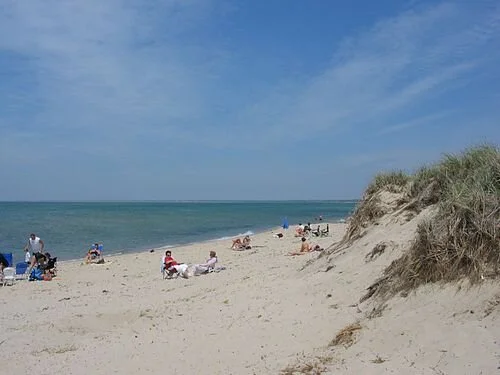
Linnell Landing Beach, in Brewster.
Brewster was named for Elder William Brewster, the first religious leader of the Pilgrims at Plymouth Colony. The town grew around Stony Brook, where the first water-powered grist and woolen mill in the country was founded in the late 17th Century — an early sign of New Englanders’ world-famous inventiveness. Rich sea captains built many of the town’s stately homes, some of which are now inns and bed-and-breakfasts. The most notable of these are the Brewster Historical Society’s Captain Elijah Cobb House, on Lower Road, the Crosby Mansion, on Crosby Lane by Crosby Beach, and the Captain Freeman Inn on Breakwater Road.

Stony Brook mill.
‘Muscles must be used’
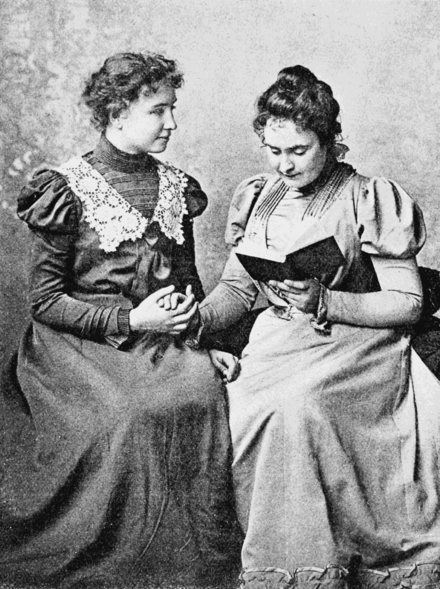
Helen Keller (left) in 1899 with companion and teacher Anne Sullivan. Photo taken by telephone inventor Alexander Graham Bell at his School of Vocal Physiology and Mechanics of Speech, in Boston.
“All the wondrous physical, intellectual and moral endowments, with which man is blessed, will, by inevitable law, become useless, unless he uses and improves them. The muscles must be used, or they become unserviceable. The memory, understanding and judgment must be used, or they become feeble and inactive. If a love for truth and beauty and goodness is not cultivated, the mind loses the strength which comes from truth, the refinement which comes from beauty, and the happiness which comes from goodness.’’
— Anne Sullivan (1866-1936), teacher and lecturer, in her 1886 commencement address at the Perkins School for the Blind. Founded in 1829 and now in Watertown, Mass., it’s the oldest school of its kind in the United States. Ms. Sullivan, who was mostly blind, is most famous as the teacher of Helen Keller (1880-1968), the blind and deaf author, lecturer and political activist who was a household name in America for much of her adult life. The relationship between the two women was memorialized in the play and movie The Miracle Worker.

Too bad that the students can’t see it: The Howe Building Tower at the Perkins School for the Blind's campus, in Watertown, Mass.
Mark Kreidler: How Harvard and Stanford B-schools have battled COVID-19

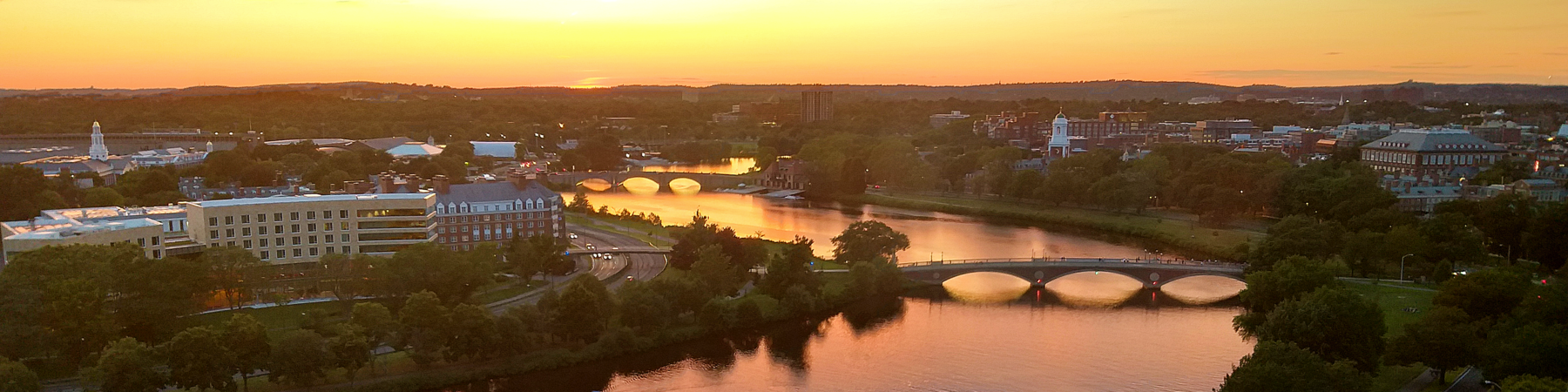
Harvard Business School is to the left, on the south side of the Charles River. Across the river, in Cambridge, is the university’s main campus.
At the Stanford University Graduate School of Business, near San Francisco, the stories got weird almost immediately upon students’ return for the fall semester. Some said they were being followed around campus by people wearing green vests telling them where they could and could not be, go, stop, chat or conduct even a socially distanced gathering. Others said they were threatened with the loss of their campus housing if they didn’t follow the rules.
“They were breaking up picnics. They were breaking up yoga groups,” said one graduate student, who asked not to be identified so as to avoid social media blowback. “Sometimes they’d ask you whether you actually lived in the dorm you were about to go into.”
Across the country, in Boston, students at the Harvard Business School gathered for the new semester after being gently advised by the school’s top administrators, via email, that they were part of “a delicate experiment.” The students were given the ground rules for the term, then received updates every few days about how things were going. And that, basically, was that.
In the time of COVID-19, it’s fair to say that no two institutions have come to quite the same conclusions about how to proceed safely. But as Harvard’s and Stanford’s elite MBA-granting programs have proved, those paths can diverge radically, even as they may eventually lead toward the same place.
For months, college and university administrators nationwide have huddled with their own medical experts and with local and county health authorities, trying to determine how best to operate in the midst of the novel coronavirus. Could classes be offered in person? Would students be allowed to live on campus — and, if so, how many? Could they hang out together?
“The complexity of the task and the enormity of the task really can’t be overstated,” said Dr. Sarah Van Orman, head of student health services at the University of Southern California and a past president of the American College Health Association. “Our first concern is making sure our campuses are safe and that we can maintain the health of our students, and each institution goes through that analysis to determine what it can deliver.”
With a campus spread over more than 8,000 acres on the San Francisco Peninsula, Stanford might have seemed like a great candidate to host large numbers of students in the fall. But after sounding hopeful tones earlier in the summer, university officials reversed course as the pandemic worsened, discussing several possibilities before finally deciding to limit on-campus residential status to graduate students and certain undergrads with special circumstances.
The Graduate School of Business sits in the middle of that vast and now mostly deserted campus, so the thought was that Stanford’s MBA hopefuls would have all the physical distance they needed to stay safe. Almost from the students’ arrival in late August, though, Stanford’s approach was wracked by missteps, policy reversals and general confusion over what the COVID rules were and how they were to be applied.
Stanford’s business grad students were asked to sign a campus compact that specified strict safety measures for residents. Students at Harvard Business School signed a similar agreement. In both cases, state and local regulations weighed heavily, especially in limiting the size of gatherings. But Harvard’s compact emerged fully formed and relied largely on the trustworthiness of its students. The process at Stanford was unexpectedly torturous, with serial adjustments and enforcers who sometimes went above and beyond the stated restrictions.
Graduate students there, mobilized by their frustration over not being consulted when the policy was conceived, urged colleagues not to sign the compact even though they wouldn’t be allowed to enroll in classes, receive pay for teaching or live in campus housing until they did. Among their objections: Stanford’s original policy had no clear appeals process, and it did not guarantee amnesty from COVID violation punishments to those who reported a sexual assault “at a party/gathering of multiple individuals” if the gathering broke COVID protocols.
Under heavy pressure, university administrators ultimately altered course, solicited input from the grad student population and produced a revised compact addressing the students’ concerns in early September, including the amnesty they sought for reporting sexual assault. But the Stanford business students were already unsettled by the manners of enforcement, including the specter of vest-wearing staffers roaming campus.
According to the Stanford Daily, nine graduate students were approached in late August by armed campus police officers who said they’d received a call about the group’s outdoor picnic and who — according to the students — threatened eviction from campus housing as an ultimate penalty for flouting safety rules. “For international students, [losing] housing is really threatening,” one of the students told the newspaper.
The people in the vests were Event Services staff working as “Safety Ambassadors,” Stanford spokesperson E.J. Miranda wrote in an email. The staffers were not on campus to enforce the compact, but rather were “emphasizing educational and restorative interventions,” he said. Still, when the university announced the division of its campus into five zones in September, it told students in a health alert email that the program “will be enforced by civilian Stanford representatives” — the safety ambassadors.
The Harvard Business School’s approach was certainly different in style. In July, an email from top administrators reaffirmed the school’s commitment to students living on campus and taking business classes in person in a hybrid learning model. As for COVID protocols, the officials adopted “a parental tone,” as the graduate business education site Poets & Quants put it. “All eyes are on us,” the administrators wrote in an August email.
But the guts of the school’s instructions were similar to those at Stanford. Both Harvard and Stanford severely restricted who could be on campus at any given time, limiting access to students, staff members and preapproved visitors. Both required that anyone living on campus report their health daily through an online portal, checking for any symptoms that could be caused by COVID-19. Both required face coverings when outside on campus — even, a Harvard missive said, in situations “when physical distancing from others can be maintained.”
So far, both Harvard and Stanford have posted low positive test rates overall, and the business schools are part of those reporting totals, with no significant outbreaks reported. Despite their distinct delivery methods, the schools ultimately relied on science to guide their COVID-related decisions.
“I feel like we’ve been treated as adults who know how to stay safe,” said a Harvard second-year MBA candidate who requested anonymity. “It’s worked — at least here.”
But as the experiences at the two campuses show, policies are being written and enforced on the fly, in the midst of a pandemic that has brought challenge after challenge. While the gentler approach at Harvard Business School largely worked, it did so within a larger framework of the health regulations put forth by local and county officials. As skyrocketing COVID-19 rates across the nation suggest, merely writing recommendations does little to slow the spread of disease.
Universities have struggled to strike a balance between the desire to deliver a meaningful college experience and the discipline needed to keep the campus caseload low in hopes of further reopening in 2021. In Stanford’s case, that struggle led to overreach and grad-student blowback that Harvard was able to avoid.
The fall term has seen colleges across the country cycling through a series of fits and stops. Some schools welcomed students for in-person classes but quickly reverted to distance learning only. And large campuses, with little ability to maintain the kind of control of a grad school, have been hit tremendously hard. Major outbreaks have been recorded at Clemson, Arizona State, Wisconsin, Penn State, Texas Tech — locations all over the map that opened their doors with more students and less stringent guidelines.
In May, as campuses mostly shut down to consider their future plans, USC’s Van Orman expressed hope that universities’ past experiences with international students and global outbreaks, such as SARS, would put them in a position to better plan for COVID-19. “In many ways, we’re one of the best-prepared sectors for this test,” she said.
Six months later, colleges are still being tested.
Mark Kreidler is a Kaiser Health News reporter.
Fatal sip

Have some rum grog. Very fitting for the holidays.
Had I not tasted rum
I'd be content with juice,
But alcohol has newly made
My former tastes vamoose.
— Felicia Nimue Ackerman
This poem first appeared in The Emily Dickinson International Society Bulletin and is reprinted with permission.
xxx
New England became British Colonial America’s distilling center for rum. The liquor is made from molasses, mostly from Caribbean slave-worked sugar plantations. New England’s rum leadership in the 17th and 18th centuries was due to its metalworking and cooperage skills and abundant lumber and its ports and other maritime shipping strengths.
Most New England rum was was lighter than others and more like whiskey. Much of the rum was exported, though New Englanders bought and drank a lot of it themselves. (They also drank a lot of ale and beer; drinking water could be dangerous.) But distillers in Newport also made an extra strong rum specifically to be used as slave-trade currency, and rum was even an accepted currency in Europe for a time.
New England’s role in the rum business was one reason that southern New England merchants got heavily into the slave trade. Africans, of course, were kidnapped and taken by the millions to the Western Hemisphere, mostly to work on the plantations.

The infamous “Triangular Trade.’’ “Sugar’’ means molasses.

British Royal Women’s Naval Service (“Wrens”) members serving rum to a sailor from a tub inscribed "The King God Bless Him" during World War II.
R.I.'s long and problematic name
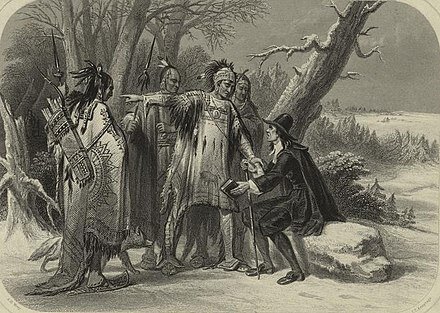
Rhode Island founder Roger Williams with members of the Narragansett tribe circa 1636.
Adapted from Robert Whitcomb’s “Digital Diary,’’ in GoLocal24.com
I always thought that Rhode Island’s official name was charming – “State of Rhode Island and Providence Plantations,’’ with “Plantations” simply referring to the colonial settlements on land that the English were enthusiastically stealing from those Native Americans who had survived diseases brought by Europeans to the New England coast starting at least as early as the beginning of the 17th Century.
But these are very sensitive times and “Plantations” is evoked to mean agricultural land (especially for cotton, tobacco and sugar) worked by slaves. Of course we should never forget that much of the American slave trade was run out of Rhode Island.
Okay. The people have spoken. Still, I’ll still miss the old line about “the smallest state and the longest name.’’ And I wonder how much it will cost to change all the state’s stationery, etc.
Gray flowers for a gray time
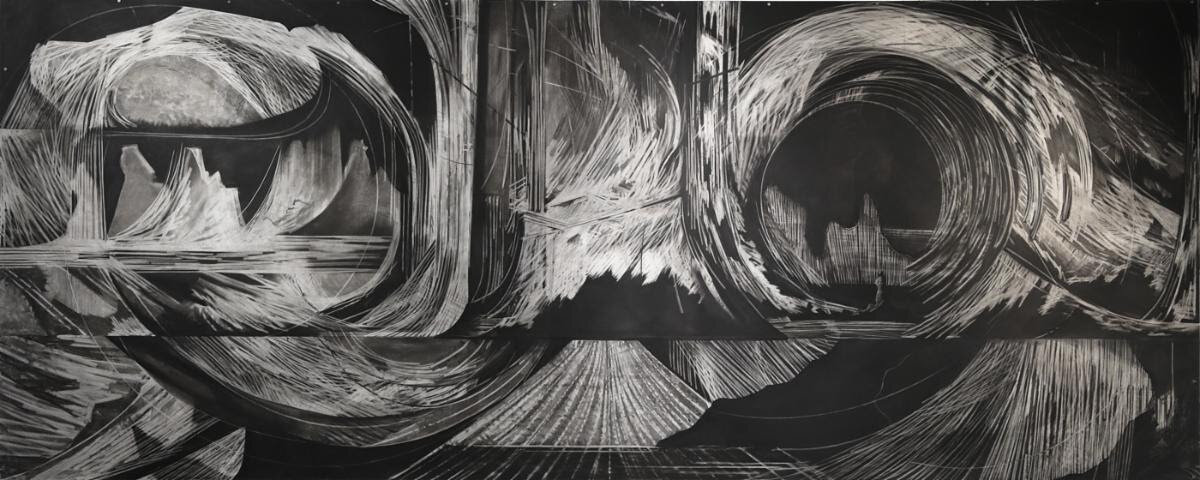
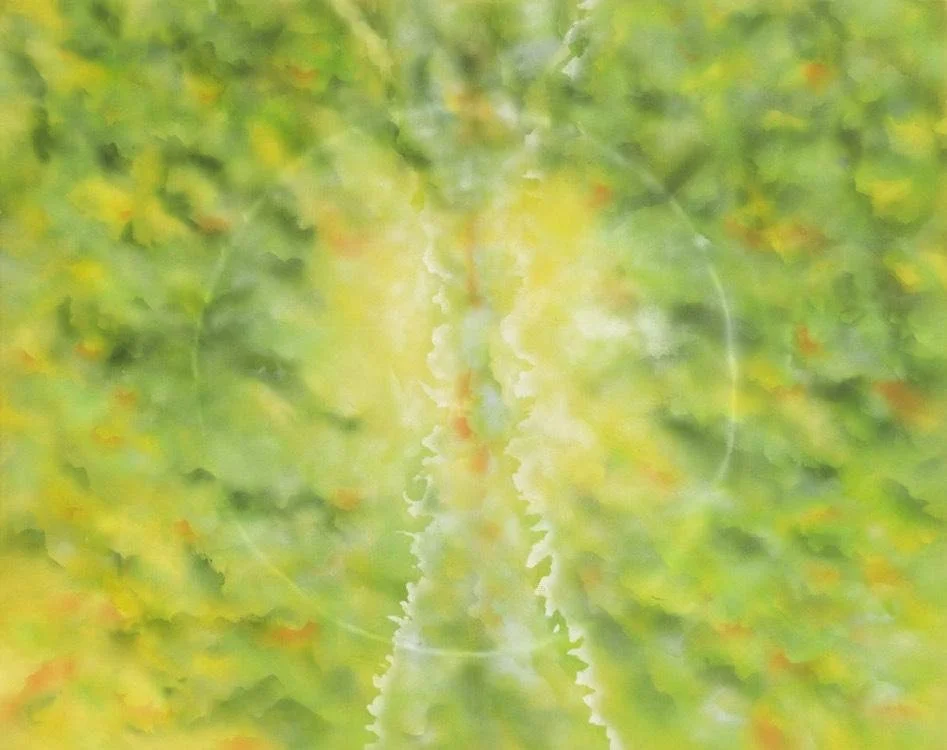
“Every Flower Touched” (handmade charcoal, commercial charcoal and wood ash on Fabriano), by Beatrice Modisett, at Montserrat College of Art, Beverly, Mass.
Montserrat says she uses “physical processes like working with charcoal to explore geology and erosion, along with the systems that humans create to navigate, control and contain the landscape around them.’’
Beverly, on the North Shore, is an unusual mix of Boston suburb, some of it rich and some of it middle class, summer resort and former major manufacturing center.
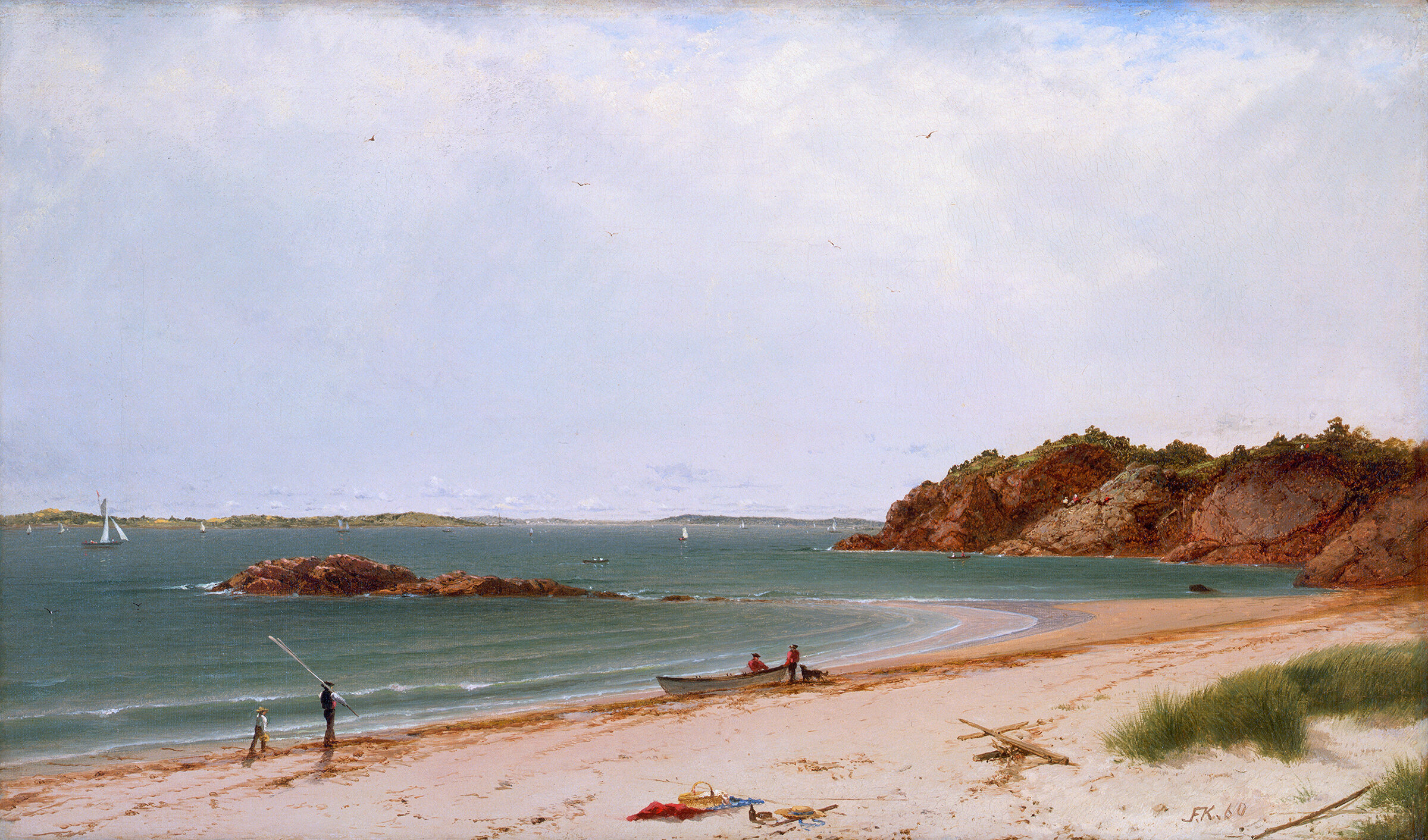
“View of the Beach at Beverly, Massachusetts, 1860,’’ John Frederick Kensett
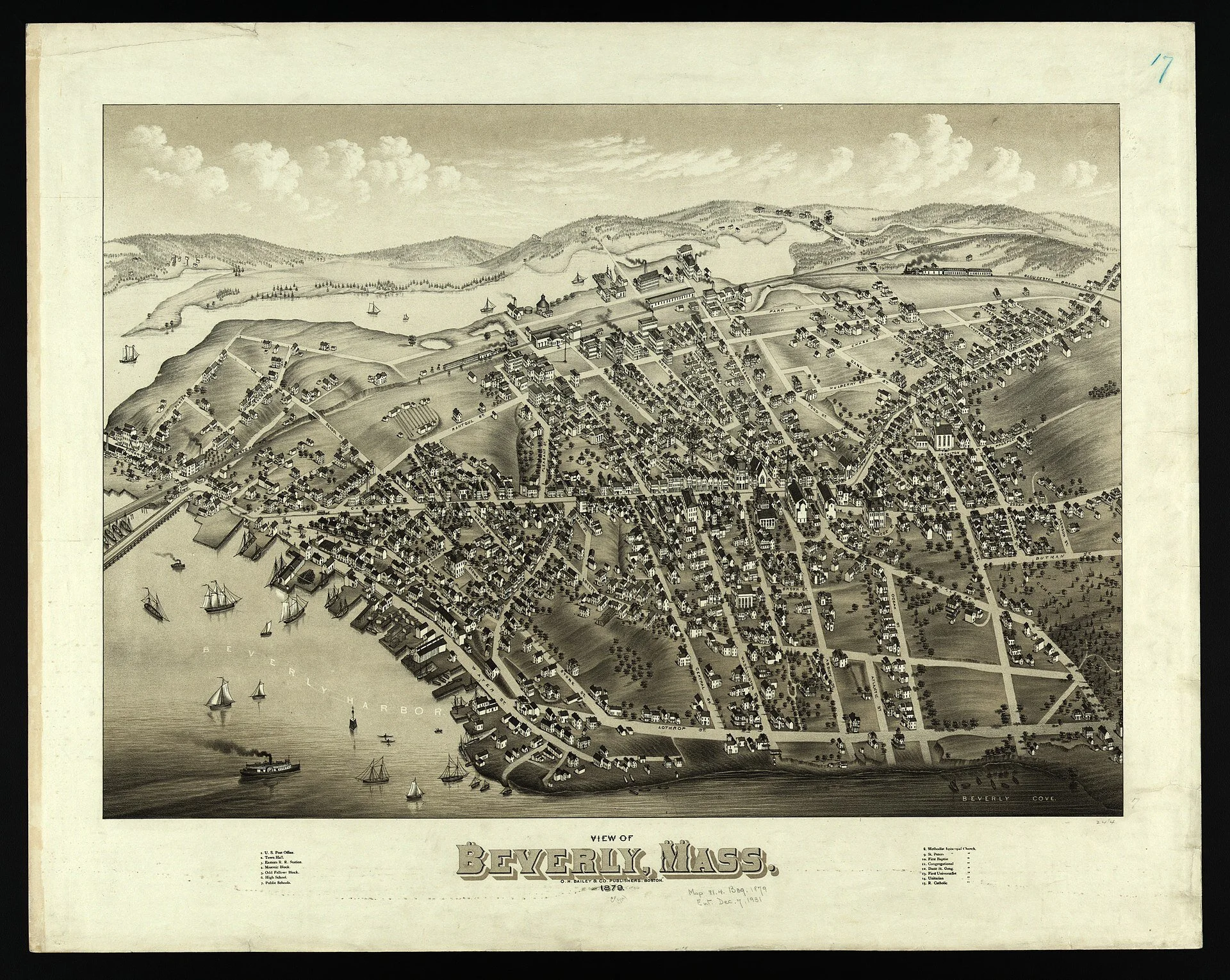
1879 map of the sites of Beverly.

Vintage postcard of the long-gone United Shoe Machinery Corp’s flagship factory in Beverly, since repurposed.
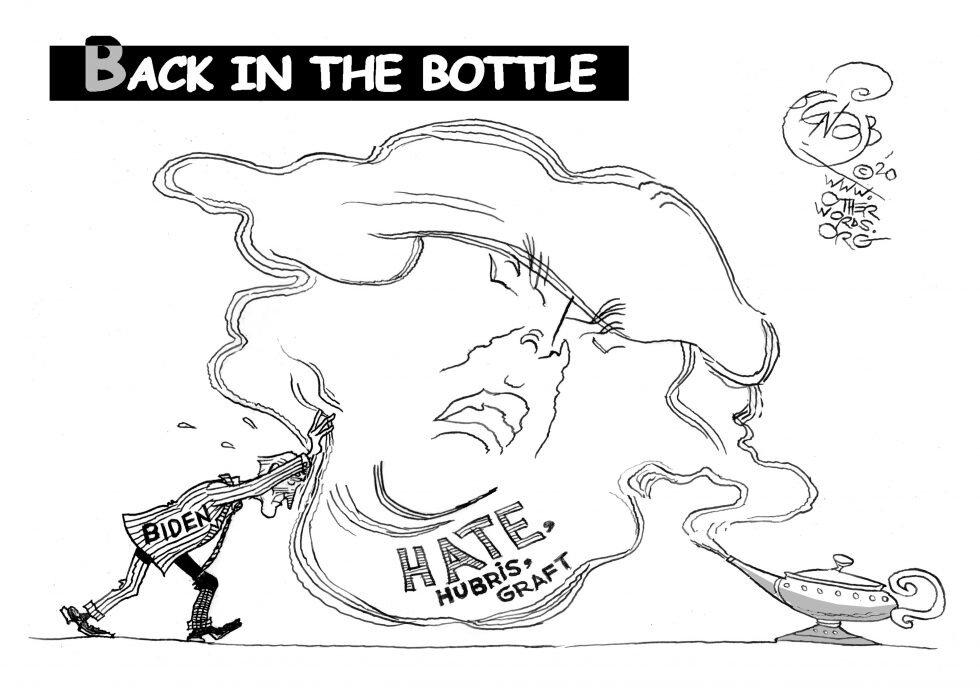
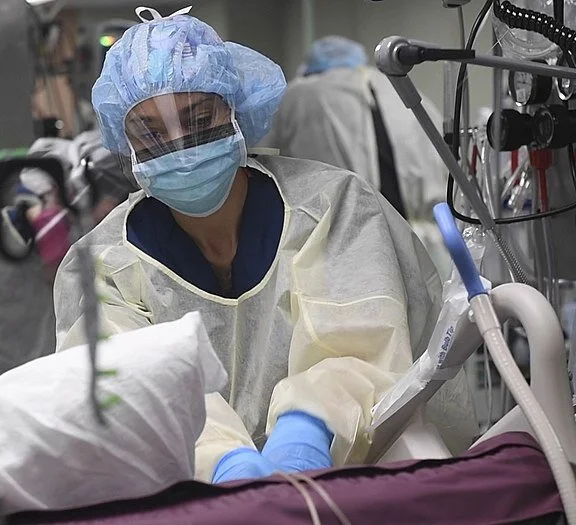
Llewellyn King: Horrific holiday season; Pfizer vaccine developed in Germany, not U.S.
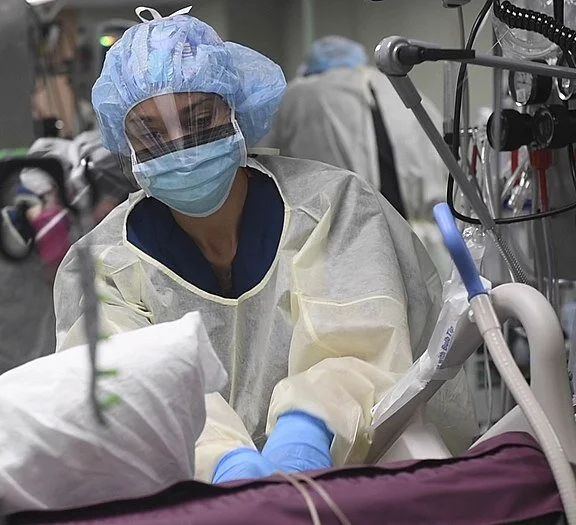
Nurse dealing with COVID-19 patient.
WEST WARWICK, R.I.
It is coming to us as a diabolical enemy: malign, merciless and murderous.
The second wave of COVID-19 will be killing us today, tomorrow, and on and on until a vaccine is administered not just to the willing recipients, but to the whole population. That could take years.
We haven’t been through anything like this since the 1918-1919 influenza pandemic. Not only is COVID-19 set to kill many more of us than it already has, but it also is likely to have huge collateral damage.
Think restaurants: 60 percent of the individually owned ones are set to fail. Think real estate: The damage is so far too great and expanding too fast to calculate -- all those office buildings sitting empty, all those shopping centers being vacated. The real estate crisis is beginning, just beginning, to be felt by the banks. Think education: A year has been lost in education.
Our cultural institutions, from small sports teams to all the performing arts, are on death watch. How long can you hold a theater production company together? How do you save those very fragile temples of high culture, including ballet, opera and symphony music? What of the buildings that house them?
Now looming are the malevolent threats to Thanksgiving and Christmas. These festivals, so cherished, so looked forward to, such milestones of every year and our lives, are set to kill many of us, gathered in love and joy.
Families will assemble in happiness, but that diabolical guest COVID-19 will be taking its monstrous, lethal place at our tables -- at the very events that in normal times bind us together. Death will share our feasts.
These are words of alarm, and they are meant to be.
Nearly a quarter of a million of us have died, choked to death by the virus. Projected deaths are 110,000 more by New Year. Yet our leaders have spurned the modest defenses available to us: face masks and isolation. There is little usefulness in assigning blame, but there is blame, and it points upward.
But there is localized blame, too. Blame for what I see on the streets, where young people stroll without protecting themselves and others from the deadly virus. Blame for what I see at the shops, where customers gain entry without the modest consideration of wearing a face mask for a few minutes.
There is blame for pastors who have insisted on holding services that have spread COVID-19 to their parishioners. And there is blame for those who have rallied or taken to street demonstrations. The virus has no political affiliation, but politics has befriended it in awful ways.
The mother lode of blame must be put upon that increasingly bizarre figure Donald J. Trump, president of the United States, elected to lead and defend us.
Trump couldn’t have vanquished the pandemic, but he could have limited its spread. He could have guided the people, set an example, told the truth, unleashed consideration not invective.
He could have done his job.
When we needed information, we got lies; when we needed guidance, we were encouraged to take risks by myth and bad example. A high number of his own staff has been felled.
On Jan. 20, 2021, President-elect Joe Biden will step into this gigantic crisis. Even if the first doses of a vaccine are being administered, the crisis will still be in full flame, taking lives, destroying businesses, subtracting jobs, and changing the trajectory of the future.
There will be good, but it will take time to arrive. It will be in innovation in everything, from more medical research to start-ups and lessons learned about survival in crisis.
It will impact immigration. Only the willfully unobservant won’t note that a preponderance of the health authorities featured nightly on television weren’t born here, and their talent is a bonus for the country.
It should be noted that Pfizer’s landmark COVID-19 vaccine wasn’t developed in that U.S. pharmaceutical behemoth, but by a husband-and-wife team in a small company in Germany. Both are children of Turkish immigrants to that country.
In all countries, immigrants have had the adventurous spirit that is the soul of creativity. Let them in.
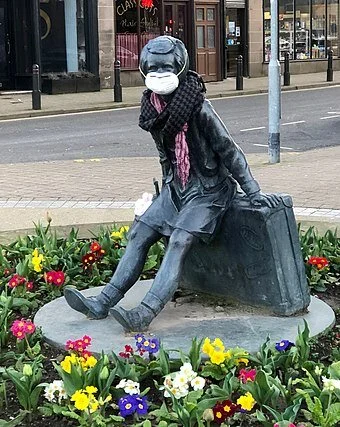
The "Wee Annie" statue, in Gourock, Scotland, has a face mask during the pandemic.
Llewellyn King is executive producer and host of White House Chronicle, on PBS. His email is llewellynking1@gmail.com and he’s based in Rhode Island and Washington, D.C.
Web site: whchronicle.com


Pre-turbine wind power

“Brig ‘Cadet’ in Gloucester Harbor,’’ late 1840s (oil on canvas), by Fitz Henry Lane (1804-1865), Cape Ann Museum, Gloucester. (Gift of Isabel Babson Lane).
Why Maine’s politically amoral Sen. Collins won
Seal of Sen. Susan Collins’s Trumpian heartland, Aroostook County, land of potatoes and moose.

Children gathering potatoes on a large farm in Aroostook County, 1940. Schools did not open until the potatoes were harvested.
— Photo by Jack Delano.
From Robert Whitcomb’s “Digital Diary,’’ in GoLocal24.com
Perhaps the most-watched political event in New England in this political cycle was Maine Republican Sen. Susan Collins’s re-election victory over Maine House Speaker Sarah Gideon, a Democrat, which didn’t surprise me. Senator Collins, a cynic with very plastic principles, or perhaps none at all (recalling her deeply immoral Senate leader, Mitch McConnell, for whom money and power are all), won because she has provided very good constituent services and had deep support in the Trumpian northern part of the state, especially Aroostook County, where she’s from.
Her victory will help ensure that a President Biden will have a tough time getting his judicial and other nominees confirmed and make it more difficult for New England, as a region, if not Maine, to get its fair share of federal programs.
In a broken world

“Fusion of Work and Dream No. 1’’ (mixed media) by Barb Cone, in her show “The Fusion of Work and Dream (construction of broken things),’’ at Bromfield Gallery, Boston, through Nov. 1.