
Vox clamantis in deserto

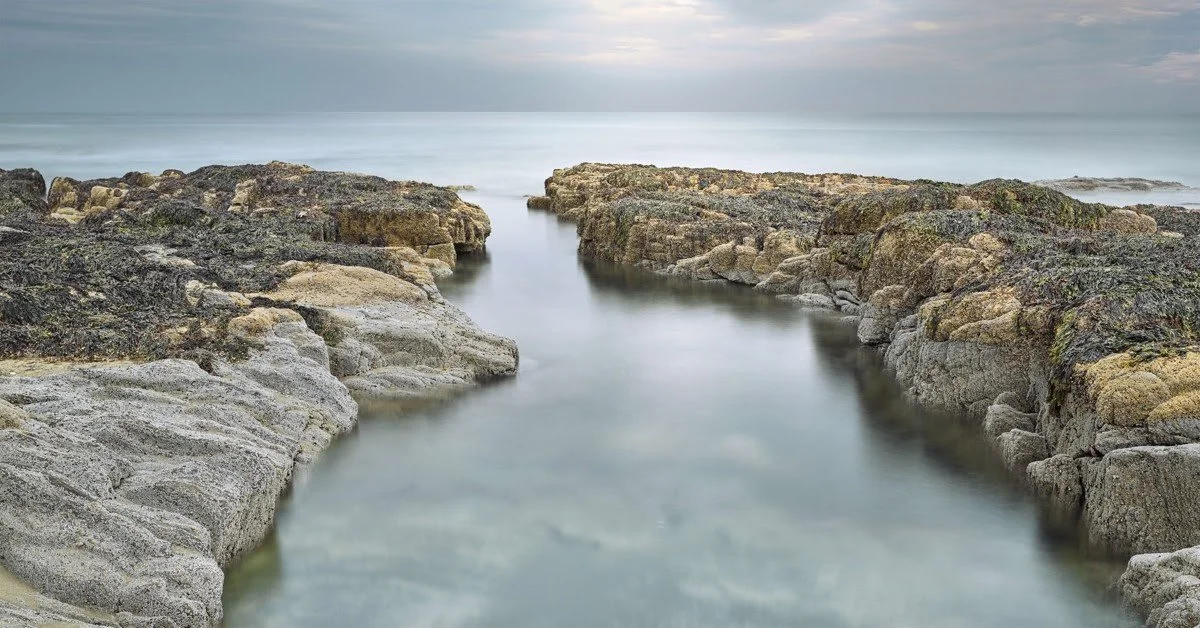



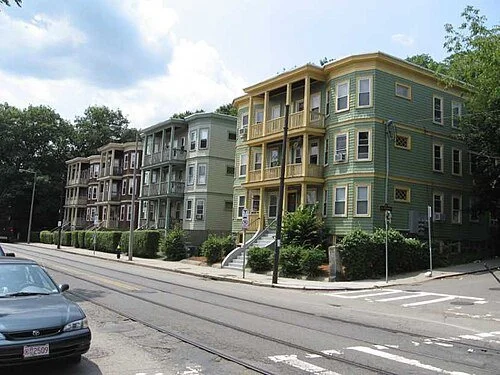
Asking Siri
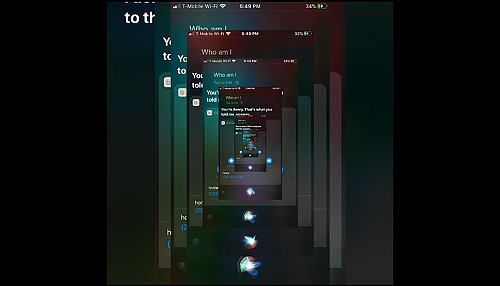
Screen shot from video “Hey Siri, I’m Alone,’’ by Avery Forbes, at the Hampden Gallery of the University of Massachusetts at Amherst; the gallery remains closed for in-person viewing because of the pandemic.
In this short video, Ms. Forbes calls on Siri to talk about loneliness and related questions in a series of conversations. More and more screens appear as the conversations multiply, until connectivity problems close down Siri and the artist and the viewers are left without closure.
'Bloodless absolutes'
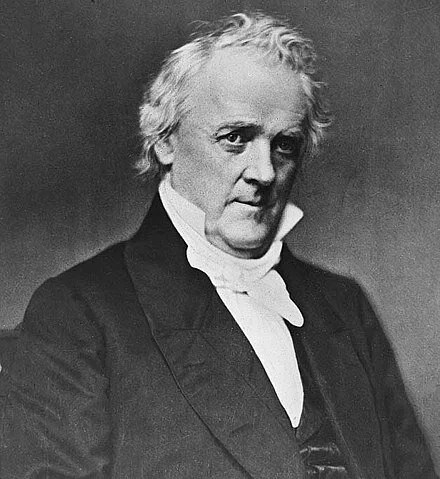
James Buchanan (1791-1868)
“There is no pleasing New Englanders, my dear, their soil is all rocks and their hearts are bloodless absolutes.’’
— From the 1974 John Updike play {James} Buchanan Dying, about the U.S. president who preceded Abraham Lincoln in office
Disease threatens beech trees

North American beech tree in the fall
From ecoRI News (ecori.org)
The Rhode Island Department of Environmental Management (DEM) is asking residents to monitor beech trees for signs of leaf damage from beech leaf disease (BLD). Early symptoms include dark striping on a tree’s leaves parallel to the leaf veins and are best seen by looking upward into a backlit canopy.
The dark striping is caused by thickening of the leaf. Lighter, chlorotic striping may also occur. Both fully mature and young, emerging leaves show symptoms. Eventually, the affected foliage withers, dries, and yellows. Drastic leaf loss occurs for heavily symptomatic leaves during the growing season and may appear as early as June, while asymptomatic and mildly symptomatic leaves show no or minimal leaf loss. Bud and leaf production also are impacted.
BLD was detected in the Ashaway area of Hopkinton and in coastal Massachusetts this year, according to DEM. Before these findings, the disease was only known to be in Ohio, Pennsylvania, New York, and Connecticut. The disease is caused by a kind of nematode, microscopic worms that are the most numerically abundant animals on the planet.
While there are good species of nematodes, the BLD nematodes cause leaf damage that leads to tree decline and death. At this time, they are known to only affect American, European, and Oriental beech species. Currently, there is no defined treatment, as nematodes are difficult to control in the forest environment. Research is underway to identify possible treatments for landscape trees.
All ages and size of beech are affected, although the rate of decline can vary based on tree size. In larger trees, disease progression is slower, beginning in the lower branches of the tree and moving upward. The disease also appears to spread faster between beech trees that are growing in clone clusters, as it can spread through their connected root systems. Most mortality occurs in saplings within two to five years. Where established, BLD mortality of sapling-sized trees can reach more than 90 percent, according to DEM.
The state agency encourages homeowners and forest landowners to monitor their beech trees and report any suspected cases of BLD to DEM’s Invasive Species Sighting Report.
Colder, bluer and safer
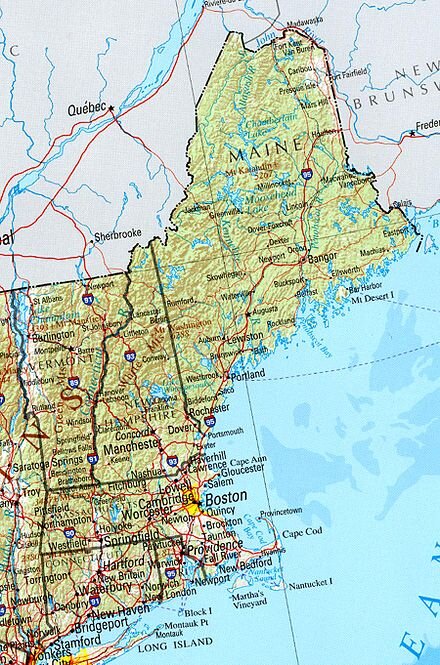
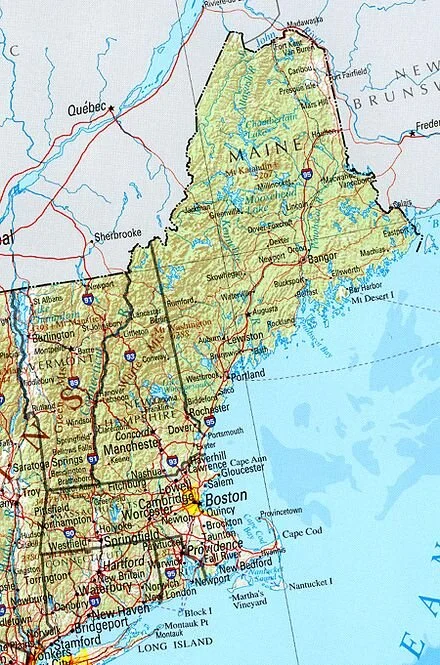
All six New England states are in WalletHub’s top 10 safest states.
From Robert Whitcomb’s “Digital Diary,’’ on GoLocal2.com
Another study indicates that Blue States are generally much better places to live than Sunbelt Red States (unless you really hate winter). Consider WalletHub’s most recent ranking of the 10 safest and 10 least safe states in America as measured by 53 indicators. The 10 safest, in order of safety, are: Maine, Vermont, Minnesota, Utah (Red State but with all those civic-minded, charitable and clean-living Mormons), Wyoming (Red State with very low population density), Iowa (Purple State), Massachusetts, New Hampshire, Connecticut and Rhode Island.
The 10 most dangerous , from worst to less worse: Mississippi, Louisiana, Florida (Purple State) Arkansas, Texas, Oklahoma, Missouri, Alabama, Georgia and South Carolina.
The most dangerous states have high poverty levels, generally poor public education and very loose guns laws. But the political leaders of these states have tended to be adept at using social issues, including racial tensions, gun rights and abortion, to distract much of the population from policies that hurt them.
This reminds me that in 2004, historian and journalist Tom Frank published an entertaining book called What’s the Matter With Kansas about the art of getting people to vote against their own economic self-interest through promotion of “populist,’’ “anti-elitist’’ conservatism. This has served to benefit the real American “elite’’: the plutocracy, such as the Kochs, whose leaders are adept at suckering Americans to give the plutos big tax cuts and environmental and other deregulation. Unfortunately, few suckers read the book: They were too busy watching Fox “News’’ or listening to Limbaugh.
To read the WalletHub story, please hit this link.
Drive-by whimsy on the Cape

Section of the “Garden Grove’’ installation by Alfred Glover, at the Cahoon Museum of American Art, in Cotuit, Mass. (on Cape Cod), through the end of the year.
The museum, which is still closed for in-person tours because of COVID-19,
explains that “Garden Grove,’’ part of the museum’s Streetside series, is a drive-by exhibition visible from the street along Route 28. It consists of “whimsical tree sculptures made of metal and wood, marked by giant ginkgo and philodendron leaves, beautiful flowers and strange yet endearing animals like nesting birds and spotted dogs.’’
Keolis gets 4-year extension to run MBTA commuter rail
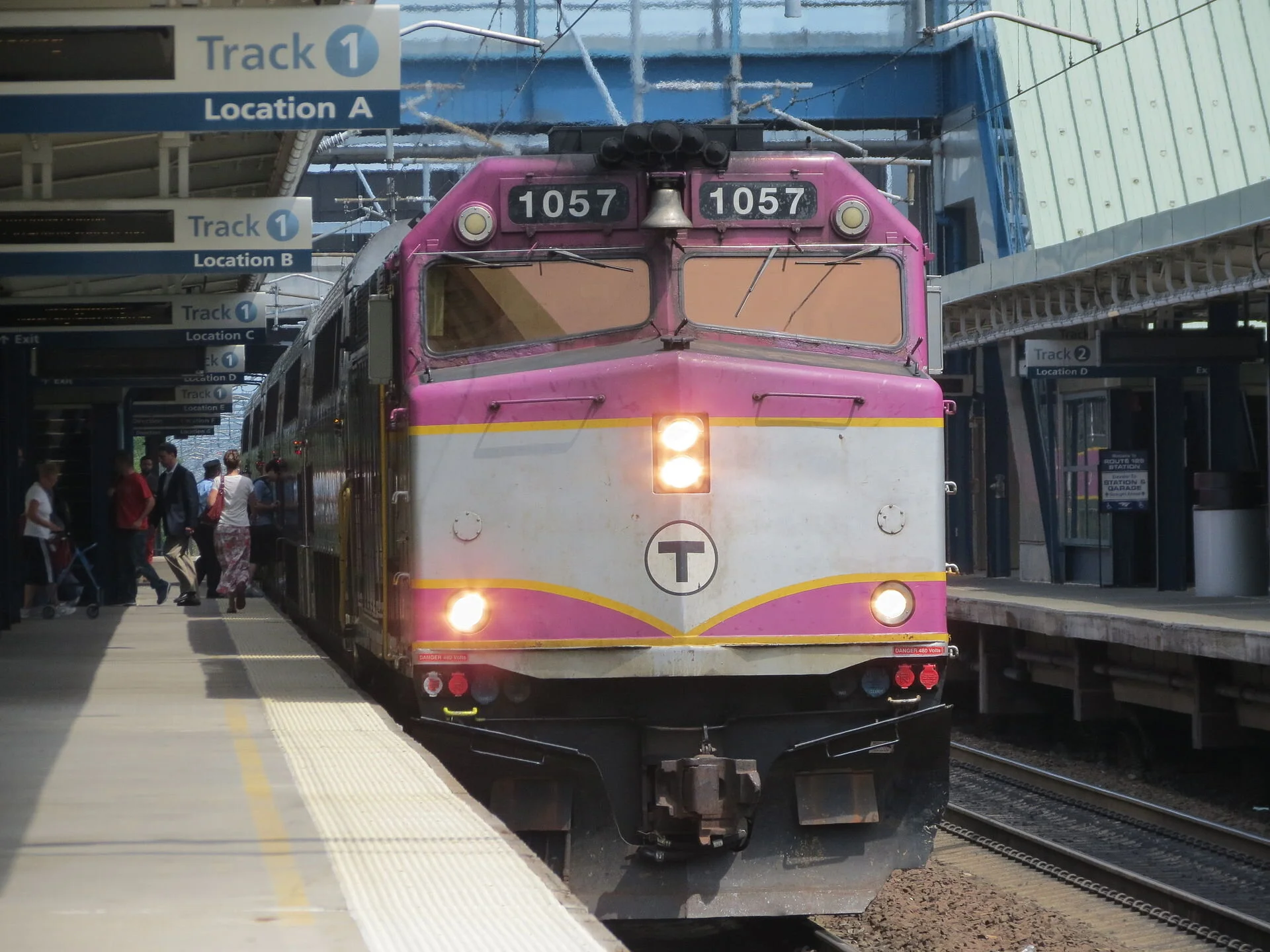
MBTA F40 locomotive idling on Track 1 at Route 128 station, in Westwood, Mass.
—Photo by MBTafan2011
From The New England Council (newenglandcouncil.com)
“In mid-June, New England Council Member Keolis Commuter Services secured a four-year extension of its contract to operate the MBTA’s Commuter Rail service. This contract aims to provide cost certainty and create incentives for improving commuter rail service for the MBTA.
“As the MBTA’s Commuter Rail operating partner, Keolis has provided all mechanical, transportation, and engineering services since 2014. Keolis has since added 10,000 more trains per year, piloted a new weekend train service, and implemented various customer improvements. Keolis has also updated and expanded safety protocols, as well as provided more resources for the MBTA Safety Department. Under the new four-year extension, Keolis seeks to invest in the MBTA’s infrastructure, address fare-evasion and non-collection issues, and provide incentives for immediate improvements in Commuter Rail service through performance payments.
“Keolis CEO and General Manager David Scorey said, “This extension balances taxpayer and passenger needs as it keeps costs low while also enhancing the passenger experience, including a focus on providing more capacity, further increasing on-time performance and accelerating capital delivery. On behalf of our Keolis Boston team, we look forward to continuing our collaborative work with the MBTA and building upon the successful initiatives we’ve delivered together for the Commonwealth and our Commuter Rail passengers.”
Read more in the MBTA’s press release or in The Boston Globe.
New England a biotech power against COVID-19
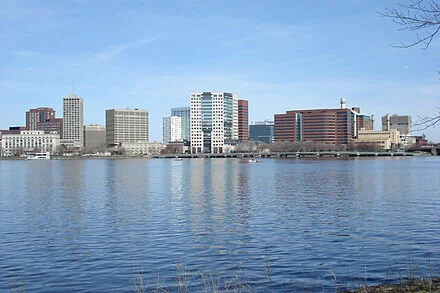
Kendall Square in Cambridge, as seen from across the Charles River in Boston. It’s the epicenter of the New England biotech sector.
From Robert Whitcomb’s “Digital Diary,’’ in GoLocal24.com
The economy may or may not recover soon from the pandemic, but in any case New England’s role as a world center for health-related science will probably continue to grow. Indeed, the search for a vaccine for COVID-19 and new treatments for that and other illnesses, old and new, will tend to accelerate this growth. It’s a bit macabre to say so, but New England’s economy could benefit from COVID-19. Researchers in the region are hard at work trying to develop vaccines and treatments against the disease.
That’s not to minimize the damage done to other important regional sectors, especially higher education, and of course the region’s universities do a great deal of life-sciences research. It’s complicated.
Just look at the plan by life-sciences company IQHQ to buy the 26-acre headquarters and campus of GCP Applied Technologies, in North Cambridge, Mass., for $125 million. GCP makes chemicals and construction materials.
The Boston Globe reports that the “once light-industrial area is rapidly transforming into a hub for labs and housing. It’s one of several areas around the region that are drawing tech and life science companies looking for cheaper or roomier alternatives to {Cambridge’s} Kendall Square.’’
To read The Globe’s story, please hit this link.
This is, of course, the sort of business that Rhode Island is trying to get, especially for the land freed up in downtown Providence by the moving of Route 195.
Elizabeth Markovits/Amber Douglas: Pandemic innovation at Mount Holyoke College

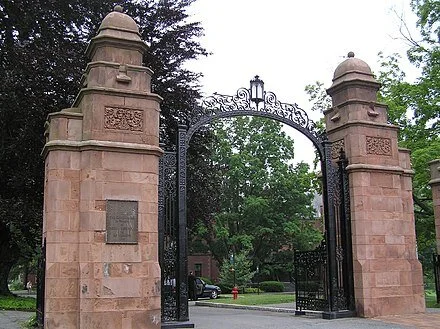
The main gate of Mount Holyoke College, in the college-rich Connecticut River Valley.
From The New England Board of Higher Education, a service of The New England Board of Higher Education (nebhe.org)
Students choose small liberal arts colleges for the learning that unfolds when they are deeply immersed in intellectual collaboration with faculty and with one another. The photos that festoon our promotional materials aren’t mere marketing—we spend a lot of time with one another in close quarters. Faculty and staff are truly invested in student success, working creatively to develop exceptional experiences for our students.
Students themselves collaborate deeply both inside and outside classroom environments, facilitated by a high-density, residential campus. We do this work with the goal of helping the next generation develop the critical thinking and communication skills they need to excel for the rest of their lives—skills that seem more important with each passing day.
So how is that model going to work now when the name of the game is social distancing?
While at times, the challenge of delivering the educational experience for which we are known has seemed insurmountable, on our campus, a practical, flexible new model has begun to emerge—one built around a clear understanding of exactly who our students are, the issues they’ll face this fall, and the near certainty that the college will need to meet a wide range of different learning contexts. We call it flexible immersive teaching—FIT.
Like other institutions, we hope to return to campus this fall with students in residence. But we already know that not every student will be able to join us in person, whether because of immigration and travel issues or because of health and safety considerations. Like many of our colleagues at other liberal arts colleges, we’ve never been comfortable with the models known as “hybrid” or “hy-flex” learning, and the plans to offer a mixture of in-person and online course options are problematic for us.
Creating distinct paths through the curriculum raises significant concerns around diversity and inclusion. Depending on how students are selected or elect to return to campus in the fall, Hy-Flex models, characterized by offering the students a choice of asynchronous, online learning or real-time synchronous sessions, may reify pathways that fall along social classifications like race and class, exacerbating divisions already deepened by current health and political crises.
Offering a subset of online courses to remote students may mean institutions lose one of their greatest strengths: offering community members the opportunity to learn from one another across difference. Diverse perspectives are essential to learning, now more than ever. We fear that distinct communities, now separated by the pandemic, will result in differentiated learning experiences that undermine the sense of community that so many of us strive to create on campus. We must meet students where they are, in flexible modes, in order to stay true to our mission of inclusive excellence.
On our campus, as we worked through these issues, we listened deeply to faculty, staff and student concerns, including representatives from each of these constituencies in our planning groups. Rather than forging ahead to get back to normal as soon as possible, we listened first. We heard a yearning to return to the sense of intellectual excitement that marks the liberal arts experience—the shared discovery of new authors and conceptual frameworks to help make sense of the world around us as it changes as breakneck speed, the close collaboration between students on an art exhibit for a class, performing choral music for the community, introducing students to robotics workshops in our MakerSpace—but also a concern that workloads were doubling and tripling at a time when faculty had lost childcare, research opportunities and a sense of physical safety in the world.
We heard the need to come up with a model that will allow us to get as many students as possible back on campus—offering students more equal learning contexts and preserving staff jobs—but also a need to protect the health and safety of our community. We also heard from our students that there was significant cognitive drain when they had to switch between so many courses and tools in the emergency remote period.
As we looked at our options, FIT emerged as the best model. We are working to get as many students back into residence as health guidelines and immigration controls will allow. Meanwhile, our curriculum will be designed to work fully in digital formats, accessible to students residing on campus and around the world. However, this is not traditional online teaching, which was designed for working adults to access on their own time and own pace. Instead, we want students to come together in real time to collaborate with one another and faculty, using technology in smart ways to close the distance required by the pandemic.
Our curriculum centers on accessible, robust, active learning to recreate the immersive experience. With the FIT model, we can offer students a rigorous program of intellectually engaged work, collaboration with one another, and direct access to a faculty deeply invested in their success, no matter where they are. As we construct something entirely new, student success and faculty development must be more tightly intertwined than ever.
Mount Holyoke’s FIT model at a glance:
Delivered online to maximize student and faculty accessibility
Emphasis on real-time interaction to ensure immersive experience and inclusion for all students Modular semester: two 7.5-week modules to allow students and faculty to focus more deeply on each course
Classes take place between 8 a.m. and 10:30 p.m. to accommodate students abroad.
This is a radical change—and it’s not easy. In our case, we have already upended a great deal of how we normally operate.
In May, our faculty voted to adopt a modular system of two 7.5-week modules per semester. Taking the traditional 4-5 courses at the same time in these new formats, in environments marked by home distractions or 12-hour time differences, represents a huge additional cognitive load for students and we are too committed to their success to set them up for an unnecessary additional burden.
We’re using a broader expanse of hours in a day—from 8 a.m. to 10:30 p.m.—to ensure that students who live abroad can access our curriculum and to improve social distancing on campus. The modular semester with a reimagined daily schedule allows for students to elect individualized pathways in concert with their learning environments, but always in community with their fellow students.
Within the FIT model, these structural changes are married with innovative pedagogical practices that will enable faculty to respond to the emergent changes and events that affect student learning, fostering resiliency and continued growth and learning in our students. The adaptability of this approach allows us to be responsive to the uncertainty to come, whether in response to COVID, the upcoming national election or whatever else comes our way. The fall, indeed the coming academic year, cannot be business as usual. To act as if things have not changed sets students and faculty alike for disappointment and frustration.
We are also making significant investments in educational technology and asking everyone on campus to learn new tools and work with new materials. Reimagining classes in digital formats means re-designing from the ground up in many cases, putting the learning goals at the center, rather than a demand to be in-person. For example, if we can’t all be together in person or work together without masks and physical distance, what does it mean to grow as a lab scientist? As a violist in an orchestra? As an actor in a theater program? As a new student learning a language for the first time? We have been inspired and encouraged by our faculty when listening to their ideas and have made investments in the technology tools to facilitate these innovations. These changes require significant commitments from faculty and staff, who are postponing other plans and working through nights and weekends to redesign courses. But we view this level of radical change as absolutely necessary in order to preserve our commitment to the success of each and every student who has chosen Mount Holyoke.
In higher education, we’ve all known that disruptive change is ongoing and inevitable, even if only a year ago, few of us would have anticipated that a global pandemic would be the catalyst. Some colleges and universities will not survive this crisis. Among those that do survive, how will their core principles be affected? Which will endure, which will change and which will be jettisoned entirely?
We believe those that emerge with their principles intact are best prepared to lead in the future. At Mount Holyoke, we know exactly what makes our model special, and we’re undertaking the hard, sometimes painful, work of preserving it, even as the modes of delivery have changed dramatically.
Ultimately, we’re doing exactly what we work so hard to prepare students to do in the world long after they graduate: Be flexible, be resilient and stay true to their principles.
Elizabeth Markovits is director of the Teaching & Learning Initiative and a professor of politics at Mount Holyoke College, in South Hadley, Mass. Amber Douglas is dean of studies and associate professor of psychology at Mount Holyoke.
Mystical art

“Mystic River - Estuary Moon,’’ by Jen Fries at the Brickbottom Artists Association, Somerville, Mass.
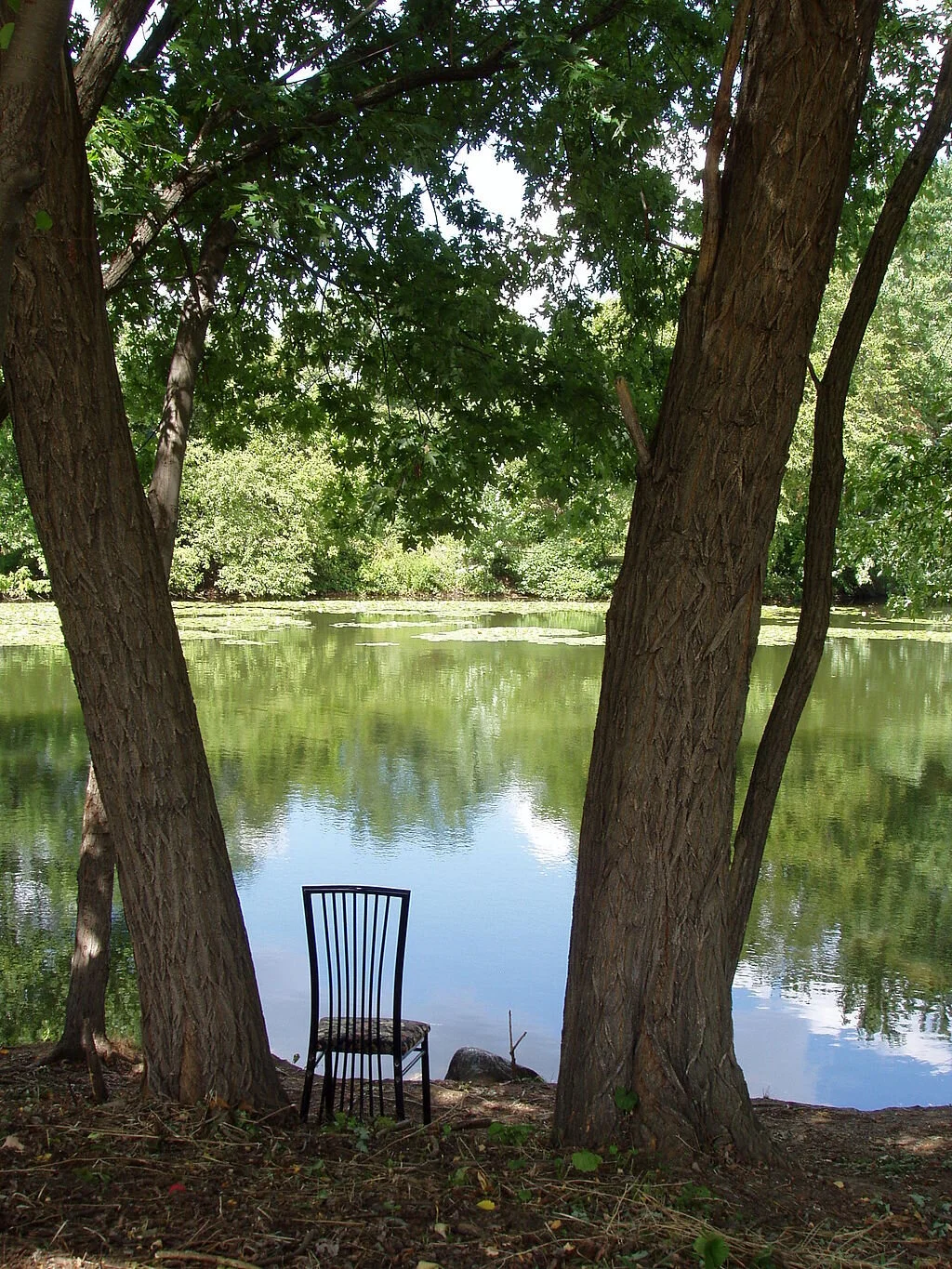
View of the real Mystic River, in Medford, Mass.
— Photo by Daderot
'Beyond the call of duty'

Walter Camp as Yale's football captain in 1878
“There’s no substitute for hard work and effort beyond the call of duty.’’
— Walter Camp (1859-1925), often called “The Father of American football.’’ His first fame came as a player and later as the coach of Yale’s football team. He was in on the beginnings of what became the Ivy League (Harvard, Yale, Princeton, Dartmouth, Brown, the University of Pennsylvania, Cornell and Columbia).
There will be no Ivy League football this fall because of COVID-19.
We need even more this year

“Fifty Shades of Blue,’’ by Ponnapa Prakkamakul, in her show at Kingston Gallery, Boston, July 29-Aug. 23. A Thai-American, she’s a Boston-based painter and landscape architect.
See kingstongallery.com and https://pprakkamakul.wixsite.com/pnnp
Don Pesci: Things should have been opened three months ago with current rules
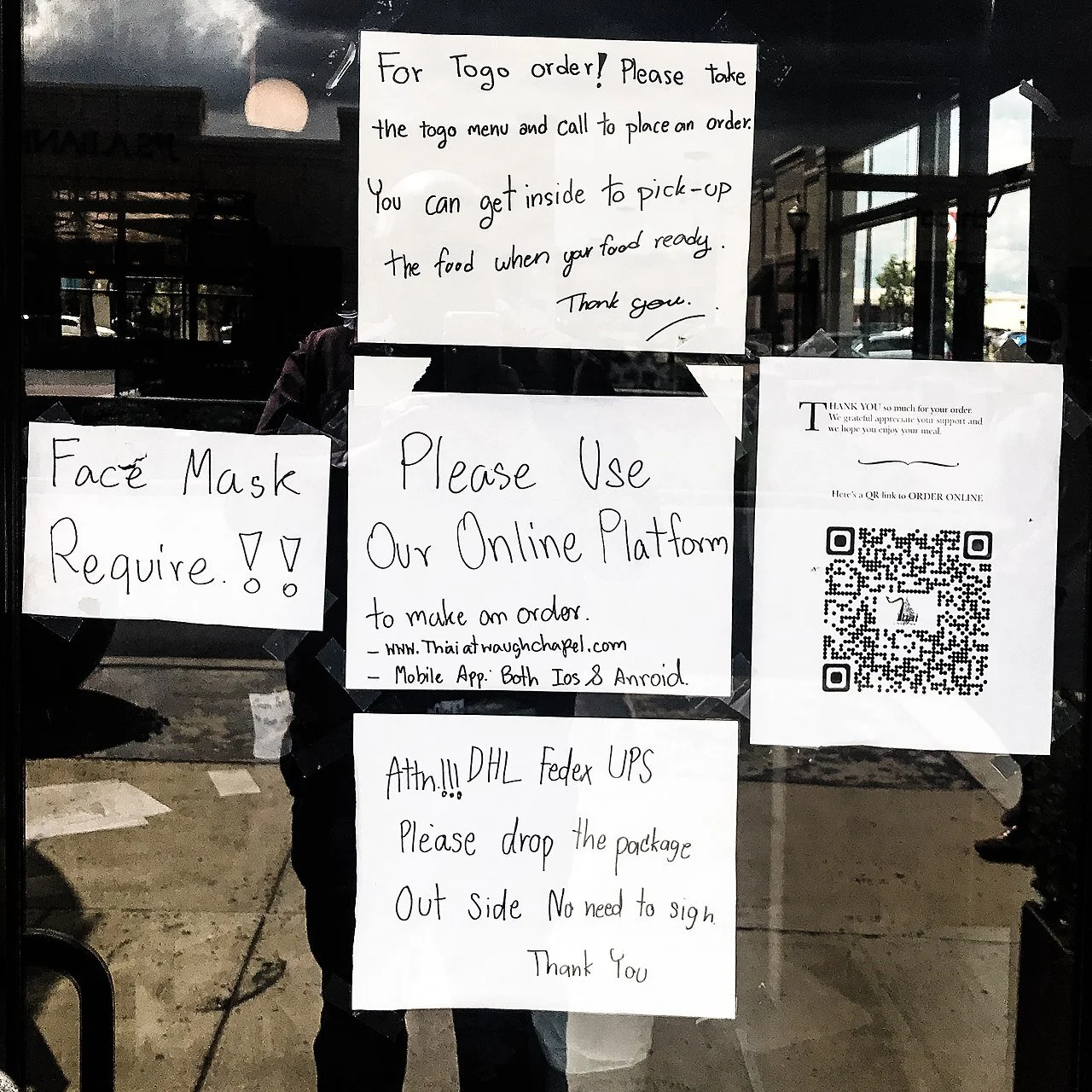
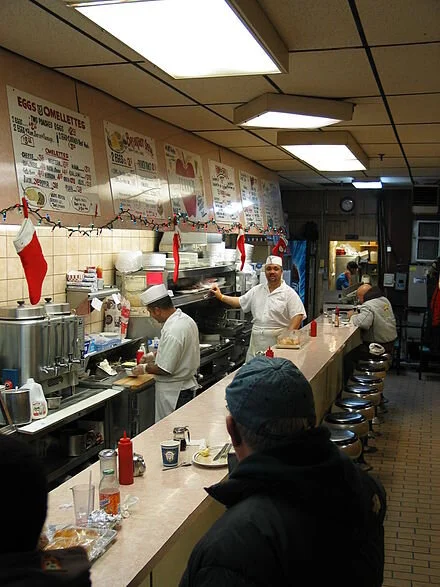
A waitress at a local eatery, closed for four months by Connecticut Gov. Ned Lamont’s ever changing executive orders, pops the question.
Her eatery is partially opened, but forbidden to serve more than half its regular clientele, many of whom will disappear if the eatery is not permitted to make a sustainable profit to pay the business’s overhead and its dwindling staff.
“If this place can be opened now, why couldn’t it have been opened” under the same severe regimen “three months ago?” the befuddled waitress asks.
Good question, but the common sense answer to the waitress's question will not be forthcoming from Governor Lamont or its waylaid legislative leaders, all Democrats, in the state’s seriously suspended General Assembly. The common sense answer to the question is simple and unambiguous. There is no reason why restaurants in the state should not have remained open during the pandemic four months ago. If social distancing, face masks, frequent disinfections of eating areas, and reducing by 50 percent a restaurant’s usual clientele, work now to prevent the spread of Coronavirus, the same measures would have produced the same result four months earlier.
An elementary school teacher asks this question: Why were elementary schools closed during the politically caused crisis?
Good question. We know – and have always known – that lethality among school children 14 years old and younger infected with Coronavirus has been hovering near zero. Why then were elementary schools in Connecticut shut down? The most frequent answer to this question is highly problematic. Children who are asymptomatic and who very likely had developed herd immunity, the historic prophylactic in viral contagions, can infect older adults. And these older adults are much more likely to die from the infestation than young children. Elementary-school closures are, in fact, a “save the elders” project.
Very good, how has Connecticut gone about saving the elders? In Connecticut and New York about 60 percent of those who died with – not of – Coronavirus were sequestered in nursing homes. We were protecting these elders by forbidding their relatives from eyeballing their care while, at the same time, failing to provide protective gear to the staff, heroes all, of nursing homes. And politicians in Connecticut knew – right from the beginning of the Wuhan infestation – that elders of a certain age, many of whom had medical preconditions that lethalized Coronavirus, were most susceptible to the Coronavirus grim reaper.
Well now, there is a bill before the gubernatorially suspended General Assembly right now that removes partial immunity from police officers across the state, all of whom will be susceptible to asset-swallowing suits filed by “defund the police” political agitators. Will partial immunity be removed from those politicians who are principally responsible for the carnage in Connecticut's nursing homes?
Never mind the oversight, we are told, the problem has now been corrected by Lamont, his political cohorts, and Dr. Close-The-Barn-Door-After-The-Horse-Has-Left. Not to worry; elder habitués of nursing homes who survived the political inattention of preening politicians are now, at long last, safe.
People wonder why the death count in Connecticut and New York are down, a cousin unable to attend the funeral of his uncle remarks – they removed the deadwood and are now taking their bows for having solved problems they themselves had created. They’re like the firefighter-arsonist who sets fires so that he can put them out and read about his courageous exploits in the morning paper.
It is perhaps unpragmatic at this point to hope that businessman Lamont and the Democrat leaders in the General Assembly will realize that Connecticut’s economy, artificially sustained by President Trump’s military- hardware acquisitions and the Wall Street casino, is weak at it core and will be further weakened by unnecessary shutdowns. Businesses lost to the Lamont shutdowns are irrecoverable, and there is yet another ten year recession grinning evilly at the state from the political wings.
Connecticut, now a beggar state, will attempt to squeeze money from the Washington, D.C., larder. Even now, Sen. Richard Blumenthal is hoping to wrest billions of dollars from the impeachable Trump administration, and there is not a journalist in sight who will summon up courage enough to ask him whether he would favor yet another Connecticut tax bump so that Democrats in the General Assembly will be spared the indignity of cutting union-labor costs.
When Connecticut –which has much more in common with dispensable nursing home patients than the state’s sleepy media realizes – finally disappears beneath the waves, who will be permitted to attend its funeral?
Don Pesci is a Vernon, Conn.-based columnist.
Annie Sherman: Offshore wind turbines can benefit fishing
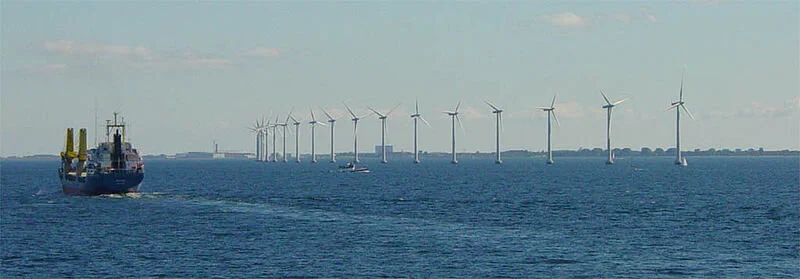
Wind turbines of Denmark
Since the Block Island Wind Farm, four years ago, pioneered U.S. offshore wind development, the United States has positioned itself to become a world producer of electricity in this renewable-energy sector. Turning the wind’s kinetic energy into electrical power is gaining popularity, so much so that 2,000 offshore wind turbines could be erected off the East Coast in the next 10 years.
But with growth comes questions and resistance, so scientists and environmental advocates across the country and in Rhode Island are seeking opportunities to expand offshore renewable energy while reducing environmental risks.
With world-class fisheries and wildlife in Ocean State waters, the potential for victory seems on par with ruin. So it’s vital to understand how the trifecta interacts symbiotically: offshore wind facilities, current recreational and commercial uses, and the existing ecosystem.
“As we experience this growth, we see that the state and local decision-makers, resource users, and other end users are struggling to keep up with the decisions they’re having to make and also understand the potential impact it may have on existing activities and natural wildlife,” said Jennifer McCann, director of U.S. coastal programs at the University of Rhode Island’s Coastal Resources Center. “While some places in Rhode Island, Massachusetts, and Europe have been working in this game for many years, there are others who are just beginning to ask questions and get their bearings on this growth. Given this growth is likely, [we need to] better understand how can we minimize the effects on existing future uses and wildlife.”
The development of offshore renewable energy has already exploded in Europe. WindEurope estimates that it now has offshore wind capacity of 22.1 gigawatts from 5,047 grid-connected offshore wind turbines across 12 countries, with 502 turbines installed last year alone. Scientists and researchers there already are coming to terms with the risk and impacts, both positive and negative, of offshore wind turbines.
Sharing their knowledge about the U.S. market in a June webinar, moderated by McCann, with Rhode Island Sea Grant and URI’s Graduate School of Oceanography, two experts said the impacts on the environment are steep. They advocated for proper management and reduced activity to maintain a healthy marine environment.
Jan Vanaverbeke, a senior scientist at the Royal Belgian Institute for Natural Sciences, and Emma Sheehan, a senior research fellow at the University of Plymouth in the United Kingdom, presented more than a decade of research from investigating the change in biological diversity and ecological interactions resulting from offshore renewable-energy structures.
Their research began at the smallest scale, with tiny marine animals and microorganisms inhabiting a turbine when it’s first installed, Vanaverbeke said. Huge numbers of this diverse marine life make a home at the base of these 600-foot-high, 200-ton turbines affixed to the seabed. This area also attracts other animals such as fish and crustaceans. They noted how offshore aquaculture and offshore energy infrastructure can support each other and improve the diversity of marine ecosystems.
“Abiotic effects, like currents, vibration, noise, and electromagnetic fields, will have an affect on the biology,” Vanaverbeke said. “In this case, it would deliver food for society, because certain fish species, like cod and pouting, were attracted to turbines. … What we see in the scour protection layer [a layer of material to protect erosion around the turbine] shows increased diversity, giving additional complexity and shelter for species.”
He also saw evidence of this conflicted cause-and-effect relationship when additional marine animals were drawn to the turbines, as they affected sediment and water quality. Taking organic matter and food from the water, they also excrete matter, which sinks to the seabed and negatively alters the sedimentary environment.
“Offshore wind farms actually do change the habitat and the environment,” Vanaverbeke said. “Research will inform you of consequences of those changes, and how to understand what this change will mean for the larger marine ecosystem. We actually want to apply this knowledge for marine spatial planning. We can see where to put the wind farm, where is the best place from an ecosystem perspective. We have to know about carrying capacity for aquaculture activities. We can also use this knowledge for a better wind farm design, in such a way that they would contribute to nature restoration and conservation, or we can play around with the complexity of the scour protection layer and use it as a nature restoration tool.”
Sheehan expanded on their research with her analysis of ecological interactions between offshore installations and the potential benefits of ambitious management. Highlighting Marine Protected Areas (MPA), a fresh or saltwater zone that is restricted to human activity, Sheehan focused on ecosystem-based fisheries management and offshore installations that have the potential to be super MPAs, by excluding destructive fishing practices and adding habitat.
She noted the term “ocean sprawl,” similar to urban sprawl, which is becoming more widely known as pressure increases for offshore energy installations.
Sheehan said it’s important to consider the benthos and their associated fish communities, because they are the foundation for the entire marine ecosystem.
Reducing or eliminating bottom fishing, which she said is destructive of rocky reefs and sediment habitats, is one way to protect these important marine areas. In one MPA she has been studying for 13 years, scallop dredging was prohibited, which ultimately allowed reef-associated species to return.
Since the siting of most offshore wind facilities is on these habitats, Sheehan advocated for installations to be progressively managed like de facto MPAs, to support essential fish habitats and protect the seabed.
“There is lots of potential for environmental benefit of co-locating offshore aquaculture with offshore renewables from an environmental point of view, but also from an economic point of view, because sharing space is going to be the only way we can move forward for this industry,” Sheehan said. “If bottom-towed fishing is excluded from the whole site, offshore developments can have positive effects on the ecosystem, increase ecosystem services, support other fisheries, and help us move toward a carbon-neutral society.”
Annie Sherman is a freelance journalist based in Newport, R.I., covering the environment, food, local business, and travel in the Ocean State and New England. She is the former editor of Newport Life magazine, and author of Legendary Locals of Newport.
Phil Galewitz: Long, long delays in getting COVID-19 test results from CVS, etc.
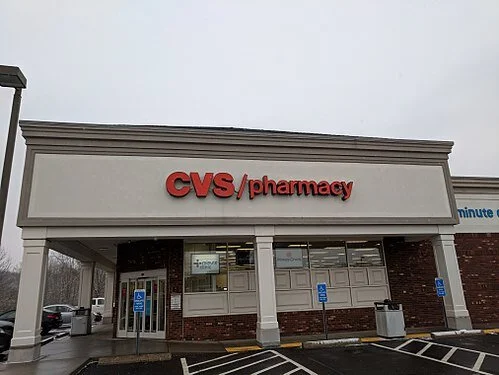
Elliot Truslow went to a CVS drugstore on June 15 in Tucson, Arizona, to get tested for the coronavirus. The drive-thru nasal swab test took less than 15 minutes. (CVS is based in Woonsocket, R.I.)
More than 22 days later, the University of Arizona graduate student was still waiting for results.
Elliot Truslow had a drive-thru COVID test at a CVS in Tucson, Arizona, on June 15. CVS told Truslow to expect results in two to four days, but 22 days later, still nothing.
Truslow was initially told it would take two to four days. Then CVS said five or six days. On the sixth day, the pharmacy estimated it would take 10 days.
“This is outrageous,” said Truslow, 30, who has been quarantining at home since attending a large rally at the school to demonstrate support of Black Lives Matter. Truslow has never had any symptoms. At this point, the test findings hardly matter anymore.
Truslow’s experience is an extreme example of the growing and often excruciating waits for COVID-19 test results in the United States.
While hospital patients can get the findings back within a day, people getting tested at urgent care centers, community health centers, pharmacies and government-run drive-thru or walk-up sites are often waiting a week or more. In the spring, it was generally three or four days.
The problems mean patients and their physicians don’t have information necessary to know whether to change their behavior. Health experts advise people to act as if they have COVID-19 while waiting — meaning to self-quarantine and limit exposure to others. But they acknowledge that’s not realistic if people have to wait a week or more.
Atlanta Mayor Keisha Lance Bottoms, who announced Monday that she had tested positive for the virus, complained she waited eight days for her results in an interview on MSNBC Wednesday. During that time, she held a number of meetings with city officials and constituents — “things that I personally would have done differently had I known there was a positive test result in my house,” she said on “Morning Joe.”
“We’ve been testing for months now in America,” she added. “The fact that we can’t quickly get results back so that other people are not unintentionally exposed is the reason we are continuing in this spiral with COVID-19.”
The slow turnaround for results could also delay students’ return to school campuses this fall. It’s already keeping some professional baseball teams from training for a late July start of the season. The lag times could even foil Hawaii’s plan to welcome more tourists. The state had been requiring visitors to quarantine for 14 days, but it announced last month that starting Aug. 1 that mandate would be lifted for people who could show they tested negative within three days before arriving in the islands.
In California, Gov. Gavin Newsom noted the problem when addressing reporters Wednesday. “We were really making progress as a nation, not just as a state, and now you’re starting to see, because of backlogs with [the lab company] Quest and others, that we’re experiencing multiday delays,” he said.
The delays even apply to people in high-risk, vulnerable populations, he said, citing a massive outbreak at San Quentin State Prison, which has been sending its tests to Quest. The state is now looking at partnering with local labs, hoping they can provide faster turnaround.
Dr. Amesh Adalja, an infectious disease expert at the Johns Hopkins Center for Health Security in Baltimore, said the long waits spell trouble for individuals and complicate the national response to the pandemic.
“It defeats the usefulness of the test,” he said. “We need to find a way to make testing more robust so people can function and know if they can resume normal activities or go back to work.”
The problem is that labs running the tests are overwhelmed as demand has soared in the past month.
Azza Altiraifi of Vienna, Virginia, got her COVID test at CVS on July 1. She still has symptoms, including fatigue — but as of July 7, she was still awaiting the result.
“We recognize that these test results contain actionable information necessary to guide treatment and inform public health efforts,” said Julie Khani, president of the American Clinical Laboratory Association, a trade group. “As laboratories respond to unprecedented spikes in demand for testing, we recognize our continued responsibility to deliver accurate and reliable results as quickly as possible.”
Dr. Temple Robinson, CEO of Bond Community Health Center in Tallahassee, Florida, said test results have gone from a three-day turnaround to 10 days in the past several weeks. Many poor patients don’t have the ability to easily isolate from others because they live in smaller homes with other people. “People are trying to play by the rules, but you are not giving them the tools to help them if they do not know if they tested positive or negative,” she said.
“If we are not getting people results for at least seven or eight days, it’s an exercise in futility because either people are much worse or they are better” by then, she said.
Given the lag in testing results from big lab companies, Robinson said her health center this month bought a rapid test machine. She held off buying the machine due to concerns the tests produced a high number of false-negative results but went ahead earlier this month in order to curtail the long waits, she said.
Robinson doesn’t blame the large labs and points instead to the surge in testing. “We are all drinking through a firehose, and none of the labs was prepared for this volume of testing,” she said. “It’s a very scary time.”
Azza Altiraifi, 26, of Vienna, Virginia, knows that all too well. She started feeling sick with respiratory symptoms and had trouble breathing on June 28. Within a few days she had chills, aches and joint pain and then a needling sensation in her feet. She went to her local CVS to get tested on July 1. She was still awaiting the result July 8.
What is most frustrating about her situation is that her husband is a paramedic, and his employer won’t let him work because he may have been exposed to the virus. He was tested July 6 and is still awaiting news.
“This is completely absurd,” Altiraifi said. She also worries that her husband may have unknowingly passed on the virus on one of his ambulance calls to nursing homes and other care facilities before he began isolating at home. He has not shown any symptoms.
Altiraifi, who still has symptoms including fatigue, said she was initially told she would have results in two to four days, but she was suspicious because after using a nasal swab to give herself the test, the box to put it in was so full it was hard to close.
Charlie Rice-Minoso, a spokesperson for CVS Health, said patients are waiting five to seven days on average for test results. “As demand for tests has increased, we’ve seen test result turnaround times vary due to temporary processing capacity limitations with our lab partners, which they are working to address,” he said.
In South Florida, the Health Care District of Palm Beach County, which has tested tens of thousands of patients since March, said findings are taking seven to nine days, several days longer than in the spring.
CityMD, a large urgent care chain in the New York City area, said it now tells patients they will likely wait at least seven days for results because of delays at Quest Diagnostics.
Quest Diagnostics, one of the largest lab companies in the United States, said average turnaround time has increased from three to five days to four to six days in the past two weeks. The company has performed nearly 7 million COVID tests this year.
“Quest is doing everything it can to add testing capacity to reduce turnaround times for patients and providers amid this crisis and the unprecedented demands it places on lab providers,” said spokesperson Kimberly Gorode.
At Treasure Coast Community Health in Vero Beach, Florida, officials are advising patients of a 10- to 12-day wait for results.
CEO Vicki Soule said Treasure Coast is deluged with calls every day from patients wanting to know where their test results are.
“The anxiety on the calls is way up,” she said.
Julie Hall, 48, of Chantilly, Virginia, got tested June 27 at an urgent care center after learning that her husband had tested positive for COVID-19 as he prepared for hip replacement surgery. She was dismayed to have to wait until July 3 to get an answer.
“I was thrilled to be negative, but by that point it likely did not matter,” she said, noting that neither she nor her husband, Chris, showed any symptoms.
“It was awful and terrible because of the unknowns and not knowing if you exposed someone else,” she said of being quarantined at home awaiting results. “Whenever you would sneeze, someone would say ‘COVID’ even though you feel completely fine.”
Senior correspondent Anna Maria Barry-Jester in California contributed to this article.
Phil Galewitz is a reporter for Kaiser Health News.
Phil Galewitz: pgalewitz@kff.org, @philgalewitz
They're run from Greenwich

Indian Harbor Yacht Club, in Greenwich
— Cliff Asness, financier
'They would believe the lie'
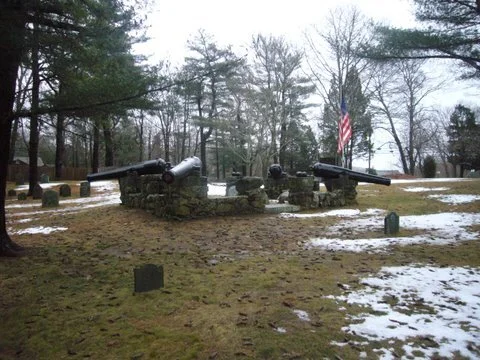
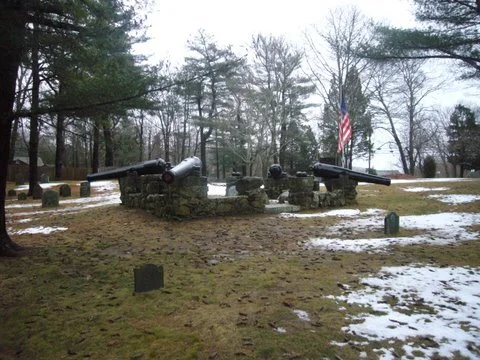
The Myles Standish Burial Ground, in Duxbury, Mass. It’s the final resting place (between the cannons) of several well-known Pilgrims who arrived on the Mayflower in 1620, including Captain Myles Standish, and was the location of Duxbury's first meeting house. It was in use from about 1638 until 1789, at which point the cemetery was abandoned. It was reclaimed in 1887 by the Duxbury Rural Society.
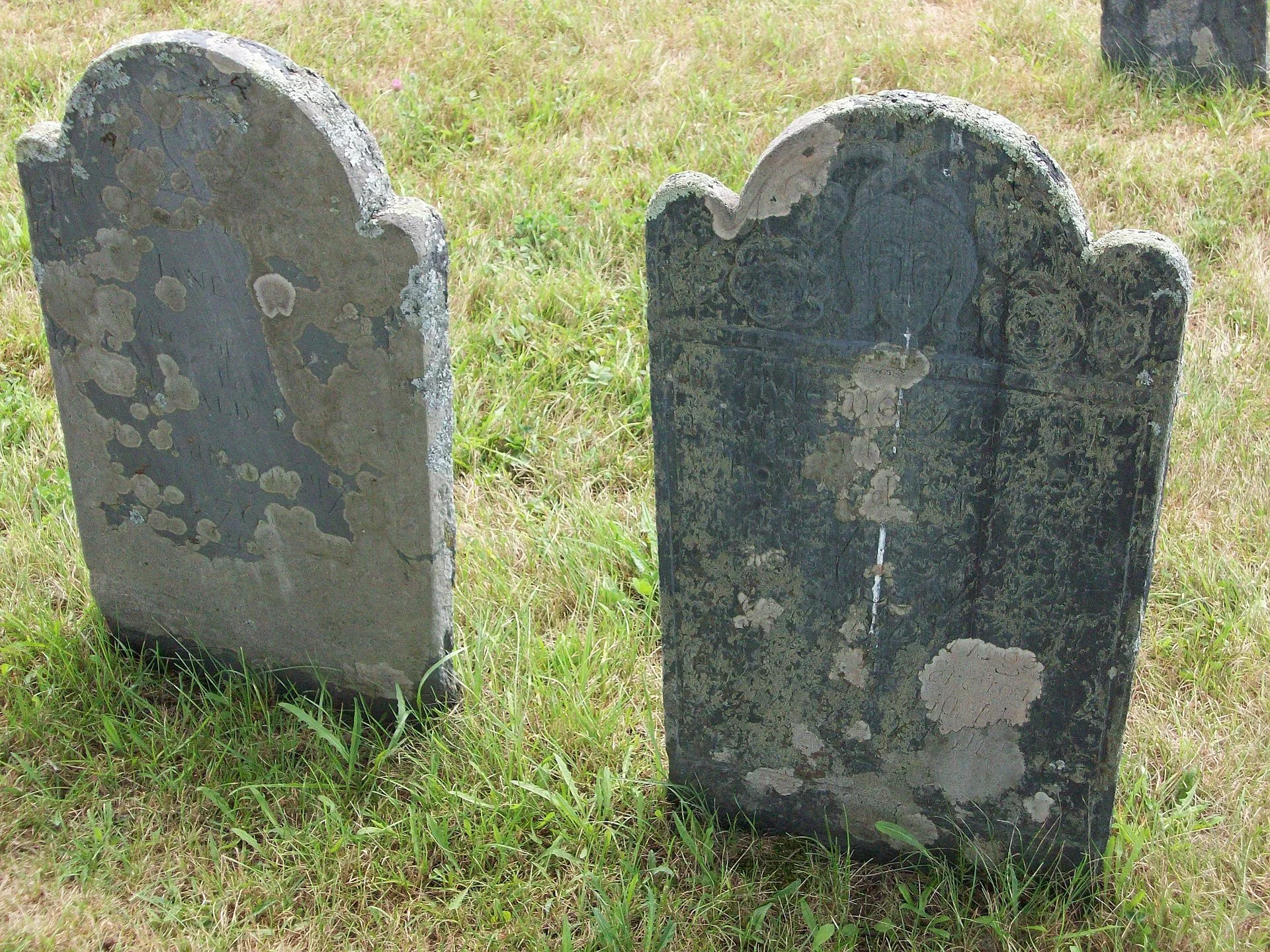
Colonial-era graves in Pemaquid Cemetery, Maine.
Photo by DrStew82
The living come with grassy tread
To read the gravestones on the hill;
The graveyard draws the living still,
But never anymore the dead.
The verses in it say and say:
“The ones who living come today
To read the stones and go away
Tomorrow dead will come to stay.”
So sure of death the marbles rhyme,
Yet can’t help marking all the time
How no one dead will seem to come.
What is it men are shrinking from?
It would be easy to be clever
And tell the stones: Men hate to die
And have stopped dying now forever.
I think they would believe the lie.
“In a Disused Graveyard, by Robert Frost
An ‘eerily prescient’ show

“Deeper Than You Imagined” (wood and paint), by Sachiko Akiyama, in the group show “Being and Feeling (Alone, Together),’’ on view online at Phillips Exeter (N.H.) Academy’s Lamont Gallery through July 31.
Lamont Gallery Director and Curator Lauren O'Neal said: "It was impossible to know that when this exhibition was finally realized, that it would become eerily prescient, that it would forecast a felt and lived experience, rather than merely a curatorial one."
The artwork on view encompasses a wide variety of media, including painting, sculpture, photography, visual and audio performances.
The gallery says: “While we all hope to soon be physically together with others without fear, ‘Being & Feeling (Alone, Together)’ provides us with cathartic emotional release, instilling hope and appreciation for our humanity even at the worst of times. To check out “Being & Feeling (Alone, Together),’’ visit exeter.edu/lamont-gallery/being-feeling-alone-together.
Looking at light in 'the city that lit the world' by killing whales

Photo kinetic grid by Soo Sunny Park at the Massachusetts Design Art and Technology Institute ( DATMA ) , at the University of Massachusetts at Dartmouth Star Store Campus, in downtown New Bedford
This is part of an examination of New Bedford’s legacy as the “city that lit the world” with oil from the whales its whalers killed, in a brutal business.
DATMA says: The Park exhibit is a “site-specific light installation with reflective silver mirrors embedded in welded chain link fencing emitting light and colorful rainbows generated by camera-projector cycles. This project is visible from the street and sidewalks through the building’s floor to ceiling glass gallery windows.’’
David Warsh: 'Charlie Wilson's War' and the 'bounties' on our troops now

Mujahideen fighters in Afghanistan in 1987
SOMERVILLE, Mass.
So rollicking was the back-story of the end of the Soviet Union’s ten-year war in Afghanistan that Hollywood made a movie about it. Charlie Wilson’s War (2003) starred Tom Hanks as a raffish, bibulous Texas congressman in need of an issue in 1980, after a narrow escape from a Rudy Giuliani-led investigation of reported cocaine use. Julia Roberts played the Houston socialite turned talk-show host and world-traveler, who, on behalf of her friend and admirer Pakistani President Zia-ul-Haq, interested Wilson in the cause of mujahidin in Afghanistan.
Wilson had graduated from the U.S. Naval Academy in 1956, and had served in Congress since 1972. He shared with the Islamic fundamentalists a deep faith in God, if not their aversion to distilled spirits.
Encouraged by a CIA maverick (played in the film by Philip Seymour Hoffman), he drummed up support for the Islamic rebellion among his colleagues, eventually supplying the Mujahideen fighters battling the Soviets with shoulder-fired heat-seeking Stinger missiles needed to blow Soviet helicopters out of the sky. After ten bitter years, the Soviets withdrew. The film is based on a 2003 book by George Crile III, a veteran CBS newsman. And, as far as it goes, much of this is true.
Fortunately, another book goes further – much further. Afgantsy: The Russians in Afghanistan 1979-1989 (Oxford, 2011), by Rodric Braithwaite, a diplomat who served as Britain’s Ambassador to the Soviet Union and then to the Russian Federation, 1988-1992. “Afgantsy” is slang for the soldiers who fought in that ill-fated ill-regarded war. Braithwaite begins with an epigraph he found in the diary of Private William Olney, who fought for the Union Army in the Battle of Shiloh in 1862, that reflects what Braithwaite learned as a witness to the war in Afghanistan:
Of course, the private soldier’s field of vision is much more limited than that of his general. On the other hand, it is of vital importance to the latter to gloss over his mistakes, and draw attention only to those things that will add to his reputation. The private soldier has no such feeling. It is only to officers of high rank engaged that a battle can bring glory and renown. To the army of common soldiers, who do the actual fighting, and risk mutilation and death, there is no reward except the consciousness of duty bravely performed.
It was an uprising in Herat by Muslim fighters against the Afghan Communist government that had seized power a year before that triggered a Soviet occupation in 1979. A new agglomeration, the Fortieth Army, was cobbled together from Army and KGB units. American diplomats, aware of the build-up from satellite images, cautioned the Soviets privately but said little more. Years later, Russian generals blamed the Americans for luring them into a quagmire. It was not much of an excuse, says Braithwaite. Even if it were an American trap, “the Russians should have had more sense than to fall into it.”
The Soviets rolled into Kabul in December 1979 and stormed the palace, killing the Afghan Communist president and replacing him with one of their own. President Jimmy Carter, on the ropes from the hostage situation in Teheran and facing an election, asserted that the occupation threatened the Persian Gulf and told his cabinet that the Soviet invasion was “the greatest threat to world peace since World War II.” He secretly authorized the CIA to spend a piddling $500,000 on aid to the rebels and called for a boycott of the forthcoming Olympics in Moscow. British Prime Minister Margaret Thatcher backed him up.
Then began the slog. Soviet allies sought to govern the country in a secular manner, sending its daughters to school. Peasants, mostly faithful to Islam, dug in. Ronald Reagan was elected, the American objective changed. CIA Director William Casey believed that the Muslim Mujahideen might not just make the Soviets bleed but could now drive them out of the country altogether. Congressional leaders of both parties supported increasing aid, tenfold in Reagan’s second term. By 1991, the Americans has spent some $9 billion supporting the Mujahideen with almost as much contributed by the Saudis.
And those Stinger missiles? Effective though they were in denying the Soviets easy air superiority, President Mikhail Gorbachev had decided to withdraw a year before the first one was fired, in September 1986. It took more than two years for the last Soviet troops to leave, in February 1989, after a substantial number of deaths caused by those missiles. Making political hay out of the deaths of the last soldiers to perish in retreat from a lost war, as in the “bounties” business is shameful. Recipients of our aid killed more Russian soldiers after the towel was thrown in than theirs have ours.
David Warsh is an economic historian and veteran columnist. He is proprietor of Somerville-based economicprincipals.com, where this column first ran.