
Vox clamantis in deserto







Unknown friends

“I take a seat in the third row
and catch the eulogies. It’s sweet
to see old friends, some I don’t know.’’
— From “At My Funeral,’’ by Willis Barnstone, a native of Lewiston, Maine, now living in California

Lewiston mills on the Androscoggin River circa 1910 during the city’s mill town heyday.
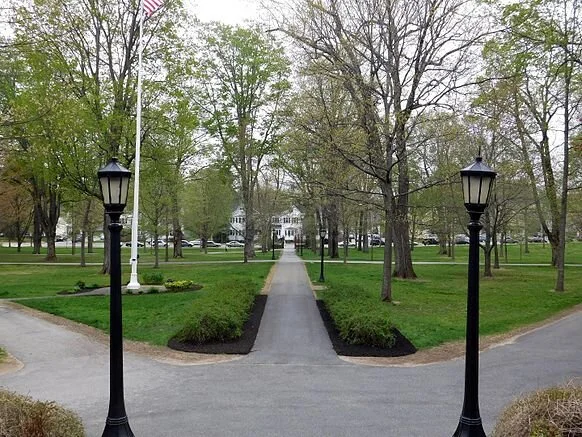
In Lewiston, view from the steps of Bates College’s Hathorn Hall looking toward quad and Lindholm House, the admissions office
Chris Powell: Police are forced to deal with cities’ social disintegration
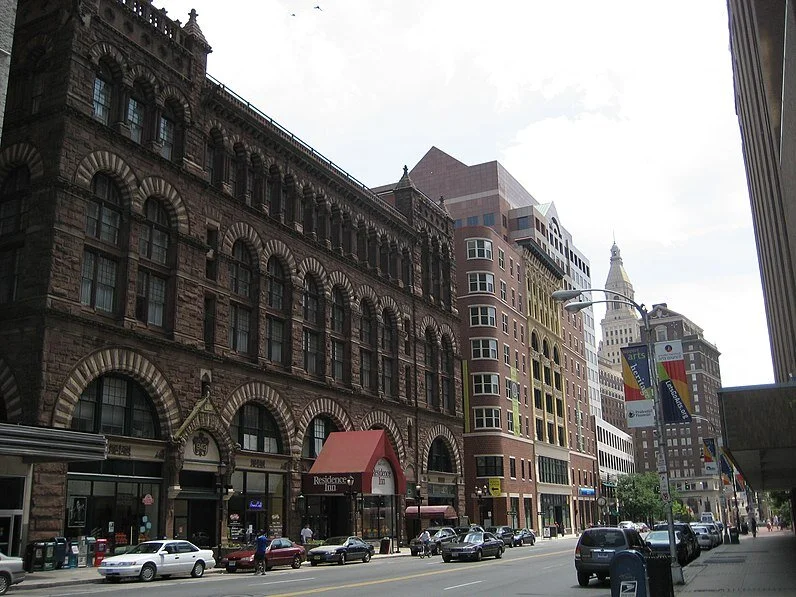
Main Street in Hartford
Responding to complaints about a fireworks party in Hartford on the evening of July 4, three city police officers were pelted with explosives, one device going off just as it struck an officer in the chest. Their injuries were not serious but easily could have been, even fatal.
While the horrifying incident may be dismissed as part of the worsening social disintegration afflicting Connecticut's cities, disintegration that also is reflected lately by the cities' appallingly small response to the U.S. Census work now underway, one can't help but wonder. Was the attack on the Hartford officers inspired or encouraged by the "defund the police" demagoguery raging here and throughout the country?
Of course, the Black Lives Matter movement has a peaceful component, with compelling objectives that most of the country endorses. But even in Connecticut a big part of the movement is not peaceful. It often blocks traffic, even on superhighways, and shouts people down, and its ridiculous demand to reduce or even eliminate policing just where it is most needed harmonizes with the simultaneous demands to release all criminals from prisons, even the murderers, as well as with the general lawlessness, vandalism, and anarchy breaking out in many places.
In the face of the July 4 incident in Hartford and worse incidents around the country, police officers may be feeling like the small-town southwestern sheriff played by Gary Cooper in Stanley Kramer's 1952 Academy Award-winning movie High Noon.
With a vicious criminal gang on its way to take revenge on his town, the sheriff appeals to the townspeople to mobilize to help him but all the able-bodied men refuse. Many urge him to flee. But he holds fast to what he understands as his duty and instead awaits the gang alone.
Their confrontation produces an extended gunfight in which the sheriff takes the gangsters down one by one with some crucial support from his new wife. Then, as the cowardly townspeople gather in the street to marvel at the sheriff's triumph, he tosses his badge into the dust with contempt and rides off in a carriage with his wife.
Like everyone else, police officers may make mistakes, especially in the heat of the moment. As with many other people, some police officers can be cruel, malicious or corrupted by power, and they must be held accountable. That they often have not been is the fault of cowardly elected officials.
Far more often, of course, police officers are brave and heroic even as this is seldom noted — and they are all we've got against the social disintegration that our elected officials have caused, pretend not to see, and do nothing about.
So it was disgraceful that among Connecticut's elected officials only Mayor Luke Bronin and City Council President Maly D. Rosado said something about the July 4 incident in Hartford. Elected officials throughout the state should stop being intimidated by the lawlessness and start demanding better from their constituents.
Indeed, the state's elected officials should find the courage to acknowledge the social disintegration all around them and confront those who claim the right to bypass democracy and disrupt and destroy. For the calls to defund the police and empty the prisons are essentially claims that there is no way of getting the underclass to behave decently, no way of elevating the underclass and stopping the disintegration.
Any jurisdiction that yields to such madness won't deserve police officers any more than the town in High Noon did.
Chris Powell is a columnist for the Journal Inquirer, in Manchester, Conn.

New England’s granite industry

“Babson Farm Quarry, Halibut Point” (Rockport), (1913), (oil on canvas), by Leon Kroll (1884-1974), in the James Collection, Promised Gift of Janet & William Ellery James to the Cape Ann Museum, Gloucester.
The museum commented:
“For 100 years, from the early 1830s through 1930, the granite-quarrying industry was a crucial part of Cape Ann’s economy. First undertaken on a small scale with individuals opening up ‘motions’ to harvest stone for their own projects, by the end of the 19th Century, quarrying had grown into a big business, employing hundreds of men and boys (many of them immigrants from around the world), and keeping a fleet of vessels busy transporting stone up and down the Atlantic Seaboard. While granite was taken from the earth in all different sizes and shapes, Cape Ann specialized in the conversion of that granite into paving blocks that were used to finish roads and streets.’’
Editor’s note: New England had granite quarries in all six states. After they were abandoned and water rose in them, many became popular swimming holes. Sadly more than a few people, especially teens, died in them by drowning or hitting their heads on the rocks. And some can have toxic materials in them.
Llewellyn King: Using exaptation, including radiation, to treat COVID-19

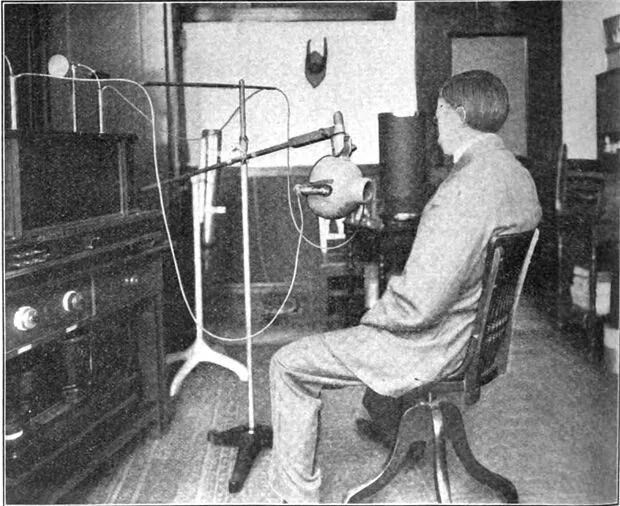
X-ray treatment of tuberculosis in 1910
The good news is that if you get COVID-19, you stand a better chance of getting better sooner, without having a long, if any, stay in the ICU, and you may not have to suffer on a ventilator.
The bad news is there may be no silver bullet of a vaccine by the end of the year, and if one is approved, there may be a free-for-all among vaccine developers, countries, and special interests.
For the improvement in treatment outlook, thank a process called exaptation. The term has been appropriated from evolutionary biology and means essentially work with what you have, adapt and deploy. The most quoted example is how birds developed wings for warmth and found they could be used for flying.
One of the great exponents of exaptation, Omar Hatamleh, chief innovation officer, engineering, at NASA, says, “There is an abundance of intellectual property that can be repurposed or used in areas and functions outside of their original intended application.”
There are hundreds of thousands, maybe millions, of medicines – generally referred to as “compounds” in the pharmaceutical world – that have been developed for specific purposes but which may be useful in some other disease, “off label” in the pharmacologists’ vernacular. An example of this off-label use is the steroid Dexamethasone. It has been found to reduce death among critically ill COVID-19 patients.
It is a good idea to look outside the box, as we are constantly advised. But it is also a good idea to look inside the box as well.
Inside every hospital, for example, is a radiation department. Radiation is a medical tool universally used in cancer treatments.
Now comes word that radiation can save lives and cut hospital stays for COVID-19 patients. James Conca, a Tri-Cities, Wash.- based nuclear scientist, explains to me, “This treatment is critical because severe cases cause cytokine release syndrome, also known as a cytokine storm, causing acute respiratory arrest syndrome, which is what kills.”
Dr. Mohammad Khan, associate professor of radiation oncology at Emory University School of Medicine, in Atlanta, gave patients at the university’s Winship Cancer Institute a single, very low dose of radiation (about one hundredth of the dose given cancer patients) and they began to show almost immediate improvement. The radiation reduced the inflammation -- and in COVID-19, as in many other diseases, it is inflammation that kills.
The use of radiation in this way opens the door to the treatment of many diseases where inflammation is the killer.
The Emory experience fits with a burgeoning field of study where sophisticated physical and engineering techniques intersect with medicine.
Dr. James Welsh of Loyola University Medical Center, in Chicago, and a consortium of doctors and hospitals are hoping to launch nationwide clinical trials on the use of radiation in combating killer inflammation.
The sad thing, Conca says, is that the benefits of radiation in treating pulmonary disease, especially viral pneumonia, were known 70 years ago. In treating the pneumonia, he said, success rates were 80 percent, but the rise of antibiotics and antiviral drugs, combined with public concern about radiation, led to its being confined to the treatment of cancer.
Generally nuclear medicine tends to mean cancer treatment, but nuclear scientists have chafed at this.
While the outlook for therapies -- for things will save your life in hospital -- is bright, the outlook for a vaccine, so hoped for, is confused. Assuming that a vaccine is perfected, that it works on most people and across a range of mutations, the stage is set for chaotic distribution.
One man and his company, Adar Poonawalla, CEO of Serum Institute of India, may hold the key to who gets the vaccine first. He has signed pacts with four vaccine hopefuls, including the one from Oxford University, considered by many to be the frontrunner.
Serum Institute is partnering with the British-Swedish drugmaker AstraZeneca to manufacture and supply 1 billion doses of the Oxford vaccine in India and less-developed countries. AstraZeneca says it is working on equitable distribution. British Prime Minister Boris Johnson has said Britain should have first dibs on British-developed vaccines.
The World Health Organization is the only international organization that might be able to orchestrate distribution, and the United States is withdrawing from that body.
Science may be forging ahead – exaptation at work -- but human folly is as virulent a strain as ever.
Llewellyn King is executive producer and host of White House Chronicle, on PBS. His email is llewellynking1@gmail.com and he’s based in Rhode Island and Washington, D.C.
See whchronicle.com
Savoring daily variations

Panoramic view of Willoughby Notch and Mount Pisgah, in Vermont’s “Northeast Kingdom.’’
— Photo by Patmac13
“Country people do not behave as if they think life is short; they live on the principle that it is long, and savor variations of the kind best appreciated if most days are the same.’’
“True solitude is a din of birdsong, seething leaves, whirling colors, or a clamor of tracks in the snow.’’
— Edward Hoagland, essayist, nature and travel writer and novelist. He lives in Barton, Vt., in the “Northeast Kingdom’’ in the summer and relatively mild Martha’s Vineyard in the winter.
‘Healing power of nature’

“June, 2020”(oil on linen), by David Curtis, in the Guild of Boston Artists’ show “Nature’s Refrain,’’ through July 31
The guild says that the show “is a reflection and celebration of the restorative power of nature,’’ especially as we go through this pandemic.
“Throughout history, artists have been inspired by nature during times of stress, just as the members of The Guild of Boston Artists have during this pandemic. Although the country is slowly reopening, many are still self-isolating and staying away from parks and other outdoor places. ‘Nature's Refrain’ offers a way for viewers to get the healing power of nature in their own homes. The wide variety of artworks, from depictions of neat potted plants to wild landscapes, emphasize resiliency and regrowth. By now, these ideas are familiar to us as we persevere through this pandemic. ‘Nature's Refrain’ reflects them back to us and offers comfort and calm through the beauty of the natural world. ‘‘
See guildofbostonartists.org
and:
https://www.davidpcurtis.com/bio
McDonald’s hiring 7,800 restaurant workers in New England this summer

From The New England Council (newenglandcouncil.com)
“As New England businesses continues to reopen, McDonald’s restaurants are expecting to hire approximately 7,800 restaurant employees in New England this summer.
“The hiring news comes as McDonald’s restaurants begin to welcome customers back into dining rooms with extra precautions in place, including nearly 50 new safety procedures to protect crew and customers. These include wellness and temperature checks, social distancing floor stickers, protective barriers at order points, masks and gloves for employees with the addition of new procedures, and training for the opening of dining rooms.’’
New England Diary on radio

— By Burgundavia (PNG); Ysangkok (SVG)
On most Fridays at 9:30 a.m., New England Diary joins Bruce Newbury in his Talk of the Town show on WADK (1540 AM) and online at wadk.com
Very fragile Burrillvilleans
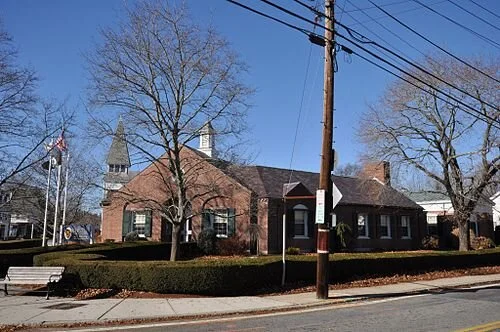
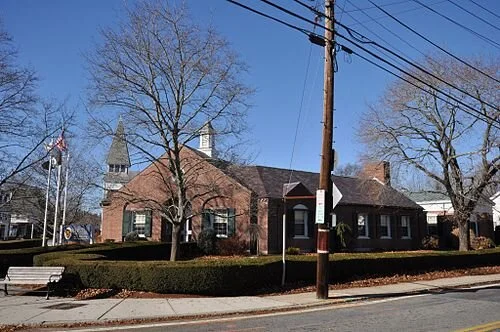
The town offices of exurban/suburban Burrillville, R.I.
Adapted from Robert Whitcomb’s “Digital Diary,’’ in GoLocal24.com
Gun-toting Burrillville, R.I., has become a sort of mini-Red State, in which science and public health take a back seat to libertarian obsessions. I’m referring to its Town Council’s 5-2 vote on June 24 to declare Burrillville a “First Amendment Sanctuary Town.”
This was part of the council’s denunciation of Gov. Gina Raimondo’s executive orders regarding social distancing, crowd size, face masks and other coronavirus-control measures as “unconstitutional’’ and, presumably, ignorable under the First Amendment. The council asserts that the measures have caused “substantial harm to the emotional, spiritual and financial well-being” of residents. Give me a break! Surely Burrillvilleans aren’t that sensitive and fragile!?
It’s nice to see, any event, Burrillville expressing interest in the First Amendment rather than just its version of the Second Amendment (making sure to leave out that inconvenient bit about “a well-regulated militia’’).
Of course living in a community where you’re more likely to get infected than in some nearby places because the usual public-health rules in a pandemic aren’t followed can also do “substantial harm’’ to your “well-being.’’ And being sick ain’t good for your freedom either.
Oh, well ….
In any case, Governor Raimondo and her team have done a good job in managing the pandemic through relentlessly promoting behavioral guidelines and tests, especially considering the state’s location between the two hot spots of metro New York and metro Boston and that it’s the second most densely populated state (after New Jersey). As of this typing, the Ocean State had reported a little over 900 deaths in a population of a bit over 1 million while Massachusetts has reported over 8,000 deaths in a population of about 6.9 million.
Leaders like Ms. Raimondo must battle the politically driven, or just crazy, misinformation about the pandemic on Facebook and other social media and the strong anti-science element in America now.
Of course, people generally don’t want to be told what to do…..

New Hampshire's lucrative fireworks exports menace neighbors

From Robert Whitcomb’s “Digital Diary,’’ in GoLocal24.com
As it turns out, many perhaps most, of those fireworks that have ruined life recently for many people in Providence, Boston and other New England cities came from New Hampshire, that old “Live Free or Die” parasite/paradise (where I lived for four years). There, out-of-state noisemakers stock up and take the explosives back to Massachusetts, Rhode Island and Connecticut, where they ignite them all over the place, with the worst impact in cities. While the fireworks are illegal in densely populated southern New England, they’re legal in the Granite State.
New Hampshire has long made money off out-of-staters coming to buy cheap (because of the state’s very tax-averse policies) booze and cigarettes. The state also has loose gun laws. Fireworks are in this tradition.
That’s its right. But it could be a tad more humane toward people in adjacent states by making it clear to buyers at New Hampshire fireworks stores that the explosives they’re buying there are illegal in southern New England.
Because of our federal system, states that may want to control the use of dangerous products can be hard-pressed to do so because residents may find it easy to drive to a nearby state and get the stuff. Still, in compact and generally collaborative New England, it would be nice if New Hampshire, much of which is exurban and rural, would consider the challenges of heavily urbanized Massachusetts, Rhode Island and Connecticut as they seek to limit the use of fireworks, especially in cities. Granite Staters might remember that much of the state’s affluence stems from its proximity to that great wealth creator Greater Boston and show a little gratitude. (This reminds me of how Red States are heavily subsidized by Blue States, whose taxes fund much of the federal programs in the former.)
Ah, the federal system, one of whose flaws is painfully visible in the COVID-19 pandemic. Look at how the Red States, at the urging of the Oval Office Mobster, too quickly opened up, leading to an explosion of cases, which in turn hurts the states that had been much tougher and more responsible about imposing early controls. But yes, the federal system’s benign side includes that states can experiment with new programs and ways of governance, some of which may become national models, acting as Justice Louis Brandeis called “laboratories of democracy’’.
To read more about New Hampshire’s quirks, please hit this link.
Romney on Mass. gun laws
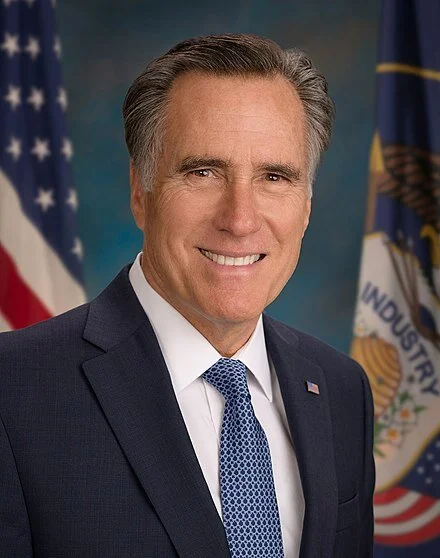
Mitt Romney
“We do have tough gun laws in Massachusetts. I support them. I won't chip away at them. I believe they help protect us and provide for our safety.’’
Mitt Romney, Republican governor of Massachusetts, 2003-07, and now U.S. senator from Utah. When a Bay Stater, he lived in Belmont, a very affluent western suburb of Boston.

The grand Romanesque Belmont Town Hall.
'Regally abide'

Some flowers are withered and some joys have died;
The garden reeks with an East Indian scent
From beds where gillyflowers stand weak and spent;
The white heat pales the skies from side to side;
But in still lakes and rivers, cool, content,
Like starry blooms on a new firmament,
White lilies float and regally abide.
In vain the cruel skies their hot rays shed;
The lily does not feel their brazen glare.
In vain the pallid clouds refuse to share
Their dews, the lily feels no thirst, no dread.
Unharmed she lifts her queenly face and head;
She drinks of living waters and keeps fair.
“July,’’ Helen Hunt Jackson (1830-85) grew up in Amherst, Mass.
Safe from COVID until NASA arrives

Triptych, from left to right: “Canals of Mars, Martian Sky, Martian Water,’’ (all acrylic on wood), by Boston and Beverly painter Rose Olson, in her show “Rain and Sunshine,’’ at Kingston Gallery, Boston, through July 26.
Her artist’s statement:
“Color has sharpening aspect affecting our senses and intellect simultaneously. These paintings reflect my passion for color and its interaction with the beauty of natural elements.
“Wood-grain patterns are exciting and varied since each is specific to what once was a living tree. Their patterns are as unique as our fingerprints, as important as the colors I use. Layers of color are applied one at a time enhancing each wood grain pattern as the painting builds in luminosity. Conscious of the interplay, colors often change as the viewer moves or the light shifts. Hard edges and added color bands enhance the color and spatial effects revealing another way of seeing the world.’’
See:
http://www.kingstongallery.com/
and:
roseolson.com
'Grit in the bones'

Stonington (Conn.) Harbor Light was built in 1840 and is a well-preserved example of a mid-19th Century stone lighthouse. The lighthouse was taken out of service in 1889 and is now a local history museum. Stonington once was an important fishing and whaling port but is now mostly known a summer place for affluent people, especially from New York City. Many writers (such as the late poet James Merrill) and painters have also had homes there.
“The shades of New England are here on my skin. Brine in the blood, grit in the bones, and sea air in the lungs.’’
— L.M. Browning, in Fleeting Moments of Fierce Clarity: Journal of a New England Poet. She grew up in Stonington, Conn.
A WPA for transportation?
From Robert Whitcomb’s “Digital Diary,’’ in GoLocal24.com
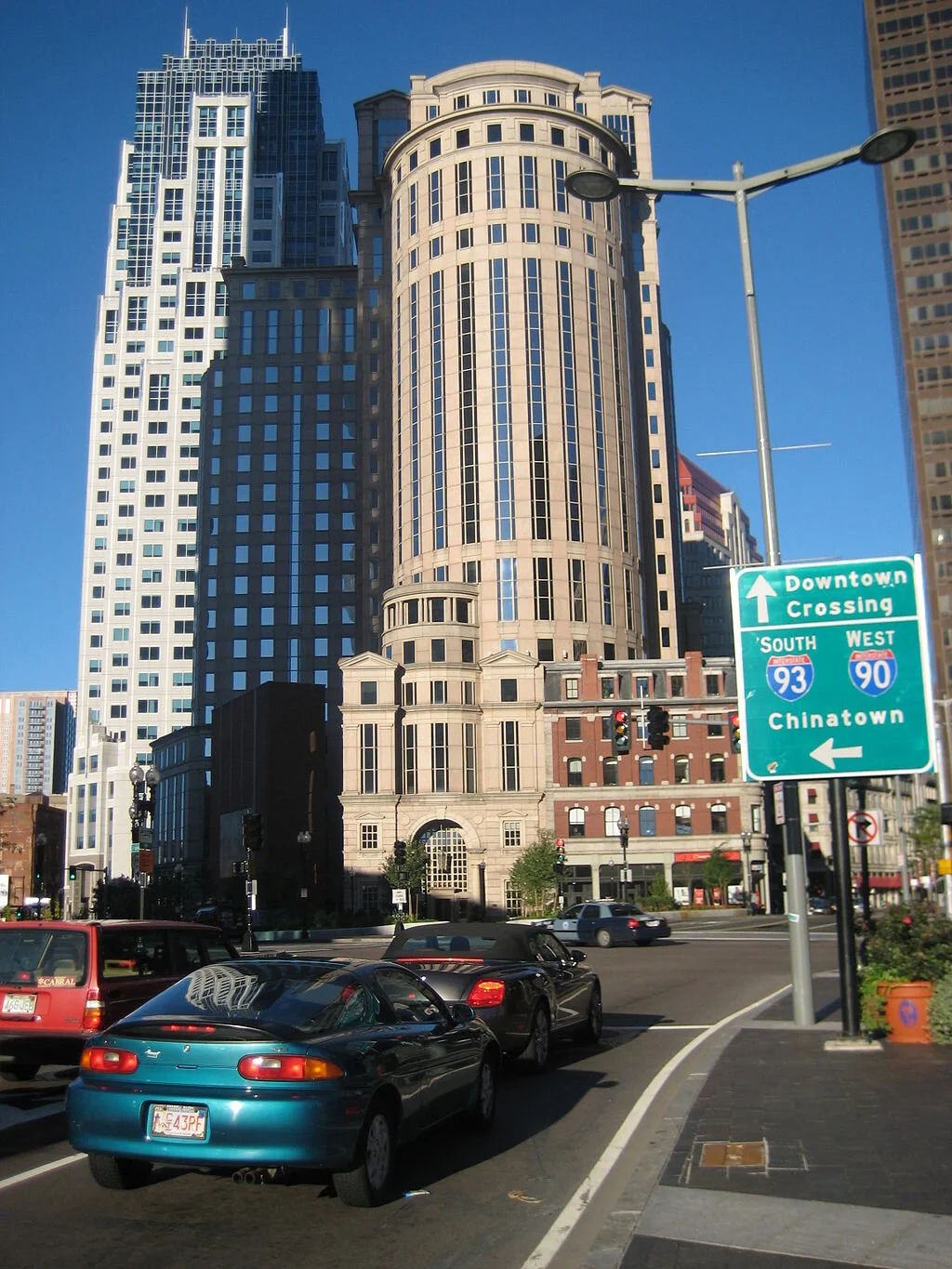
Traffic is starting to back up again in southern New England roads as the economy opens up in fits and starts. I found it bumper to bumper for a while the other week on Route 128 west of Boston. The roads are crumbling and the environmental effects of our extreme car-dependence are obvious. We need to expand mass transit. Yes, fear of COVID-19 has taken a toll on transit ridership but the frustrations and dangers of car travel (far more dangerous than travel on trains and buses) will soon enough send many people back to the likes of the MBTA.
Meanwhile, gasoline prices are very low and will likely continue so for some time to come. So when this depression ends, gasoline taxes should be raised to make the long-delayed improvements in transportation that will be good for the environment and for the economy. Maybe some people left permanently jobless by the pandemic depression can be employed in (Great Depression-era) WPA-style work to help fix the region’s worst transportation problems.

A WPA road project, in the Great Depression
Robin DeRosa: An urgent call for more equity in higher education
From The New England Journal of Higher Education, a service of The New England Board of Higher Education (nebhe.org)
PLYMOUTH, N.H.
About a year ago, I attended a meeting at the New England Board of Higher Education (NEBHE) focused on reducing the cost of learning materials for college students in our region. I have been pleased since then to work with colleagues across the New England states on NEBHE’s Open Education Advisory Committee that is looking into how best to support institutions and faculty as they replace high-cost commercial textbooks with free, openly licensed resources that can make college more accessible for learners and improve student engagement and success. This work is well underway, but the world seems vastly different than it did last year, and I have been thinking about how our current reality impacts and benefits from our ongoing work in open education.
When COVID-19 shut down the college campus where I work, faculty and staff knew that many of our students would be challenged by the quick transition to emergency remote learning. Learning online can feel alien to some students, and many of our faculty had only days to transition their courses into the new modality. What may have surprised many faculty, though, was the impact that COVID-19 had on our students’ basic needs and how that impact so thoroughly halted their ability to continue their learning.
While pre-COVID surveys tell us, for example, that almost half of American college students experienced food insecurity in the month prior to being surveyed, COVID thrust many of these students from chronic precarity to immediate emergency. As work-study jobs closed, and local businesses that employed students shut down, meager incomes shriveled and affording food, housing, car payments, internet and phone service and healthcare became impossible for many.
Faculty might have worried about how students would fare with complicated content delivered over Zoom, but students were worried that they would starve, become homeless or have to witness their families fall into even more dire poverty. Students became frontline workers, increasing hours at grocery stores and gas stations even though they couldn’t afford that time away from their studies, the personal protective equipment they needed to stay safe, nor the health-care costs they’d face if they got sick. As I worked with more and more students who were trying to survive through COVID, I wondered if “open education” was really enough of an answer to this scale of crisis.
On its surface, the resurgence of Black Lives Matter (BLM) protests in the wake of the murders of George Floyd and Breonna Taylor by police officers may seem to have little to do with COVID-19. But BLM and related movements to “defund the police” are deeply entwined with critiques that highlight how systemic racism pitches the playing field against Black, Indigenous and people of color (BIPOC).
BLM doesn’t just call out specific cases of police brutality; it asks us to look at how policing, surveillance and the justice system ironically and brutally create unfair and unsafe living conditions for some Americans. “Defunding the police” isn’t just about taking military weapons and excess funding away from departments poisoned by bad apples; it’s about reinvesting in under-resourced neighborhoods and redistributing funding for social supports in underserved areas to create healthier communities from the inside out. It’s easy to see the effects that decades of redlining and a centuries-long history of American racism have had on our students. There are thousands of data points we could examine, but stick with with food insecurity for a moment (with more stats from a recent Hope Center report): the overall rate of food insecurity among students identifying as African-American or Black is 58%, which is 19 percentage points higher than the overall rate for students identifying as white or Caucasian. When COVID ravaged our precarious students, Black students were hit especially hard. Another demographic that deals most frequently with food insecurity is students who have formerly been convicted of a crime. Think about that today, more than three months after the murder of Breonna Taylor; only her boyfriend,who was defending his home against the surprise police invasion, has been arrested in that incident.
For some students (and even contingent faculty and staff in our universities) COVID has augmented inequities that were already baked into their lives. Our continuing institutional failures to ameliorate or address these inequities can no longer be tolerated, both because the vulnerable in our colleges are at a breaking point from a global pandemic and because we have been called out by a national social justice movement that is demanding that we make real change at last. Is open education a way to answer this call?
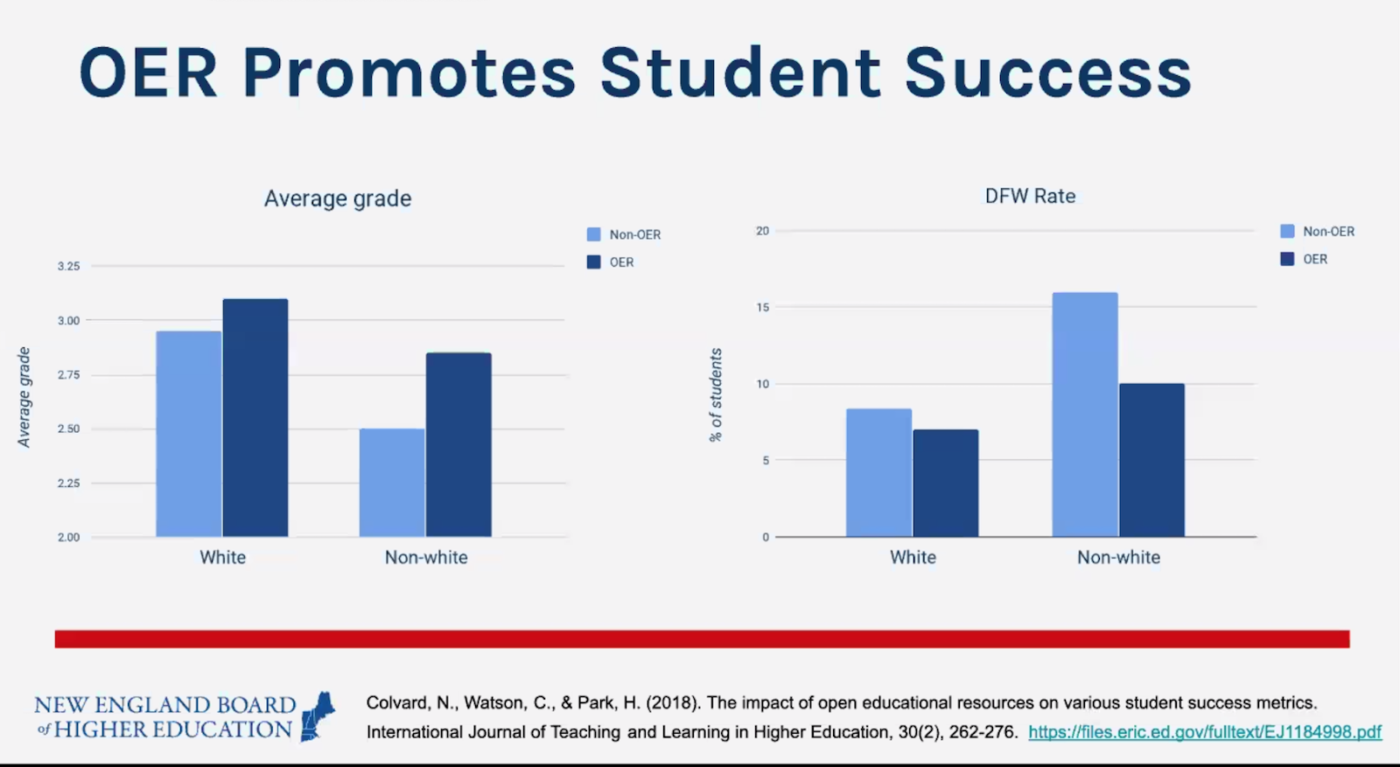
I want to cautiously explain why I think the answer is yes. The high cost of commercial textbooks has a much larger impact on student success than most people imagine, and the benefits of switching to OER are well-documented, especially for poor students and students of color. When we imagine the reasons for these improvements in “student success,” we generally chalk it up to cost savings; after all, students can’t learn from a book they can’t afford. I don’t mean to minimize the absolutely crucial impact of cost savings on learning, but what might be even more helpful about OER is the way it asks us to rethink the kind of architecture we want to shape our education system.
Many of us are familiar with the idea of the “College Earnings Premium,” which calculates that people with college degrees on average earn much more (recently estimated at 114% more) than those who don’t have degrees. Philip Trostel, a University of Maine economist who tracks the value of public higher education, takes the story of the earnings premium much further, explaining that many market benefits extend past individuals who go to college into the community at large (for example, if more people in a region go to college, tax revenues in the region also increase and the need for public assistance goes down). Even beyond this, public benefits extend past individuals and past economics, positively affecting health, disability rates, crime rates, longevity, marital stability, happiness and more. These benefits can be passed to children (whether or not they go to college) and in some cases even to whole regions. Similarly, as OER shows such benefit to individual students, we may overlook the more public benefits of making broader policy and practical changes that would expand OER (or college access) to all students.
I don’t just want to eliminate the profit motive in the “production” and “distribution” of learning and learning materials. I also want to embed learning in a structure that is fully aware of the social, public and communal value of higher education. When a global pandemic hits, I want colleges to open their gyms as overflow hospitals, work with local food pantries to ensure access to meals for everyone in the area and develop and openly share research to aid in finding treatments and cures. This is open education. When activists raise the alarm on systemic racism in policing, I want colleges to reject plagiarism software, disarm their campus police departments, increase the number of faculty of color in their ranks, and commit resources to antiracist research and initiatives. This is open education. When we work to shift from commercial textbooks to OER, we are not just saving students money; we are centering equity in education, and we shouldn’t undersell our vision. In fact, we shouldn’t sell this vision at all.
College is not only a way to make individual students richer. OER is not only a way to save individual students money. We have a chance to rebuild a post-COVID university that sees basic needs as integral to any learner’s academic success and actively develops ways to integrate basic needs with the missions of our institutions. We have a chance to redistribute our resources away from surveillant educational technology and corporations that mine student data for profit and think more about the value of education in terms of how healthy and safe and sustainable it can make the publics outside the walls of the academy. And how the academy can be more symbiotic with those publics.
When I work on OER initiatives, especially in larger collaborations across systems and states like our NEBHE team does, I am working on a vision for the future of higher education that is deeply responsive to the inequities that are threatening the heart of our country and threatening the lives of so many Americans who are fighting for survival at the very moment I am writing this. Our colleges and universities need to step up, and open education is a framework—perhaps one of many—that can help us center equity as we go forward at a pivotal moment in time.
Robin DeRosa is the director of the Open Learning & Teaching Collaborative at Plymouth State University in New Hampshire, at the approach to the White Mountains. Check out the Museum of the White Mountains there. Hit this link:
https://www.plymouth.edu/mwm/
and:
http://digitalcollections.plymouth.edu/digital/collection/p15828coll7
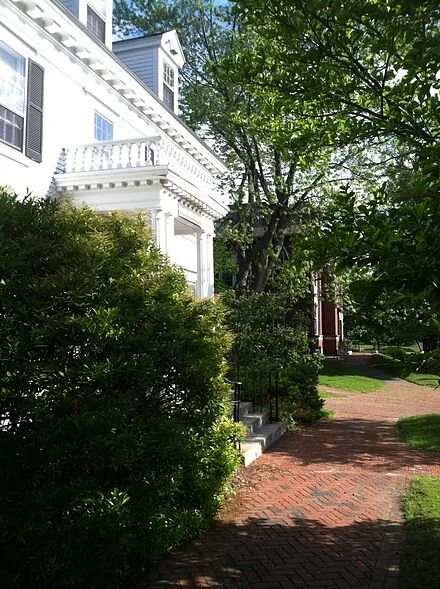
Ellen Reed House, home of the English Department, at Plymouth State University
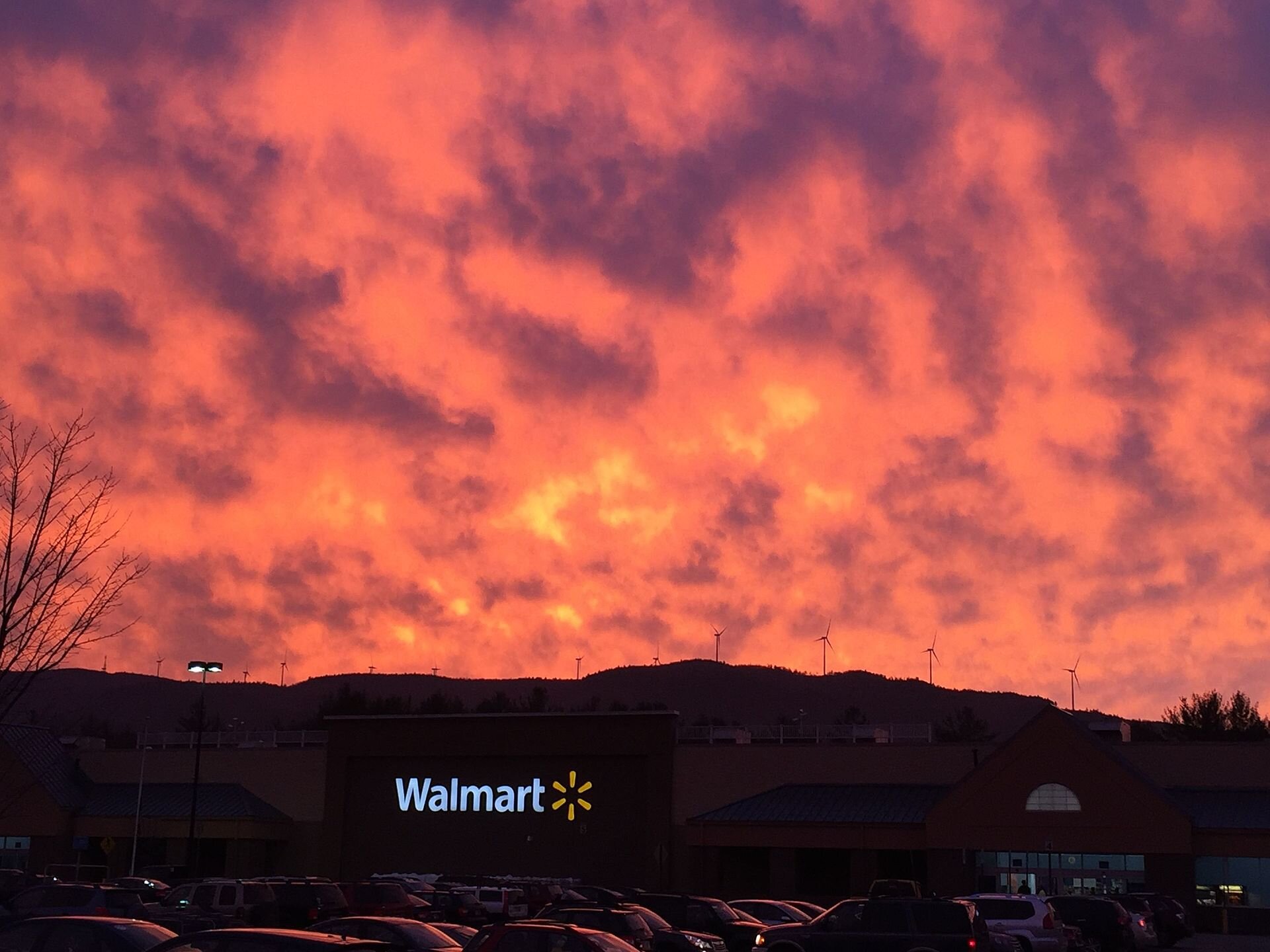
Walmart and ridgeline wind turbines in Plymouth
Photo by Atlawrence881

Victoria Knight: Inadequate data on efficacy of face masks

“We simply don’t have data to say this,” Andrew Lover, an assistant professor of epidemiology at the University of Massachusetts at Amherst.
A popular social media post that’s been circulating on Instagram and Facebook since April depicts the degree to which mask-wearing interferes with the transmission of the novel coronavirus. It gives its highest “contagion probability” — a very precise 70% — to a person who has COVID-19 but interacts with others without wearing a mask. The lowest probability, 1.5%, is when masks are worn by all.
The exact percentages assigned to each scenario had no attribution or mention of a source. So we wanted to know if there is any science backing up the message and the numbers — especially as mayors, governors and members of Congress increasingly point to mask-wearing as a means to address the surges in coronavirus cases across the country.
Doubts About The Percentages
As with so many things on social media, it’s not clear who made this graphic or where they got their information. Since we couldn’t start with the source, we reached out to the Centers for Disease Control and Prevention to ask if the agency could point to research that would support the graphic’s “contagion probability” percentages.
“We have not seen or compiled data that looks at probabilities like the ones represented in the visual you sent,” Jason McDonald, a member of CDC’s media team, wrote in an email. “Data are limited on the effectiveness of cloth face coverings in this respect and come primarily from laboratory studies.”
McDonald added that studies are needed to measure how much face coverings reduce transmission of COVID-19, especially from those who have the disease but are asymptomatic or pre-symptomatic.
Other public health experts we consulted agreed: They were not aware of any science that confirmed the numbers in the image.
“The data presented is bonkers and does not reflect actual human transmissions that occurred in real life with real people,” Peter Chin-Hong, a professor of medicine at the University of California-San Francisco, wrote in an email. It also does not reflect anything simulated in a lab, he added.
Andrew Lover, an assistant professor of epidemiology at the University of Massachusetts Amherst, agreed. He had seen a similar graphic on Facebook before we interviewed him and done some fact-checking on his own.
“We simply don’t have data to say this,” he wrote in an email. “It would require transmission models in animals or very detailed movement tracking with documented mask use (in large populations).”
Because COVID-19 is a relatively new disease, there have been only limited observational studies on mask use, said Lover. The studies were conducted in China and Taiwan, he added, and mostly looked at self-reported mask use.
Research regarding other viral diseases, though, indicates masks are effective at reducing the number of viral particles a sick person releases. Inhaling viral particles is often how respiratory diseases are spread.
SOURCES:
ACS Nano, “Aerosol Filtration Efficiency of Common Fabrics Used in Respiratory Cloth Masks,” May 26, 2020
Associated Press, “Graphic Touts Unconfirmed Details About Masks and Coronavirus,” April 28, 2020
BMJ Global Health, “Reduction of Secondary Transmission of SARS-CoV-2 in Households by Face Mask Use, Disinfection and Social Distancing: A Cohort Study in Beijing, China,” May 2020
Email interview with Andrew Noymer, associate professor of population health and disease prevention, University of California-Irvine, June 29, 2020
Email interview with Jeffrey Shaman, professor of environmental health sciences and infectious diseases, Columbia University, June 29, 2020
Email interview with Linsey Marr, Charles P. Lunsford professor of civil and environmental engineering, Virginia Polytechnic Institute and State University, June 29, 2020
Email interview with Peter Chin-Hong, professor of medicine, and George Rutherford, professor of epidemiology and biostatistics, University of California-San Francisco, June 29, 2020
Email interview with Werner Bischoff, medical director of infection prevention and health system epidemiology, Wake Forest Baptist Health, June 30, 2020
Email statement from Jason McDonald, member of the media team, Centers for Disease Control and Prevention, June 29, 2020
The Lancet, “Physical Distancing, Face Masks, and Eye Protection to Prevent Person-to-Person Transmission of SARS-CoV-2 and COVID-19: A Systematic Review and Meta-Analysis,” June 1, 2020
Nature Medicine, “Respiratory Virus Shedding in Exhaled Breath and Efficacy of Face Masks,” April 3, 2020
Phone and email interview with Andrew Lover, assistant professor of epidemiology, University of Massachusetts Amherst, June 29, 2020
Reuters, “Partly False Claim: Wear a Face Mask; COVID-19 Risk Reduced by Up to 98.5%,” April 23, 2020
The Washington Post, “Spate of New Research Supports Wearing Masks to Control Coronavirus Spread,” June 13, 2020
One recent study found that people who had different coronaviruses (not COVID-19) and wore a surgical mask breathed fewer viral particles into their environment, meaning there was less risk of transmitting the disease. And a recent meta-analysis study funded by the World Health Organization found that, for the general public, the risk of infection is reduced if face masks are worn, even if the masks are disposable surgical masks or cotton masks.
The Sentiment Is On Target
Though the experts said it’s clear the percentages presented in this social media image don’t hold up to scrutiny, they agreed that the general idea is right.
“We get the most protection if both parties wear masks,” Linsey Marr, a professor of civil and environmental engineering at Virginia Tech who studies viral air droplet transmission, wrote in an email. She was speaking about transmission of COVID-19 as well as other respiratory illnesses.
Chin-Hong went even further. “Bottom line,” he wrote in his email, “everyone should wear a mask and stop debating who might have [the virus] and who doesn’t.”
Marr also explained that cloth masks are better at outward protection — blocking droplets released by the wearer — than inward protection — blocking the wearer from breathing in others’ exhaled droplets.
“The main reason that the masks do better in the outward direction is that the droplets/aerosols released from the wearer’s nose and mouth haven’t had a chance to undergo evaporation and shrinkage before they hit the mask,” wrote Marr. “It’s easier for the fabric to block the droplets/aerosols when they’re larger rather than after they have had a chance to shrink while they’re traveling through the air.”
So, the image is also right when it implies there is less risk of transmission of the disease if a COVID-positive person wears a mask.
“In terms of public health messaging, it’s giving the right message. It just might be overly exact in terms of the relative risk,” said Lover. “As a rule of thumb, the more people wearing masks, the better it is for population health.”
Public health experts urge widespread use of masks because those with COVID-19 can often be asymptomatic or pre-symptomatic — meaning they may be unaware they have the disease, but could still spread it. Wearing a mask could interfere with that spread.
Our Ruling
A viral social media image claims to show “contagion probabilities” in different scenarios depending on whether masks are worn.
Experts agreed the image does convey an idea that is right: Wearing a mask is likely to interfere with the spread of COVID-19.
But, although this message has a hint of accuracy, the image leaves out important details and context, namely the source for the contagion probabilities it seeks to illustrate. Experts said evidence for the specific probabilities doesn’t exist.
We rate it Mostly False.
Victoria Knight is a journalist at Kaiser Health News.
With hidden faces

"Abstract Reflections," by Marcia Wise, at Fountain Street Gallery, Boston, through July 19.
See:
https://www.marciarwise.com/
and:
https://www.fsfaboston.com/

Don Pesci: Taking down Columbus and a mau-mauing in New Haven
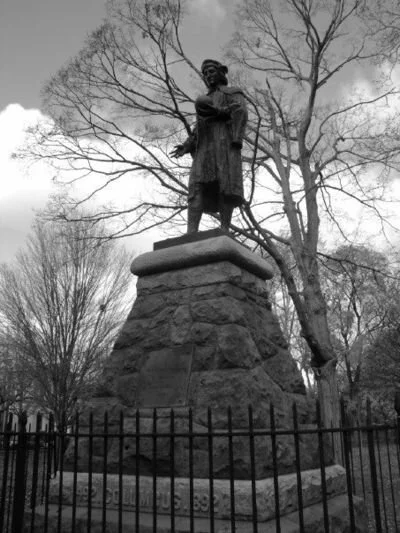
Bronze statue of Christopher Columbus, formerly situated at Wooster Square, in New Haven. The statue was removed by the city Parks Commission on June 24, 2020.
A video published by the New Haven Independent showing New Haven Mayor Justin Elicker being mau-maued by Los Fidel, not his birth name, the day after a Columbus statue had been booted from Wooster Square Park may not be a vote-getter for Elicker during his next campaign.
Two days after the removal of the statue by the Park Commission, not the city’s elected Board of Alderman, tempers were still sparking.
“You should have been here,” Fidel told Elicker.
“Everyone makes mistakes, and I make mistakes,” Elicker responded. In retrospect, Elicker confessed, “he should have been in Wooster Square rather than in his office at City Hall on Wednesday.”
On the day of removal, Elicker had been at a safe distance from the park in his office attending to business. Two days later, he ventured out and met with about 30 protesters who had cheered as the offending statue had been carted off.
“Sitting on the grass in a circle with the group,” The New Haven Independent reported, “Elicker spent most of the first hour listening to Fidel tell his story, interspersed with critiques of the mayor. (Watch the full conversation in the video above.)”
The video captures Fidel hurling imprecations at the mayor. “F**k you!” critiqued Fidel at one point.
His manners exquisitely intact, Elicker responded, “That’s not respectful.”
Fidel’s story was poignant:
“I’m looking at the f**king white devil," Fidel said at another point. He then apologized for his manner, and wiped away tears as he recounted getting punched in the back of the head and having slurs shouted at him Wednesday.
Fidel spoke of the many times he has been arrested over the years, for charges including felony possession of a deadly weapon and driving under the influence. He said his first arrest came at 13, and that the deadly weapon charge had to do with fishing equipment and was exaggerated by police.
He expressed how he has felt traumatized by law enforcement growing up in Bridgeport and living in New Haven for over 15 years.
"I’m a felon. I’ve been arrested for things I didn’t do my whole life," Fidel said. He said law enforcement has falsely targeted him. "I stabbed somebody in self-defense." He said he was charged with operating a "drug factory," when in fact, he said, he had less than an ounce of marijuana at his place. (According to court records, he has been found guilty of second-degree assault, probation violation, larceny, and reckless endangerment, among other offenses.)
To be sure, life in the city under the glare of the hypercritical police is no walk in the park. But Elicker’s problem, purely political, is a bit different than Fidel’s. Will the whole affair surrounding the removal of a mute statue help or hurt Elicker politically? It may seem obscene to people who are not professional politicians, but politicians, as a general rule, have an eye cocked on political loss or gain when they engage in politics. And politicians are always on the job, so to speak, always politicking, whether they are hugging babies or, in the midst of a Coronavirus outbreak, not hugging babies.
Other protesters joined in the conversation after Fidel had recovered his manners. “Disband police officers that have lost their legitimacy because they are working as an occupying force and stealing wealth from African-American communities,” one recommended.
Elicker responded that he was “prioritizing moving along appointments and seating the police Civilian Review Board… ‘I think there are opportunities to civilianize the police force,’ Elicker said. He said he sees opportunities to have police officers show up to fewer calls, which can be diverted to other responders,” the cri de coeur of the Black Lives Matter (BLM) movement.
So it goes in New Haven, and much of this is “deja vu all over again,” in Yogi Bera’s memorable phrase, for people familiar withThomas Wolfe’s still readable essays published in a book titled Radical Chic & Mau-Mauing the Flak Catchers.
Here is Wolfe carefully probing the difference between a confrontation and a demonstration in Mau-Mauing the Flak Catchers:
A demonstration, like the civil-rights march on Washington in 1963, could frighten the white leadership, but it was a general fear, an external fear, like being afraid of a hurricane. But in a confrontation, in mau-mauing, the idea was to frighten white men personally, face to face. The idea was to separate the man from all the power and props of his office. Either he had enough heart to deal with the situation or he didn't. It was like to saying, "You--yes, you right there on the platform--we're not talking about the government, we're not talking about the Office of Economic Opportunity--we're talking about you, you up there with your hands shaking in your pile of papers ..."
Intimidation of this kind may not be “respectful” – but it works well enough in New Haven.
D0n Pesci is a columnist based in Vernon, Conn.
'Appearance/disappearance'



“Beach Path 1’’ (oil paint monotype), by Carolyn Letvin, at Galatea Fine Art, Boston, online gallery.
She writes:
“The light in this image creates the passageway to a distant horizon. The positive and negative space are in communion, and give definition to each other. This image reveals the nature of duality in the forms of appearance/disappearance, past/future, heaven/earth.’’
See:
www.carolynletvin.com
galateafinert.com