
Gloria Oladipo: Rural hospitals' unique challenges in the pandemic
From OtherWords.org
As the COVID-19 pandemic spreads, many rural communities are in a uniquely difficult position.
According to Kaiser Health News, nearly 80 percent of rural America is categorized as a “medical desert,” meaning the nearest hospital is more than 60 minutes away. These hospitals are also much harder pressed to come up with ventilators and personal protective equipment for practitioners — and not to mention COVID-19 tests, which are in short supply everywhere.
Health care in rural America was in crisis well before the outbreak, with higher uninsurance rates in the countryside limiting access to care and financially undermining health facilities. Despite legislation giving financial relief to some hospitals, over 350 rural hospitals remain at high risk of closing.
Rural communities are at risk of severe outbreaks for other reasons as well.
For one, many rural communities lack reliable broadband connections. With so much COVID-19 information being transmitted via the internet, some rural residents may miss out on key updates.
Rural residents are also typically older, putting them at higher risk of dying from COVID-19. And they disproportionately lack access to healthy food and other necessities, which have become only more scarce in the pandemic.
Given the various risk factors associated with rural communities, a coronavirus outbreak in rural communities would be catastrophic. However, some government officials have not shown urgency.
For one, despite warnings from the Centers for Disease Control and Prevention (CDC) on a potential “second wave” of COVID-19 infections, some governments are easing social-distancing mandates. For example, Georgia Governor Brian Kemp is allowing non-essential businesses to reopen.
Meanwhile, the federal response to COVID-19 has utterly failed. In addition to failing to expand severely limited U.S. testing supplies, the White House has not kept its promises to provide more protective equipment or control misinformation.
Indeed, it’s been issuing a steady stream of its own misinformation, prompting warnings from health officials that no, you should not inject bleach to treat coronavirus. A direct consequence of Trump’s carelessness has been a steady increase of emergency room visits and poison control calls for bleach ingestion.
Rural communities cannot afford to be neglected during the COVID-19 pandemic. Governments at all levels must coordinate their efforts to educate, protect, and care for rural residents during this uncertain time.
In addition to continuing and strengthening local social distancing orders, local governments must continue making resources — like food, shelter, and medical supplies — accessible and free. Accurate information on COVID-19 must also be made accessible, especially for rural residents without an internet connection.
In addition to government help for rural hospitals, temporary and affordable clinics should be created in high-risk areas with limited hospitals. Nationally, testing and protective equipment such as masks and gloves should be readily available regardless of one’s location.
The response to COVD-19 will be a true test in capability, resilience, and crisis-planning for all those in positions of power. The neglect of rural communities during this pandemic is yet another way this nation’s COVID-19 response continues to fail.
Gloria Oladipo writes for OtherWords.org.
Fresh visions in close quarters, too

“Owl's Head, Penobscot Bay, Maine,’’ by Fitz Henry Lane, (1804-65), at the Museum of Fine Arts, Boston.
Layla Bermeo is the MFA’s Kristin and Roger Servison Associate Curator of Paintings, Art of the Americas. She had this comment on the painting:
‘‘….My attention always lingers on the lone figure in the bottom left, standing with his back turned, holding a pole. Even with the sense of stillness that pervades the canvas, I feel a tension between his immobility and the movement of the ships, which seem to drift away from his gaze, shrinking in the background. This tension is echoed in Lane’s own biography, as he lived with a disability that limited his mobility but spent his career painting ships that traveled very far, very fast.
“As we try to reduce the spread of COVID-19 by restricting our movements, we can feel frozen, watching the rest of the world swirl around us, if not from a shore, then on a screen. But Lane’s work suggests that smaller environments—those we can encounter in a short car drive or neighborhood walk, or even within our own basements or closets—hold greater possibilities than we often notice.
“When scholars reference Lane’s disability, they usually mention what he could not do—he could not study in Europe like other American artists; he could not explore the wilderness like other landscape painters. But he could walk with crutches or a cane, and he did travel across the coasts of Maine and Massachusetts, bringing a fresh vision to the familiar ports of Gloucester, Salem, and Boston. If we stop thinking in terms of what we cannot do, like Lane may have done, how might we see our surroundings differently?”

Time will teach you

The mayflower is the state flower of Massachusetts.
No hay pájaros en los nidos de antaño.*
--Spanish proverb
The sun is bright, the air is clear,
The darting swallows soar and sing,
And from the stately elms I hear
The blue-bird prophesying Spring.
So blue yon winding river flows,
It seems an outlet from the sky,
Where waiting till the west wind blows,
The freighted clouds at anchor lie.
All things are new; the buds, the leaves,
That gild the elm-tree's nodding crest,
And even the nest beneath the eaves;
There are no birds in last year's nest!
All things rejoice in youth and love,
The fulness of their first delight!
And learn from the soft heavens above
The melting tenderness of night.
Maiden, that read'st this simple rhyme,
Enjoy thy youth, it will not stay;
Enjoy the fragrance of thy prime,
For O! it is not always May!
Enjoy the Spring of Love and Youth,
To some good angel leave the rest;
For Time will teach thee soon the truth,
There are no birds in last year's nest!
“It Is Not Always May,’’ by Henry Wadsworth Longfellow (1807-82), New England poet, professor and translator
*In last year's nests there are no birds now
07-82
Winter's last joke
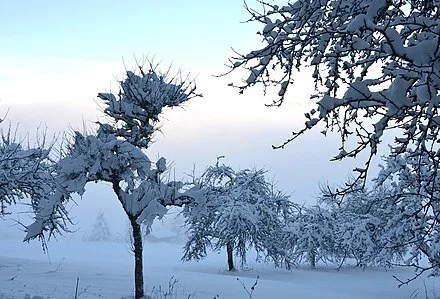
“The sounds coming through our bedroom window were ominous. We recognized the “crack-crash” punctuating the almost tangible silence as the noise of snapping, falling limbs. Two decades of New England woodland living had accustomed my wife and me to the winter ice storms and clinging wet snows that ‘trim’ the pine trees. But this was early May in Massachusetts – a time of lilacs and apple blossoms.’’
Robert C. Cowen, in The American Land, on the infamous May 9, 1977 snowstorm
Three springs

1910 postcard
From Robert Whitcomb’s “Digital Diary,’’ in GoLocal24.com
As the leaves push out, I think of three memorable springs, for me, anyway. The first is the spring of 1966, when we seniors were rapidly heading for graduation at our boarding school at the edge of the lovely Litchfield Hills, in Connecticut. While we faced the pressure of final papers and exams, and saw the Vietnam War looming, all in all, it was a delightful time. One reason is that a nice youngish married couple – the Woods -- with a couple of kids lived in a house down the road. They were friends of one of my classmate’s parents.
A bunch of us, ranging from four people to seven, would often bicycle to their rambling white 19th Century house, in nearby Middlebury, and hang out. On a couple of occasions, they had us to dinner, where illegally (?) they served us wine, and everyone would smoke in their backyard, whose spring lushness and freshness I still recall. Thus, we enjoyed the pleasures of adulthood without its responsibilities. It got better and better as the leaves thickened and we luxuriated in the first hot days. It may have just been the fact that it was a time of transition for us, and so everything seemed intensified, but I can’t remember a more beautiful spring.
Finally, a few days before graduation, which I was slightly dreading because as the head of the student government I had to speak before the commencement multitudes, the Woods gave us a farewell dinner, which I found moving. That was the last time that our group all met together. And, not surprisingly, several of us have been dead for years.
Then there was the spring of 1970, during my senior year at college, when everything was disrupted by partial college closings associated with protests against the war in Vietnam and Cambodia. The proximate cause was the fatal shooting of four anti-war student demonstrators at Kent State University, on May 4. Many colleges, including mine, Dartmouth College, decided (wrongly, in my view) to let everyone take all courses pass/fail and took other measures that turned the final weeks of that academic year into an excuse to have a hypocritically good time. As President Nixon reduced our military in Vietnam, and then the draft was ended, the protests faded, whatever was happening to the Vietnamese.
In any event, the Upper Connecticut Valley was much warmer than average that year and gorgeous. That late spring almost felt like summer camp. Frisbees flying everywhere. I left with only vague ideas of what I’d be doing next.
And now, half a century later, the Class of 2020 has had its in-person commencement postponed to June 2021, as the black swan of COVID-19 flies over. I wonder how many graduates will make it to that one.
The third spring I vividly remember came in 1972, as I was preparing to get my master’s degree at Columbia University, which was then still recuperating from the student unrest of the previous few years. Although graffiti-splattered-New York City was then in decline because of old industries leaving and/or shrinking, corporate headquarters fleeing to Connecticut, crime, labor strikes and municipal mismanagement, “The City’’ to many young people was still the most exciting and alluring place to be in America, and not all that expensive compared to most of the stretch from the ‘80s to the last couple of months, when COVID-19 has driven down housing and other prices.
I remember how easy it seemed to get a job, which I did before commencement, and the bright prospect of adventures to come. I felt, briefly, fancy free, as I strolled through Riverside Park up to Columbia, at 115th Street, from the big apartment at West 88th Street I shared with, numbers depending on the month, three to five people directly or indirectly connected with the movie and TV business. The rather ugly, city-tough, plane trees were unfurling and I smelled the inexplicable scent of wet bread. The city seemed full of promise, and it will again.
Why waste hours indoors?
— Photo by Schwabin
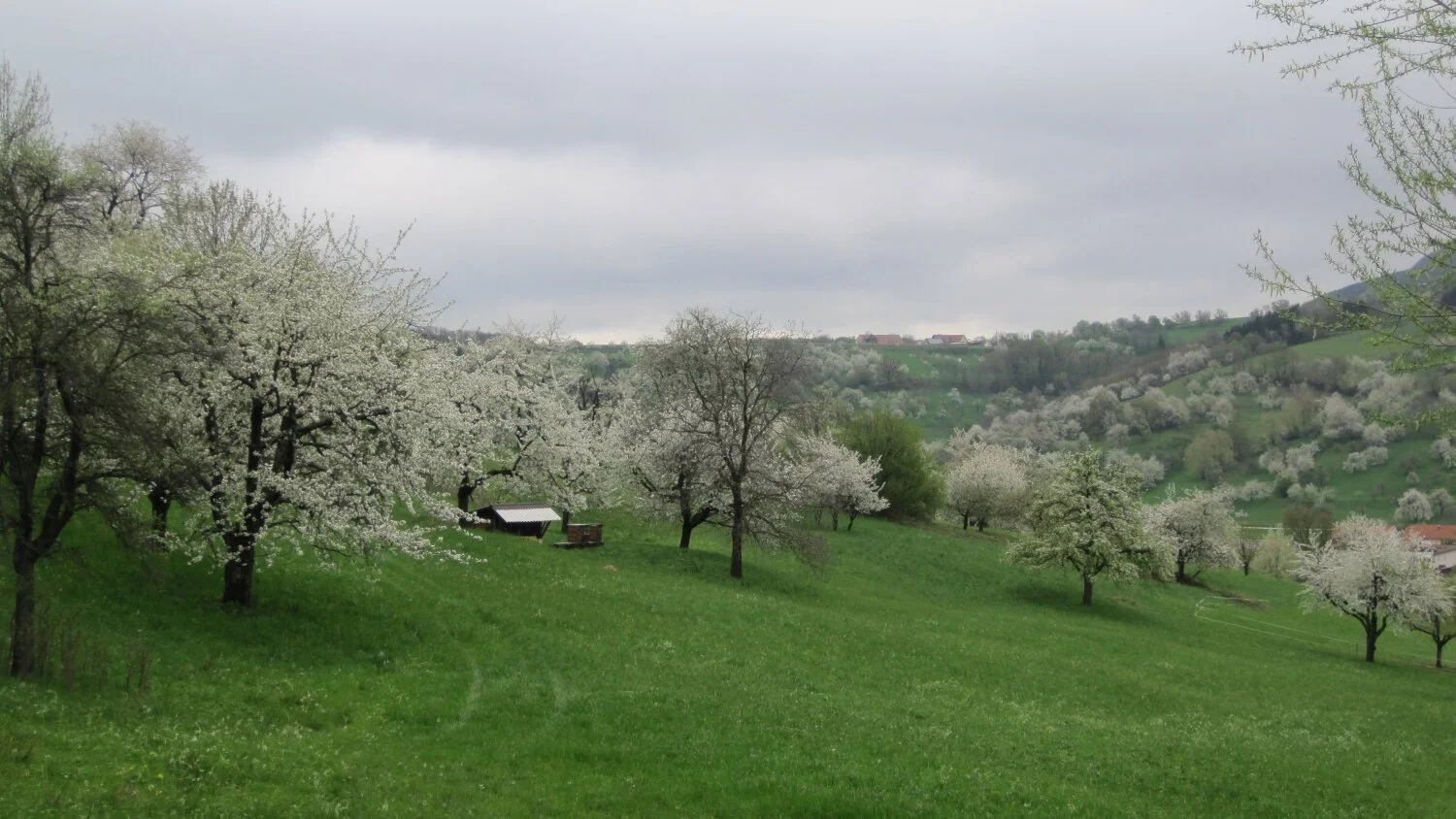
Too green the springing April grass,
Too blue the silver-speckled sky,
For me to linger here, alas,
While happy winds go laughing by,
Wasting the golden hours indoors,
Washing windows and scrubbing floors.
Too wonderful the April night,
Too faintly sweet the first May flowers,
The stars too gloriously bright,
For me to spend the evening hours,
When fields are fresh and streams are leaping,
Wearied, exhausted, dully sleeping.
“Spring in New Hampshire, by Claude McKay (1889-1948)
Neeta P. Fogg/Paul E. Harrington: Taking a ‘gap year' can be disastrous

From The New England Journal of Higher Education, a service of The England Board of Higher Education (nebhe.org)
BOSTON
The COVID-19 pandemic has caused elected officials to shut down large segments of the U.S. economy, within 30 days of President Trump’s National Emergency Proclamation in mid-March, putting more than 26 million American payroll workers out of work and shuttering countless small businesses, thereby shutting down the self-employment option upon which workers frequently rely in times of economic trouble.
The initial shutdown is already having substantial secondary effects in sectors of the economy that have not been closed by state officials. The college labor market —largely composed of employment in professional, technical and managerial occupations—was mostly insulated from the early effects of the shutdown. One exception was healthcare, which experienced substantial employment losses as delivery of non-essential healthcare services was sharply curtailed is now shedding workers at an accelerated pace as employer revenues decline precipitously.
Putting the world’s largest economy into a sort of induced coma means two important things for higher education consumers. First, family incomes and wealth are declining, and this results in reduced consumption, including reduced enrollment in higher education programs. Second, a cloud of uncertainty remains around the virus, and this uncertainty results in a more conservative approach to family finances led by increased savings and reduced consumption, including college consumption.
During the Great Recession of 2008-09, undergraduate and graduate enrollment rates skyrocketed as students sought shelter from the very weak labor market conditions of mass employment losses and rising unemployment among college graduates. However, it appears unlikely that this sort of enrollment surge will occur in this unprecedented economic decline, particularly as options for a “full-college experience” (stereotyped as an 18-year-old going off to a campus with all its social, sports, travel and cultural amenities) seem to be narrowing, by state mandate
Rethinking college decisions
Declining income and wealth and rising uncertainty mean that families are rethinking their college-enrollment decisions. Indeed, several new surveys suggest that among the prospective freshman class, a lot of consideration is being given to alternative ways to reduce spending on higher education, without giving up on it altogether.
Surveys of college-bound seniors find that substantial shares of students who were intent on starting at their first-choice four-year college are thinking about lower cost four-year college options. One recent survey by the Arts and Science Group estimates that about two-thirds of graduating seniors are considering some type of alternative to their first-choice option, with about 20 percent reporting that such a change is likely. Similarly, shifting from a four-year residential college to a two-year community college is now on the radar for many college-bound seniors who would not have considered a community college prior to the pandemic. A third option for students is to delay enrollment for a year until family income has had time to recover and the uncertainty about future possibilities is reduced as the pandemic abates over time.
The first two adjustments may be sensible for some families but does that third scenario, taking a so-called “gap year” make sense?
We believe that taking a gap year is not a good option. Delaying college for most college-bound seniors is disastrous. Delayed enrollment sharply reduces the likelihood of earning a degree.
Our large-scale longitudinal research of a cohort of 9th graders in Philadelphia found that after controlling for demographic and socioeconomic traits as well as in-school behavioral traits and measures of academic performance, delaying college enrollment after high school and subsequently enrolling in a community college reduced the likelihood of earning a college award (including certificates) by a massive 39 percentage points, compared to their counterparts who had enrolled in a four-year private college immediately after high school graduation. Among those who delay and then enroll in a four-year public college the completion rate is reduced by 20 percentage points. (This study tracked students for seven years after the expected date of high school graduation. Only a handful of students in the study remained enrolled at the end of the period. Because these students had not dropped out and were continuing their study, we counted them as completers in our study, although they had not yet earned an award.)
Other researchers have also found substantial negative effects on college completion associated with the gap year.
If students don’t earn a degree, the investment returns to their college education are essentially zero. Almost all the employment and earnings advantages to higher education are associated with an academic award of a degree or a certificate.
Despite the image created by the popular press about the benefits of a gap year between high school and college, the typical delayed-enrollment student is not the stereotypical high-income bon vivant touring the continent. Rather, delayed-enrollment students are about six time more likely to come from families in the bottom 20 percent than the top 20 percent of the nation’s socioeconomic distribution, according to research by Sara Goldrick-Rab and Seong Won Han. This suggests that delay in college enrollment is much more likely to be associated with less ability to pay than perhaps has been assumed in the past.
Income and wealth changes
The prevailing income and wealth developments in the U.S. will have an adverse impact on the college-going decisions of high school seniors. The closing of much of the nation’s college housing facilities and lingering uncertainty about their fall opening means that the “college experience” of living away from home and leading the idealized life of a resident undergraduate has become more distant to many newly minted high school graduates preparing to start their next phase of life.
Much of the “college experience” that many students desire is not an investment in higher education insofar that the campus experience doesn’t contribute much to post-graduation success. It is really just another form of consumption. (Indeed, when economists measure the cost of higher education, room and board costs are not included, as they are part of normal consumption of the individual. However, it is useful to note that the cost of forgone earnings as student allocate their time to schooling is included in economic measures of college costs.) College investment comes in the form of course-taking and study that leads to growth in the knowledge, skills and abilities of students that are valued in the labor market and yield large and sustained employment and earnings advantages.
The opportunity cost of a gap year is very high. The proficiency and human capital gap between those who enroll and those who do not will widen. The cost is essentially a lost year of investment, during a time in life when human capital investment should be at its greatest. Students who take a gap year will find it very difficult to secure paid work. The labor market is awash with massive numbers of job-seekers and this will continue as economic re-opening begins in a phased and cautious manner. New high school graduates, not especially welcome in the labor market in the best of times, will struggle to find employment. Even for students with strong financial resources, the opportunity to engage in the sort of gap year experiences such as cultural or environmental travel will likely be greatly diminished. A gap year for many young people will just mean an extension of the lockdown; in this instance, it will mean being locked out of work and school.
School and work are the two primary ways in which individuals build their stock of human capital. Students who opt for a gap year will find themselves left behind as their peers continue their education and develop their productive capacities. College-bound seniors are right to think carefully about adjusting to the COVID-19 environment, but one adjustment that is almost guaranteed to lead to financial failure is that of doing nothing—the gap year.
Neeta P. Fogg is research professor at the Center for Labor Markets and Policy at Drexel University, in Philadelphia; Paul E. Harrington, formerly of Northeastern University, is director of the center.
'Earlier than hope'
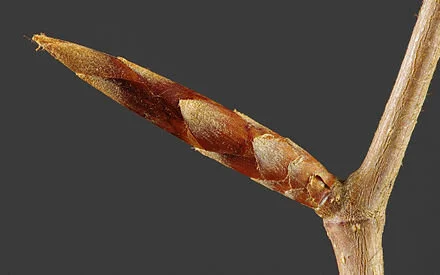
“Here were the blue buds, earlier than hope,
Unnumbered, beneath the leaves, a breath apart,
Wakening in root-dusk. …’’
— From “Recollection of the Wood,’’ by Leonie Adams (1899-1988), of Connecticut
N.E. responds to COVID-19: A testing site for uninsured; policy-change simulator; in-state tuition for out-of staters
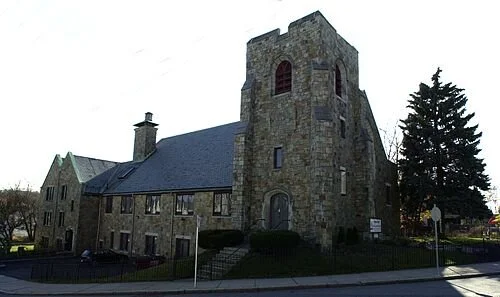
The First Congregation Church in Boston’s Hyde Park neighborhood, whose unofficial motto is “A Small Town in the City.’’ A mobile COVID-19 testing site has been opened there for the uninsured.
From The New England Council (newenglandcouncil.com)
BOSTON
As our region and our nation continue to grapple with the Coronavirus Disease (COVID-19) pandemic, The New England Council is using our blog as a platform to highlight some of the incredible work our members have undertaken to respond to the outbreak. Each day, we’ll post a round-up of updates on some of the initiatives underway among Council members throughout the region. We are also sharing these updates via our social media, and encourage our members to share with us any information on their efforts so that we can be sure to include them in these daily roundups.
You can find all the Council’s information and resources related to the crisis in the special COVID-19 section of our Web site. This includes our COVID-19 Virtual Events Calendar, which provides information on upcoming COVID-19 Congressional town halls and webinars presented by NEC members, as well as our newly-released Federal Agency COVID-19 Guidance for Businesses page.
Here is the April 27 roundup
Medical Response
Brigham and Women’s Hospital Opens Mobile Testing Site for Uninsured – In Hyde Park—one of Boston’s emerging virus hotspots—Brigham and Women’s Hospital has opened a mobile testing site to serve those with coronavirus symptoms but without health insurance. Testing at the site will be free of charge, and providers will not ask patients about immigration status. The testing site will also provide masks, boxes of food, and educational materials for those who qualify. Read more from CBS Boston.
Massachusetts General Hospital Researchers Develop Simulator to Predict Policy Change Effects – As states weigh when and how to begin re-opening nonessential businesses, Massachusetts General Hospital (MGH) has built a COVID-19 simulator to predict infections, hospitalizations, and deaths from coronavirus in the state under different plans of action. The model uses virus data to create statistical predictions of the its spread to inform state and local leaders on when it will be safe to ease physical distancing regulations. WBUR has more.
Economic/Business Continuity Response
The University of Maine Offers Tuition Break for Students Affected by Coronavirus – To support students across the country facing educational uncertainty, the University of Maine (UMaine) has launched a new initiative, The Maine Welcome, to allow all students—regardless of state origin—to pay in-state tuition to continue their studies. The program aims to help students as they navigate potential school closures and revenue losses. More from Mainebiz
PwC Makes Digital Fitness App Free Worldwide – To allow workers across sectors and around the world to develop digital skills, PricewaterhouseCoopers (PwC) has made its technological training app free globally. The app offers courses and learning assessments to instruct workers to learn important skills in a workforce increasingly dependent on technology. Cyprus Mail has more.
Community Response
AAA Northeast Uses Service Fleet to Deliver Protective Gear – In partnership with a West Haven, Conn., manufacturer, AAA Northeast is utilizing its fleet of service vehicles, deemed essential, to deliver gowns and other protective equipment made by Thermaxx to first responders and Connecticut state agencies. Read more in WTNH.
Harvard Pilgrim Health Care Enters Partnership to Provide Meals to Families – Harvard Pilgrim Health Care has donated $52,000 to sponsor a month of free meals for families through the Dimock Center. The Dimock Center will provide meals twice a week for families for one month using the donation, but Harvard Pilgrim has committed to additional funding as needed. The Jamaica Plain Gazette has more.
Boeing Transports 1.5 Million Masks to Aid Response – Continuing its relief missions around the world, Boeing delivered 1.5 million face masks from Hong Kong to the United States. The protective equipment will be used by healthcare providers across the country to combat shortages of the equipment necessary to keep healthcare workers safe. Read the release here.
Stay tuned for more updates each day, and follow us on Twitter for more frequent updates on how Council members are contributing to the response to this global health crisis.
'Like a blue cloud'
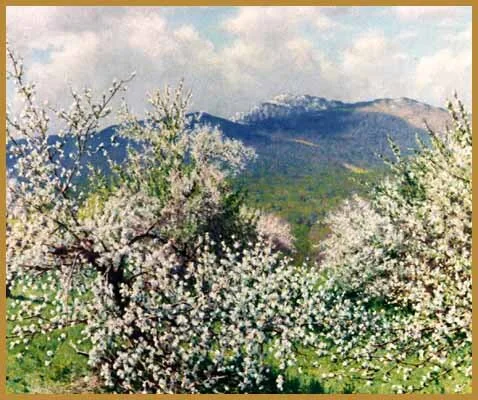
“Monadnock Orchard,’’ by Richard Whitney
“From the eastern brow of the mountain {in western Massachusetts}…we had a view over the tops of a multitude of heights, into the intersecting valleys of which we were to plunge --- and beyond them the blue and indistinctive scene extended, to the east and north, to the distance of at least sixty miles. Beyond the hills, it looked almost as if the blue ocean might be seen. Monadnock was visible, like a blue cloud against the sky.’’
-- Nathaniel Hawthorne in The American Notebooks (1838)
Bad Lyme disease season on its way

From ecoRI News (ecori.org)
Physical distancing because of COVID-19 has caused cabin fever to reach an all-time high, and people are seeking solace in the great outdoors. And while physical distancing rules still apply outside, the Rhode Island departments of environmental management and health are hoping that people will add another practice to their outdoor excursions: keeping an eye out for ticks.
With a mild winter in which many more ticks than usual likely survived and with more people expected to be outside this year because of the pandemic, 2020 is shaping up to be a bad year for tick bites and the transmission of Lyme and other diseases, according to the Rhode Island Department of Environmental Management (DEM).
Rhode Island already has the fifth-highest rate of Lyme disease in the country, with 1,111 people diagnosed in 2018.
To help mitigate this problem, DEM and the Department of Health are again promoting the state’s Tick Free Rhode Island campaign.
“At a time when the COVID-19 crisis has forced us into closing state parks and campgrounds, it might seem incongruous to sound the alarm about Lyme disease,” DEM Director Janet Coit said. “Yet, Lyme is a very dangerous disease. So, all of us, whether we’re taking a walk around the block, spending time in our backyards, or going fishing, should do our best to prevent tick bites along with respecting social distancing norms.”
Here are the agencies’ three keys to tick safety:
Repel. Avoid wooded and brushy areas with high grass and leaves. If you are going to be in a wooded area, walk in the center of the trail to avoid contact with overgrown grass, brush, and leaves at the edges. Wear long pants and long sleeves. Tuck your pants into your socks. Wear light-colored clothes so you can see ticks more easily.
Check. Take a shower after you come back inside from a wooded area. Do a full-body tick check in the mirror; parents should check their kids for ticks and pay special attention to the area in and around the ears, in the belly button, behind the knees, between the legs, around the waist, and in their hair. Keep an eye on you pets as well, as they can bring ticks into the house.
Remove. If possible, use tweezers to remove a tick; grasp the tick as close to the skin as possible and pull straight up. If you don’t have tweezers, use a tissue or gloves. Keep an eye on the tick bite spot for signs of rash, or symptoms such as fever and headache.
Most people who get Lyme disease get a rash anywhere on their body, though it may not appear until long after the tick bite. At first, the rash looks like a red circle, but as the circle gets bigger, the middle changes color and seems to clear, so the rash looks like a target bull’s-eye.
Some people don’t get a rash, but feel sick, with headaches, fever, body aches, and fatigue. Over time, they could have swelling and pain in their joints and a stiff, sore neck; or they could become forgetful or have trouble paying attention.
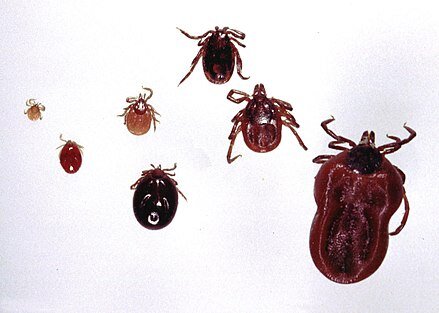
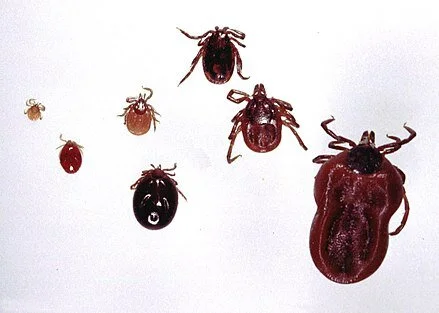
Deer ticks in their developmental progression
Mainiacal independence

“Henry {of Maine} was his own man: in his battered old truck, with tottering load of hay on it … he implied an old-fashioned resourcefulness and independence, which we would praise even if we could’t emulate.’’
— From “Of Moose and Moose Hunter,’’ by Franklin Burroughs, in his book of essays called Billy Watson’s Croker Sack
Robert P. Alvarez: We must protect the 2020 election
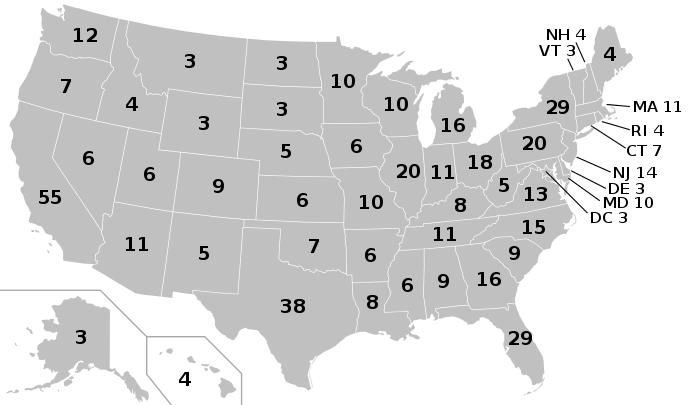
States’ Electoral College votes
Via OtherWords.org
First, it was a public health crisis. Now, it’s decimating the economy. And for it’s next trick, the coronavirus is threatening to undermine the 2020 election.
Unless, that is, Congress steps in to ensure we can vote by mail.
If you’re curious what the worst case scenario is, look no further than Wisconsin, where a gerrymandered GOP legislature forced voters to the polls over the orders of the Democratic governor — and against the advice of public health officials.
Wisconsin Republicans not only declined to send every voter an absentee ballot. They also appealed — successfully — to the conservative-majority U.S. Supreme Court to prevent voters who received their ballot late (through no fault of their own) from having their votes counted.
It was a transparent ploy by Wisconsin Republicans to support a conservative incumbent on the state Supreme Court by suppressing the vote. It failed — his liberal-leaning challenger won — but they struck a huge blow to voting rights in the process.
Fallout from the coronavirus exposed structural weaknesses in everything from our health care and education systems to market supply chains and labor rights. It also made painfully obvious the fragility of our electoral process.
Unfortunately, states have received little help from Congress in shoring up their elections. Just $400 million of the $2.2 trillion stimulus bill was earmarked for helping states cover new elections-related expenses stemming from the pandemic.
When it comes to providing the financial support necessary to ensure our elections are safe, accessible, fair, and secure, the last coronavirus response bill was a dereliction of duty.
Will it be safe to gather in large numbers by November? And even if it is, will voters feel comfortable standing in line, for up to six hours in some cases (thanks to GOP poll closures, but that’s another story), next to strangers?
If not, it’s fair to assume some voters will elect not to vote due to safety concerns. And that should undermine public confidence in the outcome.
The obvious solution is expanding voting by mail.
Unfortunately, Donald Trump is fiercely opposed to this. “They had things, levels of voting, that if you’d ever agreed to it, you’d never have a Republican elected in this country again,” he said.
Let that sink in. The president — who himself voted by mail — openly views the right to vote as a threat to his presidency and party.
Americans shouldn’t have to choose between their health and their right to vote. In the midst of this pandemic, states with overly cumbersome processes for absentee voting are complicit in voter suppression. Period.
To fix this, we need to ensure no-excuse absentee voting in the next coronavirus bill — and that’s the bare minimum. Beyond that, we also need pre-paid postage for mail-in ballots and an extended early in-person voting period.
We need accessible, in-person polling places with public safety standards that are up to snuff. That means election workers must know they’re safe, and must have access to personal protective equipment.
We also need to develop and bolster online voter registration systems, and run public information campaigns giving voters localized, up-to-date voting guidelines.
To complete this nationwide, we’re looking at a $2 billion price tag. That’s just 0.1 percent of the $2 trillion package Congress already passed — and if it ensures our democracy doesn’t die in this pandemic, it’s worth every penny.
Robert P. Alvarez is a media relations associate at the Institute for Policy Studies, where he writes about criminal justice reform and voting rights.
'Everything flowers'

“The bud
stands for all things,
even for those things that don’t flower,
for everything flowers, from within, of self-blessing….’’
— From “Saint Francis and the Sow,’’ by Galway Kinnell (1927-2014), a Vermont-based poet
Frugal or just cheap?
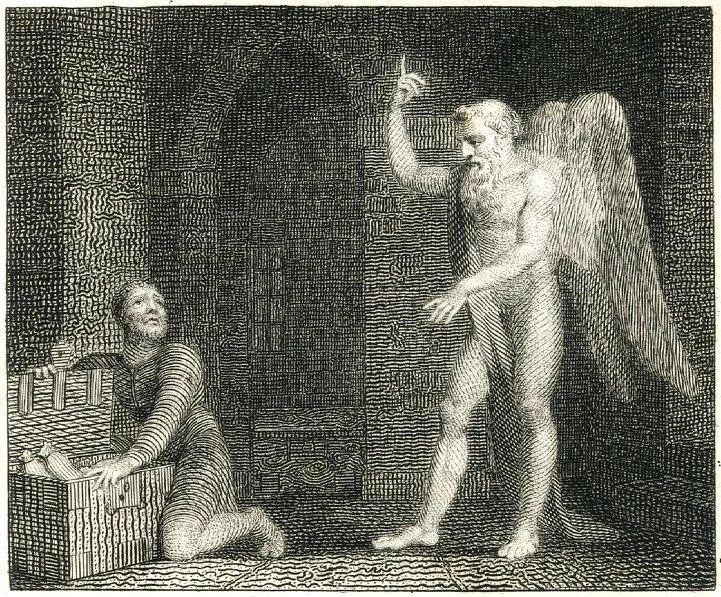
A print of John Gay's "The Miser and Plutus," by William Blake (1793). Plutus was the Greek god of wealth.
“All Yankees are known for their frugality, I suppose, but well-to-do Yankees most perfectly embody the idea. In no other part of the country are the rich cheap.’’
— John Sedgwick, in the September 1991 Yankee Magazine
Carpe diem

Gravestone of Emily Dickinson, in West Cemetery, Amherst, Mass.
That it will never come again
Is what makes life so sweet.
Believing what we don’t believe
Does not exhilarate.
That if it be, it be at best
An ablative estate —
This instigates an appetite
Precisely opposite.
— Emily Dickinson
”An ablative estate’’ refers to ablation, an operation involving removing body tissue — something that heals but that also involves losing part of the patient.
Chris Powell: Could Feds buy fewer junk bonds and more food for the needy?
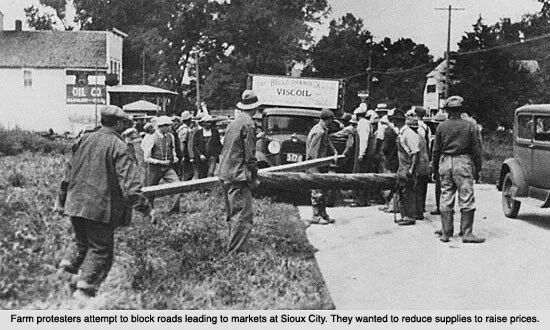
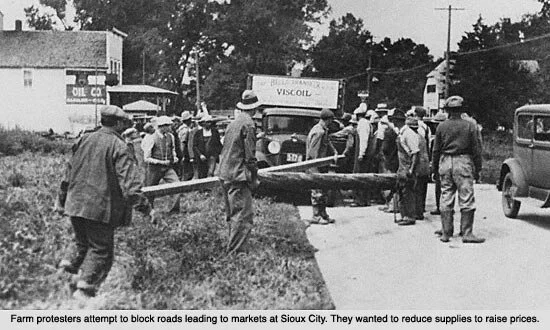
Scene in 1933 in Sioux City, Iowa, during The Great Depression
MANCHESTER, Conn.
Connecticut's crazy political left hasn't been completely sidelined by the epidemic-caused suspension of this year's session of the General Assembly. The crazy left was out in force again the other week on Prospect Street in Hartford, driving a caravan of cars past the Executive Residence, honking horns and waving signs calling on Gov. Ned Lamont to release all inmates in the state's prisons to diminish their risk of contracting the virus, the prison environment being crowded.
Yes, the demand was for the release of all prisoners, including those convicted of murder, rape, robbery, and the like -- even the murderers of the Petit family in Cheshire, Steven Hayes and Joshua Komisarjevsky.
Almost simultaneously with that protest, Florida announced the arrest for murder of a prisoner who had been released early to protect him against contagion. He had been deemed low-risk but now he is accused of killing someone the very day after his release.
Meanwhile the left in Connecticut is silent about the plutocratic nature of the federal "stimulus" legislation, which was supported by the state's members of Congress, all liberal Democrats. Most of the trillions of dollars in relief is not devoted to sustaining the suddenly unemployed and their families or treating the sick but to restoring the value of financial assets, which are owned almost entirely by the rich. The Federal Reserve will even be buying "junk" bonds, the debt obligations of less solvent corporations, thereby protecting them against bankruptcy -- that is, protecting stockholders against losing their equity to the corporation's lenders.
The political right in Connecticut is also silent about the plutocratic nature of the "stimulus" legislation though just a couple of years ago the political right was complaining about the "corporate welfare" that was being portrayed as economic development by the previous state administration.
Meanwhile, what is happening in the country is starting to evoke The Great Depression. With restaurants closed to regular dining, farmers who have been growing food for the restaurant trade can't sell their produce and are dumping it, just as, with schools closed, dairy farmers are dumping milk because that market has disappeared too.
But as this food is being dumped, the newly unemployed are queuing at food banks, as they did last week at one in Danbury, where supplies were exhausted long before everyone in a long line of cars got something. Police had to tell people to turn around.
Could the federal government buy fewer junk bonds and more vegetables and milk and pay trucking companies to deliver it to food banks? While the extra unemployment insurance promised by the "stimulus" legislation -- $600 a week per beneficiary for four months -- should start arriving soon and reduce food insecurity, sending to food banks the food that otherwise would be discarded would make the unemployment insurance money go farther.
From the unemployed to the merely homebound, nearly everybody would like to blame someone or something in government for the country's appalling predicament. The federal government wasn't prepared and neither were state governments, and now they are dealing with it on the fly. But then the people themselves long have tolerated all sorts of nonsense from their government and hardly anyone demanded that it be prepared for an epidemic.
In any case government will never be able to do everything well. It's great at creating and distributing money and pretty good at waging war, if not winning it, but not as good at public health. So when this epidemic ends, don't throw your face masks away.
Chris Powell is a columnist for the Journal Inquirer, in Manchester.
Who wouldn't be?

“Am I Blue” (encaustic with saral tracings and transfers), by Angel Dean, a Providence-based painter and musician
The mobster vs. the monopolist
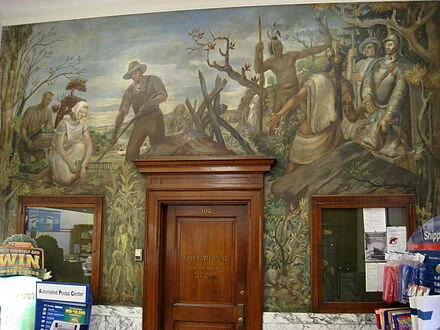
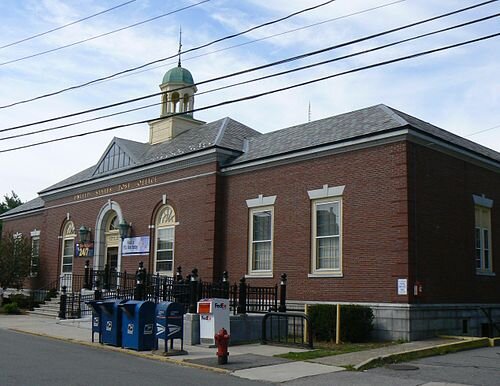
Mural "Purchase of Land and Modern Tilling of the Soil" (1938), by William C. Palmer, in the lobby of the Arlington, Mass., Post Office, a Colonial Revival building (see exterior below) that was opened in 1936. Many post offices erected or renovated during the New Deal’s Works Progress Administration had art work such as this mural, in part to help keep artists employed during the Great Depression.
From Robert Whitcomb’s Digital Diary, in GoLocal24.com:
Maximum Leader Trump hates the U.S. Postal Service, which he alleges undercharges Amazon, run by Jeff Bezos, whom Trump envies and so detests And Mr. Bezos owns The Washington Post, which tries to vigorously report on the Trump mob. So the mobster-in-chief rejects a bailout of the Postal Service, which is far more essential to America than many of the institutions being bailed out. And he would love to hamstring efforts to encourage voting by mail this pandemic year in lieu of the usual crowds at polling places, because he thinks, correctly, that those votes will tend to be against him.
Oh yes. Trump votes by mail himself. I myself think that voting in person is better – except in a pandemic. That’s not only because it might be less vulnerable to fraud but also because showing up to vote at a polling place is a celebration of democracy.
In any event, the Postal Service, whatever its flaws, is an important part of America’s connective tissue, especially for the underprivileged, and needs to be protected.
By the way, none of this is to say that Amazon, like Google, Facebook and some other tech-based companies that have become so huge in the past two decades, aren’t too powerful and shouldn’t be broken up, as the now hollow Antitrust Division of the U.S. Justice Department would have done a half century ago.
Variations on weather themes
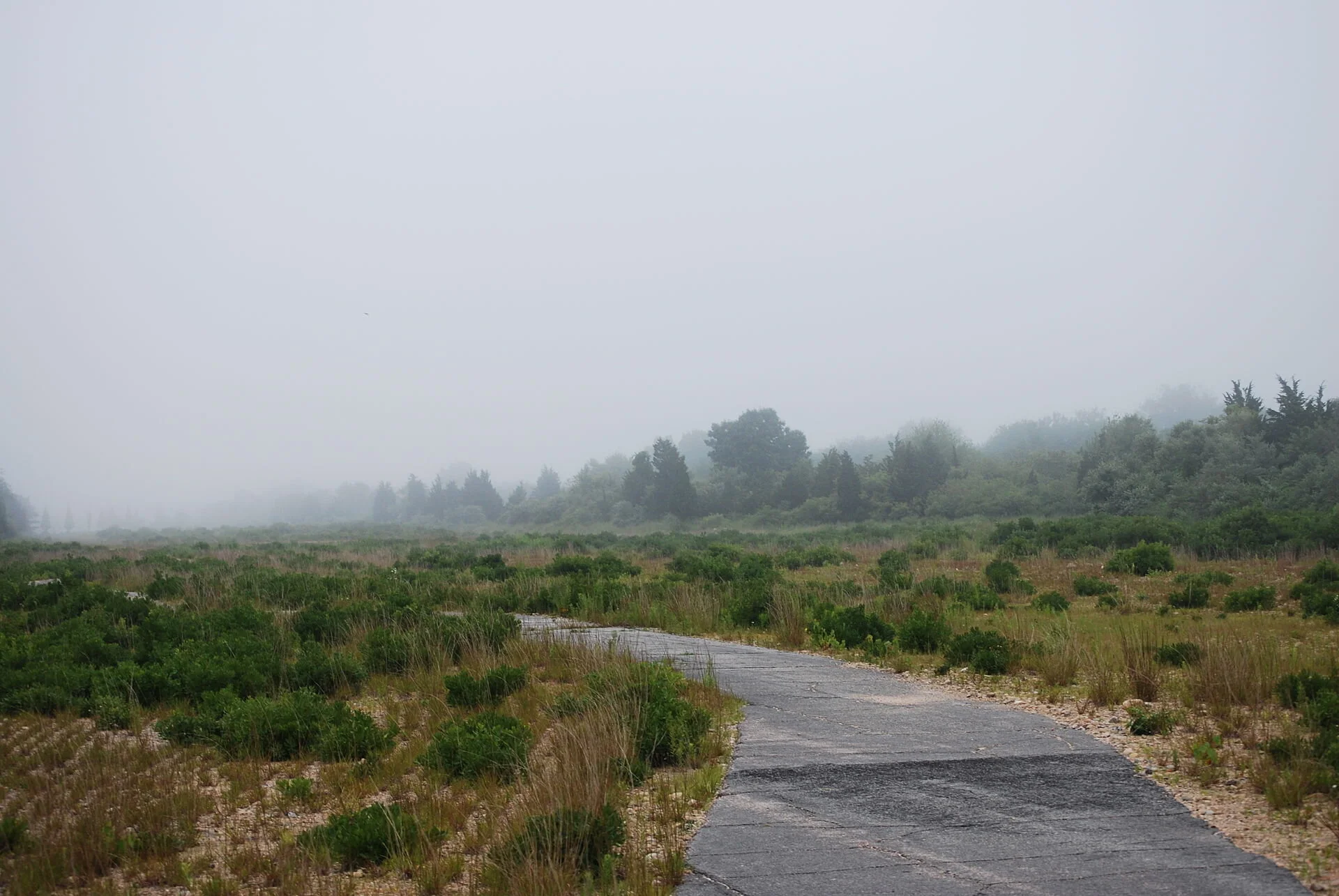
Ninigret Pond National Wildlife Refuge, in southern Rhode Island
— Photo by Juliancolton
“Without going against Nature and absolutely defying the seasons, Rhode Island climate has as many variations as the solar system will permit.’’
— From WPA Guide to Rhode Island (1937)