
Vox clamantis in deserto

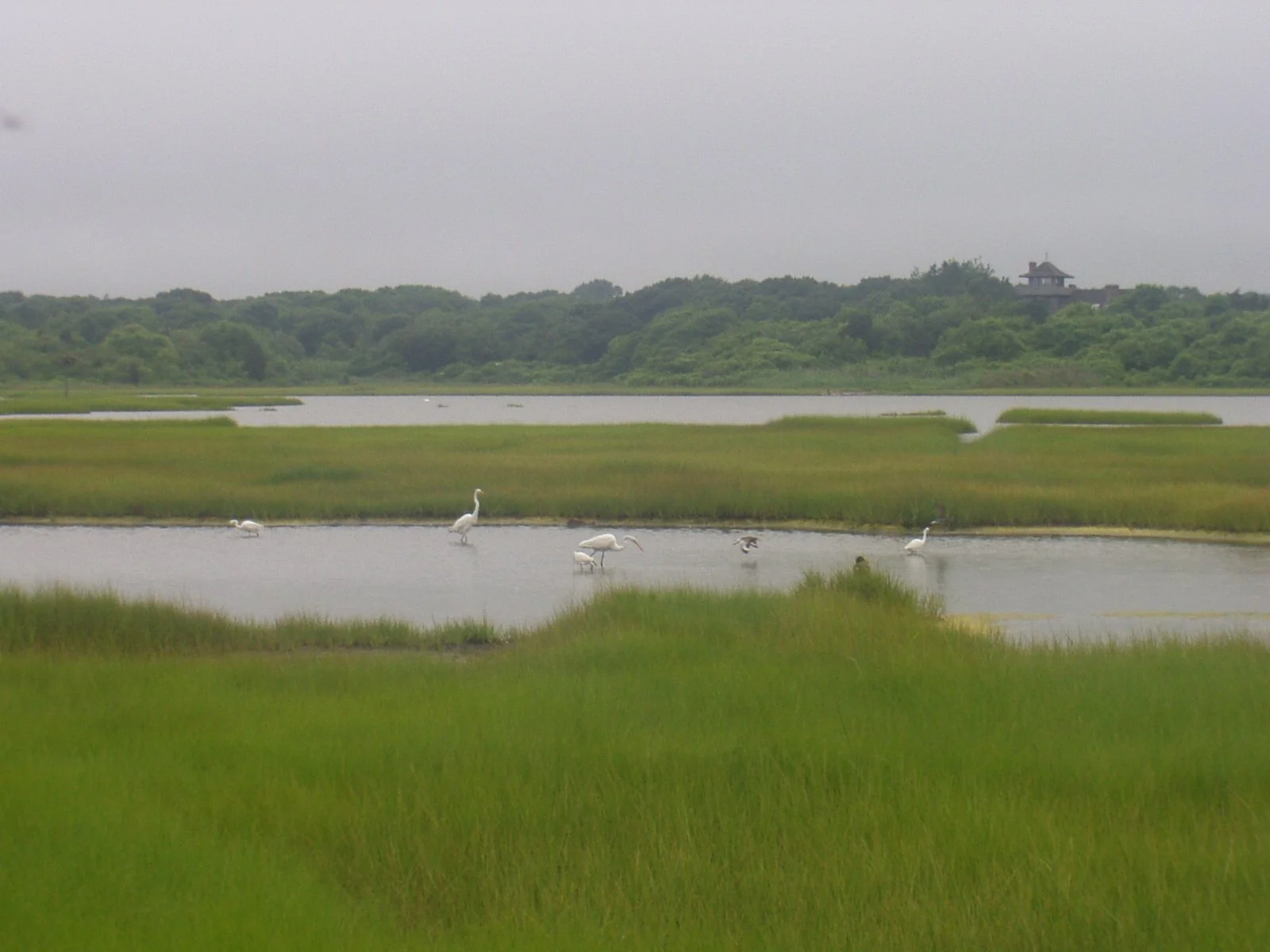
....that our meetings are cancelled
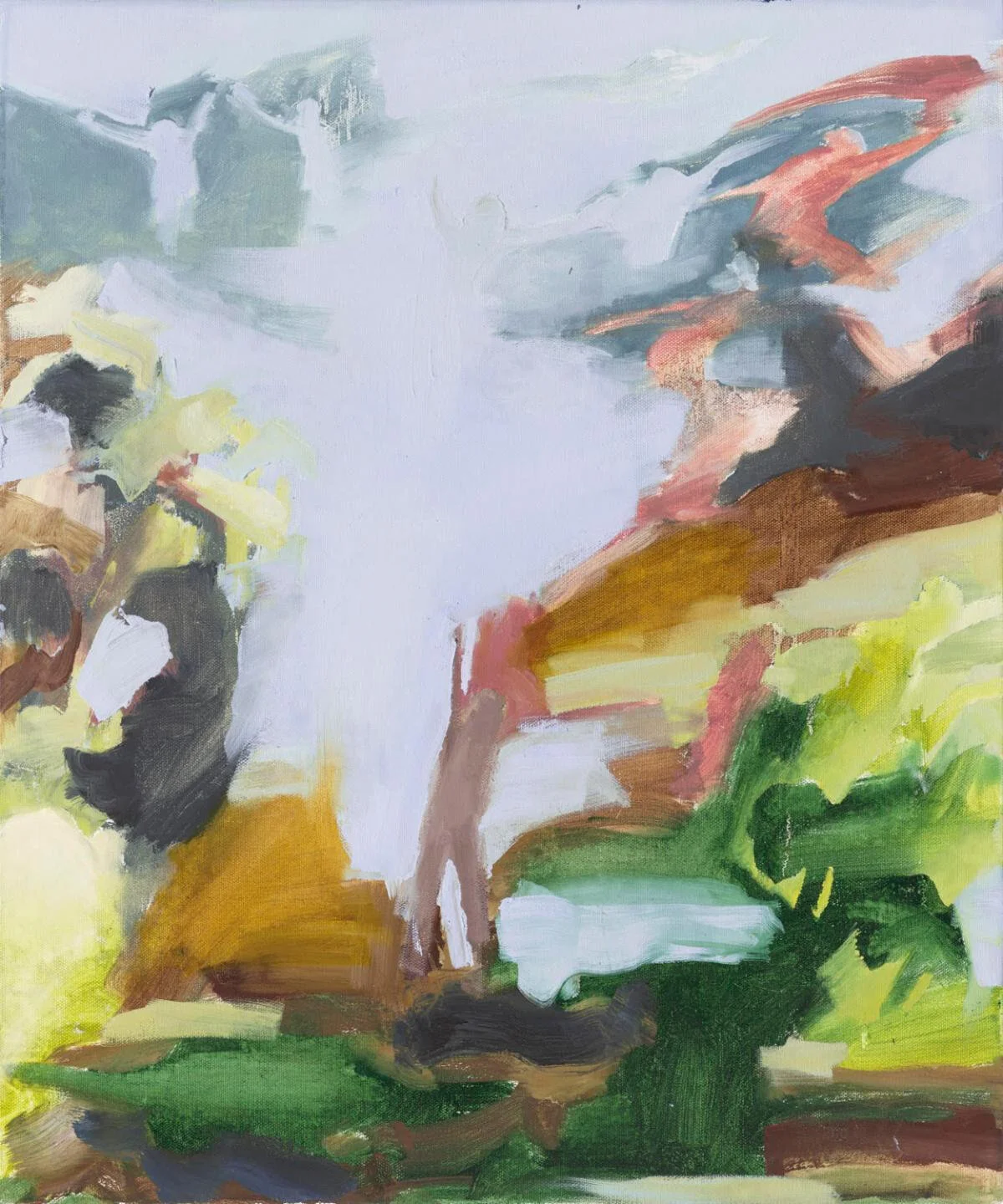
“The Announcement ‘‘ (oil on canvas), by Iwalani Kaluhiokalani, at Galatea Fine Art, Boston, available to see only online now

Elizabeth Prince: Response to COVID-19 helps unveil the extent of air pollution

From eco RI News (ecori.org)
NEWPORT, R.I.
While millions have been horribly affected by COVID-19, there is a silver lining to this pandemic. With the resulting global shutdown, the environment’s health is actually improving, and with that comes undeniable proof that humans are largely to blame for longstanding environmental degradation.
In India's Punjab region, the Himalayan Mountains can be seen with the naked eye for the first time in 30 years. For now, Los Angeles is free of its perpetual smog blanket, and the Northeast Corridor’s air is also clearer and cleaner.
It’s estimated that 8.8 million people die prematurely every year globally because of air pollution. That happens mainly in areas near major highways and/or coal-burning facilities. Researchers are studying the probability that the higher number of COVID-19 deaths reported in industrial northern Italy stem from the added hazards of air pollution in that region. This is compared to fewer virus-attributed deaths thanks to the less-polluted skies in Italy’s more agricultural southern regions.
Humans aren’t alone in their suffering. All of nature’s creatures are plagued by the ecological devastation caused by complicit governments, together with corporate entities' greedy desire to maximize profits at an ecosystem’s expense.
We must encourage and actively support the critical work of environmental and educational organizations with increasing pace. Individuals and governments must realize our newly emerging cleaner environment is a direct product of mankind’s forced curtailment of polluting activities, due to COVID-19's heavy restrictions on transportation and industry. Proof that human behavior is guilty of degrading the world’s air, water, and soil is visible and undeniable now more than ever. That it took a pandemic to begin lifting the veil from skeptics’ eyes is discouraging and saddening, but truth is often more visible during real, unexpected challenge.
Elizabeth “Lisette” Prince is a Newport, R.I., resident
Comment0 Likes Share
'Yearning for a new location'
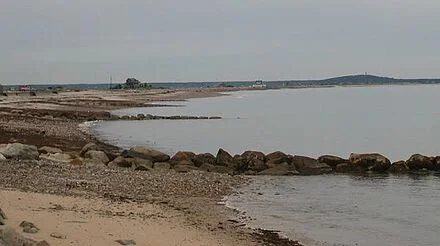
Along Plymouth’s shoreline
“The night mist leaves us yearning for a new location
to things impossibly stationary,
the way they’d once float houses
made from dismantled ships, brass and timber,
from Plymouth, Massachusetts, across the sound
to White Horse Beach. You were only a boy.’’
— From “Floating Houses,’’ by David Wojahn
Charles F. Desmond: COVID-19 crisis displays 'The Amazing Generation'

— Photo by Artur Bergman
From The New England Journal of Higher Education, a service of The New England Board of Higher Education (nebhe.org)
BOSTON
As a nation, we are taught to understand that it is sometimes necessary to send soldiers into harm’s way to fight for values and principles that we believe are worth sacrificing for. Today, and throughout our history as a nation, young men and women have been called upon to fight in foreign lands for the advancement of democracy and to secure and preserve the religious rights and political freedoms of marginalized groups and disenfranchised individuals.
I am a decorated veteran of the unpopular war in Vietnam. I went to war believing in the aforementioned values and principles. Over the many years that have passed since then, I have on occasion questioned whether my military service mattered, whether the suffering, destruction and loss I saw on the battlefield served a larger purpose, or whether anything of value in America was derived from the loss of treasure and human sacrifices made in that war’s name.
Over the past month, I have watched the deadly march of the COVID-19 virus from across the world and onto our nation’s shores. The human toll wrought by the virus has now exceeded 22,000 in the U.S. Coupled with this dreadful loss of human life, the economic and social upheaval the virus has rendered is beyond anything we have witnessed in recent history.
In the face of this human suffering and social upheaval, we are witnessing across the country, I have been heartened and inspired by the selfless and heroic actions of our younger generation of Americans. Any doubts I had about what American stands for or how we as a nation care for and support each other have been answered. One need only read the daily newspaper or turn to any television station and you will see thousands of young Americans who have put themselves into harm’s way in their battle to do whatever is necessary to defeat this virus.
I see a generation who were not drafted and who did not enlist to serve in this war but who have stepped forward in cities and towns, hospitals and schools and everywhere else where they are needed in the national campaign to eradicate this virus from our country. I have watched in wonder and pride as doctors, nurses, researchers, emergency medical personnel, police, fire and military service members, truck drivers and grocery store cashiers who all have put their personal and family safety aside and, under unimaginable conditions, fearlessly faced this horrific disease in an effort to serve, support and save their fellow Americans who, without them, would surely fall victim to a virus that does not discriminate by race, color, age or economic status.
The generation that fought in World War II much later came to be called The Greatest Generation. Some scholars and pundits have written that that generation may have been America’s greatest. I do not agree. I believe we are now witnessing the emergence of a new generation of Americans that cannot be called anything other than “The Amazing Generation. ” If their actions and behaviors now are any indicator, America is now and will continue to be in good hands.
Charles F. Desmond is CEO of Inversant, the largest parent-centered children’s saving account initiative in the Massachusetts. He is past chairman of the Massachusetts Board of Higher Education (NEBHE) and since 2011, has served as a NEBHE senior fellow.

The small private college apocalypse
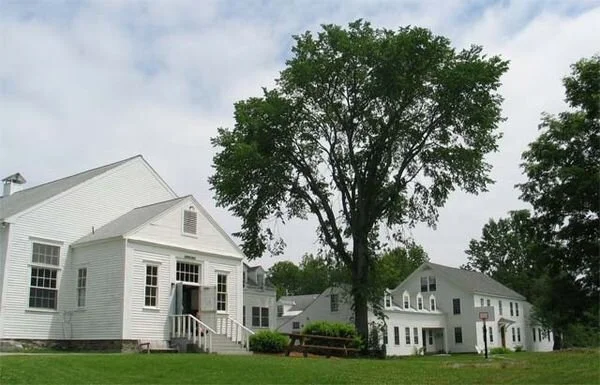
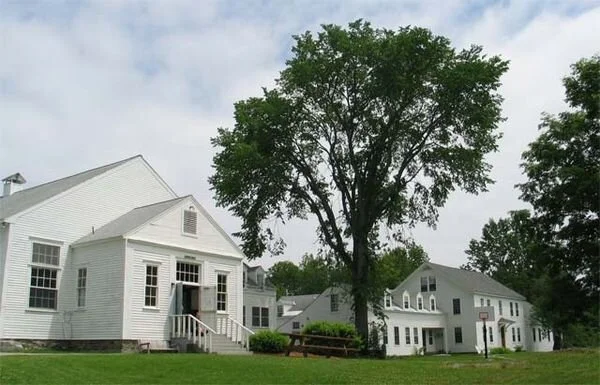
The dining hall and Mather building at Marlboro College, in Marlboro, Vt. It has closed and is merging with Emerson College, in Boston.
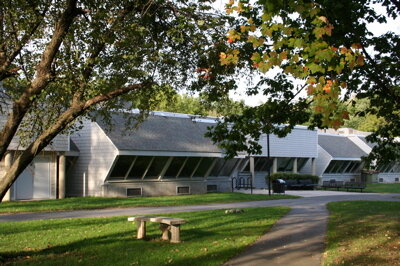
Emily Dickinson Hall, at Hampshire College, in Amherst, Mass. The nationally known college has been on the endangered list but has been been revisioning and restructuring itself. This building, designed by the architecture firm of former faculty member Norton Juster and named for the famous 19th Century poet who lived in Amherst, houses much of the college’s humanities operations.
Adapted from Robert Whitcomb’s “Digital Diary,’’ in GoLocal24.com
Many small private colleges, like much of retail, are now facing apocalyptic challenges with the huge loss of revenue caused by the pandemic. They already faced existential threats, especially the shrinking number of applicants caused by demographic changes. Many, including (especially?) in New England will close permanently in the next year or two; others may become almost entirely online operations. Our region has long been known for its large number of small private colleges, some of them very old and some created to serve the flood of Baby Boomers in the ‘60s and ‘70s.
What will become of closed campuses? I’d guess that retirement/assisted-living communities will be one major replacement. Old people comprise the most rapidly growing part of the population. And some of these colleges have lots of land now devoted to lawns and trees right around buildings and, farther away, playing fields. Some of the latter may be turned over to solar-energy facilities or even small farms, or big greenhouses. The supply-chain dangers exposed by the pandemic, as well as the desire for fresher food, and for helping local businesses, may lead many more consumers to patronize local food producers instead of national agribusiness.=
As for public-sector community colleges, they’ll increasingly be vocational-training institutions, with lots of STEM (science, technology, engineering and math) courses.
And you're on your own
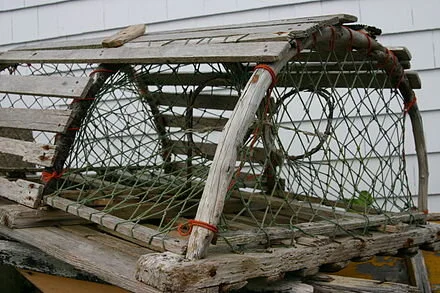
“I conversed with a young lobster fisherman who gets up at 5 in the morning and returns home again from the sea at 3 in the afternoon. I asked him if he liked lobstering. ‘You get used to it’ was his reply.’’
Earl Thollander, in Back Roads of New England
Nitric oxide to treat COVID-19? Google-Apple project; convention center as hospital
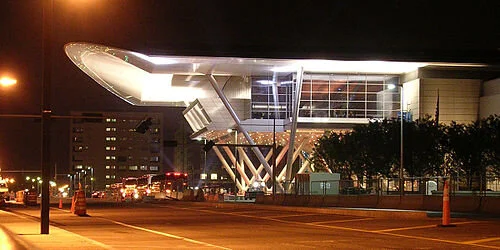
Boston Convention and Exhibition Center has been transformed (temporarily!) into a medical center for COVID-19 patients.
From The New England Council (newenglandcouncil.com)
As our region and our nation continue to grapple with the Coronavirus Disease (COVID-19) pandemic, The New England Council is using our blog as a platform to highlight some of the incredible work our members have undertaken to respond to the outbreak. Each day, we’ll post a round-up of updates on some of the initiatives underway among Council members throughout the region. We are also sharing these updates via our social media, and encourage our members to share with us any information on their efforts so that we can be sure to include them in these daily round-ups.
You can find all the Council’s information and resources related to the crisis in the special COVID-19 section of our website. This includes our COVID-19 Virtual Events Calendar, which provides information on upcoming COVID-19 Congressional town meetings.
Here is the Aug. 13 roundup:
Medical Response
Massachusetts General Hospital Studying Possible Treatment – Researchers at Massachusetts General Hospital (MGH) are investigating whether the gas nitric oxide can help treat—or even prevent—COVID-19 infections. The gas, widely used for patients in respiratory failure, has been known to provide additional antiviral effects. The trial at MGH is the only in the country and one of few worldwide. Read more from WBUR.
Google Developing Contact-Tracing Technology – Google, in partnership with Apple, is working to develop technology to alert individuals if they have come into contact with someone infected with COVID-19. The technology will use contact tracing via Bluetooth signals to determine users that may have been in contact with infected individuals. To maintain privacy, the app would not record GPS location data or personal information. BBC News has more.
Sanofi Donates 100 Million Doses of Potential Treatment to 50 Countries – After its drug hydroxychloroquine emerged as a potential treatment for COVID-19, drugmaker Sanofi has pledged 100 million doses of the antimalarial drug across 50 countries. In addition to increasing production capacity of the drug, Sanofi has called for coordination and stabilization along the supply chain of the drug to quadruple production should hydroxychloroquine emerge as an effective treatment. More from Reuters.
Boston Convention and Exhibition Center Transformed into Medical Center – The Boston Convention and Exhibition Center—owned by the Massachusetts Convention Center Authority (MCCA)—has been transformed into a new medical center for COVID-19 patients. The facility, renamed Boston Hope Medical Center, will provide 1,000 beds and other resources for the city’s infected, and will be managed by Partners HealthCare and Boston Health Care for the Homeless. Read more in The Boston Globe.
Economic/Business Continuity Response
Dell Provides Early Payouts for Development Projects – To assist its research and development partners, Dell Technologies is offering cash payouts for development projects, as well as free training for services necessary to maintain operations. In addition, the tech company is providing no-interest loans and up to nine months of payment deferrals for its customers. CRN has more.
AT&T Technology Used to Help Disinfect Hospitals – AT&T, using its Internet of Things (IoT) technology, is partnering with technology companies to destroy viruses, bacteria, and spores on surfaces in hospitals. The connectivity from AT&T allows the technology to use ultraviolet (UV) rays to disinfect surfaces and helps the technology optimize performance, lower healthcare costs, and maximize patient and worker safety in hospitals. Read more.
Community Response
Boston Colleges Offer Residence Halls to Exposed Workers – Supporting a wide variety of employees from facilities ranging from the Pine Street Inn and Brigham and Women’s Hospital, Boston-area colleges are offering their residence halls and campus facilities to workers who might have been exposed to the novel coronavirus. Northeastern University, Emmanuel College, Boston University, Simmons University, and Massachusetts College of Art and Design are some of the schools offering support to workers across multiple industries to protect them. Read more from WBUR.
Veolia Donates 40,000 Masks to Hospitals –Environmental services company Veolia has donated 40,000 masks to hospitals across the United States and Canada, drawing from its existing stockpile. The masks will provide exposed workers with the protective equipment they need to remain safe while working. The Post Star has more.
Stay tuned for more updates each day, and follow us on Twitter for more frequent updates on how Council members are contributing to the response to this global health crisis.
A river runs through it?
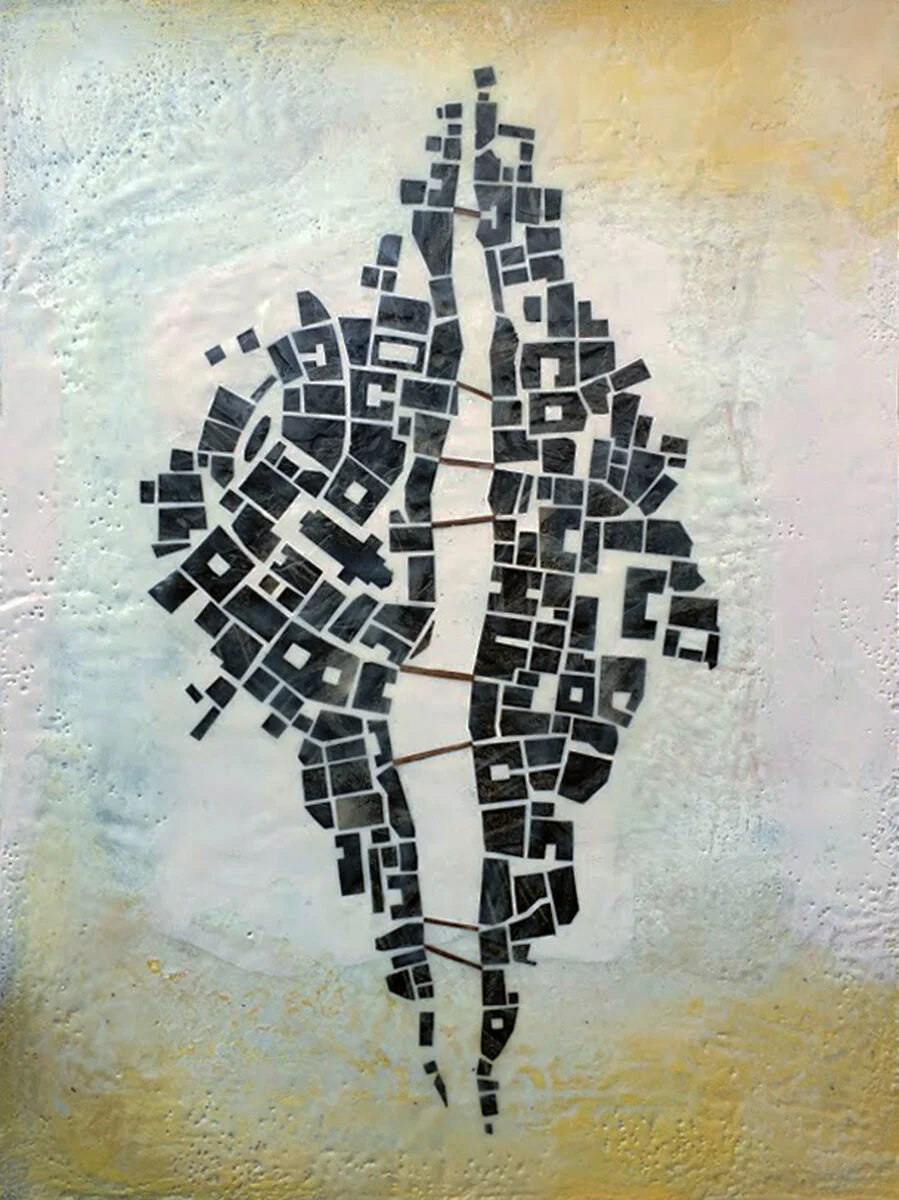
Work by Sarah Springer, of Lexington, Mass., in encaustic, powder pigment, paper.
She says:
“Much of my work is inspired by my fascination with maps of all kinds, and what they tell us about societies’ intrinsic desire to not only create but also document their built environments. Maps of ancient ruins are often the only thing left of ancient or prehistoric cultures – and it excites the imagination to fill in the gaps. Humans build communities, and the community’s social boundaries and cultural customs are expressed in the patterns of those maps. Often, our worlds shape us as much as we shape them. I strive to convey the embodied spirit of those former or imagined worlds in material form.’’
She is a member of New England Wax
Fishing much cheaper then
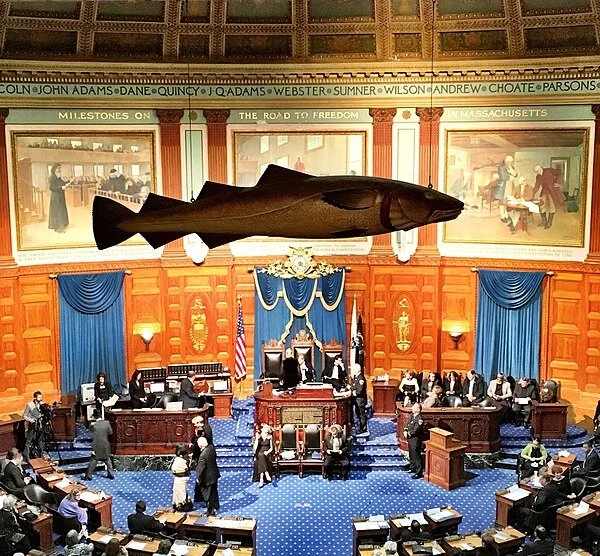
The wooden “sacred cod’’ hangs over the House of Representatives chamber in the Massachusetts State House as a reminder of the species’ importance in the development of the state.
“By 1937, every British trawler had a wireless, electricity, and an echometer - the forerunner of sonar. If getting into fishing had required the kind of capital in past centuries that it cost in the Twentieth Century, cod would never have built a nation of middle-class, self-made entrepreneurs in New England.”
― Mark Kurlansky, in Cod: A Biography of the Fish that Changed the World
Harvard launches joins program to help first responders
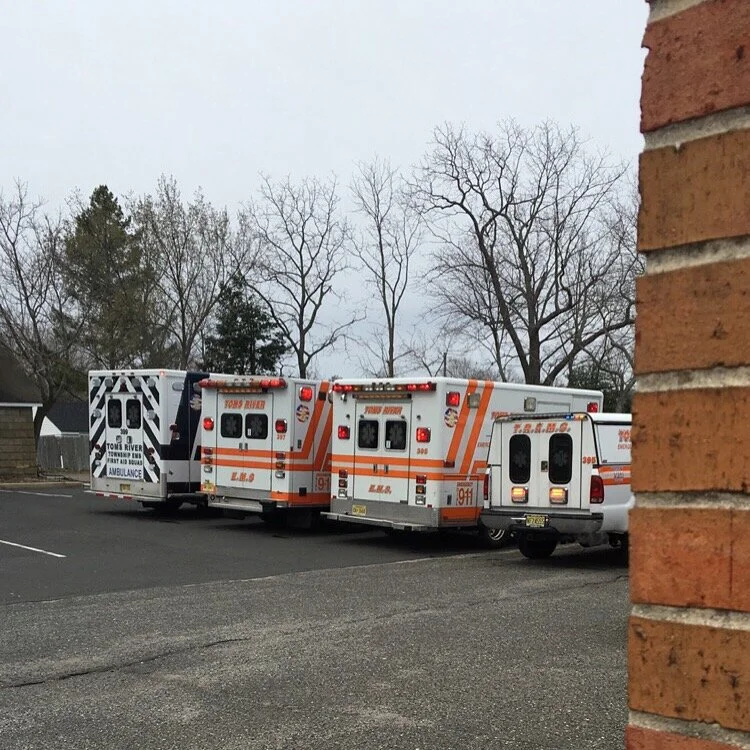
— Photo by Nikkigee3312
From The New England Council (newenglandcouncil.com):
The T.H. Chan School of Public Health at Harvard University has partnered with Thrive Global and Creative Artists Agency to launch #FirstRespondersFirst, an initiative to support first responders as they combat the COVID-19 pandemic.
The effort seeks to provide first responder healthcare workers with physical and psychological resources during a time when the nation depends upon them. Donations to the fund will be used to provide protective equipment needed by these workers, as well as to provide services—such as childcare, mental health counseling, and virtual workshops—that will help these workers manage their own health while caring for others. Working with public and private sector partners including the Massachusetts League of Community Health Centers, the Conference of Boston Teaching Hospitals, and the Massachusetts Department of Health and Human Services, the initiative is mobilizing local and national groups at multiple levels to support first responders with the resources they need to care for themselves and others.
“As this crisis continues to unfold, it’s important for those on the frontlines to be fortified with essential equipment while being supported to care for themselves. Doing so will allow frontline healthcare workers to be more effective, more resilient and have more of an impact when we all take these proactive steps,” said Michelle Williams, dean of the Harvard Chan School. “We must remember that in this time of crisis, the results of these steps are measured in lives saved.”
Or a certain kind of spring
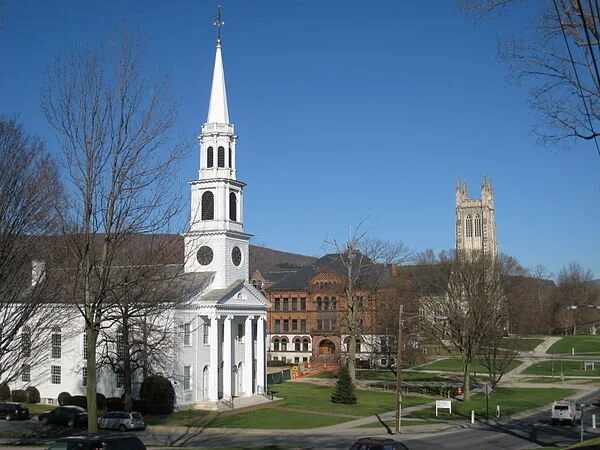
In Williamstown, best know for Williams College (part of it above) and the Clark Art Institute
It is not Spring -- not yet --
But at East Schaghticoke I saw an ivory birch
Lifting a filmy red mantle of knotted buds
Above the rain-washed whiteness of her arms.
It is not Spring -- not yet --
But at Hoosick Falls I saw a robin strutting,
Thin, still, and fidgety,
Not like the puffed, complacent ball of feathers
That dawdles over the cidery Autumn loam.
It is not Spring -- not yet --
But up the stocky Pownal hills
Some springy shrub, a scarlet gash on the grayness,
Climbs, flaming, over the melting snows.
It is not Spring -- not yet --
But at Williamstown the willows are young and golden,
Their tall tips flinging the sun's rays back at him;
And as the sun drags over the Berkshire crests,
The willows glow, the scarlet bushes burn,
The high hill birches shine like purple plumes,
A royal headdress for the brow of Spring.
It is the doubtful, unquiet end of Winter,
And Spring is pulsing out of the wakening soil.
‘‘Berkshires in April,’’ by Clement Wood (1888-1950)
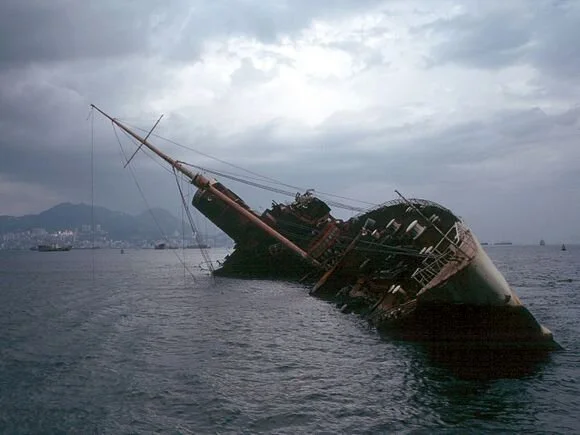
David Warsh: Unlike in 1929-33, we know where we are
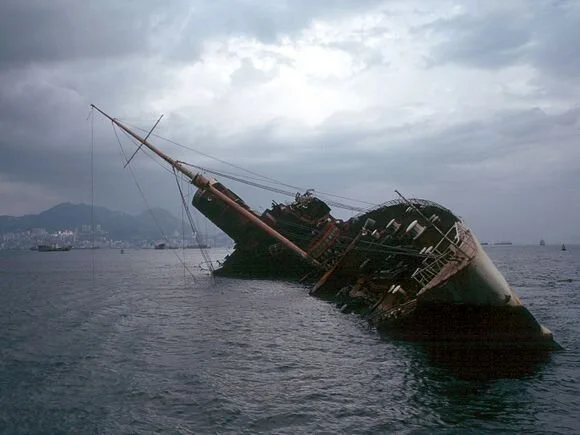
SOMERVILLE, Mass.
“A medically induced depression.” The phrase has stuck in my mind because an especially dear friend was treated with a medically induced coma several years ago, after his heart stopped for a few minutes sending oxygenated blood to his brain. For several days his life hung in the balance. Such were the odds that, if he survived, it would probably be with significant cognitive impairment. He recovered completely, having suffered no damage at all. Another miracle of modern medicine.
I don’t know any more than that about medically induced coma except for this: for a time the treatment was the centerpiece of the Milwaukee protocol, designed to prevent death after the onset of rabies symptoms in humans. The treatment has been discredited, since it saved only the first of more than 26 patients on whom it was tried. Rabies vaccines, of course, have spared countess others.
Vaccines are one more reminder of how far we have come in the last hundred years, in both medicine and economics.
How far since the 1918-20 pandemic of the Spanish flu? The “blue death” infected something like a quarter of the world’s population and killed between 17 million and 50 million persons. In 1928, Alexander Fleming discovered penicillin in a petri dish on his workbench, touching off a cycle of brilliant research and development by others that led, in 1940, to the first successful treatment of infection with an antibiotic.
Vaccines? Viruses are another matter; antibiotics are no help against them. The technology surrounding DNA makes it possible to produce a reliable vaccine for Covid-19 within a year or two. But if, like most readers of The Double Helix: A Personal Account of the Structure of DNA (Touchstone, 2001), by James Watson, you think the road to the secret of life began with the phage group at Cold Spring Harbor and Caltech in 1945, you would enjoy The Nobel Prizes: Cancer, Vision, and the Genetic Code (World Scientific, 2019), by Erling Norrby, an MD/PhD involved for many years with the award of the medicine prizes. He traces the beginning of the story back to Peyton Rous, a Johns Hopkins University physician who in 1911 discovered viruses that caused cancer in chickens. In The Pandemic Century: One Hundred Years of Panic, Hysteria, and Hubris (Norton, 2019), medical historian Mark Honigsbaum makes clear how subsequent advances in medicine have generated overconfidence that the infectious disease situation is under control.
What have we learned since the Great Depression? The Fed and Congress and the governments of dozen other nation prevented a repeat in 2008 by lending first freely, then forcibly, to financial institutions threatened by panic. The best book I know about it is Last Resort: The Financial Crisis and the Future of Bailouts, by Eric Posner (University of Chicago, 2018). Thanks to the events of 2008, we have a better idea, too, of how the Depression got started, thanks to Gary Gorton, Toomas Laarits and Tyler Muir.
In 1930: The First Modern Crisis, they argue that banks stopped lending after the 1929 stock market crash and purchased safe assets instead. In essence, the banks were running on each other, producing the 21 percent drop in industrial production that has mystified economists. In the present crisis, faced with a pandemic instead of a mysterious slump, the authorities shut down social commerce and embraced mitigation.
Robert Gordon, of Northwestern University, explains
“The difference between the 1929-33 collapse in the economy vs. 2020 is that we understand now what is happening. We have a massive shutdown in production relative to the incomes of (a) all the people who have kept their jobs and (b) all the stimulus money going to the unemployed (roughly $1,000 per week) plus (c) the $1200 per-person payments. As a result 2020:Q2 [of the National Income and Product Accounts] is going to witness a massive increase in the personal saving rate, as consumption declines steeply relative to income. The closest analogy is rationing in World War II, where many types of consumption were rationed to equal zero. The difference is that GDP is falling today rather than rising because there is no current equivalent of WW II military production.”
There are plenty of things we would like to know, and don’t, beginning with how to get out of the current mess as quickly as possible. Vox’s Ezra Klein on the major plans to curtail social distancing being offered in hopes of restoring commerce to its customary vigor: “It’s scary,” Klein reports; he sees nothing normal about the foreseeable future. “Until there’s a vaccine, the U.S. either needs economically ruinous levels of social distancing, a digital surveillance state of shocking size and scope, or a testing apparatus of even more shocking size and intrusiveness.”
We’ll figure it out, just as we have in the past, learning by doing. It is hard to imagine daily life returning to normal before the election. As in 1918, pandemics take lives while cures take time.
xxx
New to Economic Principals’ bookshelf: EuroTragedy: A Drama in Nine Acts, with a new afterword (Oxford, 2918), by Ashoka Mody.
David Warsh, an economic historian and veteran columnist, is proprietor of Somerville-based economicprincipals.com, where this essay first ran.
Jerusalem!

— Photo and poem by Linda Gasparello
After William Blake’s great poem “Jerusalem,’’ set to music much later by Sir Hubert Parry. Happy Easter!
And did those feet in ancient time,
Walk upon New England’s mountains green:
And was the holy Lamb of God,
On New England’s pleasant pastures seen!
And did the Countenance Divine,
Shine forth upon our clouded hills?
And was Jerusalem, R.I. builded here,
Among these dark Satanic Mills?
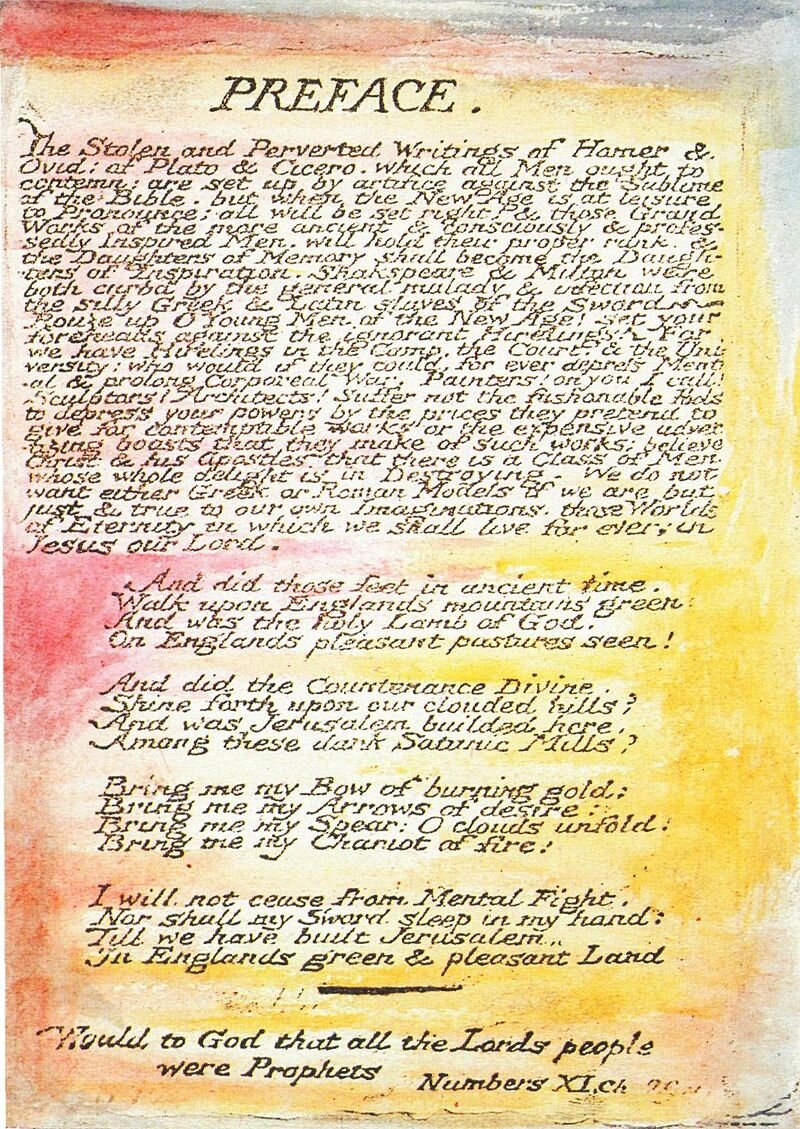
From William Blake’s preface, probably printed in 1808, to his epic Milton: A Poem in Two Books, one of a collection of writings known as the Prophetic Books.
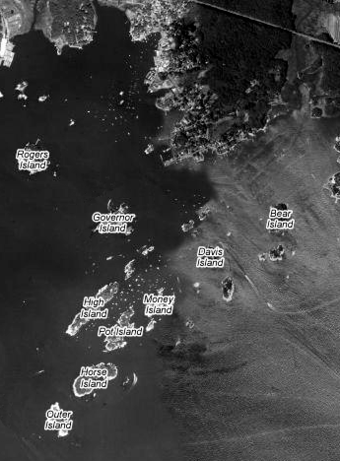
The Thimbles
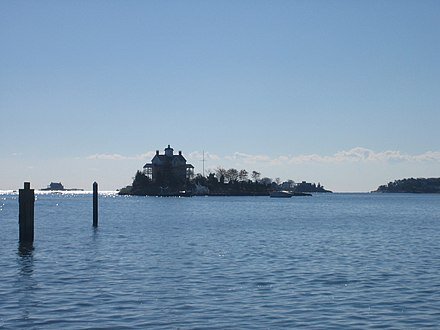
Looking toward the Thimble Islands from the mainland in Branford, Conn.
“….Situated in Long Island Sound,
Connecticut’s Smith Island is among that state’s famed Thimble
Islands, a cluster of landmasses named for the thimbleberry,
cousin to the black raspberry. During the Revolutionary War,
the Thimbles were deforested to rid the sound of hiding
places for British ships. …’’
— From “Hymn to Life,’’ by Timothy Donnelly
Information as edited from Wikipedia, a little bit of which may be outdated:
The inhabited Thimble Islands have a total of 81 houses: 14 islands have only one, one (Governor) has 14, (Money) has 32, and the rest have between two and six. The houses are built in a variety of styles, ranging from a 27-room Tudor mansion, with tennis and basketball courts and a caretaker's residence on 7.75 acres, on Rogers Island, to small summer cottages built on stilts or small clusters of buildings connected by wooden footbridges. Some of the houses almost cover a small island, while Money Island, at 12 acres, has a village of 32 houses, a church and a post office building, concealed among tall trees. Some of the houses were once occupied year-long, but now are only used in the summer. Their exposure makes them dangerous places to be during hurricanes.
The exclusivity of the houses has made them expensive, thus dividing residents between local families who have owned their homes for generations, and more recent residents who tend to be rich.
New England humor subdivisions

Plaque near the New York Public Library
“Basically, there are two New Englands, northern and southern, with plenty of shared schizophrenia between them….The Connecticut Yankee and the Maine Yankee may both trade on rurality for their wit, but the one is garrulous and the other taciturn. When the Bostonian tells a story the Vermonter becomes an ignorant hayseed; when the Vermonter tells a story the Bostonian is a pompous ignoramus. Usually in such a match there’s no contest; the Vermonter will inevitably prevail.’’
— Jim Brunelle, in The Best of New England Humor
Would she approve?

“Paint Me to Match My Grandma's Drapes’’ (oil and acrylic on canvas), by Mia Cross, in her joint show with Daniel Zeese (only visible to the public on Internet now) , “Where the World’s Meet,’’ at Fountain Street Fine Art, Boston, through April 26.
How it is in April
“The sun was warm but the wind was chill.
You know how it is with an April day.
When the sun is out and the wind is still,
You're one month on in the middle of May.
But if you so much as dare to speak,
a cloud come over the sunlit arch,
And wind comes off a frozen peak,
And you're two months back in the middle of March.”
— From “Two Tramps in Mud Time,” by Robert Frost
Frank Carini: Biodiversity's role in mitigating the climate crisis

Two dung beetles duke it out over dinner.
— Photo by Rafael Brix

From ecoRI News (ecori.org)
As the world grapples with a pandemic, with many parts of it still failing to appreciate the importance of physical distancing, another predicament will be waiting for us when the curve is flattened and life resets with a new normal: the climate crisis.
This global emergency requires a more complex series of actions than simply staying away from people. The world, however, has been slow to embrace these solutions, even though many of them are obvious. It will need to when the COVID-19 fire is extinguished.
Mitigation efforts begin with turning off the fossil-fuel tap and getting behind the smart development of renewable energy. Another, mostly ignored, part of the equation is respecting and protecting nature and the biodiversity it supports.
Forests and dung beetles matter.
The global pandemic has confirmed the priceless value of open space, from neighborhood woodlands to public parks to protected management areas. For the past month, thousands of people in southern New England have stampeded into such areas, seeking solace from the virus’ tightening grip.
Yet, as David Gregg, executive director of the Rhode Island Natural History Survey, an organization dedicated to understanding the state’s biota, noted these areas are routinely taken for granted or simply ignored.
Two months ago, he said, many of the people now going on nature walks and rushing into natural areas wouldn’t have set foot in these places. He didn’t mean that as an insult or as a negative hot take. The pandemic has forced a frenzied society to slow down. Appreciation for these special places has been renewed.
The importance of nature, however, goes well beyond providing refuge during an historic pandemic. Protecting nature’s biodiversity is critical to human existence, even if the climate crisis wasn’t bearing down on us.
For instance, a natural world teeming with life is much more likely to provide the antiviral that treats an unknown virus unleashed on an unprepared world. As Gregg noted, the probability of finding such an antiviral is much higher in an ecosystem rich in biodiversity, such as a tropical rainforest, than in, say, a meadow.
Unfortunately, humans continue to squeeze the natural world, or as Gregg called the problem, “The unsustainable human use of the globe.”
Humans aren’t giving nature the space it needs and deserves. We’re making it less stable, which, in turn, makes it less productive and us less healthy. It’s too often viewed only through the lens of what it can give us or how it can entertain us.
As ecologist Rick Enser told ecoRI News four years ago, “We’re preserving nature for people — hiking trails, boat ramps. We’re not preserving biodiversity. Building trails and fancy boardwalks look great, but they’re not helping the environment.”
Allowing swaths of the natural world to exist, whether here or in Brazil, benefits us, more than we appreciate. Environmental stability, for instance, has allowed Arctic peatlands to store vast amounts of carbon dioxide, even as a warming planet threatens to release it.
But as the man-made climate crisis gains momentum, we refuse to partner with the natural world to slow the worst effects of climate change. For instance, during the past three years, Rhode Island has been bulldozing forestland and open space to erect ground-mounted solar arrays, purportedly in the name of saving the environment.
Despite the ignorant statement uttered by the speaker of the House in January, there are things Rhode Island could be doing to address the climate crisis in a meaningful way, such as directing, with incentives and laws, the development of ground-mounted solar to the state’s plethora of already-mangled space.
Instead, private business interests leveraging the environmental benefits of their products for financial gain are the ones dictating where land-based renewable energy is sited.
One of the best natural defenses to combat the climate crisis is old-growth forest. This ecosystem also happens to be diverse with life.
“Climate change and loss of biodiversity are widely recognized as the foremost environmental challenges of our time,” according to a study authored by southern New England researchers and published last year.
The June 2019 study noted that forests annually sequester large quantities of atmospheric carbon dioxide, and store carbon above and below ground for long periods of time.
“Intact forests — largely free from human intervention except primarily for trails and hazard removals — are the most carbon-dense and biodiverse terrestrial ecosystems, with additional benefits to society and the economy,” the authors wrote.
Rhode Island has a dearth of mature forest. Ecological succession here and most everywhere else is continuously interrupted by human activity.
“Access to nature is important. It leads to appreciation and education,” Gregg said. “But we also need to leave some places alone.”
Enser, who, as coordinator of the Rhode Island Department of Environmental Management’s Natural Heritage Program, spent 28 years documenting the state’s biodiversity, recently told ecoRI News that discussions about natural resources consistently revolve around taking, of oil, coal, natural gas, minerals, forests, and animals.
“It’s always about how can we continue to get what we get. It’s about maintaining the economy of resources,” he said. “It’s never about ecosystem services. We need to be more conscious of what they provide.”
Ecosystem services provide clean air to breathe and water to drink, filter stormwater runoff, protect from storm surge and erosion, and mitigate the impacts of a changing climate, among many other things.
Enser, who moved to Vermont a few years ago, said poor land-use management is fragmenting forests, diminishing biodiversity, and intensifying the impacts of the climate crisis. He said forests are struggling locally, regionally, and globally.
The former South Kingstown resident said environmental protection is far too often more about management for human use than keeping the natural world healthy.
“We need to stop managing natural systems and protect them,” Enser said. “We need to let our forests grow.”
He noted, for instance, that “habitat conservation” is a broad term that is fairly meaningless without answering the question: Habitat for what? For most people, he said, the term elicits a positive feeling, but, he noted, not all conservation is equal.
For example, he said, the creation of shrubland habitat requires the clear-cutting of forest, thus reducing one habitat in favor of another. In this case, reducing a natural ecosystem type, a forest, in favor of an anthropogenic, less diverse one.
Enser said the ongoing practice of wildlife managers, especially at the federal level, to create and foster habitats, such as shrubland, to provide a natural resource — game, such as American woodcock, white-tailed deer, and rabbit — for the public has led and is leading to the loss of biodiversity. Mature forests have ample biodiversity but provide limited habitat for the kinds of wildlife the hunting public demands. In a healthy forest, there isn’t one dominant species, like deer.
“The meadow has more wildlife that is valued by the people creating it, but a forest has more biodiversity,” he said. “The clearing of forests allowed deer to thrive.”
He said decisions about which habitats to conserve or create need to be based on a holistic approach that treats all species and ecosystems equally. Such an approach, he said, should lead to a conservation agenda that focuses on the rarest and most vulnerable, and identifies the places best suited to protect them.
He offered rare plants as a biological group that is often ignored by wildlife managers. Rare birds and plants associated with salt marshes are declining and will likely disappear with rising seas, including the saltmarsh sparrow which is predicted to be extinct within several decades without serious intervention.
As for those undervalued dung beetles mentioned earlier, two species here in Rhode Island are listed as species of greatest conservation need. Why does that matter? Well, according to a 2016 study, dung beetles are some of the most important invertebrate contributors to manure decomposition. They help mitigate greenhouse-gas emissions and aid in carbon sequestration by removing manure deposited on pastures, increasing grass growth and fertilization by doing so.
“We’ve forgotten about the role biodiversity plays in keeping this world healthy,” Enser said. “You seldom hear about it anymore and you don’t read about in most climate reports. It’s a forgotten concept. Biodiversity doesn’t make any money, but it’s what’s going to get us through this.”
Frank Carini is editor of ecoRI News.

Philip K. Howard: Fighting a pandemic in red-tape nation
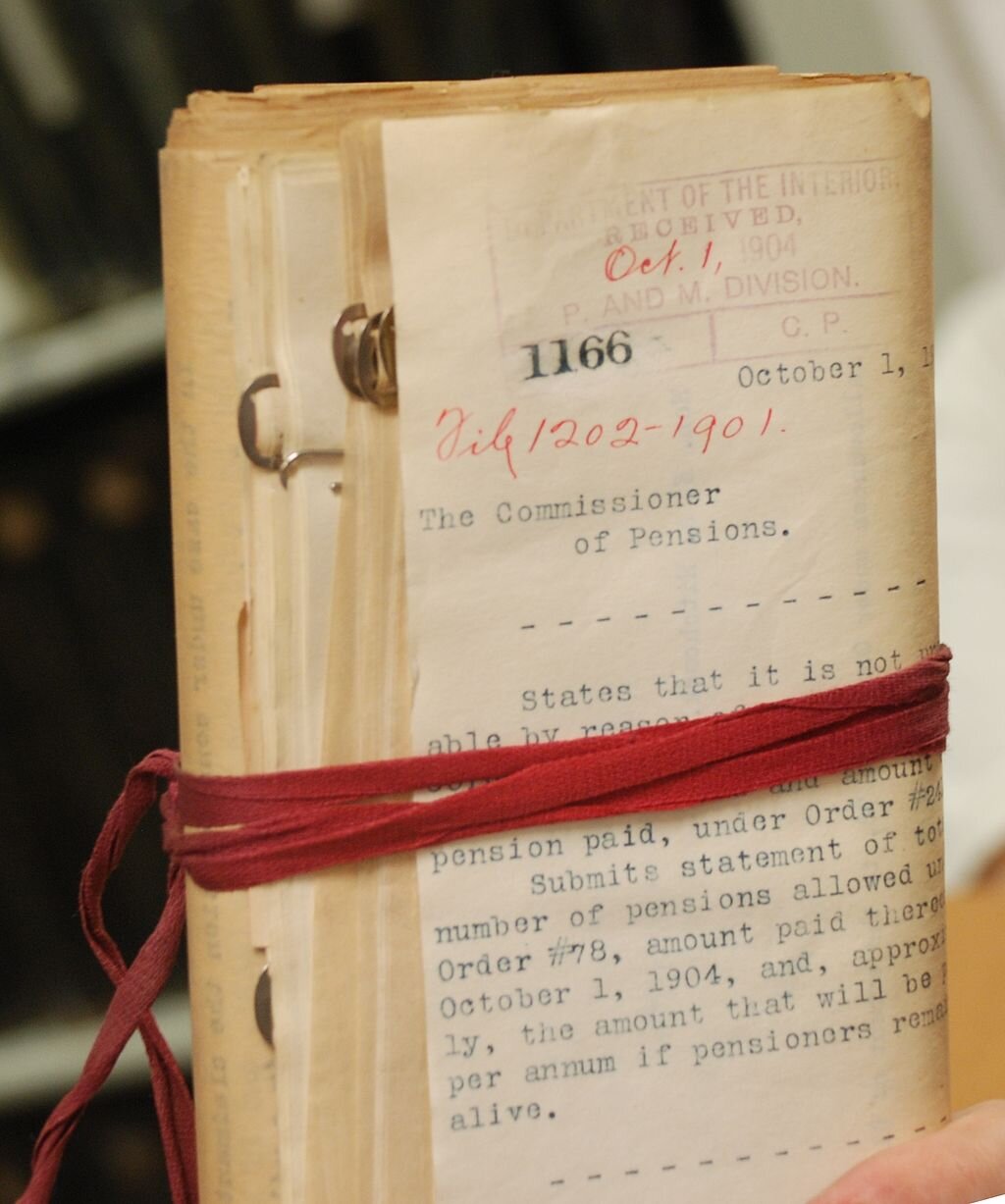
— Photo buy Jarek Tuszyński
America’s current crisis reveals the paralytic nature of its regulatory order.
America failed to contain COVID-19 because, in part, public-health officials in Seattle were forced to wait for weeks for bureaucratic approvals intended—ironically—to avoid mistakes. Now that the virus is everywhere, governors and President Trump have tossed rulebooks to the winds. It would otherwise be illegal to do much of what we’re doing—setting up temporary hospitals, organizing mass testing, buying products and services from noncertified providers, practicing telemedicine, using whatever disinfectant is handy . . . without documenting and getting preapprovals for each step.
America will get past this health crisis, thanks to the heroic, unimpeded dedication of health-care professionals. But what will save America from a prolonged recession? Many shops and restaurants will be out of business. Dormant factories and service organizations will need inspections before reopening. Schools and other social services will have to restart, with personnel changes and new needs that cannot be anticipated. Government agencies will be overwhelmed by requests for permits. Lawyers will present corporate clients with exhausting legal checklists. Lawsuits will be everywhere. Months, perhaps years, will pass as America tries to restart its economic engine while bogged down in bureaucratic and legal quicksand.
We need an immediate intervention to break America free from its bureaucratic addiction. It must be done if the nation is to come back whole in any reasonable time frame. The first step is for Congress to authorize a temporary Recovery Authority with the mandate to expedite private and public initiatives, including the waiver of rules and procedures that impede public goals. States, too, should set up recovery authorities to expedite permitting and waive costly reporting requirements.
Aside from broad goals, most regulatory codes don’t reflect a coherent governing vision. All these regulations just grew, one on top of the other, as successive generations of regulators thought of ways to tell people how to do things. Getting America up and running requires the ability to cut through all this red tape quickly. A Recovery Authority could expedite productive activity in many areas.
The U.S. ranks 55th in World Bank rankings for “ease of starting a business”—behind Albania and just ahead of Niger. The main hurdles are regulatory micromanagement and balkanization. You don’t get a permit from the “government” but from many different agencies, sometimes with contradictory requirements. Mayor Michael Bloomberg discovered that starting a restaurant in New York City required approvals from up to 11 agencies.
State recovery authorities could expedite permitting by creating “one-stop shops” such as those that operate in other countries. The lead agency would be given authority to waive rules and procedures not necessary to safeguard the broad public interest. Instead of waiting months, or longer, until inspectors can make site visits to verify compliance, the lead agency would have authority to grant permits, subject to later inspection.
To stimulate the economy, President Trump has floated the idea of a $2 trillion infrastructure plan. A big infrastructure buildout was promised as part of the 2009 stimulus as well—five years later, a grand total of 3.6 percent of the stimulus had been spent on transportation infrastructure. That’s because, as then-President Obama put it, “there’s no such thing as shovel-ready projects.”
Bureaucratic delay is ruinously expensive. In a 2015 report, “Two Years Not Ten Years,” I found that a six-year delay in infrastructure permitting, compared with the timeline in other countries, more than doubles the effective cost of infrastructure projects. I also found that lengthy environmental review is usually harmful to the environment, by prolonging polluting bottlenecks. Work rules and other bureaucratic constraints precluding efficient management multiply the waste of public funds. The Second Avenue subway, in New York City, cost $2.5 billion per mile; a similar tunnel in Paris, using similar machinery, cost about one-fifth as much.
The Recovery Authority could get people working immediately, and double our bang for the buck, by giving one federal agency authority (in most cases, the Council on Environmental Quality) the presumptive power to determine the scope of environmental review, focusing on material impacts; granting the Office of Management and Budget presumptive authority to resolve disagreements among agencies; and requiring that New York State and other recipients of federal funding waive work rules not consistent with accepted commercial practices.
Schools have become hornets’ nests of red tape and legal disputes. Reporting requirements weigh down administrators and teachers with paperwork. More than 20 states now have more noninstructional personnel than teachers—mainly to manage compliance and paperwork. Rigid teaching protocols and metrics cause teachers to burn out and quit. Almost any disagreement—with a parent over discipline, with a teacher or custodian over performance—can result in a legal proceeding, further diverting educators from doing their jobs. Federal mandates skew education budgets without balancing the needs of all the students. Special-education mandates now consume a third or more of some school budgets—much of it through obsessive bureaucratic documentation.
Getting schools restarted could easily get bogged down in bureaucratic requirements and defensive legal contortions. The Recovery Authority could replace reporting requirements with evaluations of actual performance. It could also replace entitlements with principles that allow balancing the interests of all students, and formal dispute mechanisms with informal, site-based review by parent-teacher committees.
The Recovery Authority should look at health-care innovations and waivers that have worked throughout the coronavirus crisis—such as telemedicine—and continue these practices, beyond the recovery period.
The federal Recovery Authority should aim to liberate initiative at all levels of society while honoring the goals of regulatory oversight. It should not be part of the executive branch, but rather, established along the same lines as independent base-closing commissions. For waivers of regulations and all other actions consistent with underlying statutes, the executive branch would be authorized to act on recommendations within the scope of the Recovery Authority’s mandate. For statutory mandates, Congress should explicitly provide temporary waiver authorization to permit balancing and accommodations.
Every president since Jimmy Carter has campaigned on a promise to rein in red tape. Instead, it’s gotten worse because no one has thought to question the underlying premise of thousand-page rulebooks dictating precisely how to achieve public goals. The mandarins in Washington see law not as a framework that enhances free choice but as an instruction manual that replaces free choice. The simplest decisions—maintaining order in the classroom, getting a permit for a useful project, contracting with a government—require elaborate processes that could take months or years. Essential social interactions—a doctor talking with the family about a sick parent, a supervisor evaluating an employee, a parent allowing children to play alone—are fraught with legal peril. Slowly, inexorably, a heavy legal shroud has settled onto the open field of freedom. America’s can-do culture has been supplanted by one of defensiveness.
COVID-19 is the canary in the bureaucratic mine. The toxic atmosphere that silenced common sense here emanates constantly from a governing structure that is designed to preempt human judgment. The theory was to avoid human error. But the effect is to institutionalize failure by barring human responsibility at the point of implementation. It’s as if we cut off everyone’s hands.
Coming out of this crisis, America needs a Recovery Authority to unleash potential across all sectors. Perhaps now is also the moment when Americans pull the scales from their eyes and see our bureaucratic system for what it is—one governed by a philosophy that fails because it doesn’t let people roll up their sleeves and get things done.
Philip K. Howard is a lawyer, writer, New York civic leader, photographer and founder and chairman of Common Good. His latest book is Try Common Sense: Replacing the Failed Ideologies of Right and Left.