
Vox clamantis in deserto





Preppie summer
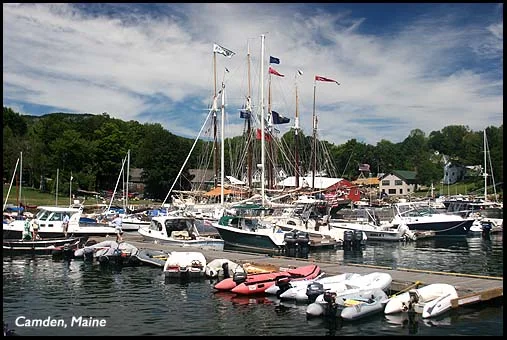
-- Photo by Ryssby
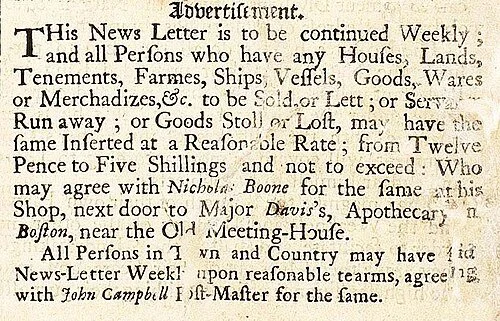
Camden is a summer center of the sort of WASP (faux and real)/preppie culture from which Ralph Lauren and some other designers draw inspiration.
"I have always been inspired by the dream of America -- families in the country, weathered trucks and farmhouses; sailing off the coast of Maine; following dirt roads in an old wood-paneled station wagon; a convertible filled with young college kids sporting crew cuts and sweatshirts and frayed sneakers.''
-- Ralph Lauren, the clothes designer and retailer.
Still in the textile industry

"Window' (extruded pigmented medium), by Erica Licea-Lane, at the Kingston Gallery, Boston, through July 1.
Licea-Lane, a former textile artist, uses deep layers of paint to create surface density and deep structure, creating intricate abstract pieces. Licea-Lane says that "They speak about time, process, and the textiles that became the common thread in my childhood."
'Our Town' in our town

The play Our Town, by Thornton Wilder, was first produced in 1938. It's set in a small New Hampshire town around the turn of the 20th Century.
"In Middlebury’s production of Our Town,
three local churches served as the stage:
Baptist for the first act; Methodist, the second;
And St. Stephen’s Episcopal (mine) for the third.
Between the acts, we followed ushers
who carried lanterns past stages vignettes:
two lovers spooned behind the bandstand on the green,
a horse and buggy meandered down the street,
and in the window of the barber shop
a barber stood with razor and strop''
-- From "Our Town: Middlebury, Vermont,'' by Jennifer Bates
Lynette Paczkowski: Colleges' limited responsibilities regarding potentially suicidal students
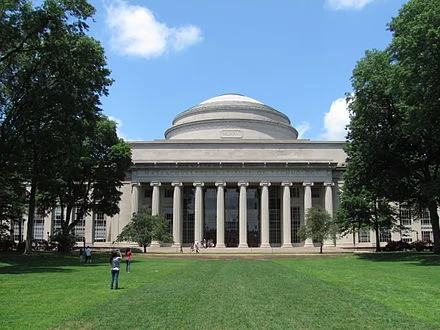
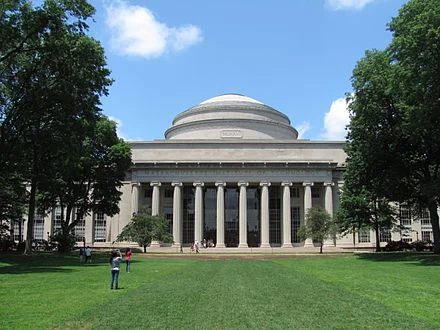
The Great Dome at MIT, in Cambridge, Mass.
From the New England Board of Higher Education (nebhe.org)
In 2004, then-University of New England President Sandra Featherman authored a piece for NEBEHE's New England Journal of Higher Education (NEJHE), then called Connection, headlined “Emotional Rescue” and focused on how a new generation of troubled college students was straining campus resources. Featherman, who died in April, wrote of colleges and universities scrambling to provide additional and better support services for students in need. She cited to a 2001 University of Pittsburgh survey in which 85 percent of schools reported increases in the severity of problems presenting at campus counseling centers over the preceding five years
Eight years later, a NEJHE article by Lasell College admission counselor Christopher M. Gray asked whether the proliferation of natural disasters and tragedies, such as the Sandy Hook mass shooting, were creating a new category of emotionally vulnerable college students. Specifically, he suggested that it was higher-education professionals’ “duty to aid these college-bound students as much as possible,” and urged the provision of counseling, knowledge and support. But moral duties and obligations aside, what is a higher education institution’s legal obligation to provide support services? And from a risk-management perspective, if the institution provides such services, what is its liability if the student’s mental-health issues nevertheless consume him or her?
The recent case of Nguyen v. Massachusetts Institute of Technology, et al., considered the question of whether a college or university has the obligation to protect its students from all harm at all times, including suicide. Han Nguyen was a 25-year-old graduate student at MIT when he committed suicide in 2009. His family sued the school, alleging that the school lacked sufficient support services, did not provide adequate care for its students, and failed to intervene despite knowledge of his mental state. The Massachusetts Supreme Judicial Court did not find MIT liable under the facts of the case, and within its decision, the court articulated the obligations of colleges and universities when it comes to suicide prevention.
Ultimately, the court rejected the notion that colleges and universities must act in loco parentis and keep its students safe under all circumstances. “University students are young adults, not young children. Indeed, graduate students are adults in all respects under the law. Universities recognize their students’ adult status, their desire for independence, and their need to exercise their own judgment. Consequently the modern university-student relationship is respectful of student autonomy and privacy.”
The court identified limited circumstances under which a college or university must take reasonable measures to protect a student from self-harm: where the college or university has actual knowledge of a student's suicide attempt that occurred while enrolled or recently before matriculation, or of a student's stated plans or intentions to commit suicide.
The court also addressed what would satisfy the college or university’s obligations under such circumstances. “Reasonable measures by the university to satisfy a triggered duty will include initiating its suicide prevention protocol if the university has developed such a protocol. In the absence of such a protocol, reasonable measures will require the university employee who learns of the student’s suicide attempt or stated plans or intentions to commit suicide to contact the appropriate officials at the university empowered to assist the student in obtaining clinical care from medical professionals or, if the student refuses such care, to notify the student’s emergency contact. In emergency situations, reasonable measures obviously would include contacting police, fire, or emergency medical personnel.”
The court’s decision is crucial in encouraging schools to continue to offer resources to students in need. The court not only placed finite parameters on when a school has a duty to intervene, but also identified the “complex and competing considerations” giving rise to its decision: adult students’ privacy and autonomy; the notion that non-clinicians cannot and should not be expected to probe or discern suicidal ideations that are not expressly evident; and allowing schools to take steps to acknowledge and manage the risk of campus suicide with realistic duties and responsibilities.
To be sure, the MIT student at issue had a history of presenting with academic concerns, even admitting to mental-health issues. In May 2007, he had contacted his program coordinator for assistance with test-taking problems. The program coordinator referred him to a coordinator in the MIT student disability services office, who described some of MIT’s accommodations for students with disabilities.
The student declined the accommodations. The program coordinator then referred him to MIT’s mental-health and counseling service. The student met with a psychologist on three occasions, but ultimately reported that he would be receiving treatment at Massachusetts General Hospital, not through MIT. Subsequently, the student twice met with the assistant dean in the student support office. Ultimately, the student did not seek or receive assistance from that office either. Nor did he ever communicate to any MIT employee that he had plans or intentions to commit suicide, and any prior attempts that were discussed took place well over a year before matriculation at MIT.
The plaintiff nevertheless claimed, among other things, that MIT had voluntarily assumed a duty of care. But the court found that “[a]lthough MIT voluntarily offers mental health student support services, there [was] no evidence that [the] services increased [the student’s] risk of suicide [or] that [the student] relied on [these] mental health services.”
Nothing within this case minimizes the tragedy that is the loss of a student. Nothing within this case suggests that colleges and universities can or should be ambivalent to the needs of their students or that an institution will never, under any circumstances, face liability for failing to prevent a foreseeable student suicide. Rather, the court made clear what the school’s duties and obligations are. To have decided this case any other way would have had a chilling effect on colleges and universities’ efforts to provide support and services to the increasingly large population of students in need of assistance.
Lynette Paczkowski is a partner at the Massachusetts law firm of Bowditch & Dewey, with experience representing clients from various industries including education, construction, utility, professional services, real estate and nonprofit, as well as individuals in litigation matters and litigation-avoidance strategies.
Robert Whitcomb: Boston transit trials and triumphs
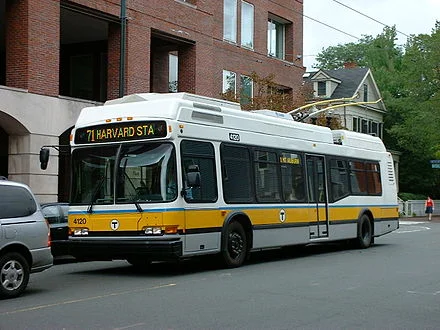
MBTA trolley bus.
From, Robert Whitcomb's Boston Diary, in The Boston Guardian, where a version of this piece first ran.
A little historical perspective is needed as we whine about MBTA delays and cancellations (especially during and after winter storms) and gridlocked street traffic.
The fact is that Boston has much better mass transit now than it had, say, three decades ago. Most importantly, there’s a lot more of it available. And for all their occasional breakdowns, the MBTA subway cars, trolleys, buses and commuter trains are generally in better condition than they were when I lived in Boston fulltime, almost 50 years ago. (These days I ride MBTA subways and commuter rail once or twice a month.)
And consider the South Station bus-train complex at the center of the MBTA empire: for decades a depressing, dirty domain for derelicts. Now it’s a spectacular intermodal center, served by more subway, commuter rail and bus lines than a generation ago, as well as by Amtrak’s semi-high-speed Acela. I love that the MBTA’s still newish Silver Line will take you directly to Logan Airport from the complex.
I can well remember when young having to wait for a bus across the street from South Station -- a creepy area dominated by the dubious Essex Hotel and frequented by panhandling bums, sexual predators and sexual businesspeople, among my other pals. (“Hey, cutie, have a light?’’) I had to take a bus because for a long time there were no trains to the South Shore, where I had relatives, the old New Haven Railroad having long since collapsed. Finally, the MBTA extended rail commuter lines down there.
And the burying of the Central Artery and related Big Dig work has often smoothed traffic and made downtown Boston more attractive and thus more prosperous.
The rebuilding/expansion of the Back Bay MBTA-Amtrak station will further improve life for transiteers. The station now is dank, dark and cave-like – an unsettling entry for travelers entering the gorgeous Copley Square neighborhood.
Now, if they could finally directly connect South and North Stations so that you could take an Amtrak or commuter train to north of Boston from south of it without having to get off at South Station and go to North Station by MBTA, cab or Lyft or Ube -- the current ridiculous situation. And more ferries, please, including on the Charles River.
Of course, Boston street traffic is often horrendous. That’s in part because the city has a dense public-transit system, which makes it more prosperous, which brings in more businesses and individuals, which clogs the streets and spawns the need for more mass transit, etc. At the same time, far, far too many people persist in driving their cars everywhere in this compact city.
Uber and Lyft have also worsened traffic, by putting many more vehicles on the road to serve cell-phone dependents who might otherwise have taken the subway, trolleys or buses. Boston needs to get many more people into transport that takes up much less room on the streets than all these cars with one passenger. That means we need more and better buses, not that I will ride in one.
Robert Whitcomb is president of The Boston Guardian, editor of New England Diary and a GoLocal24.com columnist.
Innning after inning after inning in PawSox stadium saga

From Robert Whitcomb's "Digital Diary,'' in GoLocal24.com:
The latest Pawtucket Red Sox stadium financing proposal supposes that, among other things, Pawtucket would get enough income (to pay off construction bonds) from stadium-related income, including from stores and restaurants that would purportedly go up around the stadium. Given the current fragile state of much retail in the Age of Amazon, that expectation – or hope – may be excessive. And how popular will minor league baseball be over the next few decades? And, lest we forget, Pawtucket already has a big municipal debt burden.
Then there’s the assertion that the state wouldn't be on the hook if Pawtucket couldn’t pay the interest on the bonds that it sells to help fund the stadium. The trouble is that the cold, hard bond market closely connects the fortunes of municipalities and the states they're in. To maintain its bond rating, Rhode Island might have to come in to rescue the city if the PawSox promoters’ projections turn out to be wrong.
Consider that back in 1991, then-Gov. Bruce Sundlun decided that the state had to step after a private insurer of deposits in credit unions and small banks went bust. So far as the bond market was concerned that state had to come to the rescue. After all, it was called the Rhode Island Share and Deposit Indemnity Corporation….And Pawtucket is part of Rhode Island.
I hope that the PawSox stay – I know they don’t want to move to Worcester! -- but the latest deal has some big risks for taxpayers. I wonder if they can find plausible additional stadium users besides a baseball team. Soccer? Horse shows? Croquet?
David Warsh: With new editor, is The Wall Street Journal at a big turning point?
SOMERVILLE, MASS.
Ever since John Dryden turned the Roman poet Horace back on himself with a gentle aside, “Even Homer nods” has been a useful way of observing that the most accomplished story-teller occasionally loses the thread of the narrative.
The old saw came to mind last week when Rupert Murdoch’s News Corp. replaced the editor of The Wall Street Journal.
The WSJ, for most of a hundred years, and especially after World War II, served as Homer to the Republican party – in particular the paper’s editorial page. Such was the deliberate and reassuring voice of Vermont Royster, chief editorial writer from 1958 to 1971, that the paper still reprints one of his editorials annually on the eve of Thanksgiving.
Starting with the appointment of Robert Bartley as its editor, in 1972, the editorial page began veering off course. Bartley was a complicated man, a Midwesterner, possessing many good instincts, including enthusiasm for Ronald Reagan. A sense of fair play, however, was not among his gifts. Three decades of increasingly bad sportsmanship began with the election of Bill Clinton, in 1992.
WSJ editorials proceeded in lockstep with Congressman Newt Gingrich throughout the 1990s; after they 2000 espoused the views of the faction led by Vice President Dick Cheney known as the “Vulcans”; and make common cause with the Congressional Freedom Caucus today.
Meanwhile, the news pages remained on the same even keel under Paul Steiger, managing editor from 1991 to 2007. After Rupert Murdoch bought the paper from the Bancroft family, that began to change. Murdoch replaced managing editor Marcus Brauchli (who had succeeded Steiger a few months before) with Robert Thomson, his fellow Australian, who was generally seen to move the news pages slightly to the right.
Thomson was promoted in 2012 to take charge of a newly-formed publishing unit, some on whose executives had been tainted by Murdoch’s British newspapers’ phone scandal. He was succeeded by Gerard Baker, a conservative columnist for Murdoch’s Times of London.
It’s a commonplace that Fox News underwent a sea change after Donald Trump was elected, becoming something of an echo chamber, with the president tweeting commentary from its morning broadcasts and occasionally phoning in for interviews. Less noticed has been the struggle within the news pages of the WSJ. Several of its top political and investigative reporters have left in the past two years for other newspapers; Baker has been accused of showing excessive deference to the president, even as The Journal took the lead in breaking stories of hush money payments by Trump lawyer Michael Cohen. Meanwhile, the editorial pages led the campaign against the FBI, ultimately devising the counterattack against the Mueller investigation known as “Spygate,” that House Speaker Paul Ryan shrugged off last week.
Murdoch himself had installed Baker by by pouring champagne over his head. Now the British-born newsman will host a WSJ-branded television show on Fox Business Network and write a column for a weekend section of the paper. Presumably the decision to replace him was that of Murdoch’s sons. The promotion of Matt Murray, executive editor and long-time staffer, was announced with much less ceremony. It is hard to imagine a more poignant exemplar of traditional WSJ values than Murray’s book, The Father and the Son: My Father's Journey to the Monastic Life (Harper, 1999).
It was late last month that former House Speaker John Boehner told a policy conference in Michigan, “There is no Republican Party. There’s a Trump party. The Republican Party is kind of taking a nap somewhere.”
Indeed. And in the length of time between Homer and the present day, forty years of populist agitation from the pulpit of a formerly conservative newspaper is no more than forty winks. Still, it seems like a long time to me. The other big question, of course, is who will replace editorial page editor Paul Gigot, 63, who took over from Bartley in 2001. In the meantime, though, the GOP’s Homer has shown the first signs of waking up.
David Warsh, an economic historian and long-time columnist, is proprietor of economicprincipals.com
Snapper migration season

-- Photo by Lydia Davison Whitcomb, in Little Compton, R.I.
Watch out near streams and ponds! Snapping turtles are on the move at this time of year, and they can appear out of nowhere.
Don't try to pick up one! They can extend their long necks to give you a very bad bite.
They are on the roads, too. Hit this link.
William Morgan: New Providence hotel -- suburban banality in a spot crying out for urban grandeur
What would a truly creative capital city erect on a premier spot in an historic downtown? An art center? A library? A theater? A museum? Maybe a knock-your-socks-off hotel?
How about a cookie-cutter commercial travelers motor inn of the kind you could see along any highway leading to the airport in any American city?

Homewood Suites by Hilton near Kennedy Plaza, Providence
(Tocci Building Corporation)
What does it say about Providence that an anywhere hotel is being constructed on one of the most important lots downtown? This piece of suburban blandness joins such significant civic monuments as City Hall, the old railroad station, and two handsome courthouses, not to mention some notable statuary.
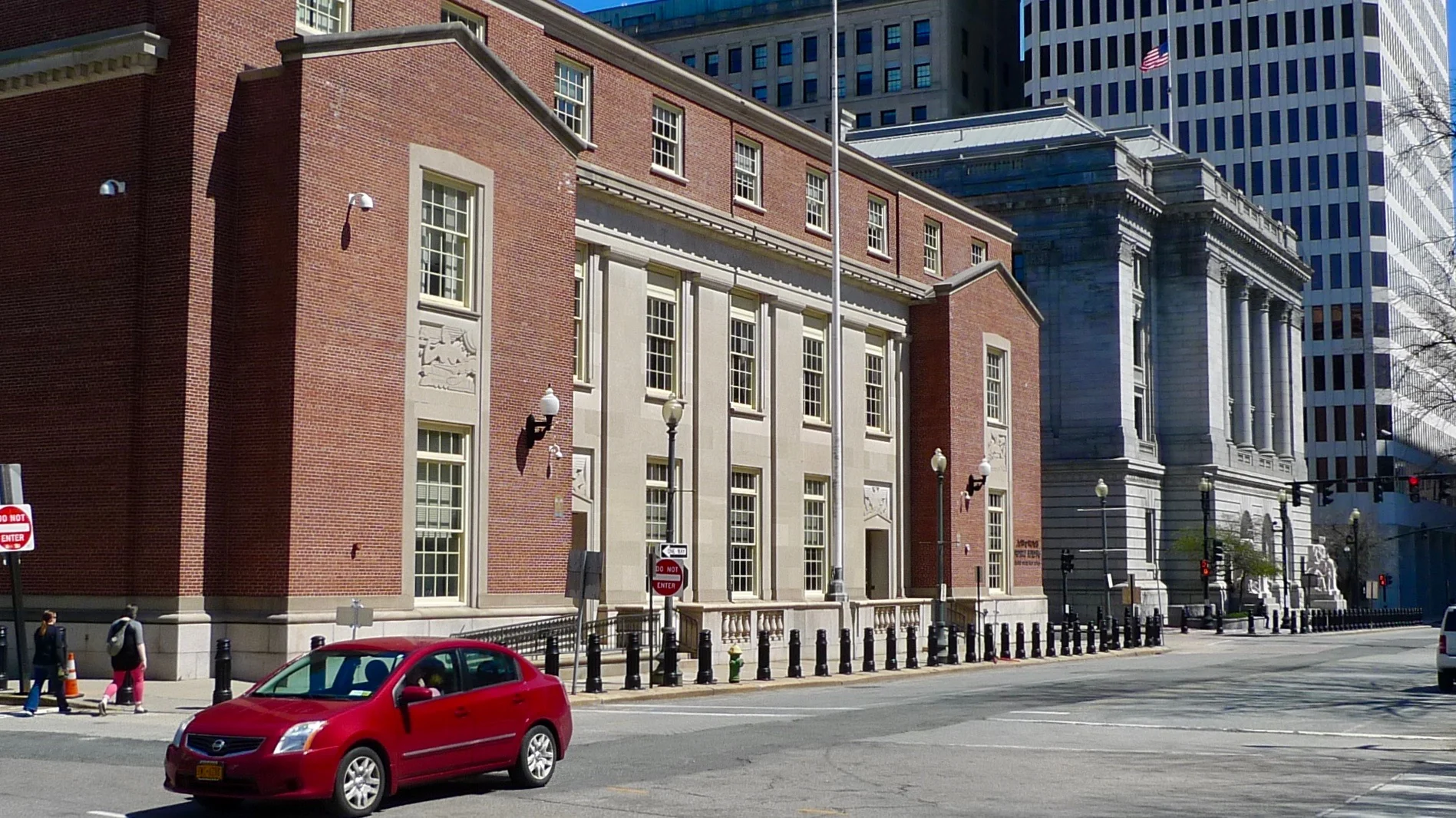
Federal Building Annex, 1939-40, and the 1908 Federal Building.
(William Morgan)
The Hilton is rising on the site of long-gone Central Fire Station. The firehouse architect gave the city a monumental piece of public architecture, a delightful yet dignified exercise in English Renaissance with a landmark tower (no doubt used for drying hoses).
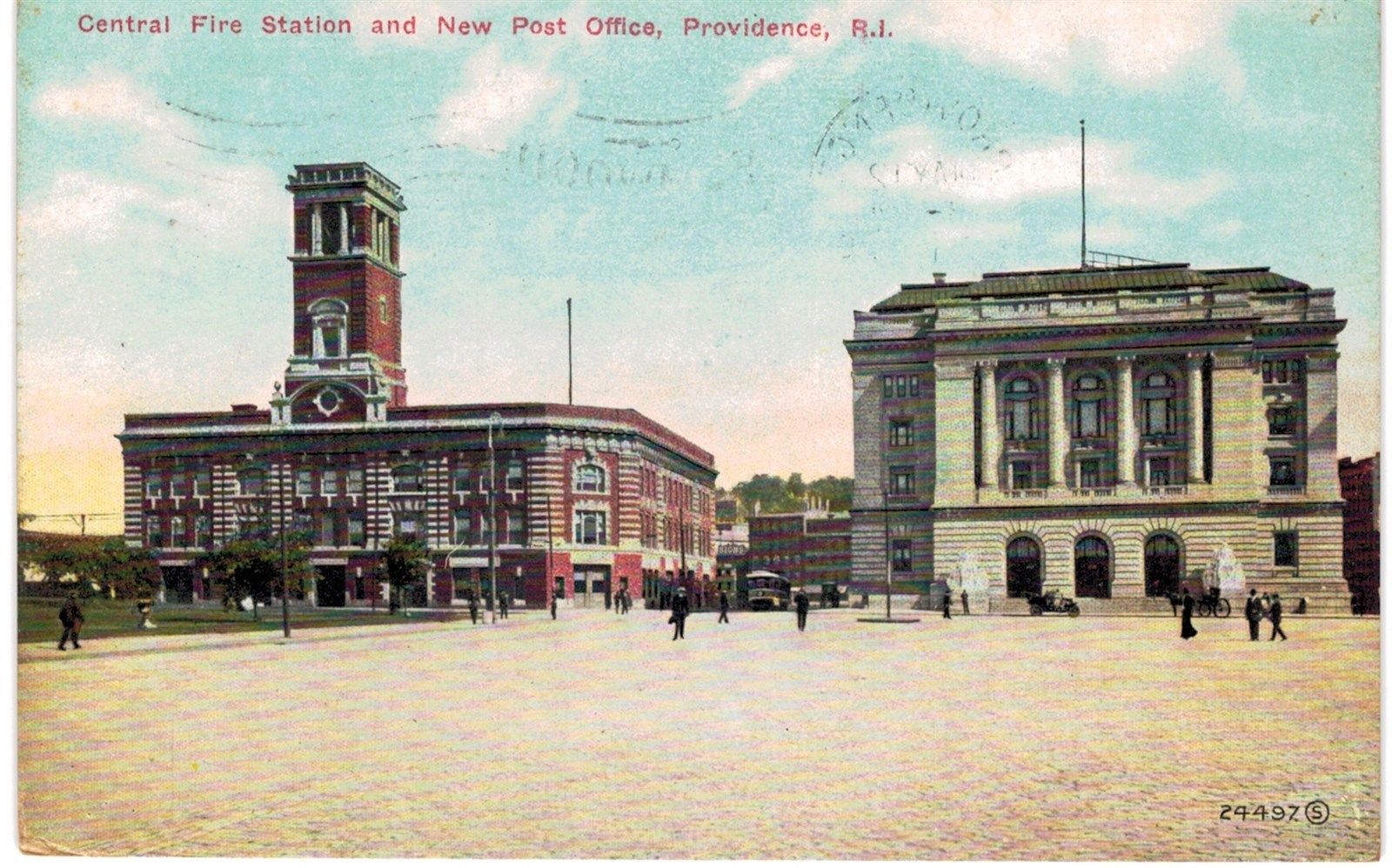
Central Fire Station (1880-90) and the then-new Federal Building and Post Office.
One does not need to see the finished product to know how ho-hum this purported “upscale” hostelry will be. As is often the case with projects such as this, the renderings look better than the actual building ever will. Yet, the designers, ZDS Architecture & Interior Design, claim to have created “a building that recognizes and is responsive to the grand and traditional neighbors that surround it without resorting to imitation.”

Homewood Suites. $20 million of blandness.
(Tocci Building Corporation)
The 109,000-square-foot hotel will be eight stories, the first floor of which will be devoted to the parking of cars. The Homewood Suites is saved from being an overbearing rectangular block by the odd shape of the lot. And the designers have mitigated the building’s bulk by dividing the façade into three groupings, in a 2, 4, 2-story sequence, in a reference to a classical column. Alas, the brick skin looks exactly like what it is, a thin veneer.

Homewood Suites under construction.
(William Morgan)
Do you ever wonder why so many uninspiring new buildings in Providence get wrapped in these contact-paper-thin brick panels? In the 21st Century we ought to be unafraid of exposing the structural frame, or crafting envelopes of contemporary materials. Perhaps the purpose of the brick is to give the allusion of Early American domestic architecture. But it is not easy to make an eight-story block homey.
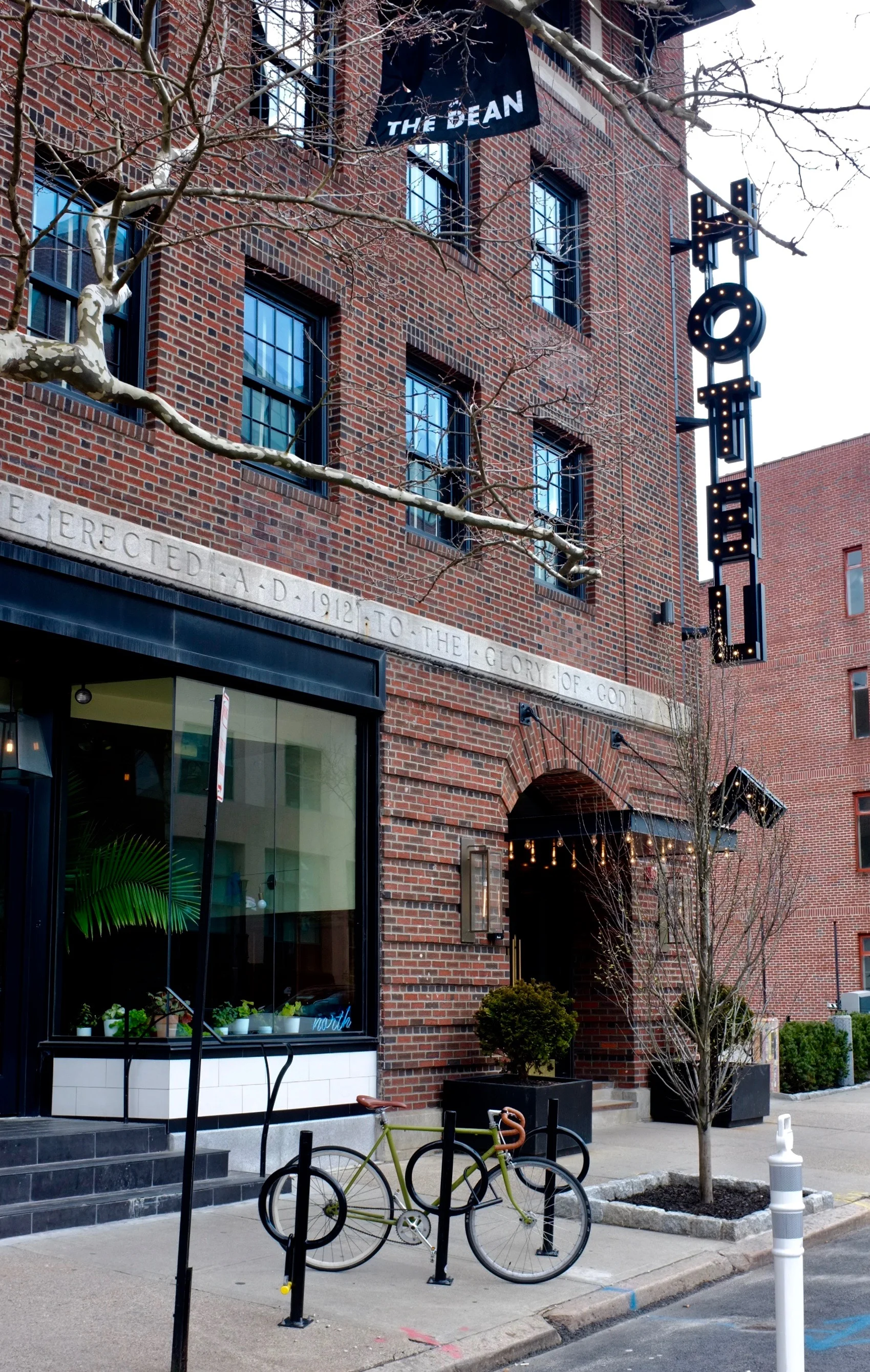
The very successful new Dean Hotel occupies an older brick building.
(William Morgan)
The “greatest works” of the architect of the Homewoods hotel, ZDS's Eric Zuena, include “luxury hotels” in Abu Dhabi, Dubai and Riyadh.” So, why didn’t Providence get some of that luxe? One should be wary of architects’ mission statements that announce they are “at the forefront of a NEW DESIGN ERA, redefining success by SOLVING UNPRECENTED PROBLEMS” (their capitalization).
Providence may need hotels. But why one at the lower end of Hilton spectrum? There must be something in between sheikdom glitz and the traveling salesman’s stopover.
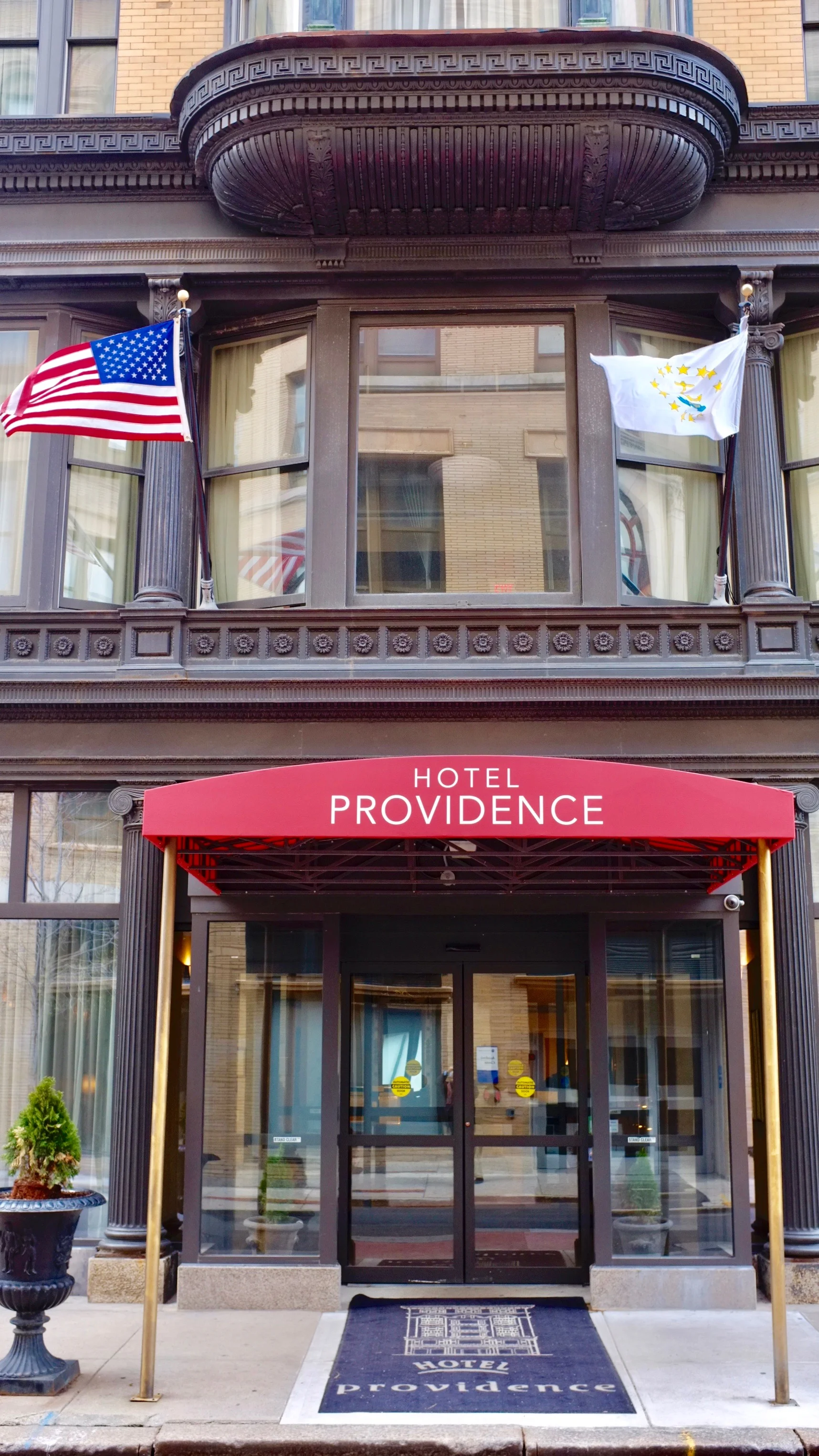
The Hotel Providence, another attractive hotel in a repurposed building.
(William Morgan)
Well-meaning people – financiers, bankers, builders, developers, city boosters – are working hard to improve Providence. Yet something is missing. Maybe we need to begin any major project by asking what it will look like and what will it contribute to the commonweal.
William Morgan is a nationally known architectural historian and author.
Wizard of the weeklies

The cover of the last issue of The (Boston) Phoenix, March 15, 2013.
From Robert Whitcomb's "Digital Diary,'' in GoLocal24.com
I felt the accelerating passage of time the other day when reading of the death at 74 of Stephen Mindich, the long-time publisher of the “alternative weekly’’ empire whose flagship was the Boston Phoenix. Eventually the Internet killed it.
But for many years, starting in the ‘70s, the Phoenix papers played an outsize role in political and arts coverage of their communities, financed by retail and event advertising and personal classified ads, some of which were pornographic. The papers could be seedy and irresponsible but they also ran some very good reporting and writing and launched many journalists into distinguished careers – in the last couple of decades of the golden age of well-paid journalism. Mr. Mindich’s death was a reminder of how long ago the Boomer youth culture that spawned the Phoenix had its salad days.
A pig heads for paradise

"Final Step (Untitled Castle)'' (acrylic on canvas on panel), by Jung Hur, at Corey Daniels Gallery, Wells, Maine, through June 17.
Chris Powell: Avoiding teaching at UConn; Kansas vs. Conn.; why the 'buffoon' won
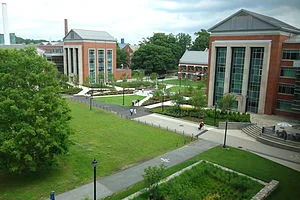
Main quad of the flagship campus, in Storrs, of the University of Connecticut.
At least some Republicans are refraining from the gush that usually insulates the University of Connecticut from scrutiny of its budget and political correctness. UConn President Susan Herbst's plan to retire for a teaching position early next year has prompted not just reflexive praise for her administration but also criticism of the university's financial excesses, particularly at the ever-troubled UConn Health Center in Farmington.
State government long has been reducing its subsidy to the university, causing it to raise tuition, and while UConn's facilities have improved greatly, fair questions abound, starting with administrative staff and salaries. But similar questions should be asked about instructional staff.
UConn prides itself on being a "research" university, the euphemism for a school where professors don't have to get their hands dirty teaching mere undergraduates, work that can be delegated to less expert and untenured instructors.
How much teaching are professors at UConn really doing, and is the state better served by their doing "research" instead? UConn seems never to have answered the question, perhaps because governors and legislators have never asked it.
* * *
EVEN KANSAS MIGHT BE A STEP UP: "Conservative businessman" Bob Stefanowski, as he styles himself in his television commercials, implicitly recognizing that no one ever heard of him, hasn't even qualified for the primary for the Republican nomination for governor. But the other day the Democratic Governors Association criticized him exclusively among the many Republican candidates.
Stefanowski had boasted in a commercial that his state budget plan had been developed in part by the economist Arthur Laffer, who had advised President Reagan. The DGA scoffed: "Conveniently Stefanowski forgot to tell voters about another one of Laffer's more recent credentials: chief architect of the Kansas budget disaster."
Yes, Kansas isn't doing well under Gov. Sam Brownback, a Republican. But Connecticut seems to be doing even worse, especially since Kansas never had the advantages Connecticut had before its government employee unions took over.
If the budget plan of an obscure candidate is the worst thing the DGA can cite about Republicans here, maybe Connecticut really has a chance of political change.
* * *
ISN'T THERE SOMETHING IN BETWEEN?: Venal, crude and stupid as the Trump administration can be, it may be most damaging not for any particular policy but for giving the impression that what it offers are the only alternatives to the failures and corruption of the liberalism that has been the country's political ethos since the 1960s.
Many people sense those failures and that corruption at least vaguely. That's why Hillary Clinton could not carry three ordinarily Democratic states in the 2016 election, losing many working-class voters and forfeiting the presidency to someone who strikes many people as a megalomanical buffoon. But so many liberals now are on the government payroll that liberals are incapable of considering whether anything that passes as liberal policy might be mistaken.
As the Democratic nominee for governor of California in 1934, the socialist Upton Sinclair titled his platform "End Poverty in California." Big money was against him and he was defeated, causing him to observe that it's hard to get someone to understand something when his salary depends on his not understanding it. Though Sinclair's side is in charge of Connecticut now, it is even harder here.
Chris Powell is a columnist for the Journal Inquirer, in Manchester, Conn.
A simpler life
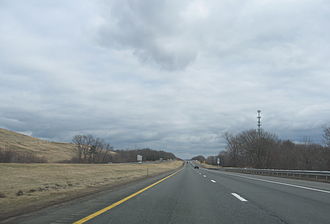
Interstate 90 approaching Chicopee, Mass., exit.
"Now I will abandon the route of my life
as my shadowy wives abandon me, taking my children.
I will stop. I will park in a summer street
where the days tick like metal in the stillness.
Then I will rent the room over Bert's Modern Barbershop
where the TO LET sign leans in the plateglass window;
or I will buy the brown BUNGALOW FOR SALE.
I will work forty hours a week clerking at the paintstore.
On Fridays I will cash my paycheck at Six Rivers Bank
and stop at Harvey's Market and talk with Harvey.''
-- From New Hampshire-based poet Donald Hall's "Mr Wakefield on Interstate 90''.
Swanning in the Public Garden
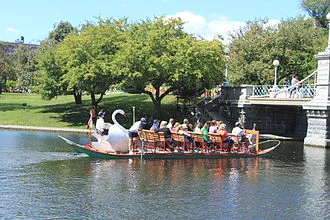
“City parks are for pleasure. Boston’s Public Garden is a gentle park and the pleasure comes from the tulip beds’ swatches of color that proclaim the spring, from the roses that follow, and from the all-summer contrast of shade and sunlight under the great trees. The action is provided by the Swan Boats, which made their first voyage in the lagoon in 1877, and have been circling the tiny island ever since.’’
-- The late Atlantic Monthly editor Edward Weeks, for his essay “The Swan Boats of Boston,’’ in Arthur Griffin’s New England: The Four Seasons. The Atlantic was founded in, and based for many years in, Boston.
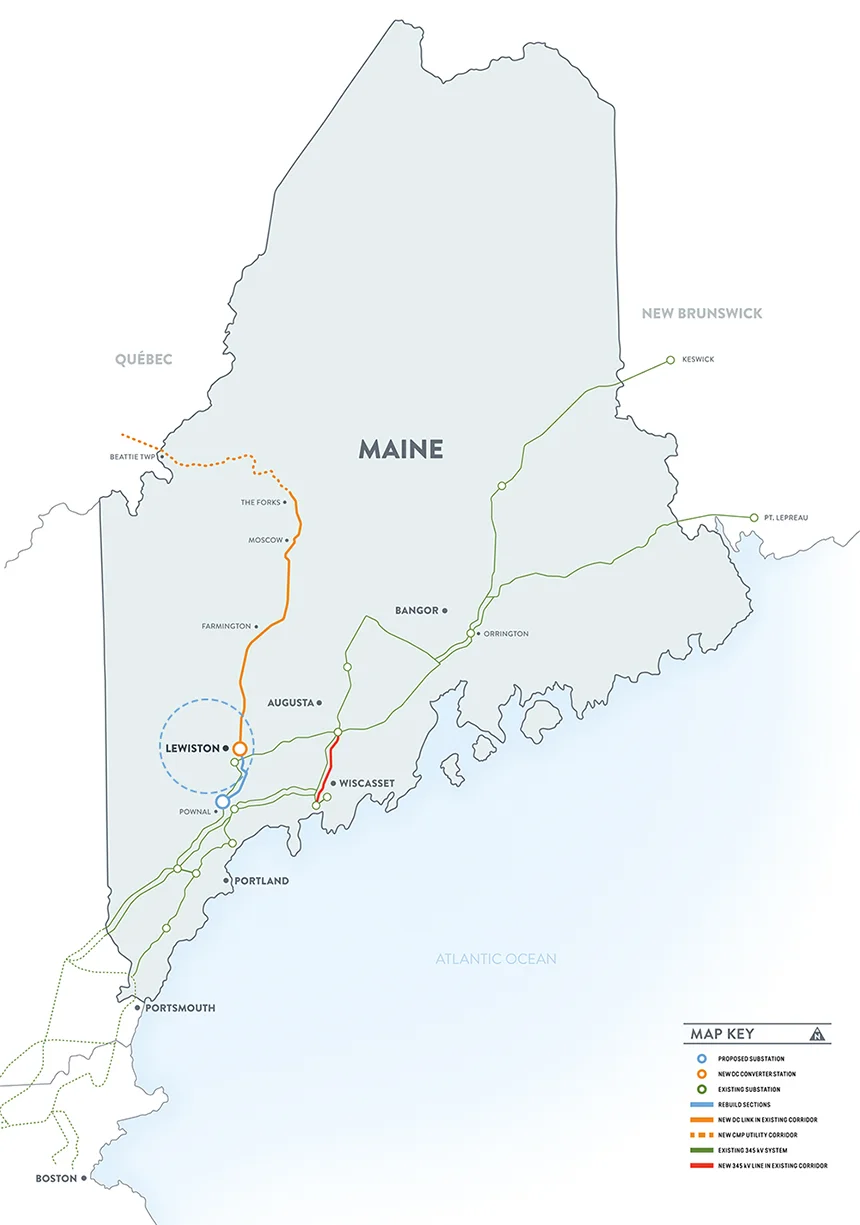
Tim Faulkner: More hurdles for plans to import Quebec electricity
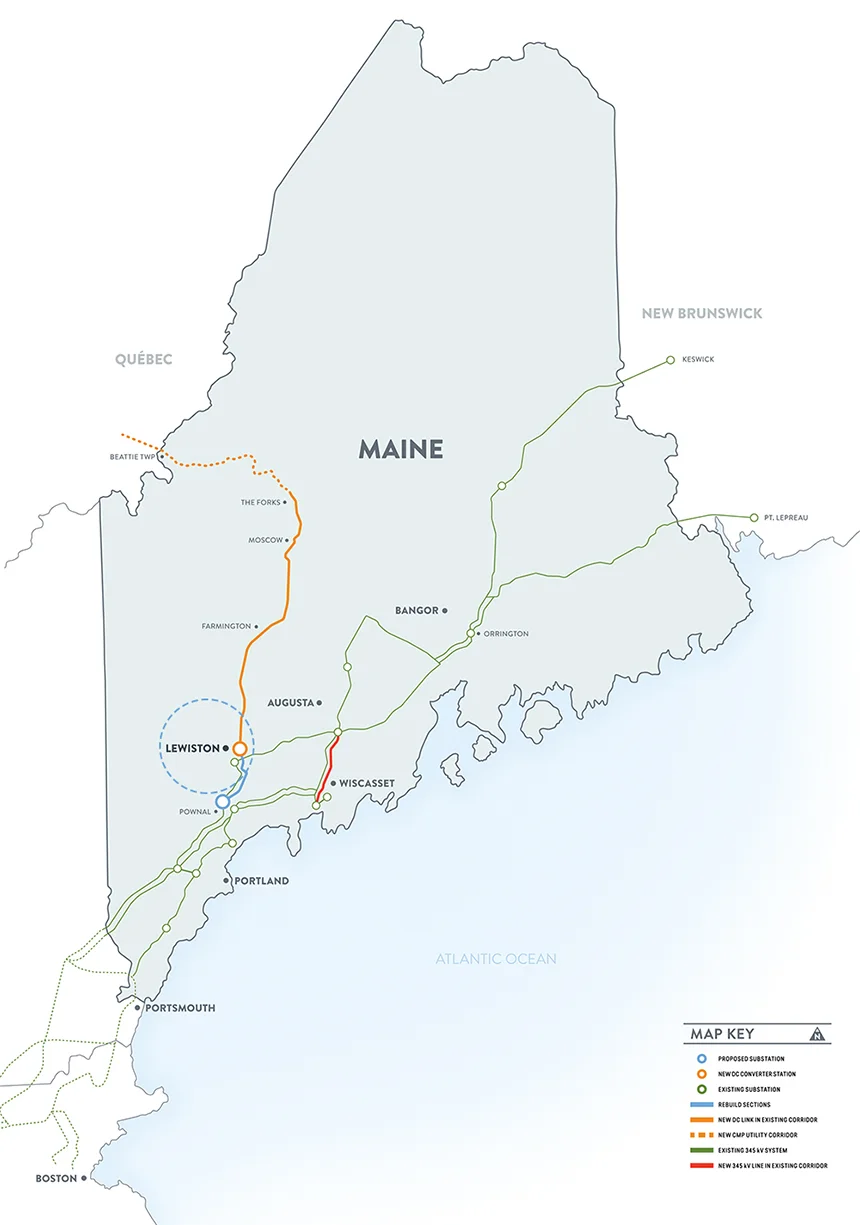
Proposed New England Clean Energy Connect project.
Via ecoRI News (ecori.org)
News continues to get worse for the Northern Pass project and efforts to deliver Canadian hydropower to southern New England.
On May 24, the New Hampshire Site Evaluation Committee denied an appeal by Northern Pass to overturn the decision that rejected the 192-mile-long high-voltage transmission line though the state.
The siting committee initially rejected the $1.6 billion project on Feb. 1 because of concern that the network of unsightly power lines and towers would harm tourism, local businesses and the environment.
According to the siting board, the appeal failed because there was no new information to review. And despite objections by Northern Pass, the positive elements of the application had been considered in the initial decision, committee members said.
"If there were conditions they could meet to approve it, we would have approved it with those conditions," said Bill Oldenburg of the Site Evaluation Committee in a video of the meeting taken by WMUR-TV, of Manchester, N.H.
In an online statement, Northern Pass, a joint venture between Eversource and Hydro-Québec, said it remains committed to the project and is considering taking the siting committee’s decision to court.
“We intend to pursue all options for making this critical clean energy project a reality, along with the many economic and environmental benefits for New Hampshire and the region. This opportunity to significantly lower energy costs for customers should be given great weight,” said Eversource New Hampshire president Bill Quinlan. “Large infrastructure projects of this scale often face challenges during the siting process, and we will continue to work with all of the stakeholders to present a project that receives New Hampshire’s approval.”
Meanwhile, Massachusetts, which has agreed to a 20-year power-purchase agreement for Northern Pass energy, has shifted its focus from Northern Pass to New England Clean Energy Connect (NECEC), a power-line transmission project that delivers Québec hydropower through western Maine to Lewiston, Maine, and on to Massachusetts.
The 145-mile project has broad community support, including from Maine Gov. Paul LePage.
The transmission system is opposed by the environmental group (NRCM), which says the project will damage 53 miles of forest. The conservation group worries that NECEC won’t receive the same vetting as Northern Pass.
“Rather than allowing Maine regulators to go through the same thoughtful process that led New Hampshire to reject that project, Gov. Paul LePage, through a spokesperson, has vowed to ram the project through Maine’s Department of Environmental Protection,” according to a March 19 NRCM statement.
The Boston Globe editorial board criticized opponents of NECEC for overlooking the 1,200 megawatts of low-emission-creating electricity and the tax revenue it will bring to communities along the route.
The financial benefits are far less than the $200 million in tourism funding and $30 million in annual tax revenue promised by Northern Pass. So far, local taxes are the only revenue promised by NECEC.
State and local lawmakers are now rethinking their initial support for the project, in hopes of increasing the financial benefits to the state. There is also concern over the fact that none of the hydropower will be available for in-state use. Local renewable-energy projects will also be unable to connect to the power lines.
NECEC is being developed by Hydro-Québec and the utility Central Maine Power, a subsidiary of the multinational corporation Avangrid.
The Massachusetts Department of Energy Resources and state utilities are negotiating a power-purchase contract with Central Maine Power for the project. The agreement must be approved by the Massachusetts Department of Public Utilities. State permits are expected by the end of 2018. Federal permits are expected in 2019.
Tim Faulkner is a journalist with ecoRI News.
Literature for the ages

"Charlotte's Web'' (crystallized book), by Georgia Heard, at Patricia Ladd Carega Gallery, Center Sandwich, N.H.

Llewellyn King: Subjected to corporate 'elites' electronic runaround, voters turned to Trump


Trump is the product of a frustrated electorate sick of elites in Washington which pay no heed to the people who pay the taxes and have little interest in them. Thus runs the popular narrative of how we got President Donald Trump and why his base, despite everything, is firmly committed to him.
Half right, I say.
There was a great national dissatisfaction at the time of the election and there is so today. But was that really the result of unhappiness with elites in Washington?
I’d suggest that it is the daily frustration we all face in simply going about our business. Elites are to blame, but not the elites named in the political narrative that has become the conventional view of the Trump phenomenon.
The elites who frustrate us are the large corporate ones that we cannot live without and have difficulty living with. Substitute corporations for elites.
In no particular order, they are the insurance companies, the banks, the credit-card companies, the airlines, the hospitals, the telephone companies, the cable TV providers, Amtrak, Amazon and other corporations that hide behind a battery of devices programmed to avoid any direct human contact with the customer.
In fact, to most billion-dollar-plus corporations, the individual is less significant than a grain of sand on a California beach. These suppliers of our needs are hidden in a thicket of automatic phone systems that seem to require that you spend half an hour in a maze of prompts before, maybe, you reach a person who will also behave as though he or she is a recording; a person who is reading from a script and diverting your pleadings.
Collectively, what they’d like to tell you is you are in the wrong and will always be in the wrong because you are a statistical inconvenience, your custom a nuisance.
Step forward my bank.
More than 40 years ago, I added my then-wife to a credit card. We had an amicable divorce and we both got married again.
Regularly, over the years, I’ve asked my bank to remove her name, Jane Doe King -- to protect her privacy -- from the card. I paid all the bills and my notes with the payments and letters were never answered.
Suddenly this year, my bank decided that it was imperative that they get information on Jane Doe King, who is a nonexistent person. I went to my branch, explained the situation and was told by an officer that she’d been removed from the card. All’s well that ends well.
But it wasn’t the end, and all wasn’t well.
A few days later, when I tried to call an Uber car, I learned that my card was blocked because Jane Doe King hadn’t supplied her financial information to my bank.
I called my bank. After the de rigueur half an hour of playing the equivalent of telephone pinball with their answering system and the irrelevant prompts, I spoke to a representative. He might as well have been a recording because no matter what I said, he went back to the script in front of him.
I explained, he demurred. Jane Doe King would have to prove first that she existed and then that she wanted to be removed from the card, which she had never used in more than 40 years.
I asked him to call the officer in the bank’s branch with whom I’d spoken. He said his phones didn’t have outgoing lines and so he couldn’t do that. I said I’d go to the bank’s branch and have the officer call the credit card department and straighten out the matter. But he wouldn’t give me his direct-dial number or his last name; just his first name and the general number. I went into serious profanity-suppression mode.
Only the appearance of the person who does not exist would satisfy the Man Who Can’t Make Phone Calls. Fearing temper loss, I hung up and emailed the bank officer who had “fixed” the problem. He hasn’t replied.
The message is that you, the customer, and your account and patronage don’t count.
Even as you read this, thousands of Americans are getting the electronic runaround as they try to solve simple issues. Confused and angry they are turning to the wildest political solution they can: Trump. Sadly, this is another abortive pursuit.
Llewellyn King is executive producer and host of White House Chronicle, on PBS. His e-mail is llewellynking1@gmail.com.
Oily East Coast to come?

Kelp covered with oil from coastal spill.
The Trump administration wants to allow oil and gas drilling off the East Coast, except off big swing state Florida. But Republican and Democratic governors and local leaders are up in arms about it because of the potentially devastating effect on tourism -- people generally don’t like oily beaches – and fishing.
Trump’s love love of retro, fossil-fuel energy seems particularly vivid when seen against the news of the big wind turbine installations soon to go up south of Massachusetts.
Some fishermen --- squid catchers particularly -- are concerned about the impact of setting up these “wind farms,’’ but they should think about what an oil spill could do. And, as has been shown in European coastal wind farms, the wind-turbine foundations act as reefs, which can increase the number of fish (and species) around coastal and offshore wind installations. Hit this link to read more on this.
and this link.
'For what they are'

"By June our brook’s run out of song and speed.
Sought for much after that, it will be found
Either to have gone groping underground
(And taken with it all the Hyla breed
That shouted in the mist a month ago,
Like ghost of sleigh-bells in a ghost of snow)—
Or flourished and come up in jewel-weed,
Weak foliage that is blown upon and bent
Even against the way its waters went.
Its bed is left a faded paper sheet
Of dead leaves stuck together by the heat—
A brook to none but who remember long.
This as it will be seen is other far
Than with brooks taken otherwhere in song.
We love the things we love for what they are. ''
-- ''Hyla Brook,'' by Robert Frost
Hyla Brook was near the farm on which Frost and his family lived in 1900-1911.
Those North Country youths were specialists in being generalists
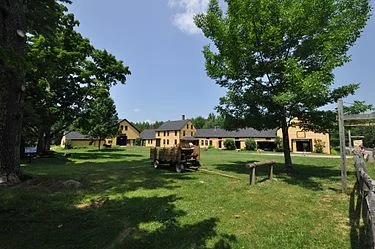
The New Hampshire Farm Museum on White Mountain Highway (New Hampshire Route 125), in Milton.
Three centuries of Granite State rural life, and ingenuity, are presented at the museum, whose center is an historic farmhouse. The museum includes a 104-foot-long, three-story great barn with collections of agricultural machinery, farm tools, sleighs and wagons. There are also live farm animals, a nature trail and a museum shop.
The museum is on the former Plumer-Jones Farm, with a typically New England series of connected buildings. The farmhouse's oldest part dates to the late 18th Century and the barns to the mid 19th Century.
"A sturdy lad from New Hampshire or Vermont who in turn tries all the professions, who teams it, farms it, peddles, keeps a school, preaches, edits a newspaper, goes to Congress, buys a township, and so forth, in successive years, and always like a cat falls on his feet, is worth a hundred of these city dolls. He walks abreast with his days and feels no shame in not 'studying a profession,' for he does not postpone his life, but lives already.''
-- Ralph Waldo Emerson (1803-1882)