
Vox clamantis in deserto



Greetings from North Korea

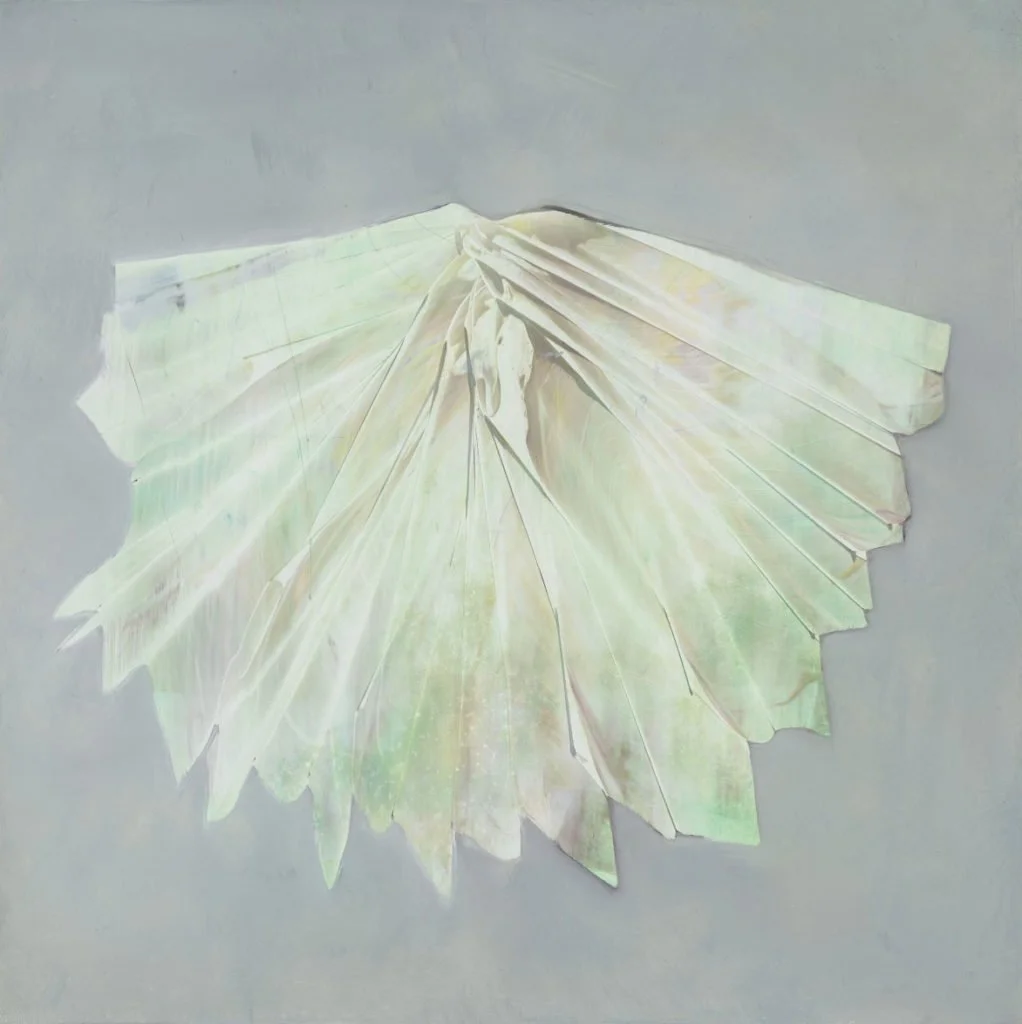
"Column of Light,'' by Sue Charles, at Alpers Fine Art, Andover, Mass.
Narragansett Bay's drug and other problems
By FRANK CARINI for ecoRI News (ecori.org)
The Narragansett Bay Estuary Program has developed a draft report on the status of Narragansett Bay entitled “State of the Bay and its Watershed.” The report assesses 24 indicators throughout the bay and its watershed — some 60 percent of it is in Massachusetts — based on best available science and current research efforts.
Public comments on the draft report will be accepted until the close of business May 22. Comments should be e-mailed to info@nbep.org. The Narragansett Bay Estuary Program (NBEP) will revise and finalize the report and prepare a summary based on public feedback.
ecoRI News recently went through the report. Numerous factors, beyond climate change, sea-level rise and legacy contaminants, stress Rhode Island’s most significant natural resource. Here is a look at some of the others detailed in the NBEP’s draft report:
The estimated populations in 2014 of the Massachusetts and Rhode Island sections of the Narragansett Bay watershed. (U.S. Census Bureau Block Projections)
Population growth typically leads to increased nutrient loading, more impervious surfaces and habitat fragmentation. From 2000 to 2010, the population living within the Narragansett Bay watershed increased by nearly 8 percent, to 1.95 million people.
Quote: “It is well established that the way human society uses and protects the land within a watershed has critical implications for freshwater streams, estuarine waters, and associated habitats.”
Quote: “To protect the environmental quality of the watershed, effective land use management and regional planning practices must be implemented."
In the Narragansett Bay watershed, the amount of land classified as urban increased from 350,369 acres in 2001 to 379,804 acres in 2011. The increase of 29,435 acres represented a net change of 8.5 percent. During the same time period, forest lands decreased from 443,800 acres to 424,642 acres, a decline of 19,158 acres or 4.3 percent. (NLCD)
Land-use changes in the Narragansett Bay watershed, especially the conversion of natural lands to manmade areas, impacts the resiliency of hydrological functions, alters the delivery of nutrients to rivers and the bay, affects terrestrial, aquatic and estuarine habitat conditions, and contributes to an increase of pathogens into recreational and shellfishing waters.
Quote: “The conversion rate of natural land cover to developed land has outpaced the population growth rate in this region over the last few decades.”
Quote: “In addition, a decline in forest lands indicates habitat fragmentation and less area to protect water resources.”
These subwatersheds have the highest percentage of impervious cover in the Narragansett Bay watershed. The middle column is the number acres, followed by the percentage of impervious surface. The bay's Big River, Scituate Reservoir and Barden Reservoir-Ponaganset River subwatersheds have the lowest percentage of impervious cover, at 3.2 percent. (NBEP)
Impervious surfaces are a known stressor of both water quality and water quantity, as pavement, buildings and concrete impact the natural hydrology and habitat condition of the watershed. Impervious cover promotes above-ground flow of stormwater directly into local waterbodies, rather than infiltration of runoff through the soil. This change results in more nutrients, pathogens and other pollutants entering waterbodies.
Quote: “There are numerous studies suggesting that watershed degradation increases substantially when impervious cover reaches a threshold of 10 to 20 percent of the watershed’s land area.”
Quote: “The amount of impervious cover in Narragansett Bay’s HUC12 subwatersheds demonstrates the considerable extent of urbanization around the Bay. Impervious cover exceeded the 10 percent ecological threshold in 36 of the 52 subwatersheds."
From 2013-2015, the 37 wastewater treatment facilities in the Narragansett Bay watershed discharged nearly 5.4 million pounds of nitrogen annually. (NPEP)
Nutrient loading refers to the input of nutrients into the ecosystem from numerous human sources, including centralized and on-site wastewater treatment facilities, stormwater runoff and air pollution. Phosphorus and nitrogen are naturally occurring nutrients in sewage. Such loading within the Narragansett Bay watershed has cascading negative impacts through the physical, biological and human-health indicators.
Quote: “The downward trend in total nutrient loading will likely improve the physical and biological health of ecosystems in the Narragansett Bay watershed.”
Quote: “The largest threat that nutrient loading (nitrogen and phosphorous) poses for a watershed is the potential for eutrophication.”
Spatial and temporal concentrations of metoprolol throughout Narragansett Bay. A recent study conducted over the course of a year showed elevated levels of numerous pharmaceuticals in the bay’s water column. Various pharmaceuticals, such as metoprolol, a beta-blocker used to treat high blood pressure, were present at all sites and sampling periods, confirming their widespread spatial and temporal distribution. (Cantwell et al. 2017)
Chemical contaminants of emerging concern (CECs) refers to chemicals that have been identified recently in natural waters that have no regulatory standards associated with them and can potentially cause adverse effects to aquatic life.
They include but aren’t limited to nonprescription and prescription pharmaceuticals, personal-care products, and industrial chemicals used in a wide range of consumer, commercial and industrial products. Some examples: antidepressants, antihypertensives, antibiotics, painkillers and synthetic hormones; antimicrobials such as Triclosan; UV blockers in sunscreens such as oxybenzone; DEET, a pesticide which is applied to human skin; fragrances such as synthetic musks; flame retardants such as polybrominated diphenyl ethers; additives to plastics; and synthetic materials such as bisphenol A, commonly referred to as BPA.
Wastewater treatment facilities were never designed to treat or remove CECs.
Quote: “The behavior and fate of CECs in aquatic systems are not well understood; consequently, the knowledge about the exposure risk from CECs to aquatic life and human populations is limited.”
Quote: “The Providence River, in particular, is an area of concern due to the daily volume of wastewater effluent entering this sub-embayment. This is also critical for other locations in Narragansett Bay, particularly where commercial, wild seafood harvesting, aquaculture activities, and human recreation are occurring.”
Frank Carini is editor of ecoRI News.
'I preferred the solitude'
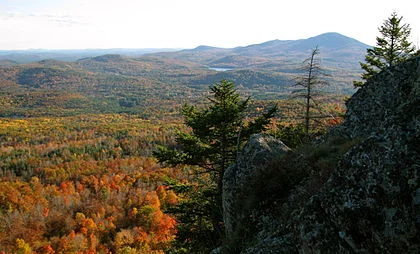
Mt. Kearsage, in central New Hampshire, near Donald Hall's home.
"I grew up in the suburbs of Connecticut - during the school time of year - but I preferred it in New Hampshire. I preferred the culture, the landscape, the relative solitude. I've always loved it.''
-- Donald Hall, former U.S. poet laureate.

David Warsh: The other hundred days

SOMERVILLE, Mass.
Almost everyone I know complains of Trump fatigue in some degree or another. An under-covered story of Trump’s first hundred days in office has to do with the differential coverage of his presidency in the four national newspapers I read, The New York Times and The Wall Street Journal, in particular. (I don’t see USA Today.)
The question bubbled just below the surface last week. In "Living in the Trump Zone,'' columnist Paul Krugman, in the NYT Friday, issued “a plea to my colleagues in the news media: Don’t pretend this is normal.” The same day, columnist Peggy Noonan, of the WSJ, wrote that "Trump Has Been Lucky in His Enemies''. that while “Mr. Trump has struggled so colorfully in the past three months, we’ve barely noticed his great good luck – that in that time the Democratic Party and the progressive left have been having a very public nervous breakdown.” Noonan studiously didn’t mention it, but among of the enemies she presumably thinks Trump has been so fortunate to acquire, none has been more relentless than the NYT, with The Washington Post not far behind.
The Times Saturday published an inside page listing 99 front-page headlines from Trump’s first hundred days; the hundredth story presumably is to appear today. It was a judicious selection; Omitted were countless other Trump news stories that have appeared in the paper, including some written mainly to hold him up to ridicule. But the editors’ sense of play stands up. It would be interesting to see a comparable selection of WSJ page one stories over the same hundred days. The NYT editorial pages have often gone overboard, of course; that’s what editorial pages have learned to do since 1972, when Robert Bartley took the reins at the WSJ after Vermont Royster’s 20-year term on “the Page.” The president can count on receiving two or three solid knocks from the Times’s editorial and op-ed pages on normal day, most of them well-placed.
The WSJ, on the other hand, has treated the Trump presidency in a decidedly low-key way, pretty much business as usual, which would be relaxing, if you didn’t notice the lengths to which they have gone to make its first three months appear normal. Exhibit A was a front-page story in March headlined “Steve Bannon and the Making of an Economic Nationalist.” This credulous as-told-to story by reporter Michael Bender related that Bannon’s views were galvanized when his 88-year-old father, a Bell Telephone retiree, sold his treasured shares of AT&T into the panic of 2008. It’s long been known that Bannon’s view were well established many years before.
Mind you, this is not the once-familiar difference between the WSJ’s famously fair-minded news pages and its over-the-top editorial pages. Now it’s the news pages that are shading right. The editorial pages are having a meltdown. During the campaign their enthusiasm seemed about evenly distributed among Ted Cruz, Marco Rubio, and Trump. Since the election the editorialists have regularly reminded readers of their traditional support of trade and immigration, but their real passion continues to be for tax cuts, and never mind the deficit. Kimberly Strassel wrote Friday, “Here’s how to know a Republican president has scored big on a proposed tax reform: Read The New York Times – and chuckle.” Trump’s “big swashbuckling vision for enacting pro-growth principles” was his “finest moment (so far).” Meanwhile, the NYT took advantage of the extreme disarray to hire Bret Stephens, the WSJ’s star op-ed columnist, who increasingly strenuously opposed the Trump candidacy throughout the campaign. Stephens had been a leading candidate to succeed editorial page editor Paul Gigot; instead he has made his debut in the Times. Holman Jenkins Jr. stepped up to the plate in the Journal.
In general, the WSJ stance seems to be a tendency to reserve judgment as much as possible, on the theory that Trump is worth a try. “[T]he more important period [of his presidency] starts on day 101,” its editorialists wrote Saturday. “The next 200 or 300 days will determine whether Mr. Trump is a successful president or a Republican Jimmy Carter.” Noonan put a finer point on the matter when she wrote:
"If this thing works—if the Trump administration is judged by history as having enjoyed some degree of success—it will definitively open up the U.S. political system in a wholly new way. Before Mr. Trump it was generally agreed you had to be a professional politician or a general to win the presidency. Mr. Trump changed that. If he succeeds in office it will stay changed. Candidates for president will be able to be . . . anything. You can be a great historian or a Nobel Prize-winning scientist. You can be a Silicon Valley billionaire. You can be Oprah, The Rock, or Kellyanne. The system will attract a lot of fresh, needed, surprising talent, and also a lot of nuts and poseurs. But again, only if Mr. Trump succeeds. If he doesn’t, if he’s a spectacular failure, America will probably never go outside the system like this again, or not in our lifetimes.''
Meanwhile, The Washington Post is in the hands of a master campaigner, executive editor Martin Baron. Evidence of his rhetorical skills can be seen in reporter David Fahrenthold’s Pulitzer Prize-winning articles on the loose practices of Trump’s Foundation. I don’t see the WPost’s newsprint edition, so I am unable to guage the cumulative power of its coverage of the administration, but to judge from the Web site, the WPost, like the NYT, regards the Trump administration as anything but normal. Its scrutiny has been no less penetrating for being more tightly focused.
The same can be said for the fourth paper I read, the Financial Times, which, as usual, floats lightly above the fray, analyzing it except when it has got something distinctive to add. It was the FT that reported that, after the election, before the inauguration, Rupert Murdoch’s ex-wife Wendi Deng had persuaded First Daughter Ivanka Trump to become a trustee of a nearly $300 million fortune Murdoch set aside for their two children. That was not long after Deng was reported to have been dining with, first, Tony Blair, then Vladimir Putin. Demetri Stevastopulo, the FT’s Washington bureau chief, wrote Saturday,
Since the inauguration, Washington has become obsessed with parlor games that try to predict the next plot twist to emerge from Trump’s White House… At the moment, neither the political surprises nor the palace intrigue show any signs of settling down.…
It seems so to me as well. Look for the very instructive war between the NYT and the WSJ to continue. I once worked for the Journal, but, or the most part, I’m with the Times on this one.
David Warsh, a veteran financial, media and political journalist, is proprietor of economic principals.com, where this piece first appeared.
Disappearing herring
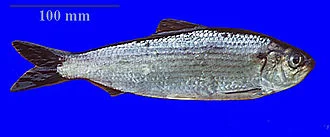
From Robert Whitcomb's "Digital Diary'' column, in GoLocal24.com
River herring are becoming scarcer along the New England coast for a variety of possible reasons, be they changing food chains, pollution, climate change – or commercial fishermen catching too many of these creatures for use by health-supplement companies promoting the benefits of omega 3.
Herring are an important food for many other fish. Their declining numbers ought to spark stepped-up conservation efforts by state and federal regulators. The states have a big role because while these fish mostly live in the sea, they return to rivers to spawn.
Spring walk
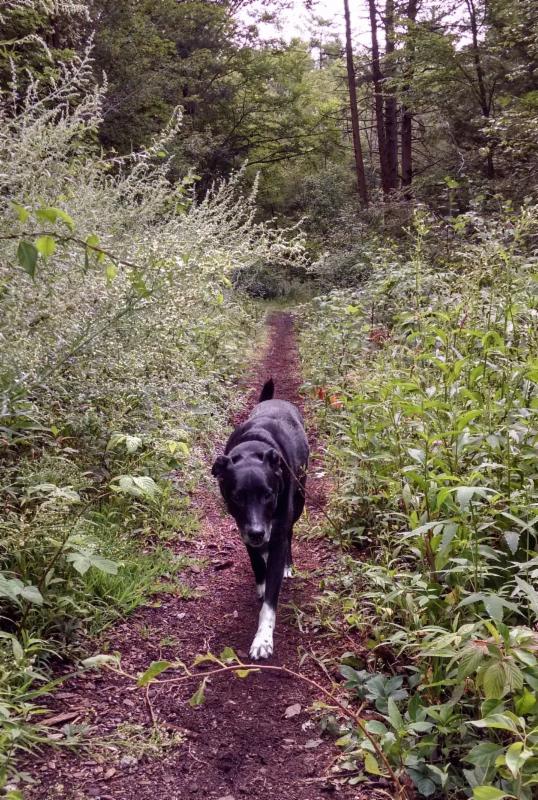
The late Maverick, the half Lab and half border collie of Peter Alpers, of Alpers Fine Art, Andover, Mass. Mr, Alpers is setting aside a percentage of all sales until the end of May to the Northeast Animal Shelter, in Salem, Mass., in memory of Maverick.
- Photo by Peter Alpers, of Alpers Fine Art, Andover, Mass.
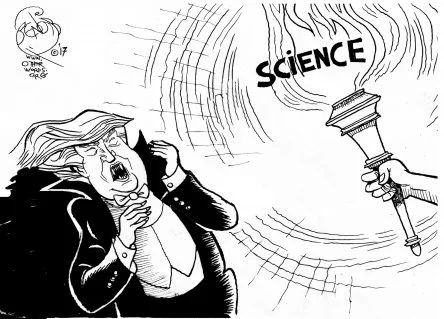
Basav Sen: Solar, not coal, is a big job producer
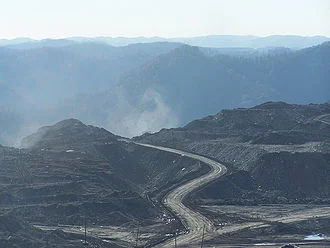
Mountaintop removal of coal in Appalachia.
Via OtherWords.org
When Donald Trump announced that he was rolling back the Obama administration’s signature climate rules this spring, he invited coal miners to share the limelight with him. He promised this would end the so-called “war on coal” and bring mining jobs back to coal country.
He was dead wrong on both counts.
Trump has blamed the prior administration’s Clean Power Plan for the loss of coal jobs. But there’s an obvious problem with this claim: The plan hasn’t even gone into effect! Repealing it will do nothing to reverse the worldwide economic and technological forces driving the decline of the coal industry.
And the problem is global. As concern rises over carbon dioxide, more and more countries are turning away from coal. U.S. coal exports are down, and coal plant construction is slowing the world over — even as renewables become cheaper and more widespread.
To really bring back coal jobs, Trump would have to wish these trends away — along with technological automation and natural gas, which have taken a much bigger bite out of coal jobs than any regulation.
Could domestic regulation have played some role in the decline of coal? Sure, some. Rules limiting emissions of mercury and other pollutants from burning coal, and limiting the ability of coal-burning utilities to dump toxic coal ash in rivers and streams, likely put some financial pressure on coal power plants.
However, those costs should be weighed against the profound health benefits of cleaner air and water.
Cleaning up coal power plants (and reducing their number) leads to fewer children with asthma, fewer costly emergency room visits, and fewer costly disaster responses when massive amounts of toxic coal ash leach into drinking water sources, to name just a few benefits. Most reasonable people would agree those aren’t small things.
There’s also the fact that the decline in coal jobs, while painful for those who rely on them, tells only a small part of the story. In fact, there are alternatives that could put hundreds of thousands of people back to work.
Here are a few little-known facts: Coal accounts for about 26 percent of the electricity generating capacity in our country — and about 160,000 jobs. Solar energy accounts for just 2 percent of our power generation — and 374,000 jobs.
In other words, solar has created more than twice as many jobs as coal, with only a sliver of the electric grid. So if the intent truly is to create more jobs, where would a rational government focus its efforts?
It’s not just solar, either. The fastest growing occupation in the U.S. is wind turbine technician. And a typical wind turbine technician makes $25.50 an hour, more than many fossil fuel workers.
By rolling back commonsense environmental restraints on the coal industry, Trump is allowing the industry to externalize its terrible social and environmental costs on all of us, giving the industry a hidden subsidy. He’s also reopening federal lands to new coal leases, at rates that typically run well below actual market value.
By subsidizing a less-job intensive and more established industry, Trump’s misguided policy changes will thwart the growth of the emerging solar and wind industries, which could create many, many more jobs than coal. In fact, hurting these industries by helping coal might even result in a net job loss for everyone.
Then again, maybe this was never about jobs. Maybe the administration’s intent all along was to reward well-connected coal (and oil and gas) oligarchs who make hefty campaign contributions. If so, that was a good investment for them.
For ordinary working people — and for our planet — the cost could be too much to bear.
Basav Sen directs the Climate Justice Project at the Institute for Policy Studies.
'Nature attitudinizes'

Hepatica
After the epigæa and the hepatica have blossomed, there is a slight pause among the wild-flowers, — these two forming a distinct prologue for their annual drama, as the brilliant witch-hazel in October brings up its separate epilogue. The truth is, Nature attitudinizes a little, liking to make a neat finish with everything, and then to begin again with éclat.... Each species seems to burst upon us with a united impulse; you may search for it day after day in vain, but the day when you find one specimen the spell is broken and you find twenty. By the end of April all the margins of the great poem of the woods are illuminated with these exquisite vignettes.
-- Thomas Wentworth Higginson, "April Days," (1861)
Now start drafting

"Naiad'' (pencils), buy Jennifer Maestre, in the show "Wood as Muse,'' at the Art Complex Museum, Duxbury, Mass., May 7-Sept. 3.
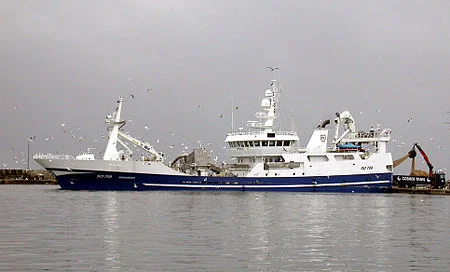
How sustainable are our seafood supplies?

Irish fishing trawler.
To members and friends of the Providence Committee on Foreign Relations (pcfremail@gmail.com; thepcfr.org).
Our next meeting comes Wednesday, May 17, with James E. Griffin, an expert on the global food sector. He's a professor of culinary studies at Johnson & Wales University and an international business consultant. He's particularly well known for his knowledge of global food sourcing and sustainability.
Professor Griffin will focus in his talk on seafood sustainability, looking at it with New England, national and international perspectives. It will be based on international research he and his colleagues have conducted in recent years.

Sticking it out until now
"Withstanding the cold develops vigor for the relaxing days of spring and summer. Besides, in this matter as in many others, it is evident that nature abhors a quitter.”
― Arthur C. Crandall, in New England Joke Lore: The Tonic of Yankee Humor
Chris Powell: Are Connecticut's GOP legislators ready for responsibility?
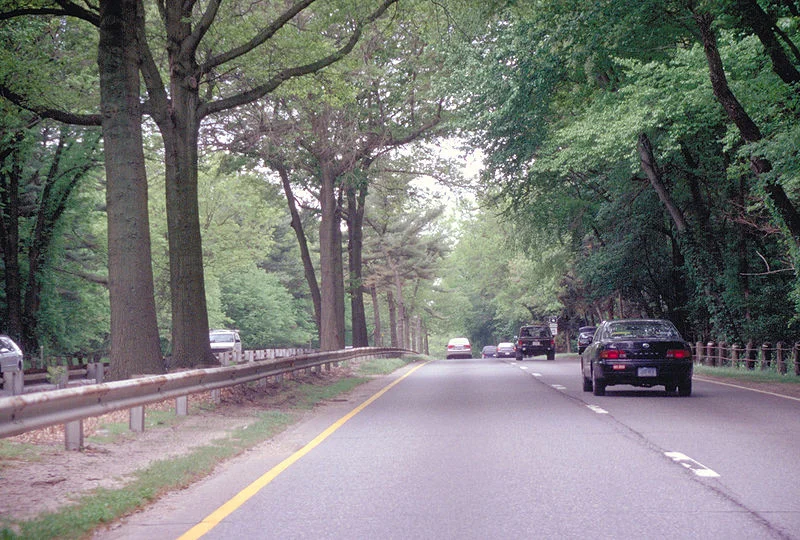
Connecticut's Merritt Parkway in the spring.
MANCHESTER, Conn.
Just days from now Connecticut may be the most beautiful place in the world as its trees and flowers bloom, its skies brighten, its weather warms, and people open their windows and emerge from their winter quarters. But administratively and politically Connecticut will be something else -- perhaps the most deranged, deluded, and declining state in the country.
If many people still believe anything coming out of state government, this week's state income tax revenue estimates, shockingly below expectations, should puncture whatever illusions remain that Connecticut is improving or even leveling off from its long decline. For if the state was improving, tax revenue would be rising, not falling, as would the state's population, and not every business expansion would have to be purchased with a subsidy from state government.
Despite the crash in revenue estimates and a projected state budget deficit approaching $2 billion, this week the General Assembly's Appropriations Committee announced that it wants to increase state spending by more than 5 percent in the next year, which would mean more big tax increases, especially since most legislators have rejected Gov. Dannel Malloy's proposal to balance the budget by slashing education aid to most towns and to require towns to cover a third of the annual cost of the teacher pension fund.
Many legislators will go along with the governor's plan to exact $1.7 billion in concessions from the state employee unions somehow, but only as long as the governor handles that challenge by himself so legislators don't have to alienate the unions with legislation.
Also this week the superintendent of the Connecticut Technical High School System resigned while under investigation for spending $4.5 million of state money with a public relations agency, much of it for largely self-promotional publicity over the last three years.
In other states such a scandal might prompt the legislature to inquire as to how so much money could be spent so self-servingly before somebody noticed. But in Connecticut things like this just prompt legislators to look harder for ways to raise more money.
Though the Appropriations Committee devised a budget this week, its one-member Democratic majority could not bring itself to vote on it without assurances of support and political cover from Republican members, which wasn't forthcoming. Democratic leaders were bitter about this but they shouldn't have been, for the committee's inability to report a budget increased the obligation of the Republicans to propose one of their own, which they have been reluctant to do, since it would require them to cut spending substantially or raise taxes or do some of both -- that is, to take responsibility.
But if the Republicans summon the courage to specify spending cuts so that tax increases can be avoided, they just might get their budget passed in the legislature and signed by the governor, a Democrat who has begun opposing tax increases, perhaps in part because he is not seeking re-election and needn't worry as much about his own party.
The legislature's political margins are now so close that to pass a budget the Republicans would need to draw only several Democratic votes in the House and only one in the Senate, and there are many Democratic legislators who would make themselves vulnerable in the election next year if they raised taxes as they have done before with their governor. Then the Republicans could go into the campaign as the party that prevented another big Democratic tax increase.
Of course the Republicans would have made enemies among some of those who are dependent on state spending, but they were never going to get those votes anyway.
Chris Powell is managing editor of the Journal Inquirer, in Manchester, Conn.
An arborist's ecstasy
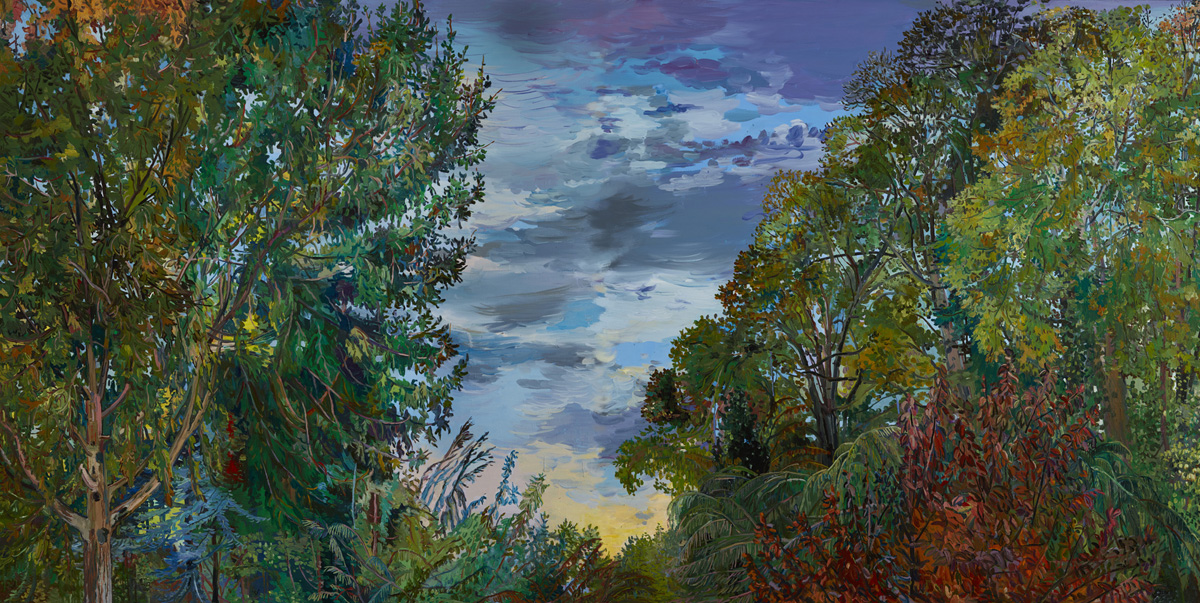
"Rim of Sunlight and Trees'' (oil on canvas), by Nancy Friese, in her show "Arbor Views,'' at Cade Tompkins Projects, Providence.

Linda Gasparello: In transit, seeing signs of times, modern and ancient

French bulldog on the Danube River wall.
-- Photo by Linda Gasparello
I take the train a lot from Providence to Washington, D.C. For a long time, it passes through what people would call the most beautiful scenery of the trip: the Connecticut shoreline. And for a short time, it passes through what they would call the most blighted scenery of the trip: the walls along the railroad tracks between North Philadelphia and 30th Street Station.
But I look forward to the beauty in the blight along that stretch of the trip. I've seen some of the most stunning artwork on those walls and buildings along the tracks, one commissioned, like contemporary German artist Katharina Grosse's “psychylustro” -- a warehouse with windows that look as though they were blown out in a blaze of orange and white – but most done by anonymous artists. Whether their frenetic art is benign or malign, I don't care. It transforms my trip.
I work the graffiti on the walls the way people do the difficult crosswords in London's Sunday Times. There is meaning, sometimes clear, in the words on the walls. On the walls, I read, “ZeroSmyle,” and I sympathize with the graffitist. Skrew, a loud graffitist, spray-painted a message -- maybe for China -- on a wall, “Drama, Tibet.”
I think about what master graffitist Banksy said in “Wall and Piece” about these artists, “Some people become vandals because they want to make the world a better looking place.”
One person's defacement is another's decoration. I've enjoyed grafitti on walls or buildings all over the world. Vienna has some of the most magnificent graffiti. I like to take the hydrofoil between Vienna and Bratislava, Slovakia, so that I can see the museum of temporary art along the Danube River walls.
While living and traveling in the Middle East, I've seen graffiti galore -- and one of the best on a trip to the Greco-Roman city of Ephesus in Turkey. Carved on a pillar near the city's brothel – the “Love House,” as it was called by the ancients – a guide said there is some advice to lovers and other strangers: “One night with Venus, a lifetime with Mercury.” Mercury was the ancient treatment for syphilis.
The ancients were always kissing and telling on prostitutes. “Second only to the master of us all, Clodia has become the most discussed person in Rome. Verses of unbounded obscenity are scribbled about her over the walls and pavements of all the baths and urinals in Rome,” Thornton Wilder wrote in his epistolary novel The Ides of March.
Now, back to the future. Donald Trump's presidency has revived the art of the protest sign and placard, not seen since the nation's hippie days. Gitta Hasing, whom I've known since she was a child, participated in January's Women's March and the March for Science in Washington. She and her husband are biological scientists.
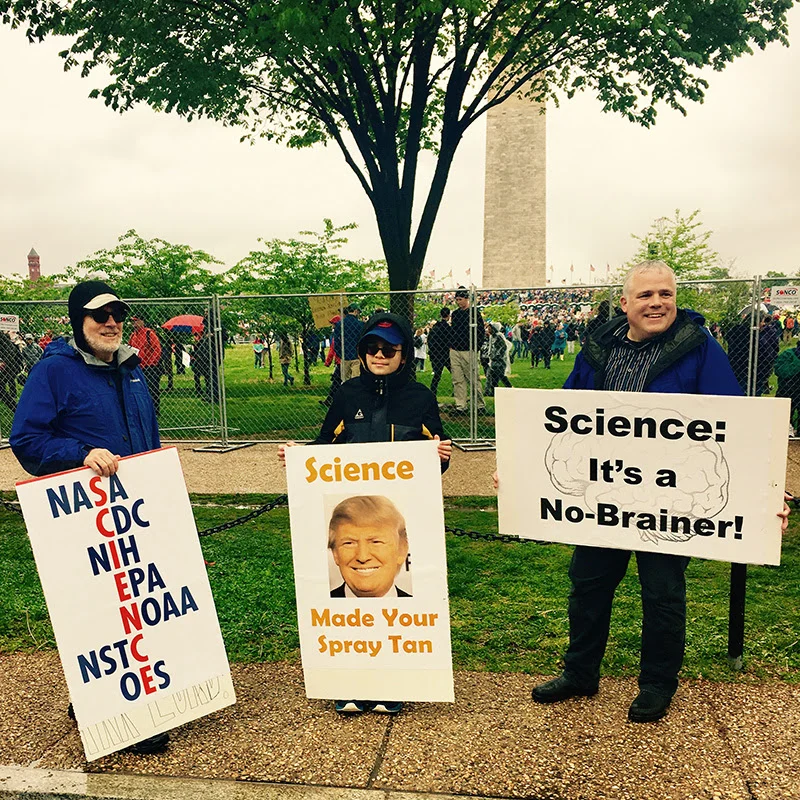
Photo by Gitta Hasing
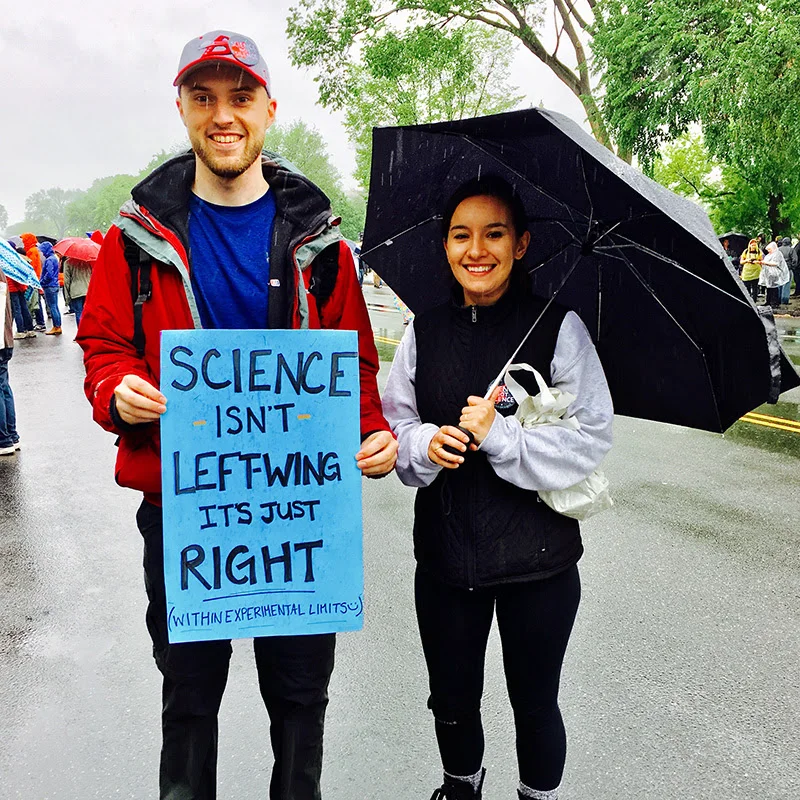
-- Photo by Gitta Hasing
Neither wind nor rain could keep Gitta, her toddler son and her parents from marching on the Mall. She is a talented photographer and took pictures of protesters and their signs in both marches in the same exacting way she photographed parts of North and Central Florida trees for a book, published by the University of Florida.
If Paris is The City of Light, Washington is The City of Sayings. They are carved on government building walls, museum and monument walls, and plazas. The one that always makes me cry is part of the last verse of Walt Whitman's Civil War-era poem “The Wound-Dresser,” carved in the granite around the Dupont South Metro entrance:
Thus in silence in dreams' projections,
Returning, resuming, I thread my way through the hospitals,
The hurt and wounded I pacify with soothing hand,
I sit by the restless all the dark night, some are so young,
Some suffer so much, I recall the experience sweet and sad.
Two days before the March for Science, as I was sitting on a wall at the Watergate, waiting for Gita's mother to arrive for a performance of Ballet Across America at the Kennedy Center. I looked up at two signs hanging from a street light near the Embassy of Saudi Arabia. The blue sign read “The Kennedy Center, JFKC: A Centennial Celebration of John F. Kennedy” with his picture – his 100th birthday would have been May 29, 2017. The orange one read, “Courage, Freedom, Justice, Service, Gratitude.”

-- Photo by Linda Gasparello
Trump can't take those words away from me. They're carved in my memory and the memories of millions of Americans. And a sign with bold hand lettering, posted on a pillar at Cafe La France in the Providence Amtrak Station, proves that so well:

-- Photo by Linda Gasparello
Linda Gasparello, a veteran international journalist, is co-host of White House Chronicle, on PBS.
Enjoying the violence
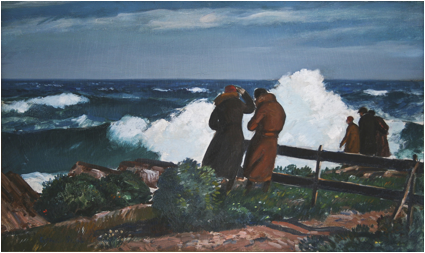
"Northeaster #2, Bass Rocks'' {in Gloucester, Mass.} (oil on board), by Gifford Beal (1930), in the show "Rock Bound: Painting the American Scene on Cape Ann and Along the Shore,'' at the Cape Ann Museum, Gloucester, June 3-Oct. 29.

The mourning continues to now

The poem, written in free verse in 206 lines, was written in the summer of 1865 during profound national mourning in the aftermath of the assassination of President Abraham Lincoln on April 14, 1865. Most historians rank him as our greatest president.
When Lilacs Last in the Dooryard Bloom’d
When lilacs last in the dooryard bloom’d,
And the great star early droop’d in the western sky in the night,
I mourn’d, and yet shall mourn with ever-returning spring.
Ever-returning spring, trinity sure to me you bring,
Lilac blooming perennial and drooping star in the west,
And thought of him I love.
O powerful western fallen star!
O shades of night—O moody, tearful night!
O great star disappear’d—O the black murk that hides the star!
O cruel hands that hold me powerless—O helpless soul of me!
O harsh surrounding cloud that will not free my soul.
In the dooryard fronting an old farm-house near the white-wash’d palings,
Stands the lilac-bush tall-growing with heart-shaped leaves of rich green,
With many a pointed blossom rising delicate, with the perfume strong I love,
With every leaf a miracle—and from this bush in the dooryard,
With delicate-color’d blossoms and heart-shaped leaves of rich green,
A sprig with its flower I break.
In the swamp in secluded recesses,
A shy and hidden bird is warbling a song.
Solitary the thrush,
The hermit withdrawn to himself, avoiding the settlements,
Sings by himself a song.
Song of the bleeding throat,
Death’s outlet song of life, (for well dear brother I know,
If thou wast not granted to sing thou would’st surely die.)
Over the breast of the spring, the land, amid cities,
Amid lanes and through old woods, where lately the violets peep’d from the ground, spotting the gray debris,
Amid the grass in the fields each side of the lanes, passing the endless grass,
Passing the yellow-spear’d wheat, every grain from its shroud in the dark-brown fields uprisen,
Passing the apple-tree blows of white and pink in the orchards,
Carrying a corpse to where it shall rest in the grave,
Night and day journeys a coffin.
Coffin that passes through lanes and streets,
Through day and night with the great cloud darkening the land,
With the pomp of the inloop’d flags with the cities draped in black,
With the show of the States themselves as of crape-veil’d women standing,
With processions long and winding and the flambeaus of the night,
With the countless torches lit, with the silent sea of faces and the unbared heads,
With the waiting depot, the arriving coffin, and the sombre faces,
With dirges through the night, with the thousand voices rising strong and solemn,
With all the mournful voices of the dirges pour’d around the coffin,
The dim-lit churches and the shuddering organs—where amid these you journey,
With the tolling tolling bells’ perpetual clang,
Here, coffin that slowly passes,
I give you my sprig of lilac.
Nor for you, for one alone,
Blossoms and branches green to coffins all I bring,
For fresh as the morning, thus would I chant a song for you O sane and sacred death.
All over bouquets of roses,
O death, I cover you over with roses and early lilies,
But mostly and now the lilac that blooms the first,
Copious I break, I break the sprigs from the bushes,
With loaded arms I come, pouring for you,
For you and the coffins all of you O death.)
O western orb sailing the heaven,
Now I know what you must have meant as a month since I walk’d,
As I walk’d in silence the transparent shadowy night,
As I saw you had something to tell as you bent to me night after night,
As you droop’d from the sky low down as if to my side, (while the other stars all look’d on,)
As we wander’d together the solemn night, (for something I know not what kept me from sleep,)
As the night advanced, and I saw on the rim of the west how full you were of woe,
As I stood on the rising ground in the breeze in the cool transparent night,
As I watch’d where you pass’d and was lost in the netherward black of the night,
As my soul in its trouble dissatisfied sank, as where you sad orb,
Concluded, dropt in the night, and was gone.
Sing on there in the swamp,
O singer bashful and tender, I hear your notes, I hear your call,
I hear, I come presently, I understand you,
But a moment I linger, for the lustrous star has detain’d me,
The star my departing comrade holds and detains me.
O how shall I warble myself for the dead one there I loved?
And how shall I deck my song for the large sweet soul that has gone?
And what shall my perfume be for the grave of him I love?
Sea-winds blown from east and west,
Blown from the Eastern sea and blown from the Western sea, till there on the prairies meeting,
These and with these and the breath of my chant,
I’ll perfume the grave of him I love.
O what shall I hang on the chamber walls?
And what shall the pictures be that I hang on the walls,
To adorn the burial-house of him I love?
Pictures of growing spring and farms and homes,
With the Fourth-month eve at sundown, and the gray smoke lucid and bright,
With floods of the yellow gold of the gorgeous, indolent, sinking sun, burning, expanding the air,
With the fresh sweet herbage under foot, and the pale green leaves of the trees prolific,
In the distance the flowing glaze, the breast of the river, with a wind-dapple here and there,
With ranging hills on the banks, with many a line against the sky, and shadows,
And the city at hand with dwellings so dense, and stacks of chimneys,
And all the scenes of life and the workshops, and the workmen homeward returning.
Lo, body and soul—this land,
My own Manhattan with spires, and the sparkling and hurrying tides, and the ships,
The varied and ample land, the South and the North in the light, Ohio’s shores and flashing Missouri,
And ever the far-spreading prairies cover’d with grass and corn.
Lo, the most excellent sun so calm and haughty,
The violet and purple morn with just-felt breezes,
The gentle soft-born measureless light,
The miracle spreading bathing all, the fulfill’d noon,
The coming eve delicious, the welcome night and the stars,
Over my cities shining all, enveloping man and land.
Sing on, sing on you gray-brown bird,
Sing from the swamps, the recesses, pour your chant from the bushes,
Limitless out of the dusk, out of the cedars and pines.
Sing on dearest brother, warble your reedy song,
Loud human song, with voice of uttermost woe.
O liquid and free and tender!
O wild and loose to my soul—O wondrous singer!
You only I hear—yet the star holds me, (but will soon depart,)
Yet the lilac with mastering odor holds me.
Now while I sat in the day and look’d forth,
In the close of the day with its light and the fields of spring, and the farmers preparing their crops,
In the large unconscious scenery of my land with its lakes and forests,
In the heavenly aerial beauty, (after the perturb’d winds and the storms,)
Under the arching heavens of the afternoon swift passing, and the voices of children and women,
The many-moving sea-tides, and I saw the ships how they sail’d,
And the summer approaching with richness, and the fields all busy with labor,
And the infinite separate houses, how they all went on, each with its meals and minutia of daily usages,
And the streets how their throbbings throbb’d, and the cities pent—lo, then and there,
Falling upon them all and among them all, enveloping me with the rest,
Appear’d the cloud, appear’d the long black trail,
And I knew death, its thought, and the sacred knowledge of death.
Then with the knowledge of death as walking one side of me,
And the thought of death close-walking the other side of me,
And I in the middle as with companions, and as holding the hands of companions,
I fled forth to the hiding receiving night that talks not,
Down to the shores of the water, the path by the swamp in the dimness,
To the solemn shadowy cedars and ghostly pines so still.
And the singer so shy to the rest receiv’d me,
The gray-brown bird I know receiv’d us comrades three,
And he sang the carol of death, and a verse for him I love.
From deep secluded recesses,
From the fragrant cedars and the ghostly pines so still,
Came the carol of the bird.
And the charm of the carol rapt me,
As I held as if by their hands my comrades in the night,
And the voice of my spirit tallied the song of the bird.
Come lovely and soothing death,
Undulate round the world, serenely arriving, arriving,
In the day, in the night, to all, to each,
Sooner or later delicate death.
Prais’d be the fathomless universe,
For life and joy, and for objects and knowledge curious,
And for love, sweet love—but praise! praise! praise!
For the sure-enwinding arms of cool-enfolding death.
Dark mother always gliding near with soft feet,
Have none chanted for thee a chant of fullest welcome?
Then I chant it for thee, I glorify thee above all,
I bring thee a song that when thou must indeed come, come unfalteringly.
Approach strong deliveress,
When it is so, when thou hast taken them I joyously sing the dead,
Lost in the loving floating ocean of thee,
Laved in the flood of thy bliss O death.
From me to thee glad serenades,
Dances for thee I propose saluting thee, adornments and feastings for thee,
And the sights of the open landscape and the high-spread sky are fitting,
And life and the fields, and the huge and thoughtful night.
The night in silence under many a star,
The ocean shore and the husky whispering wave whose voice I know,
And the soul turning to thee O vast and well-veil’d death,
And the body gratefully nestling close to thee.
Over the tree-tops I float thee a song,
Over the rising and sinking waves, over the myriad fields and the prairies wide,
Over the dense-pack’d cities all and the teeming wharves and ways,
I float this carol with joy, with joy to thee O death.
To the tally of my soul,
Loud and strong kept up the gray-brown bird,
With pure deliberate notes spreading filling the night.
Loud in the pines and cedars dim,
Clear in the freshness moist and the swamp-perfume,
And I with my comrades there in the night.
While my sight that was bound in my eyes unclosed,
As to long panoramas of visions.
And I saw askant the armies,
I saw as in noiseless dreams hundreds of battle-flags,
Borne through the smoke of the battles and pierc’d with missiles I saw them,
And carried hither and yon through the smoke, and torn and bloody,
And at last but a few shreds left on the staffs, (and all in silence,)
And the staffs all splinter’d and broken.
I saw battle-corpses, myriads of them,
And the white skeletons of young men, I saw them,
I saw the debris and debris of all the slain soldiers of the war,
But I saw they were not as was thought,
They themselves were fully at rest, they suffer’d not,
The living remain’d and suffer’d, the mother suffer’d,
And the wife and the child and the musing comrade suffer’d,
And the armies that remain’d suffer’d.
16
Passing the visions, passing the night,
Passing, unloosing the hold of my comrades’ hands,
Passing the song of the hermit bird and the tallying song of my soul,
Victorious song, death’s outlet song, yet varying ever-altering song,
As low and wailing, yet clear the notes, rising and falling, flooding the night,
Sadly sinking and fainting, as warning and warning, and yet again bursting with joy,
Covering the earth and filling the spread of the heaven,
As that powerful psalm in the night I heard from recesses,
Passing, I leave thee lilac with heart-shaped leaves,
I leave thee there in the door-yard, blooming, returning with spring.
I cease from my song for thee,
From my gaze on thee in the west, fronting the west, communing with thee,
O comrade lustrous with silver face in the night.
Yet each to keep and all, retrievements out of the night,
The song, the wondrous chant of the gray-brown bird,
And the tallying chant, the echo arous’d in my soul,
With the lustrous and drooping star with the countenance full of woe,
With the holders holding my hand nearing the call of the bird,
Comrades mine and I in the midst, and their memory ever to keep, for the dead I loved so well,
For the sweetest, wisest soul of all my days and lands—and this for his dear sake,
Lilac and star and bird twined with the chant of my soul,
There in the fragrant pines and the cedars dusk and dim.
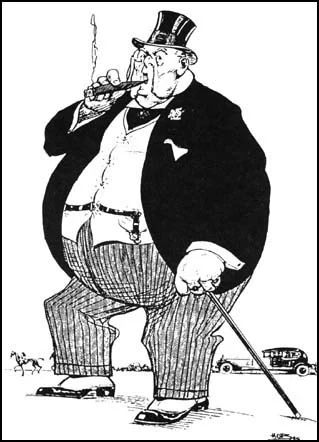
Sam Pizzigati: The insider who blew the whistle on executives' greed
Via OtherWords.org
If you work in a corrupt system, you have two basic options.
First, you could rationalize away your role in the corruption. If you ever left, you tell yourself, they’d just get someone else to do your job. Might as well shut your mouth and collect your paycheck.
But you could also go in an entirely different direction. Graef Crystal certainly did.
Crystal once ranked as one of America’s top enablers of a deeply corrupt — and corrupting — corporate CEO pay system. He could have continued down that path. But he chose to push for change instead. And he kept pushing for years after most people step back.
Crystal just passed away at age 82. We can learn plenty from his remarkable life.
The first lesson: We all have it in us to walk away from corruption.
Crystal had it made back in the 1980s. He had won national renown as an astute and reliable expert on CEO pay. America’s top corporations — such outfits as American Express and General Electric — regularly hired him to consult on their executive pay packages.
Crystal delivered what these major corporations needed: an “expert” rationalization for ever higher levels of executive compensation.
He played this CEO pay game well. Ample rewards came his way. But the game, over time, came to thoroughly disgust him. At the height of his career, Crystal walked away from his corporate gravy train and stopped telling unconscionably overpaid corporate honchos what they wanted to hear.
By the early 1990s, Crystal had a new role: blowing the whistle on executive pay outrages. Crystal brought to the executive pay wars both a firm command of the basic facts — between 1980 and 1990 real CEO pay had doubled — and a wealth of insider anecdotes.
In 1991, Crystal would pen a widely acclaimed book, In Search of Excess: The Overcompensation of American Executives. And over the next quarter-century, he’d take every opportunity to spread the book’s message. He spent years writing nationally syndicated newspaper columns and reached millions through such media outlets as 60 Minutes.
But all of Crystal’s noble efforts in the end fell short. Way short. In the quarter-century after 1990, CEO pay didn’t fall. It soared.
In 1990, as the Economic Policy Institute has detailed, CEO pay at America’s top 350 companies averaged $2.8 million, after adjusting for inflation. In 2014, it was up to $16.3 million.
Meanwhile, over those same years, the pay gap between top CEOs and average workers quadrupled.
And that brings us to a second key lesson from the life and work of Graef Crystal: We simply cannot rely on corporations to clean their own houses.
Crystal worked on the assumption that corporate decision makers, once they understood the games that unworthy CEOs were playing, would bring much better judgment to bear on executive compensation. But that assumption never reflected corporate reality, as we understand quite well on other issues.
We don’t as a society, for instance, trust those who run our corporations to police themselves on corporate behaviors that impact the environment. So why should we trust those who run our corporations to distribute rewards fairly — or keep their own hands out of the till?
We shouldn’t, of course.
That’s why there’s a growing consensus on the need for public action against CEO pay excess. One particularly promising approach: We could start denying government contracts and tax breaks to corporations that pay their executives over 25 or 50 times more than their typical workers are making.
In Graef Crystal’s early adult years, most American corporations could meet that standard. Today most don’t even come close. The current CEO-worker pay gap: 335 times.
Sam Pizzigati, an Institute for Policy Studies associate fellow, co-edits Inequality.org and writes for OtherWords.org. His latest book is The Rich Don’t Always Win.
A blow to Mass. ecosystem

Timber rattlesnake well camouflaged on fallen leaves.
It’s too bad that Massachusetts officials have chickened out for now on a plan to create a colony of endangered timber rattlesnakes on uninhabited (by people)_ Mt. Zion Island in the Quabbin Reservoir. These creatures were once an important part of the ecosystem of the area, in part, believe it or not, as food for eagles and other creatures. They also helped control rodent populations, including deer mice, which host Lyme disease-carrying deer ticks.
You can't remove one part of an ecosystem without affecting the rest of it.
Their presence on the island would have also helped protect this little bit of wilderness by scaring off the worst and messiest predators in the area – people.