
Beech tree disease imperils forest ecosystem
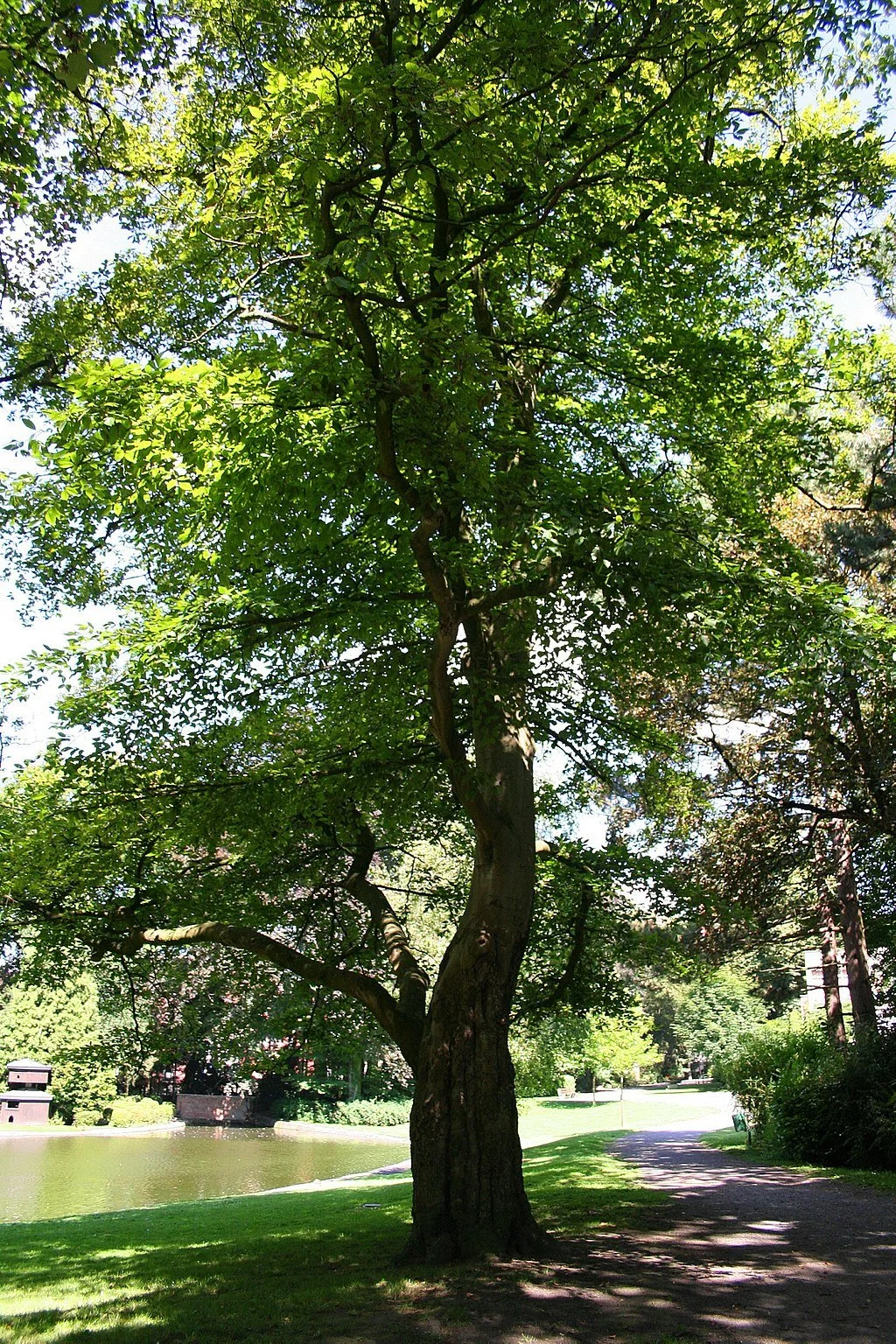
American beech tree
— Photo by Jean-Pol GRANDMONT
From ecoRI News (ecori.org) article by Mike Freeman
Beech leaf disease, which has devastated northern hardwood forests since its discovery in Ohio in 2012, has spread throughout Rhode Island’s beech trees.
“It would change the whole forest ecosystem if they go,” said Heather Faubert, director of the University of Rhode Island’s Plant Protection Clinic. “We know what’s infected them but don’t know yet how it spreads, only that it spreads very quickly. It was first identified in Ashaway in 2020 and is now statewide.”
The disease is infecting beech trees in all New England states except Vermont, and was first detected in Connecticut in 2019.
Faubert’s general description tracks the terrible template that has wiped out or is en route to wiping out several native North American tree species. Details differ, but the plot never changes: People notice dying trees, a cause is identified, swaths of forest succumb as more becomes known, then to various effects preventative, palliative, or restorative measures are taken, often in combination. American chestnut exists on life support, American elm is greatly diminished, and currently eastern hemlock, the entire ash genus, and now American beech are all in dire peril.
As Faubert noted, what exactly causes beech leaf disease (BLD) and how it spreads are currently unknown, though the critical vector is Litylenchus crenatae mccannii, a nearly microscopic nematode, or worm, that feeds on beech leaves.
To read the whole article, please hit this link.

Ocean stories
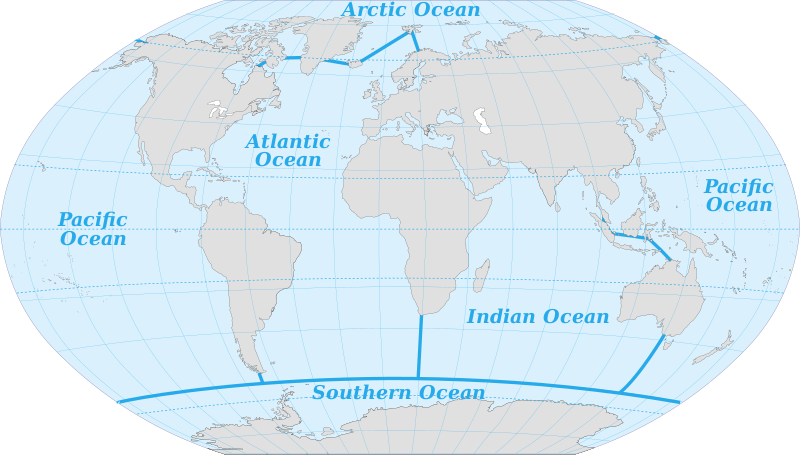
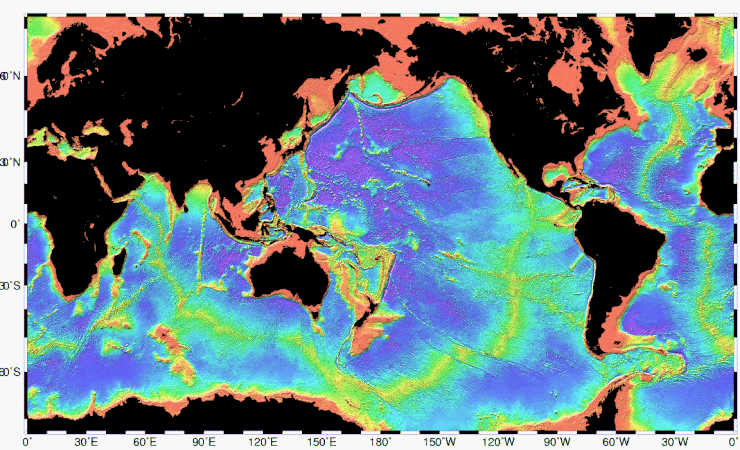
Bathymetry of the ocean floor showing the continental shelves and oceanic plateaus (red), the mid-ocean ridges (yellow-green) and the abyssal plains (blue to purple)
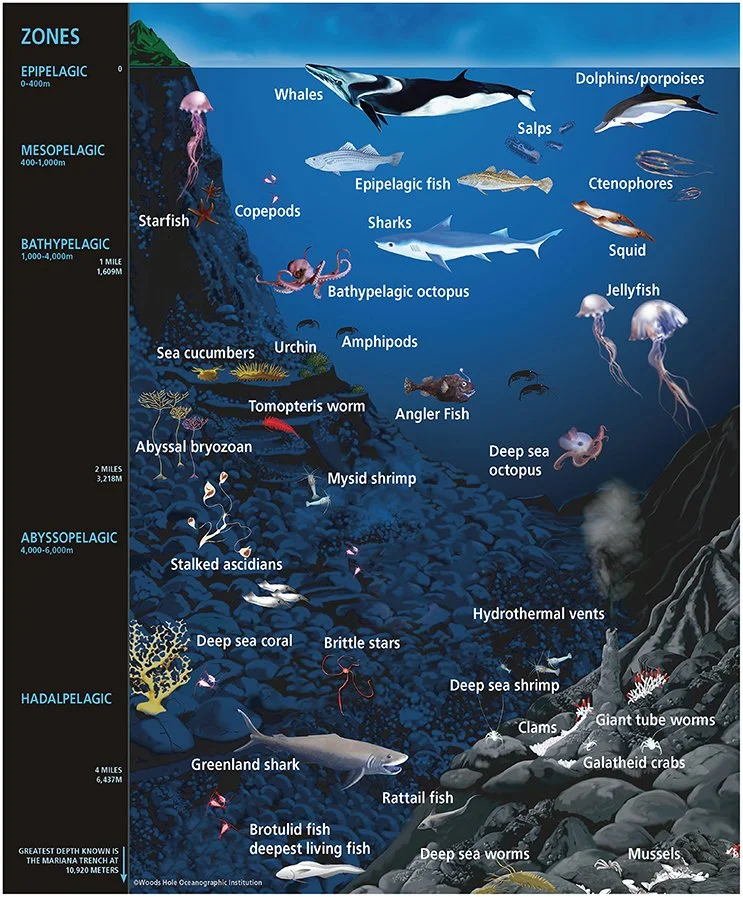
Some ocean life
Text from ecoRI.org
“Surrounded by sounds of calming music and videos of ocean habitats projected onto walls, University of Rhode Island professors and students discussed their experiences with the oceans in an immersive ‘Oceans Tell Stories Through People’ presentation last month at the University of Rhode Island’s Graduate School of Oceanography.
“The diverse storytellers shared narratives about their devotion to and reliance upon the sea during their Micronesian upbringing, as a Narragansett tribal elder living near Charlestown Beach, while researching marine ecology in the Bahamas, and in their work in the muddy Ecuadorian mangroves.
“Juxtaposed against the tranquility of the presentation, however, the distressingly common undercurrents of racism, colonialism, and exclusion from our oceans conflated their stories.”
To read the full article, please hit this link.