
Vox clamantis in deserto







James T. Brett: New England faces risk as USMCA trade pact review looms
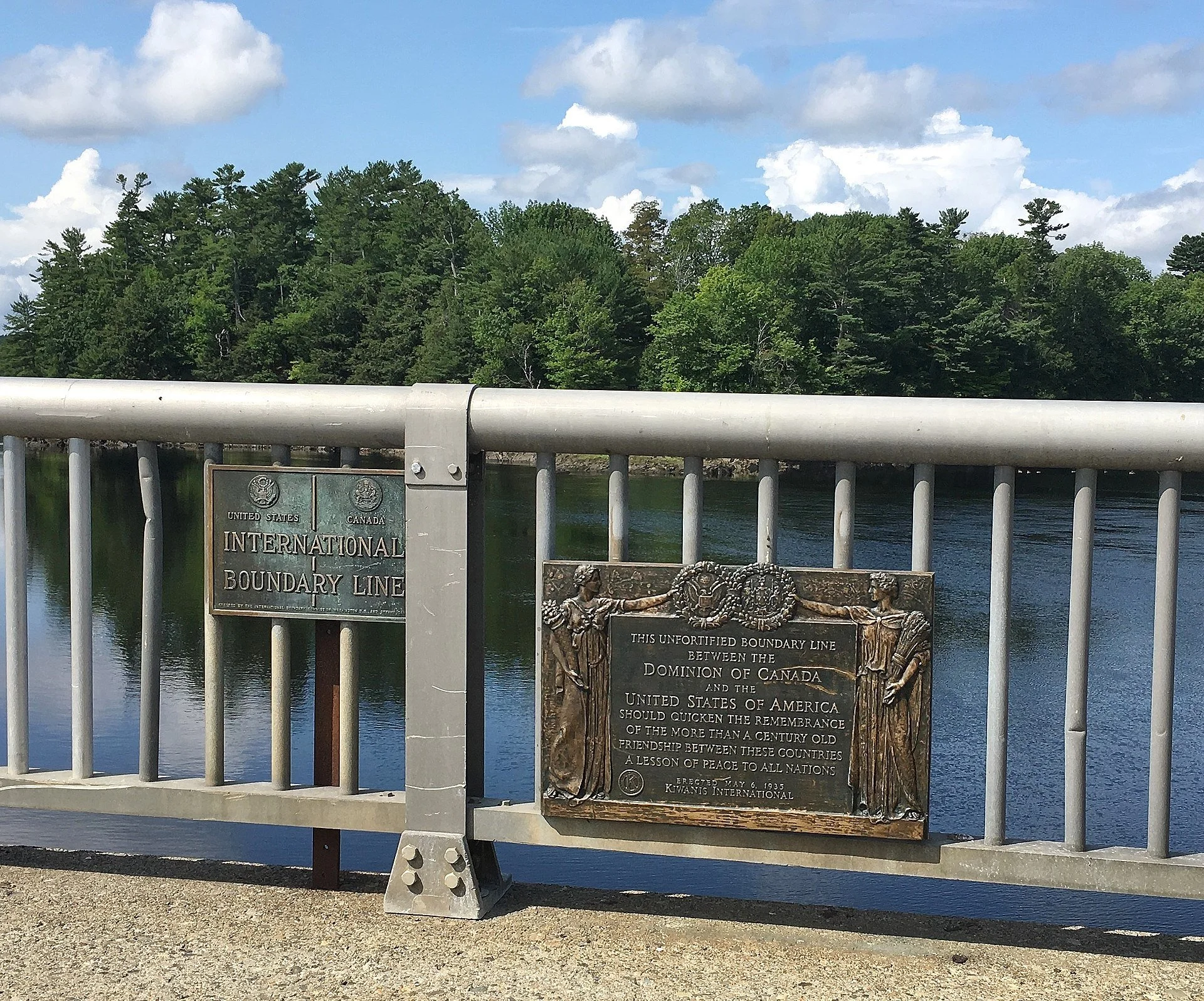
On a bridge on the Maine and New Brunswick border crossing.
— Photo by Marty Aligata
BOSTON
In New England, our manufacturers, technology firms, financial and insurance institutions, and countless small businesses depend on trade relations and the rules that govern the free flow of goods and services in order to ensure prosperity. For our region, economic ties need to be strengthened in order to ensure continued growth across our six states. It is why it is imperative that our nation remains committed to the United States-Mexico-Canada Agreement (USMCA).
Prior to the USMCA being negotiated, there were few who would dispute that an update to the North American Free Trade Agreement (NAFTA) was needed to bring our trade relations with Canada and Mexico into the 21st Century. The USMCA has done so: The updates brought on by the treaty have provided stability to the trade relationship we have with our neighbors, which in turn supports broad-based growth among all three nations.
The importance of our region’s trade partnerships with Canada, in particular, cannot be denied. The U.S. Department of Commerce has identified Canada as a No. 1 or No. 2 export market for New England businesses, and our overall level of trade with Canada has increased since the implementation of the USMCA. Indeed, our region exported nearly $8.8 billion in goods to Canada in 2025. Data from Canada shows that in 2025, service exports from our six-state area to our northern neighbor totaled approximately $6.25 billion. Further, it is not an overstatement that, overall, hundreds of thousands of jobs in New England rely in some part on trade and investment with our USMCA partners.
From the outset of the first Trump Administration, trade leaders in the Senate, House of Representatives, and in the administration worked in good faith to make improvements as they were putting together the USMCA to ensure bipartisan support in both chambers of Congress. The final product did not contain all of what business interests wanted in a trade agreement, however it reached a consensus that has allowed our economy to continue to flourish.
The USMCA has also ensured that businesses in our region have the advantage of rules-based investment and trade. The continued reliance on this level of predictability can only serve to maintain and even grow business opportunities for New England for years to come. There are also numerous benefits to be had by engaging in trade with our neighbors especially as we look to solidify supply chains among our six states at a time of unpredictability around the globe.
For New England, the choice is clear: We need the USMCA to help solidify our regional commerce and provide companies of every size the confidence to invest, hire and sell across North America. While policymakers consider the future of trade, they should listen to the businesses that depend on it every day. And as we face a July 1 deadline for the Joint Review of USMCA, strengthen it, enforce it, modernize it — but do not forgo it. Lasting benefits will continue under the auspices of the USMCA and New England’s economy will remain stronger for it.
James T. Brett is president and chief executive of The New England Council.
New England Council touts trade pact

From The New England Council (newenglandcouncil.com)
New England Council President & CEO James T. Brett has released the following statement upon the U.S. Senate’s vote to approve the US-Mexico-Canada Agreement (USMCA):
“ vote in the U.S. Senate to approve the USMCA will no doubt have a significant positive impact on the New England economy. With over 600,000 jobs in our region supported by trade with Canada and Mexico, and nearly $13 billion in exports in 2018 alone, the importance of this agreement for our region’s continued growth and prosperity cannot be understated. Beyond the numbers, the USMCA makes important updates to modernize our trade relationship with these key partners to take into account modern day technology and innovation. From provisions to allow for cross-border data flow, to clear guidance on data localization, to protections for intellectual property, this is truly a 21st century trade deal and hopefully a model for future free trade agreements.”

A Canadian National freight car. This railroad brings much stuff to the United States.

Trade deal called great for New England
“The House’s vote to approve the United States-Mexico-Canada Agreement (USMCA) is a huge win for the New England economy. With over 600,000 jobs in our region supported by trade with Canada and Mexico, and nearly $13 billion in exports in 2018 alone, the importance of this agreement for our region’s continued growth and prosperity cannot be understated. Beyond the numbers, the USMCA makes important updates to modernize our trade relationship with these key partners to take into account modern day technology and innovation. From provisions to allow for cross-border data flow, to clear guidance on data localization, to protections for intellectual property, this is truly a 21st Century trade deal and hopefully a template for future free trade agreements.”
“The New England Council has a long history of support for free trade, and approval of the USMCA has been a top legislative priority for the organization in 2019. The council has written to members of the region’s congressional delegation and published op-eds in regional publications expressing its support for the agreement and outlining its impact on the region, and has brought members representing an array of industries to meet with policymakers on Capitol Hill to advocate for the multi-lateral agreement, which updates the 25-year-old North American Free Trade Agreement (NAFTA)..

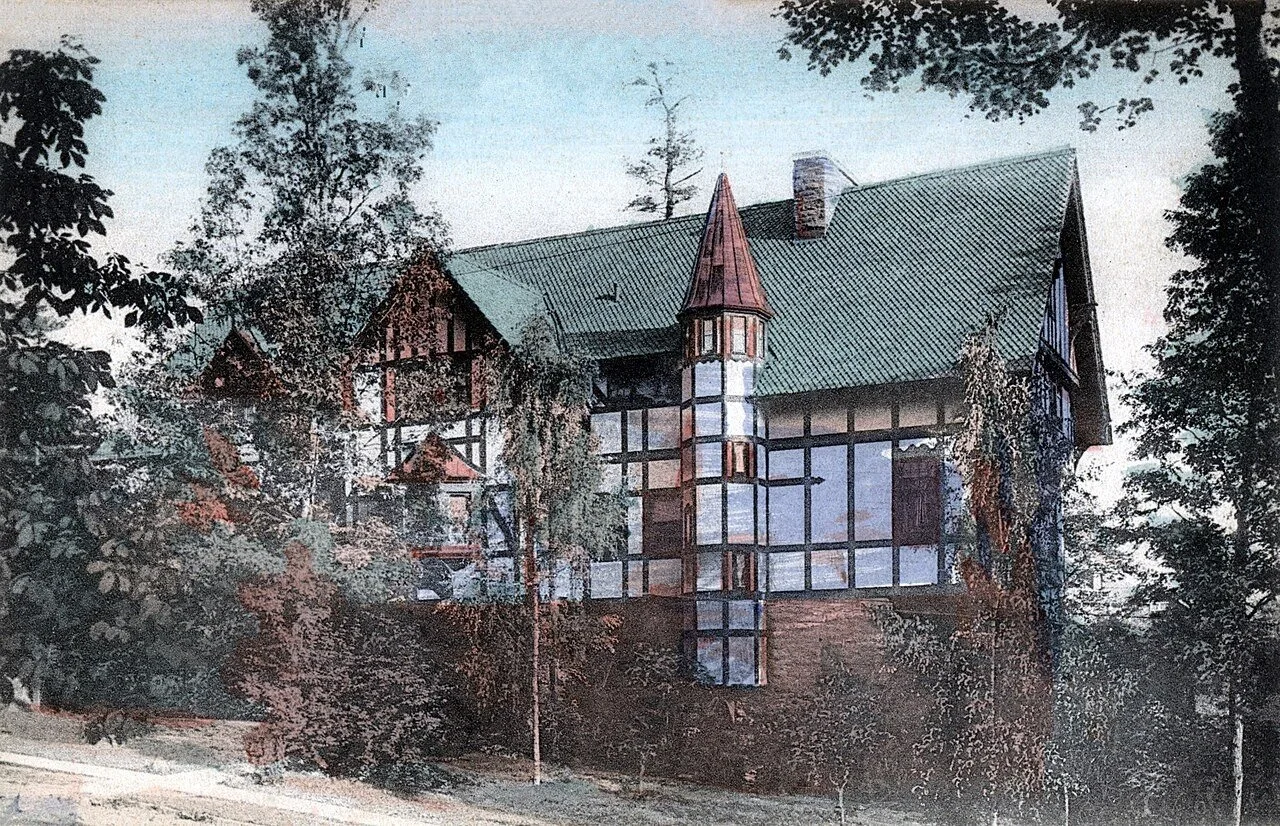
The Haskell Free Library and Opera House straddles the international border (note the line in the floor) in Rock Island, Quebec, and Derby Line, Vt. The Opera House opened on June 7, 1904, and was deliberately built on the border between Canada and the United States as a sign of friendship.
Ease Canada Border Crossings, Please
From Robert Whitcomb’s “Digital Diary’’ in GoLocal24.com
The new U.S.-Mexico-Canada Trade Agreement, which has won bipartisan support in Washington, may well be an improvement over NAFTA. But it will take a couple of years to know how well it’s working out for our economy. Still, I wish something could be done to make it faster and easier to cross the U.S.-Canadian border, which has become so much more awkward since 9/11. It used to be almost as easy as crossing from Vermont into New Hampshire. Things are far more fraught these days but I think that only a modest increase in U.S. and Canadian border officers would result in much faster crossings.

A U.S. Border Patrol officer patrols the North Woods along the Canadian border.