
Vox clamantis in deserto


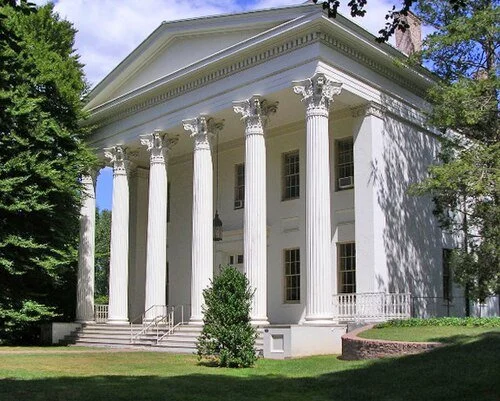


The weather was worse then, and no down parkas

“The Snow Storm’’ (1859), by William Morris Hunt (1824-1879), at the Museum of Fine Arts, Boston.
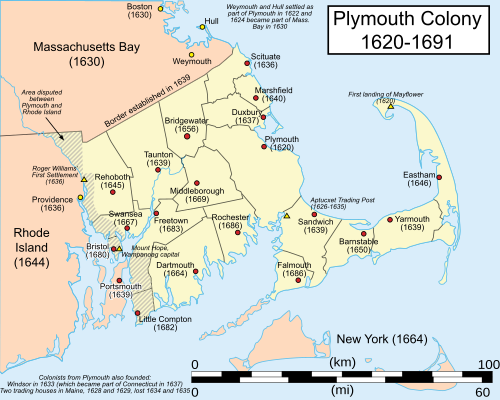
“And for the season it was winter, and they that know the winters of that country know them to be sharp & violent & subject to cruel & fierce storms, dangerous to travel to known places, much more to search an unknown coast.’’
— William Bradford (1590-1657), the second (after the very brief tenure of John Carver) governor of the Plymouth Colony, founded in 1620, in his Of Plimouth Plantation.
Climate historians say that 17th Century New England was significantly colder than today. It fell within the Little Ice Age (roughly 1300-1870), a period of widespread cooling.
Before global warming
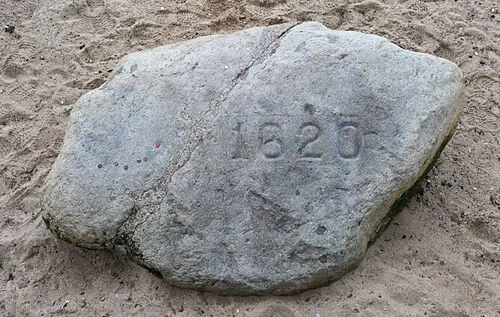
Plymouth Rock, where the Pilgrims almost certainly did not land first in what became the colony of Plymouth Plantation.
“They fell upon an ungenial climate, where there were nine months of winter and three months of cold weather, and that called out the best energies of the men, and of the women too, to get a mere subsistence out of the soil, with such a climate. In their efforts to do that they cultivated industry and frugality at the same time — which is the real foundation of the greatness of the Pilgrims.’’
— Ulysses S. Grant (1822-1885), U.S. president and Civil War general, in a speech at the Dec. 22, 1880 New England Society dinner.