
Vox clamantis in deserto









James T. Brett: New federal housing law elements particularly important to New England

Manufactured homes.
BOSTON
For years, New England employers have identified one challenge that cuts across nearly every industry: our region is not building enough homes to meet demand. As a result, too many individuals and families cannot afford homes in the communities where they want to live and work.
Whether it is a manufacturer struggling to recruit skilled workers, a hospital competing for nurses, a financial institution expanding its workforce, or a university attracting faculty, the effects of the housing shortage are felt across our economy. Housing has become one of the region’s greatest economic constraints.
That is why the enactment of the 21st Century ROAD to Housing Act marks a turning point. More than a housing bill, it is an investment in America’s economic competitiveness and a bipartisan recognition that expanding housing supply is essential to strengthening communities and sustaining long-term economic growth.
New England’s congressional delegations played an important role in shaping and advancing this legislation, including U.S. Sens. Elizabeth Warren and Jack Reed, and U.S. Reps. Jim Himes, Stephen F. Lynch and Ayanna Pressley. The New England Council thanks them for their leadership.
The legislation combines regulatory modernization, financing reforms, and incentives for local innovation to increase housing production.
Several provisions are especially important to New England.
The law modernizes manufactured housing by removing outdated regulatory requirements, updating federal standards and expanding financing opportunities. These reforms create new opportunities to deliver high-quality, lower-cost homes more efficiently.
It also strengthens local lenders by reducing regulatory burdens and improving access to mortgage financing, and it expands opportunities for first-time and workforce homebuyers by improving financing options.
Another provision of particular significance to New England is the creation of a new Federal Innovation Fund. Developed by Senator Warren, the program authorizes up to $200 million annually in competitive grants for local and tribal governments that increase housing supply through reforms such as streamlined permitting, zoning modernization, density incentives, and other locally driven strategies.
Housing availability increasingly shapes where businesses invest, where workers choose to live, and whether communities can grow and remain competitive. Addressing affordability ultimately requires increasing supply, and Congress has now provided tools to help make that happen.
The New England Council has long advocated for practical, bipartisan policies that expand housing production. The enactment of the 21st Century ROAD to Housing Act is a beginning, not the finish line. For New England to remain competitive, federal, state, local, and private-sector leaders must now work together to translate this landmark legislation into more homes, stronger communities and greater economic opportunity.
James T. Brett is president and chief executive of The New England Council.
What new federal housing act means for New England

“Men Building a House,” aka “Building Boom’’ (oil on canvas, 1937), by Louise Emerson Ronnebeck
From The New England Council (slightly edited)
BOSTON
On July 11, 2026, the 21st Century ROAD to Housing Act officially became law, marking the most significant federal housing legislation in decades. After months of bipartisan, bicameral negotiations, Congress delivered a comprehensive package designed to increase housing supply, modernize federal housing policy, and help make homeownership and rental housing more attainable for American families.
For New England, where housing affordability has become one of the region’s defining economic challenges, the legislation represents an important milestone.
The New England Council applauds the leadership of Massachusetts Sen. Elizabeth Warren, ranking member of the Senate Banking, Housing, and Urban Affairs Committee, and the Democratic sponsor of the legislation, as well as members of the New England Congressional Delegation who helped shape and advance the bill. We especially recognize Rhode Island Sen. Jack Reed, who serves alongside Senator Warren on the Senate Banking Committee; Masssachusetts Representatives Stephen F. Lynch and Ayanna Pressley, and Connecticut Representative Jim Himes for their leadership throughout the legislative process.
While no single law can solve the nation’s housing shortage, the 21st Century ROAD to Housing Act establishes a strong federal foundation for expanding housing opportunities by reducing unnecessary barriers to development, modernizing financing tools, supporting manufactured housing, strengthening community development programs, and encouraging policies that increase the supply of homes across the country.
Why This Matters to New England
Housing affordability continues to affect nearly every sector of New England’s economy. Employers across the region increasingly cite housing costs as a barrier to attracting and retaining workers, while families face rising home prices and limited housing inventory.
The need for action is clear. The Federal Reserve Bank of Boston reports that home prices across New England rose by roughly 50 percent between 2020 and 2024, driven largely by a shortage of available housing. At the national level, Harvard University’s Joint Center for Housing Studies continues to identify housing supply as one of the country’s most pressing economic challenges.
The bill serves as an important first step toward addressing those challenges by giving communities additional tools to build more housing and improve affordability.
The Council’s Advocacy
The New England Council and its Housing Working Group have supported the ROAD to Housing Act since its introduction.
Last fall, the Council published an op-ed in New England business journals highlighting the need for comprehensive housing reform and submitted a formal letter to Congress urging lawmakers to advance the legislation. Throughout the legislative process, the Council has remained engaged with policymakers and members on the bill’s progress.
That conversation continued June 16, 2026, when the Council, in partnership with Liberty Bay Credit Union, welcomed Congressman Stephen F. Lynch (D-MA). The discussion centered on a message echoed by employers across the region: housing is no longer just a quality-of-life issue, but a workforce and economic competitiveness issue.
The enactment of this housing package reinforces the importance of that conversation and represents meaningful progress toward expanding housing opportunities across New England.
Looking Ahead
The 21st Century ROAD to Housing Act is an important milestone, but it is only the beginning.
The New England Council looks forward to continuing its work with policymakers, industry leaders, and members to advance practical solutions that increase housing supply, improve affordability, and strengthen New England’s workforce and economy.
We thank the members of the New England Congressional Delegation whose leadership helped make this landmark legislation possible and look forward to supporting the successful implementation of this historic law.
For more information, please contact Natasha Silva, the New England Council’s director of Federal Affairs, at nsilva@newenglandcouncil.com.
Ken Burns, Sen. Shaheen among New England Council honorees

The New England Ensign, one of several flags historically associated with New England.
Edited and excerpted from a New England Council report.
BOSTON
The New England Council, the nation’s oldest regional business association, has announced three recipients of its prestigious “New Englanders of the Year” awards, as well as two recipients of its “Legacy Award.” The awards will be presented at the council’s 2026 Annual Celebration on Oct. 29 at the Encore Boston Harbor, in Everett, Mass.
The New Englander of the Year Award—first presented in 1964—honors natives or residents of the New England region for their contributions to economic growth and quality of life in the region. Past recipients include members of Congress, U.S. Cabinet secretaries, CEOs of some of the region’s most well-known and respected organizations, prominent journalists, and a variety of other cultural and philanthropic leaders.
The 2026 New Englanders of the Year are:
Eliza Dushku Palandjian, mental-health counselor, advocate and philanthropist.
Pamela D. Everhart, senior vice president, head of regional public affairs and impact at
Fidelity Investments.Angus King, U.S. senator from Maine
The council also announced two recipients of its Legacy Award. The Legacy Award was established last year as the council celebrated its centennial, and recognizes past New Englanders of the Year for their ongoing legacy of excellence and contributions to the region. The inaugural Legacy Award was presented to Pulitzer Prize-winning historian Doris Kearns Goodwin.
The 2026 Legacy Award recipients are:
Ken Burns, Emmy-award-winning documentary filmmaker
Jeanne Shaheen, U.S. senator from New Hampshire
James T. Brett: New England faces risk as USMCA trade pact review looms

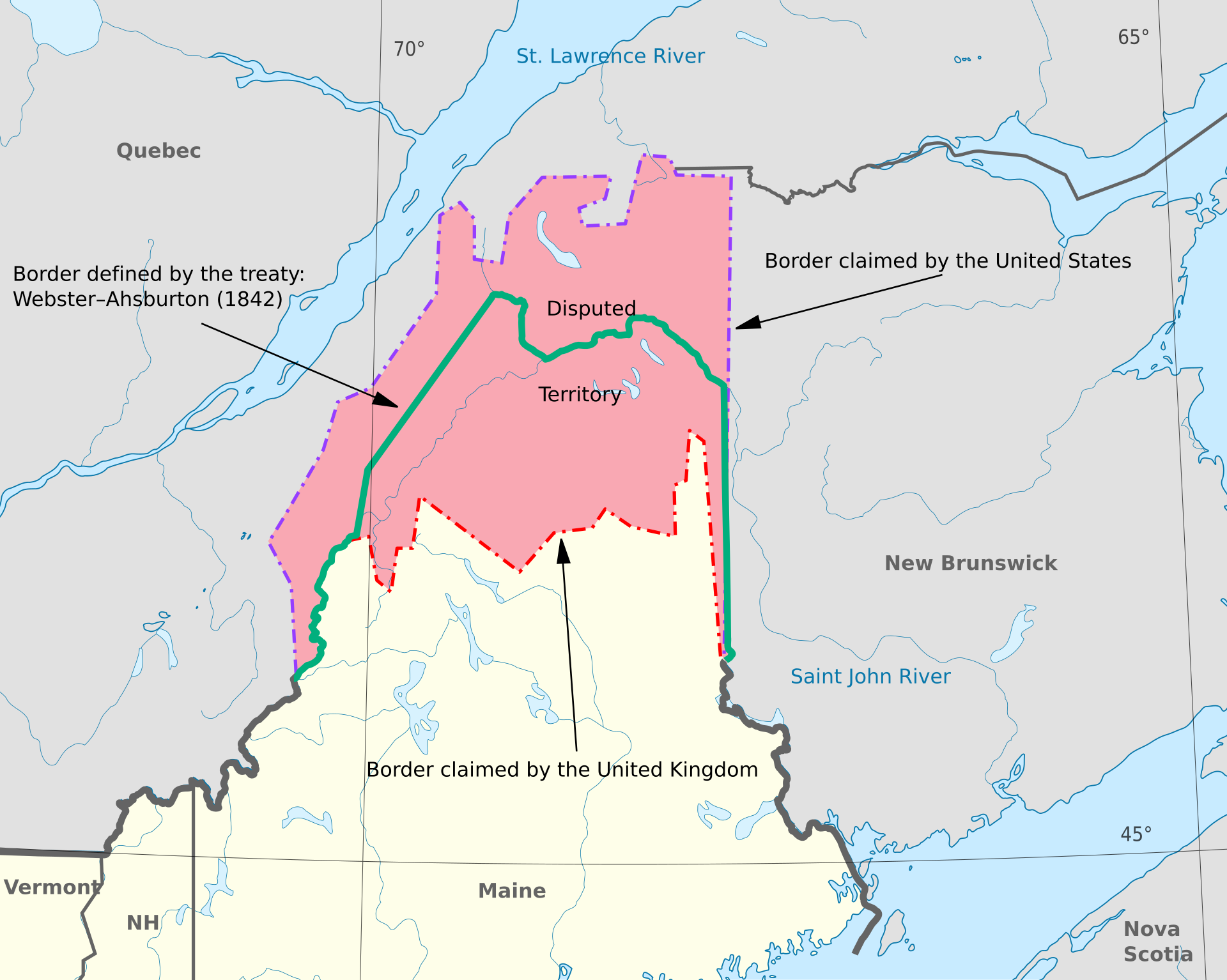
On a bridge on the Maine and New Brunswick border crossing.
— Photo by Marty Aligata
BOSTON
In New England, our manufacturers, technology firms, financial and insurance institutions, and countless small businesses depend on trade relations and the rules that govern the free flow of goods and services in order to ensure prosperity. For our region, economic ties need to be strengthened in order to ensure continued growth across our six states. It is why it is imperative that our nation remains committed to the United States-Mexico-Canada Agreement (USMCA).
Prior to the USMCA being negotiated, there were few who would dispute that an update to the North American Free Trade Agreement (NAFTA) was needed to bring our trade relations with Canada and Mexico into the 21st Century. The USMCA has done so: The updates brought on by the treaty have provided stability to the trade relationship we have with our neighbors, which in turn supports broad-based growth among all three nations.
The importance of our region’s trade partnerships with Canada, in particular, cannot be denied. The U.S. Department of Commerce has identified Canada as a No. 1 or No. 2 export market for New England businesses, and our overall level of trade with Canada has increased since the implementation of the USMCA. Indeed, our region exported nearly $8.8 billion in goods to Canada in 2025. Data from Canada shows that in 2025, service exports from our six-state area to our northern neighbor totaled approximately $6.25 billion. Further, it is not an overstatement that, overall, hundreds of thousands of jobs in New England rely in some part on trade and investment with our USMCA partners.
From the outset of the first Trump Administration, trade leaders in the Senate, House of Representatives, and in the administration worked in good faith to make improvements as they were putting together the USMCA to ensure bipartisan support in both chambers of Congress. The final product did not contain all of what business interests wanted in a trade agreement, however it reached a consensus that has allowed our economy to continue to flourish.
The USMCA has also ensured that businesses in our region have the advantage of rules-based investment and trade. The continued reliance on this level of predictability can only serve to maintain and even grow business opportunities for New England for years to come. There are also numerous benefits to be had by engaging in trade with our neighbors especially as we look to solidify supply chains among our six states at a time of unpredictability around the globe.
For New England, the choice is clear: We need the USMCA to help solidify our regional commerce and provide companies of every size the confidence to invest, hire and sell across North America. While policymakers consider the future of trade, they should listen to the businesses that depend on it every day. And as we face a July 1 deadline for the Joint Review of USMCA, strengthen it, enforce it, modernize it — but do not forgo it. Lasting benefits will continue under the auspices of the USMCA and New England’s economy will remain stronger for it.
James T. Brett is president and chief executive of The New England Council.
James T. Brett: Early disease detection — Another reason we’re lucky to live in ‘research-rich’ New England
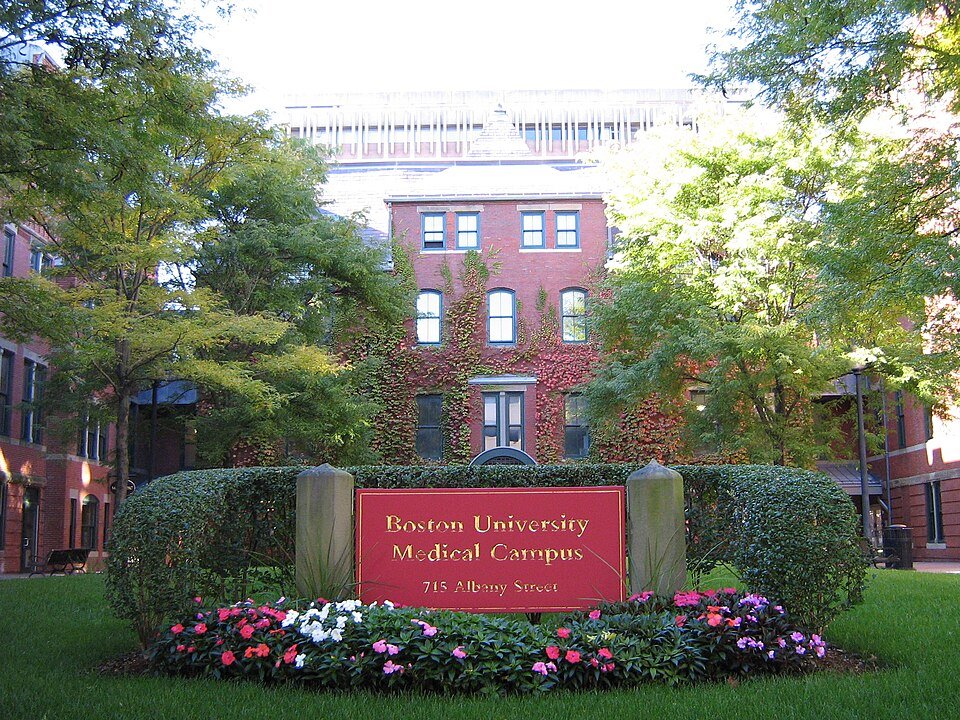
The cozy-looking Boston University Medical Campus hosts the school's Alzheimer's Disease Center, the site of much research into early detection and treatment.
Via The New England Council (slightly edited)
BOSTON
The New England Council recently hosted a forum in Boston exploring some of the incredible innovation in our region focused on the early detection of diseases. We heard about some of the remarkable advances in technology that are enabling earlier detection of everything from cancer to Alzheimer’s disease.
From our keynote speaker, U.S. Rep. Jim McGovern (D.-Mass.) and our panel of experts from the business and medical communities, we learned how some of these groundbreaking innovations are not only saving lives, but also having a significant economic impact by minimizing long-term health care costs and alleviating strain on our beleaguered health-care system.
A key focus of the discussion among the experts at this program was on how federal policy can continue to foster innovation in this area, and can ensure that every American has access to early- detection tools. And on that front, there was some good news, as Congress has taken steps in recent months to advance policies that will expand access to these tools.
Earlier this year, as part of the fiscal year 2026 appropriations bill, Congress enacted the Nancy Gardner Sewell Medicare Multi-Cancer Early Detection Screening Coverage (MCED) Act, which will allow Medicare — beginning in 2028 — to cover MCED tests in a timely manner following FDA approval and evidence of clinical benefit.
Currently, most vulnerable patients could face years-long waits to access the latest innovations in cancer detection. The New England Council proudly endorsed this bipartisan legislation, and is grateful to the many members of the New England delegation who co-sponsored the proposal.
In more good news, bipartisan legislation has been introduced to expand access to similar testing aimed at early detection of Alzheimer’s disease and other dementia. Last fall, leaders in both the House and Senate introduced the Alzheimer’s Screening and Detection (ASAP) Act, which would create a pathway for Medicare coverage of FDA-approved blood biomarker screening tests that help detect Alzheimer’s and other dementia.
According to the Alzheimer’s Association, if passed, this bill will not only improve patient care, but also help facilitate smoother transitions from primary care to specialists — reducing the burden on overextended health-care workers and helping to alleviate bottlenecks in the health-care system.
However, as we learned from the experts at the program, there are also a number of potential roadblocks to early detection of disease. One of those roadblocks is a lack of access to screening, which has been exacerbated by two recent developments at the federal level: Medicaid cuts enacted under last year’s “One Big Beautiful Bill” Act and the expiration of Affordable Care Act subsidies at the end of 2025.
These developments will undoubtedly result in millions of Americans losing coverage and therefore losing access not just to some of the advanced testing discussed here, but also routine screenings like mammograms, pap smears and colonoscopies.
A second threat to early detection is potential cuts to federally funded research from agencies like the National Institutes of Health and the National Science Foundation. As home to some of the world’s premier medical and scientific research institutions, New England is the recipient of billions of dollars of federal research funding that has supported the development of new early-detection technologies, as well as live-saving new treatments.
In recent years, this funding has repeatedly been on the cutting block, which threatens to slow down the groundbreaking research that is quite literally saving lives each and every day. Indeed, President Trump’s recently released fiscal year 2027 budget proposes some $5 billion in cuts to NIH funding.
The takeaway message is loud and clear: Early detection saves lives, and saves money. Much progress has been made, but we cannot afford to take our foot of the gas pedal.
As Congressman McGovern said in his keynote remarks, “We’re lucky to live in the most
scientifically advanced time in the history of the world … we’re lucky to live in New England, one of the most research-rich regions anywhere in the world.”
Let’s not squander that good fortune. We need to keep supporting the innovation that will detect diseases and save lives.
James T. Brett is president and CEO of The New England Council.
ICE rule on students would slam education and economy
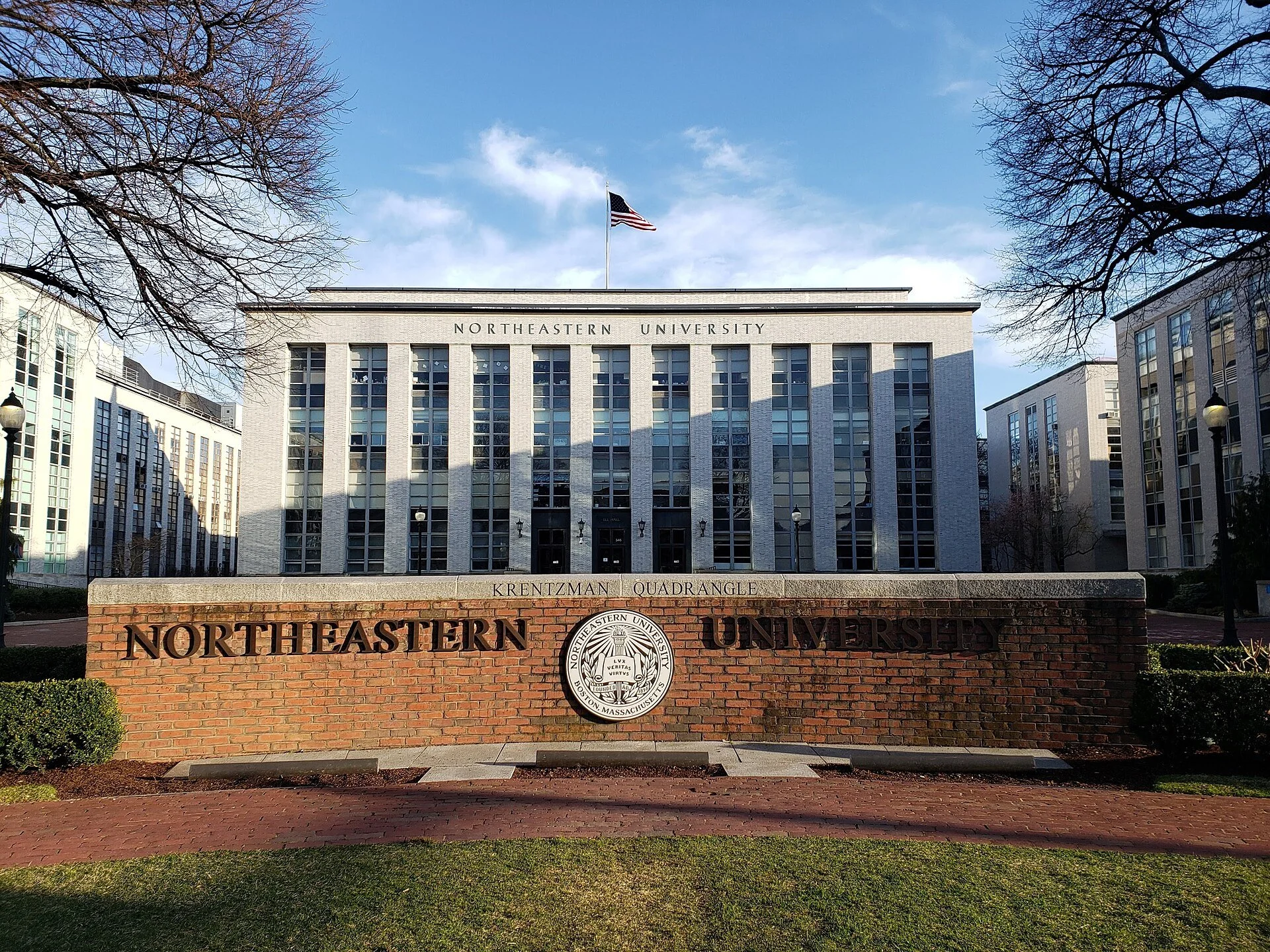
Northeastern University’s Ell Hall, on Huntington Avenue, Boston. Part of Northeastern success and contributions to the New England economy can be attributed to its drawing so many highly accomplished students from abroad.
Edited from a report by The New England Council
“The council has submitted comments on the proposed rule ‘Establishing a Fixed Time Period of Admission and an Extension of Stay Procedure for Nonimmigrant Academic Students, Exchange Visitors, and Representatives of Foreign Information Media.’
In its letter, the council expressed significant opposition to U.S. Immigration and Customs Enforcement’s (ICE) proposed rulemaking due to concerns that the rule would create unnecessary fear, confusion, and procedural roadblocks for international students, exchange visitors, and universities.
“The comment letter further noted that the rule will impede institutions of higher education in New England and across the United States from attracting and retaining the best and brightest minds to study and engage in research for issues and fields critical to our nation’s prosperity and well-being.
“In New England, international students have a significant positive economic impact, totaling $5.148 billion, and supporting 47,425 jobs during the 2023-2024 academic year. During that academic year, 115,086 international students were enrolled at higher educational institutions in the region.
“For more information on this issue or the Council’s Higher Education Committee, please contact Mariah Healy, director of federal affairs at mhealy@newenglandcouncil.com.’’
James T. Brett: Why New England needs this housing legislation

BOSTON
Housing affordability remains one of New England’s biggest economic issues. From Boston’s competitive rental market to small towns dealing with aging housing stock, the pressure is widespread. Employers find it hard to attract workers, families spend more of their income on housing, and communities face difficult choices between upgrading infrastructure and keeping housing affordable.
That is why the Renewing Opportunity in the American Dream to Housing Act of 2025, the ROAD to Housing Act, is such a vital piece of legislation. With the bipartisan leadership of U.S. Senators Tim Scott and Elizabeth Warren, the bill passed the Senate Banking Committee unanimously this summer. Housing is not a partisan issue; it is a shared economic necessity.
The bill addresses the crisis from multiple angles: increasing supply, preserving affordable units, empowering local governments, and encouraging private investment. For New England, where high costs and limited land create particularly serious challenges, the ROAD to Housing Act provides essential tools.
One highlight is the $1 billion Innovation Fund, championed by Senator Warren. This program would award competitive, flexible grants to communities expanding housing supply. Municipalities that modernize zoning or adopt creative reforms can use funds to improve infrastructure, build new homes, or upgrade essential systems. It is a model that rewards local initiative while respecting community decision-making.
The bill would also enhance the role of private investment. The Community Investment and Prosperity provisions would raise the Public Welfare Investment cap for banks from 15 percent to 20 percent, giving financial institutions more flexibility to direct funds into affordable housing and community projects.
In a region with top-tier banks eager to support local development, this provision presents a significant opportunity to increase resources without additional taxpayer costs.
Additional reforms would streamline programs and lower costs. Removing the cap on units that can be converted under the Rental Assistance Demonstration program would help maintain affordable housing. Updates to Community Development Block Grant allocations would encourage communities to remove barriers such as restrictive zoning. And revisions to National Environmental Protection Act (NEPA) requirements would cut unnecessary delays in building much-needed housing.
Together, these provisions would create a pathway to a healthier housing market. By combining federal leadership with local flexibility and public-private collaboration, the ROAD to Housing Act establishes the conditions for sustainable growth and stronger communities.
For New England, this isn’t just policy — it’s an economic imperative. The region’s ability to attract talent, grow businesses, and sustain communities depends on affordable, accessible housing. Without it, our workforce and economy cannot thrive.
The New England Council commends Senators Warren and Scott for their bipartisan leadership and urges swift passage of the bill in both chambers. With support from builders, bankers, mayors, and nonprofits, the momentum is here. Now it is time to act.
At the council, our mission is to foster growth and opportunity across all six states. Few issues matter more to that mission than housing. The ROAD to Housing Act offers a chance to strengthen our economy and renew the American Dream for families from Boston to Burlington, Providence to Portland.
James T. Brett is the president and CEO of The New England Council, a regional alliance of businesses, nonprofit organizations, and health and educational institutions.

Getting into AI ‘black boxes’

Edited from a New England Council report
“Northeastern University, in Boston, has been granted $9 million to study how advanced artificial intelligence systems operate and their societal impacts. The grant, announced by the National Science Foundation (NSF), will let Northeastern to create a collaborative research platform.
“This platform aims to let researchers across the U.S. examine the internal computation systems of advanced AI, which are currently opaque because of their ‘black box’ nature.
“NSF Director Sethuraman Panchanathan said: “Chatbots have transformed society’s relationship with AI. However, the inner workings of these systems are not yet fully understood.’
“The research will focus on large language models, such as ChatGPT and Google’s Gemini. These models will be used alongside public-interest tech groups to ensure that AI advancements adhere to ethical and social standards.’’

Northeastern University's EXP research building.

Mitre’s BlueTechLab

— Mitre photo
Edited from a New England Council report
BOSTON
“The nonprofit Mitre Corp. recently announced that a team from Chelmsford, Mass.-based product-development company Triton Systems Inc. has become the first commercial enterprise to use Mitre’s new BlueTech Lab for testing. The lab is at Mitre’s Bedford, Mass., campus and was built to support the company’s expanding marine-technology work. (Mitre is headquartered in Bedford and McLean, Va.) The lab incudes a 620,000-gallon test tank (above) that can be used to study communication and acoustic sensing on uncrewed undersea and surface vehicles.
“Triton Systems used the lab’s test tank to analyze the behavior of a small vehicle they are developing for a Department of Defense client. Angelica Cardona, a Triton engineer, had told Mitre that her company was eager to use the lab because of its ample workspace and controlled atmosphere.
“‘Being here saves us so much time and money. Without this resource, we’d be dealing with the logistical burden of getting out to sea and testing in mucky waters,’ said Cardona.’’
Feds name Southeastern New England 'Ocean Tech Hub'
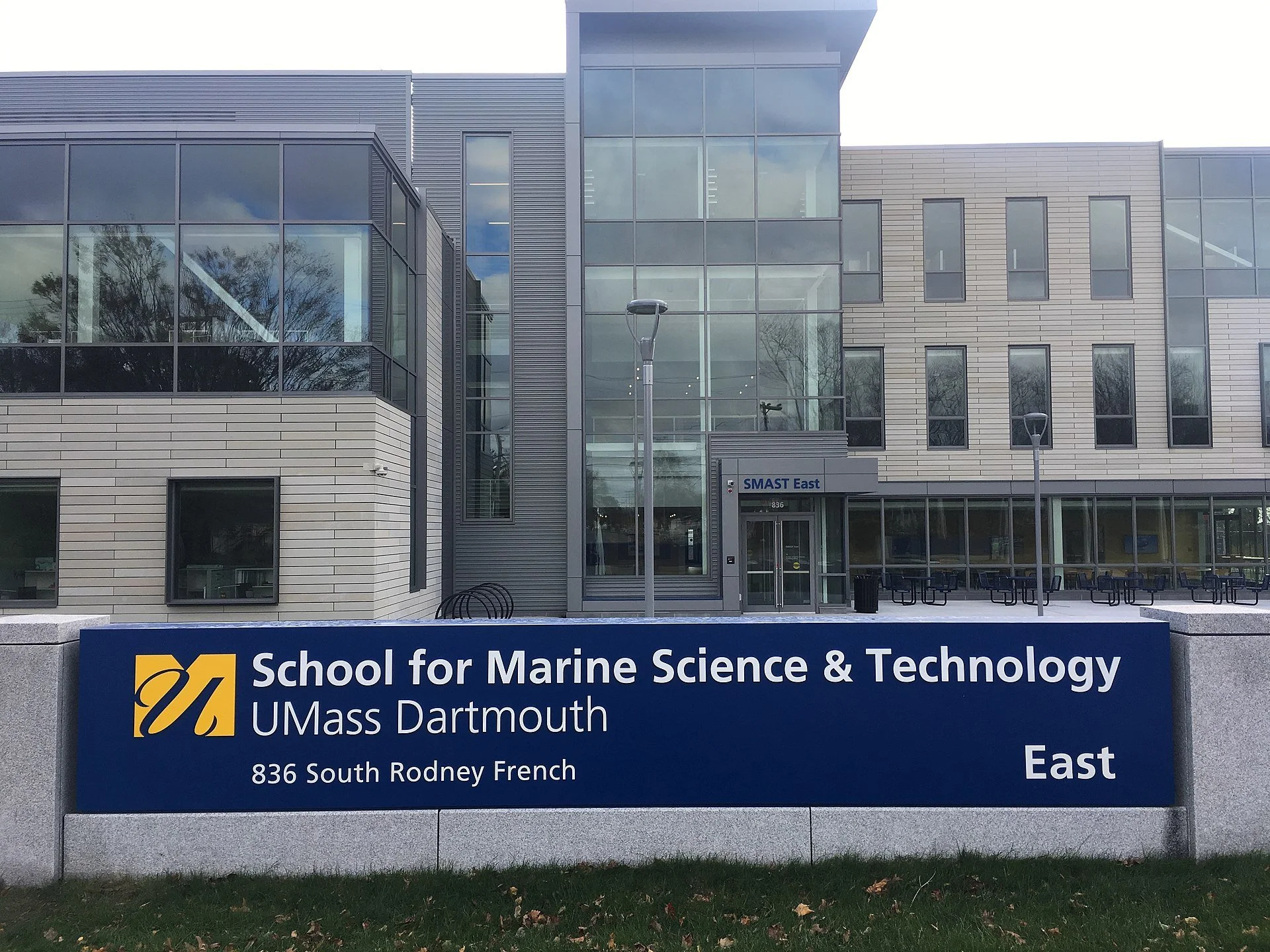
Central entrance at the University of Massachusetts at Dartmouth’s New Bedford campus.
— Photo by Ogandzyuk
Edited from a New England Council report
“Recently, the U.S. Economic Development Administration named Rhode Island and Southeastern New England as one of 31 Tech Hubs, calling it the ‘Ocean Tech Hub’. These Tech Hubs bring together public, private and academic partners into collaborative consortia to drive regional growth. The Ocean Tech Hub will focus on the autonomous systems industry and specialize in ocean robotics, sensors and materials in Rhode Island and Massachusetts.
“The hub also received a Tech Hubs Strategy Development Grant that will help the consortium increase local coordination and further manufacturing, commercialization and deployment efforts. About $500,000 of the grant funding is being put towards the hub’s ‘Grow Blue Initiative,’ which is working toward building the Southeastern New England economy through building a diverse and equitable industry to bolster commercial resilience, creating a diverse range of job opportunities, and utilizing internal and external partnerships.
“‘With big implications for climate adaptation and change mitigation, national security, and economic development, this opportunity impacts our startups, researchers, and workforce—and has implications for childcare, transportation, and housing needs,’ said Daniela Fairchild, the chief strategy officer at the quasi-public Rhode Island Commerce Corp.’’
Vertex touts what it says is an effective nonaddictive post-surgical painkiller (Copy)
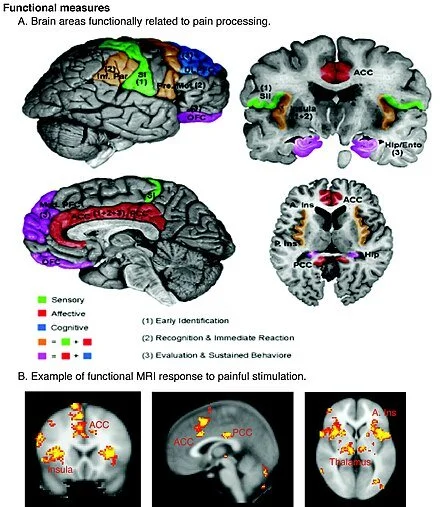
Regions of the cerebral cortex associated with pain
Edited from a New England Council report:
“Boston-based Vertex Pharmaceuticals recently announced that its new experimental painkiller is as effective as an opioid when treating acute, post-surgical pain. Vertex claims that this new drug carries no risk of addiction, unlike with opioids.
“The painkiller, currently called VX-548, is set to be sent to the FDA for approval by mid-year. Though the drug has yet to outperform others when treating pain, that VX-548 is equally effective as some opioids without the risk of addiction could prove to be groundbreaking. Opioids have caused a decades-long endemic in the US, with almost 83,000 people in the U.S. dying from opioid overdoses in 2022 alone. Despite the highly addictive nature of these drugs, they are still commonly prescribed by doctors for post-surgical pain. If approved, VX-548 could mark a new age of pain treatment and a possible end to the opioid crisis.
“‘We are very pleased with the results from the VX-548 pivotal program, which demonstrate a compelling and consistent combination of efficacy and safety across multiple acute pain conditions and settings,’ Reshma Kewalramani, Vertex’s chief executive and president, said.’’

This book examines the history of the Sackler family, including the founding of Purdue Pharma, and the family's central role in the opioid epidemic. The book followed Keefe's 2017 article on the Sackler family in The New Yorker, titled “The Family That Built an Empire of Pain.’’
MassArt’s Common Good Awards

Poster for MassArt’s 2024 Auction Call for Art
Edited from a New England Council report
BOSTON
“The Massachusetts College of Art and Design (MassArt), in Boston, has announced the launch of the inaugural Common Good Awards, in celebration of its 150th anniversary as a higher-education institution.
“The awards will honor five to six exceptional individuals whose work has furthered the arts within the public sector, especially within the New England region. These efforts could come in all shapes and sizes, from an architect creating beautiful public spaces, to a civil servant whose advocacy leads to the creation of important arts programs and experiences.
“In addition to the handful of open nomination awards, there are also two specialized honors that MassArt will hand out. The first will go to a MassArt Alumnus, whose education propelled them to effectively deliver arts to the public. Additionally, the Frances Euphemia Thompson Award for Excellence in Teaching will go to a current or retired Massachusetts public school art teacher from grades K-12, whose commitment in the classroom has instilled the value of the arts into the community. The final awards ceremony is scheduled for Dec. 16.
“As the only independent, publicly funded arts and design college in the US, MassArt understands its importance as an intersection space for art and public function. ‘Arts, culture, and design are everywhere, embedded in all facets of our lives. As a public institution, we exist at the nexus of service, civic life, arts, and culture,’ said President Mary Grant.’’
Read more from MassArt.
AI institute to be set up at UMass Boston

Neural net completion for "artificial intelligence", as done by DALL-E mini hosted on HuggingFace, 4 June 2022 (code under Apache 2.0 license). Upscaled with Real-ESRGAN "Anime" upscaling version (under [https://github.com/xinntao/Real-ESRGAN/blob/master/LICENSE
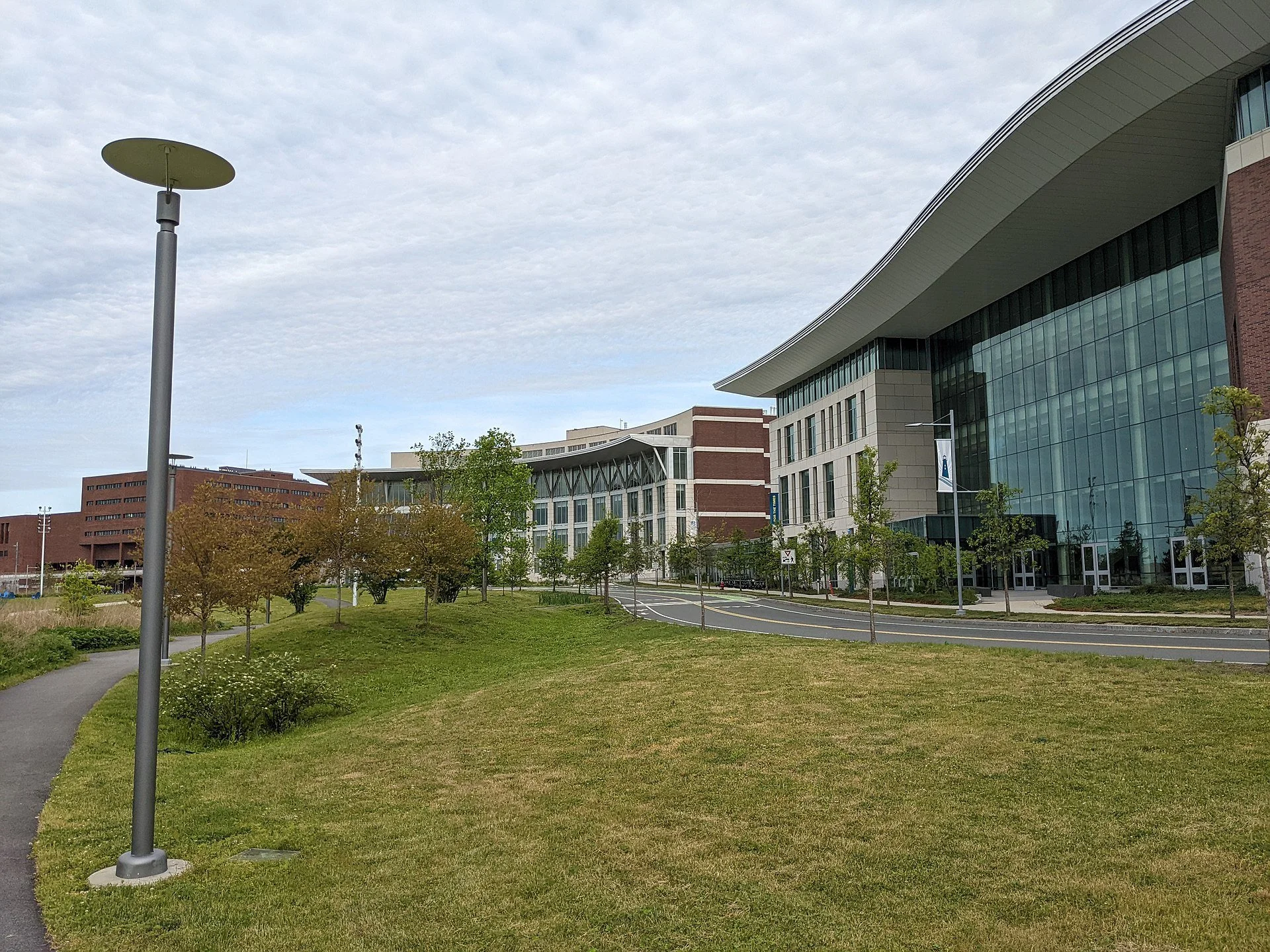
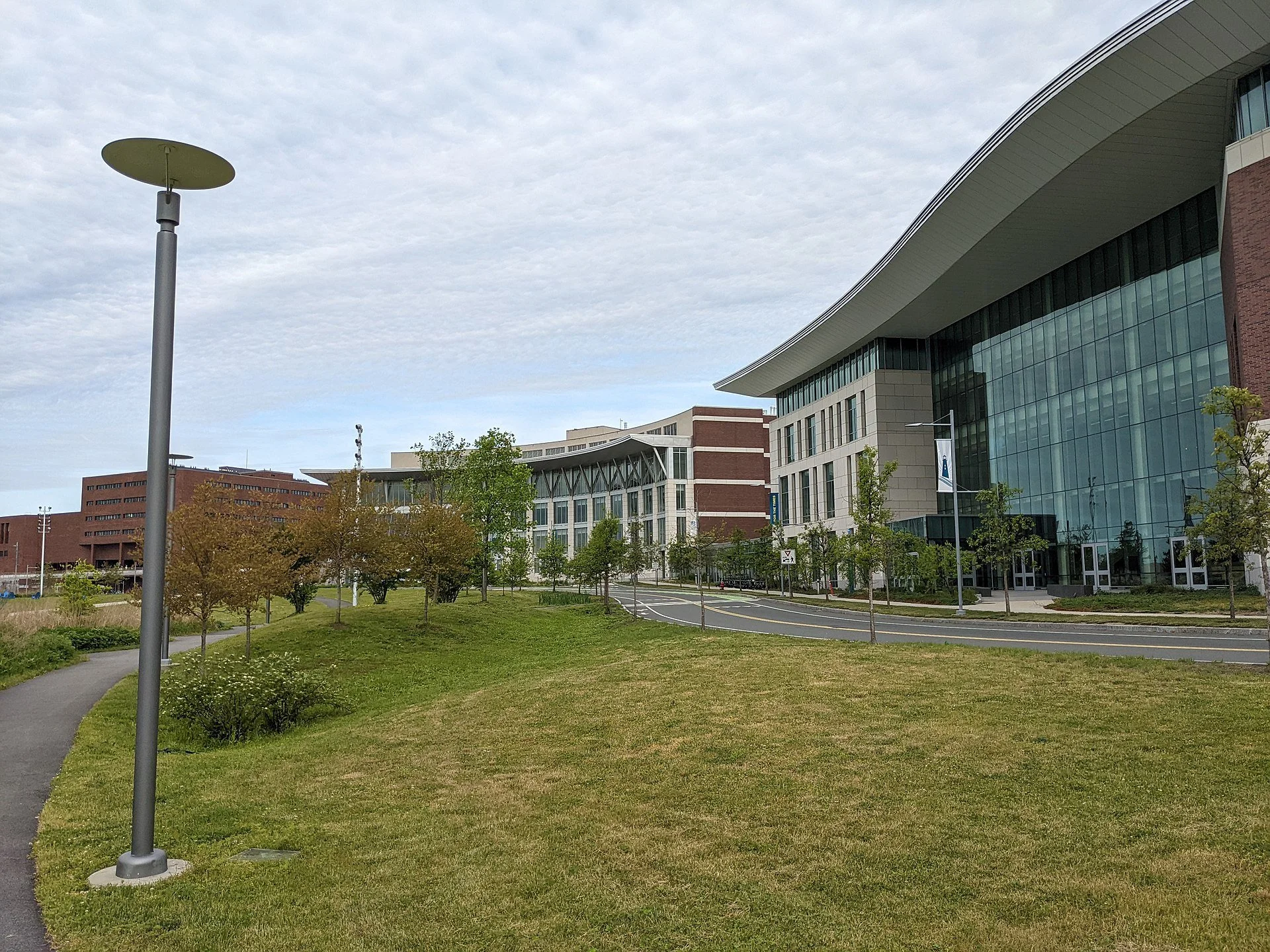
At UMass Boston, University Hall, the Campus Center and Wheatley Hall
— Photo by Sintakso
Edited from a New England Council report.
The University of Massachusetts at Boston has announced that Paul English has donated $5 million to the university, with the intention of creating an Artificial Intelligence Institute. The Paul English Applied Artificial Intelligence Institute will give students on campus from all fields of study the tools that they’ll need for working in a world where AI is expected to rapidly play a bigger role. UMass said that the institute will “include faculty from across various departments and incorporate AI into a broad range of curricula,” including social, ethical and other challenges that are a byproduct of AI technology. The institute will open in the 2023-2024 school year.
Paul English is an American tech entrepreneur, computer scientist and philanthropist. He is the founder of Boston Venture Studio.
“‘We are at the dawn of a new era,’ said UMass Boston Chancellor Marcelo Suárez-Orozco. ‘Like the agricultural revolution, the development of the steam engine, the invention of the computer and the introduction of the smartphone, the birth of artificial intelligence is fundamentally changing how we live and work.’
#Artificial Intelligence #Paul English #University of Massachusetts
James T. Brett: Fixing federal tax code for technology is crucial for protecting New England’s prosperity
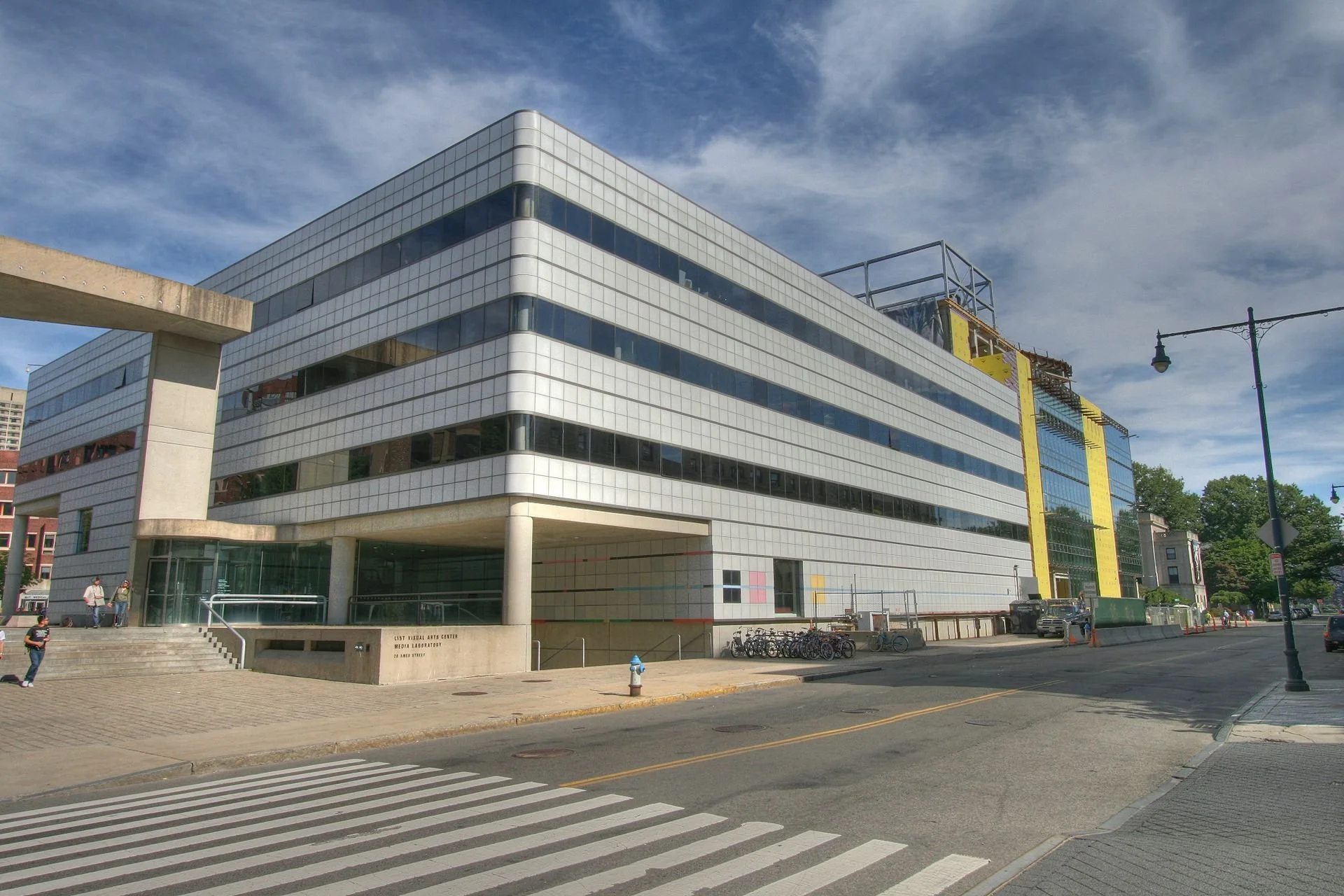
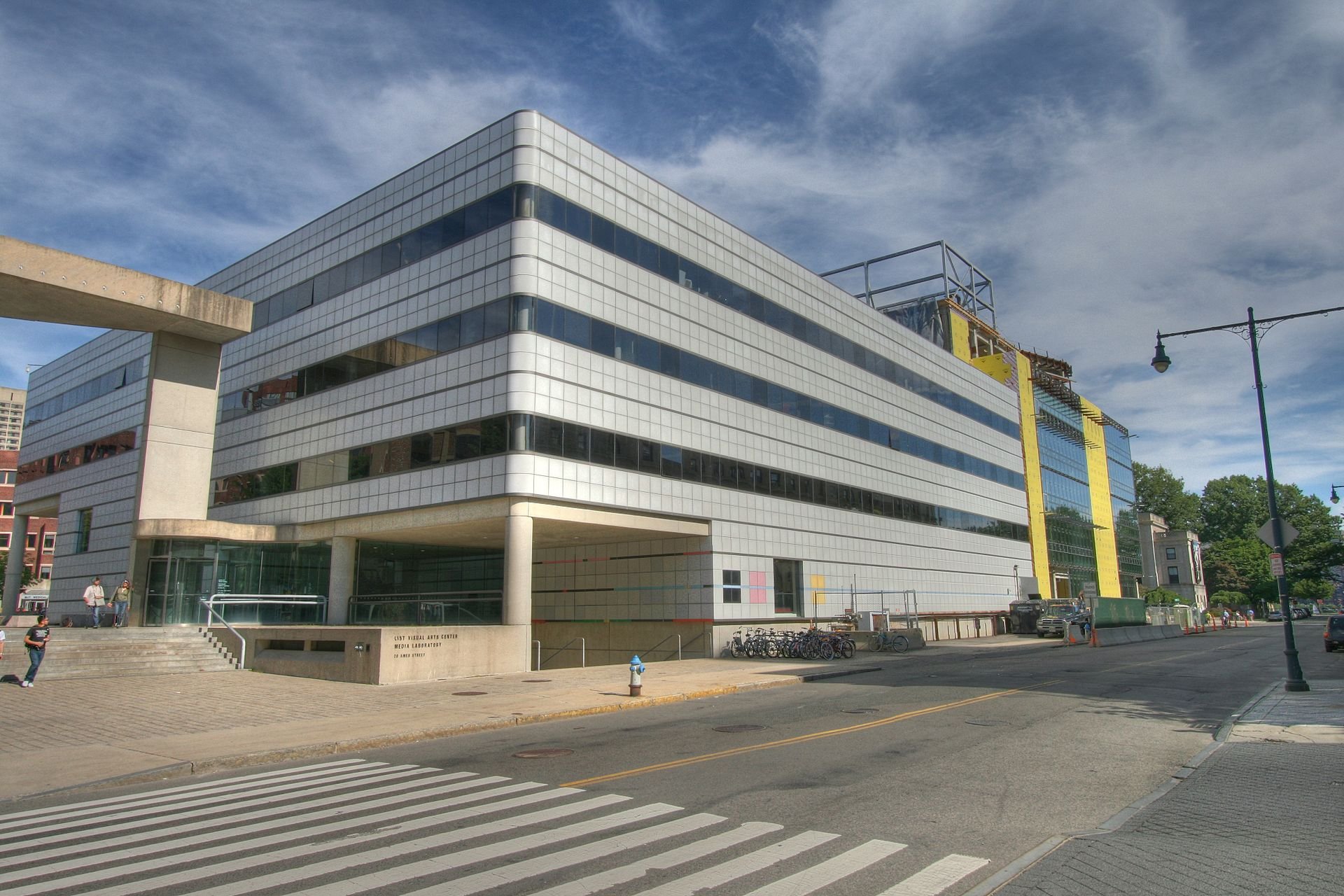
The Media Lab at the Massachusetts Institute of Technology, in Cambridge, houses researchers developing novel uses of computer technology. Greater Boston has long been one of the world’s greatest technology centers, primarily because spinoffs from its universities.
— Photo by Madcoverboy
BOSTON
Here in New England, we are proud of our region’s reputation as a global innovation hub. Our region hosts some of the world’s most innovative companies, in industries ranging from defense to life sciences to clean energy to technology. Each day, these businesses are making investments in ground-breaking research and development aimed at saving lives, combating climate change, safeguarding our national security and more.
For many years, the U.S. tax code has encouraged such investments by allowing businesses to fully deduct qualified research and development (R&D) expenses each year. However, under a provision of the Tax Cuts and Jobs Act of 2017, which was signed into law by then-President Trump, businesses must amortize or deduct these expenses over a period of five years. This provision went into effect for the 2022 tax year.
This will ultimately make R&D more costly to conduct in New England and across the U.S. The New England Council believes firmly that the new R&D amortization requirement will halt and harm our region’s continued growth and leadership on the global stage.
As a result of this change, the U.S. is now only one of two developed countries requiring the amortization of R&D expenses. Comparatively, our nation’s competitors, such as China, currently provide a “super deduction” for R&D expenses that drastically increases the allowed amount deducted for companies that previously did not qualify.
This change could result in companies relocating R&D facilities and funding out of the country, because it will be more costly to do research in the U.S. This will not only damage our competitiveness, but it could also have significant national security ramifications, as well as job losses.
In fact, a recent study conducted by EY for the R&D Coalition found: “Failing to reverse this change will cost well-paying jobs and reduce future innovation-directed R&D. Requiring the amortization of research expenses will reduce R&D spending and lead to a loss of more than 20,000 R&D jobs in the first five years with the number of lost jobs rising to nearly 60,000 over the following five years. Moreover, when accounting for the spillover effect from R&D spending, nearly three times as many jobs will be affected. This same study also found that for every $1 billion in R&D spending, 17,000 jobs are supported in the U.S.”
Fortunately, two members of Congress from New England are among those leading the bipartisan charge to reverse this harmful change in the tax code.
In the U.S. Senate, Sen. Maggie Hassan ( D.-N.H.) has partnered with Sen. Todd Young (R.-Ind.) to introduce the American Innovation and Jobs Act. In addition to allowing companies to fully deduct R&D expenses each year, Senator Hassan’s bill would also raise the cap over time for the refundable R&D tax credit for small businesses and startups, and expand eligibility for the refundable R&D tax credit so that more startups and new businesses can use it.
In the U.S. House, Congressman John Larson (D.-Conn.) has teamed up with Rep. Ron Estes (R.-Kan.) to introduce similar legislation, known as the American Innovation and R&D Competitiveness Act. Similar to the Senate bill, Representative Larson’s proposal would allow companies to continue to fully deduct R&D expenses each year.
The New England Council is proud to support both of these bills, and we urge others in the business community to also encourage Congress to pass this legislation. We have written to members of the New England congressional delegation, calling on them to support these bills, and are hopeful that Congress will take action to pass them in the near future.
Doing so will help ensure that the U.S. remains globally competitive, and it will drive continued innovation and job creation right here in New England, ensuring that the region remains a global innovation hub.
James T. Brett is president and CEO of The New England Council (newenglandcouncil.com)
Big construction projects at Mass. colleges
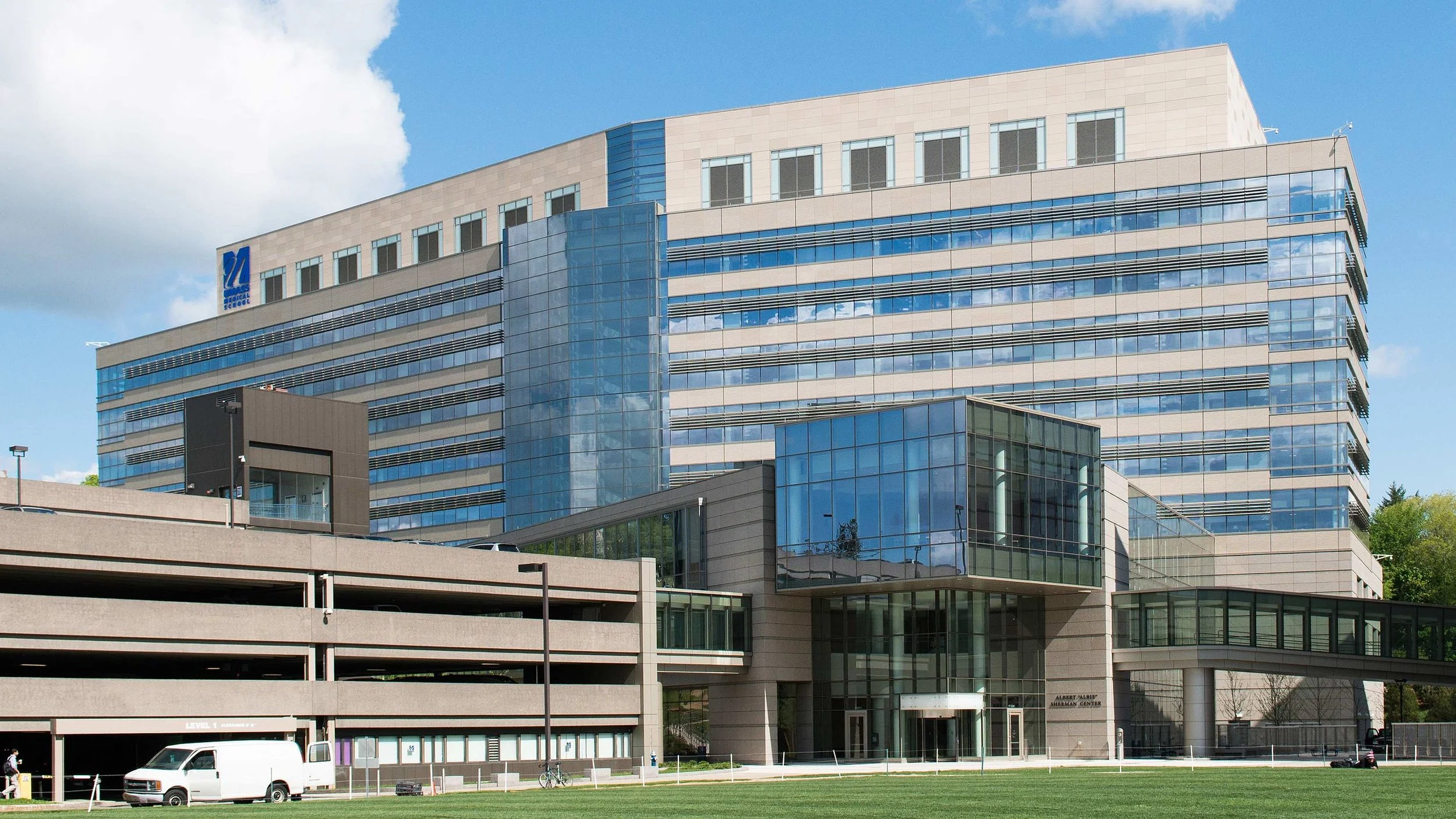
Albert Sherman Center at the University of Massachusetts Chan Medical School, in Worcester.
— Photo by Kjfoster93
Edited from a New England Council (newenglandcouncil.com) report
BOSTON
A variety of Massachusetts colleges and universities are undergoing major renovation projects. These include Bunker Hill Community College, Massachusetts Institute of Technology, University of Massachusetts Chan Medical School and Endicott College.
This spring, MIT will be putting up projects to add more on-campus housing and additional buildings for interdisciplinary programs, including music and other arts. UMass Chan Medical School, in Worcester, will be investing $325 million in a building that will significantly increase the capacity for education and research, including clinical-trial therapeutics and animal medicine. Endicott College, in Beverly, received a $20 million donation from the Cummings Foundation for a new Cummings School of Nursing and Health Sciences building. Bunker Hill Community College will be constructing its first new building in a decade, set to open in 2025.

Using drones to monitor changing Eastern forests

Mt. Katahdin, in the midst of the Maine Woods.

Log jam at Ripogenus Gorge, Maine, during 1870s log driving.
Edited from a New England Council report (newenglandcouncil.com)
“The U.S. Department of Agriculture has awarded a $10 million grant to research teams from the University of Maine, Purdue University and the University of Georgia to develop technology that would use drones to monitor forests.
“The main goal of this research project is to help landowners and stakeholders better adapt forests to complicated economic and climate conditions in the Eastern region of the United States, aiming to improve the management of 15 million acres of those forests. With this, the University of Maine will be receiving $2.7 million of the overall $10 million for its efforts on ‘PERSEUS,’ or ‘promoting economic resilience and sustainability of the eastern United States forests.’ This project will use digital technology including drones, piloted aircraft, and satellite-based sensors which will provide real-time, accurate measurements of the forests. The information collected from this project will be extremely influential to forest policy and the lawmaking of the region.
“‘Forestry generally prides itself as a boots-on-the-ground business, while technology is rapidly changing access to information, [but] PERSEUS will provide the necessary training to help both students and landowners alike leverage these new tools,’ said Aaron Weiskittel, professor of forest biometrics and modeling, and director of the Center for Research on Sustainable Forests, at the University of Maine.’’
NHL promoting street hockey

A street hockey game.
Edited from a New England Council report:
“The National Hockey League has announced a partnership with RCX Sports, a leader in youth-organized sports, to create ‘NHL Street,’ a North American wide, youth street hockey league.
“Although the NHL was involved in street hockey programs in the 1990s, this rebirth has rebranded with a new look and its mission, NHL Street is a program with the intent to build a new era in street hockey that is fun, relevant and aimed at getting more kids involved in playing the game. This program also breaks down financial barriers that have prevented children from playing in the past by advocating for an accessible form of the game….
“‘We want to create good memories,’ said Andrew Ference, National Hockey League director of social impact, growth and fan development. ‘We don’t need to create a whole batch of the next NHLers. That might happen organically on its own, but we just want [to] create really fun times and memories with hockey.’’’

Aiming to decarbonize Boston’s Fenway neighborhood

Fenway–Kenmore neighborhood seen from Prudential Skywalk in 2012, with Fenway Park the dominant feature.
—Photo by Melikamp
Edited from a New England Council report (newenglandcouncil.com)
Boston-based Vicinity Energy has announced a partnership with IQHQ Inc., a life-sciences real estate development company, in which Vicinity’s carbon-free, renewable thermal energy will be used in IQHQ’s developments in Boston’s Fenway neighborhood.
Vicinity Energy has been active in efforts to decarbonize communities, from buildings to college campuses to entire neighborhoods. Now, with this partnership, the company is bringing this technology to Fenway. The first stop will be IQHQ’s development at 109 Brookline Ave., set to be Boston’s first entirely carbon-neutral building. To achieve these goals, Vicinity has been developing a technology referred to as ‘eSteam,’ an energy that uses decarbonized operators and does not require on-site boilers or chillers. Vicinity officials plan to start delivering eSteam in 2024.
“This eSteam partnership not only signifies our commitment to a clean energy future, but it also demonstrates the commitment from progressive, innovative industry leaders, like IQHQ, who are committed to lower carbon emissions and to combat climate change,” said Bill DiCroce, president and chief executive of Vicinity Energy.
James T. Brett: Omnibus federal bill advances some key New England programs

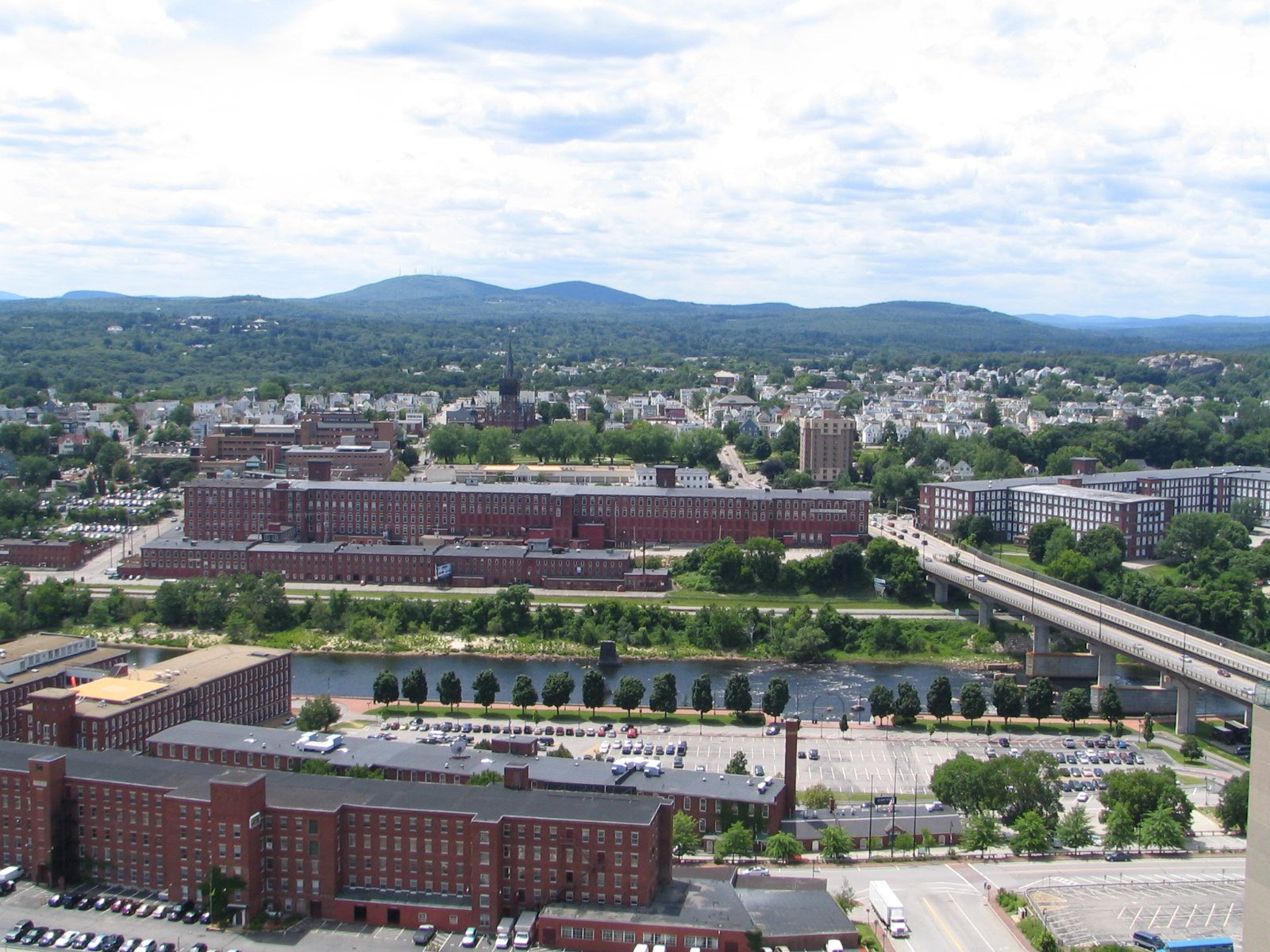
Manchester, N.H., with its old textile mills along the Merrimack River converted to other uses, such as technology and health care.
BOSTON
In the final days of the 117th Congress, just a few weeks ago, Congress passed a $1.7 trillion Omnibus Appropriations Bill for fiscal 2023, and President Biden signed it into law on Dec. 29. Included in this sweeping legislation are landmark investments in education, health care protecting our environment, supporting working families and investing in research and innovation. The New England Council – the nation’s oldest regional business association – was pleased to see many of our longtime priorities included, and we believe that this legislation will help drive our region’s continued economic growth.
Here are a few of the biggest wins for New England in the bill:
Increased Pell Grant – The Pell Grant is a key tool to expanding access to higher education, providing support for low-income students to attend college. The council has long supported increasing the maximum Pell Grant amount – in fact, we have advocated doubling the maximum grant. While the omnibus did not go so far as to double Pell, it did increase the maximum award by $500, to $7,395, for the 2023-2024 school year, marking the largest increase since the 2009-2010 school year. This boost is a step in the right direction toward making college more affordable for millions of students and preparing the workforce of the future.
Federal Research Funding – New England is home to some of the top research institutions, including world-class universities and hospitals. These facilities conduct research on some of the most pressing medical and scientific challenges facing our nation. As such, the council has long supported federal investments in research, and so we were pleased that the bill included $47.5 billion for the National Institutes of Health (NIH)—a 5.6 percent increase—as well as an historic 12 percent increase for the National Science Foundation (NSF), to $9.9 billion. These investments will undoubtedly spur medical and scientific breakthroughs in our region, while supporting thousands of jobs at our research facilities.
Mental Health & Substance Abuse – The need for increased mental-health and substance-abuse services is one of the biggest health challenges facing our region, and the nation at large. The demand for services has only surged in recent years as the pandemic has presented new challenges for those who struggle with mental health and addiction. Fortunately, the spending bill included billions of dollars for new and increased services, including $1.01 billion for Mental Health Block Grants, $385 million for Certified Community Behavioral Health Clinics, and $1.6 billion to states to address the opioid-misuse epidemic through the State Opioid Response Grant. These funds will help expand much-needed services in our communities and set millions of people on the path toward recovery.
Energy Efficiency & Renewable Energy – The New England region is a leader in efforts to decrease carbon emissions and develop renewable-energy resources. The spending bill included a number of measures that will support this effort and help create new jobs in the clean-energy sector. The $3.46 billion appropriated in the bill for Energy Efficiency and Renewable Energy—a $260 million increase over the previous fiscal year—will allow for investments in vehicle technologies, hydrogen research and development, weatherization-assistance programs and renewable-grid integration, as well as marine, wind, and solar energy.
Retirement Savings – Finally, the spending bill also includes a number of provisions aimed at bolstering retirement savings and ensuring a secure financial future for millions of American workers. The bill included a legislative package championed by the dean of the New England House delegation, U.S. Rep. Richard Neal (D.-Mass.), known as SECURE 2.0. Specifically, the bill will expand access to retirement- savings-plan enrollment, allow emergency withdrawal from plans, increase the opportunity to make catch-up contributions, and support workers paying off student-loan debt, just to name a few. Inclusion of these provisions will undoubtedly help U.S. workers better prepare for their futures.
Beyond these provisions, the spending bill also includes investments to bolster working families, expand access to affordable housing, and support our law enforcement, military and veterans. The New England Council is grateful to our region’s congressional delegation for its members’ efforts to advocate for our region’s priorities in this important piece of legislation. We have no doubt that our region’s economy will benefit from the important investments this bill makes in the year ahead.
James T. Brett is the president & CEO of The New England Council, a Boston-based regional alliance of businesses, non-profit organizations,including and health and educational institution,s dedicated to supporting economic growth and the quality of life in New England.

Flag of the New England Governors Conference.
Insurer’s app for injured employees

The 24-story Travelers Tower, in Hartford, built in 1919. The tower remains the largest office of the big insurance company, although Travelers’ headquarters is now in New York City. Hartford was once called “The Insurance Capital of the World.’’
Edited from a New England Council report (newenglandcouncil.com)
“Travelers Cos. Inc has launched an app to help promote mental health and facilitate recovery for injured employees. By using technology from Wysa called ‘The Wysa for Return to Work’ app, which is programmed by artificial intelligence, Travelers has found a way to help employees improve their mental resilience.
“Travelers found that around 40 perceny of injured employees experienced a psychosocial barrier that stagnated their recovery. Nurses at Travelers define psychosocial barriers as an attitude, state or consciousness that affects a person’s ability to communicate.
‘‘‘The Wysa for Return to Work’ app responds to users through a secure texting-style platform to offer assistance such as cognitive behavioral techniques and breathing exercises to alleviate mental health struggles. The results from the initial launch of the app have been promising. Travelers report that workers using the app missed one-third fewer workdays versus employees not using the app.
“Dr. Marcos Iglesias, chief medical director at Travelers, said, ‘Factors unrelated to an individual’s injury, such as fear, unrealistic expectations, lack of sleep or minimal social support, can hinder the recovery process. Helping injured employees bounce back requires an approach that addresses an individual’s physical and mental health challenges.”’