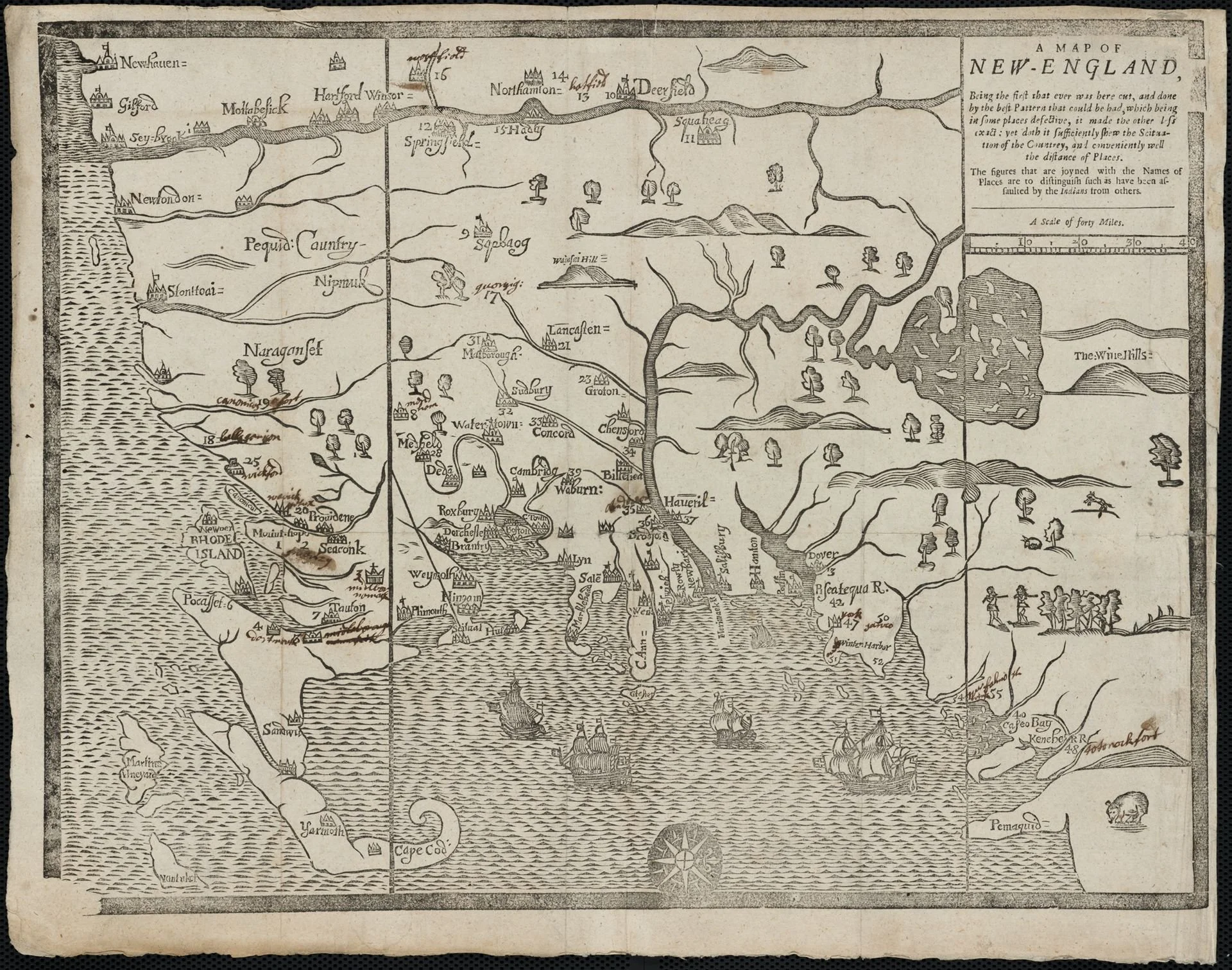
Vox clamantis in deserto
The flow of time
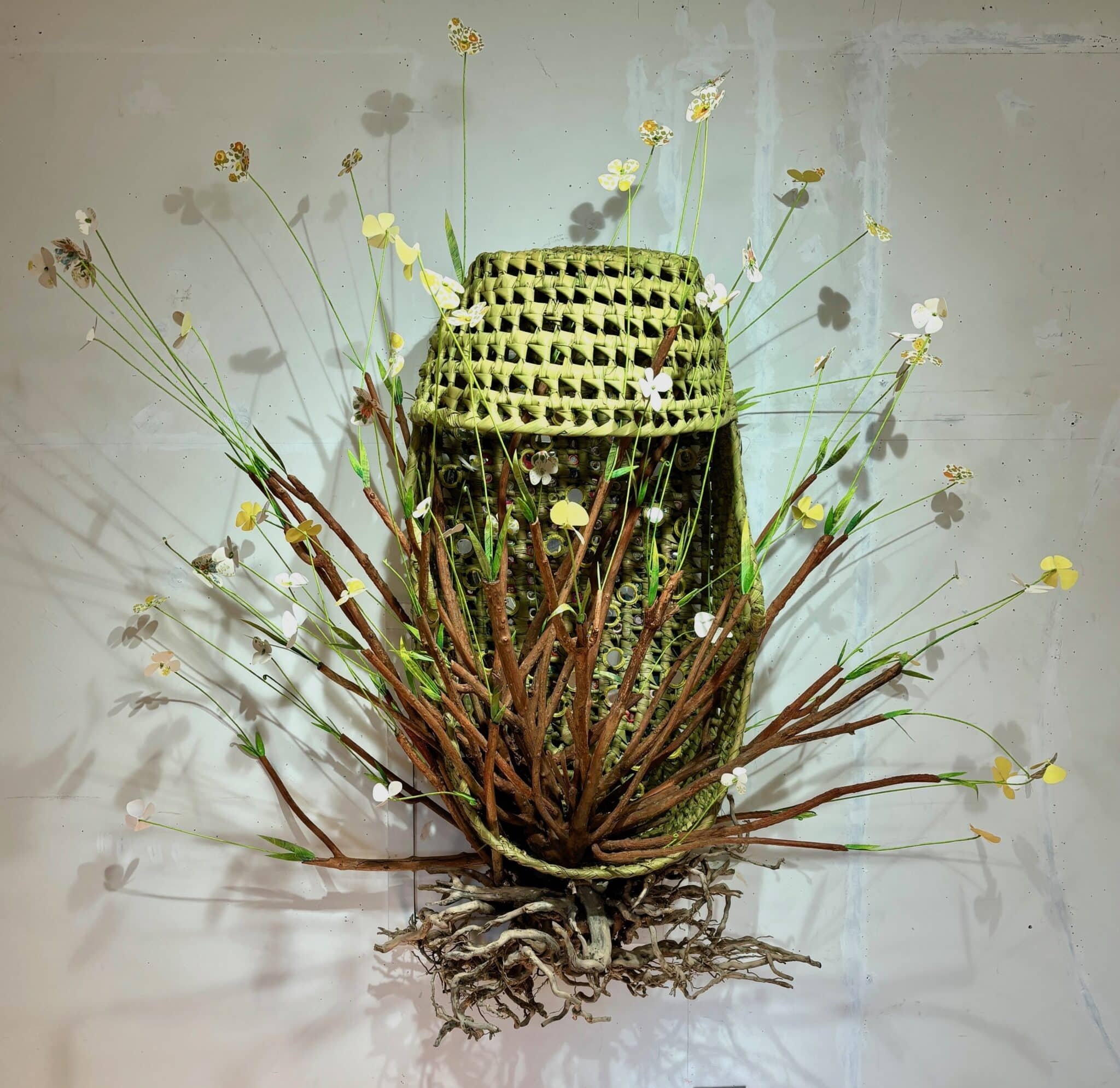
From Lydia Viscardi’s mixed-media show “Time Takes Time,’’ at the Lyman Allyn Museum, New London, Conn., through Jan. 10.
The show considers the passage of time and the cycles of the seasons in the natural world. The artist says:
“I grew up immersed in the stories and theatrical pageantry of Catholicism, absorbing both the beautiful and horrific, emerging from this with a paradoxical equanimity that informs all of my work. I explore the tension between nature, human society, especially the rhythms of everyday life, and the human soul returning to themes of mortality and its constant presence, loss, memory, particularly childhood memory, and our complex relationship to the natural world.’’
Some structures and moods of an old city
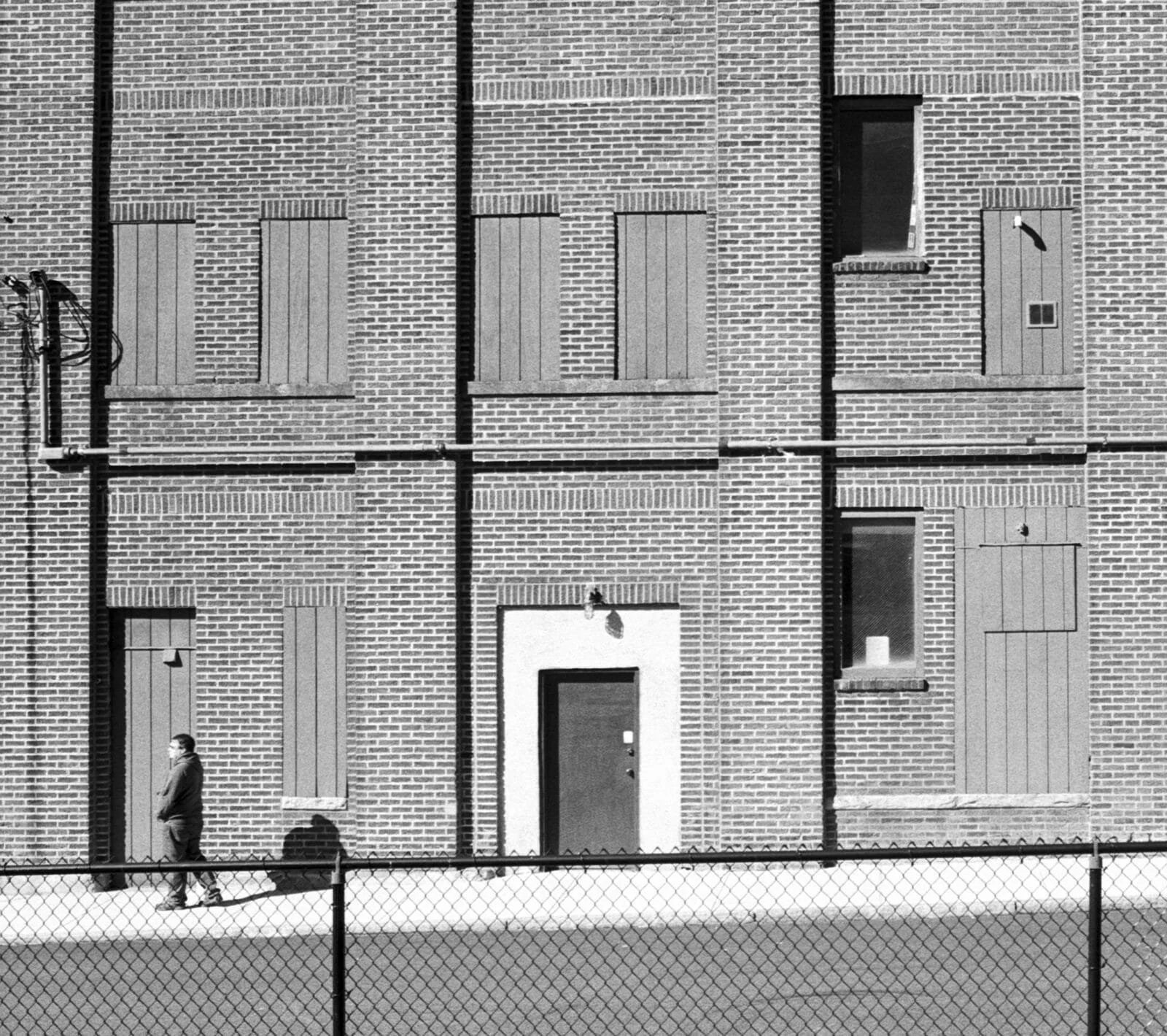
“Storage Facade Belden Ct.,” in New London, Conn., in the show “Facades of New London: Photos by G. Roger Clements,’’ at the Lyman Allyn Art Museum, New London, Feb. 7-April 12
The museum says the exhibition “reflects Clements’s interest in local architecture and history, with photographs that capture New London’s striking buildings and spaces. Clements’s keen eye for composition can be seen in photographs that document geometric forms, light and shadow, and dynamic contrasts in surface and texture. Doors, windows, and other architectural details often capture Clements’s attention and his images reveal how structures can change over time. In addition to photographs, several of the artist’s 3-D maquettes are included in the exhibition, recreating and imagining historic façades with lively elements.
“In his photographs, Clements also explores the social and historic aspects of buildings and public spaces, attentive to historic preservation and documentation.
“Working with New London Landmarks, he has photographed numerous local buildings threatened with destruction, producing images for the Federal HABS/HAER survey program, which preserves data about historic buildings across the United States.”