Philip K. Howard: America’s paralyzing ‘back-of-house problem’
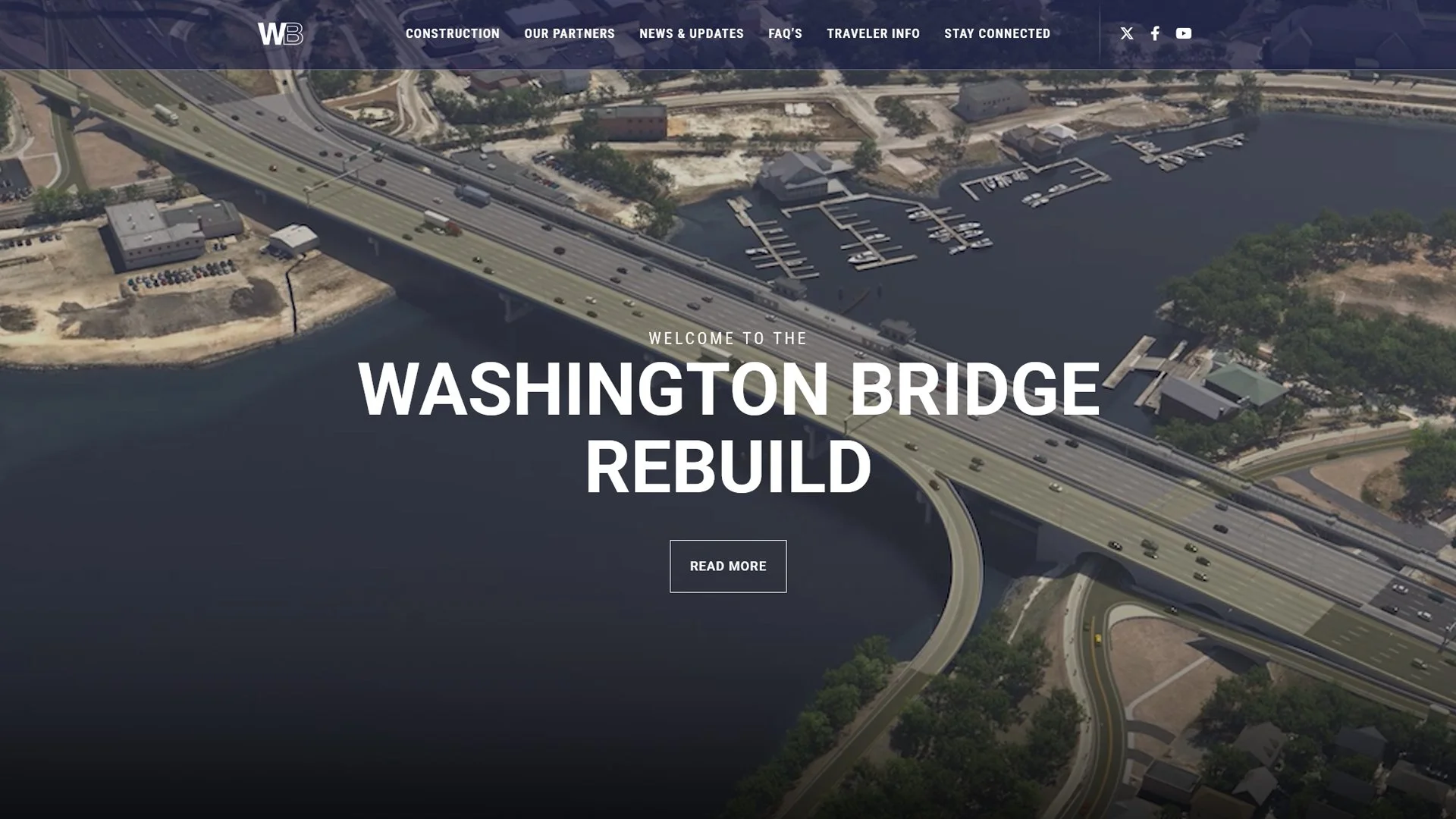
The westbound part of the Washington Bridge, connecting Providence and East Providence, R.I., via Interstate 195, was closed for critical safety reasons in December 2023 and is not scheduled to reopen until December 2028, a frustrating delay that can be largely laid t0 administrative incompetence and the entanglements of red tape. Its closure has caused much economic and other damage to the region.
Washington used to be petty and inept. Now it’s a roller-coaster. What will Trump do tomorrow? New York too. Is the “warmth of collectivism” promised by Mayor Mamdani a precursor for class warfare?
Americans are right to want a new vision for governing. But the political instinct for radical cures ignores a main cause of public frustration—the inability of government to do almost anything sensibly.
Sooner or later the focus on affordability will shine the spotlight on how government spends taxpayer dollars—almost 40 percent of GDP is spent by government. How much is wasted, how much productive initiative is stymied, when government is effectively unmanageable?
Public fraud on an industrial scale in Minnesota is the latest evidence that government is out of anyone’s control. In that case, as fraud expert Linda Miller explains, oversight officials had no authority to hold suspicious payments pending investigation. Most of the failures of the red tape state—for example, years-long processes for infrastructure permitting and defense procurement—can be traced to the disempowerment of responsible officials to act on their best judgment.
It’s hard to have a sober discussion on rebooting public operations, however, when holding on tight to avoid worse fates. Perhaps it’s asking too much of political leaders to get off the soap box. The chainsaw approach by Trump’s DOGE initiative failed because it dramatically slashed the number of public employees instead of cutting the red tape that prevents them from doing their jobs.
What’s new is growing public recognition that American government has a “back-of-house” problem, as Manhattan Institute’s John Ketcham calls it—that many public failures are due to inept operations, not poor policies. Biting critiques of the red-tape state by liberal writers Marc Dunkelman (Why Nothing Works) and Ezra Klein and Derek Thompson (Abundance) ask why Democrats—supposedly the party of good government—do nothing to overhaul these inept structures.
Dislodging powerful interest groups at the public trough is unlikely to attract political support, however, without broad outrage. So, instead of talking to deaf ears, perhaps the next step is to amp up the pressure by quantifying just how much money the red tape state is costing taxpayers. A private “spring cleaning commission” could be organized by civic leaders to do the work of analyzing the main areas of public waste and ineffectiveness, and propose simpler frameworks that citizens can demand.
In an essay on authority and freedom, published over the weekend by The Atlantic, I describe what the new frameworks should look like. In John Ketcham’s “back-of-house” essay, republished by The Washington Post, he relies on our work to conclude: “American governance…needs a new model of public decision-making—one capable of reversing over-proceduralization and its harmful effects. Howard argues, rightly, that someone must be empowered to make trade-offs in service of the national good.”
If you like the idea of a private “spring cleaning commission,” please share your ideas on how it should be organized and led.
Philip K. Howard, a New York-based government reformer, civic leader, lawyer and photographer, is chairman of Common Good, the nonpartisan reform group.