Llewellyn King: The centrality of natural gas
WEST WARWICK, R.I.
The Trump administration is proud of America’s dominance in natural gas. The nation is the world’s largest producer and a net exporter.
We produce a quarter of the world supply of the fuel, which has become fundamental to electricity production. Forty-three percent of our electricity is produced from natural gas. According to the Energy Information Administration, it is followed by renewables, between 24 and 30 percent, depending on the season; nuclear is at just over 18 percent; and coal a little above 16 percent. Hydro, wood, geothermal and oil make up the rest.
The natural gas success represents a confluence of technologies, collaborations, leadership, and commercial courage over more than 50 years. It is a remarkable story of the coming together of a resource, the politics that govern it, the technologies that liberated it, and the machines that use it.
I had occasion to reflect on this when visiting the Rayburn Energy Station in Sherman, Texas. The plant represents a significant move into natural gas-fired generation by the Rayburn Electric Cooperative, which is the power supplier to four distribution co-ops northeast of Dallas.
Panda Power Funds LP built the original plant, which began commercial operations in August 2014; Rayburn bought it in 2023.
The original combined-cycle gas plant consists of two Siemens combustion turbines and one steam turbine, producing 758 megawatts of base load power. Siemens built these turbines at their plant in Charlotte, N.C.
At an adjacent site, Rayburn is building a new station that will have 10 peaking “black start capable” turbines, each rated at 57 MW, which Siemens is building in Sweden. Black start refers to the ability of the turbines to start without external power. That way they can play a role in restarting other generators after a power failure.
Taken together, the installations in Sherman represent the virtues of natural gas: a small environmental footprint, speed of construction, security of fuel supply, reliability, and modularity, meaning units can go out of service for maintenance without totally isolating the generating station.
No one issue or technology can claim credit for today’s natural gas boom. It is the happy confluence of events and technologies which have combined to save the day for the electricity sector.
In 1977, the fledgling U.S. Department of Energy declared natural gas as having no future. Jack O’Leary, the first deputy secretary of energy, told The Energy Daily’s Richard Myers to stop asking about natural gas as it was “a depleted resource.”
With the technologies of the day, that was true. But the picture was also complicated by a regulatory burden with gas divided between “intrastate gas” and “interstate gas,” and “old gas” and “new gas.”
It took the actions of three presidents — Jimmy Carter, Ronald Reagan, and George W. Bush — to finally untie the regulatory knot.
Likewise, the tech breakthroughs which changed gas from an orphan fuel into coal’s heir took many years.
The oil industry had been experimenting with angled drilling since the 1920s. But it was horizontal drilling in the 1980s that ushered in a new era in gas extraction with the advent of hydraulic fracturing. This met with new turbine designs that owed much to aircraft jets, and had been pioneered by the navy for small-ship propulsion.
Hydraulic fracking had been tried for years by the oil industry. But it took 20 years of trial and error, mostly by the Houston-based Mitchell Energy & Development Corporation, to perfect it with development of a better fracking fluid, a new mud pump, and a better drilling bit. Also, 3D seismic enhanced the accuracy of finding gas. DOE worked closely with the developers of these new technologies.
‘
The Rayburn Energy Station is emblematic of what is happening across the country as utilities face up to rising electricity demand and limited options.
Rayburn President and CEO David Naylor is enthusiastic about the full range of generating options and has embraced distributed generation — which is the linking together of solar, conservation, demand-side load management, residential batteries, and consumer participation to create what is known as a virtual power plant. But gas was the immediate option for Rayburn, as it is for many utilities.
While Alex O’Brien, manager of the Rayburn Energy Station has a penchant for nuclear (he, like many of the plant’s staff, is a veteran of the Nuclear Navy), he understands the immediacy of gas.
Rayburn broke ground on its new peaker turbines this year, and they will be up and running in 2028. In utility terms, that is overnight.
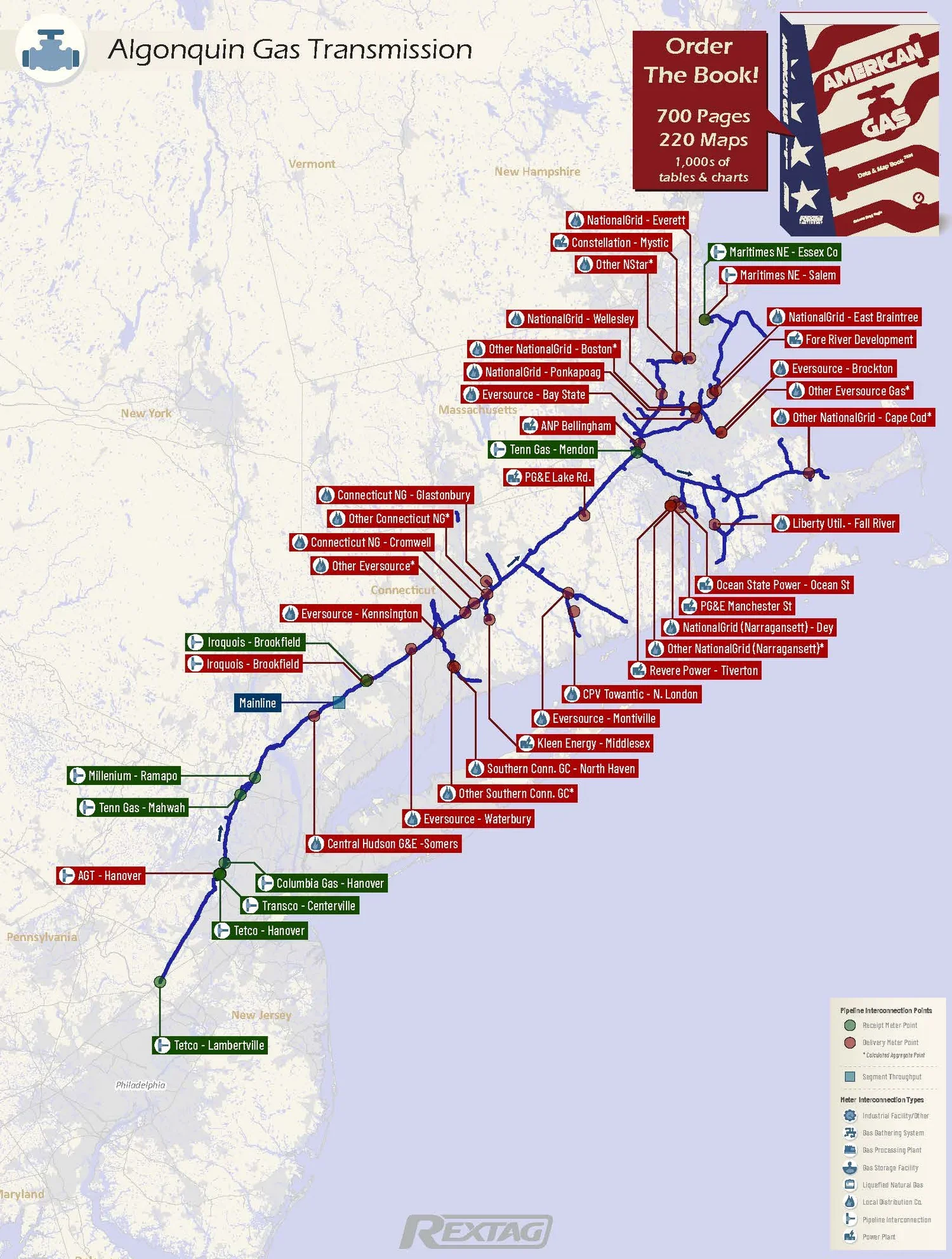
Environmental activists have been critical of natural gas as a greenhouse gas-emitter. In New England, they have blocked the construction of pipelines. The resulting shortage in the region has been acute, so much so that liquified natural gas must be imported, at a price, sometimes from Europe.
Until new nuclear power arrives, the utilities are looking to a mix of renewables and natural gas: the fuel that came back from the dead.
Llewellyn King, an international energy-sector consultant, is executive producer and host of White House Chronicle, on PBS. His email is llewellynking1@gmail.com, and he’s based in Rhode Island,