William Morgan: An Arts & Crafts response to Industrial revolution
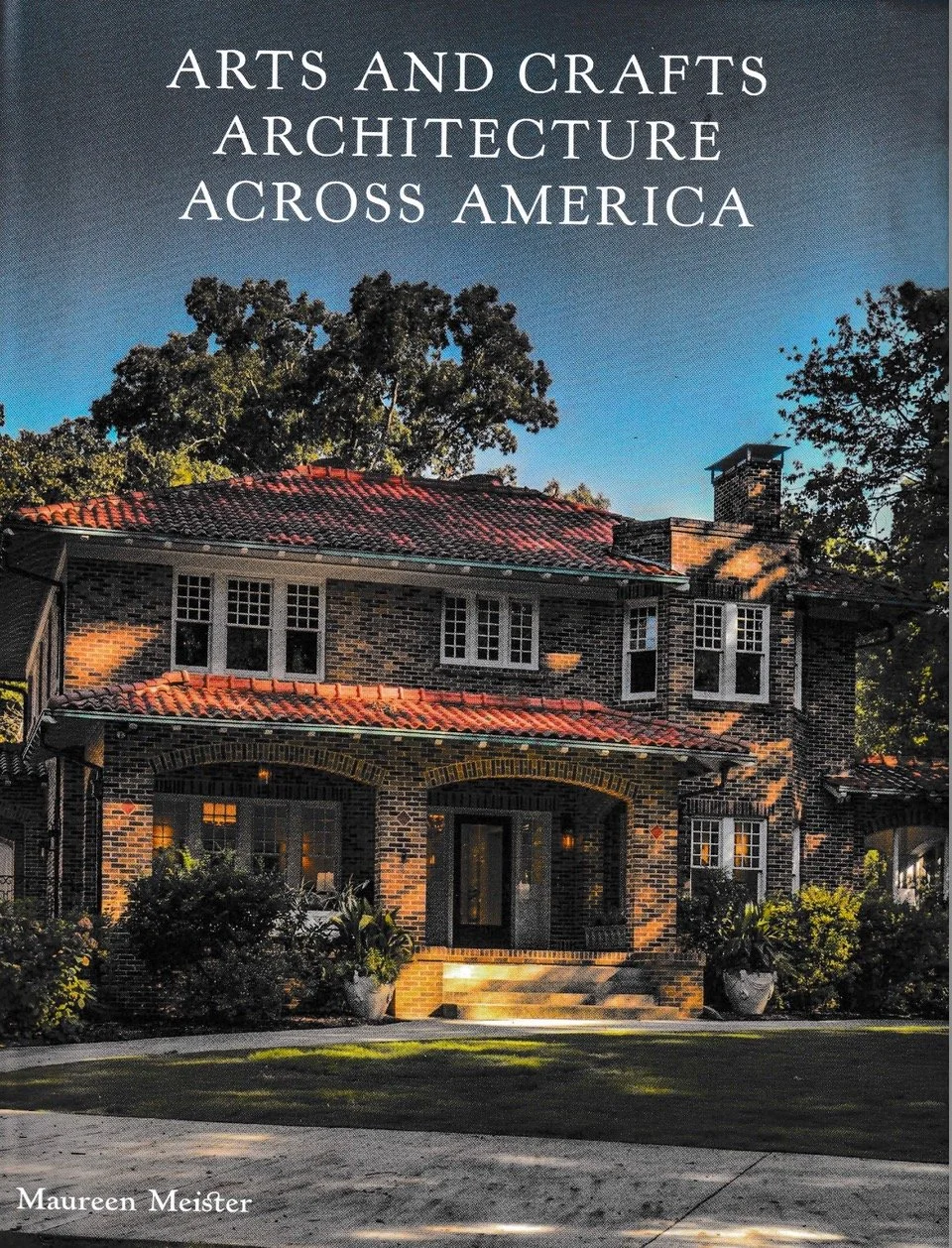
Leila Ross Wilburn, Carr House, Atlanta (1919).
Maureen Meister, an architectural historian from Boston, and sometime Tufts and Northeastern professor, published a book a dozen years ago on the New England followers of Williams Morris, John Ruskin, and the English Romantics who believed that a reverence for nature, simplicity, and a return to craftsmanship could offset the ills of the Industrial Revolution. Late 19th-Century Boston was the crucible of the Arts and Crafts movement in this country, led by architects such as H.H. Richardson, Henry Vaughan, and Ralph Adams Cram, and supported by a remarkable coterie of furniture and glass, textile and ceramic designers. In her latest volume, Arts and Crafts Architecture Across America (Yale University Press, 2025), Meister gathers Tudor revival, Prairie School, Spanish revival, and further offshoots under a broad Arts & Crafts umbrella.
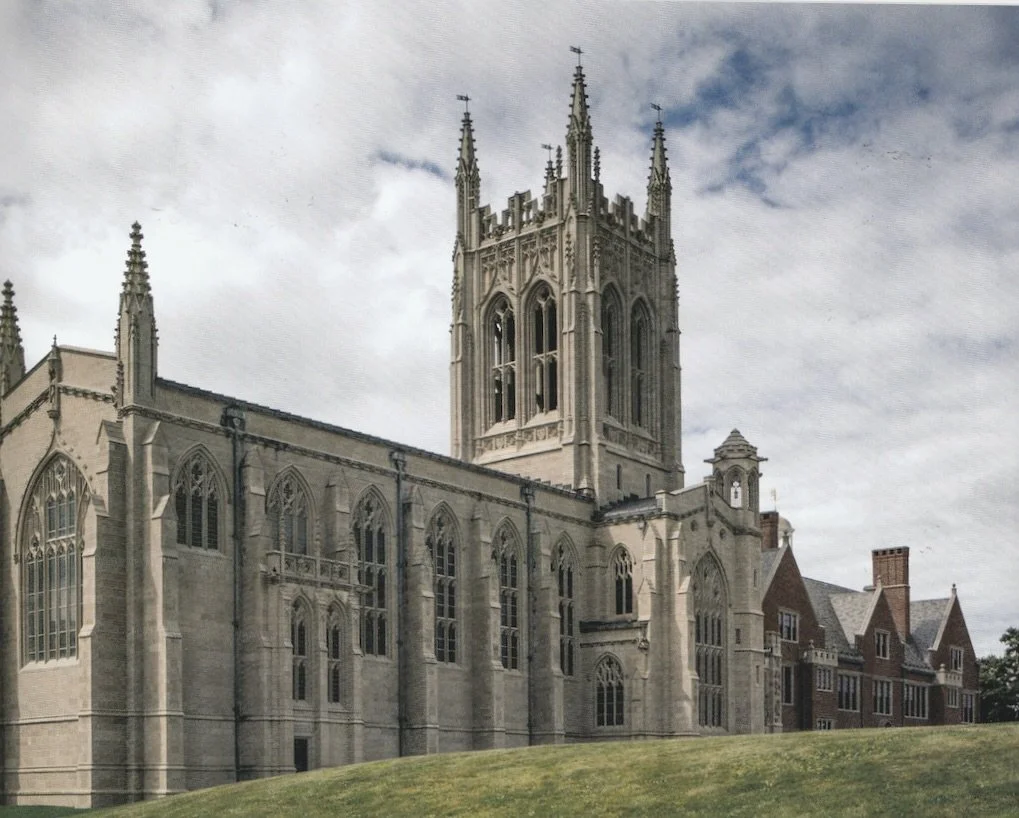
Ralph Adams Cram, St. George’s School Chapel, Middletown, R.I., 1924-28
“There is some corner of a foreign field that is forever England”
The Boston Society of Arts & Crafts, founded in 1897, inspired similar reform-minded idealists and artisans in places such as Detroit, Minneapolis, and San Diego. Meister weaves in such humble designers as Gustav Stickley and Elbert Hubbard, in western New York, while embracing Frank Lloyd Wright’s Martin House, in Buffalo. Making the case that Wright’s Prairie Style is a fundamental part of the Arts & Crafts movement, Meister includes Wright’s Chicago works, along with Jane Addams’ Hull House and Bertram Goodhue’s Gothic chapel at the University of Chicago in The Windy City. The heartland also includes the Edenic handcraft educational community at the Cranbrook design complex, in Bloomfield Hills, Mich., where the Finnish architect Eliel Saarinen mentored generations of notable designers. (His son was the famous architect Eero Saarinen.)
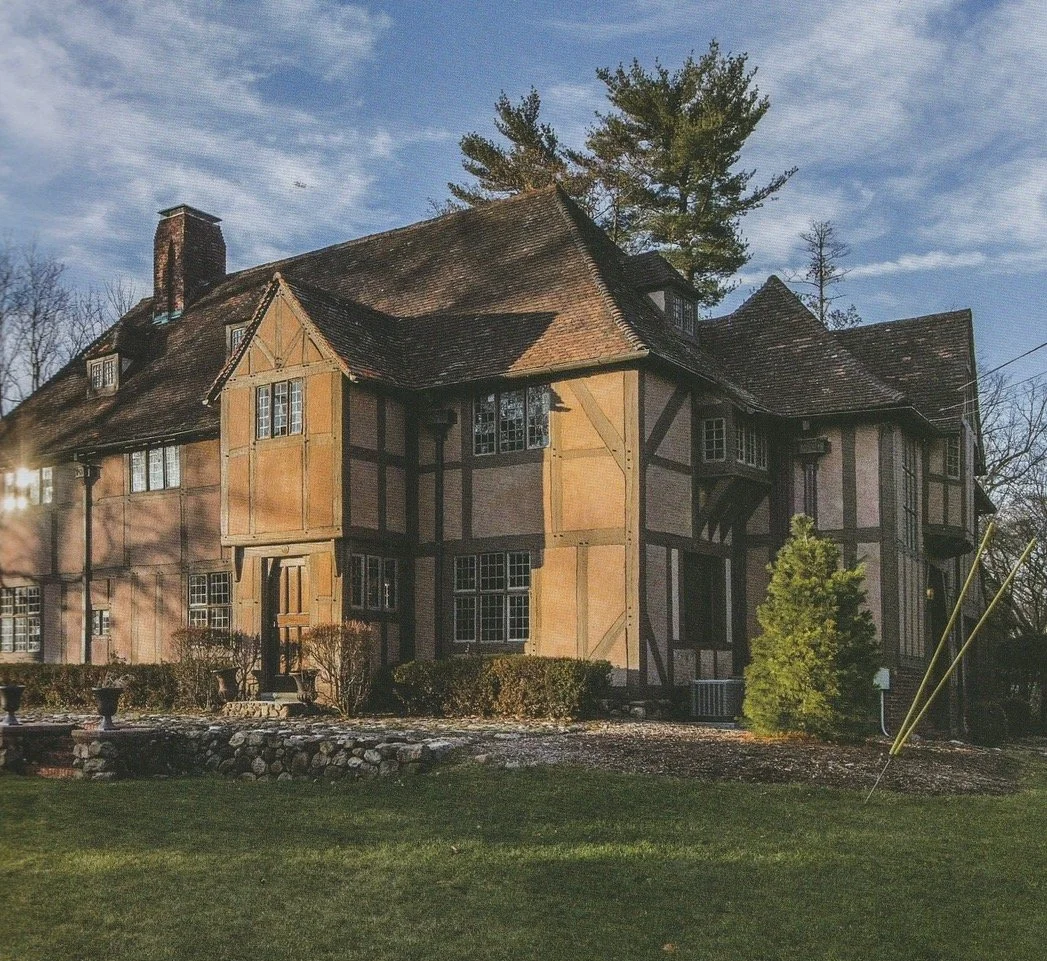
M.H. Baillie-Scott, The Close, Short Hills, N.J., 1912-13.
The Arts & Crafts represented a cozier, gentler side of the Gilded Age
The scope and ultimate unity of handcraft mindset is demonstrated in Collegiate Gothic campuses, in rustic inns and dude ranches in the Rockies, and the adobe of the so-called Spanish Colonial and Native American style of Texas and the Southwest. In California the “fresh air and fresh thinking” produced a blossoming of handcrafted houses, in the Bay Area and Los Angeles. All of the delightful houses, churches, and civic structures that Meister presents are “myriad responses to a question was once all-important: What native materials, landscapes, and histories will serve us when we build, to suit the special places where we live, in the United States of America.”
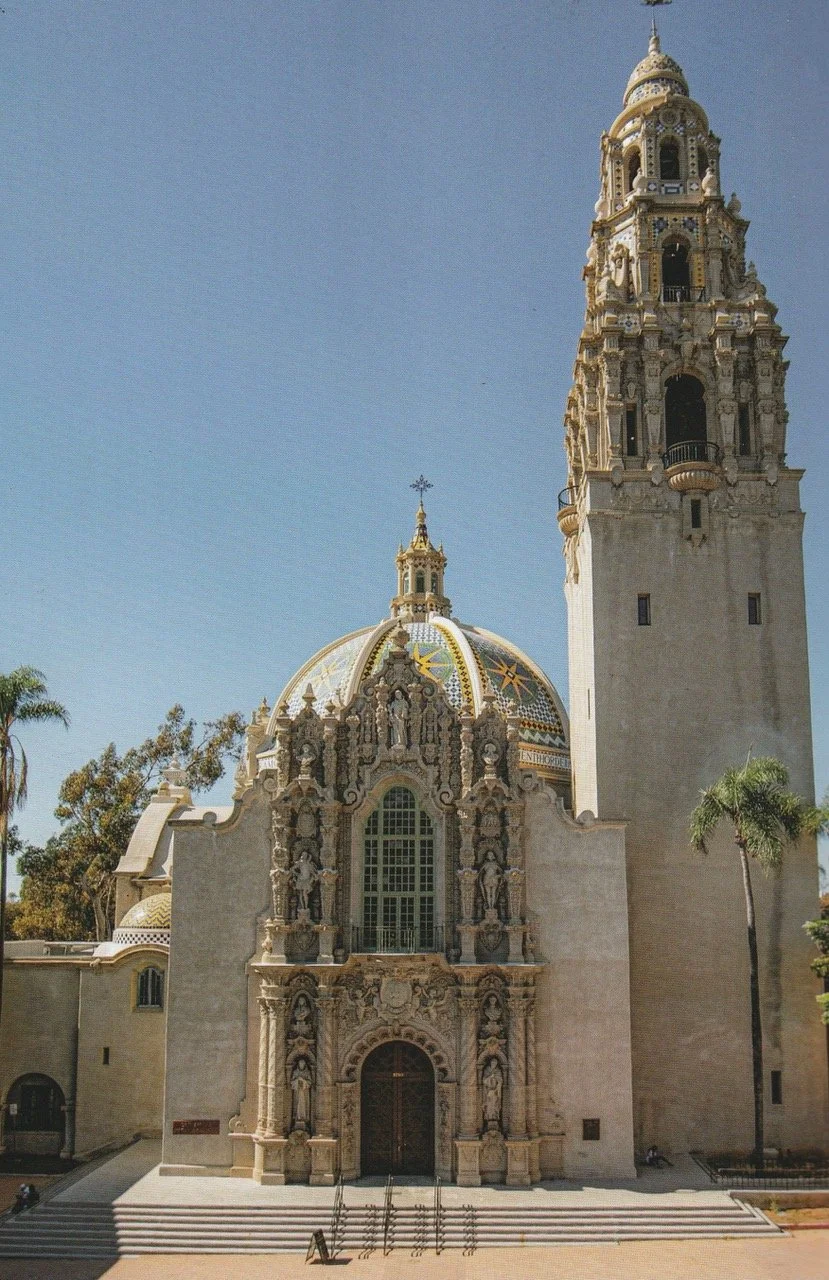
Bertram Grosvenor Goodhue, California Building, San Diego, 1911-15.
Erstwhile partner of Ralph Adams Cram, Goodhuewas a native of Pomfret, Conn.
Significant scholarly books, such as Professor Meister’s, were also once all-important, but serious architectural history has all but disappeared in the current era of idiocracy and illiteracy. Thus, university presses, such as Yale, are the keepers of the flame, champions of deserving treatises that might not be “monetizable”.
Providence-based architectural historian William Morgan is the author of, among other books, The Almighty Wall: The Architecture of Henry Vaughan (MIT) and Academia: Collegiate Gothic Architecture in the United States (Abbeville).