Nick Collins: To protect Seaport District, pass the Mass Ready Act
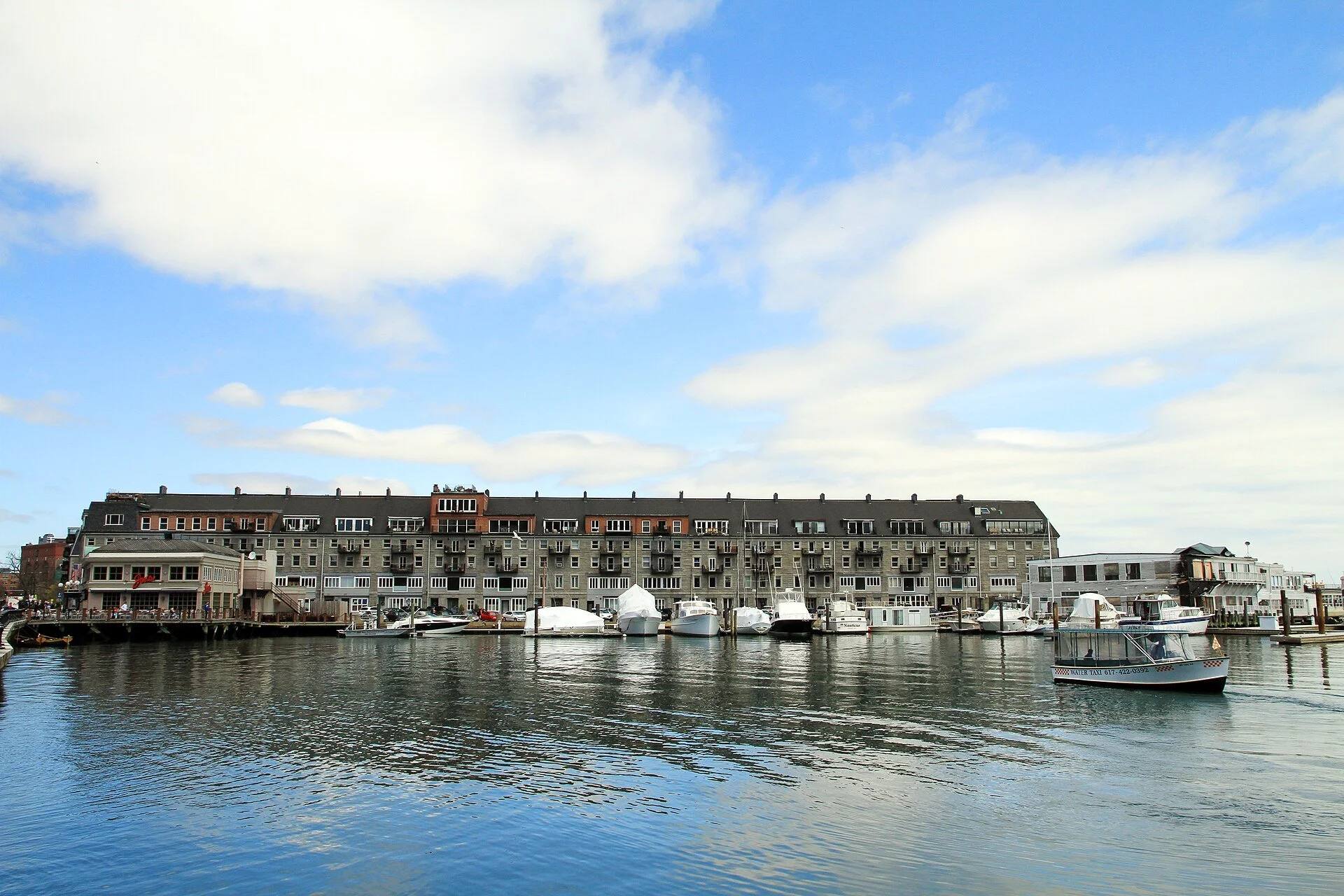
Former warehouse repurposed as housing and a restaurant, on Commercial Wharf, Boston.
— Photo by Ingfbr
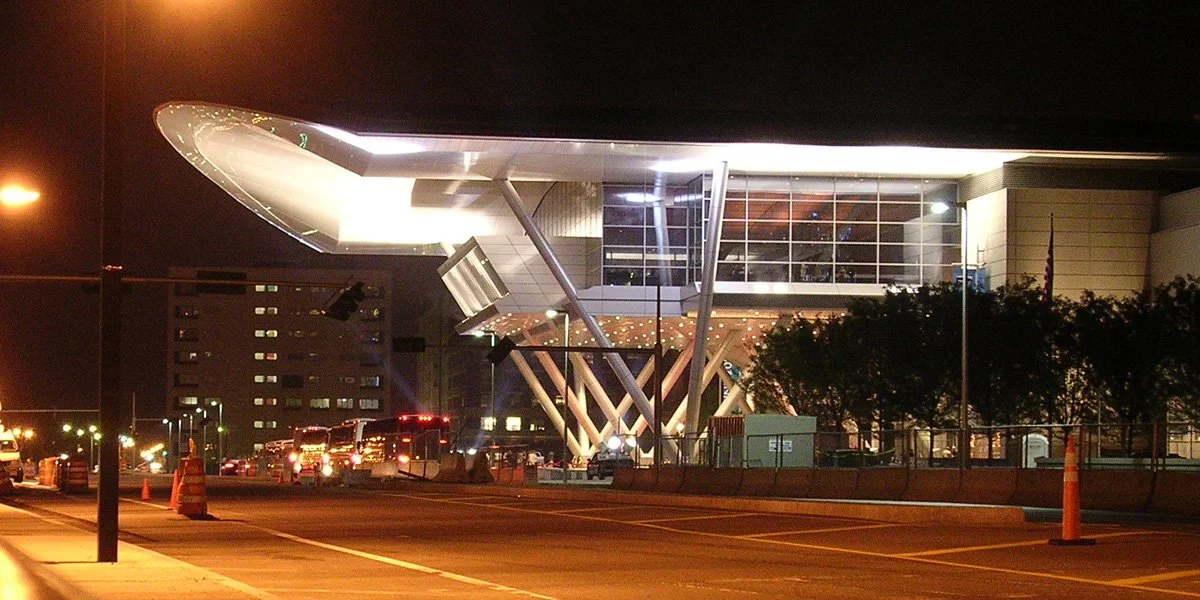
Boston Convention and Exhibition Center
Boston Convention and Exhibition Center, in the Seaport District
— Photo by Generaltso
From The Boston Guardian, except for images above)
(Robert Whitcomb, New England Diary’s editor, is also chairman on The Boston Guardian.)
Few neighborhoods in Boston have changed as quickly as the Seaport. What was once wide open is now one of the city’s most sought after places to live and visit, a transformation I’ve seen firsthand over more than a decade representing this neighborhood.
With that growth comes a new responsibility. The Seaport now has a clear identity, shaped by residents working to define its character. But that effort will fall short if we do not address rising sea levels and the growing impacts of climate change.
These discussions are thoughtful and detailed but planning without action is not enough.
One of the biggest challenges is not identifying what needs to be done, but how long it takes to do it.
Climate-resilience projects in dense coastal areas often face a maze of permitting requirements that can delay progress for years. These efforts cross property lines, jurisdictions and agencies. Yet our system was not built to move them forward quickly or at scale.
That is why, in the State Senate, we advanced the Mass Ready Act, a $3.64 billion environmental bond bill that protects infrastructure from climate change and severe weather, safeguards drinking water, and advances environmental protection, including limits on single-use plastics.
As part of that effort, I filed an amendment to establish a commission on resilient urban coasts to identify barriers that delay climate resilience projects and streamline permitting so communities can act more quickly.
That includes large-scale solutions that protect entire neighborhoods, not just individual properties, and projects that cross municipal boundaries and public and private land.
Just as importantly, the commission brings together state officials, environmental experts, and local stakeholders to align priorities and cut through the fragmentation that often delays progress.
This is about turning plans into action on a timeline that matches the risks we face.
At the same time, the bill makes targeted investments in coastal communities across Boston.
That includes funding for nature-based solutions and real time monitoring along our waterfront and harbor, helping us better understand and respond to changing conditions.
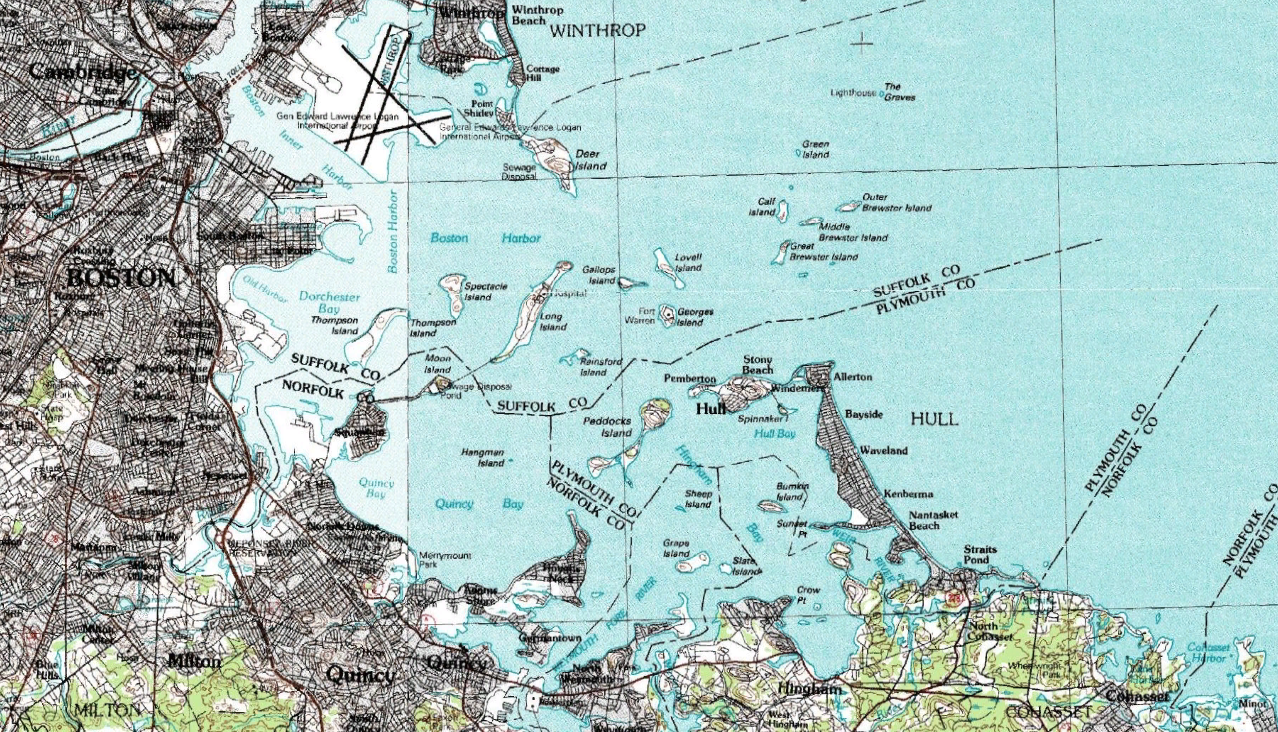
It also supports major capital improvements to the Boston Harbor Islands, protecting one of our region’s most important natural and recreational resources.
Closer to home, the bill invests in resilience upgrades at the Boston Children’s Museum and along the Fort Point Channel, safeguarding key cultural and economic assets in the Seaport.
It also advances critical planning and engineering work in Dorchester, from Davenport Creek to the Dorchester Bay Basin and nearby parks.
Together, these investments strengthen flood protection and reflect a more comprehensive approach to climate resilience.
This is not about one project or one neighborhood, but about protecting our city’s entire coastline.
Passing the Mass Ready Act moves us beyond planning and ensures we build the infrastructure it takes to be a resilient Boston.
Nick Collins represents the Seaport/South Boston, South End and parts of Dorchester.