In search of nonsalt ice melters
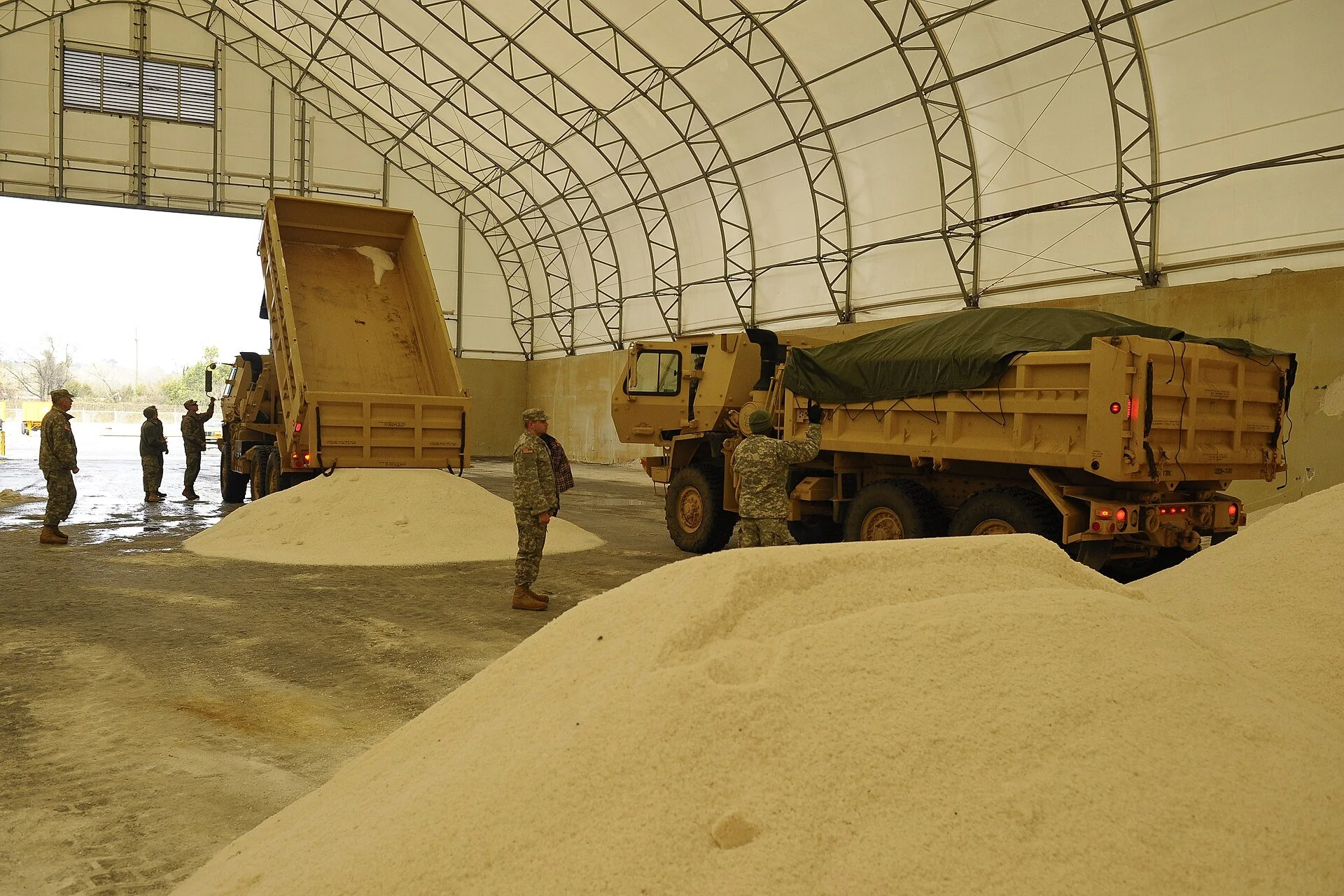
Storing road salt.
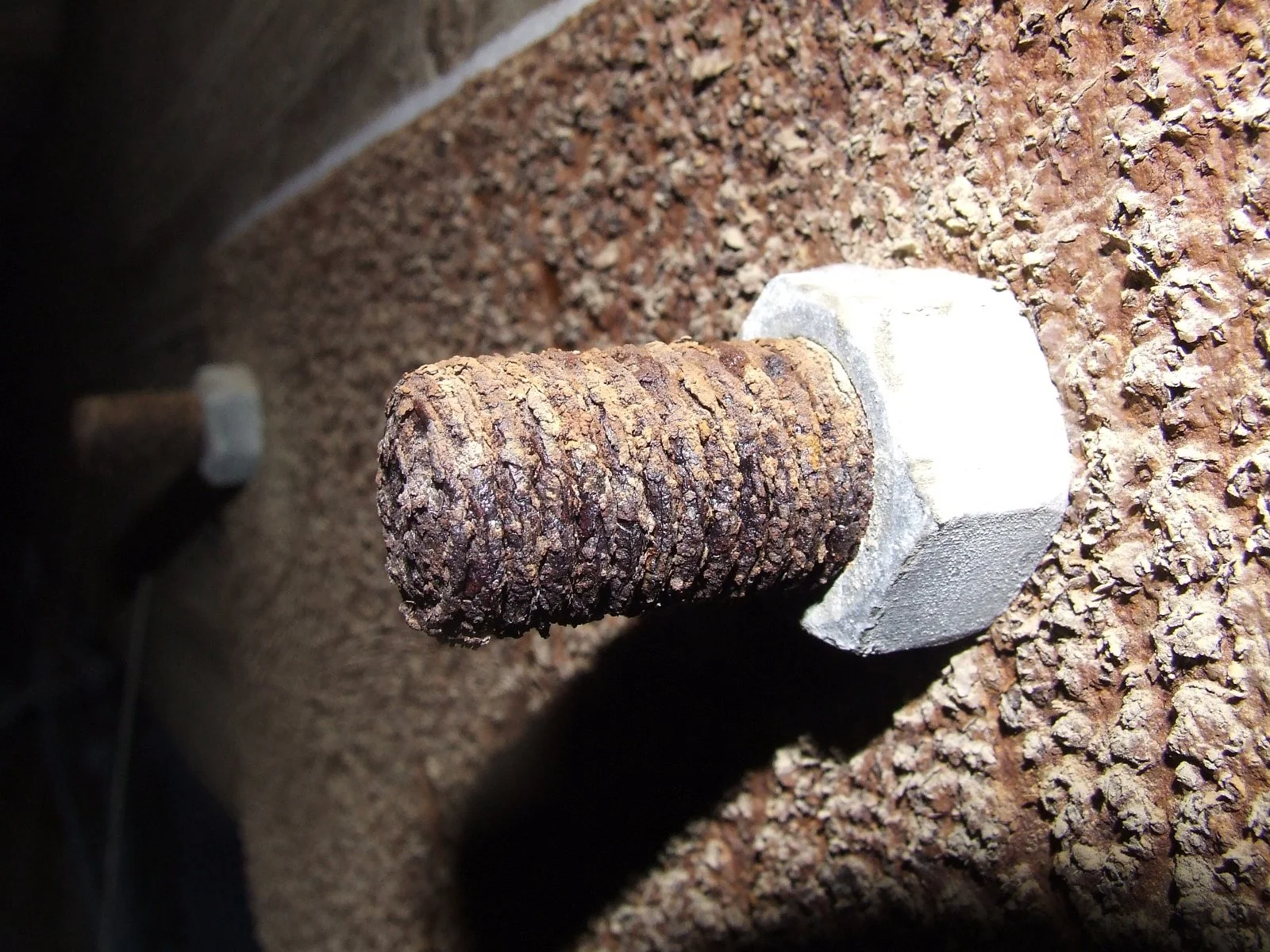
Salt corrodes exposed metal on cars, bridges, etc.
Thester11 photo
Adapted from Robert Whitcomb’s “Digital Diary,’’ in GoLocal24.com
I hope that we get lots of rain in the next few weeks to quickly wash away the snow-and-ice-melting road salt that threatens to lay waste to plants along the roads. But maybe that’s not a good idea? Much of this salt will end up in bodies of fresh and salt water, whose ecosystems it will damage. Pray for the development of new environmentally friendlier melters that cost no more than salty ones. Made from plants?
Snow, however beautiful it can be when fresh-fallen, is a powerful dirt and pollution collector.
The Rhode Island Department of the Environment warns:
“As snow melts, road salt, sand, litter, and other pollutants are transported into surface water or through the soil where they may eventually reach the groundwater. Road salt and other pollutants can contaminate water supplies and are toxic to aquatic life at certain levels. Sand washed into waterbodies can create sand bars or fill in wetlands and ponds, impacting aquatic life, causing flooding, and affecting our use of these resources.’’
People are supposed to alert the agency if they want/need to dump snow in public waterways.
Given the gargantuan snowstorm of Feb. 22-24, Spring will be particularly polluted this year hereabouts as all this stuff melts and is dumped, often with little care.