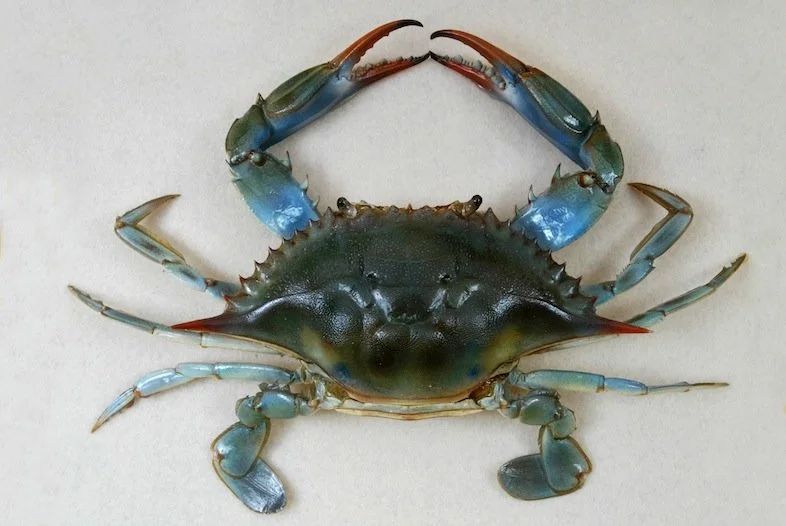
A fearsome Atlantic Blue Crab
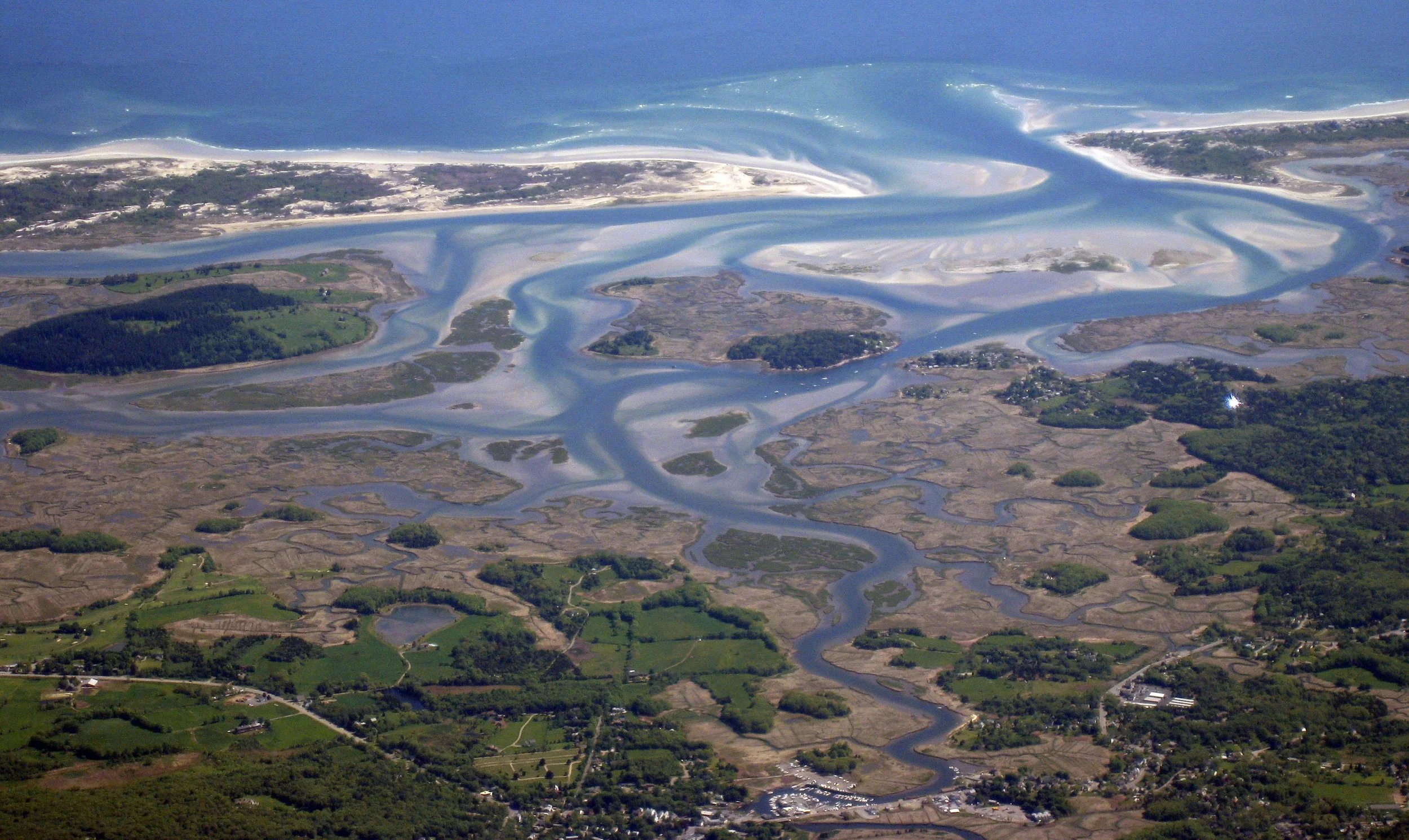
The Great Marsh in Plum Island, Newbury, Rowley and Ipswich, Mass.
— Photo by Doc Searls
Excerpted from an EcoRI News article
“Fear changes behavior. For a ribbed mussel clinging to a New England salt marsh, the presence of a blue crab nearby can mean eating less and holding tighter to the marsh platform, bracing for danger. The crab doesn’t even have to attack.
“That response — what scientists call a ‘fear effect’ — is at the heart of research by University of Rhode Island graduate student Maja Nielsen. A master’s student in URI’s Biological and Environmental Sciences program working with assistant professor of watershed ecology Shelby Rinehart, Nielsen is studying whether fishing-driven shifts change how ribbed mussels respond to the threat of predation.
“‘There’s some evidence that the fear effect may be even more important in determining ecosystem functions than the consumptive effect,’ Nielsen said, ‘because predators can scare a lot more prey than they can eat.”’