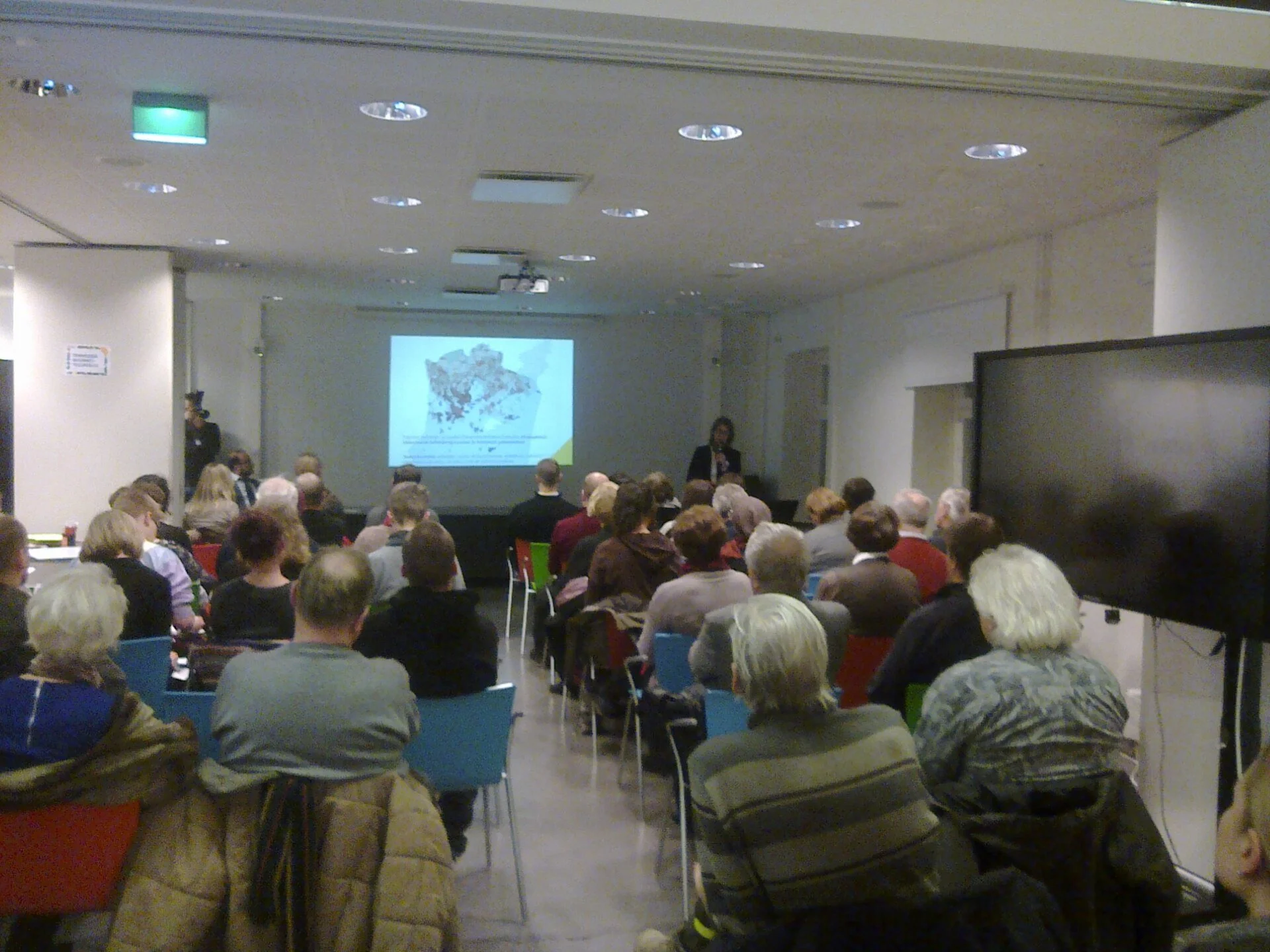
The public hears a plan.

1851 map
From The Boston Guardian (except image above)
(Robert Whitcomb, New England Diary’s editor, is chairman of The Boston Guardian.)
Whenever a new development project begins in Boston, under the infamous Article 80 review process, the public is afforded the opportunity to formally comment on it.
The Boston Planning Department (BPD), the city agency focused on urban planning and development, is responsible for stewarding that process.
But many stakeholders feel frustrated and unheard, across a number of projects throughout the city. And, as the department itself described in its 2025
Action Plan to modernize the development review process, the current system is “lengthy, opaque, and unpredictable.” A large part of the modernization is in fact aimed at improving “effective engagement” with the community.
So when a public comment is submitted, where does it disappear to?
“There are different ways that people can communicate. At public meetings, through Zoom, writing letters,” said Randi Lathrop, a long-time planning consultant and the former director of business development for the Boston Redevelopment Authority under the administration of Mayor Thomas Menino. The Authority evolved until it became the Planning Department in 2024.
“Neighborhood associations have gone on record as writing very detailed letters. And generally, organizations’ and neighborhood associations’ letters are looked at very seriously because they represent more people.”
The development review process also affords for Impact Advisory Groups (IAGs), specialized groups of residents and experts that developers, at least in theory, regularly consult for public input while drawing up plans.
A Planning Department (PD) spokesperson told The Boston Guardian that the dedicated project manager is responsible for collecting all public comments, delivering them to developers, and posting them publicly on the project’s webpage. Project managers then identify trends or common categories and share that information with other city staff participating in the review. Often, comments are sorted into a couple of categories. People submitting comments on the project webpage, for example, must list whether they support, oppose, or are neutral about the development.
“It’s all human evaluation,” Lathrop said.
“Project managers are supposed to go through those and share them with the developer and see if some of them are legitimate, or if some of them can be mitigated. Sometimes people are looking for mitigation. Traffic lights, sidewalks to be done, new lights to be done, donations to nonprofits, money to be donated to the Groundwater Trust. If a developer is building higher than zoning requires, they’re looking for mitigation for that. We took those letters very seriously.”
The spokesperson said that all city staff, beyond just the PD, who participate in the review of the proposed project make a holistic assessment of its impacts and its compliance with zoning, city policies, and planning documents. But residents don’t always feel that this process works. Steve Fox, a South End advocate who runs the South End Forum neighborhood organization and has frequently sat on IAGs for various projects in his neighborhood, said that the comment process had devolved over time.
“In the past, 10 or 15 years ago, developers were incredibly respectful of IAG points of view, and the [Planning Department] were very respectful of the community voice,” Fox said. “Over time, that has changed, and the PD has evolved to see itself more as the decision maker, rather than the collector of views and creating a plan that reflects more and more what the community wants.”
The city’s 2025 action plan for improving community engagement in planning involves “introduc[ing] modern methods of engagement to reduce barriers to participation,” such as quick text message-based opinion polls, starting the community process earlier and onsite, and replacing IAGs with longer term, trained Community Advisory Teams.