
Vox clamantis in deserto



Beloved elm tree turned into sculptures
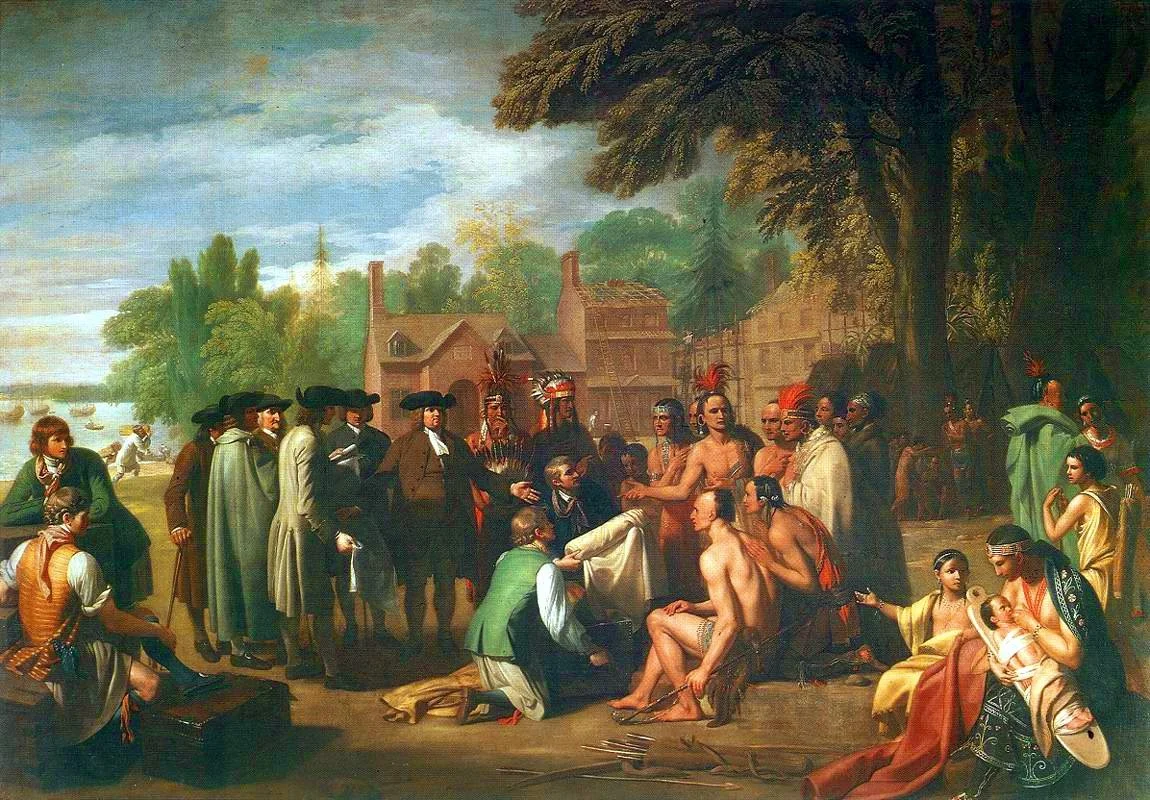
William Penn and Indians with treaty under a large elm in 1683, as shown in a painting by Benjamin West.
Excerpted (but not image above) from article in ecoRI News.
PROVIDENCE — Eiden Spilker’s adventure turning a 100-year-old elm tree into art was “sort of happenstance,” he said, or perhaps a series of happenstances.
Spilker, who graduated from Brown University in 2024, is a technical specialist and maker-in-residence at the Brown Design Workshop, where students and members of the community have access to sewing machines to 3D printers.
The artist had studied architecture and visual art at Brown and worked at the Design Workshop as a monitor when he was a student.
“I basically stayed on to sort of build out the woodworking area and be a resource for community members if they have questions about projects, to do more specialized workshops,” Spilker said.
While Spilker was studying at Brown and setting himself up for his first post-grad job, an elm tree with a gigantic canopy, a fixture on the university’s Main Green, was dying.
Estimated to be between 80 and 120 years old, the elm had escaped Dutch elm disease, the illness that had hit Brown and Providence’s other historic trees almost a decade earlier, and was instead falling victim to things greater than itself: time and humankind.
Air cover
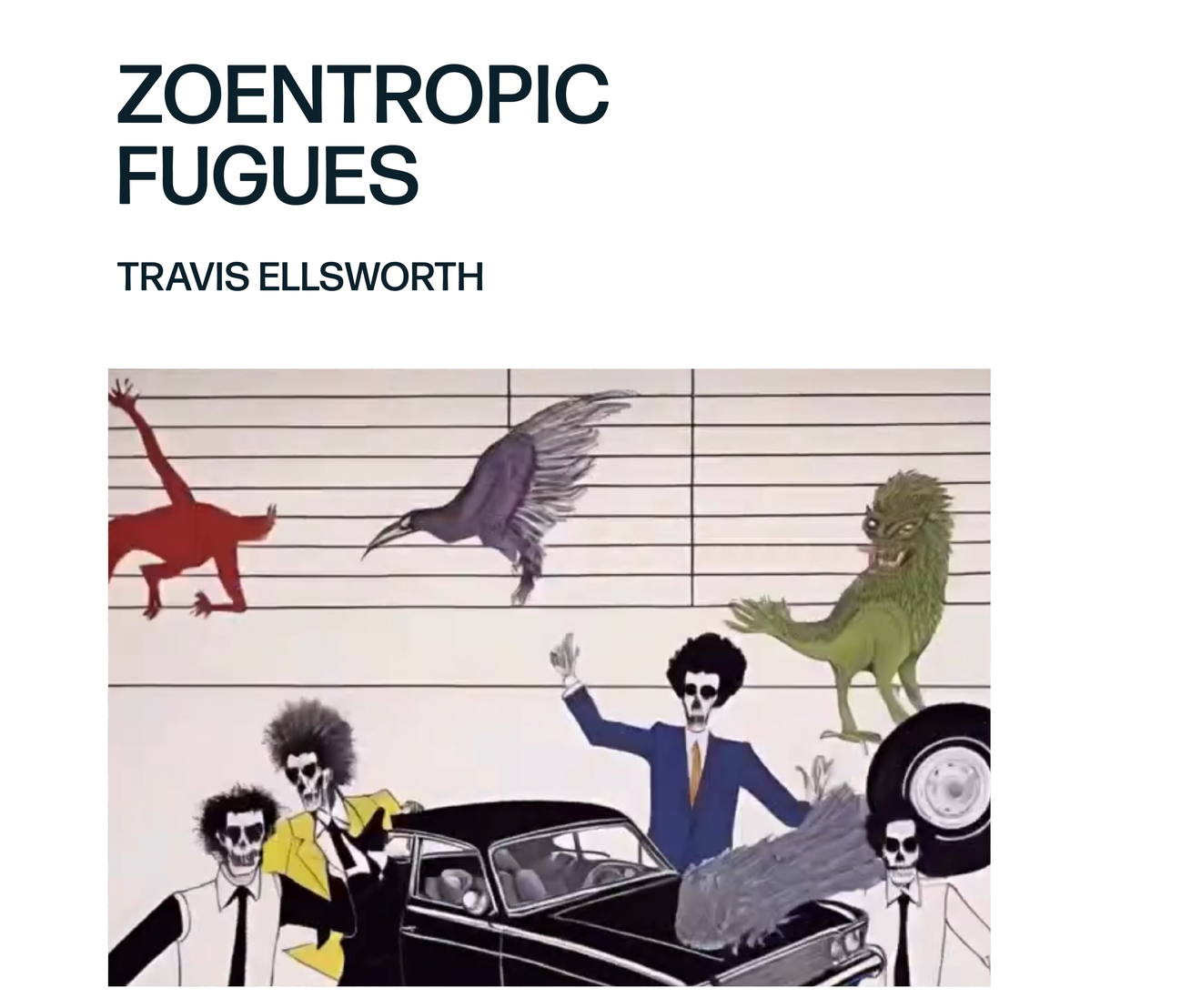
At the Thorne/Sagendorph Art Gallery, Keene, N.H. opening Feb. 5
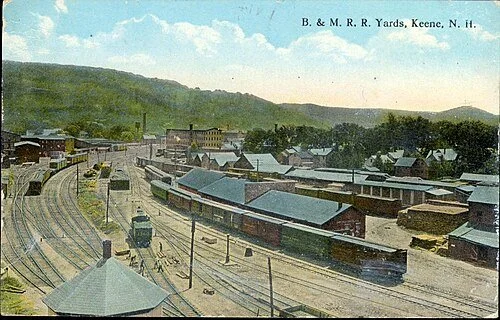
Boston & Maine Railroad freight yard in Keene, in 1916.
For Minn. street demonstrations; pay extra for gas mask
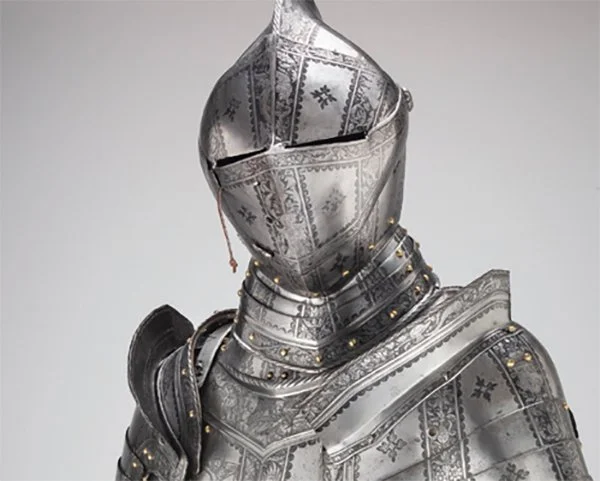
“Armor for Field and Tilt, of Count Franz von Teuffenbach (1516–1578) (steel, brass, lampblack, restored leather), in The John Woodman Higgins Armory Collection, at the Worcester Art Museum.
Denis O’Neill: ‘Melania,’ the ‘documentary,’ is cinematic sleaze worthy of Trump’s squalor

It’s exciting for me to know that the American president historians have ranked as the absolute worst can now add his first lady to that singular honor. With the release of Melania, the former Eurotrash party girl has leaped to the bottom of the First Lady Barrel, a perfect match for her bottom-of-the-barrel husband.
It is heartwarming that they met on Epstein Island. It was grifter love at first sight. He hadn’t become a convicted pervert in the State of New York at that point, but his pedophile instincts in Florida were no doubt known to Melania, and money and power to many has a romantic glow of their own.
And who wouldn’t want JePrey Epstein to be their cupid?
Just to get you up to speed on a few reviews of the documentary, The Hollywood Reporter called it “Two hours of endless hell.” The Atlantic described it as “A Horror Movie.” Maureen Dowd, in the NYT, said, “Some theaters showing Melania were so empty that wags suggested that undocumented Immigrants should hide out there.”
The Guardian described the movie this way (under the headline, “Trump film is a gilded trash remake of the Zone of Interest’’:
“...No doubt there is a great documentary to be made about Melania Knauss, the ambitious model from out of Slovenia who married a New York real-estate mogul and then found herself cast in the role of a latter-day Eva Braun, but the horrific Melania emphatically isn’t it. It is one of those rare unicorn films that doesn’t have a single redeeming quality. I’m not sure it even qualifies as a documentary, exactly, so much as an elaborate piece of designer taxidermy, horribly overpriced and ice-cold to the touch and … like a medieval tribute to placate the greedy king on his throne.”
Reviewers weren’t the only ones appalled by the on-screen dumpster fire. Rolling Stone reported that two thirds of the New York film crew asked not to be credited. In Australia, a country of 40 million people, reportedly one ticket was sold.
Knowing that humiliation is the Achilles tendon of the presidential criminal as much as praise is the balm, the universal mockery of the documentary cannot be enjoyed deeply enough.
Nor more richly deserved. I don’t know which country he will decide to bomb to decoy attention away from this social-media catastrophe, but the world’s ever deepening loathing for Donald Trump can only help peel away a few more inexplicable Trump admirers.
For the record, Melania’s first efforts as First Lady included paving over Jackie Kennedy’s Rose Garden. When I think of how many gracious and interesting First Ladies America has had in recent decades, and their admirable causes... from Jackie O (historic preservation) to Lady Bird Johnson (conservation) and Barbara Bush (family literacy), from Rosalynn Carter (mental-health advocacy) and Laura Bush (education, literacy and youth development) to Michelle Obama (reducing youth obesity) and Jill Biden (supporting military families)... the cementing of Melania Trump’s status as the worst of all time — a match for the fat felon she at least tries to avoid as often as possible – only makes the reaction to this spectacle all the more satisfying.
Denis O’Neill is a screenwriter, memoirist and the author of Whiplash.
Chris Powell: Corrupt is corrupt, no matter how many games UConn wins

Logo of the University of Connecticut’s athletic teams.
MANCHESTER, Conn.
Secret payments are contradictions of open, accountable and democratic government. They are the essence of government corruption.
Yet last year the Connecticut General Assembly and Gov. Ned Lamont authorized such secrecy. Why? Because it was sought by the University of Connecticut, which is often considered the fourth branch of state government and entitled to whatever it wants.
UConn's rationale for secret payments was ridiculous.
At issue are the de-facto salaries that UConn, like many other schools, has begun paying its varsity student-athletes amid the professionalization of college sports. That professionalization may be fair but it is destroying respect for the college game. The secrecy claimed by UConn will corrupt it.
At UConn's request the legislature and governor enacted an exemption to Connecticut's freedom-of-information law for the payments made by the university to varsity student-athletes as part of sports revenue sharing and for use of their “name, image, and likeness" in advertising. The university says it will disclose the total of these payments and the number of student-athletes receiving them but not individual payments.
“This exemption," UConn Athletic Director David Benedict told the legislature, “will allow student-athletes to maintain their privacy, increase compensation opportunities, and avoid the competitive disadvantages that would occur if Connecticut universities were required to share contract details."
Privacy? How can there be privacy for student-athletes who play before huge crowds, often on television, become the subjects of news reports about their performance, and are followed and admired by millions?
How can there be privacy for student-athletes who hope to parlay their publicity into even more lucrative opportunities in commercial endorsements and the big leagues?
Actual privacy would kill college sports and student-athlete careers.
As for “competitive disadvantages" to UConn if its payments to student-athletes are disclosed, the same argument could be made in respect to all other government employees in Connecticut, whose salaries, thankfully, have not yet been concealed in the name of “privacy." Everyone in government might like his/her salary to be secret. The government itself might like it too, since concealing salaries and other payments would prevent ordinary accountability.
For example, UConn might not want the public to know how its payments to men and women student-athletes compare, nor how payments among members of the same team compare, lest the public sense bad judgment, unfairness, or nepotism and demand answers.
UConn doesn't want to conceal its payments to student-athletes for their sake but for its own.
The university's new exemption from FOI law will facilitate unfairness, unaccountability, and corruption and be a disastrous precedent. The legislature and the governor should repeal it. Corrupt will be corrupt no matter how many games UConn teams win.
THE UNREAL McCOY: Having given up on politics across the state line, former New York Lt. Gov. Betsy McCaughey -- pronounced “McCoy" -- has declared her candidacy for the Republican nomination for governor of Connecticut, where she grew up and to which she has returned, insofar as Greenwich is technically still part of the state.
McCaughey's political life has been erratic. Her governor in New York, George Pataki, a Republican, dumped her, whereupon she became a Democrat and challenged him, only to lose the Democratic primary and then run on the Liberal Party line with even less success. She has supported President Trump and lately has hosted a program on the conservative cable television network Newsmax.
There is speculation that with Trump's endorsement McCaughey could win the Republican primary for governor, whereupon Trump's enthusiasm for her would doom her in the election, but might win her a job in Washington.
In any case McCaughey's opening gambit is tedious. She pledges to repeal Connecticut's income tax, which raises about half the state government's revenue. Voters have dismissed such pledges before, since they are easy to make and impossible to fulfill without massive cuts in state and municipal spending.
Specifying such cuts is where McCaughey should start if she wants to be taken seriously, and even then it will be hard.
Chris Powell has written about Connecticut government and politics for many years (CPowell@cox.net).
Watchful in winter
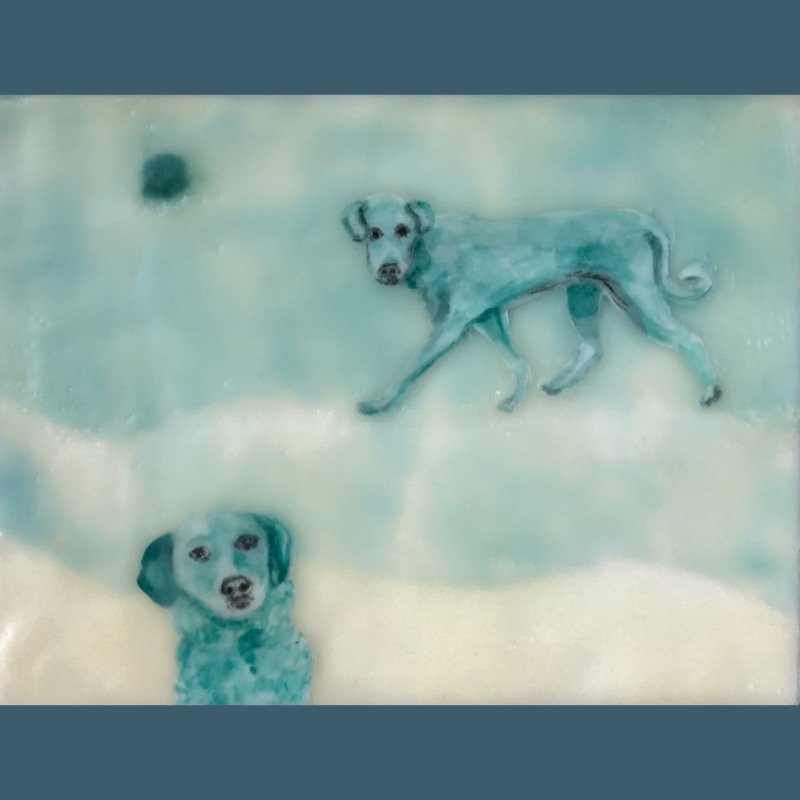
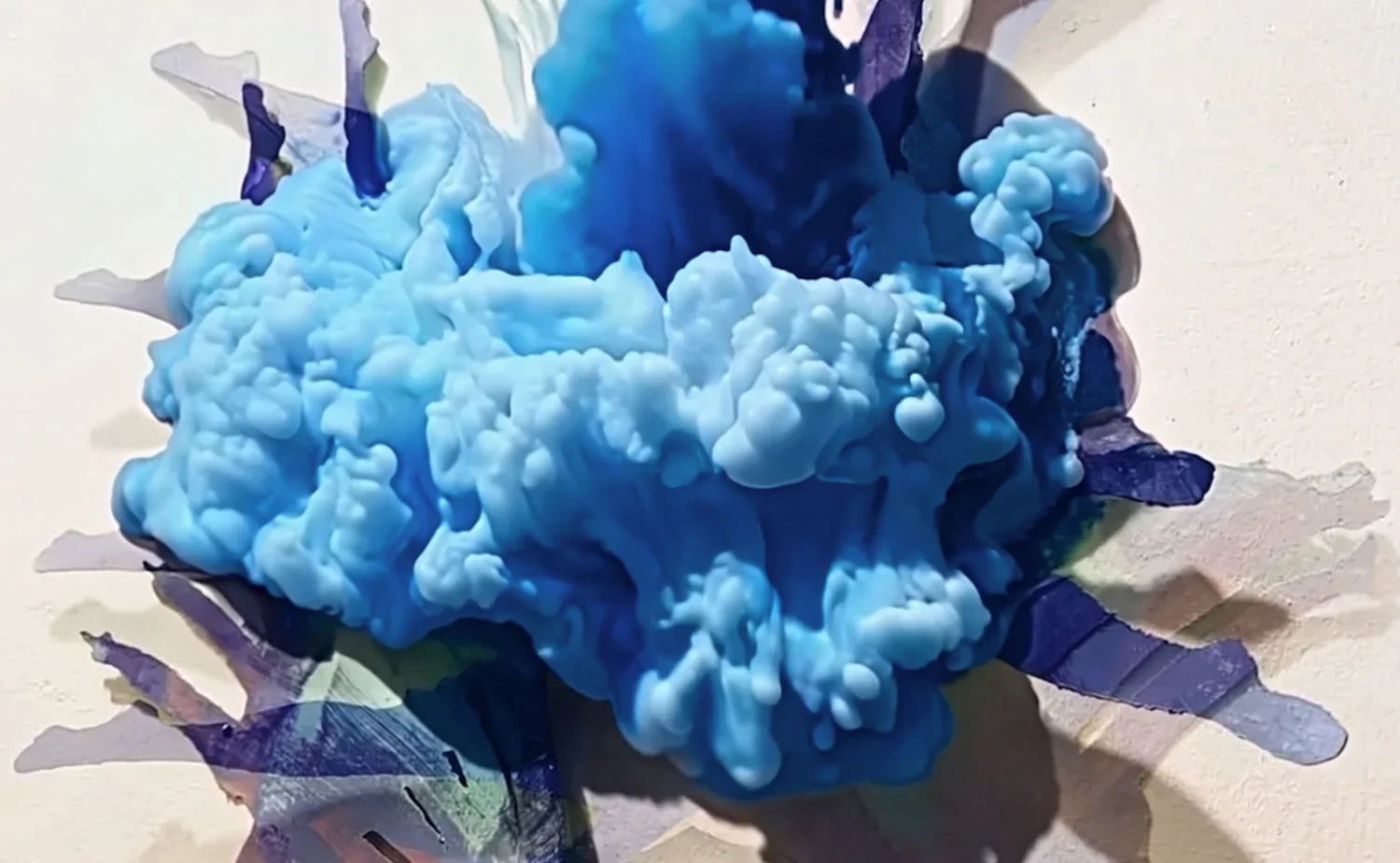
“Blue Dogs” (encaustic painting), by Nancy Whitcomb, a member of New England Wax.
Gerald FitzGerald: My love of literature survived brutal teachers
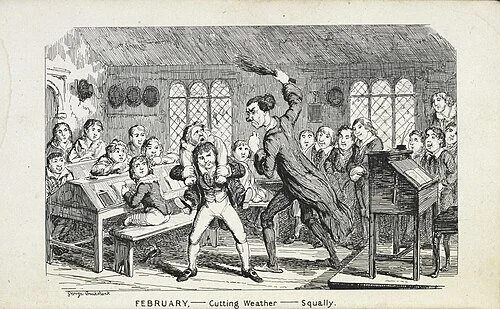
I took beginning French five years straight and never did pass. English was a subject I actually enjoyed, but I remember three English teachers mostly for their brutality.
The first was John P. Gibney, a handsome young fellow who taught my class freshman year at the all-boys Catholic high school, Bishop Loughlin, in Brooklyn.
At Loughlin, teachers changed classrooms each period, not students. Very early on Mr. Gibney came into noisy Room 205 proclaiming: “When I enter this room, silence reigns supreme.”
A few days later, Jimmy Clarke and I were yakking between periods and we didn’t notice Mr. Gibney enter the room. He walked over to his desk on the riser and loudly let fall his books. We looked up, still standing by our seats near the front. Mr. Gibney looked at me, then at Clarke. He extended an arm toward Clarke and moved his index figure in a curling motion. Jimmy’s face dropped its smile, forming a pretty good silent version of “Sorry, sir” as he complied with the signal beckoning him closer. I slipped into my seat and hoped for the best.
It happened so quickly I cannot tell you if Mr. Gibney threw a right or a left. He connected with Jimmy’s jaw, dropping him flat out on the floor. My stomach and legs fell away in fear. Jimmy had not known what was coming whereas I now considered myself fully informed.
Jimmy slowly gained his feet and moved to behind his desk, near mine. I was owned utterly by fear as if awaiting the firing squad. But Mr. Gibney simply started the lesson. Perhaps he thought that he had gone too far, or perhaps he determined that a second assault would not be justified to prove his point. Or maybe that day I was just the luckiest kid in Brooklyn.
There was a big fellow in our class named James E. Freeman. Everyone called him by his last name only. He was very tall and muscular and had a large face and a shock of black hair. He looked just like Li’l Abner from the newspaper comic pages.
Freeman worked hard to make a favorable impression on Mr. Gibney. Seconds before class, Freeman would stack library books on his desk, such as War and Peace, works by James Joyce, poetry and plays. It was as if Freeman thought that the books would trigger Mr. Gibney’s interest, resulting in a literary conversation whereby Freeman might shine and impress. I recall that the teacher once picked up a volume but laid it right back down without stopping. I could not see if he did it with a smirk.
But, once, in the basement hall outside the cafeteria I heard the most gratuitously harsh words spoken by teacher to student. Mr. Gibney was extolling the Irish love of theater when Freeman interjected with his desire to visit Ireland one day and perhaps gain a job working at the legendary Abbey Theater, in Dublin. Mr. Gibney looked directly at Freeman, saying slowly: “Freeman, they wouldn’t let you clean the urinals at the Abbey Theater.”
None of us said another syllable. I watched the hope drain from Freeman’s face. I had neither the brains nor the heart to embrace Freeman or to take a swing at Gibney.
J.E. Freeman apparently grew up in Queens without his father and joined the Marines after high school. He served until he was 22, when he revealed his sexuality and was discharged. He claimed that he was present for the Stonewall Riots, in Greenwich Village, in 1969 and I believed him. He became a professional actor, with roles in such movies as David Lynch’s Wild at Heart, the Coen Brothers’ Miller’s Crossing, Alien Resurrection, with Sigourney Weaver, and the film Patriot Games, based on Tom Clancy’s novel with the same name. He was also kind and caring toward my eldest daughter, Megan, when she tried to break into Hollywood. He died at 68 after having been HIV-positive for 30 years and self-publishing some admirable books of his poetry.
Then there was my other English teacher at Loughlin, Brother Basilian. He was tall and fairly lean, had thinning white hair, and he was clergy -- kind of a male nun with a vertically split starched bib beneath his chin above his long black cassock, the costume of a La Salle Christian Brother.
Brother Basilian’s idea of teaching sophomore Shakespeare was to sit at his desk reading aloud all parts to Julius Caesar. I am happy to note that as a man I have avidly read, no thanks to Basilian, every word known to be written by Shakespeare, as well as many only thought to be written by The Bard.
But at the moment in question, I was utterly bored. My desk was second-to-last in the second row, as I recall. One desk ahead of me, and to my left, sat my classmate Christopher Kenney, surreptitiously reading a Superman comic held on his lap just below Brutus and the gang. In the softest whisper I could make I began to speak:
“Christopher Kenney, this is your conscience speaking.…”
Then, stretching the syllables of his name:
“Chrissss…to..pherrrr Kennn…ney, this is your conscience speaking…” Even from behind I could see Chris’s smile push up into his cheeks.
Suddenly came an unwelcome query:
“WHO IS THAAAAT?” came a wildly abrasive voice from the lips and beet-red cheeks of Bro. Basilian, He slowly rose, his eyes flaming.
Now, he was at the head of my row, swaying side-to-side, striding obsessively toward me down along the aisle.
“IS THAT YOUuuu, FitzGerald?”
He was upon me. He slapped me where I sat, striking my left cheek with his open right hand, twisting my head and neck violently to my right, and then smashed his left hard against my right cheek to send it back. Then his right again to my left cheek, and then his left again to my right cheek. He moved to the rhythm of a butcher. He swung his right open-hand hard and fast toward my left cheek again. I moved my head backward, causing him to miss me completely; his momentum carried him face down across my desk.
Briefly, I caught sight of the frozen, open-mouthed faces of my classmates gaping at Basilian lying across my desk like a roast on a platter. I reached for the hem of his black cassock and pulled it up over his covered black trousers. Then, with a small smile, I whacked his rump in a spanking gesture. The crowd exploded! The cheers and laughter must’ve been heard throughout the entire floor of the building, if not beyond. It was, at that moment, the pinnacle of my life.
Sputtering, the brother clumsily got to his feet, picked me up with both hands and threw me several desks up the aisle. Then did the same again. I finally grabbed the handle on the classroom door and heard him tell me to report to the principal.
Eventually, Loughlin bade me farewell -– unrelated to this incident — and I entered senior year in public school.
The last of my high-school English studies was taught by a woman whose name I recall as Rose Ventresca. Hers was an Advanced Placement class and, of course, I was the new kid in a room half-filled with girls, for the first time since my eighth grade. One early class reintroduced my old pal Shakespeare. Today I take great pleasure reading his sonnets regularly with the authorial tutelage of the late Helen Vendler via her fabulous study, The Art of Shakespeare’s Sonnets.
Our homework for the day of Ms. Ventresca’s class was to briefly explicate each of two sonnets on alternate sides of a loose-leaf page. I have no memory of either sonnet.
The next day I was the first called upon to discuss The Bard’s effort. What I had written to try to explain the first sonnet was right on the money. Ms. Ventresca was thrilled. Her joy at my explication bubbled through the room. I felt enormously proud.
“Read your next explication, please,” Ms. Ventresca commanded. Eagerly, almost boldly, I leapt to fill the air with golden commentary. My eyes never left the page until I was finished reading aloud. I looked up with a broad smile and saw that Ms. Ventresca had shrunk into something vile and withered. There was only foul, frightening silence, soon broken by the brittle, sharp slicing of her teeth and tongue.
“What have you done, you cheating, monstrous fraud? From where did you steal that first, brilliant essay? You cheat! You never wrote that first explication. It’s not possible you could be so right then only to be so wrong! You copied the first one you read from some book. No one could write that and then write such a worthless take on the second sonnet.”
“I am not a cheat, I did not cheat or copy anything,” was all I could stammer back to her wholly false accusation. I have no other memory of any aspect of her class.
Poetry has helped pump my blood since my days cutting classes at Loughlin to spend hours alone wandering New York City memorizing pages of The Pocket Book of Modern Verse, listening to records in booths at the East 53rd Street public library or reading behind the stone lions at the monumental New York Public Library’s headquarters, at Fifth Avenue and 42nd Street, or riding the Staten Island ferry or sneaking into the subway or hiding within The Cloisters or relaxing in my special room at the Metropolitan Museum. If it was free I spent time there with poetry. My best friend, an usher, provided a free pass to Radio City Music Hall, where I sometimes watched three consecutive shows of pretty legs and movies – but always with a book close by.
I still have my books, including a 60-cent paperback of Robert Frost’s poems given to me as my 17th birthday present by my mom shortly after the murder of President Kennedy, for whom Frost was his favorite poet.
I rarely think of my English teachers. They had very little to do with my love of literature.
Gerald FitzGerald, a Massachusetts-based writer, is a former newspaper reporter and managing editor, assistant district attorney and trial lawyer.
Enough for now
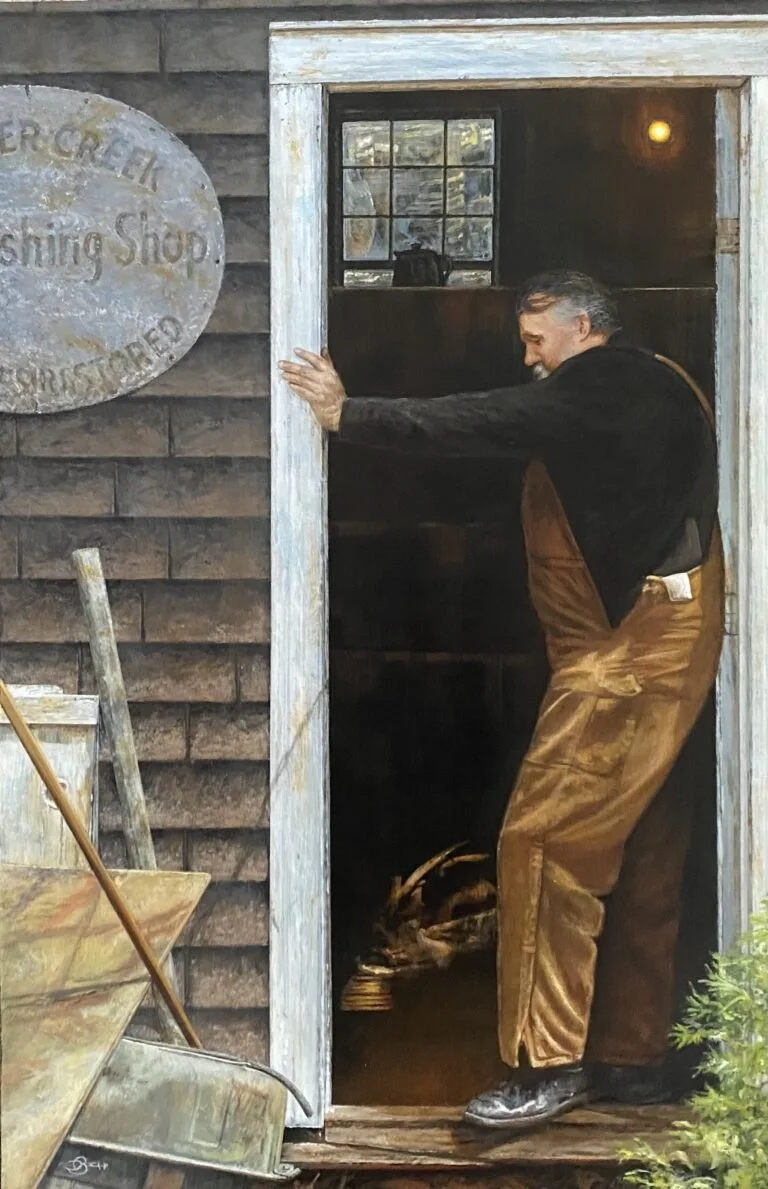
“A Good Day’s Work” (acrylic on panel), by
Del-Bourree Bach, at Copley Society of Art, Boston.
Jean Lesieur, 1949-2026
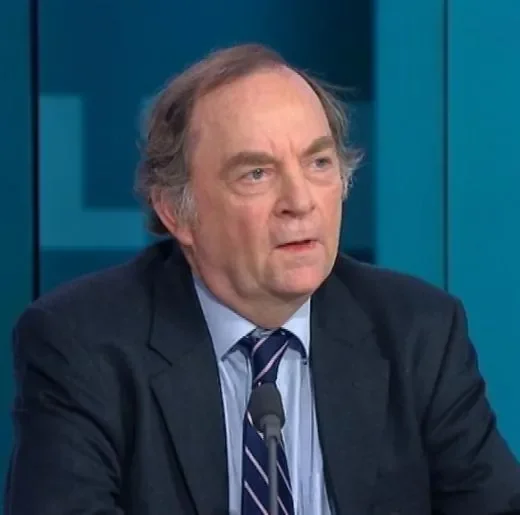
RIP, Jean Lesieur, famed and brave international journalist, novelist and friend of New England Diary, who has died of cancer in Paris at 76. My wife and I had known him and his family from early 1983 and and have met few if any people who were as impressive in character, intellect, curiosity, work ethic and, I especially note now, loyalty to his friends. And then there was his very funny dark humor.
— Robert Whitcomb
Friendly once you get to know him
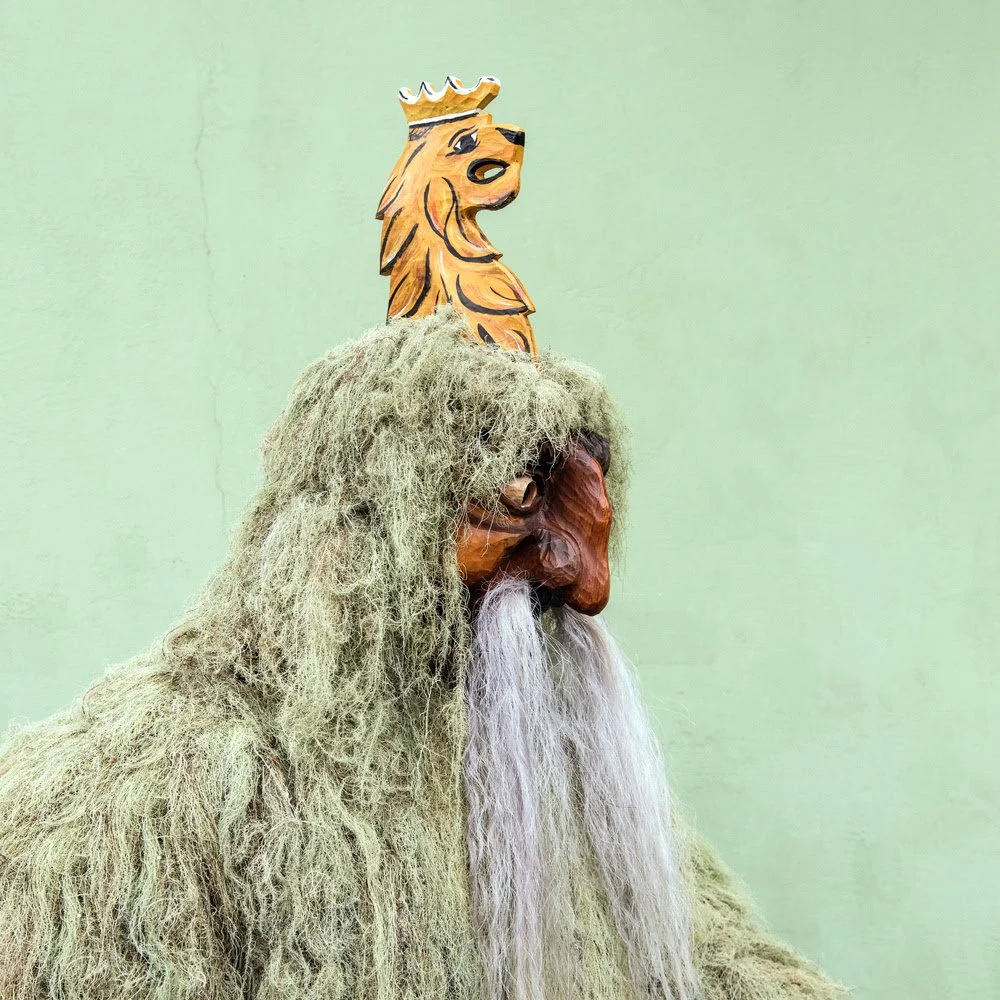
“Wilder Mann” (inkjet photographic print), by Jason Gardner, in the group show “Performative Stories,’’ at the Flinn Gallery, Greenwich, Conn., through March 3.
—Image courtesy of Flinn Gallery
The gallery says:
The show features the work of Dan Hurlin, Janie Geiser, Maiko Kikuchi and Jason Gardner. These four artists “employ colorful figures and motion to express varied narratives.’’
“As creators, they ask that you as an audience member apply your imagination to complete their presentations. The works in this exhibition represent narratives that are not only told through words or images but enacted through physical movement and sensory transformation ... often blurring the lines between sculpture, installation, and performance art."
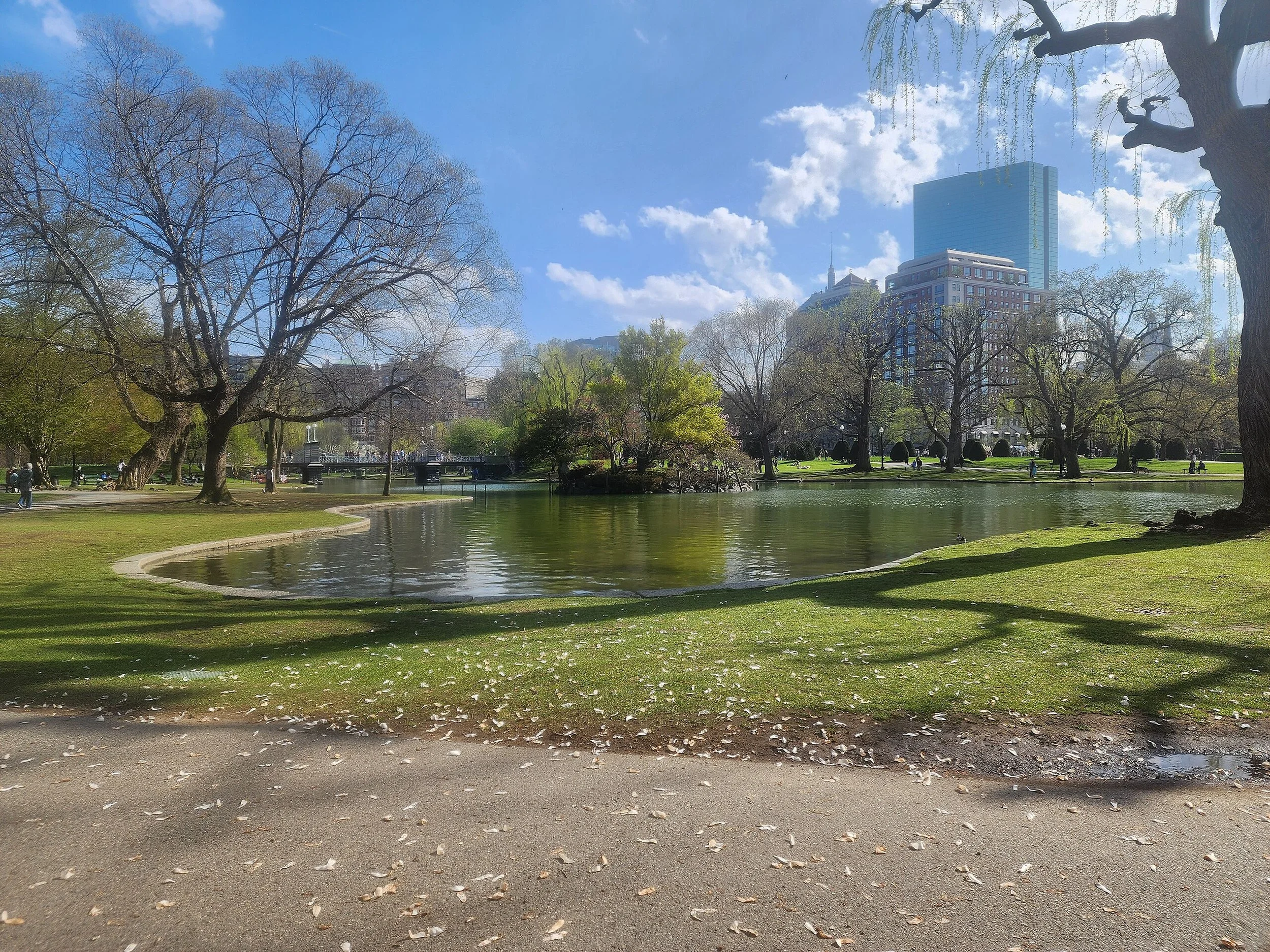
Orsted resumes contruction on windpower project off Rhode Island blocked by Trump
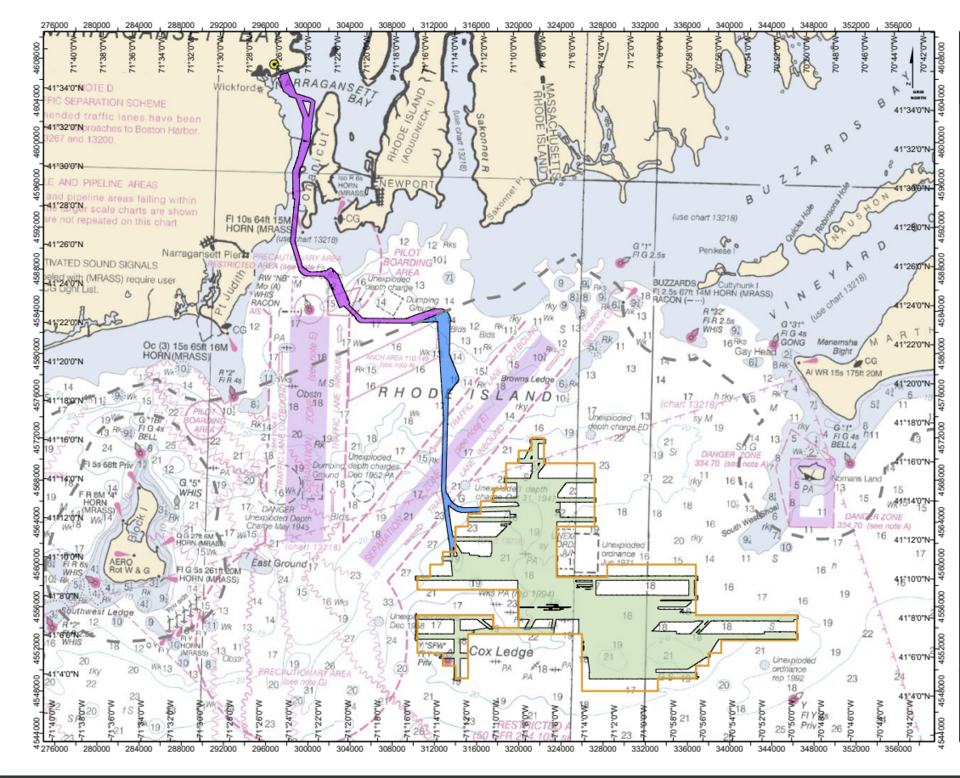
Edited from a New England Council report
BOSTON
Following a U.S. District Court decision overturning a federal stop-work order, construction has resumed on the Revolution Wind offshore wind project. The project — about 15 miles southwest of Point Judith, R.I. — is now more than 80 percent complete. It’s a joint venture of Ørsted A/S and Eversource Energy.
Resuming operations brings about 200 union workers, out of the 2,000 employed throughout the project, back to the construction site. The offshore wind farm had faced a stop-work order issued on Dec. 22 by the U.S. Department of the Interior’s Bureau of Ocean Energy Management.
{Editor’s Note: Donald Trump, tightly allied with the fossil-fuel sector, has sought to kill all coastal- and offshore-wind projects.}
“Safety remains the top priority as construction resumed,” said Meaghan Wims, spokesperson for Orsted A/S. Michael F. Sabitoni, general secretary-treasurer of the Laborers’ International Union of North America and president of the Rhode Island Building & Construction Trades Council, noted the significance of workers returning to the job site after the temporary stoppage.
Fading accents
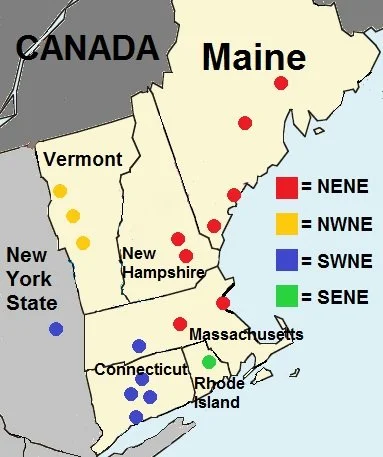
Different New England accents:
Northeastern (NENE), Northwestern (NWNE), Southwestern (SWNE), and Southeastern (SENE) New England English, as mapped by the Atlas of North American English, based on data from major cities.
Adapted from Robert Whitcomb’s “Digital Diary,’’ in GoLocal24.com
Prof. James Stanford, a linguist at Dartmouth College, has written about how old New England accents are declining, particularly in and around Boston, as the region’s population mix changes. If that means the demise of the harsh local accent in places like South Boston, and in the crime movies that try to mimic it, it’s music to our ears. But I hope that the soft, drawling Downeast accent stays, even as represented in the over-the-top Bert & I routines.
Hit these links:
https://global.oup.com/academic/product/new-england-english-9780190625658?cc=us&lang=en&#
https://www.youtube.com/watch?v=tCtOZF14nTc
Victorian vortex
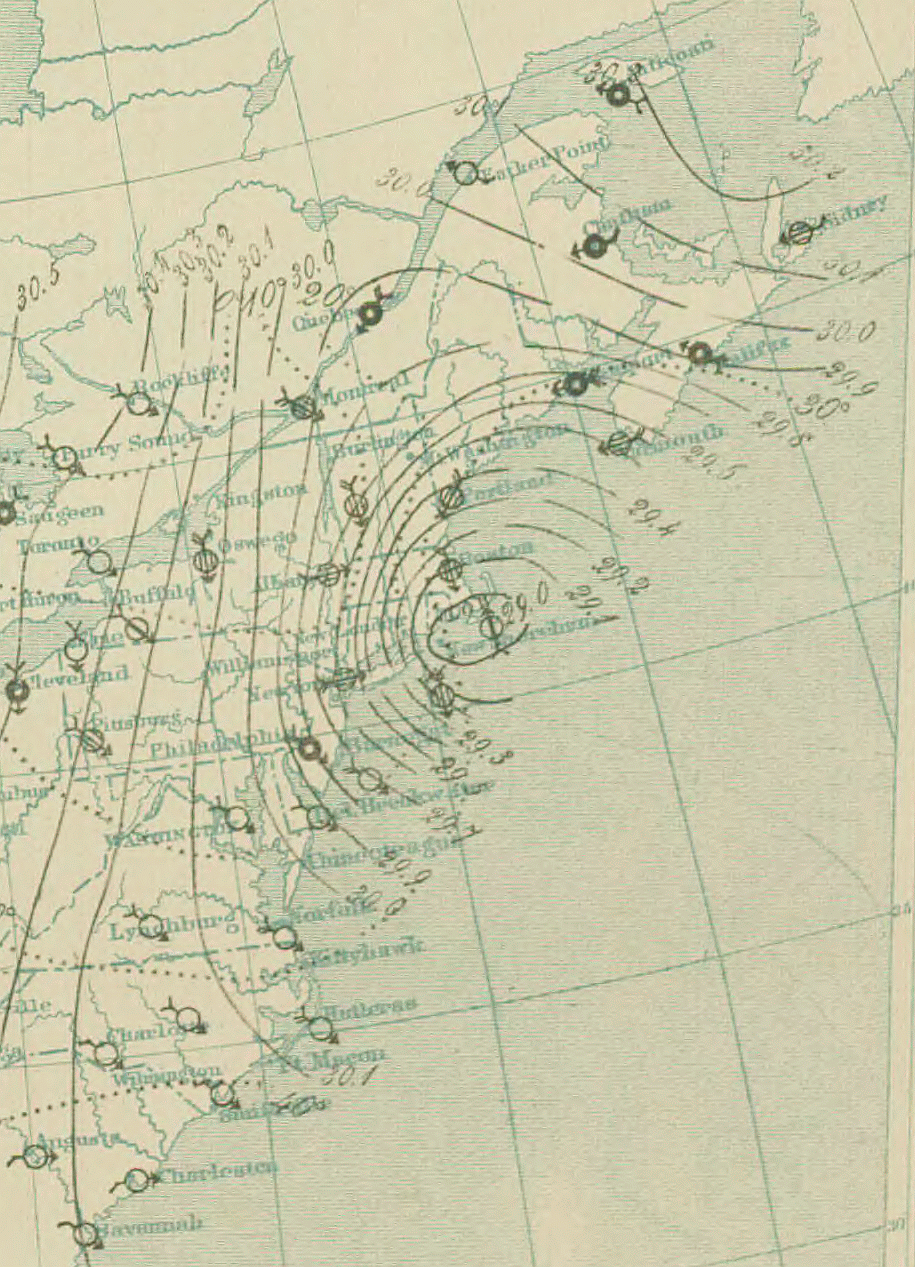
Surface weather analysis of the Great Blizzard of 1888 on March 12. For decades, that storm was the one that big Northeast snowstorms were most often compared with.
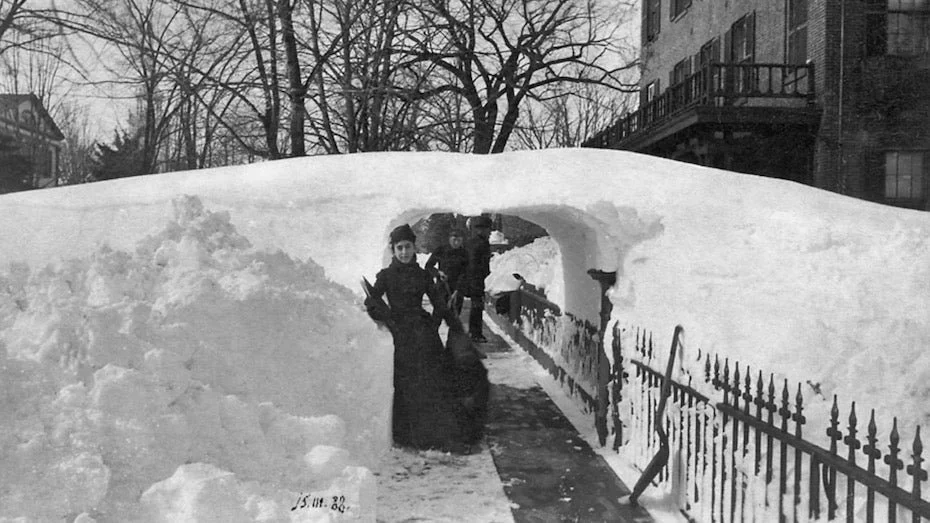
A snowdrift tunnel in Farmington, Conn., with six feet of headroom, after the Blizzard of ‘88.
Visual arts inspired by ‘Moby Dick’
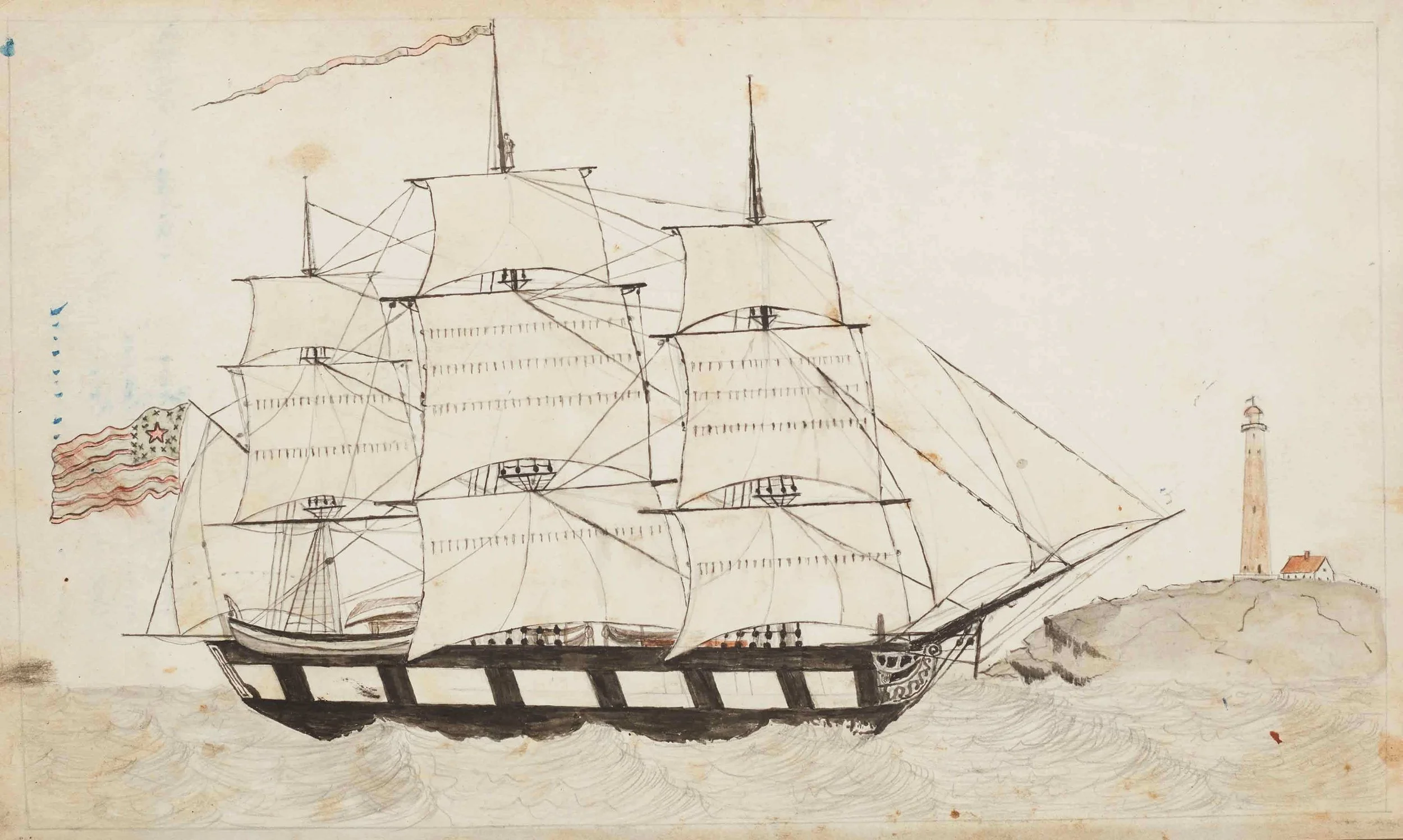
“Acushnet (Whaler),’’ from Henry M. Johnson logbook (1845-47) (ink pencil and watercolor on pencil), from the show “Call Me Ishmael: The Book Arts of Moby Dick,’’ at the Peabody Essex Museum, Salem, Mass., through March 29.
Edited remarks from the museum:
“The novel (Moby Dick) and its timeless themes continue to inspire artists, designers and creatives of all types. Its first sentence: ‘Call me Ishmael,’ is one of the best-known opening lines in all of literature.
“This is the first exhibition focused on the book arts of the hundreds of editions published since 1851: the illustrations, binding designs, typography and even the physical structure….The show explores decades of creative approaches to interpreting the novel visually in book form. It will shed some light on Herman Melville’s original inspiration and include a contemporary update through recent artists’ books, graphic novels, a translation into emoji and pop-up books.’’
Mathew Barlow/Judah Cohen: How polar vortex from the warming Arctic and warm ocean intensified our big winter storm
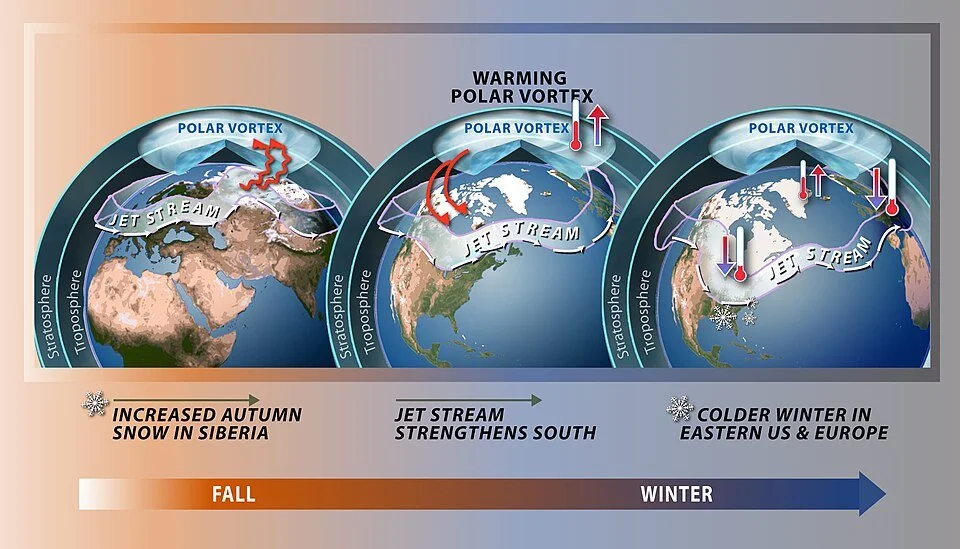
From The Conversation (except for image above)
Mathew Barlow is a professor of climate science at the University of Massachusetts at Lowell.
Judah Cohen is a climate science at the Massachusetts Institute of Technology
Mathew Barlow has received federal funding for research on extreme events and also conducts legal consulting related to climate change.
Judah Cohen does not work for, consult, own shares in or receive funding from any company or organization that would benefit from this article, and has disclosed no relevant affiliations beyond their academic appointment.
A severe winter storm that brought crippling freezing rain, sleet and snow to a large part of the U.S. in late January 2026 left a mess in states from New Mexico to New England. Hundreds of thousands of people lost power across the South as ice pulled down tree branches and power lines, more than a foot of snow fell in parts of the Midwest and Northeast, and many states faced bitter cold that was expected to linger for days.
The sudden blast may have come as a shock to many Americans after a mostly mild start to winter in many places in the nation, but that warmth may have partly contributed to the ferocity of the storm.
As atmospheric and climate scientists, we conduct research that aims to improve understanding of extreme weather, including what makes it more or less likely to occur and how climate change might or might not play a role.
To understand what Americans are experiencing with this winter blast, we need to look more than 20 miles above the surface of Earth, to the stratospheric polar vortex.
A forecast for Jan. 26, 2026, shows the freezing line in white reaching far into Texas. The light band with arrows indicates the jet stream, and the dark band indicates the stratospheric polar vortex. The jet stream is shown at about 3.5 miles above the surface, a typical height for tracking storm systems. The polar vortex is approximately 20 miles above the surface. Mathew Barlow, CC BY
What creates a severe winter storm like this?
Multiple weather factors have to come together to produce such a large and severe storm.
Winter storms typically develop where there are sharp temperature contrasts near the surface and a southward dip in the jet stream, the narrow band of fast-moving air that steers weather systems. If there is a substantial source of moisture, the storms can produce heavy rain or snow.
In late January, a strong Arctic air mass from the north was creating the temperature contrast with warmer air from the south. Multiple disturbances within the jet stream were acting together to create favorable conditions for precipitation, and the storm system was able to pull moisture from the very warm Gulf of Mexico.
The National Weather Service issued severe storm warnings (pink) on Jan. 24, 2026, for a large swath of the U.S. that could see sleet and heavy snow over the following days, along with ice storm warnings (dark purple) in several states and extreme cold warnings (dark blue). National Weather Service
Where does polar vortex come in?
The fastest winds of the jet stream occur just below the top of the troposphere, which is the lowest level of the atmosphere and ends about seven miles above Earth’s surface. Weather systems are capped at the top of the troposphere, because the atmosphere above it becomes very stable.
The stratosphere is the next layer up, from about seven miles to about 30 miles. While the stratosphere extends high above weather systems, it can still interact with them through atmospheric waves that move up and down in the atmosphere. These waves are similar to the waves in the jet stream that cause it to dip southward, but they move vertically instead of horizontally.
A chart shows how temperatures in the lower layers of the atmosphere change between the troposphere and stratosphere. Miles are on the right, kilometers on the left. NOAA
You’ve probably heard the term “polar vortex” used when an area of cold Arctic air moves far enough southward to influence the United States. That term describes air circulating around the pole, but it can refer to two different circulations, one in the troposphere and one in the stratosphere.
The Northern Hemisphere stratospheric polar vortex is a belt of fast-moving air circulating around the North Pole. It is like a second jet stream, high above the one you may be familiar with from weather graphics, and usually less wavy and closer to the pole.
Sometimes the stratospheric polar vortex can stretch southward over the United States. When that happens, it creates ideal conditions for the up-and-down movement of waves that connect the stratosphere with severe winter weather at the surface.
A stretched stratospheric polar vortex reflects upward waves back down, left, which affects the jet stream and surface weather, right. Mathew Barlow and Judah Cohen, CC BY
The forecast for the January storm showed a close overlap between the southward stretch of the stratospheric polar vortex and the jet stream over the U.S., indicating perfect conditions for cold and snow.
The biggest swings in the jet stream are associated with the most energy. Under the right conditions, that energy can bounce off the polar vortex back down into the troposphere, exaggerating the north-south swings of the jet stream across North America and making severe winter weather more likely.
This is what was happening in late January 2026 in the central and eastern U.S.
If climate is warming, why are we still getting severe winter storms?
Earth is unequivocally warming as human activities release greenhouse- gas emissions that trap heat in the atmosphere, and snow amounts are decreasing overall. But that does not mean severe winter weather will never happen again.
Some research suggests that even in a warming environment, cold events, while occurring less frequently, may still remain relatively severe in some locations.
One factor may be increasing disruptions to the stratospheric polar vortex, which appear to be linked to the rapid warming of the Arctic with climate change.
The polar vortex is a strong band of winds in the stratosphere, normally ringing the North Pole. When it weakens, it can split. The polar jet stream can mirror this upheaval, becoming weaker or wavy. At the surface, cold air is pushed southward in some locations. NOAA
Additionally, a warmer ocean leads to more evaporation, and because a warmer atmosphere can hold more moisture, that means more moisture is available for storms. The process of moisture condensing into rain or snow produces energy for storms as well. However, warming can also reduce the strength of storms by reducing temperature contrasts.
The opposing effects make it complicated to assess the potential change to average storm strength. However, intense events do not necessarily change in the same way as average events. On balance, it appears that the most intense winter storms may be becoming more intense.
A warmer environment also increases the likelihood that precipitation that would have fallen as snow in previous winters may now be more likely to fall as sleet and freezing rain.
Still many questions
Scientists are constantly improving the ability to predict and respond to these severe weather events, but there are many questions still to answer.
Much of the data and research in the field relies on a foundation of work by federal employees, including government labs like the National Center for Atmospheric Research, known as NCAR, which has been targeted by the Trump administration for funding cuts. These scientists help develop the crucial models, measuring instruments and data that scientists and forecasters everywhere depend on.
1929: Drive to the poorhouse in your own automobile
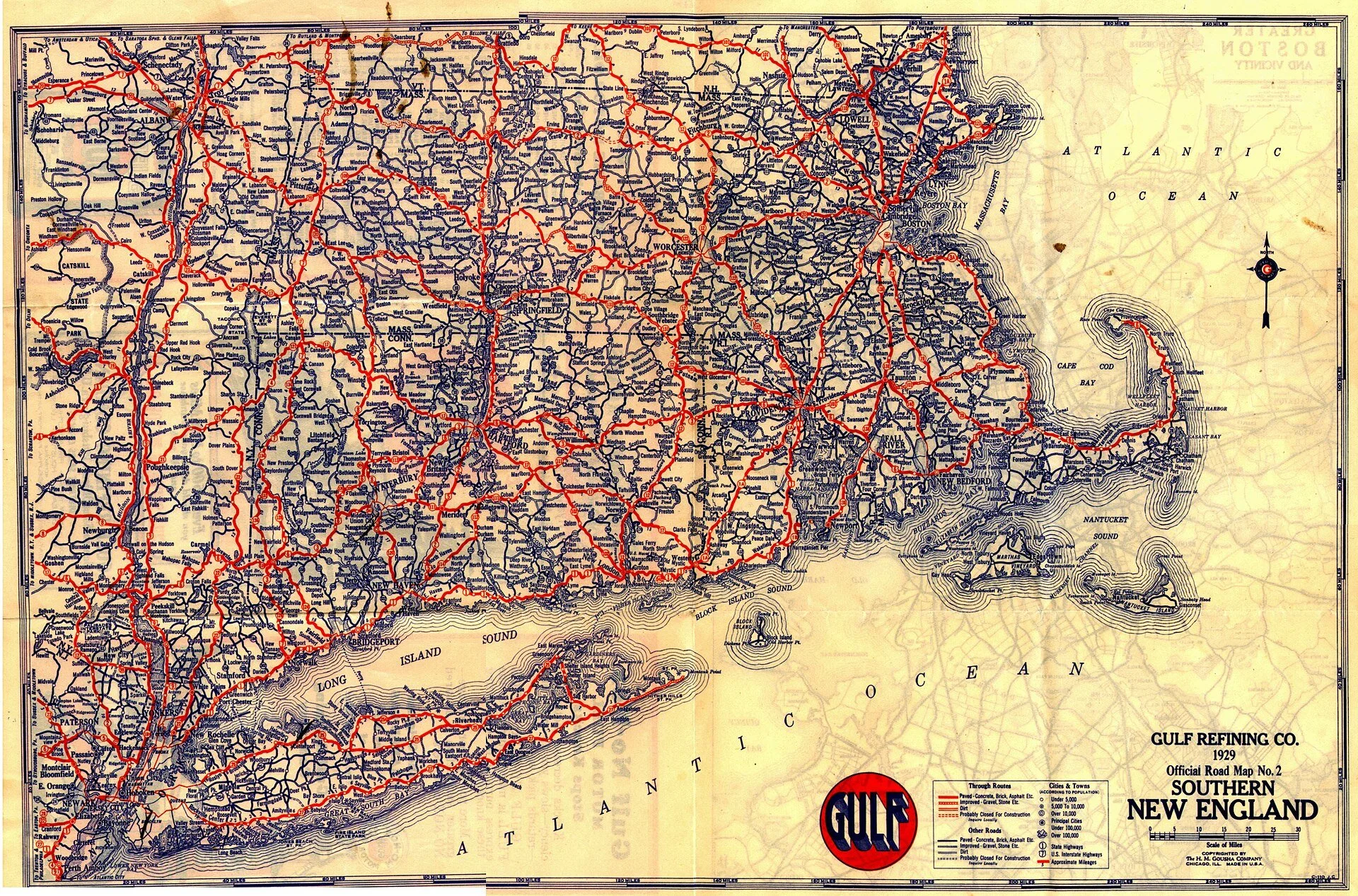
For Sunday drivers with chains on their tires.
‘Share what sustains us’
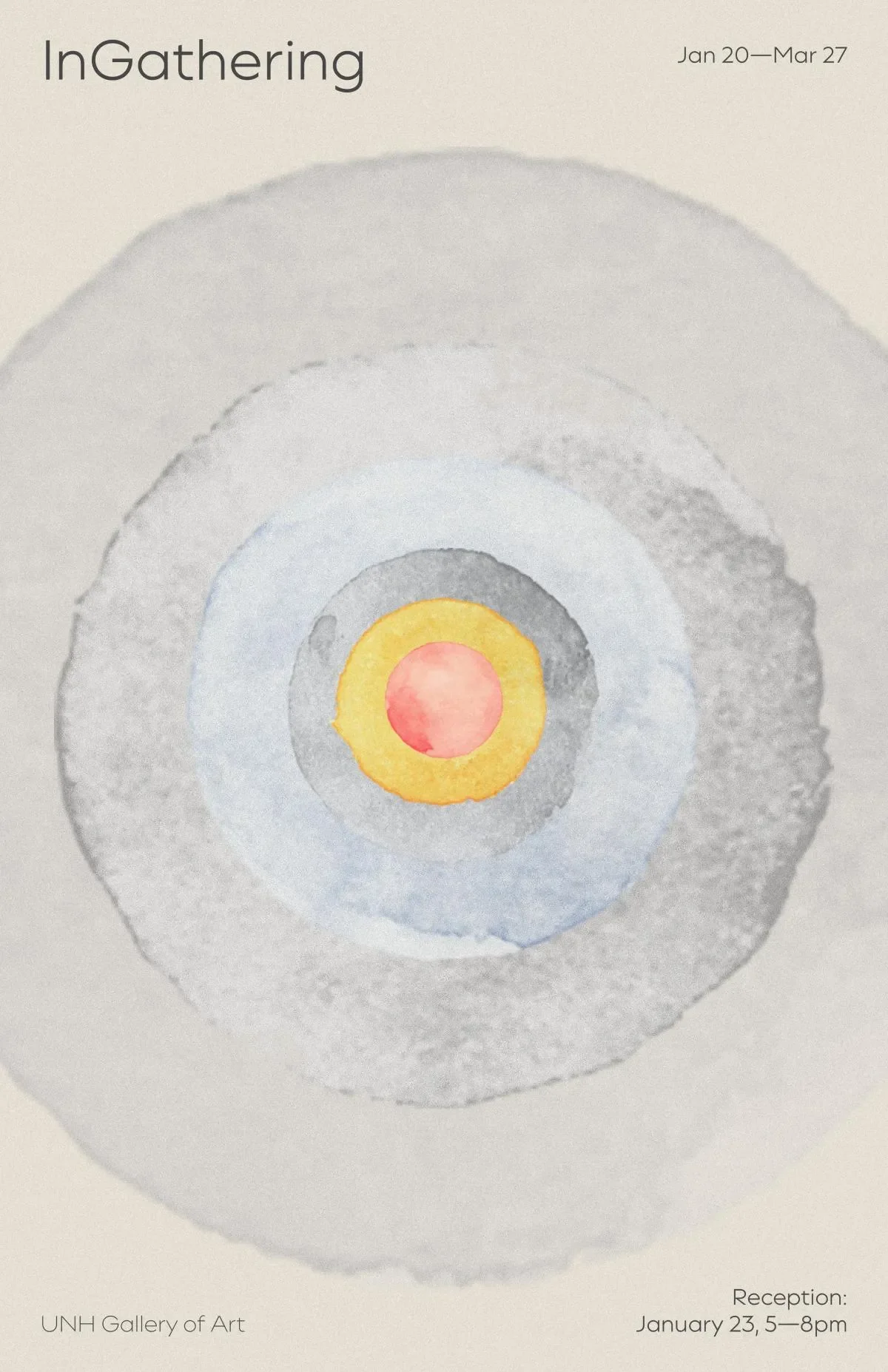
Poster for “InGathering” show at the University of New Hampshire Gallery of Art, Durham, N.H., through March 27.
The gallery says:
“There is a season for all things, and every season has its purpose. During this fallow season of winter, we gather for sustenance and warmth. We gather nuts and grains. We gather songs and stories. We gather memories. We gather light and color. We gather together for warmth and to share what sustains us.’’
‘Silence never won rights’
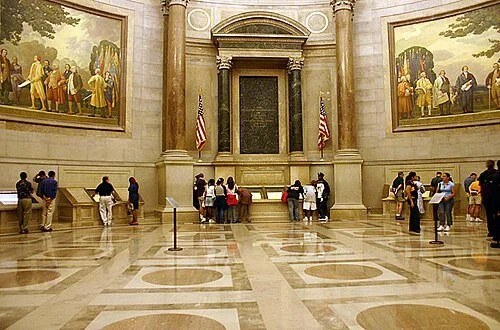
In the National Archives, in Washington, D.C., where the Constitution (including the Bill of Rights), the Declaration of Independence and other American founding documents are exhibited.
“So long as we have enough people in this country willing to fight for their rights, we’ll be called a democracy.’’
“Silence never won rights. They are not handed down from above; they are forced by pressures from below.’’
“The rule of law in place of force, always basic to my thinking, now takes on a new relevance in a world where, if war is to go, only law can replace it.’’
— Roger Nash Baldwin (1884-1961), Wellesley, Mass., native who co-founded the American Civil Liberties Union.
Electric impulses
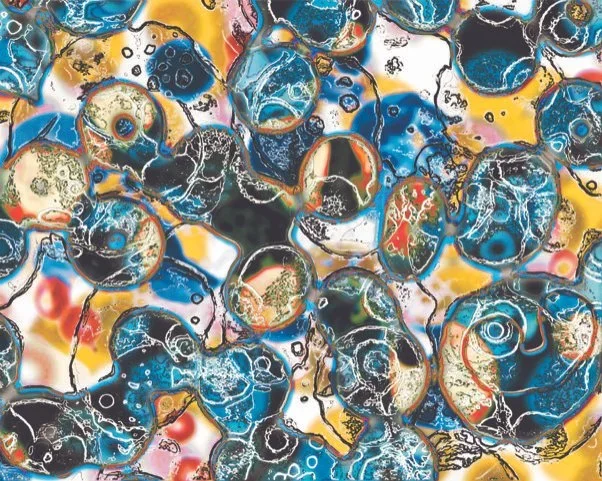
From Kate Henderson’s show “Electric Current,’’ at KLG/Kehler Liddell Gallery, New Haven, Conn., through Feb. 1
She says:
“As a creator, my impulses embody both a deep appreciation of nature as it exists, and an ever-present yearning for an ecstatic state. Aiming to bridge and ultimately reconcile these dualities, my work stands in subtle resistance against fundamentalism of all kinds, favoring an endless search for meaning across complex, multiple worlds.’’