
Down to essentials
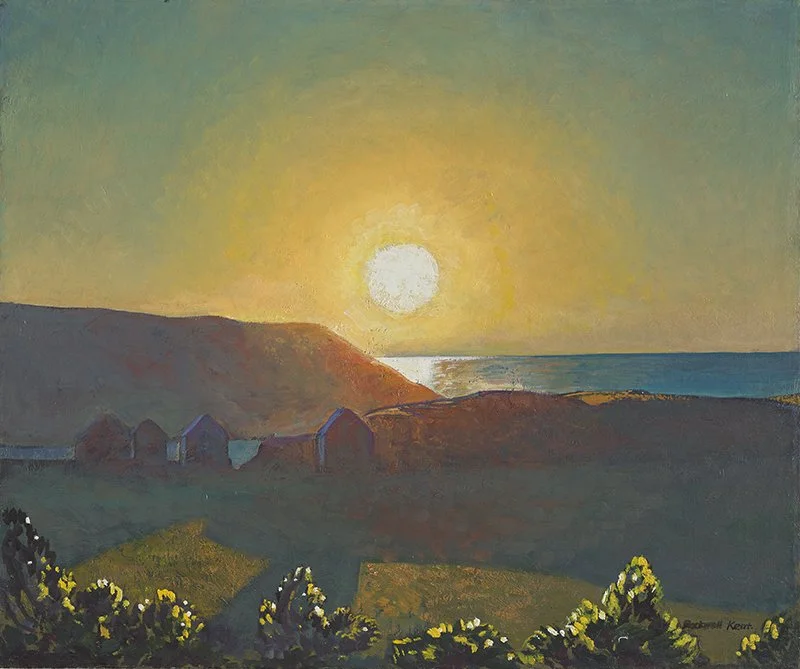
“Sun, Manana, Mohegan” (1907 oil on canvas), by Rockwell Kent (1882-1971), in the show “Art, Ecology, and the Resilience of a Maine Island,’’ at the Bowdoin College Museum of Art, Brunswick, Maine, through June 1.
Global Warming Throws off New England species

A Saltmarsh Sparrow. The species is predicted to go extinct in the next 15 to 20 years as rising sea levels flood marshes along the East Coast.
Text excerpted from an ecoRI News article
“This is part of an ecoRI News series called Wild New England . The region’s collection of native species is under threat on several fronts, most notably from humanity’s shortsightedness. Humans aren’t giving the natural world the space it needs and deserves. We’re crowding out non-human life, which, in turn, makes nature less productive and us less healthy. Wild New England examines the animals and insects most at risk.’’
“The work of Charles Clarkson, the Audubon Society of Rhode Island’s director of avian research, has documented the challenges birds face as the climate crisis increases the unpredictability of weather. Species that have timed their migratory movements over thousands of generations to coincide with gradual spring warming or autumn cooling are finding themselves out of whack with the plant and insect communities they rely on.
“This climate mismatch is leading to avian population declines, particularly with those species that undergo long-distance migration, such as the common yellowthroat, the wood thrush, and the American goldfinch.’’

U.S. is Perilously behind in rare earths Arena

A fine-grained volcanic rock (trachyte) that hosts rare earth elements niobium and zirconium, considered critical mineral resources. This rock was found on Pennington Mountain in Maine.
— Image courtesy of Chunzeng Wang, University of Maine-Presque Isle
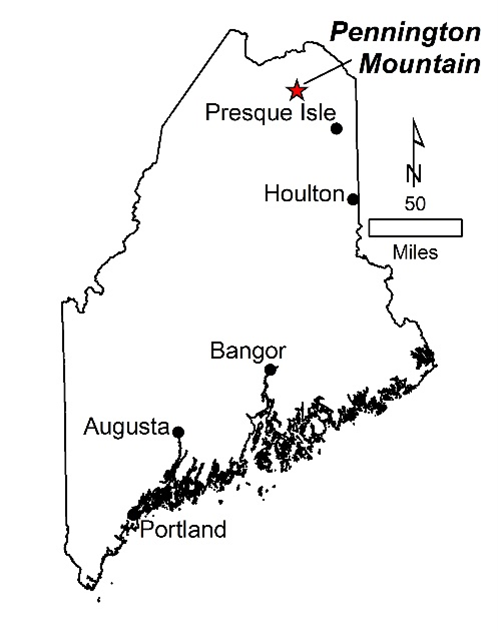
Geologists have identified Pennington Mountain as potentially a very important source of rare earth minerals, which are essential for key U.S. industrial sectors. Read Llewellyn King’s column on how America has failed by a long shot to adequately develop rare earth mining and processing.
Chris Powell: Welfare hides in Conn. Electricity Bills; toilets on the Green
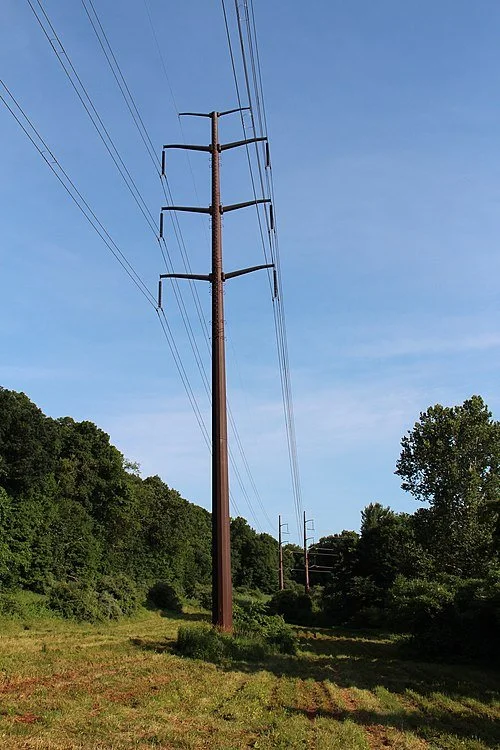
Electricity transmission line in Brookfield, Conn.
MANCHESTER, Conn.
Why should Connecticut's electricity grid be incorporated into the state's welfare system? Why are electricity users in the state who pay their own electric bills being charged extra to subsidize discounts for electricity used by poor people who don't pay? Why aren't those subsidies financed by general taxation?
Those questions were prompted by a recent report from Connecticut Inside Investigator's Marc E. Fitch, who discovered that the Low-Income Discount Rate Program of the state Public Utilities Regulatory Authority is giving $137 million in electricity discounts ranging from 10 to 50% to low-income electricity users. They are automatically enrolled for the discounts through the authority's data-sharing arrangement with the state Social Services Department.
Everyone classified by the welfare department as being poor in one respect or another is identified to the state's major electricity distributors, Eversource and United Illuminating, and then the companies are required to reduce bills accordingly.
The discounts are recovered through higher rates to everyone else.
This exploitation of electricity customers has been going on in Connecticut in various forms for a long time. The Low-Income Discount Rate Program, begun last year, is just the most extreme form, since, predictably enough, it has turned out to cost many millions more than estimated. The program is one reason why the “public benefits" surcharges on electric bills are so high.
Republican state legislators argue that welfare expenses should be transferred out of electricity bills and into the state budget. Democratic legislators, who hold a large majority in the General Assembly, oppose such transparency but have never clearly explained why.
That's why the questions reiterated above remain compelling even though their answers can be inferred. Democratic legislators like hiding taxes in electricity bills, for then the public blames the electric companies for high electricity prices instead of the mistaken and deceptive government policies that actually have driven them up.
TOILETS ON THE GREEN: Homeless people and their political advocates gathered at a school in New Haven the other day to berate Mayor Justin Elicker for not yet having turned the city's downtown green into a homeless encampment complete with plenty of sparkling-clean portable toilets.
The mayor was at the school to discuss his city budget proposal but dutifully explained that the portable toilets already installed on the green are hard to maintain because people sometimes use them for prostitution, drug injections, and disposal of hypodermic needles and other trash. Elicker noted that toilets in city libraries are free for the homeless to use. But maybe those toilets are not as suitable for everyone because libraries expect decent conduct.
Nevertheless, the homeless people and their advocates urged the mayor to add $500,000 to his budget for more portable toilets on the green.
Homelessness is a worsening problem in Connecticut. Part of it is the state's shortage of housing, the result of long-negligent state government policy, and part of it is the mental illness of the homeless themselves.
But Mayor Elicker isn't responsible for the problem. To the contrary, his administration is greatly facilitating housing construction in the city. Meanwhile Governor Lamont's administration plans a substantial increase in “supportive housing" for people recovering from addiction.
One of the homeless advocates berating the mayor the other day asked why the city doesn't get more money to spend by taxing Yale University, which owns much tax-exempt property in New Haven. The mayor said he'd like to tax Yale but the city doesn't have that authority. He might have added that state government, controlled by members of his party, has the power to tax Yale but for now has left the university as one of the few things in Connecticut that isn't taxed, and that the homeless might go to the state Capitol and ask about that.
Better still, the mayor also might have asked the homeless what they plan to do to help themselves and the city. They didn't volunteer to keep the portable toilets clean and as usual seemed to think that the world, or at least the city, owes them a living.
Chris Powell has written about Connecticut government and politics for many years (CPowell@cox.net).

A few years ago: Part of the New Haven Green, without homeless people or portable toilets.

Part of a panoramic view of The New Haven Green in a “souvenir folder" mailed in 1919. The New Haven County Courthouse is the building with six pillars, left of center.
William Morgan: Will this give MAGA design ideas?

I am forever searching boxes of postcards in antique stores and junk shops, looking for scenes of New England houses, villages, or landscapes. Imagine my surprise, when amidst a bunch of old Easter Bunny cards, Adolf Hitler appeared.
Like an horrific version of a commemorative first-day cover, this was postmarked less than a month after the Anschluss — the forced unification of Germany and Austria into “One People, One State, One Leader’’.
There must have been thousands of these cards ready to mail. The cards had stamps of both countries, but the German one packs punchier nationalistic realism, with two handsome Aryan youths waving the swastika flag.

There have recently been a lot of memes, satirical skits, and genuine concern about parallels between the current American presidency and 1930s Germany. For example, will the word Anschluss be resurrected if the United States invades Canada? After all, we are two former British colonies sharing (mostly) the same language and somewhat similar cultures, as do Germany and Austria.
Politics aside, Hitler’s propaganda machine had better designers than our current maximum leader has, and this relentless artificially tanned tyrannical toddler, with his Palm Beach Baroque gilded backdrops, will never be half as handsome as the 20th-Century’s maddest madman.
In any case, our wannabe strongman, like the unsuccessful Viennese art student, may well implode in a fiery Götterdämmerung.

Everything about Hitler is grotesque, yet his Wagnerian propaganda had a certain style that precluded clownish long red neckties
William Morgan is an architecture writer based in Providence, and author of numerous books, the latest of which is The Cape Cod Cottage (Abbeville Press). He’s a descendant of one of the Lexington Minutemen. The Battles of Lexington and Concord took place on April 19, 1775, launching the American Revolution.
Easter formal
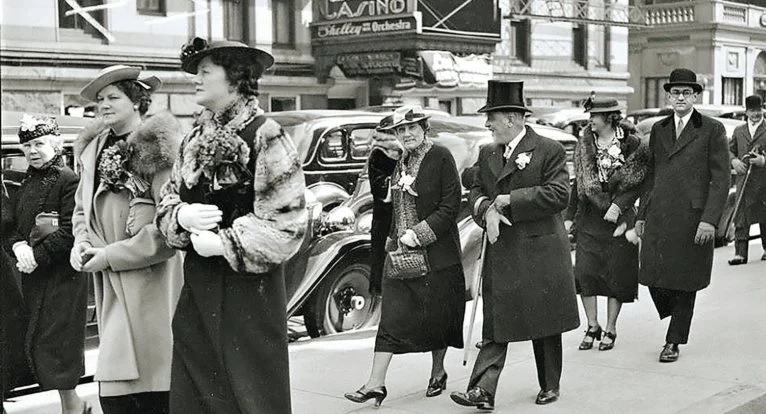
A heavily hatted Easter in Boston in 1940.
From Anthony Sammarco’s book Easter Traditions in Boston
“Having attended Easter Services at Trinity Church in the Back Bay, these people walked along Clarendon Street headed toward the Commonwealth Avenue Mall for the Easter Parade in 1940.
“Women wore hats and corsages, white gloves, and their coats had mink, ocelot, chinchilla, and fox furs. In the distance is the entrance to the Brunswick Casino in the Hotel Brunswick. The Casino, which in the early twentieth century was a popular place after dinner, was an elegant club with dancing to the Shelley Orchestra.’’
A safer bedmate?
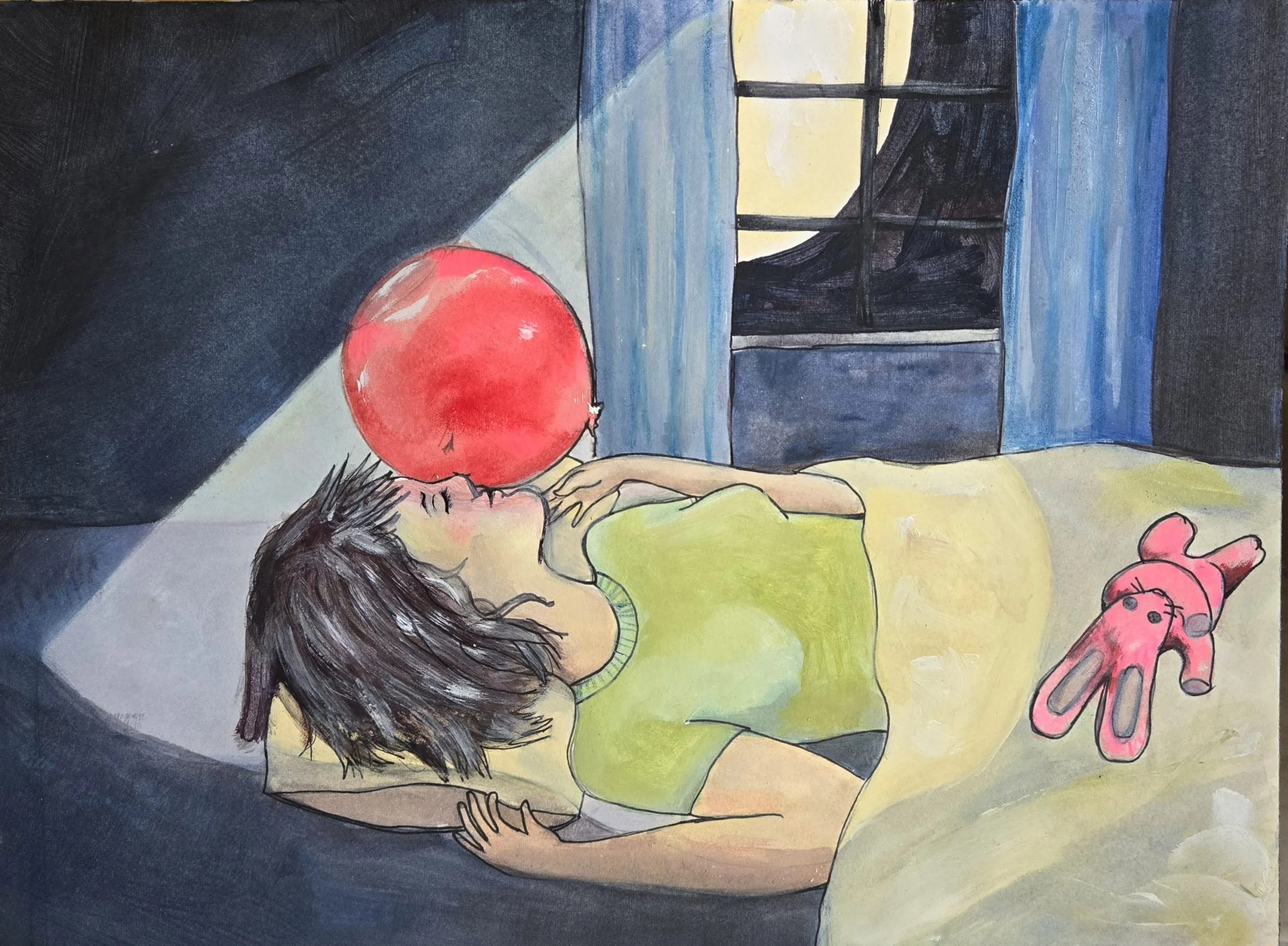
Work by Lulu Wiley in the group show “Spring 2025 Solo Exhibition,’’ at the Southern Vermont Arts Center, through June 22.
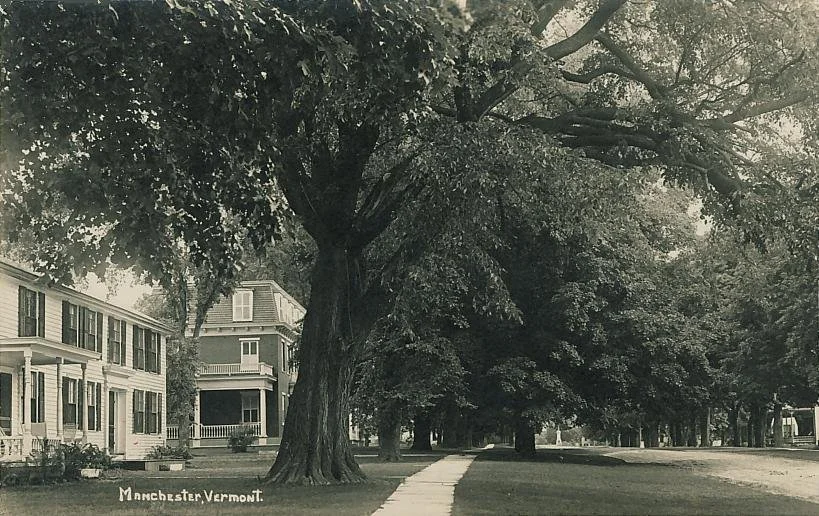
Bucolic Manchester in 1913.
Silken Engineering at Tufts

Silkworms
Edited from a New England Council report
Tufts University’s Department of Biomedical Engineering is pursuing new projects in its Silklab.
“With the help of silkworms, the lab is developing various materials to be integrated into traditional clothing, surgical implants and other novel applications.
“The researchers are also developing a underwater adhesive for shark tagging, and small drones that can detect COVID-19 in the environment.
“‘I think that the directions we pick are the most surprising, which means that they open up something fundamental, something that you’ve never seen on the surface before, versus something that could have a high impact, like early detection of breast cancer,’ said Fiorenzo Omenetto, the director of the Silklab.
“‘I think it’s nice to connect the unconnectable, so there’s maybe the magic of trying to bring what was biological into the technical world.’
“Silklab has also helped develop startups that work in silk innovation, including Sofregen, which uses silk to repair damaged vocal cords, and Vaxess, which develops silk microneedles for vaccine delivery.’’
And furthermore
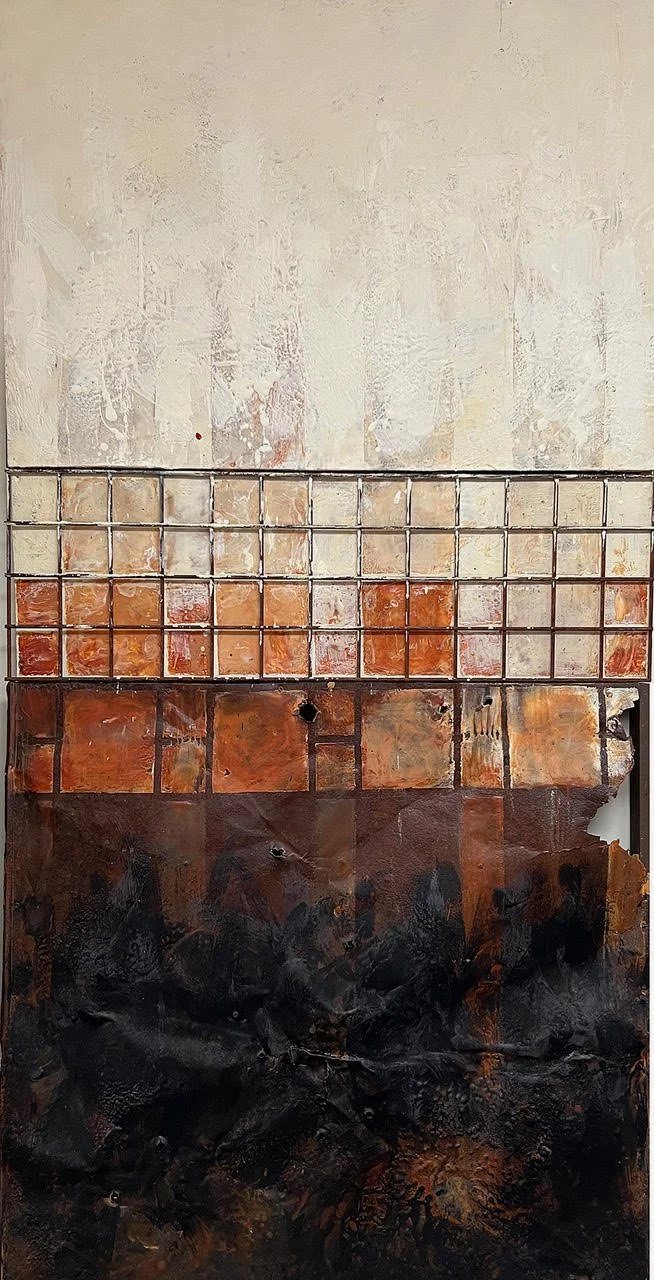
“Now and Then” (diptych with encaustic on the bottom metal and top wood with a metal grid), by Amherst, Mass.-based artist Sue Katz.
Karen Brown: Some painful Tradeoffs as concierge Medicine spreads Across primary care
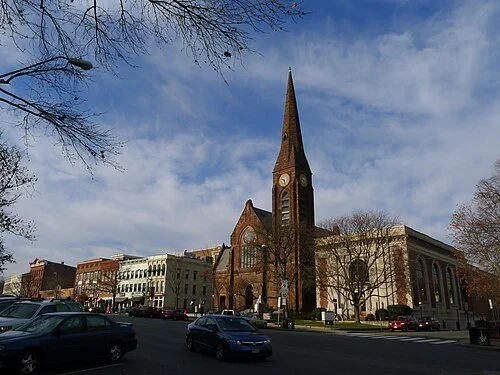
Main Street in Northampton, Mass.
Text from Kaiser Family Foundation Health News
Michele Andrews had been seeing her internist in Northampton, a small city two hours west of Boston, for about 10 years. She was happy with the care, though she started to notice it was becoming harder to get an appointment.
“You’d call and you’re talking about weeks to a month,” Andrews said.
That’s not surprising, as many workplace surveys show the supply of primary-care doctors has fallen well below the demand, especially in rural areas such as western Massachusetts. But Andrews still wasn’t prepared for the letter that arrived last summer from her doctor, Christine Baker, at Pioneer Valley Internal Medicine.
“We are writing to inform you of an exciting change we will be making in our Internal Medicine Practice,” the letter read. “As of September 1st, 2024, we will be switching to Concierge Membership Practice.”
Concierge medicine is a business model in which a doctor charges patients a monthly or annual membership fee — even as the patients continue paying insurance premiums, copays, and deductibles. In exchange for the membership fee, doctors limit their number of patients.
Many physicians who’ve made the change said it resolved some of the pressures they faced in primary care, such as having too many patients to see in too short a time.
Andrews was floored when she got the letter. “The second paragraph tells me the yearly fee for joining will be $1,000 per year for existing patients. It’ll be $1,500 for new patients,” she said.
Although numbers are not tracked in any one place, the trade magazine Concierge Medicine Today estimates there are 7,000 to 22,000 concierge physicians in the U.S. Membership fees range from $1,000 to as high as $50,000 a year.
Critics say concierge medicine helps only patients who have extra money to spend on health care, while shrinking the supply of more traditional primary care practices in a community. It can particularly affect rural communities already experiencing a shortage of primary care options.
Andrews and her husband had three months to either join and pay the fee or leave the practice. They left.
“I’m insulted and I’m offended,” Andrews said. “I would never, never expect to have to pay more out of my pocket to get the kind of care that I should be getting with my insurance premiums.”
Baker, Andrews’ former physician, said fewer than half her patients opted to stay — shrinking her patient load from 1,700 to around 800, which she considers much more manageable. Baker said she had been feeling so stressed that she considered retiring.
“I knew some people would be very unhappy. I knew some would like it,” she said. “And a lot of people who didn’t sign up said, ‘I get why you’re doing it.’”
Patty Healey, another patient at Baker’s practice, said she didn’t consider leaving.
“I knew I had to pay,” Healey said. As a retired nurse, Healey knew about the shortages in primary care, and she was convinced that if she left, she’d have a very difficult time finding a new doctor. Healey was open to the idea that she might like the concierge model.
“It might be to my benefit, because maybe I’ll get earlier appointments and maybe I’ll be able to spend a longer period of time talking about my concerns,” she said.
This is the conundrum of concierge medicine, according to Michael Dill, director of workforce studies at the Association of American Medical Colleges. The quality of care may go up for those who can and do pay the fees, Dill said. “But that means fewer people have access,” he said. “So each time any physician makes that switch, it exacerbates the shortage.”
His association estimates the U.S. will face a shortage of 20,200 to 40,400 primary care doctors within the next decade.
A state analysis found that the percentage of residents in western Massachusetts who said they had a primary care provider was lower than in several other regions of the state.
Dill said the impact of concierge care is worse in rural areas, which often already experience physician shortages. “If even one or two make that switch, you’re going to feel it,” Dill said.
Rebecca Starr, an internist who specializes in geriatric care, recently started a concierge practice in Northampton.
For many years, she consulted for a medical group whose patients got only 15 minutes with a primary-care doctor, “and that was hardly enough time to review medications, much less manage chronic conditions,” she said.
When Starr opened her own medical practice, she wanted to offer longer appointments — but still bring in enough revenue to make the business work.
“I did feel a little torn,” Starr said. While it was her dream to offer high-quality care in a small practice, she said, “I have to do it in a way that I have to charge people, in addition to what insurance is paying for.”
Starr said her fee is $3,600 a year, and her patient load will be capped at 200, much lower than the 1,000 or even 2,000 patients that some doctors have. But she still hasn’t hit her limit.
“Certainly there’s some people that would love to join and can’t join because they have limited income,” Starr said.
Blue Canyon Primary Care offers “direct primary care” in Northampton for patients who pay $225 a month. Direct primary care is similar to concierge medicine but does not accept insurance. Patients must pay out-of-pocket and can seek reimbursement from their insurers afterward.(Karen Brown/New England Public Media)
Many doctors making the switch to concierge medicine say the membership model is the only way to have the kind of personal relationships with patients that attracted them to the profession in the first place.
“It’s a way to practice self-preservation in this field that is punishing patients and doctors alike,” said internal- medicine physician Shayne Taylor, who recently opened a practice offering “direct primary care” in Northampton.
The direct primary-care model is similar to concierge care in that it involves charging a recurring fee to patients, but direct care bypasses insurance companies altogether.
Taylor’s patients, capped at 300, pay her $225 a month for basic primary care visits — and they must have health insurance to cover care such as X-rays and medications, which her practice does not provide. But Taylor doesn’t accept insurance for any of her services, which saves her administrative costs.
“We get a lot of pushback because people are saying, ‘Oh, this is elitist, and this is only going to be accessible to people that have money,’” Taylor said.
But she said the traditional primary-care model doesn’t work. “We cannot spend so much time seeing so many patients and documenting in such a way to get an extra $17 from the insurance company.”
While much of the pushback on the membership model comes from patients and policy experts, some of the resistance comes from physicians.
Paul Carlan, a primary-care doctor who runs Valley Medical Group in western Massachusetts, said his practice is more stretched than ever. One reason is that the group’s clinics are absorbing some of the patients who have lost their doctor to concierge medicine.
“We all contribute through our tax dollars, which fund these training programs,” Carlan said.
“And so, to some degree, the folks who practice health care in our country are a public good,” Carlan said. “We should be worried when folks are making decisions about how to practice in ways that reduce their capacity to deliver that good back to the public.”
But Taylor, who has the direct primary-care practice, said it’s not fair to demand that individual doctors take on the task of fixing a dysfunctional health-care system.
“It’s either we do something like this,” Taylor said, “or we quit.”
Karen Brown is a reporter with Rhode Island Public Media.
This article is from a partnership that includes New England Public Media, NPR, and KFF Health News.
Baker/Furlanetto: Analyzing the real costs of various sources of energy

The Seabrook (N.H.) Nuclear Power Station.
Erin Baker is Distinguished Professor of Industrial Engineering and Faculty Director of The Energy Transition Institute, at the University of Massachusetts at Amherst.
Paola Pimentel Furlanetto is a Ph.D. candidate in power systems, UMass Amherst.
Erin Baker receives funding from the National Science Foundation (NSF), the U.S. Department of Energy and the Sloan Foundation
Paola Pimentel Furlanetto receives funding from NSF and Sloan Foundation.
AMHERST, Mass.
The Trump administration is working to lift regulations on coal-fired power plants in the hopes of making its energy less expensive. But while cost is one important aspect, utilities have a lot more to consider when they choose their power sources.
Different technologies play different roles in the power system. Some sources, like nuclear energy, are reliable but inflexible. Other sources, like oil, are flexible but expensive and polluting.
How utilities choose which power source to invest in depends in large part on two key aspects: price and reliability.
Power prices
One way to compare power sources is by their levelized cost of electricity. This shows how much it costs to produce one unit of electricity on average over the life of the generator.
The asset management firm Lazard has produced levelized cost of electricity calculations for the major U.S. electricity sources annually for years, and it has tracked a sharp decline in solar power costs in particular.
Coal is one of the more expensive technologies for utilities today, making it less competitive compared with solar, wind and natural gas, by Lazard’s calculations. Only nuclear, offshore wind and “peaker” plants, which are used only during periods of high electricity demand, are more expensive.
Land-based wind and solar power have the lowest estimated costs, far below what consumers are paying for electricity today. The National Renewable Energy Lab has found similar levelized costs for renewable energy, though its estimates for nuclear are lower than Lazard’s.
Upfront costs are also important and can make the difference for whether new power projects can be built, as the East Coast has seen lately.
Several offshore wind farms planned along the Northeast were canceled in recent years as costs rose due to inflation and supply-chain problems during the pandemic. Construction costs for the two newest nuclear generators built in the U.S. also rose considerably as the projects, both in the Southeast, faced delays.
Reliability and flexibility matter
But cost is not the whole story. Utilities must balance a number of criteria when investing in power sources.
Most important is matching supply and demand at every moment of the day. Due to the technical characteristics of electricity and how it flows, if the supply of electricity is even a little bit lower than the demand, that can trigger a blackout. This means power companies and consumers need generation that can ramp down when demand is low and ramp up when demand is high.
Since wind and solar generation depend on the wind blowing and the sun shining, these sources must be combined with other types of generation or with storage, such as batteries, to ensure the power grid has exactly as much power as it needs at all times.
Combining renewable energy and battery storage or both wind and solar can smooth out power supply dips and spikes. The Pine Tree Wind Farm and Solar Power Plant in the Tehachapi Mountains north of Los Angeles do both. Irfan Khan / Los Angeles Times via Getty Images
Nuclear and coal are predictable and run reliably, but they are inflexible – they take time to ramp up and down, and doing so is expensive. Steam turbines are simply not built for flexibility. The multiple days it took to shut down Japan’s Fukushima Daiichi Nuclear Power Plant after an earthquake and tsunami damaged its backup power sources in 2011 illustrated the challenges and safety issues related to ramping down nuclear plants.
That means coal and nuclear aren’t as helpful on those hot summer days when utilities need a quick power increase to keep air conditioners running. These peaks may only happen a few days a year, but keeping the power on is crucial for human health and the economy.
In today’s energy system, the most flexible generation sources are natural gas and hydro. They can quickly adjust to meet changing electricity demand without the safety and cost concerns of coal and nuclear. Hydro can ramp in minutes but can only be built where large dams are feasible. The most cost-effective natural gas technology can ramp up within hours.
The big picture, by power source
Over the past two decades, natural gas use has risen quickly to overtake coal as the most common fuel for generating electricity in the U.S. The boom was largely driven by the growing use of fracking technology, which allowed producers to extract gas from rock and lowered the price.
Natural gas’s low price and high flexibility make it an attractive choice. Its rise is a large part of the reason coal use has plummeted.
But natural gas has its challenges. Natural gas requires pipelines to carry it across the country, leading to disruptive construction. As Texas saw during its February 2021 blackouts, natural gas equipment can also fail in extreme cold. And like coal, natural gas is a fossil fuel that releases greenhouse gases during combustion, so it is also helping to cause climate change and contributes to air pollution that can harm human health.
Nuclear power has been gaining interest recently since it does not contribute to climate change or local air pollution. It also provides a steady baseload of power, which is useful for computing centers as their demand does not fluctuate as much as households.
Of course, nuclear has ongoing challenges around the storage of radioactive waste and security concerns, and construction of large nuclear plants takes many years.
Coal is more flexible than nuclear, but far less so than natural gas or hydropower. Most concerning, coal is extremely dirty, emitting more climate-change-causing gases, and far more air pollution than natural gas.
Solar and wind have grown rapidly in recent years due to their falling costs and environmental benefits. According to Lazard, the cost of solar combined with batteries, which would be as flexible as hydropower, is well below the cost of coal with its limited flexibility.
However, wind and solar tend to take up a lot of space, which has led to challenges in local approvals for new sites and transmission lines. In addition, the sheer number of new projects is overwhelming power system operators’ ability to evaluate them, leading to increasing wait times for new generation to come online.
What’s ahead?
Utilities have another consideration: Federal, state and local governments can also influence and sometimes limit utilities’ choices. Tariffs, for example, can increase the cost of critical components for new construction. Permitting and regulations can slow down development. Subsidies can artificially lower costs.
In our view, policies that are done right can help utilities move toward more reliable and cost-effective choices which are also cleaner. Done wrong, they can be costly to the economy and the environment.
The wiccan coast

Wiccan priestess preaching.
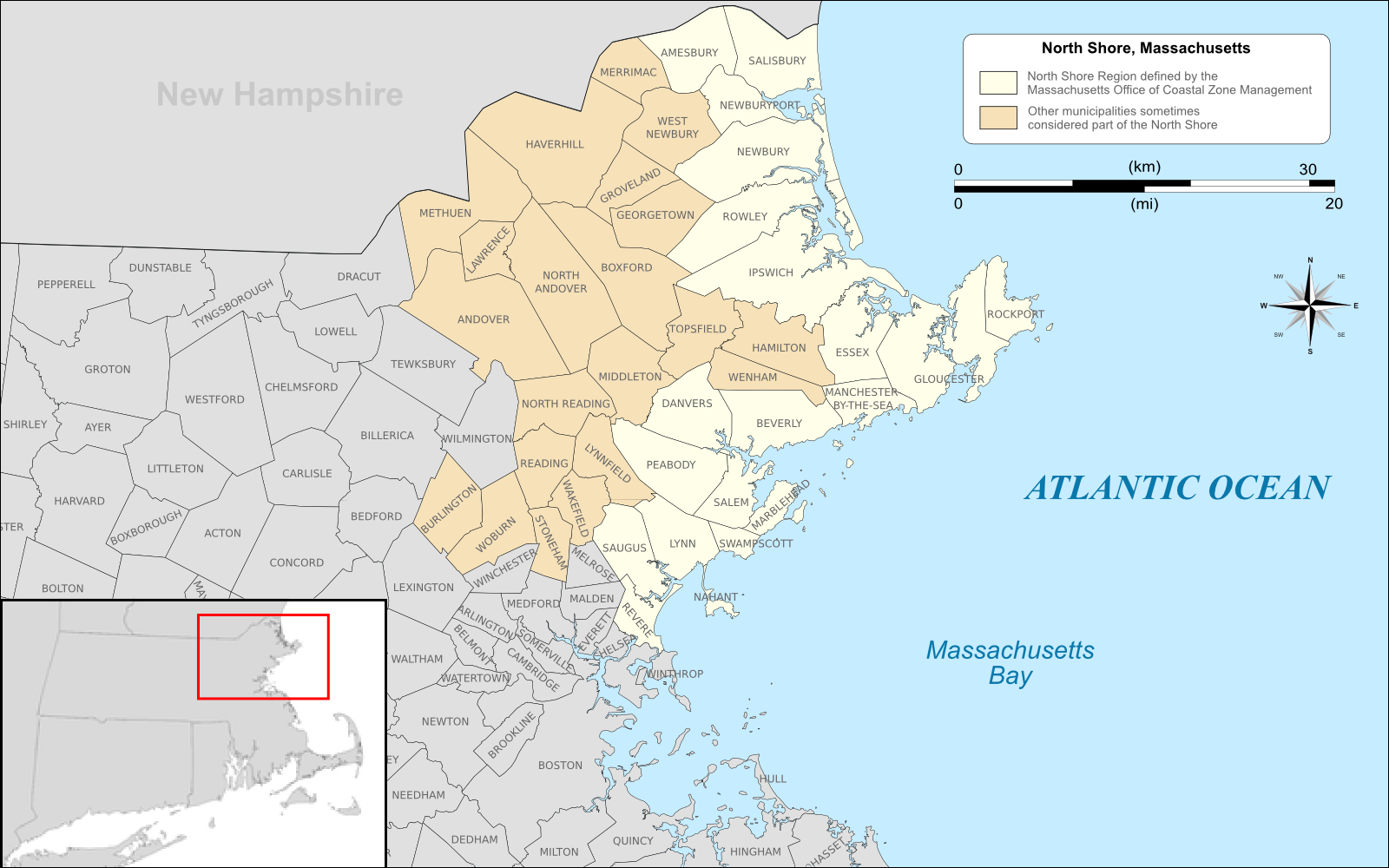
Map by Sswonk
“New England has always been fabled for its eccentrics, and Salem’s witch history naturally began to attract religious iconoclasts….Wiccans began relocating to Boston’s North Shore, attracted by the ‘Salem’ mystique and hoping for a tolerant environment.’’
— David J. Skal (1952-2024), American cultural historian
When it finally arrives

“New England Landscape in Spring,’’ by George Henry Smillie (1840-1921), American painter and etcher.
Llewellyn King: As America turns its back on the World, the world will turn its back on America
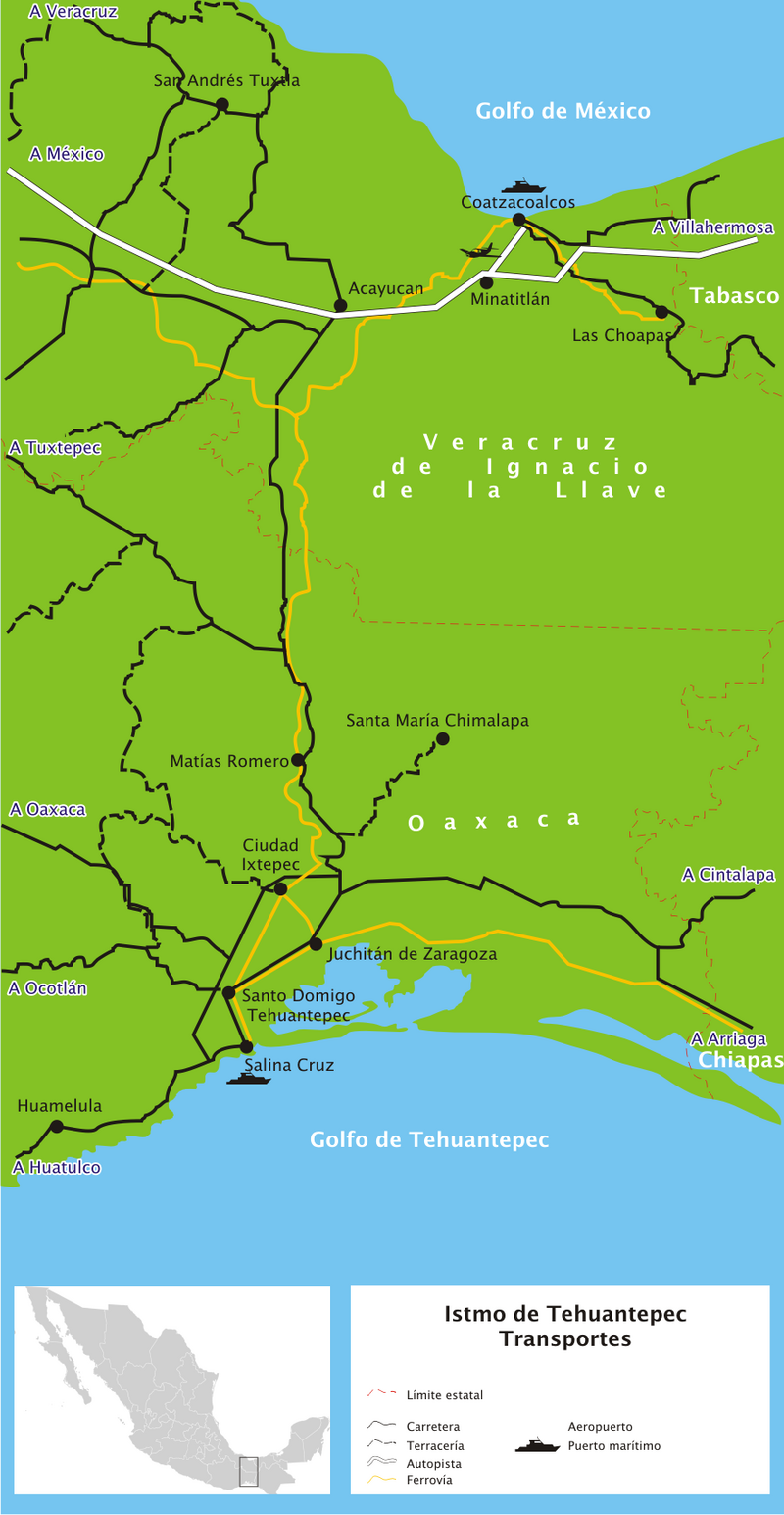
Project connecting the Pacific and Atlantic via a Mexican railway system called the Railway of the Isthmus of Tehuantepec. This will facilitate more Mexican trade with Europe and Asia, helping to reduce Mexico’s dependence on an increasingly unreliable United States.
WEST WARWICK, R.I.
America has your back. That has been the message of U.S. foreign policy to the world’s vulnerable since the end of World War II.
That sense that America is behind you was a message for Europe against the threat of the Soviet Union and has been the implicit message for all threatened by authoritarian expansionism.
From the sophisticated in Western Europe to the struggling masses worldwide, America has always been there to help. Its mission has been to serve and, in its serving, to promote the American brand — freedom, democracy, capitalism, human rights — and to keep America a revered and special place.
America was there to arbitrate an end to civil war, to rush in with aid after a natural disaster, to provide food during a famine and medical assistance during an infectious disease outbreak. America was there with an open heart and open hand.
If you want to look at this in a transactional way, which is the currency of today, we gave but we got back. The ledger is balanced. For example, we sent forth America’s food surplus to where it was needed, from Pakistan to Ethiopia, and we opened markets to our farmers.
The world’s needs established a symbiotic relationship in which we gained reverence and prestige, and our values were exported and sometimes adopted.
President Trump has characterized us as victims of a venal world that has pillaged our goodwill, stolen our manufacturing and exploited our market. The fact is that when Trump took office in January, the United States had the best-performing economy in the world, and its citizens enjoyed the products of the world at reasonable prices. Inflation was a problem, but it was beginning to come down — and it wasn’t as persistent as it had been in Britain, for example.
Trump has painted a picture of a world where our manufacturing was somehow shanghaied and carried in the depth of night to Asia.
In fact, American businesses, big and small, sought out Asian manufacturing to avail themselves of cheap but talented labor, low regulation and a union-free environment.
Businesses will always go where the economic ecosystem favors them. The ecosystem offshore was as irresistible to us as it was to a tranche of European manufacturing.
The move to Asia hollowed out the old manufacturing centers of the Midwest and New England, but unemployment has remained low. Some industries, including farming, food processing and manufacturing, suffer labor shortages.
We need manufacturing that supports national security. That includes chips, heavy electrical equipment and other essential infrastructure goods. It doesn’t include a lot of consumer goods, from clothing to toys.
Former California Sen. S.I. Hayakawa, a Republican and a semanticist, said you couldn’t come up with the correct answer if your input was wrong, “no matter how hard you think.” Trump’s thinking about the world seems to be input-challenged.
The world isn’t changing only in how Trump has ordained but in other fundamental ones. Manufacturing in just five years will be very different. Artificial intelligence will be on the factory floor, in the planning and sales offices, and it will boost productivity. However, it won’t add jobs and probably will subtract them.
Trump would like to build a Fortress America with all that will involve, including higher prices and uncompetitive factories. While not undermining our position as the benefactor to the world, a better approach might be to build up North America and welcome Canada and Mexico into an even closer relationship. Canada shares much of our culture, is rich in raw materials, and has been an exemplary neighbor. Mexico is a treasure trove of talent and labor.
Rather than threatening Canada and belittling Mexico, a possible future lies in a collaborative relationship with our neighbors.
Meanwhile, Canada is looking for markets to the East and the West. Mexico, which is building a coast-to-coast railway to compete with the Panama Canal, is staking much on its new trade deal with the European Union.
Trump has sundered old relationships and old views of what is America’s place in the world order. No longer does the world have America at its back.
This is a time of choice: The Ugly American or the Great Neighbor.
On X: @llewellynking2
Bluesky: @llewellynking.bsky.social
Subscribe to Llewellyn King's File on Substack
Llewellyn King is executive producer and host of White House Chronicle, on PBS. He’s based in Rhode Island.
Places to put them

“Memory Vessels,’’ by Caron Tabb, in her show “A Stone in My Shoe,’’ at ShowUp, Boston,
The gallery says:
“‘A Stone in My Shoe’ features a series of multimedia fiber installations that delve into themes of grief, memory and resilience. Drawing from the loss of her mother and the rising tide of antisemitism, Tabb weaves personal and collective narratives, visualizing internal struggles to inspire dialogue, reflection and empathy.’’
Proposal to allow catching striped bass With Gill Nets riles anglers
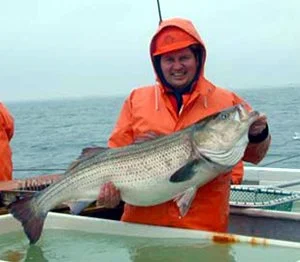
A large striped bass.
Excerpted from an article in EcoRI News
“PROVIDENCE — Some Rhode Island anglers are opposing a proposed regulation from state environmental officials that would allow catching striped bass with gill nets.
“A handful of anglers from the Rhode Island Saltwater Anglers Association (RISAA) are against the suggested change to commercial striped bass fishing rules, which would allow commercial anglers to catch the Atlantic Ocean fish with a type of net that also catches them by accident.
“Anglers say the change would cause overfishing of the state’s striped bass population, which is in a regional rebuilding period after years of overfishing.
“Dave Monti, a charter boat captain and RISAA member, told ecoRI News that gill nets have a habit of catching fish species that they typically aren’t set up for.’’
‘Harmony and dissonance’

The gallery says:
“Artistic legacies and contemporary visions meet, creating a dialogue that oscillates between harmony and dissonance, connection and collision.”
Chris Powell: What’s lurking Ahead for Conn.?
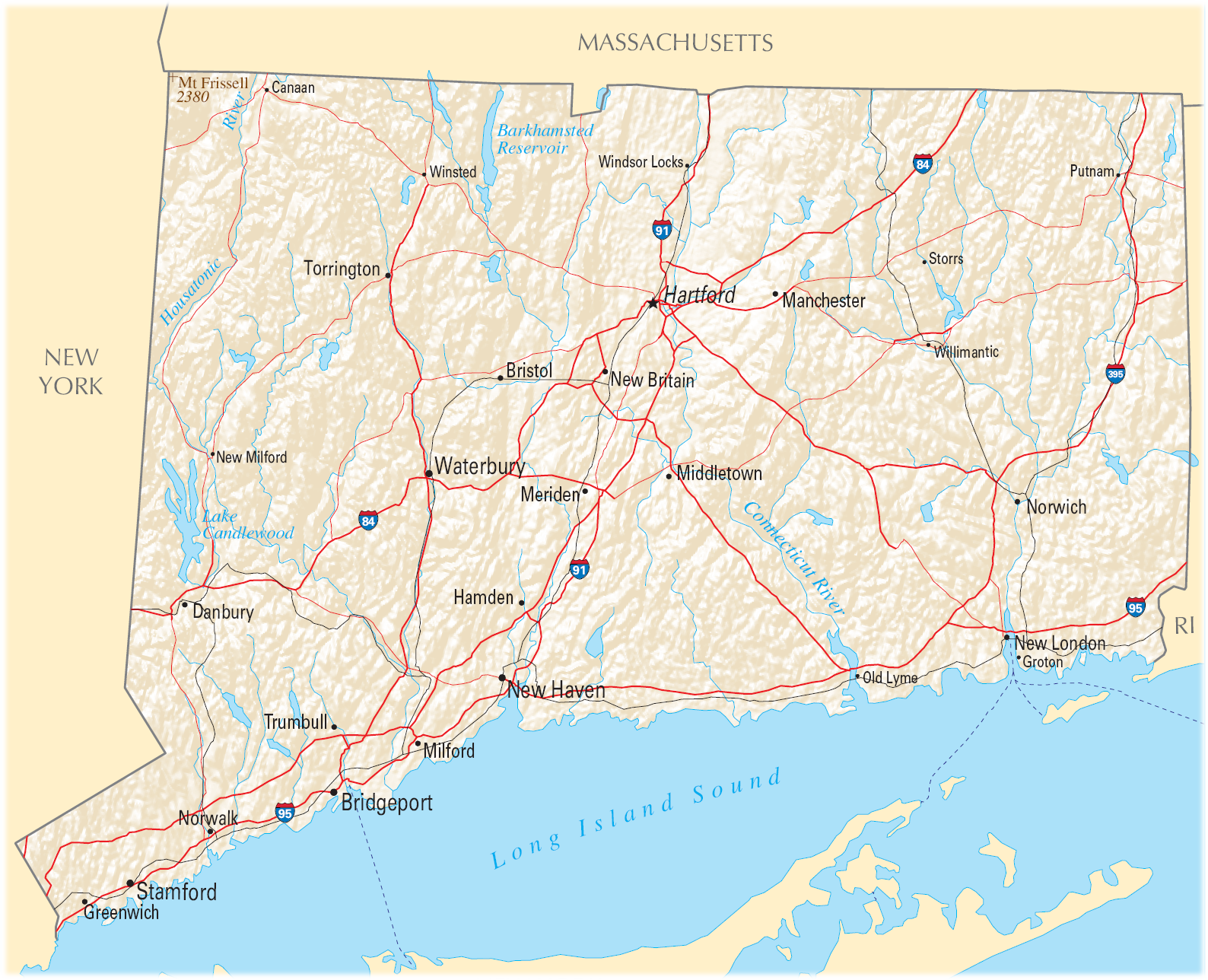
MANCHESTER, Conn.
In an interview the other week, Connectitcut Gov. Ned Lamont sounded unenthusiastic about seeking a third term.
He complained that legislators and municipal officials parade through his office asking for goodies at state government expense even as the Trump administration is slashing away at financial aid to Connecticut, punching big holes in state government's finances.
The aid cuts don't seem well-reasoned, or reasoned at all. They may be merely malicious. But having long been persecuted by Democrats, even as Democrats concealed and dissembled about the corruption and incompetence of their own national administration, Trump now can exact enormous revenge.
Just as Democrats long have thrived on the patronage power they invested in the presidency, losing that power is going to hurt.
A national recession and even a worldwide one may be coming, possibly triggered by Trump's leap into tariffs.
As a “sanctuary" state with several sanctimonious “sanctuary" cities, including New Haven, Connecticut may expect special hostility from the Trump administration, especially since the hostility is mutual here, as with the three Yale University professors who recently publicized their departure for Canada and attributed it to their detesting Trump. (Since Yale long has propelled Connecticut toward the looney left, these departures may be a good start.)
Lamont keeps saying he thinks that Connecticut is in good shape, but developments contradict him.
Remarking the other week on the human needs that state government addresses, the governor noted that about 40 percent of the babies born in Connecticut are born to mothers on Medicaid, which, among other groups, provides medical insurance for the indigent. But he didn't grasp the bigger significance of that data.
That is, people who can't support themselves shouldn't be having children -- or else these are people who recently have fallen out of the middle class as times get harder.
Homelessness in Connecticut is rising again along with rents and housing prices, which have been driven up by inflation and state government's failure to clear the way for less-expensive housing.
Connecticut's food pantries are experiencing much heavier demand.
Student proficiency in the state keeps declining as schools graduate illiterates and near-illiterates without prompting concern from many in authority. The failing, insolvent and poorly managed school systems in Hartford and Bridgeport are undergoing financial audits by a state education bureaucracy that seems almost as large, inscrutable, and disconnected as the failing school systems themselves. But the educational results of those school systems are not being audited.
These developments don't suggest that Connecticut is in good shape. They suggest that parts of the state are sliding deeper into poverty and ignorance.
The more that the Trump administration slashes federal financial aid to state government, the more cautious the governor properly becomes about state spending. But the legislators, municipal officials and special interests parading through his office with their hands out still can't imagine financial restraint. They think that state government has a large budget surplus and they want to spend it regardless of whether big cuts in federal aid will have to be covered. But they refuse to see that the surplus is only technical, the flip side of state government's still grossly overcommitted pension funds.
That is, the surplus is really just money borrowed from pension obligations, money that, if spent, will increase the heavy tax burden of the pension funds.
Lamont is often portrayed as a moderate Democrat. But he is moderate only insofar as he fears that overspending will produce state budget deficits and tax increases that will alienate voters. He is firmly part of his party's far left in toleration of illegal immigration, transgenderism, racial preferences and manufacturing and coddling poverty.
Other than the blindly ambitious, who would want to be governor amid what lurks ahead?
Even so, Trump's slashing of federal aid just might be the tonic that Connecticut needs to force audits of everything in state government and compel hard but necessary and ultimately beneficial choices. As long as state government remains a pension and benefit society for its employees -- the only people whom state government guarantees to take care of -- it won't even be trying to serve the public.
Chris Powell has written about Connecticut government and politics for many years (CPowell@cox.net).
‘Personal grievances/vague prejudices’

1943 illustration by Norman Rockwell based on his experience attending town meetings in New England, where he lived, first in Vermont and then in The Berkshires.
“Only people who have witnessed Town Meeting Day in an isolated Berkshire hill town can appreciate its significance….Major political parties don’t come in for much attention…for it’s all a matter of ‘one side’ and the ‘other side’. Personal grievances and vague prejudices are usually the platforms adopted by the ‘sides’’’
— WPA Guide to The Berkshire Hills (1939)