
Llewellyn King: The struggle to save the printed word
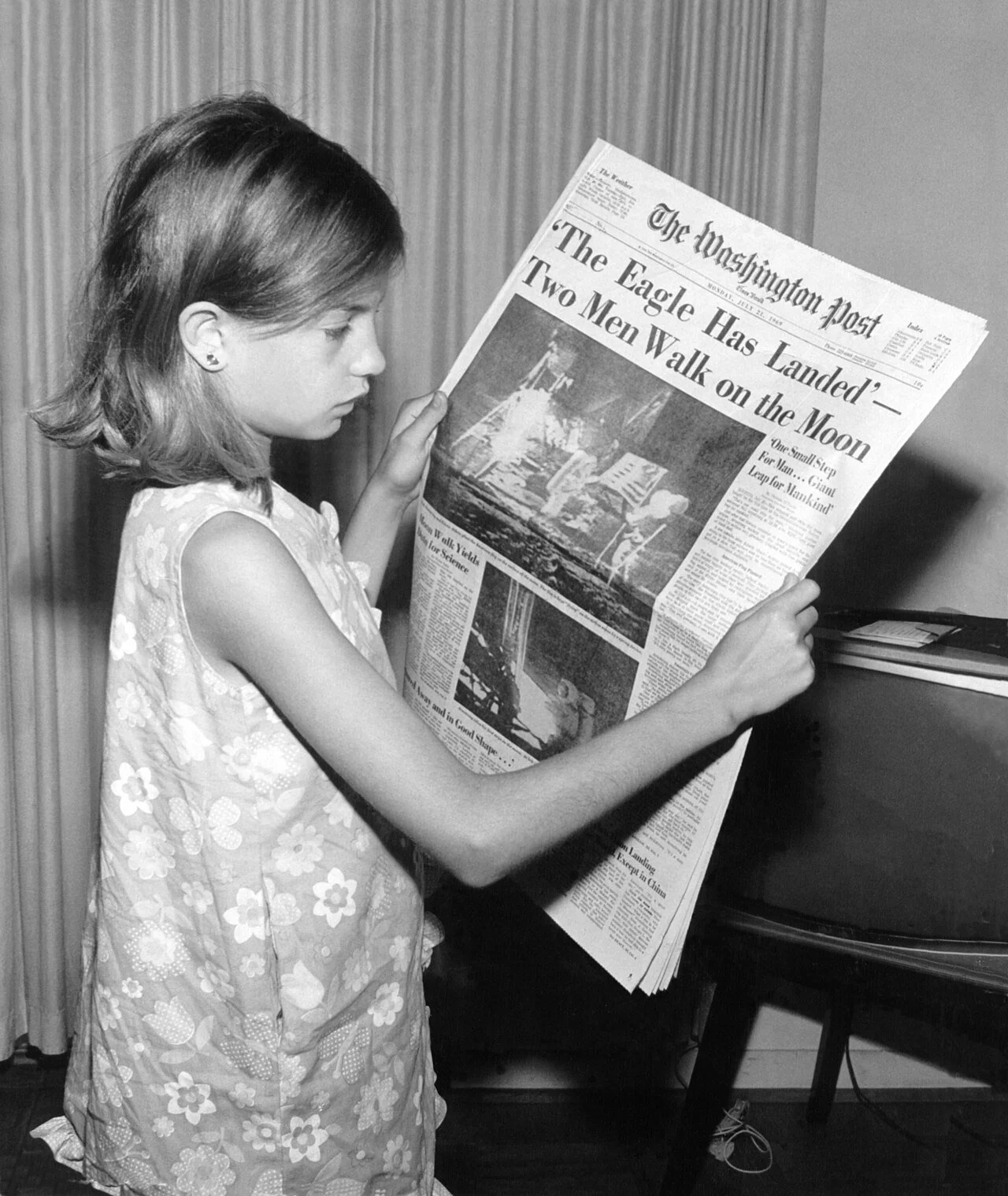
Reading the July 21, 1969 Washington Post, before its coverage of the Watergate scandal made it very famous around the world.
WEST WARWICK, R.I.
The printed word is to be treasured.
Two decades ago, I would have written newspapers are to be treasured. But the morning newspaper of old — manufactured in a factory in the middle of the night, shoved onto a truck and trusted to a child for delivery — is largely over. It follows the demise of its predecessor, the afternoon newspaper. These fell to competition from television in the 1960s and 1970s.
The word nowadays is largely carried digitally, even though it might have the imprimatur of a print publication. All the really big names in print now have more virtual readers than traditional ones. These readers may never have the tactile enjoyment, the feel of “the paper” they read, but they read. Increasingly, I am one of those.
I plow through The Washington Post, The New York Times and The Wall Street Journal. I dip into The Guardian, The Daily Telegraph and the Financial Times.
I also read — and this is an interesting development — a number of magazines that are de facto dailies. These include The Economist, The New Yorker and The Spectator.
The Economist is the only publication to which I have a digital and a paper subscription.
Much as I have loved newspapers down through the years, I am resigned to the fact there will be fewer going forward, and a generation of young people will find them more a curiosity than anything else.
But the importance of the written word hasn’t diminished. I make the point about the written word — and I distinguish it purposely from the broadcast word — because it has staying power.
I have spent my entire career working on newspapers and making television programs. It is words that are written on paper or online that last, that are referenced down through time.
Overnight television has an impact, but it fades quickly; the advertising industry has scads of data on this. The printed word — using that term to embrace words on paper and online — has staying power.
People often remind me of something I wrote decades ago. Few remember something I said on television years ago. Or months ago. But people remember your face.
My regard for the printed word brings me to The Washington Post, where the news staff is aligned against the owner, Jeff Bezos.
There are two issues here.
The staff feels that Bezos has sold them out to President Donald Trump and the forces of MAGA.
Bezos bought the paper without any interest in being a newspaperman, in enjoying the pleasures and pain of news ownership. He didn’t understand that you don’t own a newspaper like you own a yacht.
A newspaper is a live, active, rambunctious and roiling thing. You have to enjoy the fray to own one. Hearst did, Pulitzer did, Murdoch did. You don’t retail words the way Amazon sells pizza crusts.
Not only must the newspaper proprietor deal with the news and its inherent controversies, but he or she also must deal with journalists, a breed apart, disinclined to any discipline besides deadlines. By nature and practice, they are opponents of authority.
The Post has been mostly untouched by Bezos, except for his decision to spike an editorial endorsing Vice President Kamala Harris in last year’s presidential race. The staff took it hard.
Bezos was undeterred and took what had become the billionaire’s pilgrimage to Mar-a-Lago to become, to staff fears, Trump’s liegeman, or at least to reassure Trump. Then Bezos got a seat at the inaugural.
Readers of The Post also took it hard and unsubscribed en masse. Thirty percent of those were among the critical digital subscriber ranks, indicating how political its readership is and just how difficult it is for the paper to please all the constituencies it must serve.
I was an assistant editor at The Post in the glory days of editor Ben Bradlee and the ownership of the pressure-resistant Graham family, under matriarch Katherine Graham. When I was at the paper, I was president of the Washington-Baltimore Newspaper Guild. The Guild negotiated what turned out to be the largest wage increase for journalists in any Guild contract. As I remember, it was 67 percent over three years.
Even so, the membership complained. The Post editors and writers are good at complaining with a high sense of self-regard. Len Downie, who was to rise to the executive editorship of the paper, declared, “King has sold us out.”
It was a contract that benefitted both the management of The Post and journalism in general.
It was a loud reminder of how poorly journalists are compensated and how this affects the flow of talent into the trade.
The driving force behind the contract from the union side was its professional head, the remarkably gifted Brian Flores and the equally gifted Guild chairman at The Post, John Reistrup.
Under Bezos, The Post first looked as though it would become a great force in the digital world, while the printed paper survived unspectacularly. Bezos clearly saw the digital potential.
But things unraveled and The Post started losing money. It lost $100 million last year.
It is still a good and maybe a great paper. But it needs to get its sense of mission back. That sense of mission can’t be at war with its owner.
The Post clearly would benefit from a new owner, but who has pockets deep enough and skin thick enough? It is a question Bezos and the querulous staff both need to ask themselves as the fate of the paper is uncertain.
On Twitter: @llewellynking2
Llewellyn King is executive producer and host of White House Chronicle, on PBS. He’s based in Rhode Island.
White House Chronicle
Counting birds on Nantucket

Bald eagle with its next meal. The species was one of those spotted in the Audubon Christmas Bird Count on Nantucket.
Text from an ecoRI News article
NANTUCKET, Mass. — The sharp, shrill call of a northern saw-whet owl was a welcome sound to the five people, including myself, standing on a soggy trail in the Nantucket State Forest at 5:45 on a chilly, drizzly December morning.
We had gone there specifically to hear the owl — we couldn’t see it, since the sun hadn’t quite risen yet — and log it for the 70th annual Audubon Christmas Bird Count on Nantucket. (If you can hear and identify a bird, you can count it, according to the rules.)
One of our team members for the count had suggested we meet before dawn and head to the state forest to see if we could hear the owl. She hung a small Bluetooth speaker on a tree limb and then played a recording of the owl’s calls. It didn’t respond to the first two, but when she played a third call, a sort of tooting sound, the owl replied. And kept tooting, as if it was delighted to hear a fellow owl.
It was an auspicious start to my first bird count, and it made me realize how seriously birders take the annual event, which has been taking place in the United States for more than 100 years.
Here’s the whole article.
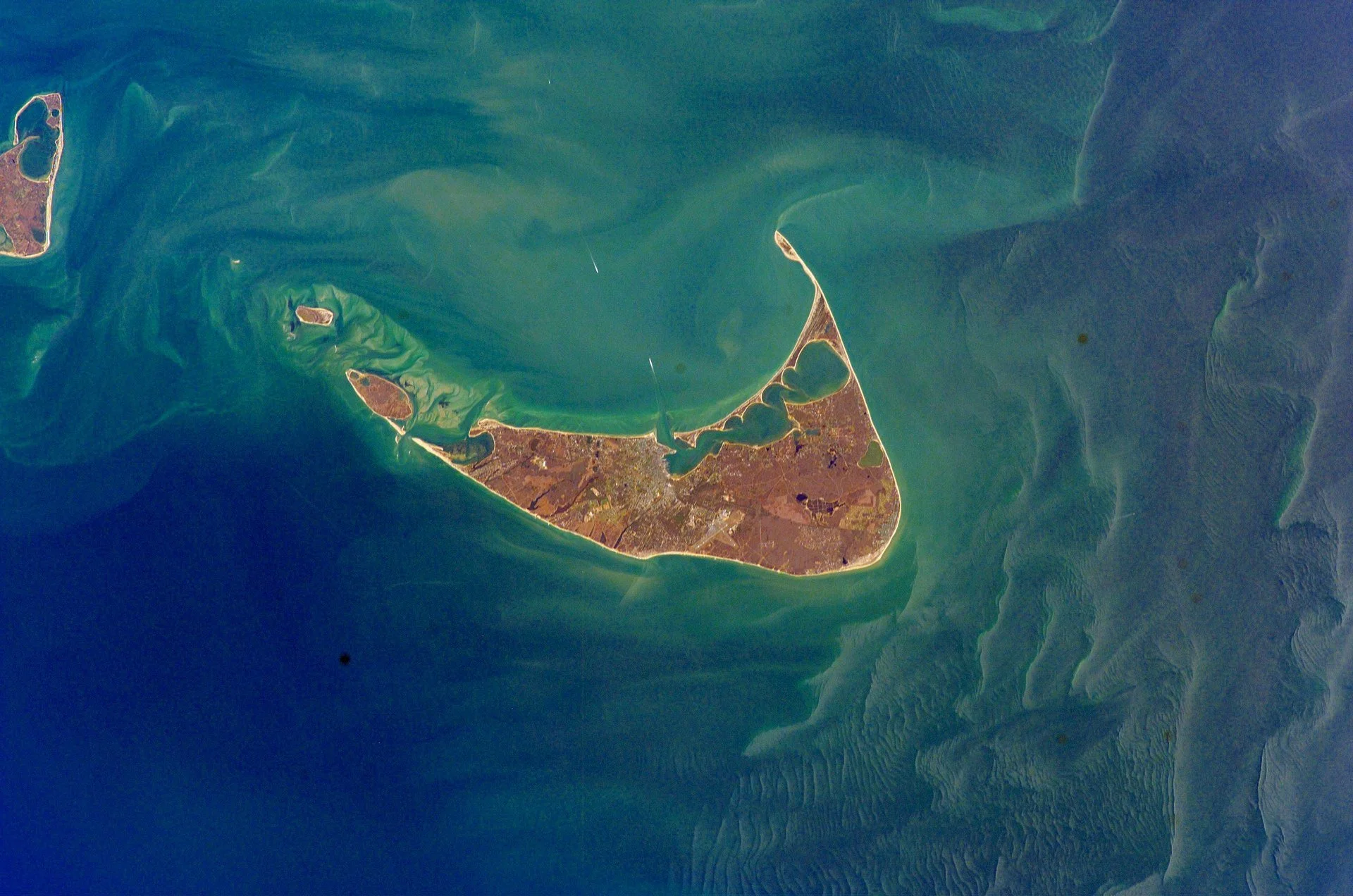
Nantucket from a NASA satellite.
From Pennsylvania Dutch to '60’s graffiti to him

A item by Timothy Curtis in his show“Two Hundred Years of Painting,’’ at The Current, Stowe, Vt., through April 12.
Curtis, a Philadelphian, explores explore the relationships between Pennsylvania Dutch stoneware from the 19th Century, 1960s graffiti writing in the same area and his own artwork, highlighting the thread of influence in one region over 200 years. View original stoneware and new paintings by Curtis, along with a special area dedicated to celebrating the lives and work of 1960s African-American Philadelphia graffiti writers.
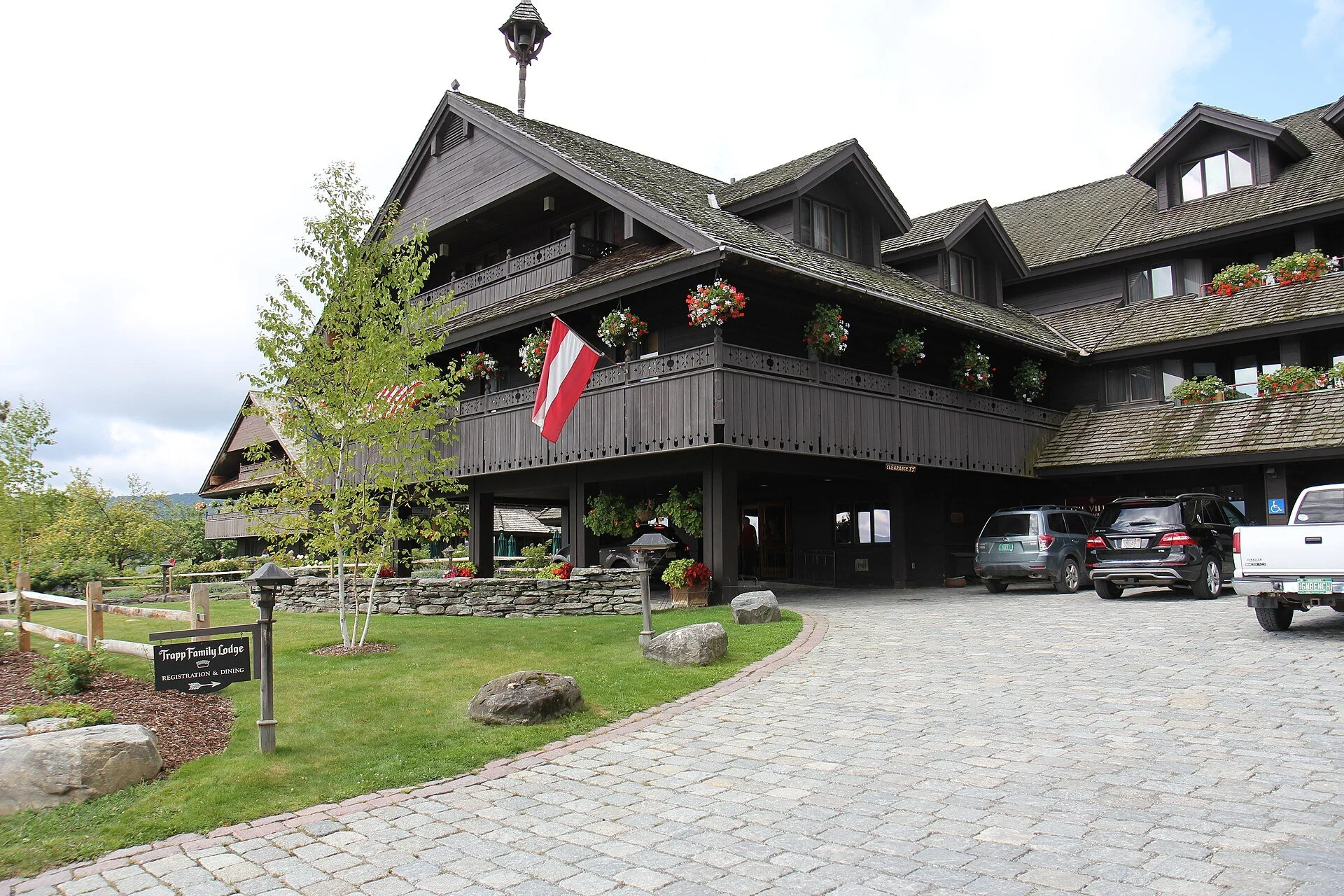
The Trapp Family Lodge, in Stowe, founded by the Austrian refugees from the Nazis whose story is the basis of the musical The Sound of Music
— Photo by Royalbroil
Chris Powell: Alphabet people needn’t be so terrified in Conn.

A six-band rainbow flag representing the LGBTQ community. The initials stand for lesbian, gay, bisexual, transgender and queer or questioning.
MANCHESTER, Conn.
Many people are terrified by Donald Trump’s return to the presidency, but perhaps none more so than members of sexual minorities, who lately have commandeered nine letters -- a third of the alphabet -- to construct an acronym with which to represent themselves. The other day an activist among Connecticut's alphabet people told The Hartford Courant that the political climate "continuously demonizes and degrades us" and that Trump wants "to legislatively and socially erase our community."
Really? Is there evidence for such claims, or do they just manifest paranoia, neurosis, hysteria and self-absorption?
For Connecticut isn't darkest South Carolina. To the contrary, it long has been quite libertarian about sexual identity.
In 1971 the state was among the first to repeal its ancient law criminalizing homosexual acts, a law that hadn’t been enforced for many years. To get rid of it little political courage was required from legislators.
In 1991 the state prohibited discrimination based on sexual orientation.
In 2005 the state legalized same-sex "civil unions" and in 2008 same-sex marriage.
While some towns decline requests to fly the "pride flag" at town hall, it’s because the flag constitutes propagandizing for causes government hasn’t endorsed and most people oppose. This is not oppression.
As for Trump, while he, like most people, is against letting men who think of themselves as women participate in women's sports, he has not proposed anything to prevent people from presenting themselves as being of a gender that doesn't match their anatomy. Indeed, though Trump has gotten no credit for it, as a Democratic president would have gotten, his choice for treasury secretary, investment fund manager Scott Bessent, is a gay man married to another gay man, and they have two children.
They live in darkest South Carolina and have yet to be assassinated, and there have been no shrieks of outrage about Bessent from the MAGA crowd.
Trump will prohibit confining in women's prisons men who think of themselves as women, since such practice facilitates rape. But this isn't oppression either; it's safety for women prisoners.
Presumably Trump will oppose letting men use women's restrooms and vice versa, but this traditional policy for gender privacy doesn't obstruct anyone's access to a restroom. When you have to go, you have to go, and you always will be able to.
Amid Connecticut’s political correctness, the restroom issue has gone nutty here, with the General Assembly having required all public schools to put feminine-hygiene products in at least one male restroom. But even without that law, those products would be available in the school nurse's office, and furiously busy as the new president is, it may be a while before he worries about school restrooms in Connecticut.
The alphabet people profess to be terrified that Trump will get Congress to prohibit irreversible sex-change therapy for young people who suffer gender dysphoria. Of course many other people are terrified that some states still don't prohibit such therapy. But objection to it is not oppression but adherence to the principle that minors are not competent to make life-changing decisions. Nor should minors be pressured into such decisions by adults.
Besides, most young people seem to outgrow their gender dysphoria and many others come to regret their irreversible sex-change therapy. Such therapy should wait until young people turn 18.
So what’s left to terrify the alphabet people?
They often hold public rallies complaining of oppression and demanding respect, but the supposed oppressors never show up and nobody gets hurt. Nearly everyone who encounters the rallies passes by in libertarian indifference, the highest form of respect. The demonstrators are in more danger of getting hit by a drunken driver than by a "homophobe," a "transphobe," or a hysteria-phobe.
So the alphabet people should take the chips off their shoulders and live their lives as best they can. While some people could do without their braying, fewer people wish them harm than wish harm to Trump, and the alphabet offers another 17 letters with which they can continue searching for their authentic selves.
Chris Powell has written about Connecticut government and politics for many years (CPowell@cox.net).
The future is political

View in springtime of the Sherman, Conn., end of Candlewood Lake with Candlewood Mountain
“Opinions about the future of society are political opinions.’’
— Malcolm Crowley (1899-1989), American writer, editor, historian, poet and literary critic. He lived for much of his adult life in the exurban town of Sherman, Conn. It has lots of weekend people from New York City.
Good but stern
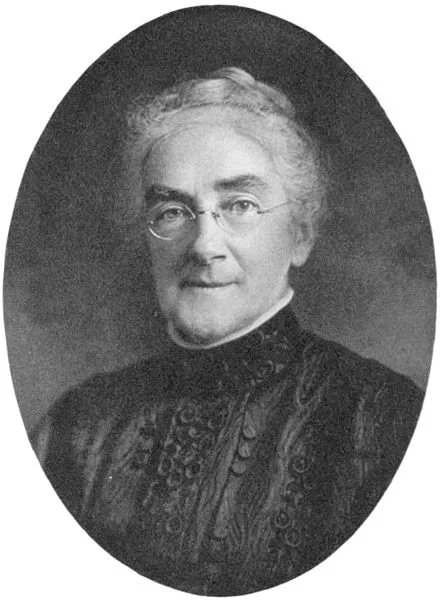
Ellen Swallow Richards in the 1890’s.
“New England is the home of all that is good and noble with all her sternness and uncompromising opinions.’’
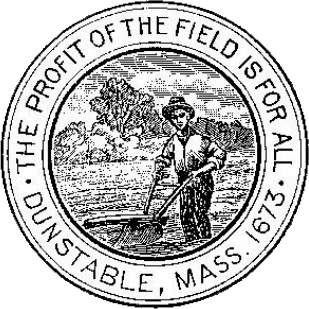
Ellen Swallow Richards (1842-1911), industrial engineer and environmental chemist. She was a native of Dunstable, Mass.
Work-life balance
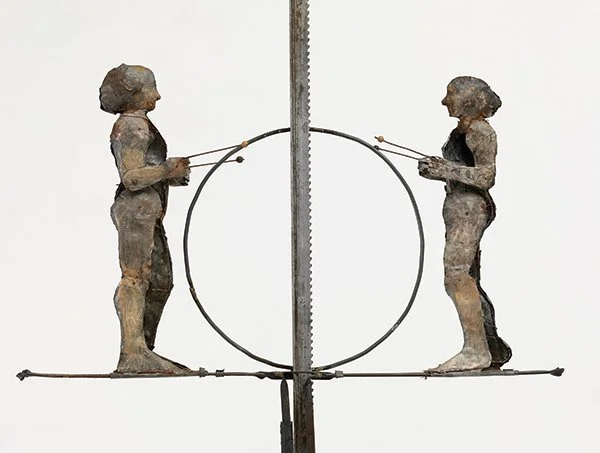
“Two Women on a Jack” (detail), (metal, tin, wire, wood, and ratcheting jack components), by June Leaf, at the Addison Gallery of American Art, Andover,Mass. (private collection)
— Courtesy Hyphen, New York
Gary W. Rohe: How climate-related insurance woes could break the economy
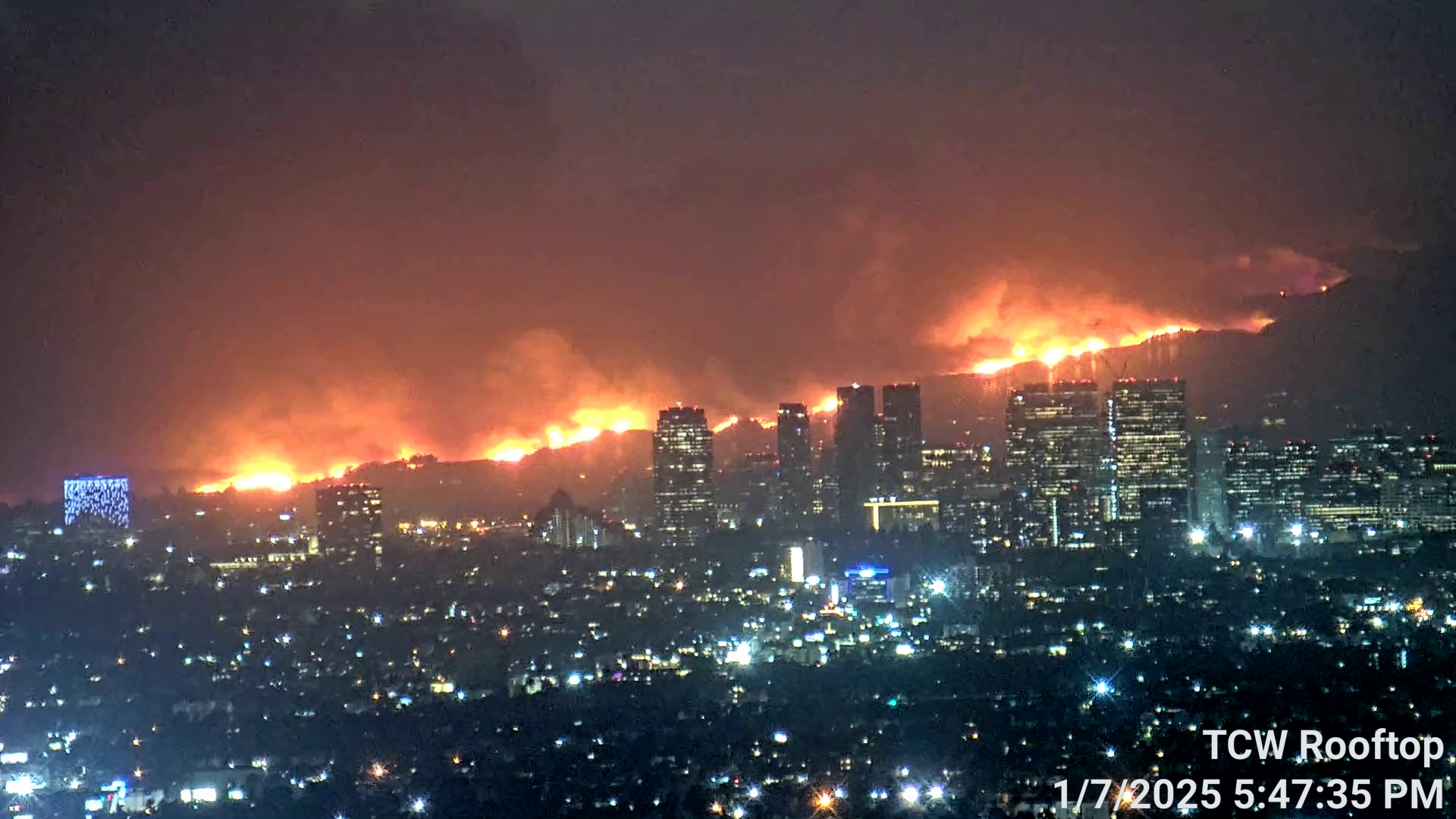
Photo from roof of high rise in Downtown Los Angeles of Pacific Palisades Fire at peak intensity
Toastt21 photo
MDDDLETOWN, Conn.
The devastating wildfires in Los Angeles have made one threat very clear: Climate change is undermining the insurance systems American homeowners rely on to protect themselves from catastrophes. This breakdown is starting to become painfully clear as families and communities struggle to rebuild.
But another threat remains less recognized: This collapse could pose a threat to the stability of financial markets well beyond the scope of the fires.
It’s been widely accepted for more than a decade that humanity has three choices when it comes to responding to climate risks: adapt, abate or suffer. As an expert in economics and the environment, I know that some degree of suffering is inevitable — after all, humans have already raised the average global temperature by 1.6 degrees Celsius, or 2.9 degrees Fahrenheit. That’s why it’s so important to have functioning insurance markets.
While insurance companies are often cast as villains, when the system works well, insurers play an important role in improving social welfare. When an insurer sets premiums that accurately reflect and communicate risk — what economists call “actuarially fair insurance” — that helps people share risk efficiently, leaving every individual safer and society better off.
But the scale and intensity of the Southern California fires — linked in part to climate change, including record-high global temperatures in 2023 and again in 2024 — has brought a big problem into focus: In a world impacted by increasing climate risk, traditional insurance models no longer apply.
How climate change broke insurance
Historically, the insurance system has worked by relying on experts who study records of past events to estimate how likely it is that a covered event might happen. They then use this information to determine how much to charge a given policyholder. This is called “pricing the risk.”
Many California wildfire survivors face insurance struggles, as this CBS Evening News report shows.
When Americans try to borrow money to buy a home, they expect that mortgage lenders will make them purchase and maintain a certain level of homeowners insurance coverage, even if they chose to self-insure against unlikely additional losses. But thanks to climate change, risks are increasingly difficult to measure, and costs are increasingly catastrophic. It seems clear to me that a new paradigm is needed.
California provided the beginnings of such a paradigm with its Fair Access to Insurance program, known as FAIR. When it was created in 1968, its authors expected that it would provide insurance coverage for the few owners who were unable to get normal policies because they faced special risks from exposure to unusual weather and local climates.
But the program’s coverage is capped at US$500,000 per property – well below the losses that thousands of Los Angeles residents are experiencing right now. Total losses from the wildfires’ first week alone are estimated to exceed $250 billion.
How insurance could break the economy
This state of affairs isn’t just dangerous for homeowners and communities — it could create widespread financial instability. And it’s not just me making this point. For the past several years, central bankers at home and abroad have raised similar concerns. So let’s talk about the risks of large-scale financial contagion.
Anyone who remembers the Great Recession of 2007-2009 knows that seemingly localized problems can snowball.
In that event, the value of opaque bundles of real estate derivatives collapsed from artificial and unsustainable highs, leaving millions of mortgages around the U.S. “underwater.” These properties were no longer valued above owners’ mortgage liabilities, so their best choice was simply to walk away from the obligation to make their monthly payments.
Lenders were forced to foreclose, often at an enormous loss, and the collapse of real estate markets across the U.S. created a global recession that affected financial stability around the world.
Forewarned by that experience, the U.S. Federal Reserve Board wrote in 2020 that “features of climate change can also increase financial system vulnerabilities.” The central bank noted that uncertainty and disagreement about climate risks can lead to sudden declines in asset values, leaving people and businesses vulnerable.
At that time, the Fed had a specific climate-based example of a not-implausible contagion in mind – global risks from sudden large increases in global sea level rise over something like 20 years. A collapse of the West Antarctic Ice Sheet could create such an event, and coastlines around the world would not have enough time to adapt.
In a 2020 press conference, Federal Reserve Chair Jerome Powell discusses climate change and financial stability.
The Fed now has another scenario to consider – one that’s not hypothetical.
It recently put U.S. banks through “stress tests” to gauge their vulnerability to climate risks. In these exercises, the Fed asked member banks to respond to hypothetical but not-implausible climate-based contagion scenarios that would threaten the stability of the entire system.
We will now see if the plans borne of those stress tests can work in the face of enormous wildfires burning throughout an urban area that’s also a financial, cultural and entertainment center of the world.
Gary W. Rohe is a professor of economics and environmental studies at Wesleyan University.
He does not work for, consult, own shares in or receive funding from any company or organization that would benefit from this article, and has disclosed no relevant affiliations beyond his academic appointment
Climate change
Llewellyn King: Trump is great news for Russia, China, Iran and North Korea

The sleepy East Richford, Vt.-Glen Sutton, Quebec, border crossing, on the Missisquoi River Bridge. It may become tenser with Trump’s bombastic threats.
WEST WARWICK, R.I.
President-elect Donald Trump is “putting a bit of stick about.”
That is a British expression that means as it sounds to stir up trouble. In sports, like rugby, it means to play more aggressively. In politics, it can mean to stir up trouble for trouble’s sake
Aficionados of U.K. television will remember when, in the BBC version of House of Cards, the prime minister turns to an aide and says with evil relish, “Put a bit of stick about.”
Trump is causing distress, even shock, in the capitals of the North Atlantic Treaty Organization, possibly the most effective alliance that the world has ever known. NATO has been a force for peace since the end of World War II.
Concomitantly, it can be surmised, Trump’s press conference at Mar-a-Largo thrilled the capitals of China, Russia, North Korea and Iran. It would appear to them that NATO is coming apart and what used to be called the Free World is eating its own.
Trump told Denmark that he might invade Greenland, Panama likewise, and Canada that he would use economic measures to compel it to become the 51st state.
Trump’s final bit of stick, if you will, was to suggest re-naming the Gulf of Mexico the Gulf of America, presumably to infuriate Mexicans for no better reason than so many of them have migrated illegally to the United States. Pique, just pique, Mr. President-elect.
Allies and defenders of Trump have rushed to his side, largely depending on their lack of a grip on geopolitical reality or because they believe that he must be right because he is their man, their leader, their sage and America’s savior.
Just how are U.S. interests being served by roiling our two large, friendly neighbors with whom we have lived generally amicably since the end of the hostilities in the War of 1812 for Canada, and the end of the Mexican-American War in 1848 for Mexico?
Trump was enthusiastic about that friendship when he tore up the North American Free Trade Agreement and replaced it proudly with a similar agreement, the United States, Canada, Mexico Agreement, in July 2020, during his first administration.
One can imagine a foolish campaign to seize Greenland, which would tear NATO asunder and give Russia an incentive to invade the Baltic States and, with Europe off balance, to finally win Ukraine.
One could see some future American president eyeing the wreckage and saying, as Richard III wails pathetically in Shakespeare’s play, “A horse, a horse, my kingdom for a horse,” “Europe for Greenland.”
One can imagine Chinese President Xi Jinping taking any U.S. hostile move against a neighbor in North America as an invitation to take Taiwan.
One could go on, imagining Iran launching a full land war against Israel, and Israel responding with nuclear weapons. Or Central and South America, uniting in hostility to the United States, helping their drug gangs to surge fentanyl into the United States via drones and tunnels.
The Panama Canal is a vital waterway, and Americans did build it after the French failed. Since the full transfer of the canal to Panamanian control, in 1999, in accordance with the Torrijos-Carter Treaties of 1977, which guaranteed its neutrality, things have mostly worked well. Yes, China has invested in Panama and the canal, but that is no secret. That was going on, as were other Chinese investments worldwide, during the first Trump administration.
The Chinese do operate two terminals on the canal, but they need the revenue from world shipping, just like any other business along the canal.
The canal remains in our backyard, under surveillance. Interfering with its operations would be an act of war by any country.
If Panama is overcharging U.S. shipping, negotiate.
Leave Canada alone. It is our great asset to the north, our kith and kin in democracy and capitalism. Canadians are not a subjugated people, longing to have two senators and about 60 representatives on the Potomac.
Putting a bit of stick about can be some fun. But take it too far and it becomes vandalism.
Llewellyn King is executive producer and host of White House Chronicle, on PBS. His email is llewellynking1@gmail.com, and he’s based in Rhode Island.
‘Radicalizing the photo’

“Around the Bend’’ (triptych photo), by Lisa Dimondstein, Julie Parker and Sandra Shenk, in their show “Abstract^2,’’ at Mad River Valley Arts, Waitsfield, Vt., in the Green Mountains, through Feb. 28
The gallery says:
“These photographers are dedicated to radicalizing the photo as image. They abstract from an existing abstract sculpture to capture the properties and relationships of the original abstract concept, and in doing so they remove themselves from any context or representation. The photographs are inventive abstractions of sculptures by David Stromeyer. They utilize an in-camera multiple exposure technique to explore the relationship between color, texture, movement, line and form.’’
Preserving the good and the bad of New England mill culture
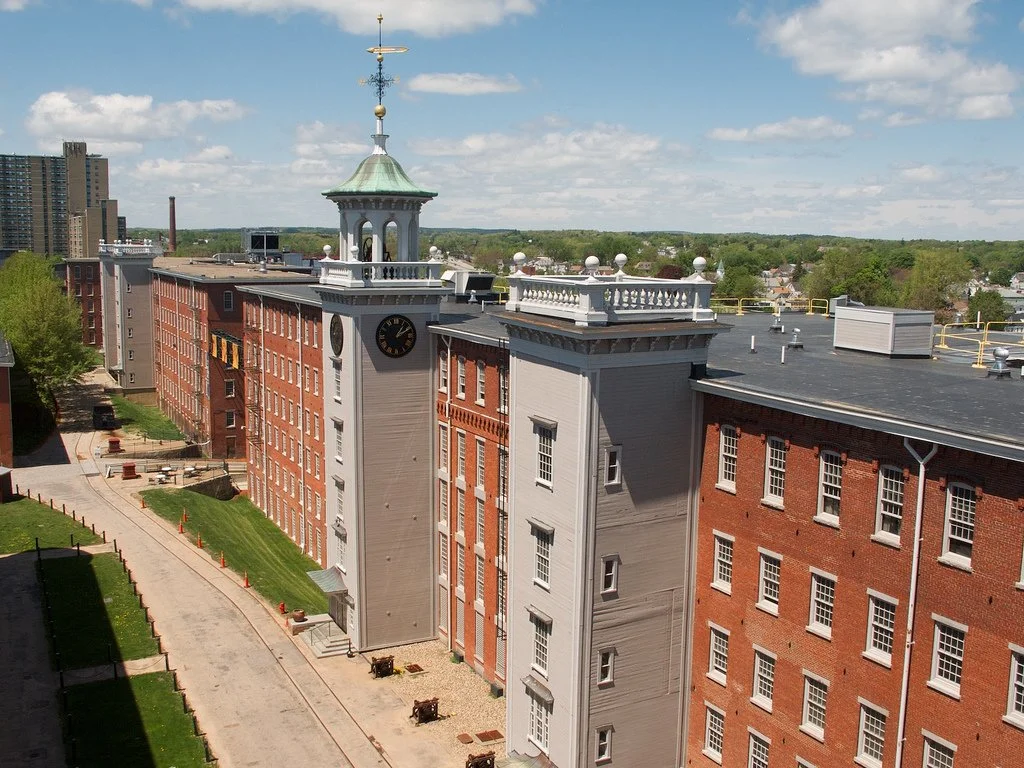
“Lowell decided that its identity was important. Important to its people and the nation. There are hundreds of people who should be credited for discovering this America. Many workers …wanted to good and the bad of the past preserved, rather than flattened and denied.’’
— U.S. Sen. Paul Tsongas (1941-1997), a Lowell native who was a prime mover in creating the Lowell National Historical Park.
Mass. wants to clean up ‘ghost’ fishing equipment

Sea turtle trapped by abandoned fishing net.

Abandoned fishing gear on the beach.
Adapted from Robert Whitcomb’s “Digital Diary,’’ in GoLocal24.com
“Ghost gear’’ -- abandoned ropes, traps and other fishing equipment on the sea floor -- entangles and kills marine life and makes a mess when it washes up on the shore.
So Massachusetts has commendably enacted a new law that grants the state more authority to remove the gear from the coastal waters over which it has jurisdiction, which means out to three miles from the shore. It has often been hamstrung in dealing with this problem because the stuff, though abandoned, has been treated as private property.
Under the new law, the state Division of Marine Fisheries will develop new regulations to allow for its removal without so much red tape. This will save a lot of animals, from whales down, and will, over time, boost fishing stocks, especially of such groundfish as cod, flounder and haddock.
Borderline cuisine

“Cocktail Teaser” (oil on canvas), by Boston-based artist Campbell-Lynn McLean, in her show “Acquired Tastes,’’ at Bromfield Gallery, Boston, through Feb 2.
David Sterling Brown: Of Trump and Richard III
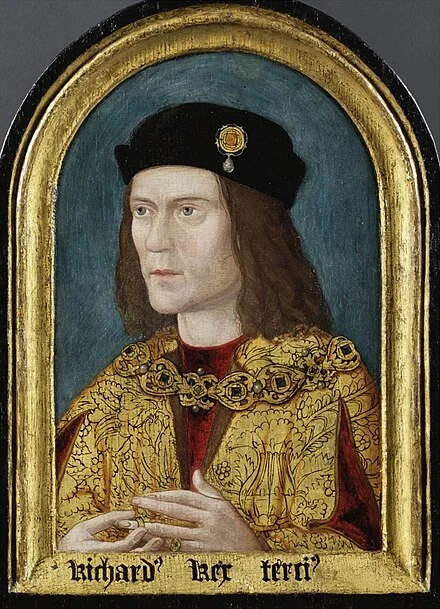
Earliest surviving portrait of Richard III, from circa 1520.
HARTFORD
Written around 1592, William Shakespeare’s play “Richard III” follows the reign of England’s infamous monarch and charts the path of a charismatic, cunning figure.
As Shakespeare depicts the king’s reign, from June 1483 to August 1485, Richard III’s kingdom was wrought with chaos, confusion and corruption that fueled civil conflict in England.
As a scholar of Shakespeare, I first thought about Richard III and his similarities with Donald Trump after the latter’s debate with President Joe Biden in June 2024. Those similarities – and Shakespeare’s depictions – became even clearer after Trump’s election in November 2024.
Shakespeare’s play highlights the flawed character of a man who wanted to be, in modern terms, a dictator, someone who could do whatever he pleased without any consequences.\
In his 1964 essay, “Why I Stopped Hating Shakespeare,” writer James Baldwin concluded that Shakespeare found poetry “in the lives of people” by knowing “that whatever was happening to anyone was happening to him.”
“It is said that Shakespeare’s time was easier than ours, but I doubt it,” Baldwin wrote. “No time can be easy if one is living through it.”
An undated portrait of Richard III. Universal History Archive/Getty Images?
In Act 2, Scene 3 of Shakespeare’s play, a common citizen says Richard is “full of danger.”
“Woe to the land that’s govern’d by a child,” the citizen further warned.
Beyond hiring murderers to kill his own brother, Shakespeare’s Richard was keen on belittling and distancing himself from people whom he viewed as being not loyal or being in his way – including his wife, Anne.
To clear the way for him to marry his brother’s daughter – his niece Elizabeth – Richard spread what now would be called fake news. In the play, he tells his loyalists “to rumor it abroad that Anne, my wife, is very grievously sick” and “likely to die.”
Richard then poetically reveals her death: “Anne my wife hath bid this world goodnight.”
Yet, before her death, Anne has a sad realization: “Never yet one hour in Richard’s bed / Did I enjoy the golden dew of sleep.”
That sentiment is echoed by Richard’s mother, the Duchess of York, who regrets not strangling “damned” Richard while he was in her “accursed womb.”
As Shakespeare depicts him, Richard III was a self-centered political figure who first appears alone on stage, determined to prove himself a villain.
In Richard’s opening speech, he even says that in order to become king, he will manipulate his own brothers George, the Duke of Clarence, and King Edward IV, “in deadly hate, the one against the other.”
But as his villainous crimes mount up, Richard shares a rare moment of self-awareness: “But I am in / So far in blood that sin will pluck on sin.”
Shakespeare’s Richard III and Trump
While the details of Trump’s and Richard’s lives differ in many ways, there are some similarities.
Much like Trump during his first term, Shakespeare’s Richard did not lead with morals, ethics or integrity.
Richard lied compulsively to everyone, as his soliloquys that contain his innermost thoughts make clear.
An illustration of English writer William Shakespeare (circa 1600). Rischgitz/Getty Images
Like Trump, Richard used empty rhetoric to persuade people with “sugared words” – he was not interested in speaking or promoting truth.
Moreover, Shakespeare’s Richard was a sexist and misogynist who verbally and physically disrespected women, including his wife and mother.
In the play, for example, Richard calls Queen Margaret, widow of King Henry VI, a “foul wrinkled witch” and a “hateful withered hag,” thus disparaging her older age.
He refers to Queen Elizabeth, wife of Edward IV, as a “damned strumpet” or prostitute, which she wasn’t.
Additionally, in order to cast doubts on his nephews’ legitimate claims to the throne, Richard spread false rumors about his mother, claiming that she was unfaithful.
Kamala Harris shakes hands with Donald Trump before their debate. AP Photo/Alex Brandon
For his part, Trump has no shortage of disparaging remarks about women. He once called his Democratic presidential rival Hillary Clinton “the devil” and characterized former U.S. House Speaker Nancy Pelosi as “crazy.”
Trump repeatedly peppered Vice President Kamala Harris during the presidential campaign with sexist and racists attacks.
He initially refused to pronounce her name correctly and openly mocked her racial identity as a Black woman, even questioning her “Blackness.”
A new day?
Like Trump, Richard III used religion to manipulate and confuse public perception of his amoral image.
In the play, Richard stages the equivalent of a modern-day photo op, standing between two “churchmen” with a “prayer-book” in his hands.
Much like Richard, Trump has courted evangelicals and used organized religion to his political advantage, most publicly by selling a “God Bless the USA Bible.”
Trump’s 2020 photo op in front of St. John’s Church in Washington is another example. It occurred during protests over the murder of George Floyd, an unarmed Black man killed by a white police officer. Police in riot gear used tear gas to force protesters away from the White House; then Trump was escorted to the nearby church along with several administration officials.
As a political leader, Richard III left a legacy in English history as one of England’s worst monarchs.
That legacy includes his decisive defeat in the Battle of Bosworth Field in 1485 that led to his death and to a new era for England under King Henry VII.
After winning the throne, the new king offered a message of hope that suggested England would one day emerge from its time of civil discord:
Let them not live to taste this land’s increase That would with treason wound this fair land’s peace!
Now civil wounds are stopped, peace lives again. That she may long live here, God say amen.
David Sterling Brown is an associate professor of English at Trinity College in Hartford.
He receives funding from the Mellon Foundation and American Council of Learned Societies.
In the dim

“Edge of the Pond” (oil on canvas) (circa 1910), by Robertson Kirtland Mygatt, in the show ‘“Dawn and Dusk: Tonalism in Connecticut,’’ at Fairfield (Conn.) University Art Museum opening Jan. 17.
Jokes between strips
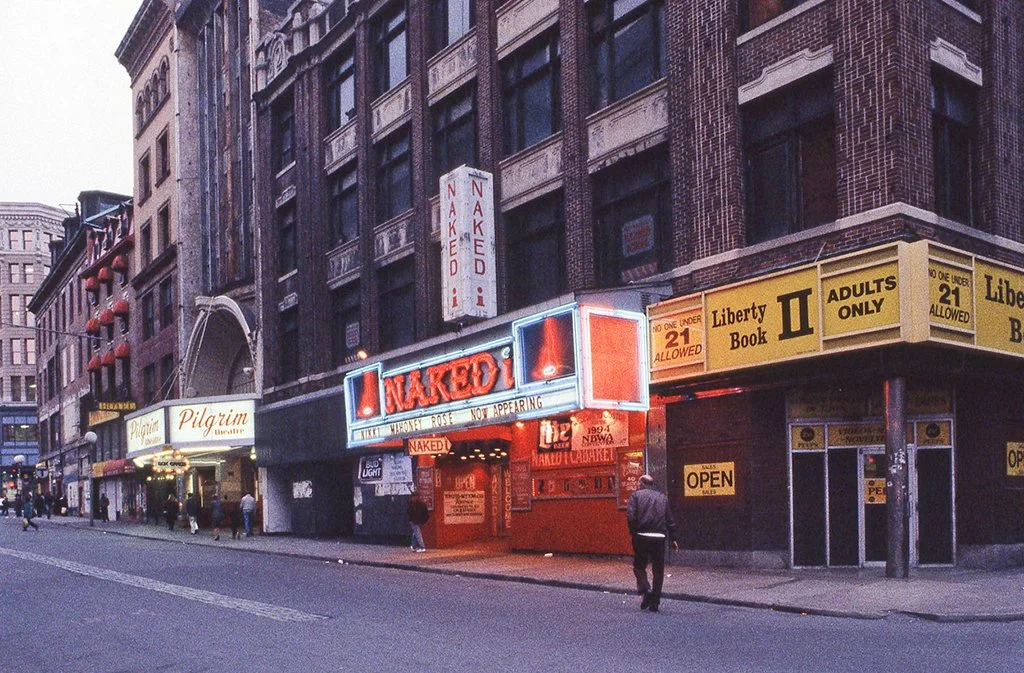
“The Naked i, one of the old Boston Combat Zone's larger strip clubs.’’
— Photo by Peter Vanderwarker
“Back in Boston, I discovered the great starting ground for so many comics: strip clubs! Since the early days of burlesque, these places always had a guy come out and tell jokes between every dancer’s turn onstage. I guess it was supposed to break the horrible monopoly of ogling bare flesh.’’
Jay Leno (born 1950), American TV host and comedian. He grew up in Andover, Mass.
Llewellyn King: My frightening, splendid Christmas in a Rhode Island emergency room
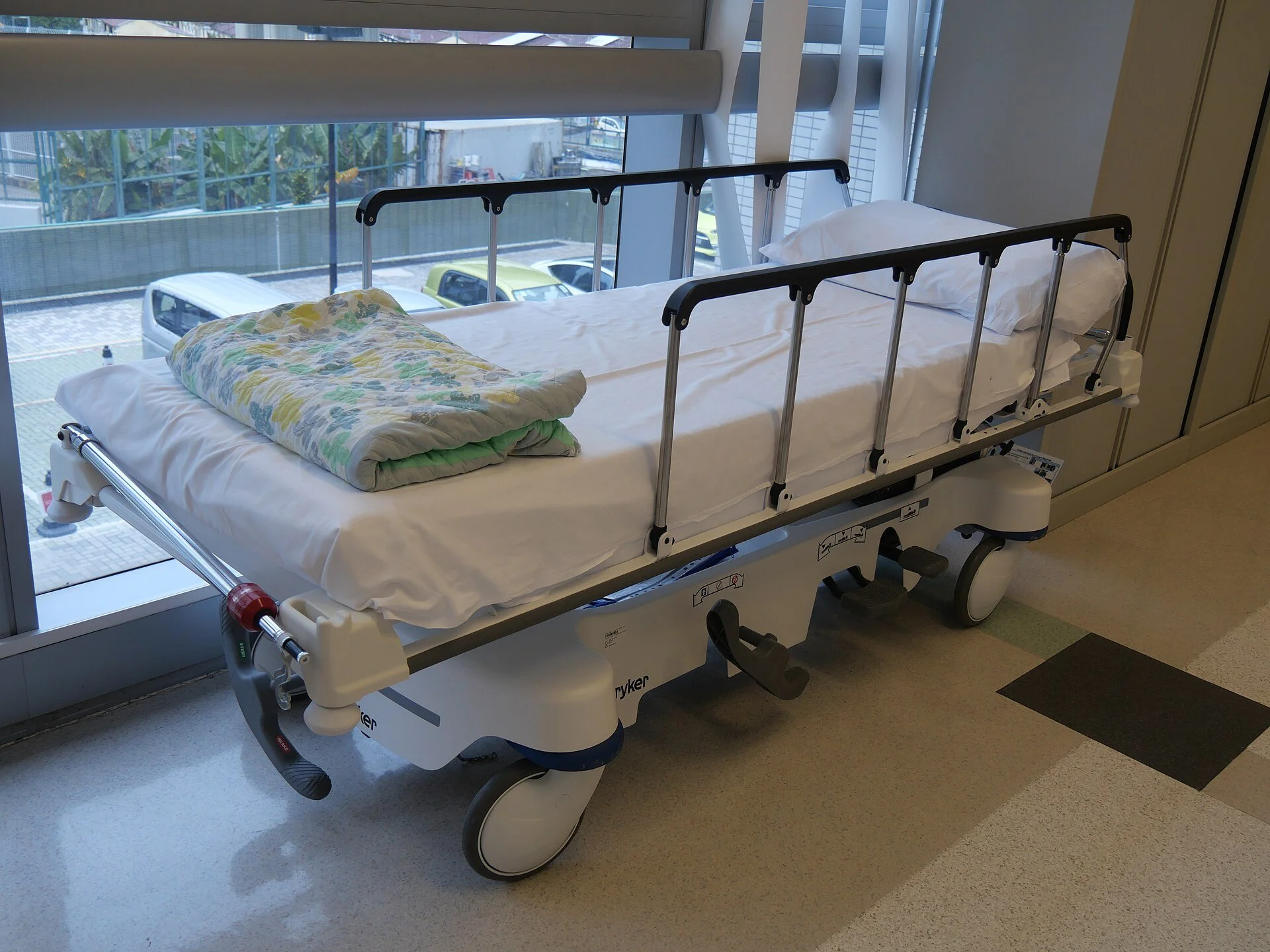
Photo by Peachyeung316
WEST WARICK, R.I.
Most people have horror stories about emergency rooms. Whether it is in Boston, Washington or Los Angeles, the stories are appalling.
Gurneys, sometimes with critically ill patients, lined up and left unattended along walls. Hurting people waiting for hours because of a shortage of staff, a shortage of beds, and a prevailing shortage of resources. Systems that are stressed and seem to be near breaking point.
Well, I have a story about my recent ER visit, which was pure joy and likely saved my life.
The story begins just before Christmas with my travels on crowded Amtrak trains and even more crowded airplanes.
I was wearing a mask during these trips, and had gotten flu and Covid shots, but I caught the flu. I received prompt and proper treatment for it, but I wasn’t licking it.
The Saturday before Christmas, early in the morning, I was having a fever hallucination: I sat bolt upright in bed and told my wonderful wife, Linda Gasparello, that I was preparing my maiden speech to the British House of Commons.
As I haven't set foot in the U.K. parliament for years, and then only in the press gallery, this insane bravado led her to call an ambulance at around 2 a.m. — over my protests that I was getting better, and taking a Tylenol would take care of everything. “Just you see,” I said.
What Linda saw was a very sick man clearly delirious and in need of urgent medical help.
Kindly men from the West Warwick, Rhode Island Fire Department’s ambulance service quietly entered our apartment and wafted me into the ambulance, where they checked my vital signs, did an electrocardiogram, and other work. I was in good, strong, comforting and knowledgeable hands.
When they were done, they drove me a few miles to Kent Hospital, part of Care New England, which has the second-busiest ER in the state. Not auspicious? Read on.
I wasn’t parked along a wall or interrogated about my insurance, but rushed straight to waiting nurses and the emergency medical technicians stood by until I was hooked up to an IV and a doctor had seen me. Shortly afterward, I was seen by two doctors.
Emergency rooms are, by all accounts, hellholes. I expected the worst, but I got two days of excellent care and pleasant attention. I have stayed at some of the best hotels in the world, including the Carlyle, in New York, the Ritz, in Paris, the Hassler, in Rome, and Brown’s, in London, and I had the same feeling of wellbeing at the Kent Hospital ER — people who cared and told me they were just a bell-ring away.
When my vitals were stable in a couple of days, I was invited to participate in a unique and remarkable system called “Kent Hospital at Home.”
Under this system (some form of which is operational at nearly 400 hospitals in 39 states), select patients can go home without being discharged, and the home becomes a hospital room. You are hooked up with a monitor, which sends data about your vitals to ER nurses. You can read these on an iPad, which also has contact information for the nurses and doctors assigned to you. You also get an emergency alarm on a wristband.
Everything the patient might have needed in the hospital is transported to the home. This might include an IV, oxygen, and other necessary equipment that might be used in the ER.
Best of all, you get visits twice a day by a nurse and once a day from a physician, either in person or virtual. I was in the system for just two days before discharge and saw the doctor in my home once and on Zoom once. I was given his cell phone number with instructions to call whenever I needed to.
The hospital-at-home concept was pioneered by the Mayo Clinic, among other medical facilities, during the Covid-19 pandemic. It has a waiver from Medicare, which means that you are billed as an in-hospitable patient not an outpatient.
Kent Hospital emphasized that when they moved me from the hospital to my home — in their vehicle — it was a “transfer” not in any way a discharge.
Research suggests that hospital-at-home care saves the provider between 19 percent and 30 percent on keeping the same patient in the hospital.
I am grateful to all who played a role in my recovery, from the ambulance crew to the emergency nurses, doctors, radiologists and porters.
Also, I am grateful for an insight into how medicine should work and how it will be enhanced in the future through technology of the kind that makes hospital-at-home care possible and viable.
For the record, I had Influenza A and sepsis pneumonia.
I had magnificent treatment and thank all who handed me a Christmas present beyond value. And I even saw a doctor making a house call. I wasn’t hallucinating.
Llewellyn King is executive producer and host of White House Chronicle, on PBS. His email is llewellynking1@gmail.com. and he’s based in Rhode Island.
The cold fends them off

“I am lingering in Maine this winter, to fight wolves and foxes. The sun is less strong than Florida’s, but so is the spirit of development.’’
— Essayist and children’s book author E.B. White (1899-1985), in “A Report in January’’ (1958). He lived for many years on a farm in Brooklin, Maine.
Dressed for hydraulics
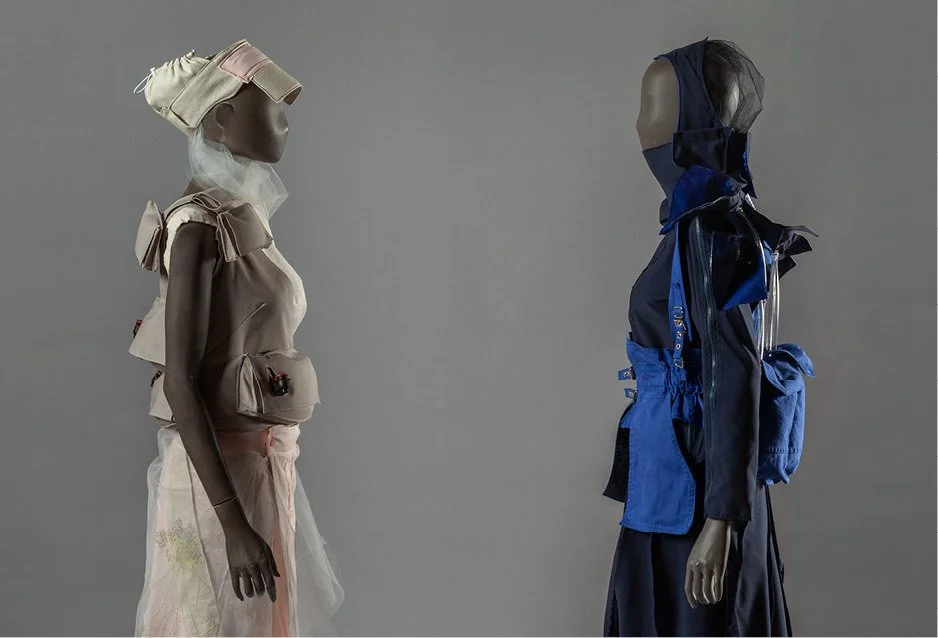
“Flood Drought Sisters,’’ by Cori Champagne, in her show “Water Mgmt,’’ at Boston Sculptors Gallery through Jan. 26.
Edited from commentary by the gallery:
“Cori Champagne's exhibition features a new series of functional garments addressing our most precious resource. Intended to navigate shifting hydrological cycles, Champagne’s hand-made clothing resembles streetwear, but is designed to collect, store and distribute water in preparation for a changing eco-future.
“At the center of the exhibition, ‘Flood Drought Sisters’ posits the extremes of floods and droughts in a more advantageous relationship to one another. The exquisitely crafted rainwear for Champagne’s ‘Flood’
ensemble gathers rainwater into a series of funnel-like flower forms protruding from the back and shoulders. Collected in modular containers, the rainwater can then be transferred, transported, and utilized via the wearable storage provided by the complementary ‘Drought’ garment. The two figures face each other, inviting viewers to appreciate various details in their creation, including the upcycling of ExxonMobil coveralls in the ‘Flood’ vest. A short video expands on the narrative. Shot with the artist in multiple locations, it further illustrates the symbiotic nature of both sides of the piece.