
Winter 'star'
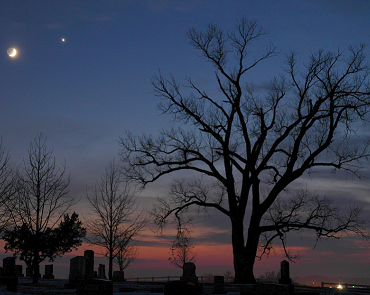
The “Evening Star” Venus next to the Moon just after sunset.
— image from NASA
“Only this evening I saw again low in the sky
The evening star, at the beginning of winter, the star
That in spring will crown every western horizon….’’
— From “Martial Cadenza,’’ by Wallace Stevens poet (1879-1955), American poet, insurance executive and lawyer. He spent most of his adult life in Hartford, Conn.
Chris Powell: Enough pandering and stereotyping already!
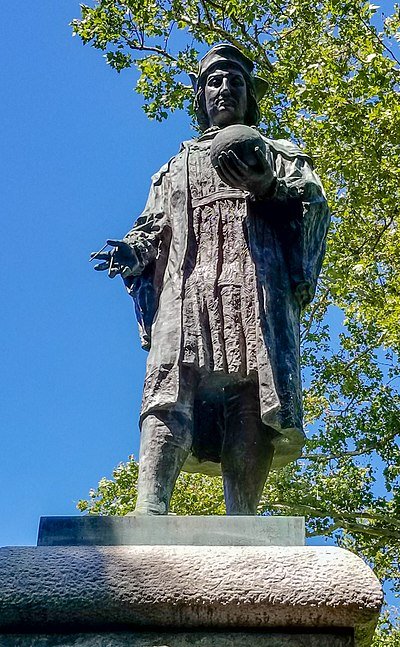
Statue of Christopher Columbus in New Haven. In 2017, the statue was vandalized before Columbus Day, with red paint splashed on the statue and the words "kill the colonizer" spray-painted along its base.
The statue was removed on June 24, 2020.
MANCHESTER, Conn.
Has Connecticut been more Balkanized or less so by Groton's decision to replace its observance of Columbus Day with a holiday that will be both Italian Heritage Day and Indigenous Peoples Day?
Columbus is now considered politically incorrect for having helped to open the Western Hemisphere to the European exploration and colonization that displaced the hemisphere's original inhabitants, who had spent hundreds of years displacing each other without European interference. Political correctness lately has elevated them to the "noble savages" of old romantic literature.
But a century ago Columbus was a worldwide hero, and since he was Italian he was appropriated for a national holiday apologizing for the scorn that had been heaped on the Italian immigrants of recent decades, as scorn had been heaped on the Irish immigrants before them and even then was being heaped on Jews.
So in Groton and other places Italian Heritage Day will be what Columbus Day was meant to be all along, more a sop to people of Italian descent than a tribute to the great navigator. Meanwhile the descendants of the inhabitants displaced long ago by the Europeans are getting Indigenous Peoples Day, also as an apology for the abuse their ancestors took, as if most people in the United States now aren't just as "indigenous" as anyone with "indigenous" ancestors.
Why must the country keep patronizing ethnicity? While people may gain much identity from their ethnicity, no one has earned anything by it. It is simply bequeathed to them and they deserve no credit for it any more than anyone should be disparaged for it. But politicians love to pander on the basis of ethnicity, especially when they have little to say about anything that matters.
It is 2½ centuries since the national charter declared that all men are created equal. Lately the charter seems to have been amended to add that, as George Orwell wrote, some are more equal than others.
The pandering to people of Italian and "indigenous" descent as if they deserve an apology or special recognition of their acceptance is especially silly in Connecticut. The state has the country's largest percentage of people of Italian descent and two of its three largest Indian casinos, which enjoy lucrative monopolies bestowed on the premise that today's reconstituted tribes are owed tribute for the wars lost by their ancestors nearly four centuries years ago. Apparently the fantastic wealth given to the tribes by the state, much of that wealth being extracted from people who are far more oppressed than the proprietors of the casinos ever were, isn't apology enough. Supposedly a special holiday is needed too.
But there is already a holiday that celebrates everyone in the country: Independence Day, July 4. It marks the supreme principle of equality under the law. When will that ever be enough?
For that matter, when will high school sports teams and their followers acknowledge that mascots drawn from an ethnic group -- particularly those drawn from Indians -- constitute stereotyping and that stereotyping ethnic groups is offensive?
That has yet to dawn on school systems in Windsor, Canton, Killingly and Derby, though most towns have replaced their Indian mascots, and state law penalizes use of such mascots by withholding financial aid drawn from the Indian casinos.
Windsor and Canton remain the "Warriors," which may sound ambiguous but is not, since the teams formerly used Indian imagery with the name. Killingly's teams are the "Redmen" and "Red Gals," a reference to skin color, also confirmed by past use of Indian imagery. Derby still gets away with "Red Raiders" because it has the endorsement of a minor tribe, the Schaghticokes, which long has been trying to curry favor with palefaces in hope of winning casino rights.
The stereotype here is undeniable -- that of ferocity and brutality. No team calls itself the Fighting Bunnies.
State government's financial incentives to replace Indian mascots haven't finished the job. Such mascots should be forthrightly outlawed by the next session of the General Assembly.
Chris Powell has written about Connecticut government and politics for many years (CPowell@cox.net).
'Diasporic identity'
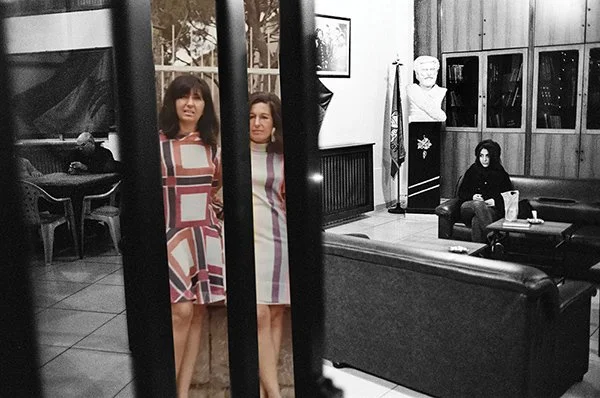
“Beirut Memory Project #49” (digital collage, archival pigment print on velvet fine art paper), in the show “Disrupted, Borders,’’ by Ara Oshagan, at Armenian Museum of America, Watertown, Mass., through Dec. 30.
— Courtesy of the artist.
The museum says:
Drawing on his own history and identity, photographer and installation artist Ara Oshagan brings together several series of work that focus on his interest in “diasporic identity, afterlives of displacement and colonization, erasure and (un)imagined futures’’.

City seal of Watertown.
Vector in Vermont

“Kites and Darts-7” ( mokuhanga collage, sumi and silver on handmade paper), by Underhill, Vt.-based artist Patty Hudak, in the group show “Dynamism’’, at Vermont Studio Center, in Johnson, through Jan. 25.
— Image courtesy of the artist.
The show features work by 10 artists who work in traditional forms and those who work in new media. Each artist explores their practice in different ways: from site-specific installations to vibrant abstract landscapes to digital imagery. All artists involved in this show are local to Vermont Studio Center and have studios on site.
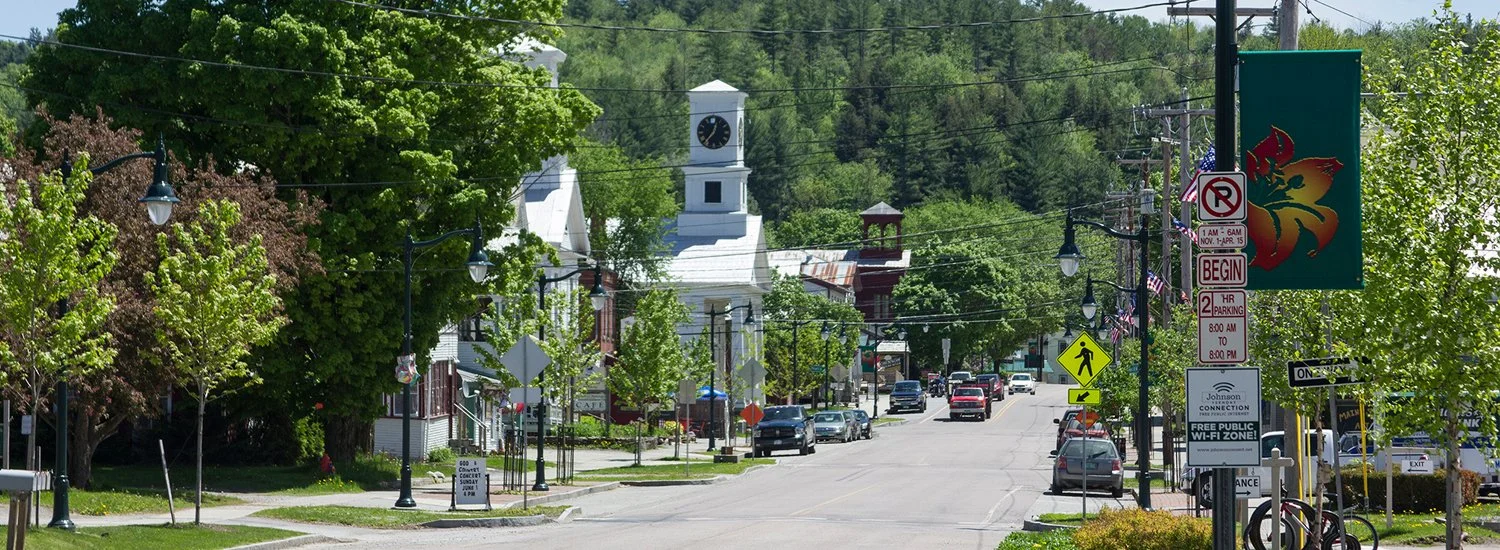
Downtown Johnson in the college town’s brief but bucolic summer.

View of Underhill, Vt., and the famous ski mountain Mt. Mansfield, at 4,393 feet the state’s highest peak.
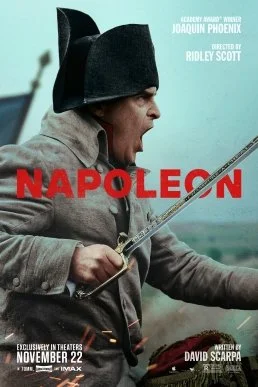
Llewellyn King: History is very malleable in writers’ and filmmakers’ hands
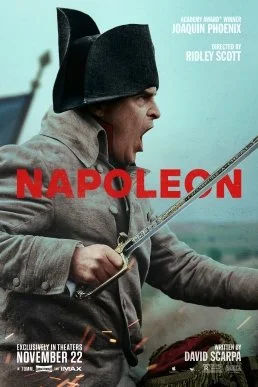
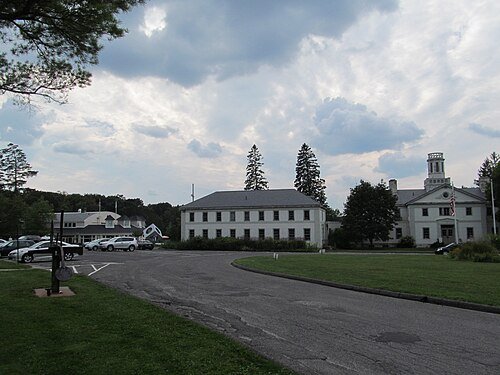
Shakespeare & Company’s campus, in Lenox, Mass. The organization is a theater company and venue complex founded in 1978. Shakespeare took innumerable liberties with the historical record.
WEST WARWICK, R.I.
The trouble with history is that no one can agree on what happened. That is how historians can wrangle over events 2,000 years ago — or two months ago.
Prominent historians become more famous when they feud with other prominent historians. One such feud, which became very public, was between the British historians Hugh Trevor-Roper and A.J.P. Taylor over the origins of World War II. They went at it as only academics can.
The trouble worsens when fiction enters; and fiction always enters and distorts. Fiction doesn’t let the facts stand in the way of a good story. The Greeks did it with Homer, and it has gone on ever since.
But the greatest muddier of history was William Shakespeare, whether it was the demonization of Richard III and the two young princes in the tower, or whether Marc Antony was a great orator or whether Cleopatra was a gorgeous seductress. Mostly, what we think we know about these historical figures, we got from Shakespeare or some other creative writer.
The playwright George Bernard Shaw couldn’t leave Cleopatra or alone either. He also had a go at Joan of Arc and muddied the history there, not that it has ever been clear — history never is.
Historical fiction is historical distortion by definition, which gets steroidal when movies are involved.
Two recent movies are opposed in the degree of historical truthfulness the directors, both British, have cared about. Christopher Nolan gave us Oppenheimer, which is extraordinary in its fidelity to the facts, and even mood. Oppenheimer captures the ethos of a congressional hearing exactly.
Ridley Scott has made Napoleon without interest in Napoleon besides a sort of comic-book acquaintance with his subject.
He was, it would seem, more interested in what happens when a cannon takes out a horse, than facts about the niceties of the little Corsican’s extraordinary career. Also, he has based much of the story line on Napoleon’s relationship with Josephine, little on his administrative ability, which was the underpinning of his military success, and made modern France.
Napoleon makes life difficult for filmmakers because he was a romantic figure, even in Britain, when he was at war with the British. Witness how his affair with Josephine has taken on legendary proportions as one of history’s great love affairs. Or his defeat at Waterloo.
There is a puzzler: Waterloo was a great victory for Britain and its allies, but in idiomatic English, Waterloo has become a metaphor for defeat. A belated victory for Napoleon, you might say.
Then there is the general’s name. Why does history call Napoleon Bonaparte by his first name? The Duke of Wellington’s “real” name was Arthur Wellesley. And does anyone know or care that he was Tory prime minister twice or that he was from Ireland?
No, Bonaparte carries off the honors and continues to win the information war long after his death.
The two inaccuracies which bother historians most about Scott’s film are that Napoleon didn’t witness the guillotining of Marie Antoinette and French didn’t launch artillery at the pyramids, nor did they blast the nose off the Sphinx.
Another challenge is historical fiction on television — much of it produced by the BBC.
The BBC has an edict that casting must reflect the current multiracial face of Britain. This results in black and Asian courtiers and noblemen romping around England in the time of Henry VIII. So long as the story and the acting keeps to the high standard, which has been established by BBC drama, I don’t mind. It is just actors and many of them are excellent. However, what will young people, who don’t learn much history these days, make of this?
We don’t expect that something similar would happen in Japanese TV drama, like English noble ladies and gents romping around the divine emperor’s medieval court; nor would we expect to see Hollywood’s finest cavorting in China’s Forbidden City.
It intrigues me that history can become so malleable in the writers’ and filmmakers’ hands. Scott is said to have dismissed one critic on the grounds that he wasn’t there, and he wasn’t entitled to comment.
While many, like Scott, believe that it is okay to mess with the facts, another set of historical vandals has passed judgment on the past and wants to punish heroes of yesteryear for what they did as judged by today’s standards. Those revisionists are busy tearing down statues and trashing all kinds of figures in an effort to serve posthumous justice.
Bringing down the marble or bronze is a current obsession with what passes as history, whether we get it right or not.
Llewellyn King is executive producer and host of White House Chronicle, on PBS. His email is llewellynking1@gmail.com, and he’s based in Rhode Island and Washington, D.C.


Loveable or finished?

Boston’s Scollay Square in the late 19th Century. The square, now modernist/Brutalist Government Center, became famous in the 20th Century as Boston’s sin (or fun?) center — hookers, strip shows, etc. “Hey, sailor!”
“There is no section in America half so good to live in as splendid old New England — and there is no city on this continent as loveable as Boston.’’
— Mark Twain (real name Samuel Clemens) (1835-1910), in a letter to his sister-in -law Mollie Clemens, in January 1971.
xxx
“There broods over the real Boston an immense effect of finality. One feels in Boston, as one feels in no other part of the States, that the intellectual movement has ceased.’’
— H.G. Wells (1866-1946), prolific English author, in The Future in America (1906)
Green thermometers
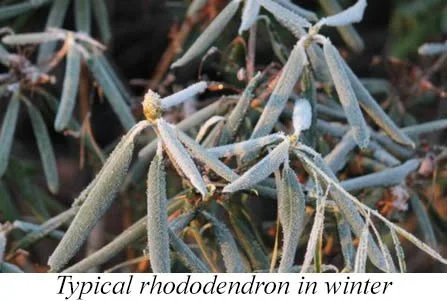
Rhododendrons are living thermometers at this time of year in New England. As the temperature rises to around 40 F, the leaves become full. But as it drops below 32, the leaves droop, then curl and eventually become pale green cylinders.
Starting with black
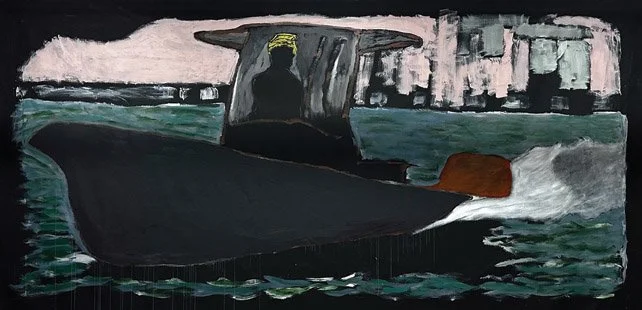
“Chromium Dip” (acrylic on linen), by Lewiston, Maine-based artist Reggie Burrows Hodges, in his show “Turning a Big Ship,’’ at the Addison Gallery of American Art, Andover, Mass.
© Reggie Burrows Hodges. Courtesy of the artist and Karma.
The Maine College of Art and Design, in Portland, where Mr. Hodges teaches, describes him thus:
“Reggie Burrows Hodges is a narrative figurative painter whose work centers around visual metaphor and storytelling. He works primarily large-scale on raw canvas, wood and rag paper with acrylic and pastel — exploring themes such as identity, truth, surveillance, and often childhood memories. As method, Hodges paints from a black ground, developing the environment around the figure so it emerges from its surroundings, examining the possibility that we are all products of our environment.”
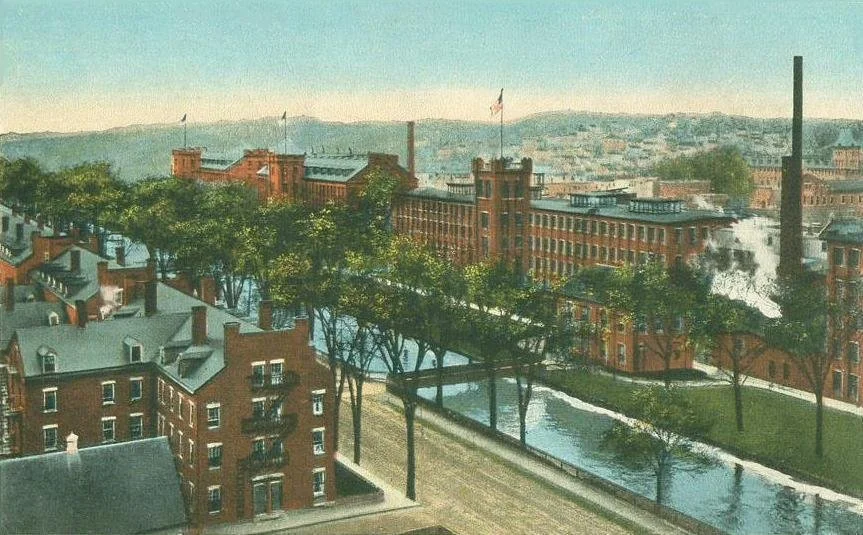
Bates Mill (as in Lewiston’s well-regarded Bates College) and canal in 1915, when the city was a major manufacturing center.
Honesty and guilt
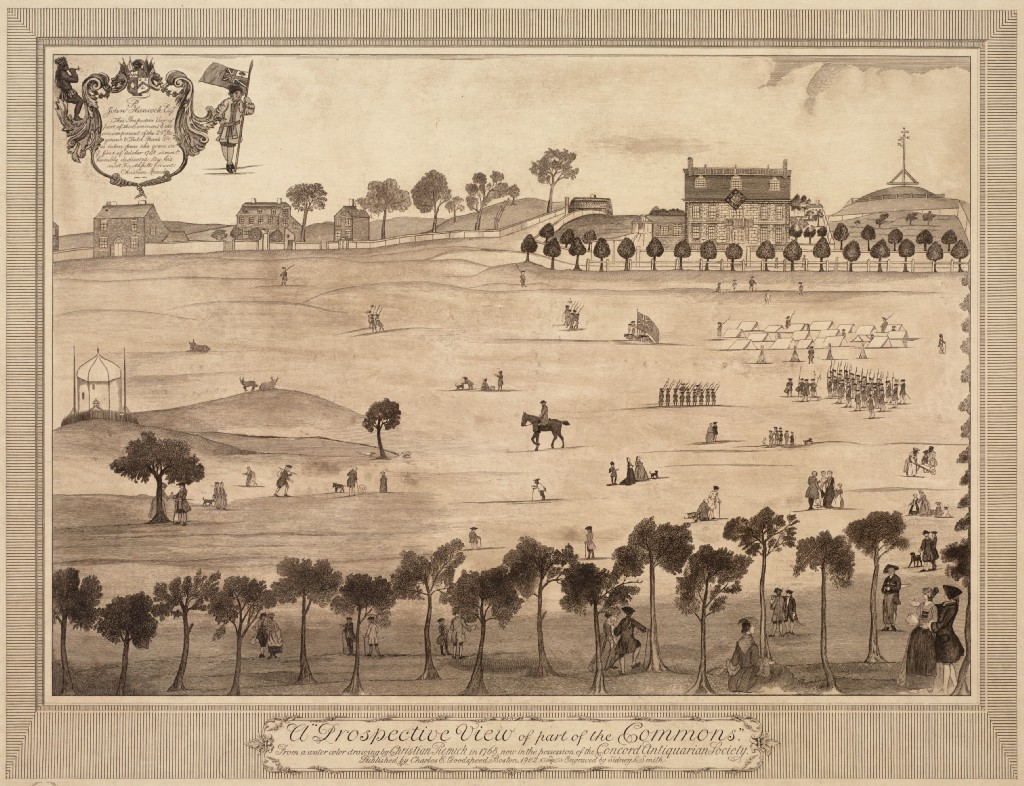
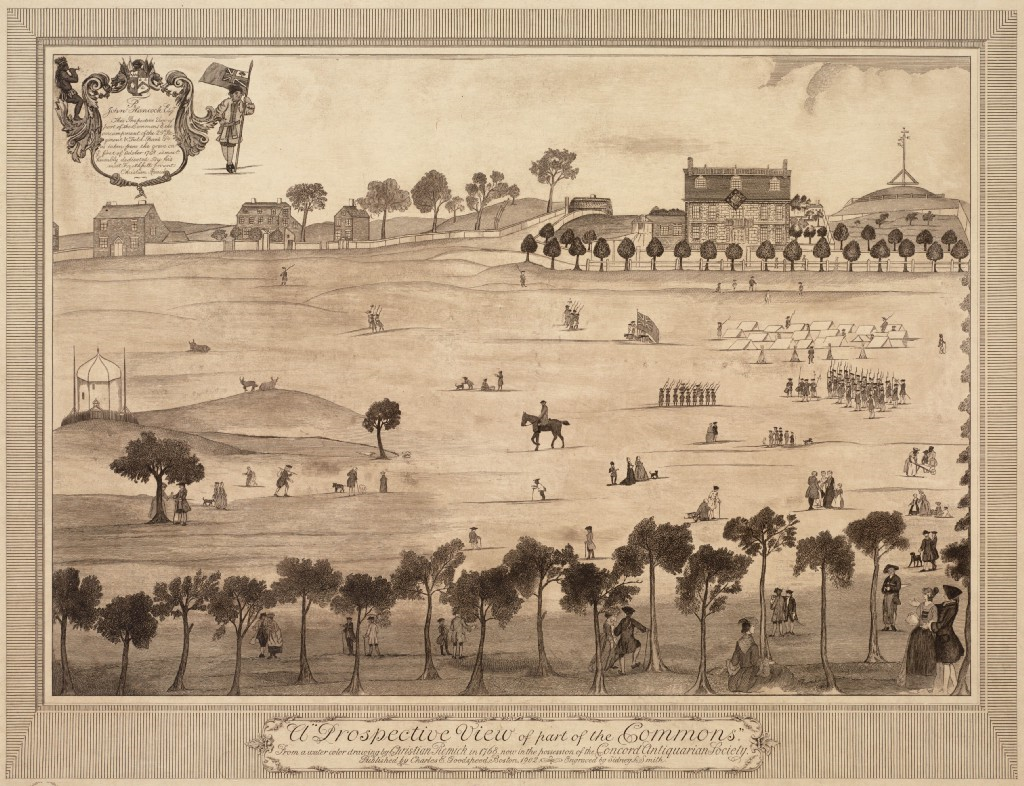
Boston Common in 1768.
“The Yankee mind was quick and sharp, but mainly it was singularly honest.’’
— Van Wyck Brooks (1886-1963), historian and critic, in The Flowering of New England
xxx
“The New England conscience does not stop you from doing what you shouldn’t; it just stops you from enjoying. it .’’
— Cleveland Amory (1917-1998), writer and animal-rights advocate. He came from a Boston Brahmin family.
‘Connected life’
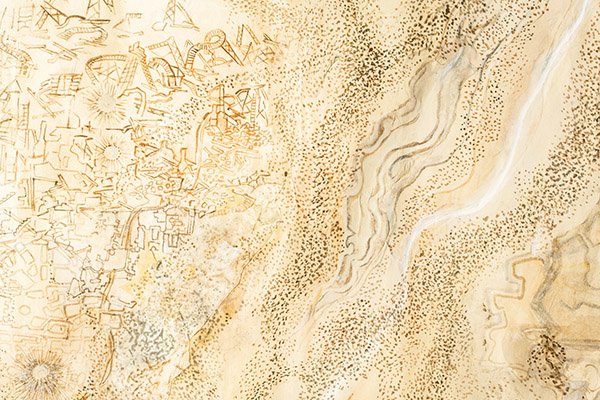
From Falmouth, Maine-based artist Allison Hildreth’s show “Darkness Visible,’’ at the Center for Maine Contemporary Art, Rockland, through Jan. 7.
She has said:
“Our earth is a connected fabric of life, interdependent, a product of a long evolutionary process. Bats, the animals that weave the night sky in a chaotic flight, are, for me, the epitome of the wildness of nature.’’
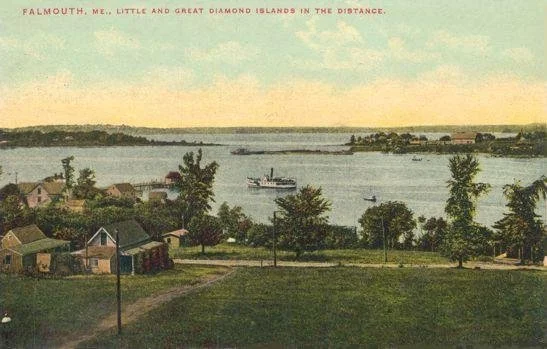
Casco Bay from Falmouth, Maine in 1905.
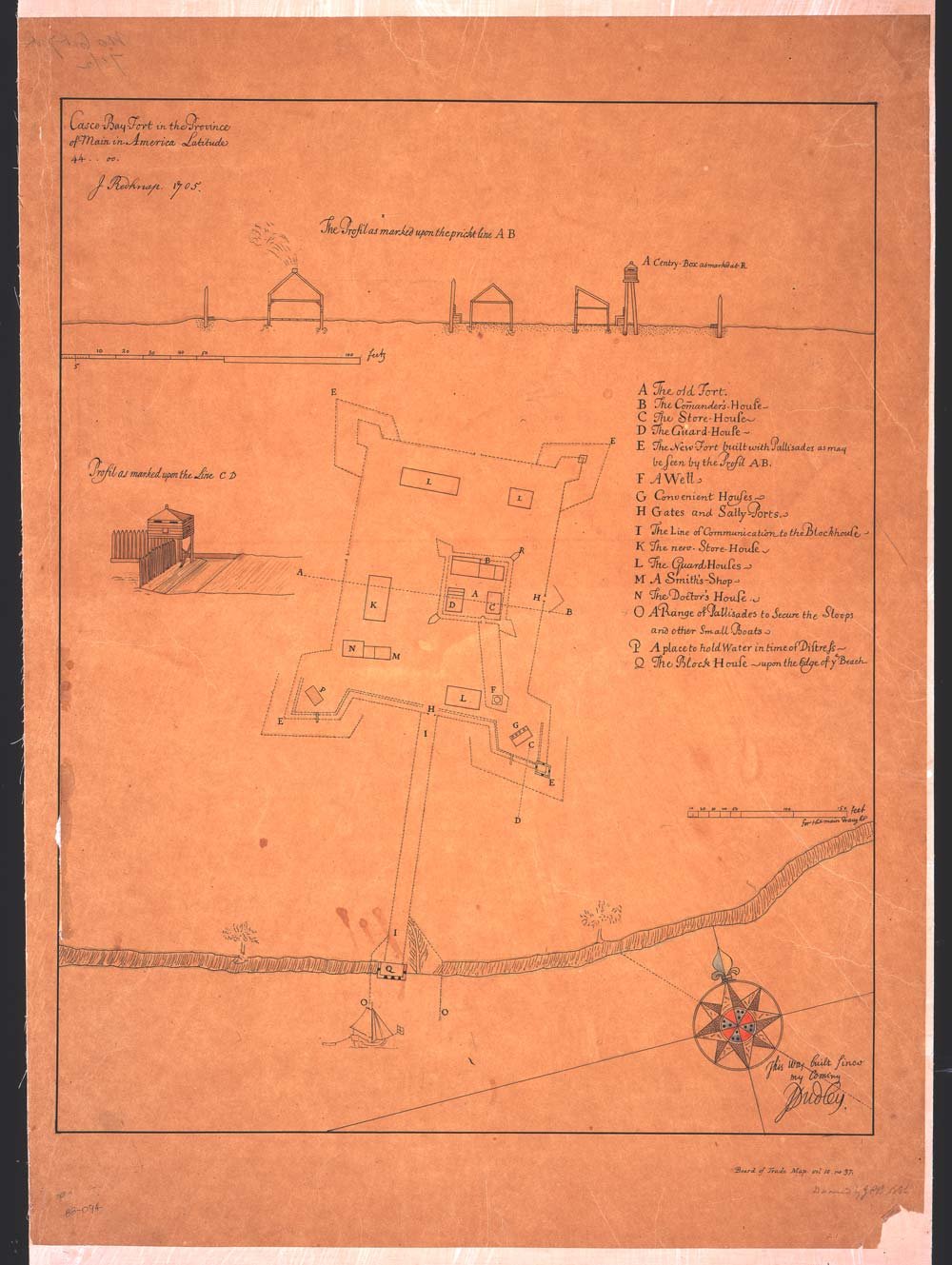
Rendering of Fort Casco, in Falmouth, in 1705.

He had to blast it

Elm Street in Milford, N.H. in 1915
“New Hampshire is called the Granite State, because it is built entirely of granite, covered with a couple of inches of dirt. The New Hampshire farmer does not “till the soil,’’ he blasts it. For nine months of the year he brings in wood, shovels snow, thaws out the pump, and wonders why {Robert} Peary wanted to discover the North Pole. The other three months he blasts, plants, and hopes.’’
— Will M. Cressey (1864-1930), writer, actor and humorist, in his The History of New Hampshire (1920’s)
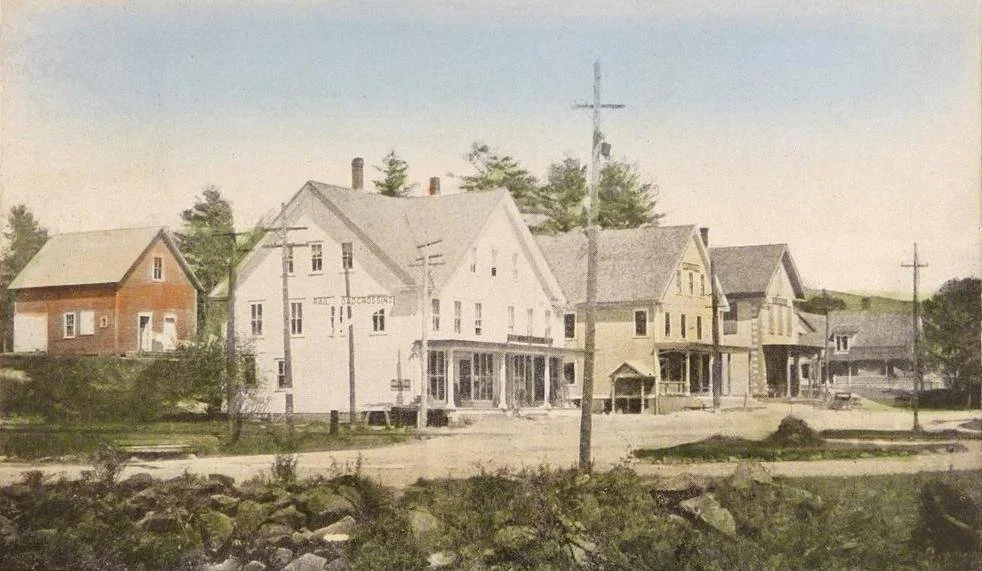
Depot Square in Bradford, N.H., in 1913
Transforming trauma

Archival inkjet print #74, by Minoo Emami, in her show “Under My Veil,’’ at the Hartford (Conn.) Art School through Dec. 16.
The gallery says “ Under My Veil’’ is the first mid-career retrospective of work by Emami, a multidisciplinary Iranian artist now living in the United States, Her art transforms the trauma of war and oppression into objects of resilience, resistance and hope. The exhibition in Joseloff Gallery includes new work and a performance related to the ongoing Women’s Rights Movement in Iran.
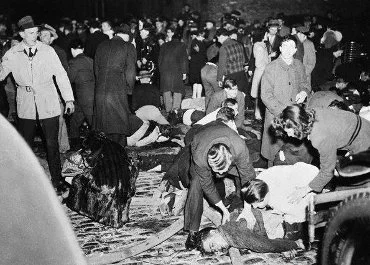
Finally a full memorial for victims of horrific Cocoanut Grove fire

What fire memorial will look like.
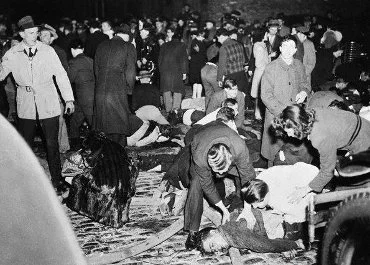
Trying to help victims of the fire.
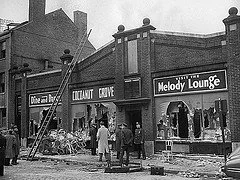
The morning after the fire.
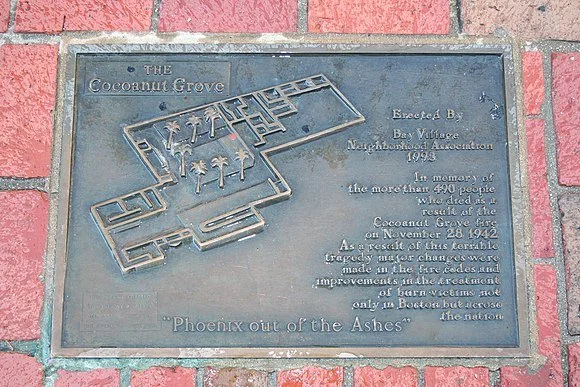
Plaque at the site of the fire.
The Cocoanut Grove fire, on Nov. 28, 1942, in which 492 patrons died in America’s worst nightclub fire, will be memorialized by a permanent monument in Statler Park, in Boston’s Bay Village neighbor. It will be dedicated next September.
City Council President Ed Flynn, representatives of the Boston Fire Department and descendants of the victims joined Mayor Michelle Wu to break ground for the monument Nov. 28.
‘Accosted by a timid bird’

— Photo by W.carter
A Field of Stubble, lying sere
Beneath the second Sun —
Its Toils to Brindled People thrust —
Its Triumphs — to the Bin —
Accosted by a timid Bird
Irresolute of Alms —
Is often seen — but seldom felt,
On our New England Farms —
— By Emily Dickinson (1830-1886)

Voices of her dead mother

Image from the show “Intimacies of Telephony,’’ by Margaret Wagner Hart, at Kingston Gallery, Boston, through Dec. 30.
The gallery says:
“‘Intimacies of Telephony,’ an ongoing installation, started with a collection of voicemails saved on a cellphone of Margaret Wagner Hart that were the last messages left by her now deceased mother. Captured on a hot pink Razor flip phone, they were trapped there when Hart decided to update her phone service.’’
She says:
“At the time, the technology to transfer the voicemails did not exist. As I dealt with the loss of my mother, I held onto that outdated cell phone as a sort of talisman. It housed an emotional catalog of voicemails, and as long as I had the phone, I could play back the messages.’’
Chris Powell: Will Conn. politicians summon courage to ask Biden to retire?
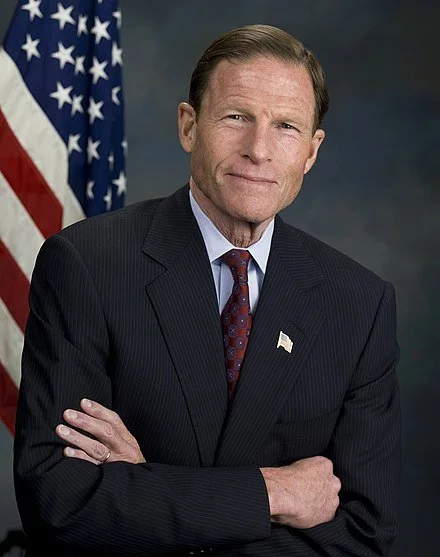
Connecticut Sen. Richard Blumenthal said he was “concerned” about Biden’s low polls.
MANCHESTER, Conn.
Have the country's two major political parties ever been as disgraceful as they are today?
Many Republicans remain devoted to Donald Trump despite his dishonesty, recklessness, hatefulness, cruelty and authoritarianism. Or maybe Republicans are devoted to Trump because of those characteristics. For as he runs for president again, Trump continues to embody the contempt fairly felt by millions about their government, even if contempt is no way to run a country.
But that contempt is so high because of President Biden, a Democrat, and his candidacy for re-election. Republicans won't turn away from Trump while polls show him ahead of Biden. What is most remarkable and appalling is that while polls show that Democrats overwhelmingly want their party to nominate someone other than Biden, no Democratic leaders of national standing dare to represent them, even as polls say a "generic" Democrat might easily defeat Trump.
There also wasn't much courage in the Democratic Party in a similarly disastrous time, in 1967 and 1968, when the country was deeply troubled by the unnecessary and mismanaged war in Vietnam. But there was some courage, though there were fewer mechanisms for challenging party leaders than there are today.
Back then party primary elections to choose delegates to national presidential nominating conventions were not common. But one Democrat, U.S. Sen. Eugene J. McCarthy, of Minnesota, answered the call for a challenger to President Lyndon B. Johnson, mobilized anti-war Democrats, showed that most Democrats wanted change, and caused the president to announce that he wouldn’t run for re-election in 1968.
While presidential primaries now are held in most states and Biden is a disaster politically, he is not being seriously challenged within his party, though supporting Biden empowers Trump.
In this regard Connecticut's congressional delegation, all five members of the House and both members of the Senate, is especially disappointing. Six of the seven are and long have been safe politically. The seventh, 5th District U.S. Rep. Jahana Hayes, has a competitive district but her greatest vulnerability as she seeks re-election next year will be running with Biden at the top of the Democratic ticket.
That is, all seven Connecticut Democrats in Congress could survive politically if they challenged the president's renomination. But they have had little to say about the disaster Biden's renomination would portend. Only U.S, Sen. Richard Blumenthal seems to have even acknowledged the danger, saying the other day that he is "concerned" about Biden's awful standing in the polls.
Gov. Ned Lamont, the state's leading Democrat, seems happy with the prospect of Biden's renomination and might prefer to preserve his high approval rating by staying out of national politics. But the governor usually has a good sense of how the political winds are blowing and surely has seen that they are filling Trump's sails. The governor might afford to spend some political capital by articulating what even most Democrats know about Biden -- that he shouldn’t run for re-election.
Confidentially, Connecticut's members of Congress might explain that if they admit that the president would serve the party and the country best by retiring, they might be cut off from the federal patronage that flows to the state. But how much patronage will Connecticut get under a Trump administration, which likely would come with Republican majorities in both houses of Congress?
As long as the Democrats seem likely to renominate Biden, thereby increasing the chances that the Republicans will renominate Trump, there probably will be stronger than usual minor-party candidates. Robert F. Kennedy Jr., shunned by the Democrats and now running independently, is getting unusually strong support in polls. The fusion ticket contemplated by the No Labels organization might do even better.
Then the national vote might be divided substantially four ways, putting almost every state in play in the Electoral College, risking strange results and leaving the country even angrier and more divided.
Even if Democratic leaders really believe that Biden is doing a good job, the people strongly disagree. Or maybe Democratic leaders secretly think that Trump's return wouldn't be much worse than four more years of Biden.
Chris Powell has written about Connecticut government and politics for many years. (CPowell@cox.net).
-END-

Llewellyn King: Kissinger, Schlesinger and me

Secretary of Defense James R. Schlesinger with President Gerald R. Ford and Secretary of State Henry Kissinger during a briefing at The White House, in November, 1974.
WEST WARWICK, R.I.
Henry Kissinger has died aged 100. I remember him through his archrival, James Schlesinger.
April 24, 1980 was a bleak day for the United States. It was the day we lost helicopters and eight men in the desert during Operation Eagle Claw, the failed attempt to rescue the hostages held by Iran.
Two Washington titans were out of office, chafing at their distance from power, their inability to take action and the attendant sense of impotence. They also disliked — no, hated — each other.
These giants were Henry Kissinger and James Schlesinger. Kissinger had been a national-security adviser and secretary of state. He shaped geopolitical thinking for the latter half of the 20th Century. He informed foreign policy as no other has.
Schlesinger had been the chairman of the Atomic Energy Commission, director of the CIA, secretary of defense and the first secretary of energy.
I had started covering Schlesinger as a journalist when he was at the AEC in 1971, and we formed a friendship which would last until his death.
I created The Energy Daily in 1973 and later Defense Week, high-impact newsletters dominant in their fields at the time. I had a keen desire to know what was going on with the failed rescue attempt. Although Defense Week was weekly, we frequently put out daily supplements. Along with The Energy Daily, these were hand-delivered in Washington. We got the news out fast.
I had helped Schlesinger with the creation of the Department of Energy as a sounding board and, at times, as the public voice of his frustration with the Carter administration — where Schlesinger, a Republican, didn’t always fit.
On that day of fate in the Iranian desert, I called Schlesinger to get the story. He astounded me by telling me that he was in close contact with Kissinger. “Henry has better sources than I do on this,” he said.
I remember that sentence verbatim because it was so extraordinary to hear Schlesinger refer to Kissinger by his first name. I had never heard it and except for that day, when I heard Schlesinger refer to Kissinger as “Henry” all day, I never heard it again. Before and afterwards, it was always just “Kissinger,” often preceded with a derogatory qualification.
“Henry may know.” “I’ll ask Henry.” “Let me see what Henry has heard.” All day Schlesinger had an open line to Kissinger, asking questions on my behalf.
I assumed that the rift between two of the most formidable figures in Washington was bridged. Some said this animosity went back to their time at Harvard. Certainly, it reached its zenith during the Nixon administration when both men were high office-holders with considerable input into national policy.
Later, in 1984, Kissinger published one of the volumes of his memoirs. I asked Schlesinger if he had read the book. (He seemed to read everything.)
He responded with a string of invective against Kissinger. Obscenities often flowed from Schlesinger, but this was epic. So much for first names and respect that one day, that day of entente.
When Kissinger told The Washington Post’s Sally Quinn famously at a party that he was a “secret swinger,” he wasn’t far off. Kissinger loved the social world and his place in it.
By contrast, Schlesinger entertained sparingly at his modest home in Arlington, Va. My wife, Linda Gasparello, and I were there frequently, and it was always takeaway Chinese food and lots of Scotch.
In all the years I knew him, Schlesinger only came to my home once, although I must have gone to his scores of times —especially toward the end of his life when he liked to talk about the British Empire with me and European history with Linda.
That one visit to an apartment I had in the center of Washington wasn’t pure socializing either. The deputy editor of The Economist, the legendary Norman Macrae, was the guest of honor. Schlesinger, then secretary of energy, was keen to meet Macrae and so he and his wife, Rachel, came.
In government, Kissinger thought Schlesinger was too hardline, too reckless in his attitude to the Soviet Union, Iran and, later, Saddam Hussein. Schlesinger thought Kissinger’s reputation was overblown and he enjoyed the machinations of negotiation without regard to the end result.
I never formally met Kissinger. But at a dinner in Washington where Kissinger had spoken and was taking questions afterwards, someone at my table asked me to ask his question, on the grounds that asking questions was my job.
I thought it was a stupid question, but I asked it anyway. Kissinger glowered at me, so everyone could see who had asked the question, and declared, “That is a stupid question.”
Llewellyn King is executive producer and host of White House Chronicle, on PBS. His email is llewellynking1@gmail.com, and he’s based in Rhode Island and Washington, D.C.

Back to the people

“Using the power of comics to teach teens about the way our government works This Is What Democracy Looks Like, A Graphic Guide To Governance is a 32-page comic book created by The Center for Cartoon Studies (CCS), in White River Junction, Vt., This comic guide helps to bring democracy back to the hands of the people by explaining what democracy actually means and how the whole thing works. This guide will be a great jumping-off point to learn about our government.’’
Doesn’t stand still
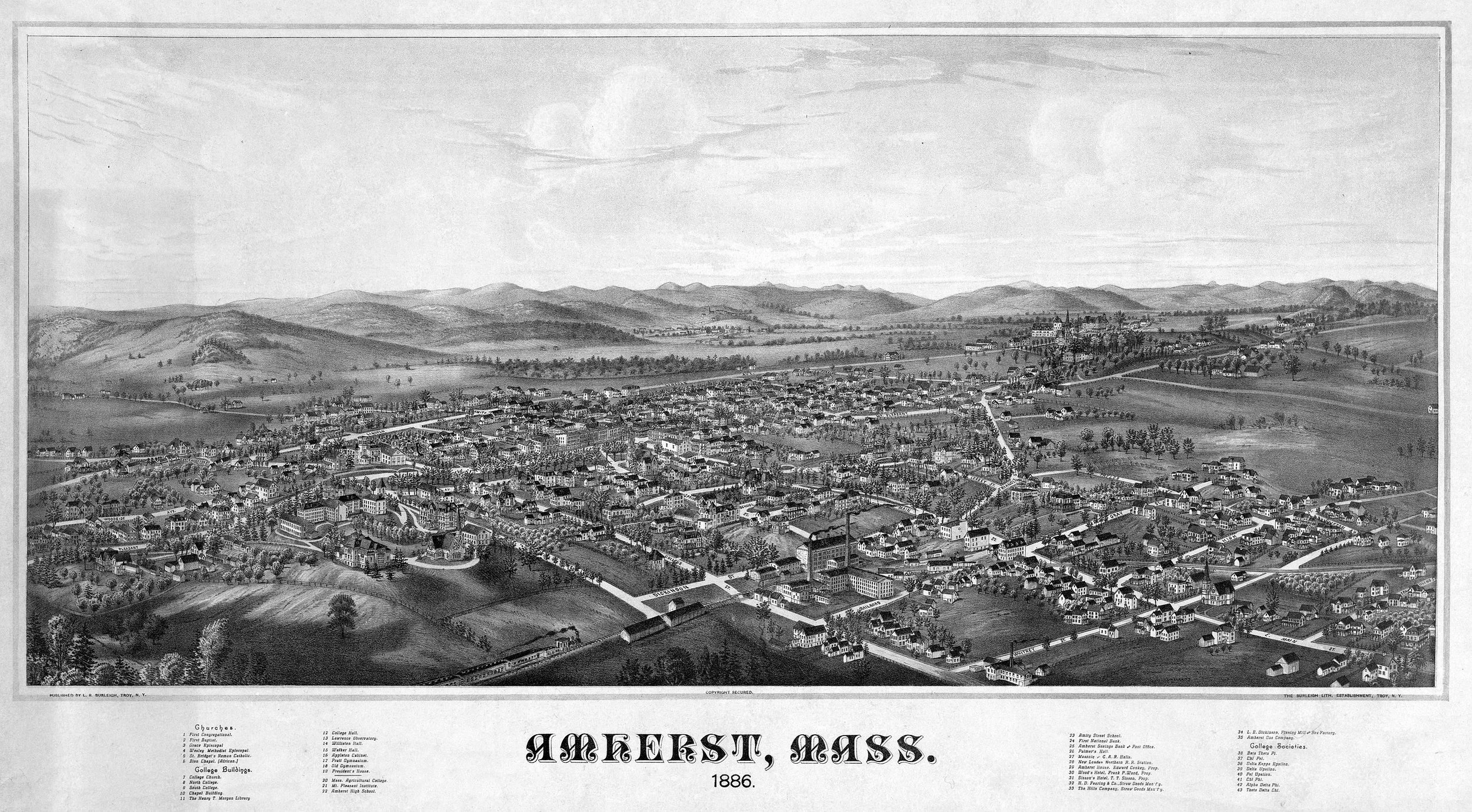
“It storms in Amherst {Mass.} five days - it snows, and then it rains, and then soft fogs like vails hang on all the houses, and then the days turn Topaz, like a lady's pin.’’
— Emily Dickinson (1830-1886), American poet, in letter to Mrs. Samuel Bowles dated Dec. 10, 1859