
Transforming trauma

Archival inkjet print #74, by Minoo Emami, in her show “Under My Veil,’’ at the Hartford (Conn.) Art School through Dec. 16.
The gallery says “ Under My Veil’’ is the first mid-career retrospective of work by Emami, a multidisciplinary Iranian artist now living in the United States, Her art transforms the trauma of war and oppression into objects of resilience, resistance and hope. The exhibition in Joseloff Gallery includes new work and a performance related to the ongoing Women’s Rights Movement in Iran.
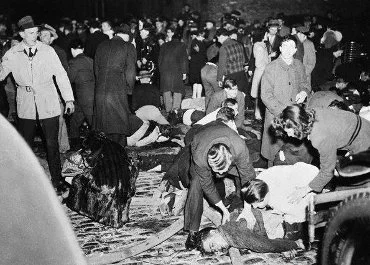
Finally a full memorial for victims of horrific Cocoanut Grove fire

What fire memorial will look like.
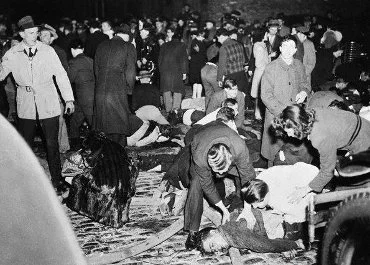
Trying to help victims of the fire.
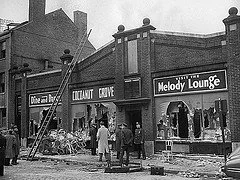
The morning after the fire.
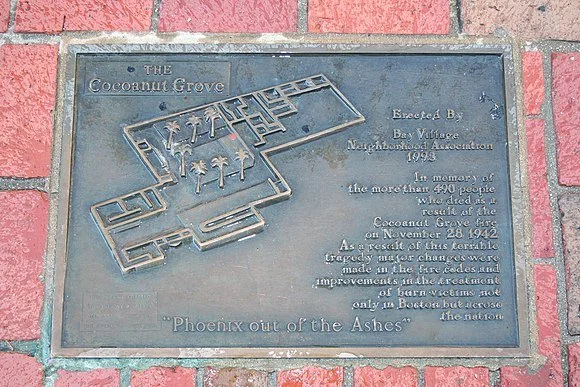
Plaque at the site of the fire.
The Cocoanut Grove fire, on Nov. 28, 1942, in which 492 patrons died in America’s worst nightclub fire, will be memorialized by a permanent monument in Statler Park, in Boston’s Bay Village neighbor. It will be dedicated next September.
City Council President Ed Flynn, representatives of the Boston Fire Department and descendants of the victims joined Mayor Michelle Wu to break ground for the monument Nov. 28.
‘Accosted by a timid bird’

— Photo by W.carter
A Field of Stubble, lying sere
Beneath the second Sun —
Its Toils to Brindled People thrust —
Its Triumphs — to the Bin —
Accosted by a timid Bird
Irresolute of Alms —
Is often seen — but seldom felt,
On our New England Farms —
— By Emily Dickinson (1830-1886)

Voices of her dead mother

Image from the show “Intimacies of Telephony,’’ by Margaret Wagner Hart, at Kingston Gallery, Boston, through Dec. 30.
The gallery says:
“‘Intimacies of Telephony,’ an ongoing installation, started with a collection of voicemails saved on a cellphone of Margaret Wagner Hart that were the last messages left by her now deceased mother. Captured on a hot pink Razor flip phone, they were trapped there when Hart decided to update her phone service.’’
She says:
“At the time, the technology to transfer the voicemails did not exist. As I dealt with the loss of my mother, I held onto that outdated cell phone as a sort of talisman. It housed an emotional catalog of voicemails, and as long as I had the phone, I could play back the messages.’’
Chris Powell: Will Conn. politicians summon courage to ask Biden to retire?
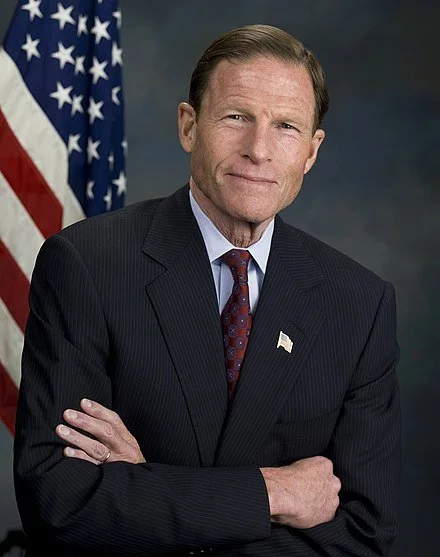
Connecticut Sen. Richard Blumenthal said he was “concerned” about Biden’s low polls.
MANCHESTER, Conn.
Have the country's two major political parties ever been as disgraceful as they are today?
Many Republicans remain devoted to Donald Trump despite his dishonesty, recklessness, hatefulness, cruelty and authoritarianism. Or maybe Republicans are devoted to Trump because of those characteristics. For as he runs for president again, Trump continues to embody the contempt fairly felt by millions about their government, even if contempt is no way to run a country.
But that contempt is so high because of President Biden, a Democrat, and his candidacy for re-election. Republicans won't turn away from Trump while polls show him ahead of Biden. What is most remarkable and appalling is that while polls show that Democrats overwhelmingly want their party to nominate someone other than Biden, no Democratic leaders of national standing dare to represent them, even as polls say a "generic" Democrat might easily defeat Trump.
There also wasn't much courage in the Democratic Party in a similarly disastrous time, in 1967 and 1968, when the country was deeply troubled by the unnecessary and mismanaged war in Vietnam. But there was some courage, though there were fewer mechanisms for challenging party leaders than there are today.
Back then party primary elections to choose delegates to national presidential nominating conventions were not common. But one Democrat, U.S. Sen. Eugene J. McCarthy, of Minnesota, answered the call for a challenger to President Lyndon B. Johnson, mobilized anti-war Democrats, showed that most Democrats wanted change, and caused the president to announce that he wouldn’t run for re-election in 1968.
While presidential primaries now are held in most states and Biden is a disaster politically, he is not being seriously challenged within his party, though supporting Biden empowers Trump.
In this regard Connecticut's congressional delegation, all five members of the House and both members of the Senate, is especially disappointing. Six of the seven are and long have been safe politically. The seventh, 5th District U.S. Rep. Jahana Hayes, has a competitive district but her greatest vulnerability as she seeks re-election next year will be running with Biden at the top of the Democratic ticket.
That is, all seven Connecticut Democrats in Congress could survive politically if they challenged the president's renomination. But they have had little to say about the disaster Biden's renomination would portend. Only U.S, Sen. Richard Blumenthal seems to have even acknowledged the danger, saying the other day that he is "concerned" about Biden's awful standing in the polls.
Gov. Ned Lamont, the state's leading Democrat, seems happy with the prospect of Biden's renomination and might prefer to preserve his high approval rating by staying out of national politics. But the governor usually has a good sense of how the political winds are blowing and surely has seen that they are filling Trump's sails. The governor might afford to spend some political capital by articulating what even most Democrats know about Biden -- that he shouldn’t run for re-election.
Confidentially, Connecticut's members of Congress might explain that if they admit that the president would serve the party and the country best by retiring, they might be cut off from the federal patronage that flows to the state. But how much patronage will Connecticut get under a Trump administration, which likely would come with Republican majorities in both houses of Congress?
As long as the Democrats seem likely to renominate Biden, thereby increasing the chances that the Republicans will renominate Trump, there probably will be stronger than usual minor-party candidates. Robert F. Kennedy Jr., shunned by the Democrats and now running independently, is getting unusually strong support in polls. The fusion ticket contemplated by the No Labels organization might do even better.
Then the national vote might be divided substantially four ways, putting almost every state in play in the Electoral College, risking strange results and leaving the country even angrier and more divided.
Even if Democratic leaders really believe that Biden is doing a good job, the people strongly disagree. Or maybe Democratic leaders secretly think that Trump's return wouldn't be much worse than four more years of Biden.
Chris Powell has written about Connecticut government and politics for many years. (CPowell@cox.net).
-END-

Llewellyn King: Kissinger, Schlesinger and me

Secretary of Defense James R. Schlesinger with President Gerald R. Ford and Secretary of State Henry Kissinger during a briefing at The White House, in November, 1974.
WEST WARWICK, R.I.
Henry Kissinger has died aged 100. I remember him through his archrival, James Schlesinger.
April 24, 1980 was a bleak day for the United States. It was the day we lost helicopters and eight men in the desert during Operation Eagle Claw, the failed attempt to rescue the hostages held by Iran.
Two Washington titans were out of office, chafing at their distance from power, their inability to take action and the attendant sense of impotence. They also disliked — no, hated — each other.
These giants were Henry Kissinger and James Schlesinger. Kissinger had been a national-security adviser and secretary of state. He shaped geopolitical thinking for the latter half of the 20th Century. He informed foreign policy as no other has.
Schlesinger had been the chairman of the Atomic Energy Commission, director of the CIA, secretary of defense and the first secretary of energy.
I had started covering Schlesinger as a journalist when he was at the AEC in 1971, and we formed a friendship which would last until his death.
I created The Energy Daily in 1973 and later Defense Week, high-impact newsletters dominant in their fields at the time. I had a keen desire to know what was going on with the failed rescue attempt. Although Defense Week was weekly, we frequently put out daily supplements. Along with The Energy Daily, these were hand-delivered in Washington. We got the news out fast.
I had helped Schlesinger with the creation of the Department of Energy as a sounding board and, at times, as the public voice of his frustration with the Carter administration — where Schlesinger, a Republican, didn’t always fit.
On that day of fate in the Iranian desert, I called Schlesinger to get the story. He astounded me by telling me that he was in close contact with Kissinger. “Henry has better sources than I do on this,” he said.
I remember that sentence verbatim because it was so extraordinary to hear Schlesinger refer to Kissinger by his first name. I had never heard it and except for that day, when I heard Schlesinger refer to Kissinger as “Henry” all day, I never heard it again. Before and afterwards, it was always just “Kissinger,” often preceded with a derogatory qualification.
“Henry may know.” “I’ll ask Henry.” “Let me see what Henry has heard.” All day Schlesinger had an open line to Kissinger, asking questions on my behalf.
I assumed that the rift between two of the most formidable figures in Washington was bridged. Some said this animosity went back to their time at Harvard. Certainly, it reached its zenith during the Nixon administration when both men were high office-holders with considerable input into national policy.
Later, in 1984, Kissinger published one of the volumes of his memoirs. I asked Schlesinger if he had read the book. (He seemed to read everything.)
He responded with a string of invective against Kissinger. Obscenities often flowed from Schlesinger, but this was epic. So much for first names and respect that one day, that day of entente.
When Kissinger told The Washington Post’s Sally Quinn famously at a party that he was a “secret swinger,” he wasn’t far off. Kissinger loved the social world and his place in it.
By contrast, Schlesinger entertained sparingly at his modest home in Arlington, Va. My wife, Linda Gasparello, and I were there frequently, and it was always takeaway Chinese food and lots of Scotch.
In all the years I knew him, Schlesinger only came to my home once, although I must have gone to his scores of times —especially toward the end of his life when he liked to talk about the British Empire with me and European history with Linda.
That one visit to an apartment I had in the center of Washington wasn’t pure socializing either. The deputy editor of The Economist, the legendary Norman Macrae, was the guest of honor. Schlesinger, then secretary of energy, was keen to meet Macrae and so he and his wife, Rachel, came.
In government, Kissinger thought Schlesinger was too hardline, too reckless in his attitude to the Soviet Union, Iran and, later, Saddam Hussein. Schlesinger thought Kissinger’s reputation was overblown and he enjoyed the machinations of negotiation without regard to the end result.
I never formally met Kissinger. But at a dinner in Washington where Kissinger had spoken and was taking questions afterwards, someone at my table asked me to ask his question, on the grounds that asking questions was my job.
I thought it was a stupid question, but I asked it anyway. Kissinger glowered at me, so everyone could see who had asked the question, and declared, “That is a stupid question.”
Llewellyn King is executive producer and host of White House Chronicle, on PBS. His email is llewellynking1@gmail.com, and he’s based in Rhode Island and Washington, D.C.

Back to the people

“Using the power of comics to teach teens about the way our government works This Is What Democracy Looks Like, A Graphic Guide To Governance is a 32-page comic book created by The Center for Cartoon Studies (CCS), in White River Junction, Vt., This comic guide helps to bring democracy back to the hands of the people by explaining what democracy actually means and how the whole thing works. This guide will be a great jumping-off point to learn about our government.’’
Doesn’t stand still
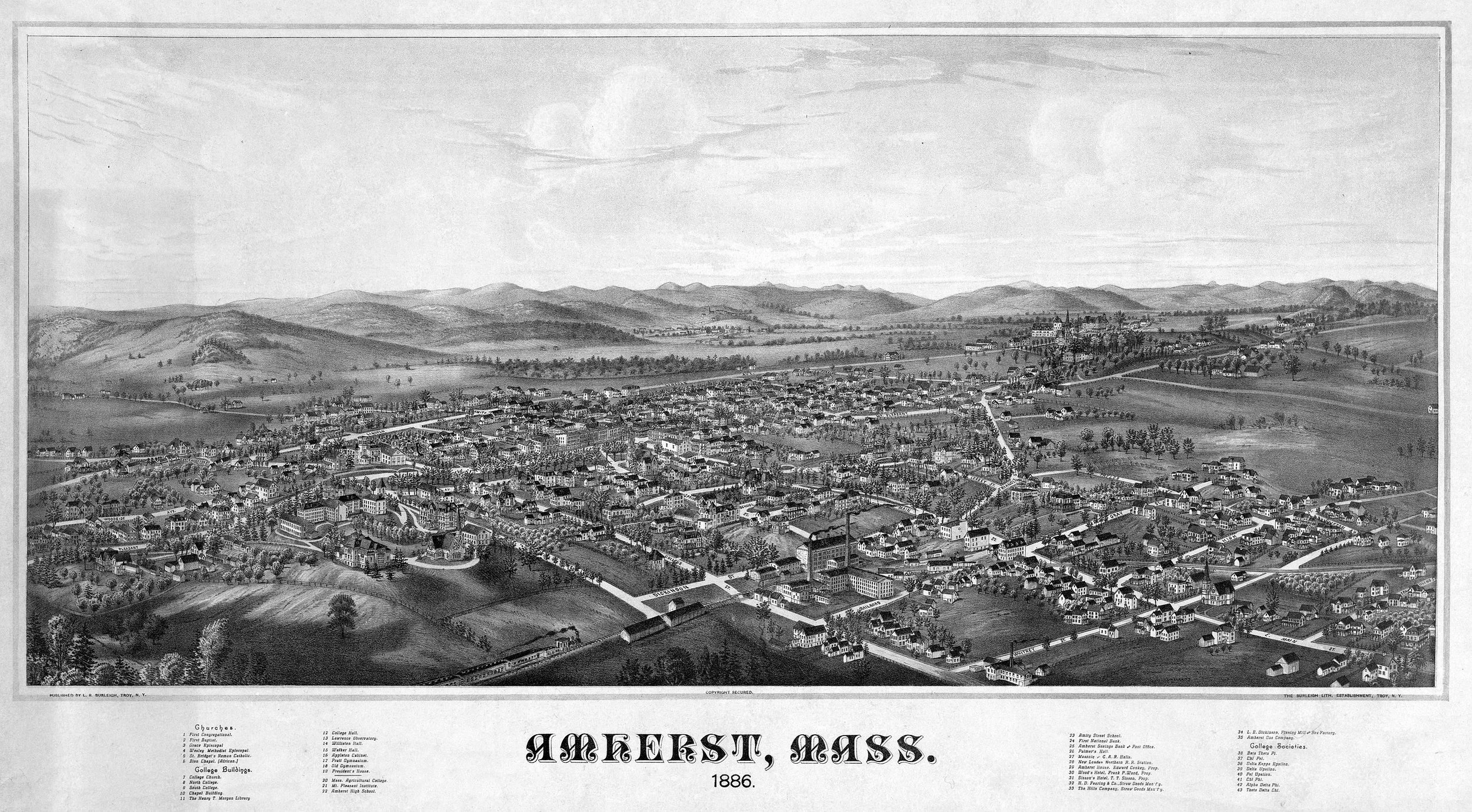
“It storms in Amherst {Mass.} five days - it snows, and then it rains, and then soft fogs like vails hang on all the houses, and then the days turn Topaz, like a lady's pin.’’
— Emily Dickinson (1830-1886), American poet, in letter to Mrs. Samuel Bowles dated Dec. 10, 1859
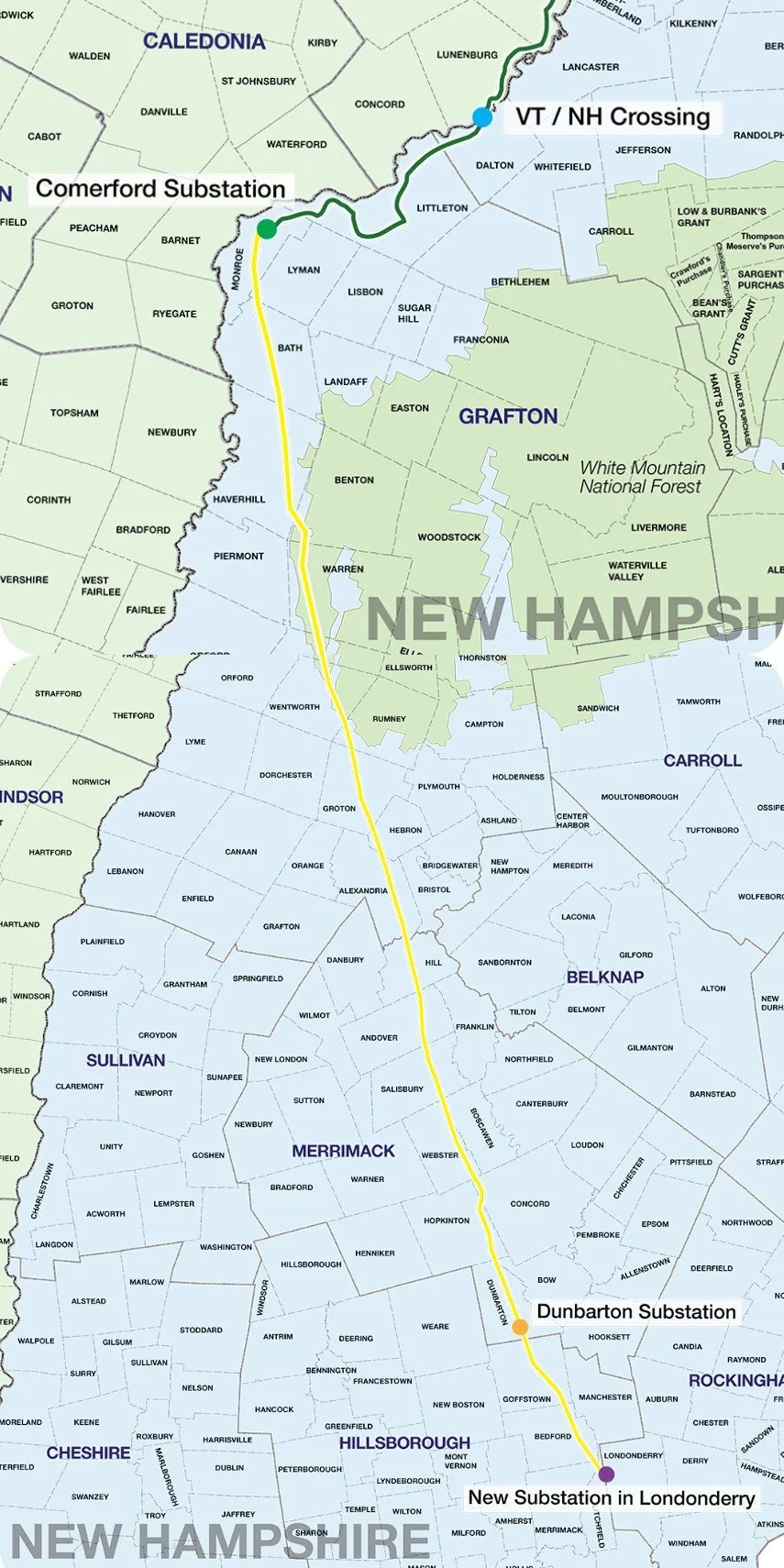
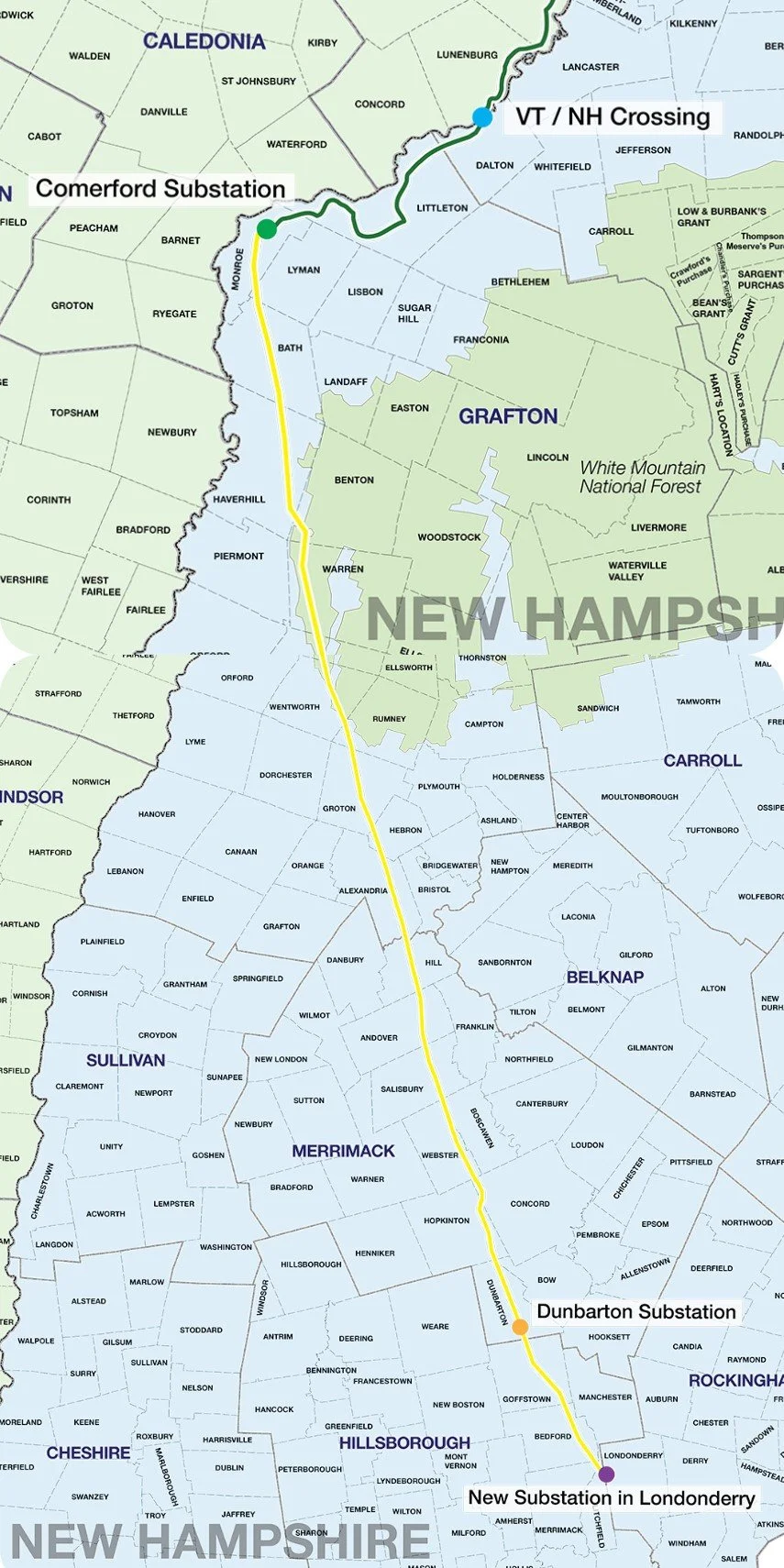
New N.H.-Vt. link to facilitate transfer of hydropower from Quebec to New England
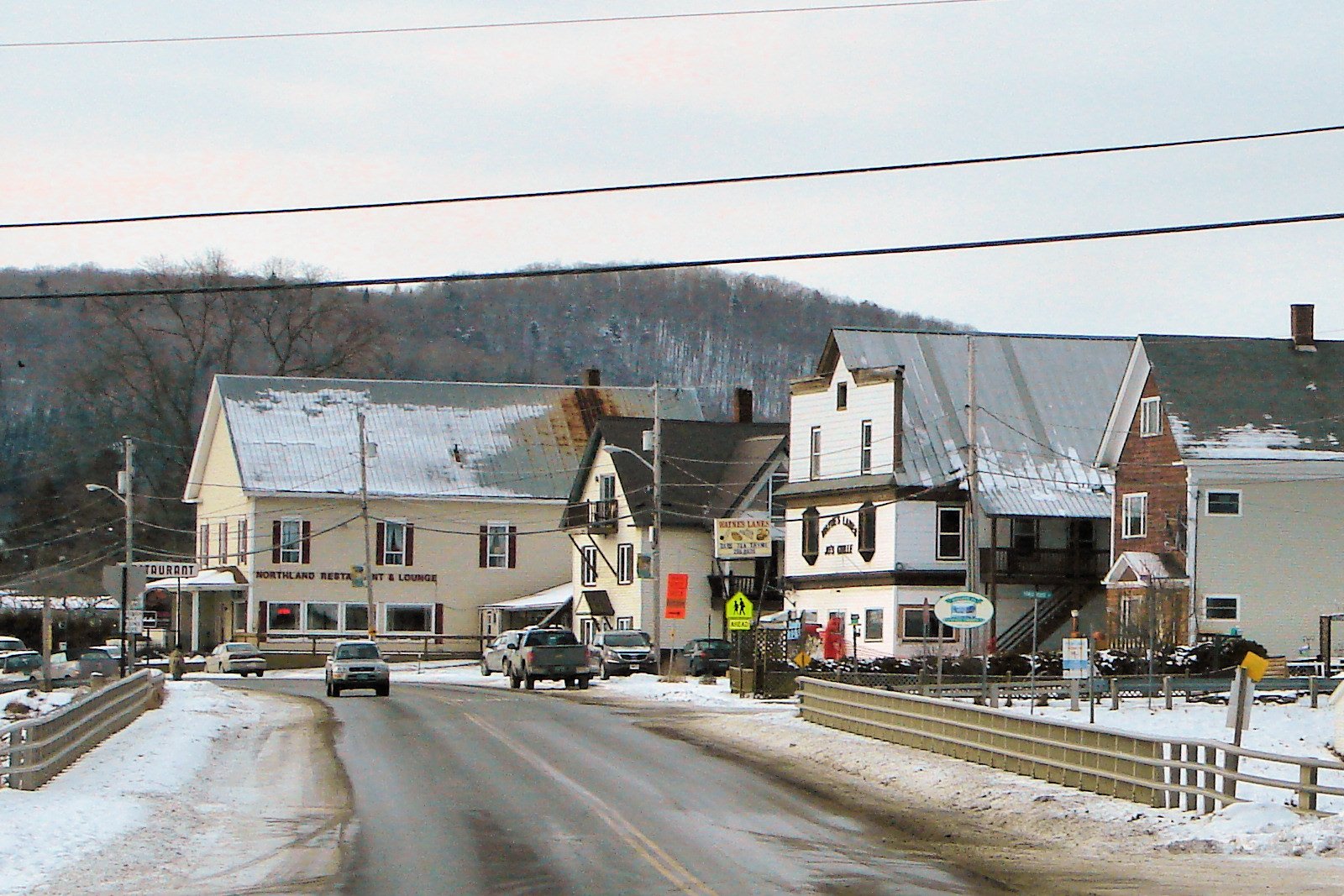
Town center of Canaan, Vt.
—Photo by P199

Grange hall in Londonderry, N.H.
— Photo by Sdkb
Edited from a New England Council report
“National Grid has been awarded federal backing to construct the Twin States Clean Energy Link, a 1.2-gigawatt high-voltage direct current (HVDC) transmission line spanning from Canaan, Vt., to Londonderry, N.H.
This initiative, one of the Biden administration’s key energy-infrastructure projects, aims to facilitate the transfer of Quebec hydropower to New England and enable reciprocal energy exports. Anticipated to kick off in the latter half of 2026, the project is supported by a Department of Energy financing strategy, entailing the purchase of up to 50 percent capacity on eligible transmission lines to reduce risks and attract additional investment.
National Grid has garnered significant backing from local communities and stakeholders along the route, as it unveils plans for a $260 million community- benefits program alongside an expected $8.3 billion in wholesale energy cost savings over the initial twelve years of operation. The company operates as a multinational energy firm, separate from its regulated utilities, serving natural-gas and electricity consumers in New York and Massachusetts.
“‘This is an important step forward for the {two states} as we work to make the project a reality for the region,’ said Stephen Woerner, New England president of National Grid’s New England unit . ‘DOE has recognized the significant economic and environmental benefits of this project to New England communities, residents, and businesses, and we’re grateful for this recognition from our federal partners. This project would be a win for the New England region, and we thank our stakeholders and the many route communities for their strong support. We look forward to working with DOE on the next steps in the TFP process and continuing our deep engagement with the communities and our regional partners to bring this project to fruition.”’
Jim Hightower:The humanities are priceless

Learning about medicine through classical art.
Via OtherWords.org
The far-out right-wing’s latest political ploy takes extremism to the extreme. Escalating their divisive series of “culture wars” — banning books, suppressing women’s rights, whitewashing history, demonizing teachers, etc. — their next idea is to declare war on ideas themselves.
Specifically, they’re going after state university programs that teach creative arts and social studies, including history, languages, music, civics, literature, economics, theology, and other courses in the humanities that explore ideas, foster free-thinking and expand enlightenment.
We can’t have that, can we?
Thus, GOP lawmakers in North Carolina, for example, are eliminating funding for top humanities professors in their universities, shifting those funds to programs in high-tech and engineering that are favored by the corporate hierarchy. Likewise, public universities in Alaska, Florida, Iowa, Kansas, Ohio and elsewhere are being made to cancel their humanities programs and puff up their departments of business, finance, and marketing
The right wing’s shriveled view is that a university education isn’t about expanding one’s horizon and enriching America’s democratic society — but solely about training students to fit into a corporate workforce, sacrificing the possibility of a fuller life for the possibility of a fatter paycheck. As a Mississippi Republican official explained, under this minimalized and monetized concept of higher education, state spending on college degree programs will require that they match the needs of the economy.
What? Is America nothing but its economy? Is the value of students measured only by the size of their future paychecks? Is public spending only worthy if it serves corporate interests?
Ironically, the politicians trying to cancel teaching of the humanities are proving that such courses are essential. After all, the humanities strive to humanize today’s social order of corporate domination, exploitation, and inequality. The value of that vastly exceeds its price.
In fact, the humanities are priceless.
Jim Hightower is a radio commentator, writer and public speaker.
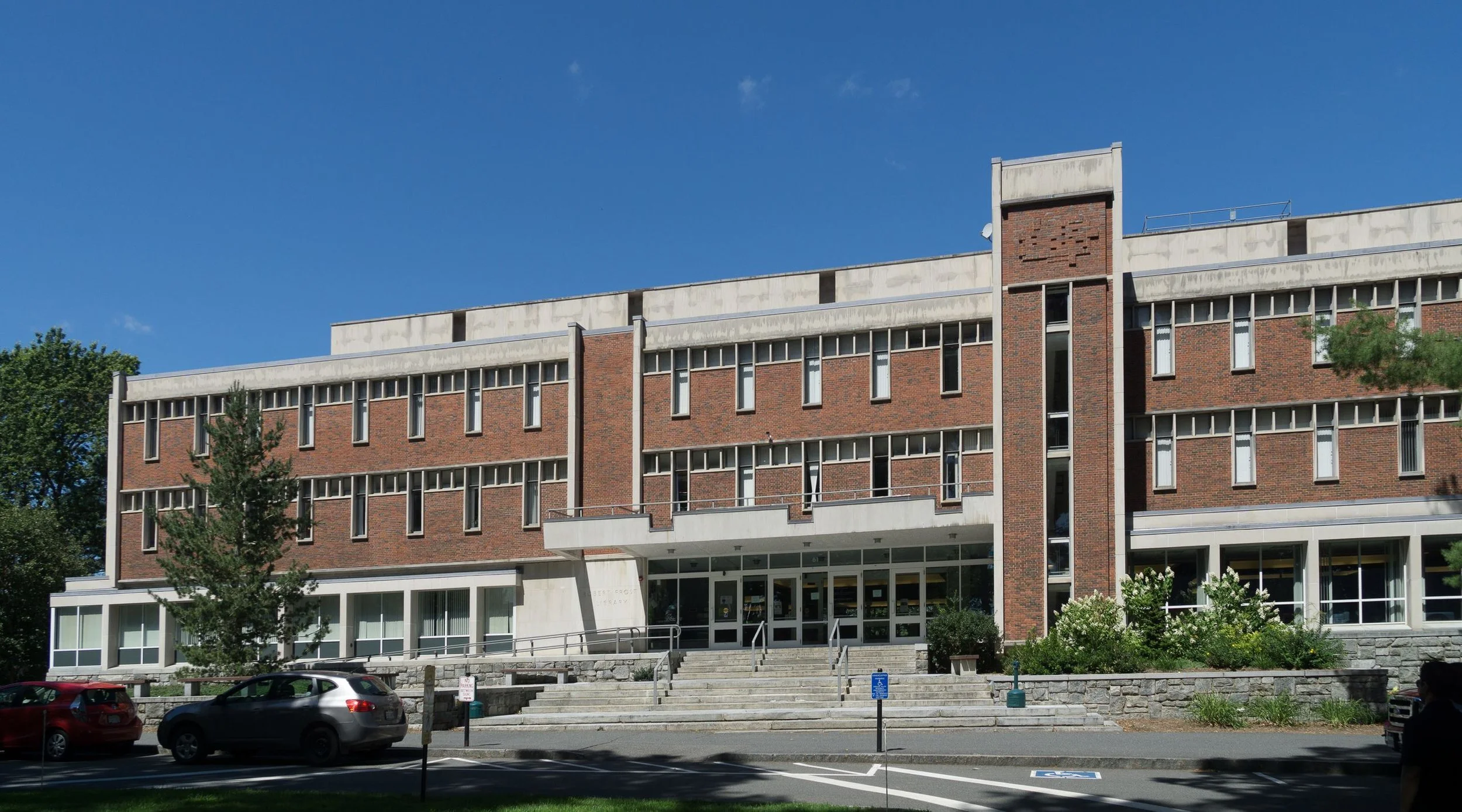
The Robert Frost Memorial Library, at Amherst (Mass.) College. President John F. Kennedy, who revered the famed poet, gave his last major address, on Oct. 26, 1963, at the groundbreaking of the library building.
—Photo by Kenneth C. Zirkel

At the Boston Museum of Fine Arts
— Photo by Omar David Sandoval Sida
But bring a map anyway

"...the wailing...ushers us home...and there is a bellying on the land...’’ (mixed media on jacquard woven photo tapestry and custom vinyl wallpaper), by Ebony G. Patterson, in the show “Women Reframe American Landscape,’’ at the New Britain (Conn.) Museum of American Art, through March 31.
Image courtesy the artist and Monique Meloche Gallery
The museum says the show “features the work of nineteenth-century American artist Susie M. Barstow juxtaposed against the work of 13 internationally acclaimed, contemporary female artists. Many of the 13 artists made site-specific installations for this show that, much like the exhibition's title suggests, reframes the concept of land and the ‘landscape’ in artwork.’’

“Kaaterskill Creek” in New York, circa 1870, by Susie M. Barstow

Can’t keep

Canada geese
“Some woman every year
Must catch her breath and weep
With so much wildness near
At all she cannot keep.’’
— From “The Geese,’’ by May Sarton (1912-1995), prolific Belgian-American writer. In the last 22 years of her life, she lived in a house (since demolished) on the coast of York, Maine.
To read/listen to the whole poem, hit this link.

The Wiggly Bridge, in York, is the smallest pedestrian suspension bridge in the United States.
—Photo by Bigmacthealmanac
Inherited from Bollywood

From “Artifice,’’ new paintings by Springfield, Mass., artist Priya N. Green, at the D’Amour Museum of Fine Arts, Springfield, through Dec. 31
She says that her “layered oil paintings explore ideas of reality and perception through the pervasive images found in the news. Green’s work forms a response to the phenomenological impact of absorbing information and seeking truth through the screen. She uses the materiality of paint to address the veracity of the photographic images that have penetrated the twenty-first century psyche. As the granddaughter of a Bollywood screenwriter, Green believes her fascination with images is an inherited trait. By extracting and manipulating these images through paint, she forms an emotional connection to these events that are otherwise intangibly experienced through a screen.’’
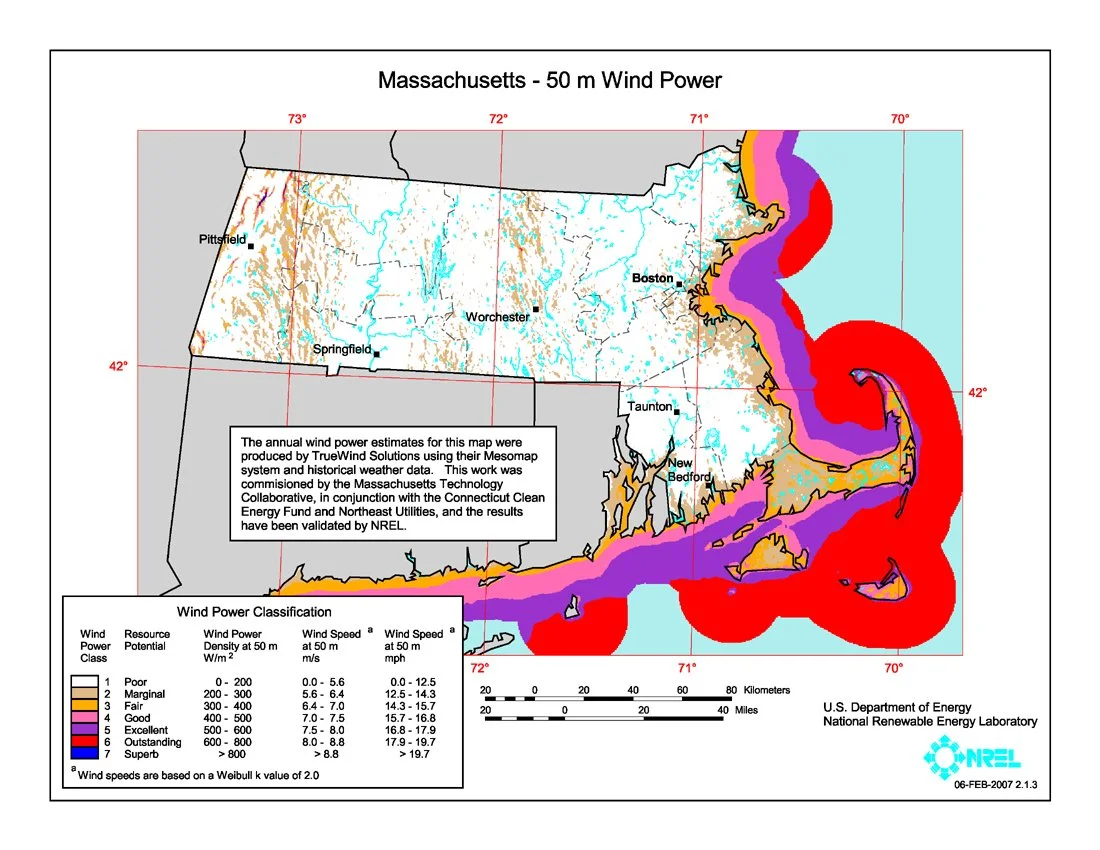
Offshore wind-power battles keep coming
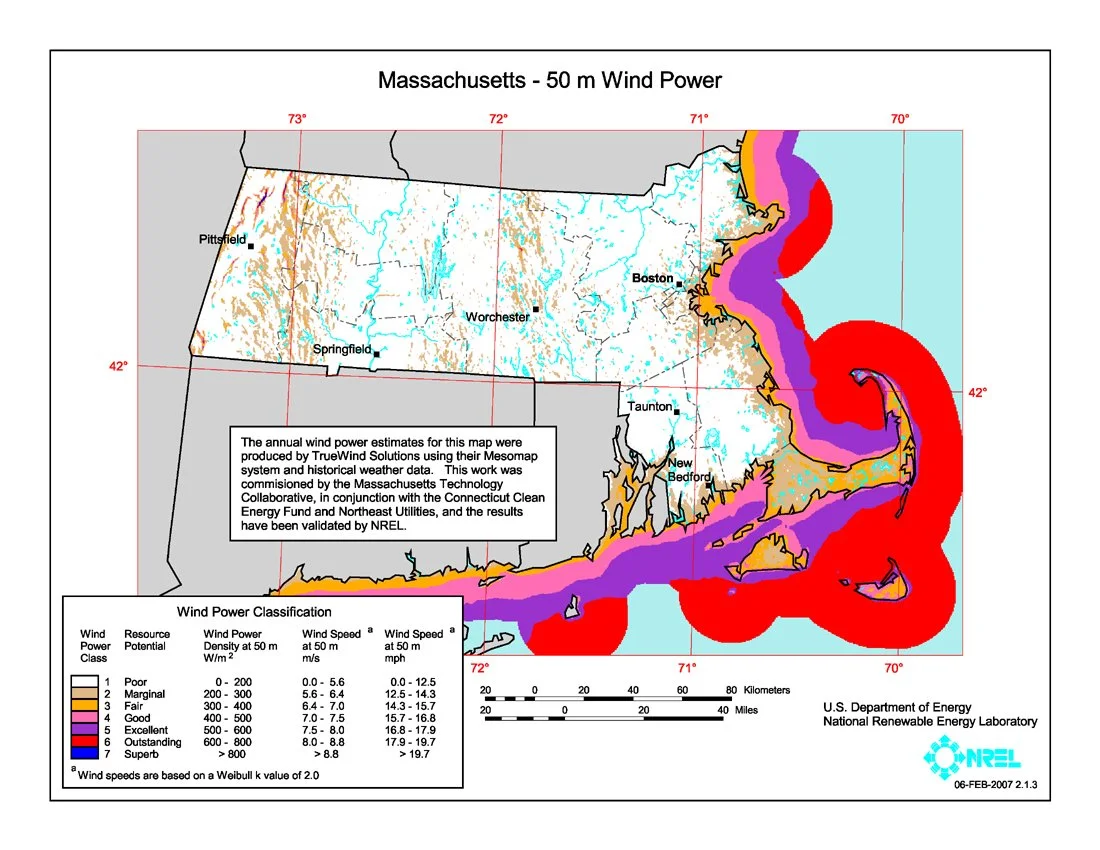
“50 m” means mean wind speed at 50 meters above the ground or water.
Adapted from Robert Whitcomb’s “Digital Diary,’’ in GoLocal24.com
As usual, whatever the huge environmental and economic benefits of green-energy projects, some people try to block them, especially affluent folks who don’t want to look at them or even if they can’t see them hate the very idea of being anywhere near them. Sometimes the blocking attempts are on their own, and sometimes they get the help of the fossil-fuel industry. (Hey, who wants competition?!) Consider that a far-right (euphemism – ‘’libertarian”) Trump-connected outfit called the Caesar Rodney Institute, with ties to the oil industry, is one of the groups fighting offshore wind projects.
The latest example in these parts is a bunch of people in the Cape Cod town of Barnstable trying to stop electrical cables from the offshore wind farms of Commonwealth Wind and Park City Wind from being laid 50 feet under beaches.
The foes like to cite alleged health risks from electromagnetic fields and fires. But in fact putting these cables deep underground is the safest way to go. How many of these opponents have complained about the risks from overhead lines, which produce -- obviously! --far, far more human exposure to electromagnetic fields than can underground cables, require cutting down wide swaths of woods and otherwise disturbing the environment to make space for them and can (albeit rarely) cause fires, of which California is the most dramatic example.
There have long been underground cables all over America that carry the same voltages that would come from these offshore wind projects. And cables from offshore wind farms in Europe have been put under beaches without incident, but it’s a lot easier to do such projects there than here.
Hypocrisy makes the world go round.
And now some powerful folks in Newport seek to block wind turbines in the water far off that city. One foe is self-described “Trumpette’’ Dee Gordon, whose properties, with her husband, include a place on Ocean Drive.
Of course plenty of people, Trumpette or otherwise, don’t want wind turbines near them.
Hit this link, this one and this one. And this one.
And this one. And, finally, this one.
I hope that Massachusetts officials will favor the broad public interest and not let local opposition block what would be an environmental and economic boon for our region. But lots of people still seem to prefer burning oil, gas and coal from outside our region rather than putting up with nonpolluting, locally produced energy.
Another ‘Big Brother’
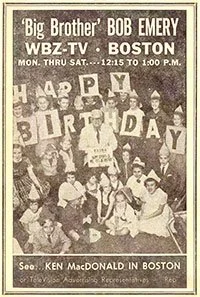
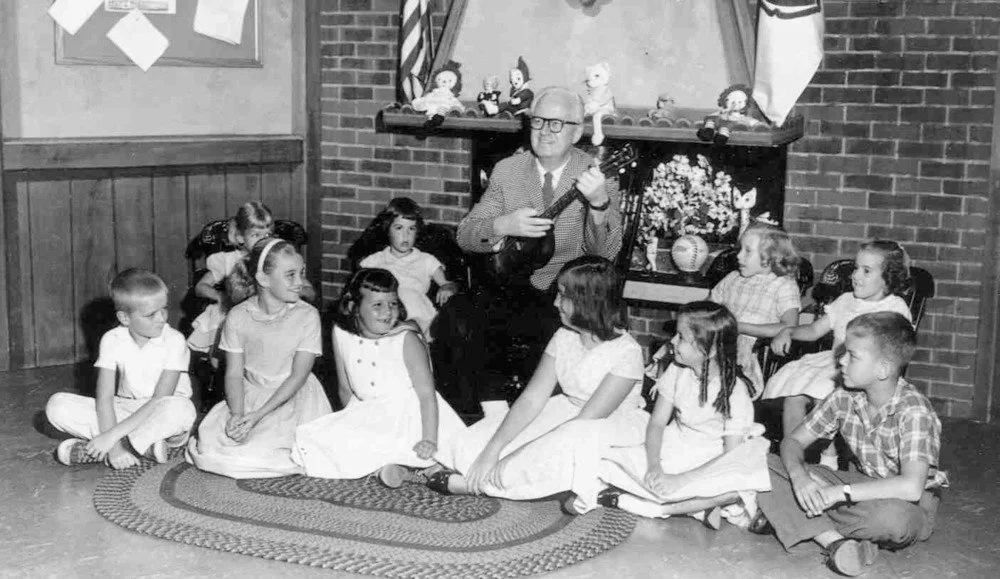
In the ‘50s, Clair Robert Emery, aka “Big Brother Bob Emery,’’ hosted a kids’ TV show on WBZ, in Boston, called the Small Fry Club. That “innocent’’ era saw many such gentle shows for Baby Boomers.
The show provided short films, including cartoons, along with demonstrations, songs, puppets and actors in animal suits who performed short sketches.
Emery promoted a bland friendliness, respect and good citizenship, and sang his theme song, “The Grass Is Always Greener in the Other Fellow’s Yard,’’ while strumming his trademark ukelele. How well did his lessons take?
In any event, he didn’t seem to hear the Orwellian echo of “Big Brother.’’
Chris Powell: In Connecticut and elsewhere, to raise incomes raise job skills

In East Hartford near the Connecticut River on a gloomy day.
— Photo by JJBers
MANCHESTER, Conn.
East Hartford's new mayor, Connor Martin, has a vision and a prescription for his town of 51,000.
“We're no longer going to be this blue-collar town, this poor community that we get labeled as," Martin says. "We have to start raising the household median income, bring in revenue through economic development, and bring in retail, entertainment, and shopping.”
Great -- but how?
Raising incomes should be the objective of government throughout the country, especially since inflation-adjusted incomes for many people have been declining for years under the pressure of soaring inflation -- currency devaluation caused by the federal government's policy of financing huge increases in spending not through taxes but money creation.
These days whenever presidents and members of Congress announce millions or billions to be spent on various goodies, there is little mention of how they are to be financed. Money creation is assumed to be able to do it, which means inflation. State officials are just as culpable for inflationary finance insofar as the goodies they announce are financed by federal grants.
Meanwhile, prices of necessities rise, real incomes fall, and most people can't understand why their living standards are sinking even as they are invited to credit the elected officials announcing goodies financed by inflation.
So how is Mayor Martin going to raise the incomes of ordinary people in East Hartford?
He's not going to do it by reducing inflation, since municipal officials have no power to do so. Since the mayor is a Democrat, he won't even be asking Connecticut's members of Congress to reduce inflation, since, while they are among those responsible for it, they are all Democrats too. They will leave the inflation problem to the Federal Reserve, which has been raising interest rates to slow economic demand, create unemployment, and lower living standards some more.
East Hartford could raise the incomes of its residents as some other towns in Connecticut do it: by impeding inexpensive housing and keeping the poor out. While East Hartford has some good middle-class neighborhoods, it also has many dilapidated apartments and tenements that could be acquired by the town and razed, with the lots sold to developers for construction of condominiums and luxury apartments that current town residents could not afford. Such redevelopment is called "gentrification."
Driving poor people out this way has the advantage of reducing the number of neglected and poorly performing schoolchildren, cutting education expenses.
Such policy wouldn't be very fair, but poverty is a burden, not a virtue, and Mayor Martin has acknowledged that East Hartford doesn't need more poor people. He's not alone in this. The mayors of Hartford and New Haven have said they would like to relocate many of their poor to the suburbs.
But how can incomes in East Hartford and other poor cities and towns be raised without making life even harder for the poor people there?
No one in authority in Connecticut seems to have the policy for that. Indeed, policy in Connecticut works strongly against raising the incomes of the poor by failing to qualify so many of them to earn more. Welfare policy weakens the family while education policy -- social promotion -- sends young people into adulthood without the skills needed to earn good incomes.
Mayor Martin mistakenly equates "blue collar" with poverty. But "blue-collar" work can pay well and is often the work that society most needs -- machinists, mechanics, electricians, carpenters, plumbers, and such, people who do real things. Teaching and nursing may not be considered "blue-collar" jobs but they also pay well and are within reach of the working class.
Manufacturers in Connecticut have thousands of well-paying jobs they can't fill because of a lack of qualified applicants.
Can East Hartford increase the job skills of its many poorly performing young students, thereby increasing their earning power, while building the sound and affordable housing that would be needed to keep them in the state as their incomes rise? Can Connecticut?\
Any mayor who could achieve that might deserve to be governor, even president.
Chris Powell has written about Connecticut government and politics for many years. (CPowell@cox.net).

Avian arrogance, in the 119th ‘Little Pictures Show’
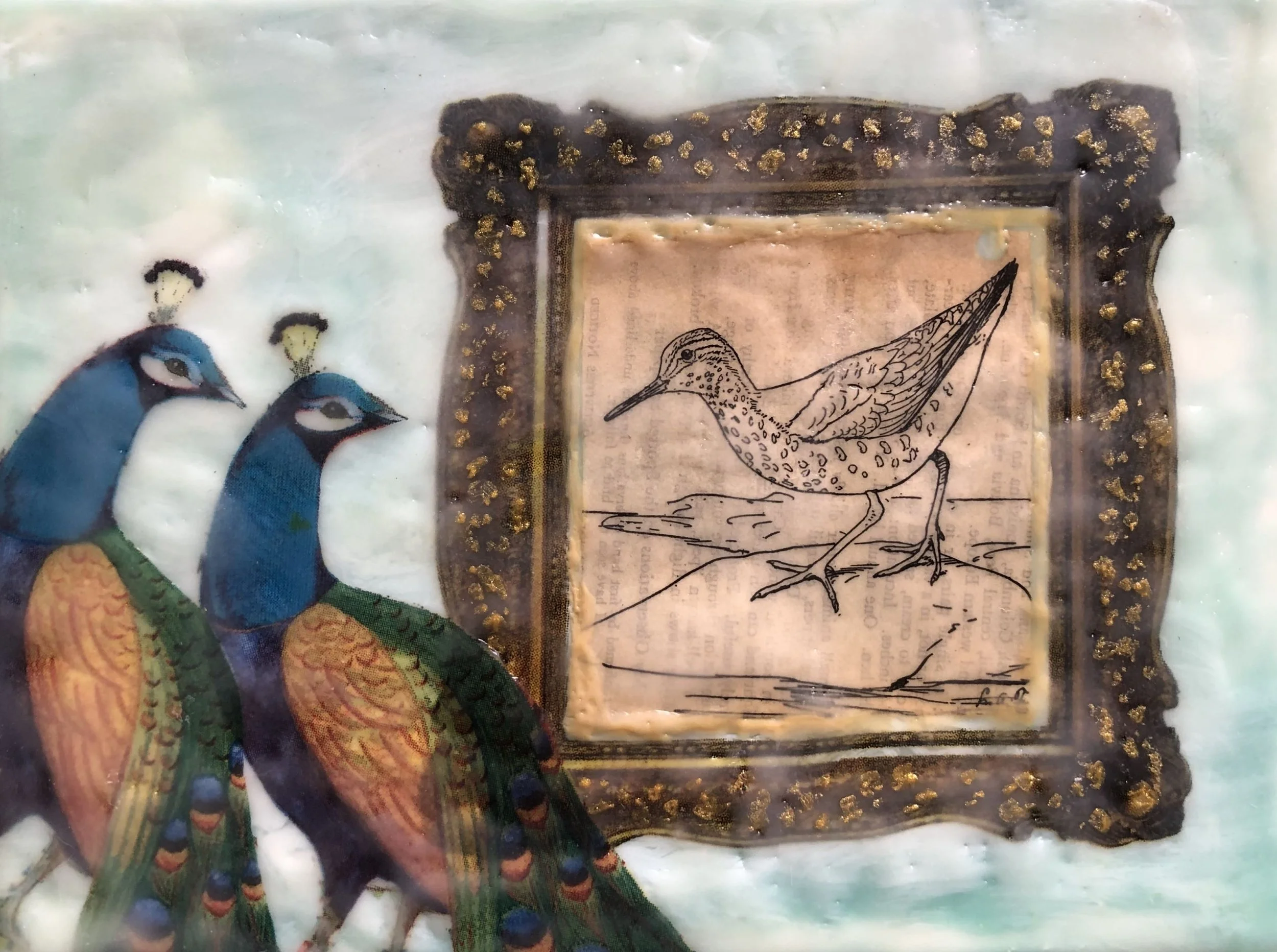
“Proud Peacocks’’ (encaustic, collage), by Nancy Whitcomb, in the 119th “Little Pictures Show,’’ at the Providence Art Club @pvdartclub
* The show is on view through Dec. 23.
* Gallery hours are 12-5 p.m, seven days a week.
* The Art Club is at 11 Thomas St., Providence.
* All entries are $350 or less.
* Works can be taken immediately upon purchase.
* New works added daily.
Full details available at https://providenceartclub.org/little-pictures/
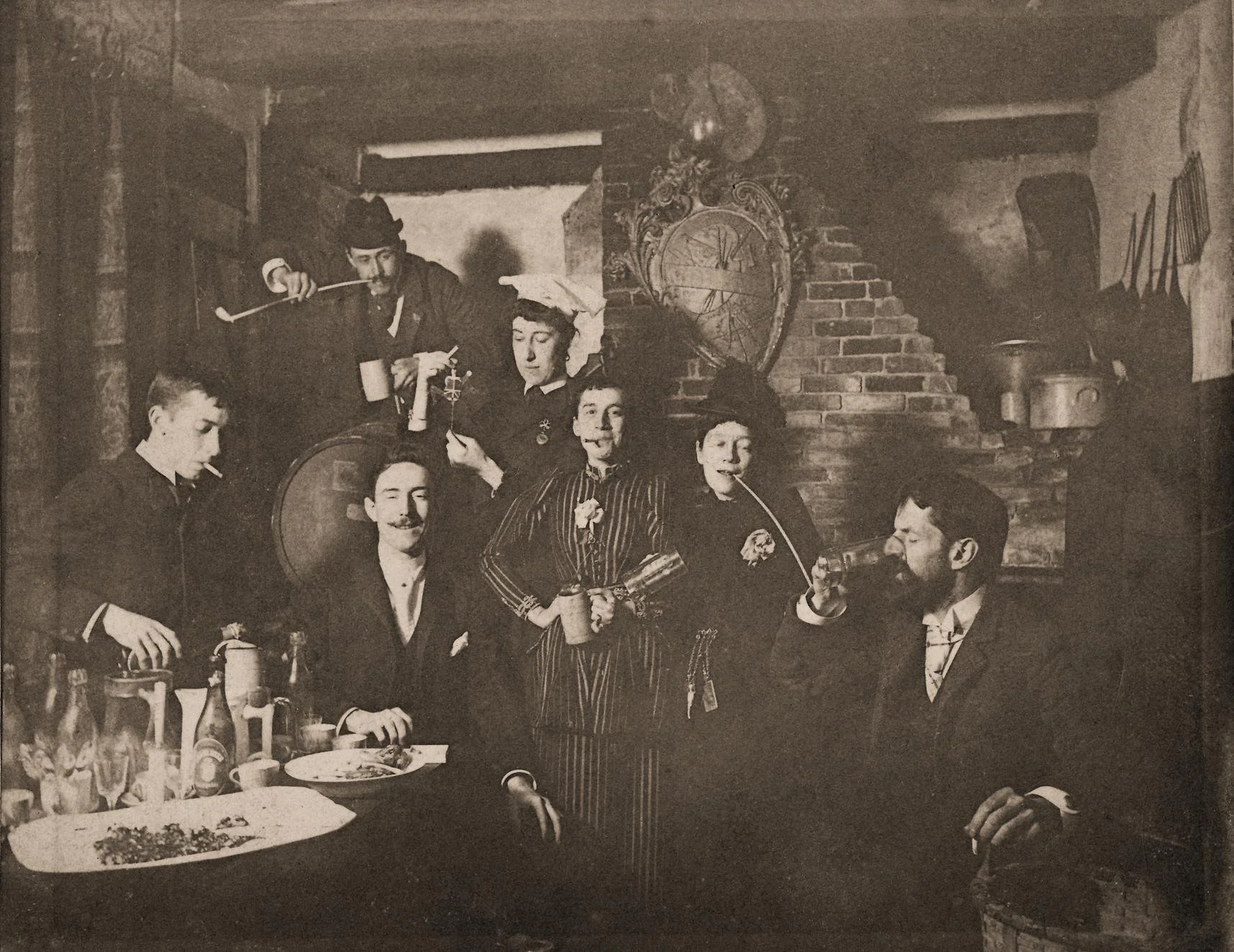
Gathering in the Providence Art Club, circa 1890. The club was founded in 1880.
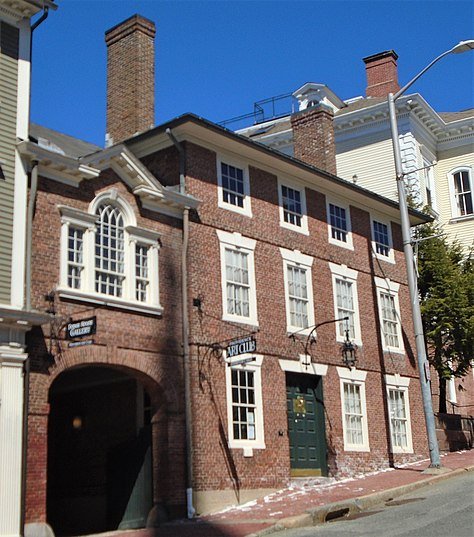
The former Seril Dodge House has been the club's headquarters since 1887.
‘Gather, Move, Resonate’
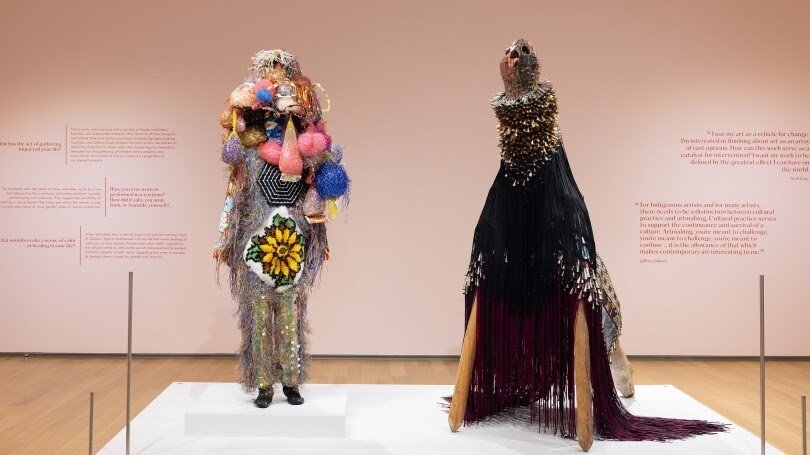
At the show “Gather, Move, Resonate,’’ by Nick Cave and Jeffrey Gibson, at the Hood Museum of Art at Dartmouth College, Hanover, N.H., through Dec. 1.
— Photo by Rob Strong
The museum says:
“The show presents one work by each artist, "Soundsuit," by Cave and "WHAT DO YOU WANT? WHEN DO YOU WANT IT?" by Gibson. These works, life-sized and fantastic, are playful and almost seem to invite interaction. For more information, please visit here.

The, er, unusual north facade of Hood Museum of Art, designed by Tod Williams and Billie Tsien Architects
— Photo by Apalizzolo
Llewellyn King: A feast of knowledge at The Athenaeum
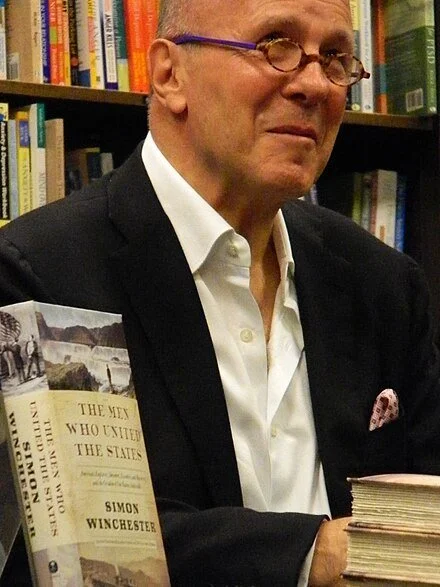
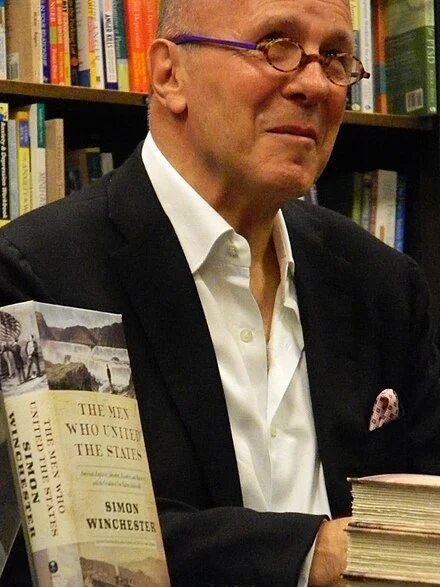
Simon Winchester in 2013
WEST WARWICK, R.I.
British bestselling author Simon Winchester last week wondered aloud whether we have too much information — so much so that it impedes our thinking.
He was speaking at The Providence Athenaeum, in Rhode Island, about his new and compelling book, Knowing What We Know: The Transmission of Knowledge From Ancient Wisdom to Modern Magic.
Winchester wondered whether the great minds of antiquity, who gave us what was to become Western civilization, weren’t assisted by having no legacy; weren’t boxed in by previous thinkers.
These men, including but not limited to Aristotle, Plato, Socrates, Euclid, Archimedes, Hippocrates, Thucydides and Sophocles, you might say, were the founding fathers of Western philosophy, science, history and theater.
The list is awesome and the idea of a kind of zero-sum game in thinking is intriguing. How did they do it, starting with so little knowledge in circulation around the Mediterranean about 2,500 years ago?
Winchester — who apologized for a tendency to get off the subject — mused on whether they would have been able to reach such towering intellectual heights if they had their heads stuffed full of what passes as knowledge in today’s world.
Of course, Winchester, a great purveyor of knowledge — and a lot of fun stuff — himself, doesn’t believe we should turn into know-nothings, he just raises an interesting question: How did it happen?
Winchester worked as a journalist first for the British newspapers the Guardian and then the Sunday Times. His journalism took him around the world, and from Northern Ireland’s Troubles to the numerous slums of Bangalore (now Bengaluru).
He tells in his book the story of how one woman changed the lives of otherwise hopeless children in the Bangalore slums by teaching them to read and speak in English, an official language of India. The results were that these urchins went on to great success, inside and outside of India and in many callings.
In fact, not only is Winchester’s book about learning, but it is also hugely endorsing of scholarship; he reveres libraries and during his remarks, he ran through a list of the great libraries of the world from the library of the Assyrian King Ashurbanipal to the Great Library of Alexandria to the eccentric London Library of which he is fond, less famous than the British Library.
In pondering the effects of knowledge, Winchester mentioned parenthetically how we are losing our sense of direction. This hit home for me, as my wife had a sharp sense of direction until she started using Google Maps.
In Africa, when I was a boy, the Africans could tell time with accuracy by a quick glance at the sun. This fascinated me. But when they got watches, that skill seemed to decline. Also, farmers everywhere used to determine the pH of soil by testing it on their tongues. Now they must send it to a lab.
My own favorite historical story about immaculate creation through ignorance is about James IV of Scotland, an erudite and progressive monarch. During his rule, compulsory education was introduced in 1495, and the Royal College of Surgeons of Edinburgh was established in 1505.
James IV also had a keen interest in language and in religion. He thought that infants without parental or other influence would naturally grow up speaking Hebrew. To prove his point, he sent two infants in the care of a deaf and dumb woman to the island of Inchkeith. Some reports were that as they grew, the children could communicate with each other with grunts and their own words, but they spoke no language — let alone Hebrew.
Let me assure you that Simon Winchester, writer of books which inform (like the one about the assembling of the Oxford English Dictionary, “The Professor and the Madman,” which became a runaway success around the world) doesn’t propagate absurd theories, but they intrigue him. Ditto myself.
If you want great information, superb anecdotes and splendid writing, I suggest you read Winchester’s Knowing What We Know. You will know even more when you have read this work and your mind won’t be cluttered, just better stocked.
Llewellyn King is executive producer and host of White House Chronicle, on PBS. His email is llewellynking1@gmail.com.
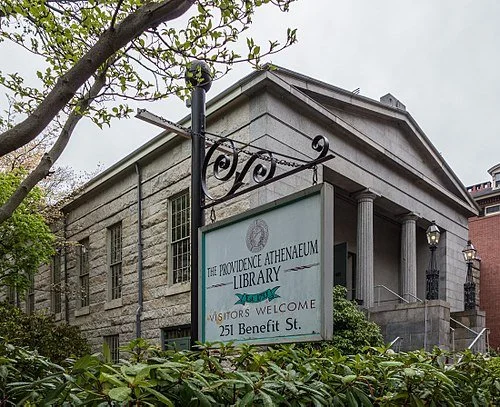
On College Hill, in Providence

Providence Athenaeum interior
Photo by Kenneth C. Zirkel
‘To keep our harvest home’
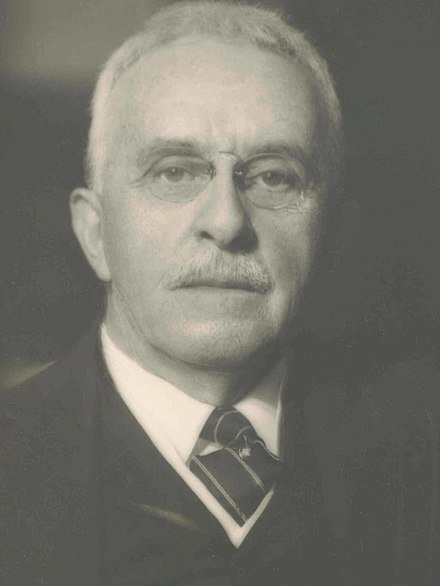
Wilbur Cross, Connecticut governor in 1931-39, and among other roles, a distinguished literary credit. Of course, the Wilbur Cross Parkway is named after him. He was born in Mansfield, Conn.
“Time out of mind at this turn of the seasons when the hardy oak leaves rustle in the wind and the frost gives a tang to the air and the dusk falls early and the friendly evenings lengthen under the heel of Orion, it has seemed good to our people to join together in praising the Creator and Preserver, who has brought us by a way that we did not know to the end of another year. In observance of this custom, I appoint Thursday, the 26th of November, as a day of Public Thanksgiving for the blessings that have been our common lot and have placed our beloved State with the favored regions of the earth – for all the creature comforts: the yield of the soil that has fed us and the richer yield from labor of every kind that has sustained our lives – and for all those things, as dear as breath to the body, that quickens man’s faith in his manhood, that nourish and strengthen his spirit to do the great work still before him: for the brotherly word and act: for honor held above price: for steadfast courage and zeal in the long, long search after truth; for liberty and for justice freely granted by each to his fellow and so as freely enjoyed; and for the crowning glory and mercy of peace upon our land; - that we may humbly take heart of these blessings as we gather once again with solemn and festive rites to keep our harvest home.”
— Connecticut Gov. Wilbur Cross, Nov. 12, 1936