
Art inflation

From Claire Ashley’s show “Radiant Beasts,’’ at the Lamont Gallery, at Phillips Exeter Academy, Exeter, N.H., through Nov. 18
The gallery explains:
‘Claire Ashley’s large-scale inflatables explode the possibilities of painting. Her practice devours the traditional mediums of sculpture, installation, painting, and costume, spitting back hybrid ‘bodies’ that are moveable, wearable, and deliciously preposterous. Made from PVC-coated canvas tarps, spray paint, and small blower fans, Ashley’s work is a complex, humorous mash-up of fine art meets bouncy house.
“The artist resists and pushes against the traditional norms of painting, disrupting the straight edges and flat, fixed nature of the discipline by creating bulbous, malleable inflatables that alter themselves to fit new environments. Displayed as site-conscious interventions that shape shift as they playfully wedge into and squish between architectural spaces, this exhibition expands beyond the walls of Lamont Gallery. Ashley’s monumentally scaled works emerge inside academic buildings and spill out onto campus, surprising the viewer and prompting questions such as, what the object is, how it appeared, and where it came from.’’
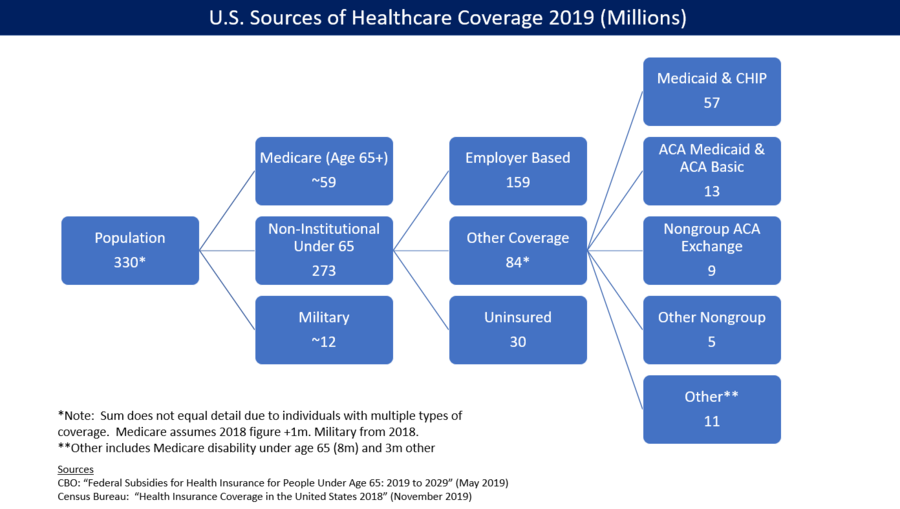
Chris Powell: Government and other villains in Conn'.s medical-insurance price surge
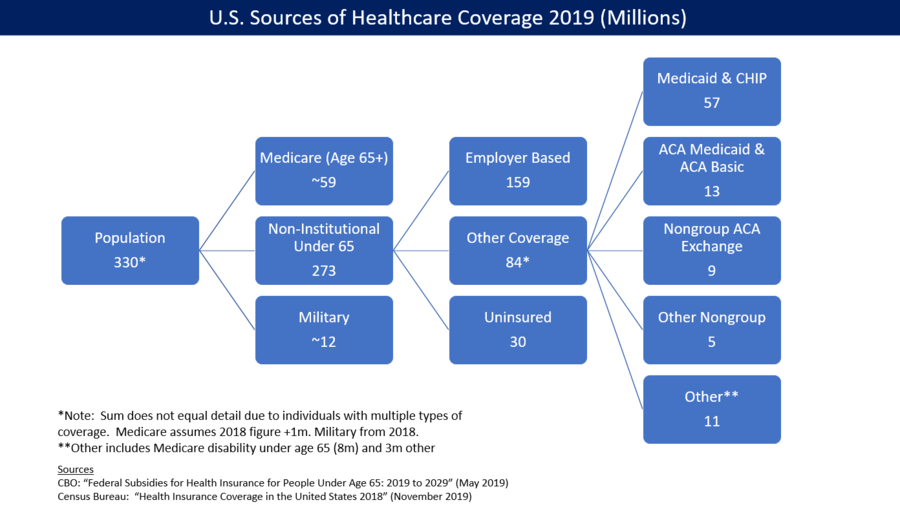

Logo for Connecticut’s health-insurance marketplace
MANCHESTER, Conn.
Who and what are to blame for the soaring cost of medical insurance in Connecticut? A couple of weeks ago, a hearing held by the state Insurance Department heard opinions in response to more requests from medical insurers for premium increases, this time averaging 20 percent for individual policies and 15 percent for small group plans.
Of course, the country's general inflation rate is a big part of the problem. But the costs of medical insurance are especially complicated, since for many years government's intervention, necessary as it may be, has turned medicine into a carnival of cost-shifting, so much so that people can hardly know the real cost of what they're getting and who is really paying.
Elected officials blame insurers, who blame hospitals and doctors, who blame insurers and government. They're all correct, though exactly how much each is to blame isn't clear.
But start with government because of its direct accountability to the public and because government is the biggest purchaser of medical insurance -- for its employees, for the poor via Medicaid and for the elderly via Medicare.
Government's payments for Medicaid and Medicare patients are sharply discounted from rates paid by other patients. The point of this discounting was to shift costs to those other patients and hide them. Exactly how much costs are shifted is debated. But if government paid more for the poor and elderly, hospitals and doctors could charge other patients less and insurers could reduce their rates -- at least theoretically.
But saving money in medicine and medical insurance may require competitive markets even as those sectors have greatly consolidated.
Most Connecticut hospitals are now owned by two chains -- Hartford HealthCare and Yale New Haven Health -- and hospitals have been acquiring or partnering with physician practices, further diminishing competition. This consolidation has been attributed to the growing burden of government regulation and the desire of doctors to do less paperwork and more patient care.
Meanwhile, insurance companies have merged and gotten bigger or left the medical insurance business. Only three insurers are selling individual medical policies on Connecticut’s Affordable Care Act exchange in Connecticut, and one insurer has reported big losses in the last two years. That company may not be looting its customers as much as the haters of insurance companies like to believe. But if medical insurers really have excess profits, government could always tax them away.
How hard are medical insurers negotiating with hospitals and doctors? At the recent hearing, state Atty. Gen. William Tong complained that insurers are not negotiating costs but rather building their rates on mere estimates of annual cost increases. Presumably state law could require insurers to seek specific rates from hospitals and physicians for a year or two in advance, if hospitals and physicians were willing and able to provide them and stick to them. They're probably not.
Also driving up medical-insurance costs are state government mandates for coverage that insurers must provide. Not all are necessities. Many are mainly matters of legislators seeking to gratify one constituency or another. Could state government reduce its medical insurance mandates? Not without a lot of shrieking.
(Meanwhile, state government's medical insurance for its employees and retirees spends $1 million a year for erectile -dysfunction drugs.)
Maybe the best suggestion at thd hearing was made by state government's departing health-care advocate, Ted Doolittle, who said that insurance companies are serving as a "stalking horse for the hospitals," the biggest parties in interest. Doolittle said hospitals should be interrogated just as closely as insurers and the hospitals raising costs most should be identified.
There's a lot of money in medicine and insurance, with many executives paid spectacular salaries, and the search for medical and medical-insurance coverage efficiencies is a largely political matter. So it should be the General Assembly's job more than the Insurance Department's.
Indeed, for just presiding over soaring medical-insurance costs, government is most to blame for them. But then, which legislators have the courage to risk offending not just two huge industries but also their many constituents who are patients?
Chris Powell has written about Connecticut government and politics for many years (CPowell@cox.net.)
Frank Carini: In search of dragons and damsels

Dragonflies during migration
— Photo by Shyamal
From ecoRI.org
SOUTH KINGSTOWN, R.I. — Virginia Brown and Nina Briggs have been hunting dragons for three decades. They have spotted thousands. Capturing one is a bit more difficult. They can be up in a tree out of reach or hidden in leaf litter below. Catching one by hand is toilsome.
These dragons, glistening in shades of black, blue, brown, green, red, and yellow, are some of the most colorful creatures on the planet, with intricate patterns of stripes and spots. To Brown and Briggs, they are also some of the most elegant insects on Earth.
These aerial assassins have been around for about 300 million years. They survived the asteroid that killed the dinosaurs. They have, so far, survived humankind’s destructive nature.
They can be found buzzing around in the swampy wilds of Rhode Island. In the summer, these winged acrobats perform stunts above and around ponds, lakes, streams, bogs, marshes, and rivers.
On a recent Saturday morning at the Great Swamp Management Area off Great Neck Road here,where the two conservationists guide public “hunts,” the longtime Rhode Island residents took this ecoRI News reporter on a 2-hour adventure in search of dragonflies and damselflies. See Brown’s book about these creatures.
My guides noted their favorite insects demonstrate charismatic behavior, possess an ancient evolutionary history, and play an important role in the ecology of aquatic habitats.
Virginia Brown, whose hat aptly captures her fondness for dragonflies and damselflies, has a keen eye for finding her favorite insects. To read the whole article, please hit this link.
Frank Carini is senior reporter and co-founder of ecoRI News

Damselfly
Pre-nap snack

“Even, Bird’s Milk’’ (oil), by John Asimacopoulos, at the Guild of Boston Artists
John Asimacopoulos’s bio at the Academy of Realist Art, Boston, reads:
That he “started as a student at the Academy of Realist art in September 2015, after making the decision to switch from a medical career to pursue an artistic one. His studies did not go to waste though, as they gave him knowledge, and appreciation of the human body, especially through his study of clinical anatomy, which included dissection. John applied what he learned, and started teaching artistic anatomy, and figure drawing in 2018. He has won numerous awards, including two Art Renewal Center scholarships in 2017, and 2018, the John F. and Anna Lee Stacey Scholarship Fund, as well as the Head Start Student Competition in 2017. He is currently working on the still life, and figure painting part of the program.’’
Despite the golden weather
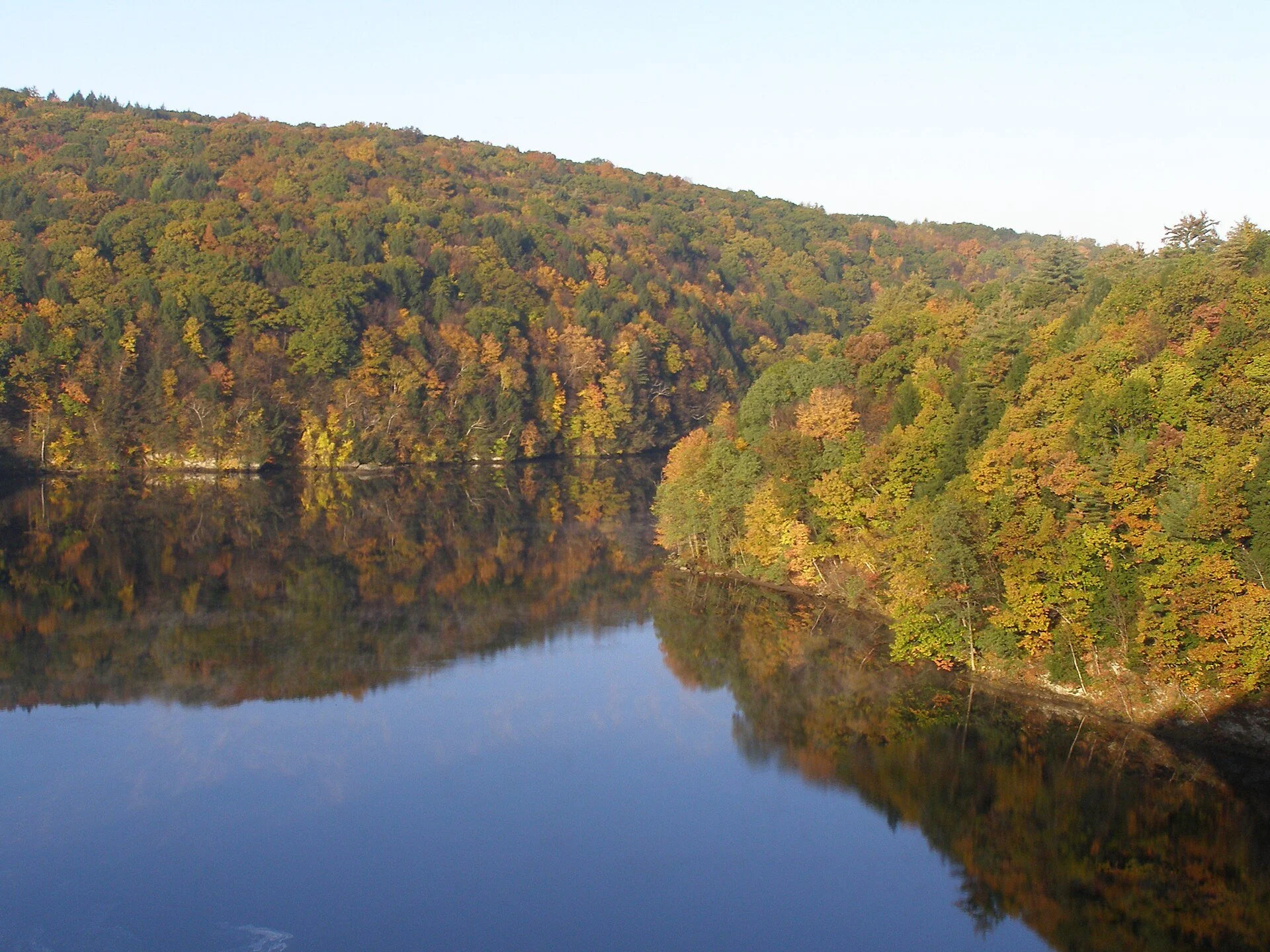

Asters, those late summer beauties in New England
It seems so strange that I who made no vows
Should sit here desolate this golden weather
And wistfully remember—
A sigh of deepest yearning,
A glowing look and words that knew no bounds,
A swift response, an instant glad surrender
To kisses wild and burning!
Ay me!
Again it is September!
It seems so strange that I who kept those vows
Should sit here lone, and spent, and mutely praying
That I may not remember!
— “Again It Is September!,” by Jessie Redmond Fauset (1882-1961)

Llewellyn King: Is Biden perilously trying to hide his age?
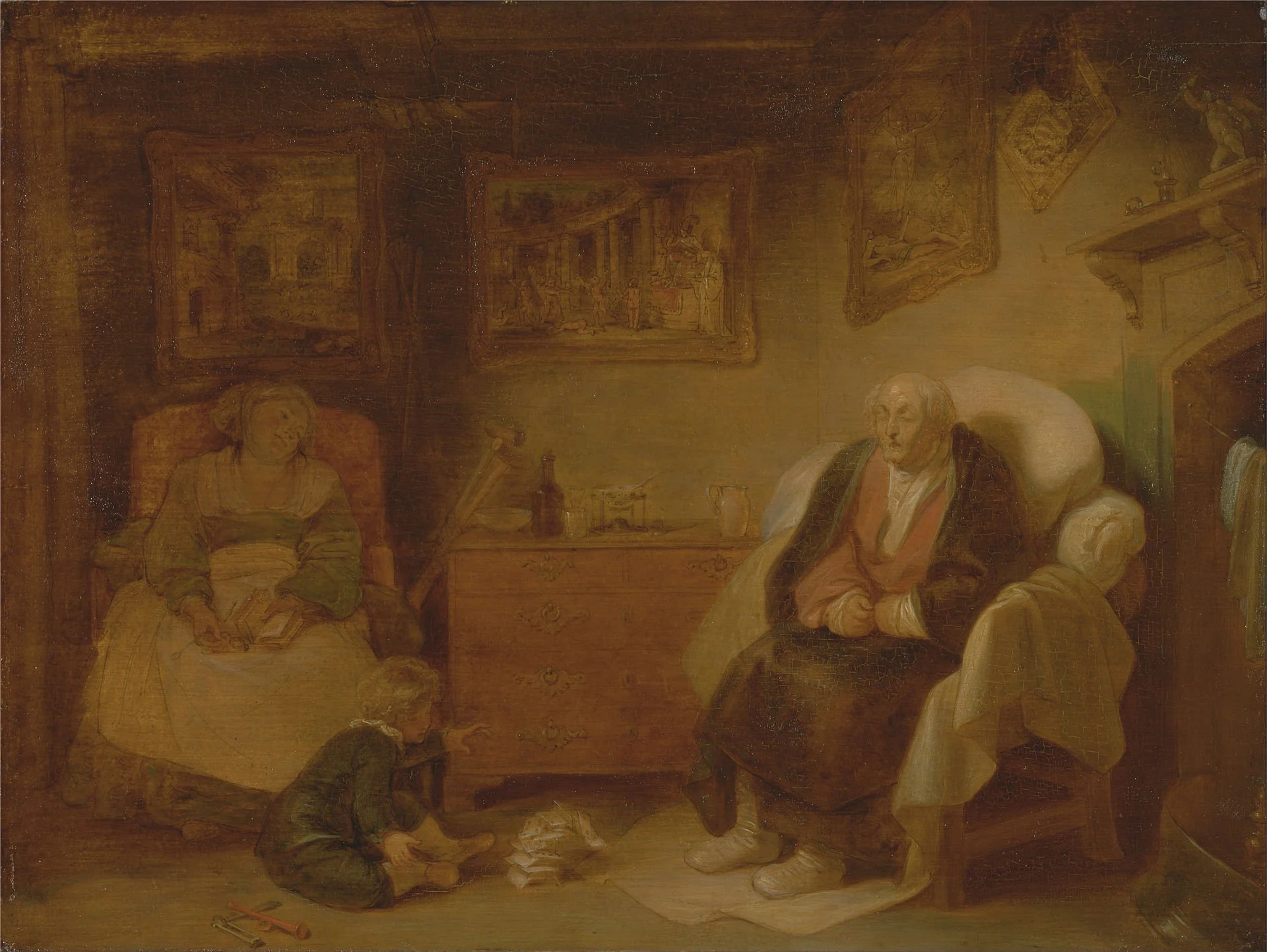
“Old Age’’, by Robert Smirke (1752-1845), British painter

WEST WARWICK, R.I.
Is Joe Biden hiding in plain sight?
Is his most extensive public effort these days fending off signs of age, hiding his infirmities, and clinging to the hope that he can still win in the election just over a year from now?
Sotto voce, the savants of the Democratic Party worry and complain in private that Biden is too old and infirm and should move over before it is too late. In public, they point to the health of the economy, receding inflation and the high employment rate, and foreign-policy wins.
But indeed, the Joe Biden of today isn’t the Joe Biden of yesterday.
The Biden we in the corps knew over the years in Washington was accessible, friendly, keen to please — and he talked. How he talked. Biden would give a speech, but he didn’t stop. He seemed to tack a second speech onto the first.
Biden didn’t change the course of history with his eloquence, nor set the audience to thinking in ways they hadn’t previously, but he was easy to take.
Now, he seems to approach the podium with caution, reading the speech with a just-get-me-through-this stoicism. The man who used to love the microphone appears to fear it.
Likewise, the man who used to enjoy the cut and thrust of interacting with the press eschews press conferences. He doesn’t hold them.
This absence of press conferences isn’t unimportant. They are messy and unruly, but they are where the acuity of the leader is tested and on display. They are where we might get a look at how he might be in negotiation with foreign leaders.
Press conferences are part of the democratic process, where the president reports to the public through the press. Like question time in the British House of Commons, they are where we see the president in action.
Boastful press releases — which every administration puts out — are no substitute. The nation deserves to see the president in action. Everything else is curated image-building by the White House staff.
A few questions tacked on ritually to the end of joint appearances with foreign heads of state aren’t a substitute. They are Potemkin affairs.
Republicans would love to bear down more on Biden’s age, but dare not. Their frontrunner, Donald Trump, is 77 — only three years younger than Biden; and, at 81, the Republican leader in the Senate, Mitch McConnell, is showing signs of health challenges linked to age.
Trump’s age is less discussed because his epic legal problems distract from whether he also might be too old.
The sad end of Winston Churchill’s political career should be a warning for all who cling to office too long.
The Conservative Party under Churchill lost the election immediately after World War II but was returned to office in 1951, and Churchill became prime minister for the second time. He was about to turn 77. Health warnings were ignored by his party and by his family.
The infirmities of age got in the way. Churchill was often confused, and new issues baffled him, said his friend the publisher Lord Beaverbrook.
According to historian Roger Scruton, during Churchill’s second administration, the seeds of what would haunt Britain later were sown: He failed to arrest the open border flow of immigrants from the former empire or to check the growth of trade-union power.
When Churchill, retired in 1955, his longtime deputy, Anthony Eden, took over and led the disastrous attempt to seize the Suez Canal in 1956.
Biden’s uncertain future is exacerbated by the seeming shortcomings of Vice President Kamala Harris. Despite attempts to bolster her, such as referring in press releases to the Biden-Harris administration, she is reportedly inept.
She is known to have had difficulty with her staff. In public, she appears frivolous, laughing inappropriately and showing little grasp of issues. She has left no mark on significant assignments handed to her by Biden, including immigration, voting rights and the influence of artificial intelligence.
No wonder a late-August poll from The Wall Street Journal showed 60 percent of eligible voters think that Biden isn’t “mentally up for the job of president.” In a CNN poll, 73 percent of Americans say they are seriously concerned that Biden’s age might negatively affect his current physical- and mental-competence level.
Churchill’s sad political decline shows even great men grow old. Biden can be seen on television going here and there: a blur of travel. But is this a man in hiding from a truth — his age?
On Twitter: @llewellynking2
Llewellyn King is executive producer and host of White House Chronicle, on PBS. He’s based in Rhode Island and Washington, D.C.
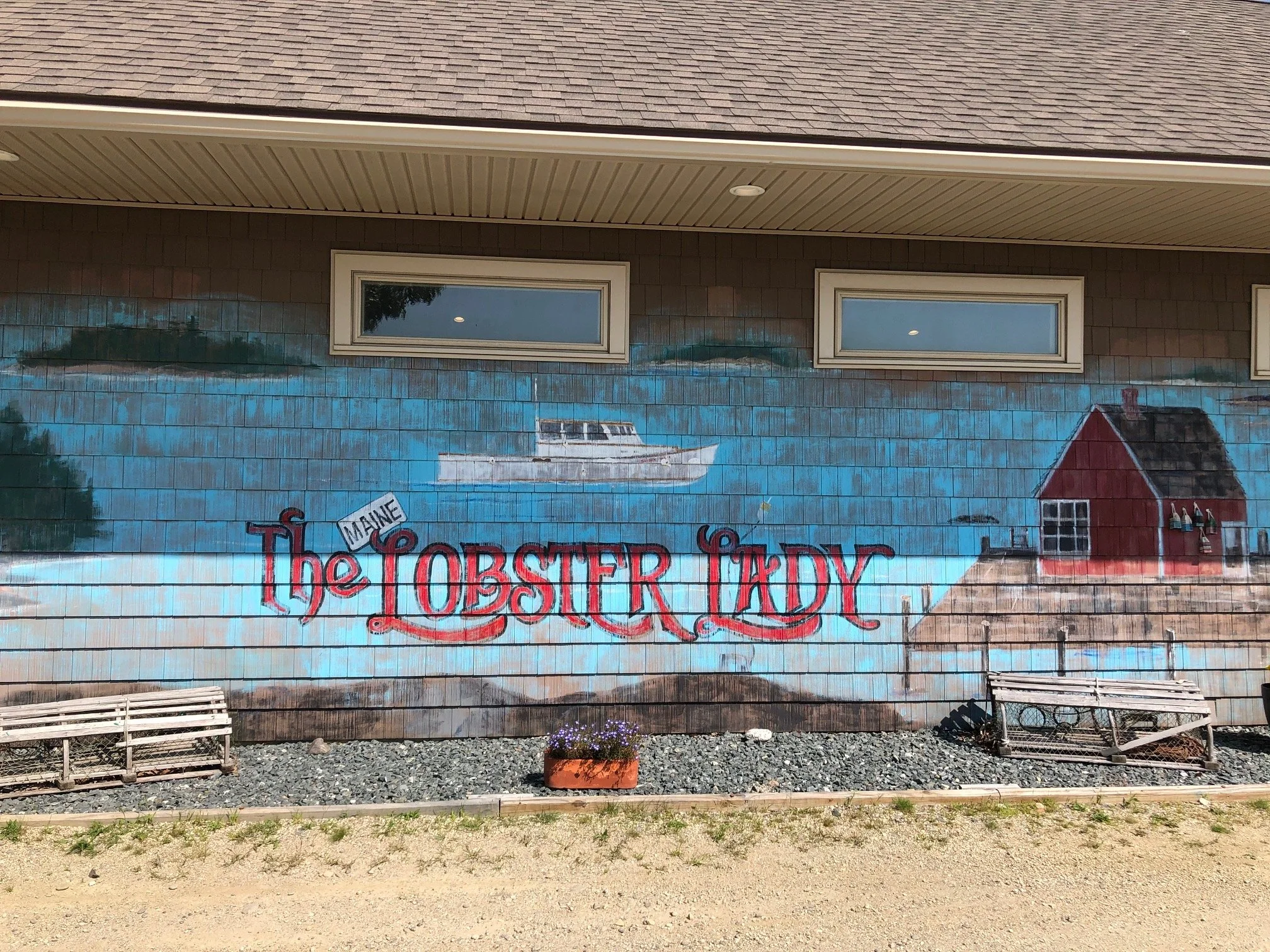
Downeast joys
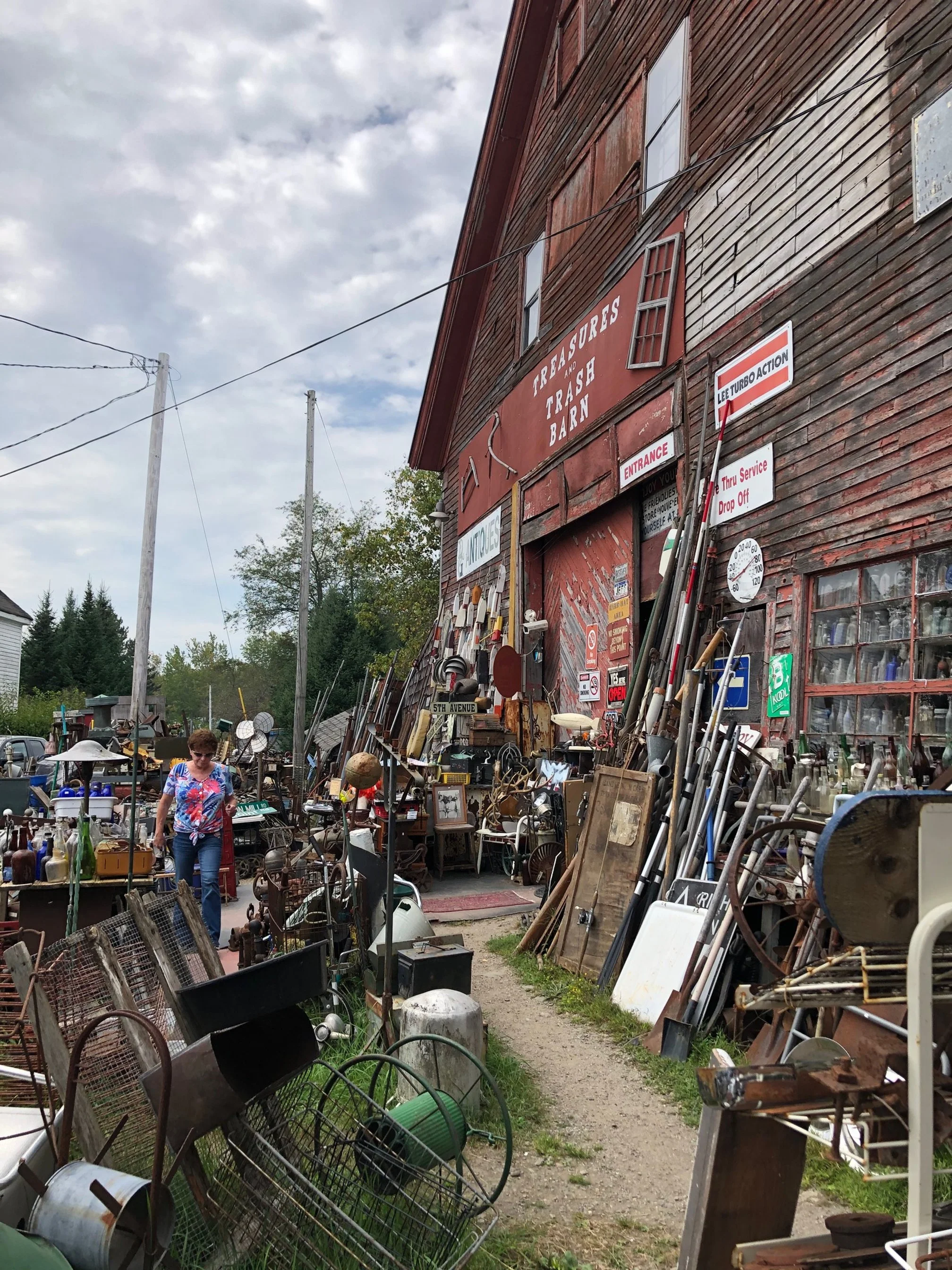
Above, Treasures and Trash Barn in Sedgwick, Maine
Below, now closed lobster shack on Isle au Haut, an eatery once famous for its prize-winning lobster rolls.
— (The new!) photos by William Morgan
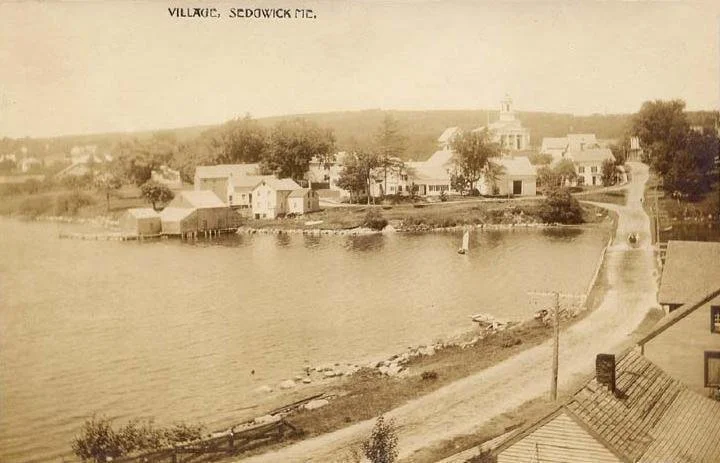
1908-1909 photos

Like this summer!
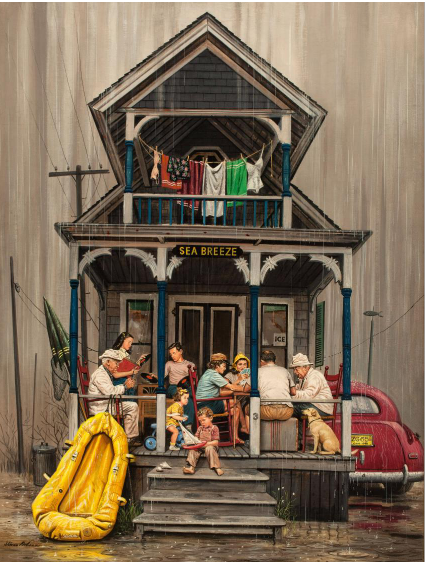
“Rained in Vacationers, Saturday Evening Post, 1948’’ (oil on canvas), by Stevan Dohanos, in the show “From the Masterworks of the Sanford B.D. Low Illustration Collection,’’ at the New Britain (Conn.) Museum of American Art through Dec. 31. Mr. Dohanos lived much of his adult life in Westport, Conn.
The museum says the exhibition “showcases some of the collection’s finest examples and features iconic and groundbreaking artists, such as Maxfield Parrish (1870–1966), Norman Rockwell (1894–1978), Stevan Dohanos (1907–1994), and many others. These artists captured distinctly American values through story and advertisement illustrations, as well as through cover illustrations for publications such as Scribner’s Magazine and The Saturday Evening Post. Among the themes addressed in these captivating works are American pastimes, family and friends, love and romance, war time, as well as fantasy and science fiction.’’
Tom Conway: OT rules put lives at risk and strain families

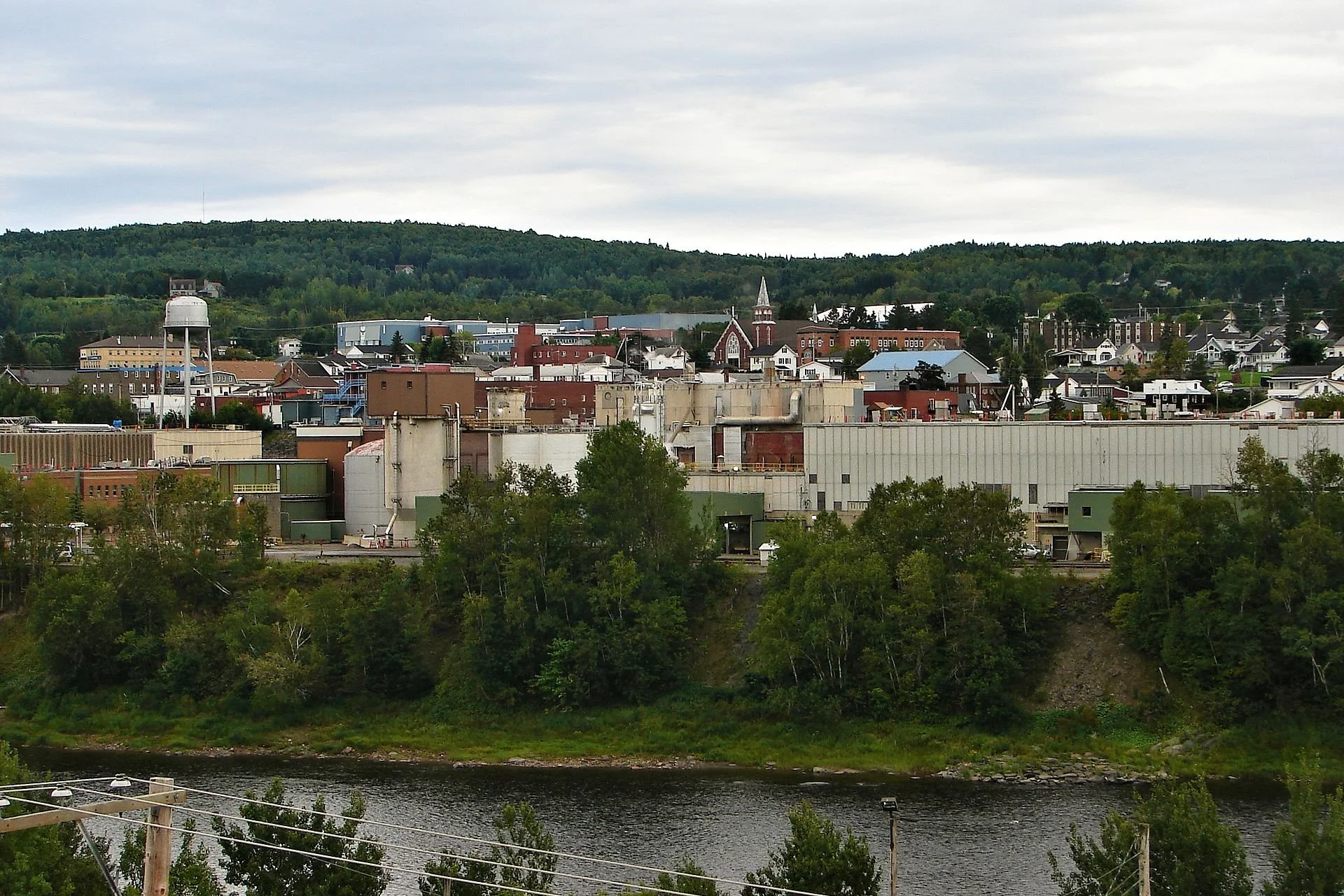
The paper mill town of Madawaska, Maine
—Photo by P199
Via OtherWords.org
She only wanted a few hours at her dying mother’s bedside. But her bosses at Twin Rivers Paper, in Madawaska, Maine, forced her to work overtime on her day off. About an hour and a half into the mandatory shift, the woman’s mother died.
Workers are battling harder than ever to end this appalling mistreatment. They’re fighting back against mandatory overtime requirements that strain families to the breaking point and put lives at risk.
“It’s definitely caused a lot of heartache,” said David Hebert, financial officer and former president of United Steelworkers (USW) Local 291, one of three USW locals collectively representing about 360 workers at Twin Rivers.
USW members have long warned paper companies about the need to increase hiring and training to keep facilities operating safely. Yet some employers prefer to work people to the bone. Workers at Twin Rivers work a base shift of 12 hours — and each can be drafted for an additional 12-hour shift every month.
Even worse, a 12-hour shift can be extended with six hours of mandatory overtime without warning. Workers are often forced to pull multiple 18-hour days a week, especially when winter cold and flu season exacerbates the company’s intentional understaffing.
“People really hold their breath at the end of their shift,” explained Hebert. The coworker who lost her mother, for example, learned at the end of an 18-hour shift that she’d have to report the following day for overtime.
Other workers experience their own heartaches when unpredictable schedules leave them unable to make plans with their families or force them to miss graduations, anniversaries, birthday parties, or holiday gatherings.
“Family is the only reason we go into these places. I want to spend time with them, too,” said Justin Shaw, president of USW Local 9, which represents workers at Sappi’s Somerset Mill, in Skowhegan, Maine.
“You’ve got many people who work seven days a week,” with some required to log 24 hours at a stretch, Shaw said. “If we had better staffing levels, we wouldn’t have people working outrageous hours.”
Besides the toll it takes on family life, excessive overtime compounds risk in an industry that exposes workers to hazardous chemicals, fast-moving machinery, super-hot liquids and huge rolls of paper.
“It only takes a split second to lose a finger, an arm, or a life,” Shaw said, warning that extreme fatigue also puts workers at risk while commuting. “I’ve had many drives home that I can’t recall over half the ride. We have had many individuals in the ditch or wreck vehicles trying to keep up with the demands.”
A bill in Maine would limit mandatory overtime to no more than two hours a day and require employers to provide a week’s notice before mandating extra hours or changing a worker’s schedule.
The legislation places no caps on voluntary overtime, nor would it apply to true emergencies when a mill needs extra hands to avert “immediate danger to life or property.” But it would end the capricious usurping of workers’ lives that now occurs because the industry refuses to hire enough people.
Union members also continue to drive change at the bargaining table. Some workers are pushing to create “share pools” of workers whose role is to fill in where needed on a given shift.
“Share pools” virtually eliminated mandatory overtime at the Huhtamaki facility in Waterville, Maine, where workers once had to put in so many hours that some slept in their cars rather than commute home, said Lee Drouin, president of USW Local 449.
Drouin said other paper companies also need to realize that change is essential for workers but benefits them as well. “The mills have to understand, this is not going to go away,” he said. “To me, it makes a lot more sense to have happy workers and safe workers.”
Tom Conway is the international president of the United Steelworkers Union (USW). This article was produced by the Independent Media Institute and adapted for syndication by OtherWords.org.
Pay ‘em to clear out?
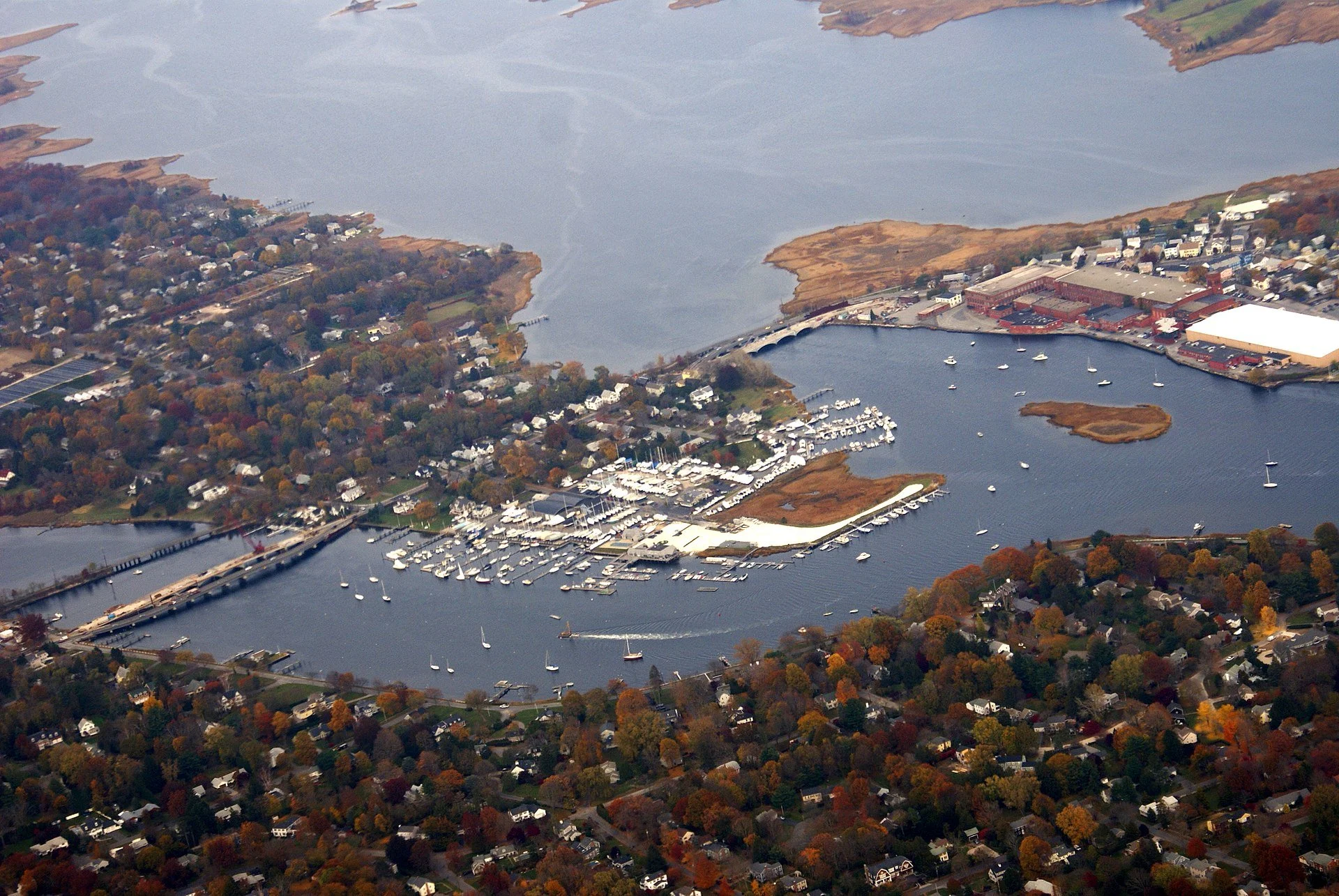
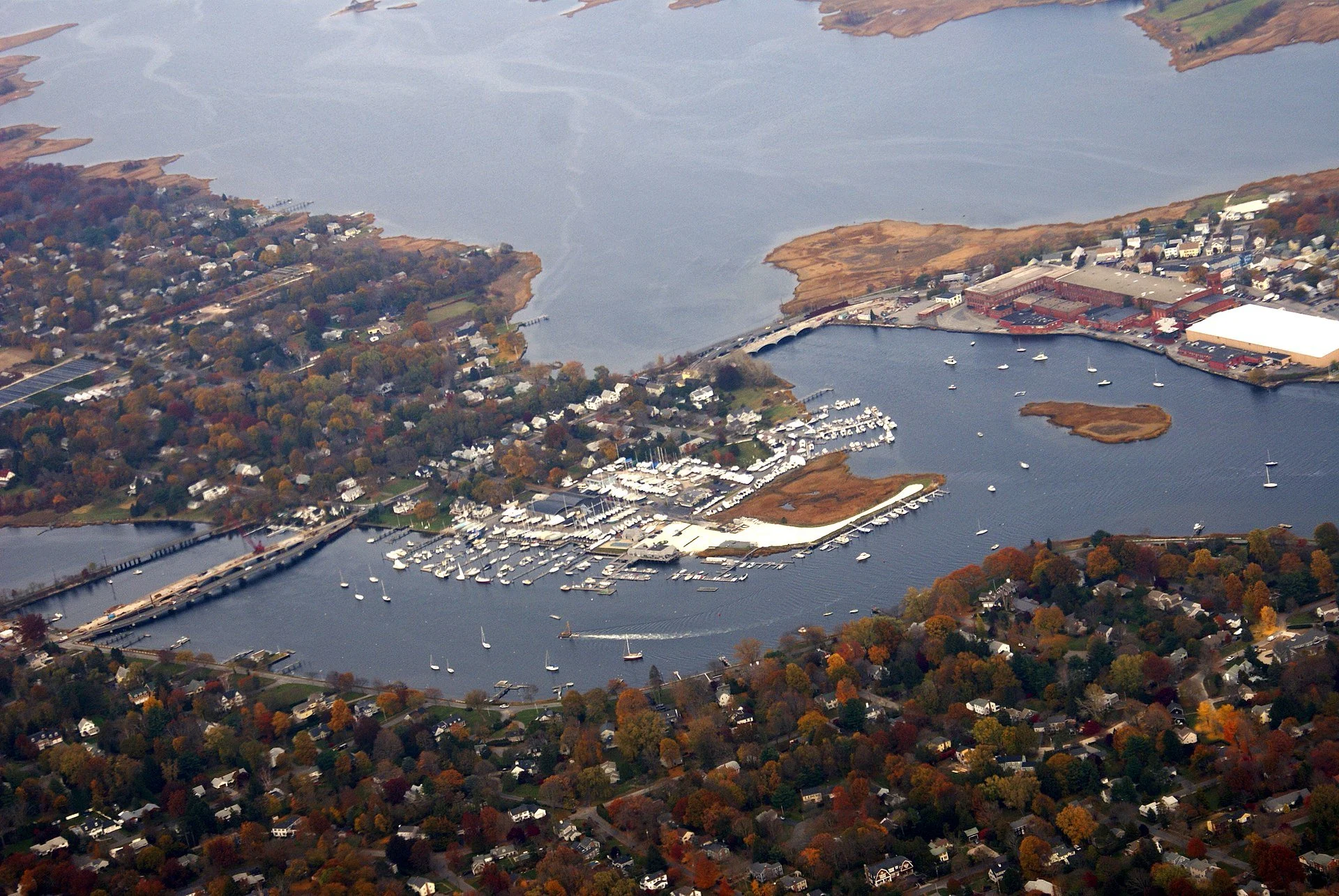
Aerial view of Holland-low Barrington, R.I., in 2008
— Photo by Brian McGuirk
How Much to Pay Them?
Adapted from Robert Whitcomb’s “Digital Diary,’’ in GoLocal24.com
As the sea level rises, and coastal storms seem to be becoming more severe, more and more states and localities are realizing that in many stretches of low-lying coast, the only long-term solution is to remove houses and other structures, in what has been called “managed retreat.’’ The tricky thing is how to pay for it, especially since shoreline houses tend to be expensive.
Should homeowners who, after all, presumably know (or should know) the risks of owning waterfront property be compensated with tax money for being forced to leave their houses to be demolished or to pay them to move their houses?
Get ready for buyouts, relocating roads and changing zoning ordinances and districts. This could be particularly exciting in towns, such as Warren and Barrington, R.I., where so much of the land is barely above sea level.
A lot of shoreline homeowners, who include a disproportionate number of politically powerful rich people, will be, er, inconvenienced. And towns and cities will worry about the loss of property-tax revenue.
Localities, led by new state policies, should start planning where, or if, buildings and public infrastructure can be relocated, and meanwhile promote marshland expansion, which will help mitigate flooding in stores.
This should be done with all deliberate speed. Global warming is speeding up.
‘What are we?’

“Afflicta,’’ by Rockland, Maine-based photographer Chelsea Ellis, at the Maine Museum of Photographic Arts, Portland, through Sept. 30.
Ms. Ellis says:
“In my photographic work, I use my body and paint to create composite portraits of humanoid forms that blur the boundaries between the familiar and unfamiliar, investigating structures of the human body and posing the questions: Who are we? What are we?’’

Rockland location.
— Graphic by Rcsprinter123
Mapping urban spaces for the public interest
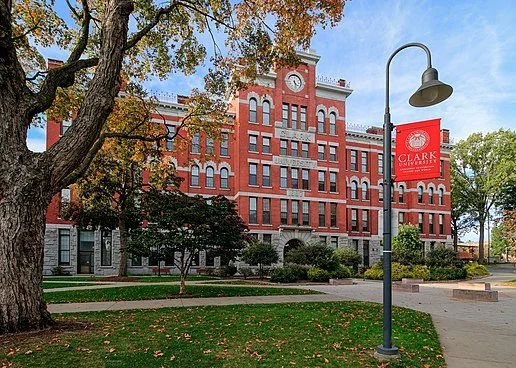
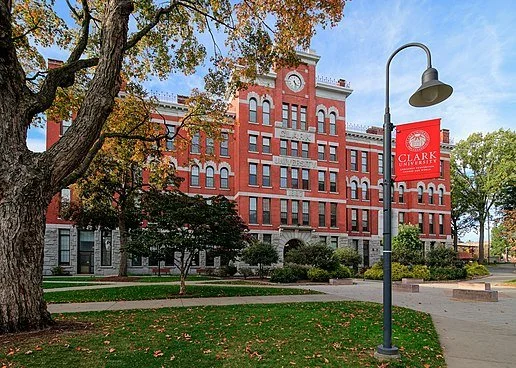
Jonas Clark Hall, the main academic facility for undergraduate students
Edited from a New England Council report
“Clark University, in Worcester, has announced that it will become the first academic institution and founding member of PLACE, a nonprofit data trust committed to mapping urban spaces for the public interest.
“Founded in 2020, PLACE is a technology organization committed to solving the inefficiencies of current urban geo-information data by bridging the gap between and providing data to public and private members. Clark’s Graduate School of Geography (GSG) will support the initiative by using remote sensing to collect high-resolution imagery, which will be open for government and member use. Once surveyed, data from these regions can support research and legislation in a variety of subject areas ranging from housing information to food security.
“‘Clark’s partnership with PLACE will offer our researchers new opportunities to study the processes underlying global change, particularly urbanization, improving our ability to identify solutions to some of our most pressing challenges,’ said Lyndon Estes, associate professor in the GSG.’’
The menace of moving

1912 postcard
“In the kind of New England I’m from, you are expected to stay and marry someone from New England – well, Maine, actually – so I think it was seen as a betrayal when I left for New England, which has been my refuge.’’
--Elizabeth Strout (born 1956 in Portland, Maine) is a Pulitzer Prize-winning novelist. She is married to former Maine Atty. Gen. James Tierney and divides her time between New York City and Brunswick, Maine.
David Warsh: 'Suzerainties in economics are personal'
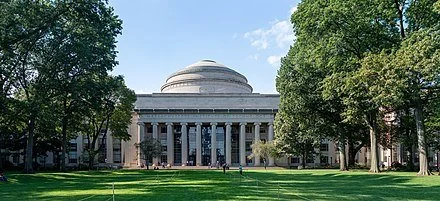
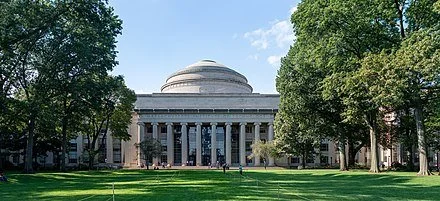
The Great Dome at the Massachusetss Institute of Technology, in Cambridge, Mass.
SOMERVILLE, Mass.
When I was a young journalist, just starting out, the economist whose writings introduced me to the field was Gunnar Myrdal. He hadn’t yet been recognized with a Nobel Prize, as a socialist harnessed to an individualist, Friedrich Hayek. That happened in in 1974. But he had written An American Dilemma: The Negro Problem and Modern Democracy (1944) , about the policy of segregation that had been restored de jure after the U.S. Civil War. A subsequent project, Asian Drama: An Inquiry into the Poverty of Nations (1968), longer in preparation, was in the news.
Myrdal’s pessimistic assessment of the prospects for economic growth in India, Vietnam, and China began to fade soon after it appeared. The between-the-wars era of economics in which he was prominent already had been superseded by a new era, dominated by Paul Samuelson, whose introductory college textbook Economics (1948), supplemented by the highly technical Foundations of Economic Analysis (1947), quickly replaced overnight Alfred Marshall’s Principles of Economics, whose first edition had appeared in 1890.
Basic textbooks dominate their fields by dint of the housekeeping that they establish. Samuelson has ruled economics ever since through the language he promulgated; mathematical reasoning was widely adopted within a few years by newcomers to the profession. Ruling textbooks are sovereign. Since the discovery and identification of the market system two hundred and fifty years ago, there have been only five such sovereign versions: Adam Smith, David Ricardo, John Stuart Mill, Alfred Marshall, and Samuelson (brought up to knowledge’s frontiers thirty years ago by Andreu Mas-Colell).
Sovereignty is binary; it either exists or doesn’t. A suzerainty, on the other hand, though part of the main, sets its own agenda. John Fairbank taught that Tibet was a suzerainty of China. (This Old French word signifies a medieval concept, adopted here to describe modern sciences, as in Dani Rodrik’s One Economics, Many Recipes (2007).
Suzerainties are personal. They rule through personal example. Replacing Myrdal as suzerain in my mind, in 1974, practically overnight, was Robert Solow. Eight years his junior, Solow was Samuelson’s research partner at the Massachusetts Institute of Technology, for the next thirty years. Samuelson retired in 1982, died in 2009. Solow soldiered on.
Solow turned 99 last week, hard of hearing but sharp as ever otherwise (listen to this revealing interview if you doubt it.) By now his suzerainty has passed to Professor Sir Angus Deaton, 78, of Princeton University.
What is required to become a suzerain? Presidency of the American Economic Association and a Nobel Prize are probably the basic requirements: recognition by two distinct communities, one for good citizenship within the profession, the other for scientific achievement beyond it, to the benefit to all humanity.
In Deaton’s case, as in Myrdal’s, it helps to have displayed a touch of Alexis de Tocqueville, whose two-volume classic of 1835 and 1840, Democracy in America, set the standard for critical criticism by a visitor from another culture, and, in the process, founded the systematic study today we call political science. Deaton grew up in Scotland, earned his degrees at Cambridge University, and was professor of economics at the University of Bristol for eight years, before moving to Princeton. in 1983. For the first twenty years he taught and worked in relative obscurity on intricate econometric issues. In 1997, he began writing regular letters for the Royal Economic Society Newsletter, reflecting on what he had learned recently about American life, “sometimes in awe, and sometimes in shock”.
In 2015, the year Deaton was recognized by the Nobel Foundation for “his analysis of consumption, poverty, and welfare,” he published The Great Escape: Health, Wealth, and the Origins of Inequality. Five years later, Deaths of Despair and the Future of Capitalism appeared, by Deaton and Anne Case, his fellow Princeton professor and economist wife, just as the Covid epidemic began. It became a national best-seller, focusing attention on the fact that life expectancy in the United States had recently fallen for three years in a row – “a reversal not seen since 1918 or in any other wealthy nation in modern times.”
Hundreds of thousands of Americans had already died in the opioid crisis, they wrote, tying those losses, and more to come, to “the weakening position of labor, the growing power of corporations, and, above all, to a rapacious health-care sector that redistributes working-class wages into the pockets of the wealthy.”
Now Deaton has written a coda to all that. Economics in America: An Immigrant Economist Explores the Land of Inequality (Princeton 2023) will appear in October, offering a backstage tour during the year that Deaton has been near or at the pinnacle of it. I spent most of Friday and Saturday morning reading it, more than I ordinarily allot to a book, and found myself absorbed in its stories about particular people and controversies, on the one hand, and, on the other, increasingly apprehensive about finding something pointed about it to say.
Then it occurred to me. I have long been a fan of Ernst Berndt’s introductory text, The Practice of Econometrics: Classic and Contemporary (Addison-Wesley, 1991), mainly because it scattered one- or two-page profiles of leading econometricians throughout pages of explication of their ideas and tools. Deaton’s new book is far better than that, because no equations are to be found in the book, and part of some of those letters to British economists have been carefully worked in.
The argument about David Card and the late Alan Krueger’s celebrated paper pater about a natural experiment with the minimum wage along two sides of the Delaware River, New Jersey and Pennsylvania, is carefully rehashed (both were Deaton’s students). The goings-on at Social Security Day at the Summer Institute of the National Bureau of Economic Research is described. The “big push” debate in development economics among William Easterly, Jeffrey Sachs, Treasury Secretary Paul H O’Neill, and Joseph Stiglitz get a good going-over. Econometrician Steve Pischke’s three disparaging reviews of Freakonomics are mentioned. Rober Barro and Edward Prescott are raked over with dry Scottish wit; Edmond Malinvaud, Esra Bennathan, Hans Binswanger-Mkhizer, and John DiNardo are celebrated. The starting salaried of the most sought-after among each year’s newly-minted economics PhDs are discussed:
My taste is for theory because developments in theory are where news is apt to be found. That’s why I liked Great Escape and Deaths of Despair so much. Economics in America is undoubtedly the best book about applied economics I’ve ever read, its breadth and depth. But it is a book about applied economics – the meat and potatoes topics that I have tended to avoid over the years. What I craved when I finished is a book about the one-time land of equality that is Britain today.
Other suzerainties exist in economics. The same and/or credentials apply: presidency of the AEA and realistic hopes of a possible Nobel Prize. They tend to be associated with particular universities: Robert Wilson, Guido Imbens, Susan Athey, Paul Milgrom and Alvin Roth at Stanford; George Akerlof (emeritus), David Card and Daniel McFadden at Berkeley; Claudia Goldin and Lawrence Katz at Harvard; William Nordhaus and Robert Shiller at Yale; James Heckman and Richard Thaler at Chicago; Daron Acemoglu and Peter Diamond at MIT; Sir Angus Deaton, Christopher Sims, and Avinash Dixit at Princeton.
Alas, the reigning head of the suzerainty in which I am most interested, macroeconomist Robert Lucas, died earlier this year, and won’t soon be replaced. He succeeded Sherwin Rosen, his best friend in the business, in the AEA presidency in 2001. Rosen died the same year, a decade or two short of what might have been his own trip to Stockholm.
David Warsh, a veteran columnist and an economic historian, is proprietor of Somerville-based economicprincipals.com, where this column originated.
Going, going, gone

“The Melting of the Lewis Glacier on Mt. Kenya,’’ photo by Simon Norfolk, in the group show "Ceding Ground,’’ at the Griffin Museum of Photography, Winchester, Mass.
The museum says:
“‘Ceding Ground’ is a view of our changing climate through the eyes of six photographers, all dealing with the question of loss of habitat, groundwater and climate change. Simon Norfolk’s two series, ‘When I am laid in Earth’ and ‘Shroud,’ focus on retreating ice in Africa and Europe. Jason Lindsey’s ‘Cracks in the Ice’ is a metaphorical and scientific look at glaciation. Camille Seaman’s ‘Melting Away’ exposes us to habitat loss for the penguins of Antartica. ‘Hidden Waters’ is Bremner Benedict’s look at the water crisis in the western United States. Ellen Konar and Steve Goldband expose us to climate change through the study of tree rings in ‘Cut Short’. Outside the museum we have Dawn Watson’s 'Alchemy, ‘ an abstract look at the elements that surround us and Ville Kansanen’s site-specific installations connecting the museum to the surroundings, engaging Judkin’s Pond as a partner in his vision to talk about the fragility of aquatic resources.”
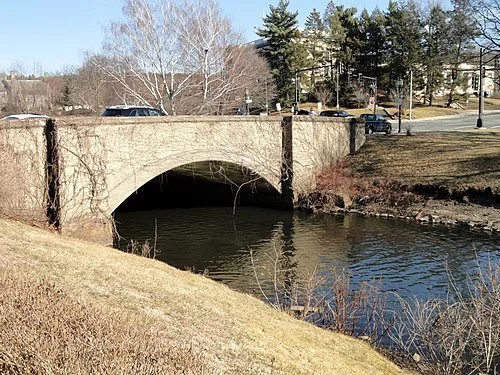
The Aberjona River just below the mill pond in Winchester center
And they’re in charge
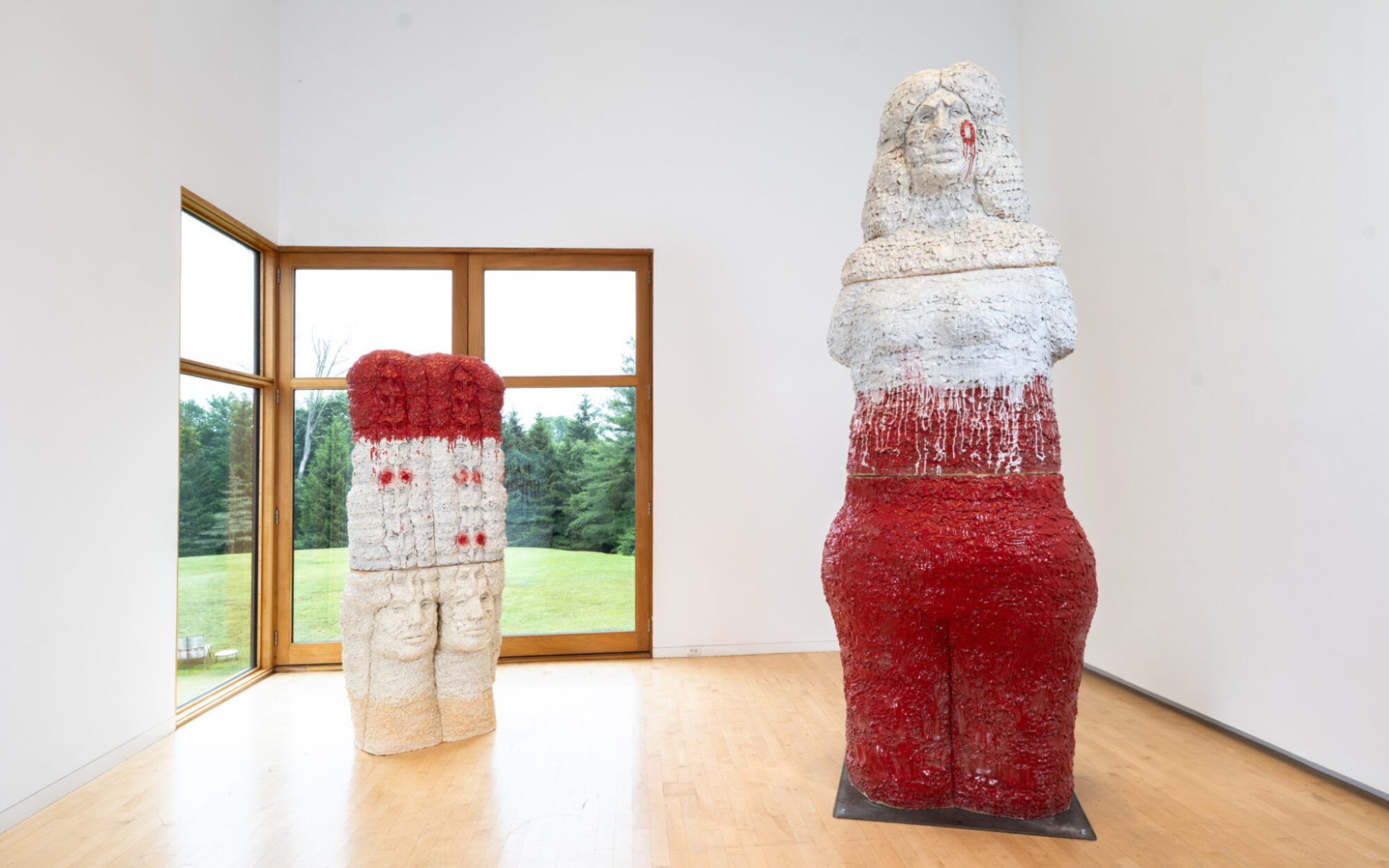
“Flags of Our Mothers,’’ by Raven Halfmoon, at the Aldrich Contemporary Art Museum, in Ridgefield, Conn.
Raven Halfmoon (Caddo Nation) is from Norman, Okla.
Old Labor Day parades and a video
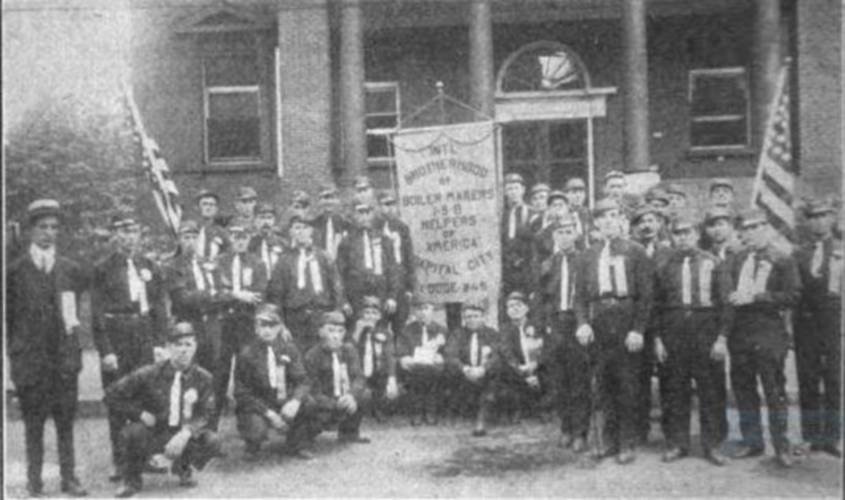
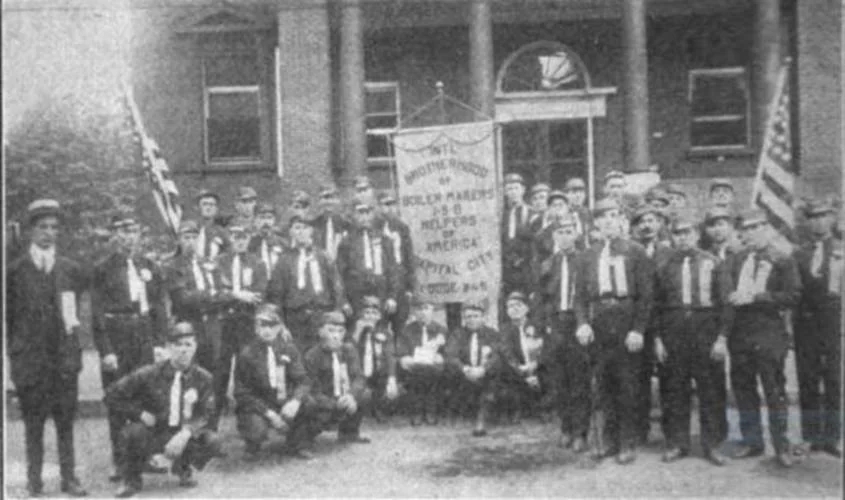
The Brotherhood of Boiler Makers Lodge 245 on Labor Day, 1915, in front of the Wonalancet Club, in Concord {N.H.}, just after marching in the Concord Labor Day Parade.
— Photo at the Concord Public Library
‘Into the dark decayed’


The same leaves over and over again!
They fall from giving shade above
To make one texture of faded brown
And fit the earth like a leather glove.
Before the leaves can mount again
To fill the trees with another shade,
They must go down past things coming up.
They must go down into the dark decayed.
They must be pierced by flowers and put
Beneath the feet of dancing flowers.
However it is in some other world
I know that this is way in ours.
“In Hardwood Groves,’’ by Robert Frost (1874-1963)
Martha Bebinger: In Mass. and beyond, health-care workers confront the rising dangers from a warming climate
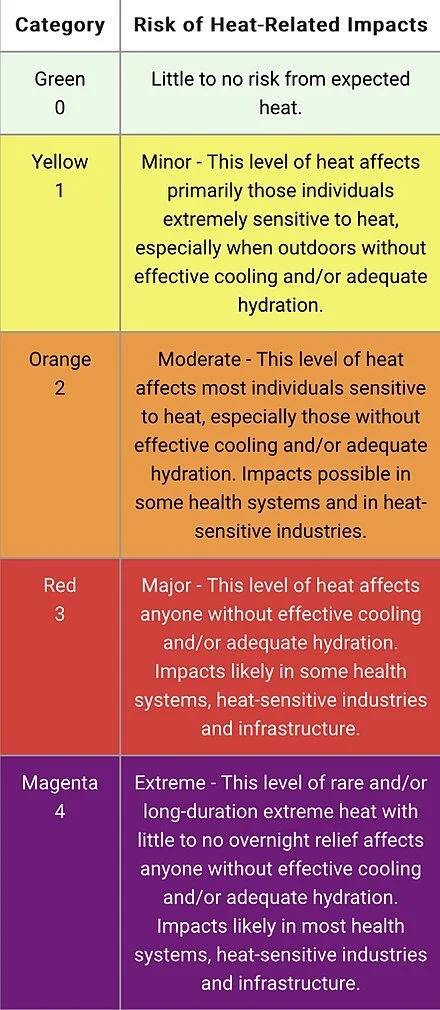
The National Weather Service risk categories for heat
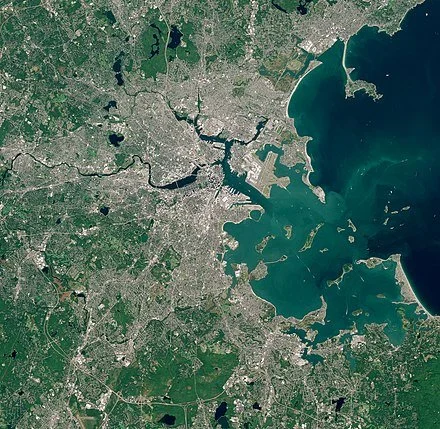
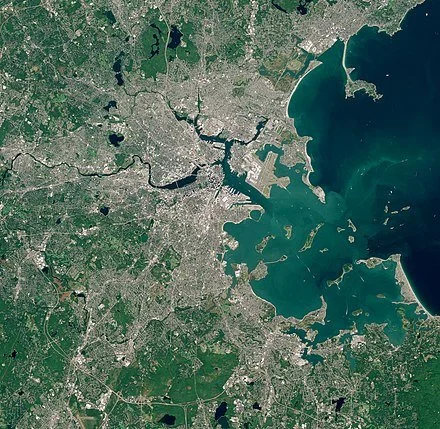
Boston and some adjoining communities
Text via KFF Health News in partnership with WBUR and NPR
BOSTON
An important email appeared in the inboxes of a small group of health-care workers north of this city as this summer started. It warned that local temperatures were rising into the 80s.
An 80-plus-degree day is not sizzling by Phoenix standards. Even in Boston, it wasn’t high enough to trigger an official heat warning for the wider public.
But research has shown that those temperatures, coming so early in June, would likely drive up the number of heat-related hospital visits and deaths across Greater Boston.
The targeted email alert the doctors and nurses at Cambridge Health Alliance, in Somerville, Mass,, got that day is part of a pilot project run by the nonprofit Climate Central and Harvard University’s Center for Climate, Health and the Global Environment, known as C-CHANGE.
Medical clinicians based at 12 community-based clinics in seven states — California, Massachusetts, North Carolina, Oregon, Pennsylvania, Texas and Wisconsin — are receiving these alerts.
At each location, the first email alert of the season was triggered when local temperatures reached the 90th percentile for that community. In a suburb of Portland, Ore., that happened on May 14 during a springtime heat wave. In Houston, that occurred in early June.
A second email alert went out when forecasts indicated the thermometer would reach the 95th percentile. For Cambridge Health Alliance primary- care physician Rebecca Rogers, that second alert arrived on July 6, when the high hit 87 degrees.
The emails remind Rogers and other clinicians to focus on patients who are particularly vulnerable to heat. That includes outdoor workers, older adults, or patients with heart disease, diabetes, or kidney disease.
Other at-risk groups include youth athletes and people who can’t afford air conditioning, and/or who don’t have stable housing. Heat has been linked to complications during a pregnancy as well.
“Heat can be dangerous to all of us,” said Caleb Dresser, director of health- care solutions at C-CHANGE. “But the impacts are incredibly uneven based on who you are, where you live, and what type of resources you have.”
The pilot program aims to remind clinicians to start talking to patients about how to protect themselves on dangerously hot days, which are happening more frequently because of climate change. Heat is already the leading cause of death in the U.S. from weather-related hazards, Dresser said. Letting clinicians know when temperatures pose a particular threat to their patients could save lives.
“What we’re trying to say is, ‘You really need to go into heat mode now,'” said Andrew Pershing, vice president for science at Climate Central, with a recognition that “it’s going to be more dangerous for folks in your community who are more stressed.”
“This is not your grandmother’s heat,” said Ashley Ward, who directs the Heat Policy Innovation Hub, at Duke University. “The heat regime that we are seeing now is not what we experienced 10 or 20 years ago. So we have to accept that our environment has changed. This might very well be the coolest summer for the rest of our lives.”
The alerts bumped heat to the forefront of Rogers’s conversations with patients. She made time to ask each person whether they can cool off at home and at work.
That’s how she learned that one of her patients, Luciano Gomes, works in construction.
“If you were getting too hot at work and maybe starting to feel sick, do you know some things to look out for?” Rogers asked Gomes.
“No,” said Gomes slowly, shaking his head.
Rogers told Gomes about early signs of heat exhaustion: dizziness, weakness, or profuse sweating. She handed Gomes tip sheets she’d printed out after receiving them along with the email alerts.
They included information about how to avoid heat exhaustion and dehydration, as well as specific guidance for patients with asthma, chronic obstructive pulmonary disease (COPD), dementia, diabetes, multiple sclerosis and mental-health concerns.
Rogers pointed out a color chart that ranges from pale yellow to dark gold. It’s a sort of hydration barometer, based on the color of one’s urine.
“So if your pee is dark like this during the day when you’re at work,” she told Gomes, “it probably means you need to drink more water.”
Gomes nodded. “This is more than you were expecting to talk about when you came to the doctor today, I think,” she said with a laugh.
During this visit, an interpreter translated the visit and information into Portuguese for Gomes, who is from Brazil and quite familiar with heat. But he now had questions for Rogers about the best ways to stay hydrated.
“Because here I’ve been addicted to soda,” Gomes told Rogers through the interpreter. “I’m trying to watch out for that and change to sparkling water. But I don’t have much knowledge on how much I can take of it.”
“As long as it doesn’t have sugar, it’s totally good,” Rogers said.
Now Rogers creates heat-mitigation plans with each of her high-risk patients. But she still has medical questions that the research doesn’t yet address. For example: If patients take medications that make them urinate more often, could that lead to dehydration when it’s hot? Should she reduce their doses during the warmest weeks or months? And, if so, by how much? Research has yielded no firm answers to those questions.
Deidre Alessio, a nurse practitioner at Cambridge Health Alliance, also has received the email alerts. She has patients who sleep on the streets or in tents and search for places to cool off during the day.
“Getting these alerts makes me realize that I need to do more homework on the cities and towns where my patients live,” she said, “and help them find transportation to a cooling center.”
Most clinics and hospitals don’t have heat alerts built into electronic medical records, don’t filter patients based on heat vulnerability, and don’t have systems in place to send heat warnings to some or all of their patients.
“I would love to see health care institutions get the resources to staff the appropriate outreach,” said Gaurab Basu, a Cambridge Health Alliance physician who co-directs the Center for Health Equity Advocacy and Education at Cambridge Health Alliance. “But hospital systems are still really strained by COVID and staffing issues.”
This pilot program is an excellent start and could benefit by including pharmacists, said Kristie Ebi, founding director of the Center for Health and the Global Environment, at the University of Washington.
Ebi has studied heat early-warning systems for 25 years. She says one problem is that too many people don’t take heat warnings seriously. In a survey of Americans who experienced heat waves in four cities, only about half of residents took precautions to avoid harm to their health.
“We need more behavioral-health research,” she said, “to really understand how to motivate people who don’t perceive themselves to be at risk, to take action.”
For Ebi and other researchers, the call to action is not just to protect individual health, but to address the root cause of rising temperatures: climate change.
“We’ll be dealing with increased exposure to heat for the rest of our lives,” said Dresser. “To address the factors that put people at risk during heat waves, we have to move away from fossil fuels so that climate change doesn’t get as bad as it could.”
Martha Bebinger is a reporter at WBUR, in Boston
marthab@wbur.org, @mbebinger
And they don't bite

“Hello, Bessie. Hello, Roland.” (mixed media), by Abby Rovaldi, in the group show “Creature Comforts,’’ at the Attleboro (Mass.) Arts Museum, through Sept. 23. Her studio is in Franklin, Mass.
— Photo courtesy of Ms. Rovaldi
The museum says that the show asks 17 artists to interpret themes from the novel Nothing to See Here, by Kevin Wilson, with 2D and 3D representations of stuffed animals. It provides artists the opportunity to "bring their favorite stuffed companions back to life," complete with "biographies" for each animal.
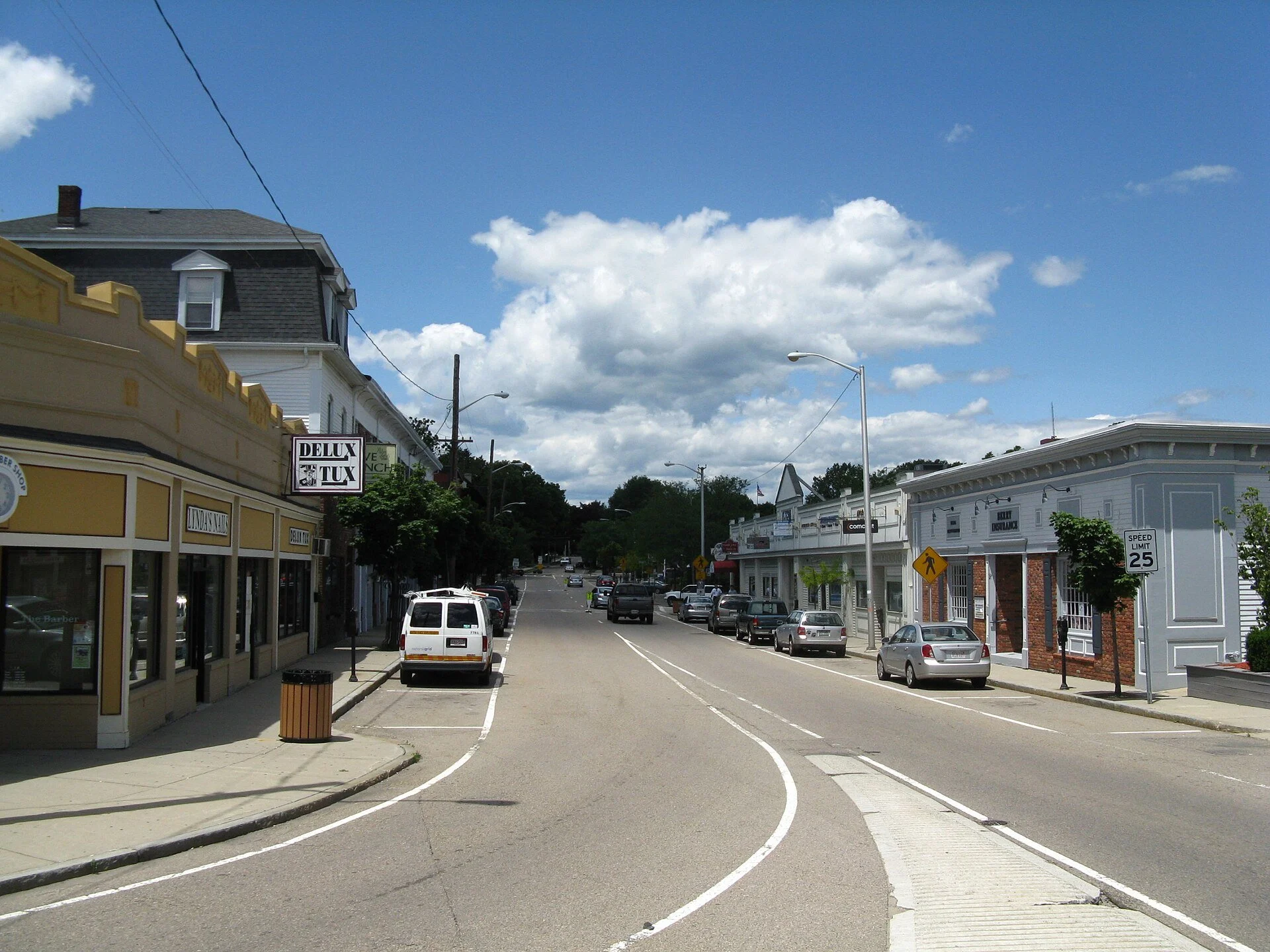
Sleepy downtown Franklin, Mass.