
Vox clamantis in deserto



Free college education for some Mass. students
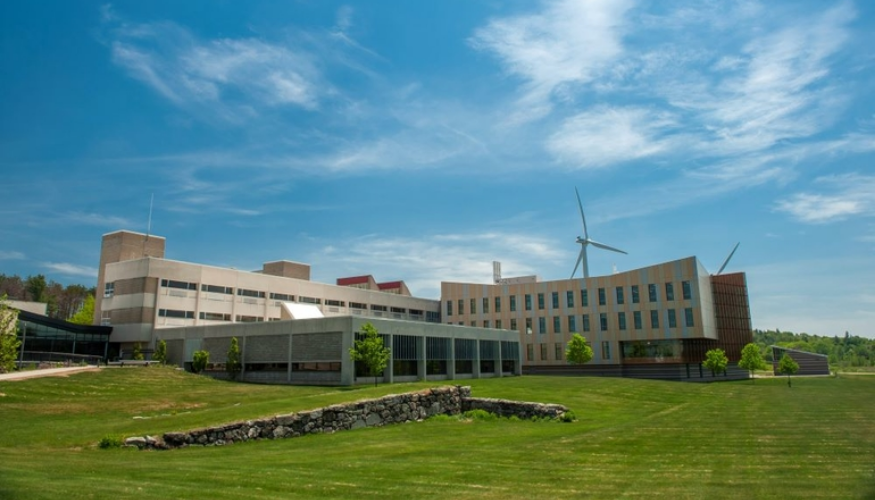
Mount Wachusett Community College
Edited from a New England Council report
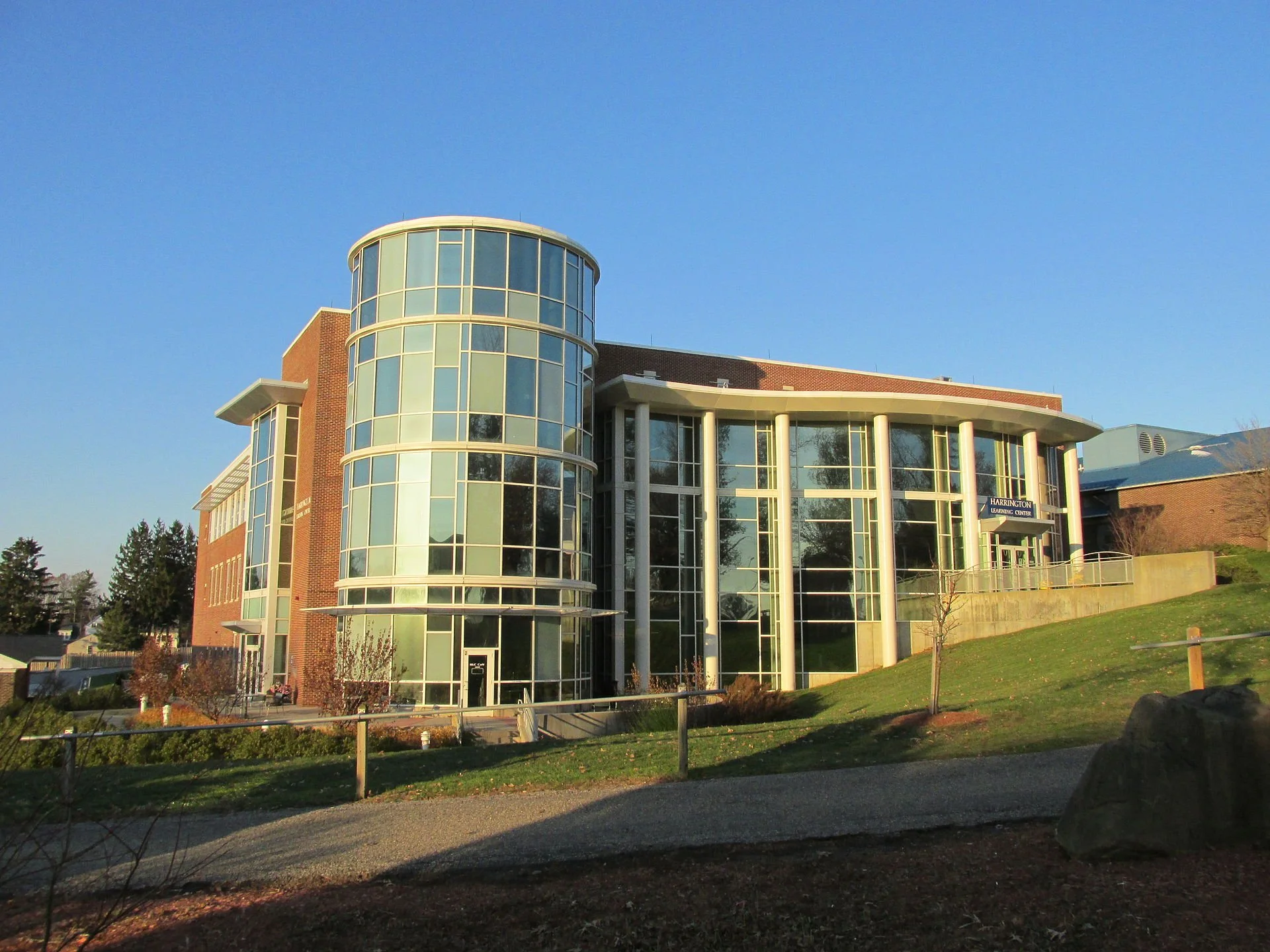
Quinsigamond Community College, in Worcester, and Mount Wachusett Community College, in Gardner, Mass., are part of the $20 million MassReconnect program that will offer free higher education for certain students.
“The program, which includes all 15 Massachusetts state community colleges, was passed in the state’s 2024 fiscal budget. It will provide students over the age of 25 the opportunity to attain an associate degree at no cost. Intended as a measure to aid working adults, who had passed the perceived age of education, the effort will make the college structure more equitable, and make higher-level degree and certification achievement increasingly realistic for all. It is expected that the plan will significantly improve the academic outlook for young parents, who may have understandably lost chances to attend college under the time constraints of various other responsibilities. In this way, these and other state community colleges give back those lost opportunities, allowing residents to advance their careers and lives, all for free.
“‘The MassReconnect program is a giant step forward in our quest for equity in higher education. By offering equitable opportunities and resources for our students, many of whom are juggling one or more jobs and caring for their families, we are bettering our entire community,’ said QCC President Luis G. Pedraja, ‘Obtaining a higher education is a way for people to advance a career, change careers, and make a better life for themselves and their families.”
“The New England Council commends Quinsigamond Community College and Mount Wachusett Community College for their commitment to equitable and accessible education.’’
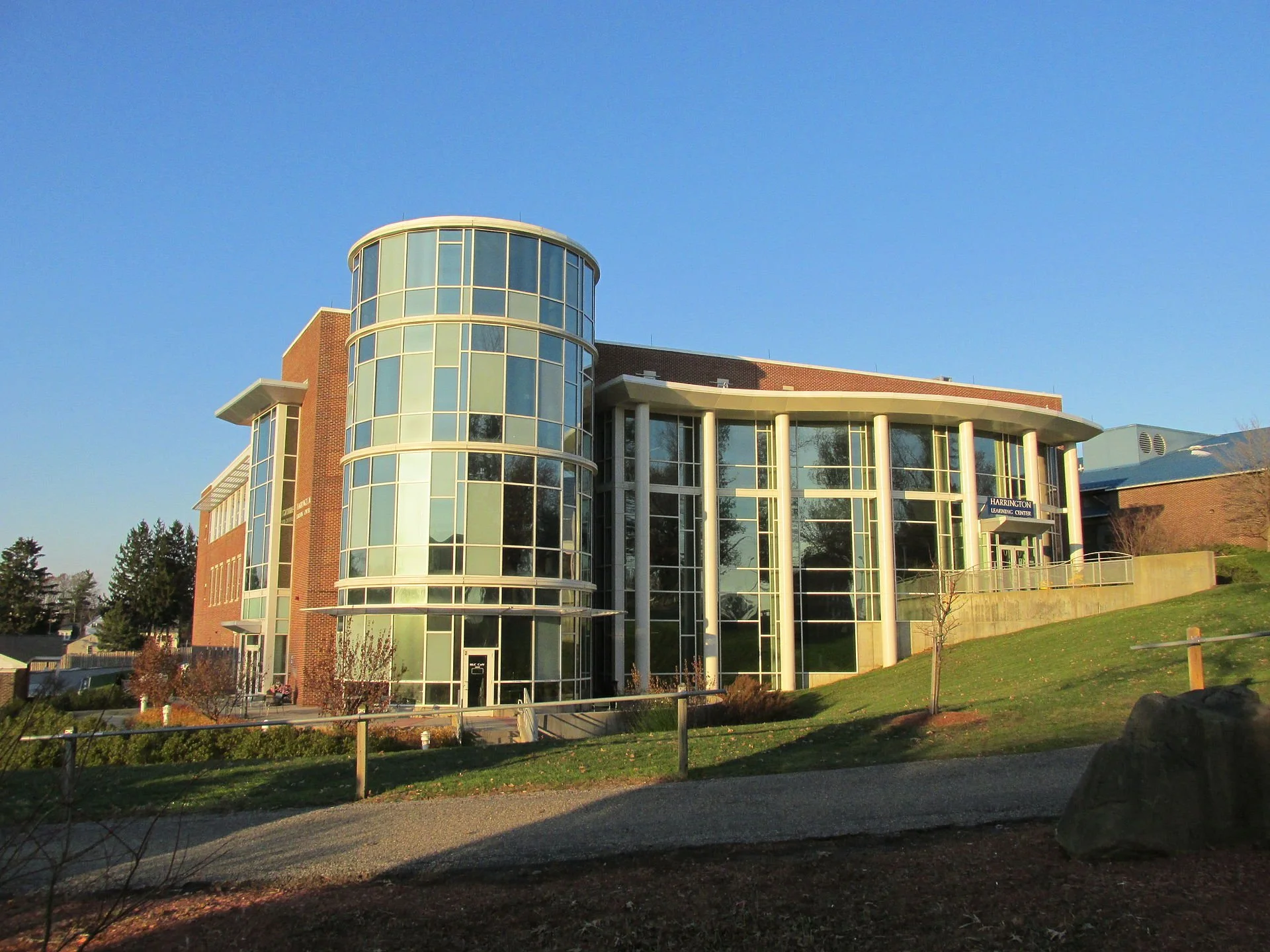
At Quinsigamond Community College
— Photo by John Phelan
Only looks like that in the spring

“Chicopee, MA,’’ by Sandra Cohen, in the group show “Bridges,’’ through Sept. 1, at Fountain Street Fine Art, Boston.
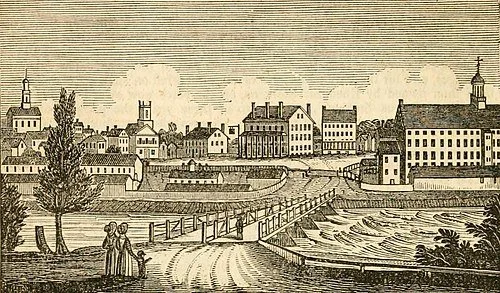
The Cabotville section of Springfield, Mass., as it appeared in 1844. Four years later, Cabotville became part of the new town of Chicopee, as industry boomed in the area.
Torch song to send you on your way
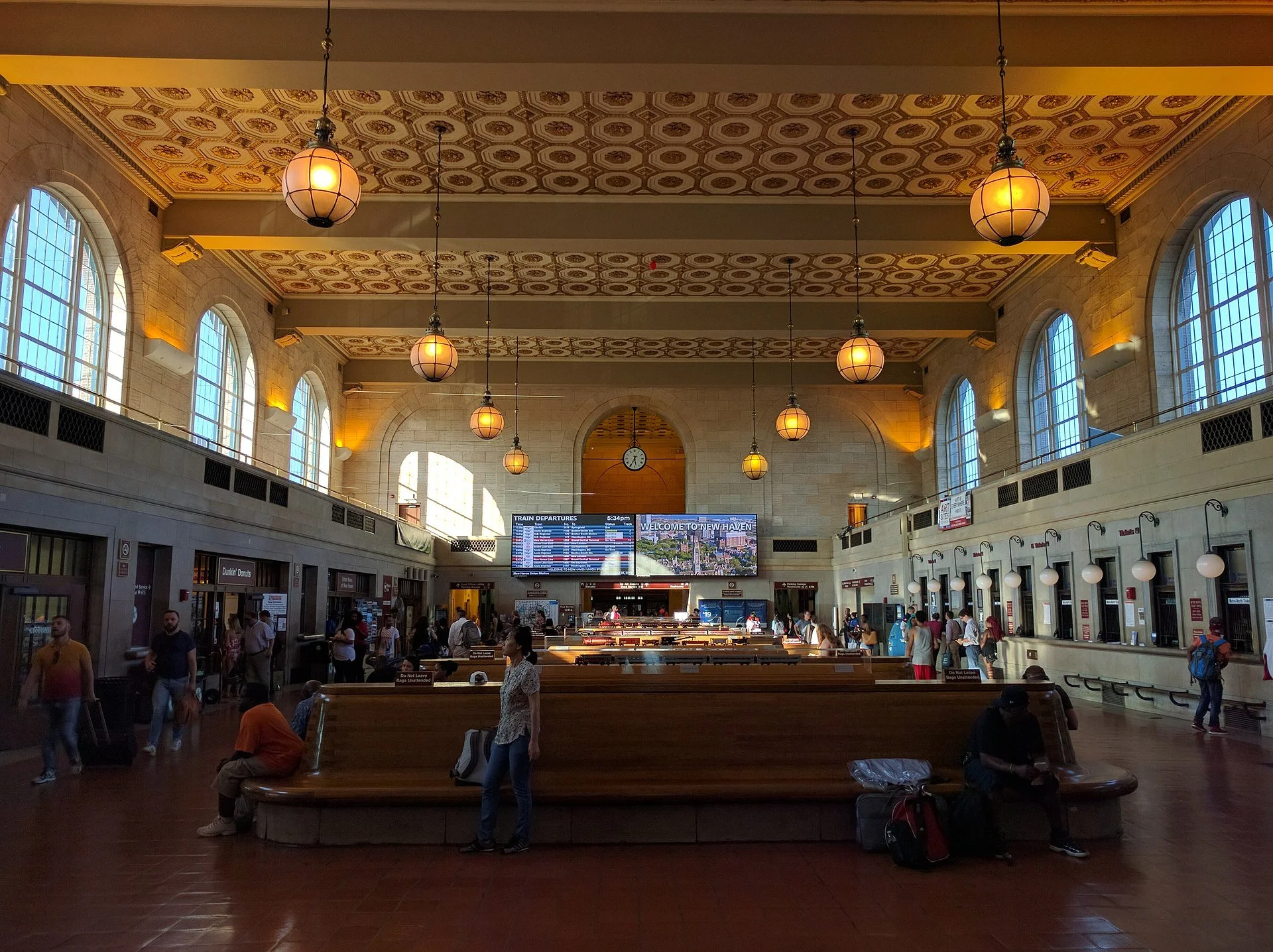
In New Haven’s Union Station
— Photo by Grendelkhan
‘The bar in the commuter station steams
like a ruin, its fourth wall open
to the crowd and the fluttering timetables.
In the farthest corner, the television
crackles a torch song and a beaded gown.’'
— From “The Northeast Corridor,’’ by Donald Revell (born 1954), American poet
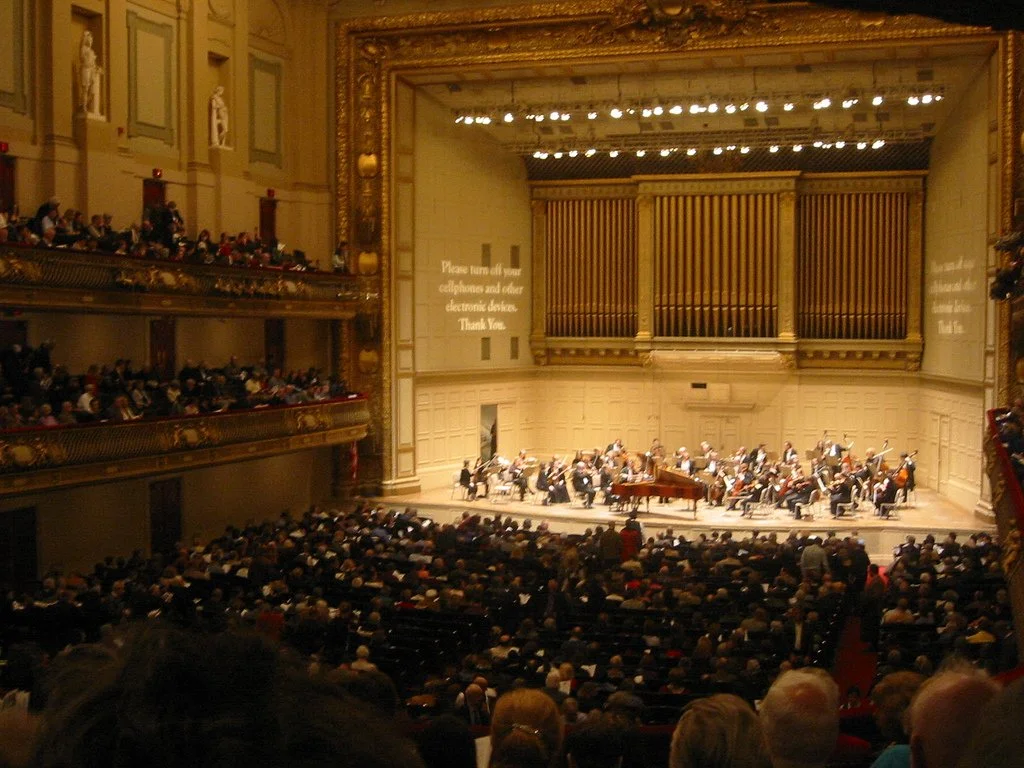
Return to putting up with it
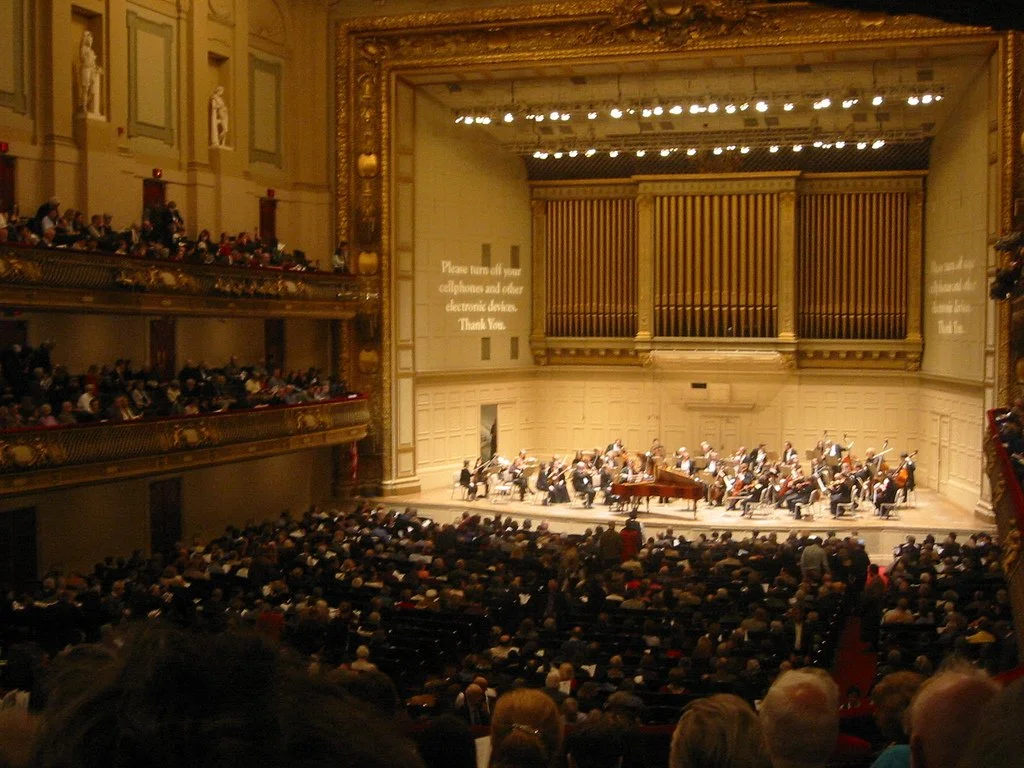
Inside Boston’s famed Symphony Hall during a concert
“Tonight I will speak up and interrupt
your letters, warning you that wars are coming,
that the Count will die, that you will accept
your America back to live like a prim thing
on the farm in Maine.
I tell you, you will come
here, to the suburbs of Boston, to see the blue-nose
world go drunk each night, to see the handsome
children jitterbug, to feel your left ear close
one Friday at Symphony.’’
— From “Some Foreign Letters,’’ by Anne Sexton (1928-1974), Pulitzer Prize-winning Massachusetts poet
Elements to seek outside
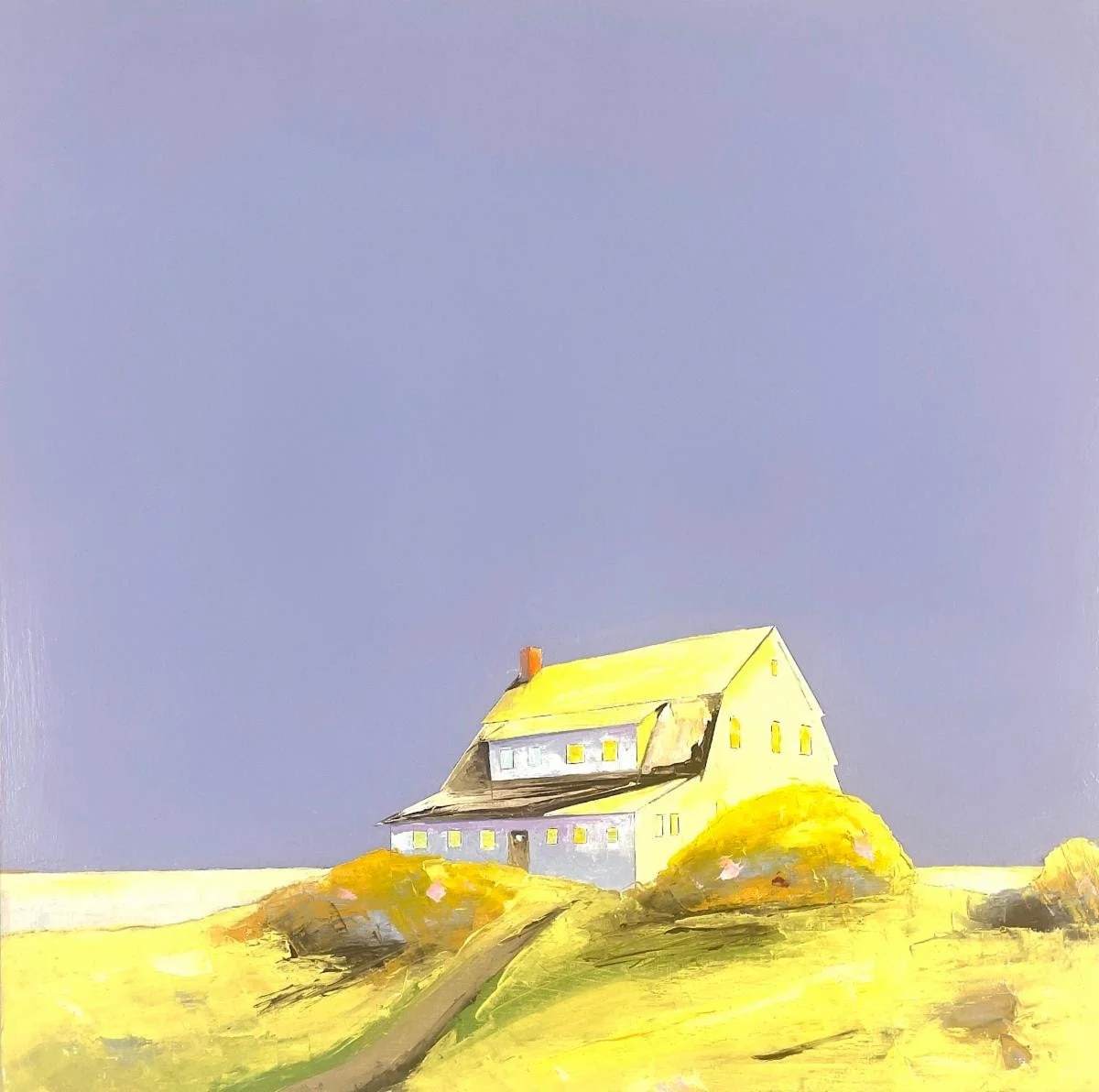
“Light & Breezy” (oil on cradled panel), by New England painter Janis Sanders, at Alpers Fine Art, Rockport, Mass.
He says:
“Salt air, salt spray, sweet smell of summer grass, verdant marsh, an old house at the water’s edge, wind in your hair, sun on your face.
“These elements draw me outdoors, to the grassy dunes of Truro, the calm marshes of the North Shore, to the rugged cliffs of Maine.”
William Morgan: The painting of Gov. Raimondo and the banality of official portraiture
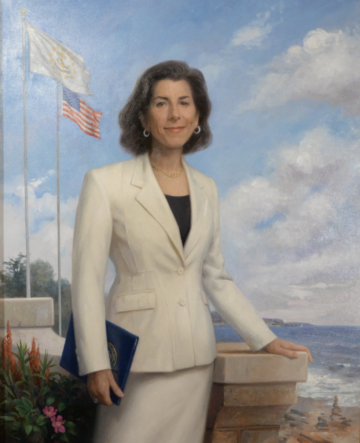
The official Rhode Island State House portrait of Gov. Gina Raimondo, by Patricia Watwood
When Gina Raimondo first ran for governor of Rhode Island, she did not trumpet her gilt-edged education at Harvard, Oxford and Yale, which I thought was admirably modest. When I first met her, I was starstruck. Searching for a topic of non-political conversation, I asked her about her Rhodes Scholarship. Like other old Oxonians, we reminisced about our respective colleges there, New and Jesus. Unlike your average politician, Raimondo was both warm and smart. I was snowed.
No governors will remain universally admired, and none will leave office with their reputations untarnished. Yet Rhode Island’s first female top executive has gone on to become the U.S. secretary of commerce. Raimondo is one of the leading lights of President Biden’s brain trust, and one of the cabinet’s most energetic members.
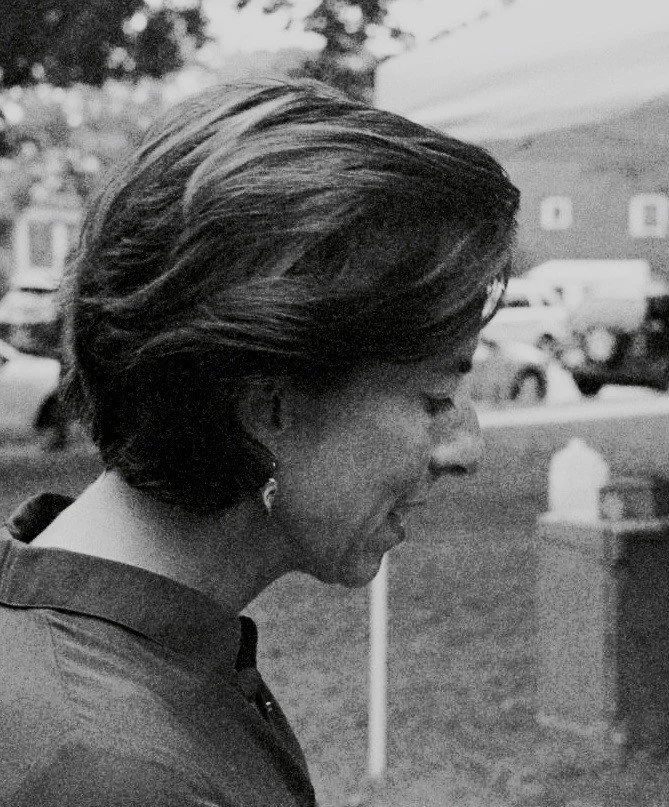
A snapshot of an unidealized and human Governor Raimondo.
Photo by Will Morgan
Regardless of popularity or accomplishment, all Rhode Island governors, as with governors in other states, are honored by being flash-frozen on the State House walls. With few exceptions, these portraits are sterile and lifeless. The pioneering and dynamic Gina Raimondo deserved a far better tribute than the recently one unveiled by New York figurative artist Patricia Watwood.
The representation here, as so often with official portraits, is wooden and insipid, capturing none of Gina’s spirit. Rather, it looks like a public-relations photo, or perhaps a page from the Talbots catalogue. The pair of flags are beyond trite, fighting for prominence against blue water and a sky with cottony clouds, with the obvious point to remind us that it’s the Ocean State.
Throughout Western art, flowers have been included in portraits for their symbolism, with certain plants alluding to such virtues as innocence, love, constancy and even patriotism. Such allusions might have given the painting a little literary punch. Instead, we have primarily decorative flora, wildflowers that “the residents of Rhode Island would recognize.”
Furthermore, we have Watwood’s unsupportable declaration that she is “celebrating Raimondo’s service and showing young women, girls, the people of Rhode Island that there is a place in leadership at the highest level for all of us.” Without knowledge that Gina was our first female chief executive, how exactly does this painting demonstrate to anyone the advance for women she represented?
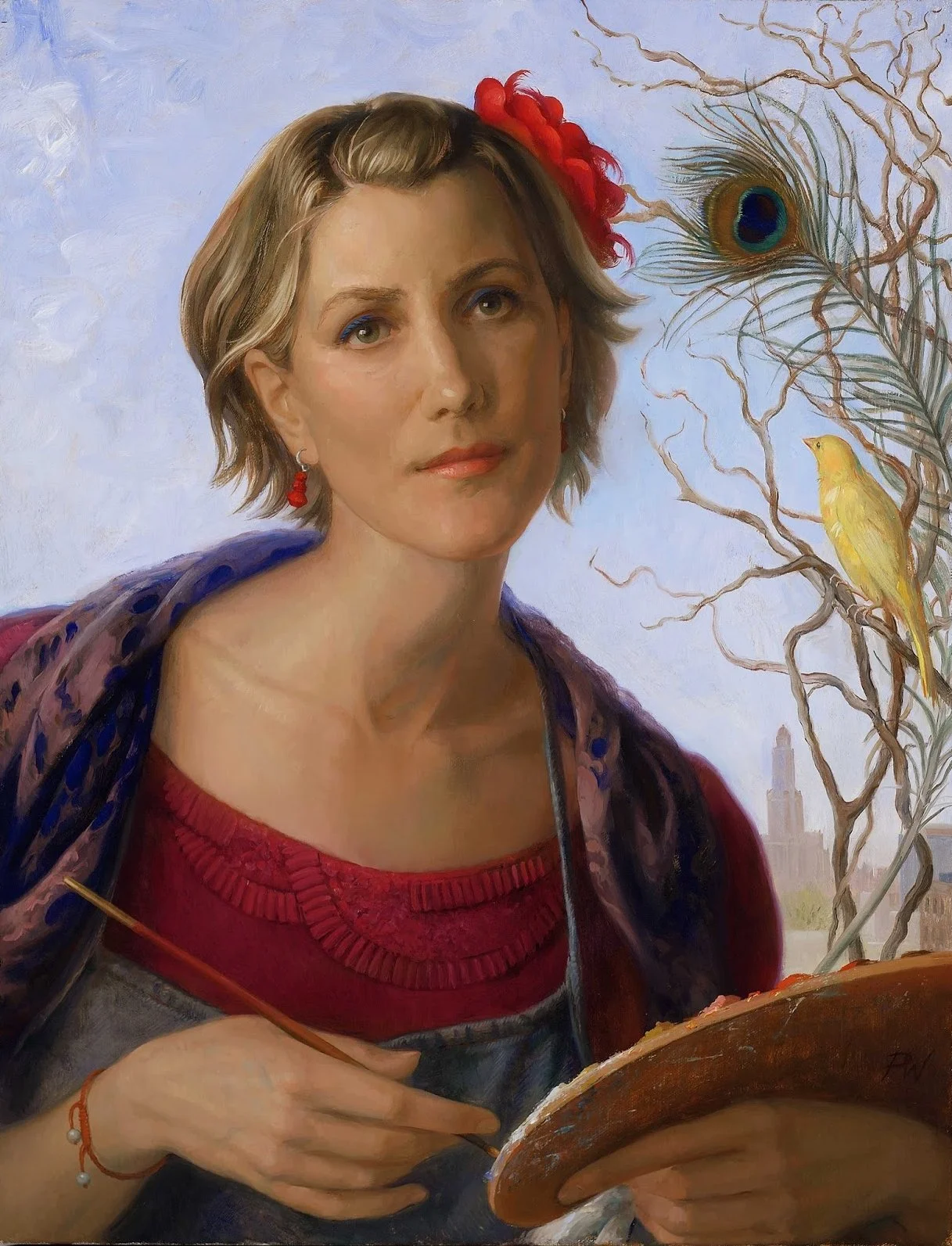
“Imago/Imagination” (2013), by Patricia Watwood
—Courtesy of the artist.
Watwood was selected by the Rhode Island State Council on the Arts and the former governor, and yet the St. Louis native and author of a new book, The Path of Drawing, has far more interesting portraits in her portfolio. (Her own self-portrait, for example, in a realist, neo-Renaissance style, intriguingly features a golden bird, a peacock feather, and bright red flower in her hair.)
Watwood is good at her craft, so why weren’t we given her best? Was the painter overwhelmed by the responsibility of an “official” commission? Or maybe she felt that little Old Rhode Island, though only a few hours drive from the New York City art world, would not notice a less than stellar effort, even though the state is the home of what is probably America’s most famous art school, the Rhode Island School of Design (RISD).
Alas, this is yet another disappointing example of what happens when Rhode Island goes out of state for its image procurement (“Cooler & Warmer,” anyone?). No one would begrudge an artist actually making some money, but this bland depiction hardly seems worth $50,000.
It need not be this way. Providence artist Julie Gearan dispensed with the usual fawning hagiography when she painted Gov. Lincoln Chafee’s State House portrait. Gearan, who teaches painting at RISD, created a haunting image of the enigmatic governor without resorting to the usual political stage props. A challenging work of Romanticism, the Chafee portrait earns high marks for composition, color and impact.
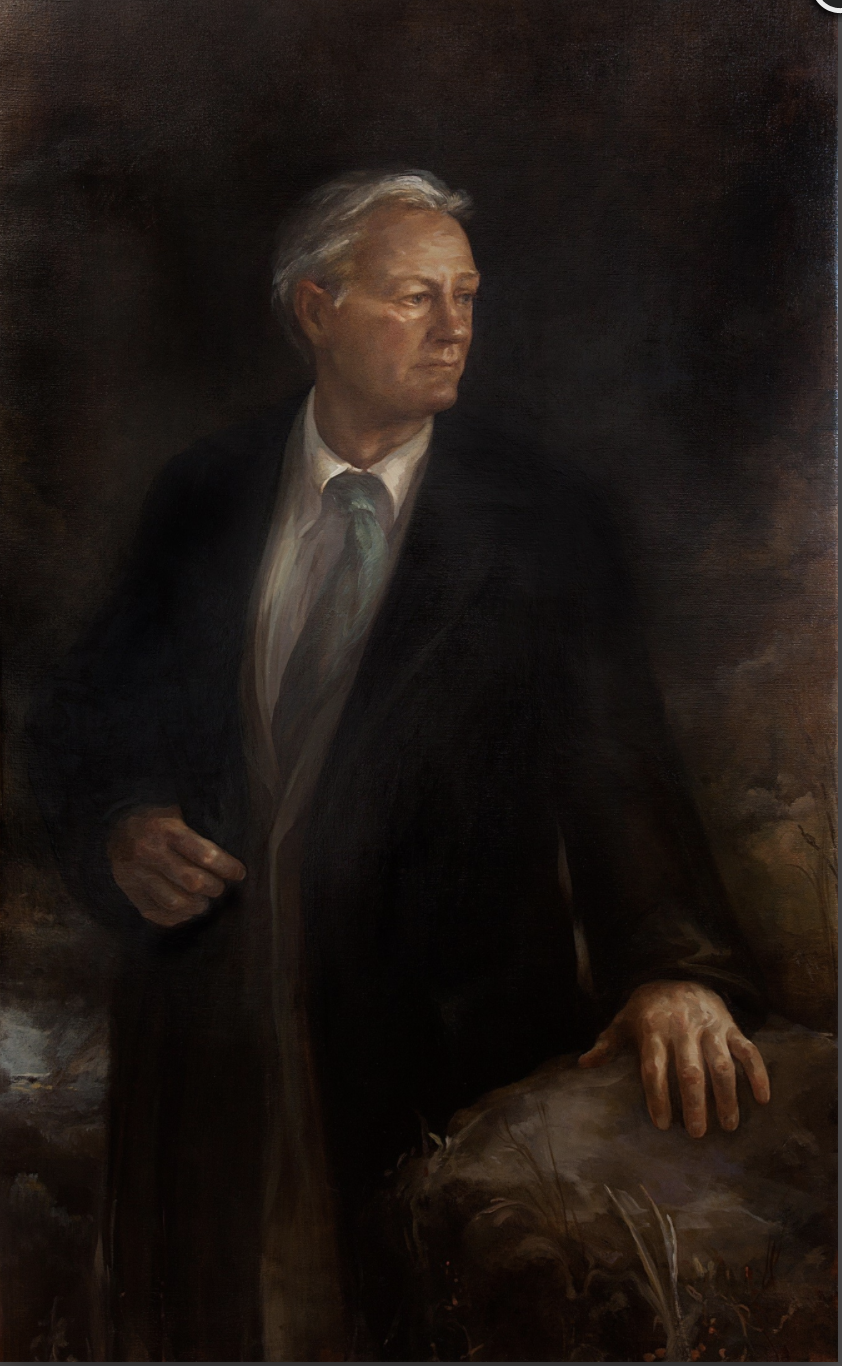
Gov. Lincoln Chafee, by Julie Gearan.
Before readers accuse this writer of being unduly harsh about Ms. Watwood’s picture making, I took the liberty of sharing her Gina Raimondo portrait with Prof. Rod Miller, a conservative art historian at Hendrix College who favors traditional representation. He wrote:
“Wow, you were ripped off. It’s like that woman {Margaret Keane} who painted the Big Eyes portraits. Looks like undergraduate work.’’
William Morgan is a Providence-based architectural historian and critic. His new book, Academia: Collegiate Gothic Architecture in the United States, will be published in October.
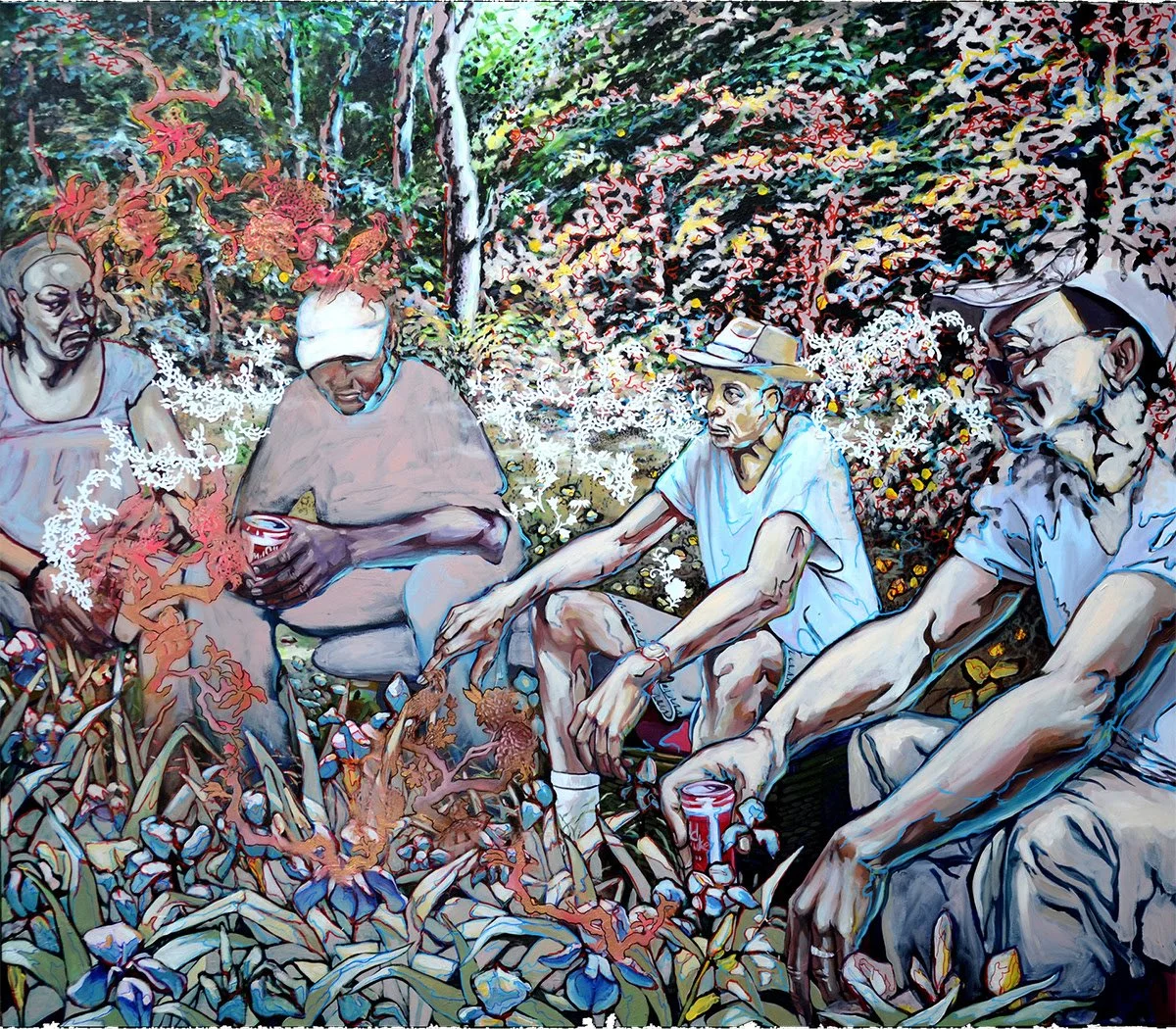
Complicated backyard
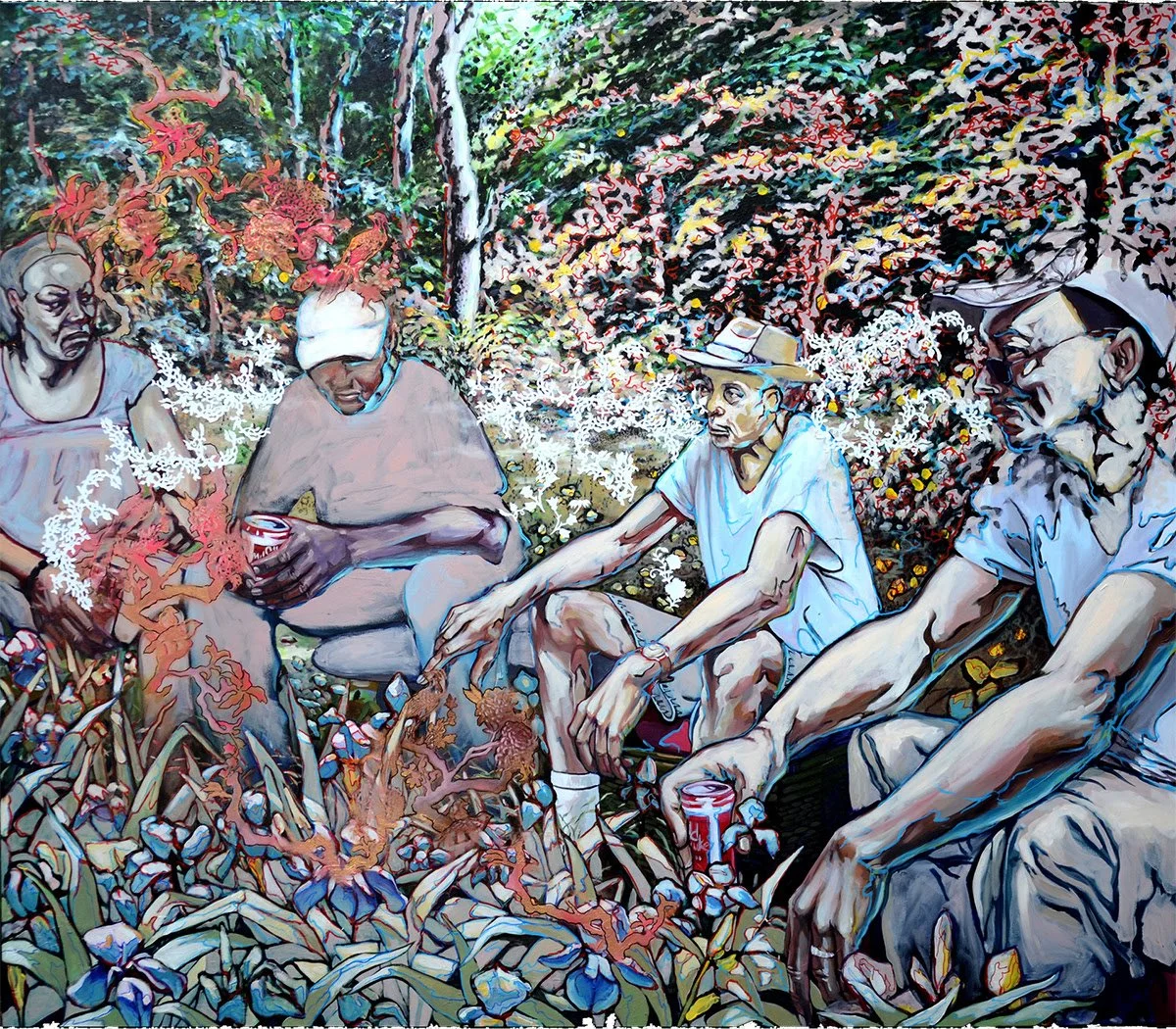
“Backyard” (acrylic, oil, acrylic-based spray paint, paint markers and paper on canvas), by Bob Dilworth, in his show “Bob Dilworth: Backyard’’ at the Newport (R.I.) Art Museum through Dec. 31.
Partial gift of Dr. Joseph A. Chazan and partial museum purchase. Photo courtesy Newport Art Museum.
The museum says:
“Dilworth ‘draws on the memories and experiences from the [his] life in Providence and home of Lawrenceville, 50 miles south of Richmond, Virginia.; Dilworth describes his artwork as tackling ‘issues of race, culture, ethnicity, family, myths, folktales, and religious beliefs through metaphor and allegory." ‘
Towering but playful
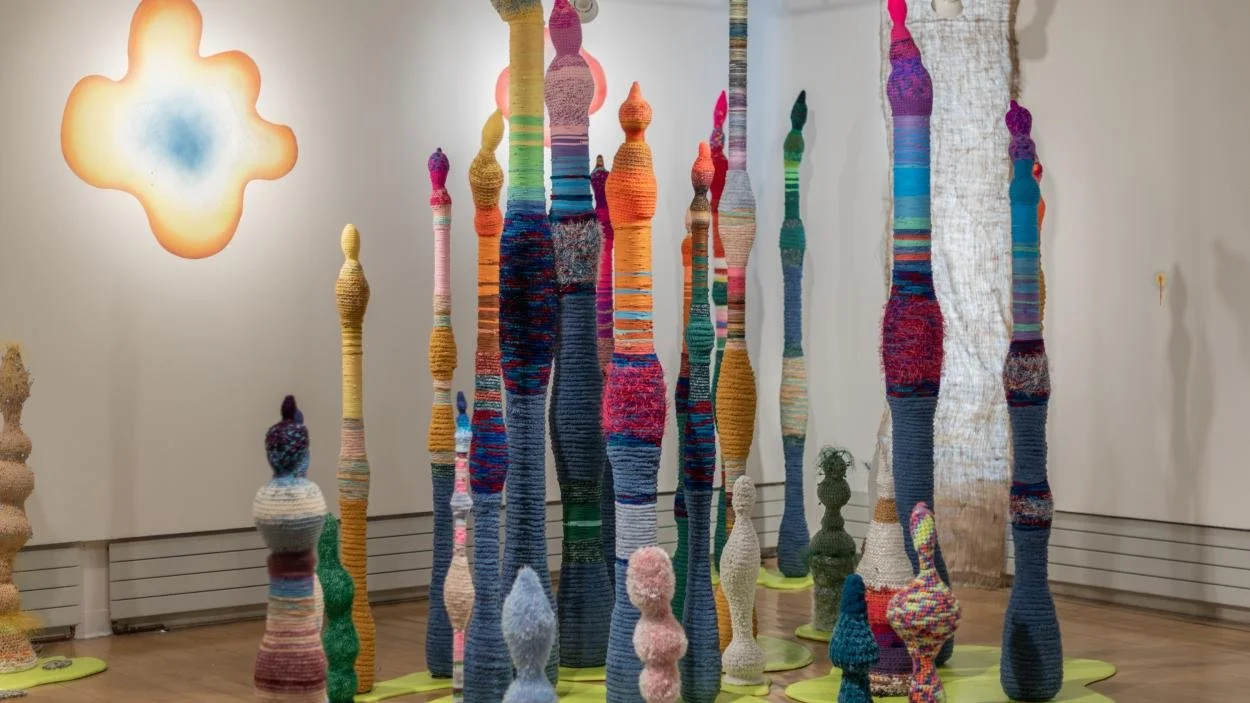
Hyunsuk Erickson, “Thingumabob Society’’ (ceramic and textile), by Hyunsuk Erickson, at Burlington (Vt.) City Arts through Sept. 17
— Photo by Renee Greenlee
The gallery says:
“Hyunsuk Erickson explores ideas of materiality, resourcefulness, and identity in her whimsical installation Thingumabob Society. Comprised of multi-colored, organic forms that tower in size, spring from the wall, or gather in groups, Erickson’s oddly shaped and playful sculptures suggest sprouting seeds or family groupings.
“The artist creates her Thingumabobs by merging sculpture and craft traditions. Using plastic, yarn, and found fabric, she crochets and weaves over and around more durable materials such as ceramic to produce animated and joyful forms.
“Drawing upon memories of her family’s farm in Korea with those of motherhood and family in the United States, Erickson’s creations explore the cyclical nature of life, the waste of consumer culture, and the hybrid nature of her Korean and American identity. In Thingumabob Society, the artist fashions an imaginative and hopeful space that invites us to collectively reflect on relationships – between nature, culture, and ourselves.’’

Llewellyn King: Fall down before a Frankenstein deity

How deep learning is a subset of machine learning and how machine learning is a subset of artificial intelligence
— From British Wikipedia
WEST WARWICK, R.I.
Those who work with language have reason to worry about the effect of artificial intelligence and its awesome skill with words.
You can, for example, ask ChatGPT to write an article on almost any subject, and it will mostly come back with something ready for the page, untouched by a human editor. If you want it in Washington Post style and it is in Guardian style with British spelling, faster than you can type in the request, it will reformat the article into the style and usage you want and, presto, it is ready to print or publish digitally.
Writers, lawyers and college professors will feel the sting first. Writers in Hollywood are on strike because of the threat posed. College professors are going into the new term unsure whether they will deal with original work or whether students are substituting AI-generated essays and theses.
Journalists, already reeling from the closure of so many newspapers, are wondering about their future.
But what about religion?
AI ramifications in organized religion are good and bad. In fringe religions and cults, it will be open season on worshipers. And some will find comfort in speaking to God as though the Almighty is resident in AI.
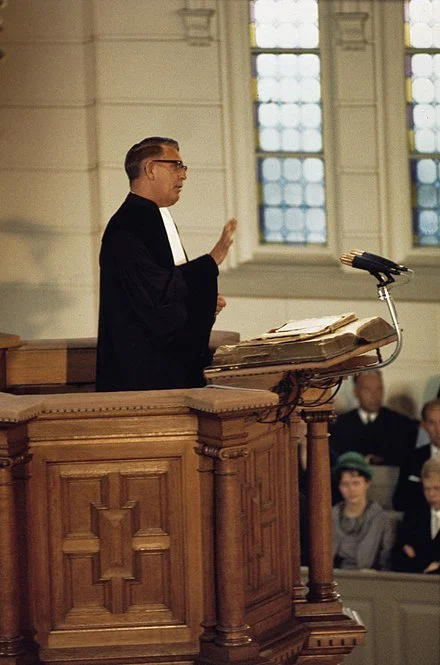
On the good side, many pastors approach Sunday in trepidation. The sermon, which is supposed to be instructional, uplifting and erudite, is a source of torture to those who aren’t good writers or have difficulty sharing their own faith with the congregation.
There are newsletters to help sermon writers and a wealth of diocesan support. Still, sermons are a trial for many pastors. You can read an old sermon or plagiarize another cleric, but that leaves sincere preachers feeling they are cheating and letting their congregants and their mission down.
Enter AI. By feeding a few thoughts to a chatbot, a polished sermon incorporating some of the preacher’s ideas appears almost instantly.
This hasn’t been wasted on the established churches, I learn from the BBC. The churches are looking at ways of embracing AI, using it as a tool, a gift to help with preaching and pastoral work, comforting the sick, composing notes of sympathy, and research.
The rub comes when people, as some surely will, confuse concepts of God with AI simulations and start to think that AI is a deity.
It has the characteristics usually associated with a deity: ubiquitous and seemingly all-knowing.
Indeed, it may claim to be a god if it hallucinates, as it sometimes does. What, then, for the unsuspecting? Do they fall to their knees?
I asked ChatGPT, and it sent me a 10-point list of the possibilities, noting that it is a subject that is complex and evolving.
These three points are scary:
—“Customized Spiritual Experiences: AI algorithms could be designed to tailor spiritual experiences to individual preferences and beliefs. These experiences might include personalized prayers, meditation sessions, or virtual pilgrimages, designed to resonate with each person’s spiritual inclinations.”
—“Ethical Dilemmas and Moral Guidance: AI might be used to explore complex ethical questions and provide guidance based on religious teachings. For instance, AI systems could analyze various religious perspectives on a given moral issue and help individuals navigate their choices.”
—“Exploration of Spirituality and Philosophy: AI’s ability to process vast amounts of information could be harnessed to delve deeper into philosophical and spiritual questions, potentially offering new perspectives on the nature of existence, consciousness and the divine.”
Would it be safe to call it Frankenstein worship?
On Twitter: @llewellynking2
Llewellyn King is executive producer and host of White House Chronicle, on PBS.
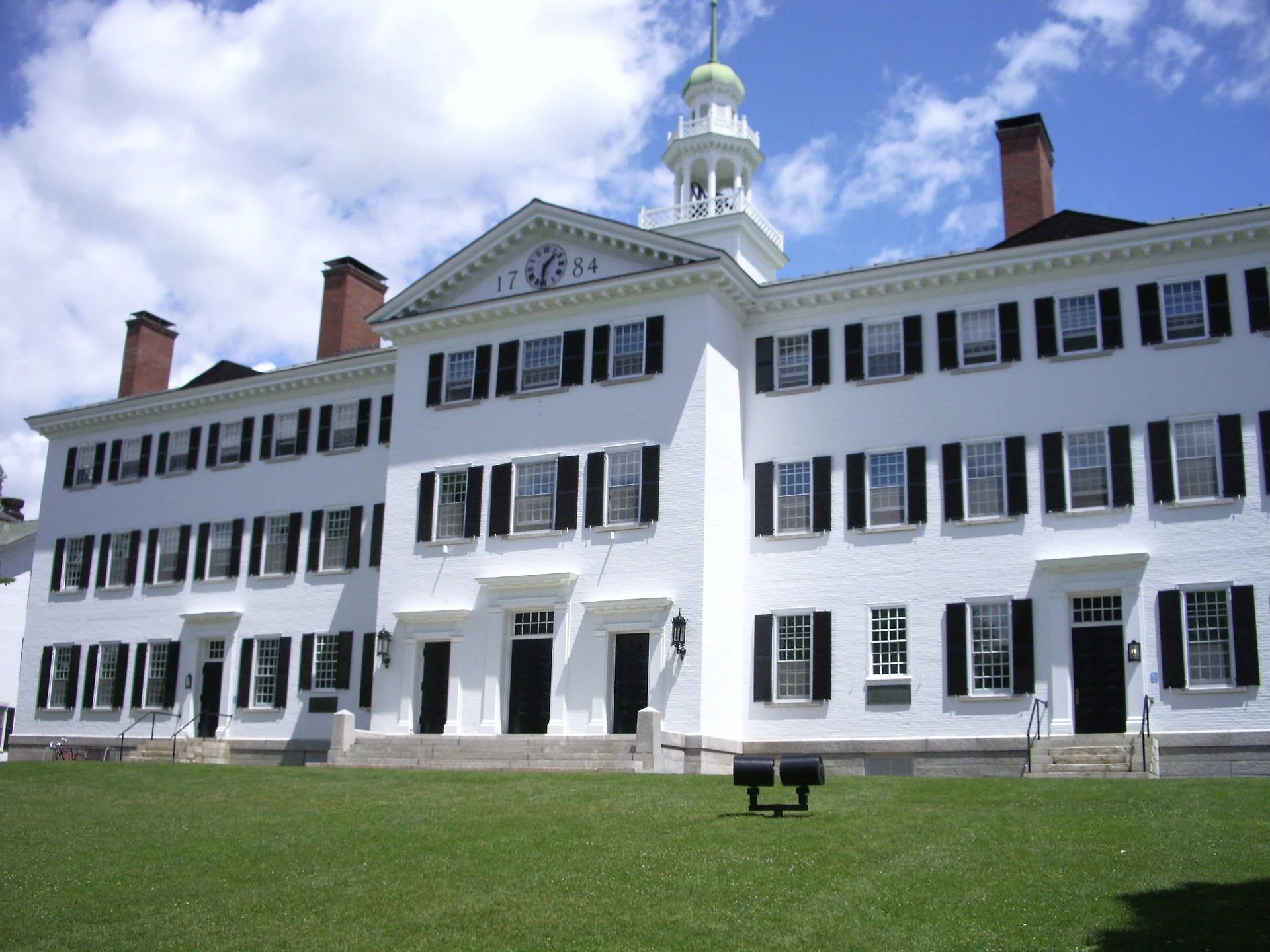
Dartmouth Hall at the eponymous college in Hanover, N.H.
Editor’s note. This is from the Council of Europe:
“The term ‘AI’ could be attributed to John McCarthy of MIT (Massachusetts Institute of Technology), which Marvin Minsky (Carnegie-Mellon University) defines as ‘the construction of computer programs that engage in tasks that are currently more satisfactorily performed by human beings because they require high-level mental processes such as: perceptual learning, memory organization and critical reasoning. ‘ The summer 1956 conference at Dartmouth College (funded by the Rockefeller Institute) is considered the founder of the discipline. Anecdotally, it is worth noting the great success of what was not a conference but rather a workshop. Only six people, including McCarthy and Minsky, had remained consistently present throughout this work (which relied essentially on developments based on formal logic).’’

Summits in style
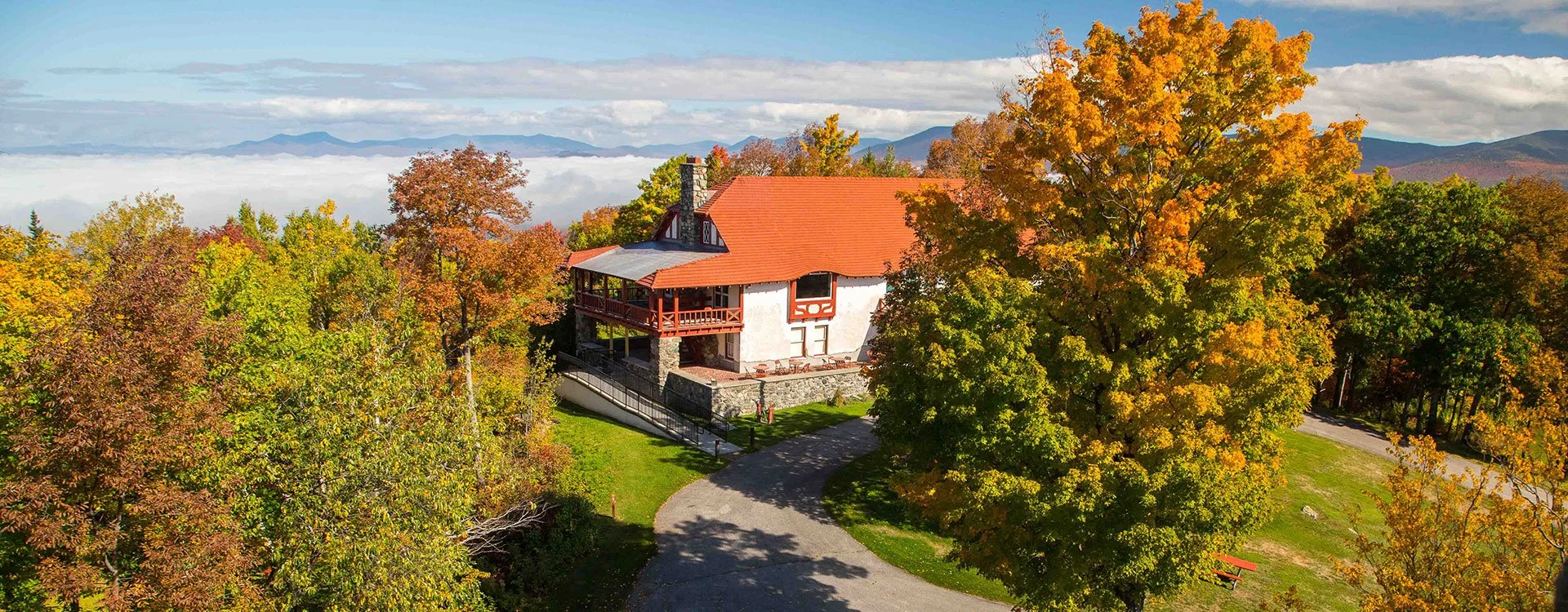
The former Weeks Estate, now a state park, atop Prospect Mountain in northern New Hampshire
Text from Robert Whitcomb’s “Digital Diary,’’ in GoLocalProv.com
There seems to have been something of a fad among rich New Englanders in the first decades of the last century to build mansions, mostly as summer places, on the top of mountains, despite the obvious inconveniences. There’s Beech Hill Farm, in Dublin, N.H. (once used as a fancy drying-out spa); Castle in the Clouds, now a museum, on Lee Mountain, Moultonborough, N.H., and the Weeks Estate, which includes a mansion museum, on the top of Prospect Mountain, in Weeks State Park, in Lancaster, N.H. I visited the park the other week with a friend connected by marriage to the Weeks family.
The house, built by Lancaster native John Wingate Weeks (1860-1926), an investment-business mogul and important Massachusetts and national political and government figure, has a treasure trove of historical information. The main house, finished in stucco, somewhat eccentrically combines the Tudor and Spanish Mediterranean Revival styles. The interior is quirky too, with a huge top room with a pool table in the middle surmounting what had been remarkably small bedrooms below. And of course there are antlers on the wall.
The views from the estate and on the road up are spectacular.
Just nosing around New England can provide lots of pleasant surprises.
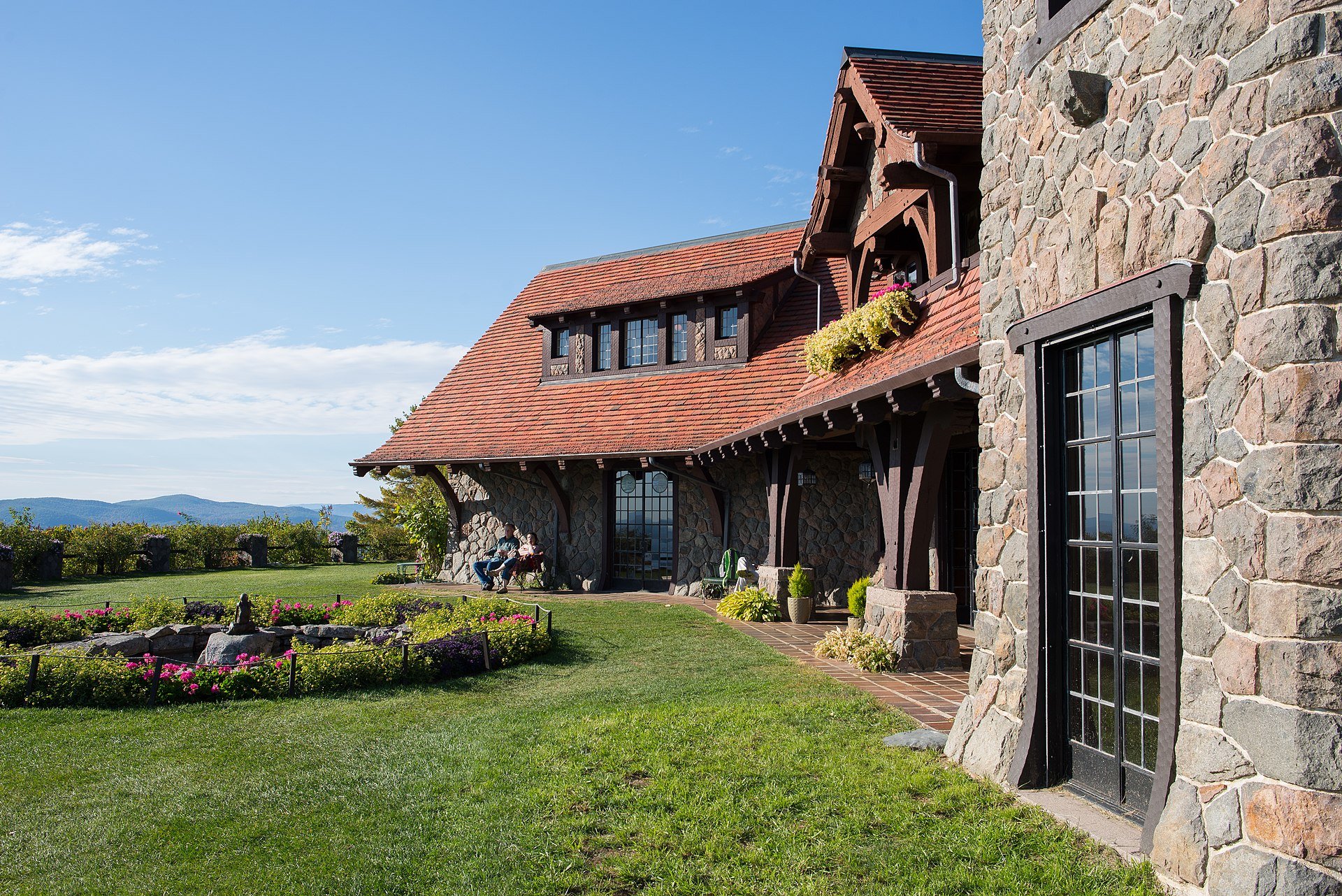
Castle in the Clouds
‘Yearnings for freedom’
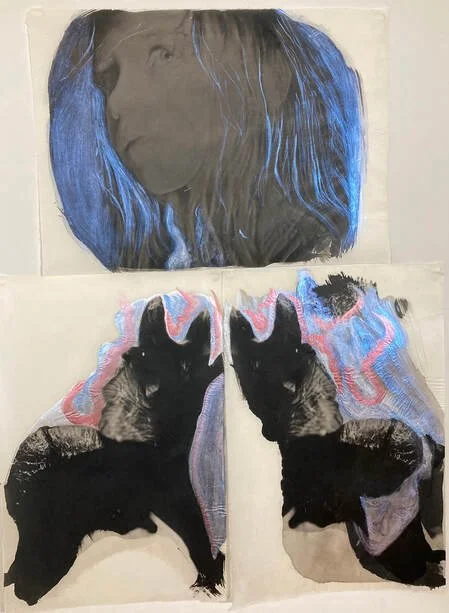
Work by Alice Garik in her show “Veil, the Well, the Fire,’’ at The Lakes Gallery at Chi-Lin, Laconia, N.H., through Sept. 4
Ms. Garik explains:
“In this work I use the language of forms to connect physically and spiritually with the burden of enforced wearing of a head covering. The forbidding black forms above which the young girl rises, as she looks beyond as if into the future, hold and appear to subdue a woman below them. I also use the language of color—blue, the color of open skies is intertwined in the girl’s hair and the red lines are for the fires {in the Ala Khaki poem that goes with this work}. With these colors I speak of the yearnings for freedom for the women of Iran.’’
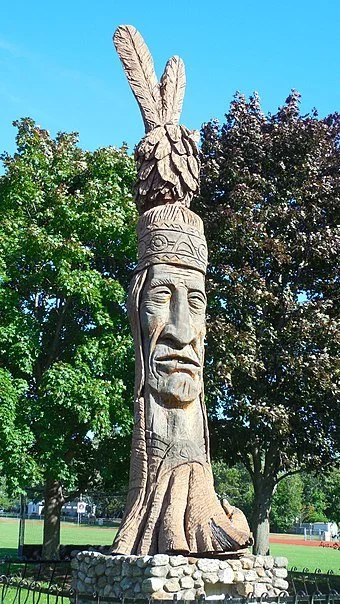
Chris Powell: Decline of Catholic Church isn’t improving state
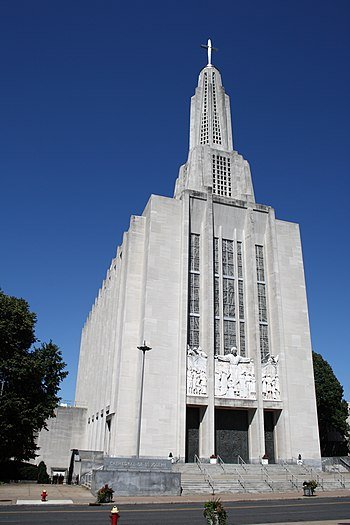
The Cathedral of St. Joseph in Hartford
MANCHESTER, Conn.
Some people may privately celebrate the steady decline of the Catholic Church in Connecticut, which worsened last week as Hartford Archbishop Leonard P. Blair announced the closing of two more churches in Waterbury and the merger of three others there.
The church is resented for its opposition to homosexual relations, its exclusion of women from the priesthood, and, of course, for the rampant sexual abuse committed by priests over many years and its concealment by the church's highest officials. Not so long ago the church in Connecticut strove to criminalize contraception and still opposes it, if only theoretically.
But the church may be resented most of all here for its opposition to abortion, a stance that has become heroic as abortion fanaticism has consumed the state's political class, which not only rationalizes abortions performed long into fetal viability but also wants state government to finance travel and abortions for women from abortion-restricting states.
The church gets little credit for the thousands of lives its hospitals have saved or improved, or for the education that its schools continue to provide, education far superior to and far less expensive than most education provided by Connecticut's public schools, which have been declining almost as fast as the church itself has been.
Nor is there much appreciation of the ordinary daily work of the church -- the baptisms and marriages performed, the counseling for engaged couples, the funerals and the many other good works that create and sustain community and proclaim the sanctity, obligation, spirituality and meaning of life, even for the poorest and most demoralized, pushing back against the corrupting materialism and nihilism of the age.
Yes, correlation is not necessarily causation, but as social disorder explodes in Connecticut, with ever more brazen crime, mental illness, drug abuse, homelessness, educational failure, road rage, hatefulness, political incivility, and such, the bad trends may not be completely unrelated to the decline of religion generally and the Catholic Church particularly.
Connecticut used to be heavily Catholic and this gave the church more political influence than it deserved and used well. But now that, according to Archbishop Blair, the number of practicing Catholics in the Hartford archdiocese has fallen by about 70 percent in the last 50 years, it's not apparent that Connecticut is any better for it.
At least Catholic and other churches help hold neighborhoods together and their buildings haven't become decrepit even as Connecticut's cities have declined economically and socially and gotten dangerous. Waterbury, one of those cities long in decline, will not be any stronger for the closing and consolidation of more of its Catholic churches. Indeed, few things are more disconcerting, incongruous, and indicative of social disintegration than a vacant church building or one converted to secular use.
Of course, the church must take responsibility for its decline, for failing to convince people of its necessity. Mere tradition is not a persuasive argument for religious doctrines.
xxx
But venerable as it is, the church isn't the only teacher around, nor the only one making huge mistakes.
The biggest teacher, government, is, unlike the church, tax-funded and so draws on infinite money as its welfare system ruthlessly destroys the family and subsidizes child neglect and other irresponsibility, as it destroys education by abandoning standards, and as it promotes not just all sorts of gambling but also a hallucinogenic drug, marijuna, in the name of raising revenue without direct taxes. Altogether government is embedding and perpetuating poverty and hopelessness in society.
No church has been doing anything close to damage like that.
xxx
The British writer, sometime politician and Catholic apologist Hilaire Belloc may have had a point a century ago. "The Catholic Church," he said, "is an institution I am bound to hold divine. But for unbelievers a proof of its divinity might be found in the fact that no merely human institution conducted with such knavish imbecility would have lasted a fortnight."
By contrast, no matter how much knavish imbecility it commits, government will last forever. It is managed worse than the church but gets away with it mainly because it employs so many more people to do its damage, which they often imagine to be God's work.
Chris Powell has written about Connecticut government and politics for many years. (CPowell@cox.net).
‘Brave little state’
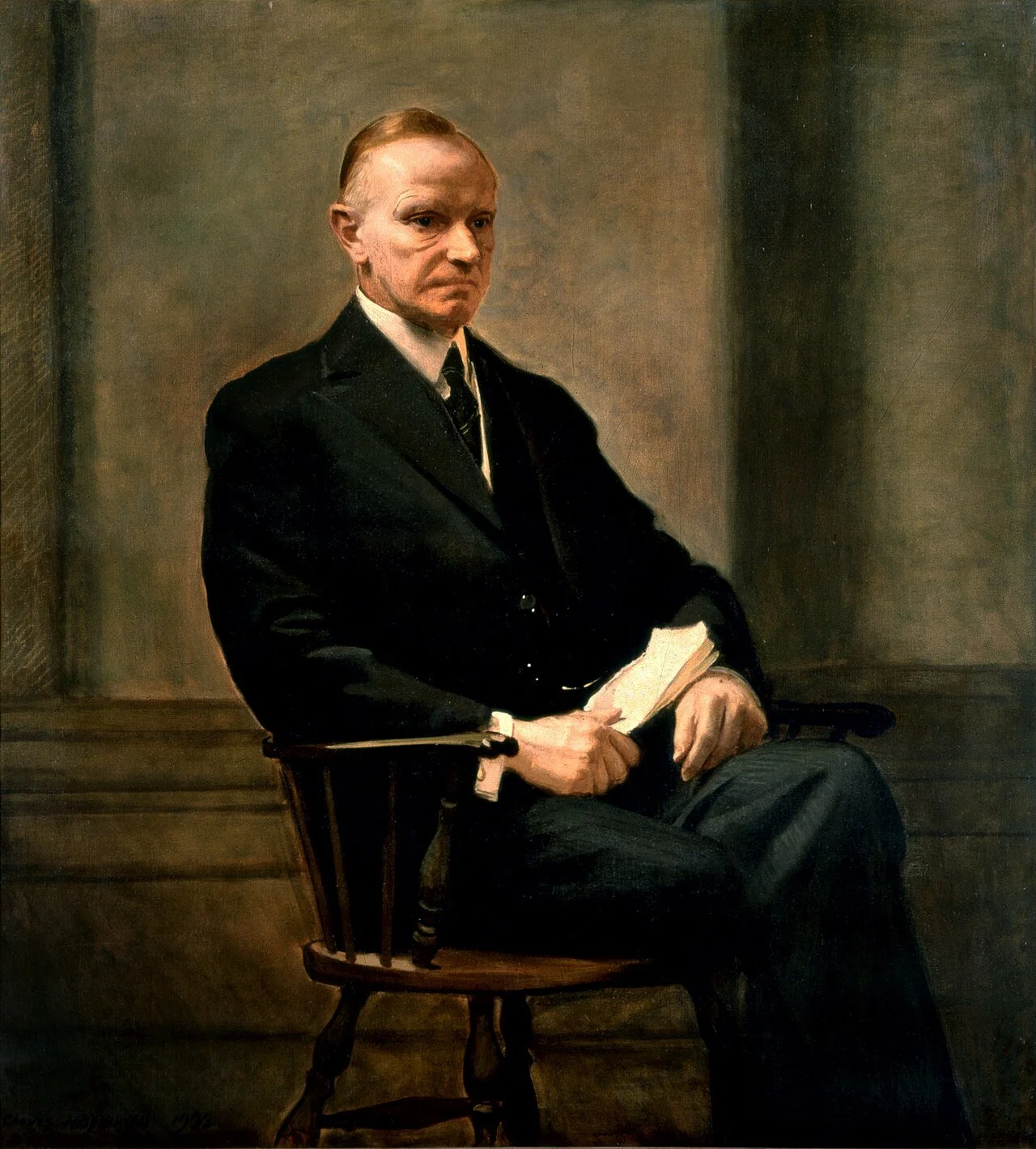
Official presidential portrait of Calvin Coolidge
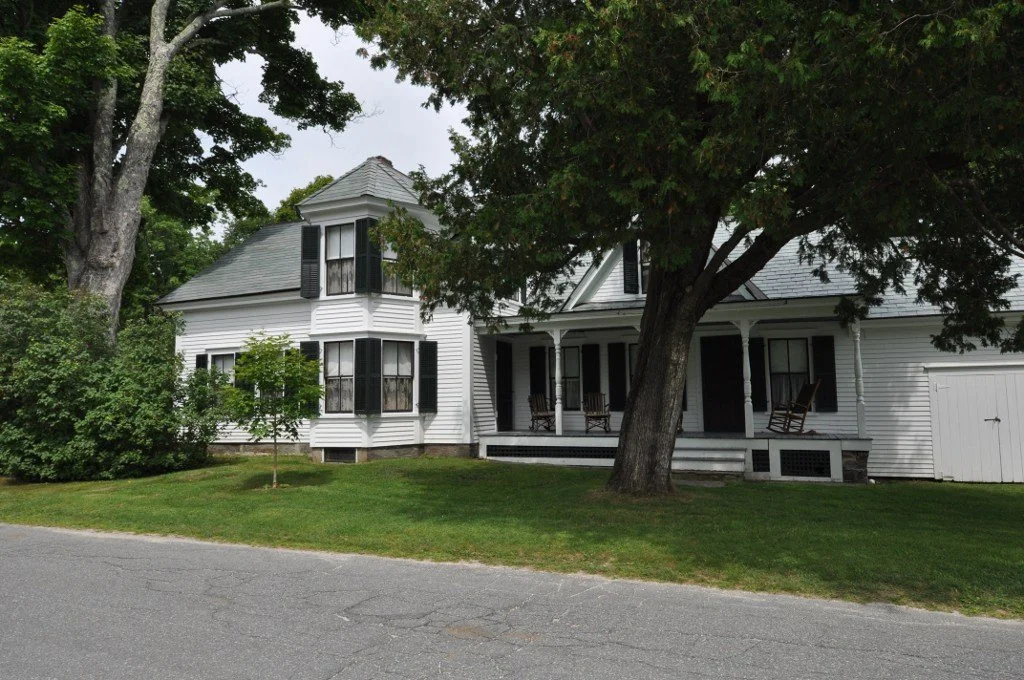
The Coolidge Homestead, in Plymouth Notch, Vt. It’s now a museum.
— Photo by Magicpiano
The ‘‘Brave Little State of Vermont’’’ speech is a name given to remarks delivered by Vermont native and President Calvin Coolidge at Bennington on Sept. 21, 1928.
Coolidge was touring his home state by train to assess progress of recovery following the devastating 1927 flood. Considered taciturn and nicknamed "Silent Cal," Coolidge demonstrated unusual emotion in delivering his extemporaneous response to the human suffering and loss he had witnessed.
Text of Coolidge's remarks follow:
My fellow Vermonters:
For two days we have been traveling through this state. We have been up the East side, across and down the West side. We have seen Brattleboro, Bellows Falls, Windsor, White River Junction and Bethel. We have looked toward Montpelier. We have visited Burlington and Middlebury. Returning we have seen Rutland.
I have had an opportunity of visiting again the scenes of my childhood. I want to express to you, and through the press to the other cities of Vermont, my sincere appreciation for the general hospitality bestowed upon me and my associates on the occasion of this journey.
It is gratifying to note the splendid recovery from the great catastrophe which overtook the state nearly a year ago. Transportation has been restored. The railroads are in a better condition than before. The highways are open to traffic for those who wish to travel by automobile.
Vermont is a state I love. I could not look upon the peaks of Ascutney, Killington, Mansfield, and Equinox, without being moved in a way that no other scene could move me. It was here that I first saw the light of day; here I received my bride, here my dead lie pillowed on the loving breast of our everlasting hills.
I love Vermont because of her hills and valleys, her scenery and invigorating climate, but most of all because of her indomitable people. They are a race of pioneers who have almost beggared themselves to serve others. If the spirit of liberty should vanish in other parts of the Union, and support of our institutions should languish, it could all be replenished from the generous store held by the people of this brave little state of Vermont.

Literary Fenway

View of Fenway Park from atop ‘‘the Green Monster.’’
“The Yankees may have always had the better players, but the Red Sox always had the better writers.”
— Dan Riley, in The Red Sox Reader
xxx
“That moment, when you first lay eyes on that field — The Monster, the triangle, the scoreboard, the light tower Big Mac bashed, the left-field grass where Ted (Williams) once roamed — it all defines to me why baseball is such a magical game”
― Jayson Stark (born 1951), American sports writer
New England ghosts
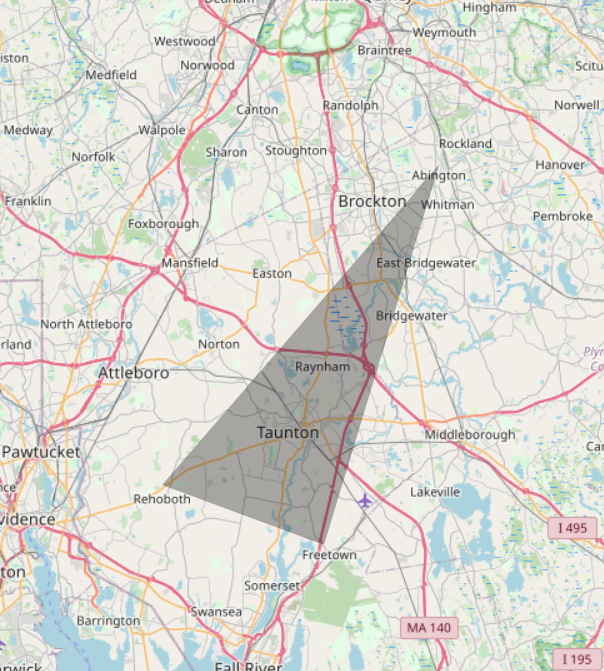
The Bridgewater Triangle is an area of about 200 square miles in southeastern Massachusetts claimed to be a site of paranormal phenomena, ranging from UFOs to poltergeists, and other spectral phenomena, various bigfoot-like sightings, giant snakes and thunderbirds. The term was coined by New England-based cryptozoologist Loren Coleman.
—- Wikipedia
“Form is a jostle, a throstle,
Life a slice of sleight,
“Indians are looking out from the
“Cheekbones of Connecticut Yankees,
”Poltergeists deploy northward
To tinderboxes in cupboards in Maine….’’
— From “Hard Structure of the World,’’ by Richard Eberhart (1904-2005), New Hampshire-based poet and Dartmouth College professor
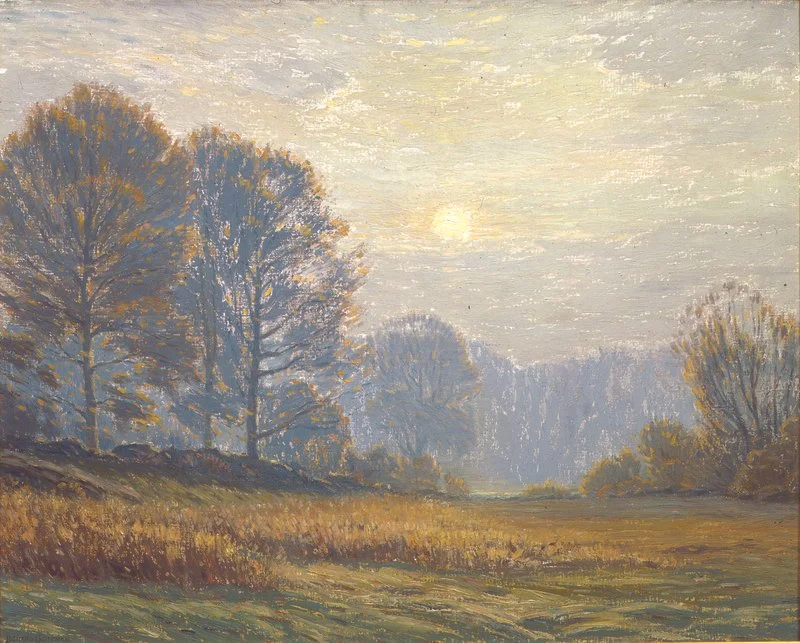
Making an impression in Conn.
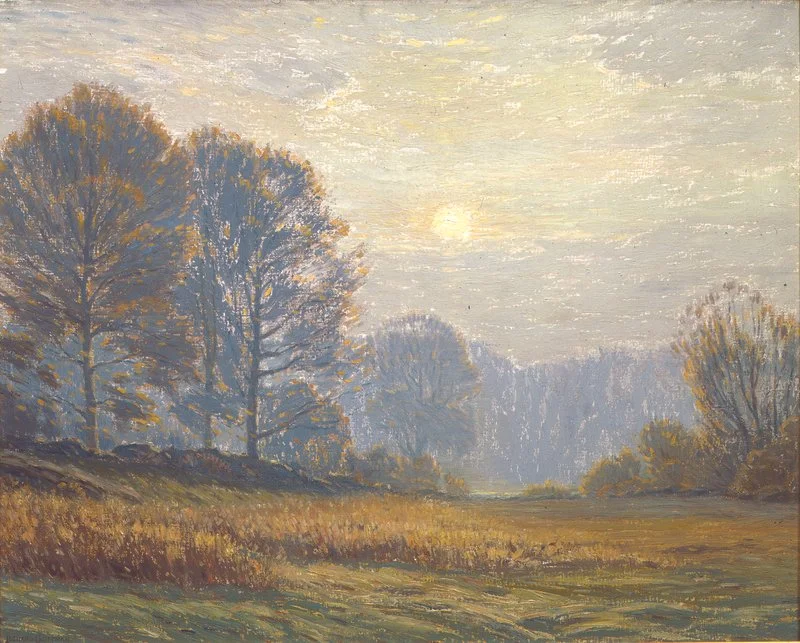
“October Morning” (oil on canvas), by Leonard Ochtman (American, b. Netherlands, 1854–1934), in the show “Connecticut Impressionism,’' at the Bruce Museum, Greenwich, Conn, through June 30., 2024.
The museum says:
“Drawn entirely from the Bruce Museum’s permanent collection, this installation reveals the important role that Connecticut played in the development of American Impressionism from the late nineteenth century through the first two decades of the twentieth century. Artists such as Childe Hassam, Elmer MacRae, Leonard and Mina Ochtman, and John Henry Twachtman formed deep connections with the landscape, inspiring paintings that would come to define Impressionism in the United States.’’
17th Century creepiness
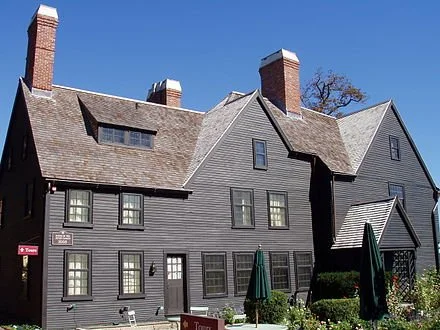
The House of Seven Gables, in Salem, Mass. The first part of the house was built in 1668.
“Halfway down a by-street of one of our New England towns stands a rusty wooden house, with seven acutely peaked gables, facing towards various points of the compass, and a huge, clustered chimney in the midst. The street is Pyncheon Street; the house is the old Pyncheon House; and an elm-tree, of wide circumference, rooted before the door, is familiar to every town-born child by the title of the Pyncheon Elm.”
— Nathaniel Hawthorne (1804-1864), in his novel The House of Seven Gables (1851)

'Better Homes Than Gardens'
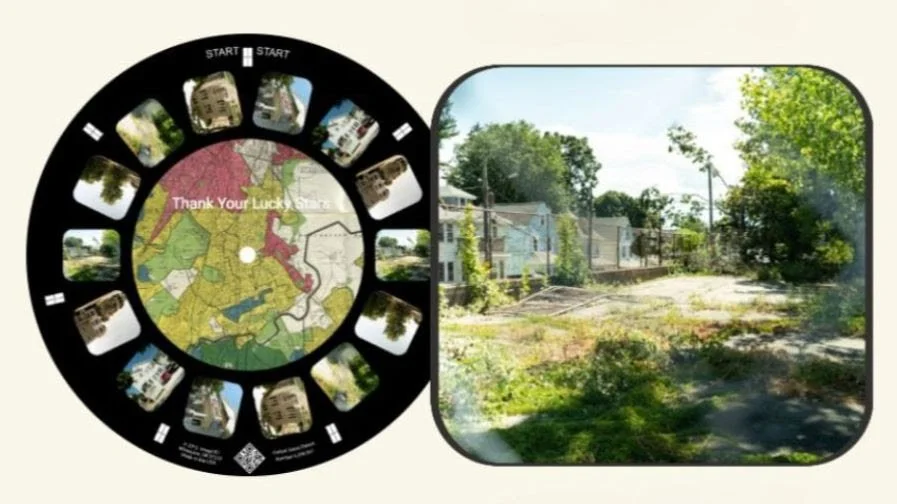
”Thank Your Lucky Stars’’ (custom view-master you with reel), by Krystal Brown, in her show “Better Homes Than Gardens,’’ at Kingston Gallery, Boston, Aug. 30-Oct 1.
The gallery explains:
That the show “confronts the current national housing crisis and the widening wealth gap head on through the lens of autobiography, asking the viewers to grapple with their complicity in the current situation, while laying bare Brown’s family’s struggles with poverty and housing in Boston during their childhood.’’