
Vox clamantis in deserto


Summer jump start
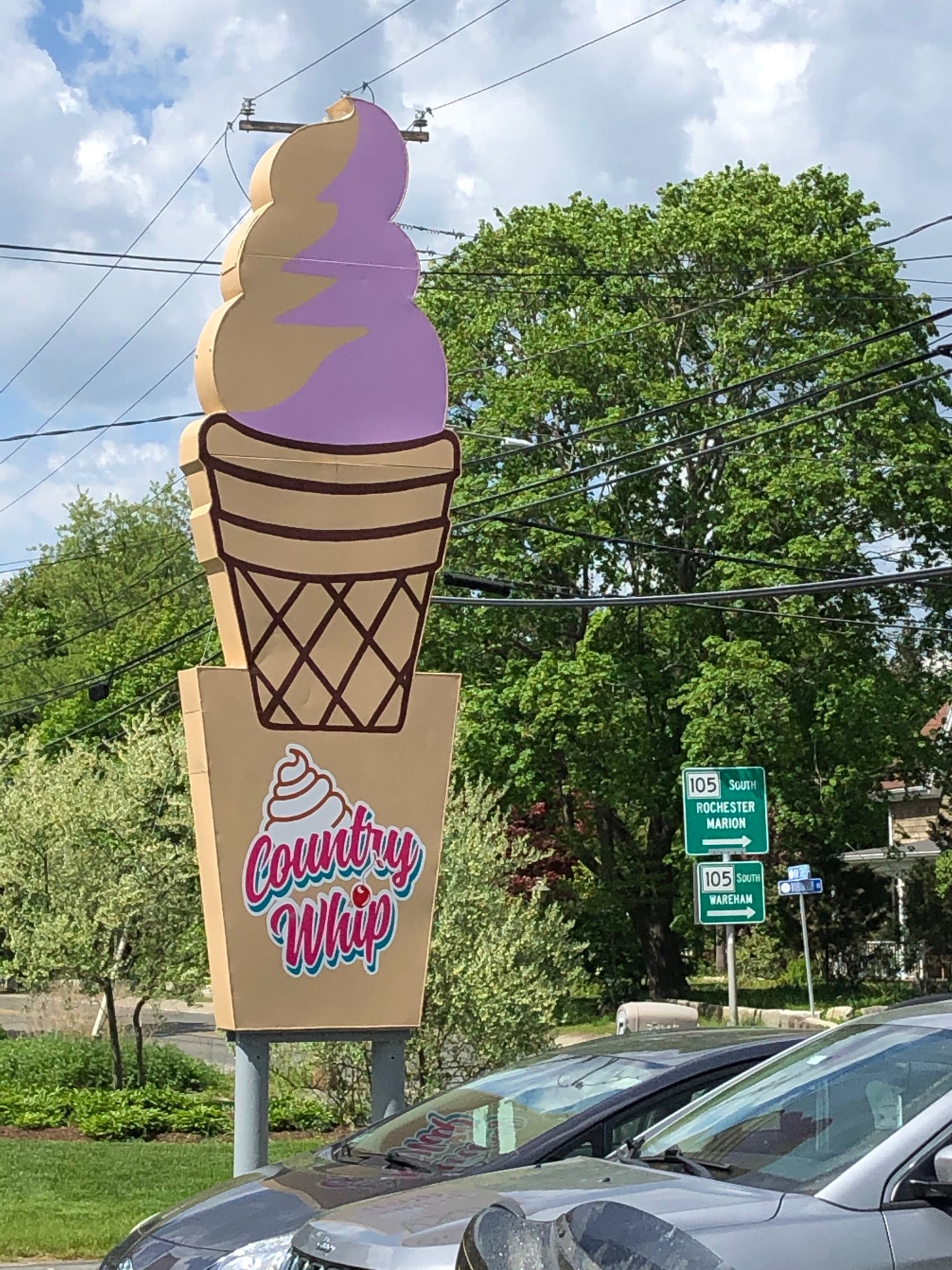
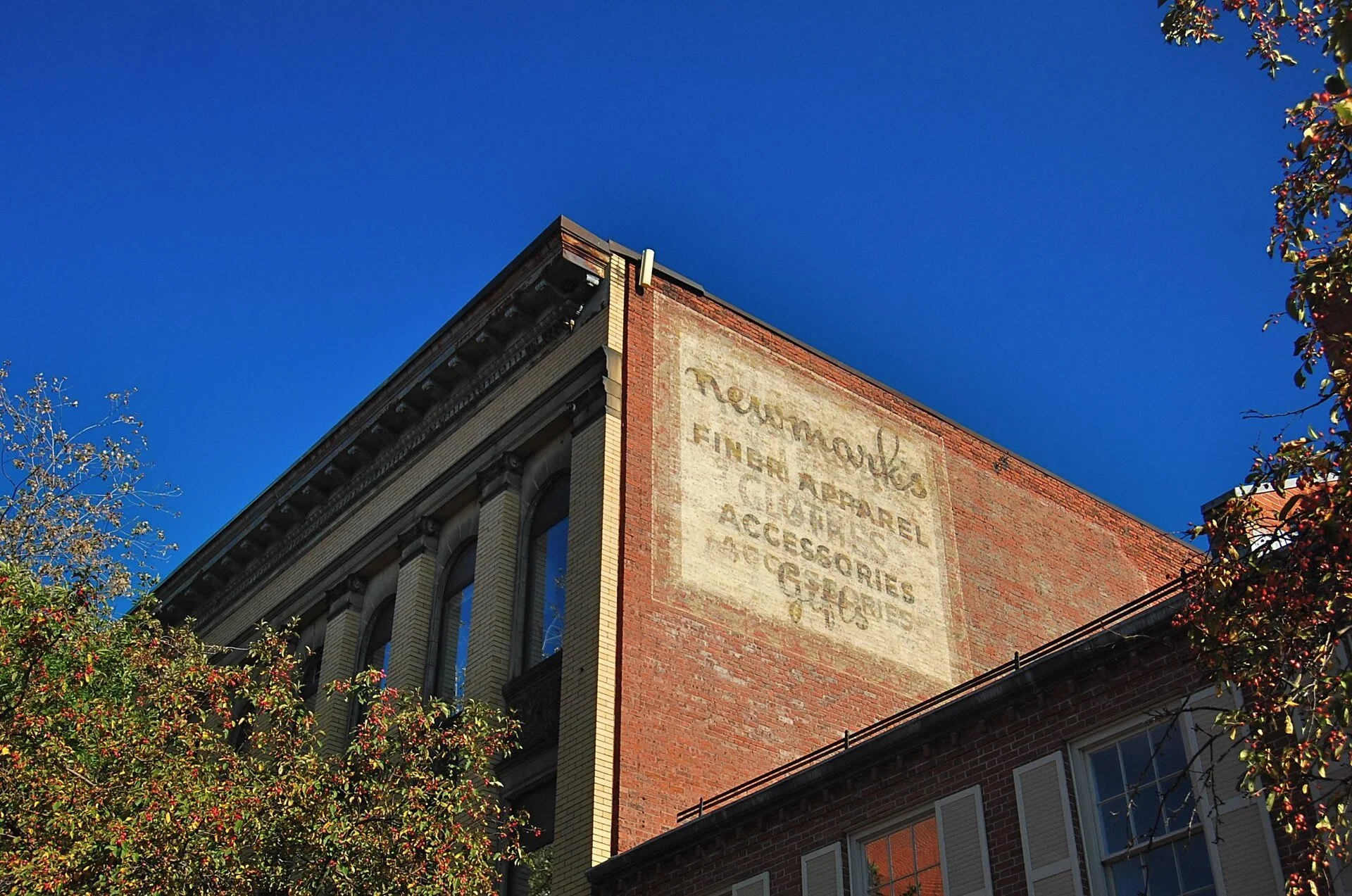
Photo by Willliam Morgan taken in Acushnet, Mass.
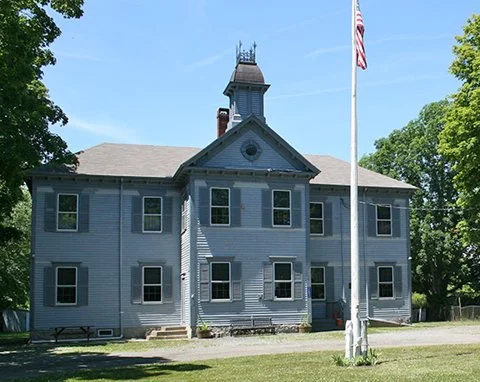
The Long Plain Museum, in Acushnet, was built in 1875 as the Long Plain School House. The school closed in 1972, and the building was then reopened as a local history museum, now operated by the Acushnet Historical Society.
The museum features four rooms focusing on the Acushnet whaling heritage, the blacksmith trade, period clothing and furniture, numerous other artifacts and a restored schoolroom.
The Long Plain is a local outwash glacial deposit of sand and gravel.
‘Facts are stubborn things’

“I will enlarge no more on the evidence, but submit it to you, gentlemen—Facts are stubborn things; and whatever may be our wishes, our inclinations, or the dictates of our passions, they cannot alter the state of facts and evidence: nor is the law less stable than the fact. If an assault was made to endanger their lives, the law is clear, they had right to kill in their own defense.’’
— Founding Father John Adams (1735-1826) was asked to help provide a legal defense for the British soldiers involved in the Boston Massacre, the confrontation on March 5, 1770, in which a group of nine British soldiers killed five people in a crowd of 300-400 who were harassing them verbally and throwing various projectiles.
He bravely agreed to defend the soldiers do so despite public anger. Above is his most famous quote from the trial.
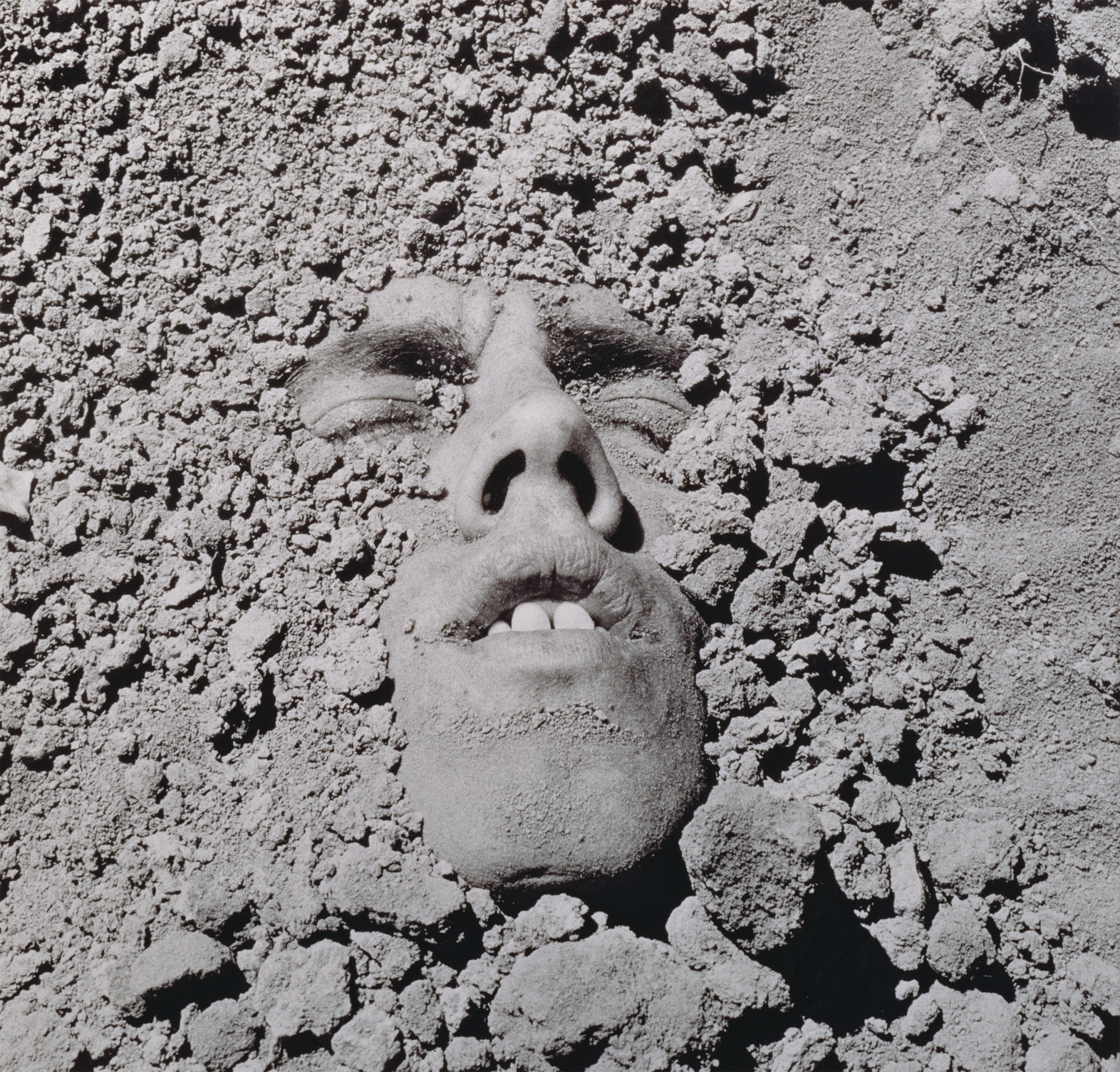
Watch where you step

“Untitled (Face in Dirt)” (pigmented ink print), by David Wojnarowicz (1954-1992) in the show “Come Closer: Selections From the Collection, 1978-1994,’’ at Colby College Museum of Art, Waterville, Maine
The museum explains that “Come Closer” “presents artworks … that explore the relationship between the personal and the political. During this period, artists reflected upon urgent current events and social issues such as gender equality, racial justice, technological advancements, sexual freedom, and the AIDS crisis.”

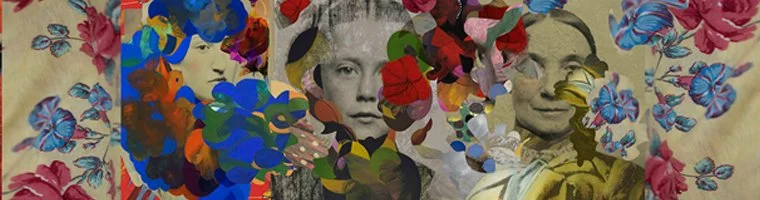
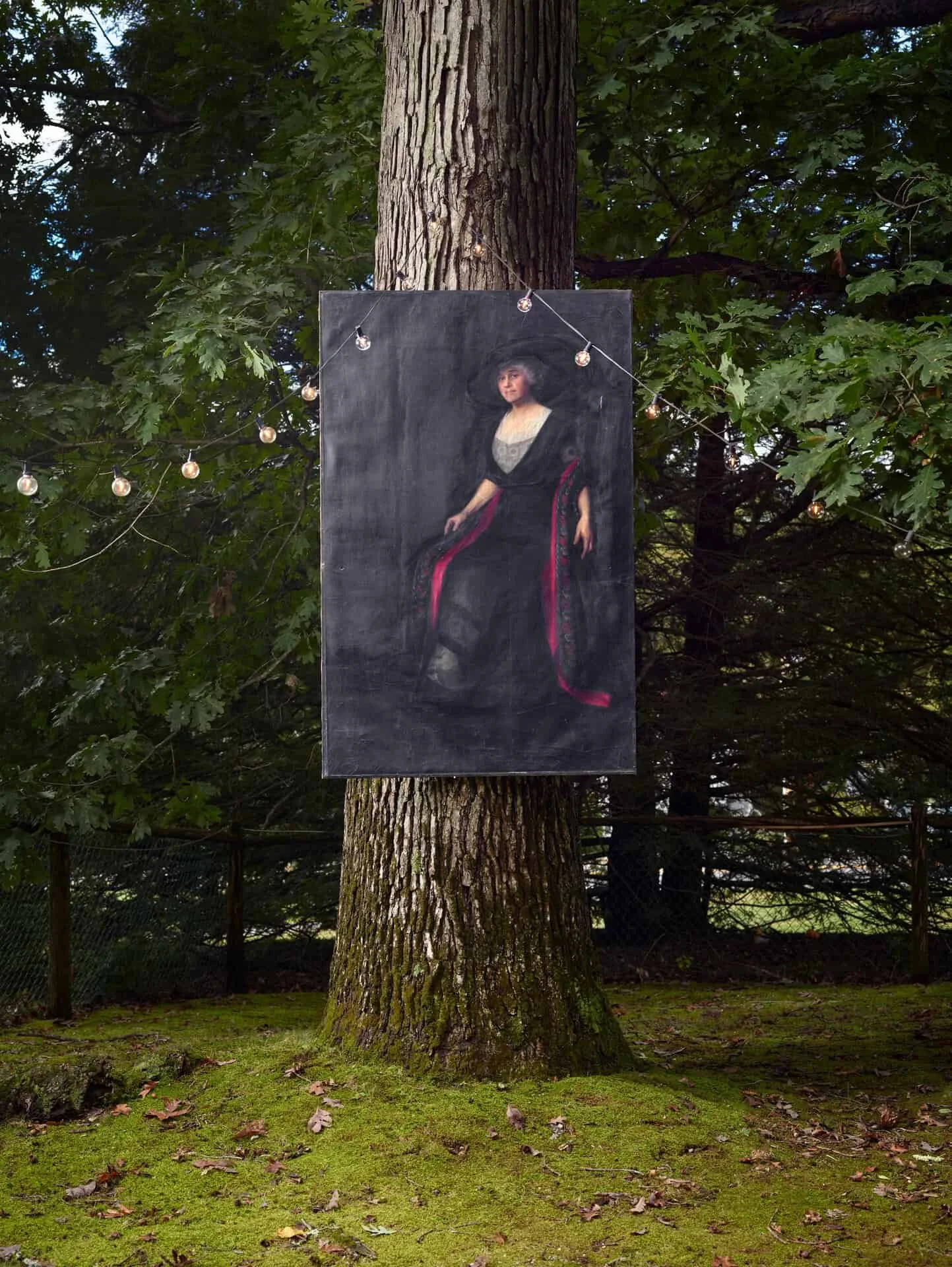
A pull from the 19th Century
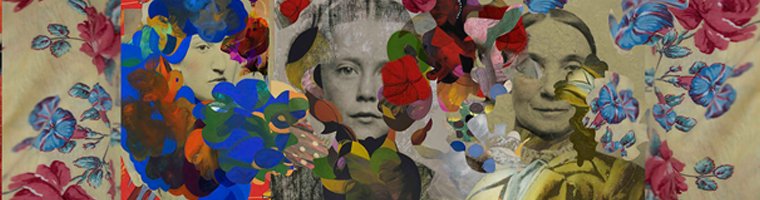
From Cathy Cone’s show “Portals and Portraits,’’ at the Brattleboro (Vt.) Museum and Art Center, through June 11. She’s based in East Topsham, Vt.
The museum says:
“Each of Cathy Cone’s painted tintype portraits begins with a photograph or scan of a tintype from her personal collection, which she has been amassing since the late 1970s. Cone modifies the images using gouache, watercolor, collaging, stamping, drawing and digital drawing; sometimes she works directly on the tintype itself. The resulting images are ghostly yet tender and elicit curiosity about the lives of the subjects we see looking back at us. By incorporating tintypes from the late-19th Century, Cone offers a visual sense of connection with the past and calls on memory and nostalgia.’’

Keep Boston Ship Repair busy

Dockside crane on wide-gauge tracks at Boston Ship Repairs’s Dry Dock Number 3
— Photo by ArnoldReinhold
Adapted from Robert Whitcomb’s “Digital Diary,’’ in GoLocal24.com
New England obviously has a rich shipbuilding-and-repair tradition, as well it should considering that the region’s first great wealth came from ocean shipping.
But there’s only one major operating drydock left in our regional capital --– Boston Ship Repair’s facility in South Boston. Much of its business has been shifted to docks Down South with nonunionized workforces that are cheaper, if not necessarily as good as those in Boston.
Just as a matter of diversification, and thus national security, the Boston facility should stay open, especially in order to work on Navy ships.
(I remember the excitement of going by the huge Fore River Shipyard, in Quincy, on my way to Boston for summer jobs. Gone.)

Ships being fitted out at the Fore River Shipyard, in Quincy, Mass., in 1918, during World War I.
‘Humans, flora and fauna’
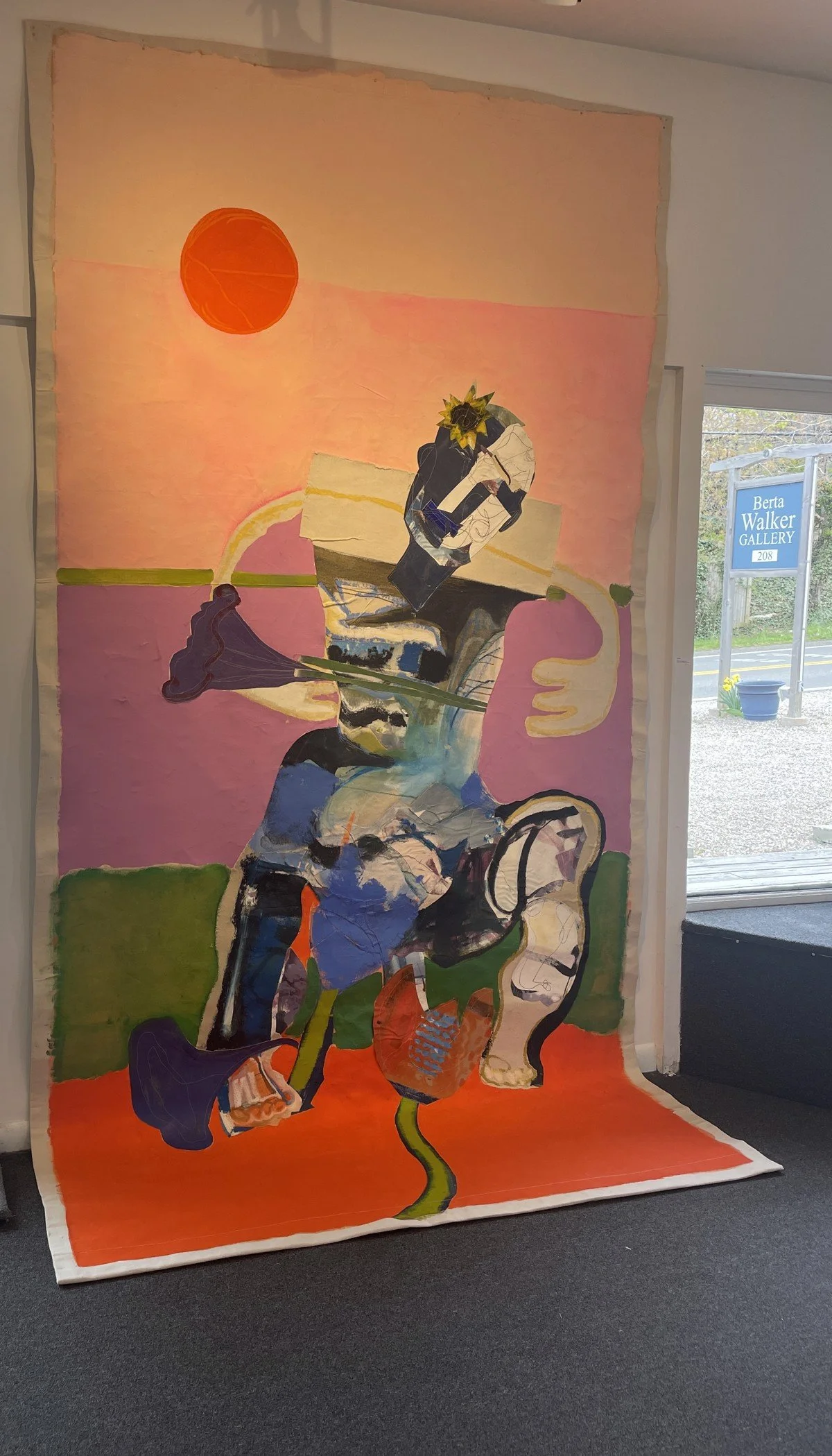
“After Rousseau’s ‘The Jungle,’ by Laura Shabott, in her show “Artist and Model’’ (paintings and collage) at Berta Walker Gallery, Provincetown, May 12-June 4.
Berta Walker noted:
“Laura Shabott makes paintings, drawings, and collages responding to the natural world – humans, flora, and fauna – with boldness, strength, and originality….And I’m continually impressed with her courage and originality in constantly stretching through new materials and sizes, subjects.”

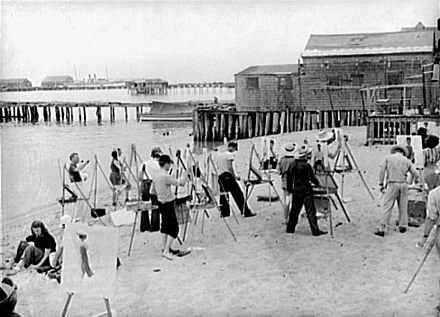
In 1940, a beachfront art class in Provincetown, which has been a major art-creation-and-exhibition center since the 19th Century.
‘The notion of concealment’
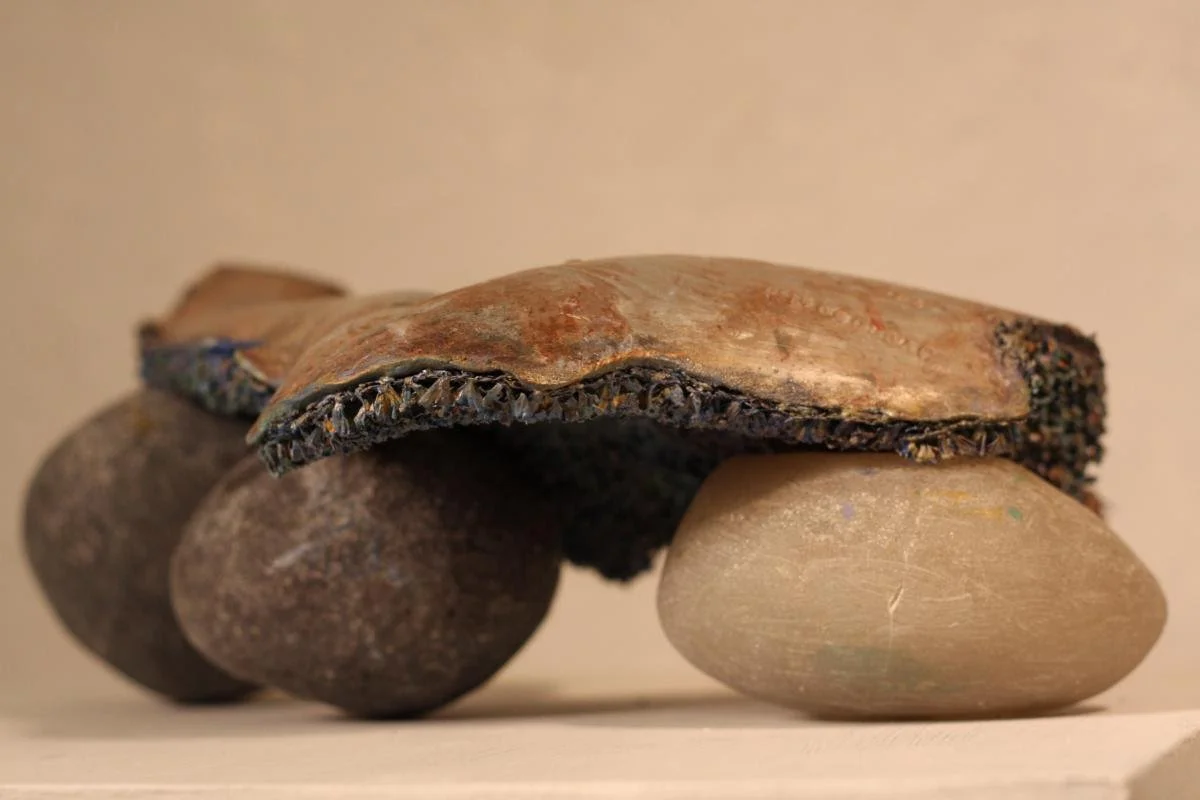
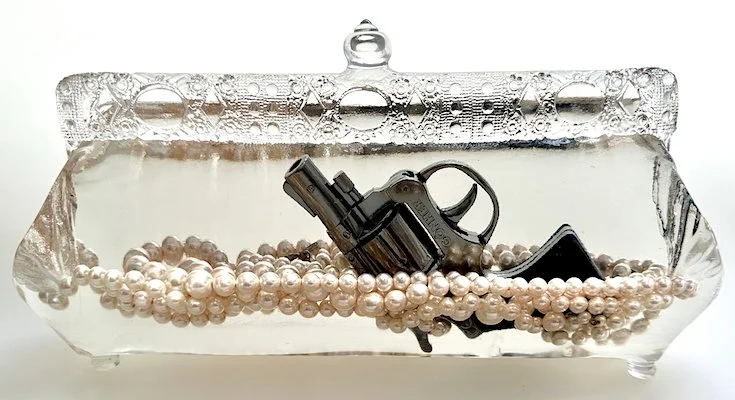
From Boston area sculptor Joan Mullen’s show “Cover,’’ at Boston Sculptors Gallery May 10-June 11.
The gallery explains that the show features a series of sculptures created by combining found objects with cast forms. “Working with these forms, Mullen reconfigures the sculptures with additional materials and processes to heighten their psychological impact.’’
“Mullen began working on the series in response to Richard Mosse’s video installation titled “Incoming,” and the book Exit West: A Novel by Mohsin Hamid, both of which examine the experiences of refugees. She has since begun to explore more deeply the notion of concealment and the many experiences we hide in plain view. Mullen states, ‘With this series, I worked intuitively, piecing together the raw and found materials, finding the logic of each piece to create a sense of comfort and refuge.”’
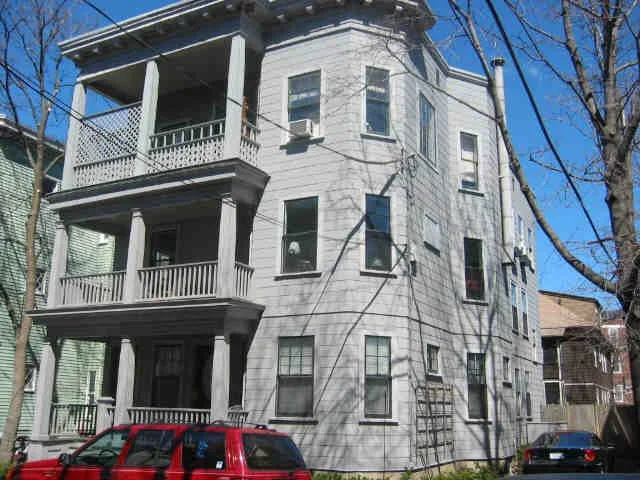
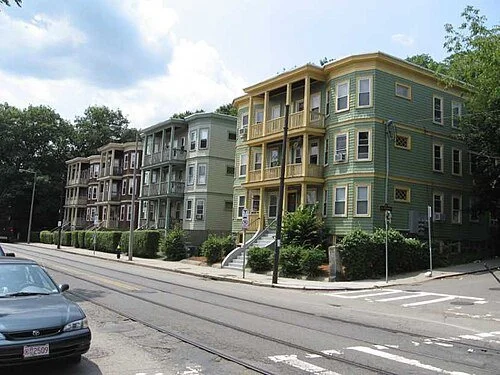
Born in a three-decker
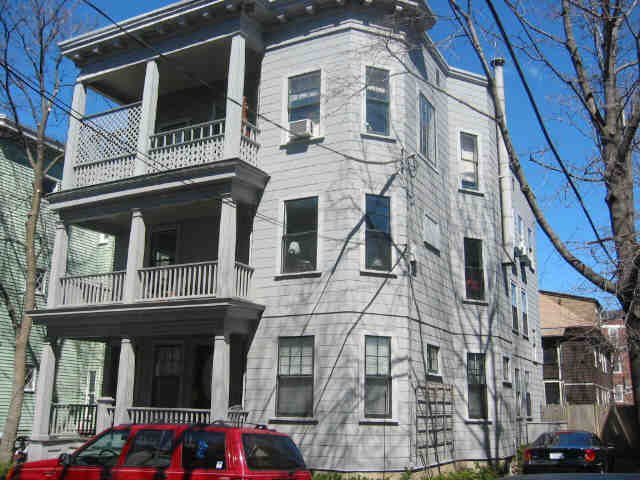
“I was born on the kitchen table on the top floor of a three-decker wooden house on Merrick Street in West Springfield, Massachusetts. Two days later my mother was back at her work. That’s the way it was done in that kind of neighborhood at that time.’’
— Leo Durocher (1905-1991), Major League Baseball player, coach and manager, in Nice Guys Finish Last (1976)
Watch the Mayflies
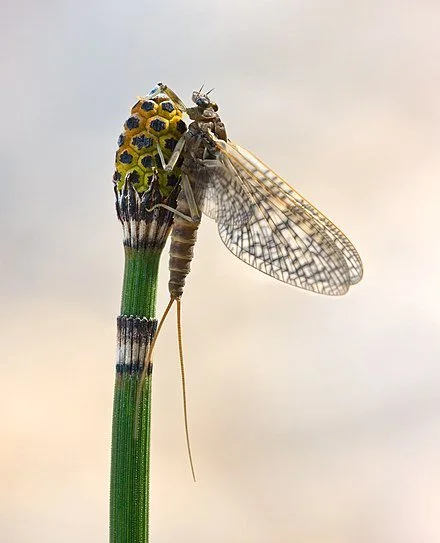
Mayfly
From an ecoRI News article by Mike Freeman
“Among endless environmental concerns is the Mayfly family. While mostly known to poets and trout anglers, Mayflies are a diverse, enormous insect family critical to a range of ecosystems as both biomass and nutrient loads. In short, a lot of stuff eats them, and that they’re struggling anywhere is fretful news.
“What this means for southern New England is currently unknown. While not yet a pressing local worry, however, people are paying attention.
“Kassi Donnelly, the wild and scenic rivers coordinator for the Wood-Pawcatuck River Watershed Association, samples the Wood River throughout the warm months with kids from grade school to college-aged. Mayfly and Stonefly nymphs are among her favorites.’’
“‘They indicate high water quality,’ Donnelly said. She noted her educational sampling isn’t detailed enough to notice trends.’’
To read the full article, please hit this link.
Hot sand, cold water
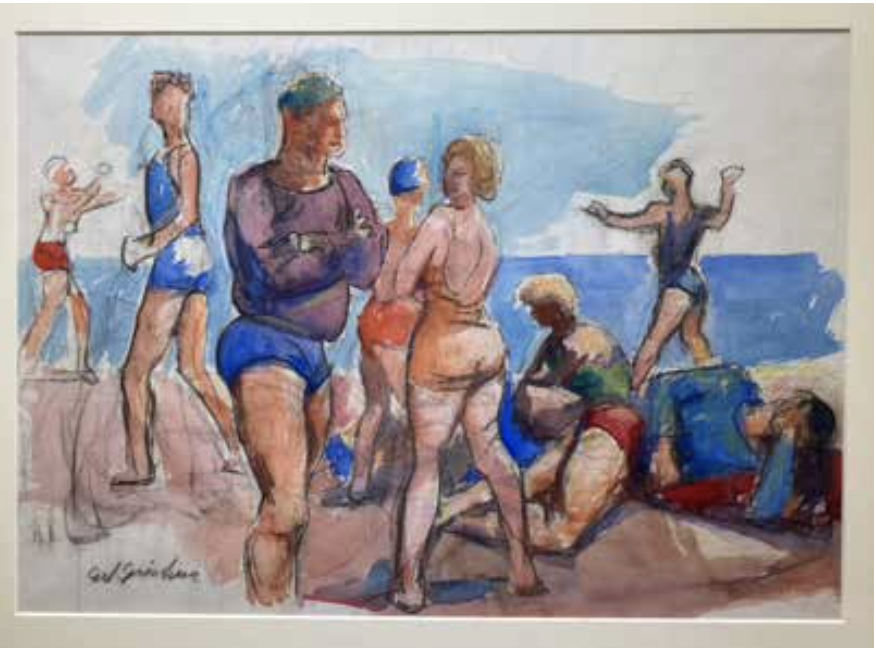
“A Day at the Beach,” by Swedish-American painter Carl Sprinchorn (1887-1971), in the show “Shifting Sands; Beaches, Bathers, and Modern Maine Art,’’ at the Ogunquit Museum of American Art, through July 16.,
— Image courtesy of Darin Leese
Run by ‘Patton in pumps’

The latter version, since closed, of Upstairs at the Pudding
“But worse, it was a new apartment. We both knew that, in New England, old was better. Old was cozy; old, like our farmhouse, like the Pudding, had magic and charm.”
― Charlotte Silver in her memoir Charlotte Au Chocolat: Memories of a Restaurant Girlhood
Amazon describes the book:
“Like Eloise growing up in the Plaza Hotel, Charlotte Silver grew up in her mother's restaurant. Located in Harvard Square, Upstairs at the Pudding {in reference to the original version or the restaurant being in the former Hasty Pudding Theatricals building before being moved nearby} was a confection of pink linen tablecloths and twinkling chandeliers, a decadent backdrop for childhood. Over dinners of foie gras and Dover sole, always served with a Shirley Temple, Charlotte kept company with a rotating cast of eccentric staff members. After dinner, in her frilly party dress, she often caught a nap under the bar until closing time. Her one constant was her glamorous, indomitable mother, nicknamed ‘Patton in Pumps,’ a wasp-waisted woman in cocktail dress and stilettos who shouldered the burden of raising a family and running a kitchen. Charlotte's unconventional upbringing takes its toll, and as she grows up she wishes her increasingly busy mother were more of a presence in her life. But when the restaurant-forever teetering on the brink of financial collapse-looks as if it may finally be closing, Charlotte comes to realize the sacrifices her mother has made to keep the family and restaurant afloat and gains a new appreciation of the world her mother has built.’’

Former location of the Hasty Pudding Club at 12 Holyoke Street, Cambridge, now owned by Harvard University but still used by Hasty Pudding Theatricals.
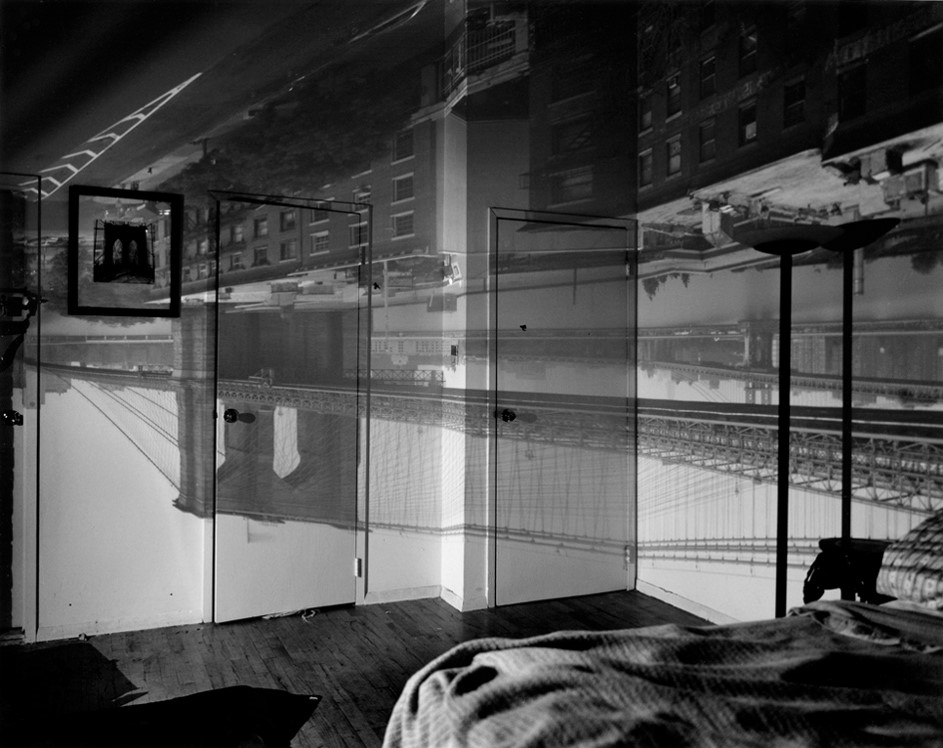
Even without AI….
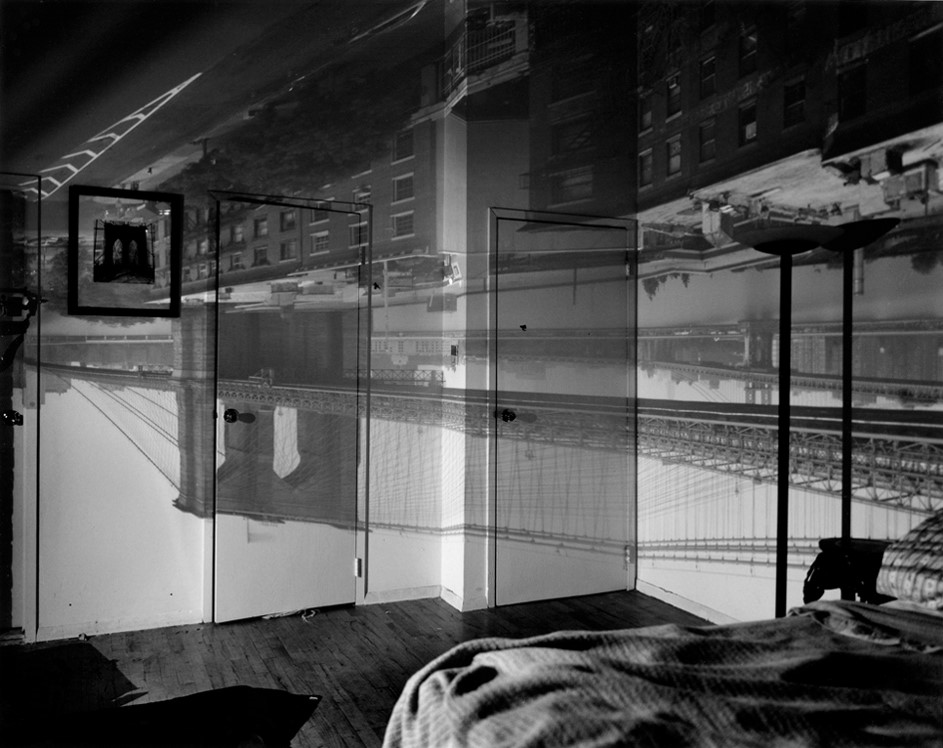
“Camera Obscura: The Brooklyn Bridge in Bedroom,” by Boston-based artist Abelardo Morell, in the show “Seeing Is Not Believing: Ambiguity in Photography,’’ now at the Currier Museum of Art, in Manchester, N.H.
The gallery says:
“This exhibition explores photographs that make us question what we are looking at. Still lifes, abstract images, and manipulated photographs heighten our sense of wonder. Can we ever trust what we see in a photograph?’’
Except in March

Vermontasaurus sculpture in Post Mills, Vt., in 2010
— Photo by HopsonRoad
‘‘Vermont, Designed by the Creator for the Playground of Continent.’’
— The Green Mountain State’s first state-sponsored tourist brochure (1911)
#Vermont
Vermont will sue

“White Mountains” (digital), by Hooksett, N.H.-based artist Nate Twombly, at the Rochester (N.H.) Museum of Fine Arts.
That time again

Rhodora
In May, when sea-winds pierced our solitudes,
I found the fresh Rhodora in the woods,
Spreading its leafless blooms in a damp nook,
To please the desert and the sluggish brook.
The purple petals fallen in the pool
Made the black water with their beauty gay;
Here might the red-bird come his plumes to cool,
And court the flower that cheapens his array.
Rhodora! if the sages ask thee why
This charm is wasted on the earth and sky,
Tell them, dear, that, if eyes were made for seeing,
Then beauty is its own excuse for Being;
Why thou wert there, O rival of the rose!
I never thought to ask; I never knew;
But in my simple ignorance suppose
The self-same power that brought me there, brought you
— “The Rhodora,’’ by Ralph Waldo Emerson (1803-1882), New England-based essayist and philosopher

Don Pesci: Conn.’s neo-progressives move to take down fiscal guard rails

VERNON, Conn.
A Hearst editorial has been answered by Connecticut Gov. Ned Lamont.
“The Hearst Connecticut editorial, ‘Caution on the budget can go too far,” the governor wrote, “suggests that our balanced budgets and budget surpluses are shortchanging spending on important needs. Respectfully, I disagree.
“On the contrary, the fiscal guard rails established by the legislature in 2017, and recently reconfirmed on a bipartisan basis for another five to 10 years, have served as the foundation for our state’s fiscal turnaround, stability and economic growth. Higher growth is more than GDP — it means more families moving into the state, more new businesses, more job opportunities and more tax revenue (not more taxes, but more taxpayers). All of which have allowed us to increase investments in core services while proposing the biggest middle-class tax cut in our history.”
Neo-progressives in the General Assembly appear to be moving towards dismantling by degrees the spending guard rails supported by Lamont and a majority of Republicans in the General Assembly, now that Democrats have achieved a near veto-proof majority in the state legislature. Connecticut’s taxpayers and reporters may recall that the guard rails – essentially limits on spending – were installed after Republicans had achieved numerical parity in the state House. That parity, and with it an opportunity to press responsible budgetary restraints on profligate spenders, has long since gone by the wayside. The neo-progressive mutineers who invariably favor unlimited spending are now in charge of the General Assembly.
Why don’t we just spend the state’s mouthwatering surplus on necessary expenditures, the Hearst editorial asks?
“The surplus,” Lamont answers, “is invaluable in a state with some of the biggest debt per capita in the country, with the costs of carrying that debt eating into the resources we need to maintain and expand key services. But what the editorial fails to articulate is the volatility associated with the surplus. What is ‘here today’ can just as easily be ‘gone tomorrow,’ as they say.”
The governor is a bit too polite to put the matter more boldly. In fact, surpluses have in the past disappeared in the blink of an eye because they have been used by vote thirsty Democrats in the General Assembly to permanently increase long term spending. That is to say: Past surpluses have been folded into future increases in spending in budgets affirmed by neo-progressive Democrats who believe that if spending is a good thing, more spending is always better. It is this ruinous idea that has swollen all past budgets. The last annual pre-Lowell Weicker income tax budget was $8.5 billion. The current biannual budget is $51 billion, a more than fourfold increase in spending.
“The problem with socialism” – i.e., unrestrained, autocratic spending – Margaret Thatcher reminded us, “is that, sooner or later, you run out of other people’s money.” There are some indications that voters in Connecticut are running out of patience with heedless neo-progressive legislators who cavalierly run out of other people’s money.
The single line in Lamont’s challenging answer to the initial Hearst editorial that drives neo-progressives batty is this one: ‘Funding future programs via a current surplus is irresponsible” and, Lamont might have added, costly in the long run to a state that hopes to liquidate part of its gargantuan debt of some $68 billion by poaching businesses from more predatory Eastern Seaboard states and increasing business productivity in Connecticut.
By trimming Lamont’s tax cuts and agitating for increases in spending, neo-progressives in the General Assembly are sending a message to the governor that the dominant left in the state has no intention of seriously cutting net-spending. The easiest way to corner a vote in Connecticut is to use surplus money to buy votes, and the purchasing of votes cannot be done in the absence of budget surpluses, either real or imaginary.
“Getting and spending, we know, are conjoined twins. Years after [former Governor Lowell] Weicker had left politics,” this writer noted four years ago, “he appeared with a panel of businessmen at the Hartford Club. Asked to reflect on Connecticut’s then burgeoning debt, Weicker groaned, “Where did it all go?” But he knew where it went. Politicians spent it and, by raising taxes, relieved themselves of cutting governmental costs, always a painful ordeal for those who have pledged their political troth to state employee unions, Connecticut’s fourth branch of government.”
The neo-progressive wing of Connecticut’s Democrat Party simply waited Weicker out. It is infinitely patient.
Don Pesci is Vernon-based columnist.
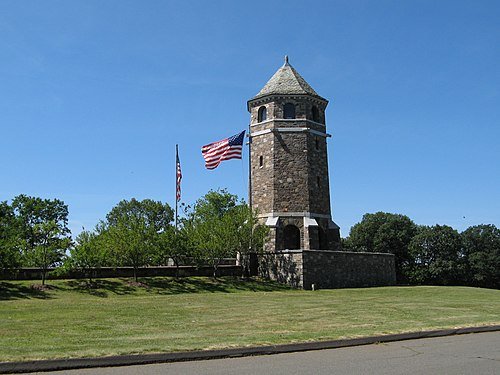
The Tower on Fox Hill, in Vernon
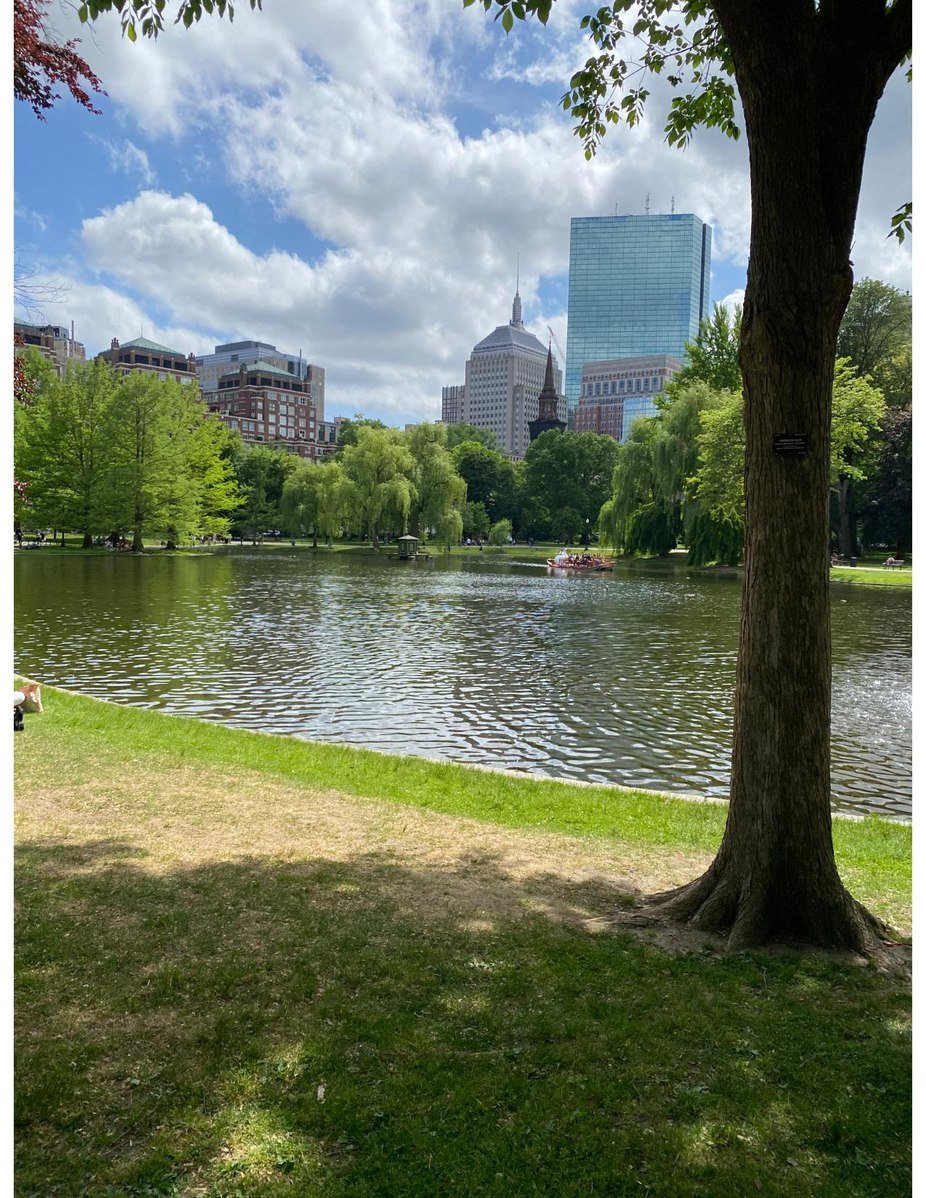
From storm to sun and back
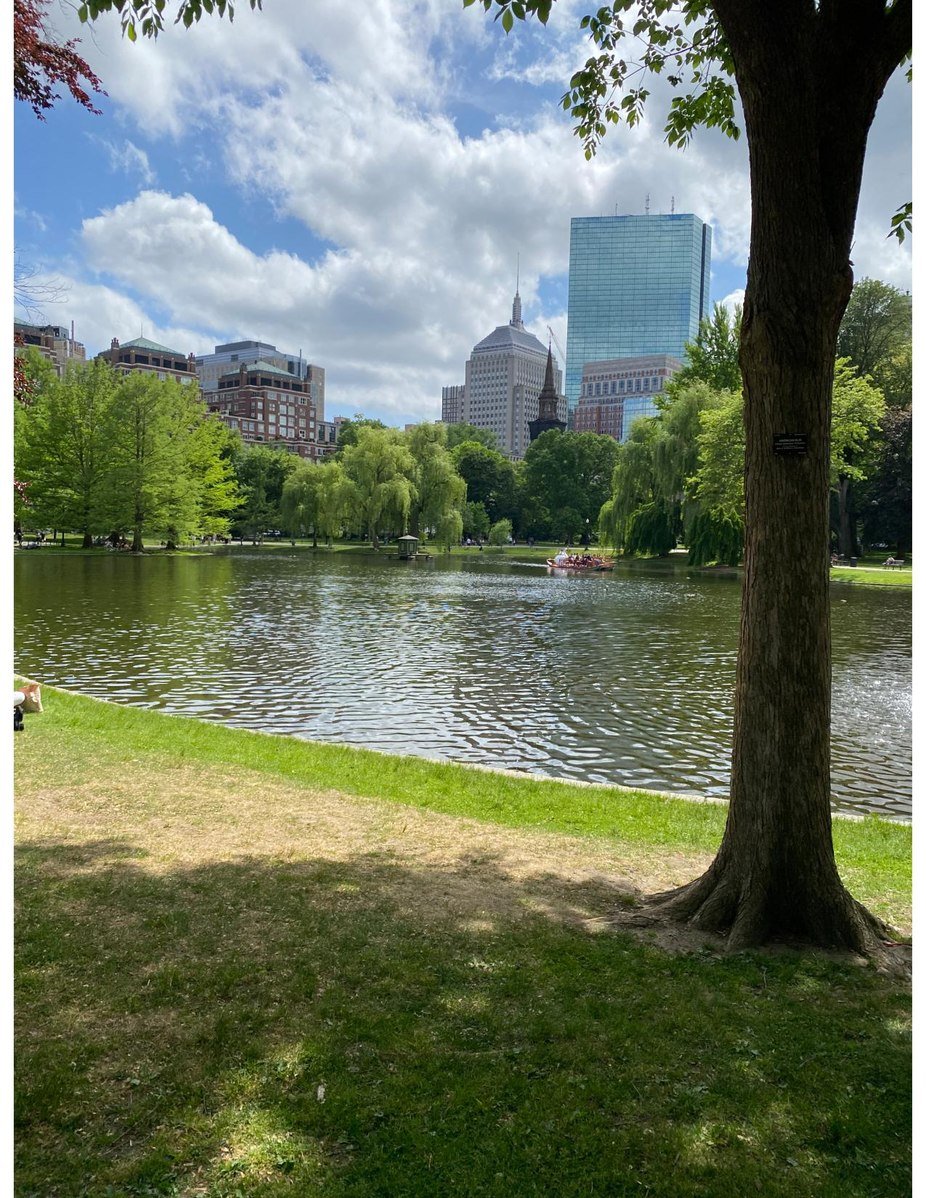
In the Boston Public Garden in May
“The spring in Boston is like being in love: bad days slip in among the good ones, and the whole world is at a standstill, then the sun shines, the tears dry up, and we forget that yesterday was stormy.”
—Louise Closser Hale (1872-1933) actress, playwright and novelist
#Boston
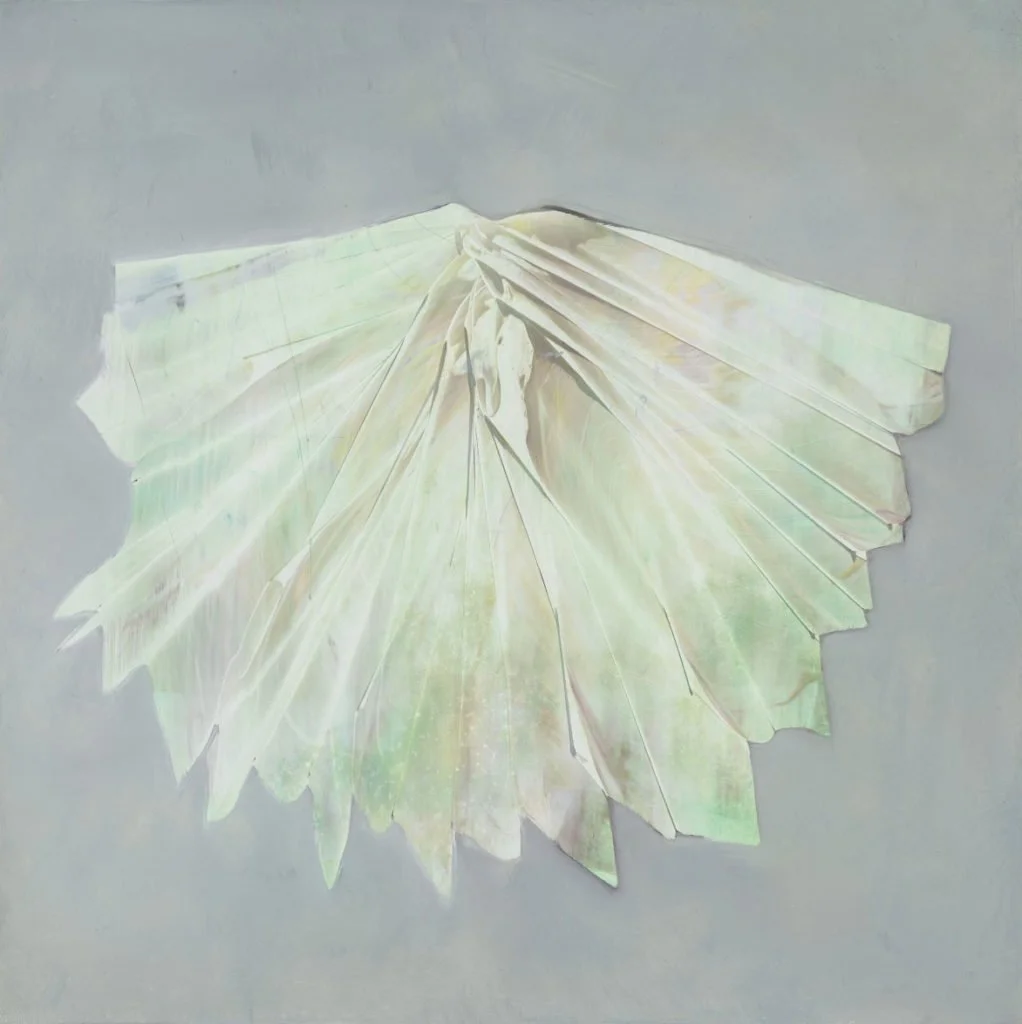
Art about museums
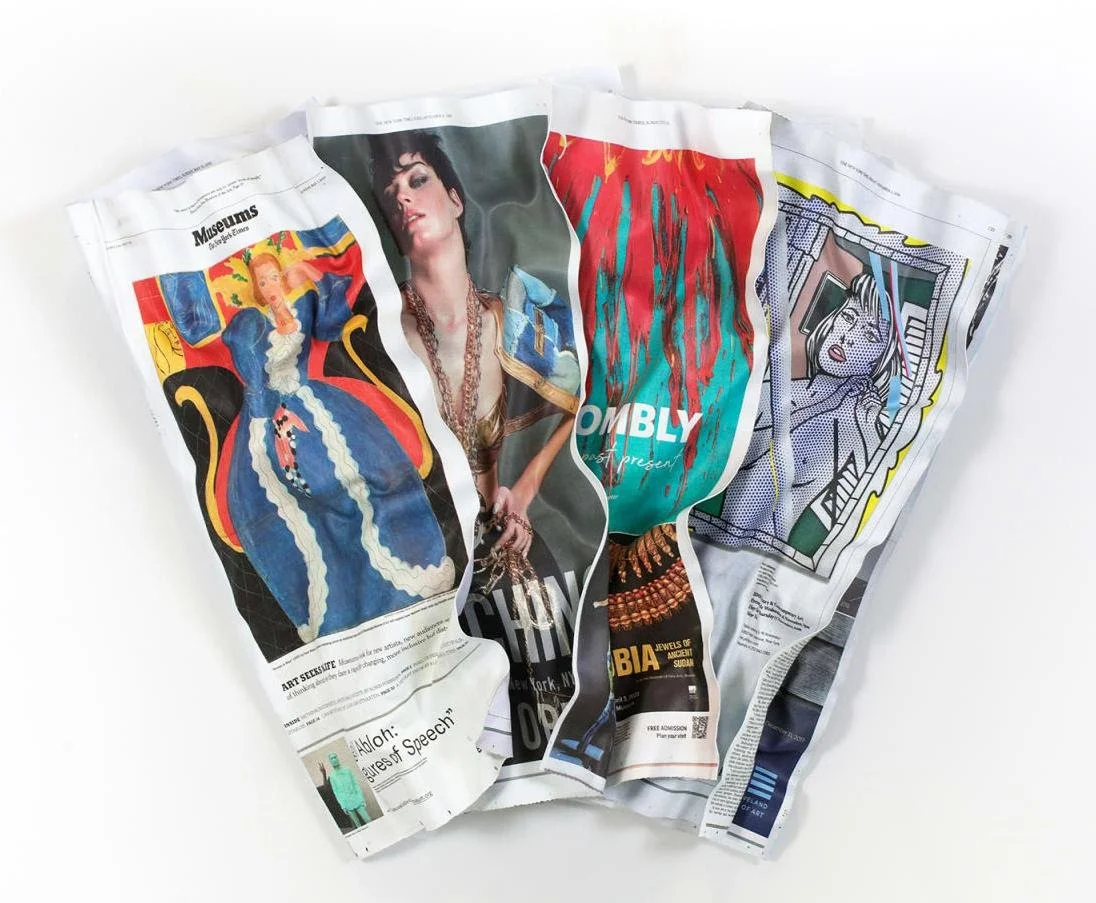
“NY Times Museum Section with Cy Twombly” (mixed media wall sculpture), by Paul Rousso, in group show at Lanoue Gallery, Boston, through June 9.
#Paul Rousso
Llewellyn King: How will we know what’s real? Artificial intelligence pulls us into a scary future

Depiction of a homunculus (an artificial man created with alchemy) from the play Faust, by Johann Wolfgang von Goethe (1749-1832)
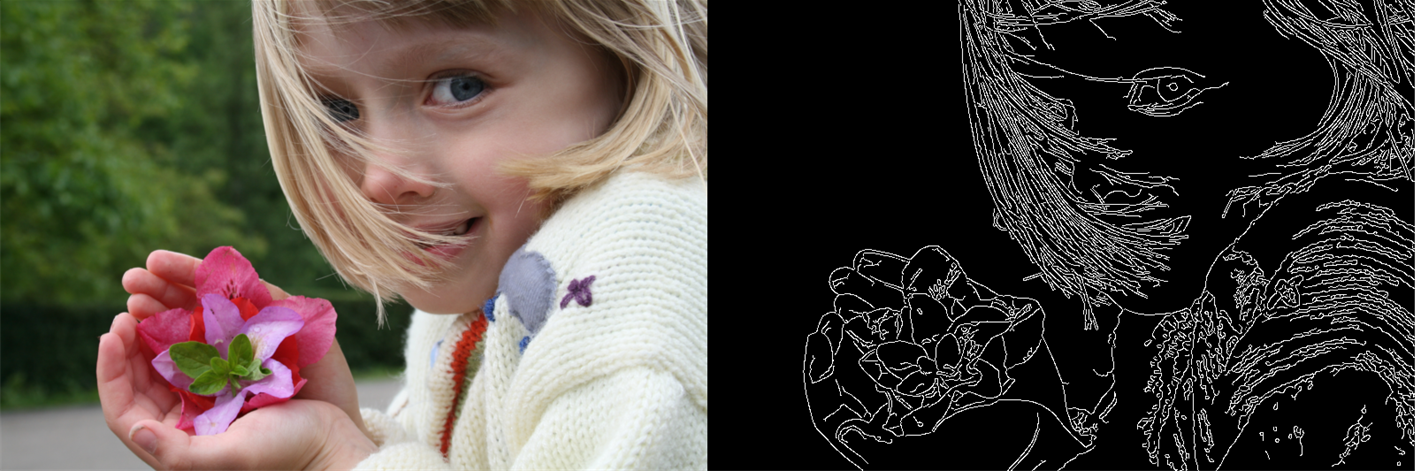
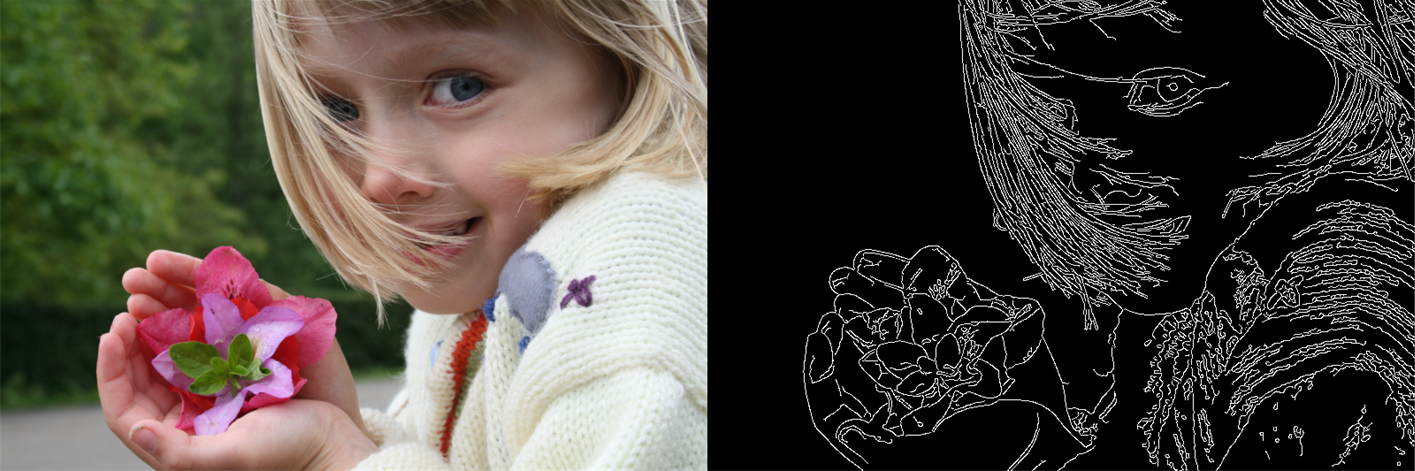
Feature detection (pictured: edge detection) helps AI compose informative abstract structures out of raw data.
— Graphic by JonMcLoone
#artificial intelligence
WEST WARWICK, R.I.
A whole new thing to worry about has just arrived. It joins a list of existential concerns for the future, along with global warming, the wobbling of democracy, the relationship with China, the national debt, the supply-chain crisis and the wreckage in the schools.
For several weeks artificial intelligence, known as AI, has had pride of place on the worry list. Its arrival was trumpeted for a long time, including by the government and by techies across the board. But it took ChatGPT, an AI chatbot developed by OpenAI, for the hair on the back of the national neck to rise.
Now we know that the race into the unknown is speeding up. The tech biggies, such as Google and Facebook, are trying to catch the lead claimed by Microsoft.
They are rushing headlong into a science that the experts say they only partly understand. They really don’t know how these complex systems work; maybe like a book that the author is unable to read after having written it.
Incalculable acres of newsprint and untold decibels of broadcasting have been raising the alarm ever since a ChatGPT test told a New York Times reporter that it was in love with him, and he should leave his wife. Guffaws all round, but also fear and doubt about the future. Will this Frankenstein creature turn on us? Maybe it loves just one person, hates the rest of us, and plans to do something about it.
In an interview on the PBS television program White House Chronicle, John Savage, An Wang professor emeritus of computer science at Brown University, in Providence, told me that there was a danger of over-reliance, and hence mistakes, on decisions made using AI. For example, he said, some Stanford students partly covered a stop sign with black and white pieces of tape. AI misread the sign as signaling it was okay to travel 45 miles an hour. Similarly, Savage said that the smallest calibration error in a medical operation using artificial intelligence could result in a fatality.
Savage believes that AI needs to be regulated and that any information generated by AI needs verification. As a journalist, it is the latter that alarms.
Already, AI is writing fake music almost undetectably. There is a real possibility that it can write legal briefs. So why not usurp journalism for ulterior purposes, as well as putting stiffs like me out of work?
AI images can already be made to speak and look like the humans they are aping. How will you recognize a “deep fake” from the real thing? Probably, you won’t.
Currently, we are struggling with what is fact and where is the truth. There is so much disinformation, so speedily dispersed that some journalists are in a state of shell shock, particularly in Eastern Europe, where legitimate writers and broadcasters are assaulted daily with disinformation from Russia. “How can we tell what is true?” a reporter in Vilnius, Lithuania, asked me during an Association of European Journalists’ meeting as the Russian disinformation campaign was revving up before the Russian invasion of Ukraine.
Well, that is going to get a lot harder. “You need to know the provenance of information and images before they are published,” Brown University’s Savage said.
But how? In a newsroom on deadline, we have to trust the information we have. One wonders to what extent malicious users of the new technology will infiltrate research materials or, later, the content of encyclopedias. Or are the tools of verification themselves trustworthy?
Obviously, there are going to be upsides to thinking-machines scouring the internet for information on which to make decisions. I think of handling nuclear waste; disarming old weapons; simulating the battlefield, incorporating historical knowledge; and seeking out new products and materials. Medical research will accelerate, one assumes.
However, privacy may be a thing of the past — almost certainly will be.
Just consider that attractive person you just saw at the supermarket, but were unsure what would happen if you struck up a conversation. Snap a picture on your camera and in no time, AI will tell you who the stranger is, whether the person might want to know you and, if that should be your interest, whether the person is married, in a relationship or just waiting to meet someone like you. Or whether the person is a spy for a hostile government.
AI might save us from ourselves. But we should ask how badly we need saving — and be prepared to ignore the answer. Damn it, we are human.
Llewellyn King is executive producer and host of White House Chronicle, on PBS. His email is llewellynking1@gmail.com and he’s based in Rhode Island and Washington, D.C.